
What Is Ratnapura Famous For? Know The Best Places To Visit In Ratnapura 

I wanted to begin this article with details about how the air in Ratnapura is different from the air in Colombo. 

However, the recent news about the Ratnapura air quality index (AQI) made me stop for a while. The presence of the main air pollutant PM2.5 in the quantity of 11 µg/m³ in the air is actually 2.5 times higher than the World Health Organization (WHO) standard. 

When I read the news, I could not match it with the heavy air of Ratnapura, constantly laden with the scent of wet earth, crushed tea leaves, and the electric promise of an impending downpour.

Also, when I first stepped off the bus onto the rain-slicked tarmac of this valley town, wrapped tight by the jagged peaks of the Sabaragamuwa Province, I felt an immediate shift in energy.

So, my experience of Ratnapura will always remain soaked in wet soil and very intimate. 

Ratnapura: The Story Behind The Name

Ratnapura gets its name from the Sanskrit words Ratna (Gem) and Pura (Town). So, literally, the name of the town means the “City of Gems.”

It is fascinating how the region has been unearthing unbelievable wealth out of the mud. These gemstones include:

  • Cat’s Eyes
  • Deep Cornflower Blue Ceylon Sapphires
  • Fiery Rubies
  • Alexandrites

Still, the glitz of neon lights has not touched Ratnapura. Everywhere you go, you will notice the rugged humility typical of a working class community. 

Also, as a traveler, getting my boots caked in mud was a way more rewarding experience for me than walking on a pristine resort floor. 

In the next section, I will describe in detail why Ratnapura is so famous and the best places to visit in the City of Gem. 

What Are The Best Places To Visit In Ratnapura? 

Located in the Sabaragamuwa province, Ratnapura is not just the Gem Capital of Sri Lanka. It is a rich depository of the fossils of extinct elephants and rhinoceroses from the prehistoric age. 

Furthermore, it is the gateway to Adam’s Peak, and it is home to the spiritually significant Maha Saman Devalaya. 

It is the shrine of Lord Saman, the presiding deity of the region. 

Moreover, as a high-rainfall wet zone of Sri Lanka, it is also famous for its waterfalls and ecotourism. 

1. Sinharaja Forest Reserve

Sinharaja Forest Reserve

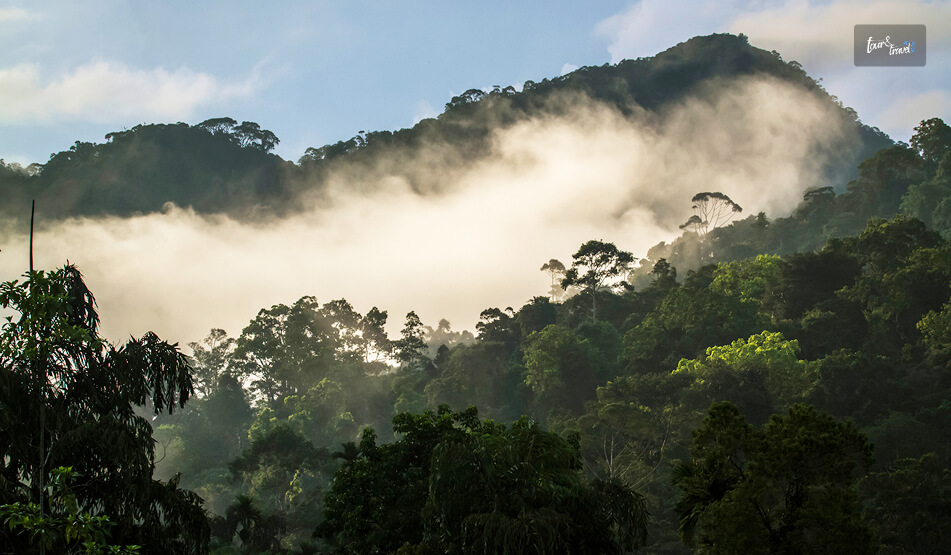
As I entered the forest reserve, for the first 20 minutes, my boots were in the mud. 

It is a UNESCO World Heritage Site and it is special as it is one of the last remaining virgin rainforests on Earth. 

Even in mid-noon, you will experience the thrill of the emerald twilight in the forest reserve as the canopy grows very dense. The canopy swallows the midday Sun. 

Nuwan, a local guide, accompanied me through the forest reserve. 

Within an hour, he silently pointed into the dense brush where a purple-faced langur monkey sat watching us with an expression of mild amusement. 

We spotted giant squirrels leaping across tree crests and listened to the distinct, symphonic calls of over 130 bird species. 

Keep a bottle of saltwater or a stick of soap handy, though, because the forest floor crawls with overzealous leeches who consider trekkers a moving buffet.

2. Udawalawe National Park

Udawalawe National Park

The Udawalawe National Park, with its sweeping grasslands and skeletal trees, offered a lot of drama. 

All these create a stark contrast against the distant highlands. Furthermore, the park is as thrilling as the African savannah for wildlife viewing. 

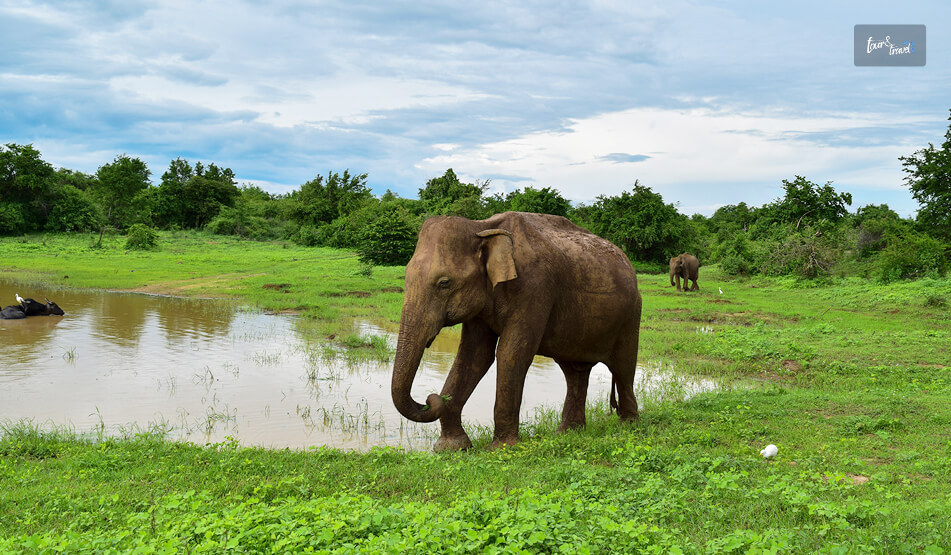
I was on an open-top jeep safari, and our driver had cut the engine near a large watering hole. Then, within minutes, I could spot a large herd of wild Sri Lankan elephants emerging from the scrub. 

Those were moments of absolute silence as three matriarchs gently guided a tiny, clumsy calf into the water, spraying mud to shield its skin from the Sun.

Along with the elephants, I could also see glimpses of water buffaloes tracking us with heavy gazes and water monitor lizards sliding into the reeds.

And the most fascinating part? I could spot a solitary, brief shadow that our driver swore was a Sri Lankan leopard.

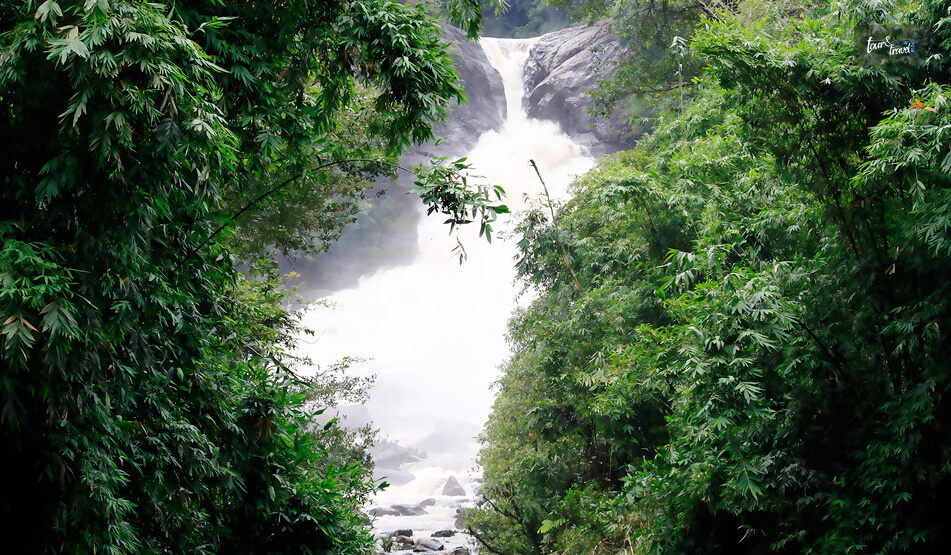
3. Bopath Ella Falls

Bopath Ella Falls

Bopath Ella Falls was a short drive from the city center in Kuruwita. 

The water flows through a narrow gap at the top and cascades down a stepped rock face, widening out into a shape that perfectly mimics the sacred Bo leaf (Ficus religiosa) 

Furthermore, a dense forest surrounds the pool at the bottom. I was a little tired, and I sat on a slick rock and sipped fresh king coconut water bought from a roadside vendor. 

He shared a fascinating local folklore with me. 

The old people say the pool is haunted,” he murmured, looking at the churning white water. “They believe a great ancient treasure trove lies buried underneath, guarded by spirits.”

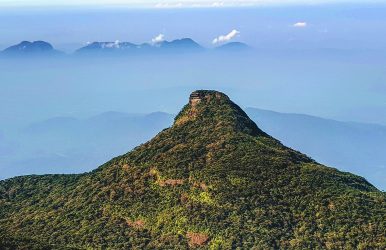
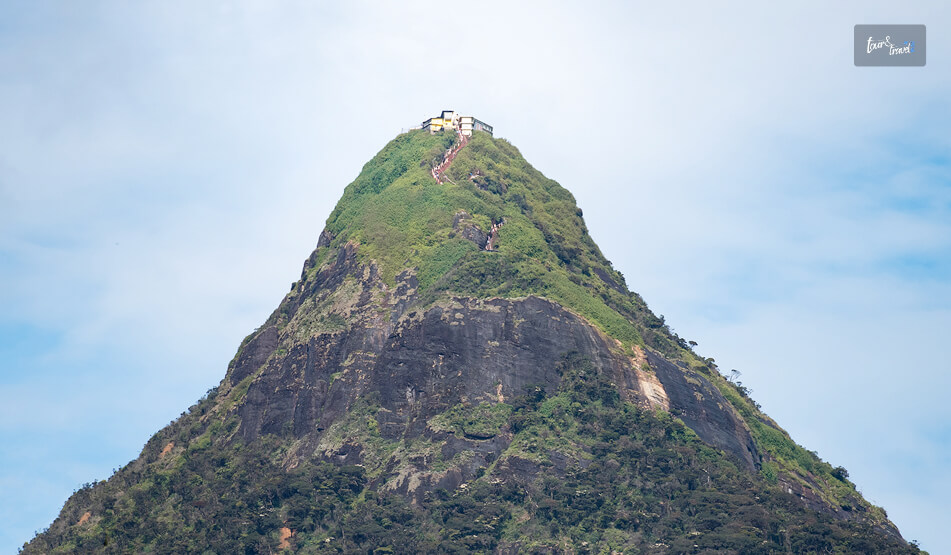
4. Adam’s Peak (Sri Pada)

Adam’s Peak (Sri Pada)

Climbing Adam’s Peak from the Ratnapura Side is a strenuous job, and the path is known as the “King’s Way.” It is an act of sheer endurance. 

The northern route from Nallathanniya is shorter and more popular. However, you cannot deny the allure of this southern trail which climbs over 7,300 feet via thousands of uneven, ancient stone steps.

I started climbing the Adam’s Peak under a blanket of stars, my calves burning instantly.

The closer I got to the top, the trails got steeper. 

Furthermore, as the Sun broke over the horizon, its rays cast a perfect, triangular shadow of the mountain across the misty lowlands below. 

The overall ambiance was deeply spiritual, and from pilgrims to adventure lovers, everyone can experience the shift of energy here. 

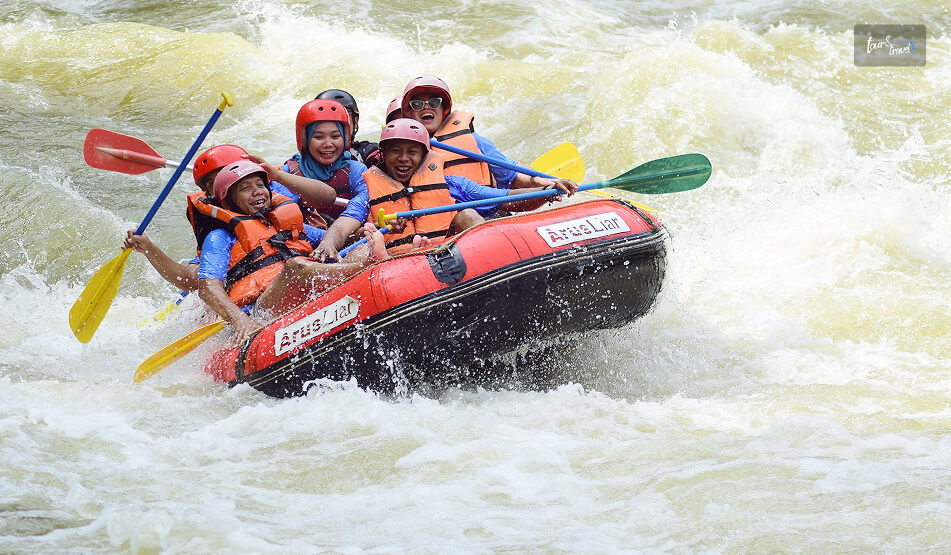
5. Kitulgala 

Kitulgala

If you want to complement the tranquil ambiance of Ratnapura with something more vibrant, you can head to Kitulgala. 

This small tone is home to a wet-zone rainforest that sees two monsoons a year.

It holds fame not only for its raw beauty but also as the filming location for the 1957 classic The Bridge on the River Kwai.

Furthermore, Kitulgala is the adventure capital of the region. I threw myself into white-water rafting down the churning Kelani River, gripping the paddle tightly as our raft slammed through technical, white-capped rapids.

Moreover, if you want to stay in the land, you can enjoy bird-watching, canyoning, and the rides of natural rock slides in the jungle. 

6. Maha Saman Devalaya

Stepping into the tranquil grounds of the Maha Saman Devalaya was a humbling experience. 

It is the spiritual heart of Ratnapura, and Sumana Saman, the presiding deity here, watches over the sacred mountain and the surrounding gem valleys.

Furthermore, according to a legend, a royal court minister built this temple after a successful gemming expedition. 

Though it carries deep historical Hindu influences, it functions today primarily as a serene place of Buddhist worship, framed by beautiful white Kandyan-style arches.

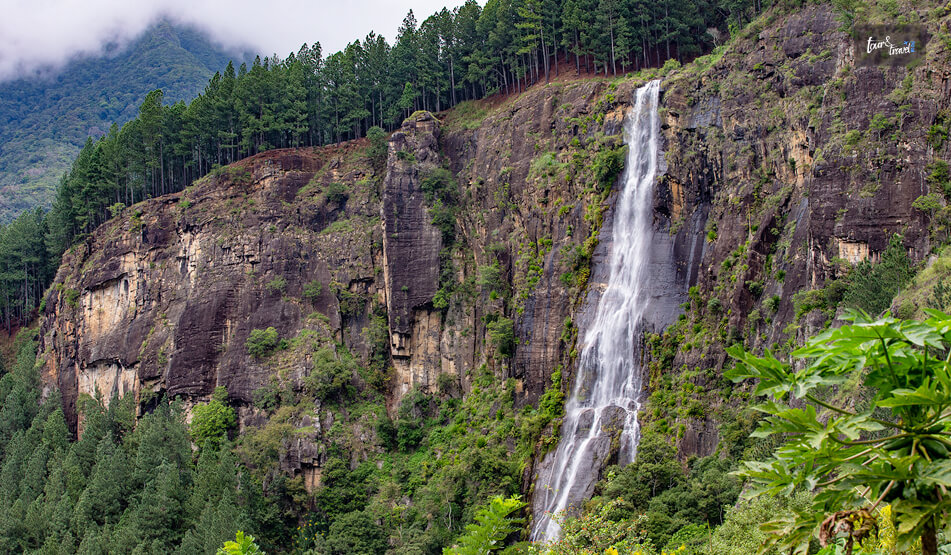
7. Bambarakanda Waterfalls

Bambarakanda Waterfalls

The Bambarakanda Waterfalls stand at an amazing height of 790 feet, and it is the tallest waterfall in Sri Lanka. 

I reached this waterfall after a steep hike through whispering pine forests. So, I did not feel the humidity and heat of the lower valleys here. 

The cliff face is regularly shrouded in thick, rolling mountain mist, giving the entire landscape an ethereal quality. 

Standing at the rocky base of the falls, looking up as the water plummeted from the clouds, I let the cool spray drench my face.

It was the perfect antidote to days of humid trekking.

8. The Gem Mines

The Gem Mines

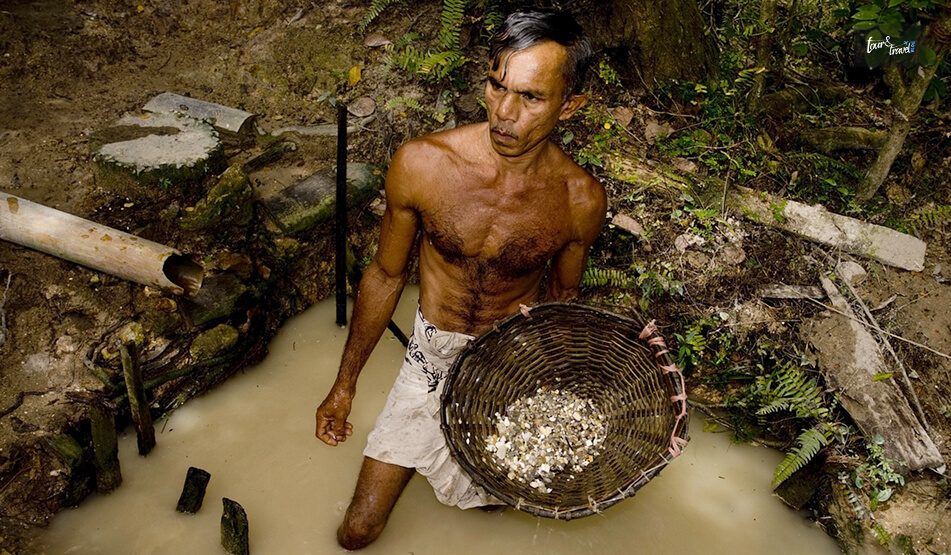
You cannot leave Ratnapura without visiting a gem mine. I bunked the commercial showrooms and walked out into the surrounding paddy fields to see a traditional, artisanal pit mine. 

I saw the miners digging deep, narrow shafts into the mud, reinforcing the walls with logs and fern leaves.

They haul up baskets of illam (gem-bearing gravel) using simple wooden pulleys, then wash the dirt away in nearby streams. 

A seasoned miner let me watch over his shoulder as he swirled a woven basket in the water, revealing a translucent, rough pebble of purple-blue sapphire. 

It was an unfiltered look at the hard, manual labor behind the world’s most glamorous stones.

9. Batadombalena

If you are a history enthusiast, Batadombalena is a must visit for you. 

This ancient rock cave and archeological site, hidden deep within the foothills, contains evidence of the prehistoric Balangoda Man (Homo sapiens balangodensis), dating back over 30,000 years.

I hiked up to the cave, walking through rubber plantations and dense thickets. 

Furthermore, this cave has excavation trenches where stone tools and charred animal bones were uncovered. 

10. National Museum Of Ratnapura

The National Museum of Ratnapura is inside the Ehelepola Walauwa, which is a historic colonial mansion. 

Here, I became familiar with the natural history of the valley. Also, I spent an hour marveling at prehistoric fossils of hippopotamuses, rhinoceroses, and elephants excavated directly from the local gem pits. 

It also holds an incredible collection of traditional weapons, ancient jewelry, and an educational breakdown of the region’s complex geology.

My 3-Day Ratnapura Itinerary

DaysThe Time of the DayActivities/Places to Visit Key Highlights and Tips
Day 1MorningMaha Saman DevalayaStart early to beat the heat, enjoy the crisp air, and listen to peaceful morning chants.
AfternoonBatadombalena Caves and Bopath Ella FallsHike up to explore prehistoric cave history, then enjoy a picnic lunch by the unique heart-shaped waterfall.
EveningCentral Clock Tower Street MarketWander the central streets to watch local merchants rapidly trading rough gemstones right on the pavement.
Day 2MorningSinharaja Forest ReserveEnter via Kudawa or Pitadeniya gates by 7:00 AM for the best chances of spotting active wildlife and rare birds. 
AfternoonUdawalawe National Park SafariHead south and hire a 4×4 jeep for a 3:00 PM safari to see elephants gathering by the water reservoirs.
Day 3MorningActive Gem Mine TourCoordinate with a local guide to visit a working mine; remember to tip the miners generously for their time.
AfternoonNational Museum of RatnapuraHead back into the city to view ancient fossils of extinct animals that once roamed the valley.
EveningLocal Culinary DiningWind down at a local eatery with traditional red rice, jackfruit curry, pol sambol, and sweet kithul jaggery.

Ratnapura: Muddy, Chaotic, And Magical 

Ratnapura is not the place where you will find curated beauty. It can be wet, muddy, and chaotic. 

However, if you don’t mind smelling the coffee, you will experience the magic it offers. 

The magic of the smile of a miner hauling up mud and the primeval silence of Sinharaja! 

Also, it is not the place where you will just pass through for the sapphires. 

Moreover, I would love to come back for the wild, untamed spirit and mist of the waterfalls. 

Read Also:

Share on Social Media

Sibashree is a travel, culture, and leisure writer who has been writing since the age of 12 and professionally since 2014. With more than a decade of travel writing experience and journeys across India and several parts of the world, she brings a deeply personal and thoughtful perspective to her work. A student of English Literature and Mass Communication, Sibashree has always viewed travel as more than movement — for her, it has been a way of understanding people, cultures, and herself. Her passion for spiritual exploration has also led her to many unusual and meaningful destinations over the years. Outside of writing, Sibashree enjoys watching European cinema, reading about global politics, and reflecting on the stories hidden within everyday places.

Leave a Reply

Your email address will not be published. Required fields are marked *

title-img Related

READ MORE Ella, Sri Lanka

What Are The Things To Do In Ella, Sri Lanka? A Narrative Of My Days In Ella

BY  Sibashree Mar 24, 2026

Ella is one of Sri Lanka's most beautiful towns.  Also, Ella is a place where many of my favorite Sri Lankan adventures are.  My first sighting of the famous Nine Arch Bridge, one of my first hikes at Ella Rock, standing at the edge of the roaring Diyaluma Falls, and many more.  Perhaps the most famous train ride in the world, from Kandy, passes through Ella as well. Ella is a quaint and beautiful town and is a great place to escape the heat of the southern coasts. However, over the last decade, this quaint little hamlet has become a large tourist destination.  Unfortunately, the growth has also brought some concrete eyesores to the village.  There is still plenty of magic to be discovered here, if you are willing to move beyond the Instagram hotspots. Having undertaken two comprehensive visits to this beautiful hill-country retreat, I have compiled the ultimate portfolio of things to do in Ella, Sri Lanka. What Are The Things To Do In Ella, Sri Lanka?  Despite the changes in Ella, Sri Lanka, the mountain ranges are just as majestic as they were years ago. Furthermore, the tea served is still some of the finest in the world. Moreover, people here are still warm.  And the most fascinating part?  Ella always brings out the explorer in you. How can you avoid the lure of riding in an open-air train or leaning over the edge of a waterfall?  Here is more about the exciting things to do in Ella, Sri Lanka.  1. Riding The Iconic Kandy To Ella Train The Kandy to Ella train ride is the best thing you will do in Sri Lanka.  The train passes through tea plantations and crosses gushing streams.  And you cannot expect less from a route that has been labelled by many as the most picturesque train ride in the world.  However, the train ride also allows you to indulge in the local vibe with local vendors hawking through the rush and the local boys singing and playing drums during the journey.  Also, the Nanu Oya to Ella scratch is the most beautiful in the entire route. Also, don’t go for a 1st class ticket and reserve a 3rd class class to enjoy the views through open windows.  2. Admiring  The Famous Nine Arch Bridge It’s astonishing to think that a single bridge could drive tourists in droves to a small town, but the Nine Arch Bridge is an engineering marvel that demands to be seen.  Standing 24 meters high and spanning 91 meters, it was completed in 1921 using only brick, rock, and cement, and there is no metal at all. When the mist hangs low in the valley, the bridge takes on a moody, mystical feel.  You can walk along the tracks or look down from the tea plantations below, but my favorite view is from the cafe platforms in the surrounding hills.  Watching the blue train slowly crawl across the arches is a sight I’ll never forget. 3. Hiking The Mighty Ella Rock  The hike to the mighty Ella Rock starts from the Ella railway station. It was a walk with waterfalls and small homes on the way.  Then, the steep ascent began.  After reaching the top, you will get a beautiful view of Adam’s Peak and Ella Gap. 4. Watching Sunset At Little Adam’s Peak The hike to Little Adam’s Peak is a gentler alternative to the hike to Ella Rock.  I walked through the lush tree plantations, and once I reached the top, the panoramic view before my eyes was nothing short of a movie frame.  Plan your hike in the late afternoon to enjoy the most amazing sunset views from Little Adam’s Peak. 5. Chasing The Diyaluma Falls I started from Ella to Poonagala, the starting point for the Diyaluma Falls hike, by taking a tuk-tuk.  The tuk-tuk took 1.5 hours.  Furthermore, from Poonagala, it was a downhill hike to the Upper Diyaluma Falls, which had a 220-meter drop.  There are natural infinity pools right at the edge where you can swim during the dry season.  From the upper Diyaluma Falls, it is another 30-minute hike to the Lower Diyaluma Falls.  6. Feeling The Mythological Connection At Ravana Falls  Ravana Falls is right by the road south of Ella.  Locals say that King Ravana took Princess Sita and hid her in the caves behind Ravana Falls.  Furthermore, you can see the Ravana Falls from the road. However, it is best if you hike to the second and third tiers.  7. Taking A Seat With Sir Thomas Lipton Tea is the lifeblood of this region, and a visit to Lipton’s Seat is a journey to the source.  This is the exact spot where tea mogul Sir Thomas Lipton used to sit and survey his empire.  On a clear day, you can see all the way to the south coast. Even on the foggy day I visited, sipping a fresh cup of Ceylon tea (the best I’ve ever had) while the clouds swirled around the summit was incredibly atmospheric. 8. Taking A Tour Of The Dambethenne Tea Factory When you go to the high country, you must learn the actual science of the making of your brew. I visited the tea company founded by Lipton himself in 1890 and saw how it was picked, wilted, fermented, and graded. All of these were new to me as an individual who drinks a lot of tea.  About 80% of this tea is sold in Colombo and then exported around the world. I especially found the fermenting room to be extremely interesting. 9. Feel The Adrenaline Rush At Flying Ravana If you need a break from the hiking, Ella recently opened Sri Lanka’s first-ever zip-line.  It stretches half a kilometer across the hills and hits speeds of 80kmph.  For around $20 USD, it’s one of the best value adrenaline fixes I’ve ever found. It’s located near the 98 Acres resort, making it a perfect way to end a trip to Little Adam’s Peak. 10. Mastering The Art Of The Curry At Ella, Sri Lanka  In my opinion, Sri Lanka has the best food (after my country, of course)! If you want to bring back a little bit of Sri Lanka to your home country, then you should try taking a cooking class.  Also, if you don’t have enough time, just try the food streets.  For me, it was a brilliant consolidation of my food tour in Jaffna. Though the food in Ella is creamier and less spicy than in Jaffna.  11. Witnessing The Grandeur Of Bambarakanda Falls The Bambarakanda Falls is the tallest waterfall in the country, and it falls from a height of 241 meters.  You can take a short hike or a tuk-tuk to reach the Bambarakanda Falls from Ella.  Then, stand at the base and feel the sheer power of that vertical drop.  Moreover, to enjoy the best flow of this waterfall, plan a visit between April and September.  12. Spotting The Elephants At Udawalawe Like the Kaudulla National Park, the Udawalawe National Park is also a great place for spotting elephants in the wild.  Ella is the base for a safari in the Udawalawe National Park.  I opted for an early morning safari, and I spotted adorable baby elephants with their mothers.  Don’t Forget To Party And Chill In Ella, Sri Lanka  Like Jaffna, a backpacker’s dream, Ella has also emerged as a hub for backpackers and budget travelers.  Ella Town is still a great place to unwind, and places such as Cafe Chill are at the epicenter of these scenes.  You can have some really good burgers and Lion Beer at some of these recognized cafes.  Moreover, when you spend time at these cafes, you don’t rush from one place to another, but study the local culture and understand how a country, ridden by cyclones, endless civil wars, and financial crisis, can still be the land of sunshine. 

READ MORE Jaffna temple guide

Jaffna Temple Guide: What Are The Top Hindu Temples To Visit In Sri Lanka’s North?

BY  Sibashree Jan 2, 2026

When Lonely Planet names Jaffna one of the 25 best cities to visit in 2026, it becomes a celebration of Jaffna’s culture and heritage. It is the spiritual heartbeat of the Tamil culture, and temples such as the Nallur Kandaswamy Kovil serve as the epicenter of the local community. Also, during my visit to Jaffna, I found the Hindu temples there similar yet different from South Indian temples. From the look of them, I could tell that there was something inherently Dravidian about them. However, the Jaffna temples have a wide use of palmyra wood instead of granite or bricks of the South Indian temples. Also, the temples in Jaffna, the spiritual and social anchors of the community, are more eclectic in nature compared to the South Indian temples. It is the intense spirituality that makes them so special. I shared a beautiful experience at Nallur Kandaswamy Kovil in my Jaffna Sri Lanka Travel Guide. It is about how a priest offered me sweets out of 1000s of devotees present there. Overall, these Hindu temples in Northern Srilanka are places to worship, appreciate architectural beauty, and celebrate the Tamil culture. In this Jaffna temple guide, I will talk about the major temples of Jaffna, their history, significance, hours, festivals, and more.  What Are The Top Hindu Temples To Visit In Jaffna, Sri Lanka?  The men entering the Nallur Kandaswamy Kovil were bare-chested. Now, I am familiar with such customs, being from India. But I saw some travelers being uncomfortable around it. Probably, they only go bare-bodied in public when hitting the best beaches in Jaffna. So, taking their shirts off for a temple visit was weird for them.  All the temples in Jaffna are associated with such customs, stories, history, and spiritual significance. Let’s talk about them in detail and know why you must include them in your Jaffna travel itinerary.  1. Nallur Kandaswamy Kovil (The Icon)  Nallur Kandaswamy Kovil, with Lord Murugan as the presiding deity, is the most prominent religious landmark in Jaffna, Sri Lanka. It is also an important place to learn about the Tamil culture in Jaffna.  Lord Murugan is the God of valor, eternal youth, and the destruction of ignorance. The Vel or spear in his hand stands for divine wisdom. He has six faces, which represent the five senses and the mind. These symbolize his mastery over all these faculties. The first thing I noticed was the magnificent golden Gopuram with detailed carvings. As I entered the temple, I felt calm instantly with the smell of the incense sticks. History And Significance Of Nallur Kandaswamy Kovil (Lord Murugan)  The current architecture of the Nallur Kandaswamy Kovil temple is of the 18th century, specifically in 1734. However, the origin of the temple goes back to 948 AD. The temple was further built in the 13th century by Puvenaya Vaku. He was a minister to King Kalinga Magha of the Jaffna Dynasty. Nallur was the capital of this dynasty. Currently, the descendants of Ragunatha Maapaana Mudaliyar and a private trust are in charge of the temple. The Golden Arch And Architecture  With the Dravidian style as the base, the Nallur Kandaswamy Kovil beautifully integrates water, wind, space, fire, and earth, the five elements that constitute the universe. Furthermore, the temple has four gates, and its multi-tiered gopurams feature sculptures of important mythological figures and Hindu deities. Again, the large halls (Mandapas) and compounds are ideal for gatherings and celebrations. These features show how these temples are important for the community activities in Jaffna. Visitor Rules: The "Shirtless" Law Explained  The Nallur Kandaswamy dress code requires men to wear dhotis with their chests bare. Women need to wear modest clothes with their shoulders and knees covered. Sarees, long skirts, and blouses are the ideal outfit for women. Like any other temple, here also, you need to take off your shoes before entering.  Nallur Kandaswamy Kovil Temple Timing  Check out the table below for details on the temple timing and rituals. Temple Timing HoursDoors Open 4 AM Morning Palliyarai Pooja 4:30 AM Ushathkala Pooja 5 AM Temple Doors Reopen, Morning 7:30 AM Kalasandhi Puja 10 AM Uchikala Puja 12 PM Temple Doors Reopen, Evening 3 PM Sayarakshai Pooja 4 PM Second Kala Pooja 5 PM Evening Palliyarai Pooja and Arthasama Pooja 6 PM  Major Festival At Nallur Kandaswamy Kovil  The annual Nallur Festival, observed for 25 days in August, is a major event at the temple. The celebration starts with a flag hoisting ceremony, and there are daily processions with Nadaswaram or music, dancers, and idols. Furthermore, on the 24th day, the devotees pull colossal chariots. This festival has a deeper cultural significance as it celebrates the Tamil identity of the Sri Lankan people. The Karthigai Festival, celebrated in the Tamil Month of Karthigai (November-December), is another major festival here. It is a festival of lights. How To Reach Nallur Kandaswamy Kovil?  I took a cab from Jaffna to reach Nallur Kandaswamy Kovil. I reached the temple within 5 minutes, and the price was INR 90. 2. Naguleswaram Temple (Keerimalai)  Naguleswaram Temple is the most revered among the Pancha Ishwarams of Sri Lanka, or the five prominent Shiva Temples in Sri Lanka. Furthermore, this Hindu shrine has all the features, such as the deity (Moorthy), the holy water (Teertham), and the temple with its precinct (Thalam).  The temple remains open from 6 AM to 11 AM and 4 PM to 7 PM. Naguleswaram Temple History  The Naguleswaram Temple or Keerimalai gets its name from Nagulam or Keeri, which means mongoose. It is associated with the myths of Nagula Muni or Nakula Swami, who was said to have a mongoose-like face due to a curse by another sage, Yamathagini. Nagula Muni was originally called Sudhama, and he got this name for a sacrifice he made during his penance. He regained his human form after a holy bath in the Keerimalai spring. A devout follower of Lord Shiva, Nagula Muni, built the shrine. That is why it is called the Naguleswaram Temple.  This temple has a mention in the Dhakshina Kailaya Puranam and Suta Samhita, a part of the Skanda Purana, which is also a prominent work on Shaivism. Thus, the temple is a prominent landmark in the spread of Shaivism in ancient Jaffna. Also, the Keerimalai spring here has a mention in the ancient texts. It has the water from the Ganga Samudra Sangamam or the sea and the coastal springs. Thus, the spring is seen as a symbol of the holy union of Lord Shiva and Shakti, the divine masculine and feminine. The spring water is believed to have curative properties, and it has an association with the Ramayana, as Lord Rama took a bath here. Naguleswaram Temple Destruction, Restoration, And Architecture  The Naguleswaram Temple you see today is a reconstructed form during the Mahakumbhabhishekam in 2012 under the leadership of the chief priest. The temple was severely damaged after the bombing by the Sri Lankan Army in 1983. Nevertheless, the first restoration of the temple took place by Prince Vijaya in 543-505 BCE. Then, in 1621, the Portuguese destroyed it. Again, nearly 400 years later, Arumuka Navalar revived it in 1894. Then, in 1918, it was destroyed by fire and later reconstructed. Moreover, the final blow was the bombing by the Sri Lankan Army, and it was restored in 2012.  The Current Architecture Of Naguleswaram Temple  True to the Dravidian style, the temple has big pillars, towering Gopurams, and intricate sculptures. However, with restoration in different ages, the temple now shows eclectic influences. So, along with granite stones, concrete and cement are widely used in the construction of these temples. Naguleswaram Temple Festivals Aadi Amavaasai is the main festival at the Naguleswaram Temple. It is the New Moon night in the Tamil month of Aadi. The Moon ascending in the Kataka rasi is occupied by the Sun. So, it is seen as the confluence of the Shiva and Shakti. On this day, the Sri Lankan Hindus pay respect to their ancestors. How To Reach Naguleswaram Temple (Keerimalai)?  The Naguleswaram Temple is located at a distance of 25 km from Jaffna. You will get Tuk Tuks and public buses (768 and 769) from Jaffna to this temple. Of course, you can book a private car to travel the short distance.  3. Nainativu Nagapooshani Amman Temple  Located at Nainativu Island, the Nagapooshani Amman Temple is located at a distance of around 35 km from Jaffna City. It is one of the 64 Shaktipeethas in the region, and Goddess Nagapooshani, an avatar of Devi Durga, is the presiding deity here. The goddess gets her name as Nagapooshani because the idol depicts a 5-headed cobra around her head. This also relates to her other name, Bhuvaneshwari, or the Queen of the Universe. She is also called Indrakshi, as she eliminated the curse of Lord Indra by transforming his wounds into eyes. Lord Indra was cursed by Gautama Maharishi, and he received the blessings of the goddess after penance. The History And Architecture Of The Nagapooshani Amman Temple  The current form of the temple is the restored version, which took place after the Portuguese attack in 1620. However, the restoration took place much later, between 1720 and 1790. Nainativu has been an important strategic location for the people of South India and the Hindus of Sri Lanka, as it was on an important trade route in the medieval era. The temple today has four large Gopurams, and the main Gopuram, or the Raja Raja Gopuram, rises to the height of 108 feet. The idol of Goddess Nagapoosani is also very unique here. The idol has a ten-headed statue of Ravana at the base. How To Reach The Nagapooshani Amman Temple  I took the bus 776 to reach the Kurikkaduwan Jetty from Jaffna city center. The journey took an hour, and from there, I boarded a ferry to Nainativu Island, and it cost LKR 160 for a round trip. The ferry ride took us around 20 minutes. Major Festival At Nagapooshani Amman Temple  The Mahostavam or Thiruvilla is the biggest festival at the Nagapooshani Amman Temple. It is a 16-day observation during the months of June and July. More than 100000 devotees attend this ceremony. The Nearby Nagadeepa Buddhist Temple  The Nagadeepa Buddhist Temple is within 700 meters of the Nagapooshani Amman Temple. The Mahavamsa Buddha, an ancient Pali text, records that Lord Buddha visited this island for the second time in the 6th century BCE. He made this visit for the pacification of two Naga kings who were at loggerheads. Today, it has a main Stupa and a Bodhi Tree. Of course, the ambience is very peaceful. Hidden Gems: Lesser-Known Temples For Culture Lovers  Along with these major Hindu temples, Jaffna also has many lesser-known temples. Here, I will share details about the ones I loved.  1. Vallipuram Alvar Vishnu Kovil (Point Pedro)  Built by the Vijayanagar kings, the Vallipuram Alvar Vishnu Kovil is one of the ancient temples in Jaffna. The Maha Vishnu Utsavam festival here in September and October is the biggest celebration here. The pillars of this temple are intricately carved. 2. Selva Sannithi Murugan Temple  The Selva Sannithi Murugan Temple near the Thondaimanaru Aru stream has Lord Murugan as the presiding deity. Chola King Kulottunga first built the temple from 1070 to 1122 A.D.  3. Maviddapuram Kandaswamy Temple (The Historic Royal Temple)  King Thissai Ukkirasinga Cholan built this temple dedicated to Lord Murugan around 789 AD. He built the temple after his daughter, Maruthapuraveegavalli, got rid of her congenital deformity, a horse-like face, by the grace of Lord Murugan. Maviddapuram also literally means the holy city (Puram) where the horse (Ma) was removed (Vidda).  Cultural Immersion: The Annual Festival Of Nallur Kandaswamy Kovil  The Annual Nallur Festival, centered on the Nallur Kandaswamy Kovil, is a deep spiritual and cultural experience. A local friend of mine shared that more than 60 priests were present at this festival. The best thing is the inclusive spirit and vibe of the temples. There are no VIP gates or lines. Everyone is treated equally. The Festival Experience  From the grand chariot festival to devotees performing penance, the 25-day celebration is quite eventful. It begins with Kodiyetram, or the flag hoisting ceremony. The Chariot Festival or Ther and the Water Cutting Ceremony or Theertham are the other highlights of the festival. It culminates with Tirukalyanam or the divine marriage ceremony. Cultural And Spiritual Highlights The festival is dedicated to Lord Murugan (also known as Kandaswamy or Skanda), who is worshipped here in the form of the Vel (sacred spear).  1. Discipline And Purity  The people of Nallur are very particular about punctuality, and they adhere to their traditions. You have to maintain silence inside the inner sanctum, and the atmosphere there is meditative. 2. The Chariot Procession (Ther Thiruvizha)  The 24th day of this 25-day-long festival is reserved for the grand chariot procession. In 2025, the Annual Nallur festival started on 29th July, and the chariot procession took place on August 22nd. Devotees pull the wooden chariot of Lord Murugan by thick hemp ropes. “When we pull the ropes, we feel that he is among us! The divine.” A temple volunteer shared with me. 3. Acts of Devotion (Penance)  Kavadi Attam: Kavadi Attam is a rhythmic dance where devotees carry decorated semicircular structures or Kavadi in their hands.  Angapirathshanam: Some people perform an extreme level of penance by rolling their bodies along the hot sands surrounding the temple. This is a form of prayer and humility. Self-Mortification: Again, this is not for the faint-hearted. The devotees pierce their skin with small silver spears to fulfill vows.  4. The Atmosphere In Jaffna  The air reverberates with the resonance of the Nadaswaram, a long pipe instrument, and the drum or Thavil during these 25 days. The environment is trance-like. Also, the streets are decked out in a sea of white, gold, and red, the temple's signature colors. You can try the famous Nallur ice cream, Vadai, and Murukku, and the traditional food of Jaffna at the temporary street stalls.  However, as I mentioned earlier, the festival's greatest asset is unity. People from all walks of life and irrespective of their social status stand shoulder-to-shoulder to pull the chariot. Practical Tips For Visitors  You have to be an early bird to see the Chariot Festival, as the temple grounds get filled by 5 AM. You cannot take photos inside the inner sanctum, and it is disrespectful to turn your back to the deity and take selfies. The Sun is scorching in Jaffna during this festival. So, carry water. If you want to donate, do so only in the designated boxes or areas of the temple. A Jaffna Temple Guide Tips From Experts People of Jaffna are warm and inclusive. However, they are very sincere about their traditional practices. So, follow these tips. “The temple is not a tourist attraction; it is a living organism of devotion. Every renovation and every ritual is done to enhance the 'Vibration' (Shakti) of the space, not just its beauty.”  - A Temple Trustee Member Shared.  1. Evening Puja Feels Different  I visited the Nallur Temple at around 4:30 PM. The atmosphere was electric with the trumpet and drumming music. Also, it was less crowded. 2. You Will Get The Archana Or Fruit Basket Outside The Temple  Buy the fruit basket for $2-3 and hand it to the priest after entering the temple. Be a part of the ritual. 3. Be Respectful To The Vibuthi Or Holy Ash When the priest offers you the Vibuthi or the Kungumam (Red Powder), you must put it on your forehead. 4. Carry Extra Clothes For Keerimalai Dip  At Naguleswaram, pack a change of clothes. You can bathe in the historic Keerimalai ponds next to the ocean. It’s said to cure skin ailments.  5. Carry Cash For Shoes  You will always find a shoe keeper at the gate. Keep a small change of 50-100 handy. 6. The Island Commute  If you are traveling to Nainativu, arrive at the Jetty by 8:00 AM. It will help you avoid long queues and the Sun in the open sea. Temple-Specific Architecture And Jaffna Architecture Photography  You will notice a fusion of the Dravidian style of architecture and Portuguese, Dutch, and British styles in the Jaffna temples. They have the large Gopurams, a signature of the Dravidian architecture of Sri Lanka. Furthermore, these colorful temples of Sri Lanka have wide circumambulatory paths and sturdy outer walls. Unfortunately, you cannot take photographs inside these temples. For Gopuram photography in Jaffna, you have to capture the golden-ochre Gopurams from the surrounding roads, like Point Pedro Road, during "Golden Hour."  In July and August, especially during the Nallur Annual Festival, you will love capturing the street photos and the devotees in action. Jaffna Temple Visit Itinerary: Nallur And Nainativu  Here is a combined itinerary of Nallur Kandaswamy Kovil and Nainativu Nagapooshani Amman Kovil. Morning in Nallur • 5 AM to 6:30 AM - Attending the first puja at the Nallur Kandaswamy Kovi• 07:00 AM: Having hot Jaffna Dosa for breakfast.Mid-Day: The Island Pilgrimage (Nainativu) • 08:30 AM: Depart Jaffna for the Kurikadduwan (KKD) Jetty.• The drive takes about 1 hour across the scenic Kayts and Pungudutivu causeways.• 09:45 AM: Board the ferry to Nainativu Island.• The Ferry: It is a public service (approx. 80–100 LKR). The ride takes 15–20 minutes. • 10:15 AM – 12:30 PM: Explore the two major sites on the island: Nagapooshani Amman Kovil and Nagadeepa Purana Vihara (A 5-minute walk or short tuk-tuk ride away). Afternoon: The Return & Coastal Views • 01:00 PM: Catch the ferry back to the mainland.The last public ferry usually departs around 4:00 PM, but schedules can shift.• 02:30 PM: Stop at the Baobab Tree on Pungudutivu Island on your way back. It is a massive tree planted by Arab traders centuries ago.• 04:00 PM: Arrive back in Jaffna. Visit the Jaffna Fort for sunset to capture the coral-stone walls against the sea.  Jaffna Temple Guide: Frequently Asked Questions (FAQs) Here are the frequently asked questions and answers about the Jaffna temple guide. 1. Can Non-Hindus Enter Jaffna Temples?  Yes, non-Hindus can enter Jaffna temples. However, you need to be respectful of the temple's customs. Be careful about the dress code, as women need to wear modest clothes and men need to wear dhotis with a bare chest. 2. Is It Safe To Travel To Jaffna Now?  Jaffna is currently recovering from the aftermath of Cyclone Ditwah. Also, the recent Chikungunya outbreaks have been a concern. Still, Jaffna is one of the most popular bucket-list destinations in 2026. Also, politically, it is stable, and there is increased landmine safety with military installations in multiple places. However, you must always carry your original ID and passport. 3. How Long Does A Temple Visit Take?  It will take around 45 to 60 minutes to explore each temple in Jaffna. However, if you want to attend the Pujas or talk to the trustee members about the history and significance of the temple, you may need an additional 45 minutes to one hour. 4. Are There Guides Available At The Temples?  No, there are no official guides available at the temples in Jaffna. However, you can hire a local guide or get in touch with the temple volunteers and trustee members for more guidance on the temples and the protocols of visiting them. 5. What Is The Red Dot Placed On The Forehead?  The red dot placed on the forehead is called Pottu or Tilak. It is a blessing from the deity, and it symbolizes divine wisdom. You must be respectful when the priest applies the red dot on your forehead. Read Also: What Are The Raja Ampat Liveaboard Tips? What Are The Best Liveaboard Diving Trips In Raja Ampat? What Are The Kotor Montenegro Free Activities For Budget Travelers? (Cheap And Free Are Not The Same) Top 13+ Famous Wonders Of India That You Must Visit [Updated 2024]

READ MORE Jaffna beach guide

The Ultimate Jaffna Beach Guide: What Are The Best Beaches Near Jaffna, Sri Lanka? 

BY  Sibashree Jan 9, 2026

The northernmost major city of Sri Lanka is famous for its beautiful Hindu temples, such as the Nallur Kandaswamy Kovil and Naguleswaram Temple (Keerimalai). It also stands out with its unique sculptural scenario and great food.  However, very few people talk about the beautiful beaches of Jaffna, such as Kankesanthurai and Casuarina. During my trip to Jaffna, I loved the white sands, calm shallow waters, and Palmyra trees. Also, the Jaffna beaches are a paradigm shift from beach towns like Mirissa.  You will not get the vibrant nightlife or the maddening crowd. The vibe is pristine and slow. And with the Sri Lanka Tourism Development Authority (SLTDA) focusing on Jaffna now for the diversification of the country’s tourism profile, these beaches are going to play a vital role.  In this Jaffna beach guide, I will talk about the most prominent beaches, the amenities, expert tips, and more.  What Are The Best Beaches Near Jaffna Sri Lanka? The beaches in Jaffna show a contrasting vibe in comparison to the beaches near Colombo, such as Bentota or Unawatuna. The Colombo beaches are touristy and offer watersport activities such as parasailing, diving, and surfing.  On the other hand, the shallow water of Jaffna is ideal for swimming. Also, the golden sands of the Colombo beaches are replaced by the soft white sands.  Overall, the beaches in Jaffna focus more on tranquility and show the slow-paced vibe of the city. You know Jaffna Siesta is a real thing!  1. Casuarina Beach (Karainagar) Casuarina Beach Entrance Fee: 500 LKR (Foreigners), 50 LKR (Locals) Distance from Jaffna: 21 Kms As you reach the Casuarina Beach, a wide stretch of casuarina trees, creating a canopy over your head, welcomes you. The beach gets its name from these trees.  The stretches of the soft white sand of the beach are also surrounded by palm trees. Furthermore, the west-facing is known for beautiful sunset views.  What Are The Things To Do In Casuarina Beach?  Casuarina Beach is a place to relax. The shallow water here is ideal for swimming. You can go to the middle of the ocean, where you will find fishermen in action.  The fishermen ride in a raft-like boat. You can join them and have a conversation about their daily lives and how they survive the sea. For me, it was pretty much the “Riders to the Sea Moment.” Also, Kamban, a middle-aged fisherman of Jaffna, shared something about the impact of the Civil War here. He reminded me of a Reuters report published many years back. It talked about how the Puthumathalan beach, around 113 km from Jaffna, was filled with broken medicine bottles, pieces of clothes, and rusty cooking pots as the aftermath of the civil war.  Nevertheless, Kamban said, “You know, we did not have any food. We could not go out for fishing, and we never knew who would be the next to take a bullet.  We are now recovering and getting tourists. Still, we need more support, and the fear will remain among people of my generation and the next one.” Today, Casuarina Beach has some beach clubs and resorts offering water sports activities such as snorkeling and jet skiing.  Still, I feel, it’s a place to relax and ponder over how the locals are showing resilience to maintain the glory of a city devastated by the Sri Lankan Civil War.  Also, the Casuarina Beach is the place to try the authentic food of Jaffna. I loved the crabs and vadai here.  How To Reach Casuarina Beach From Jaffna?  The most convenient way to reach the Casuarina Beach is to take a private taxi to Jaffna. The cost will be around 1200 LKR.  2.  Kankesanthurai (KKS) Beach Entry Fee: Free Distance from Jaffna: 19 Km How to Reach: Take Tuk-Tuks from Jaffna The Kankesanthurai is a navy-maintained beach with sparkling blue water. It is also just 10 minutes away from the Keerimalai Freshwater Springs, one of the iconic landmarks in the spiritual and cultural landscape of Jaffna. Also, the nearby Thalsevana Resort is a place to relax and try authentic Jaffna cuisine while indulging in the beauty of the pristine beach.  You can swim in Kankesanthurai. However, you need to be careful about the current. However, this beach is more popular for the snorkeling activities and is famous for the Keerimalai to Kankesanthurai Walk.  Kankesanthurai (KKS) Beach Snorkeling  Kankesanthurai, with its shallow water and some marine life and corals visible, is a decent snorkeling site. I saw some sea turtles while swimming at Kankesanthurai beach.   The water here is warm, and the calm conditions make it beginner-friendly. May to September is the best time for snorkeling in Kankesanthurai.  However, there is no established snorkeling facility here. So, you need to bring your own gear, including fins and masks.  So, if you want a proper snorkeling experience, you can explore alternative locations in Sri Lanka, such as the Nilaveli Beach of Pigeon Island, which also has the Pigeon National Park.  The Coral Island of Trincomalee and the southern coastal spots such as Hikkaduwa & Mirissa are some of the best locations to try snorkeling in Jaffna.  Keerimalai To Kankesanthurai Walk The distance between Keerimalai and Kankesanthurai is just around 2 km. So, when you start from Keerimalai and walk north toward Kankesanthurai, you will reach your destination in 25-30 minutes.  There is no marked beach trail for the walk. However, as you proceed, you will experience amazing coastal views and fishing activities, especially near the pier and shorefront.  However, if you want to beat the heat, you can take a tuk-tuk to reach the beach from Keerimalai. Manalkadu Sand Dunes: The Hidden Gems Near Jaffna  Manalkadu sand dunes are the ideal location for an off-the-grid camping experience in Jaffna. Also, at times, I want absolute silence around me. Being an introvert, too many interactions and activities often drain me.  Stargazing in those moments works like a therapy for me. If you are also like me and want the world around you to “Shut Up,” you must try stargazing at Manalkadu.  The long chain of sanddunes here stretches to meet the sea, and this is a geologically striking feature. The desert-like setup and the sand dunes offer some “interesting perspectives” for photography, especially while watching the sunset.  And the best way to experience stargazing at Manalkadu? Try off-grid camping here.  Camping At Manalkadu And Stargazing  I set up my tent on the Manalkadu beach, and the wild, open area with almost no light pollution offered the best stargazing experience. Of course, it was not as vivid as stargazing in Great Barrier Island.  Still, the spontaneity and simplicity won me over. However, Manalkadu is not a formal camping or stargazing site. So, you will need to bring your tent, telescope, red light, water, and other essentials.  Also, we spotted some fishing huts on the beach. We sought their permission, and they happily agreed. In fact, they shared their meal with us, allowing me to spend more time stargazing and enjoying the silence. Things To Pack For Camping At Manalkadu  Manal Kadu means sand jungle in the Tamil Language. True to its name, it is a pristine place where desert, jungle, and the sea co-exist.  Also, it is called the “Swimming Pool of the North.” Nevertheless, since it has a primitive setup, you need to carry some essentials.  Tent Sand Anchors or Stakes Plenty of Food and Water Nearby Portable Stove Cooking Gear Headlamp or Lanterns First-Aid Kit Power Banks Trash Bags The Quiet Alternatives: Jaffna Beaches Do you want to enjoy a sunset stroll by the water with no one around? Visit the quieter alternatives such as the Charty Beach and Akkarai Beach. 1. Charty Beach The Charty Beach is on Velanai Island, and it is a 15 km drive from Jaffna City. You will reach the beach from the city within 30 minutes after a journey through the Jaffna–Pannai–Kayts Road.  The warm water here is ideal for swimming, and you can even try near-shore paddling. Changing Facility• Nearby Huts• Rest ShadesFood And Snacks• Local EateriesAccomodation• AC and Non-AC Rooms at Charty Beach ResortLifeguard• Not Available Ideal Season • May to SeptemberBest Time to Visit in a Day• Early Morning• Late Afternoon 2. Akkarai Beach  Take a drive for around 30-40 minutes to reach the Akkarai Beach in Thondamanaru. Lying along the Palk Strait, it stretches toward the Indian coastline.  It is very close to the Lord Murugan Temple and the Thondamanaru Bridge.  Parking FeeFreeResting AreasBenches and Shaded SpotsWashroomFreshwater Wash AreasSwimming ConditionNear-Shore Swimming with the Sandy Bottom Deepening GraduallyLifeguardsNot Available. So, Don’t Swim when the Current is Strong.  Best Months May to SeptemberBest Time to Visit in a Day• Early Morning• Late Afternoon Beach Amenities And Safety Guide Once again, the Jaffna beaches are not the luxury tropical getaways you are looking for. So, you must have a clear idea about what to expect at these pristine beaches.  Also, learn about the safety infrastructure before getting into the water.  1. Basic Beach Amenities  Casuarina Beach has paid changing rooms. However, other beaches have no makeshift provisions for changing and resting.  So, you must carry beach umbrellas and folding chairs if you don’t want to sit on the sand.  There is no official presence of a lifeguard or support on these beaches. Network coverage is decent. However, you can face connectivity issues if the weather deteriorates.  The beaches in Jaffna are accessible from Jaffna City by tuk-tuk and other vehicles. However, in Casuarina Beach, you will have to pay a small fee for entrance and parking your vehicle.  2. Safety And Norms Do not go very far into the ocean water, as there can be strong currents, and there is no formal lifeguard support.  Also, be careful while walking barefoot on the sand,d as there can be seashells and seaweeds.  In addition, dress modestly, shorts and T-shirts are fine! Also, do not leave trash behind.  Exploring The Jaffna Coastline: Know The Expert Tips  Want to explore the coastal beauty of Jaffna to the fullest? Follow these expert tips.  1. Go On Weekdays You will find local buses packed around the Casuarina Beach, and the noise of loud music can be an annoying factor.  Choose a Monday or Tuesday for your ocean visit to spend some moments of quietude. 2. Bring Reef Shoes The Charty and KKS beaches have sharp dead coral very close to the water's edge. So, your feet may get a cut if you don’t wear reef shoes.  3. Have Navy Food  When you are visiting the Kankesanthurai (KKS) beach, you don’t need to eat at a beach shack. You can walk into the Thalsevana Holiday Resort run by the military.  Enjoy a hygienic and tasty lunch and cold beer there while enjoying the ocean view. 4. Riding On Manalkadu? You Will Need A 4X4  You can drive a scooter to Manalkadu. However, you have to park it on the hard road. You cannot take it to ride onto the sand dunes, and the wheels will get stuck.  5. Morning Is The Best Time For The Beach Visit  You cannot visit a beach in Jaffna at noon. The Northern Sun is scorching. So, plan a visit between 7 AM and 8 AM or after 4 PM.  6. You Can Wade In Akkrai But Cannot Swim  The water at the Akkarai Beach is usually knee-deep. So, you can wade through the water of this beautiful beach.  However, swimming does not look like an ideal activity here.  7. Changing Rooms Are Basic The Casuarina Beach has changing rooms. However, these rooms are just concrete stalls with a bucket of water.  You will have to bring your towel and toilet paper.  8. Respect The Fishermen Most beaches in Jaffna are like a workspace for the fishermen. So, there will be fishing boats and nets on the shore.  You cannot step on or lie on them. Do not tamper with them.  9. Drink Thambili To Stay Hydrated  Jaffna beaches do not have places serving fancy cocktails. The best refreshment is to drink the King Coconut or Thambili water.  It replenishes the micronutrients, and it is a must-have when the Sun is scorching. What Are The Authority Voices On Jaffna Beaches And Coastline?  “Casuarina Beach is named after the shady trees that line it, offering a rare respite from the scorching Northern sun. It’s the closest Jaffna gets to a holiday vibe.” - The Lonely Planet.  “Don’t expect the polished tourism of the South. Jaffna’s beaches are raw, working coastlines where fishermen outnumber tourists—and that is their charm.” - Rough Guides.  Jaffna Beach Guide: Frequently Asked Questions (FAQs)  Here are the frequently asked questions and answers about the Jaffna beaches.  1. Can Foreigners Swim In Jaffna Beaches? Yes, foreigners can swim in Jaffna beaches. Casuarina and KKS beaches get many foreign visitors. The KKS beach offers free entry. However, for the Casuarina Beach, the entry fee is 50 LKR for locals and 500 LKR for foreigners. Also, the amenities at the Jaffna beaches are basic. So, a foreigner looking for a luxury beach experience or the resort vibe can feel disappointed.  2. Is It Safe To Wear A Bikini At Jaffna Beaches? There is no formal restriction regarding wearing bikinis at Jaffna beaches. However, the social setup of Jaffna is conservative. So, there can be stares, and you may feel out of place. So, wear shorts and T-shirts while swimming. 3. Are There Sharks In Jaffna?  You will rarely see sharks in the waters of Jaffna. However, you will find sea turtles and coral reefs in the waters here. The water here is very shallow.  4. Which Is The Cleanest Beach In Jaffna?  Kankesanthurai (KKS) is a navy-maintained beach, and it is the cleanest in Jaffna. It also has the Thalsevana Holiday Resort, run by the military. You can have food and drink here.  5. Can I Surf In Jaffna? No, you cannot surf in Jaffna. The water here is shallow and calm like a lagoon. If you want to surf in Jaffna, you can go to Arugam Bay on the East Coast.  6. Are There Hotels On The Beaches Of Jaffna?  Yes, though not frequently, there are some hotels on the beaches of Jaffna. For example, KKS has the Thalsevana Holiday Resort and the Charty Beach has the Tilko Charty Beach Resort. Furthermore, there are smaller guesthouses near the Casuarina beach.  7. What Is The Best Time Of Year To Visit Jaffna Beaches?  May to September is the ideal time for exploring the northeastern beaches of Jaffna. Jaffna has dry weather conditions in these months, and the calm water is ideal for swimming and snorkeling. Jaffna experiences heavy rainfall from October to December. So, avoid these months.