
What To Do In Weligama In 2026? Beach, Nightlife, Water Sports, And More

From the beaches of Jaffna to Weligama, Sri Lanka has so many places that can teach you the art of slow traveling and the TravelDownUnder philosophy

The southern coast of Sri Lanka, especially, has a distinct magic. Furthermore, the Hiriketiya Beach and Mirissa Beach often steal the social media limelight. 

However, Weligama is an exception even in this age of Instagram craze. The region has a legendary surf culture and a salty heart. 

So, surfing is the most popular answer when you ask what to do in Weligama. 

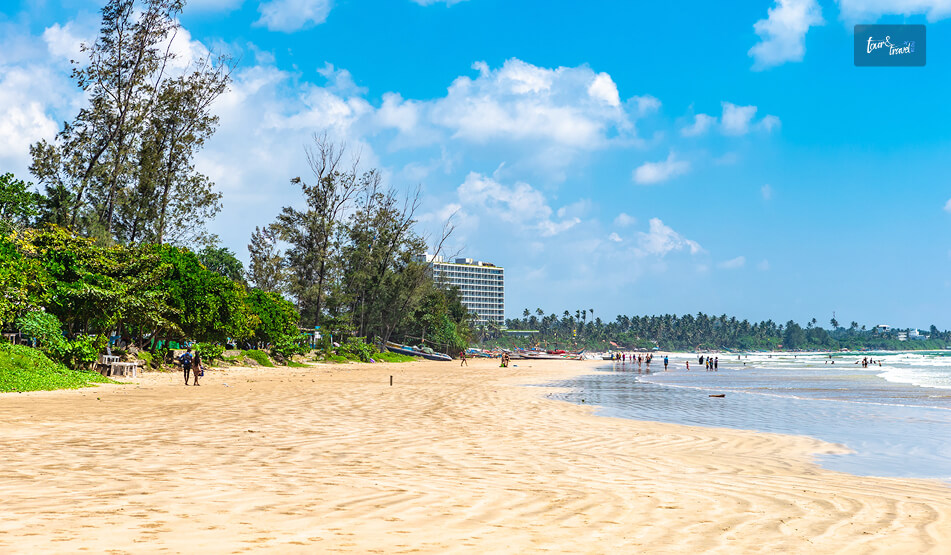
It has a massive, shallow crescent bay that transforms everyday ocean swells into beautifully consistent, beginner-friendly rollers.

However, surfing is not the only activity you will love in Weligama. Even if you never plan on waxing a surfboard, the laid-back beach town pulls you in with an infectious, slow-paced lifestyle. 

Moreover, here you will spend the mornings in flat whites, hide from the tropical Sun in shaded pools in the afternoon, and enjoy the distinct nightlife. 

So, as I was on a backpacking trip to Sri Lanka, I enjoyed every bit of this remote coastal area. 

I have penned my experience, the best things to do in Weligama, what to eat, and more in this article. 

What To Do In Weligama? Indulging In The Quintessential Coastal Experience In Sri Lanka

What To Do In Weligama Indulging In The Quintessential Coastal Experience In Sri Lanka

According to a recent report of the World Economic Forum regarding the Jobs and the Future of Work, 25% of the workforce in the world will be fully digital. 

With this shift in the workforce, there will also be a paradigm shift in the way young people and professionals travel. 

The digital nomads especially look for budget-friendly and beautiful locations that offer them the ease and amenities of working. 

In this regard, Weligama in Sri Lanka remains a prominent choice, and even according to a survey of the Hotel With Tub website, Weligama has secured the 43rd place among the 100 best destinations for digital nomads in the world

It is affordable, and you must try the following attractions here. 

1. Enjoying The Quintessential Weligama Surf Experience 

Enjoying The Quintessential Weligama Surf Experience

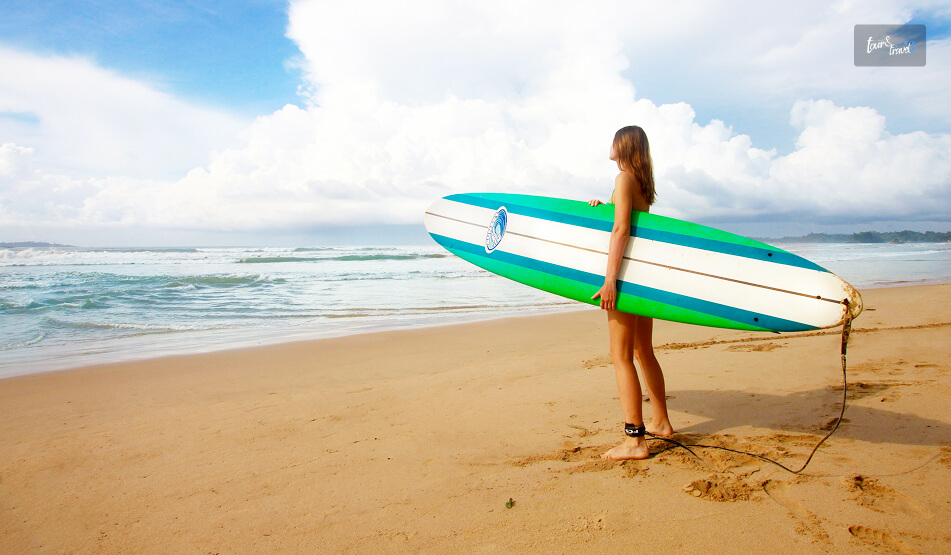
Surfing is the very fabric of Weligama. Decades ago, some eager travelers chased the rumor of finding the perfect breaks in this sleepy fishing hub. 

Today, it is one of the premier learning grounds for surfers in Asia. 

The gentle sandy floor of the slope reaches across hundreds of meters in the water. Thus, the incoming waves lose their chaotic bite and turn into rolling whitewash, 

With the waves getting predictable, even if you are stepping onto a board for the first time, you can walk down the main beach strip to find dozens of local wooden shacks offering board rentals and affordable one-on-one coaching.

However, that does not mean that Weligama will disappoint the advanced surfers. For example, Kima Surf Camp is a high-end hub for premier surfers. 

Housed within a meticulously restored colonial mansion, it pairs intensive, expert-led coaching with a vibrant communal lifestyle, yoga classes, and poolside recovery sessions. 

2. Attending A Rooftop Yoga Session At Hangtime Hostel 

The neighboring Ahangama is a more popular place for the niche Yoga subculture. However, the Yoga studios in Weligama stand out because of their amazing views. 

The Hangtime Hostel is the place I visited, and the open-air rooftop platform grounded me as soon as I stepped in. 

Also, it offers a quick relief from the street noise, and on one side, it offers the most amazing view of the expansive Indian Ocean. 

On the other hand, the dense, emerald canopy of the Sri Lankan jungle sways in the breeze. 

Like every day, the classes began at 9 AM, and I was a little early to reach as I wanted to secure a good spot. 

Furthermore, the session was on Power Vinyasa, and it cost around LKR 2500. 

3. Chasing Horizons In The Golden Hour 

Along the southern coast of Sri Lanka, Sunset is more than a natural occurrence that takes place daily. 

It is like a social ritual and a magic of nature that brings people together. It is an amazing experience to see the Sun dipping into the water. 

However, only the locals know the right time to start a short scooter ride to reach The Cliff and see the most vibrant sunset. 

It is over rugged coastal rocks, and this open-air tiered place ensures that every single table is positioned for panoramic ocean views. 

Overall, it is a complete fusion of the upscale “sunset lounge” aesthetic and the unpretentious warmth that defines Sri Lanka. 

Furthermore, to attend this perfect fusion, The Cliff has leaned on tropical flavors without the use of artificial sugar. 

Also, I had the most amazing grilled octopus here with pillowy flatbread. 

4. Exceptional Brunching Experience At Nomad Cafe

Weligama has a booming cafe culture, and Nomad Cafe is surely the crown jewel. It began its journey as a modest, five-table passion project, and now it is an experience in its own right. 

Foodies frequently travel from nearby towns to experience the great food and ambiance here. You must not miss the Flat White here. 

Moreover, the menu of Nomad Vafe deftly bridges European brunch staples with vibrant, fresh flavor profiles. The undeniable star of the show is the rösti eggs Benedict.

I loved its texture play with perfectly poached eggs and rich, velvety hollandaise balanced precariously on a shatteringly crispy potato hash brown.

Moreover, if you are looking for something with a kick, don’t miss their smoky and perfectly spiced shakshuka. 

5. Coworking At Plan B For Community And Connection 

As I have already mentioned, Weligama is a prime location for digital nomads. Plan B is one of the prime destinations for digital nomads here. 

Furthermore, if you need to answer emails, crunch numbers, or take a Zoom call without sacrificing your tropical state of mind, Plan B is the place to be. 

It is an excellent fusion of a cozy garden cafe, coworking hub, and coliving space. Furthermore, there is a shaded courtyard at the epicenter of the cafe. 

The space hums with gentle productivity; you will find professionals from across the globe typing away over iced lattes while jazz music filters through the trees. 

Moreover, the beauty of Plan B is inclusivity. You will not need a formal workspace pass to enjoy the grounds. 

Their smoothie bowls are amazing, and so are the traditional Sri Lankan hoppers and decadent eggs Florentine.

You will also find many delightful vegan options here.

6. Enjoying Seafood By The Shore: A Culinary Feast At Maru

Weligama is not just about cafes and local rice-and-curry spots when it comes to food. Maru, for example, is a place that elevates the beachfront dining experience. 

It is right against the ocean’s edge, and the restaurant celebrates the bounty brought in daily by Weligama’s fishing fleets. 

Furthermore, the menu here focuses heavily on bright, clean, and coastal flavors. 

For example, the shrimp ceviche is a masterclass with fresh flavors and the right acidic balance. It is perfect for a hot midday meal. 

Moreover, if you are looking for something hearty and healthy, try their assorted teriyaki and fresh fish poke bowls with crisp veggies, seasoned sushi rice, and premium cuts of fish. 

In addition, Maru offers the most delightful perk in the form of the on-site swimming pool. I took a dip there before and after the meal. 

So, it is an amazing base camp to escape the intense midday Sun, work, enjoy the ocean breeze, and indulge in a leisurely lunch. 

7. Unwinding At Zephyr

Zephyr becomes the go-to place after the surfboard rental shacks close their doors. It offers meticulously crafted cocktail, and the nightlife here is not pretentious. 

Instead, you will find a highly sophisticated, relaxed beachside aesthetic here. 

Moreover, the bar staff here is well aware of the finer details of classic cocktails. 

Their espresso martini is properly frothy and bitter, while their classic mojito relies on freshly plucked mint and perfectly balanced lime juice. 

While primarily celebrated for its drinks, Zephyr surprises many with its highly curated food menu. 

Instead of heavy entrees, they specialize in elevated small plates designed to complement the spirits. 

The seared tuna plate, crusted in local spices and perfectly rare at the center, is an absolute must-try. Like Maru, Zephyr features a pool that adds to its luxury-resort feel. 

Essential Day Trips Beyond Weligama Bay

You can extend the list of what to do in Weligama thanks to its unique geographic location. 

It is a delightful epicenter for exploring the culture, wildlife, and history of southern Sri Lanka.

1. Galle Fort

Galle Fort

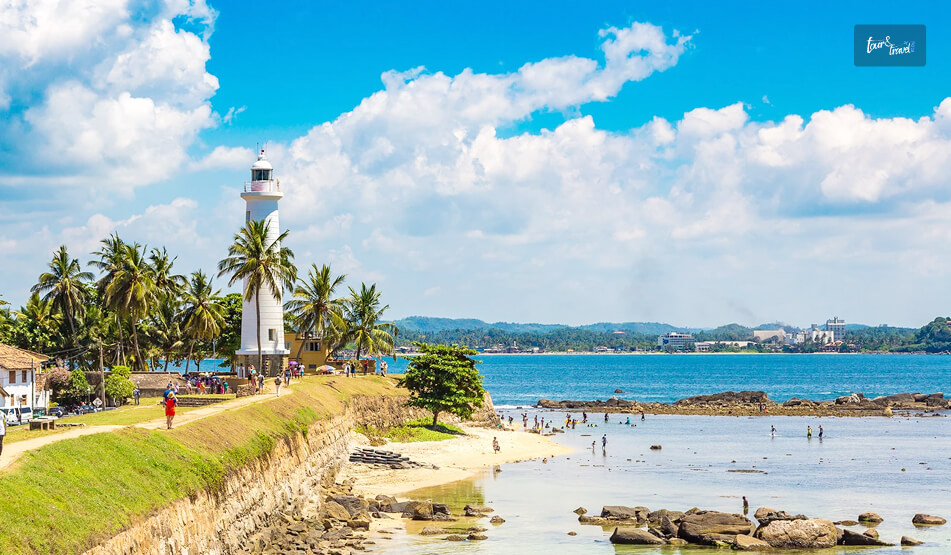
You can take a tuk-tuk ride for 45 minutes to reach Galle Fort

It is a A gorgeous UNESCO Heritage site filled with 16th-century Portuguese and Dutch colonial architecture, high-end boutiques, jewelry galleries, and a striking seaside lighthouse.

2. Handunugoda Tea Estate

Handunugoda Tea Estate

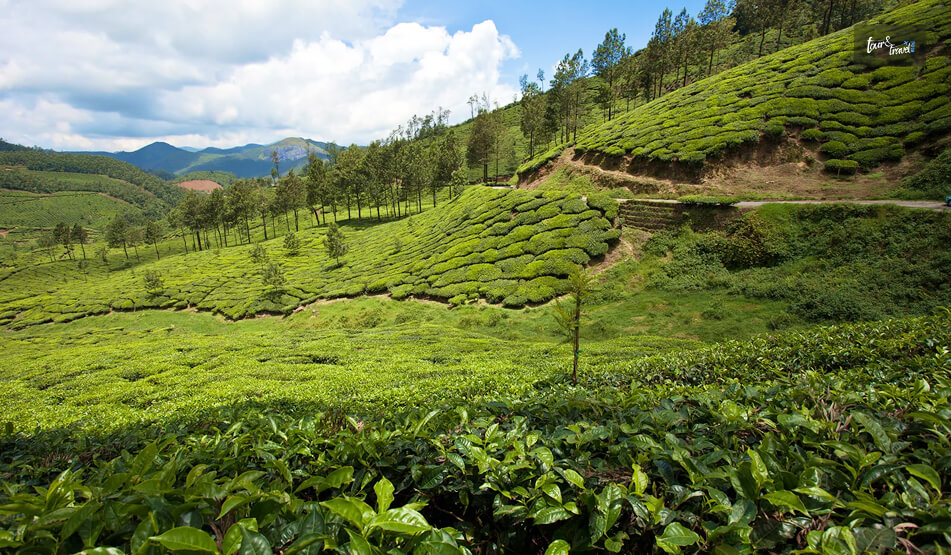
The tea estate is a 45-minute scooter ride from Weligama. 

It is a lush lowland plantation producing legendary “Virgin White Tea,” completely untouched by human skin during harvesting. Here, you will enjoy fascinating machinery tours and extensive tea tastings.

3. Yala National Park 

Yala National Park

You can take a car ride of 3 hours to reach the Yala National Park. 

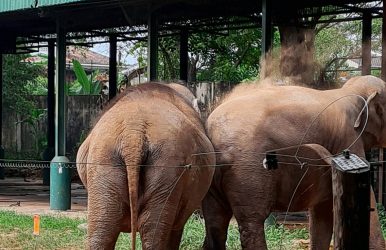
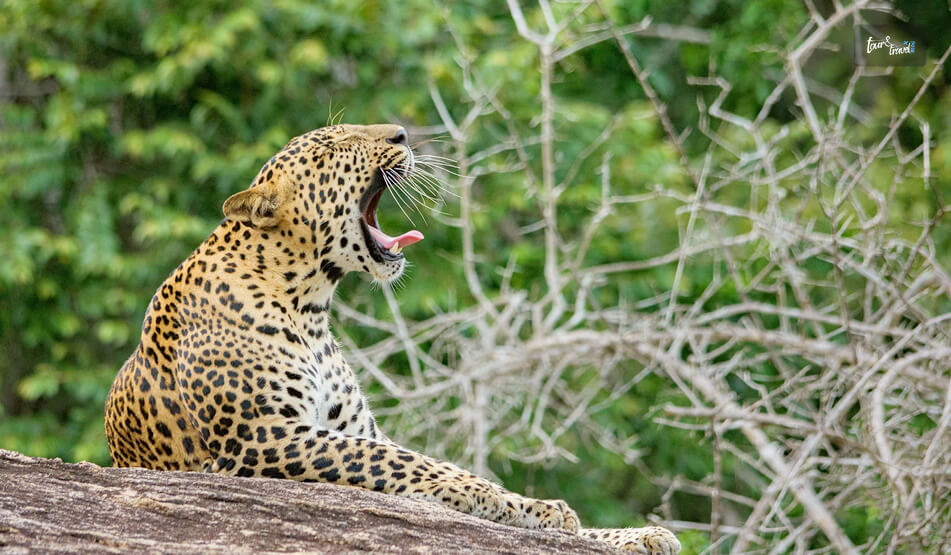
The Yala National Park is an intense, bucket-list wildlife safari. Leave in the pre-dawn hours to spot wild Asian elephants, crocodiles, leopards, and diverse birdlife in their natural habitats.

Share on Social Media

Meet Sibashree Bhattacharya, a travel enthusiast who has a decade-long experience in transcending virtual barriers with her words! Her deep love for travel is apparent from her travel escapades to the mountain, often taking her readers on a journey, her words acting as Portkey! Fun fact: Sibashree loves to dive deep into the history of the places she is about to visit, making her travels even more wholesome. If you were wondering how her articles are not short of time travel, this answers it!

Leave a Reply

Your email address will not be published. Required fields are marked *

title-img Related

READ MORE Uppuveli Beach

Where Is Uppuveli Beach, Trincomalee? What Are The Best Things About The Beach?

BY  Sibashree Mar 24, 2026

After spending time in the northern city of Jaffna exploring everything it has to offer, I was looking forward to relaxing.  Jaffna has some beautiful temples, and despite being a slow travel destination, the rich Tamil culture and history offered a fulfilling experience.  However, I needed a place where I could relax and soak in the memories I have collected there. I intended to enjoy just those "beachy" times when I arrived at Trincomalee, and that is exactly what I found on the Uppuveli Beach.  This was the ultimate "holiday within my backpacking trip," and completely different from the beaches in Jaffna. Where Is The Uppuveli Beach? Uppuveli Beach is in Trincomalee. On the northeastern coast of Sri Lanka, it is further the epicenter if you are exploring the things to do in Trincomalee.  The distance between the Uppuveli Beach and the Trincomalee city center is just 6 kilometers. So, you can reach within a drive of just 15 minutes.  Moreover, it is famous for the beauty of the Bay of Bengal, and from here you can explore nearby attractions such as the Pigeon Island Marine National Park and Swami Rock. How To Reach Uppuveli Beach From Trincomalee? The Blue Bus Experience? You can travel from Jaffna to Trincomalee by bus like me. Trincomalee, anyway, is a major transport hub.  Furthermore, it is well-connected to Colombo, Kandy, and even Habarana, which is the major gateway to many other things to see in Sri Lanka, such as the Hurulu Eco Park, Sigiriya Rock, the Pidurangala Rock, and the Kaudulla National Park.  I reached Trincomalee from Jaffna by bus within 4 hours and 50 minutes. However, our driver, Ahoy, said that on days of dense traffic, it can take up to 5 hours and 30 minutes.  Travel From Jaffna To Trincomalee By Bus The blue buses from Jaffna to Trincomalee are the cheapest mode of transport. The ticket cost roughly 1100 LKR.  From Trincomalee To Uppuveli Beach  From the Trincomalee Bus Station, I took a tuk-tuk to the Uppuveli Beach. The tuk-tuk driver charged me 500 LKR.  The Experience At Uppuveli Beach  Uppuveli Beach is the place that offers you simplicity, and here, you will forget keeping track of your time.  You can swim, sunbathe, or just soak in the beauty of the golden hour, or just soak in the beauty of golden hour or count the waves like me.  The Golden Hour See a sunset on the beach while it’s still dark out.  Uppuveli faces the east, and it offers an amazing view of the Bay of Bengal when the sun rises.  The sky looks like it’s on fire with shades of pink and gold lighting up the clouds.  The Waves The waves were huge when I was there in July. The waves here rise really high above your head and can definitely knock you over if you don’t pay attention to them when swimming.  If you can catch the waves just right, they are also great for body surfing. As always, be respectful of the Indian Ocean.  What Are The Things To Do At Uppuveli Beach? Uppuveli offers a serene alternative to the more crowded southern beaches.  Boasting breathtaking turquoise waters and palm trees swaying in harmony with one another, Uppuveli is a welcoming community that exudes a sense of calm. 1. Marine Adventures At Pigeon Island Marine National Park The number one attraction in Uppuveli is Pigeon Island Marine National Park.  A 20-minute boat ride from the beach will take you to Pigeon Island, a protected sanctuary surrounded by colorful and lively coral reefs.  Pigeon Island is famous as one of the three places in the world where you can see black-tip reef sharks and giant sea turtles in the shallow waters (up to 12 feet).  You may also dive deeper by visiting several local dive shops that operate daily excursions to the Uppuveli Pinnacles and the famous shipwrecks in and around Uppuveli.  Local dive shops also provide excursions between March and September to boat watch for blue whales and pods of spinning dolphins. 2. Visit The Cultural Landmarks Of Swami Rock You may take a short tuk-tuk ride to the Swami Rock Temple located in Trincomalee town.  Swami Rock is perched on a cliff and provides some of the best views of the ocean as you look towards the Koneswaram Hindu Temple, which is located in the middle of the cliff and overlooks Trincomalee Harbor. The temple is dedicated to Shiva and is a great example of intricate Dravidian-style architecture.  In addition to the temple at Swami Rock, you will also see Lover’s Leap, which is nearby and steeped in local folklore. 3. Visit Fort Frederick And Find Spotted Deer On your way to the Koneswaram Temple, be sure to visit Fort Frederick. It is a 17th-century fortress built by the Portuguese.  Fort Frederick today is a peaceful area. It has many spotted deer, and you can see them roaming freely between colonial buildings and massive banyan trees. 4. Kanniya Hot Water Springs For something unique, head inland to the Kanniya Hot Water Springs.  There are seven stone wells here, each producing water at a slightly different temperature.  It’s a traditional site for ritual bathing. Also, people believe that water here has healing properties. Moreover, at Uppuveli Beach, you can have the best dining and drinking experience thanks to places such as Fernando’s Bar, Rice 'n' Curry, and Cafe on the 18th. Also, you will find Wanderers Hostel and other budget-friendly places to stay near the Uppuveli Beach.  When Is The Best Time To Visit Uppuveli Beach?  The best time to visit Uppuveli Beach is between February and August, and July is the peak month.  From August, the ocean starts getting a little rougher.  Moreover, as I have mentioned, it is best to hit the beach when it is still dark. Thus, you can enjoy the magic of the sunrise.  Also, if you want a drink by the sea, 3:30 PM to 4 PM will be the best. As you gulp down some cold Lion Lager, the Sun prepares to go to rest for the day.

READ MORE demodara railway loop

Demodara Railway Loop: Know The Routes, Train Time, Ticket Price, And More 

BY  Sibashree Apr 22, 2026

Demodara Railway Loop, nestled in the mountains near Ella, Sri Lanka, is one of the most iconic rail routes in the world.  Furthermore, you will get the most amazing views of the Nine Arch Bridge and the train plying through it from the Demodara Railway Loop.  Also, since 2024, this beautiful railway loop has been protected under the New Heritage Management Program.  Moreover, opening on 21st March, 1921, this railway loop has been celebrating more than 100 years of heritage and history.  So, here is a brief account of my beautiful train ride in the Demodara railway loop.  Why Is The Demodara Loop Famous?  Between Ella and Uduwara stations, Demodara is a beautiful railway station in the Uva Province of Sri Lanka.  While extending the railway line to Badulla, the authorities faced a serious challenge due to the steep altitude.  Furthermore, it is famous as the only railway station in the world to be built in a tunnel (Tunnel 42) through which the train passes.  Moreover, this loop, with a length of 441 feet, passes through a 360-degree loop, offering the most amazing views of the surroundings.  Also, it is interesting to know that the design of the Demodara Railway Loop was originally inspired by a Kanyan turban. Then, British and Ceylonese engineers put up the structure. Devapura Jayasena Wimalasurendra was the engineer who conceptualized the idea.  In addition, if you miss the train from Ella to Demodara, you can also enjoy a 9 km hike. The hike continues through tea estates, and then you will meet the iconic Nine Arch Bridge on the way.   Then, you can take a train back from Demodara to Ella. However, I fortunately got to board the trains both times.  A Train Ride In The Demodara Railway Loop  Unlike the Kandy-Ella train ride, a train ride in the Demodara Railway Loop was peaceful.  Also, you could relax even after you saw the train coming out of the tunnel and ascending. It moves very slowly through the loop.  As the train was almost empty and as Sri Lanka demands everything the Travel LowDownUnder philosophy teaches you, I boarded a 3rd class compartment.  I was happy as there was nobody to stop me from peeping through the doors on both sides of the train, and soaking in the beauty of the surrounding lush tea estates.  Also, it was amazing to enjoy a train ride across the iconic Nine Arch Bridge. Moreover, when the train was passing through the Nine Arch Bridge, I could see locals, especially children, standing and waving from the banks of the railway lines.  Overall, it was a comfortable and delightful experience! Insider Tip: When you are traveling from Ella to Demodara, stand near the window or gate on the left side in the direction the train is moving.  From there, you will get amazing views of the Nine Arch Bridge.  Train Time And Ticket Price On The Demodara Railway Loop  If you are traveling from Ella, you will get two trains to the Demodara Railway Loop. So, here are the details of the train timings and ticket prices (Source: Sri Lankan Railways).  Train NameDepartureArrivalTicket Price (LKR)11005 Special 1005 -Ambewela - Badulla 09:30 - 12:1611:25 AM11:40 AM- AC Saloon Car: 2500- Second Class Reserved Seats: 1700- Third Class Reserved Seats: 120011015 Special 1015 -Ambewela - Badulla 15:00 - 17:464:55 PM5:10 PM- AC Saloon Car: 2500- Second Class Reserved Seats: 1700- Third Class Reserved Seats: 1200 Why Is This Iconic Ride In The Demodara Railway Loop Worth It?  Beyond an engineering marvel, the Demodara Railway Loop is an example of historical railway innovation.  Furthermore, when riding in a quiet train carriage, you can enjoy the uninterrupted views of the surrounding mountains and valleys.  Also, this train ride allows you to pass over the Nine Arch Bridge, one of the iconic heritage sites of Sri Lanka.  Moreover, as I was traveling solo, I experienced the joy, spontaneity, and independence backed by the quiet experience. If You Want To Walk From Ella To Demodara  I got to know about the Demodara Railway Loop at the Kadugannawa Railway Museum. It was raining for a few days in Ella, and seriously, I needed to do something to get out of the lull.  So, I decided to take a train ride from Ella to Demodara through the Demodara Railway Loop.  I got the train. However, if you miss the train,” go for a 9 km walk through the countryside and tea-covered hills.  The tea shops, nearby hills, and occasional spotting of peacocks in the bush will keep you entertained.  Moreover, as you descend from Demodara to Ella, you will get sweeping views of paddy fields.

READ MORE things to do in nara

What Are The Things To Do In Nara? How To Plan A Two-Day Trip?

BY  Sibashree Mar 31, 2026

A trip to Nara was long overdue, and as the first permanent capital of the country, it is a must-visit.  Furthermore, this Japanese capital, before 794 AD (then Kyoto became the capital), has many UNESCO World Heritage Sites.  The Todai-ji Temple is the most famous among these 8 UNESCO World Heritage Sites. You will find one of the largest Buddha statues in the country here, and the statue is made of bronze.  Of course, the deer roaming in the city are beautiful, and you feel like getting transported to a bygone era.  It reminded me of one of the most famous literary works in our country, Shakuntalam Abhigyan, an immortal love story between King Dushyanta and Shakuntala, written by Kalidasa in Sanskrit.  Also, this is a place that will ask you to come back, and most people plan a day trip to experience its historical charm and natural beauty.  But, smitten by its beauty, I chose a 2-day trip, and here is the list of things to do in Nara. Also, I will discuss how I can get to Nara.  How To Reach Nara?  Nara is easily accessible from Kyoto, which is also famous for its history and cherry blossom season.  You can also visit Nara from the Osaka prefecture. So, overall, a visit to Nara can fit well into your itinerary of visiting the Kansai region of Japan.   Also, the robust railway system of Japan makes it easy and budget-friendly to visit Nara. A Japan Railway Regional Pass will be the best for traveling across Nara, Kyoto, Osaka, and Kobe, and the entire Kansai Region.  Also, when in Osaka, don’t forget to explore the street food stalls and have the best Osaka food, including Mochis and seafood delicacies.  Here is how you can travel from Kyoto to Nara. 1. Traveling From Kyoto To Nara Through The JR Nara Line You will get an express train or a local train from Kyoto to Nara every hour.  Furthermore, if you opt for the Miyakoji Rapid Service on this line, you will reach Nara within 45 minutes, and the ticket price will be 720 JPY.  Also, the local train services, with the same ticket price, will take about 70 minutes.  Once you reach the JR Nara station, you will get buses to the Nara Park and other top attractions in Nara.  2. Take The Kintetsu Railway To Reach Nara From Kyoto This is the most convenient way to reach Nara from Kintetsu Railway Station.  The train journey is the fastest, and the journey takes about 35 minutes by the express trains, and the ticket price is 1280 JPY.  Also, the regular trains take about 45 minutes to complete the journey. The ticket price is 760 JPY.  What Are The Things To Do In Nara?  From a visit to the Nara Park to exploring Heijo Palace and the temples, there are many things to do in Nara.  Here are the things I did during my 2-day stay.  1. Day 1 In Nara: Exploring The Nara Park  With deer passing by, Nara Park, the home to the main attractions in Nara, is a place you cannot simply miss.  The park is free to enter, and it remains open for 24 hours.  However, many attractions in the park close after 5 PM. So, you have to be early when visiting it.  Also, here are the attractions you will come across in the Nara Park, along with the deer passing by.  • Kasuga Taisha One of the UNESCO World Heritage Sites in Nara, Kasuga Taisha, takes us back to the Nara Period from 710 to 794 AD.  It is the most revered shrine among the Fujiwara clan as the tutelary shrine.  Furthermore, the main attraction of the shrine is the “Hall of Lanterns.” There, I saw many bronze lanterns illuminating the darkness.  During the special festivals, Setsubun Mantoro in February and Chugen Mantoro in August, all these lanterns are lit.  Moreover, you will find a cider tree in the inner shrine, and it is 1000 years old.  • Mt. Wakakusa I took the back road from Kasuga Taisha on the way to the Todai-Ji temple.  I came across many small shrines there. However, the highlight was Mt. Wakakusa.  This hill between the two shrines has a height of 350 meters. Also, on the 4th Saturday of January, it becomes the venue for the Wakakusa Yamayaki celebration.  People burn dead grass on the slopes, and this is a ritual that has been celebrated since the 18th century.  • Todai-Ji Todai-Ji is another UNESCO World Heritage Site, and one of the “Historic Monuments of Ancient Nara.” It was built in 752 AD, and it was the head of all the temples in the province. It even had a strong influence on the royal family.  In fact, with Todai-Ji being the seat of control even in the royal decisions, the emperor decided to move the capital to Nagaoka in 784 AD.  However, the main attraction of the Todai-Ji Temple is the massive Buddha statue, or Daibutsu.   A depiction of Dainichi Nyorai,  it represents the primordial Buddha in the orthodox East Asian Buddhist philosophy.  You will also find two similarly sized Bodhisattva statues here.  However, the temple and statues you see today were burned down, and they were rebuilt during the Edo period (1603–1868).  2. Things To Do In Nara: Day 2 I visited the Heijo Palace and many other temples of Nara on day 2.  • Visiting The Heijo Palace  When Nara was the capital, the Heijo Palace was the seat of power for the chrysanthemum throne.  It had a dimension of 1 kilometer, considering the other palaces and architecture of that time.  However, the remains of this UNESCO World Heritage Site in Nara are now at the Toshodai-ji Temple, nearby.  However, since the 1950s, archaeologists have been studying the remains of the Heijo Palace, and this has evoked further public interest.  That is why you can now see many placards there and read about the history and legacy of the site.  Moreover, the audience hall and two other parts of the palace were rebuilt. The restoration of the largest part, the audience hall, happened in 2010.  It was an ode to the 1300th anniversary of Nara as the capital of Japan.  • Toshodai-Ji As I have mentioned, the Toshodai-ji Temple has the remains of the Heijo Palace.  This temple dates back at least a millennium. Ganji, a Chinese monk, built this temple in 759 AD.  Monk Ganji brought Buddhism to Japan, and the Toshodai-Ji today is a UNESCO World Heritage Site.  • Yakushi-Ji It is a UNESCO World Heritage Site, and people here worship Lord Buddha as Yakushi Nyorai or the Medicine Buddha.  The dual main halls here have unique architecture, and each has a dedicated 3-story pagoda.  • Horyu-ji  Horyu-Ji is older than most temples in the Nara region, and Prince Shotoku founded it in 607.  Furthermore, this UNESCO World Heritage Site stands out with its wooden edifices, which are some of the oldest in Japan. This time, I missed many attractions such as Asuka, Omiwa Shrine, and Mount Yoshino. Some day for sure!  And till then, SayĹŤnara, guys!