
Where Is Midigama Beach? What Are Best Surfing Spots And Other Things To Do?

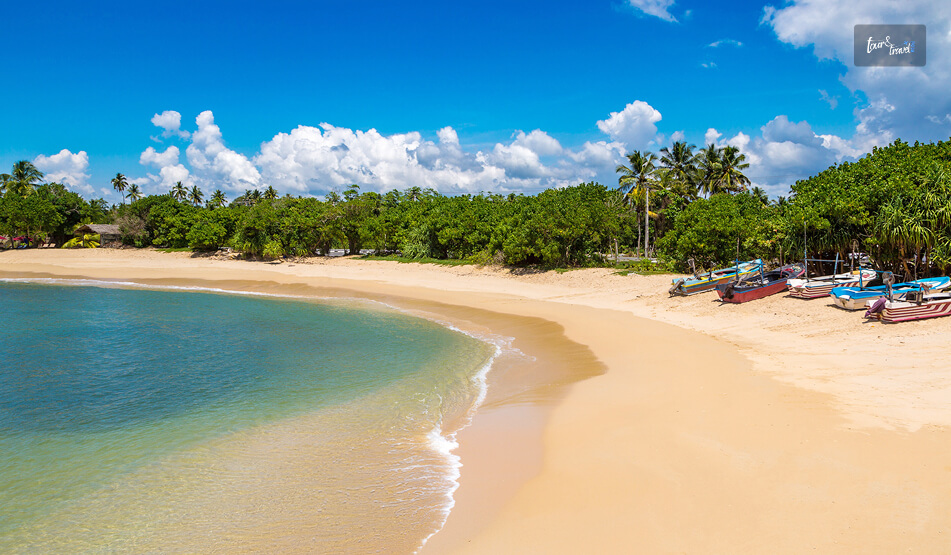
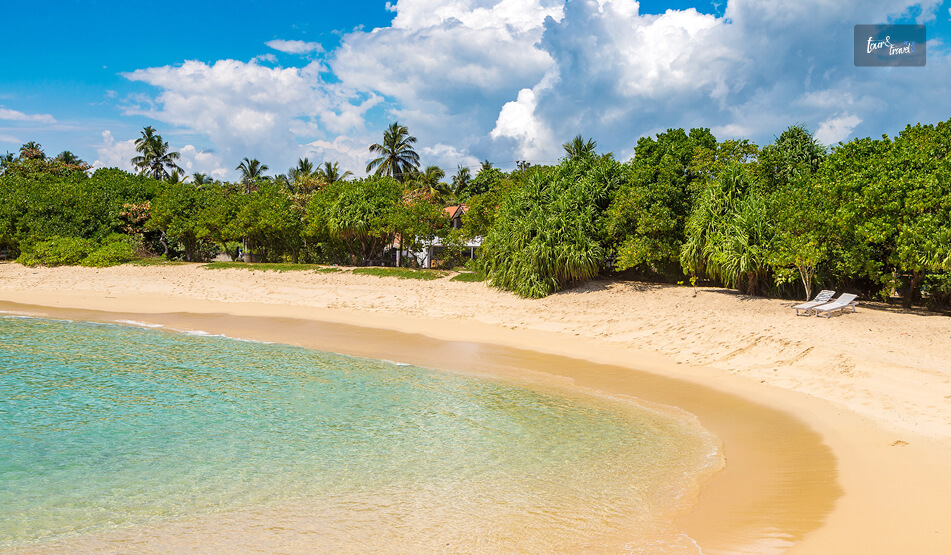
Once you cross the massive bay of Weligama, you will find many hidden beaches and coves on the south-western coast. 

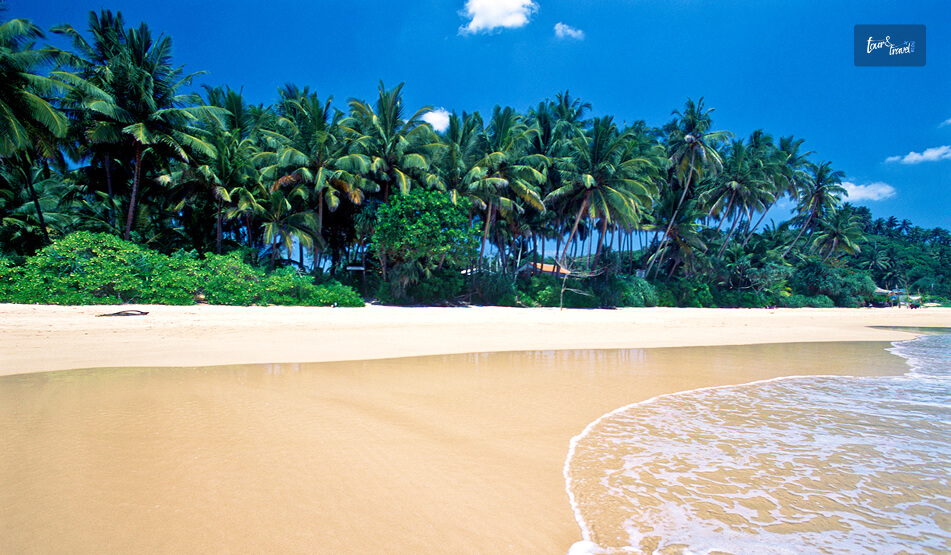
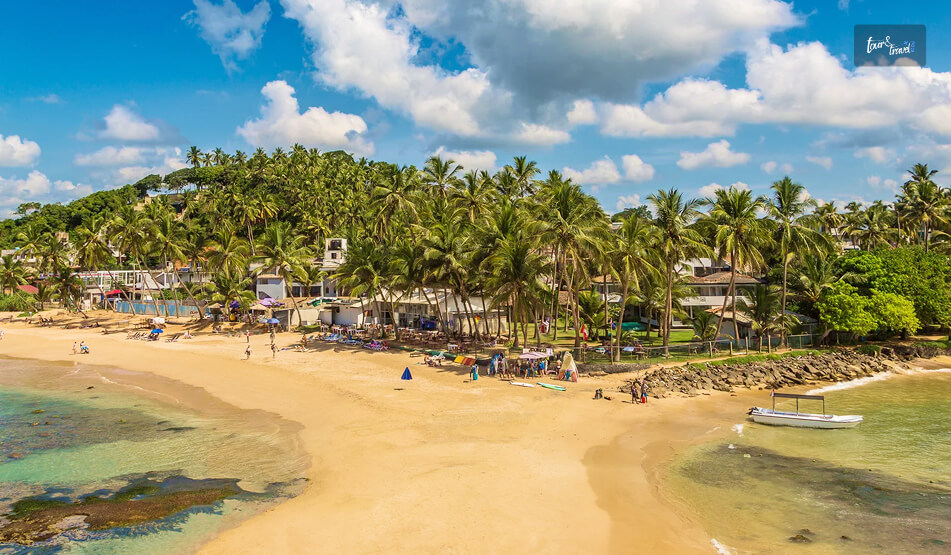
There is a stretch that goes through small inlets and has beautiful golden sands. These inlets with coconut palms are called Midigama collectively. 

While Midigama will win your heart with its quaint beauty at first glance, it is more popular as a surfing spot for intermediates. 

It is no less than a treasure hunt with unexplored reefs and secret waves. 

Moreover, the surf spots of the Midigama Beach, such as Lazy Left or Ahangama, are diverse and unique in the experience they offer. 

However, a local professional surfer confided that the Coconuts are the best surfing spot if you already have some skills. 

Hi, are you planning a trip to Midigama Beach anytime soon? Read this blog to know about the location, surfing sports, and more about this beautiful beach. 

Where Is Midigama Beach? 

Where Is Midigama Beach

The cluster of beaches, known as the Midigama Beach, is between Weligama and Ahangama, a popular beach town and surfing spot. 

Furthermore, the beach spans an area of 6 kilometers, including the clusters of inlets. 

The best and most budget-friendly way to reach Midigama. It is a train ride of around 3 hours and 15 minutes, and the ticket cost me around Rs. 240. 

I took the train from Colombo Fort at 6:15 PM and reached Midigama at 9:25 PM, and the ticket price was Rs 550 for the second class. 

Where To Surf On Midigama Beach?

Where To Surf On Midigama Beach

I have already shared that the surfing spots in Midigama are diverse. So, the size, the type of breaks, and the surfing style will be different from one surfing location to another.  

So, here are the surfing spots everyone loves. 

1. Ahangama

Ahangama, on the northwest of Midigama, has been a popular surfing hub for the last few years. 

It has many surf camps and bars, and its reef breaks are excellent for beginners and mid-level surfers. 

Kabalana Beach is the best place to start your surfing expedition here. 

2. Ram’s Right 

Ram’s Right is the toughest surf break in the region, and you really need to make a quick surfing start. 

Furthermore, the barrel sections make it fascinating. Also, you really need to look out for sea urchins here. 

3. The Combination Of Lazy Right And Lazy Left 

These two offer secure reef brakes, and Lazy Left is slightly harder to surf than Lazy Right. 

So, Lazy Right is more suitable for beginners. Here, a surfer can enjoy cruisy rides where the surf breaks over a deep reef. 

4. Plantations 

It is very close to Weligama, and it is an ideal surfing spot for intermediates. 

The entry point is an opening in the rock by the Plantation Surf Inn. 

Furthermore, the reef here is deep, and surfing usually continues in the right direction and a few lefts. 

5. Coconuts 

Coconuts is the place where you will enjoy the classic Sri Lankan reef surfing experience. 

Here, you can surf right and left, and the breaks are on both ends of the beach. 

However, the east end of the beach is choppier. 

6. Weligama

Once you are done surfing at Coconuts, you can take a short tuk-tuk ride to Weligama. 

Furthermore, with a sandy bottom, it is an ideal surfing destination for beginners. 

What Are The Places To Visit Near Midigama Beach? 

If you are done surfing, you can explore the historic Galle Fort and the hedonistic Mirissa Beach. 

1. Mirissa Beach

Mirissa Beach

Mirissa Beach turns into the most Hedonistic place in Sri Lanka in the evening. 

The bars here offer amazing happy hour offers. So, you will find the cheapest chilled beer in Sri Lanka here. 

2. Galle Fort

Galle Fort

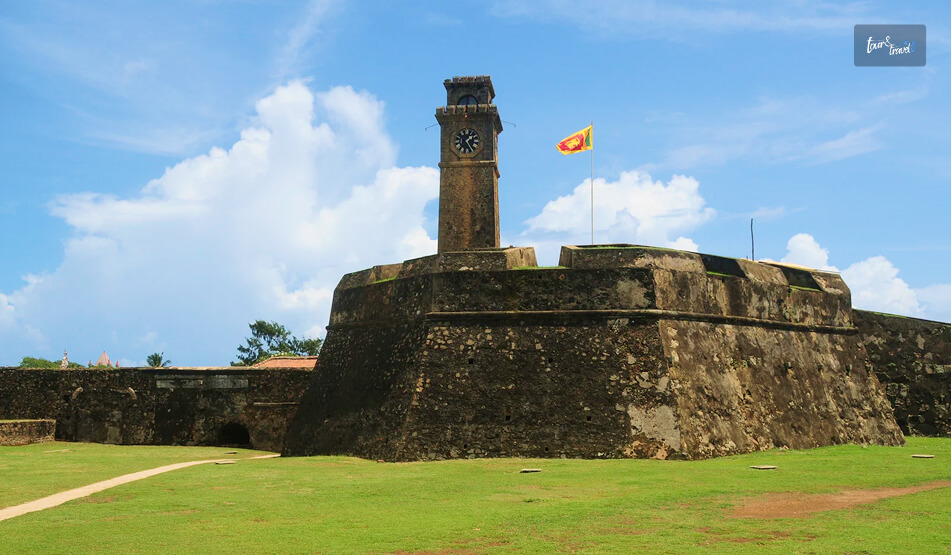
Galle Fort, a UNESCO World Heritage Site, is just 25 km away from Midigama Beach. 

It is one of the best examples of a European fortified city in South and South-East Asia. 

Enjoy climbing up the rampart and having a walk from one corner to another, admire the architecture, and enjoy the 360-degree view of Galle. 

Watching the sunset from the top of the fort is also a magical experience. 

What Is The Best Time For Surfing In Midigama Beach? 

Like all other beaches on the southern coast of Sri Lanka, November to April is the best time to visit Midigama Beach. 

Regular storms and high rainfall are the main forces hitting the beach in this season. 

Furthermore, when you are planning to surf in Midigama beach, pick early morning or late evening as the time as the winds pick up speed later in the day. 

Where To Eat In Midigama Beach? 

Where To Eat In Midigama Beach

The main beach of Midigama and the place near the Coconuts have many cool eating places. 

Contrary to Ahangama, the Midigama Beach exudes a hipster energy. 

If you are looking for a local experience where you will also get some cultural insights, you can visit Sandaru Restaurant. 

It is a family-run restaurant, and here you can eat kottu, rice, curry, and other local delicacies. 

Another excellent place for trying local delicacies here is the Shirani Home Made Rice & Curry near the Coconut Beach. 

Here, you will find the best rice-vegetable combos. 

Where To Stay For Surfing At Midigama Beach? 

You can stay at the really cool hostels near the Lazy Left if you want to surf at Midigama Beach. 

However, if you are traveling with family and you are looking for comfort, Naomi Beach Hotel, the best surfing hotel in Sri Lanka, will be your ideal choice. 

It has a stunning infinity pool, and the on-site bar is perfect for chilling after a surfing session. 

Moreover, it is close to the Coconuts, for me, the best surfing spot in Midigama Beach. 

Also, Surfing Wombats is another place to stay in Midigama for surfing. I can stay here simply because of the pizza they serve. 

Furthermore, it is a short walk from the Lazy Left and Lazy Right surfing spots. 

Also, if you want to be a part of the surfing camps in Midigama Beach, you must take a tuk-tuk to Weligama, and you will find many reputable surfing camps there.

Share on Social Media

Meet Sibashree Bhattacharya, a travel enthusiast who has a decade-long experience in transcending virtual barriers with her words! Her deep love for travel is apparent from her travel escapades to the mountain, often taking her readers on a journey, her words acting as Portkey! Fun fact: Sibashree loves to dive deep into the history of the places she is about to visit, making her travels even more wholesome. If you were wondering how her articles are not short of time travel, this answers it!

Leave a Reply

Your email address will not be published. Required fields are marked *

title-img Related

READ MORE demodara railway loop

Demodara Railway Loop: Know The Routes, Train Time, Ticket Price, And More 

BY  Sibashree Apr 22, 2026

Demodara Railway Loop, nestled in the mountains near Ella, Sri Lanka, is one of the most iconic rail routes in the world.  Furthermore, you will get the most amazing views of the Nine Arch Bridge and the train plying through it from the Demodara Railway Loop.  Also, since 2024, this beautiful railway loop has been protected under the New Heritage Management Program.  Moreover, opening on 21st March, 1921, this railway loop has been celebrating more than 100 years of heritage and history.  So, here is a brief account of my beautiful train ride in the Demodara railway loop.  Why Is The Demodara Loop Famous?  Between Ella and Uduwara stations, Demodara is a beautiful railway station in the Uva Province of Sri Lanka.  While extending the railway line to Badulla, the authorities faced a serious challenge due to the steep altitude.  Furthermore, it is famous as the only railway station in the world to be built in a tunnel (Tunnel 42) through which the train passes.  Moreover, this loop, with a length of 441 feet, passes through a 360-degree loop, offering the most amazing views of the surroundings.  Also, it is interesting to know that the design of the Demodara Railway Loop was originally inspired by a Kanyan turban. Then, British and Ceylonese engineers put up the structure. Devapura Jayasena Wimalasurendra was the engineer who conceptualized the idea.  In addition, if you miss the train from Ella to Demodara, you can also enjoy a 9 km hike. The hike continues through tea estates, and then you will meet the iconic Nine Arch Bridge on the way.   Then, you can take a train back from Demodara to Ella. However, I fortunately got to board the trains both times.  A Train Ride In The Demodara Railway Loop  Unlike the Kandy-Ella train ride, a train ride in the Demodara Railway Loop was peaceful.  Also, you could relax even after you saw the train coming out of the tunnel and ascending. It moves very slowly through the loop.  As the train was almost empty and as Sri Lanka demands everything the Travel LowDownUnder philosophy teaches you, I boarded a 3rd class compartment.  I was happy as there was nobody to stop me from peeping through the doors on both sides of the train, and soaking in the beauty of the surrounding lush tea estates.  Also, it was amazing to enjoy a train ride across the iconic Nine Arch Bridge. Moreover, when the train was passing through the Nine Arch Bridge, I could see locals, especially children, standing and waving from the banks of the railway lines.  Overall, it was a comfortable and delightful experience! Insider Tip: When you are traveling from Ella to Demodara, stand near the window or gate on the left side in the direction the train is moving.  From there, you will get amazing views of the Nine Arch Bridge.  Train Time And Ticket Price On The Demodara Railway Loop  If you are traveling from Ella, you will get two trains to the Demodara Railway Loop. So, here are the details of the train timings and ticket prices (Source: Sri Lankan Railways).  Train NameDepartureArrivalTicket Price (LKR)11005 Special 1005 -Ambewela - Badulla 09:30 - 12:1611:25 AM11:40 AM- AC Saloon Car: 2500- Second Class Reserved Seats: 1700- Third Class Reserved Seats: 120011015 Special 1015 -Ambewela - Badulla 15:00 - 17:464:55 PM5:10 PM- AC Saloon Car: 2500- Second Class Reserved Seats: 1700- Third Class Reserved Seats: 1200 Why Is This Iconic Ride In The Demodara Railway Loop Worth It?  Beyond an engineering marvel, the Demodara Railway Loop is an example of historical railway innovation.  Furthermore, when riding in a quiet train carriage, you can enjoy the uninterrupted views of the surrounding mountains and valleys.  Also, this train ride allows you to pass over the Nine Arch Bridge, one of the iconic heritage sites of Sri Lanka.  Moreover, as I was traveling solo, I experienced the joy, spontaneity, and independence backed by the quiet experience. If You Want To Walk From Ella To Demodara  I got to know about the Demodara Railway Loop at the Kadugannawa Railway Museum. It was raining for a few days in Ella, and seriously, I needed to do something to get out of the lull.  So, I decided to take a train ride from Ella to Demodara through the Demodara Railway Loop.  I got the train. However, if you miss the train,” go for a 9 km walk through the countryside and tea-covered hills.  The tea shops, nearby hills, and occasional spotting of peacocks in the bush will keep you entertained.  Moreover, as you descend from Demodara to Ella, you will get sweeping views of paddy fields.

READ MORE Jaffna beach guide

The Ultimate Jaffna Beach Guide: What Are The Best Beaches Near Jaffna, Sri Lanka? 

BY  Sibashree Jan 9, 2026

The northernmost major city of Sri Lanka is famous for its beautiful Hindu temples, such as the Nallur Kandaswamy Kovil and Naguleswaram Temple (Keerimalai). It also stands out with its unique sculptural scenario and great food.  However, very few people talk about the beautiful beaches of Jaffna, such as Kankesanthurai and Casuarina. During my trip to Jaffna, I loved the white sands, calm shallow waters, and Palmyra trees. Also, the Jaffna beaches are a paradigm shift from beach towns like Mirissa.  You will not get the vibrant nightlife or the maddening crowd. The vibe is pristine and slow. And with the Sri Lanka Tourism Development Authority (SLTDA) focusing on Jaffna now for the diversification of the country’s tourism profile, these beaches are going to play a vital role.  In this Jaffna beach guide, I will talk about the most prominent beaches, the amenities, expert tips, and more.  What Are The Best Beaches Near Jaffna Sri Lanka? The beaches in Jaffna show a contrasting vibe in comparison to the beaches near Colombo, such as Bentota or Unawatuna. The Colombo beaches are touristy and offer watersport activities such as parasailing, diving, and surfing.  On the other hand, the shallow water of Jaffna is ideal for swimming. Also, the golden sands of the Colombo beaches are replaced by the soft white sands.  Overall, the beaches in Jaffna focus more on tranquility and show the slow-paced vibe of the city. You know Jaffna Siesta is a real thing!  1. Casuarina Beach (Karainagar) Casuarina Beach Entrance Fee: 500 LKR (Foreigners), 50 LKR (Locals) Distance from Jaffna: 21 Kms As you reach the Casuarina Beach, a wide stretch of casuarina trees, creating a canopy over your head, welcomes you. The beach gets its name from these trees.  The stretches of the soft white sand of the beach are also surrounded by palm trees. Furthermore, the west-facing is known for beautiful sunset views.  What Are The Things To Do In Casuarina Beach?  Casuarina Beach is a place to relax. The shallow water here is ideal for swimming. You can go to the middle of the ocean, where you will find fishermen in action.  The fishermen ride in a raft-like boat. You can join them and have a conversation about their daily lives and how they survive the sea. For me, it was pretty much the “Riders to the Sea Moment.” Also, Kamban, a middle-aged fisherman of Jaffna, shared something about the impact of the Civil War here. He reminded me of a Reuters report published many years back. It talked about how the Puthumathalan beach, around 113 km from Jaffna, was filled with broken medicine bottles, pieces of clothes, and rusty cooking pots as the aftermath of the civil war.  Nevertheless, Kamban said, “You know, we did not have any food. We could not go out for fishing, and we never knew who would be the next to take a bullet.  We are now recovering and getting tourists. Still, we need more support, and the fear will remain among people of my generation and the next one.” Today, Casuarina Beach has some beach clubs and resorts offering water sports activities such as snorkeling and jet skiing.  Still, I feel, it’s a place to relax and ponder over how the locals are showing resilience to maintain the glory of a city devastated by the Sri Lankan Civil War.  Also, the Casuarina Beach is the place to try the authentic food of Jaffna. I loved the crabs and vadai here.  How To Reach Casuarina Beach From Jaffna?  The most convenient way to reach the Casuarina Beach is to take a private taxi to Jaffna. The cost will be around 1200 LKR.  2.  Kankesanthurai (KKS) Beach Entry Fee: Free Distance from Jaffna: 19 Km How to Reach: Take Tuk-Tuks from Jaffna The Kankesanthurai is a navy-maintained beach with sparkling blue water. It is also just 10 minutes away from the Keerimalai Freshwater Springs, one of the iconic landmarks in the spiritual and cultural landscape of Jaffna. Also, the nearby Thalsevana Resort is a place to relax and try authentic Jaffna cuisine while indulging in the beauty of the pristine beach.  You can swim in Kankesanthurai. However, you need to be careful about the current. However, this beach is more popular for the snorkeling activities and is famous for the Keerimalai to Kankesanthurai Walk.  Kankesanthurai (KKS) Beach Snorkeling  Kankesanthurai, with its shallow water and some marine life and corals visible, is a decent snorkeling site. I saw some sea turtles while swimming at Kankesanthurai beach.   The water here is warm, and the calm conditions make it beginner-friendly. May to September is the best time for snorkeling in Kankesanthurai.  However, there is no established snorkeling facility here. So, you need to bring your own gear, including fins and masks.  So, if you want a proper snorkeling experience, you can explore alternative locations in Sri Lanka, such as the Nilaveli Beach of Pigeon Island, which also has the Pigeon National Park.  The Coral Island of Trincomalee and the southern coastal spots such as Hikkaduwa & Mirissa are some of the best locations to try snorkeling in Jaffna.  Keerimalai To Kankesanthurai Walk The distance between Keerimalai and Kankesanthurai is just around 2 km. So, when you start from Keerimalai and walk north toward Kankesanthurai, you will reach your destination in 25-30 minutes.  There is no marked beach trail for the walk. However, as you proceed, you will experience amazing coastal views and fishing activities, especially near the pier and shorefront.  However, if you want to beat the heat, you can take a tuk-tuk to reach the beach from Keerimalai. Manalkadu Sand Dunes: The Hidden Gems Near Jaffna  Manalkadu sand dunes are the ideal location for an off-the-grid camping experience in Jaffna. Also, at times, I want absolute silence around me. Being an introvert, too many interactions and activities often drain me.  Stargazing in those moments works like a therapy for me. If you are also like me and want the world around you to “Shut Up,” you must try stargazing at Manalkadu.  The long chain of sanddunes here stretches to meet the sea, and this is a geologically striking feature. The desert-like setup and the sand dunes offer some “interesting perspectives” for photography, especially while watching the sunset.  And the best way to experience stargazing at Manalkadu? Try off-grid camping here.  Camping At Manalkadu And Stargazing  I set up my tent on the Manalkadu beach, and the wild, open area with almost no light pollution offered the best stargazing experience. Of course, it was not as vivid as stargazing in Great Barrier Island.  Still, the spontaneity and simplicity won me over. However, Manalkadu is not a formal camping or stargazing site. So, you will need to bring your tent, telescope, red light, water, and other essentials.  Also, we spotted some fishing huts on the beach. We sought their permission, and they happily agreed. In fact, they shared their meal with us, allowing me to spend more time stargazing and enjoying the silence. Things To Pack For Camping At Manalkadu  Manal Kadu means sand jungle in the Tamil Language. True to its name, it is a pristine place where desert, jungle, and the sea co-exist.  Also, it is called the “Swimming Pool of the North.” Nevertheless, since it has a primitive setup, you need to carry some essentials.  Tent Sand Anchors or Stakes Plenty of Food and Water Nearby Portable Stove Cooking Gear Headlamp or Lanterns First-Aid Kit Power Banks Trash Bags The Quiet Alternatives: Jaffna Beaches Do you want to enjoy a sunset stroll by the water with no one around? Visit the quieter alternatives such as the Charty Beach and Akkarai Beach. 1. Charty Beach The Charty Beach is on Velanai Island, and it is a 15 km drive from Jaffna City. You will reach the beach from the city within 30 minutes after a journey through the Jaffna–Pannai–Kayts Road.  The warm water here is ideal for swimming, and you can even try near-shore paddling. Changing Facility• Nearby Huts• Rest ShadesFood And Snacks• Local EateriesAccomodation• AC and Non-AC Rooms at Charty Beach ResortLifeguard• Not Available Ideal Season • May to SeptemberBest Time to Visit in a Day• Early Morning• Late Afternoon 2. Akkarai Beach  Take a drive for around 30-40 minutes to reach the Akkarai Beach in Thondamanaru. Lying along the Palk Strait, it stretches toward the Indian coastline.  It is very close to the Lord Murugan Temple and the Thondamanaru Bridge.  Parking FeeFreeResting AreasBenches and Shaded SpotsWashroomFreshwater Wash AreasSwimming ConditionNear-Shore Swimming with the Sandy Bottom Deepening GraduallyLifeguardsNot Available. So, Don’t Swim when the Current is Strong.  Best Months May to SeptemberBest Time to Visit in a Day• Early Morning• Late Afternoon Beach Amenities And Safety Guide Once again, the Jaffna beaches are not the luxury tropical getaways you are looking for. So, you must have a clear idea about what to expect at these pristine beaches.  Also, learn about the safety infrastructure before getting into the water.  1. Basic Beach Amenities  Casuarina Beach has paid changing rooms. However, other beaches have no makeshift provisions for changing and resting.  So, you must carry beach umbrellas and folding chairs if you don’t want to sit on the sand.  There is no official presence of a lifeguard or support on these beaches. Network coverage is decent. However, you can face connectivity issues if the weather deteriorates.  The beaches in Jaffna are accessible from Jaffna City by tuk-tuk and other vehicles. However, in Casuarina Beach, you will have to pay a small fee for entrance and parking your vehicle.  2. Safety And Norms Do not go very far into the ocean water, as there can be strong currents, and there is no formal lifeguard support.  Also, be careful while walking barefoot on the sand,d as there can be seashells and seaweeds.  In addition, dress modestly, shorts and T-shirts are fine! Also, do not leave trash behind.  Exploring The Jaffna Coastline: Know The Expert Tips  Want to explore the coastal beauty of Jaffna to the fullest? Follow these expert tips.  1. Go On Weekdays You will find local buses packed around the Casuarina Beach, and the noise of loud music can be an annoying factor.  Choose a Monday or Tuesday for your ocean visit to spend some moments of quietude. 2. Bring Reef Shoes The Charty and KKS beaches have sharp dead coral very close to the water's edge. So, your feet may get a cut if you don’t wear reef shoes.  3. Have Navy Food  When you are visiting the Kankesanthurai (KKS) beach, you don’t need to eat at a beach shack. You can walk into the Thalsevana Holiday Resort run by the military.  Enjoy a hygienic and tasty lunch and cold beer there while enjoying the ocean view. 4. Riding On Manalkadu? You Will Need A 4X4  You can drive a scooter to Manalkadu. However, you have to park it on the hard road. You cannot take it to ride onto the sand dunes, and the wheels will get stuck.  5. Morning Is The Best Time For The Beach Visit  You cannot visit a beach in Jaffna at noon. The Northern Sun is scorching. So, plan a visit between 7 AM and 8 AM or after 4 PM.  6. You Can Wade In Akkrai But Cannot Swim  The water at the Akkarai Beach is usually knee-deep. So, you can wade through the water of this beautiful beach.  However, swimming does not look like an ideal activity here.  7. Changing Rooms Are Basic The Casuarina Beach has changing rooms. However, these rooms are just concrete stalls with a bucket of water.  You will have to bring your towel and toilet paper.  8. Respect The Fishermen Most beaches in Jaffna are like a workspace for the fishermen. So, there will be fishing boats and nets on the shore.  You cannot step on or lie on them. Do not tamper with them.  9. Drink Thambili To Stay Hydrated  Jaffna beaches do not have places serving fancy cocktails. The best refreshment is to drink the King Coconut or Thambili water.  It replenishes the micronutrients, and it is a must-have when the Sun is scorching. What Are The Authority Voices On Jaffna Beaches And Coastline?  “Casuarina Beach is named after the shady trees that line it, offering a rare respite from the scorching Northern sun. It’s the closest Jaffna gets to a holiday vibe.” - The Lonely Planet.  “Don’t expect the polished tourism of the South. Jaffna’s beaches are raw, working coastlines where fishermen outnumber tourists—and that is their charm.” - Rough Guides.  Jaffna Beach Guide: Frequently Asked Questions (FAQs)  Here are the frequently asked questions and answers about the Jaffna beaches.  1. Can Foreigners Swim In Jaffna Beaches? Yes, foreigners can swim in Jaffna beaches. Casuarina and KKS beaches get many foreign visitors. The KKS beach offers free entry. However, for the Casuarina Beach, the entry fee is 50 LKR for locals and 500 LKR for foreigners. Also, the amenities at the Jaffna beaches are basic. So, a foreigner looking for a luxury beach experience or the resort vibe can feel disappointed.  2. Is It Safe To Wear A Bikini At Jaffna Beaches? There is no formal restriction regarding wearing bikinis at Jaffna beaches. However, the social setup of Jaffna is conservative. So, there can be stares, and you may feel out of place. So, wear shorts and T-shirts while swimming. 3. Are There Sharks In Jaffna?  You will rarely see sharks in the waters of Jaffna. However, you will find sea turtles and coral reefs in the waters here. The water here is very shallow.  4. Which Is The Cleanest Beach In Jaffna?  Kankesanthurai (KKS) is a navy-maintained beach, and it is the cleanest in Jaffna. It also has the Thalsevana Holiday Resort, run by the military. You can have food and drink here.  5. Can I Surf In Jaffna? No, you cannot surf in Jaffna. The water here is shallow and calm like a lagoon. If you want to surf in Jaffna, you can go to Arugam Bay on the East Coast.  6. Are There Hotels On The Beaches Of Jaffna?  Yes, though not frequently, there are some hotels on the beaches of Jaffna. For example, KKS has the Thalsevana Holiday Resort and the Charty Beach has the Tilko Charty Beach Resort. Furthermore, there are smaller guesthouses near the Casuarina beach.  7. What Is The Best Time Of Year To Visit Jaffna Beaches?  May to September is the ideal time for exploring the northeastern beaches of Jaffna. Jaffna has dry weather conditions in these months, and the calm water is ideal for swimming and snorkeling. Jaffna experiences heavy rainfall from October to December. So, avoid these months.

READ MORE things to do in nara

What Are The Things To Do In Nara? How To Plan A Two-Day Trip?

BY  Sibashree Mar 31, 2026

A trip to Nara was long overdue, and as the first permanent capital of the country, it is a must-visit.  Furthermore, this Japanese capital, before 794 AD (then Kyoto became the capital), has many UNESCO World Heritage Sites.  The Todai-ji Temple is the most famous among these 8 UNESCO World Heritage Sites. You will find one of the largest Buddha statues in the country here, and the statue is made of bronze.  Of course, the deer roaming in the city are beautiful, and you feel like getting transported to a bygone era.  It reminded me of one of the most famous literary works in our country, Shakuntalam Abhigyan, an immortal love story between King Dushyanta and Shakuntala, written by Kalidasa in Sanskrit.  Also, this is a place that will ask you to come back, and most people plan a day trip to experience its historical charm and natural beauty.  But, smitten by its beauty, I chose a 2-day trip, and here is the list of things to do in Nara. Also, I will discuss how I can get to Nara.  How To Reach Nara?  Nara is easily accessible from Kyoto, which is also famous for its history and cherry blossom season.  You can also visit Nara from the Osaka prefecture. So, overall, a visit to Nara can fit well into your itinerary of visiting the Kansai region of Japan.   Also, the robust railway system of Japan makes it easy and budget-friendly to visit Nara. A Japan Railway Regional Pass will be the best for traveling across Nara, Kyoto, Osaka, and Kobe, and the entire Kansai Region.  Also, when in Osaka, don’t forget to explore the street food stalls and have the best Osaka food, including Mochis and seafood delicacies.  Here is how you can travel from Kyoto to Nara. 1. Traveling From Kyoto To Nara Through The JR Nara Line You will get an express train or a local train from Kyoto to Nara every hour.  Furthermore, if you opt for the Miyakoji Rapid Service on this line, you will reach Nara within 45 minutes, and the ticket price will be 720 JPY.  Also, the local train services, with the same ticket price, will take about 70 minutes.  Once you reach the JR Nara station, you will get buses to the Nara Park and other top attractions in Nara.  2. Take The Kintetsu Railway To Reach Nara From Kyoto This is the most convenient way to reach Nara from Kintetsu Railway Station.  The train journey is the fastest, and the journey takes about 35 minutes by the express trains, and the ticket price is 1280 JPY.  Also, the regular trains take about 45 minutes to complete the journey. The ticket price is 760 JPY.  What Are The Things To Do In Nara?  From a visit to the Nara Park to exploring Heijo Palace and the temples, there are many things to do in Nara.  Here are the things I did during my 2-day stay.  1. Day 1 In Nara: Exploring The Nara Park  With deer passing by, Nara Park, the home to the main attractions in Nara, is a place you cannot simply miss.  The park is free to enter, and it remains open for 24 hours.  However, many attractions in the park close after 5 PM. So, you have to be early when visiting it.  Also, here are the attractions you will come across in the Nara Park, along with the deer passing by.  • Kasuga Taisha One of the UNESCO World Heritage Sites in Nara, Kasuga Taisha, takes us back to the Nara Period from 710 to 794 AD.  It is the most revered shrine among the Fujiwara clan as the tutelary shrine.  Furthermore, the main attraction of the shrine is the “Hall of Lanterns.” There, I saw many bronze lanterns illuminating the darkness.  During the special festivals, Setsubun Mantoro in February and Chugen Mantoro in August, all these lanterns are lit.  Moreover, you will find a cider tree in the inner shrine, and it is 1000 years old.  • Mt. Wakakusa I took the back road from Kasuga Taisha on the way to the Todai-Ji temple.  I came across many small shrines there. However, the highlight was Mt. Wakakusa.  This hill between the two shrines has a height of 350 meters. Also, on the 4th Saturday of January, it becomes the venue for the Wakakusa Yamayaki celebration.  People burn dead grass on the slopes, and this is a ritual that has been celebrated since the 18th century.  • Todai-Ji Todai-Ji is another UNESCO World Heritage Site, and one of the “Historic Monuments of Ancient Nara.” It was built in 752 AD, and it was the head of all the temples in the province. It even had a strong influence on the royal family.  In fact, with Todai-Ji being the seat of control even in the royal decisions, the emperor decided to move the capital to Nagaoka in 784 AD.  However, the main attraction of the Todai-Ji Temple is the massive Buddha statue, or Daibutsu.   A depiction of Dainichi Nyorai,  it represents the primordial Buddha in the orthodox East Asian Buddhist philosophy.  You will also find two similarly sized Bodhisattva statues here.  However, the temple and statues you see today were burned down, and they were rebuilt during the Edo period (1603–1868).  2. Things To Do In Nara: Day 2 I visited the Heijo Palace and many other temples of Nara on day 2.  • Visiting The Heijo Palace  When Nara was the capital, the Heijo Palace was the seat of power for the chrysanthemum throne.  It had a dimension of 1 kilometer, considering the other palaces and architecture of that time.  However, the remains of this UNESCO World Heritage Site in Nara are now at the Toshodai-ji Temple, nearby.  However, since the 1950s, archaeologists have been studying the remains of the Heijo Palace, and this has evoked further public interest.  That is why you can now see many placards there and read about the history and legacy of the site.  Moreover, the audience hall and two other parts of the palace were rebuilt. The restoration of the largest part, the audience hall, happened in 2010.  It was an ode to the 1300th anniversary of Nara as the capital of Japan.  • Toshodai-Ji As I have mentioned, the Toshodai-ji Temple has the remains of the Heijo Palace.  This temple dates back at least a millennium. Ganji, a Chinese monk, built this temple in 759 AD.  Monk Ganji brought Buddhism to Japan, and the Toshodai-Ji today is a UNESCO World Heritage Site.  • Yakushi-Ji It is a UNESCO World Heritage Site, and people here worship Lord Buddha as Yakushi Nyorai or the Medicine Buddha.  The dual main halls here have unique architecture, and each has a dedicated 3-story pagoda.  • Horyu-ji  Horyu-Ji is older than most temples in the Nara region, and Prince Shotoku founded it in 607.  Furthermore, this UNESCO World Heritage Site stands out with its wooden edifices, which are some of the oldest in Japan. This time, I missed many attractions such as Asuka, Omiwa Shrine, and Mount Yoshino. Some day for sure!  And till then, Sayōnara, guys!