



What Is The Oldest Country In The World? Japanese And Other Civilizations Still Alive Today 

While Iran, one of the oldest countries in the world, is fighting back against the joint attack of the USA and Israel, it’s the correct moment to look back at the ancient civilizations of our world. 

So, what is the oldest country in the world? 

While some say it is Japan, some vouch for India, and China remains the oldest continuous civilization in the world. 

Here, I have picked 10 countries that I can call the “Immortal Ten” because of the human resilience they have shown and how they have survived. 

What Is The Oldest Country In The World? 

The current geopolitical map, in fact, did not exist for a long time. 

Most of the countries that are members of the United Nations came into being in the aftermath of 20th-century decolonization or the dissolution of Soviet-era empires. 

But what lies under the modern borders and changing flags is a much deeper level of human history. 

Although historians generally use continuous sovereignty to measure longevity. 

However, a government can lose its sovereignty to an invader, but that does not necessarily mean the end of the culture. 

The true measures of a lasting civilization are cultural continuity, the survival of language,  religion, social cohesion, and identity beyond the ruin of even the most magnificent palaces.

So, each civilization that qualifies for this list has withstood conquest, colonization, or internal upheaval without losing its very foundation. 

Here are the ten oldest civilizations that are still living today.

1. China, The Oldest Continuous Civilization In The World 

China, The Oldest Continuous Civilization In The World

China traces its origins back to the Shang Dynasty (c. 1600 BC) over 3,500 years ago. 

The oracle bone script of the Shang did not simply get lost like the hieroglyphics of Egypt or the cuneiforms of Mesopotamia. Instead, it gradually transformed into the modern Chinese writing system in use today. 

Furthermore, the “Imperial Logic” of China, a centralized bureaucracy under moral guidance by Confucianism, was the charter of the Han Dynasty.

It continued to be the underpinning even through the rise and fall of the many dynasties. 

Even when the country was dominated by foreign powers such as the Mongols (Yuan Dynasty) or the Manchus (Qing Dynasty), they did not “unmake” China. 

Rather, the new rulers were “Sinicized, ” taking on the Chinese ways of administration and language so as to stay in power. 

The present-day People’s Republic of China utilizes a model of central governance that is reflective of the bureaucratic mindset of the emperors who ruled the country some two millennia ago.

2. Egypt: The Tital Of Antiquity 

Egypt The Tital Of Antiquity

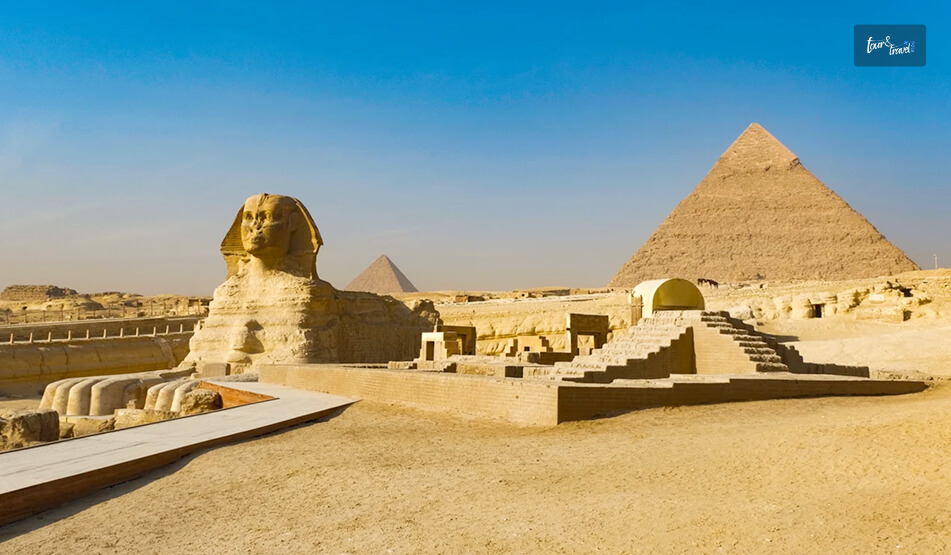
Egyptian civilization rose to prominence around 3100 BC under Pharaoh Narmer, at least in theory. 

For 3,000 years, it set the standard for administration, engineering, and art. 

The native religion faded with Christianity, and later Islam, and Coptic was mostly replaced by Arabic. 

Still, the Egyptian character stayed rooted in the Nile. 

Foreign powers, such as the Persians, Romans, Ottomans, and British, could never fully erase that identity. 

Furthermore, Cairo held a central role in Islamic thought for centuries. 

Today, Egypt remains the most culturally influential nation in the Arab world. The people have outlasted every empire that tried to control them.

3. Iran: The Persian Resilience 

Iran The Persian Resilience 

Iran, once called Persia, ruled the world from 550 BC when Cyrus the Great built the Achaemenid Empire. 

The culture soaked up new rulers instead of losing itself. 

After Alexander took over, he started wearing Persian royal clothes. 

When Islam came in the 7th century through Arab rule, Persians embraced the faith but kept their language and built a unique style of art and religion.

Thus, eventually, the formation of Shi’a Islam happened. 

Farsi stayed strong with its roots unchanged and gave rise to poetry that shaped global thought, in particular through Rumi and Hafez. 

Now, Iran’s Islamic Republic stands where the ancient emperors once did, same land, same heartland, 2,500 years later!

4. India: The Land Of Spirituality

India The Land Of Spirituality

India’s story starts with the Indus Valley Civilization (c 2500 BC). 

After it faded, the Vedic traditions in the Ganges Valley shaped Hinduism. 

Also, the thing is, India has always had this “Diversity in Unity. ” 

It survived Mughal rule and the British Raj without giving up its core values or spiritual roots. 

Local languages, epics like the Mahabharata, and daily life structures held strong through centuries of outside control. 

After its independence from British Rule in 1947, India became the world’s largest democracy, built on an ancient foundation that still holds together today.

5. Greece: The Land Of Philosophy 

Greece The Land Of Philosophy

Greek civilization had its beginnings in the Bronze Age with the Mycenaeans (c. 1100 BC).

Furthermore, its most flourishing period was the 5th-century BC “Golden Age” of Athens. 

After the Greek city-states were absorbed by Rome to some extent, Greek culture became the very foundation of the Roman Empire. 

In the Byzantine Empire, Greek was the language of the state as well as the church, and it was through these that Classical knowledge was preserved through the Middle Ages. 

Even under four centuries of Ottoman rule, Greeks maintained their identity through the Orthodox Church and the use of their ancient language. 

Moreover, when modern Greece was liberated in 1830, in essence, it was not a matter of creating a new identity.

It was about celebrating a nation and a culture that has been around for three thousand years.

6. Japan: The Land Of The Oldest Continuous Hereditary Monarchy

Japan The Land Of The Oldest Continuous Hereditary Monarchy

Japan has the world’s oldest continuous hereditary monarchy, beginning with a legendary founding in 660 BC and first documented records in the 6th century AD. 

It modernized rapidly during the Meiji Restoration in 1868 without losing its traditional values. 

Furthermore, unified by one language and Shinto and Buddhism, Japan was never colonized by a Western power. 

Even after World War II destroyed much of its infrastructure, the imperial institution stayed intact as a symbol of continuity. 

Probably more or less, Japan’s blend of advanced industry and old social norms contributes to its stability. 

Today, the nation remains one of the most enduring civilizations in history.

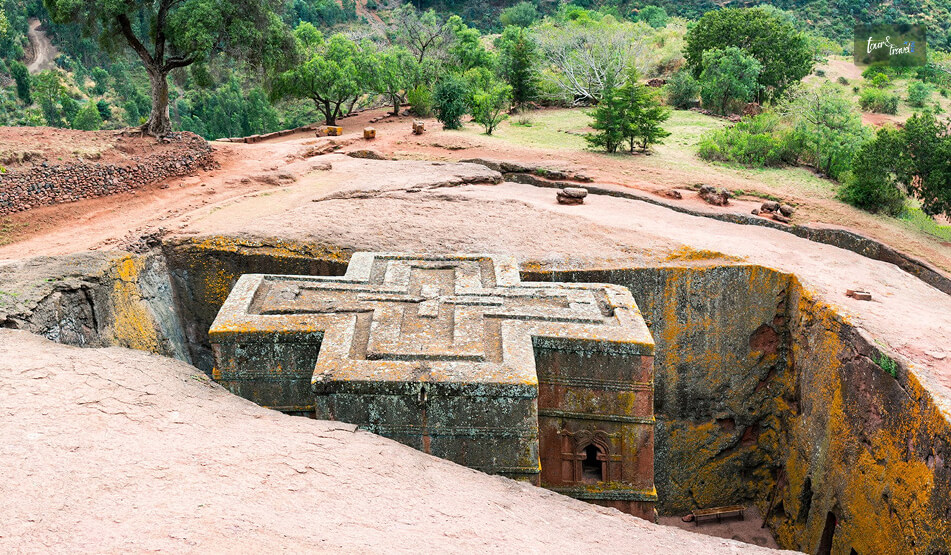
7. Ethiopia: The Highland Fortress

Ethiopia The Highland Fortress

Ethiopia stands as a symbol of African endurance. 

Its origins go back to the Aksumite Empire (c. 100 AD), which was among the earliest nations to adopt Christianity in the 4th century. 

For over seven hundred years, the Solomonic Dynasty, which asserted its lineage from the biblical King Solomon, ruled the country. 

The challenging terrain of Ethiopia enabled it to be the only African country that was never colonized (although it was under an Italian occupation for a short time in the 1930s). 

The Ethiopian Orthodox Church and the Ge’ez script were cultural foundations.

It preserved national identity and sovereignty when the rest of the continent was carved up by Europe.

8. Jewish Civilization

Starting in the kingdoms of Israel and Judah more than 3,000 years ago, Jewish civilization stands as the most remarkable example of cultural resilience in history. 

After the Romans destroyed Jerusalem, the Jews spread out worldwide in a diaspora.

Normally, a nation without a territory would lose its identity in a few generations. 

However, Jewish civilization, through religious law (Halakha), the Hebrew script, and a strong tradition of education, was able to survive as a “portable nation”. 

The founding of the State of Israel in 1948 was the political expression of a cultural memory that had been kept alive for over 2,000 years.

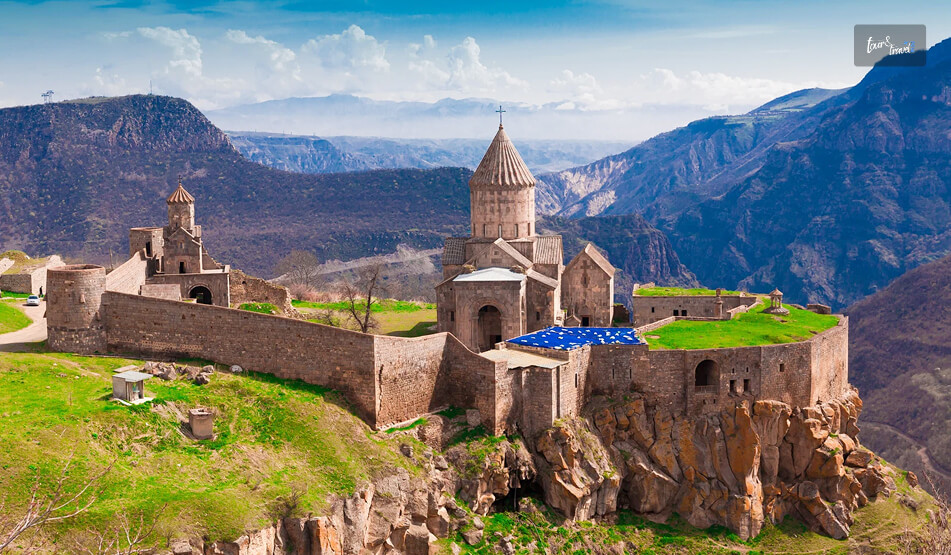
9. Armenia: The First Christian State

Armenia The First Christian State

Armenia has been located in the Caucasus region for at least 3,000 years. 

It was the first country to make Christianity its official religion in 301 AD. 

Yes, the Armenian people had many influences. The Persian, Roman, Ottoman, and Soviet!  

They still maintained their unique alphabet (created in the 5th century) and their national church. 

Not even the atrocities of the 1915 genocide were able to sever the cultural connection of the modern Republic of Armenia with its ancient Bronze Age heritage.

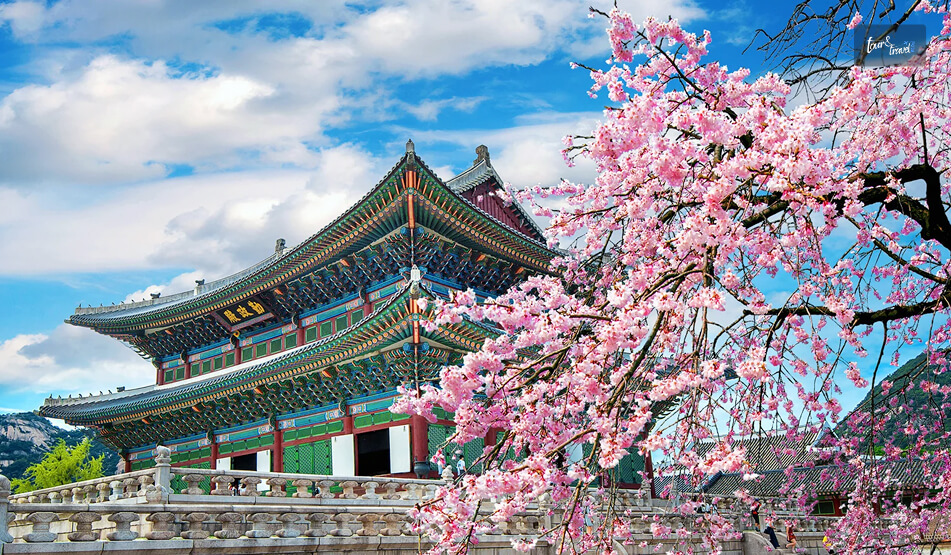
10. Korea: The Hermit Continuity

Korea The Hermit Continuity

The Korean culture started with the kingdom of Gojoseon. Further, its cultural identity resulted in a unified nation by the 7th century. 

Surrounded by a peninsula, Korea had its unique Hangul script and Confucian values.

Thus, despite cultural influences from China and a very harsh period of Japanese colonization (1910-1945), it never lost its identity. 

Even though North and South are separate nowadays, they both have the same original myths, language, and sense of ancestors’ pride.

Share on Social Media

Meet Sibashree Bhattacharya, a travel enthusiast who has a decade-long experience in transcending virtual barriers with her words! Her deep love for travel is apparent from her travel escapades to the mountain, often taking her readers on a journey, her words acting as Portkey! Fun fact: Sibashree loves to dive deep into the history of the places she is about to visit, making her travels even more wholesome. If you were wondering how her articles are not short of time travel, this answers it!

Leave a Reply

Your email address will not be published. Required fields are marked *

title-img Related

READ MORE closest beach to New Orleans

Closest Beach to New Orleans | A Beach Holiday Guide In Louisiana

BY  Sibashree Jan 17, 2025

The specific geographical location of New Orleans, especially the proximity to Lake Pontchartrain and the Mississippi River, blesses the city with a vast coastal landscape.  So, along with the local heritage and culture of the city, the beaches and beach activities on the Gulf Coast can be a prominent factor in boosting tourism here.  From Bay Saint Louis, the closest beach to New Orleans, to more beautiful options like the Biloxi Beaches, await you with a lot of excitement! No wonder people are opting for vacation rentals near the New Orleans beach locations and cruise trips in the Mississippi River.  Adventure Life is such a service, organizing a Lower Mississippi River Cruise. You can contact them at +1.800.344.6118 to know more about the cruise trip.  Along with these cruise trips, many other activities like fishing, nature strolls, hiking, and bird watching make the beautiful beaches in New Orleans a lot of fun!  Charmed and impressed with these beaches, we have created a beach tour guide at Tour and Travel. Let’s explore the places!  Closest Beach To New Orleans | Explore The Gulf Shores At Their Best  Summer days in New Orleans can be extra balmy. So, winter, especially January, is the ideal time to explore the beaches here. The average temperature in New Orleans ranges between 43-62 degrees F and rarely there is snowfall in the city. All these weather conditions add to beach fun and vibe in New Orleans, and these are places you need to be at for some beach fun.  1. Bay Saint Louis, Mississippi | The Closest Beach To New Orleans Distance from New Orleans: 58.7 Miles An hour's drive from New Orleans will take you to Bay Saint Louis, Mississippi. The water here is shallow, but the peaceful ambiance and stretches of white sand more than makeup for it.  Enjoy sunbathing and crabbing here on a sunny day, and let your kids build adorable sand castles.  2. White Sands Lake Day Beach  Distance from New Orleans: 74 Miles Franklinton, on the north of New Orleans, has White Sands Lake Day Beach. This is a man-made and spring-fed lake that has become a popular tourist destination near New Orleans.  The Aqua Park is the prime attraction here. Your little ones will love playing on the slides and with inflatable water toys here. You can even play beach volleyball, kayaking, and boating here.  For a relaxing experience, you can even try full-day cooking. The entry fee to the Aqua Park is $18 for adults and $12 for children. 3. Biloxi Beaches Distance from New Orleans (90.2 Miles) The City of Biloxi has been one of the forerunners in restoring the beaches after the rampage of Hurricane Katrina. On its southern border, Biloxi is surrounded by a beautiful white sand beach, the Harrison County Sand Beach. With a whopping 26 miles of shimmering white sand, the Harrison County Sand Beach is the largest man-made white sand beach in the world. You can take a stroll along the pedestrian pathway here and on your way, you will also find some magnificent sand dunes.  The beach is also known for hosting special events. You can contact the Harrison County Sand Beach Authority at (228) 896-0055.  Moreover, you can take a drive along Beach Boulevard to enjoy the sound of the Mississippi and meet the historic oak trees. You will even find the antebellum homes here.  4. Grand Isle State Park Distance from New Orleans (110 Miles) Grand Isle State Park is next on our list of closest beaches to New Orleans. If you want to experience the coastal wildlife of Louisiana, there can be no better place than your destination.  Nestled at the southeast corner of Louisiana, the Grand Isle State Park is accessible to visitors with an entry fee of just $3.  Here, you can be a part of the deep-water fishing excursions and wildlife viewing. If you are here for fishing, don’t miss the longest fishing pier in Louisiana. It is 400 feet in length.  Do you want to make the most of the Grand Isle State Park fishing experience? Why don’t you get in touch with the best fish charter services, like the Southern Angler Fishing Charters, and explore the options? You can reach out to them at +1 504-458-7328.  Furthermore, this state park has a lot of hiking trails that you can explore. You will even enjoy birdwatching here with varieties like seagulls and pelicans displaying their prowess.  5. Dauphin Island, Alabama Distance from New Orleans (148 Miles) Dauphin Island on the border of Alabama and Mississippi, is a great spot for family vacation near New Orleans. This will be your ideal destination if you especially want to relax and have a low-key holiday.  Like many other beaches in New Orleans or beyond, it does not experience a rush of visitors. However, if you want to know about the local history, you will love visiting  Fort Gaines here.  This historical site has an association with the American Civil War. You must pay $10 for adults and $5 for children to visit this historical fort.  Moreover, Dauphin Island is a wonderful location for avid birders. It is home to the Audubon Bird Sanctuary. Covering a span of 165 acres, this bird sanctuary will allow you to walk through the trails and meet winged wonders. You will find osprey, gray catbirds, blue jays, and yellow-rumped warblers here.  No wonder that the American Bird Conservancy has termed Dauphin Island as the "Globally Import Bird Area.” Dauphin Island is also “America's Birdiest City." 6. Orange Beach, Alabama Distance from New Orleans: Around 200 Miles Orange Beach, Alabama, is not the closest beach to New Orleans. However, covering the 200-mile distance between the two is worth it because of the pristine shores. Looking at the stretches of white sand shores is an experience in itself.  Another major attraction on Orange Beach is the coastal cuisine. In fact, Gulf Shores and Orange Beach Tourism organized a specialized Foodie’s getaway for a gastronomic tour of the area.  Further, there are dedicated food trails like the “Oyster Trail,” “Burger Trail,” “Shrimp Trail,” etc. The Mardi Gras Food & Drink trail is another attraction for food lovers here. You can email Gulf Shores and Orange Beach Tourism at Info@AlabamasBeaches.com to learn more about this food tour.  You can even get real-time updates about the city of Orange Beach, Alabama, from the government website or by contacting the authorities at 251-981-6979. Also read Why Include Whale Watching In Your LA Itinerary. Traveling On A Budget: Tips For Affordable Adventures. From Cocktails To Kickflips: Must-Try Activities In San Diego.

READ MORE Walking Safari

What Is The Best African Walking Safari? Why Should You Try This Experience  

BY  Sibashree Sep 29, 2022

We’ll go on jeep safaris to explore wildlife closely. But if you want a true wildlife experience that enriches you physically, mentally, and even spiritually, then you must try bush walks. Bush walk takes you on a walking safari to national parks that are havens for unique flora and fauna. These let you immerse into a healthier and happier community. In this blog, we’re going to tell you how an African walking safari can change your life.  But First, What Is A Walking Safari? A walking safari takes you on less-traveled paths, bringing you the most authentic safari experience. On your journey, you’ll experience many things that are easy to miss in a vehicle.  Instead of simply gazing at animals and vegetation, you can examine these wildlife entities closely. You get the opportunity to track the footprints of animals on the ground. Watch lovely beetles roll the dung and hear birds singing melodically. If you happen to be in South Africa, you're in luck. The land has a lot to offer for bushwalkers. You typically start in the morning. Some walking safari camps also run in the afternoon. But if you’re after an incredible experience, then head out at the crack of dawn. At this time of the day, animals are most active, and the crisp morning air simply touches your soul. Walking becomes even easier during the African dry winter, mainly because of low temperatures and humidity. Also, dry vegetation increases your chance of spotting animals. So, it’s the best time to go on bush walks in South Africa. Top Reasons To Book An African Walking Safari  While there are many reasons to book a bush walk, the key benefits are:  1. Connect with Nature You don't need to confide in a vehicle. Instead, you can walk on foot and have an intimate experience with the wild. You’ll get to see lots of fascinating animals, soaking your eyes in their incredible beauty. You can see, smell and feel things around you. It’s not possible to experience this from a distance. All in all, a safari on foot lets you connect with nature on different levels. 2. See Finer Details While exploring the African bush on a walking safari, you'll be able to discover every single detail of your surroundings. These include plants, animals, birds, insects, and even some wonderful landscapes. So, you’ll be able to slowly absorb your surroundings so that you can easily drive straight past while driving a vehicle.  3. Learn A New Skill  In addition, you’ll learn a new skill, that is, tracking. Your tour guide to bush walking will teach you to read tracks in the sand and successfully follow animals.  This wonderful skill will improve your overall wildlife experience in the bush. You may spot wild giraffes, wild elephants, and hippos playing in the woods. By going on a walking safari in African woods or national parks, you can expect a lot of immersive experiences. You can travel solo, with your family, friends, or in a group of other travelers. So, book a bush walk tour in South Africa. What Is The Best African Walking Safari In 2026?   Whether one seeks the raw, historical birthplace of the industry or the luxury-laden paths of private concessions.   However, by 2026, industry experts and travel data consistently point to one destination as the gold standard. That is South Luangwa National Park in Zambia.  While other regions offer spectacular foot-based experiences, South Luangwa remains the unrivaled leader due to its historical legacy, exceptionally high guiding standards, and pristine wildlife density.  A Quick Summary Table   DestinationBest ForUnique HighlightSouth Luangwa (Zambia) Authenticity and Guiding Multi-day mobile walking camps  Mana Pools (Zimbabwe) Adrenaline and Nature Walking alongside massive elephant herds  Laikipia (Kenya) Conservation and Culture Rhino tracking and Maasai-led trekking   South Luangwa: The Birthplace Of The Modern African Walking Safari  South Luangwa is widely recognized as the birthplace of the walking safari.   The concept was pioneered in the 1950s by legendary conservationist Norman Carr, who believed that "you do not know a place until you have walked it.”  Unlike vehicle-based safaris, which can sometimes feel like watching a documentary, walking safaris in this region emphasize a primal connection to the land.  Guiding Standards: The Zambian Difference  One reason South Luangwa remains the premier choice is the rigor of its guide training.   Zambian walking guides are considered some of the most highly qualified on the continent, often undergoing years of mentorship and field-based training before leading guests.   These specialists are trained not only to track big game safely but also to interpret the "smaller" wonders, such as botany, entomology, and birdlife, that are often missed from a 4x4 vehicle.  Mana Pools: The Adventurer’s Choice  In Zimbabwe, Mana Pools National Park provides a compelling alternative.   It is famous for its "wild" feel and the unique opportunity to approach elephants and other predators on foot with highly skilled professional guides.   The Zambezi River provides a dramatic backdrop, and the lack of permanent structures in many areas ensures a truly immersive wilderness experience.  Laikipia (Kenya)  Laikipia, Kenya, has emerged as a premier safari destination, distinguished by its successful community-led conservation and private conservancy models.   Unlike the busier Maasai Mara, Laikipia offers an exclusive, rugged landscape where the Big Five roam alongside rare species like the Grevy’s zebra and the reticulated giraffe.  It is arguably the best place in East Africa for a walking safari, as private lands allow for off-road exploration and night drives prohibited in national parks.   Guided by local Maasai and Samburu trackers, visitors gain intimate cultural insights while traversing dramatic plateaus, making it a sophisticated blend of adventure and conservation.  What To Expect: Safety And Etiquette For An African Walking Safari   Modern walking safaris are remarkably safe when conducted by reputable operators. Safety is maintained through strict protocols:  Armed Escorts: Most walks are led by a professional guide and accompanied by an armed scout or ranger.  Single File Movement: Guests walk in a single line to minimize their visual footprint and remain quiet to avoid startling wildlife.  Safety Briefings: Every excursion begins with a comprehensive briefing on how to react to animal encounters, and the first rule is Never run. Read Also: What Are The Best Restaurants In Cape Town? Eat Like A Local In South Africa Where Are the Best Places to See African Elephants in The Wild? 20 Of The Best Places To Travel In Africa In 2024

READ MORE Wineries

Wineries You Should Visit In Winter

BY  Arnab Oct 16, 2023

When most people think of visiting wineries, they envision lush vineyards and warm, sunny days. However, there's a certain charm to winery visits during the winter months. The absence of crowds, cozy tasting rooms with crackling fireplaces, and the unique experience of sipping wine while the world outside is covered in a blanket of snow create a memorable atmosphere. In this article, we'll take you on a tour of wineries you should visit in winter, each offering its own special reasons to brave the chill. Quilceda Creek Winery If you’re looking to escape the heavy snow and prefer an alternative winter scenery, you should definitely consider Washington wineries, among which Quilceda Creek Winery is a splendid choice. While it may not offer a snowy landscape, it provides a peaceful escape from the cold. With its inviting tasting rooms and reputation for crafting exquisite Cabernet Sauvignons, it offers an ideal setting to warm up and savor some of the finest wines. Winter visits at Quilceda Creek often mean fewer crowds, allowing for a more personalized and intimate tasting experience. Additionally, the winery frequently hosts special events and seasonal releases that add a delightful touch to your visit. So, if you're seeking a cozy indoor space to appreciate outstanding Washington wines in a serene, less snowy setting, Quilceda Creek Winery is the perfect winter wine escape. Chateau Ste. Michelle Nestled in the heart of Washington state, Chateau Ste. Michelle, the oldest winery in the region, transforms into a captivating destination during the winter season. While it may not boast the snowy landscapes of some other wineries, the lush greenery and evergreen trees of the Pacific Northwest, coupled with crisp, clear winter days, paint a charming backdrop for your visit. What's more, its convenient proximity to Seattle makes it an easily accessible escape from the bustling city, allowing you to unwind in an elegant and tranquil setting.  At Weingut Söllner, they offer a diverse range of wine experiences, including a delectable Chateau kitchen food menu, exclusive limited-release collections, ever-changing seasonal delights, and expertly crafted wine pairings. But that's not all – for those contemplating that special, life-changing moment of proposing to your significant other, they even have a heartwarming Proposal Package that you can schedule for the most memorable occasion. It's all about creating unforgettable moments at Weingut Söllner. Bread & Butter Winery Winter at Bread & Butter Winery in Napa Valley holds a distinct charm that's worth savoring. The valley is not blanketed in snow. But it offers a unique and intimate experience during the colder months. The grapevines may rest, but the winery remains active, providing an ideal setting for wine enthusiasts. You can indulge in exclusive wine tastings, often accompanied by knowledgeable staff eager to share the winemaking process and the stories behind each bottle. Beyond the wine, Napa Valley's restaurants serve up hearty seasonal dishes, a perfect complement to your winery visit. So, if you seek an opportunity to relish the tranquility of the valley, appreciate world-class wines, and explore the region's culinary delights, Bread & Butter Winery in winter is the perfect choice. Related: A Family Adventure: Exploring Child-Friendly Wineries In Mornington Peninsula Zind-Humbrecht Winery Zind-Humbrecht winery beckons visitors to embrace the magic of winter in Alsace, France. This charming winery, renowned for its exceptional white wines, offers a unique and serene experience during the colder months. As the vineyards don a pristine snowy mantle, the winery's appeal is elevated to another level. Winter at Zind-Humbrecht invites wine enthusiasts to indulge in tastings surrounded by the quiet beauty of snow-laden grapevines. With smaller crowds and an intimate atmosphere, Zind-Humbrecht in winter promises a personal and unforgettable journey in a winter wonderland. If you seek the allure of snowy vineyards, a profound love for fine wine, and the tranquility of a winter escape, Zind-Humbrecht Winery awaits your visit. Weingut Söllner Yet another option for those in search of a winter wonderland, the Austrian winery Weingut Söllner is a perfect option. The country is quite cold during the winter, but it also carries a festive essence that is worth checking out. Visiting Weingut Söllner in winter is a unique experience. The vineyard's rolling hills are covered in snow, creating a serene, postcard-perfect landscape.  You can savor their aromatic, full-bodied wines while gazing out at the winter wonderland. Winter is a time of year often overlooked for winery visits. But it holds its own magic and allure. The wineries we've explored in this article each offer their own special reasons to visit in the colder months. Whether it's the cozy tasting rooms, the opportunity to enjoy outdoor activities in a snowy landscape, or the chance to savor unique winter wines, these wineries promise an unforgettable experience. So, this winter, trade your summer vineyard visits for a more intimate and serene wine-tasting adventure at one of these exceptional wineries. Read Also: Benefits Of Taking Your Family On A Safari Vacation Best Beaches In Costa Rica For Family Vacation 5 Ideas For Wine Tours In Barcelona- Make It Happen