
What Are The Things To Do In Ella, Sri Lanka? A Narrative Of My Days In Ella

Ella is one of Sri Lanka’s most beautiful towns. 

Also, Ella is a place where many of my favorite Sri Lankan adventures are. 

My first sighting of the famous Nine Arch Bridge, one of my first hikes at Ella Rock, standing at the edge of the roaring Diyaluma Falls, and many more. 

Perhaps the most famous train ride in the world, from Kandy, passes through Ella as well.

Ella is a quaint and beautiful town and is a great place to escape the heat of the southern coasts.

However, over the last decade, this quaint little hamlet has become a large tourist destination. 

Unfortunately, the growth has also brought some concrete eyesores to the village. 

There is still plenty of magic to be discovered here, if you are willing to move beyond the Instagram hotspots.

Having undertaken two comprehensive visits to this beautiful hill-country retreat, I have compiled the ultimate portfolio of things to do in Ella, Sri Lanka.

What Are The Things To Do In Ella, Sri Lanka? 

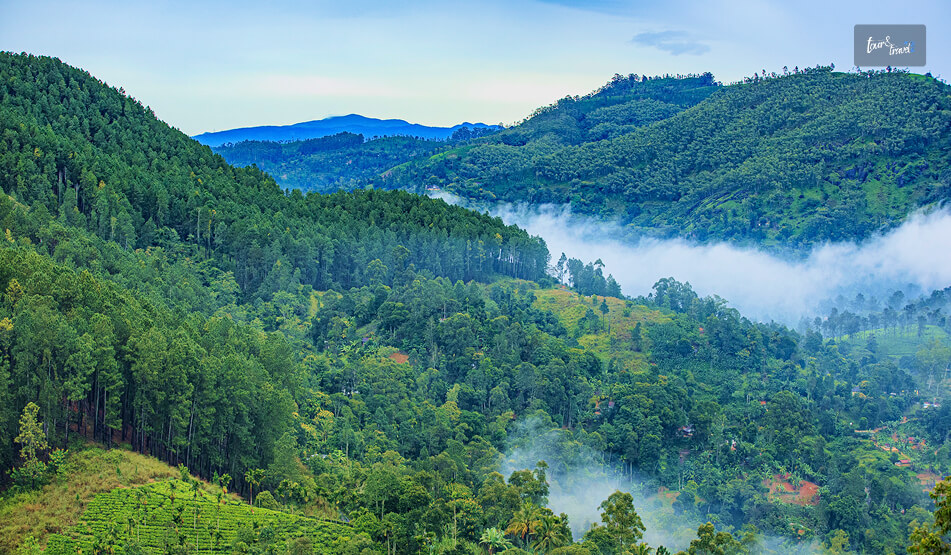
Despite the changes in Ella, Sri Lanka, the mountain ranges are just as majestic as they were years ago.

Furthermore, the tea served is still some of the finest in the world.

Moreover, people here are still warm. 

And the most fascinating part? 

Ella always brings out the explorer in you. How can you avoid the lure of riding in an open-air train or leaning over the edge of a waterfall? 

Here is more about the exciting things to do in Ella, Sri Lanka. 

1. Riding The Iconic Kandy To Ella Train

Riding The Iconic Kandy To Ella Train

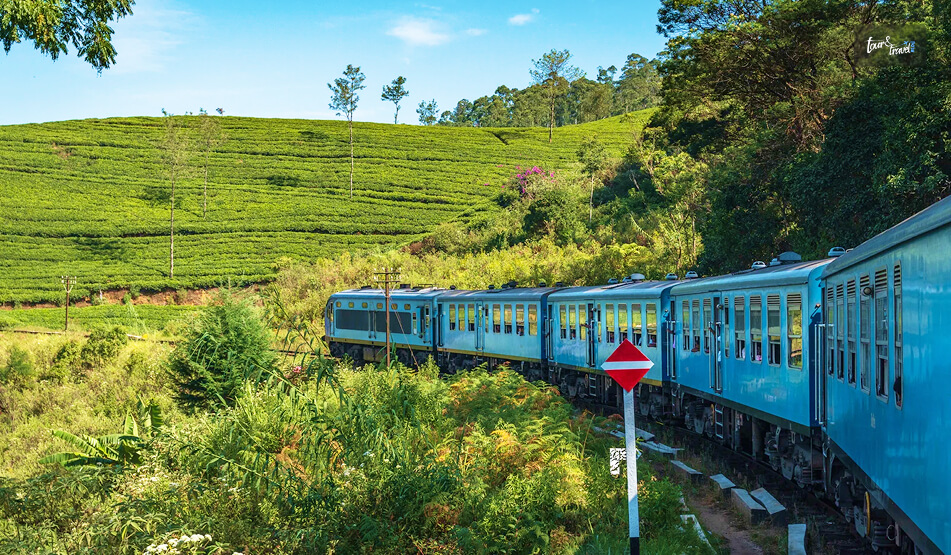
The Kandy to Ella train ride is the best thing you will do in Sri Lanka. 

The train passes through tea plantations and crosses gushing streams. 

And you cannot expect less from a route that has been labelled by many as the most picturesque train ride in the world. 

However, the train ride also allows you to indulge in the local vibe with local vendors hawking through the rush and the local boys singing and playing drums during the journey. 

Also, the Nanu Oya to Ella scratch is the most beautiful in the entire route. Also, don’t go for a 1st class ticket and reserve a 3rd class class to enjoy the views through open windows. 

2. Admiring  The Famous Nine Arch Bridge

Admiring The Famous Nine Arch Bridge

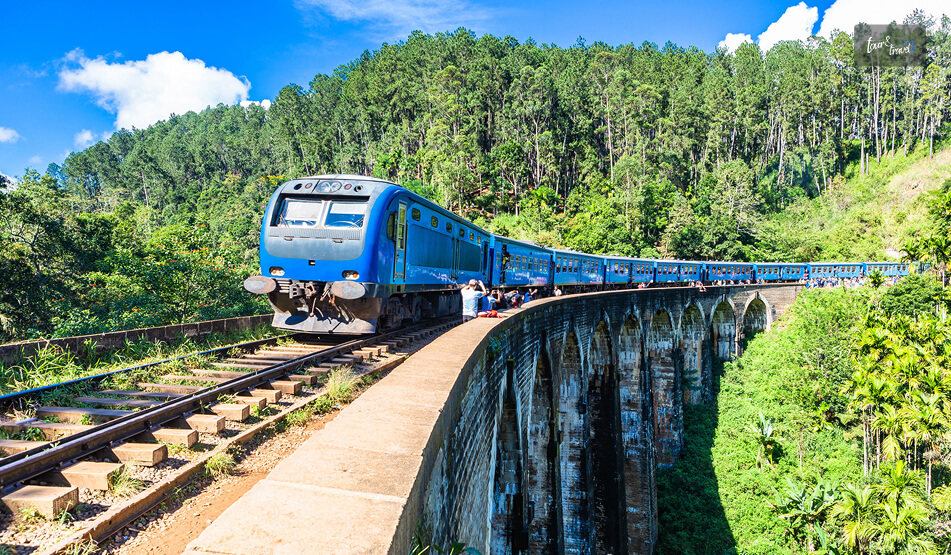
It’s astonishing to think that a single bridge could drive tourists in droves to a small town, but the Nine Arch Bridge is an engineering marvel that demands to be seen. 

Standing 24 meters high and spanning 91 meters, it was completed in 1921 using only brick, rock, and cement, and there is no metal at all.

When the mist hangs low in the valley, the bridge takes on a moody, mystical feel. 

You can walk along the tracks or look down from the tea plantations below, but my favorite view is from the cafe platforms in the surrounding hills. 

Watching the blue train slowly crawl across the arches is a sight I’ll never forget.

3. Hiking The Mighty Ella Rock 

Hiking The Mighty Ella Rock

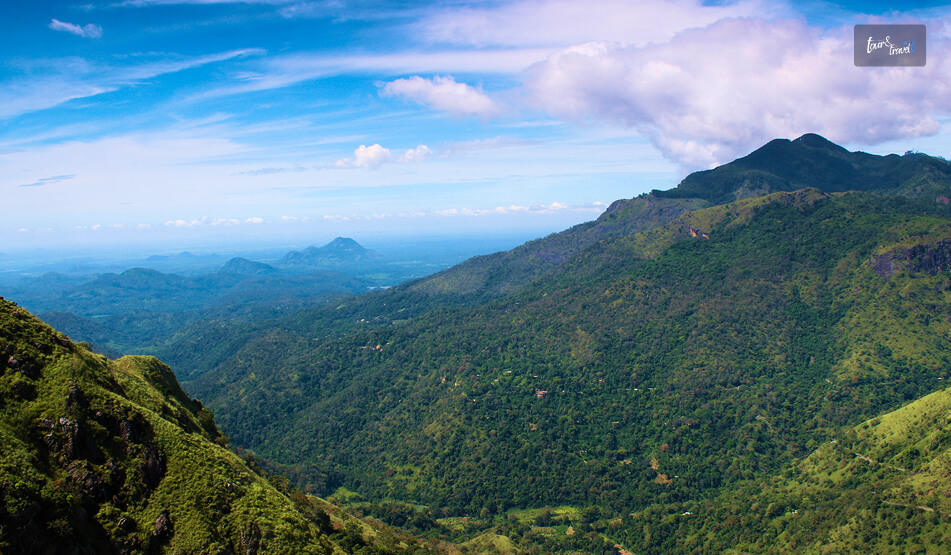
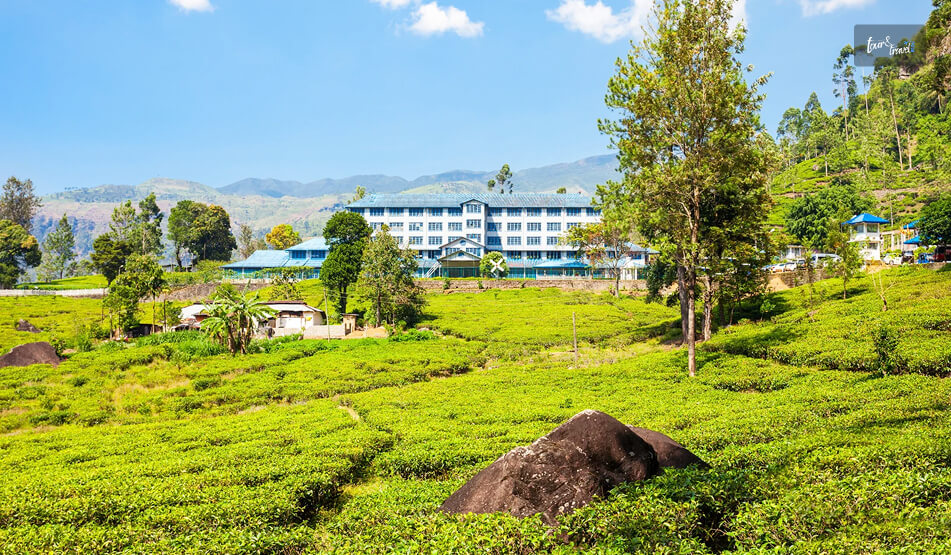
The hike to the mighty Ella Rock starts from the Ella railway station. It was a walk with waterfalls and small homes on the way. 

Then, the steep ascent began. 

After reaching the top, you will get a beautiful view of Adam’s Peak and Ella Gap.

4. Watching Sunset At Little Adam’s Peak

Watching Sunset At Little Adam’s Peak

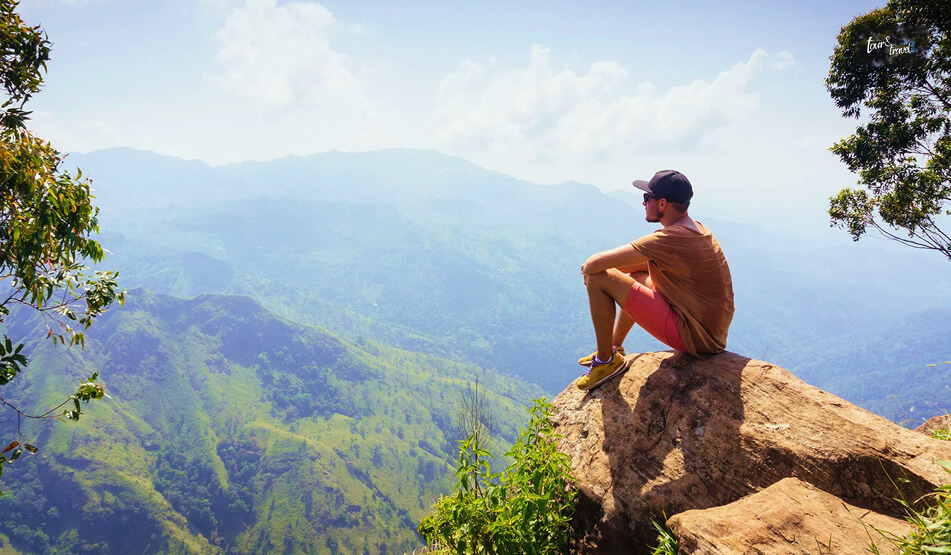
The hike to Little Adam’s Peak is a gentler alternative to the hike to Ella Rock. 

I walked through the lush tree plantations, and once I reached the top, the panoramic view before my eyes was nothing short of a movie frame. 

Plan your hike in the late afternoon to enjoy the most amazing sunset views from Little Adam’s Peak.

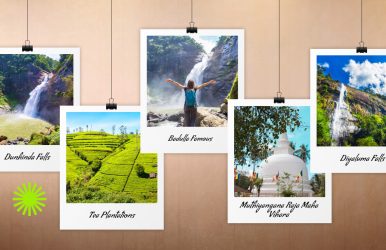
5. Chasing The Diyaluma Falls

Chasing The Diyaluma Falls

I started from Ella to Poonagala, the starting point for the Diyaluma Falls hike, by taking a tuk-tuk. 

The tuk-tuk took 1.5 hours. 

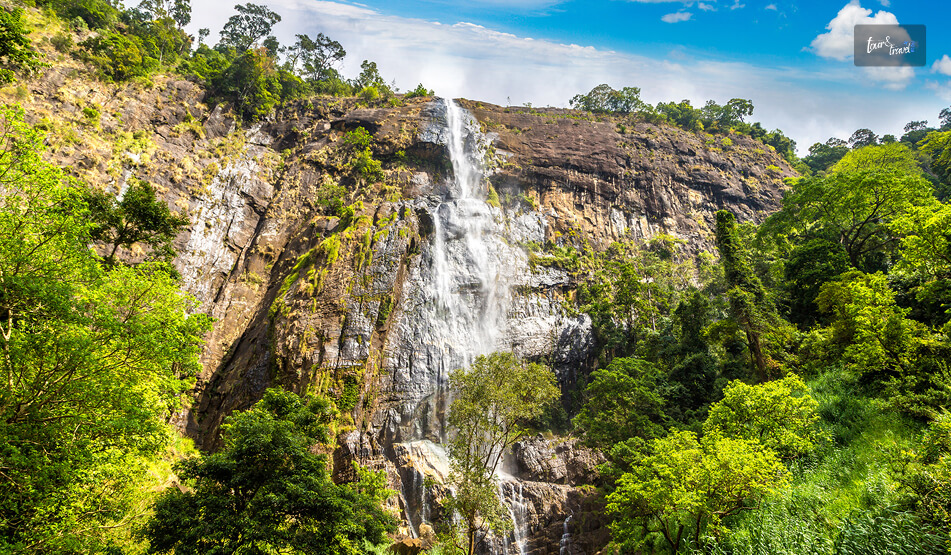
Furthermore, from Poonagala, it was a downhill hike to the Upper Diyaluma Falls, which had a 220-meter drop. 

There are natural infinity pools right at the edge where you can swim during the dry season. 

From the upper Diyaluma Falls, it is another 30-minute hike to the Lower Diyaluma Falls. 

6. Feeling The Mythological Connection At Ravana Falls 

Feeling The Mythological Connection At Ravana Falls

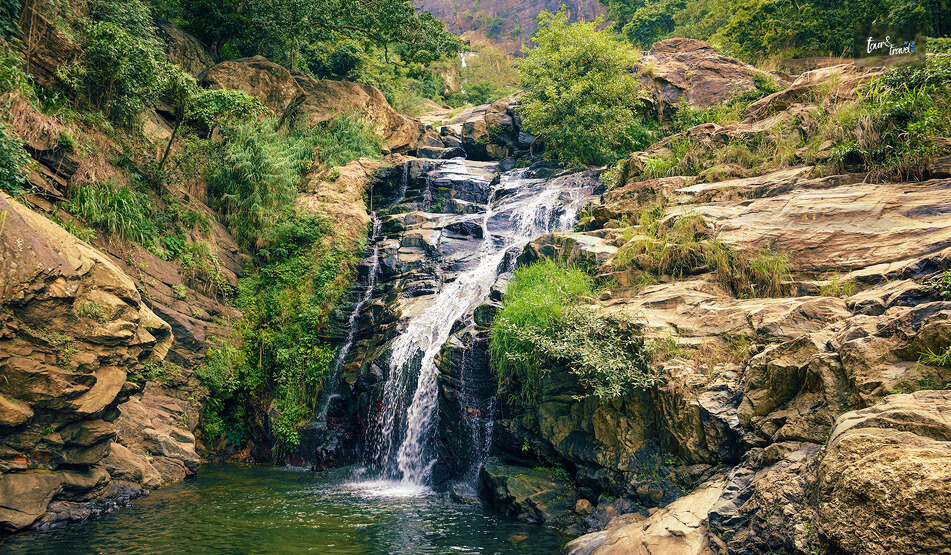
Ravana Falls is right by the road south of Ella. 

Locals say that King Ravana took Princess Sita and hid her in the caves behind Ravana Falls. 

Furthermore, you can see the Ravana Falls from the road. However, it is best if you hike to the second and third tiers. 

7. Taking A Seat With Sir Thomas Lipton

Tea is the lifeblood of this region, and a visit to Lipton’s Seat is a journey to the source. 

This is the exact spot where tea mogul Sir Thomas Lipton used to sit and survey his empire. 

On a clear day, you can see all the way to the south coast. Even on the foggy day I visited, sipping a fresh cup of Ceylon tea (the best I’ve ever had) while the clouds swirled around the summit was incredibly atmospheric.

8. Taking A Tour Of The Dambethenne Tea Factory

Taking A Tour Of The Dambethenne Tea Factory

When you go to the high country, you must learn the actual science of the making of your brew.

I visited the tea company founded by Lipton himself in 1890 and saw how it was picked, wilted, fermented, and graded.

All of these were new to me as an individual who drinks a lot of tea. 

About 80% of this tea is sold in Colombo and then exported around the world. I especially found the fermenting room to be extremely interesting.

9. Feel The Adrenaline Rush At Flying Ravana

If you need a break from the hiking, Ella recently opened Sri Lanka’s first-ever zip-line. 

It stretches half a kilometer across the hills and hits speeds of 80kmph. 

For around $20 USD, it’s one of the best value adrenaline fixes I’ve ever found. It’s located near the 98 Acres resort, making it a perfect way to end a trip to Little Adam’s Peak.

10. Mastering The Art Of The Curry At Ella, Sri Lanka 

Mastering The Art Of The Curry At Ella, Sri Lanka

In my opinion, Sri Lanka has the best food (after my country, of course)!

If you want to bring back a little bit of Sri Lanka to your home country, then you should try taking a cooking class. 

Also, if you don’t have enough time, just try the food streets. 

For me, it was a brilliant consolidation of my food tour in Jaffna. Though the food in Ella is creamier and less spicy than in Jaffna. 

11. Witnessing The Grandeur Of Bambarakanda Falls

Witnessing The Grandeur Of Bambarakanda Falls

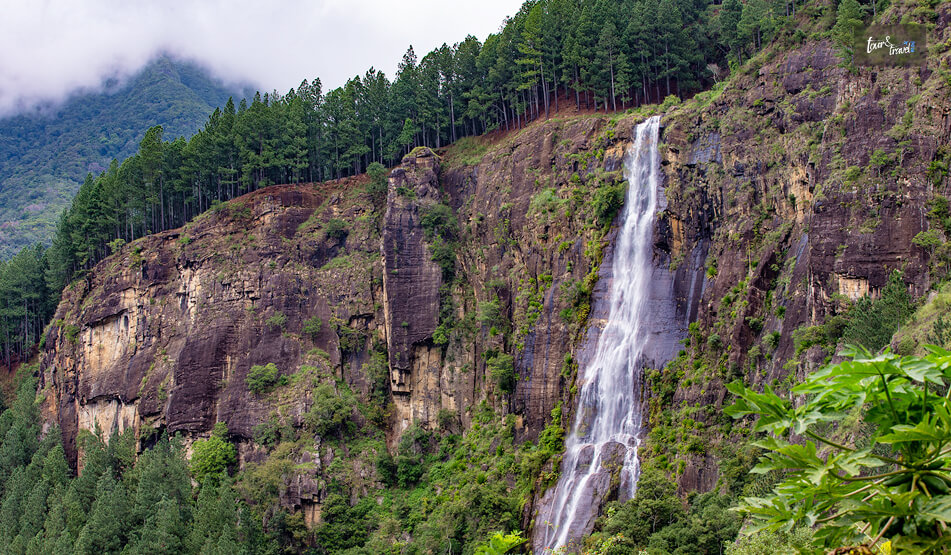
The Bambarakanda Falls is the tallest waterfall in the country, and it falls from a height of 241 meters. 

You can take a short hike or a tuk-tuk to reach the Bambarakanda Falls from Ella. 

Then, stand at the base and feel the sheer power of that vertical drop. 

Moreover, to enjoy the best flow of this waterfall, plan a visit between April and September. 

12. Spotting The Elephants At Udawalawe

Spotting The Elephants At Udawalawe

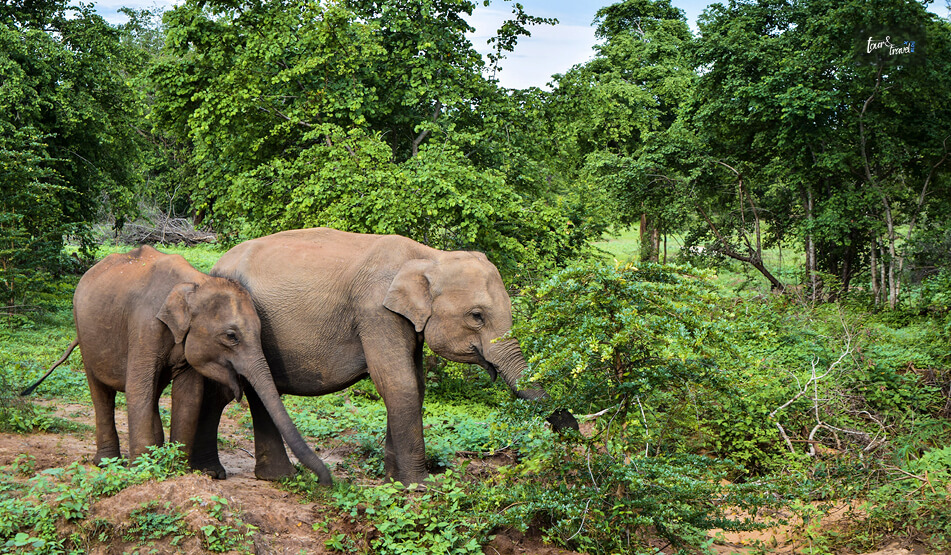
Like the Kaudulla National Park, the Udawalawe National Park is also a great place for spotting elephants in the wild. 

Ella is the base for a safari in the Udawalawe National Park. 

I opted for an early morning safari, and I spotted adorable baby elephants with their mothers. 

Don’t Forget To Party And Chill In Ella, Sri Lanka 

Like Jaffna, a backpacker’s dream, Ella has also emerged as a hub for backpackers and budget travelers. 

Ella Town is still a great place to unwind, and places such as Cafe Chill are at the epicenter of these scenes. 

You can have some really good burgers and Lion Beer at some of these recognized cafes. 

Moreover, when you spend time at these cafes, you don’t rush from one place to another, but study the local culture and understand how a country, ridden by cyclones, endless civil wars, and financial crisis, can still be the land of sunshine. 

Share on Social Media

Meet Sibashree Bhattacharya, a travel enthusiast who has a decade-long experience in transcending virtual barriers with her words! Her deep love for travel is apparent from her travel escapades to the mountain, often taking her readers on a journey, her words acting as Portkey! Fun fact: Sibashree loves to dive deep into the history of the places she is about to visit, making her travels even more wholesome. If you were wondering how her articles are not short of time travel, this answers it!

Leave a Reply

Your email address will not be published. Required fields are marked *

title-img Related

READ MORE day trips from Tokyo

What Are The Best Day Trips From Tokyo? Most Popular Ones You Will Love 

BY  Sibashree Mar 26, 2026

If you are like me, your first trip to Japan probably started off in Tokyo, surrounded by bright neon lights and an astounding number of people moving around to get from place to place. Tokyo is a logical starting point because of the many inexpensive daily flights that arrive, as well as its efficient public transportation, making it very easy to get around and communicate with those whom you meet there, because they speak some English. But let me tell you a little secret I learned from spending two different trips to Japan over the course of three weeks. Although I had fun in Tokyo, I’m definitely not a big progressive city person. The real beauty and the heart of Japan are found away from the chaos of Tokyo. The true essence of Japan can be experienced at its best in either the peaceful mountains high above the sea or in the salty air along the coast of Japan. So if you are planning on staying in Tokyo for more than three days, do yourself a favor and venture outside of the city limits.  These are my favorite day trips from Tokyo. You can travel to each of these destinations within 1 to 2 hours. What Are The Best Day Trips From Tokyo?  Tokyo is an incredible gateway. However, Japan’s true magic is often found in the places where the skyscrapers disappear.  Whether you want the spray of the ocean in Kamakura or the mountain air of Hakone, I promise that leaving the city for just a day will change how you see the country. From Mount Fuji to Kyoto, the Soul of Japan, the day trips from Tokyo are as diverse as they can be.  Here is a detailed account of my experience in those places.  1. Mount Fuji And Kawaguchiko: The Icon Travel Time: 2 Hours  How to Reach There: Highway buses from Shinjuku or Shibuya (~¥1,250–¥2,000 one way). If I can only recommend one escape, it will be Kawaguchiko, a town located right at the foot of Mt. Fuji.  "Shy" Fuji hides behind a curtain of clouds and can be quite elusive. While I visited, Fuji showed off for me on several occasions. I spent an entire day in this beautiful town, but would recommend an overnight stay at one of the many traditional ryokans situated on the lake if possible. There, you will notice the the juxtaposition of Fuji's reflection on Lake Kawaguchi at sunrise will be a once-in-a-lifetime experience. Highlights From My Visit Climbing the 398 steps of Chureito Pagoda was strenuous. However, the meditation-like calm through the forest made it worthwhile. I was fortunate enough to see the iconic site of the Red Pagoda with Mt. Fuji as a backdrop, as the clouds rolled in and covered the summit of Fuji. Hōtō noodles are a local specialty and are made up of thick, flat noodles cooked in a Japanese miso broth. Eating them will feel like a warm hug! So, don’t forget to try it.  2. Nikko: A Place Of Mist And Masterpieces Travel Time: 2 Hours How to Get There: Tobu Railway from Asakusa to Tobu-Nikko Station. When you visit Nikko, you will see all that it has to offer in the stunning, misty forests and cedar trees. Moreover, the detailed and ornate shrines seem to be jewelry boxes.    Insider Tip:  Arrive before 9 am at Lake Chuzenji to witness how the morning light creates an incredibly peaceful scene on the water.  If you arrive later than 9 am, visit the Toshogu Shrine first, which is where Shogun Tokugawa Ieyasu is buried and features the famous three monkeys, "See no evil, hear no evil, speak no evil". Many people come to see Kegon Falls, but it can be crowded due to the high tourist volume.  Unless you arrive at dawn, I would recommend skipping Kegon Falls and enjoying the calm waters of the lake instead. 3. The Coastal Soul Of Japan: Kamakura Travel Time: 1 hour How to Get There: JR Yokosuka Line from Tokyo Station (¥940 one way). Kamakura is also popular as the "Kyoto of the East," and I can see why.  Although it is an hour from Tokyo, when you are there, you will be surrounded by the smell of salt and incense from the temples instead of exhaust from busy streets. Be sure to see the Great Buddha (Daibutsu) at Kotoku-in.  This is a large bronze hollow statue located outside.  Standing there, surrounded by trees and soft sea light, I felt a sense of peace and tranquility.  After visiting the Great Buddha, I walked to Yuigahama Beach to watch the surfers and the sunset before enjoying a meal of sukiyaki or shabu-shabu. 4. Hakone: A Breath of Mountain Air Travel Time: 2 Hours How to Get There: Odakyu “Romancecar” from Shinjuku. I recommend the Hakone Free Pass. Tokyo is the pulse of Japanese culture, and it is in Hakone where you'll find peace after the city's frenzied pace. Hakone is a beautiful blend of modern and ancient.  The first stop for my visit was at the Hakone Open-Air Museum, where I walked among sculptures created by some of the most famous artists in the world, surrounded by natural beauty all around me.  Then, I took the Hakone Ropeway across the Owakudani Valley.  It is an active volcanic area where steam rises out of the ground, creating a picture of a living canvas.  On clear days, you may see Mt. Fuji as well.  The day was capped off with a boat ride on Lake Ashi aboard a vessel that resembled a "pirate ship."  I was hesitant about it being cheesy, but the sights were gorgeous. 5. The Easy Escape To Yokohama  Travel Time: 30 Minutes How to get there: JR Tokaido or Keihin-Tohoku Line from Tokyo Station (¥480). When I need to relax from the chaos of Tokyo, I tend to go to Yokohama.  Yokohama is the 2nd largest city in Japan. However, it has a much more relaxing atmosphere due to the harbor.  I enjoy taking a stroll along Minato Mirai, which is another word for "harbor view," while enjoying the ocean breeze.  For something "quirky", I went to the Cup Noodles Museum to create my own cup of noodles and to learn about the history of Nissin Food Products.  However, the highlight was visiting China Town, which is the largest in Japan.  My recommendation is to arrive at China Town around 4:00 or 5:00 PM.  It will be early enough to beat the dinner rush and late enough to see the entrance of all the glow from the lanterns.  Take a bag of roasted chestnuts and enjoy the view of the skyline from the water while riding on the Cosmo Clock 21 Ferris Wheel. 6. A Trip Back In Time To Kawagoe Travel Time: 1 Hour How to get there: Tobu Tojo Line from Ikebukuro or JR from Shinjuku. If you want a taste of the Edo period without trekking all the way to Kyoto, go to Kawagoe.  It’s a walkable town full of clay-walled warehouses and wooden merchant houses. When I arrived at 8 AM, I heard the Toki no Kane (Bell of Time) tolling in the stillness of the morning.  I went back 200 years in time.  If you have time to go to Candy Alley, everything is made from sweet potatoes, cakes, chips, and even ice cream!  I know it sounds strange, but I assure you that it is really good! 7. Kyoto: The Soul Of Japan Travel Time: 2 Hours (by Shinkansen) How to get there: Tokaido Shinkansen from Tokyo Station (¥13,320 one way). I usually tell people to stay at least two days in Kyoto, but if a day trip is all you can manage, do it. It is expensive, but it is worth every yen. To appreciate Kyoto fully, you should focus on finding peace and serenity rather than simply marking off temples from a to-do list.  Instead of fighting the crowds at the bamboo groves, I found my peace by sitting in the wonderful gardens of Kennin-Ji Temple and breathing the incense they burned there. 8. Enoshima: Islands And Icons  Travel Time: 2 Hours How to get there: Odakyu Line from Shinjuku to Katase-Enoshima Station. Enoshima is where Japan’s coastal charm meets its spiritual side.  It’s a small island with a bridge and shrines dedicated to the goddess of the sea. Prepare to take many steps as you make your way to Iwaya Caves on the opposite end of the island.  The sound of waves'll surround you as you leave the noise of the city behind.  Furthermore, inside the caves, it’s a different world! After you leave the caves and head back, stop at a vendor and buy some grilled fish or seafood so you can enjoy the smoky aroma of the grilled fish while walking through Enoshima Island. 9. Chichibu: Mountains And Moss Travel Time: 2 Hours How to Get There: Seibu Line from Ikebukuro to Seibu-Chichibu Station. Chichibu is an outdoorsy place if you love the outdoors!  It's got mountains and has a strong cultural heritage.  If your timing is right in the spring, Hitsujiyama Park gets huge patches of pink and white moss phlox in bloom. This area has deliciously filling meals, including miso potatoes and waraji katsu (a pork cutlet that’s named after a straw sandal because of how large it is). 10. Karuizawa: The Alpine Retreat Travel Time: 1 Hour How to get there: Hokuriku Shinkansen from Tokyo Station. Finally, there is Karuizawa. This is where Tokyo’s elite found an escape from the summer heat, and it still feels incredibly sophisticated. Renting a bicycle is one of the best ways to experience this area.  I spent my first morning biking through beautiful pine tree forests until I arrived at Kumoba Pond. The pond has such calm water that it feels like looking into a huge mirror!  In the winter, it turns into a beautiful, snowy retreat perfect for relaxing after spending several days in the city.  Read Also: Is The Japan Rail Pass Worth It In 2026? Should I Buy Or Avoid It As A Conscious Tourist? What Are The Things To Do In Oahu For Free? A Guide For Budget Travelers Festivals Of Light And Color: Experiencing Japan’s Vibrant Matsuri

READ MORE Is Japan Rail Pass worth it

Is The Japan Rail Pass Worth It In 2026? Should I Buy Or Avoid It As A Conscious Tourist? 

BY  Sibashree Mar 25, 2026

The Shinkansen, or the Japanese Bullet Train, brought a revolution in the transportation system in the 1960s.  It was the need of the hour, considering the rapid growth in the economy. Also, it is an icon of the technological prowess and wealth of Japan.  These days, we have Vande Bharat in India, and no doubt the services and punctuality of these trains are spotless.  However, contrary to popular beliefs, they are never the same.  Why so?  To understand this, you need to take a ride in the Japanese Bullet Train.  However, is Japan Rail Pass worth it for the short and long rides in the Japanese Bullet Train?  In today’s blog, I will discuss its benefits and disadvantages in detail.  Is Japan Rail Pass Worth It?  Japan Rail Pass is a physical pass for train rides. It is only for tourists.  With this pass, you can enjoy unlimited train rides across Japan. Also, these passes include bullet train rides for a specific time span.  Japan Rail Pass Cost Check out the table below to understand the validity period and prices of the Japan Rail Pass.  Japan Rail Pass ValidityOrdinary Japan Rail Pass Cost Green Japan Rail Pass Cost7 Days PassAdult: 70,000 YENChildren: 35,000 YENAdult: 50,000 YENChildren: 25,000 YEN14 Days PassAdult: 110000 YENChildren: 55000 YENAdult: 80000 YENChildren: 40000 YEN21 Days PassAdult: 140000 YENChildren: 70000 YENAdult: 100000 YENChildren: 50000 YEN All ticket prices are sourced from the Japanrailpass.net. Also, remember that children mean kids below 12 years old.  From 12 years onward, they are considered adults.  Is The Japan Rail Pass Worth It? (Considering The Cost)  If you think that buying a Japan Rail Pass would hurt your wallet, you are making a mistake.  Yes, the Japan Rail Pass is expensive, especially if you are buying a Green Japan Rail Pass.  Still, if you want to try individual rides, the cost will be even higher. For example, a single trip to Nara from Tokyo costs 14500 YEN.  A really smart way to decide whether the Japan Rail Pass is worth it or not is to use a Japan Rail Pass Calculator.  Enter the departure and arrival points, check the ticket price for individual rides, and add them. Then, compare the total Japan Rail Pass cost to decide whether you need to buy it or not.  Also, consider the flexibility the Japan Rail Pass offers.  With a Rail Pass, you can complete as many rides as you want within the validity period. Also, there is no rush to buy a ticket every time you board a train.  Is Japan Rail Pass Worth It For Every Train?  The Japan Rail Pass does not cover every train service in Japan. However, it covers most train services.  Check out the details in the box.  Services Covered by Japan Rail PassServices That Japan Rail Pass Does Not Cover - Most Bullet Trains- Express Trains- Local Trains- The Narita Express, Running to Tokyo City from Narita Airport- Tokyo Monorail to and From the Haneda Airport - Joyful Trains in Japan- Bullet Trains Except Mizuho and Nozomi- The Metro Service in Tokyo and Other Cities- The Ferry Service Of Yakushima Where To Buy A Japan Rail Pass From?  You can buy the Japan Rail Pass from an authorized agent based in your country. Sometimes, these passes are available at the Osaka or Tokyo Railway stations or Haneda and Narita airports.  However, these passes are available for a limited time, and they charge around 10-20% extra charges.  Furthermore, upon reaching Japan, you can even buy the pass online at JRailPass.com. You can expect a delivery of the physical pass within 3-5 business days based on your location.  How To Take The First Ride With The Japan Rail Pass?  You have to get your Japan Rail Pass stamped before using it. You have to choose the JR Counter entry at any local and bullet railway station to pass through and board the train.  The JR Officer will check your passport and the JR Pass before stamping it.  From the next ride onward, you just need to show your JR Pass.  Activating your JR Pass at the railway station is always a better idea, as you can activate it only when you need it.  Usually, when you activate the pass at the airport, a day or two is wasted from the validity period, as the city metro services do not accept those passes.  Is Japan Rail Pass Worth It? Frequently Asked Questions (FAQs)  Here are the frequently asked questions and answers about whether the Japan Railway Pass is worth it or not.  1. Which Rail Pass Is The Best For Japan? The best Rail Pass for Japan will depend on your itinerary in Japan. For example, if you need to travel nationwide, you can choose a National Rail Pass for 7 to 21 days.On the other hand, Regional JR Passes are the best if you are focusing on specific regions such as Hokkaido or Kansai. 2. Can I Buy Japan Rail Pass From India? Yes, you can buy a Japan Rail Pass from India. In fact, it is a smart move to buy your Japan Rail Pass from an authorized agent in your country before starting the trip. At the Japanese Airports, buying the JR Pass can cost you 20-30% more. TBi Travels and Klook are some of the authorized services from which you can purchase the JR Pass online. When you buy the pass online from an authorized agent, you will receive an exchange order or a voucher via courier. You have to exchange that at the airport to collect the physical pass.  3. Can I Get Bento Boxes On The Trains In Japan? You can get Bento boxes at any railway station in Japan before boarding the train. You will also find vegan-friendly options for the bento boxes. However, you have to be very mindful about how you dispose of those bento boxes. You can throw them in the trash bins in the train, or after alighting from the train, you can dispose of them in the waste box at the station. You will not find trash cans frequently in Japan. So, you may have to carry them home if you do not dispose of them in time.  Read Also: Are You Planning A Trip To Osaka? This Is Your Quintessential Guide Festivals Of Light And Color: Experiencing Japan’s Vibrant Matsuri Is Japan Really An Expensive Place? Have A look

READ MORE things to do in japan

What Are The Things To Do In Japan? Know Why Gen Z Travelers Love Japan The Most  

BY  Sibashree Apr 7, 2026

Japan is now approaching Golden Week, and everyone will have their own list of things to do in Japan.  From 29th April to 6th May, Japan will have the most colorful parades and horse races. This Golden Week celebration is important to hail the rich culture of Japan. And it is this rich culture and a distinct sensory experience that make Japan a favorite among young people, especially Gen Z travelers.  Also, on the Berkshire Hathaway Travel Protection list, Japan has been consecutively securing the 9th position as the safest country in the world for the last 2 years.  Nevertheless, as I was saying, the things to do in Japan that make the country a favorite place to visit are not the same as the run-of-the-mill lists you see on the internet.  So, here, I have tried to keep it honest, based on the places I have visited and tried to decode in respect to those places why Japan is the France of the 21st century.  What Are The Things To Do In Japan?  Japan slowly grows on you. It’s not nuclear power; it has one of the largest domestic energy products (around 40% according to the International Energy Agency).  On the contrary, as Joseph Nye, a political scientist at Harvard, has pointed out, it is the soft power that has helped Japan to emerge as an idea, mode of entertainment, or aesthetics.  Can you call a sushi just Japanese these days? Or, a bowl of ramen? All these are very much present in our daily lives.  So, while exploring authentic local cuisine remains one of the best things to do in Japan, here are more activities you cannot miss.  Also, you can check whether Japan is expensive to visit or not, and the entire cost breakdown. 1. Visiting The Japanese Shrines The Japanese shrines practice the local Shinto religion of Japan. Furthermore, these shrines are places for worshipping Kami, the spirit of nature.  These shrines can be easily identified by the Torii gates. Furthermore, once you enter the Torii gates, you will find the worship hall and the inner sanctum.  Moreover, the most popular Japanese shrines are the Fushimi Inari Shrine in Kyoto, Meiji Shrine in Tokyo, Toshogu Shrine in Nikko, and Itsukushima Shrine in Miyajima.  2. Exploring The Japanese Temples Buddhism and the rise and fall of various sects across centuries have shaped the famous Japanese temples.  Furthermore, these temples are defined by architectural features such as pagodas, lecture halls, bellfries, and cemeteries.  While Todai-ji Temple in Nara remains the most popular temple to visit in Japan, the other temples to visit in Japan are the Senso-Ji Temple in Kyoto, Sanbutsu-Ji Temple in Misasa, Daisho-In Temple in Miyajima, etc.  3. Experiencing Shinjuku Shinjuku was very different from the other parts of Japan I visited. It offered an eclectic fusion of retro vibes and high-tech experiences.  Especially, thanks to the Godzilla Road, exploring Shinjuku is one of the best things to do in Japan if you are traveling with kids.  Along with the roar of Godzilla at the Godzilla Road, the Shinjuku 3D Cat near the Shinjuku Station East Exit is another major attraction for kids here.  Read more about what to do in Shinjuku.  4.  Enjoying The Ultimate Dark Academia Fan Moment At Jimbocho Book Town Uttered with an equal respect as the “Kaifeng and China book towns,” the Jimbocho Book Town is the ultimate place to visit for Dark Academia fans in Japan.  This town started booming when many law schools were established here in the late 19th century and early 20th century.  Today, it has more than 400 book stores, selling vernacular and foreign-language books.  Furthermore, every year, this book town holds the Aozora Kohon Ichiba or the Kanda Used Book Festival from Late October to early November. It is an attraction for book lovers around the globe. 5. Enjoying The Cherry Blossom Season In Kyoto If you want to experience romance in Japan, you have to be present during the cherry blossom season in Kyoto.  The Philosopher’s Walk is the most popular place to experience the cherry blossom scene here. If you are done soaking in the meditative vibe here, you can next head to the Shimbashi Street.  It is the most beautiful street in Asia.  The Kiyomizu-Dera Temple and Maruyama Park are other amazing places to see cherry blossoms in Kyoto.  6. Trying Osaka Food Osaka Food now represents Japanese cuisine worldwide, and it has left Tokyo behind in this regard. Thus, it fully justifies its nickname of “Japan’s Kitchen.”  Furthermore, Dotonbori is the epicenter of the best Osaka food and street stalls.  Takoyaki, Daifuku Mochi, Okonomiyaki, and the staples, Sushi and Ramen, are some of the must-try items here.  7. Visiting Oshino Hakkai Sensory seeking is one of the biggest reasons why young travelers seek Japan, and there has been a 1300% surge in the bookings of young and Gen Z travelers from 2019, according to a report by American Express.  Furthermore, the Instagrammable places in Japan, such as Oshino Hakkai, have played a major role in satisfying this sensory quest.  Now, as I have mentioned in my Oshino Hakkai guide, it is a place I got to know about from Instagram.  You can see the snow-capped peaks of Mount Fuji from Oshino Hakkai, and the eight sacred ponds here were the highlights of my Tokyo to Mount Fuji day trip.  Furthermore, the Wakuike Pond is one of these eight ponds, and its water was carried to space in the Space Shuttle Challenger in 1983 to conduct an experiment on snowmaking in space.  8. Planning A Two-Day Trip To Nara Do you know why Japan attracts anxious young travelers? It kind of strikes a balance. How?  When places in Japan feel like the future, think of Tokyo or the speed of the bullet trains. Some parts of the country bring back the order of the past.  One such place is Nara, the first permanent capital of Japan and home to 8 UNESCO World Heritage Sites. The Todai-ji Temple is the most famous among them.  Before Kyoto became the country’s capital in 794 AD, it served as the seat of power.  Along with the Todai-Ji Temple, you must also visit Kasuga Taisha, Mt. Wakakusa, and the Heijo Palace in Nara.  Read my complete guide on things to do in Nara to understand why you cannot miss a 2-day trip here.  9. Visiting Hokkaido Beach And Sapporo The Hokkaido Beach is in Western Japan, and it looks straight out from the works of Hakura Murakami.  It’s surreal to see the coexistence of the snow-capped peaks and dunes, and it’s only possible in Hokkaido.  Along with the Hokkaido Beach, Sapporo, the capital of Hokkaido, also stands out with its green parks and shrines like the Sapporo Suitengu Shrine.  So, when you are next in Japan, plan a Tokyo to Hokkaido trip.  10. Visiting Hakone  The things to do in Hakone are all about soaking in the quiet moments that are most powerful.  I am glad that I did not follow the usual loop, including the train, cable car, and ship circuit.  If the Open Air Art Museum with 100 sculptures is the highlight of my Hakone visit, the Choan-ji Shrine, with small stone statues of monks, is what will stay with me forever.  Also, another fun part here was washing my money at the Fukazawa Zeniaria Benzaiten Shrine.  I have not got a bigger return yet, but there is no harm in believing in a custom that locals have been following for so many years.  Moreover, if you are in Hakone, don’t forget to take a bath in the Onsen or hot springs. Furthermore, you can relive history by taking a ride on the Hakone Tozan Railway here. So, it is no wonder that visiting Hakone is one of the best day trips from Tokyo you can plan.