
Minus 40°C Or Minus 40°F: What To Know Before Planning Your Next Mountain Escapade?

Which is colder: Minus 40°C or Minus 40°F?

The question appears simple, at least at a glance. But if you think about it, it does open an interesting window into the dynamic world of temperature, rather, how we tend to measure temperature. 

Moreover, it also gives insight into why different people use different measurement systems across the globe. 

The most fascinating part? How do these systems even relate to extreme temperatures? 

The answer might actually surprise you. -40°C and -40°F are exactly equal. Yep! That’s right – it is the point of meeting for the two temperature scales. 

On that note, let’s dissect and unpack why this even happens. 

More importantly, what else do you need to know about the two temperature scales before you can plan your next mountain escapade. 

Celsius Vs Fahrenheit: What’s The Difference?

To make things super easy for you to understand, I have laid out the difference between Celsius and Fahrenheit in simple terms below:

AspectsCelsiusFahrenheit
OriginAnders Celsius, a Swedish astronomer, developed the Celsius scale in 1742. Daniel Gabriel Fahrenheit, a German physicist, developed the Fahrenheit scale in 1724.
Definitionof or using a scale of temperature in which water freezes at 0° and boils at 100°.” (Oxford Dictionary)of or using a scale of temperature in which water freezes at 32° and boils at 212°.” (Oxford Dictionary)
Used InMost places in the world, including Europe, Australia, Africa, Asia, and most scientific work. Primarily in the United States of America and some Caribbean countries.
Conversion Formula°F = (°C × 9/5) + 32°C = (°F − 32) × 5/9

So, Which Is Colder: Minus 40°C or Minus 40°F?

I already answered this question in the very beginning – both are the same! It is the point at which the two scales meet. 

So, if you use the conversation formula I have listed above, then:

-40°C × 9/5 + 32 = -40°F

Also, this is the only point where Fahrenheit and Celsius readings match. 

Then, why does it confuse all of us? It is mainly because of three primary reasons, as per my understanding: 

  • Most individuals don’t really encounter extreme weather conditions. So, they do not really come across this overlap point. 
  • Secondly, in most countries, the education system teaches only one scale. As a result, there is little or no intuitive comparison. 
  • Finally, Fahrenheit readings are usually larger for both outdoor and room temperatures. For example, 50°F is equivalent to 10°C. This automatically makes most individuals assume that the two scales don’t match. 

Where Does It Hit -40 On Earth?

Places like Greenland, Northern Canada, Siberia, and some regions of Scandinavia go down to -40 regularly during the winter months. 

For example:

  • In February 2021, temperatures dipped to -43°C in Sweden. 
  • Siberia, Canada, and Yukon also experience these levels regularly. 
  • In these regions, both Fahrenheit and Celsius are the same – you will shiver equally. 

In this context, I have a fun fact about the coldest temperatures recorded on Earth: In 1983, Vostok Station, located in Antarctica, recorded −128.6°F (-89.2°C) (Source: Britannica

That is literally double what you will feel at -40°. More importantly, it is a real-world reminder that extreme weather conditions and environments exist on Earth. 

How Cold Does It Feel At -40°?

The truth is that whether it is -40°F or -40°C, you will feel the same. And trust me, I’m not kidding – you will literally shiver! 

In February 2021, I experienced -40°C in Yukon. My thermometer read -40°F, and I experienced frostbite risk within minutes.

Whether it’s -40°C or -40°F, the result is the same:

  • Your skin will freeze within minutes without the right protection. 
  • Vehicles might not even start.
  • Metal will stick to the skin. 
  • Your eyelashes might freeze. 

At -40°, it is dangerously cold regardless of what scale you are using. 

Also, the wind is so chilly that you will shiver and can fall sick or even die without the right gear and equipment. 

How -40° Feels On The Human Body?

So, I can’t just keep telling you guys that it is going to be dangerously cold. 

Instead, it is much better to give you all the real picture of how the human body is bound to react at sub-zero temperatures: 

Temp (°F/°C)Impact On The Human Body
-76°F/-60°CIt is painful to even breathe. Also, exposed body parts, including eyes, will freeze.
-40°F/-40°CSkin will freeze in two minutes. Also, metal will stick to the skin. 
-22°F/-30°CExposed and unprotected skin, including eyelashes, will freeze in ten minutes. 
-4°F/-20°CNumbness begins to set in, with an increasing risk of frostbite. 
14°F/-10°CThe skin begins to sting, with a risk of frostnip if exposed. 
32°F/0°CBreathing becomes visibly tough. Also, fingers stiffen in a few minutes. 

Even without any chilly winds, subzero temperatures are hazardous, especially if you are not prepared. 

At -40°, both Fahrenheit and Celsius, there is only one brutal truth: without protection and preparation, it is dangerous and life-threatening. 

Winter Hiking Hazards You Should Know About:

Winter can alter any landscape radically, striking a balance between mesmerizing beauty and quirky dangers. 

And while it is impossible to talk about all hazards in detail, I’ve compiled all the possible winter hiking hazards and their mitigation strategies below:

Winter Hiking HazardMitigation Strategy
Frostbite & HypothermiaCheck the weather, pack extra clothes, and layer well.
Slip & FallUse microspikes or crampons and trekking poles.
Getting LostUse a compass, maps, and a GPS. Also, try mapping your route.
Fatigue & DehydrationEat frequently, stay hydrated, and pack extra food (and water).
Falling Into Ice or WaterAlways test the ice and be careful while crossing icy terrains. 
CornicesAvoid walking under or on the edges of ridges. 
Equipment FailureKeep electronics warm. Also, carry gear repairs and physical maps. 
Tree WellsIn deep snow, avoid the base of trees. 
AvalanchesCheck forecasts for avalanches. Also, avoid steep terrains. 
Short Daylight HoursStart early, carry spare batteries, and definitely wear a headlamp.

In addition, I’ve touched upon the common (but very dangerous) hiking hazards that you can come across at sub-zero temperatures in the mountains in detail:

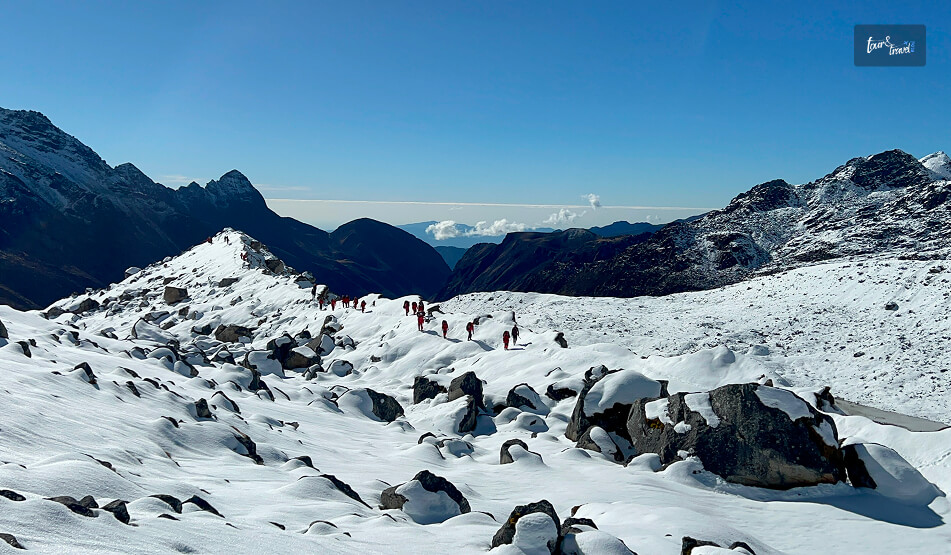
1. Ice:

Ice

Of course, you need to worry about ice! In the winter months, melt-freeze cycles turn hiking trails into slippery ice. Similarly, this can also happen on popular tourist routes where snow is compressed over a long period of time. 

If you slip on these icy trails, it will lead to bruises and bumps. Moreover, a bad slip and fall can lead to serious wrist, ankle, or back injuries. 

As a result, it is best to carry metal-tipped trekking poles and traction for additional stability in such conditions. 

2. Avalanches:

Avalanches

In the United States, avalanches (as per avalanche.org) kill between 25 and 30 people every winter. Moreover, the injury rates are much higher. 

Most victims are ice climbers, snowmobilers, snowboarders, and backcountry skiers. However, oblivious hikers do get caught in avalanches occasionally. 

The worst part? Nearly 95% of avalanches begin on slopes that are between 30 and 45 degrees in steepness. 

However, the snow ends up traveling down to the flat terrain – and it even appears to be safe to an untrained eye. 

As a result, it is vital to consult topo maps, check trip reports, and talk with local experts before you set out. That is your best shot at safety in the face of an avalanche. 

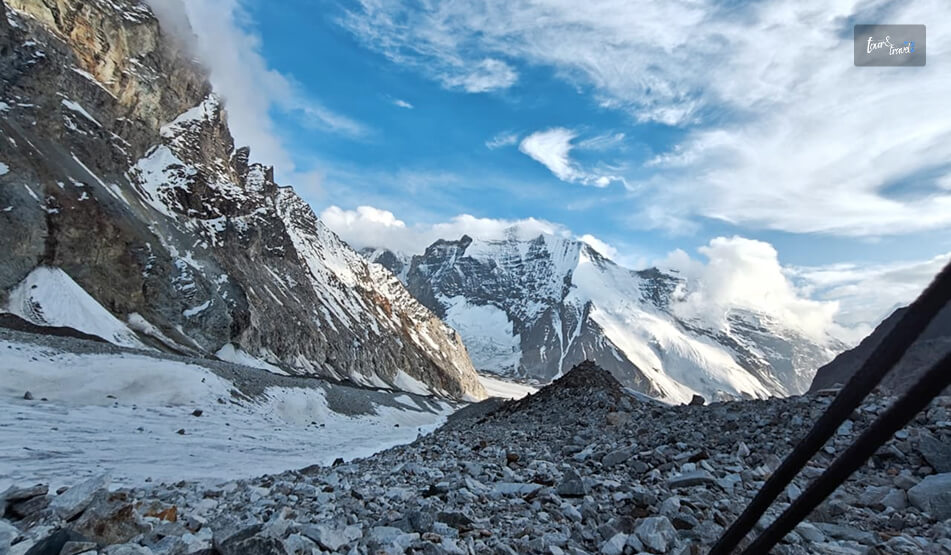
3. Glaciers:

Glaciers

Many of the iconic summits in the United States are guarded by glaciers. 

While there are several snowfields across the western part of the United States – mostly misnamed as glaciers – you will find true glaciers mostly in the Pacific Northwest and in the far north. 

Moreover, these are active glaciers that moves around, forming cracks with time. As a result, these fissures, A.K.A crevasses, lie under the snow, hidden from the human eye. Naturally, fatal falls – and unexpected ones – become a major possibility. 

So, it’s best not to step out on glaciated terrain unless you have some experience in both glacier navigation and snow travel. This also includes improving your fissure-rescue skills. 

4. Steep Snow:

Steep Snow

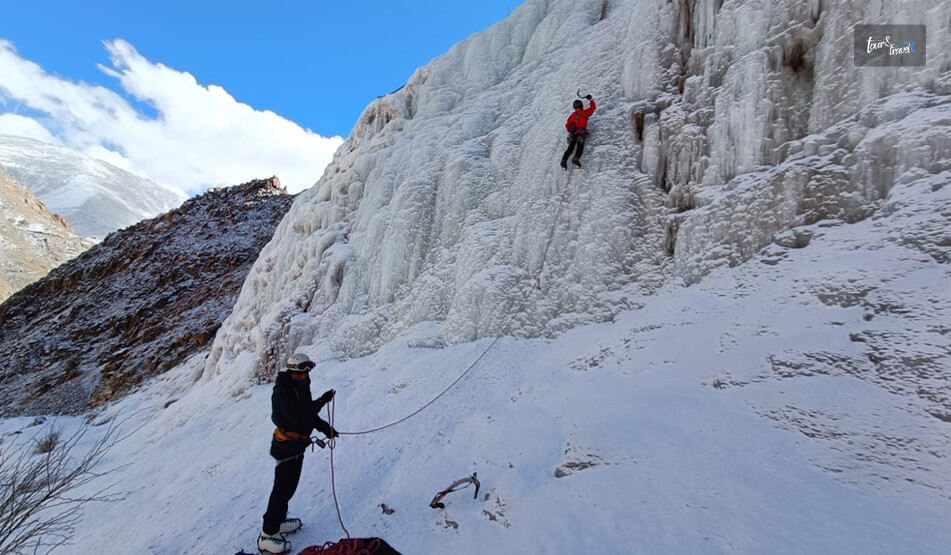
The challenge and adventure of climbing snow-covered, steep slopes is certainly thrilling. 

Recently, I had the opportunity to try out snow climbing, and while it was thrilling, I can’t overstate the importance of safety and experience. 

It’s so much more technical than it appears visually – if you slip even once, you can slide down the steep slope. Also, you have to know:

  • How can you assess the snow conditions around you?
  • Use crampons. 
  • Take a fall with the help of an ice axe. 

Additionally, it is best to be familiar with avalanches and safety first. Because a majority of snow climbs will require you to cross terrain prone to avalanches. 

What To Know Before Planning Your Next Mountain Escapade? 9 Tips That Can Keep You Safe!

What To Know Before Planning Your Next Mountain Escapade 9 Tips That Can Keep You Safe!

Safety in weather extremes, especially in the mountains, requires careful preparation, specialized equipment, and a constant awareness of your body’s condition. 

Moreover, the combination of high winds, rapid changes in weather, and freezing temperatures leads to life-threatening conditions. And that too in minutes. 

This includes the risk of both frostbite and hypothermia. Moreover, preparing for freezing temperatures is incomplete without strict layering, high-calorie nutrition, and waterproof gear.

And still it’s not enough – surprised? Well, don’t be! Instead, scroll down for the internet’s most comprehensive list to prepare for survival in freezing temperatures in the mountains.

1. Stay Hydrated:

Dehydration is very common in freezing temperatures, much like hotter regions with arid weather conditions. 

How? The cold weather conditions can easily suppress thirst. But the dry air in the mountains and high levels of physical activity will make your body dehydrated – and this will happen faster than you can possibly imagine. 

Moreover, dehydration can lead to dizziness, fatigue, and headaches. 

As a result, you should try carrying a thermos with herbal teas (like chamomile, tulsi, or ginger) or just warm water with lemon and honey. These can hydrate you, keep you warm from the inside, and boost immunity. 

Also, on this note, avoid caffeine or any caffeinated drinks since they will dehydrate you faster.  

2. Nourish Yourself:

    Your body will burn a lot of calories to stay warm in freezing temperatures. 

    As a result, even if you think that a bowl of hot Maggi seems like an appealing meal for the mountains, it is crucial to balance comfort and nutrition. 

    So, you should focus on energy-dense and high-calorie food items like seeds, whole grains, and roasted nuts to ensure high energy levels in the body. 

    Moreover, you can consider adding warming ingredients to your food. Ingredients like turmeric, garlic, and ginger can fight cold and improve digestion. 

    Also, if you do end up eating a steaming bowl, then add boiled eggs or vegetables for a healthy, protein-packed version. 

    On that note, here’s a list of things you can eat:

    • Beef jerky. 
    • Trail mix.
    • Nuts.
    • Milk chocolate.
    • Pretzels or chips.
    • Cheese and deli meat.
    • Tortillas or crackers.
    • Pizza slices.
    • Pumpkin or banana bread.
    • Peanut butter sandwiches.

    3. Protect Your Lips And Skin From Dryness:

    Cold and dry air is not good for the skin – it strips the skin of moisture. And this in turn leads to dry hands, irritated skin, and cracked lips. 

    This is highly uncomfortable and causes skin damage if you don’t address it within minutes. 

    As a result, always use a moisturizer that is thick and nourishing before stepping out. Moreover, while doing so, focus on different areas like your face, neck, and hands, which are prone to getting exposed. 

    Also, do not forget to apply lip balm on your lips – and ensure the lip balm comes with SPF for protection against the UV rays of the sun and the cold, both of which are strong at high altitudes. 

    In addition, eat food items that have a high percentage of omega-3s. This includes flaxseeds and walnuts, both of which are perfect for hydrating your skin from within. 

    4. Stay Active For Proper Blood Circulation:

    When you are absolutely stationary in freezing temperatures, your blood circulation will slow down. This, in turn, makes you feel colder. 

    The only solution here is not to sit in the same spot for too long. 

    So, try out light activities such as walking, stretching, or even a few squats to ensure proper blood circulation. Also, it feels good to do light physical activities after a long day of trekking. 

    5. Take Care Of Your Altitude Sickness:

    At high altitudes, you can expect oxygen levels to fluctuate and drop. This, in turn, can cause fatigue, nausea, or dizziness. 

    You should give enough time to your body – that way, your body will be able to adjust. As a result, it is best to take it easy on day 1. 

    Moreover, drink lots of water and eat food items that are rich in antioxidants. This includes berries, nuts, and fresh fruits. That way, your body will be able to fight the stress and pressure of altitude. 

    If you are feeling unwell at any point, don’t push too hard. Rest is very important. 

    6. Support Your Body’s Immune System:

    The blend of altitude and cold weather can easily weaken your body’s immune system. This, in turn, will make you prone to illnesses. 

    Incorporate food items that are rich in Vitamin C, like amla or oranges, in your daily diet in the mountains to boost your body’s immune system. 

    Moreover, warm soups are also great – but ensure these have vegetables, lentils, or even chicken stock. Why? Because it offers warmth, hydration, and nourishment together. 

    Also, ensure you can sleep well – a good sleep cycle will recharge your body. 

    7. Look After Your Feet:

    Remember that cold or wet can lead to chilblains, frostbite, and lots of discomfort.

    Invest in insulated and waterproof boots. Moreover, you can consider wearing thick woollen socks to ensure your feet are dry and warm. 

    Also, don’t forget to carry an additional pair of dry socks – that way you can change socks if your feet feel too damp.

    In addition, you can try massaging your feet with a nice, warm balm. Why? It will prevent dryness and improve circulation. 

    8. Breathe Smartly For Avoiding Cold-Air Effects:

    If you directly breathe in icy, cold air, then it will irritate your lungs. 

    Trust me on this one! It has happened to me. And then you will start coughing. Some people also feel a tightness in their chests. 

    When you start feeling chilly, try to breathe through your nose and avoid doing it through your mouth.

    This will keep you warm, moisturizing the air even before it can reach your lungs. Also, this will help you to keep respiratory problems at bay. 

    9. Prioritize Mental Wellness:

    The beautiful solitude of the mountains can be very peaceful. However, at times it can get very overwhelming. As a result, staying healthy mentally is just as crucial as looking after yourself physically. 

    Take some time for yourself so that you can practice mindfulness – and while doing so, don’t forget to appreciate the beauty around you. 

    Moreover, you can consider carrying a journal for jotting down your reflections and thoughts. 

    Also, it is healthy to count on your group to stay connected. Why? Sharing experiences together can motivate everyone and lift spirits. 

    Share on Social Media

    Barsha Bhattacharya builds stories for a living and seeks mountains for everything else. An English major and remote content strategist, she travels every month, structuring her life around movement rather than routine. Her journeys are rooted in mountaineering and rock climbing, with a deep preference for tents over hotels and cold mornings over comfort. Barsha believes the mountains demand clarity, patience, and presence - the same qualities that shape her work. For her, travel is not an escape but immersion: long routes, rough terrain, and nights under open skies where the line between work and wilderness disappears.

    Leave a Reply

    Your email address will not be published. Required fields are marked *

    title-img Related

    READ MORE things to do in san francisco this weekend

    20 Things to Do in San Francisco This Weekend!

    BY  Ankita Mar 23, 2024

    San Francisco is a city full of famous American landmarks, intriguing history, and delicious food. It has attractions ranging from the Ghirardelli chocolate to cioppino, various cultures, and typical California scenery. With so much to see and do in this vibrant, scenic West Coast city, even the residents could never grow bored. If you are looking for things to do in San Francisco this weekend, we have made a list of the top ones that you just can’t miss. Things To Do in San Francisco San Francisco’s famous hilly roads and cable cars have made a mark on travelers and global citizens. But there is more to this city than meets the eye. Here are the top unique things to do in san francisco this weekend. Golden Gate Bridge One of the most iconic images in the United States is the Golden Gate Bridge. Cars and pedestrians can cross the strait which is named after this 1.7-mile-long, brick-red structure, which connects San Francisco and Marin County. When visiting the city for the first time, crossing the bridge by foot or bicycle is practically required. Depending on the day of the week and the time of day you cross the bridge, there are rules governing which of the two sidewalks should be used for walking and cycling. The Presidio A great place to explore outside is The Presidio, a 1,500-acre public park that was formerly a military post. Take a hike or a bike ride on the 24 miles of trails and stop at one of the lookout points for a breathtaking view of the Golden Gate Bridge. San Francisco is surrounded by breathtaking scenery, making it one of the greatest spots to get away from the hustle and take a peaceful moment. Presidio Tunnel Tops Above a six-lane highway lies green space provided by the Presidio Tunnel Tops. The 14 acres of parklands, which opened in 2022, offer some of the best views of the Golden Gate Bridge and connect the main post of the former military base to the waterfront at Crissy Field.   You can even reserve a picnic table with the best view for a truly memorable experience. In addition, there are lots of chances for leisure and education, like the weekend campfire talks given by rangers from the National Park Service. Institute for Contemporary Art San Francisco Yes, this vibrantly creative city has a lot of places to view art, but the Institute for Contemporary Art San Francisco is unique: It is non-profit, does not collect, and is "dedicated to experimenting." It's the opposite of pretentiousness in the arts. There is free admission, so you won't have to pay to view any of the pieces, which include photography, textile art, video, and mixed media. JFK Promenade JFK Drive in Golden Gate Park was only car-free on weekends prior to 2022. Then, voters in San Francisco decided to permanently restrict traffic on the road to pedestrians. It is now free of traffic, so you can ride your bike, walk, skate, or travel along it however you please. Along the route, there will be art installations, lounging chairs, and public pianos. Read More: Is San Francisco Safe? THIS Is What You Should Know! Cable Car Ride San Francisco is a city known for its hills. Using public transportation to get around might be advantageous unless you're looking to get a serious leg workout. Since its inception in 1873, the city's renowned cable car system has been a popular tourist destination. The cable cars are still a great way to get around and a must-try Instagram-worthy experience. Tickets cost $8 for a one-way ride and can be bought at kiosks located throughout the city. Ferry to the Alcatraz While going to jail might not seem like a very vacation-like activity, Alcatraz isn't your typical jail. Some of the most infamous criminals in the country were housed at the long-closed penitentiary. It was situated on the island bearing the same name in the middle of San Francisco Bay. Some of them attempted to swim across the dangerous waters to escape. The prison is so well-known that it has appeared in motion pictures, including "The Rock" and "Bird Man of Alcatraz." To discover more about the intriguing history of the prison, anyone can take the ferry to the island. Moreover, it is now a part of the Golden Gate National Recreation Area. So you can take a guided tour of the prison. North America’s Oldest Chinatown The Dragon Gate at Grant Avenue and Bush Street marks the entrance to San Francisco's Chinatown, which is the oldest in North America. The neighborhood, which covers thirty square blocks, is a miniature, thriving city unto itself. Visit the stores, indulge in delicious dim sum or authentic congee, enjoy boba, or pick up a fortune cookie flavored with green tea from the Golden Gate Fortune Cookie Factory. Lovers’ Lane Enjoy a peaceful stroll along Lovers' Lane, the Presidio's oldest footpath, for a treat outside. When on vacation in San Francisco, the roughly half-mile trail is the ideal location. Stroll hand in hand with your significant other or find a moment of solitude amidst the trees. The trail is rated easy to moderate and has pavement. The walk takes about half an hour. Palace of Fine Arts Architect Bernard Maybeck created the Neoclassical Palace of Fine Arts for the 1915 Panama-Pacific International Exhibition. He imagined it to be a Roman ruin that would be demolished once the fair was over. Rather, a committed group of locals preserved the cherished building, which by the late 1950s had truly become a ruin. It was more permanently rebuilt in the ensuing ten years and is still a breathtaking landmark. Situated in a park at the edge of the Presidio, the free attraction boasts a stunning 162-foot-tall open-air rotunda. It overlooks a serene lagoon and is flanked by two Corinthian colonnades. It's a fantastic location for your next Instagram photoshoot, meeting spot, or stroll. Oracle Park Cheering on the Giants at Oracle Park is a sign of support for the San Francisco natives. While baseball enthusiasts will want to sit in the 100s near the field, this waterfront stadium's upper deck offers breathtaking views of the bay. This is seriously one of those times when it pays off to sit in the nosebleeds. Just remember to pack a glove and be prepared to catch a home run or foul ball if necessary. Alamo Square Park One of the most photographed locations in San Francisco is Alamo Square Park, primarily because it provides the ideal angle for photographing the pastel-colored Painted Ladies. They are also known as the Victorian-style homes made famous by the television series Full House. However, it also provides an amazing 360-degree view of the city. Bring a blanket and a snack so you can enjoy people-watching for as long as you want. TreasureFest Although there is some excellent vintage shopping in San Francisco, Treasure Fest may be the best place to locate a few unusual pieces. The outdoor market, formerly called Treasure Island Flea, features apparel, antiques, handcrafted goods, and more. In addition, there are lots of food trucks available to feed the famished masses. This flea is open only a few weekends a year; check the website for schedules and locations. Bay Cruise Take a bay cruise to experience the city from a different angle. This will let you get up close to some of the attractions, such as Alcatraz Island and the Golden Gate Bridge. While out on the water, keep a watch out for seals and other marine life. You can reserve a thrilling 90-minute inflatable raft excursion with Bay Voyager or an hour-long tour with Blue and Gold Fleet. There are numerous options for boat tours. Exploratorium A "public learning laboratory" and museum, The Exploratorium lets anyone become a crazy scientist. With the resources at their disposal, visitors can unleash their creativity. They become active explorers, creating anything they can dream up. It's no surprise that kids love this place, but Thursday nights are adult-only at the museum, so you can go without kids. If not, visit at any time to engage with the exhibits and listen to regular speakers. SFMOMA Art It would be an understatement to say that the San Francisco Museum of Modern Art is enormous. Moreover, the museum is over 45,000 square feet, spread across seven gallery floors. It is crammed full of contemporary artwork, pictures, sculptures, and much more. You could certainly explore SFMOMA and take in everything it has to offer for a full day, if not longer. Snack at the Ferry Building Searching for a delicious treat? Visit the historic Ferry Building, a marketplace with a variety of locally sourced treats. They offer sweet treats from the Donut Farm and foamy beers from Fort Point Beer Co.  Tuesdays, Thursdays, and Saturdays are market days when local purveyors come in to sell their products directly from the farms (or straight from the studio). If you're lucky, you might even visit on one of these days. San Francisco Botanical Garden The most amazing flora in the city can be found at the 55-acre San Francisco Botanical Garden. Strolling through the various gardens will make you feel as though you're in the Andes one minute and the Mediterranean the next. If you're visiting during the blooming season, make sure to stop by and take a whiff of the magnolia collection. This location is especially well-known for the flowers from December through March. Tiki Drink in the Tonga Room There are plenty of great restaurants and bars in the city that will gladly bring you a drink. However, only a few are perhaps as famous as the Tonga Room. Travelers have always loved the Fairmont San Francisco's tiki-style bar. This is despite its oddball setting in the Bay Area. Transport yourself to the tropics with a fruity cocktail as well as some bite-sized treats inspired by islands. Outdoor Music Festival Those who attend festivals frequently are probably familiar with Outside Lands, which is one of the world's highest-grossing music festivals. Every August, Golden Gate Park hosts a three-day festival. It draws hundreds of thousands of attendees and dozens of top-notch bands. The Hardly Strictly Bluegrass Festival, which ends the season with lovely folk music, and the Stern Grove Festival, which offers free outdoor concerts all summer long, are less well-known but still worthwhile visits. Walt Disney Family Museum Any Disney enthusiast visiting San Francisco should not miss the Walt Disney Family Museum. The museum provides plenty of insider knowledge along with interactive exhibits that highlight the personal side of the man behind the brand. Original storyboards, vintage movie posters, Disney memorabilia, and some of Walt Walton's personal belongings are among the items on exhibit. You will undoubtedly come away inspired. It will make you want to watch your beloved animated classic again. Lombard Street The location that most embodies the distinctively hilly and winding terrain of San Francisco is Lombard Street. It is also referred to as the "crookedest street in the world." It zigzags through eight steep turns on the hill between Hyde and Leavenworth Streets. Although you can walk the street and see the houses along the way if you're prone to motion sickness, it's a fun little stretch for a leisurely drive. Davies Symphony Hall A performance at the Civic Center neighborhood's Davies Symphony Hall is a visual as well as auditory feast. Attend a traditional concert or the San Francisco Symphony's special screenings. Here, a big-screen blockbuster film is shown with a live soundtrack provided by the orchestra. Visit the symphony's website to view the schedule.   The Weed Dispensary Are you eager to experience something that is distinctly San Francisco? Visit one of the many dispensaries in the city. Despite your stance against marijuana use, it can still be interesting to observe this booming industry up close. Since the state legalized cannabis for adult use in 2016, the practice has developed into a full-service way of life. Consider it like visiting a winery. To get assistance, simply ask a helpful "budtender." Use Weedmaps to locate a place. Ghirardelli Square You probably have a sweet tooth if the name Ghirardelli Square sounds familiar to you. The renowned chocolate company of the same name once called the entertainment and retail complex between Fort Mason and Fisherman's Wharf home. Ghirardelli relocated its headquarters to the neighboring city of San Leandro in 1966. However, the Chocolate Experience, which includes a sundae station and a pick-and-mix bar, faithfully honors the site's past. Visit its nearby eateries as well as bars for a larger bite or stop in for a taste. Mission Murals Take a self-guided tour of the Mission Murals to see some amazing street art for nothing. Even though there are over a thousand murals lining the streets, the best way to see them is to stroll down Caledonia, Clarion, Balmy, and Horace Alleys. Alternatively, you can just explore the neighborhood and pick your own favorite mural. Palace Hotel Do you wish you were a little more regal? For afternoon tea, proceed to the Palace Hotel. The hotel's Garden Court dining room hosts a traditional ceremony every Saturday. There, stands of traditional English bites, such as finger sandwiches and scones, adorn the tables and provide a perfect pick-me-up for both locals and hungry tourists. Wrapping Up So, this was a list of enjoyable things to do in San Francisco over the weekend. We could probably make this guide ten times longer with all the things we could do in SF for weekend adventures. The options are as varied as the city itself. However, it is best to take things a little at a time. We hope this guide will help you choose a few things to do during your next trip to San Francisco. For every weekend visitor, the City by the Bay guarantees an amazing experience, ranging from culinary delights and historical excursions to outdoor adventures and cultural explorations. If you have thoughts to share or questions to ask, please leave a comment below. We would love to hear from you! Read Also: Art, Architecture, And Azaleas: 24 Things To Do In Savannah The Best Things To Do In Moab Utah For Outdoor Enthusiasts From Festivals To Spas: The Top Things To Do In Park City Utah

    READ MORE things to do in nottingham

    Hidden Gems: Unearthing The Best Things To Do In Nottingham

    BY  Abdul Aziz Nov 24, 2023

    Take an excursion to one of Nottingham's lesser-known but incredibly fascinating attractions to satisfy your curiosity. A little detour off the usual path can result in unusual encounters and rewards. Though you may not have read of them before, we're confident you'll be happy you did once you visit these hidden gems. They are far too frequently reserved for those in the know. This city is much more than just merry men wearing green tights. Actually, there are a ton of undiscovered treasures in the self-described "City of Caves" just waiting to be discovered. If you venture a little off the usual path, you might find success. In this article, we will discuss the things to do in Nottingham that will etch this city in your memory. Things To Do In Nottingham Nottingham is a juncture where nature and city life merge. You will find deep forests that are steeped in folklore, modern shopping centers, many different museums, and a culture dating from the Victorian era. Revel in the surroundings that inspired celebrated writers like Lord Byron and DH Lawrence. Here are some of the amazing things to do in Nottingham that will set the experience apart: Hockley Arts Club The Hockley Arts Club, a creative place for social dining and drinking, is housed in an incredibly beautiful Garde II-listed building. It is tucked away in a quiet alleyway in the charming independent neighborhood of Hockley. It's a fantastic location for delicious cocktails, boozy brunches, express lunches, romantic dinners, or private parties. It's exquisitely and perfectly decorated. Bromley House Library Tucked away from the bustle of Angel Row, in the center of the city, is a lesser-known haven of peace. Bromley House Library was founded in 1816 and is brimming with period charm. It has cozy reading nooks and interesting antique features. There is also an exquisite original spiral staircase that looks like something out of a storybook. The serene and private walled garden outside is the ideal spot for introspection or inspiration-seeking. Take one of their regular tours, which depart Wednesday at 2:30 p.m. This offers the experience of the pleasures of this hidden gem. Or you could check out their schedule of thought-provoking lectures and motivational events. Cave Escape Nottingham's intriguing network of caves is fairly well-known. Cave Escape, the newest escape room to hit the scene, uses the underground sandstone maze with a distinct charm. Go underground for an escapology experience that is genuinely immersive and filled with intriguing turns, mysterious assignments, riddles, and puzzles. Papplewick Pumping Station The most remarkably preserved waterworks in Britain, Papplewick Pumping Station, is a magnificent example of Victorian architecture and engineering. It is nestled in the picturesque countryside of Nottinghamshire. Stained glass allows light to stream through the elaborately decorated, polished mahogany and brass structures. It dates back to the late 19th century. Visitors can take a tour of the subterranean reservoir and witness the towering boilers. The pumping engines are in action during regular steam days and special events. Creswell Crags Explore the breathtaking scenery of Creswell Crags and learn about a world sculpted by nature and shaped by our ancestors. Follow in the steps of Ice Age man with the country's only known piece of Ice Age rock art. Britain's Ice Age rock art is tucked away in a gorgeous limestone gorge that is crisscrossed with caves. Take a tour around the central lake to take in the plethora of flora and fauna. Take a cave tour and be amazed by the amazing discoveries that have helped us understand the past. Welbeck Estate The magnificent Welbeck Estate, one of Nottinghamshire's most fascinating traditional landed estates, is located close by. The original Abbey predates even the Domesday Book, and the Dukes of Portland have resided there since 1607. Among them was the eccentric "burrowing Duke," who commissioned a network of subterranean tunnels and gas works to illuminate his excavations. The building currently houses the Portland Collection, which features paintings, jewelry, and other works of art. The Dukes have accumulated them over 400 years. It also has the award-winning Harley Gallery, which will celebrate 25 years of delivering captivating and intriguing exhibitions.  It will be helmed by leading artists. The Welbeck estate is a must-see for art enthusiasts and foodies alike. It features a fantastic farm shop that offers the best locally sourced produce. The School of Artisan Food offers innovative cooking classes. Sneinton Market Although this somewhat off-the-beaten-path location is well-known to the locals, tourists frequently miss it when visiting the city. Basically, it's unlikely that you would "stumble upon it"! Even though Sneinton Market is primarily a weekend market, it serves many more purposes. Creatives and entrepreneurs are abundant in the surrounding permanent units. They provide the tourist with everything from food trucks and coffee shops to vintage clothing and locally made gift shops. But without a doubt, The Watered Garden—the greatest houseplant store in Nottingham—is our favorite spot! George Green’s House Approximately a mile's worth of walking distance from Nottingham's Market Square lies a lesser-known but ancient Nottingham legacy. It is the house of one of the greatest mathematicians in history. Brilliant young George Green attended school only until he was ten years old. He then left to work in his father's bakery. When the weather permits, the windmill continues to run today. In addition to selling award-winning organic flour, you can explore the adjacent museum for free. Here, you will learn more about the subjects that piqued George Green's curiosity: electricity, magnetism, light, sound, and waves. Despite his academic failure, scientists and engineers worldwide continue to utilize his mathematical theories. If you're looking for something different to do in Nottingham, this little museum is great for kids. It's free to enter and allows you to go all the way to the top of the working mill. Wrapping Up Are you looking for summertime things to do in Nottingham? Get inspired by the atmosphere at some of Nottinghamshire's most well-known sites. There is Wollaton Hall, Nottingham Castle, the National Justice Museum, and Sherwood Forest. Numerous tourist destinations continue to fit TripAdvisor's description of "hidden gems." Even though they're not particularly hidden, a cathedral, for instance, might not be the most obvious destination for a day trip. An added bonus is that some are free to enter. Those that do require a fee don't charge as much as other attractions. These may be ideal if you'd like to take a leisurely stroll through a nature reserve or explore caves. There are cafes at many of the sights, so you can get fuel during your visit. If you have thoughts to share or questions to ask, please leave a comment below. We would love to hear from you! Read Also: Unmissable Urban Delights: Things To Do In Glasgow Brighton Bliss: Crafting Your Perfect Coastal Getaway Itinerary Things To Do In Leeds: Dive Into The Dynamic Heart Of Yorkshire

    READ MORE manuel antonio costa rica

    Paradise Found: Exploring Manuel Antonio, Costa Rica’s Tropical Gem!

    BY  sagnika Aug 28, 2023

    Want to know more about Manuel Antonio Costa Rica? Why not, given that it is one of Central America's most popular tourist destinations? Apart from the wildlife and the beaches, you have to know you will have many activities tailor-made for any vacation. Sport-fishing, snorkeling, hiking, parasailing, surfing, and exciting nightlife are just some things you can attempt in Manuel Antonio. Read the article to learn about exploring Paradise, the tropical gem of Costa Rica. Paradise Found: Exploring Manuel Antonio, Costa Rica's Tropical Gem! A popular beach town, Manuel Antonio is in Central America with a beautiful collection of wildlife and scenery. The view of Manuel Antonio Costa Rica is to die for, especially if you are a nature and sky lover, as the magnificent views of the clouds, sky, and mountains across the Pacific Ocean recreate Paradise. It is Quepos that you will be visiting if you are traveling by plane or car. There might be limited inclusive resorts in Manuel Antonio. However, boutique resorts, hotels, and villas are perfect for the rainforest hillside. Want to learn things to do in Manuel Antonio? I will list activities you can attempt across the lush and the Pacific tropical surroundings giving you an incredible view of the beaches, mountains, and the town. Exploring And Hiking Manuel Antonio National Park! The main attraction, Manuel Antonio National Park, is for nature lovers. It is one of the smallest national parks in Costa Rica and yet is one of the most popular due to the enormous collection of wildlife! Across the park, the Manuel Antonio beach Costa Rica is situated. As a tourist, you can peek into the forests with its iguanas, squirrel monkeys, capuchin, howler, agoutis, and sloths. There are also varieties of birds across the national park, after which you can visit the beach. There are guides and naturalists available while the limited number of daily visitors is 1200 per day! The park is closed on Thursdays! There are several trails; one of the main ones is a 1.3-mile flat sandy trail connecting with the beaches. Visit The Damas Island Mangrove Estuary! Are you looking for a unique experience? I suggest going on a kayaking or a boat tour across the waterways of Damas Island Estuary. With an amazing collection of wildlife, the estuary boasts a diverse coastal ecosystem inclusive of sloths, snakes, crocodiles, and monkeys. Don't Miss The Ultimate Beach Experience! The beaches are popular in Manuel Antonio, offering some of the most stunning views across the Pacific coast. The town of Manuel Antonio Costa Rica is filled with beaches, and they are known for their soft white sands, palm trees, and clean, pristine water. Some of the best beaches in Central America are in Manuel Antonio, and I will be making you a list of the beaches you cannot miss when you go on that next vacation! The Manuel Antonio National Park beaches are also picturesque, especially with their lush green and wildlife. Playa Espadilla Beach Image Source: irp.cdn-website.com The beach in Manuel Antonio, Playa Espadilla Beach is called the Playa Numero Uno. It is one of the most visited Manuel Antonio towns beside the Manuel Antonio National Park! This beach is the favorite of the natives, and so are the tourists! It is a bevy of activities where you can eat delicious food and cold drinks as the locals sell their products. The water activities on this beach are the best across the town, and you can't stop being entertained! Playa Manuel Antonio Beach Image Source: puravidamoms.com The highlight of the Manuel Antonio National Park, Playa Manuel Antonio Beach, is especially because of its beauty, almost like Paradise with turquoise water and white sand. A land bridge separates the beach and the park. One of the gorgeous beaches across Manuel Antonio, the Manuel Antonio beach in Costa Rica is a must-visit for travelers worldwide with its exotic wildlife and lush tropical forests. There is also a hiking trail to Playa Gemelas! Playa La Macha Are you looking for an isolated and private experience for your honeymoon? A hidden gem across all the Manuel Antonio beaches, Playa La Macha, is your ideal destination! Especially if you are in the mood for a serene beach, secludedness, and some hiking! You probably get to see more wildlife because of its secludes. The hiking trail is difficult, yet you enjoy it if you want to explore and adventure. What can be better for sunbathing, especially with warm and clear water? Villa Rental In Costa Rica If you plan on renting a villa and enjoying the ocean views in Manuel Antonio Costa Rica, book Vista Hermosa Estate! The villa's rooms are spacious, but what is noteworthy is the Playitas Beach which is just within walking distance from the beach villa. There is a private beach trail that the guests at the estate can use and walk down to the sandy white beach within 10 to 15 minutes. Are you planning a multi-generational family get-together for the 50th marriage anniversary of your parents or the 60th birthday of your grandmother? This is it! It is a perfect vacation villa with access to the beach, white sand, pristine water, and privacy. Go Out On a Food Tour! You visit a place, and you do not try their food? You are no sport! Apart from the beaches and wildlife, you must have an amazing culinary experience across Costa Rica. You will experience the local produce and the ranch products when you taste their food. The main course dishes I recommend when you visit Manuel Antonio are beef short rib, roasted chicken, rack of lamb, and grilled beef tenderloin! You should also try Chifrijo, fried pork and red beans, Chorreadas, corn pancakes, and Ceviche! You cannot miss the seafood dishes on a beach town with its grilled octopus, seafood pasta, seared tuna, the Makanda signature Tuna Tartar and seafood paella! Feeling Adventurous? Take A Guided Night Tour! If you want to experience Manuel Antonio to its hilt, a night tour with a guide is the way to go! The perfect time to start is between 5:30 to 6 p.m. The sun sets across the town, revealing the secrets of the rainforests and the exotic locale. A night tour is organized at Sukia Park, where you can explore the forests at night. Get a peek into the exotic reptiles and tropical frogs that the greens have to offer! The tour is handmade for you if you are a nocturnal individual or a wildlife enthusiast. What Do We Know? A blend of rainforest and beaches creates the perfect background for Paradise, Manuel Antonio Costa Rica. It acts as a gateway to Paradise with white sand across the beaches, clear pristine water showcasing the Pacific Ocean's beauty, and hiking trails across the rainforests. Explore the wildlife with your partner, family, solo, or friend group, and rejuvenate your life with unforgettable experiences and beautiful scenic views. The area is rich in biodiversity! Many resorts are established across the beaches and the town, creating the perfect backdrop for your next vacation! In the comments below, let us know what activities interest you when you visit Manuel Antonio! Read Also: You Won’t Believe The Best Things To Do When In Fiji! Here Are The 25+ Best Hotels In Mexico City That You Must Visit! This Is The Best Time To Visit Iceland & These Are The Things You Should Do!