



The Best Tucumán Wine Tour Guide: How To Explore The Higlands Of Northern Argentina?

Along with the cultural richness of Tucumán, what hooked me was the community bonding and development.

For the longest time, grape growing has been a part of local life. Now, in 2016, the Bodega Los Amaichas built the Amaicha del Valle community to take the local tradition and use it for the benefit of local people.

It is the first indigenous community-owned winery in South America.

Furthermore, Mendoza may get all the spotlight as the home of world-class Malbecs. But for travelers like me, who want a more rugged and authentic experience, Tucuman is the ultimate destination in Northern Argentina.

Also, the wine tour in Tucuman is almost like a time capsule. The viticulture here is defined by family legacies, indigenous roots, and vineyards that touch the clouds. 

In this Tucumán wine tour guide, I will talk about why Tucumán is an alternative to Mendoza, the route, the top wineries, and the specialty of local wines.

For more on this beautiful province in Northern Argentina, you can check out my Tucumán Argentina itinerary.

Why Is Tucumán The “Untouched” Alternative To Mendoza? 

Why Is Tucumán The Untouched Alternative To Mendoza

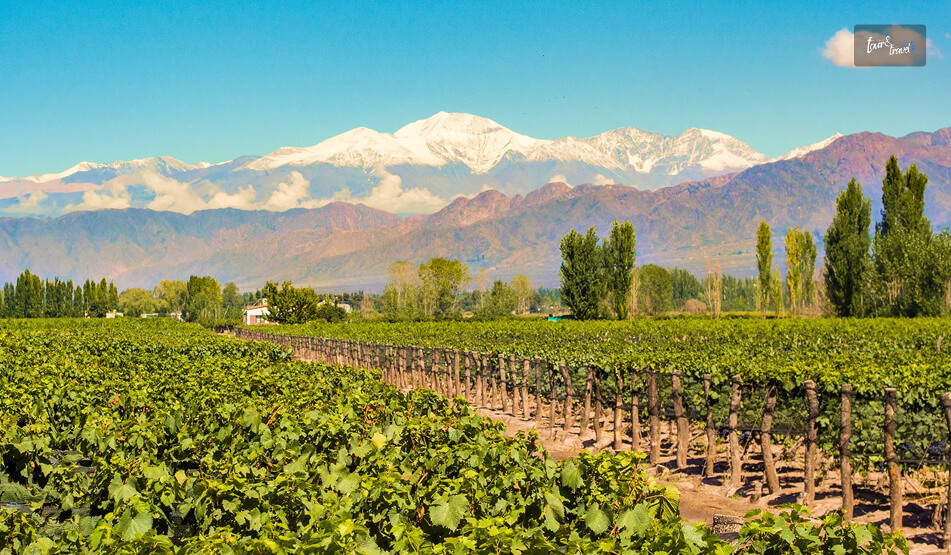
The flat plains of Mendoza are ideal for massive production. However, the vineyards of Tucumán are in the narrow folds of the Calchaquí Valley.

So, the experience in Tucumán is more like a boutique.

Furthermore, there are very few crowds in Tucumán, and the terroir is not just about the soil. Here, people celebrate a 10,000-year-old connection to the land.

As Visit Argentina says, “The dry climate, the wide temperature range, the gentle winds, and sunshine 350 days a year create the characteristics of Tucumán wine: intense colors, simple and spicy aromas, and ripe, sweet, and fruity flavors.” 

The Concept: “Vinos De Altura” 

Wine is a high-altitude sport in Tucumán. Grapes are grown under extreme conditions at an altitude of 2000 to 3000 meters.

Also, the struggle is here with intense UV radiation and a dramatic jump in temperature between sun-scorched days and freezing nights.

As a result, the grapes here have thicker skins to protect themselves. The thicker skin further leads to intense tannins and deeper colors. In addition, the aromatic profile here is more concentrated than in the lowlands.

The Route: From Jungle To Vineyards (Route 307) 

The Route From Jungle To Vineyards (Route 307)

The drive to the wine country of Tucumán is one of the most spectacular road trips in South America.

The journey from San Miguel to Amaicha del Valle starts in the subtropical and humid rainforest of the Yungas.

Then, you will climb Route 307 to witness a radical transformation of the landscape. Your eyes will settle down with the lush ferns and moss-covered trees of the Quebrada de Los Sosa.

Wait for 2 hours, and the Calchaquí Valley will appear with an arid landscape and cactus.

Then, you will cross the Abra del Infiernillo at an elevation of 3000 meters before you descend to the Amaicha del Valle wineries.

Visit Argentina promotes the “Ruta del Vino” as a cultural corridor, linking the wine not just to gastronomy, but to the Pachamama (Mother Earth) festivities in February. 

Map Of The Ruta Del Vino Tucumán (Ruta 40 Connection) 

Technically, Tafí del Valle is the beginning point of the Tucumán Wine Route. Then, it continues to the Amaicha del Valle and Colalao del Valle.

Finally, there is a link with Ruta 40, and then it advances to the ruins of Quilmes and the border of Salta.

What Are The Top Wineries To Visit In Tucumán? 

What Are The Top Wineries To Visit In Tucumán

The top wineries of Tucumán offer a diverse experience. While Bodega Comunitaria Los Amaichas offers an authentic local experience, Finca Albarossa is more about a boutique feel.

1. The Indigenous Icon: Bodega Comunitaria Los Amaichas 

This is the only winery in Argentina and one of the few in the world that is owned and operated by an indigenous community. 

This winery has a cactus wood and stone architecture. The Amaicha del Valle community governs it, and every custom here respects the Mother Earth or Pachamama.

I have seen people offering wine to Mother Earth before drinking.

Furthermore, the Sumak Kawsay Malbec, meaning the good living, is the best wine to taste here. It offers the most authentic wine experience. The wine gere is robust, unfiltered, and has a deep, earthy taste.

2. The Heritage Player: Bodega Chico Zossi 

This winery is family-run and located in Colalao del Valle, and it has been operating since 1900.

As you walk through Chico Zossi, you will feel like you are at a family home. The production level is small and artisanal.

Furthermore, the wine-making technique here has been passed down through four generations of the Zossi family.

3. The Modern Estate: Las Arcas De Tolombón 

Las Arcas De Tolombón is the most awarded winery in the province. It has a Siete Vacas or Seven Cows label.

There is a local legend behind the name. It is about the seven cows that would appear in the desert in prosperous times.

The wine you will get here is a standout. You will love the floral and crisp flavor of it, along with the sweet perfume.

4. The Boutique Stop: Finca Albarossa 

Finca Albarossa exudes sheer Italian elegance with a touch of Andean ruggedness. It is a boutique winery and hotel. So, it is an excellent experience to enjoy a glass of Malbec while watching the sunrise.

Thus, it completely justifies its name, Finca Albarossa, where Albarossa means the “Red Dawn.”

Understanding Tucumán Wines: What To Drink? 

Understanding Tucumán Wines What To Drink

Amanda Barnes of the South America Wine Guide often highlights that the Calchaquí Valley doesn’t stop at the Salta border.

She praises Tucumán for its “extreme terroir” and the preservation of the Criolla grape varieties. 

Tucumán Wines are different with a diverse flavor. From the signature purple to white wines, here are the varieties you can try.

1. Torrontés 

If you want the quintessential wine experience of the north, you can try Torrontés. I would rather call it the flagship white of the North.

It stands out with a refreshing aroma of peach and jasmine. However, the palette of this wine is dry and refreshing.

Tim Atkin, the British Master of Wines, regularly scores Northern Argentine wines highly, noting that the Torrontés from this region is the most aromatic white wine in the world. 

Even if you are a red wine drinker, you must try the Torrontés here. It is the only grape variety native to Argentina, and the Tucumán expression is floral and unique. 

2. High-Altitude Malbec 

I was looking for an alternative to the jammy Mendoza Malbecs. The high-altitude malbec, standing on the opposite spectrum of the flavor profile, comes with a spicy and structured flavor.

This wine comes from the grapes with Soun-toughened skins. So, these have a signature dark purple hue.

3. Vino Patero 

Vino Patero is an experience. It has an intense, sweet, and fruity flavor.

This boutique wine was made traditionally by pressing the grapes by foot. The “Patero” part in Vino Patero comes from ” pata ” or foot.

This wine is artisanal, and it is unfiltered. Vino Patero is a frequently served beverage at the local festivals, and you will have it along with empanadas.

Things To Remember For Planning Your Tucumán Wine Tour 

Best Time to Visit • February/March – Harvest Season, and for the Vendimia Festivities
• August – Pachamama Festival 
Mode of Transport• Rental Car 

Vendimia festivities are a celebration of the grape harvest. The Pachamama Festival, on the other hand, is a sacred week-long celebration to sink into the local culture.

You will not get any Uber services here. Buses are available, but they do not take you to the remote areas.

Where To Stay On The Wine Route In Tucumán? 

Do you want to sleep in a vineyard? Estancia Río de Arena on Ruta 40 is the perfect place, exuding a rustic “hacienda” feel.

Get out of our room, and within a minute, you will walk into the tasting room.

If you need a budget option, look for Hospedajes in Amaicha del Valle. These locally run facilities are clean and authentic, and they will even guide you on which Vino Patero is the best in town.

Expert Tips On The Best Tucumán Wine Tour Guide 

The Sacred City of Quilmes is just 15 minutes away from the wineries. Also, the early mornings are the ideal time to explore the ruins.

Do you want more such insights about exploring the wineries of Tucumán? Check out the following points.

1. Respect The Siesta

Amaicha and Colalao del Valle turn into ghost towns between 1 PM and 5 PM. Most wineries shut their door during these hours.

So, schedule your trip at 10 AM or after 5:30 PM.

2. Designated Driver Is Essential, And Check The Fuel

Route 40 has narrow roads and even gravel. The route also often has goats/llamas and other stray animals. So, professional expertise and familiarity with local road conditions are important.

Fill your tank in Tafí del Valle. There are long stretches on Route 40 without reliable gas stations between Amaicha and Cafayate.

3. Book “Los Amaichas” In Advance 

The local people run “Los Amaichas. These people also work in the field. So, you must keep them informed about your arrival via WhatsApp so that a guide is available to open the cellar for you.

4. Cash Is King

Smaller wineries rarely accept credit cards, and if you want to buy bottles from them, you will need to pay them in cash.

Also, the ATMs in Amaicha often run out of cash. So, you have to bring a stack of Pesos from the city.

5. Try The Mistela 

Along with the signature Tucuman wine, you can also try Mistela. It is a fortified wine with a very sweet taste.

It is a cultural staple. So, you have to sip it slowly and savor its strong taste.

6. Get Enough Sun Protection

The wineries are at a height of more than 2000 meters. So, the UV index is high, and within 10-15 minutes, you can get sunburned.

So, wear a hat and sunscreen if you are doing the wine tasting outdoors.

7. Ask For The “Reserva” 

In small boutique wineries like Chico Zossi, the “Reserva” bottles are often only $2-$3 more than the table wine but are aged significantly better. 

Tucumán Wine Tour Guide: Frequently Asked Questions (FAQs) 

Here are the frequently asked questions and answers about the Tucumán wine tour guide.

1. Can I Visit Wineries Without A Tour? 

Yes, you can go on a self-drive tour on Route 40 and explore the wineries. However, you will have to book an appointment via WhatsApp.
 
Booking is crucial as these wineries are small, family-run operations.

2. What Is The Best Winery For Lunch? 

Bodega Río de Arena near the Quilmes Ruins is the best winery for lunch. It has a hotel and restaurant on-site. 
You can have excellent llama meat and empanadas there. 

3. How Far Is The Wine Region From Tucumán City? 

The wineries are around a 3.5 to 4-hour drive from the city.
On the route from the city to the wineries, you have to cross a mountain range. So, it is not your usual day trip in Argentina. It is best to plan an overnight stay in Amaicha or Tafí del Valle. 

4. Is It Safe To Drive Route 307? 

Route 307 is a paved and scenic route. However, it is a mountain road and has many curves.
 
Furthermore, the road is often misty. So, you must avoid driving at night.

5. Are The Wine Tours In English? 

Yes, you can attend wine tours in English in larger wineries like Las Arcas de Tolombón. 
 
However, if you want a tour of the smaller family wineries or the community wineries, the tours will be mostly in Spanish. 

6. Can I Bring Kids For The Wine Tours In Tucuman? 

Yes, you can bring kids for the wine tours in Tucuman. This is where the wineries of Tucuman are different from the wine estates in Mendoza. 
 
The Tucumán wineries are more like farms, and they are very family-friendly. In fact, Río de Arena even has a petting zoo with llamas. 

7. When Is The Harvest Season In Tucuman? 

Late February to March is the harvest season in Tucuman. However, it is the busiest time in the Tucuman wineries. So, you will have to book the facilities in advance.
On the other hand, August is the month of the sacred Pachamama Festival.

8. Why Is The Community Winery Famous? 

Bodega Los Amaichas is the first winery in Argentina and the third winery in the world owned entirely by an indigenous community. 
The Bodega Los Amaichas tour reflects the Diaguita worldview of “Sumak Kawsay” (Good Living). 

Read Also:

Share on Social Media

Sibashree is a travel, culture, and leisure writer who has been writing since the age of 12 and professionally since 2014. With more than a decade of travel writing experience and journeys across India and several parts of the world, she brings a deeply personal and thoughtful perspective to her work. A student of English Literature and Mass Communication, Sibashree has always viewed travel as more than movement — for her, it has been a way of understanding people, cultures, and herself. Her passion for spiritual exploration has also led her to many unusual and meaningful destinations over the years. Outside of writing, Sibashree enjoys watching European cinema, reading about global politics, and reflecting on the stories hidden within everyday places.

Leave a Reply

Your email address will not be published. Required fields are marked *

title-img Related

READ MORE

Your Unique Travel Packing Guide

BY  Ankita Feb 1, 2024

Setting off on a journey calls for careful planning. You've got your clothes, toiletries, travel documents, and of course, your travel insurance. But beyond these essentials, some unique items could make your trip smoother and more enjoyable. Here's a guide to those extra, often forgotten items that could be a game-changer for your travels. Handy Portable Power Board Our world is full of gadgets, and a portable power board can be a real lifesaver. Most places you stay will have only a few power outlets. With a power board, you can charge all your devices at once. It's a simple item, but it's super useful for keeping all your electronics ready to go. Foldable Water Bottle For Easy Travel Staying hydrated is key, especially when you're out exploring. A foldable water bottle is great because it doesn't take up much space. You can fill it up whenever you need, and you're also doing your part to reduce plastic waste. It's a small, easy step for a more sustainable trip. Swiss Army Knife: A Compact Toolkit A multi-tool or Swiss Army Knife can be handy in so many situations, whether you need to cut something, open a bottle, or tighten a screw. It's small, so it's easy to pack, but remember to put it in your checked luggage if you're flying. Eco-Friendly Shopping Bag Bringing a reusable shopping bag is both practical and good for the environment. It's perfect for those unexpected shopping trips, carrying snacks on a day out, or even for your laundry. They're light and don't take up much space, making them a great travel companion. Personal Travel Pillowcase Lots of travelers bring a neck pillow, but a travel pillowcase is a nice extra touch. It means you always have a clean, familiar place to rest your head. It's a small comfort that can make a big difference when you're sleeping away from home. Light And Quick-Drying Microfiber Towel Traditional towels can be bulky and take up precious luggage space. Enter the microfiber towel – lightweight, quick-drying, and compact. Perfect for beach vacations or impromptu swims, a microfiber towel is a game-changer in terms of convenience. Its fast-drying properties also make it ideal for those unpredictable rain showers. Handy Ziploc Bags Ziploc bags can be incredibly useful. They keep your electronics safe from water, help you organize small items, and are great for keeping snacks handy. Having different sizes with you means you're ready for anything. Snack Pack For Emergencies Unexpected delays or long journeys can leave you hungry with limited food options. Packing a small stash of non-perishable snacks like nuts, granola bars, or dried fruit can be a lifesaver. Not only does it save you from hunger pangs, but it also provides a quick energy boost during your adventures. Guide To Pack Smartly Even if you do get a hold of all the things that have been discussed here, it will only get you so far. So, to help you out with packing, here is a brief guide of all the pointers that you need to remember to pack efficiently and with minimal resistance. Let us dive right in without further ado. Pick & Pack Clothes First One of the trickiest parts of the packing process is packing the clothes. They take up a lot of space and have to be done right. Otherwise, you will have to wear creased clothes on your vacation. The best way to pack clothes is by rolling them. Rolling prevents creases and also takes up less space. Lay your tops facing up and fold in the sleeves. Then, roll the top from the bottom up. For the pants, you need to put the legs together and roll it from the waist down. Once you are done rolling, place them at the very base of the suitcase. One thing I do that helps me is to pack my clothes according to the order in which I will be wearing them. Moreover, I carry a separate handbag for my shoes and socks. This stops the odor problem that might be caused. Place Heavy Items At The Base Another tip that helps me pack effectively is to place the heavy luggage at the base of my bag. This helps with the weight distribution. Weight distribution is a very important aspect of packing. A weirdly weighted bag will obviously feel heavier than a weight-managed bag. By ‘base,’ I mean the wheeled end of your luggage. This will dial down the impact of bumpy roads and other such things. Apart from weight management, packing the heavy stuff first will also safeguard these items. While traveling, I carry a heavy camera and a lot of lenses. So, keeping them at the very base cushioned by all the rolled clothes really saved my camera and other stuff from some close calls. Layer It Up Just as layering is important in fashion, layering is also very important while packing. However, this layering is a tad bit different from the kind that I just mentioned. Even though plastic is a cancer that is eating away at our ecosystem, it can be very helpful if you know how to use it. Save the plastics that you get when you receive your dry cleaning. You can use them while packing. Use these plastic bags to wrap the clothes and items that run the risk of accidental tearing and pulling. This will ensure that your clothes remain pristine and do not get damaged in any way whatsoever. Subsequently, it also keeps the clothes fresh and odor-free. Do Not Overpack Or Under-Pack Two of the biggest enemies of travelers are underpacking and overpacking. Under no circumstances should you be overpacking or underpacking. Try to strike a balance. Before you start packing, make an itinerary. And while packing, stick to that itinerary. This will greatly help you with packing. And those were some of the most basic and useful tips that I can give you about packing efficiently. Conclusion These uncommon items can really enhance your travel experience. They help you stay connected, prepared, and comfortable, no matter where your journey takes you. So, when you're packing for your next trip, think about adding these to your list. They might just make your adventure even better! Read Also: A First-Hand Experience Of Taking A Red Eye Flight! The Ultimate Guide To Finding Cheap Flights To Chicago Using Google Flights Momondo Flights: Should You Try This Platform For Booking Flights In 2023?

READ MORE Jaffna Sri Lanka travel guide

Jaffna Sri Lanka Travel Guide: Is Visiting Jaffna In Sri Lanka Worth It? 

BY  Sibashree Oct 24, 2025

You know what’s so special about visiting quaint and offbeat places? These are the places to make quirky and personal connections.  Jaffna has not been an exception. Let me share a story! It was exploring the Jaffna Public Market. An old lady jokingly refused to sell a tourist a kilo of dried fish. She said, “You don’t look like someone who appreciates the smell of sun-dried fish!” By the end, she laughed and gave him a small bundle for free. The whole thing was so warm. An old lady, who is probably talking to a person for the first time, is very cordial in her behavior. You will not get this shopping experience in any shopping mall or supermarket. Another highlight was when a priest offered me some sweets at the Nallur Kandaswamy Kovil. There were hundreds of visitors, and I don’t know why he came up to me and offered the sweets. He said, “For you, even if you are a stranger, my blessings are for you!” I had tears in my eyes. With moments like this, Jaffna will always remain one of the most beautiful places in the world. It’s not just about the scenic beauty, but the warmth and inclusivity.  In addition, the recent inauguration of the International Cricket Stadium at Mandaitivu Island will be a new landmark of the city. With a capacity of 40000 spectators, it will promote national integrity and more tourism through sports.  Here, I will talk about how to reach Jaffna, the places to visit, the safety quotient, cultural exploration, and more! Keep reading this Jaffna, Sri Lanka travel guide.  You can also follow our Jaffna travel itinerary to plan your trip better.  Cultural Exploration In Jaffna, Sri Lanka: Why Is It So Special? The origin of Jaffna’s name takes us back to its Tamilian roots. There was a blind musician called Yalpanan who used to play an instrument called Yal. Thus, the place got its name as Yalpanam or Yalpanapattinam, meaning the Port of the Iyre.  Furthermore, the historical evidence suggests that Tamil Presence here dates back to at least 300 B.C. Archaeological sites such as Pomparippu are a telltale of the Tamilian presence.  Jaffna was the capital of the Jaffna Kingdom in the medieval days before European colonization happened here.  Moreover, thanks to the Tamilian culture in Jaffna, in recent times, it has become a favorite destination of Indian travelers. A Tour and Travel World report suggests a 325% increase in the searches among Indian travelers.  Direct accessibility to Jaffna from various parts of South India via flights is another reason why Jaffna is so popular among Indian tourists.  You will get flights to Jaffna from cities such as Hyderabad, Thiruvananthapuram, Madurai, and Chennai.  Top 10 Unknown Cultural Things About Jaffna, Sri Lanka 1. Traditional Tamil musical performances during temple festivals.2. Unique Jaffna-style architecture in homes and temples.3. Palmyrah palm-based crafts and products.4. Indigenous Tamil martial arts demonstrations.5. Local storytelling traditions passed down orally.6. Community-led cultural tours and workshops.7. Traditional Tamil wedding customs.8. Seasonal harvest festivals like Thai Pongal.9. Local folklore and legends tied to historical sites.10. Ancient Tamil inscriptions found in temple ruins. Food Culture And Culinary Tours In Jaffna, Sri Lanka  View this post on Instagram A post shared by Kandy Bites by Chef Ceylon (@kandy_bites_) Jaffna cuisine is known for its spicy flavors and unique Tamil dishes. Popular items include Jaffna crab curry, Kool (seafood soup), Odiyal Kool, and Palmyrah jaggery sweets.  Food tours in Jaffna offer cooking classes, market visits, and traditional meal experiences with local families. However, the traditional delicacies of Jaffna tell the stories of the tradition, history, and resilience of Northern Sri Lanka. In addition, Jaffna City, in recent times, has played an important part in changing the food trends of the country and ensuring a lesser reliance on expensive imports.  The increased use of Palmyrah jaggery, palmyrah flour, or even palmyrah vinegar, typical Jaffna ingredients, in Colombian food is an example of how Jaffna is emerging as a crucial destination in the country's food landscape.  Colombo, in fact, now has a Kaachai Varai or Jaffna Market from where seafood, spices, and other ingredients are sourced. This endeavor supports the local fishermen, farmers, and producers.  Moreover, Jaffna is an important location for hands-on culinary tours in northeastern Sri Lanka. For example, celebrated Australian chef Peter Kuruvita conducts a culinary tour in the northeast part of Sri Lanka, and Jaffna is one of the destinations.  On this tour, you will get to know about the art of cooking in clay pots over an open fire. Overall, getting familiar with the local food is one of the top cultural things to do in Jaffna Sri Lanka.  A 3-Day Culinary Tourism Itinerary In Jaffna View this post on Instagram A post shared by ALIYAA (@aliyaa_kl) It’s time to experience the eclectic nature of Jaffna food, where Tamilian, Muslim, and European influences have merged. Here is a 3-day culinary tourism itinerary in Jaffna.  DaysActivitiesDay 1• Arrival in Jaffna and checking in• Having Jaffna-style idiyappam with coconut sambol and mutton gravy• Exploring the Jaffna Market, a gold mine of dried fish and palmyrah jaggery, tamarind, and spices unique to the region.• Trying palm treacle sweets, vadai, and murukkuDay 2• Having Jaffna crab curry or nandu kool (crab soup) with red rice• Pairing the food with poriyal and rasamDay 3• Visit Nallur Kandaswamy Kovil and try nelli juice or Indian gooseberry drink• Booking an Airbnb or a local guide experience and learning to cook pittu, prawn curry, and other local delicacies If you want to extend your culinary tour in Jaffna, you can plan a day trip to Delft Island, where you will find the best coconut toddy and island-style seafood delicacies. Also, you can attend a palmyrah tapping demonstration or explore the northernmost markets in Point Pedro.  A 5-Day History-Focused Itinerary In Jaffna View this post on Instagram A post shared by VIEW LANKA TOURS (@viewlankatour) Mentioned in the ancient Tamil scripture as Naga Nadu, or the land of the Nagas, Jaffna has been ruled by the Pandya, Chola, and Rajarata kingdoms. Later, it also became a colony of the Portuguese and British.  Here are the historical places in Jaffna to see within a 5-day travel itinerary.  DaysActivitiesDay 1• Arrive in Jaffna from Colombo by car or train• Checking into the hotel• Breakfast with traditional Tamil food• Visiting the Jaffna Fort (1618)• Lunch• Visiting the Jaffna Public Library• Walking along the Jaffna Lagoon waterfront near the Dutch Fort AreaDay 2• Breakfast and a visit to Nallur Kandaswamy Kovil• Visiting the Minister’s House or Manthiri Manai• Lunch• A drive to Keerimalai Springs and Naguleswaram Temple• Return to Jaffna TownDay 3• Travel north to Dambakolapatuna Temple, at a distance of 35 km• Lunch and exploring Kankesanthurai• Visiting the 2000-year-old site of Kandarodai (Kadurugoda) Buddhist Monastery• Visiting the St. Mary’s CathedralDay 4• Taking an early ferry to Delft Island (Neduntheevu) from Kurikadduwan Jetty.• Visiting the Delft Fort (Portuguese-Dutch) ruins, Queen’s Tower lighthouse, and Baobab Tree• Spotting the wild ponies• Having local seafood for lunch• A ferry ride to Nainativu Island and spotting places like the Nagapooshani Amman Kovil and Nagadeepa Viharaya• Return to JaffnaDay 5• Breakfast and visiting the Chunnakam Market• Visiting the Jaffna Archaeological Museum• Visiting Point Pedro and attractions such as the Old lighthouse• Farewell dinner A 5-Day Cultural Itinerary In Jaffna Attending the Palmyrah workshop was a memorable event in my Jaffna tour. Also, Point Pedro, the northernmost part, offered the most culturally vivid experience. DaysActivitiesDay 1• Arrival in Jaffna• Exploring the Jaffna Public Library after breakfast• Walking through the Old Park• Exploring Jaffna Fort• Visiting Nallur Kandaswamy Kovil in the eveningDay 2• Visiting Point Pedro Market• Driving to the Palmyrah Handicraft Centre• Having a home-style Tamil Meal• Visiting Manthiri Manai (Minister’s Palace) and Sangilean Thoppu, believed to be the remains of the ancient Jaffna Kingdom’s royal complex.• Attending a Bharatanatyam or Naddu Koothu performanceDay 3• A ferry ride from Kurikadduwan Jetty to Nainativu Island (Nagadeepa)• Visiting Nagapooshani Amman Kovil (Hindu temple) and Nagadeepa Viharaya (Buddhist temple)• Trip to Delft Island (Neduntheevu)• Exploring colonial ruins: the Delft Fort, Queen’s Tower, and Baobab Tree• Ferry ride to JaffnaDay 4• Having kothu roti and Sombol for breakfast• Visiting St. Mary’s Cathedral and Ariyalai Hindu Temple• A visit to the Jaffna Archaeological Museum• Exploring the Chavakachcheri Heritage Houses• Taking part in a home-cooking demonstration with a local familyDay 5• Attending a Palmyrah workshop• Visiting the Kandarodai (Kadurugoda) Buddhist Monastery• Exploring Keerimalai Springs and Naguleswaram Temple• Seafood meal• Shopping in the afternoon Cultural Etiquettes For Foreign Tourists Tourists should dress modestly, especially when visiting the temples in Jaffna.  Shoes must be removed before entering religious sites.  Photography should be respectful, and permission should be sought when capturing images of locals or ceremonies. Must Visit Destinations In Jaffna, Sri Lanka If you want the best cultural and historical experience in Jaffna, don’t miss a visit to the following places.  1. Nallur Kandaswamy Temple Nallur Kandaswamy Temple is the cultural and spiritual epicenter of Jaffna. Dedicated to Lord Murugan, it shows a unique Dravidian-style architecture. Also, the Nallur Kandaswamy Temple festival in July-August attracts a lot of visitors.  2. Jaffna Fort Built by the Portuguese in 1618, the fort is an example of quintessential European military architecture, and it was later occupied by the Dutch.  It overlooks the Jaffna Lagoon, and it is a favorite of photo enthusiasts.  3. Delft Island View this post on Instagram A post shared by Audrey Potvin (@audreypotvin) A popular day-trip destination, Delft Island in the Jaffna Peninsula is known for its Dutch remnants, and it is a great place for spotting ponies.  4. Casuarina Beach As the person in charge of our hostel said, I visited the Casuarina Beach after 5 PM. He said, “The quiet at the beach just before sunset is something unbelievable.” I experienced the magic.  The birds were coming home, and the soft white sand, like a blank canvas, was changing colors every second.  5. Keerimalai Springs Located by the sea, the Keerimalai Springs and Keerimalai Naguleswaram Temple are a unique combination of spirituality and scenic beauty.  The water of these springs has healing properties.  6. Point Pedro View this post on Instagram A post shared by Meerza Iqbal (@meerzaiqbal) Point Pedro has a historic lighthouse, and it is the northernmost tip of Sri Lanka. Furthermore, it has the most vibrant markets for buying fresh seafood produce.  Here, you can also meet the fishermen and have an understanding of their unique ways of living in Point Pedro, as it has the most beautiful beaches in Jaffna.  7. Jaffna Library Tragically destroyed in 1981, the newly built Jaffna Library stands as the symbol of resilience. It is one of the most revered libraries in Asia, and it was first built by the Jaffna Town Development Board on 1st January 1935.  It has a collection of 844 books, 30 magazines, and newspapers.  8. Nagadeepa Vihara View this post on Instagram A post shared by Thambu Illam~Hotel in Jaffna🌴 (@thambu_illam) Nagadeepa Vihara is the place where Lord Buddha visited for the second time. He also ended the dispute between two Naga Kings fighting over the ownership of an ornate throne.  Mahodara and Chulodara, these two Naga kings, became devoted followers of Lord Buddha.  9. Manthiri Manai View this post on Instagram A post shared by FOX Resorts (@foxresorts) Manthiri Manai, or the Minister’s Mansion, stands out thanks to its unique Indo-Islamic and European architecture. Located at a distance of just 1 km from Point Pedro, Manthiri Manai is an archaeologically protected site, and it is said to be the residence of the minister of the medieval Jaffna Kingdom.  How To Reach Jaffna, Sri Lanka? Bandaranaike International Airport in Colombo is the gateway for Jaffna to the rest of the world. From there, you can take a flight to the Jaffna International Airport. Buses and trains are also available from Colombo to Jaffna.  I took the Jaffna train from Colombo Fort. The journey is scenic. However, I remember the 7-8-hour journey for the social experience. People are talking about cricket, sharing coconuts, or humming local tunes.  However, buses departing every 3-4 hours from Colombo to Jaffna are the cheapest option. The ticket price starts at around 1,348.26 Sri Lankan Rupee.  Top Hotels, Resorts, And Stays In Jaffna, Sri Lanka  1. Jetwing Jaffna – Centrally located with modern amenities and rooftop dining.2. North Gate by Jetwing – Offers luxury accommodations near the railway station.3. Subhas Hotel – Historic hotel with spacious rooms and traditional cuisine.4. Thambu Illam – Boutique guesthouse with cultural ambiance.5. Green Grass Hotel & Restaurant – Budget-friendly with local food options. 10 Sustainable And Ethical Travel Tips For Jaffna Sri Lanka 1. Support local businesses and artisans.2. Use refillable water bottles.3. Avoid single-use plastics.4. Respect cultural norms and dress modestly.5. Participate in community-led tours.6. Stay in eco-friendly accommodations.7. Minimize energy and water usage.8. Avoid disturbing wildlife.9. Learn basic Tamil phrases.10. Share positive travel experiences to promote responsible tourism. Jaffna Nightlife And Evening Activities The nightlife in Jaffna is about rejuvenation and introspection. This is the best time of the day to attend temple rituals, enjoy local dining experiences, and attend cultural performances.  Furthermore, Evening walks along the beach and exploring the markets are some delightful experiences in the evening. Best Seasons To Visit Jaffna, Sri Lanka The best time to visit Jaffna is from December to March. You must avoid the monsoon season from October to November due to heavy rains.  Festivals like Thai Pongal in January offer cultural immersion opportunities. Also, July-August is the month of the Nallur Kandaswamy Temple festival.  Budget And Affordability For A 7 Day Travel Vacation in Jaffna, Sri Lanka Jaffna is a budget-friendly destination. You will get diverse food, transportation, and accommodation options. The entry fees to the museums and cultural places are also quite reasonable.  Furthermore, the travel expenses will depend on the type of traveler. Here is a quick breakdown. Types of TravelerExpenses (Approximately)Solo Traveler$300–$400Couple$600–$800Family of 4$1000–$1200 Crime Rates And Safety Tips For Tourists Jaffna is a safe place to travel. The crime rate in different aspects is low to moderate, and here are some essential data (Source: Numbeo) related to crime in Jaffna.  Crime Index46.64Safety Index53.36Level of Crime50:00Armed Robbery35.71Things from Car Stolen46.43 Is Visiting An Off-Beat Location Like Jaffna Worth It? Yes, Jaffna is a must-visit destination to experience the rawness and cultural richness of Northern Sri Lanka. It is a budget-friendly destination with a Tamil origin and a colonial past.  Furthermore, food here is an extension of who the people are. Simple and soulful! Also, the Jaffna tells the story of human resilience and how it has survived a war-torn past! Jaffna Travel Guide: Frequently Asked Questions (FAQs) Here are the frequently asked questions and answers about the Jaffna travel guide. 1. How Many Days Are Enough In Jaffna? Three to four days are enough if you want to explore the major cultural and historical sites. However, if you want to explore the local markets and have a deep cultural connection with the local people, you will need at least 5 to 7 days.  2. Which Part Of Sri Lanka Is Most Beautiful? I cannot pick any particular part of Sri Lanka as the most beautiful, as it has the ancient rock fortress of Sigiriya, a UNESCO World Heritage Site. On the other hand, Kandy, a significant religious hub, is a popular tourist destination.However, Jaffna in northern Sri Lanka stands out with its spiritual vibe, history, and cultural richness. It is a coastal destination with a diverse tourism profile. 3. What Language Is Spoken In Jaffna?  Tamil is spoken in Jaffna. However, it is a little different from the Tamil language spoken in India. The Tamil language here is heavily impacted by the Jaffna dialect.  Read Also: Luang Prabang Travel Guide: Why I Loved It? (Activities, Attractions, History, Itinerary, And More) Cheapest Places To Travel Around The World In 2025: Traveling On A Shoestring Learn All About the Best Solo Trip in India Right Here!

READ MORE Split Croatia

What Are The Best Things To Do In Split Croatia In 2026? (Know 10+ Options)

BY  Sibashree Feb 16, 2026

Split is a port city on the beautiful Adriatic Sea. It has delightful beaches in Croatia and a vibrant nightlife. However, it is the ancient heart of the city that attracts me the most.  It’s great that I reached Split in November and spent weeks getting to know the Dalmatian region and the city’s history.  The Mediterranean climate of Split is blissful, and that’s what makes it a year-round attraction. However, it is one of the best family vacation spots if you are planning something for the summer.  Also, if you are a history buff like me, you can plan an off-season trip and avoid the crowd.  As I chose November for my Split Croatia trip, I got the chance to soak up the never-ending stories.  Did you know that Split was the place where Emperor Diocletian retired from his throne? He was the only Roman emperor who voluntarily retired from his throne. Also, Split was the place where Julius Nepos, another Roman Emperor, was killed by his soldiers in 480 AD. Thus, Split saw the final nail in the coffin of the Western Roman Empire.  Nikola Tesla, the legendary inventor, studied in Split.  Split has been used as the backdrop of many Hollywood movies and TV series, including the magnanimous Game of Thrones. Split is the actual place where Daenerys kept her three dragons.  So, overall, Split has history, intrigue, natural abundance, and a happening nightlife. Here is more about the best things to do in Split Croatia, in 2026, and exploring the old and new Dalmatian regions.  How Many Days Are Enough To Explore Split?  If you only want to explore the city of Split, a budget of 2-4 days will be enough for you. However, Split opens your path to the vast Dalmatian coast area.  So, if you are planning to also explore the Dalmatian area, it will take at least 3-4 days more.  Then, spend a day or two getting to know about the local culture, food, and history. Overall, 6-7 days is a reasonable duration to spend in Split, Croatia.  Also, Split Croatia is just a ferry ride away from Dubrovnik. There are many exciting things to do in Dubrovnik.  Also, Dubrovnik is the Croatian gateway to the beautiful Kotor, Montenegro. If you want to explore all of it together, you will need at least 10-15 days. Having said that, let’s get into the discussion on the things to do in Split Croatia.  What Are The Best Things To Do In Split Croatia?  Do you want to get lost in the Old Town, or do you want to just eat, drink, and party? Split is the place that caters to all types of travelers.  However, if you want to try the best things do in Split Croatia as the locals do, here is your ultimate checklist.  1. Exploring The Dalmatian Coast And Even Beyond  Dubrovnik, Split, Sibenik, and Zadar. These are the four major cities that make the Dalmatian Coast what it is.  There are many smaller towns in between. However, these are the most populous and accessible. Split, again, has the highest population among them. Also, I used Split as the base for my journey on the Dalmatian Coast. The city airport has modern amenities, and it gets many connecting flights to other Dalmatian cities. So, this is the best way to enjoy a day, cherishing the Adriatic region. However, you can also choose Zagreb, the inland capital of Croatia, as your base, and then take a bus to Split and the Dalmatian coast.  2. Visiting Diocletian’s Palace  Diocletian, an enlightened Roman emperor, ruled from 284 to 305 AD. The seat of his voluntary retirement or abdication was his palace in Split.  Diocletian’s Palace is an intriguing combination of a military fortress, an imperial accommodation, a fortified town, and gardens.  You can still listen to the cry of the while marble palace for the retired emperor.  A DIY tour of the palace is free. However, you can also be a part of a small group tour and have an in-depth idea about the past of the palace and Split.  Also, if you want, you can plan a stay at the Diocletian’s Palace. However, there is always a large queue of tourists who want to stay here. So, book in advance.  Moreover, here are the most noteworthy spots I visited in the Diocletian’s Palace Complex.  • The Cybele Temple Or The Cathedral Treasury Split I came across the Cybele Temple or the Cathedral Treasury as I just entered the complex. This complex also functions as a museum.  Inside the museum, I saw some really intriguing Catholic relics and artifacts from the Roman era. So, the museum at the entrance sets the perfect mood for the things you can expect throughout the tour of the palace.  It is also the time when you will choose the tours you want to take. The amount you pay will depend on the number of tours you take.  • Saint Dominus Bell Tower Now, this part is a little difficult as I had to climb almost 200 steep steps to reach the top of the bell tower. The narrow passageways once again reminded me why I needed to take my fitness sessions more seriously.  Finally, after climbing upward through a tight space, the tower culminates in an “open-air metal staircase.”  The view from here is amazing.  • Saint Dominus Cathedral The Saint Dominus Cathedral is just below the cathedral. It is the second-oldest among the Catholic cathedrals that are still being used.  Furthermore, the Catholic iconography and the soaring dome inside really humbled me. The building may not be massive, but it has an impressive architecture.  • The Temple Of Jupiter I love Greco-Roman architecture and always look for historical things to do whenever I visit a new destination. So, I had to stop by the Temple of Jupiter.  Dedicated to the Greek God, Jupiter, the temple also tells the tales of human resilience. It was destroyed three times and then reconstructed.  The final version was built during 81-96, in the time of Emperor Domitian.  Furthermore, the granite sphinx outside the temple is headless and this is a 3000-year-old statue, which was beheaded in the 4th century by the enraged local Christians. After the temple visit, I took the Pusti Me Da Prodjem or the Let Me Pass alley. 3. Exploring The Old Town  The Diocletian’s Palace is in a fortified town. The alleys here still exude the old-world charm.  The only modern elements are the internet cafes, stray cats, and ice cream shops here. I especially loved walking the alleyways at night with the moonlight bathing the streets.  The activity was simple, but the sense of adventure and romance I had was matchless. It was the perfect TheLowDownUnder Travel vibe.  4. Walking The Riva The harbor and the Riva are just outside the Old Town and temple walls. This section is very wakable, and it is the place to explore the shops, local restaurants, and cafes.  You can call it the living room of the city, and it is the most prominent place in Split. Moreover, you can have all types of seafood and cuisine at the restaurants here.  I loved the English-only menus and authentic Croatian cuisine here. You can also try the seafood, fresh burgers, and pizzas.  Moreover, I loved watching people here and how they got involved in animated conversations after a dose of cigarettes, booze, or just good food.  Overall, with music playing in the background, Riva is all about camaraderie, great energy, and sharing vibes.  5. Eating, Drinking, And Partying In Split  Do you love authentic Croatian food? Try the top-rated restaurants in Split, such as Duje, DeListes or Konoba Matejusta.  Furthermore, I loved the cuttlefish risotto at DeListes and black truffle carbonara. The best thing about these restaurants is that the menus change regularly because the dishes are made using fresh and locally-sourced ingredients only.  Also, they always do not accept reservations, and you may have to pay only in cash.  Moreover, I came across many excellent bars in the Old Town. O’Hara’s Irish Pub was a discovery there, and a local lady advised me to pay a visit to Trogir.  Also, Marvlvs Libray Jazz Bar, Charlie’s Bar, and Crew Bar are some of the places to enjoy the party vibe of Croatia.  6. Visiting A Museum With such a rich culture, Split has no dearth of options when it comes to museums. I visited the following museums here.  • Mestrovic Gallery This museum celebrates Mestrovic, the famous Croatian artist and sculptor. It is a place to learn about his life and work.  • Split Ethnographic Museum It is a wonderful display of the Croatian home objects and clothing.  • Game Of Thrones Museum  This museum has the most authentic costumes and props used in the iconic TV series. Also, some parts of the TV series were shot here. 7. Getting Aerobic At Marjan Park The Marjan Park, with its network of forested trails, extends into the ocean. It was an experience to climb the Telegrin Peak, the highest point of the park.  From the peak, I loved the views in the surroundings. If you don’t want to walk, you can also take a bike to reach the peak.  In fact, you walk for four hours and still do not see every corner of the park. So, getting the rental immediately after reaching the park is the best thing you can do.  Moreover, I don’t want you to repeat the mistake I made. So, you must bring your swimsuit here as you will find the Kasjuni Beach, Plaza Jezinak, and Kupaliste Bene here. 8. A Day Trip In The Dalmatia Historic Region Split is more alluring for the quintessential Croatian experience because of its accessibility and central location.  Furthermore, you can start exploring the historic region of Dalmatia from Split. So, take a short bus ride and explore the following regions.  • Trogir I took the Flix bus and reached Trogir to soak in its medieval vibe. Time stands still here, and it feels like a journey to the fairyland.  • Kills Fortress Visiting the Kills Fortress feels nothing short of an investigation project. In Game of Thrones, it was the Meeren.  The views from the fortress are breathtaking.  • Solin And Salona  You can experience Solin, which is a modern city, and it surrounds Salona. Salona is the place where Emperor Diocletian was born.  Furthermore, it is an ancient Roman City, probably even older than Pompeii. It has a large cemetery, a large bathhouse, and a massive amphitheater.  Other places you can visit during the day trip are the Plitvice Lakes National Park, Krka National Park, or the Blue Cave. Even Mostar in Bosnia and Herzegovina can be a part of your Split Croatia itinerary.  9. Hopping A Ferry Croatia has more than a thousand islands. Some of them are unpopulated. However, you can explore the other islands by ferry.  I used the ferryhopper.com app to plan my ferry route and schedule the ride. I took a ticket for a visit to Hvar.  You can even take a ferry ride to Mediterranean islands such as Korkula and Vis.  However, when planning a ferry ride, you have to check the weather conditions first. Adriatic is unpredictable.  10. Making Good Memories In Split Croatia Split Croatia harbors most of the historical wonders and flows here. So, I listened to endless stories and learned many lessons here.  Furthermore, the Mediterranean climate here is very seductive, and in every nook of Split, there is a sense of discovery.  People are warm, the beaches are gorgeous, and the food is great.  So, plan a visit to this city of Roman history and culture soon!