

Les Voyages: Top 7 Things To Do In Tahiti

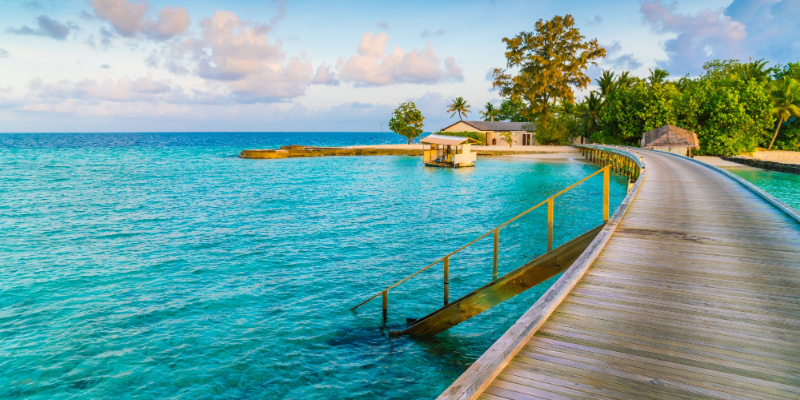
Tahiti is one of the French Polynesian countries, which is largely known as a paradise for the French people and the rest of the world. Hence, every year, thousands and thousands of tourists visit Tahiti to bathe in the warm sun near the sea. Not only that but brilliant seafood, which shows the meeting point of indigenous culture and French cuisine.

So, if you are a vagabond like us and looking to find a new version of yourself, visiting Tahiti can be the solution for you. From warm beaches to hospitable people and brilliant nightlife, you get everything you want. Pack your bags, and let us sail to see the best landscape on the face of the earth.

Things To Do In Tahiti

Tahiti travel

Tahiti has many beautiful beaches and places to see, but you are not a Schrodinger’s cat and are available everywhere. That’s why, we will recommend places to visit and things to do in those places, as stated by Tahiti Travel Services – 

La Plage de Maui

Most of the area in Tahiti is known for its volcanic black hue, La Plage de Maui is one of the places where you can see white beaches. It’s one of the places that attracts customers from all over the world and sees the clear water and nearby lagoon. Hence, it makes the best place to visit your family and friends. 

Besides, at La Plage de Maui, you can taste brilliant seafood, which is absolutely fresh and exquisite in every bite. It is another reason why tourists love the place, and visit every year to taste brilliant fishes and lobsters. Lastly, if you are an amateur snorkeler, you can visit the place and enjoy the beautiful crystal-clear water.

Fautaua Valley

Tahiti is a country for all seasons. You can visit during the rainy season from November to April to see Fautaua Waterfall. You can hike up the Fautaua Valley to see the dramatic nature of the waterfall. To reach the waterfall, you have to pass through Cascade de Fachoda to see the 450-foot waterfall, which turns into a big pool.

Therefore, if you are an adventure seeker, you can visit Fauntana Valley, embrace the beautiful natural wonders, and breathe in fresh air in your lungs. In many cases, the valley has steep slopes, so it’s better to wear close-toed shoes. That way, you can complete the hike within the sunfall.

Moorea

Moorea Island

How about having your lunch in Moorea? It is one of the sister islands of Tahiti, where you have to visit Te Honu Iti, which serves the most delicious food. Moreover, their service is brilliant and incredibly friendly. 

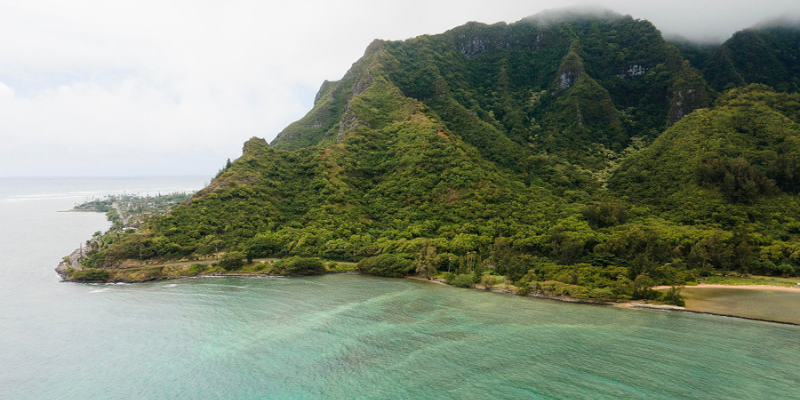
Moorea has more rugged terrain than Tahiti and jaw-dropping scenic beauty, with Magic Mountain being the biggest attraction. You can hike up the mountain or take a bike to see the panoramic view from the top. Moreover, if you are lucky enough, you might see sharks.

Plage du Taharuu

If you want to recreate the scenes of Vikings, then visiting Plage du Taharuu is a must. The volcanic black sands and palm trees will give a glimpse of solitude and atonement. Consequently, you can take your kids and other family members to play beach ball and swim around the area.

Moreover, Taharuu Beach is clean and picturesque, which is perfect for relaxing and forgetting the world beyond still exists. You can take a beer or any other drink from the snack bar and enjoy your day. However, you pay to access the beach and enjoy the serene nature of frothy white waves and deep blue water.

Mont Aorai

Another place you should visit is Mont Aorai. It stands at 6,778 feet high and is filled with lush rainforest terrain and brilliant scenery with misty fresh air looming around. Therefore, if you are planning to trek, you can walk around the rough terrain and experience the beautiful landscape.

Moreover, when you complete the lost calories, you can adjust it by visiting O Belvédère. You can try some of the best French cuisine and also see the beautiful vantage point. Just carry an umbrella, in case it may rain up top, as the weather is unpredictable at the peak.

Teahupoo

While talking about Tahiti, how can we miss out on Teahupoo? It is the place to enjoy surfing and racing against the high tides. In Teahupoo, tides can reach up to 25 feet high, which is the place for surfers to test their surfing board and their surfing skills.

Also, you can see the beautiful coral reef, which is an absolute feast for the eyes. Take good pictures for your Instagram and Facebook. Lastly, if you want to test your metal in surfing, in Teahupoo every year a surfing competition is held, participate in it.

James Norman Hall Home

James Norman Hall is a place for history lovers and nerds. The beautiful gardens in the area will highly impress the caretakers of maintaining the place. It is the place that highlights the bond of friendship between James Norman and Charles Nordhoff.

Both met during World War I and since then, they have stayed together and written novels together. Later, in 1920, they moved to Tahiti, where they wrote many novels together. The hall showcases the authors’ lasting memories and belongings.

Frequently Asked Questions (FAQs):

Here are a few frequently asked questions – 

What is Tahiti popular for?

Tahiti is popular for its beaches and sand.

How many days is enough in Tahiti?

10 days are enough to visit all the places in Tahiti.

What is the best time to visit Tahiti?

Even though you can visit Tahiti all season, it’s best to visit them between May and October. 

Is Tahiti tourist-friendly?

Tahiti is warm and welcoming to foreign tourists.

What is the crime rate in Tahiti?

The rate of serious crime is low in Tahiti.

The Bottom Line

In the end, if you are looking for an escape, you can visit Tahiti. It has the best natural landscape with mountains and beaches, which you can easily visit and enjoy. So, read the discussion and visit those places to do some fun activities.

Read Also:

Share on Social Media

Ankita Tripathy loves to write about food and the Hallyu Wave in particular. During her free time, she enjoys looking at the sky or reading books while sipping a cup of hot coffee. Her favourite niches are food, music, lifestyle, travel, and Korean Pop music and drama.

Leave a Reply

Your email address will not be published. Required fields are marked *

title-img Related

READ MORE Gatlinburg

Tips For Vacationing In Gatlinburg

BY  Arnab Jan 20, 2023

Gatlinburg is a popular vacation destination in the state of Tennessee that offers something for every type of traveler. Situated just outside the boundary of the Great Smoky Mountain National Park, this charming town is known for its stunning natural beauty, rich history and culture, and enjoyable recreational activities. Whether you're an outdoor enthusiast, a foodie, or an art lover, a vacation in Gatlinburg won't disappoint you. Here Are The Eight Best Ideas For Vacationing In Gatlinburg To ensure you make the most of your vacation, we've put together a list of helpful tips to make planning easier. Here's what you need to know: 1. Plan ahead Any vacation can become a stressful experience if not planned carefully. So it's important to begin planning early to ensure you don't have trouble at the eleventh hour. And after choosing your destination, next comes selecting the accommodation. A convenient option is to stay in a condo. Condos offer an extensive array of amenities for a comfortable stay, such as a fully equipped kitchen and comfortable living space, and are ideal if you're planning a trip with family or want to enjoy a more upscale experience. Look up downtown Gatlinburg condos online, compare prices, read reviews, and book one that suits your travel needs. Be sure to book in advance to score a better deal. 2. Explore the great outdoors Gatlinburg is approximately 5 miles away from the Great Smoky Mountains National Park and offers many opportunities for hiking, camping, and scenic drives. The park has hundreds of miles of hiking trails suitable for first-timers and avid trekkers. Some popular trails include Mt. Leconte, Mt. Cammerer, Charlies Bunion, the Chimney Tops Trail, and Thunderhead Mountain. So be sure to pack your hiking gear if you're up for one. The national park is also home to more than 1200 species of plants and animals, including big black bears. Be sure to follow directions and stay out of areas cordoned off for the public. Also, don't litter. 3. Indulge in local cuisine Who doesn't love food? If you long for unique flavors, there are plenty of options to tantalize your taste buds. Gatlinburg has diverse dining options, including traditional southern comfort food to continental and several popular fast-food brands. You can enjoy a finger-licking meal that you will remember for a long time. Some popular places to dine include Donut Frair, Bubba Gump Shrimp Co., and Log Cabin Pancake House. Consider eating pancakes at the pancake house is a must-do. Be sure to try some of the local moonshine and barbecue. 4. Shop around Gatlinburg has many shopping options, from souvenir shops to high-end boutiques. Be sure to check out the downtown area for one-of-a-kind finds. You can shop till you drop at outlet malls and small mom-and-pop arts and crafts stores. If you visit the downtown area, you'll find a mix of unique boutiques, art galleries, and specialty shops. Here, you can find exclusive dresses, artistries, and a collection of extremely rare souvenirs. Also, check out the local farmer's market for fresh produce, homemade jams, and more. 5. Relax and unwind Whether it's soaking in a hot tub or taking a leisurely walk around the town, take some time out for yourself and relax. There are several places in Gatlinburg where you can unwind and burn off stress, including hot tubs, saunas, spas, and massages. Whether you're looking to unwind after a long day of sightseeing or want to indulge in some quality self-care, Gatlinburg is worth a try. Just be sure to reserve some time for yourself during your trip. 6. Hit the slopes A vacation in Gatlinburg is a must if you are into winter sports. Gatlinburg is a great destination for winter sports, with Ober Gatlinburg Ski Resort offering skiing opportunities. Even if you're not a skier, the resort has an indoor ice-skating rink designed for casuals. Ober Gatlinburg Ski Resort is the only ski resort in Tennessee, and it offers a wide range of winter activities. These include skiing, snowboarding, ice skating, and snow tubing. 7. Take a tour Join a guided tour to learn more about the history and culture of Gatlinburg and the surrounding area. From ghost tours to historical walking tours, you can explore some wonderful places that boast Appalachian culture and history. These tours are an excellent way to learn more about the antiquity and traditions of Gatlinburg. You'll also see some of the most famous and hidden sights and landmarks. Guided tours can help you discover new places in Gatlinburg that only a few know about. Whether you're interested in the town's history or the natural wonders of the area, you can't go wrong with a trip to Gatlinburg. 8. Visit the arts and crafts community Gatlinburg is home to a vibrant arts and crafts community, with many shops and studios showcasing the work of local artisans. Take a stroll through the community and bring home a unique souvenir. The Gatlinburg arts and crafts community is also one of North America's largest groups of independent artisans. The community offers a wide range of unique artwork and dexterities, from traditional to contemporary. Conclusion Overall, Gatlinburg offers a wonderful natural getaway destination that promises a memorable experience for tourists. Whether you're looking to explore the outdoors or simply relax and unwind, Gatlinburg has it all. Following the tips above can help you make the most of your time in this delightful town. So, don't wait any longer; plan your next vacation and experience all this beautiful place has to offer. Read Also: Crucial Hiking Tips To Ensure Your Safety While Hiking Top 8 List Of National Parks In North Carolina – Travel Guide Witness The Beauty Of Chilko Lake In British Columbia – Travel Guide

READ MORE Great Barrier Island wildlife tours

Aotea Great Barrier Island Wildlife: The Ultimate Tours & Spotting Guide (New Zealand)

BY  Sibashree Nov 12, 2025

There are three instances I clearly remember from our trip to the Great Barrier Island, New Zealand. The best thing about the Great Barrier Island wildlife tours is that they begin even before you board the ferry.  Here, I will start with some fun moments we had while exploring the wildlife of Great Barrier Island, then gradually discuss the details. So, let’s examine the rugged, predator-free paradise in New Zealand's Hauraki Gulf.  My Great Barrier Island Wildlife Tours: Some Stories That Have Stayed With Me With around 60% of the Great Barrier Island being a conservation area, the Aotea Great Barrier Island in New Zealand shines with sustainability certificates and its commitment to preserving the indigenous flora and the rare and endemic fauna of the island.  1. The Biosecurity Check  We were about to board the ferry to the Great Barrier Island. The Auckland Regional Council and the Ministry for Primary Industries (MPI) people did thorough biosecurity checks of our bags, and we had to clean our boots. Thus, they make a visitor part of the island's conservation effort.  This check is mandatory, and this is the reason the pāteke and kākā are thriving on the island. 2. The Dark Sky Sanctuary And The Great Barrier Island Wildlife Tours  Great Barrier Island’s designation as a Dark Sky Sanctuary has enhanced the wildlife tour experiences. We went out to see the Milky Way at night, and we stood quietly and listened to the sound of silence.  Suddenly, we were startled by the more-pork cry of the Ruru birds. Also, we saw the black petrels or Tākoketai coming back to their burrows.  3. Did I See A Chevron Skink? Did I Not? See, Chevron Skink also feels like a mythical species. These nocturnal species are the masters of camouflage. So, honestly, we did not see them with our naked eyes.  However, we could listen to the squeaks and grunts of the Chevron Skinks. It was thrilling knowing that we were walking through their only habitat in the world, which is protected by sanctuaries like Glenfern.  Why Is Aotea Great Barrier Island A Paradise For Wildlife Tours?  Afar, a US-based travel media brand, has named Aotea Great Barrier Island one of the top 25 off-the-beaten-track destinations in the world.  Aotea, Great Barrier Island in the Hauraki Gulf, is a designated dark sky sanctuary. So, it is ideal for spotting and listening to the nocturnal birds and animals.  Furthermore, the Department of Conservation (DOC) maintains 60% conservation land on the Aotea Great Barrier Island. As a result, it is the island of Firsts" and "Lasts.” It means that the island has birds such as North Island kākā and pāteke (brown teal), which are found nowhere else in the world.  In addition, the "Predator-Free" Secret of the Island is truly special. In the absence of stoats, possums, weasels, or deer, the rare and endemic species here have been able to thrive.  Along with all these endeavors, the Great Barrier Island has been successful in community-led conservation efforts, maintaining biodiversity and species protection. Here are the details.  1. Aotea Great Barrier Island Environmental Trust “The principle activities of the Trust are in protecting, enhancing, developing and maintaining habitats for New Zealand native and endemic species on Aotea Great Barrier Island, with a particular focus on pest management…” Founded in 2002, this trust has been an advocate for conservation policies, has coordinated many conservation efforts, and earned funding for local conservation projects.  2. Aotea Conservation Park  The 2,000-hectare Aotea Conservation Park with walking tracks, DOC huts, and campsites makes the island an ideal destination for exploring the wildlife.  3. Marine Conservation  The Aotea Great Barrier Environmental Trust’s Tai Timu Tai Pari” or “Sea Change” initiative aims to protect the marine ecosystem of the Hauraki Gulf. Furthermore, the Department of Conservation (DOC) has proposed to build a large marine conservation area in the northeast corner of the island.  In addition, beach clean-ups and educational programs have been effective local endeavors to preserve the marine life of the island.  4. Biodiversity And Species Protection  The island is a critical nesting ground for the black petrels. The Department of Conservation takes care of the nesting ground.  Furthermore, around 60% of the pāteke population in New Zealand is present on the Great Barrier Island. These birds are frequently spotted in places such as Kaitoke Wetlands.  You can visit the Kaitoke Wetlands just before dusk. Park at the end of the road, walk the flat boardwalk, and wait quietly by the main pond. You will almost certainly see and hear the rare pāteke (brown teal) as they come out to feed. Chevron skink, 13 different types of lizards, banded rail, and North Island Kaka are some other native species that exist on the Great Barrier Island.  What Are The Must-See Wildlife Attractions On The Aotea Great Barrier Island In New Zealand?  The Glenfern Sanctuary, Aotea Track, Kaitoke Hot Springs, and the coastal areas are ideal for spotting the unique and rich wildlife of the Great Barrier Island, New Zealand.  1. The Pāteke (Brown Teal) Pāteke is one of the rarest ducks in the world. The Great Barrier Island is a stronghold for these ducks, and you will find them in the Kaitoke Wetlands.  The Department of Conservation and Predator Free NZ Trust are two important bodies taking care of the conservation efforts to protect these birds. Habitat management and predator control are two main elements of protecting the Pāteke birds.  Now, you understand why biosecurity is so crucial for these adorable ducks on the Great Barrier Island.  2. The Black Petrel (Takoketai) This seabird breeds only on the Great Barrier and Little Barrier islands. They nest in burrows high in the mountains. The Glenfern Sanctuary protects a key colony of these birds.  However, the main breeding colony on Aotea is at Mount Hobson/Hirakimata. According to the Department of Conservation, around 900-1000 pairs of birds stay there.  These birds are featured on the IUCN Red List as a vulnerable species. Furthermore, they are identified as “Nationally Vulnerable” in New Zealand.  Moreover, there has been a conservation monitoring going on since 1995 to assess the population of these birds and how they are declining.  3. The Chevron Skink (Niho Taniwha) This large, rare lizard is found only on the Great Barrier and Little Barrier. It is almost like a mythical animal, and spotting it is very unlikely.  However, they mostly stay in the Stream-side forests. It is listed as nationally vulnerable by the Threat Classification System of the Department of Conservation.  The sightings of these lizards are so important that DOC asks you to report to the local office or call at +64 9 429 0044 whenever you spot one.  4. The North Island Kākā It is a large, intelligent, and noisy native parrot. It is famous for the loud "screech" and "chatter. I saw a few of them high in the forest canopy along the Mt Hobson track.  The Glenfern Sanctuary is another spot where you will find these parrots. The Great Barrier Island is an important habitat for these birds as it offers a predator-free environment.  5. Dolphins And Marine Life Aotea’s location on the edge of the Hauraki Gulf Marine Park, the national park of the sea, makes it rich in marine life. The Hauraki Gulf and the Great Barrier Island were both formed due to massive volcanic activity at the end of the Ice Age.  In 1769, James Cook named the island because of how it protected the Hauraki Gulf.  The water of the Hauraki Gulf Marine Park has 22 species of marine mammals. Bottlenose and common dolphins are often seen from the ferry or playing in bays like Okupu (Blind Bay) and Whangaparapara Harbour. You may even spot Bryde's whales there.  Furthermore, seabirds are important members of the Marine Park. Black petrels are, of course, the most common among them.  Coastal camping is the best outdoor experience if you want to explore the marine life of the Great Barrier Island, New Zealand. Here are some popular coastal campsites.  Akapoua Bay Campsite Near Port Fitzroy, Ideal for Spotting Pohutukawa Trees and Fishing Awana Beach Campsite, Ideal for Surfers Harataonga Campsite, Great for Swimming and Snorkeling Medlands Beach Campsite, Surfing and Picnic Spot  The Green Campsite at Whangaparapara Harbour, Ideal for a Serene Walk and as a Secluded Retreat Whangapoua Campsite, a Popular Surf-Break.  A Guide To Aotea Great Barrier Island Wildlife Tours: Species, Sanctuaries, And Different Types Of Wildlife Tours  During the wildlife tours, our primary concern was how to spot native birds on Great Barrier Island. Little did we know that we would hear them before actually seeing them flapping their wings.  We heard the screeching call of kākā as we were hiking through the Mount Hobson Track. Then, we saw a cloud of birds passing over our heads.  Nevertheless, it’s not just about the birds. Aotea, Great Barrier Island in New Zealand, is home to endless endemic species.  1. Specialist Day Tours & Sanctuary Visits The Glenfern Sanctuary of the Great Barrier Island is a haven for the endangered and rare species. It is an 83-acre regional park, and it functions as the “gateway to the 240-hectare Kotuku Peninsula of the north-west coastline of the Great Barrier Island.” Furthermore, the Glenfern Sanctuary Trust is committed to the preservation of the endangered flora and fauna and their habitats as you walk through the 2km loop track through a native bush to spot the birds and native species.  The black petrels and the ancient Kauri trees are the biggest highlights of this tour. The sanctuary remains open 7 days a week and from sunrise to sunset.  Moreover, you must hike through the Sanctuary and Loop Track to explore nature, wildlife, and the unique culture of the Great Barrier Island.  Sanctuary And Loop Track The Glefern Loop Track is one of the easiest Great Barrier Island hiking tracks. Here, you will have to walk along the Aotea stream and through the remnants of an ancient native bush.  The bush is protected by the Queen Elizabeth II National Trust of New Zealand, and it is rich in bird life. So, here, you will spot black petrels, Kaka, and Pāteke.  You can contact the regional office at 09 4290 091 to know about the further details.  2. The All-Inclusive Multi-Day Guided Walk If you want a more immersive wildlife experience, you must choose the all-inclusive multi-day guided walks. MoaTours and Go Great Barrier Island Tourism are two such services taking care of your accommodation, food, expert guides, and transport.  They focus on the best tracks, like the Aotea Track, Mt Hobson, and Kaitoke Wetlands. Furthermore, the guides are flora and fauna experts. For example, you can try the “Let’s Go Wild,” “The Aotea Track” package of the Great Barrier Island. Two of the main highlights of this tour are the wetlands and the unique wildlife.  It is a 3-day hiking experience, and the charge per person (adults) will be $541 (Standard Route) or $596 (The Windy Canyon Route).  MoaTours, on the other hand, organizes a 5-day Great Barrier Island small group tour, covering areas such as the Medlands Beach and Tryphena Harbour. The charges will be   $4,390 NZD for solo travelers and $3,890 NZD for twin travelers.  3. Self-Guided Great Barrier Island Wildlife Tours  The self-guided tours to explore the wildlife of the Great Barrier Island are ideal for an independent traveler. For example, you can go for the Glefern Sanctuary self-guided walks and learn about the biodiversity of the sanctuary, its conservation efforts, and more.  You can contact Steve, the manager of the sanctuary, at 0210826670 to be a part of these tours.  Furthermore, you can create your own Great Barrier Island wildlife tours by planning a visit to the Kaitoke Wetlands, Mt Hobson (Hirakimata) Track, Medlands Beach & Onetangi, and Windy Canyon.  How To Spot Native Birds On Great Barrier Island? A DIY Guide For Wildlife Tours  I have already mentioned the Glefern Sanctuary self-guided walks. Along with that, you can visit any of these areas for a perfect wildlife exploration on the Great Barrier Island.  1. Kaitoke Wetlands The Glefern Sanctuary offers a guided tour to the Kaitoke Hot Springs, located on the Mount Hobson Track. You can access the track from the Whangaparapara Road.  Furthermore, you will find a series of geothermal pools on the Kaitoke Hot Springs track. This area, maintained by the Department of Conservation (DoC), is a treasure hub for native birds.  Here, we had to walk through an easy boardwalk and gravel road to encounter pāteke and spotless crakes. And thanks to the new Kai swing bridge here, the route has now become wheelchair and buggy accessible.  Even when we were swimming in the geothermal pools, we could listen to the calls of the pātekes.  2. Mt Hobson (Hirakimata) Track The Peach Tree Track to Mount Hobson is the best route for spotting native birds and the wildlife of the Great Barrier Island. The route passes through regenerating forests, and these forests are home to a lot of native bird species, such as: Kākā Tūī: Tomtit (Miromiro) North Island Robin (Pītoitoi) Black Petrel (Takoketai) You can spot these birds in the dense native bush. Also, you can see them in large numbers near the high slopes and close to the summit. In addition, the 360-degree view of the island is a bonus you will love to count on.  3. Medlands Beach & Onetangi Medlands Beach and Onetangi are famous for coastal and nearshore wildlife like the paradise shelducks and little blue penguins.  Furthermore, wekas are common in these locations, and these are chosen as the reintroduction programs of the North Island brown kiwi.  4. Windy Canyon On the Windy Canyon hiking route, you will find conservation centers such as the Kiwi Park Queenstown. Here, you will find native species such as tuatara and Kiwi.  Furthermore, throughout the route, you will listen to the buzzing cicadas.  The Best Tips For Spotting The Birds On The Great Barrier Island  Dawn and dusk are the best hours of the day for spotting birds on the Great Barrier Island. “Dawn Chorus” is a real experience on the Great Barrier Island.  Once you reach the spot, be patient and wait quietly, as patience is a virtue for bird watching.  Keep your ears open. You'll hear the tūī's "click-whirr-gurgle" and the kākā's "screech" before you see them. Going nocturnal is a great trick for watching the native birds of the Great Barrier Island. That is why being a Dark Sky Sanctuary is crucial for the Aotea Great Barrier Island.  Carry a red-light torch and be alert about the "more-pork" call of the Ruru to spot the birds in the dark.  Talk to the staff of the hotel or the owner of the homestay you are staying in. They will have the best local tips about birdwatching on the Great Barrier Island.  How To Plan The Great Barrier Island Wildlife Tours?  There are three main aspects of planning Great Barrier Island wildlife tours. 1. How To Reach The Great Barrier Island? You can take a Barrier Air flight from Auckland to reach the Great Barrier Island in 45 minutes. You can even take the SeaLink ferry and complete a journey of 4.5 hours to reach the Great Barrier Island.  2. How To Move Around The Great Barrier Island? Renting a car or a bike is the most convenient option to move around the island. Furthermore, kayaking is an excellent way to explore the bays, caves, and diverse marine life of the island.  3. What Is The Best Time To Visit The Great Barrier Island Wildlife? From September to November, or the spring season, is the ideal time to visit the wildlife of Great Barrier Island. This is the nesting season for most birds on the island.  So, these months are the best for listening to the chorus of the dawn and the dusk.  Being A Responsible Tourist To Protect The Wildlife Of The Great Barrier Island Biosecurity is the most important aspect of the Great Barrier Island wildlife tours. The wildlife of the island is thriving as it is maintained as a sanctuary. So, by cooperating with the biosecurity checks at the DoC-approved facilities and cleaning stations, we have to be a part of the conservation effort.  The 3C policy of the biosecurity checks on the Great Barrier Island is: Check Clean Check We have to check our bags, gear, and shoes for pests (rats, mice, insects) and seeds before they leave the mainland.  Your Great Barrier Adventure Awaits The Aotea Great Barrier Island is a nature lover’s dream, with every nook awaiting a surprise with the native birds and their playful chirps. Furthermore, the Glenfern Sanctuary, Mount Hobson Track, and the wetlands on the Great Barrier Island, New Zealand, are a stronghold for rare and endemic birds and animals.  So, the birds are calling. Are you ready to answer? 

READ MORE

Glacier National Park: A Geological Wonder With Fossils And Rich Wildlife

BY  Sibashree Oct 28, 2024

Glacier National Park, or the “Crown of the Continent,” boasts unique geology, fossils, ecosystems, and thriving wildlife.  “Far away in northwestern Montana, hidden from view by clustering mountain-peaks, lies an unmapped corner—the Crown of the Continent.” - George Bird Grinnell, Editor, Forest and Stream It is also a hiker’s paradise with trails of varying difficulty levels. In addition, a drive through the park will allow you to visit more than 700 lakes and learn about the history of American-Indian tribes like the Blackfeet, Kootenai, Salish, and more! Let’s explore the miles of wonders and help you make an itinerary with a guide on things to do and places to stay in the park. Having said that, the park offers boating, bus rides, and horse riding tours. However, hiking is the best way to get to know the park well.  Where Is Glacier National Park? How To Reach It? The 1,583 square miles of wilderness of Glacier National Park is in northwestern Montana, United States. It is close to Waterton Lakes and the Canada-United States border.  Furthermore, Columbia Falls is the nearest city to this national park. If you want to visit the park, you can reach its southern boundary through Highway 2. However, if you want to enter the park from its east side, you must take Highway 89.  Moreover, the nearest airports to this national park are Kalispell and Great Falls. From there, you will have to reach the park by road.  Visitor Centers of the Park Apgar Visitor Center St. Mary Visitor Center Logan Pass Visitor Center Operating Hours: The park is open 24 hours a day. You can visit the park on 365 days of the year.  You will have to pay some fees at the entrance. The entrance stations will not always be human-crewed. However, you must make a self-payment following the instructions at the entrance.  Where To Stay In Glacier National Park? Once you have reached the park safely, you will, of course, look for safe accommodation. Camping and wilderness camping are surely the best options if you want to make the most of the park experience.  However, you can always explore the lodging options for more comfort. The park also has restaurants and stores, providing you with basic amenities.  Lodges In Glacier National Park  Look at the table below for details about the lodging options at Glacier National Park. Lodging Facility OperatesContact Information Glacier National Park Lodges/Xanterra Parks & ResortsVillage Inn MotelLake McDonald LodgeRising Sun Motor InnSwiftcurrent Motor Inn(855) 733-4522 (USA)(303) 265-7010 (Outside the USA)Glacier Park Collection Apgar Village LodgeMotel Lake McDonald(844) 868-7474Sperry Chalet & Granite Park Chalet (These are two backcountry chalets in Glacier National Park.)Sperry ChaletGranite Park Chalet(888) 345-2649 It is always better to check the availability at the lodges in advance. Further, some of these lodges have historic associations. For example, the Lake McDonald Lodge became a “National Historic Landmark” in 1987.  Did you know that Lake McDonald Lodge is one of the best examples of Swiss chalet architecture, and it is a member of the Historic Hotels of America? Talk to the staff in the lodges to unearth more stories and anecdotes about these places.  Camping In Glacier National Park Glacier National Park has 13 front country campgrounds. Along with putting up a tent, these campsites are also suitable for RVs and other vehicles.  These campgrounds are available on a first-come, first-served, or reservation basis. So, let’s explore the options.  Type of BookingName of the CampgroundHighlights First-Come, First-Served Bowman Lake CampgroundIt offers the best view of Bowman Lake.Further, it is known for its serene ambiance. Cut Bank CampgroundThe Cut Bank Campground is the best for backcountry trips.It is also close to many day-hiking trails. Kintla Lake CampgroundI found this campground the most picturesque camping destination in the park.Sitting on the Kintla Lake, it is a quiet place for camping. Logging Creek CampgroundThis campground is close to Logging Lake.Also, you will love it if you prefer some solitude. Quartz Creek CampgroundIt is the smallest campground in the park, and you will love it for its pristine charm. Rising Sun CampgroundYou can enjoy the best view of Red Eagle Mountain from this camping ground.Further, as the name suggests, it offers beautiful sunrise views. ReservedApgar CampgroundThe evening programs at the Apgar Amphitheater are the most entertaining thing to do in the park.You can take a short walk from this camping ground to enjoy the sunset views of Lake McDonald. Avalanche CampgroundAvalanche Campground is great for wildlife viewing, especially birdwatching.In addition, it is connected to many day-hiking trails. Fish Creek CampgroundIt offers decent views of Lake McDonald.Also, you can enjoy some privacy here. Many Glacier CampgroundIt is the best camping ground to experience wilderness in the park. Further, you can see bears and bighorn sheep here. St. Mary CampgroundIt is the hub of interpretive programs and many other events in the park.Also, it is the largest campground on the park’s eastern side. Sprague Creek CampgroundCamping is comfortable here with shades of trees.Further, it offers the best view of Lake McDonald. Two Medicine CampgroundIf you want red bus and boat tours, Two Medicine Campground is the best for you. Further, it offers better privacy than other campgrounds.Also, it leads to the Running Eagle Falls and many other popular hiking trails.  So, choose a campground based on your desired experience and other preferences. For reservation, contacting the park authority at least six months before your visit is better.   Wilderness Camping In Glacier National Park You will need a wilderness permit if you’re going to do wilderness camping in the park. If you ask me, camping by the riverside is the best option. Further, if you want to be more adventurous, you can try wilderness camping in winter with special permits.  Here, I will only discuss the best riverside camping options in the wilderness. You will need river camping permits and must abide by the camping regulations on the riverside.  North Fork Flathead River The undesignated wilderness camping along the North Fork Flathead River is a great place if you want to try paddling or angling. Boating in the river is also a popular activity here.  Middle Fork Flathead River  The Middle Fork Flathead River camping is the best choice to explore the Bob Marshall Wilderness. Further, the primitive setup here offers you the most adventurous camping experience.  What To Do In Glacier National Park? Try Hiking To Know The Park's Best  It does not matter whether you want a short hiking expedition or a long backpacking experience. The Glacier National Park has you covered. So, let’s know about some of the trails.  Avalanche Lake  Difficulty Level - Easy to Moderate Trek Distance - 5.9 Miles  This trek route is close to the Lake McDonald Lodge, and before you start the trek, you can enjoy a boat ride in Lake McDonald before starting your day.  You will see many waterfalls and mountains while hiking through this beautiful and easy trail.  Highline Trail Difficulty Level - Moderate Trek Distance - 7.2 Miles  If you want to experience the core essence of the Glacier National Park in one day, you must trek through the Highline Trail. You will visit Alpine meadows, snow-capped peaks, and the best wildflowers throughout your hiking expedition. Further, the Continental Divide makes the pain-stricken hike worth it. However, be careful during the last 4 miles of the trek, as trekking downward through the trail is Scary!  Siyeh Pass Difficulty Level - Strenuous Trek Distance - Over 10 Miles  Siyeh Pass is the trekking trail you must explore to see the 1.5 billion-year-old fossils in the park. You will also get to see many glaciers throughout the trek. The glaciers visible in this trekking route are: Blackfoot Sexton Piegan Jackson In addition, you will love trekking through the spruce and fir forests, and the wildflowers in the meadows are a treat for the eyes.  Hidden Meadow  Difficulty Level - Easy Trek Distance - 3 Miles  Hidden Meadow in Glacier National Park is a kid-friendly trail. Further, it is a short trek taking you through forests until you reach a meadow for an expansive view of the surroundings.  Also, you will love the largest Douglas firs here.  Also read Why Include Whale Watching In Your LA Itinerary. Traveling On A Budget: Tips For Affordable Adventures. From Cocktails To Kickflips: Must-Try Activities In San Diego.