


Time Travelers’ Haven: Savannah’s Top Museums and your Itinerary for 2024!

Mar 22, 2024

Last Updated on: Sep 18, 2024

Travel Blog

Savannah, Georgia, is a city that has something for everyone. Whether you are a history buff, an art lover, a nature enthusiast, or a foodie, you will find plenty of attractions and activities to enjoy in this charming Southern destination. But if you are looking for a unique way to experience Savannah, why not visit some of its amazing museums?

Museums in Savannah are not just boring buildings filled with dusty artifacts. They are vibrant and interactive spaces that showcase the rich and diverse culture, history, and creativity of the city and its people. From colonial times to the present day, from fine art to folk art, from military history to maritime history, you will find museums in Savannah that cater to your interests and curiosity.

Top Museums in Savannah That You Must Visit in 2024!

Top Museums in Savannah

There is something magical about museums. It is a testament to the fact that humanity has lived and thrived. Most importantly, it is a celebration of all the struggles that have made us who we are. It is a place where time stops for a little. Or we are sent back in time.

I love going to museums, and that is why I feel glad to be able to list some of the best museums that I went to during my stay in Savannah.

In this article, I will introduce you to the 15 best museums in Savannah that you should not miss on your next trip. I am also going to give you some tips on planning your itinerary and making the most of your time in this beautiful city.

So, get ready to travel back in time and explore Savannah’s top museums! Here are the best museums in Savannah that you MUST visit while you are in the city:

1. Savannah History Museum

If you want to learn about the history of Savannah from its founding in 1733 to the present day, the Savannah History Museum is the place to go. Located in the historic Central of Georgia Railway passenger station, the museum features exhibits that cover various aspects of Savannah’s past, such as the American Revolution, the Civil War, the cotton industry, the railroad, and the movie industry. You can also see artifacts and memorabilia from famous Savannahians, such as singer Johnny Mercer, writer Flannery O’Connor, and Girl Scouts founder Juliette Gordon Low. Don’t forget to check out the bench from the movie Forrest Gump, which was filmed in Savannah.

2. Jepson Center for the Arts

The Jepson Center for the Arts is a stunning modern building that houses the contemporary art collection of the Telfair Museums, the oldest public art museum in the South. The Jepson Center showcases works by local, regional, national, and international artists, ranging from paintings and sculptures to photography and video. You can also enjoy rotating exhibitions, lectures, workshops, and educational programs at the center. If you have kids, they will love the ArtZeum, an interactive gallery that encourages creativity and exploration.

3. Savannah Museum of Art

The Savannah Museum of Art is another branch of the Telfair Museums, located in the historic Telfair Academy, a former mansion built in 1819. The museum displays a collection of American and European art from the 19th and 20th centuries, including works by impressionists, realists, and abstract artists. You can also admire the elegant architecture and furnishings of the building, which was designed by William Jay, one of the first professionally trained architects in America. 

4. Georgia State Railroad Museum

If you are a fan of trains, you will love the Georgia State Railroad Museum, which is located in the former Central of Georgia Railway Savannah Shops and Terminal Facilities. The museum is a National Historic Landmark and features the largest collection of historic railroad structures in the country. You can see and climb aboard various locomotives, cars, and rolling stock, some of which date back to the 1850s. You can also take a guided tour of the site, watch demonstrations of steam and diesel engines, and even ride a train on a short loop track.

5. Ships of the Sea Maritime Museum

The Ships of the Sea Maritime Museum is dedicated to the maritime history of Savannah and the Atlantic coast. The museum is housed in the William Scarbrough House, a neoclassical mansion built in 1819 for one of the principal owners of the Savannah, the first steamship to cross the Atlantic Ocean. The museum displays models, paintings, and artifacts of various ships, from sailing vessels to steamships, that played a role in Savannah’s trade, commerce, and defense. You can also enjoy the beautiful garden behind the house, which features native plants and fountains.

6. Pin Point Heritage Museum

The Pin Point Heritage Museum is a hidden gem that celebrates the history and culture of the Gullah/Geechee people, who are descendants of enslaved Africans that settled along the coastal regions of Georgia and South Carolina. The museum is located in the former A.S. Varn & Son Oyster and Crab Factory, which was the main employer of the Pin Point community for over 60 years. The museum tells the story of the people, the place, and the industry that shaped their lives, through exhibits, oral histories, and demonstrations. You can also sample some of the delicious seafood that the community is known for.

7. SCAD Museum of Art

The SCAD Museum of Art is a contemporary art museum that showcases the work of students, faculty, and alumni of the Savannah College of Art and Design, as well as renowned artists from around the world. The museum is located in a former railroad depot that was renovated and expanded with a striking glass facade. The museum features permanent and temporary exhibitions of various media, such as painting, sculpture, photography, fashion, and film. You can also attend lectures, screenings, and performances at the museum.

8. Savannah Children’s Museum

The Savannah Children’s Museum is a fun and educational place for kids of all ages. The museum is located in the old Central of Georgia Railway Carpentry Shop, which was transformed into an outdoor playground with over a dozen exhibits and activities. Kids can explore, create, and learn through interactive stations, such as the sensory garden, the maze, the climbing wall, the water pump, and the giant Lego blocks. The museum also offers programs and events for families, such as storytime, crafts, and festivals.

9. Ralph Mark Gilbert Civil Rights Museum

The Ralph Mark Gilbert Civil Rights Museum is a museum that honors the legacy of the civil rights movement in Savannah and beyond. The museum is named after Dr. Ralph Mark Gilbert, who was the leader of the NAACP in Savannah and a key figure in the desegregation of the city. The museum features exhibits that chronicle the history of the struggle for racial equality and social justice, from slavery to the present day. You can see photographs, documents, artifacts, and videos that depict the events and people that shaped the movement, such as the sit-ins, the marches, the boycotts, and the leaders.

10. Webb Military Museum

The Webb Military Museum is a museum that displays a private collection of military memorabilia from the American Civil War to the present day. The museum is owned and operated by Gary Webb, a retired military officer and avid collector. The museum features uniforms, medals, weapons, flags, helmets, and other items that belonged to soldiers, sailors, airmen, and marines from various wars and conflicts. You can also see personal stories and letters from the men and women who served their country.

11. American Prohibition Museum

The American Prohibition Museum is a museum that takes you back to the era of the 18th Amendment, which banned the production, sale, and consumption of alcohol in the United States from 1920 to 1933. The museum features interactive exhibits, wax figures, and artifacts that tell the story of the prohibition, from the temperance movement to the speakeasies, from the bootleggers to the gangsters, from the flappers to the lawmen. You can also visit the speakeasy bar, where you can enjoy a drink and listen to live music.

12. Savannah African Art Museum

The Savannah African Art Museum is a museum that showcases a collection of over 1,000 pieces of African art, representing 22 countries and over 130 cultures. The museum is located in a former Catholic convent and school, which was renovated and decorated with African motifs. The museum displays sculptures, masks, textiles, jewelry, and other objects that reflect the diversity and beauty of African art and culture. You can also learn about the history, meaning, and symbolism of each piece from the knowledgeable docents.

13. Massie Heritage Center

The Massie Heritage Center is a museum and educational center that preserves and interprets the history and architecture of Savannah. The center is located in the former Massie School, which was built in 1856 and is the oldest public-school building in Georgia. The center features exhibits and programs that explore various aspects of Savannah’s heritage, such as the colonial era, the Victorian era, the civil rights era, and the urban renewal era. You can also see models and maps of the city, as well as a restored classroom from the 19th century.

14. Mighty Eighth Air Force Museum

The Mighty Eighth Air Force Museum is a museum that honors the men and women of the Eighth Air Force, which was one of the largest and most powerful air forces in history. The museum is located near the Savannah/Hilton Head International Airport, where the Eighth Air Force was activated in 1942. The museum features exhibits, artifacts, and aircraft that tell the story of the brave and heroic missions of the Eighth Air Force during World War II, the Cold War, and beyond. You can also see the B-17 Flying Fortress, the B-24 Liberator, the P-51 Mustang, and other planes that flew in the skies of Europe and Asia.

15. Wormsloe Historic Site

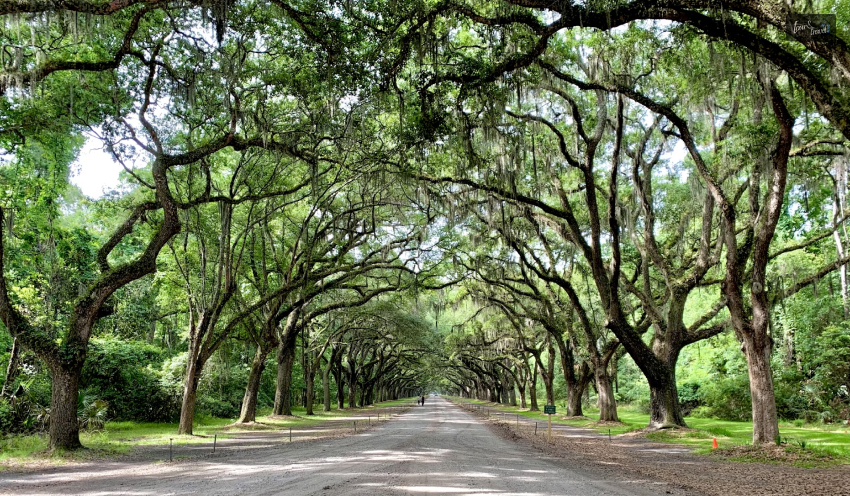
Wormsloe Historic Site

The Wormsloe Historic Site is a museum and park that preserves the estate of Noble Jones, one of the original settlers of Georgia and a close associate of James Oglethorpe, the founder of Savannah. The site features the ruins of Jones’ tabby house, which is the oldest standing structure in Savannah, as well as a colonial life area, a museum, and a nature trail. You can also see the iconic avenue of live oaks, one of the city’s most photographed scenes. 

How to Plan Your Itinerary for the Museums in Savannah?

How to Plan Your Itinerary for the Museums in Savannah

Now that you know the best museums in Savannah, you might be wondering how to fit them all in your schedule.

Here are some tips on how to plan your itinerary and make the most of your time in this beautiful city:

Day 1

Start with the Savannah History Museum, which will give you an overview of the city’s past and present. From there, you can walk to the nearby Georgia State Railroad Museum, the Savannah Children’s Museum, and the SCAD Museum of Art, which are all located in the same complex.

Next, head to the Telfair Museums, which consist of the Jepson Center for the Arts and the Savannah Museum of Art. You can also visit the Owens-Thomas House and Slave Quarters, which is another branch of the Telfair Museums and a historic landmark that showcases the life of the wealthy and the enslaved in the 19th century.

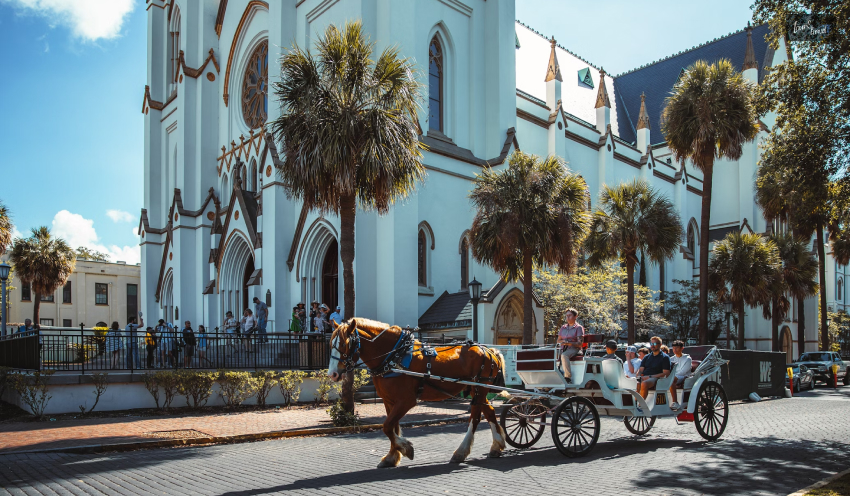
After that, you can explore the historic district of Savannah, which is full of charming squares, parks, monuments, and buildings. You can also hop on a trolley or a carriage tour, which will take you to some of the most popular attractions and landmarks in the city, such as the Cathedral of St. John the Baptist, Forsyth Park, the Mercer Williams House, and the Bonaventure Cemetery.

Day 2

For the next day, you can venture outside the downtown area and visit some of the museums that are located in the outskirts of the city, such as the Wormsloe Historic Site, the Pin Point Heritage Museum, the Ralph Mark Gilbert Civil Rights Museum, the Webb Military Museum, and the American Prohibition Museum. You can also take a short drive to the nearby Tybee Island, where you can enjoy the beach, the lighthouse, and the Fort Pulaski National Monument.

Day 3

On the last day, you can visit the Mighty Eighth Air Force Museum, located near the airport and a must-see for aviation and military enthusiasts. You can also stop by the Ships of the Sea Maritime Museum and the Savannah African Art Museum, both located in the historic district and worth visiting.

Why You Should Visit Savannah in 2024?

Why You Should Visit Savannah

Savannah is a city that is always worth visiting, but especially in 2024, when it will celebrate its 300th anniversary.

The city will host a series of events and festivities throughout the year, such as parades, concerts, fireworks, exhibitions, and more.

You can also expect to see some new and improved attractions and facilities, such as the Savannah Riverwalk, the Savannah Arena, and the Savannah Convention Center.

Savannah will also host some major events and conferences, such as the G20 Summit, the World Economic Forum, and the Savannah Film Festival.

Wrapping It Up!

Savannah is a city that is rich in history, culture, and creativity. It is also a city that has some of the best museums in the country, which will take you on a journey through time and space. Whether you are interested in art, history, nature, or anything in between, you will find museums in Savannah that will satisfy your curiosity and inspire your imagination.

If you wanted to know about eth best museums in Savannah, I hope that this blog has been of help to you. If there are any other queries related to the same, please feel free to let me know. All that you need to do is scroll down till you reach the bottom of the page. Then leave your comments and queries in the box below. And I will be there to answer them all for you!

Read Also:

Share on Social Media

Ankita Tripathy loves to write about food and the Hallyu Wave in particular. During her free time, she enjoys looking at the sky or reading books while sipping a cup of hot coffee. Her favourite niches are food, music, lifestyle, travel, and Korean Pop music and drama.

Leave a Reply

Your email address will not be published. Required fields are marked *

title-img Related

READ MORE Smoky Mountains

10 Reasons Why We Love The Smoky Mountains

BY  Ankita Dec 26, 2023

The Smoky Mountains, a majestic range straddling the border between North Carolina and Tennessee, evoke a sense of wonder and enchantment. Known for their mist-covered peaks, these mountains are a treasure trove of natural splendor and serenity. They beckon visitors with their captivating beauty and promise of adventure. Here Are Ten Prime Reasons Why We Love the Smoky Mountains This article explores the myriad reasons why the Smoky Mountains have captured the hearts of so many, from their stunning landscapes and rich biodiversity to their deep historical roots and breathtaking views. 1. Natural Beauty and Biodiversity One of the most compelling reasons to love the Smoky Mountains is their extraordinary natural beauty and biodiversity. Home to a vast expanse of old-growth forests, the Smokies boast a rich tapestry of plant and animal life. The diversity of ecosystems here supports a myriad of flora and fauna, some of which are endemic to the region. From the blooming wildflowers in spring to the dense green canopies in summer, the mountains offer a constantly changing panorama that never ceases to amaze. 2. Cozy Accommodations A trip to the Smokies is made all the more special by the array of cozy accommodations nestled in the heart of nature. The Great Smoky Mountains cabins are a highlight, offering a rustic yet comfortable stay amidst the scenic beauty of the mountains. These cabins range from luxurious to modest, catering to all preferences and budgets. Staying in a cabin allows visitors to immerse themselves fully in the tranquility of the mountains, whether it's waking up to the sight of fog-laden hills or relaxing by a fireplace under a starry sky. 3. Hiking and Outdoor Activities For outdoor enthusiasts, the Smoky Mountains are a paradise. The area is crisscrossed with trails ranging from easy walks to challenging hikes, each leading to its own unique discovery. Hiking in the Smokies provides an opportunity to explore the lush greenery, cascading waterfalls, and stunning vistas. The Alum Cave Trail to Mount LeConte or the trek to Clingmans Dome are just a few examples of the memorable hiking experiences the Smokies offer. Beyond hiking, the mountains are also perfect for camping, fishing, and wildlife watching. 4. Rich Historical Heritage The Smoky Mountains are steeped in history. They tell tales of the indigenous Cherokee tribes and the early European settlers who made these mountains their home. The area is dotted with historical sites that offer a glimpse into the past. From the preserved log cabins and grist mills in Cades Cove to the remnants of old Appalachian communities, these historical landmarks provide a deeper understanding of the region's heritage and the resilience of its people. 5. Breathtaking Views and Scenery Perhaps what captivates people the most about the Smoky Mountains are the breathtaking views and scenery. There is an ethereal beauty in the way the morning mist envelops the hills, giving the mountains their smoky moniker. The views from overlook like Newfound Gap or the peaks of Chimney Tops are awe-inspiring, offering panoramic vistas of the sprawling landscape. Each season adds its own touch to the scenery, from the vibrant autumn colors to the serene snow-capped winter hills. 6. Unique Wildlife The Smoky Mountains are not just a haven for nature enthusiasts but also a sanctuary for wildlife. The diverse habitats within the park support an incredible variety of animals. Visitors might catch a glimpse of black bears, elk, white-tailed deer, and numerous species of birds. The synchronous fireflies, a rare and beautiful phenomenon, draw spectators from all over. Wildlife viewing in the Smokies is a reminder of the region's ecological richness and the importance of preserving these natural habitats. 7. Seasonal Beauty Each season in the Smoky Mountains paints the landscape with a different palette. Spring brings a burst of wildflowers, covering the meadows in vibrant colors. Summer offers lush greenery and an abundance of outdoor activities. Autumn is particularly spectacular, with the foliage transforming into brilliant hues of orange, red, and yellow. Winter, often quieter, cloaks the mountains in serene whites and grays, offering a peaceful escape. The Smokies' ever-changing seasonal beauty ensures that every visit, no matter the time of year, is unique and enchanting. 8. Recreational Activities for All Ages The Smoky Mountains cater to visitors of all ages, making it an ideal destination for families. Beyond hiking, the park offers a range of activities such as horseback riding, bicycling, and picnicking. The nearby towns provide additional entertainment with amusement parks, museums, and cultural events. The Smokies are a place where families can both enjoy adventure and create lasting memories together. 9. Tranquility and Relaxation Amidst the scenic beauty of the Smokies lies the opportunity for tranquility and relaxation. The natural surroundings offer a peaceful retreat from the hustle and bustle of everyday life. Visitors can find solace in the quiet of the forests, the soothing sounds of streams, or simply by taking in the majestic views. The Smokies provide a space to unwind, reflect, and reconnect with nature. 10. Accessibility and Visitor Facilities The Great Smoky Mountains National Park is not only a natural wonder but also accessible and visitor-friendly. The park has well-maintained roads, trails, and facilities, ensuring a comfortable and safe experience for all visitors. The visitor centers offer educational exhibits, guides, and information, making it easy for everyone to explore and learn about the park. This accessibility allows more people to experience the beauty and wonders of the Smokies. Conclusion The Smoky Mountains captivate the hearts of visitors for countless reasons. From their stunning natural beauty, unique wildlife, and historical significance to their tranquil ambiance and accessibility, the Smokies offer a diverse and enriching experience. Whether seeking adventure, relaxation, or a family getaway, the Great Smoky Mountains provide a perfect backdrop. As a cherished natural treasure, the Smokies continue to inspire and allure visitors year after year, leaving them with memories and experiences that last a lifetime. Read Also: For Adventure Lovers: 9 Exciting Things To Do In The Smoky Mountains Swiss Delights: Mountains, Lakes, And Chocolate Explore The Beauty Of The Mountains Of Kenya!

READ MORE cheapest places to travel now in USA

9+ Cheapest Places To Travel Now In USA: USA Travel Guide On A Shoestring

BY  Sibashree Nov 11, 2024

The USA has much to offer with its natural abundance, wildlife, and historic and archaeological sites. National parks are the cheapest places now in USA. However, the USA also has beaches and small towns, allowing you to enjoy many marine activities and a quiet holiday. Further, the most affordable travel destinations in the USA are perfect for all types of tourists. You can be a solo traveler eager to soak in the unmissable energy of the country, or you can even be on a much-awaited family vacation.  So, let’s explore the options and hit the locations you will love! Cheapest Places To Travel Now In USA: Know The Budget-Friendly Destinations The tourism market in the USA is growing. By 2029, the tourism market in the USA is expected to reach a whopping revenue of US$214.40.  After COVID-19 impacted the tourism scenario of the USA and all other countries, these new figures are more than promising. Further, the USA has generated its tourism revenues through online sales, and it is likely to leave all other countries behind in the sales figures.  It’s time for you to experience the best tourism experiences the USA offers. Further, the cheapest places to travel now in USA are available for everyone, eliminating the budget hiccups.  1. Grand Teton National Park Location: Wyoming Nearest Airport: Jackson Hole Airport The U.S. News list for the cheapest places to travel now in the USA has Grand Teton National Park at the top. You can travel to this park from various parts of the USA by car.  You can fly to the Jackson Hole Airport and take a car ride from there. At this national park, the pocket pinch per person is just $35 in the form of entry fees.  The Craig Thomas Discovery & Visitor Center tells you about the unique history and geology of the park while you can indulge in the wonderful view of the Teton Range. At Grand Teton National Park, you can also participate in outdoor pursuits like hiking, mountain climbing, and kayaking.  2. Philadelphia, Pennsylvania Nearest Airport: Philadelphia (PHL) Airport Best Place to Stay in Philadelphia: The Logan Philadelphia, Curio Philadelphia, one of the cheapest places to travel now in USA, will introduce you to the history of the country. Taking a walk down Philadelphia’s Old Town is an experience that triggers goosebumps.  Further, Old Town is the first Heritage City in the USA, and it is the “birthplace of the nation.” Your budget here is not a constraint at all. You must explore the following activities to learn much with spending less than one can expect. The Liberty Bell The President's House (It was the original White House before the one now in Washington, DC.) Elfreth's Alley Further, Philadelphia is famous for its beer. You can tour the local breweries and beer gardens to cherish the best beverage.  3. Yosemite National Park Location: California Nearest Airport: Yosemite International Airport (FAT) Yosemite National Park stands out due to its rich geological features. You will find amazing glacier features complemented by large granite domes here.  May to September is the best time to visit Yosemite National Park. Further, hiking is the most popular outdoor activity in Yosemite National Park.  The hiking trails will take you to beautiful waterfalls, lakes, and mountain summits. As you take a walk through these trails, you will also encounter the wonderful wildlife in the park. While in Yosemite National Park, you can explore the following hiking trails. Upper Yosemite Falls Trail Nevada Fall via the Mist Trail Lower Yosemite Falls Trail  Mirror Lake Loop Moreover, as a UNESCO World Heritage Site, this national park is famous for rock climbing and stargazing.  4. Arches National Park Location: Utah Nearest Airport: Moab (CNY) Airport and Grand Junction Airport  As the name suggests, Arches National Park has some of the most amazing natural geological formations in the world. Further, the formation of these stone formations has a history of 65 million years.  Once you enter the national park, you will find more than 2000 stone formations. Further, these arches look surreal, bathed in sunrise and sunset lights.  You will love the following arches in the park. Delicate Arch North And South Windows Landscape Arch Navajo Arch Turret Arch However, Double Arch, the tallest natural rock formation in the park, collapsed in August 2024. It was one of the important geological landmarks in Utah and the USA.  5. Yellowstone National Park Location: Wyoming  Nearest Airport: Bozeman Yellowstone International Airport Yellowstone National Park, one of the cheapest places to travel now in USA, offers you the best wildlife experience. It is also a place to learn about human history as it tells the tales of Native Americans who lived here around 11000 years ago.  Moreover, Yellowstone National Park has been recognized as a UNESCO World Heritage Site because of its unique geothermal properties. You can visit the following spots and get drenched in geothermal water with healing properties. Old Faithful Castle Geyser Riverside Geyser Steamboat Geyser Furthermore, the most prominent wild animals you will meet here are elks, black and grizzly bears, American bison, bighorn sheep, etc.  6. Joshua Tree National Park Location: California Nearest Airport: Palm Springs International Airport Joshua Tree National Park is a great place to travel in the USA on a budget because 85% of this national park is still pristine wilderness. Further, with a history of human lives of 15000 years, Joshua Tree National Park has spiritual significance.  The Joshua trees, with their raised branches, reminded the Mormon pioneers about Joshua. Joshua stretched his arms to the sky and prayed for the Israelites. He also led Israelites to the promised land.  Moreover, being a pristine landscape, Joshua Tree National Park is great for stargazing. Pinto Basin, Hidden Valley, and Quail Springs are the best spots in the park for gazing at the night sky.  7. Glacier National Park Location: Montana Nearest Aiport: Glacier Park International Airport Sharing its border with Canada, this national park in the USA is a priceless mine of wildlife, fossils, and geological wonders. There is a reason why Glacier National Park is called the “Crown of the Continent.”   With 1,583 square miles of wilderness and 700 lakes, this park also boasts many hiking trails. To explore the best of the park, you must hit trails like the Avalanche Lake Trail, Highline Trail, Siyeh Pass, and Hidden Meadow.  8. Sequoia National Park Location: California Nearest Airport: Fresno Yosemite International Airport As you can know from the name, the giant sequoia groves are the main attractions of Sequoia National Park. Further, the landscape of Sequoia National Park is varied, and you can encounter a variety of wildlife creatures like mountain lions, bears, bobcats, and gray foxes.  You must pay $35 to enter the national park with a vehicle. Further, hiking through the trails and participating in the ranger-led programs will more than makeup for the fees.  9. Olympic National Park Location: Washington Nearest Airport: Seattle-Tacoma International With an area of 1 million acres, Olympic National Park has the best vistas of “glacier-capped mountains.” Further, it is the hub of outdoor activities like fishing, stargazing, and hiking.  However, the biggest attraction of the Olympic National Park is the different species of whales you get to see. The best months for watching whales in Olympic National Park are April and May and October and November.  10. Bar Harbor Location: Maine Nearest Airport: Hancock County-Bar Harbor Airport Bar Harbor, one of the cheapest places to travel now in USA, is a quiet seaside destination for anyone looking for a relaxing holiday on a budget. It is also the gateway to the Acadia National Park.  You will love the scenic views here while taking a stroll along the Shore Path. In addition, you can enjoy a family picnic at waterfront Agamont Park.  Also read Why Include Whale Watching In Your LA Itinerary. Traveling On A Budget: Tips For Affordable Adventures. From Cocktails To Kickflips: Must-Try Activities In San Diego.

READ MORE is new orleans safe

How to Stay Safe in New Orleans: A Traveler’s Guide

BY  Ankita Mar 28, 2024

Welcome to New Orleans, a city of vibrant culture, rich history, and endless entertainment. Safety is likely on your mind as you plan your visit to the Big Easy. "Is New Orleans safe?" you might ask. If you have read my blog on the best time to visit New Orleans, you must have noted how I have crafted this travel guide to ensure you have a delightful and secure experience in this iconic city. So, if THAT is something that you are wondering, I have you covered! Let's dive into the safest spots and tips for a worry-free adventure. Is New Orleans Safe to Visit! New Orleans, like any major city, has areas that are safe and others that are less so. It's generally safe for travelers, especially in well-trafficked regions like the French Quarter, Warehouse District, and Uptown. However, the city does have a higher violent crime rate compared to the national average in the United States. It's important for visitors to stay aware of their surroundings, take common-sense precautions, and stay informed about the areas they plan to visit. For a safe and enjoyable trip, consider exploring neighborhoods such as Uptown, including Audubon Park and Magazine Street, and Lakeview and Lakeshore. Though petty theft can occur, the French Quarter is bustling with tourists and generally considered safe. Visiting the beautiful cemeteries with a tour guide is something that I would definitely recommend. This is due to occasional robberies and muggings. Safest Places to Visit in New Orleans Here are some of the safest places are discussed below where you can visit on your tour to New Orleans. The French Quarter: The Heart of New Orleans is Your Safe Haven The French Quarter, the pulsing heart of New Orleans, is a melting pot of history, culture, and festivity. This iconic neighborhood, also known as the Vieux CarrĂ©, is where the spirit of New Orleans comes alive with its cobblestone streets, vibrant music, and culinary delights. Historic Jackson Square At the center of the French Quarter is Jackson Square, a historic park that is a National Historic Landmark.  Significant structures like the St. Louis Cathedral, the oldest cathedral in North America, and the historic Cabildo and Presbytère buildings surround it. Artists, musicians, and performers line the sidewalks, offering a glimpse into the city's creative soul. The square is a perfect starting point for any visitor, providing a snapshot of the city's rich history and contemporary culture. Bourbon Street: The Life of the Party No visit to the French Quarter is complete without a stroll down Bourbon Street. Known for its lively bars and jazz clubs, it's the epicenter of New Orleans' nightlife. It is also one of the places that is great for couples visiting New Orleans. Here, the sounds of jazz, blues, and zydeco music spill out onto the street, inviting passersby to join the dance and soak in the festive atmosphere. Culinary Adventures The French Quarter is a food lover's paradise, offering a taste of authentic Creole and Cajun cuisines. The neighborhood showcases New Orleans ' gastronomic excellence from the famous beignets and cafĂ© au lait at CafĂ© du Monde to the exquisite seafood gumbo at award-winning restaurants. Royal Street: An Artistic Haven Parallel to Bourbon Street is Royal Street, a quieter but equally charming avenue known for its art galleries, antique shops, and boutiques. It's the perfect place to find unique treasures, from vintage jewelry to original artwork, and to experience the more refined side of New Orleans' culture. French Market: Shop and Savor The French Market is America's oldest public market and has been operating for over 200 years. Visitors can browse through various goods, from local crafts to fresh produce, and enjoy the lively atmosphere. The market also hosts a flea market, where you can find an eclectic mix of items and souvenirs to take home. Cultural Museums The French Quarter is home to several museums that delve into the city's diverse heritage. The New Orleans Jazz Museum celebrates the birthplace of jazz. At the same time, the Voodoo Museum offers insights into the mysterious and often misunderstood religion that has been a part of the city's fabric for centuries. Riverfront Relaxation The Mississippi Riverfront is a stone's throw away from the bustling streets of the French Quarter. Visitors can take a leisurely walk along the Moonwalk, enjoy a steamboat cruise, or simply sit and watch the river flow by, offering a moment of tranquility amidst the excitement of the city. Garden District: Strolling Through Elegance, Serenity, and Safety The Garden District of New Orleans is a visual storybook of Southern charm. It is a neighborhood where the beauty of the past lingers amidst the vibrancy of the present. With its lush greenery and grand antebellum mansions, the district invites visitors to step into a world of historical elegance and tranquility. Strolling Through History A walk through the Garden District is a journey back in time. The well-preserved mansions, each with its own story, are architectural gems ranging from Greek Revival to Victorian styles. The famous Lafayette Cemetery No. 1, the resting place of many notable figures, offers guided tours that reveal the history of the city through the lives of its past residents. Magazine Street: Shopper's Delight Magazine Street, the district's commercial heart, stretches six miles and is lined with boutiques, art galleries, and antique stores. It's where you can find everything from high-end fashion to quirky souvenirs, making it a perfect spot for window shopping and finding that special keepsake.  Culinary Experiences The Garden District's dining scene is as diverse as its architecture. The area boasts some of the city's best restaurants, from cozy cafes to fine dining establishments. Indulge in traditional Southern cuisine or explore contemporary dishes that tell the story of New Orleans' culinary evolution. Commander's Palace: A Gastronomic Landmark No culinary tour of the Garden District is complete without a visit to Commander's Palace, a turquoise and white Victorian marvel known for its Creole cuisine and the birthplace of the jazz brunch. This iconic restaurant has been a local favorite since 1893 and continues to be a culinary beacon in the city. Arts and Culture The district is not just about historical sights; it's also a hub for arts and culture. The Ogden Museum of Southern Art and the Contemporary Arts Center are nearby, showcasing the region's art and offering a glimpse into the creative spirit of the South. Relaxing in Audubon Park The nearby Audubon Park offers a serene escape for those seeking a natural retreat with its ancient live oaks, tranquil lagoons, and the Audubon Zoo. It's a place where locals and visitors alike come to unwind, picnic, and enjoy the outdoors. Architectural Tours Several companies offer architectural tours of the Garden District, providing insights into the history and design of the neighborhood's most famous homes. These tours are a great way to learn about the district's development and the stories behind its stately facades. Mardi Gras World: Behind the Scenes While not located within the Garden District, Mardi Gras World is just a short ride away and offers a unique experience. Here, visitors can see the artistry and craftsmanship that go into creating the floats and costumes for New Orleans' most famous celebration. City Park: Your Ultimate Family Place! City Park in New Orleans is an expansive canvas of outdoor pleasures and cultural treasures, offering diverse activities for all ages. Spanning 1,300 acres, it's one of the largest urban parks in the country, inviting visitors to immerse themselves in nature, art, and recreation. Outdoor Adventures Picturesque waterways, perfect for boating and kayaking, crisscross the park's vast green spaces. With rentals available, you can paddle through the serene bayous or enjoy a romantic ride in an authentic Venetian gondola. For those who prefer land over water, the park's biking trails offer a scenic route through its lush landscapes. Botanical Beauty The New Orleans Botanical Garden is a living exhibit of the city's floral diversity, with over two thousand plants arranged in themed gardens. Visitors can wander through the English garden's orderly beauty or find tranquility in the Japanese garden's bamboo groves. The garden is a testament to New Orleans' temperate climate, which keeps the city blooming year-round. Artistic Encounters The New Orleans Museum of Art (NOMA), located within the park, houses an impressive collection of fine arts. The adjacent Sydney and Walda Besthoff Sculpture Garden features over 90 sculptures set against a backdrop of pines, magnolias, and live oaks, creating a harmonious blend of art and nature. Family Fun City Park is a haven for families, with attractions like Storyland, a fairytale-themed playground, and Carousel Gardens Amusement Park, home to a century-old carousel. The park also hosts the Train Garden, showcasing miniature trains amidst meticulously crafted cityscapes. Recreational Activities Sports enthusiasts can enjoy the park's tennis courts, golf courses, and disc golf courses. Fishing is a popular pastime at the park's Big Lake, where you can also find walking and jogging paths for a leisurely day out. Couturie Forest For a wilder experience, Couturie Forest offers a glimpse into the region's natural state before urbanization. It's a 60-acre woodland with trails leading to Laborde Mountain, the highest point in New Orleans, though only 43 feet high. Culinary Delights No visit to New Orleans is complete without indulging in the local cuisine. City Park caters to this with various dining options, including the iconic CafĂ© Du Monde. This is the place where you can enjoy cafĂ© au lait and beignets. Other food venues offer everything from casual bites to gourmet experiences. Seasonal Events City Park is also a venue for seasonal events, from farmers' markets to musical storytimes, ensuring there's always something new to experience. The park's event calendar is filled with activities that reflect the city's vibrant culture and community spirit. Staying Safe: Practical Tips to Have a Safe Stay at New Orleans! When visiting New Orleans, or any new city, staying safe is paramount to ensure a positive experience. Here are some practical tips to help you navigate the Big Easy with confidence. Stay in Well-Lit Areas New Orleans is a city that comes alive at night, but it's important to stay in areas that are well-lit and populated. Avoid walking alone in dimly lit areas, especially if you're unfamiliar with the surroundings. Keep Valuables Secure Pickpocketing can happen in crowded places, so keep your valuables secure. Use a money belt or a cross-body bag that stays in front of you at all times. Be mindful of your belongings in busy tourist spots. Travel in Groups There's truth to the saying "safety in numbers." When exploring the city, especially at night, travel with friends or family. If you're alone, consider joining a guided tour group. Be Aware of Your Surroundings Stay alert and be aware of your surroundings. If you're enjoying the nightlife, keep an eye on your drink and know your limits. It's easy to get caught up in the fun, but staying aware can prevent unwanted situations. Use Trusted Transportation When getting around the city, use trusted transportation options. Rideshare apps are a safe bet, as are licensed taxis. If you're using public transportation, plan your route ahead of time and avoid waiting alone at bus or streetcar stops late at night. Respect Local Customs New Orleans is rich in culture and tradition. Respect local customs and be mindful of your behavior, especially during festivals like Mardi Gras. Blending in and respecting the local way of life can go a long way in keeping you safe. Know Emergency Contacts Familiarize yourself with local emergency numbers and the locations of hospitals or police stations. In case of an emergency, knowing who to call and where to go can save valuable time. Stay Hydrated and Protected from the Sun New Orleans can get quite hot and humid. Stay hydrated, wear sunscreen, and seek shade when necessary, especially during the summer months. Check Weather Forecasts The weather in New Orleans can be unpredictable, with sudden rain showers or intense heat. Check the forecast before heading out and be prepared with appropriate clothing and an umbrella if necessary. Use Common Sense Lastly, use common sense. If something doesn't feel right, trust your instincts and remove yourself from the situation. Don't take unnecessary risks, like taking shortcuts through unfamiliar or secluded areas. Wrapping It Up! So, is New Orleans safe? The answer is both yes and no. The thing is it totally depends on the places that you visit. By following the tips that I have mentioned above in this blog, you can focus on enjoying the rich experiences that New Orleans has to offer, knowing you're taking the right steps to stay safe. Remember, preparation and awareness are your best tools for a safe and memorable trip. New Orleans is a city with soul, and with these tips, you'll navigate it safely and with ease. Remember, the key to a safe trip is awareness and preparation. So, pack your bags, bring this guide, and get ready to experience the Big Easy in all its glory! Read Also: Is Savannah Safe? What You Need To Know Before Visiting! Is San Francisco Safe? THIS Is What You Should Know! Is Cabo San Lucas Safe? – Let’s Find Out!