

Top 9 Edition: Exploring The Wonders of Washington’s National Parks

Feb 13, 2024

Last Updated on: Aug 26, 2025

Travel Blog

The majority of people from the Pacific Northwest will tell you that the outside world simply does not understand them. Many outsiders have the impression that Washington is a rainy city that lives off lattes, complete with techies and tree huggers. Yes, it has all of that, but the state’s vast, unmatched wilderness, difficult to find anywhere else, is what really defines it.

To really understand Washington national parks, you need to go beyond the Seattle city limits. Its famous national and state parks will make you speechless. Each presents an entirely distinct interpretation of the 18th largest state in the union.

The three national parks in Washington are so large and varied that residents return year after year to explore more areas. Additionally, the more than 100 state parks are comparable, with lesser-known areas offering deserted campsites and uncrowded trails.

In addition, there are deep fjords, moss-draped archipelagos for island hopping, snowy volcanic peaks, and canyons carved by Ice Age glaciers. There are also temperate rainforest trails, sea stacks off misty shores, and an abundance of waterfalls. To put it simply, you may want to consider a yearly park pass.

National Parks In Washington

Washington National Parks

Washington State National Parks are so much more than what they get credit for. Are you curious about what secrets Washington is hiding? We are listing the national parks in Washington state below. Make sure to put them on your to-do list. You will be surprised by the stuff you had left previously undiscovered in Washington.

Moran State Park

Moran State Park

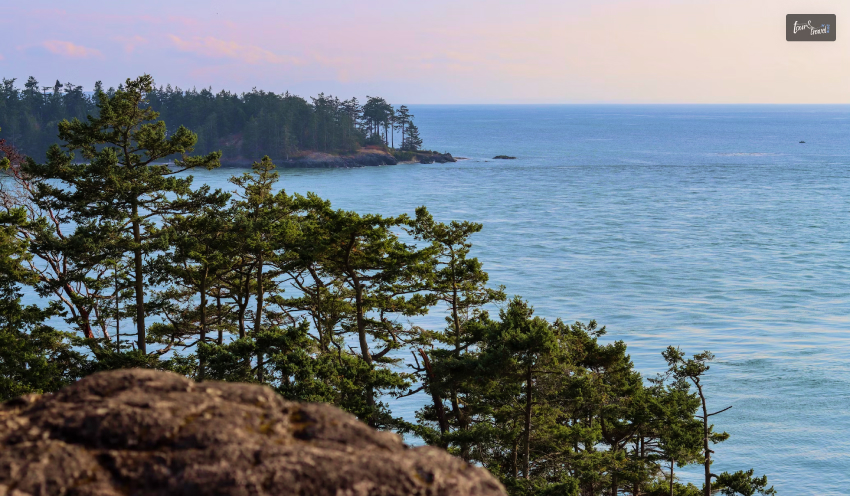
There are few places in the Pacific Northwest that compare to the delightfully remote Moran State Park. It is a haven for wild island getaways. Being the most populous island in the San Juan archipelago, Orcas Island has dense forests. It is a popular outdoor recreation destination for island hoppers. It offers multiple freshwater lakes for swimming and boating.

The Washington State Ferries are the only way to get here; they connect to Seattle, San Juan, and other nearby launch points. If you’re up for exercise, then consider hiking or biking up Mount Constitution, the highest point on the islands. Bring boots for the 38 miles of trails within the park. In order to see the interpretive center and enjoy the views, you can also drive up to the summit.

Cape Disappointment State Park

Cape Disappointment State Park

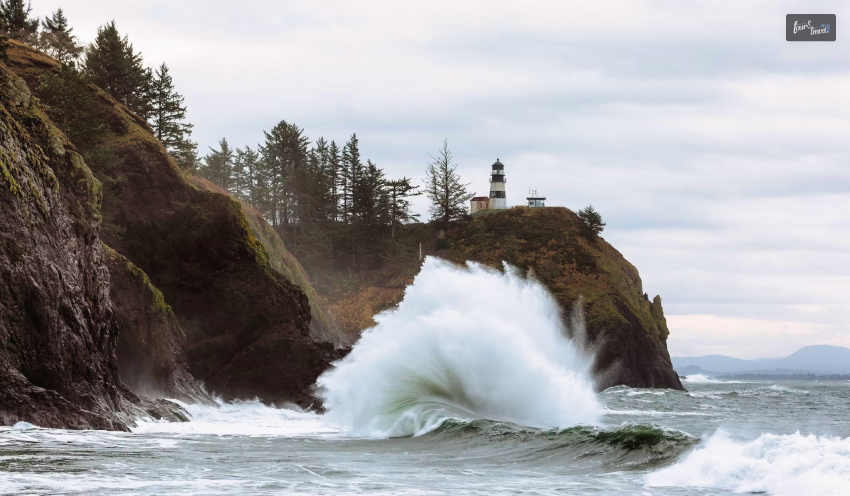
It’s hard to estimate how many dad jokes went like, “Well, it’s definitely not a disappointment,” as they entered Cape Disappointment State Park. And it’s not. The park, located in the southwestern region of Washington, boasts dramatic views of the Pacific Ocean and the powerful Columbia River. It also has moody beaches and windswept sea cliffs.

You can tour decommissioned installations like Gun Battery Harvey Allen and the remnants of Fort Canby. It was once a strategically significant military site. The park’s eight miles of trails lead to its two operational lighthouses, Cape Disappointment Lighthouse and North Head Lighthouse. They are arguably the most photographed sights in the area.

Palouse Falls

Palouse Falls

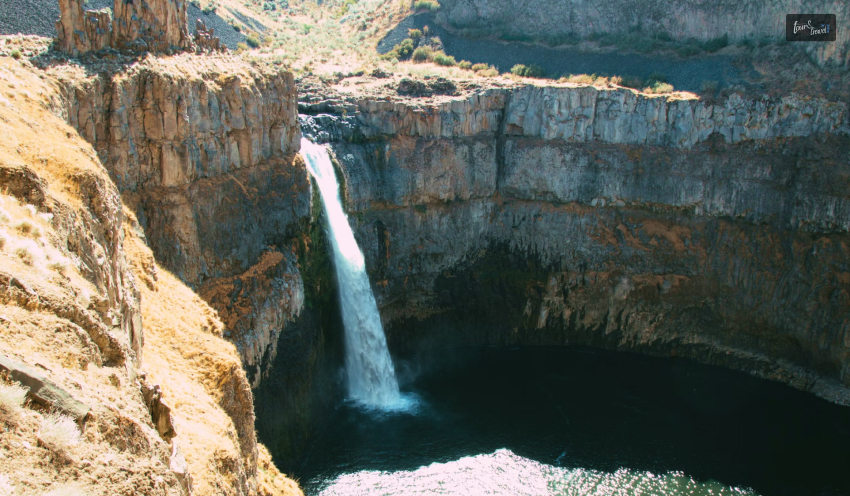
Palouse Falls was Washington’s official state waterfall in 2014 after state legislators approved a bill from local students. The region is well-known for its abundance of waterfalls. The fall’s special scenic location demonstrates why it was given that recognition.

This 200-foot waterfall in the Palouse River Canyon cascades down basalt cliffs. It is one of the last remnants of the Ice Age floods. It should come as no surprise that this little state park is all about admiring the scenery. The park has three official vantage points. A short 0.1-mile ADA-accessible walk leads to one of the viewpoints.

Dry Falls State Park

The moss-covered forests west of the Cascade Range appear vastly different from the dry canyon-like settings of Sun Lakes–Dry Falls State Park. The park’s striking cliffs are the result of the melting of the Ice Age. It created the bleak landscape of eastern Washington through ancient floods. It is a single stop on the multi-state National Geologic Trail: Ice Age Floods.

The 3.5-mile precipice known as Dry Falls, which was formerly home to a massive waterfall, is the park’s most striking feature. As the name suggests, the falls dried up long ago, but water is still a major attraction here. Boating, swimming, and water skiing are all popular in shimmering lakes. During the summer, the only thing breaking up the endless blue sky is the cliffs.

Larrabee State Park

Larrabee State Park

Bellingham’s hippies and college students frequently head toward Larrabee State Park when they want to go hiking. This is the first Washington State Park, established in 1915, and it protects a large portion of the Chuckanut Mountains’ coastline. Moderate hikes to Clayton Beach’s pebbled shores and Fragrance Lake, one of the park’s many picturesque lakes, are popular routes. Mountain biking is another popular activity in the area, and Larrabee offers a variety of trails suitable for all skill levels. It includes steeper technical slopes that are best left to the pros.

Of the many national parks in Washington, Larrabee will offer the most fun-filled experience.

Lime Kiln Point State Park

Lime Kiln Point State Park

The San Juan archipelago is well-known for the year-round orca whale population that calls these chilly waters home. Visit Lime Kiln Point. The Washington State Parks’s team likes to call it one of the world’s top locations for whale watching, to witness them in action. And they’re not wrong.

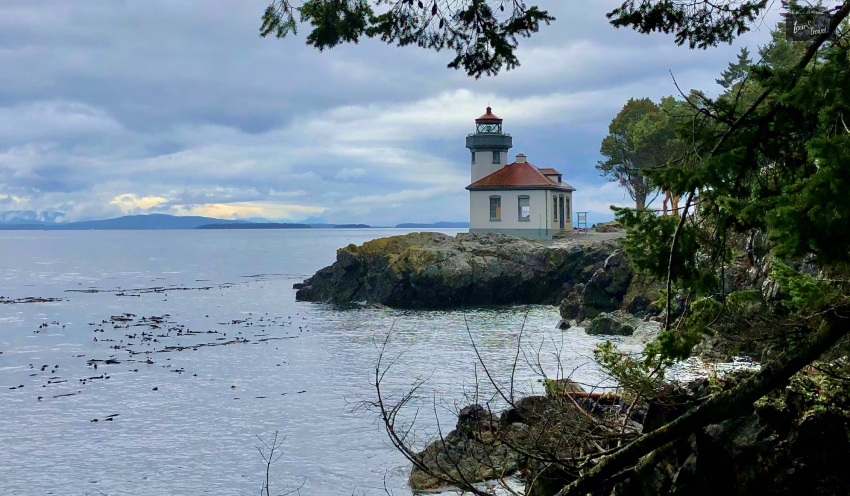
For views of the orcas and other whale species, which are most commonly spotted from May through September, climb the elegant 1919 lighthouse. This includes porpoises and pods of gray, humpback, and minke whales. Located on a rocky outcropping on San Juan Island’s western shore, this small day-use park has a seasonal interpretive center that is usually open from late spring to summer.

Deception Pass State Park

Deception Pass State Park

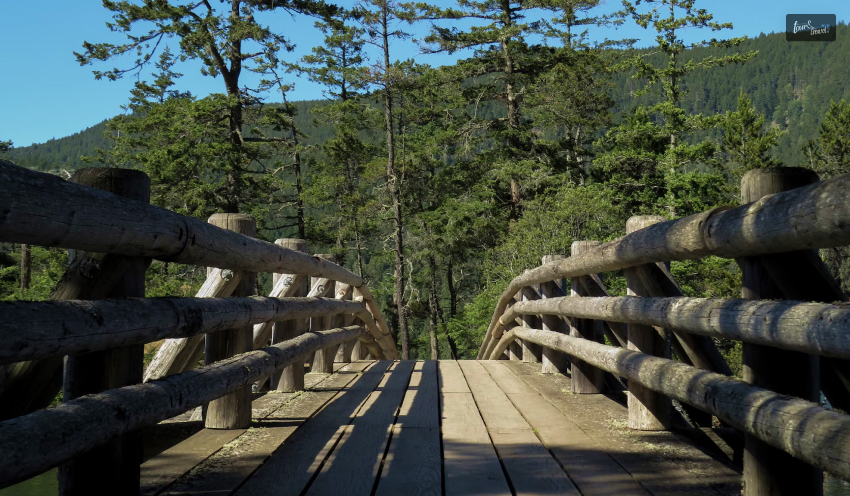
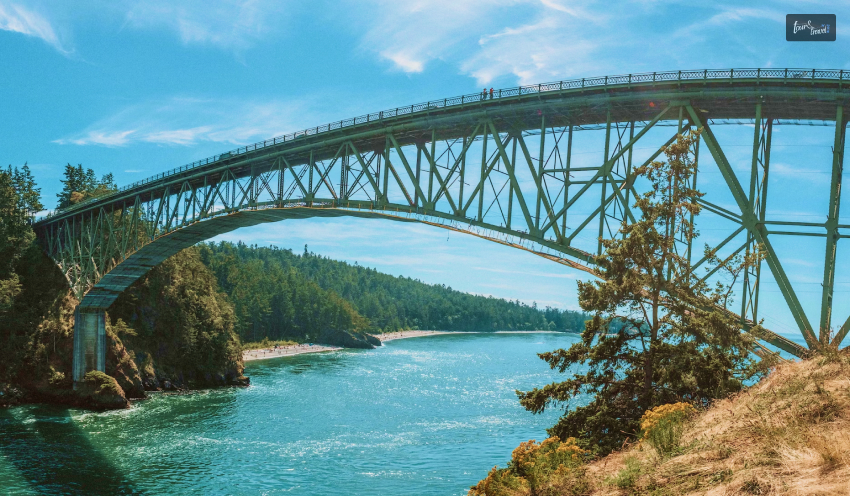
This state park in Washington receives the highest number of visitors for two main reasons. The first is the range of outdoor activities it offers close to Seattle. It is a little over an hour’s drive if the traffic is not too heavy. The second is the 360-degree view that can be obtained from the two-span arched Deception Pass Bridge. It towers over the channel, which is a more romantic and compelling reason to visit.

Deception Pass State Park encompasses two adjacent islands, Fidalgo and Whidbey. They are popular both for camping and day-use marine adventures. Three freshwater lakes and the surrounding saltwater are accessible from five boat launches. Visit this place to kayak around the coves of the islands, explore their rocky shorelines, and trek through the old-growth forests on a 38-mile network of trails.

Beacon Rock State Park

Beacon Rock State Park

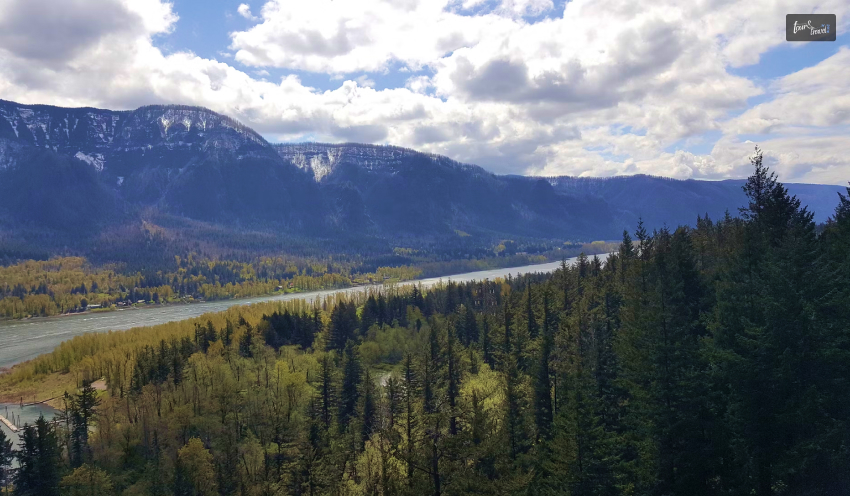
On the north bank of the largest river in the Pacific Northwest, Washington offers a more serene and visually appealing experience than Oregon. It is home to a majority of the Gorge’s well-known as well as congested attractions. The overlooked Beacon Rock State Park offers expansive, slightly less crowded views of the national scenic area.

Although Oregonians take great pride in their state, even they will admit that Beacon Rock is one of the best day hikes you can do. Within an hour’s drive of the City of Roses. Enjoy expansive views of the gorge after ascending the basalt monolith via a mile of winding switchbacks and staircases. Locals cringe at this pun, but the views from the top are, well, gorgeous.

If you are looking for national parks in Oregon and Washington, then this is your cue.

Olympic Park

Olympic Park

If you can only spend time in one Washington park. Situated in the northwest, then choose Olympic Park. Corner of the state on the Olympic Peninsula, this vast wilderness has glacier-capped mountains, mossy rain forests, and tide pools. Rarely will any other of the national parks in Washington match up to the beauty of the Olympic.

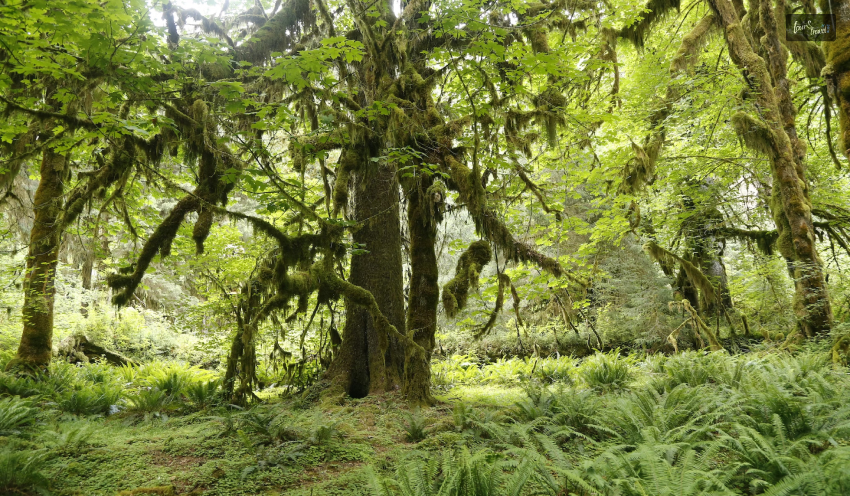
Except for Hawaii, the Olympic Peninsula gets more rainfall than all other location in the United States. It protrudes into the Pacific and is divided from the mainland by the Strait of Juan de Fuca and Puget Sound. This is the most glaciated US landscape outside of Alaska, with over 250 glaciers fed by the snowfall that occurs high in the 2,000-meter-plus Olympic mountains.

The vast ice fields feed several significant rivers, which then meander towards the Pacific through temperate rainforests. Travelers can follow the Bogachiel River inland to the Hoh rainforest from its Pacific outlet at La Push to see the highlights. The following day, go in a northeastern direction and ascend to Hurricane Ridge, which offers a stunning vista of the Olympic mountain range.

Those with extra time will want to soak in the Sol Duc hot springs and take a scenic stroll to Marymere Falls. Lake Crescent and Sol Duc offer lodging and the park is home to many campgrounds.

Wrapping Up

Yoking in the center of the Pacific Northwest, Washington State is famous for its breathtaking scenery and varied ecosystems. Locals and visitors alike have a variety of outdoor activities to choose from, ranging from a relaxing ferry ride to the iconic San Juan Islands to a strenuous hike to the Cascade Range peaks.

If you have thoughts to share or questions to ask about national parks in Washington, please leave a comment below. We would love to hear from you!

Read Also:

Share on Social Media

Abdul Aziz Mondol is a professional blogger who is having a colossal interest in writing blogs and other jones of calligraphies. In terms of his professional commitments, he loves to share content related to business, finance, technology, and the gaming niche.

Leave a Reply

Your email address will not be published. Required fields are marked *

title-img Related

READ MORE Acadia National Park

Why Is Acadia National Park Special? Know The Things To Do

BY  Sibashree Dec 24, 2024

Located in Maine and along the Atlantic Coastline, Acadia National Park is special because of the tallest mountains. Its rocky Alpine terrains further add to its appeal.  In addition, this national park is on the east of the Mississippi River. The national park will also take you on a tour of the past. For years, New Englanders have escaped here, and today, it is the best place to learn about the wilderness of the Down East. Moreover, the Acadia National Park is the easternmost national park in The USA. It is one of the places where everyone in the country sees the sunrise first.  Do you want to know more about Acadia National Park and the things to do here? Here is a Tour and Travel Guide for you. But before that, here is a sneak peek into the important details about the park.  Acadia National Park Area: 49,052 acresVisitor Centers: Hulls Cove, Thompson IslandEntry Fee: $12 Per Person and $25 Per VehicleAnnual Visitors: 3.5 Million Things To Do In The Acadia National Park | You Cannot Miss These Things At The Easternmost National Park In The USA Acadia National Park is brilliant as an outdoor place across all seasons. However, June to September are the months when the national park becomes more welcoming with a moderate temperature.  However, if you are adventurous enough can deal with sub-zero temperatures, December to February or the winter months are the best times to be at the park. Naturally, fewer visitors come to the park in the freezing cold. So, you will have the quietest time here.  Having said that, when you visit the park under clear weather conditions, you can take part in the following activities.  1. Hiking If you have to know Acadia Park, hiking is the best outdoor pursuit for you. The hiking trails will take you along the rocky coastline, through the forests and sometimes will allow you to stand on flat mountain tops.  Overall, the park has hiking trails of 150 miles. Also, the hiking trails come with various difficulty levels. So, even if you are a beginner or have a child with you, you will love the trails along the coastline.  Summit HikesCoastal HikesNature HikesPrecipice LoopGreat Head Trail Jesup Path and Hemlock Path LoopGorham Mountain LoopShip Harbor Trail Schhodic Peninsula TrailsBeehive LoopBar Island Trail Jordan Cliffs Loop These are some of the prominent hiking trails found in the national park. 2. Bicycling Acadia National Park is also a paradise for cyclists. There are around 45 miles of trail to explore on a cycle. As a cyclist, you will have to share the same route with the carriages and horses. Further, only Class 1 E-bikes are allowed on the carriage roads.  The Park Loop Road is the most preferred route for bicycling at the Acadia National Park. As you ride through the park, you will find beautiful scenery. However, if you are not confident enough or have the expertise, you must avoid the ride during the busiest hours of the day.  The ideal time for bicycling in the park is before 10 AM and after 4 PM.  Are you looking for more adventures on the bike? You can take a ride through the Western Mountain Roads. These Gravel Roads have the deepest ruts. So, you must exercise caution while biking through this route.  3. Bird Watching Acadia National Park is on Mount Desert Island, which is the “warbler capital of the world.”  You will find 20 species of warblers here, and as you hike through the park or take a nature walk, you will see hundreds of warblers. Birdwatching as an outdoor activity is also important in the history of the national park. In fact, much of the park’s natural exploration has been possible thanks to birdwatching.  Here, you will also find the fastest animal in the world, Peregrine Falcons. Moreover, the loons here come in different shades, and watching them in the water is the most relaxing thing to do here.  4. Stargazing Once you are done with day activities at the Acadia National Park and have the best nighttime experience here, you can try stargazing. Looking at the night sky and celestial bodies is a transformative act.  Further, stargazing as an activity calms your mind and promotes spiritual elevation. The Cadillac Summit is the best place for stargazing in this national park. However, vehicles are only allowed to this stargazing space only for certain seasons.  Especially, the route remains closed from 1st December to 14th April. Moreover, even during the months of October to May, the roads do not remain open after 9 PM.  Other prominent places for stargazing at Acadia National Park are the sand beach, ocean path, Jordan Pond, and the seawall.  You must bring a flashlight or headlight with a red light function to watch the stars in the night sky.  5. Boating With a boating permit, you can explore many lakes and ponds on Mount Desert Island. You can get motorboats, kayaks, sailboats and canoes on rent here. Further, you will find many commercial ferry services here taking you on nature cruises or whale watching trips.  Along with the state regulations, you will also have to abide by the specific restrictions for each waterbody. One of the most important rules here is wearing a life vest.  Nevertheless, some best places for boating in Acadia National Park are Eagle Lake, Log Pond, Echo Lake, and Jordan Pond.  6. Exploring The Historic Places  Acadia National Park is the place with which people have interacted for years. So, today, Acadia National Park is like a living heritage. So, if you are interested in the history of places or human beings, the park awaits you with many prominent hotspots.  The carriage roads and gatehouses here take you on a tour of the early 20th century. However, the trails here are even older, and they have been evolving since the 1800s.  Moreover, memorials like the Robert Abbe Memorial Plaque, Atwater Kent Memorial Plaque, and George B. Dorr Plaque are some memorials that will take you through the pages of history.  Do you want to try some more activities at Acadia National Park? You can try tide pooling and swimming.  Also read Top 10 Most Popular Paraguay Food That You Must Try. Top 13+ Famous Wonders Of India That You Must Visit [Updated 2024] Top Tips For Motorbike Rental In Phuket – A Guide To Exploring The Island On Two Wheels.

READ MORE How to Choose Luxury Hotel in Singapore

How To Choose The Right Luxury Hotel In Singapore: A Traveller’s Guide

BY  Sibashree Aug 1, 2025

Singapore is a place you won't forget because it has a mix of modernity, rich culture, and a famous skyline. Okay, so—Singapore. If you’ve been there, you probably get it. And if not, just trust me—it’s one of those places that stays with you.  It’s shiny and modern, but at the same time, you turn a corner and there’s a temple that looks like it’s from another century. The food? Ridiculous. The views? Even more so. But here's the thing nobody tells you upfront: your hotel? It's not just somewhere to crash. It's a huge part of the whole vibe, especially if you're going all-in on the luxury experience. But, how to choose luxury hotel in Singapore? That can feel... kinda overwhelming. Let me walk you through how I usually figure it out. How To Choose Luxury Hotel In Singapore? Choosing the place where you are going to stay for your vacation is always exciting. But how to choose luxury hotel in Singapore? You have to consider a lot of things while choosing it. 1. Pick The Best Place For You So first off, you gotta ask yourself, “Why am I even here?” I mean, what are you really in Singapore for? Want to shop? Go somewhere close to Orchard Road—it’s like shopping overload in the best way. More into history and temples and that sort of thing? You’ll probably want Chinatown or Kampong Glam. Travelling with kids or just want some beachy downtime? Sentosa's the move. And if you’re in town for work stuff, or want those crazy Marina Bay views? Then yeah—stay near Marina Bay. Also, and I can’t say this enough, be near an MRT stop. It’s cheap, clean, and insanely efficient. You’ll save yourself so much walking and taxi money. 2. Make Sure The Amenities Fit Your Lifestyle Okay, here’s where it gets personal. Like—what does “luxury” mean to you? Is it a spa that melts your stress away in five minutes flat? Or a rooftop bar where they remember your name and your drink after one night? Or maybe you just need solid Wi-Fi and a quiet room so you can finish that Zoom call and then go disappear into the pool. Some places go really extra with the service—private butlers, curated city tours, chefs who’ll adjust the menu to your dietary thing... all that. But don’t just fall for the photos. Look at what actually matters to you, not what sounds fancy in a brochure. 3. Think About Different Themes And Designs Okay, not everyone cares about this. But I do. I mean, you could stay in some super clean, all-white, glass-everywhere kind of hotel, and that’s fine. Or you could stay in a place that feels like Singapore, like it actually tells you a story. There are hotels with old-school colonial architecture and crazy modern interiors. Or ones where you walk in and it's just this mix of bold colours, funky shapes, and stuff that kinda feels like an art exhibit.  There’s something cool about being in a place that doesn’t feel cookie-cutter, y’know? 4. Get Ideas From Real Guest Reviews Alright. Quick tip: don’t trust only the perfect pics and big influencer posts. Some of those are basically paid ads with filters. Instead, scroll through the messy, ranty, or surprisingly detailed reviews. If ten people say the breakfast is amazing? It probably is. If three folks mention mould in the bathroom, even if everything else looks nice? Yeah, that’s a red flag. I always try to find reviews from someone who travelled the way I am—like solo, or with a partner, or for work. You’ll get a much better read on what your own stay might feel like. 5. Think About How Private And Exclusive It Is Okay, this one’s kinda underrated. Some hotels—especially the bigger chain types—are just... crowded. Even if they’re five-star, it can feel like a luxury version of a mall. But the smaller boutique hotels? Totally different energy. Quieter, slower, more personal. You might not get the giant buffet breakfast, but you will get a front desk person who actually remembers your room number and maybe even your name. If you’re on a honeymoon, anniversary trip, or just don’t wanna deal with tour groups and loud lobby music, go small and classy. Trust me. 6. Look At The Loyalty Benefits And Packages Side By Side Quick money-saving trick: don’t ignore those loyalty programs. Even if you’re only gonna use it once a year, the perks can be solid, like surprise upgrades or free late checkout (a lifesaver if your flight’s in the evening). Also, check if the hotel’s running any random packages. Sometimes it’s stuff like airport transfers, spa credits, or a private dinner for two. It doesn’t always save you cash, but it can make your stay feel a lot more... taken care of. 7. Put Safety And Cleanliness First Yeah, I know. Not the fun part. But since the whole pandemic thing, this matters more than it used to. Most top-tier hotels say they’re clean, but still, dig a little deeper. There are various luxury boutique hotels in Singapore to choose from.  Look for stuff like contactless check-in, solid air filtration (it’s a thing now), and what guests actually say about how well-kept everything is. If the place is sparkling and the staff is on top of things? It’s one less thing to stress about. How To Choose Luxury Hotel In Singapore: Think Of Ypur Priority If you are wondering how to choose luxury hotel in Singapore, you need to think about what matters most to you, like the design, location, privacy, and amenities. At the end of the day, there’s no “best” hotel—just the one that hits all your buttons. It might be the place with the jaw-dropping skyline views. Or the one with a bathtub bigger than your entire apartment. Or maybe just somewhere that’s quiet, clean, and has ridiculously good room service. Whatever it is, when you find that spot that just gets it right, it becomes more than a hotel. It becomes part of the trip. Read Also: What to Expect When Hiring an Meeting Space in Singapore Dark Tourism In Singapore | 5+ Must Visits In The Lion City

READ MORE golf holidays in Thailand

How To Create An Unforgettable Golf Trip To Thailand

BY  Sibashree Oct 30, 2025

A golf trip to Thailand! Now that’s something else. It’s not just a vacation; it’s golf, sunshine, beaches, and that laid-back Thai feeling all mixed together. Sounds great, right?  And it might seem like a lot to plan at first, but honestly, it’s not that bad. With a bit of prep and the right mindset, you can pull off a trip that runs smoothly and ends up being one of those “I’ll never forget that” kind of weeks. Here is more on how to make your golf holidays in Thailand unforgettable.  Understanding Why Thailand Is So Special For Golf So here’s the thing. Thailand’s kind of sneaky about being one of the best golf spots out there.  The weather’s good most of the time, the courses look amazing, and the service... man, they really care about making you feel welcome.  One day you could be playing through jungle fairways in Phuket, and the next you’re in Hua Hin with mountain views all around. Every area has its own thing going on. And it’s not just golf either. Thailand has this relaxed rhythm to it. You finish a round and next thing you know, you’re sitting by the beach eating grilled fish or wandering through a night market.  Maybe you get a massage because, well, you earned it. That mix of great golf and total chill time? That’s the magic. Choosing The Right Destinations For Golf Holidays In Thailand Alright, first choose where to go. Thailand’s main golf areas are Bangkok, Hua Hin, Pattaya, and Phuket, and each one’s got a different vibe. Bangkok’s busy, sure, but it’s got a ton of courses and easy access from the airport. Hua Hin’s quiter, sort of classy, with views of the sea.  Pattaya’s lively (to say the least) but full of fun and variety. And Phuket... well, that’s just pure island life. Feels like you’re playing in a postcard half the time. Try mixing a couple of them if you can. A few days in Bangkok and Hua Hin work great. Or Phuket and Pattaya, if you want both beach and nightlife. Keeps things fresh, you know? Finding The Right Golf Courses Thailand’s got loads of courses — fancy ones, budget ones, and pretty much all of them are in good shape. Think about what you enjoy most. Some people like a challenge, others just want those wide fairways and nice views. Honestly, most golfers mix it up — one big “wow” course, then a few laid-back rounds where nobody’s really keeping score. You don’t have to sort it all out now. Check some reviews, maybe watch a couple of YouTube clips, or ask someone who’s been. If that’s not your thing, just get a local golf company to handle it — they know the best spots anyway. Where To Stay Hotels and resorts in Thailand... there’s something for every budget. Simple, fancy, whatever you like. Try to stay close to the golf courses or somewhere near the beach — saves you a lot of time. If you’re going with a group, look for a place with a pool or a bar where everyone can hang out after the game. And honestly, the people here are so friendly. The staff always seem to notice what you need before you even ask. It’s kind of amazing. Getting Around Getting around’s not hard, but yeah, those golf bags can be a hassle. It’s smart to set up your airport rides and course transfers before you get there. Most folks go with private vans that have air-con (and trust me, you’ll be thankful for that in the afternoon heat). Having a driver who knows the golf routes is a big help, too. You don’t have to worry about getting lost — just sit back, chill, and watch the scenery roll by. Adding Local Experiences Let’s be real — if you fly all the way to Thailand just to golf and go home, you’re missing half the fun. Between rounds, try something different. Maybe a longtail boat ride, a Thai cooking class, or a few hours in a spa. Night markets are great too — good food, random stuff to buy, and that fun chaos you can’t really explain. Oh, and if you like a drink, local rum and gin are becoming a thing now. Little side adventures like that make the trip more yours, you know? The Best Time To Travel The best months are November to March. Nice weather, dry, and not too hot. But if you don’t mind a few clouds, the months just before or after that are still great — fewer people and better prices. Even when it rains, it usually passes quickly, and you’re back out playing again soon. Just plan around it a bit, and you’ll be fine. Traveling With Friends Golf trips with friends hit different. Thailand’s perfect for it — easygoing people, good food, warm weather, and a pace that fits everyone. You can plan a few friendly matches, a silly competition, or just play for fun. Most courses have really nice clubhouses too — perfect for sitting down after the round, grabbing a drink, and laughing about that one shot nobody saw coming. Why Planning Golf Holidays In Thailand With Experts Makes It Easier You can plan everything yourself, sure, but honestly, a golf travel expert can make things so much easier. They deal with tee times, rides, hotels — all the little details that can eat up your time. One of the best ones out there is Fairways of Eden. They’re based right in Thailand and focus only on golf holidays. You can build your trip from scratch with them — choose your courses, hotels, and add whatever extras you want. It’s all in one place, which makes life a lot simpler. And no, using them doesn’t mean you lose control. It just means you get to relax knowing someone’s got your back when you land. Making Your Golf Holidays In Thailand Truly Unforgettable The best memories from a golf trip aren’t just about perfect weather or amazing greens. It’s the stuff in between — the laughs, the sunsets, the random moments you didn’t plan for. Take your time. Listen to your caddie. Enjoy the quiet. Let Thailand’s slow rhythm kind of take over for a bit. Every smell, every sound, every smile adds something to the story. When you finally head home, you’ll realize it wasn’t just about golf at all. It was about finding a place that fits — golf, people, peace, and a bit of adventure all wrapped together. So yeah, whether you do it all yourself or get Fairways of Eden to help, your unforgettable golf trip to Thailand really just starts with one idea — play the game you love in a place that feels made for it.