

Navigating The Unseen: Exploring The Most Dangerous Country in The World

Dec 26, 2023

Last Updated on: Aug 27, 2025

Travel Guides

One of life’s greatest pleasures is always traveling. In addition to looking for and visiting the safest places, it’s critical to understand the risks and dangers that exist in different parts of the world.

This article will talk about the most dangerous country in the world, emphasizing elements like political unrest, crime, and conflict. Travelers can use this information to make well-informed decisions about their foreign experiences.

Most Dangerous Country In The World

travel Dangerous Country

Some countries are known for their beauty. Some are known for their infrastructure and standards of living. And then there are some countries that are notorious for something that scares people away. Curious? If you want to know about the most dangerous country in the world, here they are:

Syria

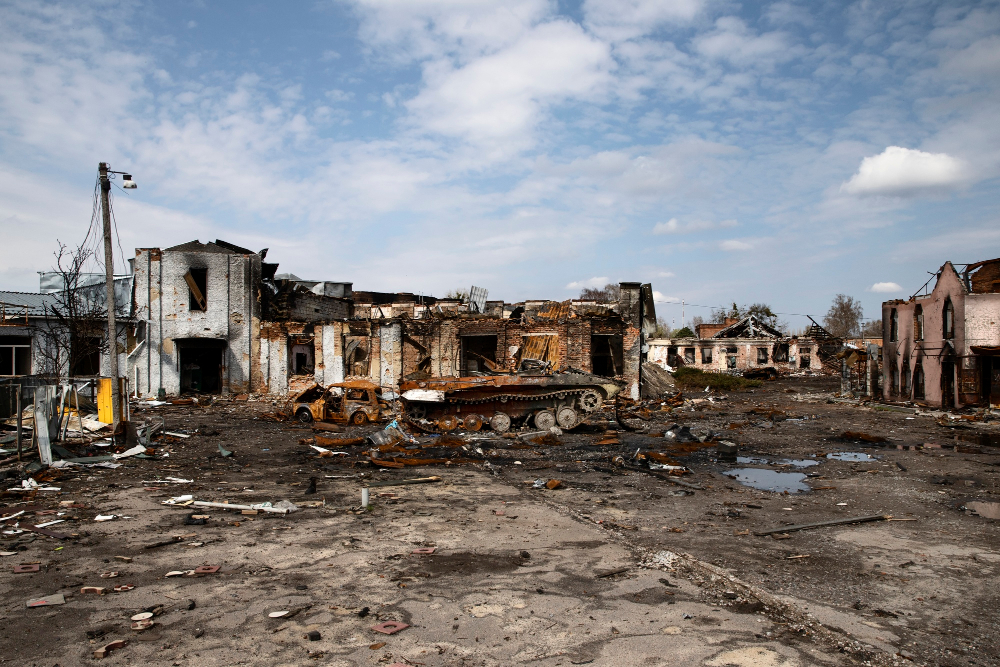
Syria is one of the most violent countries in the world because of the devastation caused by the ongoing conflict. With multiple armed groups fighting for control of territory and resources, the nation has become a hotspot for violence and instability since the civil war broke out in 2011.

The most recent devastating incident was the earthquake that struck Turkey and Syria in February 2023. Sadly, the earthquake killed over 50,000 people, leaving a terrible death toll. Significant damage affected 116 medical facilities because of the disaster, depriving a large number of people of access to essential medical care. Consequently, estimates suggest that 18 million people require immediate humanitarian aid.

The World Food Programme (WFP) revealed that a startling 90% of Syrians were living below the poverty line and that at least 12 million of the country’s remaining 16 million people were facing food insecurity.

Yemen

Yemen, which is one of the world’s most dangerous travel destinations, stands on the southernmost point of the Arabian Peninsula.

The nation is in a state of civil war since 2015, with different groups fighting for control of the government. As a result, it led to extensive violence, mass migration, and a humanitarian crisis that has left millions of people in need of immediate assistance.

The danger facing tourists is increased by the rise in criminal activity in Yemen, which includes armed robberies and kidnappings. At 68.93%, its crime rate is also the highest in the world when compared to other nations.

Major Yemeni tribes are involved in criminal activities like kidnapping and looting. They are highly armed and enjoy independence within their sphere of influence. Unfortunately, visitors run the risk of being abducted and abused by these tribes, and they might have to pay a large ransom to get them back.

Traveling here is now risky and challenging due to the heavy rains and flooding that impacted most of the cities. Floods have damaged roads and bridges, making land travel hazardous and difficult. It is now impossible to drive in some areas due to completely washed-out roads and collapsed bridges.

Over 11 million children in this country need humanitarian aid, with millions experiencing food insecurity and a lack of basic services, according to UNICEF. There are currently more than 540,000 under-five children suffering from severe acute malnutrition. Remarkably, one child dies from avoidable causes every ten minutes.

Travelers to Yemen run a significant risk of becoming targets of extremist organizations. People frequently get caught in the crossfire of the protracted conflict.

Afghanistan

Afghanistan is the most dangerous country in the world, as per the Global Peace Index. This dubious distinction is a result of the nation’s turbulent past, ongoing conflict, and high levels of violence.

The country’s high concentration of extremist groups is the most concerning factor. For more than twenty years, the Taliban, for instance, have been waging a bloody insurgency against the Afghan government.

Many deaths of soldiers and civilians are attributed to them. The presence of other organizations like Al Qaeda and ISIS in the nation has exacerbated instability. Airports and places of worship are frequently the target of terrorist attacks, especially during holy seasons like Ramadan.

Somalia

Somalia has established a reputation as one of the world’s most dangerous nations due to decades of anarchy and lawlessness. Devastated by hunger, piracy, and civil war, it is a place where anarchy is the norm.

An offshoot of the infamous Al-Qaeda, the militant organization Al-Shabaab continues to terrorize the country by carrying out deadly attacks on both government forces and civilians.

The situation has become worse, with rival clans and factions fighting for control in the absence of a stable government. The standard of living for the typical Somalian citizen is sub-par.  There is widespread corruption and a dearth of essential infrastructure. Enter this dangerous area with extreme caution.

Iraq

Iraq is a very dangerous country to visit and has experienced many difficulties over the years as a result of war and conflict. Despite their fall, the remnants of ISIS still represent a serious threat to Iraqi forces and civilians.

In many regions of the nation, sectarian violence, assassinations, and suicide bombings continue to be commonplace. Both locals and visitors always feel like they’re in danger.

Complexity is increased due to the conflict between the autonomous Kurdish region and the central government. It has escalated hostilities and led to violence, further destabilizing the situation.

Iraq’s infrastructure has suffered greatly as a result of years of hostilities. With many businesses finding it difficult to survive, the economy is hit brutally.

Read More: Is Costa Rica Safe For Visit For Travelling?

Libya

Numerous factors have contributed to the conflict, including the competition for control of the nation’s enormous oil reserves. Since Gaddafi’s downfall, a number of armed organizations and militias have seized control of various parts of the nation.

The unpredictability and danger in Libya have increased due to the presence of extremist groups like ISIS. These organizations committed targeted murders and acts of terrorism. They are further destabilizing the nation and posing a challenge to the authority of any government.

Naturally, the population of Libya has suffered greatly as a result of the ongoing violence. Many Libyans are struggling to make ends meet as a result of displacement, violence, and limited access to basic services. Numerous schools, hospitals, and other vital services are in poor condition.

While progress was necessary, the United Nations and other international organizations have attempted to mediate a peace agreement between the opposing factions.

Read More: Is Cabo San Lucas Safe? – Let’s Find Out!

Sudan

Following a January referendum, South Sudan gained independence on July 9, 2011. Even with the initial exuberance and expectations of a prosperous future, the nation has had difficulty preserving stability. Political power struggles and ethnic tensions have made matters worse since then.

Since South Sudan’s independence, President Salva Kiir and his former vice president, Riek Machar, have not gotten along. Their conflict over dominance turned into a civil war in December 2013, which displaced millions of people and killed thousands.

Rape, murder, and the enlistment of children as soldiers are just a few of the horrific crimes that have occurred during the conflict on both sides. As a result, it ranks first on a list of the world’s most dangerous nations.

Famine and disease are widespread throughout South Sudan, making the country’s humanitarian situation terrible. Over 7 million people in the nation require humanitarian aid as the UN has declared a famine in some areas. Journalists and relief workers have also been the targets of armed groups.

Despite having an abundance of natural resources, such as gold, oil, and fertile land, South Sudan has not yet experienced prosperity from these resources. Instead, as various groups compete to control these resources, they have fueled even more conflict and corruption. There have been allegations against the government for mishandling these resources, with minimal advantages for the populace.

Wrapping Up

You can be sure that there are lots of welcoming and safe places to call home. Even though there is a chance of crime, terrorism, and natural disasters, a lot of daring travelers visit some of the world’s most dangerous nations for the temptation of it.

Intrepid people are always ready to take the risk, whether it’s for employment, adventure, or giving back to their communities. Don’t be afraid to see the world, but remember to stay prepared and cautious.

If you have thoughts to share or questions to ask about the most dangerous country in the world, please leave a comment below. We would love to hear from you!

Read Also:

Share on Social Media

Abdul Aziz Mondol is a professional blogger who is having a colossal interest in writing blogs and other jones of calligraphies. In terms of his professional commitments, he loves to share content related to business, finance, technology, and the gaming niche.

Leave a Reply

Your email address will not be published. Required fields are marked *

title-img Related

READ MORE

Connemara National Park: Where Guglielmo Marconi Invented The First Full Duplex Radio 

BY  Sibashree Sep 10, 2024

Connemara National Park has been an important Irish national park, having won the Green Flag Award in 2018. This international benchmark shows its worth as a green space and park. Further, in 2021, it also sought the New Heritage Site Accreditation, which shows the quality of the national park and how it is maintained in a sustainable way.   Moreover, this park is even rich in geology and houses many historical and archaeological sites. In addition, as an outdoor enthusiast, you can explore its various hiking and walking trails.   So, want to tour this Irish national park, which has a dash of history, culture, natural abundance, and more? Here is a complete guide for you.   Important Information About Connemara National Park  Visiting Time: 9 am to 5:30 pm  Entry Fee: Free  Closed On Christmas Day, St. Stephen’s Day, and Red and Orange Weather Alert Days  Amenities: Education Center, Visitor Center, Playground, Cafe, Toilets and Picnic Areas  How to Reach: You can reach this national park by train, car, or bus. You have to reach Galway City first and then take a bus (or private car) to reach the park.  Main Access Point: Near Letterfrack along the N59  Pet Friendliness: Dogs are Welcome to Walk the Trails   Fascinating Geology Of Connemara National Park  The national park is a part of the Twelve Ben area. So, the park also has underlying metamorphic rocks. The sediments forming these rocks are aged between 700 to 550 million years.   Further, you will find schists and gray marbles around the edges of the rocks. Moreover, at the top, you will see quartzite. In addition, it is astonishing to know that the final shaping of the park took place around 10000 years ago or during the last ice age.  The park has a rocky formation with boulder clay and a deposit of sand and gravel. The distinct geological features have contributed to the type of vegetation found in this area.   What Animals Are In Connemara National Park? Which Plants Does This Park Have?  The International Union for Conservation of Nature, or IUCN, has marked Connemara National Park as a Category II Protected Area. So, there is a constant endeavour to safeguard the landscape, wildlife, and ecology of the park unadulterated.   The park has many heritage breeds along with a wide range of protected flora and fauna. In addition, there are some conservation projects to protect the flora and fauna. The table below shows the details.  Birds* Stonechats Wrens Robins Peregrine Falcon Merlin Sparrowhawk Kestrel Mammals Nocturnal Animals  Pine Marten Bats Foxes Badgers  Diurnal Animals   Pygmy Shrews Red Deer Wood Mice Otters Hares Stoats Connemara Ponies Other Fauna Freshwater Pearl Mussel Salmon Trout Smooth Newt Common Frog Rare and Protected Plants and Other Flora Sundews Butterwort Purple Moor Grass Roseroot Purple Saxifrage Starry Saxifrage Pale Butterwort Lesser Twayblade Mountain Sorrel St. Patrick’s Cabbage St. Daboec’s Heath Heritage Breeds Connemara Ponies Cladoir Sheep Moiled Cattle Old Irish Goats Galway Sheep Conservation Projects** Control of Rhododendron Mweelin Exclosure New Found Wood Connemara Pony Cladoir Sheep Preservation Committee Irish Moiled Cattle & Conservation Grazing  *The national park has a large number of birds in the winter. Many native birds of Ireland, such as woodcock, song thrush, mistle thrush, snipe, and starling, increased in numbers in this season.   Moreover, fieldfare, redwing, and many other birds from Northern Europe flock to this park in great numbers during winter.   **The conservation projects in the park are designed to maintain biodiversity. These also try to eradicate the negative impacts on the rare and protected flora and fauna of the park.   Habitats Of Connemara National Park  Connemara National Park has wet boglands and uplands as its habitats. Further, the extremely wet boglands are the hubs of various vegetation. However, the uplands have drier mountain bog communities.  Boglands   Boglands are found in the low-lying areas of the park. Further, in these wet boglands, you will find the western blanket bog. In addition, purple moor grass surrounds this western blanket bog, and thus, it has a grass-like appearance.   In the national park, you will find these boglands near the pool surface, slope inclines, flat lands, and flushes. However, these boglands can appear on your route if you're hiking off trails, and there can be swallow pools. So, be careful!  Uplands   The mountainous and rocky uplands also house a wide variety of vegetation. The grasslands and heather here are also home to some rare and endangered animals, such as red deer and Old Irish Goats.  Moreover, the heathlands here are drier due to a higher altitude.  Hiking And Walking At Connemara National Park  For hikers, all roads in the Connemara National Park lead to the Diamond Hill summit. , panoramic views of Letter Hill or Tully Mountain. Twelve Bens and Kylemore Abbey are also visible from the mountain summit. However, the national park has three more major hiking trails. Check out the table below.  Name of the Trail Difficulty Level Distance (in Km) Upper Diamond Hill Difficult 3.7 Lower Diamond Hill Moderate 3 Sruffaunboy Trail Easy 1.5 Ellis Wood Nature Trail  Easy 0.5  If you are planning to complete a multi-day hiking trip in the national park, you can consider camping here. However, you have to abide by the Wild Camping Code and the regulations related to the Camping Exclusion Zone.   Moreover, you can take a walk (self-guided) through the Tree Trail in the park. It begins from the Car Park Kiosk, and throughout the trail, you will meet tree varieties such as holly, hazel, oak, and Scots’ Pine.   Did You Know?  Through the Connemara National Park West Center and the Letterfrack Village, you can have a thought-provoking walk. The trail you will take is known as the Poetry Trail. Further, in various locations along the path, you will find nine poems by eminent Irish poets like Mary O’Malley and Moya Cannon, which are placed on plaques.   In addition, it is a one-of-a-kind experience for poetry lovers. Some of these nine poems talk about the park and its importance in Irish history. Further, the remaining ones are more generic in nature.   Exploring History At Connemara National Park  The archaeological and historical sites at Connemara National Park tell the tales of human lives and the history of the park for thousands of years. The park’s two megalithic tombs (West and East Tomb) in the park were already popular. However, thanks to the surveys of Helen Riekstins, an archaeologist and national park guide, we have 13 other sites that add to the importance of the park.   Among these 13 sites, six further have been visited by NMS or the National Monuments Service and Department of Housing, Local Government and Heritage. Here are the visited sites.  A standing stone  A cairn  Enclosures  A pre-bog wall  Nearby hut  A house  Further, the other seven sites are to be a part of the Record of Monuments and Places (RMP) review for inclusion.   The pre-bog wall is likely to be associated with neolithic farming. On the other hand, the hut sites and standing stones are believed to be from the Bronze Age.   Connemara National Park has sites that are 10000 years old. These sites existed as coastal middens and belonged to the Mesolithic or Stone Age.  Many archaeological and historical sites are found near Diamond Hill, Letterfrack, and Mweelin.   The megalithic tombs in the park are around 4000 years old.   Connemara National Park is a twin historic site with Terra Nova National Park in Newfoundland. These twinning sites speak for the cultural bond between Ireland and Canada.  Guglielmo Marconi, who received the patent for two-way radio in 1912, is associated with the place. Between Diamond Hill and Mweelin, he suspended the wires, and the current site of Bunaboghee Bog and Park Office had the second line. Here, he invented the first Full Duplex Radio.   So, the presence of various archaeological sites and the association with famous personalities make this park a delightful site for history lovers. Moreover, the Letterfrack Industrial School (1890) is a site important in modern history. Further, the school’s graveyard here tells the grave tales of injustices to the boys resting there.   Final Words   Located in County Galway, Connemara National Park covers around an area of 2,000 hectares. The park opened its door to visitors in 1980, and since then, it has been a place of attraction with its scenic beauty, geological variety, rich wildlife, and hiking trails.   The park also hosts many events like the Summer Evening Lecture Series and Heritage Week Celebration. Moreover, stargazing has become a popular activity in the park, and adults and children over 7 years of age can participate in the star-watching event. You can also check the National Parks website for the latest events at Connemara National Park.  So, are you planning a visit to this historically and naturally rich Irish national park anytime soon? Or have you already been to this wonderful place? Don’t forget to share your experience with us!  Also read Why Include Whale Watching In Your LA Itinerary. From Cocktails To Kickflips: Must-Try Activities In San Diego. Lake Clark National Park And Preserve: Very Few Know How It Preserves The Alaskan Spirit And Culture.

READ MORE Hokkaido Beach

The Viral Hokkaido Beach: Where Snow, Sand, And Sea Meet

BY  Sibashree May 16, 2025

As fantasy is a driving force in Haruki Murakami’s work, the astonishing Hokkaido Beach in Western Japan is nothing short of a dream! It is the land where snow, sand, and sea meet. It’s surreal when you see snow-covered sand dunes appearing before your eyes against the backdrop of the sea. Also, the blocks of ice or jewelry ice in the Tokachi River mouth attract a lot of visitors in the winter.  And that’s not all! The beach has sandbars, volcanoes, coasts, and valleys.  Further, located inside the San’in Kaigan Geopark (a UNESCO Global Geopark since 2010), Hokkaido beach Japan, sits pretty between the eastern Kyogamisaki Cape in Kyoto, and western Hakuto Kaigan Coast in Tottori.  Do you also want to see Hokkaido beach snow and other unique attractions? You will find all the details in this Tour and Travel Blog.  What Is The Best Time To Visit Hokkaido Beach?  Hokkaido beach weather remains pleasant throughout the year. So, it’s a year-round destination.  However, if you want to witness the golden moments where the sea, sand, and snow meet, you have to plan a trip from December to February.  And let me spill the beans for you, Hokkaido Beach is not located in Hokkaido. Moreover, if you especially want to see the phenomenon of ice, snow, and sand meeting, you have to travel to the main island of Honshu. Why Does Hokkaido Beach Have So Much Snow? Hokkaido Beach has so much snow because strong wind blows and shift ice to the beach from late January to February.  This ice comes from the frozen chunks of freshwater from the Amur River. Further, during January and February, you will find icebergs in the water and on the beach. How To Reach Hokkaido Beach From Tokyo? The distance between Tokyo and San’in Kaigan Geopark, the home of Hokkaido Beach, is around 657 km.  The best way to reach San’in Kaigan Geopark from Tokyo is by taking a bullet train.  Take a bullet train from the Tokaido Shinkansen to Shin-Osaka Station. It will take around 2 hours and 30 minutes.  Then, travel on the Super Hakuto limited express train for 2 hours and 30 minutes to reach Tottori Station. Finally, you can take a bus from the Tottori Station to Hokkaido Beach. However, if you want to really enjoy the scene of ice, sand, and sea meeting, you have to take a cruise ride from Monbetsu, Rausu, and Abashiri.  Everything will appear before your eyes as an impossible dream as you see the Hokkaido Beach from the shore or an icebreaker.  Do you want some more adventure while exploring the beautiful Hokkaido Beach? You can go for a guided ice walk from Shiretoko.  And as you walk toward the beach, you will meet the most fascinating wildlife of the area. The sea eagles and white-tailed eagles, especially, will cross your path many a time.  You will see a real-life example of how the food chain in nature works as these birds prey on fish before your eyes.  Having said that, you will have to wear a dry suit and snowshoes for the walk. You will rent snowshoes from the Shiretoko National Park Nature Center.  Shiretoko National Park Nature Center: A UNESCO World Heritage Site On Your Way To Hokkaido Beach Shiretoko Peninsula, a UNESCO World Heritage Site and a national park, is a favorite of hikers. You can go for a hike through the Furepe Waterfall Trail.  The trail passes through a forest, and it opens in a meadow looked over by Mount Io, Mount Rausu, and Mount Tenchosan.  Finally, the trail ends with a fascinating cliff-side view of Furepe Waterfall. It looks the most fascinating during the winter season.  Due to extreme cold temperatures, the water of the waterfall gets transformed into blueish ice.  Exploring San’in Kaigan Geopark: Home To The Hokkaido Beach San’in Kaigan Geopark is a celebration of the Earth's heritage. Stretching over 245,844 hectares, this Geopark is also home to the Genbudo Cave, “known as the place where the term of Quaternary geomagnetic reversal polarity was first proposed with basalt.” **“The San’in Kaigan UNESCO Global Geopark is home to a diversity of geological sites related to the formation of the Sea of Japan, including granite outcrops formed when Japan was part of the Asian continent (70 million years ago), as well as sedimentary and volcanic rocks accumulated when Japan rifted away from Asia (25 to 15 million years ago) to form the Sea of Japan, a geological process still on-going today.”**- UNESCO Further, due to the unique geological features, the park is also home to diverse flora and fauna. You will find rare plant species such as Ciconia boyciana, Pseudolysimachion ornatum, and Ranunculus nipponicus here.  Moreover, you will be able to see many marine animals and avian creatures in the park. During the winter season, especially, you will spot marine animals such as: Steller sea lions Sea eagles Seals The Steller sea lions come here from the Kuril Islands in the south as the ice starts drifting toward the Hokkaido Beach.  Again, irrespective of the season of your visit, you will meet Blakiston’s fish owl in San’in Kaigan Geopark. It is an endangered species.  In addition, the nearby mountains here have some of the biggest mammals in Japan. You will find here “Ezo red foxes,” “Ussuri brown bears,” and “Ezo silka deer.” Hokkaido Beach Frequently Asked Questions (FAQs) Here are the frequently asked questions and their answers about Hokkaido Beach.  Does Hokkaido Have A Beach? Yes, Hokkaido, the northernmost island of Japan, has many beaches. The beaches and coastlines along the Sea of Japan, the Pacific Ocean, and the Sea of Okhotsk show diversity in their characters.Nevertheless, some popular beaches in Hokkaido are Shimamui Beach, Shiretoko Beach, Otsu Beach, and Otaru Dream Beach.  Why Is Hokkaido So Famous? Hokkaido is famous in the world for its milk and dairy products. It is also the land of inspiration behind many of Haruki Murakami’s work. Further, Hokkaido has a vibrant food scene with specialties such as Sapporo ramen and crab and scallop delicacies. Also, it has geological wonders such as Mount Asah volcano in the Daisetsuzan National Park and geothermal spots such as Noboribetsu Onsen.  Where Is The Beach Where Snow, Sand, And Sea Meet? Hokkaido Beach is the place where snow, sand, and sea meet. It is located in western Japan and it stretches between the eastern Kyogamisaki Cape in Kyoto, and the western Hakuto Kaigan Coast in Tottori. 

READ MORE things to do in Glasgow

What Are The Top Things To Do In Glasgow? Know The Best Attractions 

BY  Sibashree Nov 22, 2023

Scotland's second city, long eclipsed by sophisticated, tourist-heavy Edinburgh, has been quietly demonstrating that it's anything but second best. Glasgow has won many accolades for its culture. From the street art-filled east end to Rennie Mackintosh's architectural achievements (except for the tragically destroyed School of Art). Are you eager to visit the hippest city in Scotland? Everything you need to know is right here. Here are the mandatory things to do in Glasgow. What Are The Things To Do In Glasgow? Glasgow in Gaelic stands for “dear green place.” And to no surprise, Glasgow is as green as it gets. It houses more than 90 parks and gardens that are woven through the city’s landscape. The Glasgow Botanical Garden is home to the largest plant collection in the UK. Here are some of the best things to do in Glasgow. Don’t miss out on your next trip. George Square George Square awaits everyone landing at Queen Street Station. It aids in the orientation of newcomers in the city center and is a constant site of protest and joy. George III is absent from the square. Enraged cotton and tobacco lords had monuments of him pulled down one after another. It happened ever since he lost their lands in the American War of Independence. Instead, the adjacent area known as Merchant City is booming these days, offering a ton of Glasgow activities. It also has a vibrant nightlife and boutique shopping. From that point on, Sauchiehall, Buchanan, and Argyle streets come together to form the Style Mile, a retail district. West End The city's famed West End houses opulent parks, incredibly elaborate Glasgow University buildings, and the ever-popular Kelvingrove Museum. It has everything from Salvador Dali's artwork to Glasgow's master architect and polymath Charles Rennie Mackintosh. The artwork feels like it belongs in a different universe. River Clyde It is difficult to visit Glasgow without spending some time on the banks of the River Clyde. It is where the superb Riverside Museum and the restored Tall Ship Glenlee are located. The SSE Hydro is close, but you can check out King Tut's Wah Wah Hut or the storied Barrowlands Ballroom. It is where Oasis first appeared. Art Museums The legacy of Rennie Mackintosh, Glasgow's poster child, is deeply ingrained in the city. You might spend an entire vacation simply strolling down a path of his creations. Many additional Mackintosh artifacts can still be seen. However, the beloved Glasgow School of Art is now recuperating from a series of devastating fires. Visit the House for an Art Lover, have tea at Mackintosh at the Willow, or go to The Lighthouse. The Mackintosh Interpretation Centre honors the life and career of the architect. Don't miss the opportunity to see the expansive city views from the observatory of the Water Tower from The Lighthouse. When the tower was first constructed, it had a functional dovecot. The carrier pigeons were employed to bring the Glasgow Herald journalists the afternoon sports scores. If you can escape Mackintosh’s hold, there are still a lot of other cultural boxes to check. Behind an outstanding neoclassical façade, the Gallery of Modern Art (GOMA) houses works by Andy Warhol and David Hockney. Of particular note is the statue of the Duke of Wellington outside the entrance, posing with an orange traffic cone happily placed on his head. Explore the East End’s mural trail for a gritty perspective on art, where enormous pieces of art loom around corners and look down from office buildings. Bars And Restaurants The Merchant City offers a variety of cuisines. Highlights include the amazing, enduring CafĂ© Gandolfi fish bar, Obsession of India, and the insanely popular Paesano Pizza. The bars are extremely busy, even though they are a little forgettable. Head to the freshly reopened Babbity Bowster for a more sedate pint. In the West End, things are, maybe unsurprisingly, considerably more upscale. A longtime favorite in the area near Glasgow University is Stravaigin. Glasgow's 17-year drought for a Michelin star was just ended when Cail Bruich was included in the 2021 guide. It is located nearby on Great Western Road. Ashton Lane, a short stroll south, offers a night out unto itself with its jam-packed bar and restaurant scene. The cobblestone includes the always-popular Ubiquitous Chip. Are you thinking of going south of Clyde? Admirers of Malaysian cuisine are gushing about Julie's Kopitiam. In the much-maligned Govanhill neighborhood, Nanika is a fantastic tiny Asian fusion restaurant. Over a hundred different rums are available at the nearby Rum Shack, but if you'd rather keep things classy, stop by the Gnom cafĂ©, which is next to Queen's Park. The Necropolis The Necropolis, an exquisitely decaying cemetery with a spectacular location, is located in Glasgow's east as well. Paths wind among a variety of tall-spired mausoleums and weathered burial stones stacked up on a hill behind the historic cathedral in the heart of the city. When you reach the top of the trail, you'll be treated to breathtaking views over the city. Food And Cuisine In Glasgow Glasgow is a city that truly knows how to feed you; forget stories of deep-fried Mar Bars coupled with Irn Bru, and discover one of Scotland's most lively culinary scenes instead. Glasgow has an abundance of excellent places to stay, a thriving entertainment scene, and everything you could possibly need for a weekend getaway. Good cuisine, in fact, is a source of pride for the city's residents and a constant topic of conversation. Ask a Glaswegian where to eat, and you'll never receive a straight answer. But one thing you'll hear a lot is that the city's culinary center is located in Finnieston. The neighborhood that’s been named the hippest place to live in the UK. Of all the options, Crabshakk is unquestionably a must-see. This wonderful restaurant specializes in delicious Scottish seafood offering a rotating menu of specials and some amazing house specialties. The sizzling pan of scallops with caramelized anchovy sauce is a must-try. In addition to supporting Scottish food, The West End's enduringly well-liked Ubiquitous Chip has been setting the standard. It has been offering upscale, contemporary Scottish cuisine since 1971. One of Glasgow's most exciting culinary endeavors, Dockyard Social, is located in Finnieston as well. It is a street food market housed in a large industrial warehouse with three inspiring goals. It aims to highlight the best of the city's culinary scene, assist start-up food businesses, and support the neighborhood. This provides the most impoverished residents with professional culinary training. There are still foods to try throughout the entire city if you venture outside of Finnieston. A’Challtainn is located east of BAaD (Barras Art and Design), a hip urban area in the Barras Market. With a focus on sustainably sourced seafood from Scotland, this stunning restaurant has already won a few accolades in its brief existence. It won Best Rookie in the Glasgow culinary scene. While you're in the center, make sure to check out Paesano for their exceptional pizzas. They are masterfully charred in wood-fired ovens built in Naples using only the finest Italian ingredients. Sustainable And Green Initiatives In Glasgow In line with its Gaelic name meaning "Dear Green Place," Glasgow has pivoted toward a future defined by environmental innovation and sustainable urban spaces.  By integrating technology with its historic infrastructure, the city has become a pioneer in eco-conscious tourism. The Smart Canal: A European First A cornerstone of Glasgow’s green revolution is the North Glasgow Integrated Water Management System, better known as the "Smart Canal."  This "Europe-first" project uses sensors and cloud technology to manage water levels in the 250-year-old Forth & Clyde Canal.  Beyond preventing floods, this initiative has revitalized the northern districts, transforming the waterway into a vibrant blue-green corridor.  Today, it serves as a premier hub for low-carbon recreation, including cycling, walking, and even urban paddleboarding, effectively reconnecting the city center with its natural outskirts. The Mural Trail: Art with A Purpose Sustainability also extends to cultural preservation through the City Centre Mural Trail.  This initiative breathes new life into weathered buildings, reducing the need for intrusive construction while boosting "foot-traffic" tourism.  Must-see highlights include the towering "St. Mungo" mural by Smug, which depicts the city’s patron saint in modern clothes, and the celebrated Billy Connolly murals.  These vibrant displays have become iconic symbols of Glasgow’s digital-first tourism, encouraging visitors to explore the city’s stories entirely on foot. The New Cultural Landmarks Of Glasgow In 2026 Glasgow continues to reinvent its cultural landscape, blending historic preservation with high-energy modernism.  From the tranquil outskirts of the Southside to the industrial pulse of the West End, these landmarks represent the city’s evolving identity in 2026. The Burrell Collection: A Sustainable Masterpiece Located within the lush expanses of Pollok Country Park, the Burrell Collection has reclaimed its status as a world-class destination following a massive, multi-year refurbishment.  The museum’s award-winning glass-and-stone building is now a marvel of sustainability, designed to maximize natural light while housing over 9,000 priceless objects.  Visitors can explore an eclectic range of treasures, from ancient Chinese terracottas and Islamic carpets to evocative sculptures by Auguste Rodin.  It is a rare space where fine art and environmental design coexist in perfect harmony. SWG3: The Heart Of Modern Nightlife In the gritty-meets-glamorous district of Finnieston, SWG3 stands as the beating heart of Glasgow’s contemporary arts scene.  This sprawling industrial warehouse complex has transcended its origins to become a multidisciplinary powerhouse.  By day, it hosts "Yardworks," one of Europe’s most prestigious international graffiti festivals, turning the surrounding walls into an ever-changing outdoor gallery.  By night, it transforms into a premier music venue, hosting global DJs and underground acts that solidify Glasgow’s reputation as a UNESCO City of Music. Enjoy The Best Things To In Glasgow On Foot And Through The Oldest Underground Train System Glasgow is home to the third-oldest underground train system in the world. The majority of the city's attractions, however, are easily accessible on foot. One single loop that revolves around the inner or outer line makes it impossible to misunderstand. In 2026, the 100-year-old "Clockwork Orange" (The Subway) has recently introduced fully automated, driverless trains. It is the first of its kind in the UK. Moreover, carrying the COP26 Legacy, the city has become more pedestrian-friendly and eco-conscious following its hosting of the UN Climate Change Conference. When Celtic and Rangers, the city's Old Firm rivals, play, it's advisable to stay away from Celtic Park. It is located in the east of the city and Ibrox in the south. Almost 130 years later, one of the most bitter rivalries in sports is still incredibly bitter. If you have thoughts to share or questions to ask about things to do in Glasgow, please leave a comment below. We would love to hear from you!