






 Related
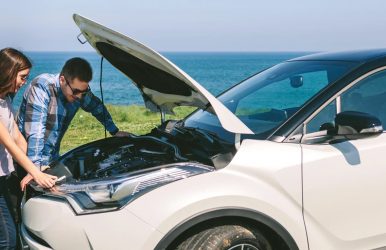
Car Checks Before A Long Journey: Road Trip Ready Checklist
BY Sibashree Jun 5, 2024
Planning a long road trip? Then you might want to start with car checks before a long journey. Having the right vehicle for long distances can make your road trip much easier. Before you start your road trip, check that your vehicle is in the best condition. Check that your tires have adequate pressure. At the same time, you should set aside time to check your vehicle's essential components. This helps you manage long, tiring road journeys with ease. This helps prevent breakdowns and delays. You also lose money when your car breaks down mid-way through your road trip because of repairs. Simple car checks with a microfibre towel and other cleaning supplies can make a world of difference. Preparing and caring for your vehicle before a long road trip helps keep you safe. You want to reach your destination on time and safely, especially if you are traveling with your loved ones. This article provides the key inspections to perform on your vehicle before any long-distance trip. Key inspections before a long journey include checking fluid levels and assessing tire condition. They also include checking tread depth and doing general maintenance checks for a smooth road trip. Inspect and Maintain Fluids Here is how you inspect and maintain fluids before embarking on your long journey. These pre-trip car checks before a long journey help ensure a worry-free road trip for you. Check Engine Oil Level and Quality Start by checking your engine oil level and quality before your long journey. Locate the dipstick and remove it while the engine is cool. Then, wipe the dipstick with a rag or cloth before reinserting it. After a minute, again, pull out the dipstick to check the oil level. For a quality ride, your dipstick should show an oil level between the minimum and maximum marks. If the oil level is below the minimum, then you will need to top up with the recommended oil type. Follow the vehicle manual to top up with the recommended oil type and quantity. Also, check the oil's color and consistency, and look for a golden to light brown color. These colors indicate your oil is fresh. As your engine oil ages, it gets darker, which signals degraded oil quality and the need for a change. Consider an oil change to keep your engine lubricated and performing smoothly during your trip, while doing car checks before a long journey. Check Coolant/Radiator Fluid Level and Condition One key car check before a long journey is to check the level and condition of the coolant and radiator fluid. The trip may be long, and you may spend a lot of time in your vehicle. In that case, you must ensure the coolant and radiator are working properly. See that they are in perfect condition. Coolant, or antifreeze, is an essential component in your car that controls engine temperature. They help your car function properly in freezing temperatures. Check your coolant when your engine is cool. Check the fluid level against the minimum and maximum markings, as you would with engine oil. You can top up with a premixed coolant solution if you are traveling to a colder region. Just follow the manufacturer's recommended coolant type and mixture ratio. Also, check the coolant's color and clarity to ensure it's fresh. Colors should be bright or light green. Discolored, rusty, or opaque coolant indicates degradation. So, consider a coolant flush service to replace the old fluid. This ensures efficient heat transfer during your journey. Check Brake Fluid Level and Condition Among essential pre-trip checks, maintaining the proper brake fluid level is crucial. Proper brake fluid levels ensure optimum brake performance, which is essential on long journeys. You can also check your vehicle's fluid levels to ensure they're in good condition. You could do this by locating the brake fluid reservoir. You can find this reservoir by the "BRAKE" symbol on top of it. Then, check the color and clarity of the brake fluid. Is your car's brake fluid level between the minimum and maximum markings? This indicates that your brake fluid is in proper condition. This is why car checks before a long journey are a must! Change your brake fluid if it has turned dark. Darker, opaque brake fluid indicates the fluid is no longer in the best condition. It can hamper brake function. Replace degraded brake fluid with fresh brake fluid suited to your vehicle's needs. This ensures smooth braking on long road trips. car checks before a long journey: Check the Power Steering Fluid Level and Condition The next car check before a long journey is the power steering fluid level and condition. This ensures the power steering is in top condition and helps prevent mishaps while turning and parking. Also, take a close look at the car's steering. It has a steering wheel symbol. Now check the fluid levels. It should be between the minimum and maximum markings. Now check the color of the steering fluid. It helps you understand whether the steering fluid is in good condition. If the fluid is reddish or pinkish, it's in good condition and suitable for longer distances. On the other hand, a dark or opaque color indicates contaminated fluid. It's time to change the fluid. You can also opt for a professional power steering fluid flush service to replace the old fluid and improve steering performance. Check Transmission Fluid Level And Condition Check the transmission fluid level to see whether your vehicle has an automatic transmission. At the same time, you must consult the vehicle's manual and follow the correct procedure. This specific procedure for checking the transmission fluid level is effective. However, you generally need to keep the engine running and the transmission in a specific gear. Then check the transmission fluid level and condition. Once you identify the dipstick, check the fluid level between the minimum and maximum markings. At the same time, check the color and clarity. In optimum condition, transmission fluid should appear reddish or pinkish. Dark fluid colors may indicate degradation or contamination. If the fluid appears compromised, consider a transmission fluid flush to change it immediately. Remember, smooth gear shifting during your trip determines the safety and makes longer routes easier for the driver. Top Up Or Flush Fluids As Needed After inspecting all the critical fluid levels and conditions, top up any low fluids with the recommended types and quantities. Follow the specifications in your vehicle's owner's manual. If you notice the fluids are contaminated, it's a sign they need replacing. Consider a flush service to replace the old fluid for best performance. Remember, the health and condition of your vehicle's fluids ensure optimal performance. It also indicates your vehicle's safety and longevity, especially during long journeys. By addressing fluid issues, you can reduce the risk of component failures or breakdowns. It can also help you enjoy a smooth, reliable driving experience. Check And Replace Tires Consider tire condition, as it is the most important component for your vehicle's mobility. Inspect Tire Tread Depth And Condition Adequate tire tread depth is key to maintaining proper traction and safety on the road. This is especially important on long routes. The minimum depth required for all cars in Europe in general and the UK in particular is 1.6mm across three-quarters of the tire. However, experts advise replacing tires when the tread depth reaches around 3mm. Conduct the 20p Test: First, insert a 20p coin into the main tread grooves of your tires. Can you see the coin's outer edge? This indicates that it's time to replace the tire. Or you can say it has already reached the legal minimum tread depth. Secondly, check for Indicators of Tread Wear. Many tires have tread-wear indicators, such as raised bars or groove markings. However, the right approach is to replace the tire once it reaches the legal tread depth. This is equally important for car checks before a long journey. Thirdly, use a Tread Depth Gauge: Invest in a tread depth gauge. This specialized tool measures the depth of individual tread grooves accurately. These gauges provide the most precise readings. They also help you know when it's time to replace the tire. Beyond tread depth, check your tires for signs of damage, such as bulges, cuts, or uneven wear patterns. These issues can compromise tire integrity and increase the risk of blowouts or other problems during your journey. Car checks before a long journey: Check Tire Air Pressure Properly inflated tires enhance efficiency. They also improve handling, stability, and overall safety. You must check tire pressure regularly. This is essential, especially when you are embarking on a long journey. Tire Pressure Check Steps1. First, go through the manual of the vehicle's owner or the sticker on the driver's door jamb. There, you will find the correct tire pressure recommendation.2. Now, make use of a tire pressure gauge of the highest quality. It helps to measure the pressure of the tyre when they are cold (after at least 3-4 hours of non-driving).3. Press the gauge firmly by removing the valve stem cap from the valve stem. This helps you get the most accurate reading.4. Adjust the pressure of the tyre, either by inflating it with an air compressor or deflating it with a metal pin on the valve stem.5. After you have made the required adjustments with air pressure, recheck the tire pressure to ensure it's within the recommended range.6. Finally, don't forget to have a look and then adjust the tyre's pressure as well. Please keep in mind that maintaining tire pressure is one step to enhance safety. It also improves fuel efficiency and extends your tires' lifespan. Rotate Tires if Due Tire rotation is one key maintenance practice that helps achieve even wear across all four tires. Tires wear differently depending on their positions. Front tires wear faster because they must withstand additional steering and braking forces. By rotating the tires at the recommended intervals (typically every 5,000 to 8,000 miles or as specified in your vehicle's owner's manual), you can distribute the tire wear more evenly. Ultimately, this helps attain the extended overall life of your tires and maintain optimal handling and stability. Replace Tires If Needed If your tires are excessively worn or have reached the legal minimum tread depth, replace them. This is a must before you start your long journey. Driving on bald or severely worn tires is dangerous and can be life-threatening. Also, if you are caught on the highway, it will result in hefty fines and potential license penalties. When replacing them, invest in high-quality, reputable brands that offer superior performance and longer life. You can also replace all four tires one at a time to ensure consistent handling and traction. With these guidelines, you can regularly inspect and maintain your tires for a safe, enjoyable journey. You can also reduce the risk of breakdowns or accidents caused by tire-related issues. Perform General Maintenance Checks Here are some important points to consider when discussing general maintenance checks. Let's review them all here. Check Brake Pads and Replace if Needed Take a thorough look at your vehicle's brakes and replace them if needed. They're a key part of a safe, secure journey. So, check the brake pads and replace them if needed before you start a new journey. Here's what you need to do: Park your car on a level surface and engage the parking brake. Also, look at the brake pads through the wheel. You must be able to see them pressing against the brake disc. Check the thickness of the brake pad material. Most manufacturers recommend replacing the brake pads when the friction material is reduced to approximately 3mm or less. Look for signs of uneven wear, and closely inspect the brake pads for cracks. Replace brake pads if they look excessively worn or damaged. Additionally, be attentive to any warning signs that may indicate worn brake pads, such as: A high-pitched screeching or grinding noise when applying the brakes could indicate that the brake pad wear indicator is contacting the brake disc. Increased brake pedal travel or a "spongy" feeling when pressing the brake pedal, which could signify that the brake pads need replacement. However, you may notice any of these warning signs if the brake pad material is worn down to the recommended replacement level. So, replace the brake pads before embarking on your long journey. Inspect and Replace Air Filters (Engine and Cabin) Clean air filters are essential for optimal engine performance and cabin air quality. Before your trip, inspect and replace the engine and cabin air filters as needed. Engine Air Filter: Locate the engine air filter housing, typically a rectangular box near the engine compartment. Open the housing and remove the air filter. Hold the filter up to a light source and check for excessive dirt or clogging. If the filter appears excessively dirty or clogged, replace it with a new one. Cabin Air Filter: Consult your owner's manual to locate the cabin air filter, which is usually behind the glove compartment or under the dashboard. Remove the old cabin air filter and inspect it for dirt, debris, or discoloration. If the cabin air filter appears dirty or clogged, replace it with a new one. Replacing both the engine and cabin air filters can improve fuel efficiency, engine performance, and cabin air quality. Alongside, it also ensures a more comfortable and enjoyable journey. Check Lights (Headlights, Taillights, Turn Signals) Lights are essential components that determine your vehicle's safety. They provide peace of mind and help make journeys more comfortable. So, before your trip, perform a thorough check of all exterior lights, including: Headlights: First, turn on the vehicle lights. Then walk around the vehicle. This technique ensures that the lights are working properly. Check for cracks in the lights. Also, look for moisture buildup or discoloration of the headlight lenses. Taillights: If you have a friend or acquaintance, ask them to stand behind the vehicle. At this point, you can press the brake pedal to check that the lights are functioning properly. Also, check the reverse lights by engaging the reverse gear. Turn Signals: Check the turn signals first. Then walk around the vehicle. See if the front and rear turn signal lights are working properly. Are your vehicle's lights blinking rapidly? The bulbs might have burnt out. Other Lights: Have you thoroughly checked your car's license plate lights, side marker lights, and other exterior lights? Replace the malfunctioning or burnt-out bulbs promptly. This ensures optimal visibility and ultimate compliance with legal requirements. Inspect Belts, Hoses And Replace if Needed Belts and hoses in your vehicle ensure the cooling system and engine function properly. Include these components in your inspection list. Do not compromise on safety; replace them if necessary. Belts: Pinpoint the serpentine belt(s) in your engine compartment. Look for cracking, fraying, or excessive wear. Apply moderate pressure to check the belt's tension. Do it with your finger. The belt should deflect only a little, not much. Replace belts with wear and tear and improper tension. Hoses: Inspect all coolant hoses, including the radiator hose, heater hoses, and any other visible hoses in the engine compartment. Look for signs of leakage, cracks, bulges, or any deterioration. Gently squeeze the hoses. This lets you check for internal degradation. Soft or spongy areas indicate the problem. Replace the worn-out hoses immediately. Replacing the hoses and worn belts can stop costly repairs and sudden breakdowns during your journey. Ultimately, you can enjoy a reliable driving experience.