
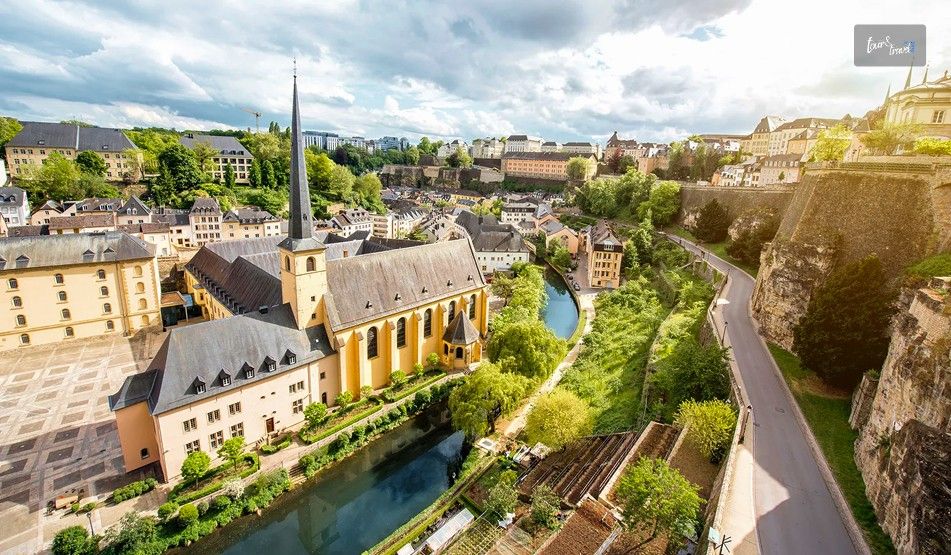


What Is Luxembourg Known For? Why Is It A Popular Destination For Business Travel?

Sep 10, 2025

Last Updated on: Nov 6, 2025

Travel Blog

Luxembourg is known for being a powerhouse of private banking and investment management. It is one of the most significant players in the global economy. 

Furthermore, Luxembourg is the De Facto capital of the Eurozone and home to the European Investment Bank and the European Court of Justice. 

Luxembourg also offers tax optimization benefits and a high level of ownership rights protection. So, many global businesses look for a Luxembourg company formation or register their companies in Luxembourg.

Naturally, with Luxembourg being a favorite global destination for business investors, it continues to be a global business tourism hotspot. 

Local and foreign entrepreneurs benefit here from a wide range of professional services, such as accounting and business consulting. 

However, there are more reasons behind Luxembourg having a booming business tourism sector. And in this Tour and Travel Blog, we will decode important factors. 

What Is Luxembourg Known For? A Well-Defined Strategy That Caters To Leisure And Business Tourism

What Is Luxembourg Known For  A Well Defined Strategy That Caters To Leisure And Business Tourism

The best thing is that Luxembourg operates with a clear tourism strategy, and it is not after mass tourism. 

In a recent interview, Eric Thill, the Luxembourg Minister for Tourism and Culture, confirmed that the country wants to keep the tourism landscape selective and sustainable in business and leisure travel segments. 

The International Congress and Convention Association (ICCA) is also playing a major role in boosting business tourism in Luxembourg with the launch of the ICCASkills CICE Course at the ICCASkills Luxembourg Hub. 

This course, from 23rd to 25th September, will help participants understand the challenges in the global meetings and events industry and its impact on international tourism. They will also learn how to host high-profile business delegates to maintain Luxembourg’s reputation as a global event and business tourism destination. 

Why Is Business Tourism Having A Steady Growth In Luxembourg? 

Why Is Business Tourism Having A Steady Growth In Luxembourg

You know why is Luxembourg known for in the business tourism sector? I find it only suitable to quote what the Luxembourg Convention Bureau has to say here. 

The Grand Duchy of Luxembourg is a one-of-a-kind place, with a buzzing economy and at the same time political stability, openness to the world, and an impressively high quality of life. Luxembourg is a place where cultures, languages, and business opportunities all come together.” 

Moreover, Luxembourg is probably the country with the most “international” mindset in the entire European Union. People here are skilled in multiple disciplines and languages, hosting individuals from more than 180 nations worldwide. 

However, we must also forget the basics when figuring out why Luxembourg is so famous in the business tourism sector. Here are the reasons. 

1. Luxembourg Is A Thriving Capital Of The European Union 

The Capital de Facto of the European Union, Luxembourg, is a growing hub of the following industries. 

  • Finance and Investment
  • Health Technology (Alkom Digital, B Medical Systems)
  • Automotive Components (Volkswagen, BMW, and Mercedes-Benz)
  • Cybersecurity (Fujitsu)
  • Space Mining (Moonscape)

Furthermore, this powerful financial hub hosts many businesses globally operating in manufacturing, maritime operations, agriculture, and clean technology. 

So, with so many diverse businesses choosing Luxembourg as their base, business tourism in the country is bound to shoot up. 

2. Luxembourg Is A Leader In Sustainable Finance 

Now, this is big. Luxembourg has utilized its position and expertise as a global leader in banking, investment, insurance, and other financial sectors to promote sustainable finance. 

As the second financial center in the European Union, Luxembourg started selling sustainability bonds in 2020. It helped the country to gather and mobilize funds for businesses and projects that will yield positive social and environmental outputs. 

Moreover, Luxembourg is the country that completely adheres to the definition of sustainability as mentioned by the United Nations. In the 987 Brundtland Commission report, sustainability is:

“meeting the needs of the present without compromising the ability of future generations to meet their own needs.”

In other words, Luxembourg is a country that gives equal importance to the three main pillars of sustainability. 

  • Economy
  • Environment
  • Society

The increasing renewable energy capacity, the free public transportation, and the bicycle-sharing schemes are some of the most prominent examples of how Luxembourg has adopted sustainability in its every sector. 

The Cleanest And Most Efficient Public Transport Free Of Cost

You can take the buses, trams, or trains in Luxembourg for a faster commute to your business meetings. These services are efficient. So, you will not have to worry about the delays. 

Furthermore, unless you are riding in a first-class compartment, you will not need to purchase a ticket. However, keep your ID handy as the conductors may ask for it sometimes. 

Moreover, Luxembourg City, the capital of Luxembourg, is very walkable. In fact, the lack of parking spaces in the city makes it a better option to travel by public transport than by private car.

3. Luxembourg Helps Businesses To Organize And Attend Sustainable Events 

Businesses that follow stringent sustainable policies also find Luxembourg to be the favorite destination for arranging and attending events. 

The Luxembourg Convention Bureau officially represents the country in the sector of business events. Here, the event professionals will help you connect to the industry leaders, and they will assist you in organizing an eco event. 

They will take care of the following areas related to the event. 

  • Venue
  • Accomodation
  • Catering
  • Entertainment
  • Supplying and Managing Visitor Information
  • Managing Marketing Materials 

The Green Events, Green Logos, And Green Certifications: The Luxembourg Government Initiatives 

The country’s Ministry of the Environment, Climate and Sustainable Development has started a scheme called “Green Events.” When an event organizer follows the set criteria of incorporating eco-responsible and sustainable practices, they can apply for a Green Logo. 

Earlier, the Green Logo was only available for the organizers of public events. For quite some time now, it has also been available for business event organizers. However, the organizer will have to ensure that there has been:

  • An Inclusive Event
  • Zero Wastage
  • Sustainable Catering
  • Zero Net Carbon

Moreover, depending on the industry you belong to, you can have green certifications, such as the Luxembourg sustainability certification (LENOZ), Leadership in Energy and Environmental Design (LEED), or a Green Key. 

When a business has a Green Logo or a Green Certification, it gains recognition for its eco-responsibility. 

This further results in boosting public image and customer satisfaction. Moreover, a recent Harvard Business Review has suggested that the demand for sustainability is rising. 

So, in a nutshell, what is Luxembourg known for? It is known for its growing business tourism sector that focuses on a selective and sustainable approach.

Read Also:

Share on Social Media

Sibashree is a travel, culture, and leisure writer who has been writing since the age of 12 and professionally since 2014. With more than a decade of travel writing experience and journeys across India and several parts of the world, she brings a deeply personal and thoughtful perspective to her work. A student of English Literature and Mass Communication, Sibashree has always viewed travel as more than movement — for her, it has been a way of understanding people, cultures, and herself. Her passion for spiritual exploration has also led her to many unusual and meaningful destinations over the years. Outside of writing, Sibashree enjoys watching European cinema, reading about global politics, and reflecting on the stories hidden within everyday places.

Leave a Reply

Your email address will not be published. Required fields are marked *

title-img Related

READ MORE museums in savannah

Time Travelers’ Haven: Savannah’s Top Museums and your Itinerary for 2024!

BY  Ankita Mar 22, 2024

Savannah, Georgia, is a city that has something for everyone. Whether you are a history buff, an art lover, a nature enthusiast, or a foodie, you will find plenty of attractions and activities to enjoy in this charming Southern destination. But if you are looking for a unique way to experience Savannah, why not visit some of its amazing museums? Museums in Savannah are not just boring buildings filled with dusty artifacts. They are vibrant and interactive spaces that showcase the rich and diverse culture, history, and creativity of the city and its people. From colonial times to the present day, from fine art to folk art, from military history to maritime history, you will find museums in Savannah that cater to your interests and curiosity. Top Museums in Savannah That You Must Visit in 2024! There is something magical about museums. It is a testament to the fact that humanity has lived and thrived. Most importantly, it is a celebration of all the struggles that have made us who we are. It is a place where time stops for a little. Or we are sent back in time. I love going to museums, and that is why I feel glad to be able to list some of the best museums that I went to during my stay in Savannah. In this article, I will introduce you to the 15 best museums in Savannah that you should not miss on your next trip. I am also going to give you some tips on planning your itinerary and making the most of your time in this beautiful city. So, get ready to travel back in time and explore Savannah's top museums! Here are the best museums in Savannah that you MUST visit while you are in the city: 1. Savannah History Museum If you want to learn about the history of Savannah from its founding in 1733 to the present day, the Savannah History Museum is the place to go. Located in the historic Central of Georgia Railway passenger station, the museum features exhibits that cover various aspects of Savannah's past, such as the American Revolution, the Civil War, the cotton industry, the railroad, and the movie industry. You can also see artifacts and memorabilia from famous Savannahians, such as singer Johnny Mercer, writer Flannery O'Connor, and Girl Scouts founder Juliette Gordon Low. Don't forget to check out the bench from the movie Forrest Gump, which was filmed in Savannah. 2. Jepson Center for the Arts The Jepson Center for the Arts is a stunning modern building that houses the contemporary art collection of the Telfair Museums, the oldest public art museum in the South. The Jepson Center showcases works by local, regional, national, and international artists, ranging from paintings and sculptures to photography and video. You can also enjoy rotating exhibitions, lectures, workshops, and educational programs at the center. If you have kids, they will love the ArtZeum, an interactive gallery that encourages creativity and exploration. 3. Savannah Museum of Art The Savannah Museum of Art is another branch of the Telfair Museums, located in the historic Telfair Academy, a former mansion built in 1819. The museum displays a collection of American and European art from the 19th and 20th centuries, including works by impressionists, realists, and abstract artists. You can also admire the elegant architecture and furnishings of the building, which was designed by William Jay, one of the first professionally trained architects in America.  4. Georgia State Railroad Museum If you are a fan of trains, you will love the Georgia State Railroad Museum, which is located in the former Central of Georgia Railway Savannah Shops and Terminal Facilities. The museum is a National Historic Landmark and features the largest collection of historic railroad structures in the country. You can see and climb aboard various locomotives, cars, and rolling stock, some of which date back to the 1850s. You can also take a guided tour of the site, watch demonstrations of steam and diesel engines, and even ride a train on a short loop track. 5. Ships of the Sea Maritime Museum The Ships of the Sea Maritime Museum is dedicated to the maritime history of Savannah and the Atlantic coast. The museum is housed in the William Scarbrough House, a neoclassical mansion built in 1819 for one of the principal owners of the Savannah, the first steamship to cross the Atlantic Ocean. The museum displays models, paintings, and artifacts of various ships, from sailing vessels to steamships, that played a role in Savannah's trade, commerce, and defense. You can also enjoy the beautiful garden behind the house, which features native plants and fountains. 6. Pin Point Heritage Museum The Pin Point Heritage Museum is a hidden gem that celebrates the history and culture of the Gullah/Geechee people, who are descendants of enslaved Africans that settled along the coastal regions of Georgia and South Carolina. The museum is located in the former A.S. Varn & Son Oyster and Crab Factory, which was the main employer of the Pin Point community for over 60 years. The museum tells the story of the people, the place, and the industry that shaped their lives, through exhibits, oral histories, and demonstrations. You can also sample some of the delicious seafood that the community is known for. 7. SCAD Museum of Art The SCAD Museum of Art is a contemporary art museum that showcases the work of students, faculty, and alumni of the Savannah College of Art and Design, as well as renowned artists from around the world. The museum is located in a former railroad depot that was renovated and expanded with a striking glass facade. The museum features permanent and temporary exhibitions of various media, such as painting, sculpture, photography, fashion, and film. You can also attend lectures, screenings, and performances at the museum. 8. Savannah Children's Museum The Savannah Children's Museum is a fun and educational place for kids of all ages. The museum is located in the old Central of Georgia Railway Carpentry Shop, which was transformed into an outdoor playground with over a dozen exhibits and activities. Kids can explore, create, and learn through interactive stations, such as the sensory garden, the maze, the climbing wall, the water pump, and the giant Lego blocks. The museum also offers programs and events for families, such as storytime, crafts, and festivals. 9. Ralph Mark Gilbert Civil Rights Museum The Ralph Mark Gilbert Civil Rights Museum is a museum that honors the legacy of the civil rights movement in Savannah and beyond. The museum is named after Dr. Ralph Mark Gilbert, who was the leader of the NAACP in Savannah and a key figure in the desegregation of the city. The museum features exhibits that chronicle the history of the struggle for racial equality and social justice, from slavery to the present day. You can see photographs, documents, artifacts, and videos that depict the events and people that shaped the movement, such as the sit-ins, the marches, the boycotts, and the leaders. 10. Webb Military Museum The Webb Military Museum is a museum that displays a private collection of military memorabilia from the American Civil War to the present day. The museum is owned and operated by Gary Webb, a retired military officer and avid collector. The museum features uniforms, medals, weapons, flags, helmets, and other items that belonged to soldiers, sailors, airmen, and marines from various wars and conflicts. You can also see personal stories and letters from the men and women who served their country. 11. American Prohibition Museum The American Prohibition Museum is a museum that takes you back to the era of the 18th Amendment, which banned the production, sale, and consumption of alcohol in the United States from 1920 to 1933. The museum features interactive exhibits, wax figures, and artifacts that tell the story of the prohibition, from the temperance movement to the speakeasies, from the bootleggers to the gangsters, from the flappers to the lawmen. You can also visit the speakeasy bar, where you can enjoy a drink and listen to live music. 12. Savannah African Art Museum The Savannah African Art Museum is a museum that showcases a collection of over 1,000 pieces of African art, representing 22 countries and over 130 cultures. The museum is located in a former Catholic convent and school, which was renovated and decorated with African motifs. The museum displays sculptures, masks, textiles, jewelry, and other objects that reflect the diversity and beauty of African art and culture. You can also learn about the history, meaning, and symbolism of each piece from the knowledgeable docents. 13. Massie Heritage Center The Massie Heritage Center is a museum and educational center that preserves and interprets the history and architecture of Savannah. The center is located in the former Massie School, which was built in 1856 and is the oldest public-school building in Georgia. The center features exhibits and programs that explore various aspects of Savannah's heritage, such as the colonial era, the Victorian era, the civil rights era, and the urban renewal era. You can also see models and maps of the city, as well as a restored classroom from the 19th century. 14. Mighty Eighth Air Force Museum The Mighty Eighth Air Force Museum is a museum that honors the men and women of the Eighth Air Force, which was one of the largest and most powerful air forces in history. The museum is located near the Savannah/Hilton Head International Airport, where the Eighth Air Force was activated in 1942. The museum features exhibits, artifacts, and aircraft that tell the story of the brave and heroic missions of the Eighth Air Force during World War II, the Cold War, and beyond. You can also see the B-17 Flying Fortress, the B-24 Liberator, the P-51 Mustang, and other planes that flew in the skies of Europe and Asia. 15. Wormsloe Historic Site The Wormsloe Historic Site is a museum and park that preserves the estate of Noble Jones, one of the original settlers of Georgia and a close associate of James Oglethorpe, the founder of Savannah. The site features the ruins of Jones' tabby house, which is the oldest standing structure in Savannah, as well as a colonial life area, a museum, and a nature trail. You can also see the iconic avenue of live oaks, one of the city's most photographed scenes.  How to Plan Your Itinerary for the Museums in Savannah? Now that you know the best museums in Savannah, you might be wondering how to fit them all in your schedule. Here are some tips on how to plan your itinerary and make the most of your time in this beautiful city: Day 1 Start with the Savannah History Museum, which will give you an overview of the city's past and present. From there, you can walk to the nearby Georgia State Railroad Museum, the Savannah Children's Museum, and the SCAD Museum of Art, which are all located in the same complex. Next, head to the Telfair Museums, which consist of the Jepson Center for the Arts and the Savannah Museum of Art. You can also visit the Owens-Thomas House and Slave Quarters, which is another branch of the Telfair Museums and a historic landmark that showcases the life of the wealthy and the enslaved in the 19th century. After that, you can explore the historic district of Savannah, which is full of charming squares, parks, monuments, and buildings. You can also hop on a trolley or a carriage tour, which will take you to some of the most popular attractions and landmarks in the city, such as the Cathedral of St. John the Baptist, Forsyth Park, the Mercer Williams House, and the Bonaventure Cemetery. Day 2 For the next day, you can venture outside the downtown area and visit some of the museums that are located in the outskirts of the city, such as the Wormsloe Historic Site, the Pin Point Heritage Museum, the Ralph Mark Gilbert Civil Rights Museum, the Webb Military Museum, and the American Prohibition Museum. You can also take a short drive to the nearby Tybee Island, where you can enjoy the beach, the lighthouse, and the Fort Pulaski National Monument. Day 3 On the last day, you can visit the Mighty Eighth Air Force Museum, located near the airport and a must-see for aviation and military enthusiasts. You can also stop by the Ships of the Sea Maritime Museum and the Savannah African Art Museum, both located in the historic district and worth visiting. Why You Should Visit Savannah in 2024? Savannah is a city that is always worth visiting, but especially in 2024, when it will celebrate its 300th anniversary. The city will host a series of events and festivities throughout the year, such as parades, concerts, fireworks, exhibitions, and more. You can also expect to see some new and improved attractions and facilities, such as the Savannah Riverwalk, the Savannah Arena, and the Savannah Convention Center. Savannah will also host some major events and conferences, such as the G20 Summit, the World Economic Forum, and the Savannah Film Festival. Wrapping It Up! Savannah is a city that is rich in history, culture, and creativity. It is also a city that has some of the best museums in the country, which will take you on a journey through time and space. Whether you are interested in art, history, nature, or anything in between, you will find museums in Savannah that will satisfy your curiosity and inspire your imagination. If you wanted to know about eth best museums in Savannah, I hope that this blog has been of help to you. If there are any other queries related to the same, please feel free to let me know. All that you need to do is scroll down till you reach the bottom of the page. Then leave your comments and queries in the box below. And I will be there to answer them all for you! Read Also: Atlanta To Savannah: A Scenic Road Trip Adventure That You Can’t Miss! From Museums To Parks: The Top Attractions In St George Utah Explore The Top 15 Free Museums In DC! Must Visit Museums Understand More About The Vatican’s Museums

READ MORE what is Arizona known for

What Is Arizona Known For Food | Culinary Tourism Exploring The Desert Delights

BY  Sibashree Jan 22, 2025

The land of the Grand Canyon! The Grand Canyon State! Ask anyone about what is Arizona known for, or search #Arizona on Instagram. With 26.1m posts on Instagram, you will find the Saguaro National Park, Grand Canyon, and desert landscape ruling the scenario.  However, if you are done with #desertdreaming in Arizona, it’s time to check out how the desert delights are making their presence felt on your plate.  #arizonafood is doing well on socials, and I get to see a lot of steaks, honey garlic shrimp, fried chicken, street tacos, and BBQ. This vividness in Arizona food, of course, comes from the most eclectic Mexican, Native American, and Sonoran desert influences.  Again, Arizona is known for its farm-to-table cuisine. Places like Scottsdale and Flagstaff are celebrating this food mantra of Arizona to the fullest, and last November, we had Chef Tamara Stanger coming back to Shift in Flagstaff, Arizona. ShiftAddress: 107 North San Francisco St, #2, Flagstaff, AZ 86001Contact Number: (928) 440-5135 So, this is the best time to visit Shift and other celebrated eating points in Arizona to indulge in the ultimate desert delight. This Tour and Travel blog is a humble food tour and a guide on what Arizona is known for food. What is Arizona Known For Food | History Of Arizona Cuisine If we want to decode what Arizona is known for food, we must learn its history. Food in Arizona has three major influences: Native American, Spanish, and Mexican. Of course, modern evolution is there in making Arizona food what it is today. Tucson in Arizona is the first UNESCO City of Gastronomy in the USA. It earned the designation in 2015. This shows how the state of Arizona fuses the history of at least 4000 years with the most innovative or new takes.   "One thing visitors will notice is that this deep food heritage is not frozen in the past, but is very much alive. Not only can they sample outstanding versions of traditional dishes of the region, but in our many chef-driven restaurants they can also taste new takes on old favorites and creative new dishes using heritage ingredients.” Jonathan Mabry, Executive Director, Tucson City of Gastronomy Organization 1. Native American Influence On Arizona Food https://www.instagram.com/p/C340jn5reSW/ Native American people like Hopi, Navajo, and Apache brought the use of corn, squash, and beans. They even introduced using desert plants and their various parts in their cuisine. For example, the fruits of prickly pear cactus were widely loved and even those were used as cooking pads.  Again, flour for bread came from grinding mesquite pods. Moreover, saguaro cactus fruits were used in making wines and syrups.  Further, today, when you have Navajo tacos, you must know that the origin goes back to many years. The Native American tribes made these fried breads for survival during the reservation days.  With the passage of time, these fried breads have emerged as the cultural symbol of the state.  Hope's Frybread is a happening place for having Navajo Taco in Arizona. It is located at 144 S Mesa Dr E Ste E Mesa, and you can contact them at (480) 465-2666.  The Stand, on N Alma School Road, Scottsdale, is another great place for having Navajo tacos. Call them at (480) 519-1108 before your visit. 2. The Mexican Influence On Arizona Food Today, everyone swoons over Sonoran Hot Dog. This one and many other Sonoran Desert delicacies came to Arizona and grew in popularity with the Mexican fusion.  The use of carne seca and a lot of cheese, the signature of Mexican topping, changed the cuisine of Arizona for the better.   3. Spanish Influence On Arizona Food Spanish influence became prominent in Arizona Food via the Mexico route. In other words, when Spanish people came to Mexico in the early 20th century, they brought a lot of layering techniques.  Further, they introduced the use of citrus fruits and wheat in food. What is Arizona Known For Food | Famous Dishes You Must Try  Arizona food comes with quintessential Southwestern influences! So, the flavors are bold, and a touch of spice gives that extra zing.  Again, when the peppers and spices add that heat, the desert elements like cactus pads balance the dishes with their neutral taste.  Nevertheless, these are some of the must-try dishes if you want to know what is Arizona known for food. 1. Sonoran Hot Dog https://www.instagram.com/p/ClWlwH0N9sF/ Best Place To Have: Jack in the Box Address: 1194 E Florence Blvd Casa Grande Contact Number: (520) 836-0304 If Chicago has deep-dish pizza, Arizona has Sonoran hot dogs. The dish's origin goes back to the 1940s, and the twist lies in the use of bolillo (a roll with a split top) instead of a bun.  The filling of pinto beans in the blanket of bacon tastes out of the world with jalapenos, mayo, tomatoes and onions. The ultimate desert delight, it is!  2. Chimichanga https://www.instagram.com/p/CnkAGonpYH_/ Best Place To Have: Rito's Mexican Food - Mesa Address: 1033 N Dobson Rd Ste 101 Mesa Contact Number: (480) 264-0966 A burrito, when deep fried, becomes chimichanga. Here, the wrap of golden brown tortilla comes with a filling of beans, meat, and cheese.  The toppings of these delicacies have sour cream, cheese sauce, and guacamole. Can you imagine the delicacies, just melting in your mouth? 3. Prickly Pear Delicacies Prickly pear delicacies encompass many beverages, desserts, and mains in Arizona. Using prickly pear fruits in the dishes adds a subtle flavor and taste. Further, the bright pink color of the fruits makes the dish look more tantalizing.  The fruits, thanks to their “sweet-tart flavor,” are also popular in ice cream, jellies, and candies. Even wines and tonics get flavors from these fruits.  4. Cheese Crisp Best Place To Have: Ghost Ranch: Modern Southwest Cuisine Address: 1006 E Warner Rd Ste 102-103 Tempe Contact Number: (480) 474-4328 Do you love quesadilla? You will love cheese crisp, its open-faced form even more. The roasted and crisp tortilla in this dish tastes heavenly with layers of cheese. If you want it a little spicy, you can always ask to add some green chilies.  Cheese crips are cut into slices before serving. They are like a simpler form of pizza.  5. Pie Best Place To Have: Pie Snob Chandler Address: 250 S Arizona Ave Ste 4 Chandler Contact Number: (480) 855-1019 If you want to try desserts from the desert, you must try the classic pie. It has seasonal fruits and has a distinct Spanish influence.  Other desserts you can have in Arizona are sopapillas (with honey) and chocolate chili cakes.  6. Green Chili Stew A lot of roasted green chilies and chunks of pork simmered in it! That’s green chili for you. This is another prominent example of how Mexican influence is massive on the food of Arizona.  You can have green chili stew with tortilla or bread on a winter day and feel the warmth. It’s a comfort food and you can have it better at any Arizona home than restaurants.  7. Steak And BBQ Best Place To Have: Maddie Jo’s BBQ Address: 5388 E Skyline Dr, San Tan Valley Contact Number: (480) 625-1131 When it comes to southern or southwestern BBQ, we all know that the rub makes all the difference. Paprika, garlic and onion powder, chili powder, brown sugar, and a hot of herbs infuse the right flavors and taste into the steaks and BBQs.  The steakhouses and BBQ joints in Arizona await with all these smoky delicacies if you are ready to taste the best of Arizona.  Trying The Best Of Farm-To-Table Cuisine In Arizona | Living What Is Arizona Known For Arizona has a reputation for its farm-to-table culture. This state enjoys year-round production of fresh veggies and fruits. There are dedicated farmers’ markets and restaurants to celebrate the farm-to-table food culture of Arizona.  Some popular farm-to-fresh restaurants in Arizona are: RestaurantAddressContact NumberFarm Provisions148 N Montezuma St Prescott(928) 776-3001Farm & Craft4302 N Scottsdale Rd Scottsdale(480) 568-8980Arcadia Farms Cafe7025 E 1st Ave Scottsdale(480) 941-5665 Overall, the farm-to-table concept makes the food experience in Arizona truly unique!  Also read Top 10 Most Popular Paraguay Food That You Must Try. Top 13+ Famous Wonders Of India That You Must Visit. Top Tips For Motorbike Rental In Phuket – A Guide To Exploring The Island On Two Wheels.

READ MORE certified translation for immigration

How to Navigate Visa & Immigration Translations When You Travel Long-Term

BY  Sibashree Oct 22, 2025

Traveling long-term or moving abroad is an exciting adventure. But if your journey involves applying for visas, immigration permits, or residency, you’ll quickly discover that documentation is one of the biggest hurdles. Among the most common requirements are visa translation services and certified translations of official documents. Whether you are applying for a student visa, a work permit, or reuniting with family overseas, presenting correctly translated documents can make or break your application. Authorities want clear, accurate, and verifiable translations, and failure to meet those standards often leads to delays or even rejections. This guide explains everything you need to know about visa and immigration translations, including why certified translations are required, what documents usually need them, and how to avoid common pitfalls. Why Visa Translations Are Crucial When immigration officers review applications, they must be able to fully understand the documents submitted. If your birth certificate, marriage certificate, or bank statement is in another language, it must be translated into the official language of the country you are applying to. Here’s why translations are necessary: Legal clarity: Immigration authorities cannot legally assess documents they don’t understand. Consistency: Translations ensure names, dates, and details match across multiple documents. Compliance: Many countries require certified translations to confirm that translations are accurate and complete. What Are Certified Translations? Not all translations are equal. For immigration, you need certified translations. A certified translation includes: A complete and accurate translation of the original document. A signed statement (certificate of accuracy) by the translator or translation company confirming the translation’s authenticity. Contact details of the translation provider for verification if needed. This certificate is essential because it gives immigration officers confidence that the document is trustworthy and complies with their standards. Common Documents That Require Certified Translations When applying for visas or residency, the following documents are often requested in translated form: Birth certificates Marriage or divorce certificates Death certificates (in cases of dependent claims) Passports and ID cards Academic transcripts and diplomas Criminal record checks Medical records or vaccination certificates Bank statements and tax returns Employment contracts or pay slips Before submitting your application, carefully check the requirements of the immigration authority you are applying to, as these can vary from country to country. How to Handle Certified Translations for Visa Applications If you are preparing for long-term travel or immigration, here’s how to approach the translation process: Identify which documents need translationReview the checklist from the immigration authority. Don’t assume that only personal records need translation—financial and academic documents are often required too. Choose a reliable certified translation providerLook for services that are recognized by immigration authorities. For example, Certling offers certified translations accepted by USCIS in the U.S., UKVI in the U.K., and IRCC in Canada. Submit clear scans or photos of your documentsHigh-quality images prevent errors and ensure no details are missed in the translation. Check turnaround timesVisa applications often have strict deadlines. Many providers offer standard and express delivery options—use express services if you’re short on time. Verify acceptance guaranteesEnsure the translation provider guarantees compliance with immigration authorities. This gives peace of mind if your documents are ever questioned. Innovation in Visa Translations The translation industry has modernized significantly. Companies like Certling use AI and machine vision to analyze documents, count words instantly, and provide transparent per-word pricing. This innovation eliminates overcharging based on per-page pricing models and saves applicants money. Other key advancements include: Selective translation tools: Applicants can exclude unnecessary sections of documents, such as logos or stamps, lowering costs. Secure file handling: Professional providers use encrypted systems and delete documents after delivery to protect your data. Instant online quotes: You can now upload documents and get pricing within seconds, reducing guesswork. FAQs on Visa & Certified Translations Do I always need certified translations for visa applications? Yes, in most cases. Immigration authorities typically require certified translations of any foreign-language documents. Can I translate the documents myself? No. Self-translations are not accepted. Certified translations must come from a qualified translator or company. How long does the process take? This depends on the provider. Standard services may take a few days, while express options can deliver certified translations within 24 hours. What happens if immigration rejects my translation? Reputable companies often provide corrections or revisions free of charge if authorities raise issues. Certling, for example, includes this as part of their service. Are digital copies of certified translations acceptable? Yes, many immigration authorities now accept certified translations in PDF form. However, some may request physical copies, so confirm with your local authority. The Role of Certified Translation Services in Your Journey Securing a visa or residency isn’t just about submitting the right forms. It’s about presenting complete, clear, and compliant documentation. Certified translation is a critical part of this process. Providers like Certling specialize in certified translations for immigration and visa applications. They offer word-based pricing, fast turnaround, and acceptance guarantees for major authorities across the U.S., U.K., Ireland, and Canada. While your focus may be on the exciting parts of long-term travel, taking care of certified translations early ensures your journey won’t be delayed by paperwork. Final Thoughts Navigating the visa application process can be overwhelming, especially when traveling long-term or moving abroad. Certified translations are not just a formality—they are a legal requirement that can significantly affect your success. By understanding what certified translations are, why they matter, and how to get them done correctly, you’ll be better prepared to handle the complexities of immigration paperwork..