

Zanzibar Unplugged: Best Time To Visit Zanzibar Zesty Escape

Oct 27, 2023

Last Updated on: Nov 10, 2025

Travel Guides

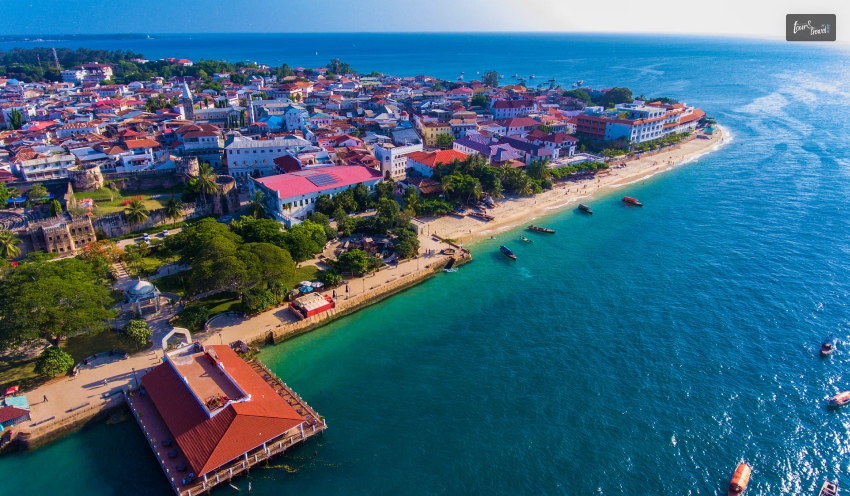
Zanzibar is known for being sloppy when wet and extremely hot in the summer. The protracted rains bring heavy torrential downpours every day, causing high humidity and silty seas to occur between March and early May. With its dry and sunny peak season from June through October on the beach (and in Tanzania’s game reserves if you’re on a safari first), most vacations to Zanzibar outside of these periods will be nice.

While November and December offer Zanzibar’s shorter spells of rain, these typically are isolated showers that won’t cause holiday washouts. January to March are likewise dry and hot but a lot quieter. The year-round average temperature is roughly 30°C. Due to the warm waters, minimal wind, and high visibility, the months between March and November are typically regarded as the best for diving and snorkeling.

September through December is the prime time to see whale sharks, reef sharks, and manta rays. If you want to know more details on when is the best time to visit Zanzibar, this article will help you navigate those questions.

Best Time To Visit Zanzibar

Visit Zanzibar
Image Source: gumlet.assettype.com

Strictly speaking, the dry seasons of December to February and June to October are the best times to visit the Zanzibar islands. But in general, the beaches on the southern and western parts of the islands are more protected from wind during these months. On the other hand, the wind typically comes from the southwest from June to October. This makes the northern and eastern coasts ideal for holidaying. But in the end, these islands remain at the whim of the ocean, and their weather can be erratic throughout the year. Even in the “dry” seasons, afternoon showers do occur, but they usually last only a few minutes and are refreshingly cool.

It is not an entirely bad idea to travel to Zanzibar during the rainy season when the number of tourists declines, and you will likely find affordable trips and lodging (among those that are still open). The sunsets are known to be stunning. The rain, although severe, is not generally consistent, and delicious pineapples come into season! You might find it tricky to navigate the roads and buses, but things eventually settle.

Wet and dry seasons are Zanzibar’s prominent climates, which are influenced by the movements of the Indian Ocean’s rainy season. From November/December to February/March, the northeast monsoon winds, or kaskazi (in local parlance), blow. And from June to September/October, the southwest monsoon winds, also called kusi, blow. There is a brief rainy season (the vuli) in November in addition to the main rains (the masika), which last between mid-March to the end of May.

Weather

Zanzibar weather
Image Source: www.holidaysplease.co.uk

Although it can be reduced by the winds and sea breeze, humidity is relatively high throughout the year. The average daily temperature on Zanzibar Island is roughly 26°C (80°F) from June to October and around 28°C from December to February. However, during the latter period, humidity levels are frequently greater, making temperatures feel hotter. Pemba has a milder climate with a little more rainfall than Zanzibar Island.

The islands are crowded with tourists from outside and expats from Nairobi and Dar es Salaam during major holidays like Christmas and Easter. You can expect crowded flights and increased hotel prices. On the other hand, life moves more slowly as many restaurants and shops close during the Islamic fasting month of Ramadan. The annual Zanzibar International Marathon takes place in the first few days of November. This can be a good incentive for sports enthusiasts, making it the best time to visit Zanzibar.

Festivals

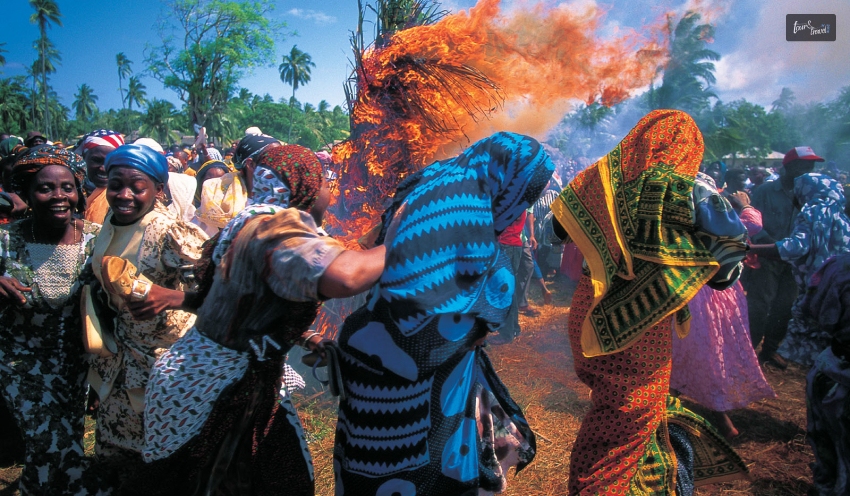
Zanzibar Festivals
Image Source: www.gallerytours.net

The majority of Tanzania’s public holidays are observed on the islands as well. On these days, companies and offices are typically closed, while some tour operators are still open. Some of the public holidays with set dates observed on the island are:

  • 1 January – New Year
  • 12 January – Mapinduzi ‘Revolution’ Day
  • 7 April – Sheikh Abeid Amani Karume Day
  • 26 April – Union Day: Zanzibar and Tanganyika
  • 1 May – Workers’ Day
  • 7 July – Saba Saba (Seven Seven)
  • 8 August – Peasants’ and Farmers’ Day
  • 14 October – Nyerere Day
  • 9 December – Independence Day
  • 25 December – Christmas Day
  • 26 December – Boxing Day

The Muslim holidays of Idd il Fitri, which marks the conclusion of Ramadan, and Idd il Maulidi (also known as Maulidi ya Mfunguo Sita), which commemorates Muhammad’s birth, are widely observed and serve as public holidays. These festivals fall 11 or 12 days early each year and have dates that are determined by the lunar calendar. If you are planning to visit Zanzibar in 2024 and want to be a part of their Ramadan, it is set to start on 10 March through 8 April.

Places To Visit

Places to visit
Image Source: zanzibardestination.co.tz

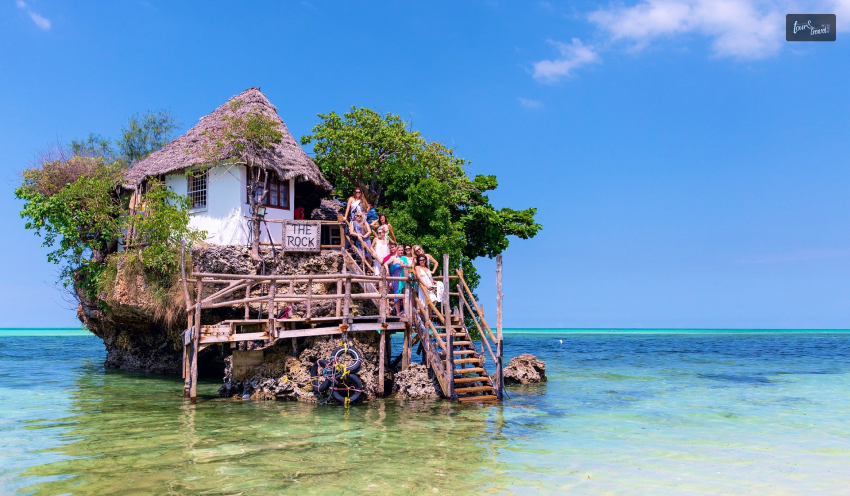
Zanzibar is one of those rare treasures you keep to yourself, as a secret, as a deeply significant memory, and as the most joyful days spent. Now that you know the best time to visit Zanzibar, if you want to know a few places you can check out while visiting, here are a few:

Slave Trade

Slave trade
Image Source: pbs.twimg.com

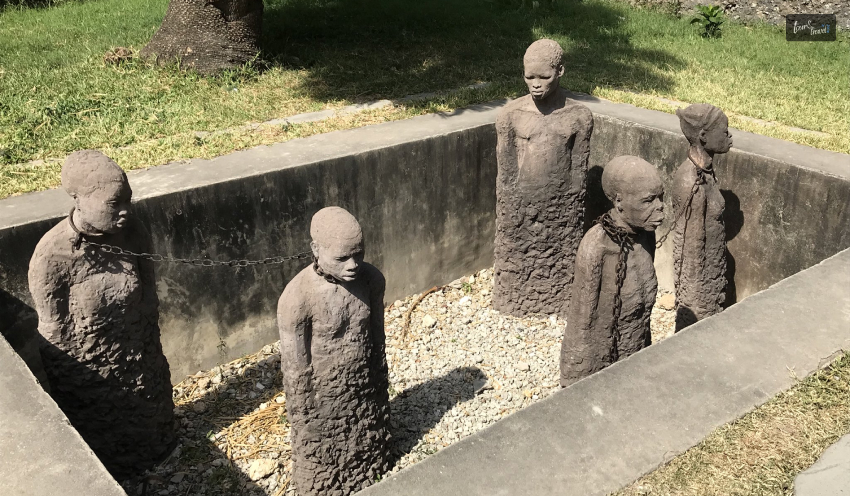
The Slave Museum is a must-see for anybody interested in learning about Zanzibar’s sordid past. The last active slave market in the world was shut down in 1873. You will pass by rooms where slaves were housed before being sold as you move around the museum. To work on plantations, hoards of Africans were first transferred to this island. Slave traffickers utilized the port at Zanzibar as their center of operations to transport slaves to countries including Egypt, Arabia, Persia, and the Ottoman Empire.

Sunset Dhow Show

Sunset Dhow Show
Image Source: www.tanzaniatourism.com

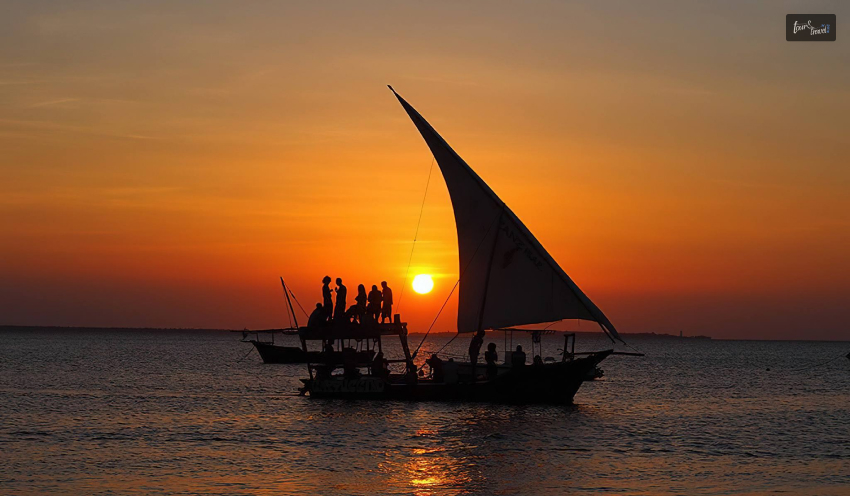
If you miss taking a Sunset Dhow Cruise on the translucent, emerald seas of the Indian Ocean, your journey to Zanzibar will remain incomplete. The busy bustle of a busy town gradually disappears as the sunset cruise departs the coast that gets replaced finally by the musicians’ melancholy ballad of lost love and found romances or a tune played on a taraab, violin, or oud.

The crew will provide you with crackers and your preferred brand of beer or soda. Sip on your drink while you bask in the exotic vibe on the cruise.

Mnemba Atoll

Mnemba Atoll
Image Source: www.andbeyond.com

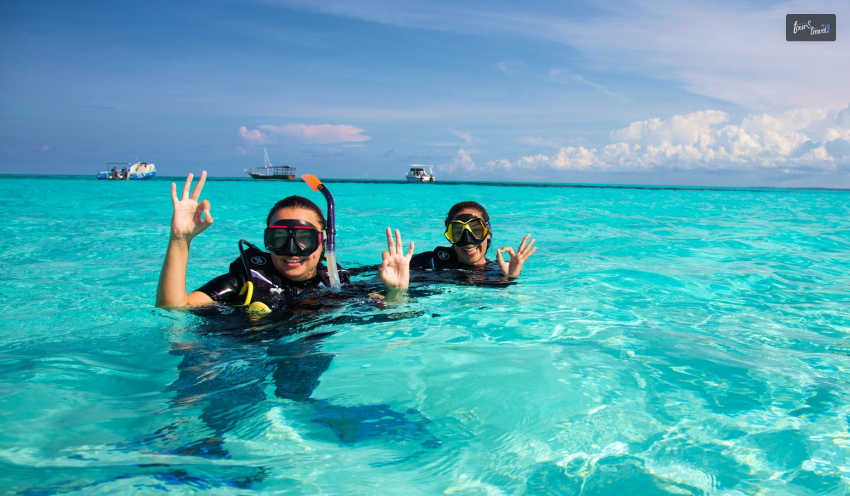
Explore the fascinating marine life at Zanzibar, which is host to more than 400 species of fish, turtles, nudibranchs, and many rare forms of coral, while scuba diving at Mnemba Atoll. If you are lucky, you might see reef sharks, manta rays, and whale sharks. Mnemba Atoll is one of Zanzibar’s top locations for water sports while being a conservation area and marine reserve.

Mid-February through mid-May, as well as mid-October to mid-December, are the best times to go scuba diving in Mnemba Atoll since the sea is quiet, and there is high visibility to enjoy the experience even better.

Darajani Market

Darajani Market
Image Source: upload.wikimedia.org

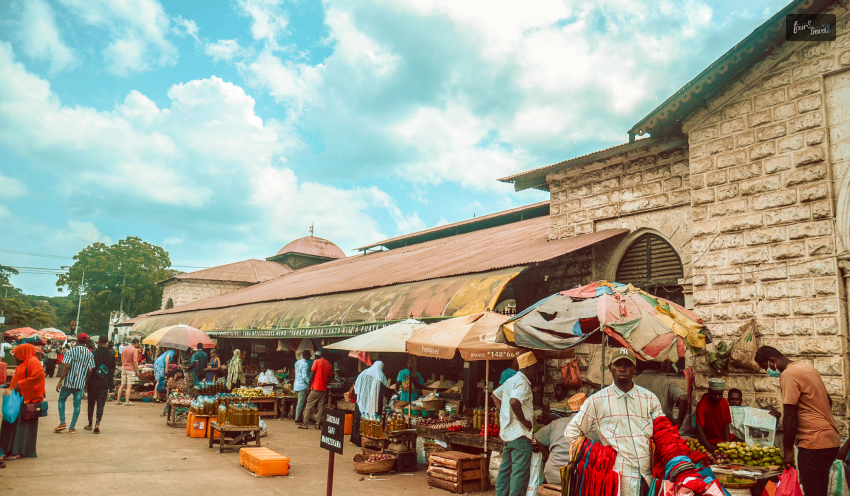
A market is a location where we meet new folks, socialize, and engage in addition to trading and selling items. One such location in Zanzibar is the Darajani Market, which serves as the town’s main market.

You can find merchants selling everything from Chinese toys and other trinkets to indigenous Zanzibar spices, kofias (Zanzibari hats), and dates while you take a stroll around the streets. You will have an amazing experience wandering the market’s winding streets.

Wrapping Up

The best time for either a rustic vacation or participation in Zanzibar activities is during the months of June and October. These are the months of spring in Africa when the weather is mild and delightful. You can also visit this island paradise in the tropics during December and February. Zanzibar experiences hot, dry weather while it is winter in other countries.

Are you planning a visit and want to know when the best time to visit Zanzibar is? Or have you been to Zanzibar recently? Did you like the island? How was your experience? If you have thoughts to share or questions to ask, please leave a comment below. We would love to hear from you!

Read Also:

Share on Social Media

Abdul Aziz Mondol is a professional blogger who is having a colossal interest in writing blogs and other jones of calligraphies. In terms of his professional commitments, he loves to share content related to business, finance, technology, and the gaming niche.

Leave a Reply

Your email address will not be published. Required fields are marked *

title-img Related

READ MORE how far is savannah from atlanta

Atlanta to Savannah: A Scenic Road Trip Adventure That You Can’t Miss!

BY  Ankita Mar 21, 2024

Atlanta and Savannah are two of the most popular and exciting cities in Georgia. They are both rich in history, culture, and entertainment. But they are also very different in many ways. Atlanta is a modern and bustling metropolis, while Savannah is a charming and historic coastal town. How can you experience the best of both worlds? By taking a road trip from Atlanta to Savannah! But how far is Savannah from Atlanta? How long does it take to drive from Atlanta to Savannah? What are the best routes to take from Atlanta to Savannah? What are the best places to visit along the way from Atlanta to Savannah? In this article, I will answer these questions and more. I will show you the best tips and tricks to plan and enjoy your road trip from Atlanta to Savannah. I will also show you the top 10 sights that you simply can't miss on your road trip from Atlanta to Savannah. Let's get started! How Far is Savannah from Atlanta? The first question that you might have is: how far is Savannah from Atlanta? The answer is: it depends on the route that you take. There are several routes that you can take from Atlanta to Savannah, each with its own advantages and disadvantages. Of course, these are not the only routes that you can take from Atlanta to Savannah. Also, you can customize your own route, depending on your preferences, your budget, and your time. You can use online tools, such as Google Maps, Roadtrippers, or Furkot, to plan and optimize your route. You can also check the traffic, the weather, and the road conditions before you start your trip, and adjust your route accordingly. Also, you can be flexible and spontaneous and take detours or shortcuts as you go along. The important thing is to have fun and enjoy the journey! Having said that, here are some of the most common routes that you can choose from: The Fastest Route This route takes you from Atlanta to Savannah via I-75 S, I-16 E, and I-516 E. This route is the shortest and the quickest, as it covers about 248 miles and takes about 3 hours and 45 minutes to drive. However, this route is also the most boring and the most crowded, as it does not offer much scenery or attractions along the way. You will mostly see highways, traffic, and billboards. This route is best for those who are in a hurry and want to get to Savannah as soon as possible. The Scenic Route This route takes you from Atlanta to Savannah via US-441 S, US-129 S, US-341 S, GA-57 S, and US-80 E. This route is the longest and the slowest, as it covers about 310 miles and takes about 5 hours and 30 minutes to drive. However, this route is also the most scenic and the most interesting, as it offers a lot of scenery and attractions along the way. You will see mountains, lakes, rivers, forests, farms, and small towns. You will also pass by some of the historic and cultural sites of Georgia, such as the Ocmulgee National Monument, the Jarrell Plantation, the Georgia Sports Hall of Fame, and the Georgia Music Hall of Fame.  This route is best for those who are not in a hurry and want to enjoy the beauty and the diversity of Georgia. The Alternative Route This route takes you from Atlanta to Savannah via I-20 E, US-25 S, and US-17 S. It is a good compromise between the fast and the scenic routes, as it covers about 270 miles and takes about 4 hours and 15 minutes to drive. This route is not as boring as the fast route, but not as scenic as the scenic route. You will see some scenery and attractions along the way, but not as much as the scenic route. You will also pass by some of the major cities and towns of Georgia, such as Augusta, Waynesboro, and Statesboro. This route is best for those who want a balance between speed and scenery, and who want to see some of the urban and rural aspects of Georgia. The Top 10 Sights to See on Your Road Trip from Atlanta to Savannah Now that you have chosen your route and planned your trip, you might wonder: what are the best sights to see on your road trip from Atlanta to Savannah? There are so many places to visit and things to do along the way that it can be hard to decide. To help you out, I have selected the top sights that you simply can't miss on your road trip from Atlanta to Savannah. These are the sights that will make your road trip memorable and enjoyable. Here they are: 1. Stone Mountain Park Stone Mountain Park is a 3,200-acre park that is located 15 miles east of Atlanta. It is home to the largest bas-relief sculpture in the world, which depicts three Confederate leaders: Jefferson Davis, Robert E. Lee, and Stonewall Jackson. The park also offers various attractions and activities, such as a cable car, a train, a museum, a golf course, a lake, and a campground. You can also enjoy hiking, biking, fishing, and picnicking in the park. Stone Mountain Park is a great place to start your road trip, as it gives you a glimpse of the history and the nature of Georgia. 2. Madison Madison is a small town 60 miles east of Atlanta. It is one of the most charming and historic towns in Georgia, as it has over 100 antebellum homes and buildings that are listed on the National Register of Historic Places. You can take a walking tour, a driving tour, or a carriage tour of the town, and admire the architecture and the atmosphere. You can also visit some of the museums, shops, and restaurants in the town. Madison is a perfect place to stop for a break, as it offers a relaxing and romantic experience. 3. Milledgeville Milledgeville is a city that is located 90 miles southeast of Atlanta. It is the former capital of Georgia, and the birthplace of the famous writer Flannery O'Connor. You can visit some of the historic and cultural sites of the city, such as the Old Governor's Mansion, the Georgia's Old Capital Museum, the Andalusia Farm, and the Lockerly Arboretum. You can also enjoy some of the outdoor activities, such as kayaking, fishing, and biking, that are available in the city. Milledgeville is a fascinating place to visit, as it shows you the heritage and the creativity of Georgia. 4. Macon Macon is a city that is located 85 miles south of Atlanta. It is known as the "Heart of Georgia", as it is located in the geographic center of the state. It is also known as the "Song and Soul of the South", as it has a rich musical history and culture. You can visit some of the musical landmarks of the city, such as the Otis Redding Museum, the Allman Brothers Band Museum, and the Georgia Music Hall of Fame. You can also visit some of the other attractions of the city, such as the Ocmulgee National Monument, the Hay House, and the Cherry Blossom Festival. Macon is a fun place to visit, as it offers a lot of entertainment and excitement. 5. Dublin Dublin is a city that is located 120 miles southeast of Atlanta. It is a friendly and festive city, that celebrates its Irish heritage and culture. You can visit some of the Irish-themed attractions of the city, such as the Dublin-Laurens Museum, the Shamrock Bowl, and the St. Patrick's Day Parade. You can also visit some of the other attractions of the city, such as the Market on Madison, the Theatre Dublin, and the River Bend Wildlife Management Area. Dublin is a delightful place to visit, as it offers a lot of charm and cheer. 6. Statesboro Statesboro is a city that is located 55 miles northwest of Savannah. It is a college town, as it is the home of the Georgia Southern University, the largest public university in Georgia. You can visit some of the campus attractions, such as the Georgia Southern Museum, the Center for Wildlife Education, and the Botanic Garden. You can also visit some of the other attractions of the city, such as the Averitt Center for the Arts, the Statesboro Farmers Market, and the Splash in the Boro Water Park. Statesboro is a lively place to visit, as it offers a lot of culture and fun. 7. Savannah National Wildlife Refuge Savannah National Wildlife Refuge is a wildlife refuge that is located on the border of Georgia and South Carolina, along the Savannah River. It is a 31,551-acre refuge that protects and preserves various habitats and species, such as marshes, forests, wetlands, and islands. You can see animals such as alligators, deer, otters, bobcats, and over 300 species of birds. You can also enjoy hiking, biking, fishing, hunting, and photography in the refuge. Savannah National Wildlife Refuge is a great place to visit, as it offers a chance to experience the wildlife and the nature of Georgia. 8. Tybee Island Tybee Island is a barrier island that is located 18 miles east of Savannah. It is a popular destination for beach lovers, who can enjoy swimming, surfing, kayaking, fishing, and boating. The island also has a pier, a pavilion, a lighthouse, a museum, and a marine science center. Tybee Island is a wonderful place to visit, as it offers a relaxing and enjoyable experience. 9. Historic District The historic district is the heart and soul of Savannah. It is the largest National Historic Landmark District in the US, and it features over 20 squares that are filled with monuments, fountains, gardens, and statues. You can also see some of the most beautiful and historic buildings in the city, such as the Cathedral of St. John the Baptist, the Mercer Williams House, and the Davenport House. You can take a guided tour, hop on a trolley, or simply walk around and admire the architecture and the atmosphere of the historic district. 10. River Street River Street is a lively waterfront area that offers a variety of shops, restaurants, bars, and entertainment. You can browse the boutiques, sample the local cuisine, listen to live music, or watch the ships go by. You can also take a riverboat cruise, a ferry ride, or a water taxi to see the city from a different perspective. River Street is especially festive during the holidays and the events, such as the St. Patrick's Day Parade, the Fourth of July Fireworks, and the Oktoberfest. Wrapping It Up! A road trip from Atlanta to Savannah is a scenic and adventurous way to explore the diverse and beautiful attractions of Georgia. You can see the stunning scenery, the historic landmarks, the quaint towns, and the fun activities that lie between the two cities. Also, you can enjoy the flexibility, the convenience, and the adventure of driving your own car. You can stop whenever and wherever you want, and discover the hidden gems that you might otherwise miss. By following the tips and tricks that I have provided in this article, you can plan and enjoy your road trip from Atlanta to Savannah. I hope that this article has given you some ideas and inspiration for your road trip itinerary. Have a great time on your road trip from Atlanta to Savannah!. Read Also: From Hiking To Stargazing: The Top 10 National Parks In Utah! The Best Mountain Getaways In Washington: Where To Stay, What To Do, And How To Relax A Guide To Adventure And Nature: The Best Things To Do In Moab Utah For Outdoor Enthusiasts

READ MORE Luang Prabang waterfall guide

Luang Prabang Waterfall Guide: How To Visit Kuang Si And Other Waterfalls In Luang Prabang? 

BY  Sibashree Nov 5, 2025

I was relaxing after a bath at the Kuang Si Falls and suddenly, an electric blue dragonfly came to visit me. It sat on my knees for some time, and then came another. Within 15 minutes or so, I spotted hundreds of dragonflies making the trees appear blue. I was immediately transported to my childhood days when chasing a dragonfly or finding one with the most unique colors was a fun game. Suddenly, my guide called me and said, “Let me show you something unique.” He took me to the “Do Not Enter” board.  He asked, “Want to go there? There is a secret pool.” I said, “Why not?” I found out a milky-blue calm basin. Local teenagers were hanging out there, and they were eating sticky rice from banana leaves. They offered us some, and it was the best sticky rice I ever tasted.  Food in Luang Prabang is magical, just as is the Mekong River, temples, and Buddhist culture here.  While coming back, my guide handed me a plastic bottle. I asked him, “What to do with it?” He said, “Fill the bottle and take the water home. It carries blessings.”  Then, as I came down, I suddenly smelled the aroma of lemongrass and grilled chicken. I insisted. So, my guide had to take me to the local stalls. I had the best skewers there, and they tasted even better as I was hungry after hiking to the waterfall and having a bath.  The skewers were a little black on the edges, and that burnt flavor did the trick for me. Further, the aunty selling the skewers asked me to try the chili dip she had made. It was Fire and tears rolled down my face. She was so embarrassed! She gave me coconut pancakes to eat.  My visit to the waterfalls in Luang Prabang is filled with such amazing stories. In this blog, I will share them and talk about the best waterfalls in Luang Prabang, how to reach them, their spiritual significance, opening hours, entry fee, and everything you need to know.  What Are The Best Waterfalls In Luang Prabang?  Recently, Travel + Leisure has picked the Kuang Si waterfall as one of the 21 most beautiful waterfalls in the world in 2025. This recognition further enhances Laos's international tourism profile.  It is just an hour’s drive from Luang Prabang, and its stunning blue waters and turquoise pools formed with it, create the most dramatic landscape.  However, Kuang Si is not the only waterfall you will find in Luang Prabang. You must also explore the Tad Sae Waterfall, Tad Thong Waterfall, Hoi Khua Waterfall, and Dheva Waterfall.  1. Kuang Si Waterfall When I reached Kuang Si waterfall, I heard the monks' chants from the nearby Buddhist temple. Within an hour, the scenario changed completely, and the roar was so much that I could not hear my own voice.  Also, on my way back, my tuk-tuk driver was saying, “The old Kuang Si was way wilder, Ma’am. Its water has blessings.”  How To Visit Kuang Si Waterfalls In Luang Prabang? Taking a tuk-tuk or a bike is the best way to reach Kuang Si Waterfalls from Luang Prabang. It is located 30 km south of Luang Prabang. The journey takes around 45 minutes.  Here are the estimated costs of transport options and the expenses.  Mode of TransportEstimated CostTuk-tukAround 60000 KIPMinivan Tour250.000 KIP/ Per GroupMotorbike Rental100,000 KIP/dayPrivate Car250,000–300,000 KIP What Is The Entry Fee And Hours Of Kuang Si Waterfall?  The waterfall remains accessible from 8 AM to 5:30 PM. For the locals, the ticket price is Laotian 20,000k/person. The ticket is free for visitors below 12 years of age. Furthermore, for foreigners, the ticket price is 60,000k/person.  What Is The Best Time To Visit The Kuang Si waterfall? The dry season from November to May is the best time to visit Kuang Si waterfall. These months are ideal for swimming in the clear turquoise water of the pools. You can also go hiking and explore the nearby bear rescue center and butterfly park in these months.  Furthermore, these months are ideal for photo opportunities.  However, if you want a quieter experience, June to October is the ideal season. Fewer tourists visit the waterfall during these months. However, the water becomes muddy due to heavy rainfall.  Local people believe that this water carries power.  What To Expect At Kuang Si Waterfall? Swimming pools Bear Rescue Centre Jungle trails Picnic areas You cannot walk around the pools or waterfall with your shirts off or in bikinis. It is considered crude and does not go well with the local culture.  2. Tad Sae Waterfall With an elephant park nearby, Tad Sae Waterfall is a quieter alternative to the Kuang Si Waterfall. The decks crisscrossing the water make the visual all the more dramatic.  How To Visit Tad Sae Waterfall In Luang Prabang? To visit the Tad Sae Waterfall, you have to take a short trip out of town. Then, you need to take a trip down the river in a traditional long boat.  It is a 14 km trip from the town to the long boat launch area. Then, the boat ride is 8 minutes long. The cost of the tuk-tuk ride is around 150.000 kip.  Furthermore, the boat ride will cost around 25,000-35,000.  What Is The Entry Fee And Hours Of Tad Sae Waterfall?  The ticket price for Tad Sael waterfall is Laotian 15,000 KIP for locals. Tickets are free for children under 8 years old. For foreigners, the ticket price is 30000 KIP.  The waterfall remains open from 8 AM to 5 PM.  What Is The Best Time To Visit The Tad Sae Waterfall? August to October is the best time to visit the Tad Sae waterfall. From February to July, the waterfall remains almost dry.  What To Expect At Tad Sae Waterfall? The boat ride across the Nam Khan River felt like a time-travel for me. The Nam Khan river cuts through fog and jungle that smells like lemongrass and diesel. I also saw kids paddling in plastic tubs, laughing at me while my longtail boat sputters by.  Another fun thing I noticed is the monkeys near the top pools. Locals believe that these monkeys were the spirits who guarded the waterfall. Also, I saw some local visitors leaving a few grains of sticky rice on the rocks for good luck.  Tad Sae Waterfall is great for family picnics and boat rides.  3. Tad Thong Waterfall View this post on Instagram A post shared by Кирилл Дерябин (@deryabinkirill) The spring-fed Tad Thong waterfall emerged before my eyes after a 45-minute jungle walk. The walk starts from a point, around 6 km outside Luang Prabang.  Today, it stands in almost abandoned condition, and the hiking trails and bridges are nonexistent in several places.  How To Visit Tad Thong Waterfall In Luang Prabang? You can easily reach the hiking starting point by tuk-tuk, car, or bike. The tuk-tuk price will be around 800,000 KIP.  What Is The Entry Fee And Hours Of Tad Thong Waterfall? The Tad Thong Waterfall remains open from 8 AM to 5 PM. The entry fee is around 20000 KIP per person.  What Is The Best Time To Visit The Tad Thong Waterfall? From July to January, or the rainy season, is the best time to visit the Tad Thong Waterfall. The waterfall remains full and active in these months, and you can photograph the most dramatic visuals.  What To Expect At Tad Thong Waterfall? Tad Thong is not as massive as Tad Se, nor does it have the grandeur of the Kuang Si Waterfall. However, visiting Tad Thong felt like finding a precious old book under a heap of dust.  Throughout the jungle walk, butterflies kept fluttering around, and the silence echoed through the rocks, making me feel a little cold after some time.  Lesser-Known Waterfalls: The Hidden Gems Of Luang Prabang  View this post on Instagram A post shared by Bui Nhat Quang (@eziography__) Located near the Green Jungle Park, Hoi Khua Waterfall is a powerful waterfall with a height of 100 meters. Along with swimming in the crystal clear pool formed by the waterfall, you can also relax inside the open-air huts at the Green Jungle Park. Hoi Khua Waterfall also has an interesting lore associated with it. It is said that locals once took shelter behind this waterfall to protect themselves from the approaching soldiers. However, what happened to them is a mystery to date.  Are The Waterfalls In Luang Prabang Accessible? Summarizing The Accessibility Rating Of The Waterfalls  Have a look at the table below to see which waterfalls are accessible and which are not.  WaterfallWheelchair AccessStairsSuitable for KidsKuang Si✅Moderate✅Tad Sae❌ (boat only)Few✅Tad Thong✅Minimal✅Hoi Khua✅Flat terrain✅ What Is The Cultural And Spiritual Significance Of The Waterfalls In Luang Prabang?  The waterfalls in Luang Prabang have many fascinating stories and secrets. I am sharing a few as I heard from my local guide and a Kuang Si waterfall ranger. 1. The Golden Deer Legend Of Kuang Si Waterfalls Kuang Si in the local language means (Kuang) Deer and Si (Dig). Stories have it that a wise man chose this spot and started digging into the earth to summon water. A golden deer made its home beneath the rock where the waterfalls flow now.  The story suggests a harmonious bond between humans and animals. Furthermore, the golden deer is a common character in Southeast Asian spiritual and religious stories. It has a vital role to play in the Ramayana, and we get the mention of the golden deer many times in the stories about the previous lives of Lord Buddha.  In addition, the story has given the waterfall a distinct cultural identity cherished by the locals. So, today, the Kuang Si Waterfall is more than a waterfall with a grand physical beauty. Mr. Boun, a Kuang Si Park Ranger, told me, “We protect the forest and teach kids about the golden deer legend. Kuang Si is sacred to us.” 2. Waterfalls In General Have A Connection With Buddhism Waterfalls in Luang Prabang are mostly located near the temples. The water from these falls is also used in cleansing rituals conducted by temples and monks.  Furthermore, offerings are made to these waterfalls during Pi Mai Lao or the Lao New Year.  3. Bear Rescue Center’s Cultural Role The Tat Kuang Si Bear Rescue Centre is more than a tourist attraction in Luang Prabang. It is an important center for the implementation and education of the local conservation efforts. The center also raises awareness about illegal wildlife trade.  Furthermore, many locals consider black bears sacred.  4. Butterfly Park Near Kuang Si You cannot miss the Butterfly Park located within walking distance of the Kuang Si waterfall. This park is peaceful with colorful butterflies fluttering around.  Butterflies have deep symbolism in Buddhism. These lively creatures teach us the art of letting go and how we can evolve and transform.  5. Caves Behind the Falls The hidden caves behind the upper tier of the Kuang Si Waterfalls are a telltale of the rich geological history of the region. These caves are missed by most visitors. So, these are ideal for a short meditation period or spending some moments of introspection.  Cultural Etiquette Tips For Foreigners Visiting Luang Prabang Waterfalls Some areas and pools near the waterfalls are considered sacred, and they are reserved for religious and spiritual activities. Conde Nast Traveller says, “Luang Prabang’s waterfalls offer a spiritual escape into nature.” So, swimming or access to those areas is not allowed. So, you have to adhere to these norms.  There are many other dos and don’ts you need to follow while exploring the waterfalls of Luang Prabang.  Dos ✅Don’ts ❌• Dress Modestly.• Wear a sarong or a towel over your swimsuit when walking around. • Seek permission from the locals before photographing them. • If a sign says “No Swimming” or “Do Not Enter,” respect it. These rules often protect sacred zones, wildlife, or fragile ecosystems.• Locals value quiet and respectful behavior, especially around sacred sites. Ensure children don’t climb on statues, splash excessively, or disturb wildlife.• If invited to join a blessing or offering ceremony, observe first, follow others’ lead, and avoid interrupting or asking too many questions during the ritual.• Using shampoos or soaps while bathing in the natural pools. • Touching the monks or offering them money directly. • Playing loud music or expecting a party vibe at the waterfalls. Waterfalls are often used for meditation, rituals, and family gatherings.• Littering is deeply frowned upon. Waterfalls are natural and spiritual spaces, and locals expect visitors to treat them with reverence. Secrets And Lesser-Known Facts You Did Not Know About Luang Prabang Waterfalls  The turquoise color of Kuang Si’s pools comes from the calcium carbonate particles of the limestone rocks. These particles reflect sunlight. Thus, create the iconic blue shade.  This turquoise blue color looks the most beautiful during the dry season.  Also, locals often bring picnic baskets and spend entire afternoons at waterfalls. Vendors near Kuang Si sell grilled chicken, sticky rice, and jaew bong for this purpose. It’s a cultural experience and the locals are welcoming enough to often ask the tourists to join them in.  Food And Dining Near The Waterfalls In Luang Prabang  You can visit the following areas for food and dining near the waterfall areas.  AreaFood And Dining SpotsLocationKuang Si AreaKuang Si Kitchen and ResortClick HereTad Sae AreaMainland StallsLocal restaurants in the mainland boat landingTad Thong AreaThe Living Land FarmClick Here What Are The Photography Tips For Visiting The Waterfalls In Luang Prabang?  The beautiful waterfalls of Luang Prabang are ideal for photography, and they are quite popular on social media. You need to keep in mind the following instructions for photography at these waterfalls.  Best TimeGears RequiredInstagram Spots • Daily: Golden Hour: 7:00–8:00 AM and 4:30–6:00 PM• Annually: Rainy Season• Wide-angle lens• Tripod for long exposure• ND filter for silky water effect• Kuang Si’s top tier• Bamboo bridge near Tad Sae• Jungle trail at Tad Thong So, visit the Luang Prabang waterfalls and have the best moments exploring the mighty cascades and soaking in their cultural and spiritual vibe.  Luang Prabang Waterfall Guide: Frequently Asked Questions (FAQs) Here are the frequently asked questions and answers about the Luang Prabang waterfall guide.  1. Can I Swim In Kuang Si Falls? Yes, you can swim in the designated pools of Kuang Si Falls and other waterfalls. However, some pools are reserved for spiritual and religious activities. So, swimming is not allowed there. 2. Are There Lockers Or Changing Rooms? Yes, there are changing rooms near the Kuang Si waterfall entrance. However, you will not get a locker. You have to carry a dry bag and keep your valuables there, or if you are traveling in a group, you can enjoy the swim in turns.  3. Is Tad Sae Open Year-Round? No, the Tad Sae waterfall is not open year-round. August to November, or the rainy season, is the best time to visit the waterfall. It does not have water in the dry season (February to July). 

READ MORE Traveling With Children Essential Vaccinations For Young Adventurers

Traveling With Children: Essential Vaccinations For Young Adventurers

BY  Ankita Feb 13, 2024

Traveling opens up a world of adventure, especially for younger explorers. But before you book your tickets and board the plane, it’s important to know that proper immunization is critical to ensure your child's health and safety abroad. Are you equipped with the essential vaccinations for your young adventurer? Key Takeaways Vaccinations are critical for safe travel. A tailored immunization schedule is necessary. Proper administration and aftercare of vaccines protect young adventurers. Fundamental Concepts Of Vaccination When planning trips for young adventurers, it is crucial to understand how vaccines protect against diseases by boosting immunity, and the processes that ensure their safety and efficacy. Understanding Immunity And Vaccines Your immune system is your body's defense against infections. When exposed to disease-causing organisms, your body produces antibodies to fight the invaders. Vaccines are biological preparations that provide this immunity without causing the disease itself. They contain weakened or killed forms of the microbes or their parts, stimulating your immune system to recognize and combat the actual disease if you're exposed in the future. Types of Vaccines: Live, attenuated vaccines Inactivated vaccines Subunit, recombinant, polysaccharide, and conjugate vaccines Toxoid vaccines Common Vaccines for Kids: Measles, Mumps, and Rubella (MMR) Diphtheria, Tetanus, and Pertussis (DTaP) Polio (IPV) Hepatitis B Vaccine Development And Safety The development of vaccines is a rigorous process. It involves several stages of testing for effectiveness and safety before they can be approved by regulatory bodies such as the CDC and the American Academy of Pediatrics. After a vaccine is released, it continues to be monitored for adverse side effects. Vaccine safety is a priority, and side effects, when they occur, are mostly mild, such as a sore arm or low-grade fever. More serious side effects are very rare. You need to be aware of the recommended vaccine schedule for kids to ensure they are protected against preventable diseases during their travels and beyond. Vaccination Schedule And Recommendations It's crucial to adhere to recommended vaccination schedules for different stages of life to ensure protection against various diseases. Childhood Vaccination Guidelines Your childhood immunization schedule starts from infancy. The CDC and American Academy of Pediatrics (AAP) outline that infants should receive multiple doses of vaccines such as DTaP, which protects against diphtheria, tetanus, and pertussis. It's important to keep a record and follow up with your pediatrician to stay on track. Birth to 6 years Vaccine Schedule Summary: AgeKey ShotsBirthHepatitis B1-2 MonthsHepatitis B, DTaP, Rotavirus, Hib, PCV, Polio4 monthsDTaP, Rotavirus, Hib, PCV, Polio6 monthsHepatitis B, DTaP, Rotavirus, Hib, PCV, Polio12-15 monthsHib, PCV, MMR, Varicella4-6 yearsDTaP, Polio, MMR, Varicella Adolescent Immunization Needs As you transition into your teen years, additional vaccinations are necessary to maintain immunity. Adolescents should receive the Tdap vaccine, a booster for tetanus, diphtheria, and pertussis, typically around 11-12 years old. The HPV vaccine series should also begin at this age to protect against human papillomavirus-related diseases. 7-18 years Vaccine Schedule Summary: AgeKey Shots11-12 yearsTdap, HPV series start, Meningococcal16 yearsMeningococcal booster Vaccines For Specific Age Groups Young adults should ensure they are up to date with vaccinations, especially if they haven't completed the HPV vaccine series or haven't received a Tdap booster in their adolescence. As you age, vaccines like the annual influenza shot and potential travel-related vaccines become pertinent based on your lifestyle and destinations. Always consult with a healthcare professional to tailor your immunization plan to your specific needs and to assess whether you need any catch-up vaccines. 19-26 years Vaccine Checkpoints: Annual: Influenza As needed: HPV series completion, Tdap, Travel-specific vaccines (Hepatitis A, Hepatitis B, Typhoid, etc.) Protection Against Specific Diseases As you prepare for your adventures, ensuring you are vaccinated is a key step in protecting your health. This section covers essential routine and travel-related vaccines and guidance for disease outbreaks and seasonal vaccinations that are critical for young adventurers. Routine And Travel-Related Vaccines Your vaccination schedule should begin with routine vaccines that protect against common diseases. These include: Measles, Mumps, Rubella (MMR): A combined vaccine providing immunity to these three diseases. Diphtheria, Tetanus, Pertussis (DTaP): Protects against these bacterial infections; a booster is needed every 10 years. Polio: Typically given in childhood but check your status as it's vital for travel to certain regions. Varicella (Chickenpox): Important if you haven't had the disease in childhood. For hepatitis A and hepatitis B, vaccines offer long-term protection, particularly important in regions with higher incidence rates. As for travel-specific vaccinations, they depend on your destination: Yellow Fever: Required for entry into certain countries; check if it's necessary for your itinerary. Typhoid and Hepatitis A: Recommended for travelers to most parts of the world, including Southeast Asia. Vaccine Shots for Southeast Asia: shots for Japanese encephalitis and typhoid are needed, along with malaria pills for protection against the mosquito-borne disease. Rabies and cholera shots should be considered as well. Disease Outbreaks And Seasonal Vaccinations Be aware of disease outbreaks in your travel destinations. This requires staying informed about current health threats which may necessitate additional vaccinations or precautions. For seasonal vaccinations, the yearly flu shot is recommended for all travelers to maintain health and minimize disruptions to their plans. Additionally, consider vaccines for: Meningococcal disease: Especially if you're visiting areas where outbreaks are common or live in close quarters with others (e.g., hostels). Human papillomavirus (HPV): Recommended to protect against various cancers and diseases caused by HPV. Rotavirus: Particularly for young children, as this vaccine is part of the routine immunization schedule. Always consult with a healthcare provider or a travel medicine clinic well in advance of your trip to ensure you receive all necessary vaccinations for safe travels. Vaccine Administration And Aftercare Ensuring proper vaccine administration and managing aftercare can significantly enhance the benefits of immunization, such as reducing the risk of hospitalization due to vaccine-preventable diseases. Read Also: Bali Beyond The Beaches: Exploring The Hidden Gems Of The Island Preparing For Vaccination When preparing for vaccination, it is crucial to consult with your pediatrician to understand which vaccines are appropriate for your kid. Your healthcare provider will recommend the necessary doses, including if a booster shot is needed. For example, the COVID-19 vaccine regimen may consist of more than one dose. Make sure you are aware of: The vaccination schedule, including the timing between doses. Possible pre-vaccination requirements: such as an allergy test for severe allergic reactions. Managing Possible Side Effects Post-vaccination, it's common to experience minor side effects such as redness, pain, swelling, and soreness at the injection site. To manage these: Apply a clean, cool, wet washcloth over the area to alleviate discomfort. Use your arm regularly to improve blood flow and reduce pain. For side effects that persist or if you experience symptoms of a severe allergic reaction (e.g., difficulty breathing, hives, swelling of the face and throat), seek medical attention immediately. Keep in mind that the benefits of vaccines, like the prevention of serious illness, often outweigh these temporary discomforts. Conclusion Your children’s health is paramount. Adhering to recommended vaccinations significantly reduces your risk of contracting travel-associated illnesses. Stay informed, be proactive with their health, and consult healthcare professionals for appropriate vaccines before embarking on your travels. Read Also: Yachting In Dubai – A Memorable Experience 5 Reasons Why People Love Morning Desert Safari In Dubai? Unforgettable Moments In The Desert: Exploring Dubai’s Safari Trip