“I value all of Argentina’s empanadas; to me, they’re all delicious. But those from Tucumán have something very special; they’re recognized throughout the country.”
Steak and wine! Yes, these are the staples of Argentina. However, with Empanadas as an identity of Tucumán, this province has won me over with its spicy and soulful heart. Empanadas here are so big that every 8th April is celebrated as the International Empanada Day.
The province is the smallest in the country. However, the flavor punch is the biggest. Food here is the quintessence of Cocina Criolla or the Criollo Cuisine. Take a pinch of the indigenous Andean traditions, and there is also a heavy Spanish influence.
Moreover, the recipe here is not like take 50 grams of this and 25 grams of that! These recipes are inherited family jewels or legacies.
In this Tucumán food guide, I will talk about the best local dishes to try in Tucumán, Argentina, the places to eat, the food festival calendar, and more.
While the empanadas bear the Tucumán stamp for the entire world, there are many other traditional cuisines that celebrate the culinary tradition of the province.
Also, it’s all about having your food like a local!
1. The Tucumán Empanada
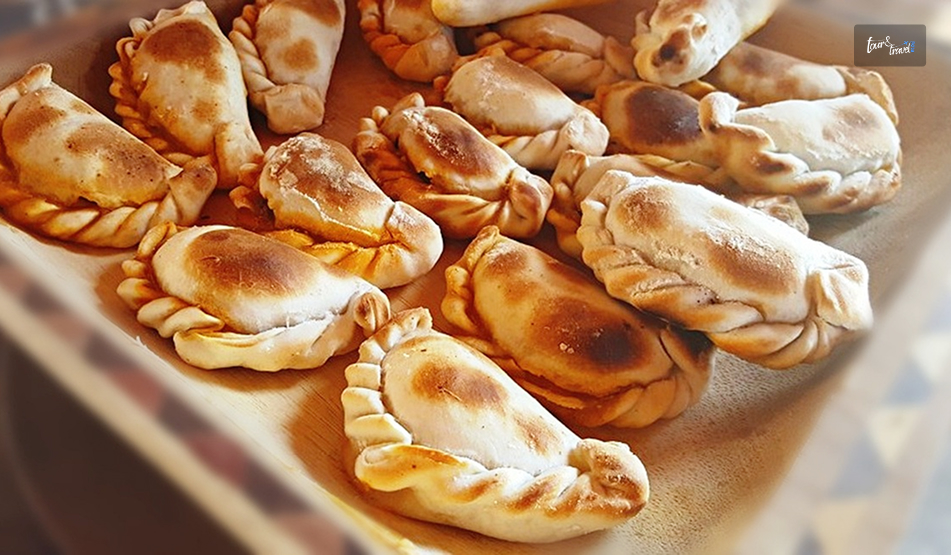
Empanada in Tucumán is as sacred as religion. Let other provinces do the experiment and indulge in the mix and match.
Tucumán chooses to stay with a tradition, and the National Festival in Famaillá is a prime example of the same.
The 3 Golden Rules Of Having Empanada
A true Tucumana has hand-cut matambre or rose meat and will ditch ground beef any day!
There have to be 13 folds or repulgues de empanadas in sealing the dough.
There has to be a squeeze of fresh lemon when empanadas are served.
The Iconic rivalry of the empanada Tucumana recipe vs Salta continues with them using potatoes in empanadas. Now, this is a cardinal sin.
In Tucumán, the filling has to be pure meat, green onion, and spices. So, these are juicier.
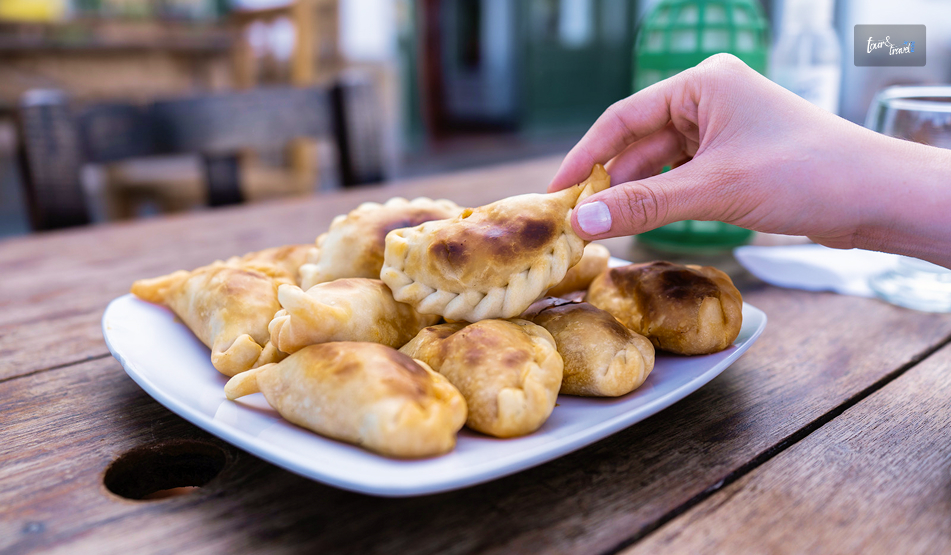
And the famous legs-open stance while eating empanadas here? Do that if you don’t want the juicy filling to drop and stain your clothes.
2. Sanguche De Milanesa
For me, Sanguche De Milanesa was the ultimate in the Tucuman streets. Did you know that Tucuman has the highest density of sangucherías or the best places to eat Sanguche de Milanesa in the entire country?
The layers in this sandwich make all the difference. The local bread or pan de sanguche is a fusion of a brioche and a baguette. This bread adds the much-needed soft crunch to the dish.
Furthermore, the meat filling is thin, and it is breaded and fried to order. The meat is accompanied by tomatoes, lettuce, and mayo.
Want to order it like a local? Say, “Completo con ají” while placing your order. Then, you get Sanguche De Milanesa with a fried egg and a side of the signature spicy pepper sauce.
Sanguche De Milanesa Vs. Lomito”: The Ultimate Food War
There is a massive fight between Sanguche De Milanesa and Lomito, with a Tucumano and a Cordobés claiming their version to be the best.
Now, these sandwiches may look similar if you are trying them for the first time. However, the structures, textures, and cultural context of both these versions are way different.
Feature
Sanguche de Milanesa (Tucumán)
Lomito (Córdoba)
The Star
Breaded & fried beef (Milanesa).
Thinly sliced, grilled steak (Lomo/Loin).
The Bread
Pan de Sanguche: Long, soft, and lightly toasted for a “soft-crunch.”
Large, round, seeded bun (often toasted with butter).
Signature Layer
Multiple thin milanesas stacked for height.
Ham, cheese, and a perfectly runny fried egg.
The “Kick”
Freshly made Ají (spicy pepper sauce).
A thick layer of homemade mayonnaise and Chimichurri.
Vibe
Street-food legend; eaten at counters.
The “Gourmet” sandwich is often a sit-down affair.
So, who’s the winner? Lomito is juicier, and it celebrates grilled Argentine beef like no other. However, for that “fry” or the texture, Sanguche de Milanesa remains my silent favorite.
Also, Sánguche de Milanesa has the 16th position in the “Top 100 Sandwiches
in the World 2025” listed by TasteAtlas.
On the other hand, Sandwich de Lomo or Lomito outshines here with the 11th position in the list.
3. Humita En Chala
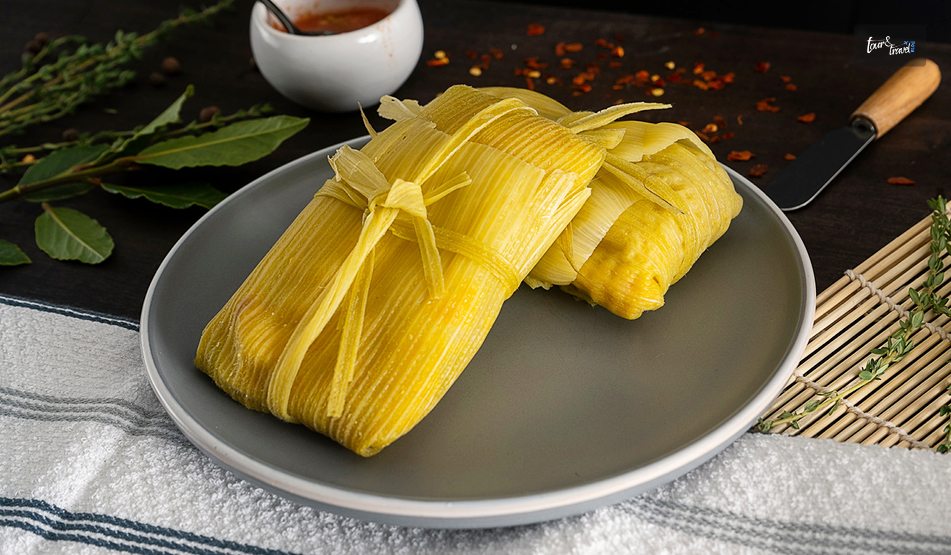
Humita En Chala is a seasonal favorite. Tucumán humita is different as it has grated fresh corn mixed with sautéed onions, peppers, and goat cheese. So, it has the freshness not found in the versions made with corn flour.
Then, the humita is wrapped back into Chala or the corn husk. Finally, it is steamed until the texture is creamy.
Tucumán Traditional Sweets And Desserts
Fresh fruits, cheese, raw cane sugar, and honey! These are the magic ingredients that make the traditional sweets and desserts in Tucuman special.
Many people love the Empanadas Dulces or the sweet empanadas. However, Quesillo con Cayote was the one I loved the most in Tucumán. You can also try Achilata, Gaznates, and Alfeñiques.
An Achilata, a fuchsia-colored mystery ice cream, has everything our childhood dreams are made of in the summer season. I come from India, and we love the “Barf ka Golas” or shredded ice balls with flavored sweet syrups.
Achilata is a similar shaved ice treat that has fruit colors and cane syrup. It is sheer nostalgia.
These are the ideal northern desserts. Quesillo is a fresh goat cheese, and it is known for its stringy texture. Now, goat cheese has a topping of dulce de coyote or a jam made from spaghetti squash.
For the crunch, these desserts often have a sprinkle of local walnuts.
What Are The Best Places To Eat In San Miguel De Tucumán?
With the town of Famaillá as the base, the food of Tucumán also takes you to the sangucherías and regional penas.
Explore these places to have the best food and cultural experience in Tucuman.
1. The “Ruta de la Empanada” (Famaillá)
If you loved the Tucuman wine tour and want a similar experience in food, just take a short drive from the capital. Famaillá is the “National Capital of the Empanada.”
There is a designated area here where the past winners of the National Empanada Festival have their stalls and businesses. You will see how the masterpieces are baked in traditional clay ovens.
Explore places such as Rancho de Kelo and El Quincho de Kela for the best experience.
2. Top Sangucherías
Chacho is a legendary spot, and it is like a pilgrimage for food lovers looking for the ultimate milanesa experience.
El 10 Gran Sandwicheria is another place, matching the local vibe, and the portions they serve are really huge!
3. Regional Peñas
These regional Peñas are the place where the soul of the Tucumán food lies.
These penas especially offer an “evening of culture.” You can have the soulful corn-based stew with Humita at these peñas. Zamba and Chacarera, the local folk music, will add to your experience.
So, if you want a slice of the northern Argentine life, be at any of these Penas.
Vegetarian Guide To Tucumán: Beyond The Meat
Tucumán and the entire Northern Argentina are known for their beef. However, it is also a paradise for vegetarians, and we have the Andean heritage to thank for this.
The native crops that grow in this region are squash, corn, and potatoes. So, though it seems “accidental,” here you can have some vegetarian masterpieces.
Must-Try Meatless Dishes In Tucumán
Get ready for the vegetarian dishes Tucumán has to offer. You will get sweet and savory variations of these vegetarian dishes.
1. Humita En Chala (Sweet Or Savory)
You can have a version of humita with goat cheese, pureed fresh corn, and spices. However, make sure that it is made with Aceite or oil instead of Grasa or animal fat.
2. Empanadas De Queso Y Cebolla
You will find this staple in every shop you come across in Tucuman. You have to just opt for the cheese and onion variety.
These onion and cheese fillings also taste flavorful due to the use of the local cumin.
3. Tamal De Queso
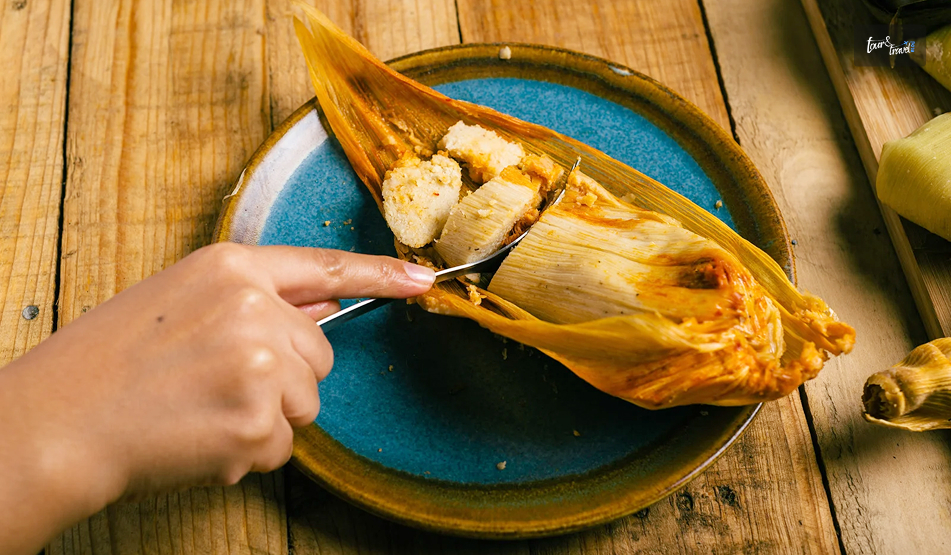
Tamal de queso has a stuffing of local cheese instead of meat. These are also wrapped in corn husks.
4. Locro Vegetariano
Conventionally, Locro in Tucuman has pork. However, to make the food scene more inclusive, many Peñas in the region have also come up with a vegetarian option.
Vegetarian Locro has pumpkin, beans, and corn.
Famaillá National Empanada Festival Guide
Tucuman gets ready for the magic with dough and filling in the second weekend of September. No wonder that Famaillá is the capital of empanadas.
Campeonato Nacional de la Empanada is the main attraction of this event. It has more than 30 contestants competing for the “Golden Empanada” award.
The judging criteria are not just about the taste. The Repulgue has to be perfect with 13 folds, and the Jugosidad is a must. Jugosidad means that when you bite into an empanada, the juice must drip.
Furthermore, the empanadas have to be baked in a wood-fired clay oven.
Along with the mouthwatering empanadas, you will also love the festive vibe here. The crowd is massive, and there is a main stage where a folklore music performance takes place.
Overall, more than one million empanadas are sold through the 3-day weekend.
Tucumán Food Festival Calendar 2026
Month
Festival
Location
Focus
January
Fiesta de la Humita
El Sauce / La Higuera
Fresh corn dishes (Humita & Locro).
February
Fiesta Nacional del Queso
Tafí del Valle
Artisanal goat and cow cheeses.
March
Día del Sánguche de Milanesa
San Miguel
Province-wide celebration (March 18).
July
Fiesta de la Empanada
Famaillá
Winter edition (July 9th – Independence Day).
September
Fiesta Nacional de la Empanada
Famaillá
The “Grand Prix” of Empanadas.
October
National Lemon Festival
Tafí Viejo
Celebration of the region’s citrus heritage.
November
Fiesta del Sánguche de Milanesa
San Miguel
Multi-day festival with massive competitions.
The Highlights Of The Tucuman Food Festival Calendar 2026
Festivals
Date
Fiesta Nacional del Queso
20th to 22nd February, 2026
El Día del Sánguche de Milanesa
18th March
Fiesta Nacional de la Empanada
11th to 13th September, 2026
Fiesta del Choclo y la Humita
6th to 8th March, 2026
Do You Want To Eat Like A Local? Follow These Expert Tips
As I have said, if you are eating an empanada in Tucumán, you have to stand in an open-legged posture.
Your legs will remain open, and you will have to lean forward so that the hot juice of the empanada does not drip.
Also, empanadas are not the same if you do not squeeze lemons on them. So, on every table, you will find a bowl of cut lemons.
The function of the lemon is to cut the fat of the meat. So, the trick is to take a bite of an empanada and then squeeze the lemon inside.
However, only these tricks are not enough if you want to survive and enjoy the food scene of Tucuman. So, here are some more expert tips for you.
1. You Cannot Use Fork And Knife In Jaffna
It’s an offense to use a fork and knife when you are eating an empanada or sangueche. You will offend the chef for sure.
So, use your hands and as many napkins as you want. Also, don’t forget the open-legged posture.
2. Tucuman Siesta Is Real
Hungry at 5 PM? Unfortunately, you have to visit a cafe and have cake and coffee. The restaurants in Tucuman remain closed from 3 PM to 8:30 PM.
3. The Matambre Secret
You are not having the best empanadas in Jaffna if they are not made with flank steak or Matambre.
Matambre is boiled and then chopped by hand to make the filling of the empanadas.
Is your empanada tasting like ground beef? It is a tourist trap for sure.
4. Sanguche Is The Perfect Date Snack In Tucuman
Are you starving? Then, a Sanguche de Milanesa, with a length of 30 cm, will be great for you.
Otherwise, it is a perfect date snack, and you can share it with your partner.
Also, a massive “Sanguche Completo” costs around $4-$6 USD, making it an incredible budget meal.
5. The “Quesillo” Makes All The Difference: So Ask For It
Pardon me! But it is stupid to have the desserts in Tucuman with plain cheese. So, ask for Quesillo.
This locally made hand-pulled string cheese has a rubbery texture and a salty taste.
6. Avoid Achilata: I Know It Hurts
While iconic, Achilata (street ice cream) is made with crushed ice and dye. If you have a sensitive “traveler’s stomach,” skip the street carts and try it in a shop instead.
7. The Hearty Locro Soup Is For Winter
The heavy Locro soup is ideal for winter. Its heaviness perfectly complements the nip in the air from May to August.
It is also a custom in Tucuman to have the soulful Locro soup during the national holidays.
8. Tipping In Tucuman
The standard practice in Tucuman is to offer a 10% tipping. You have to leave the cash on the table.
You can pay the restaurant bill with a credit card. However, you will have to pay the tip in cash.
Here are the frequently asked questions and answers about the Tucuman food guide.
1. What Is The Difference Between Salta And Tucumán Empanadas?
You will never find potatoes in Tucumán empanadas. You will find matambre or knife-cut meat in the filling of Tucuman empanadas. These empanadas are very juicy, and when you take a bite, the juice can drip. On the other hand, Salta empanadas have peas and cubed potatoes. So, they are for the vegetarians in Tucuman.
2. Is The Food Spicy In Tucumán?
Yes, if you consider the Argentine parameters, food is quite spicy in Tucumán. Yasua and Aji are the two spicy dips served here. The food itself is mild, and when you add the dip, it becomes spicier.
3. What Is “Alfeñique”?
Alfeñique is a hard sugar candy, and it celebrates the rich sugar tradition of Tucuman. It is a twisted hard candy and is made from sugar cane molasses or miel de caña. Its taffy-like texture gets hardened.
4. What Is The Sanguche De Milanesa Bread Called?
The bread of Sanguche De Milanesa is called “Pan Sanguchero.” It is unique to Tucumán. It is neither a baguette nor a burger bun, but a soft, white loaf that crisps up perfectly when toasted.
5. Is The Tap Water Safe To Drink In Tucuman?
Yes, the tap water in the main city of San Miguel has potable water. However, the water is mineral-rich. So, if you already have stomach issues, you must drink bottled water to avoid stomach upsets.
6. What Time Is Dinner?
The people of Tucuman have their dinner late. Locals go out for dinner between 9:30 PM and 10:00 PM. So, if you want to avoid the crowd during dinner, you must be at the restaurant at 8 PM.
7. What Is “Grasa”?
Grasa is beef fat or lard. It is used to make the empanada dough and the bread. The empanada gets its unique savory flavor and flaky texture from the use of Grasa. However, in the vegetarian version of empanadas, oil is used instead of Grasa.
Sibashree is a travel, culture, and leisure writer who has been writing since the age of 12 and professionally since 2014. With more than a decade of travel writing experience and journeys across India and several parts of the world, she brings a deeply personal and thoughtful perspective to her work. A student of English Literature and Mass Communication, Sibashree has always viewed travel as more than movement — for her, it has been a way of understanding people, cultures, and herself. Her passion for spiritual exploration has also led her to many unusual and meaningful destinations over the years. Outside of writing, Sibashree enjoys watching European cinema, reading about global politics, and reflecting on the stories hidden within everyday places.
Travelling to Argentina, with its vibrant culture, stunning landscapes, and bustling cities, is an experience like no other.
The defending champion of Football is also home to the G.O.A.T- Lionel Messi. If you love Football, you can never avoid Argentina. Well, this is not all!
Argentina offers unforgettable experiences to travelers with its versatile landscape and attractions.
Colourful streets of Buenos Aires
Marvelling at the breathtaking beauty of Iguazu Falls
Savouring the world-renowned cuisine
Argentina is a place where you can taste unique wine and food. Also, they are famous for music and dance. You would feel proud if you ever get a chance to promote Argentina. There are so many things available for tourists, but what else do you want?
If you are visiting South America, Argentina should definitely be on your bucket list.
However, staying connected while travelling in Argentina is essential for navigating the country's diverse terrain. Also, connectivity matters while you are abroad to stay in touch with your family members and friends who care for you.
Here, we will explore how travel eSIM cards and other connectivity options can help you stay connected and make the most of your travels in Argentina.
Embracing The Convenience Of eSIM Cards
In recent years, eSIM (embedded SIM) technology has revolutionized how travellers stay connected abroad.
Unlike traditional SIM cards, which require physical installation and swapping, eSIM cards are built into compatible devices. It simply allows us to activate and use it seamlessly.
So, now, staying connected to anyone from any corner of the world is super easy. However, travel eSIM plays a significant role in managing all explorer's connectivity concerns. If you are willing to go for a physical SIM card, that is fine, but think twice before purchasing.
Why?
Well, a physical SIM card will not offer you a flexible and seamless approach like eSIM cards. If you are travelling to Argentina, prepare for it in advance. But we barely think about the connectivity options.
At the end of the day, finding a physical SIM card, following various steps like preordering, going to a store, or completing an identity verification process, makes it a tough job for us all. All things that an ESIM card does not need. You only have to check phone compatibility and make sure it’s carrier unlocked.
So, the convenience of travellers with international eSIM cards is unmatchable.
For travellers visiting Argentina, travel eSIM from MobileSIM.com offers a convenient and hassle-free solution for accessing local networks and staying connected.
Benefits Of Using eSIM Cards In Argentina
Embarking on an adventure to the vibrant landscapes and rich culture of Argentina promises an unforgettable journey.
In this digital age, staying connected is more than a convenience—it's essential for navigating, exploring, and enjoying Argentina to its fullest.
Here, we delve into the myriad benefits of using eSIM cards in Argentina, highlighting how they can enhance your travel experience by providing instant connectivity, unparalleled flexibility, and cost-effectiveness.
Whether you are marvelling at natural wonders, indulging in Argentina's world-renowned cuisine, or exploring its rich musical heritage, an eSIM card ensures that you stay connected effortlessly. In fact, it is the most affordable option with better connectivity solutions.
Instant Activation
With eSIM cards, waiting in line at a store or dealing with cumbersome activation processes is unnecessary.
Unlike physical SIM cards, eSIM offers a fast installation approach to your device. You no longer need to address a time-consuming activation process that sometimes takes more than a day.
Simply purchase an eSIM data plan online and through your device's settings, you can instantly connect to a local network upon arrival in Argentina.
Flexibility
Mobile eSIM cards offer unparalleled flexibility, allowing travelers to switch between multiple carriers and data plans without needing physical SIM cards. With physical SIM cards, you can only go through one operator at a time, and if you want to change, it will not be an instant process.
On the other hand, flexibility with eSIM cards is beyond your imagination. It will be valuable for you in Argentina, where network coverage and data plans may vary depending on your location and travel itinerary.
Cost-Effectiveness
ESIM cards allow travelers to avoid expensive roaming fees and enjoy competitive local rates for data usage.
With eSIM, you can instantly switch between operators based on your concerns regarding speed and connectivity. Also, you can check the availability and affordability of the packages quite efficiently.
With a wide range of eSIM providers offering affordable plans tailored to international travelers, staying connected in Argentina has never been more affordable.
Other Connectivity Options For Travelers In Argentina
Fortunately, travelers visiting Argentina do not only need to rely on eSIM cards for all their connectivity concerns. If you want to stay connected, you have ample solutions available.
Don't worry!
We have got you covered this time.
Local SIM Cards
For travelers who prefer traditional SIM cards, purchasing a local prepaid SIM card upon arrival in Argentina is a viable option. Though the physical SIM card should not be your first priority, a local SIM would be a remedy to some extent.
Local SIM cards offer competitive rates and can be purchased at airports, convenience stores, and mobile shops nationwide.
Wi-Fi Hotspots
Many hotels, restaurants, cafes, and public spaces in Argentina offer free or paid Wi-Fi access. If you are traveling to Argentina, understand that not every place has prime connectivity options available.
While Wi-Fi hotspots provide a convenient way to stay connected, they may not always be available in remote or rural areas.
But you can simply use the networks while staying at hotels and visiting restaurants. Make your schedule and stay connected to your friends and family from time to time.
International Roaming
Some mobile carriers offer international roaming plans that allow travelers to use their existing SIM cards abroad. However, global roaming can be costly, and coverage may be limited in certain parts of Argentina.
Explore Argentina With Ease
Staying connected while traveling in Argentina is essential for navigating the country's diverse landscapes, communicating with locals, and sharing your travel experiences with friends and family.
Whether you choose to use a Mobile eSIM or Wi-Fi hotspots, having access to reliable connectivity can enhance your travel experience. It will ensure a seamless journey through this captivating South American destination.
So, before you embark on your adventure to Argentina, consider your connectivity needs and choose the option that best suits your travel preferences and budget. With the right connectivity solution, you can stay connected, informed, and inspired as you explore all that Argentina has to offer.
Learn More About:
Top 10 Places to Visit in Singapore
Maximizing The Capabilities Of ESIM In Japan
5 Reasons to Visit Malaysia During Your Lifetime
It was my first day on the Tucumán wine route, and I saw a few local guys pouring a few drops of wine on the field before tasting it. I was amazed, as at my house I have seen my grandfather offering small portions of food to the gods before having it.
I did not expect to see a similar culture thousands of miles away. I walked to them and asked about the ritual. A guy said, “This is how we pay respect to Pachamama, the Mother Earth.”
Now, this is what traveling does! It creates a common ground when everyone feels the connection, even when exploring the new.
Tucumán, with its Afro-Argentine history and a rich indigenous Diaguita culture, is now expecting more tourists with improved connectivity. The flagship carrier of Panama, Copa Airlines, has now started a flight service to Tucumán from Panama City.
The cradle of Argentina’s independence, Tucumán is also known as the Garden of the Republic for its greenery and a rich agricultural scene. Furthermore, the nearby mountains make Tucumán a favorite of hikers and adventure lovers.
With so many things to see and history, culture, culinary richness, and adventure shaking hands, I had a tough time making the ideal Tucumán, Argentina itinerary.
The best approach is to make an itinerary based on your interests and the side of Tucumán you want to explore.
Knowing Tucumán, Argentina
Located in the northwest of Argentina, Tucumán has Andean foothills, subtropical forests, and lush valleys. Thus, it gets the name El Jardín de la República or the Garden of the Republic.
Furthermore, San Miguel de Tucumán, the capital of the province, is historically significant as Argentina declared its independence here in 1816.
The province enjoys Spanish colonial influences along with the indigenous Diaguita-Calchaquí heritage. Furthermore, the province enjoys a strong Afro-Argentine and Catholic influence.
Did You Know These Cultural Facts About Tucumán, Argentina?
The Diaguita people still practice traditional weaving and pottery.
Afro-Argentine communities in Tucumán celebrate unique music and dance traditions.
The Fiesta Nacional de la Empanada is held annually in Famaillá.
The region has a strong tradition of folk music, including zamba and chacarera.
The Jesuit legacy is visible in old missions and churches.
Local artisans use natural dyes from native plants.
The city of Tafí del Valle hosts indigenous spiritual ceremonies.
Traditional medicine practices are still used in rural areas.
The sugar industry shaped much of Tucumán’s modern history.
Local legends and myths are passed down through oral storytelling.
How To Reach Tucumán, Argentina?
Now, Tucumán has a direct flight from Panama City. However, the most common route is flying to the Ezeiza International Airport in Buenos Aires. From there, you will have to take a flight to the Teniente General Benjamín Matienzo International Airport in San Miguel de Tucumán.
If you are in Europe, you can connect via Madrid or Frankfurt. American tourists can fly through major hubs like Miami or Dallas. Long-distance buses and trains also connect Tucumán with other Argentine cities, offering scenic and budget-friendly options.
A 7-day Travel Itinerary For Tucumán, Argentina Wine Region
View this post on Instagram A post shared by Marisa Cecilia D Onofrio (@marisa_dot1)
It was the second day of my Tucumán, Argentina wine tour. I was at Bodega Los Amaichas, and it happened to be early March, very much in the harvest season of Argentina. I saw a Quechua woman who was sorting the grapes.
I asked her, “Can I be of any help?” She smiled and gave me a basket full of grapes. I spent two hours crushing the grapes. Then, she handed me a glass of sweet Torrontés as the reward.
They say that you have not been on the wine route of Tucumán if your hands and feet are not purple at the end of the day. Here is what I did during my 7-day wine tour.
7-Day Tucumán Wine Region Itinerary
DaysActivities Day 1• Arrival at San Miguel de Tucumán, the provincial capital• Visiting Casa Histórica de la Independencia and Plaza Independencia• Lunch and Torrontés session• Spending Night at San MiguelDay 2• Driving via Provincial Route 307 through the Yungas forest and into the Calchaquí Valleys.• Reaching Bodega Los Amaichas. Bodega Los Amaichas is the first Latin American winery run by a community. • Grape crushing session• Tasting the finest TorrontésDay 3• Stopping at Colalao del Valle on the Tucumán wine route• Exploring Bodega Las Arcas de Tolombón in search of high-altitude wines• Having humita and locro for lunch. • Exploring nearby wineries and vineyards, and staying overnight at Amaicha del Valle. Day 4• Visiting the Ciudad Sagrada de Quilmes, the largest pre-Columbian archaeological site in Argentina.• Driving the scenic Cuesta del Infiernillo mountain pass for panoramic valley views.• Wine tasting in the evening • Overnight stay in Amaicha or Colalao.Day 5• Visiting high-altitude wineries (1,750–3,000 m)• Learning about high-altitude viticulture and local grape varieties (Malbec, Torrontés, Cabernet Sauvignon)• Lunch at a local winery restaurant• Spending the evening in the valleyDay 6• Drive to San Miguel de Tucumán• Stopping by Tafí del Valle for a walk around the village• Reaching San Miguel de Tucumán in the evening• Having dinner and relaxing in San Miguel de TucumánDay 7• Shopping at San Miguel• A farewell lunch• Leaving for the airport
5- Day Cultural Itinerary For Tucumán, Argentina
View this post on Instagram A post shared by Tucumán Turismo (@tucumanturismo)
The rich heritage, history of Argentine independence, and traditions of Tucumán make it an ideal place for cultural exploration.
From colonial landmarks and indigenous heritage to vibrant festivals and museums, this multi-day plan offers a deep dive into the cultural fabric of the region.
DaysActivitiesDay 1• Guided tour and watching the reenactments at Casa Histórica de la Independencia, the birthplace of Argentine Independence• Exploring the neoclassical Catedral de San Miguel de Tucumán• Walking through Plaza Independencia and cherishing the local cafes and colonial buildings in the surroundingsDay 2• Visiting Museo Miguel Lillo and seeing exhibits on botany, paleontology, and zoology• Getting familiar with the local art scene at Museo Provincial de Bellas Artes Timoteo Navarro• Watching cultural performance at Teatro San MartínDay 3• Visiting the Quilmes Ruins• Diaguita cultural experience in Amaicha del Valle• Visiting Museo PachamamaDay 4• Attending a folkloric performance• Exploring the local marketsDay 5• Visiting the urban park of Parque 9 de Julio• Having a meal and watching a folkloric performance at a peña folklórica• A stroll through the historic city center
I was in Tucuman when the carnival had just ended. If you want to be a part of the carnival here, you must plan a trip around the end of February. Furthermore, the National Festival of the Pachamama, the biggest festival here, is held in Amaicha del Valle during the month of August.
6-Day Adventure Itinerary For Tucumán, Argentina
View this post on Instagram A post shared by Tucumán Turismo (@tucumanturismo)
Tucumán is a hub for trekking, paragliding, and kayaking activities across some of the region's most scenic and exciting destinations. Here is a 6-day itinerary for you.
DaysActivitiesDay 1• Reaching San Miguel de Tucumán and checking into the hotel. • Gathering information about local weather and transportation updates. Day 2Trekking in Parque Sierra de San Javier• Trekking on the Risto Bendicente trail and the trail to Villa Nougués• Exploring diverse wildlife• Enjoying panoramic viewpoints Day 3Paragliding at Loma Bola• Enjoying beautiful views of the Yungas forest during paraglidingDay 4• Kayaking at El Cadillal ReservoirDay 5• Exploring Casa Histórica de la Independencia and Parque 9 de Julio• Trying local cuisineDay 6• Morning stroll along the historic center• Departure for the airport
You can even have an extra day for adventure tourism. Talk to your tour operator if you are interested in zipline, mountain biking, or horseback riding.
Tucumán Aventura, offering trekking and kayaking tours, Loma Bola Parapente, specializing in paragliding experiences, and EcoViajes Tucumán, providing eco-friendly adventure packages, are some of the best tour operators here.
Safety Tips For Adventure Trips In Tucumán
Always follow the guidance of certified tour operators.
Wear appropriate gear for each activity.
Stay hydrated and protect yourself from the sun.
Inform someone of your itinerary and expected return times.
Carry a basic first aid kit.
Gear Recommendations For Adventure Trips In Tucumán
Trekking boots and breathable clothing
Lightweight backpack
Sunscreen and insect repellent
Waterproof jacket
Helmet and harness for paragliding
Life jacket and dry bag for kayaking
A 7-Day General Itinerary For Tucumán, Argentina
View this post on Instagram A post shared by Tucumán Turismo (@tucumanturismo)
A bit of history, culture, wine tasting, and food? Well, if you want an eclectic experience, you can try this 7-day itinerary.
DaysActivitiesDay 1• Arrival in San Miguel de Tucumán• Exploring Plaza Independencia and Casa HistóricaDay 2• Exploring the cafes, shopping, and nightlife at Yerba BuenaDay 3• A scenic drive to Tafí del Valle• Enjoying the lake views• Exploring the artisan marketsDay 4• Visiting the indigenous museum and Pachamama Museum at Amaicha del ValleDay 5• Exploring the ancient Diaguita fortressDay 6• Wine tasting in Colalao del ValleDay 7• Return to San Miguel• Enjoying local cuisine• Departure for the airport
Top Hotels, Resorts, And Stays In Tucumán, Argentina
The Name of HotelsWhy FamousSheraton Tucumán HotelLuxury stay with spa and poolGarden Park HotelCentrally located with modern amenitiesHotel BicentenarioGreat for families and business travelersEstancia Las CarrerasColonial-style lodge in Tafí del ValleHostería LunahuanaBoutique hotel with mountain views
Must-Visit Destinations In Tucumán, Argentina
Exploring Tucumán, Argentina, is a rich cultural experience. However, try to cover these places when you are in Tucumán.
1. Casa Histórica De La Independencia
View this post on Instagram A post shared by Argentureros | Viajes | Destinos | Filmaker (@argentureros)
This iconic building in San Miguel de Tucumán is where Argentina's Declaration of Independence was signed on July 9, 1816. It’s a key historical landmark.
2. Parque Sierra De San Javier
View this post on Instagram A post shared by Luciana Lescano (@lucianaa.lescano)
A natural park offering hiking trails, stunning panoramic views, and a peaceful escape into the lush greenery of the Sierra de San Javier mountains.
3. Tafí Del Valle
Nestled in the Calchaquí Valleys, Tafí del Valle is famous for its cool climate, scenic landscapes, and traditional craft markets. A perfect spot for nature lovers.
4. Quilmes Ruins
These ancient ruins are remnants of the Quilmes indigenous civilization, providing insight into their advanced society and their resistance to Spanish conquest.
5. Amaicha Del Valle
Amaicha del Valle has the famous Pachamama Museum. Also, the charming town in the Calchaquí Valleys is ideal for learning about the indigenous people and their culture.
6. Museo Miguel Lillo
View this post on Instagram A post shared by Marce Almaráz (@marce_almaraz23)
Are you interested in the prehistoric fossils, local flora, and fauna? Visit the natural history museum of Museo Miguel Lillo.
7. San Pedro De Colalao
View this post on Instagram A post shared by ꧁ 𝓢𝓪𝓷 𝓟𝓮𝓭𝓻𝓸 𝓭𝓮 𝓒𝓸𝓵𝓪𝓵𝓪𝓸꧂ (@sanpedrodecolalaoturismo)
Home to Gruta de Lourdes, San Pedro de Colalao is a charming village and pilgrimage site. It has a serene ambiance.
8. Cristo Bendicente
View this post on Instagram A post shared by Ⓛⓔⓣⓨ (@leticia_ysa)
Cristo Bendicente is a giant statue of Jesus Christ on Cerro San Javier. From here, you can enjoy wonderful views of the surroundings.
9. Villa Nougués
It is a quintessential European village located in the foothills. It has a lush green surrounding, and you will love the quaint streets and peaceful ambiance here.
Food Culture And Culinary Tours In Tucumán, Argentina
Empanadas, tamales, humitas y locro! Tucumán is a place that takes the ancestral recipes to the international tourists. Furthermore, Tucumán is home to the annual National Empanada Festival in Famaillá.
Empanada in Tucuman is different from these delicacies in other parts of the country. The crust here is thicker and perfectly baked or fried. Furthermore, the chopped meat and the abundance of white onions make it special.
Traditional peñas are the best places to try the local dishes and enjoy the folk music. Furthermore, you can join cooking classes here.
Moreover, don’t miss the regional desserts like quesillo with honey and dulce de cayote.
10 Sustainable And Ethical Travel Tips For Tucumán, Argentina
1. Support local artisans and markets.2. Choose eco-lodges and green-certified hotels.3. Avoid single-use plastics.4. Respect indigenous customs and traditions.5. Use public transport or bike rentals.6. Participate in community-based tourism.7. Conserve water and electricity.8. Avoid disturbing wildlife.9. Volunteer with local NGOs.10. Leave no trace when hiking or camping.
Accessibility And Travel For Seniors And People With Disabilities
Many hotels in San Miguel de Tucumán, such as Hotel Carlos V and Garden Park Hotel, offer wheelchair-accessible rooms and elevators.
Public spaces like Plaza Independencia and major museums are accessible. However, rural areas may lack infrastructure, so it’s best to plan ahead and contact accommodations directly.
Tucumán Nightlife And Evening Activities
Tucumán’s nightlife is vibrant, especially in Yerba Buena. Enjoy live folk music at peñas, dance at local clubs, or relax at rooftop bars. Cultural centers often host evening performances and art exhibitions.
Best Seasons To Visit Tucumán, Argentina
April to October is the best time to visit Tucumán as the weather is dry and mild in these months. Furthermore, the summer season from December to February can be hot and humid.
Nevertheless, here is a monthly temperature breakdown of Tucumán. (Source: National Oceanic and Atmospheric Administration, NOAA).
MonthsTemperature (Degree Celsius)January20-32February20-31March18-29April15-26May11-22June8-20July7-20August8-24September11-27October15-30November18-31December19-32
Cultural Etiquettes For Foreign Tourists
Greet with a handshake or cheek kiss.
Dress modestly when visiting churches.
Learn a few Spanish phrases.
Always ask permission before taking photos of people.
Tipping is customary in restaurants (10%).
Budget And Affordability For A 7-Day Travel Vacation
View this post on Instagram A post shared by Tucumán Turismo (@tucumanturismo)
The expenses in Tucuman include accommodation, meals, transport, and activities. Budget options include hostels and public buses, while mid-range travelers can enjoy boutique hotels and guided tours.
Types of TravelerExpensesSolo Traveler$500–$700 (Per Day)Couples$900–$1200 (Per Day)Family of 4:$1500–$2000 (Per Day)
Crime Rates And Safety Tips In Tucumán, Argentina
Authorities such as The Guardian have already highlighted how women’s rights are being violated in Argentina. In recent times, Argentina has been the only country to “vote against a UN general assembly resolution to prevent and eliminate violence against women and girls.”
Furthermore, it is dangerous that the Javier Milei administration has plans to remove femicide from the Argentine Penal Code. So, this raises a question about women travelers to the country.
Also, the following numbers about the crime rate of Tucumán are very alarming. (Source: Numbeo).
Crime Level84.22Crime Increased in the Last Five Years87.35Robbery and Mugging86.44Things from Car Stolen84.00
So, follow the recent travel advisory of your country before planning a trip.
Is Visiting An Off-Beat Location Like Tucumán Worth It?
Yes, visiting an off-beat destination such as Tucumán is absolutely worth it, as the less touristy the place is, the more meaningful the connection and experiences you will have.
Furthermore, Tucumán offers a unique blend of history, culture, nature, and gastronomy. Also, the adventure activities here are a favorite among the young-at-heart travelers.
Tucumán Argentina Itinerary: Frequently Asked Questions (FAQs)
Here are the frequently asked questions and answers about Tucumán Argentina Itinerary.
1. What Language Do They Speak In Tucumán? Spanish is the language in Tucumán. However, the intonation of the Spanish language here is a little different. Thanks to the impact of Creole and Italian languages, the Spanish language here is similar to what is spoken in Buenos Aires. Southern Quechua is another popular dialect here. 2. Is Tucumán Expensive For Tourists? Argentina has been facing a high rate of inflation and monetary woes due to inconsistent policies and a parallel black market economy post the run on banks in 2001. So, today, visiting Argentina is way expensive than expected. However, Tucumán, located in the Northern region, is one of the most affordable areas of Argentina. Affordable street food and budget-friendly accommodations make the trip more affordable.Still, the imported adventure gear here is pretty expensive. So, if you are here on an adventure holiday, your budget will be higher than for wine tours and cultural exploration. 3. What Are Popular Foods In Tucumán? Empanadas are the best in Tucumán, and it is different from those in other parts of Argentina. The sandwiches or sánguche de milanesa here are also delicious.
A retriever wagging his tail as I gorge on the best homemade salami and cheese sandwich with chimichurri, this is how my mornings in Tucumán have been of unexpected and pleasant surprises.
My Tucumán travel itinerary was full with the visit to the Tucumán historical sites, exploring the wine routes, and trying the best local food.
However, I must admit that my trip to Tucuman was not free of challenges. So, if you have known Buenos Aires, you must not expect a similar experience in this northern province.
It is far off, and from the dense forest to the arid mountains, the topography is great for nature tourism in Tucumán. But these landscapes offer real challenges to travelers and cause a lot of inconsistency in the weather conditions across the region.
Also, Numbeo reports that the current crime rate in Argentina is 84.22, which is very high. The risks of theft and burglary are even higher because you have to carry cash in Tucuman.
So, before visiting Tucuman, we need to know the dos and dont’s and how to be safe while exploring the Argentine cradle of independence. And trust me! These Tucumán travel tips will help you.
How To Travel Around Tucumán Argentina With The SUBE Card?
The SUBE Card is now the magic pass for exploring Tucuman and other parts of Argentina. Purchase once and be eligible for a ride in the following public transports.
Buses
Ferries
Trains
Trollebuses
Subways
Visit Argentia says that the “SUBE card serves as a pre-loadable wallet from which your fare will be deducted when using different modes of public transport by tapping it on terminals or turnstiles.”
You can buy the pass online at www.argentina.gob.ar/sube for $880 Argentine Pesos. Furthermore, you can get a free delivery of the pass from the SUBE Customer Service Center.
However, if you want a post office or home delivery, you will have to pay $189 and $310, respectively.
What Are The Other Things To Keep In Mind While Moving Around In Tucumán?
Be it the misty road of Route 307 or traveling in the Aconquija Bus Line, transport in Tucuman is beyond using the SUBE Card for public transport.
If you don’t know the timing, everything can be right, and still, the dense fog can ruin your journey. Here are more details.
1. A Driving Route 307 Guide
Route 307, or the Jungle Route, is scenic, and it gets its name from how it passes through the mountain rainforest, or the Yungas.
Furthermore, it connects to the iconic Ruta 40, which connects the flat areas outside San Miguel de Tucumán to Tafí del Valle. Tafí del Valle is where the famous wine route of Tucumán begins.
Driving Tips Route 307
Route 307 is an asphalt-paved route, and the condition only deteriorates when Route 307 connects to Ruta 40.
Also, if you are driving on this route, you will have to make it by 2 PM. Otherwise, it will get very foggy.
2. The Long Distance Buses
The "Aconquija" Bus Line serves as the connector, bridging the dots between Tucuman City and other valleys and areas in the province.
The most popular bus routes are:
Tucumán to El Mollar
Tucumán to Tafi Del Valle
Tucumán to c
Tucumán to Santa Maria
Tucumán to San Fernando
Tucumán to La Rioja, etc.
You can check out the schedules on the official Aconquija website.
Money Matters In The North
It’s a little difficult to share this concern area when traveling to Tucuman. The "Blue Dollar" in Tucumán is a real problem.
The massive distrust in the Peso and high inflation have worsened this situation. Now, it has become a frequent practice to exchange the US dollar unofficially with an expectation of higher returns.
The locals and tourists use this practice widely. However, it is illegal, and though it gives more purchasing power to the locals and tourists with higher peso rates, it ultimately harms the economy, and it will make the inflation worse.
So, you must exchange your currency at places such as Exchange House Maguitur S.A. Carry enough cash, as very few facilities in the valleys accept cards.
Furthermore, even if you pay for a service with your cards, you will have to pay the standard La Propina or tipping in cash. It will be 10% of the total service cost.
Health And Safety In San Miguel De Tucumán
The Dengue season is real in Tucuman, Argentina. January to April is the season for the spread of this disease. So, apply repellent creams and wear covered clothing when exploring the outdoors of Tucuman in these months.
Furthermore, Soroche or altitude sickness is a common problem among tourists here. Remember that in Tucuman, you are traveling across an altitude range of 400 to 3000 meters. So, the journey is going to be uneven.
You can alleviate the discomfort by making the ascents and descents gradual, drinking enough water, and having a high-carbohydrate meal.
Safety In San Miguel De Tucuman
With a very high crime rate of 84.22, Tucuman faces challenges in managing crimes such as robbery, theft, stolen cars, and vandalism.
So, keep the following numbers handy.
Tourist Police: 911
Medical Emergencies: 107.
The Siesta Culture Code In Tucuman
The siesta culture is sacred in Tucuman. The city believes in maintaining a slow pace. Also, the city loves its afternoon breaks.
Also, this tradition of midday siesta goes back to Spanish roots. It was a practical practice to avoid the midday heat on summer days.
Most businesses and restaurants remain closed from 1 to 5 PM every day. So, if you are eating out, you have to complete your lunch really early.
Food in Tucumán is not just about what you eat. You also have to respect the traditions.
Digital Nomad Guide To Tucumán
Thanks to Argentina's Digital Nomad Visa (DNV) and excellent connectivity (Fiber/5G) in San Miguel, Tucuman is a popular destination for digital nomads. Tafí del Valle also offers a stable internet connection at cabins and hotels.
Furthermore, the hostels, Airbnb properties, and coliving spaces offer all the facilities for digital nomads.
Also, entities such as the Buenos Aires Expat Community offer support to the digital nomads and young professionals who have just moved to this country.
However, if you are in the Amaicha or Quilmes region, you may face an unstable internet connection.
What Is The Best Time To Visit Tucuman?
April to November is the best time to visit Tucuman. Cooler weather and less rainfall make these months ideal for exploring the outdoor attractions.
However, if you want to attend the famous Pachamama festival, you will have to be in Tucuman in August.
Tucumán Travel Tips From Experts: Learn How To Travel
It’s hard to skip the signature Achilata ice cream when you are in Tucumán. However, if you have a weak stomach, you must skip it as it has a lot of fruit colors and sugar syrup.
Also, taking a bite of the empanadas? Are you standing with your legs open? If not, the juice will ruin your clothes.
Tucuman is filled with such eccentricities, and these Tucumán travel tips will help you to spend your days like a local.
1. Download Offline Maps
Once you pass the "El Indio" monument on the way to Tafí del Valle, the cell signal disappears for about 40 minutes. Download Google Maps offline before you leave the hotel.
2. Carry Small Bills
In rural towns such as Colalao del Valle, a shopkeeper may run out of change. Now, suppose a soda costs $2, and you pay $10000 Pesos for it.
Isn’t it bizarre? So, carry small bills, at least 500s and 1000s.
3. Uber Exists?
Yes, Uber exists in San Miguel de Tucumán. More so, Uber services are often cheaper than the local taxi services.
However, for exploring Tafí del Valle or Amaicha, you will have to rely on buses, local taxis, and car rentals.
4. Respect The "Senda Peatonal"
Aggressive driving is common in Tucuman. So, you must trust the green light at a traffic signal blindly.
Instead, you must look on both sides before crossing the road.
5. Dinner Is Late
As the mid-day siesta is a real thing in Tucuman, the province also cherishes its tradition of late dinner. This tradition, further, comes from the Spanish.
So, most restaurants usually serve their dinner from 9 PM onward, and around 10 PM, it’s a full house.
However, if it is the peak tourist season, a weekend, or a festive day, you can reach the restaurant by 8 PM to secure your seat. You may find the staff having their dinner then, though.
6. Buy Water In Bulk
Water in Tucuman is safe and potable however, if you are not a local and have a weak stomach, the high mineral content can cause damage to your stomach.
So, you can buy water jugs of 6 liters from the nearby supermarket.
7. Follow The "Western Union" Hack
Western Union is one of the most trusted money exchange centers in and around Tucuman. It also offers good exchange rates.
So, to avoid the “Blue Dollar” concern and have enough cash for exploring the valleys, you must choose Western Union as the exchange facility.
However, the branches are really busy. So, you must reach the centers by 9 AM.
8. Bus "Aconquija" Is The Lifeline
Renting a bike is the most flexible way to move around Tucuman. However, if you are not doing so and want to make your transport more budget-friendly, you must opt for the Aconquija buses.
You will get the bus tickets at the terminal. However, if you are traveling in the peak season, you must collect your ticket at least a day in advance.
9. Check "Crecidas" In Summer
Are you planning to visit Rio Noque or other waterfalls? You must check the weather conditions with the locals.
In the summer months, storms can often lead to crecidas or flash floods. So, you must avoid setting up your camp in a dry river bed.
Tucumán Travel Tips: Frequently Asked Questions (FAQs)
Here are the frequently asked questions and answers about the Tucumán travel tips.
1. Is Tucumán Safe For Solo Female Travelers? Yes, Tucumán is safe for solo female travelers. Also, despite the crime rate being 84.22, or very high, the crime rate for acts such as gender-based attacks is just 30.13, or low. However, stick to well-lit areas at night for your safety. 2. Do They Speak English In Tucumán? Yes, people speak in English in Tucumán. However, you will find these English-speaking people near the tourist areas or hospitality centers. The official language of Tucuman is Spanish. 3. Can I Use US Dollars In Tucumán? It is difficult to use US Dollars in Tucuman. So, you must get them converted into Argentine Pesos or local currency. However, exchanging the US dollar for Argentine money is not that easy. The country is now facing a challenge called the “Blue Dollar” economy. Many facilities are now offering US Dollar exchange services with higher Peso returns than the official rate. This is an illegal practice and will make inflation worse in the future. So, you must get the US Dollar exchanged from an official authority or a trusted name such as Western Union. 4. How Do I Pay For The Bus? You need a SUBE card to pay for the local bus in Tucuman. This card is also applicable for the ferries, trains, etc. Look for the SUBE logo and recharge the card with cash. You cannot pay the bus driver or conductor in cash. 5. Is There Malaria In Tucumán? No, malaria is not a major health concern in Tucuman. However, from January to April, the city and the province face the Dengue Season, and it is a real crisis. So, if you are traveling to Tucuman in these months, you must carry your mosquito repellent and wear covered clothes. 6. Do I Need An International Driver’s License To Drive In Tucumán? Yes, you need an international driver’s license if you are driving in Tucumán. It is the standard legal norm. However, many local travel agencies accept the driving license of your country if the details are written in the Roman alphabet. Also, you will have to produce the international driver’s license at the police checkpoints. 7. What Plugs Do They Use In Tucumán? Tucumán usually uses the Type I plugs. These plugs have angled two or three pins, and they are similar to the ones used in Australia and New Zealand. However, you can also bring a universal adapter for charging or connecting your device seamlessly. 8. How Far Is The Airport From The City? Teniente General Benjamín Matienzo Airport (TUC) is the closest airport to Tucumán City. The distance is around 12 km, and you can cover the distance within 20 to 30 minutes. There is no convenient bus service on this route. So, you will have to take a registered Airport transfer or taxi.







 Related