


Things To Do In Hilton Head With Kids: 11+ Fun Activities At One Of Topmost Family-Friendly Beaches In South Carolina

Nov 14, 2024

Last Updated on: Nov 20, 2024

Travel Blog

Tourism is very important for Hilton Head and its community. Further, tourism in Hilton Head is a way to build a profitable industry that empowers the community, boosts the economy, and, at the same time, protects the delicate coastal ecosystem.

Now, there are many aspects of tourism in Hilton Head. However, you can only get the complete picture after paying a visit. 

Originally built in 1952 by Developer Charles Fraser, Hilton Head has been especially a delight in the summer season. The spa resorts here are comfortable, and outdoor activities are endless, making Hilton Head one of the favorite islands in the USA for kids.

From exploring the best museums and petting animals to playing at the beach, there are endless things to do for kids. No wonder that Conde Nast Traveler has conferred the 2024 Readers’ Choice Awards to Hilton Head. So, it is still the most favorite island of Americans. 

Nevertheless, do you want to know the best things to do in Hilton Head with kids? Here’s a brief guide.

Best Things To Do In Hilton Head With Kids: Explore Marine Life And History At Its Best 

Best Things To Do In Hilton Head With Kids

Hilton Head tourism revolves around making it a family-friendly beach destination. Further, it is a year-round travel destination, with spring and summer being the best seasons to visit with kids and family.

Moreover, Hilton Head Island has some experienced and reputable tour coordinators and operators, making the beach experience absolutely fun for you.

So, let’s start exploring the best things to do in Hilton Head with kids.

1. Kayaking Dolphin Tours

Contact: Kayak Hilton Head Dolphin Tours

Phone Number: (843) 684-1910

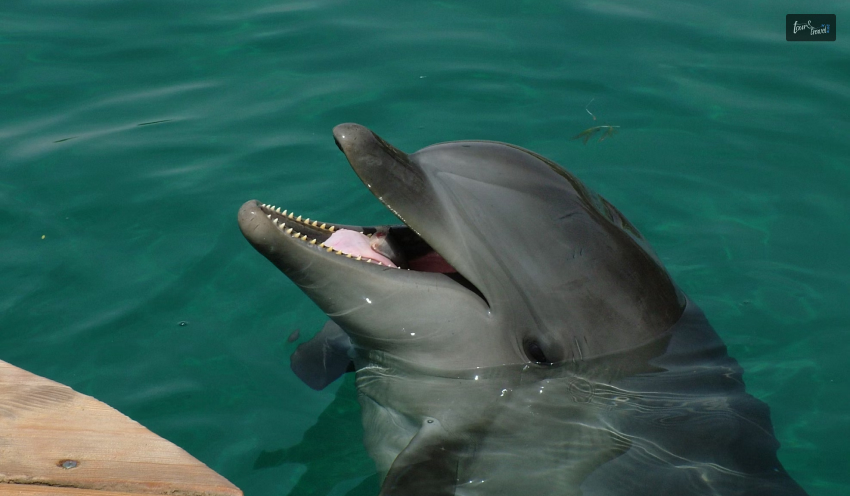
Kayaking and meeting the most adorable dolphins are the best things to do in Hilton Head with kids. They love being in the company of the bottlenose dolphins and watching the most playful acts. 

Kayaking and dolphin tours are available for family, adult, and kids groups. Further, it does not matter how experienced you are in kayaking. Even a beginner can join this fun outdoor pursuit. 

2. Fishing Boat Trips

Contact: Captain Hook Party Fishing Boat

Phone Number: (843) 905-2710

Fishing boat trips in Hilton Head are a fun day activity for kids and the entire family. The trip will take at least 5 hours and offer the best experience in offshore wreck fishing.

Further, you can join the sharking trips at night if you are more adventurous. 

Hilton Head is known for its year-round fishing activities and suitable conditions. Moreover, you will find many species of saltwater and freshwater fish here. Sunfish and mackerel are the most popular fish species here.

3. Mermaid Tour At Hilton Head

Contact: Mermaid of Hilton Head

Phone No: (843) 271-6441

Are mermaids for real at Hilton Head? Joining a mermaid and dolphin visit tour is one of the best things to do in Hilton Head with kids. 

People of every age can try their mermaid experience here with lovely photoshoots. Also, watching the dolphin schools is an experience for a lifetime!

Tour And Travel Note

Dolphin encounters are the best during the sunset. So, book a Sunset Dolphin Tour at Mermaid of Hilton Head. 

4. Nature And Dolphin Tour

Nature And Dolphin Tour

Contact: Dolphin and Nature Tour

Phone Number: (843) 681-2522

What can be more exciting for kids than meeting the bottlenose dolphins of the Atlantic in their natural habitat? The Coast Guard licenses this cruise ride for forty passengers at a time. So, it is a fun family activity with people of varying age groups.

Also, as you encounter the dolphins, you will experience the beauty of Calibogue Sound and Broad Creek.

Moreover, this cruising fun is absolutely free for children below two years of age. 

5. Riverboat Cruising

Contact: Savannah Riverboat Cruises

Phone Number: (800) 786-6404

Riverboat cruising is one of the best things to do in Hilton Head to enjoy the amazing vistas of Savannah. It is also a great experience for couples on a romantic trip. The sunset and gentle breezes make the trip amorous.

Further, riverboat cruising is a great way to explore the rich cuisines of Hilton Head. The lunches, brunches, and dinners are only possible if you are on culinary tourism to Hilton Head. 

6. Crabbing Adventure For Kids

Contact: Kids Crabbing Cruise on Captain Kidd

Phone Number: (843) 612-8529

As the name suggests, this activity is designed for kids who want to take part in some sports adventures. 

Kids of all age groups can take part in this activity. Further, they will learn how to catch crabs and release them under the guidance of trained staff members. 

Your kid will not need any fishing licenses and all necessary equipment will be provided by Kids Crabbing Cruise on Captain Kidd. 

7. Savannah Day Cruise

Contact: Savannah Day Cruise

Phone Number: (843) 363-9026

Getting a slice of the historic Savannah is one of the best things to do in Hilton Head. Your journey will begin from the Intracoastal Waterway. Further, your cruising journey will end on the River Street of Savannah.

From there, you can use the Old Savannah Trolley Tour Tickets from Savannah Day Cruise at a discounted price to explore the beautiful city in Georgia.

The cruising journey will take you around 2 hours, and you will get to spend 4 hours in Savannah. 

8. Golfing Adventure

Contact: Pirate’s Island Adventure Golf

Phone Number: (251) 968-4653

Pirates Island Golf Adventure is the best thing to do for kids interested in the fascinating game of golf. 

The golf courses here have beautiful landscapes. Further, as your little ones are done having blasts at the golf courses, they can hunt for pirate treasures walking down the streams, waterfalls and over the bridge. 

9. Kids Camps

Contact: Commander Zodiac

Phone Number: 843-671-3344

Your kid’s visit to Hilton Head will be vanilla if they don’t attend kids’ camps. Commander Zodiac conducts the most popular kids camp in Hilton Head.

These camps are great to learn how to sail and watch dolphins on an exciting detour. However, your little one can also take part in the following activities.

  • Crabbing
  • Water balloon activities
  • Scavenger hunts

These things to do in Hilton Head will make their trip unforgettable. 

10. Pirate Ship Fun

Contact: Pirates of Hilton Head

Phone Number: 843-305-6953

The Pirates of Hilton Head Boat Cruise is the only customized pirate boat in Hilton Head. Your little one, aged between two to ten, can take part in this fun water pursuit. 

They will love their activities with water cannons and, of course, treasure hunting as pirates.  

11. Horseback Riding At Lawton Stables   

Contact: Lawton Stables

Phone Number: 843 671-2586

If your kid enjoys horse riding, let them visit the popular equestrian center of Lawton Stables. They will get a chance to ride ponies and pet the adorable animals.

Further, while exploring the Sea Pines Forest Preserve trails, you will feel like you are living your Western dreams. 

Moreover, the butterfly gardens and lakes at Lawton Stables will offer tranquil encounters with nature. 

12. Visiting Sandbox Children’s Museum 

Phone Number: (843) 842 7645

The Sandbox Children’s Museum is a wonderland for children below 8 years of age. The displays and games here are interactive and they have educational value. 

Further, the exhibits at the museum are perfect for health, emotional, social, emotional and cognitive development. 

Also read

Share on Social Media

Meet Sibashree Bhattacharya, a travel enthusiast who has a decade-long experience in transcending virtual barriers with her words! Her deep love for travel is apparent from her travel escapades to the mountain, often taking her readers on a journey, her words acting as Portkey! Fun fact: Sibashree loves to dive deep into the history of the places she is about to visit, making her travels even more wholesome. If you were wondering how her articles are not short of time travel, this answers it!

Leave a Reply

Your email address will not be published. Required fields are marked *

title-img Related

READ MORE

Exploring the Geothermal Wonders of Lassen Volcanic National Park

BY  Sibashree Aug 20, 2024

Lassen Volcanic National Park gets its name from the Lassen Peak, an active volcano in the southernmost Cascade Range. Even today, the Lassen Peak has hot springs and you will find fumaroles coming out of the peak’s mouth. These are also signs of volcanic activities in the volcanic mountains. Further, this national park houses all four types of volcanoes: plug domes, cinder cones, composites, and shields. These volcanoes make this national park a chosen destination for geologists and volcano enthusiasts. The presence of these volcanoes has also added unique hydrothermal features to this park. You will find vibrant hot springs, steam vents making hissing sounds, and mud pots with bubbling water here.  Here, I present a brief overview of the geothermal wonders of the park. I will also talk about the park’s camping provisions.  Geothermal Areas In Lassen Volcanic National Park The Lassen Volcanic National Park had 418,978 visitors in 2023, and we can say that its hydrothermal features are a major factor in crowd-pulling here. Snow falling on the park highlands and rainwater keep feeding the geothermal systems. Under the Lassen Peak, there is a molten or hot rock body. This hot rock body makes the water warm once it reaches underground. When the water becomes hot, you see the water boiling in the geothermal pools and mud pots. As the temperature of the water rises, it gets transformed into fumaroles. Fumaroles exude from various cracks in the earth. In Lassen Volcanic National Park, you will observe fumaroles at Sulphur Works, Devils Kitchen, and Bumpass Hell.  Little Hot Springs Valley You can have a look at the Little Hot Springs Valley from Lassen Peak (the largest plug demo volcano in the world) and other mountains lining it.   Further, various seasonal creeks drain into this valley, feeding the geothermal water. If you overlook the valley from the mountain peaks in the summer, you will see many wildflowers smiling. In particular, grass and the wildflower vegetation across the East Sulphur Creek edge is quite dense, thanks to various hypothermal activities. You can also look at the Little Hot Springs Valley from a pullout, just one mile away on the south. The view from this pullout is scenic, with lush green slopes before your eyes. If you look at the slopes with binoculars, you will find black bears roaming around.  Bumpass Hell https://www.youtube.com/watch?v=7OE_c2SzWNw As you walk 7 miles from the southwest entrance of the park, you will find a parking area on the park highway. Here, you will find the trail to Bumpass Hell. With a 3-mile hiking trail(round trip), Bumpass Hell is the largest geothermal area in the park. You can only hike the Bumpass Hell trail in autumn and summer. It remains closed during spring and winter. The temperature of the geothermal water in the Bumpass Hell area can reach up to 322 degrees.  The elevation of this trail is 8,000 feet. However, because of its moderate difficulty level, you will find many visitors here on weekends. The water in this hydrothermal area is emerald green or blue in color. Further, the minerals in the water stain the rocks and soil in yellow and orange shades.  Sulphur Works It can’t get easier than hiking to Sulphur Works if you want to explore the geothermal wonders of Lassen Volcanic National Park. Here, you can see how volcanic activities have created the most interesting geology with shifting new and ancient grounds.  The landscape here experiences regular updates because of geothermal activities and natural activities like erosion. Also, thanks to the volcanic activities, you will encounter colorful rocks, steam vents, and the most pungent sulphuric smell here. Sulphur Works is important in the Lassen Volcanic National Park history, and it was earlier known as Supan's Sulphur Works. Mathias B. Supan, a pioneer of the American West, used to extract minerals from the ground here in the mid-19th century.  https://www.youtube.com/watch?v=sTvAs6VPfIE The hydrothermal area of Sulphur Works is interesting as it is located at the center of a wide basin. Brokeoff Mountain, Mount Conard, Pilot Pinnacle, and Mount Diller surround this basin. According to geologists, these mountains are eroded formations or remains of Mount Tehama or Brokeoff Volcano. Boiling Springs Lake A trail starting from the Warner Valley trailhead will take you to the Boiling Springs Lake, filled with hot and bubbling water. The temperature of the water in this lake is 125 degrees.  You will also find steam vents and mud pots on the shore. The mud pots on the southeastern shore of the lake demand a special mention.  As you continue on the Boiling Springs Lake trail, you will see colorful wildflowers. The vegetation of Douglas-fir, sugar pine, incense-cedar, white pine, and ponderosa pine will soothe your eyes here. This trail is also a birder’s paradise and one of the best places in the park to observe birds.  Devils Kitchen https://www.youtube.com/watch?v=3Pah0QzBkN0 This hike, starting from the Warner Valley Trailhead, is moderate, and it will take you to an area filled with boiling pools, mud pots, and steam vents. You can call Devils Kitchen a  Cauldron. The piled-up cracked red and yellow stones here give this place a colorful appearance. These colorful stones show deposits of various minerals found in volcanic eruptions. The Cauldron will keep making hissing, belching, and plopping sounds, and the unique odor filling the air creates the perfect ambiance of a natural kitchen. Something is definitely cooking in this kitchen!  Terminal Geyser Start hiking from the Warner Valley Trailhead to reach Terminal Geyser. It is a steam vent showcasing the active volcanic activities in the park.  Unlike a geyser, it does not erupt hot water periodically, and it’s actually a fumarole. Even if you can’t see the steam, you will smell a sulfuric odor, and there will be a billowing cloud.  Cold Boiling Lake You can start trekking from Kings Creek Picnic Area to reach the Cold Boiling Lake. The road to the Cold Boiling Lake is almost flat, and the landscape has further descent to the Crumbaugh Lake.  You can see some small gas bubbles near the shore of the Cold Boiling Lake. So, it is known as a dying geothermal wonder of the park.  The Cold Boiling Lake and its shores look the best if you pay a visit in the morning after a night of snowfall.  Pilot Pinnacle Pilot Pinnacle is a remains of volcanic composites. You will find it along the ridges of Mt. Diller and Brokeoff Mountain. You can look at this area filled with mud pots, pools, and steam vents from Park Road.  Lassen Volcanic National Park Camping Lassen Volcanic National Park has seven campgrounds. However, only four campgrounds are available this year. The Dixie Fire 2021 recovery process will keep the three other campgrounds closed in 2024.  The campgrounds open this year are Butte Lake, Summit Lake, Southwest Campground (Southwest Parking), and Manzanita Lake.  Closed campgrounds are Juniper Lake, Warner Valley, and Southwest Campground (Walk-in campground).  Most campsites in the park are available at this national park on a reservation basis. You can make the reservation between June and September. You can make your reservation at recreation or call the park authority at 1-877-444-6777.  Final Words  The Lassen Volcanic National Park is a hub of scenic beauty, active volcanoes, and various geothermal features. Active volcanism and weather forces, like rain and erosion, have given this park a rich geological landscape that goes back thousands of years. With the magnificent Lassen Peak towering over the park, the hydrothermal areas are surrounded by forests and green meadows. So, various species of animals, birds, and insects reside around these geothermal areas.  So, if you are a volcano enthusiast, a wildlife lover, or a hiker, pack your bags, plan a trip to this national park, and share your experience once you come back.  Lassen Volcanic National Park FAQs  What Lives In Lassen Volcanic National Park? Home to around “300 species of vertebrates,” Lassen Volcanic National Park has many mammals, birds, amphibians, reptiles and fish. The park has three ecological zones where you can encounter rich wildlife.  Mammals: Black bear, Sierra Nevada red fox, mountain lion, America pika, snowshoe hare, Douglas’s squirrel, mule deer Birds: Steller's Jay, Clark's nutcracker, Anna’s hummingbird, woodpeckers, round-legged hawks, etc.  Amphibians: Pacific tree frog, long-toed salamander, western toad Reptiles: Sagebrush lizards, northern lizards, alligator lizards, western terrestrial garter snake, rubber boa, Northern Pacific rattlesnake, etc.  Fish: Rainbow trout, Lahontan Redside, speckled dace, etc. Along with these animals, you will also find the most beautiful  California Tortoiseshell butterflies, spiders, and other insects in the park. The total number of invertebrate species living here is 350.  What Is The Closest Town To The Lassen Volcanic National Park? Chester is the closest town to the Lassen Volcanic National Park. You can take a 40-minute drive from the southwest entrance of the park. You can relax at the eateries at Chester, and you will find some decent lodging options here.  Who Died In Lassen Volcanic National Park?  Tommy Botell, a 9-year-old boy, died in an accident in the Lassen Volcanic National Park on 18th March 2010. His elder sister, Katrina, a 13-year-old girl, was severely injured in the same accident.  The mishap took place at the Lassen Peak Trail.  Also read Why Include Whale Watching In Your LA Itinerary. Traveling On A Budget: Tips For Affordable Adventures. Be Soothed And Meet History At Hot Springs National Park.

READ MORE Rio de Janeiro Travel Guide

Rio de Janeiro Travel Guide: What Your Brazilian Real Gets You

BY  Sibashree Sep 20, 2025

Rio de Janeiro sweeps you up the moment you arrive. Golden beaches stretch for miles, samba rhythms spill from bars in Lapa, and cable cars glide up Sugarloaf Mountain for some of the best views on Earth.  Life here is colorful and fast-moving, and part of slipping into that rhythm is knowing how far your Brazilian real will take you - from a chair on Ipanema beach to a plate of feijoada in a neighborhood café. Before we go on, here is a quick Rio de Janeiro travel guide. Just a quick note: exchange rates and prices don’t stay still. At the moment, 1 US dollar equals about 5.4 Brazilian reais, but it’s best to check the latest rates and costs before you travel. Rio de Janeiro Travel Guide: What To Expect? Rio de Janeiro is one of the best cities you can explore. It is one of those few places that has a care-free energy and will make you feel alive. The beaches, food, and major attractions will draw you to it without even trying too hard. Here is a simple Rio de Janeiro travel guide. Beaches - Rio’s Living Rooms The beaches of Copacabana and Ipanema are more than postcards - they’re part of daily life. Locals jog along the promenade in the morning, families gather for a swim, and groups of friends set up for impromptu games of beach volleyball or footvolley. Tourists blend right in, renting chairs and umbrellas from vendors for around R$10-15 per piece. Snacks come to you. Vendors walk the sand offering everything from ice-cold coconuts (R$8-10) to grilled queijo coalho (cheese skewers) for about R$12. You can even try a caipirinha mixed fresh on the spot, usually for R$15-20. These are usually cash-only transactions, and the small notes feel like part of the ritual - bargaining isn’t common, but handing over a few reais feels easy and authentic. Spend an afternoon at Arpoador, the rocky point between Copacabana and Ipanema, and you’ll see why locals gather here at sunset. It doesn’t cost more than a bus ride (R$5) to get there, and yet it’s one of the richest experiences you’ll take home. Food: From Street Bites to Sit-Down Meals Rio has a huge range of food. Starting from some humble bakeries to some fancy rooftop restaurants, Rio has it all. Start with breakfast like a local: pão de queijo (cheese bread) and strong coffee, often no more than R$10-15.  Step into a juice bar and you’ll find tropical flavors like passion fruit, guava, or the ever-popular açaí bowl, usually under R$20 for a generous portion. At lunchtime, the prato feito is king. This “set plate” of rice, beans, salad, and a protein such as beef, chicken, or fish costs R$25-35 and will keep you full all day.  You will get various self-service buffets that charge by weight. You will get roasted meats, vegetables, and farofa, and you will have to pay around R$30-40. For dinner, you can choose what you prefer. You can try something casual or something fancy. If you prefer a mid-range seafood meal along with drinks, it will cost somewhere around R$80-100 per person.  However, a proper night out in Ipanema at a fancy fine-dining spot might cost around R$200-250.  You can even visit Churrascarias, which is a Brazilian steakhouse. It is an event in itself. They have endless skewers of grilled meats, side dishes, and salad bars. You can expect to pay somewhere around R$120-180 per person. However, this does not include drinks. All these places accept cards, but it is better to keep some cash handy for bakeries and street food. Attractions: Big Names And Hidden Gems There are various major icons in Rio, and those are actually worth it. You can take the Sugarloaf Mountain cable car for around R$150, and the ride itself is a major part of the thrill. The glass walls will give you a 360-degree view of the way from above the city. You can visit Christ the Redeemer, resting on Corcovado Mountain, for R$100. The moment you stand at its feet and see the city from there, you get an amazing view. You can carry cards as both attractions accept payment in cards. However, it is better to carry some cash for small vendors, tacos, or snacks. Rio is also filled with a lot of gems that you can see for free or for a low cost.  The Selarón Steps, covered in colorful tiles from around the world, cost nothing to climb. A stroll through Santa Teresa’s narrow streets will take you past murals, studios, and cafés where you can pause for a R$12 espresso. At night, head to Lapa to experience samba at its source. Entry to some clubs is around R$30-50, and drinks inside range from R$15-25. Smaller bars may only accept cash, especially if you’re outside the main tourist drag. Getting Around Rio is quite a big city, but it is not difficult once you understand the system. You can take the metro, it's quite safe and clean, and a single ride costs around R$5.  Moreover, if you have a rechargeable RioCard, it will save you a lot of time and work. You will be able to use it for different types of transport, including trains and buses.  You can take a bus, which goes almost to the city, and the fare is quite similar to the metro. Here, you can get taxis for around R$6, and cross-town trips generally range around R$40-60. Also, Uber and other apps like these are popular, and often offer rides at a cheaper rate than a taxi. If you want, you can pay in-app with the card, and that way, you will not have to use cash for payment.  For day-trips outside the city, you will get intercity buses. This will help you explore the outskirts within a budget. If you are planning to visit the historic mountain town, Petropolis, you can explore it for around R$40-50. Moreover, if you are planning to take a longer ride to Búzios, the beach town, you will be able to visit it for around R$70-80. You can get the bus tickets online or from the bus station as well.  How Much To Budget You need to prepare a budget for a trip. However, the budget depends on the kind of trip you want to have. Budget travel: It will cost you around R$200-250 for a day, including hostels, street food, public transport, and free attractions. Mid-range: It will cost you around R$600. You will get comfortable hotels, visit some of the major landmarks, and have some casual as well as sit-down meals. High comfort: This will cost you around R$1000 and above. You will get four-star hotels, fine dining, and guided tours at this range.  However, the prices in Rio rise during any carnival or New Year’s, and this also varies depending on the neighborhood.  Ipanema and Copacabana are some of the premium places that tourists visit, but there are some block islands that will offer the same charm but at a lower price range. Spend Smart In Rio Start your trip with at least a little Brazilian real in your wallet. It will cover your first taxi or ride-share, snacks, or that first fresh coconut without delay. From there, cards will carry most of your expenses, but having R$100-200 in cash each day is wise for small payments. Stick to ATMs inside banks or malls when you need to withdraw. They’re safer and usually give fair rates. Avoid exchanging money at the airport - the rates are often poor, and the fees stack up quickly. Think about how you balance cash and cards. Use your card for hotels, restaurants, and tours, and keep your reais for buses, bakeries, street snacks, and tips. It’s a system that works well in Rio and lets you move through the city without stress. Enjoy Your Journey Landing in Rio with a Rio de Janeiro travel guide and Brazilian real already in hand saves you time and makes the city easier to navigate. You’ll breeze through those first transactions - a cab, a snack, a metro ride - and step right into the energy of the city. Rio rewards travelers who embrace both the big icons and the small everyday moments. The real you spend on a chair at the beach, a cup of coffee, or a bus ride across town is more than just money - it’s your ticket into the rhythm of the city.  As mentioned before, exchange rates and prices may change, but the value of those moments never does.

READ MORE national parks in washington

Top 9 Edition: Exploring The Wonders of Washington’s National Parks

BY  Abdul Aziz Feb 13, 2024

The majority of people from the Pacific Northwest will tell you that the outside world simply does not understand them. Many outsiders have the impression that Washington is a rainy city that lives off lattes, complete with techies and tree huggers. Yes, it has all of that, but the state's vast, unmatched wilderness, difficult to find anywhere else, is what really defines it. To really understand Washington national parks, you need to go beyond the Seattle city limits. Its famous national and state parks will make you speechless. Each presents an entirely distinct interpretation of the 18th largest state in the union. The three national parks in Washington are so large and varied that residents return year after year to explore more areas. Additionally, the more than 100 state parks are comparable, with lesser-known areas offering deserted campsites and uncrowded trails. In addition, there are deep fjords, moss-draped archipelagos for island hopping, snowy volcanic peaks, and canyons carved by Ice Age glaciers. There are also temperate rainforest trails, sea stacks off misty shores, and an abundance of waterfalls. To put it simply, you may want to consider a yearly park pass. National Parks In Washington Washington State National Parks are so much more than what they get credit for. Are you curious about what secrets Washington is hiding? We are listing the national parks in Washington state below. Make sure to put them on your to-do list. You will be surprised by the stuff you had left previously undiscovered in Washington. Moran State Park There are few places in the Pacific Northwest that compare to the delightfully remote Moran State Park. It is a haven for wild island getaways. Being the most populous island in the San Juan archipelago, Orcas Island has dense forests. It is a popular outdoor recreation destination for island hoppers. It offers multiple freshwater lakes for swimming and boating. The Washington State Ferries are the only way to get here; they connect to Seattle, San Juan, and other nearby launch points. If you're up for exercise, then consider hiking or biking up Mount Constitution, the highest point on the islands. Bring boots for the 38 miles of trails within the park. In order to see the interpretive center and enjoy the views, you can also drive up to the summit. Cape Disappointment State Park It's hard to estimate how many dad jokes went like, "Well, it's definitely not a disappointment," as they entered Cape Disappointment State Park. And it's not. The park, located in the southwestern region of Washington, boasts dramatic views of the Pacific Ocean and the powerful Columbia River. It also has moody beaches and windswept sea cliffs. You can tour decommissioned installations like Gun Battery Harvey Allen and the remnants of Fort Canby. It was once a strategically significant military site. The park's eight miles of trails lead to its two operational lighthouses, Cape Disappointment Lighthouse and North Head Lighthouse. They are arguably the most photographed sights in the area. Palouse Falls Palouse Falls was Washington's official state waterfall in 2014 after state legislators approved a bill from local students. The region is well-known for its abundance of waterfalls. The fall's special scenic location demonstrates why it was given that recognition. This 200-foot waterfall in the Palouse River Canyon cascades down basalt cliffs. It is one of the last remnants of the Ice Age floods. It should come as no surprise that this little state park is all about admiring the scenery. The park has three official vantage points. A short 0.1-mile ADA-accessible walk leads to one of the viewpoints. Dry Falls State Park The moss-covered forests west of the Cascade Range appear vastly different from the dry canyon-like settings of Sun Lakes–Dry Falls State Park. The park's striking cliffs are the result of the melting of the Ice Age. It created the bleak landscape of eastern Washington through ancient floods. It is a single stop on the multi-state National Geologic Trail: Ice Age Floods. The 3.5-mile precipice known as Dry Falls, which was formerly home to a massive waterfall, is the park's most striking feature. As the name suggests, the falls dried up long ago, but water is still a major attraction here. Boating, swimming, and water skiing are all popular in shimmering lakes. During the summer, the only thing breaking up the endless blue sky is the cliffs. Larrabee State Park Bellingham's hippies and college students frequently head toward Larrabee State Park when they want to go hiking. This is the first Washington State Park, established in 1915, and it protects a large portion of the Chuckanut Mountains' coastline. Moderate hikes to Clayton Beach's pebbled shores and Fragrance Lake, one of the park's many picturesque lakes, are popular routes. Mountain biking is another popular activity in the area, and Larrabee offers a variety of trails suitable for all skill levels. It includes steeper technical slopes that are best left to the pros. Of the many national parks in Washington, Larrabee will offer the most fun-filled experience. Lime Kiln Point State Park The San Juan archipelago is well-known for the year-round orca whale population that calls these chilly waters home. Visit Lime Kiln Point. The Washington State Parks's team likes to call it one of the world's top locations for whale watching, to witness them in action. And they’re not wrong. For views of the orcas and other whale species, which are most commonly spotted from May through September, climb the elegant 1919 lighthouse. This includes porpoises and pods of gray, humpback, and minke whales. Located on a rocky outcropping on San Juan Island's western shore, this small day-use park has a seasonal interpretive center that is usually open from late spring to summer. Deception Pass State Park This state park in Washington receives the highest number of visitors for two main reasons. The first is the range of outdoor activities it offers close to Seattle. It is a little over an hour’s drive if the traffic is not too heavy. The second is the 360-degree view that can be obtained from the two-span arched Deception Pass Bridge. It towers over the channel, which is a more romantic and compelling reason to visit. Deception Pass State Park encompasses two adjacent islands, Fidalgo and Whidbey. They are popular both for camping and day-use marine adventures. Three freshwater lakes and the surrounding saltwater are accessible from five boat launches. Visit this place to kayak around the coves of the islands, explore their rocky shorelines, and trek through the old-growth forests on a 38-mile network of trails. Beacon Rock State Park On the north bank of the largest river in the Pacific Northwest, Washington offers a more serene and visually appealing experience than Oregon. It is home to a majority of the Gorge's well-known as well as congested attractions. The overlooked Beacon Rock State Park offers expansive, slightly less crowded views of the national scenic area. Although Oregonians take great pride in their state, even they will admit that Beacon Rock is one of the best day hikes you can do. Within an hour's drive of the City of Roses. Enjoy expansive views of the gorge after ascending the basalt monolith via a mile of winding switchbacks and staircases. Locals cringe at this pun, but the views from the top are, well, gorgeous. If you are looking for national parks in Oregon and Washington, then this is your cue. Olympic Park If you can only spend time in one Washington park. Situated in the northwest, then choose Olympic Park. Corner of the state on the Olympic Peninsula, this vast wilderness has glacier-capped mountains, mossy rain forests, and tide pools. Rarely will any other of the national parks in Washington match up to the beauty of the Olympic. Except for Hawaii, the Olympic Peninsula gets more rainfall than all other location in the United States. It protrudes into the Pacific and is divided from the mainland by the Strait of Juan de Fuca and Puget Sound. This is the most glaciated US landscape outside of Alaska, with over 250 glaciers fed by the snowfall that occurs high in the 2,000-meter-plus Olympic mountains. The vast ice fields feed several significant rivers, which then meander towards the Pacific through temperate rainforests. Travelers can follow the Bogachiel River inland to the Hoh rainforest from its Pacific outlet at La Push to see the highlights. The following day, go in a northeastern direction and ascend to Hurricane Ridge, which offers a stunning vista of the Olympic mountain range. Those with extra time will want to soak in the Sol Duc hot springs and take a scenic stroll to Marymere Falls. Lake Crescent and Sol Duc offer lodging and the park is home to many campgrounds. Wrapping Up Yoking in the center of the Pacific Northwest, Washington State is famous for its breathtaking scenery and varied ecosystems. Locals and visitors alike have a variety of outdoor activities to choose from, ranging from a relaxing ferry ride to the iconic San Juan Islands to a strenuous hike to the Cascade Range peaks. If you have thoughts to share or questions to ask about national parks in Washington, please leave a comment below. We would love to hear from you! Read Also: 7 Fun Things To Do In The Great Smoky Mountains National Park Top 12 National Parks In Florida That You Must Visit Best 10 National Parks In New Mexico To Visit