
Single Parent Cruising Tips and Tricks for a Memorable Adventure

Mar 4, 2024

Last Updated on: Sep 18, 2024

Travel Guides

Being a single parent can be a wonderfully rewarding experience, but there’s no denying that it comes with its fair share of challenges. Not least of which is choosing how and where to go on vacation. A family vacation is a joyous thing but when you are the sole parent it comes with plenty of responsibility and needs careful thought.

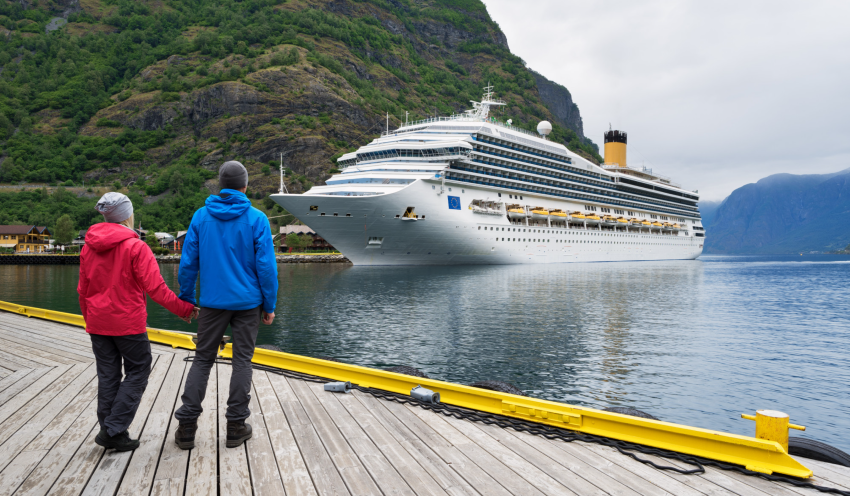
Cruising is a brilliant way to take a lot of the stress out of a vacation as a single parent and can be a brilliant adventure to have with your kids. With its all-in-one entertainment and wide range of activities and amenities, as well as the chance to see a wide range of exciting destinations in just one trip, cruising can offer a great way to explore the world as a single-parent family.


So if you like the idea of a Western Caribbean cruise or a voyage up the Pacific Northwest, here are a few Cruising tips and tricks to help you enjoy a smooth and memorable experience.

Single Parent Cruising Tips and Tricks for a Memorable Adventure

Did you know that solo parenting is important while you are traveling with a child? Above all you can get multiple new challenges which are added on the top of the list. Below I am going to discuss single parent cruising tips and tricks for such a memorable adventure.

1) Choose the Right Cruise Line

Choose the Right Cruise Line

As with any family cruise, it is extremely important to pay careful attention to what the cruise line you choose offers. You will want to take into account things like the amenities your chosen ship offers, what children’s programs and clubs it has, and whether it has sufficient family-friendly activities to keep your little ones entertained. For single parents, this is even more important as you will need some time to yourself, so things like dedicated kids’ clubs and babysitting services are vital.

2) Book a Family-Friendly Cabin

Book a Family-Friendly Cabin

Your choice of cabin will also have a big impact on your cruise, so choose wisely. It is worth spending a little extra to get a cabin with enough space for your whole family to relax and unwind, and even thinking about one with a balcony or ocean view so you can enjoy some of the best bits of a sea voyage without having to leave your room.

3) Plan Ahead

It is incredibly important to plan your vacations carefully as a single parent, and this is even more relevant on a cruise. Doing your research in advance about ports, shore excursions, and activities means you can ensure that your kids are always entertained and that the trip includes a good mix of activities for you and them.

4) Pack Wisely

Pack Wisely

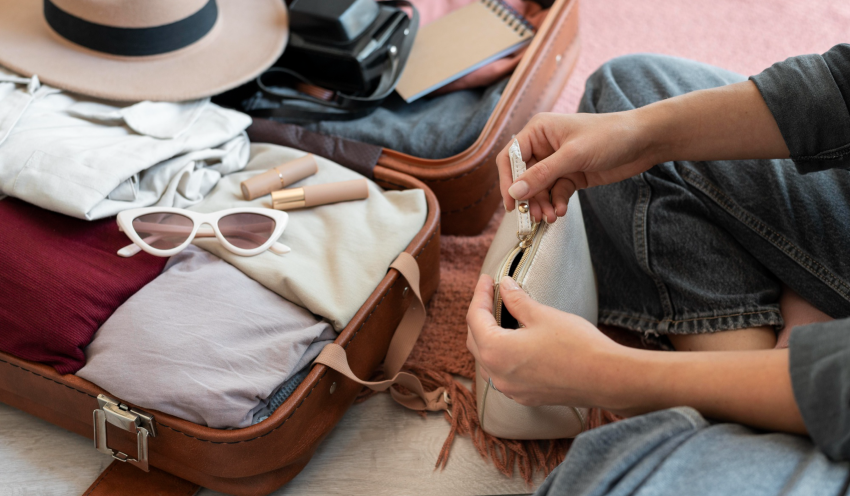
Packing for a family vacation is a skill and one that can make or break the trip, particularly as a single parent. If there’s just one of you, it is that much harder to head off to find things you’ve forgotten, so making sure that you’ve got everything you need is essential. That said, if there’s only one of you to carry the bags, you should also try to pack as light and efficiently as possible, to give your back a break!

5) Connect with Other Families

A family-friendly cruise can be an incredibly sociable affair so don’t be afraid to socialize and connect with other families on the ship. Not only is this a nice way for your little ones to make new friends, but it offers some adult company for you as well, and can help spread the childcare load a little!

6) Take Time for Yourself

Take Time for Yourself

While spending time with the kids is essential, you should carve out a few moments to relax and enjoy yourself on your own. Whether it’s an onboard spa, a few solo workouts, or just an evening with a good book and a glass of wine, pampering yourself with a bit of your time will give you energy. This means the energy you need to make the whole adventure unforgettable for your kids from start to finish!

7) Meals Can Be Tricky But Fun

Little kids often go on partial food strikes outside their comfort zone. This is all about refusing to eat your favorite foods at home. People usually claim that their children are mainly used to having cereal, dessert, pasta, milk, hot dogs, and so on, which was not cutting this.

Once you accept such things, you will have food at home again. This is, of course, fun watching their eyes lighten up.

8) The Kids Club is a Blessing

The Kids Club is a Blessing

Another single parenting cruise tip is to engage your child in a kids club. After all, if you enjoy such grown-up ship entertainment, this is quite similar to a massage or comedy show.

In this case, this was an excellent art activity, and these are also great cartoons. Even this would work like a water play table. Ensure you have explained exactly how long they will be going to stay and be able to discuss their activities. This would also keep you from wandering while your dad or mom is back.

9) Bathroom Breaks are Complicated Group Endeavor

Despite begging, bribing, or even threatening kids, they always refuse to use dinner while using the bathroom before dinner.

In this case, being a single parent, you always need to alert the waiter before they provide food for your child. Solo parents who can’t win this one will always try to use the bathroom in the cabin as much as possible.

10) The Ship Can Be Your Biggest Ally

If you are making a massive difference in achieving success on your single mother-daughter adventure, then the ship can be your biggest ally. The main pools here were crowded and deep; we would have had more fun with them.

11) Familiarize with and Use The WiFi App

Suppose you enjoy the Disney Cruise and would only have wifi if you could purchase this. On the other hand, they didn’t have any app where you could use the wifi for free. That is why several people found that the Disney app is handy to use.

This means we could easily track what events were happening on board, and you could even track what time you must go for dinner. Being with a five-year-old child is easy to manage once you can track such records.

12) Take Advantage of The Childcare

Take Advantage of the childcare

Did you know that childcare offered on any cruise tour is the biggest part of what has made this so relaxing for every single parent?

This is also fun. A 5-year-old child who is capable by herself can go to the Oceaneer’s Club. In this way, she can have lots of fun there with significant and stimulating activities and several other character visits.

13) Start or Join the Facebook Community for The Cruise That You Will be on

If it won’t be possible for you as a single parent to engage with the cruise tourists community by leaving your child alone, join the FB cruise community. With the help of the Facebook cruise group, you can interact with others on the same cruise as you would be there. 

Being a single parent, Facebook cruse groups are also helpful, such as: 

  • You could connect easily with other single parents.
  • Arrange some better things together with children of the same age as yours. This might be helpful in case your child is an only child.

In Conclusion

In this article, I have discussed single-parent cruising tips and tricks for a memorable adventure above. Before heading for any solo parenting, there are some tips and tricks that you have to know. This might happen if you are facing several new challenges at that time. Having these ideas would help manage. Also, solo parenting with your kids is always luscious if you know how to work properly.

I hope you liked this article. If you have queries, please comment below!

Read Also:

Share on Social Media

Ankita Tripathy loves to write about food and the Hallyu Wave in particular. During her free time, she enjoys looking at the sky or reading books while sipping a cup of hot coffee. Her favourite niches are food, music, lifestyle, travel, and Korean Pop music and drama.

Leave a Reply

Your email address will not be published. Required fields are marked *

title-img Related

READ MORE private boat charters

Guide To Traveling By Private Boat: Experience A Luxury Journey On The High Seas

BY  Ankita May 14, 2024

When you open your social media, you will often find people traveling on boats with the best views in the world. Do you want to experience these views and moments at sea? The private boat charters will help you enjoy this unique experience. You can get to travel on a private boat while enjoying exclusive services onboard. Private boat charters combine the freedom to visit exclusive destinations and access to difficult coastal areas that are not traveled by public boats.  You get the complete freedom of having your own floating refuge. Wine and dine on the open ocean as you cruise across the open sea. It's a feeling of acceleration like no other, so you need to experience it once in your lifetime.  You can create your own itinerary when you opt for private boat charters. Enjoy the intimacy of spending time with your loved ones while at sea, making it a lifetime memorable experience. So, if you wish to know why you need to hire a private boat for your next trip at sea, then this article is for you. We'll discover everything you need to know to plan and make the most of your journey by private boat. Trip Planning Before embarking on your great sea adventure, it's very important to carry out detailed planning and organization, like any other trip, in order to avoid last-minute setbacks. Preferred Destination Firstly, you must choose the desired destination. For this, you can contact an expert operator in high-seas itineraries, one that offers all kinds of services and allows you to choose your own itinerary.  From the crystal-clear waters of the Caribbean to the exotic islands of the Mediterranean, choose a destination that suits your travel preferences and desired activities. On the other hand, consider the duration of the trip, which is always based on your availability. Type Of Boat It's also convenient to choose the type of boat in advance since there is a wide variety available, from luxury yachts to catamarans. For this, take into account the number of travelers, comfort, and available budget. Finally, it's advisable to book this type of trip in advance, especially if you want to travel during peak season. Trip Preparations Once you have organized all the details of your trip, it's time to start preparing to ensure a trouble-free and worry-free experience. Documentation Start with your documentation, where you check the documents required for travel, like passports, visas, and navigation permits. Navigation permits are necessary when you do not have the service of a captain to cruise your private boat. When your documentation is updated and secured, you will avoid any hardships when traveling onboard a boat or plane.  Travel Insurance One of the major things that people often forget about is travel insurance. Life can happen to anyone anywhere, even while you are traveling. In these situations, it's advisable for you to take out travel insurance that covers any unforeseen events.  Trip cancellation, medical emergencies, and problems related to the boat are some of the unforeseen events you might face.  Clear Communication About Plans With Captain When going on a private boat trip, you need to have a captain who takes care of the journey. This way, you can enjoy the adventure to the fullest extent without worrying about reaching your destination.  When you opt for a private boat charter with the captain, then make sure to communicate your preferences to your captain. This ensures your captain, and you agree on the itinerary you want to plan for your on-sea adventure. Specify the activities you want to do and your catering requirements so that the experience meets your expectations. Weather Check Oceans and seas are unpredictable, so keep a check on the climate before you start your journey on the sea. This is especially noteworthy if you are cruising the private boat yourself across the waterbody. When you opt for a captain, your boat captain will do these important weather checks before starting the journey.  Essentials To Pack Pack comfortable and lightweight clothing suitable for the specific destination you are traveling. Seas can get colder after sunset, so keep a warm jacket in case it gets cold on a private boat.  On board the private boat or cruise, you will need to ensure you have all your medication that you need as you can't find shops on the sea to provide you first aid or medication. Don't forget your personal hygiene items, like good sunscreen, insect repellent, etc.  Emergency Protocols Lastly, know where all the rescue equipment is kept along with emergency protocols to avoid chaos during an emergency. At Sea Once on board, it's time to relax and make the most of your experience on a private boat with the best company. You can take advantage of the freedom and flexibility that this means of transportation to visit remote places. These remote locations have very few tourists, so you have the opportunity to explore more without facing too many crowds. If you opt for private boat charters, you get to enjoy personalized time with your loved ones or partner.  As you avoid disturbance and noise, which you often might find in shared boat rides. You can use private boat charters to do fun water activities like snorkeling, diving, etc. With private boats, you get to go to sea routes that are much traveled by public boats. This helps you see different marine species and coral reefs of that particular region. One of the biggest advantages of opting for private boat charters is that you get several other services included in your packages. One of these services is enjoying meals on board your boat while on sea. You get to enjoy local cuisine prepared by an onboard chef.  From savoring different flavors of each region to having meals while seeing sunsets on the sea. Now, these experiences are only possible when you're at sea, making these moments more special for you. As you hear the rhythm of the waves while enjoying your meals, these experiences cannot be found anywhere else. It's a very enriching experience that is hard to forget! Conclusion These are the main aspects to consider when you decide to live a maritime experience on a private boat. Experience the ultimate luxury with Giosymar Ischia Charter's personalized and exclusive tours along the coast of Italy, for example, and take advantage of the wonderful amenities to relax and recharge your batteries. Undoubtedly, you will live an unparalleled experience full of wonderful memories. Don't wait any longer and reserve a few days in your schedule for your dream vacation at the rhythm of the sea. Learn More Also: Road Trip USA: Adventures Across The States Bali Beyond The Beaches: Exploring The Hidden Gems Of The Island 8 Things You Need To Know About Using E-Bikes For Your Hunting Adventures

READ MORE Which Is Colder Minus 40°C or Minus 40°F

Minus 40°C Or Minus 40°F: What To Know Before Planning Your Next Mountain Escapade?

BY  Barsha Feb 3, 2026

Which is colder: Minus 40°C or Minus 40°F? The question appears simple, at least at a glance. But if you think about it, it does open an interesting window into the dynamic world of temperature, rather, how we tend to measure temperature.  Moreover, it also gives insight into why different people use different measurement systems across the globe.  The most fascinating part? How do these systems even relate to extreme temperatures?  The answer might actually surprise you. -40°C and -40°F are exactly equal. Yep! That’s right - it is the point of meeting for the two temperature scales.  On that note, let’s dissect and unpack why this even happens.  More importantly, what else do you need to know about the two temperature scales before you can plan your next mountain escapade.  Celsius Vs Fahrenheit: What’s The Difference? To make things super easy for you to understand, I have laid out the difference between Celsius and Fahrenheit in simple terms below: AspectsCelsiusFahrenheitOriginAnders Celsius, a Swedish astronomer, developed the Celsius scale in 1742. Daniel Gabriel Fahrenheit, a German physicist, developed the Fahrenheit scale in 1724.Definition“of or using a scale of temperature in which water freezes at 0° and boils at 100°.” (Oxford Dictionary)“of or using a scale of temperature in which water freezes at 32° and boils at 212°.” (Oxford Dictionary)Used InMost places in the world, including Europe, Australia, Africa, Asia, and most scientific work. Primarily in the United States of America and some Caribbean countries.Conversion Formula°F = (°C × 9/5) + 32°C = (°F − 32) × 5/9 So, Which Is Colder: Minus 40°C or Minus 40°F? I already answered this question in the very beginning - both are the same! It is the point at which the two scales meet.  So, if you use the conversation formula I have listed above, then: -40°C × 9/5 + 32 = -40°F Also, this is the only point where Fahrenheit and Celsius readings match.  Then, why does it confuse all of us? It is mainly because of three primary reasons, as per my understanding:  Most individuals don’t really encounter extreme weather conditions. So, they do not really come across this overlap point.  Secondly, in most countries, the education system teaches only one scale. As a result, there is little or no intuitive comparison.  Finally, Fahrenheit readings are usually larger for both outdoor and room temperatures. For example, 50°F is equivalent to 10°C. This automatically makes most individuals assume that the two scales don’t match.  Where Does It Hit -40 On Earth? Places like Greenland, Northern Canada, Siberia, and some regions of Scandinavia go down to -40 regularly during the winter months.  For example: In February 2021, temperatures dipped to -43°C in Sweden.  Siberia, Canada, and Yukon also experience these levels regularly.  In these regions, both Fahrenheit and Celsius are the same - you will shiver equally.  In this context, I have a fun fact about the coldest temperatures recorded on Earth: In 1983, Vostok Station, located in Antarctica, recorded −128.6°F (-89.2°C) (Source: Britannica)  That is literally double what you will feel at -40°. More importantly, it is a real-world reminder that extreme weather conditions and environments exist on Earth.  How Cold Does It Feel At -40°? The truth is that whether it is -40°F or -40°C, you will feel the same. And trust me, I’m not kidding - you will literally shiver!  In February 2021, I experienced -40°C in Yukon. My thermometer read -40°F, and I experienced frostbite risk within minutes. Whether it’s -40°C or -40°F, the result is the same: Your skin will freeze within minutes without the right protection.  Vehicles might not even start. Metal will stick to the skin.  Your eyelashes might freeze.  At -40°, it is dangerously cold regardless of what scale you are using.  Also, the wind is so chilly that you will shiver and can fall sick or even die without the right gear and equipment.  How -40° Feels On The Human Body? So, I can’t just keep telling you guys that it is going to be dangerously cold.  Instead, it is much better to give you all the real picture of how the human body is bound to react at sub-zero temperatures:  Temp (°F/°C)Impact On The Human Body-76°F/-60°CIt is painful to even breathe. Also, exposed body parts, including eyes, will freeze.-40°F/-40°CSkin will freeze in two minutes. Also, metal will stick to the skin. -22°F/-30°CExposed and unprotected skin, including eyelashes, will freeze in ten minutes. -4°F/-20°CNumbness begins to set in, with an increasing risk of frostbite. 14°F/-10°CThe skin begins to sting, with a risk of frostnip if exposed. 32°F/0°CBreathing becomes visibly tough. Also, fingers stiffen in a few minutes.  Even without any chilly winds, subzero temperatures are hazardous, especially if you are not prepared.  At -40°, both Fahrenheit and Celsius, there is only one brutal truth: without protection and preparation, it is dangerous and life-threatening.  Winter Hiking Hazards You Should Know About: Winter can alter any landscape radically, striking a balance between mesmerizing beauty and quirky dangers.  And while it is impossible to talk about all hazards in detail, I’ve compiled all the possible winter hiking hazards and their mitigation strategies below: Winter Hiking HazardMitigation StrategyFrostbite & HypothermiaCheck the weather, pack extra clothes, and layer well.Slip & FallUse microspikes or crampons and trekking poles.Getting LostUse a compass, maps, and a GPS. Also, try mapping your route.Fatigue & DehydrationEat frequently, stay hydrated, and pack extra food (and water).Falling Into Ice or WaterAlways test the ice and be careful while crossing icy terrains. CornicesAvoid walking under or on the edges of ridges. Equipment FailureKeep electronics warm. Also, carry gear repairs and physical maps. Tree WellsIn deep snow, avoid the base of trees. AvalanchesCheck forecasts for avalanches. Also, avoid steep terrains. Short Daylight HoursStart early, carry spare batteries, and definitely wear a headlamp. In addition, I’ve touched upon the common (but very dangerous) hiking hazards that you can come across at sub-zero temperatures in the mountains in detail: 1. Ice: Of course, you need to worry about ice! In the winter months, melt-freeze cycles turn hiking trails into slippery ice. Similarly, this can also happen on popular tourist routes where snow is compressed over a long period of time.  If you slip on these icy trails, it will lead to bruises and bumps. Moreover, a bad slip and fall can lead to serious wrist, ankle, or back injuries.  As a result, it is best to carry metal-tipped trekking poles and traction for additional stability in such conditions.  2. Avalanches: In the United States, avalanches (as per avalanche.org) kill between 25 and 30 people every winter. Moreover, the injury rates are much higher.  Most victims are ice climbers, snowmobilers, snowboarders, and backcountry skiers. However, oblivious hikers do get caught in avalanches occasionally.  The worst part? Nearly 95% of avalanches begin on slopes that are between 30 and 45 degrees in steepness.  However, the snow ends up traveling down to the flat terrain - and it even appears to be safe to an untrained eye.  As a result, it is vital to consult topo maps, check trip reports, and talk with local experts before you set out. That is your best shot at safety in the face of an avalanche.  3. Glaciers: Many of the iconic summits in the United States are guarded by glaciers.  While there are several snowfields across the western part of the United States - mostly misnamed as glaciers - you will find true glaciers mostly in the Pacific Northwest and in the far north.  Moreover, these are active glaciers that moves around, forming cracks with time. As a result, these fissures, A.K.A crevasses, lie under the snow, hidden from the human eye. Naturally, fatal falls - and unexpected ones - become a major possibility.  So, it’s best not to step out on glaciated terrain unless you have some experience in both glacier navigation and snow travel. This also includes improving your fissure-rescue skills.  4. Steep Snow: The challenge and adventure of climbing snow-covered, steep slopes is certainly thrilling.  Recently, I had the opportunity to try out snow climbing, and while it was thrilling, I can’t overstate the importance of safety and experience.  It’s so much more technical than it appears visually - if you slip even once, you can slide down the steep slope. Also, you have to know: How can you assess the snow conditions around you? Use crampons.  Take a fall with the help of an ice axe.  Additionally, it is best to be familiar with avalanches and safety first. Because a majority of snow climbs will require you to cross terrain prone to avalanches.  What To Know Before Planning Your Next Mountain Escapade? 9 Tips That Can Keep You Safe! Safety in weather extremes, especially in the mountains, requires careful preparation, specialized equipment, and a constant awareness of your body’s condition.  Moreover, the combination of high winds, rapid changes in weather, and freezing temperatures leads to life-threatening conditions. And that too in minutes.  This includes the risk of both frostbite and hypothermia. Moreover, preparing for freezing temperatures is incomplete without strict layering, high-calorie nutrition, and waterproof gear. And still it’s not enough - surprised? Well, don’t be! Instead, scroll down for the internet’s most comprehensive list to prepare for survival in freezing temperatures in the mountains. 1. Stay Hydrated: Problem: Dehydration is very common in freezing temperatures, much like hotter regions with arid weather conditions.  How? The cold weather conditions can easily suppress thirst. But the dry air in the mountains and high levels of physical activity will make your body dehydrated - and this will happen faster than you can possibly imagine.  Moreover, dehydration can lead to dizziness, fatigue, and headaches.  Solution: As a result, you should try carrying a thermos with herbal teas (like chamomile, tulsi, or ginger) or just warm water with lemon and honey. These can hydrate you, keep you warm from the inside, and boost immunity.  Also, on this note, avoid caffeine or any caffeinated drinks since they will dehydrate you faster.   2. Nourish Yourself: Problem: Your body will burn a lot of calories to stay warm in freezing temperatures.  As a result, even if you think that a bowl of hot Maggi seems like an appealing meal for the mountains, it is crucial to balance comfort and nutrition.  Solution: So, you should focus on energy-dense and high-calorie food items like seeds, whole grains, and roasted nuts to ensure high energy levels in the body.  Moreover, you can consider adding warming ingredients to your food. Ingredients like turmeric, garlic, and ginger can fight cold and improve digestion.  Also, if you do end up eating a steaming bowl, then add boiled eggs or vegetables for a healthy, protein-packed version.  On that note, here’s a list of things you can eat: Beef jerky.  Trail mix. Nuts. Milk chocolate. Pretzels or chips. Cheese and deli meat. Tortillas or crackers. Pizza slices. Pumpkin or banana bread. Peanut butter sandwiches. 3. Protect Your Lips And Skin From Dryness: Problem: Cold and dry air is not good for the skin - it strips the skin of moisture. And this in turn leads to dry hands, irritated skin, and cracked lips.  This is highly uncomfortable and causes skin damage if you don’t address it within minutes.  Solution: As a result, always use a moisturizer that is thick and nourishing before stepping out. Moreover, while doing so, focus on different areas like your face, neck, and hands, which are prone to getting exposed.  Also, do not forget to apply lip balm on your lips - and ensure the lip balm comes with SPF for protection against the UV rays of the sun and the cold, both of which are strong at high altitudes.  In addition, eat food items that have a high percentage of omega-3s. This includes flaxseeds and walnuts, both of which are perfect for hydrating your skin from within.  4. Stay Active For Proper Blood Circulation: Problem: When you are absolutely stationary in freezing temperatures, your blood circulation will slow down. This, in turn, makes you feel colder.  Solution: The only solution here is not to sit in the same spot for too long.  So, try out light activities such as walking, stretching, or even a few squats to ensure proper blood circulation. Also, it feels good to do light physical activities after a long day of trekking.  5. Take Care Of Your Altitude Sickness: Problem: At high altitudes, you can expect oxygen levels to fluctuate and drop. This, in turn, can cause fatigue, nausea, or dizziness.  Solution: You should give enough time to your body - that way, your body will be able to adjust. As a result, it is best to take it easy on day 1.  Moreover, drink lots of water and eat food items that are rich in antioxidants. This includes berries, nuts, and fresh fruits. That way, your body will be able to fight the stress and pressure of altitude.  If you are feeling unwell at any point, don’t push too hard. Rest is very important.  6. Support Your Body’s Immune System: Problem: The blend of altitude and cold weather can easily weaken your body’s immune system. This, in turn, will make you prone to illnesses.  Solution: Incorporate food items that are rich in Vitamin C, like amla or oranges, in your daily diet in the mountains to boost your body’s immune system.  Moreover, warm soups are also great - but ensure these have vegetables, lentils, or even chicken stock. Why? Because it offers warmth, hydration, and nourishment together.  Also, ensure you can sleep well - a good sleep cycle will recharge your body.  7. Look After Your Feet: Problem: Remember that cold or wet can lead to chilblains, frostbite, and lots of discomfort. Solution: Invest in insulated and waterproof boots. Moreover, you can consider wearing thick woollen socks to ensure your feet are dry and warm.  Also, don’t forget to carry an additional pair of dry socks - that way you can change socks if your feet feel too damp. In addition, you can try massaging your feet with a nice, warm balm. Why? It will prevent dryness and improve circulation.  8. Breathe Smartly For Avoiding Cold-Air Effects: Problem: If you directly breathe in icy, cold air, then it will irritate your lungs.  Trust me on this one! It has happened to me. And then you will start coughing. Some people also feel a tightness in their chests.  Solution: When you start feeling chilly, try to breathe through your nose and avoid doing it through your mouth. This will keep you warm, moisturizing the air even before it can reach your lungs. Also, this will help you to keep respiratory problems at bay.  9. Prioritize Mental Wellness: Problem: The beautiful solitude of the mountains can be very peaceful. However, at times it can get very overwhelming. As a result, staying healthy mentally is just as crucial as looking after yourself physically.  Solution: Take some time for yourself so that you can practice mindfulness - and while doing so, don’t forget to appreciate the beauty around you.  Moreover, you can consider carrying a journal for jotting down your reflections and thoughts.  Also, it is healthy to count on your group to stay connected. Why? Sharing experiences together can motivate everyone and lift spirits. 

READ MORE Explore The World With Their Kids

6 Reasons Parents Should Explore The World With Their Kids

BY  Ankita Jan 5, 2024

For parents, the opportunity to explore the world with their children is invaluable. Not only does it open the door to new experiences for the kids, but it also offers a chance for the family to grow closer together. Family-friendly destinations like Pigeon Forge, TN, are perfect examples of places that cater to the interests and needs of both children and adults. These locations provide a diverse range of activities and experiences that can enrich a family vacation, making every moment memorable. In this article, we will delve into six reasons why parents should consider traveling the world with their kids. Diverse Experiences  When speaking of diverse experiences, Pigeon Forge is definitely going to top the list. Pigeon Forge, TN, is home to The Island, an entertainment complex that epitomizes the kind of diverse experience ideal for family travel. This location is more than an entertainment center; it's the ultimate attraction offering fun and learning. With an array of shops, restaurants, and attractions like The Great Smoky Mountain Wheel, The Island offers something for everyone in the family. The variety of experiences available at The Island means that parents and children can enjoy a range of activities together. From exploring unique shops to dining at family-friendly restaurants, and from enjoying the spectacular views from the Great Smoky Mountain Wheel to staying at the on-site hotel, the experiences are tailored to create lasting memories. The Island’s mix of attractions ensures that every family member’s interests are catered to, making it an enjoyable part of any visit to Pigeon Forge. Such destinations showcase how travel can be both entertaining and educational for children as they learn through engaging and interactive experiences. Given the popularity of family-friendly attractions like The Island Pigeon Forge sees an influx of vacationers every year. Educational Opportunities Traveling provides children with invaluable educational opportunities that extend far beyond the classroom. As families explore new places, children are exposed to different cultures, languages, and historical contexts. This exposure is not only educational but also eye-opening, providing real-life context to lessons learned in school. For instance, visiting historical sites offers a tangible connection to history, making it more relatable and interesting for kids. Encountering different cultures fosters a sense of global awareness and understanding, teaching children about diversity and tolerance. Participating in language exchanges or trying new foods can also be fun, interactive ways to learn. These experiences contribute to a well-rounded education, where children learn about the world in an immersive and interactive way. Building Stronger Family Bonds Traveling together as a family is an excellent way to strengthen family bonds. Shared experiences, whether the excitement of exploring new destinations or overcoming the challenges of travel, bring families closer together. These shared memories become a foundation for stronger relationships. Activities that encourage teamwork, like hiking or navigating a new city, enhance family bonds. Children and parents learn to rely on and support each other in different situations. Involving children in travel planning also increases their sense of involvement and investment in the trip. They feel valued and heard, which is important for their self-esteem and the overall family dynamic. Family vacations are not only fun; they are an opportunity for deeper connection and understanding among family members. Developing Adaptability And Resilience In Kids Traveling is an excellent way for children to develop adaptability and resilience. When families explore new environments, children learn to adapt to different situations, whether it's navigating a new city, trying unfamiliar foods, or interacting with people from diverse backgrounds. These experiences teach kids flexibility and problem-solving skills as they learn to handle unexpected challenges and changes in plans. The ability to adapt and bounce back from difficult situations is a crucial life skill. Travel exposes children to minor setbacks or changes, like delayed flights or weather changes, in a safe and controlled environment. Handling these situations helps children build resilience, equipping them with the ability to cope with bigger challenges in life. Moreover, overcoming these obstacles can boost their confidence and self-esteem, making them more willing to take on new challenges in the future. Encouraging Curiosity And Creativity Traveling with kids can significantly boost their curiosity and creativity. Being in a new place with different sights, sounds, and smells stimulates children’s senses and piques their curiosity. This natural curiosity can lead to a deeper interest in learning about the world around them. Different travel experiences, whether visiting museums or exploring natural landscapes, provide opportunities for creative thinking. Children are inspired to think outside the box and view the world from different perspectives. This exposure can lead to creative problem-solving and innovation. Additionally, these experiences can ignite a passion for new hobbies or interests, such as photography, art, or history, further enriching their lives. Promoting Physical Activity And Health Travel often involves a variety of physical activities that can be beneficial for both children and adults. Activities like hiking, swimming, or simply exploring a city on foot encourage physical movement, which is essential for maintaining good health. For children, engaging in physical activities while traveling can instill a lifelong appreciation for exercise and an active lifestyle. Outdoor activities, in particular, have numerous health benefits. They provide fresh air, help in vitamin D absorption, and reduce stress and anxiety. These activities also present an opportunity for families to spend quality time together, away from the distractions of technology and daily routines. Encouraging an active lifestyle through travel not only promotes physical health but also contributes to mental well-being. Conclusion It's time to explore the world with your kids, as it offers far more than just a break from the routine. It's an enriching experience that contributes significantly to their development and strengthens family bonds. From developing adaptability and resilience to fostering curiosity and creativity and promoting physical activity and health, the benefits of traveling with children are immense. These experiences not only create lasting memories but also lay a strong foundation for a well-rounded, healthy, and fulfilling life. As parents, taking the opportunity to travel with your kids is one of the greatest gifts you can give them – a world of learning, discovery, and togetherness. Read Also: 10 Best Things To Do In San Diego (USA) Cooking In Dublin: 7 Restaurants To Dine In With Your Family The Ultimate Guide To Travelling When You Have No Money Make Your Honeymoon A Truly Memorable Affair: Here’s How