Luxury Villas Provence Le Collectionist Key Highlights:
How do these luxury villas Le Collectionist, add to luxury tourism in Provence?
Why are the best luxury villas Provence Le Collectionist unique?
The best luxury villas Provence Le Collectionist with tariff?
How to reach the best luxury villas Provence Le Collectionist?
What is the best time to stay at luxury villas Provence Le Collectionist?
How to reach the Le Collectionist luxury villas in Provence?
How To Book The Best Luxury Villas Provence Le Collectionist
Are The Luxury Villas Provence Le Collectionist Worth It? What Is Everyone Saying
FAQs
Provence is taking the luxury tourism landscape of France to new heights. The luxury tourism market in France, expected to reach $53.63 billion by 2030, features the luxury châteaux of Provence and its vast vineyards.
Furthermore, in Provence, the châteaus hotels and high-end accommodations such as luxury villas Provence Le Collectionist offer an immersive experience to the high-net-worth travelers. They offer you a slice of history, a cultural experience, and a chance to encounter nature.
These accommodations offer personalized services, wellness, relaxation, and a fine dining experience.
Moreover, these accommodations will play a crucial role in helping the tourism and hospitality industry achieve a sustainable future by adopting eco-friendly practices, such as the use of green energy and technology.
What more do these premium accommodations, such as luxury villas Provence Le Collectionist, offer? Let’s decode in this Tour and Travel Blog.
Why Are The Best Luxury Villas Provence Le Collectionist Unique?
The best luxury villas Provence Le Collectionist are unique because they organize all the amenities of luxury traveling for you without compromising your freedom or the pace at which you want to explore Provence.
Also, the Le Collectionist luxury villas in Provence define singularity and redefine the art of luxury tourism in Southern France.
Here is more about what makes Le Collectionist villas in Provence unique.
1. Aix-En-Provence Is Magical
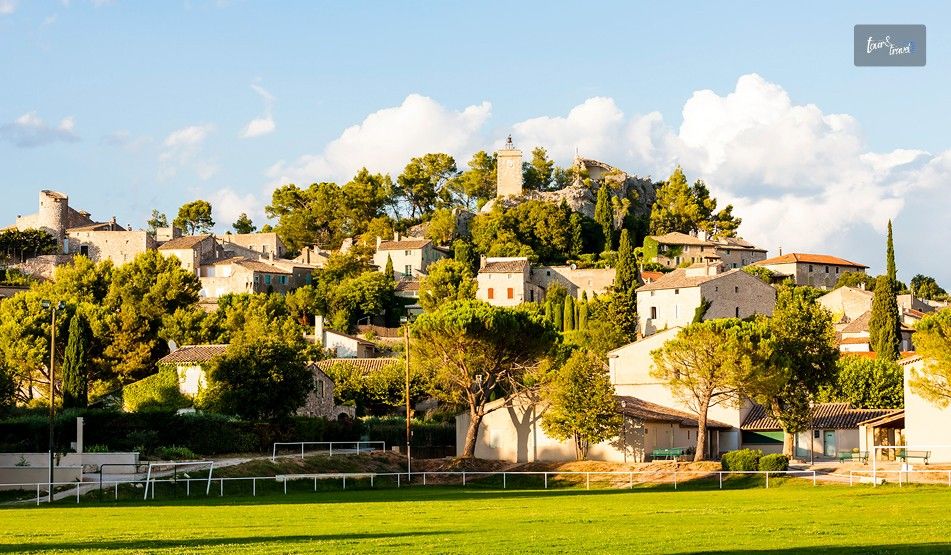
Aix-en-Provence in Southern France is the birthplace of the post-impressionist, Paul Cézanne. Now, this quaint city in France is nothing short of a picture.
The air here is filled with the scent of thyme and Rosemary. Also, it exudes quintessential French romance in its vibe.
2. A Mas In Provence Is The Ultimate Magic
The luxury villas in Provence have beautiful rose gardens, lush greenery, and the pristine appeal of nature around us.
Also, the luxury Le Collectionist villas in Provence have pools. Enjoy your drink and the delicacies prepared by the best chefs using local ingredients to immerse yourself in the magic of slow travel.
In fact, Max Aniort, the CEO and one of the founder members of Le Collectionist, once mentioned in a Forbes interview,
“…touring open markets in Provence with a Michelin-starred chef and stealing his best Provencal recipes” is one of the best experiences Le Collectionist villas can offer.
Now, Aniort has also been a lifelong traveler. So, he knows how to do it in real style.
3. The Luxury Villas In Provence Offer A Tailor-Made Experience
You can explore Aix-en-Provence as a local by choosing the luxury Le Collectionist villas as accommodations.
Furthermore, you can avail yourself of the concierge services of the luxury villas in Provence by Le Collectionist.
Moreover, you can explore the most happening gastronomic restaurants of the Luberon.
Also, you will love exploring the villages in Alpilles. In addition, you can take a hot air balloon ride to enjoy a hawk-eye view of the beautiful countryside.
The Best Luxury Villas Provence Le Collectionist With Tariff
While choosing the best luxury villas Provence Le Collectionist, you have to consider the kind of experience you want.
Want to cherish the beauty of a Southern French city? Choose the family villas in Bastide Syrah. You can also choose a luxury mas under the Sun, Provence villas with a private pool, and the villas in the heart of the Alpilles.
1. Family Villas In Aix En Provence
Aix-en-Provence is hands down one of the most beautiful places in Southern France. You can choose any of the luxury family villas here.
Mas Des Glycines
Tariff for 7 Nights: $37,160
Area: 1000 sqm
Bedrooms and Bathrooms: 6 Bedrooms and 7 Bathrooms
Suitable for: 12 Guests
Check-In: 5 PM
Check-Out: 10 AM
Close to Bonnieux, Mas des Glycines is a beautiful stone house surrounded by wisteria.
Further, during your stay here, you can listen to the sound of cicadas when the Sun is down. Moreover, it is an ideal accommodation if you want to explore the gastronomic scene of the Luberon.
Key Amenities
Sauna
Petanque
Barbecue
Fitness Room
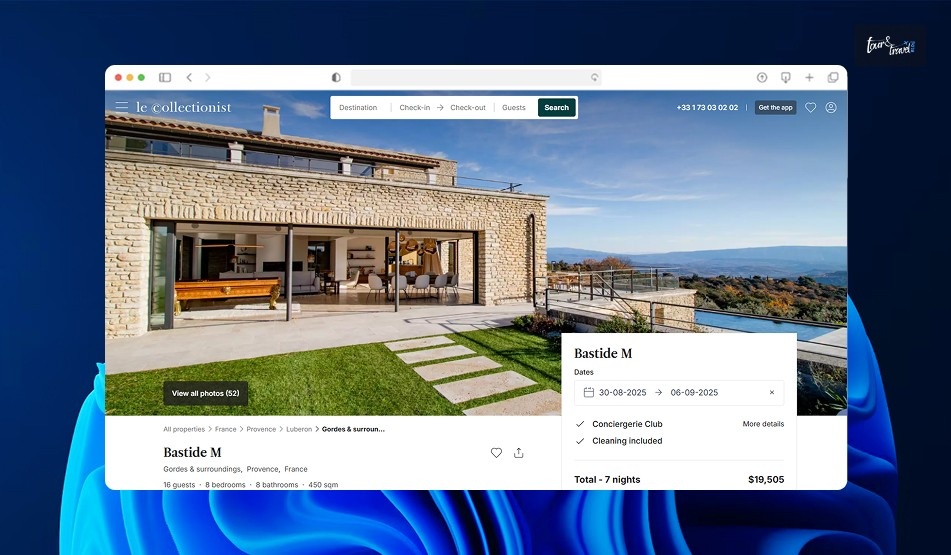
Bastide M
Tariff for 7 Nights: $19,490
Area: 450 sqm
Bedrooms and Bathrooms: 8 Bedrooms and Bathrooms
Suitable for: 16 Guests
Check-In: 5 PM
Check-Out: 10 AM
Bastide M is the best villa to enjoy the pastoral beauty of Luberon. Modern architecture and minimalist decor of the villa also exude a bohemian charm.
The beautiful pool and lounge further add to its appeal.
Key Amenities:
Petanque
Airconditioning
Fitness room
Heated Swimming Pool
2. Luxury Mas Under The Sun
Do you want to soak in the rustic charm of Southern France? Why don’t you choose a mas or a farmhouse with stone structures?
Mas Des Citronniers
Tariff for 7 Nights: $25,480
Area: 400 sqm
Bedrooms and Bathrooms: 7 Bedrooms and 5 Bathrooms
Suitable for: 14 Guests
Check-In: 5 PM
Check-Out: 10 AM
You will fall in love with the Provençal architecture of Mas Des Citronniers. The warm interior ensures a comfortable stay here.
On the other hand, while staying here, you can stroll through the alleys of Saint-Rémy.
Key Amenities:
Tennis Court
Fireplace
Grill
Airconditioning
Mas De La Badelle
Tariff for 7 Nights: $17,990
Area: 330 sqm
Bedrooms and Bathrooms: 6 Bedrooms and Bathrooms
Suitable for: 14 Guests
Check-In: 5 PM
Check-Out: 10 AM
Surrounded by olive trees, Mas De La Badelle is one of the most family-friendly accommodations in Provence.
Furthermore, in its architecture, it shows a wonderful fusion of contemporary design and rustic charm.
Key Amenities:
Floor Heating System
Fireplace
Partial Airconditioning
Grill
3. Villas In Provence With A Private Pool
Are you visiting Provence in the summer months? Choose any of these luxury villas Provence Le Collectionist with a private pool.
Le Mas Des Etoiles
Tariff for 7 Nights: $21,100
Area: 423 sqm
Bedrooms and Bathrooms: 7 Bedrooms and Bathrooms
Suitable for: 14 Guests
Check-In: 5 PM
Check-Out: 10 AM
Off to Gordes and its beautiful surroundings? Le Mas des Étoiles is a luxury villa that adds magic to your holidays.
The architecture of the villa, inspired by the stone bories, is complemented by the pine trees around. You will love a convivial lunch under the shade of the trees here and stargazing once the Sun is down.
Key Amenities
Barbecue
Petanque
Villa Mahëva
Tariff for 7 Nights: $11,635
Area: 330 sqm
Bedrooms and Bathrooms: 5 Bedrooms and Bathrooms
Suitable for: 10 Guests
Check-In: 5 PM
Check-Out: 10 AM
Close to the center of L’Isle-sur-la-Sorgue, Villa Mahëva is one of the best luxury villas in Provence for friends.
With a beautiful lawn and pergola, it is the ideal villa to relax and rejuvenate away from the hustle and bustle.
Key Features
Sauna
Fitness Room
Heated Swimming Pool
Petanque
Barbecue
4. In The Heart Of The Alpilles
Here are our top picks for the luxury villas Provence Le Collectionist in the Alpilles.
Mas Lou
Tariff for 7 Nights: $20,975
Area: 600 sqm
Bedrooms and Bathrooms: 9 Bedrooms and 6 Bathrooms
Suitable for: 22 Guests
Check-In: 5 PM
Check-Out: 10 AM
Mas Lou in Saint-Remy-de-Provence is the best place for the ultimate Southern French experience. Start your day with the brightest Sunlight and watch the Sun setting from the terrace with its colors reflecting in the pool.
Key Amenities
Petanque
Proximity to Golf Course
Fireplace
Football Field
Jacuzzi
Outdoor Swimming Pool
Villa Allure
Tariff for 7 Nights: $29,975
Area: 520 sqm
Bedrooms and Bathrooms: 5 Bedrooms and Bathrooms
Suitable for: 10 Guests
Check-In: 5 PM
Check-Out: 10 AM
Surrounded by matchless natural beauty, Villa Allure offers the perfect fusion of Provincial charm and proximity to the town centre.
Furthermore, the French Garden and terrace here are the perfect spots for enjoying leisure with your family.
Key Amenities
Movie Room
Fireplace
Swimming Pool
Golf Course
Fitness Room
How To Reach The Best Luxury Villas Provence Le Collectionist?
You can reach Provence or the Le Collectionist luxury villas here by train, flight, or car.
1. How To Reach Provence By Train?
You can board the TGV train from Paris, Nantes, Lyon, and other major cities in France. You can even take the train from Amsterdam to London.
The train will drop you at Avignon, or you can get off at Aix-en-Provence.
2. How To Reach Provence By Plane?
You can fly to the Marseille airport or Avignon-Caumont airport to reach Provence.
3. How To Reach Provence By Car?
You can avail yourself of the luxury concierge services of Le Collectionist and rent a car to reach Provence and the holiday villas in the Alpilles or the Luberon.
What Is The Best Time To Plan A Stay At The Luxury Villas Provence Le Collectionist?
June, July, and August, or the summer months, are the best time to plan a stay in the luxury villas Provence Le Collectionist.
Why? Because it is the season of lavender flowers and the Avignon Festival. Furthermore, the warm weather and the bright Sun make Provence ideal for outdoor activities in summer.
However, if you love slow tourism and are a connoisseur of Bon La Vie, April to May and September to October will be the best months to plan a stay at Le Collectionist villas.
Due to fewer crowds, these months offer you the chance to explore the beautiful villages nearby and gorge on the best cuisines.
How Do I Book A Luxury Villa In Provence With Le Collectionist?
You can easily book a luxury villa in Provence with Le Collectionist by calling +33173030202. Call this number between 1:00 PM and 10:00 PM according to the local standard time.
Also, you can book a villa from the official website of Le Collectionist.
1. Select the location as Provence, and then you will get multiple options so that you can choose a villa based on the experience you want.
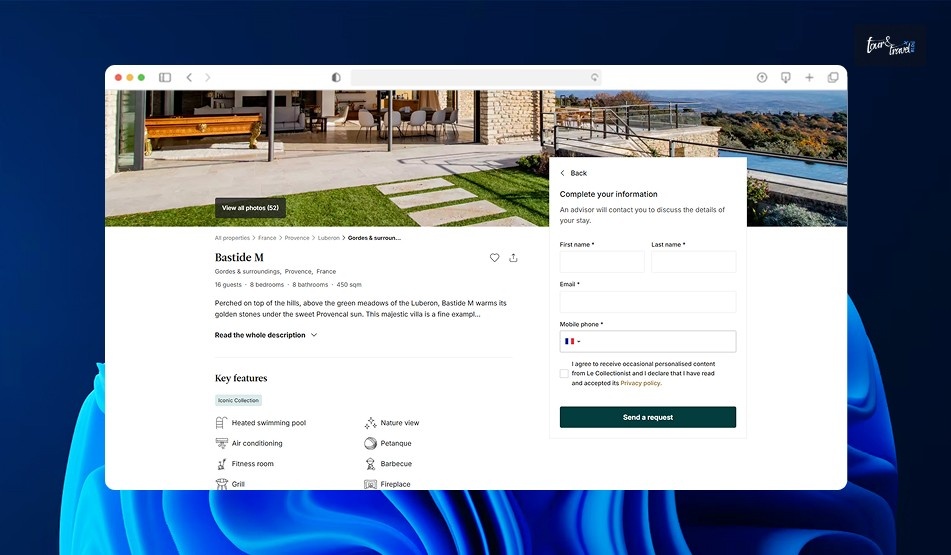
2. Further, choose a location and a villa, check the tariff and other details mentioned on the right side of the page.
3. Then, click on the “Make a Request” tab. A box will pop up, where you will have to fill in your name, email ID, and phone number. Now, you will have to agree to the terms and conditions and submit the form so that an advisor can contact you.
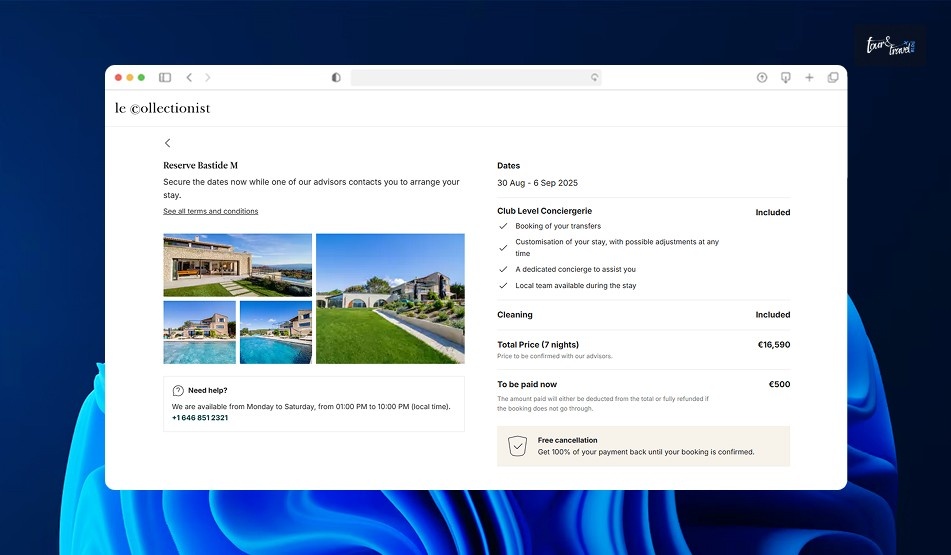
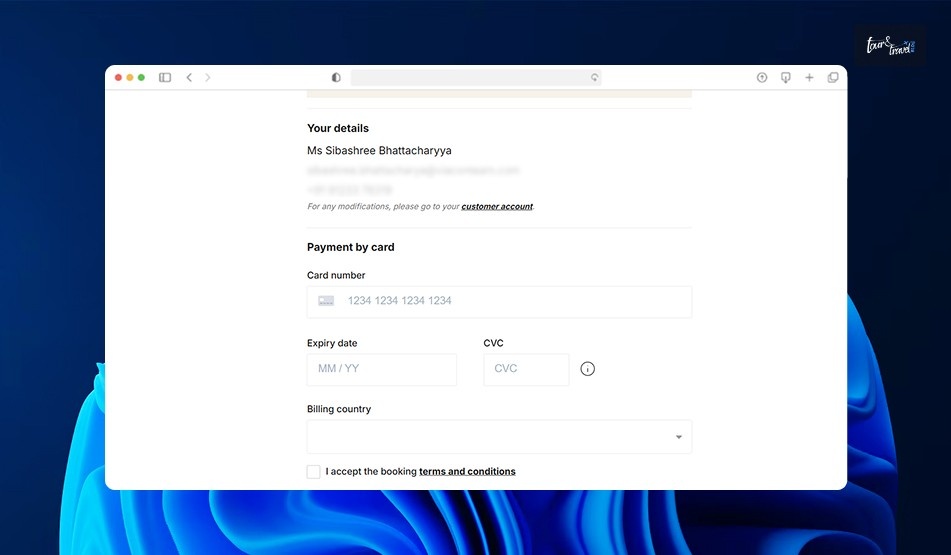
4. However, if you select the “Reserve” button, you will proceed to the next level. At this stage, the tariff and the advance amount to be paid are confirmed.
5. Now, you will have to log in using your email ID, where Le Collectionist will send a verification code. Enter that code to proceed to advance payment using your card.
Can I Book A Villa Near Famous Provence villages? Choose A Location That Adds To Your Southern France Holiday
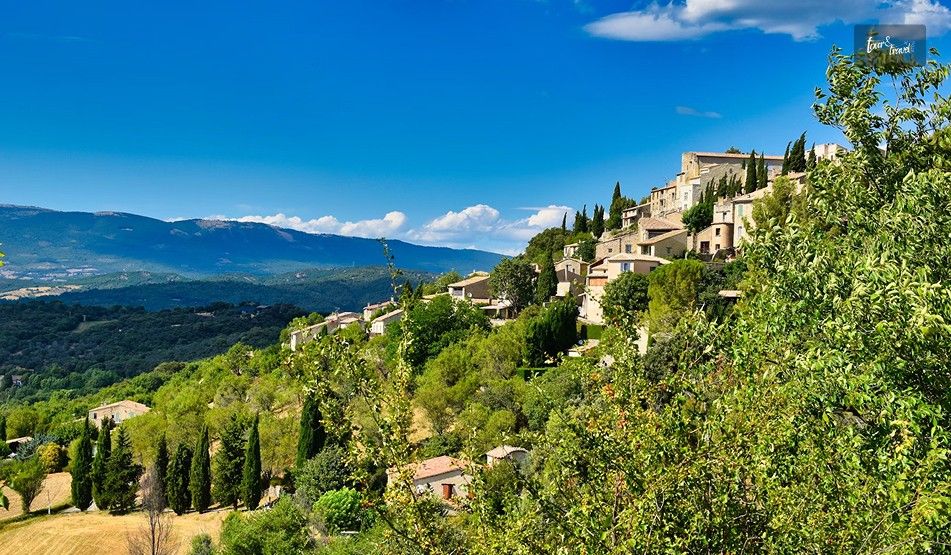
The best Le collectionist villas in Provence are spread across magical locations such as the Alpilles, the Luberon, Saint-Rémy-de-Provence, Maussane-les-Alpilles, Gordes, and Eygalieres.
So, yes, you can book a villa near famous Provence villages.
Let’s briefly know these locations to reserve your dream luxury Le Collectionist villa in Provence.
1. The Luberon
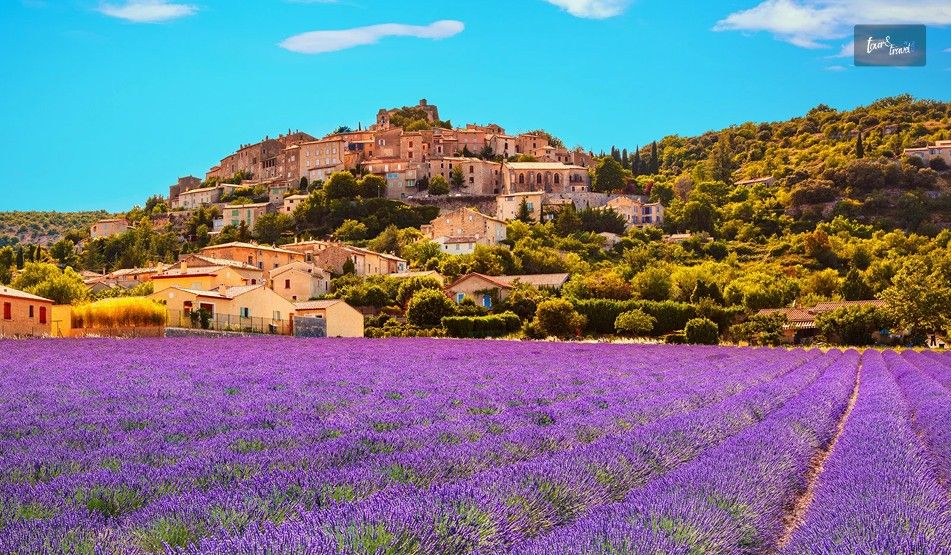
The Luberon looks pretty with its vast lavender and poppy fields. However, today, the Luberon is more celebrated for its culinary richness.
You will love La Melonnette or the combination of melon and chocolate ganache, Gibassier or the crumbly cake, and local lamb dishes here.
2. Saint-Rémy-de-Provence
Saint-Rémy-de-Provence is the ultimate destination in Provence for the curious and artistic minds.
Did you know that Saint-Rémy-de-Provence was the birthplace of Nostradamus? Also, Van Gogh spent a year at the Saint-Paul asylum here from May 1889 to May 1990. During his stay here, he produced around 150 works, including his most celebrated creation, “The Starry Night.”
Also, Glanum, just outside Saint-Rémy-de-Provence, is an ancient Roman city with ruins. The preserved monuments, or Les Antiques, include the triumphal arch, which is one of the oldest in France.
The Fountain of the Four Seasons, ancient Roman roads, and the Sainte-Croix church are telltale signs of the rich heritage of Maussane-les-Alpilles.
Located at the southern foothills of the Alpilles mountain, Maussane-les-Alpilles is also blessed with abundant natural beauty.
Moreover, it is one of the leading olive oil-producing regions in Southern France.
4. Gordes
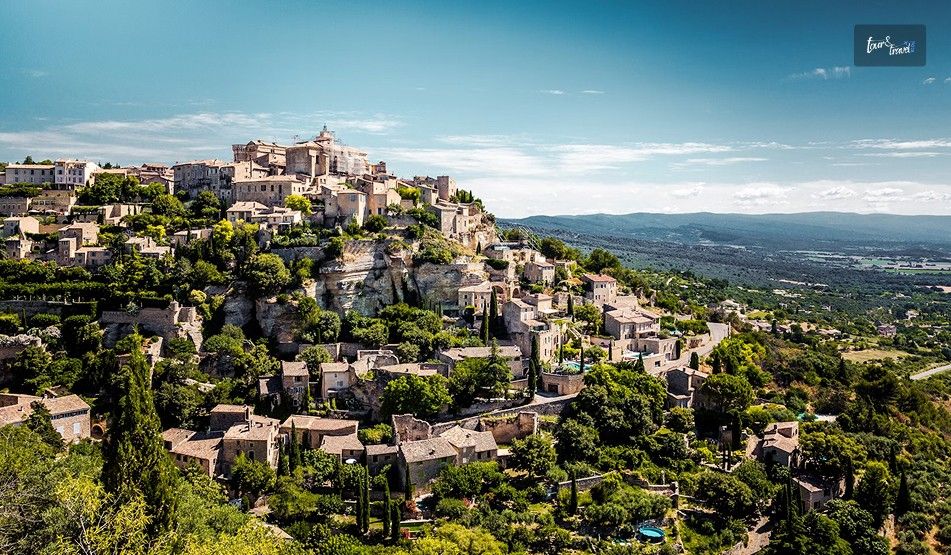
Les Plus Beaux Villages de France has recognized Gordes as “one of the most beautiful villages in France.” Additionally, it holds the honor of the Croix de Guerre, having demonstrated French resistance during World War II.
The historical landmarks in this village are the Chateau de Gordes and the Abbey of Sénanque.
5. Eygalieres
Home to the Saint-Sixte Chapel, Eygalieres is a quintessential French village with natural beauty in abundance.
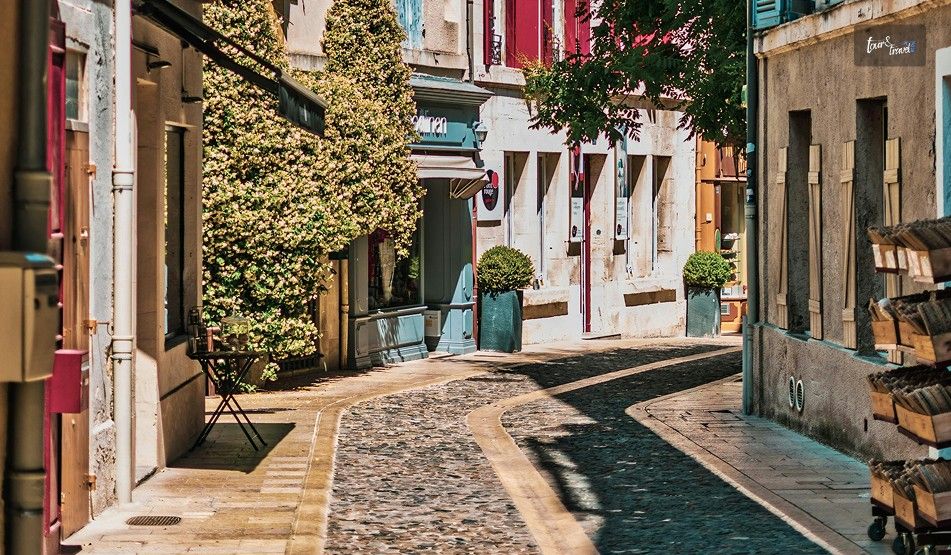
Also, you will love the stone houses and quaint alleys here.
What’s more? Explore the Friday market to collect local crafts and specialties as souvenirs.
Are The Luxury Villas Provence Le Collectionist Worth It? What Is Everyone Saying?
Le Collectionist received “The Conde Nast Traveller 2024 Readers’ Choice Awards” in 2024. It secured the fourth position with a score of 95.41%.
However, along with the endless awards and laurels, the guest reviews about Le Collectionist luxury villas have always been satisfactory and delightful.
Here are a few of them.
Jonathan Mathew P. writes in June 2025,
“Whether the pictures will match the home is always a concern when travelling. However, with Bastide M the pictures accurately depict the home and matched our expectations. We were very happy with the experience and would rent the property again.”
In 2023, Matthew B. wrote,
“Bastide M was the perfect home for our family and our vacation! Spectacular views, modern and well-finished, a variety of spaces for different needs…the home was exceptional in every way. We plan to return to Bastide M yearly, if not more frequently.”
Moreover, based on the 398 reviews shared on Trustpilot, Le Collectionist has a 4.5 rating out of 5.
Why Choose Le Collectionist Luxury Villas Over Other Luxury Villas?
CV Villas in Provence is a luxury holiday accommodation provider. However, despite operating in the same industry niche, it has a different focus.
To explain further, Le Collectionist positions itself as a luxury brand and it curates iconic global properties. It also has historic homes. Furthermore, it has a strong focus on personalized services.
In addition, Le Collectionist wants to cover global destinations.
CV Villas, on the other hand, is a UK-based company with more focus on offering family-friendly and pet-friendly villas. It has prominent presence in zones such as Europe, the Caribbean and Morocco.
Here is a more detailed comparison of CV Villas and Le Collectionist lury villas.
Comparing Factors
Le Collectionist
CV Villas
Company History
• Founded in 2013
• The focus in on finding the “Most beautiful homes in the world.”
• Founded in 1972.
• It is the first specialist villa company in the UK.
Property Portfolio
• Around 3000 villas, apartments and villas worldwide
• Curated properties, including only the ones that meet their standards
• Around 800 pet-friendly and family-friendly villas
• Luxury ABOVE Collectionist for high net-worth travelers
Destinations
• Le Collectionist has a global presence with a strong focus on Europe,
• CV Villas are primarily present in Europe, the Caribbean, and Morocco.
Key Features
• Creates luxury experiences
• Concierge services
• Focus on customization
• Concierge services
• Wider price points
If you are looking for a villa service with a long history and a wider range of price points, CV Villas will be the more ideal choice for you. Furthermore, CV Villas are more suitable for family-friendly and pet-friendly travel experiences.
On the other hand, Le Collectionist is more luxurious and it primarily works on creating luxury experiences. Also, the properties curated are one-of-a-kind.
Luxury Villas Provence Le Collectionist: Frequently Asked Questions (FAQs)
Here are the frequently asked questions and answers about luxury villas Provence Le Collectionist.
1. What Amenities Can I Expect In A Le Collectionist Villa?
You can expect amenities such as private pools, air conditioning, a spa, beautiful gardens, fitness rooms, fireplaces, petanque, grill, and more at Le Collectionist luxury villas.
2. Are Le Collectionist Villas Suitable For Romantic Getaways?
Yes, Le Collectionist villas are suitable for romantic getaways as they offer the perfect fusion of privacy and high-end amenities. Further, they offer tailored concierge services based on the specific interests of couples.
3. Are The Villas Family-Friendly Or Suitable For Groups?
Yes, many Le Collectionist luxury villas are child-friendly and suitable for families and large groups. Some even organize specialized activities or tours for children.
In addition, the large villas have safe swimming pools, gardens, and private dining spaces for families and large groups.
You can especially choose family villas in Aix-en-Provence, such as Mas des Glycines, Bastide M, and Bastide Syrah.
4. Do I Need To Pay A Security Deposit?
Yes, you will have to pay a security deposit for your stay at Le Collectionist. The amount will be mentioned in your rental contract. However, you will get a complete refund of the amount if no damage is caused during your stay.
5. Can I Check In Early Or Check Out Late?
Based on the availability of the property and the approval of the owner, there are provisions for early check-ins and late check-outs.
However, the standard check-in and check-out timings at Le Collectionist villas are 5 PM and 10 AM. So, you will have to inform the property owner well in advance of your early check-in and late check-out plans.
6. What Are The Cancellation Terms For Booking Le Collectionist Luxury Villas?
If your booking is confirmed and you cancel it at least 60 days before your visit, you will get a 50% refund of the entire rental amount. After that, Le Collectionist will charge 100% of the rental amount.
However, if you are booking the villas online, you will get a complete refund of the online pre-booking amount until the reservation is confirmed.
Sibashree is a travel, culture, and leisure writer who has been writing since the age of 12 and professionally since 2014. With more than a decade of travel writing experience and journeys across India and several parts of the world, she brings a deeply personal and thoughtful perspective to her work. A student of English Literature and Mass Communication, Sibashree has always viewed travel as more than movement — for her, it has been a way of understanding people, cultures, and herself. Her passion for spiritual exploration has also led her to many unusual and meaningful destinations over the years. Outside of writing, Sibashree enjoys watching European cinema, reading about global politics, and reflecting on the stories hidden within everyday places.
If you are planning to fly out of an airport this travel season, you need to spend a little time thinking about how you will get there.
Transportation to an airport can quickly get expensive, and perhaps you do not have a whole lot of extra cash at the moment, especially if you’ve spent a lot on tickets, hotel accommodations, etc.
Finding a more reasonably priced option means you can save money that will likely come in handy at another point during your trip.
Maybe you need to save cash for a Los Angeles van rental or for getting into museums and other attractions once you arrive at your destination.
In these circumstances, keeping as much money in your pocket as possible when heading to the airport is often crucial. We will discuss seven modes of transportation that are worth your consideration in the following article.
Most Cost-Effective Way to Reach the Airport
Read this article till the end to know which is the most cost-effective ride to the airport.
You Can Walk
Is it possible to walk to an airport? Sometimes it is, but that would have to mean you would already have to be pretty close to it.
The most practical time to walk to an airport is if you stayed at a hotel adjacent to it the previous night. Most other times, it is not possible or practical. Whenever you can manage it, though, you will presumably pay nothing.
It really does not get much better than that if you are attempting to conserve your money. You will even get some exercise by walking, which is nice.
If you can walk to the airport, make sure to watch out for traffic and only use roads with sidewalks. Using airport access roads or ones only intended for cars is dangerous. Saving money is great, but not if it comes at the possible price of being hit by a taxi or airport shuttle.
You Can Consider Hiring an Uber or Lyft
In the past decade, hiring an Uber or Lyft has become a piece of common knowledge in the urban scene. You can book a ride on these rental cars within seconds with the help of apps on your phone. If you are not a very tech-savvy person, you can still get the Lyft or Uber app, order a vehicle for yourself, and ride to the airport with someone else handling the driving duties.
The real drawback with either Uber or Lyft is the expense. During surge hours pricing can become quite expensive in the case of these rental cars. At certain hours when the demand for these rental cars increases, Uber or Lyft increases their pricing as well. Hiring a rideshare vehicle off hours is almost always cheaper.
You Can Hire a Taxi
The option of hiring a taxi can be efficient and expensive. For example, if you book a cab from Midtown Manhattan to JFK it will easily cost you $50 or more. This cost varies based on the demand of the cab, city or state, and other circumstances affecting the booking prices.
If you are in a smaller city with a less busy airport, getting a taxi may not break the bank. If you are considering this option but have a tight budget, it never hurts to go online and do a little research before you flag down the nearest taxi on the street.
Take a Hotel Shuttle
Hotel shuttles are usually free if you are staying at that hotel, so getting to the airport that way is certainly an attractive prospect. Hotel shuttles are usually clean and well-maintained. They are also generally air-conditioned, which is nice.
You should have at least a couple of dollars to tip the driver if you go this route. $5 for a tip is usually the expected amount, but the driver will likely be happy if you give them anything, since not all travelers do.
Get a Public Bus or Train
Cities that have public buses and trains you can take to the airport are another one of the cheaper options in most instances.
These choices can save money, but they often take much longer to get to the airport because they make many stops. If you decide to grab a train or bus, make sure to leave yourself plenty of time for this reason.
Rent a Town Car
You might also rent a town car if you have enough money. A town car offers a VIP feeling, meaning you get a ride to the airport in style. Then this experience comes at a high cost so you will try this only when you feel like treating yourself.
Again, if you can afford the cost of renting a town car then that is a great advantage. Your advantage is that you get to enjoy the ride alone without sharing it with anyone.
It will also most likely be air-conditioned and comfortable. The only danger if you decide on this option is a chatty driver. If you do not mind making small talk, though, that might not be a significant source of concern for you.
Take an Airport Shuttle
Many airports operate shuttles that will pick you up throughout the city. Generally, you can find the operating routes of these airport shuttles through the airport’s website and choose the shuttle accordingly.
On the other hand, a hotel shuttle is free, unlike an airport shuttle which can be expensive.
Conclusion
To recap, walking is usually your only free option. Taking public transportation can keep the price down while getting a hotel shuttle is generally free.
Other options can be expensive for you such as Lyft, Uber, or hiring a taxi or town car. Then again this expense comes with an advantage of not sharing the ride with anyone.
If these options don’t work for you, then just ask a family member or a friend to drive to the airport if they are available. This is only an option in cities where you know someone, though.
If someone you know is willing to give you a lift, you might be obliged to buy them breakfast or something along those lines as a way of saying thank you.
Know More:
How To Stay Safe In New Orleans: A Traveler’s Guide
Is San Francisco Safe? THIS Is What You Should Know!
Is Savannah Safe? What You Need To Know Before Visiting!
Are you exceeding your travel budget? See, finding a suitable accommodation with all the luxury but at a reasonable tariff can be challenging.
Fortunately, you can now use the TTWeakHotel discount codes to enjoy a stay at a premium hotel at a reasonable price.
So, these are powerful tools for affordable travel, and with these, you can save your money across a diverse range of hotel bookings.
From world-class resorts to premium boutique hotels, you can now have access to all types of accommodations.
However, I did not know about these discount codes until my friend introduced them to me. So, I am sure, many travelers, especially beginners, are unaware of these discount codes.
Hi, in today’s blog, I will talk about how these TTWeakHotel discount codes can change the way you travel, along with the hidden chances and unique strategies.
I will also talk about smart tips to use TTWeakHotel discount codes in the right way.
How Can TTweakHotel Discount Codes Change The Way We Travel?
TTweakHotel is a class apart among the hundreds of online hotel discount platforms. It comes with a smart method of “algorithm-driven code distribution.”
Furthermore, its pricing hacks are geo-specific.
So, these are way smarter than basic coupons. The offers are curated according to many factors, including seasonality, the local economic situations of a place, and the user patterns.
Why Are TTweakHotel Discount Codes Special?
TTweakHotel discount codes are special because of their limited availability. You will find the flash codes only for a few hours.
So, you have to check the discount codes frequently.
Also, these discount codes are not one-size-fits-all solutions. The discount codes you get will be customized based on your travel preferences and history.
Moreover, these discount codes are stackable offers. Thus, you can combine these discount codes with hotel loyalty points or credit card rewards.
How To Get Hidden Deals For TTWeakHotel Discount Codes?
Are you using just one code a day? This is not the way a pro traveler travels.
So, follow this simple step-by-step process to unearth the hidden discounts that not every traveler can get.
1. Geo-Switching For The Best Regional Pricing
I have already mentioned that TTweakHotel discounts depend on geo locations and local economy. So, if you know that TTweakHotel discount codes are better in any other location than your place, there is a smart way to make the most of it.
Use a VPN and hide your actual IP address. Connect to the VPN server located in a faraway country to get the best discounts.
TTweakHotel usually offers larger discounts when you book hotels from lower-GDP regions.
2. Adopt The Abandoned Cart Strategy
The abandoned cart strategy is similar to how we negotiate with the buyer at a physical store. Add the hotel booking to your cart and then leave.
In such cases, expect to receive personalized TTWeakHotel discount codes within 24 to 48 hours in your email. They want you to complete your booking so that they can close the sale.
3. Go Incognito And Clear Cache
When you are doing repeated searches for hotel bookings, TTweakHotel can track your visits and show an increased price for booking accommodations.
So, you must start a fresh browser session and then enter the TTweakHotel discount codes to get a lower base rate or the “first-time user incentives.”
Real-World Use Cases Of TTWeakHotel Discount Codes
From weekend gateways to luxury escapes, the TTWeakHotel discount codes really work. Even if you are a spontaneous lover who keeps booking at the last moment, these discount codes will come in handy.
Here are some real-life travelers sharing their experiences of using the TTWeakHotel discount codes.
1. Neil, The Family Vacationer
“I was traveling with my wife, toddler, and parents. So, I searched for the family of five TTweakHotel discount codes and used the hotel promo code of “kids stay free”.
After applying the promo code at checkout, I got three extra nights without any charges. Furthermore, breakfast for the entire group was included.”
2. Grace, The Luxury Traveler On A Budget
“I was planning a honeymoon in Santorini, and to book a five-star resort. I used a TTweakHotel code stacked with the Mastercard summer promotion.
Thus, I got a discount of $500. I even used my hotel loyalty points to get the best suite.”
3. Anthony, The Lazy And Spontaneous Traveler
I am a freelance photographer and a digital nomad. I know it’s bad, but I end up booking hotels at the last minute.
This time, I turned on TTweakHotel notification alerts and used the Midnight Drop discount codes. The codes were amazing, offering around 40-60% discount on the available rooms.
But you have to really hurry up to get these discounts, as they can expire within four to six hours.
What Are The Common Mistakes While Buying TTweakHotel Discount Codes?
Are you making any of the following mistakes? These can be expensive, defeating the core purpose of enjoying luxury at a discounted price.
1. Missing The Code Expiration Dates
Check the validity of the TTweakHotel discount codes. You have to be sure about the expiry date.
TTweakHotel usually updates its code library every day. So, set alerts or check frequently.
2. Applying Codes After Making Payments
Have you made the payments? Then, the transaction is complete, and it will not allow you to use your discount codes retroactively.
So, check the discount codes and enter the code before the final checkout.
3. Not Checking Multiple Codes
Don’t just use the first code you get. It may not always be the best one.
You must try at least 3-4 valid discount codes and find out which one saves the most money.
Furthermore, look out for the perks such as a free pickup from the airport, early check-ins, or flexible check-outs.
What Are The Best Times Of The Year To Use The TTweakHotel Discount Codes?
There are three seasons or spans in a year for using the TTweakHotel discount codes.
So, check out the discounts for off-season traveling, holiday periods, and other travel windows.
1. Off-Season Traveling
It is the golden rule that hotels will look for filling their rooms when nobody is traveling. That is why you must use the TTweakHotel discount codes in the off-season.
Suppose you are traveling to tropical location in the rainy season, or after the peak months, you can get up to 60-70% discount on hotel booking with the TTWeakHotel discount codes.
2. Holiday Periods
Holiday periods are ideal for deep discounts. So, check TTweakHotel discount codes frequently during the New Year, Christmas, or Black Friday festivals.
During these times, TTWeakHotel collaborates with leading hotel chains to churn out exclusive bundle offers.
3. Business Travel Windows And Back-To-School Offers
Solo trippers and business travelers can get the most unique codes in September and February.
Business travelers or digital nomads can get additional benefits such as workspace upgrades, free breakfast, or high-speed Wi-Fi.
What Is The Psychology Behind The TTWeakHotel Discount Codes?
TTWeakHotel discount codes are not just about cutting down our travel costs and budget. They improve user engagement and customer loyalty by offering these discounts.
However, to understand what I just said, you need to find out the psychology behind offering these discount codes.
1. Reward Loops
When you use the TTwealHotel discount codes frequently, you get personalized and exclusive discount codes according to your search/visit history.
So, it is like a loop. The more frequently you search, the better discount offers you get.
2. Gamification Of The Codes
You will often see the codes in quizzes, newsletters, or emails. Furthermore, these discount codes are sometimes a part of the social media challenges.
So, this is a smart way to gamify the codes to boost user engagement.
3. Urgency And Scarcity For Limited Time Offers
The discount codes available for a few days, weeks, or months always create a sense of urgency. The fear of missing out or FOMO is very high in such instances.
Moreover, by creating this FOMO, TTWeakHotel discount codes want to push the users to act fast.
Where Will You Find The Most Trusted Discount Codes?
Many sites claim to offer genuine TTWeakHotel discount codes. However, these are the reliable sources to find safe discount codes.
Places to Find Safe TTweakHotel Discount CodesDetails The Official TTweakHotel Website• Daily or Weekly Updates• The Latest and Safest Codes Browser Extensions• Install Coupon Finder Extensions• Test TTweakHotel Discount Codes During Checkout Email Subscriptions • Register with Your Email.• Get Access to Limited Codes Quickly. • Register in the Peak Travel Hours to Get the Best Discounts. Social Media Drops• Often, the Exclusive TTweakHotel Discount Codes will Remain Hidden within Twitter or Instagram Campaigns. • Moreover, these Discount Codes Have the Theme of User Milestones or Trending Destinations.
How Are TTweakHotel Discount Codes Different From Other Hotel Coupons? A Comparison
FeaturesGeneric Hotel Coupons/Codes TTWeakHotel Discount CodesFlash CodesNoYesReal-Time UpdatesNoYesPersonalized DiscountsNoYesTransparency About Expiration DateNoYesStackable Loyalty Points NoYes
So, overall, TTweakHotel offers more user-focused and dynamic discount codes. Hence, no wonder that experienced travelers love these discount codes.
TTweakHotel Discount Codes: Unlock The Added Perks
The TTweakHotel discount codes just do not slash down the hotel booking costs. You can also unlock additional travel benefits.
1. Early Check-In And Late Check-Out
Business travelers often need to extend their stay because of the postponement of meetings or project extensions.
Furthermore, they need more flexibility in planning their stays. So, the usual check-in and check-out timings may not work for them.
Moreover, with the TTweakHotel discount codes, you can now combine the discounted price with flexible check-in and check-out benefits.
2. Airport Shuttle Service
Sometimes the TTWeakHotel codes are bundled up with airport pickup services. This is a great feature when you are a first-time visitor to a new city or a new country.
This is also a budget-friendly feature as you don’t need to negotiate with local cab drivers or car rental services.
3. Complimentary Credit For Spa Or Breakfast
Many codes also come with the label of “Value-Added.” These value-added benefits often include welcome drinks, spa vouchers, or breakfast.
These value-added features are especially beneficial for solo travelers and business travelers.
Moreover, it is not just about a package service/discount but flexibility and comfort when you are navigating through travel and work in an unknown place.
4. Free Room Upgrades
Moreover, some TTweakHotel codes are combined with hotel partners, sometimes the best hotel chains for auto upgrades.
Thus, once you check in, and if upgraded rooms are available, you will get an auto-upgrade.
Traveling Smart With The Right TTWeakHotel Discount Codes
You can be a first-time traveler or a veteran globetrotter. Now, you can use the TTweakHotel discount codes as tools to make traveling more affordable, flexible, and comfortable.
However, you have to be smart with your strategies.
It is not just about unlocking the price drops. These codes can also make your travel experience more rewarding in the form of support, such as airport transfers, spa services, and complimentary breakfast in a new place.
Moreover, with these codes, you don’t just book a hotel, but you hack the entire booking process. So, find the right “hidden windows” to enhance your day.
So, if you are planning a budget travel shortly, you need to grab a TTweakHotel discount code and check how it works. You will enjoy the travel budget benefits like never before.
Read Also:
Splurge Or Save? Finding The Sweet Spot For Summer Wardrobe Costs Before Your Next Trip
Discount Codes Ttweakflight: How Can You Save A Few Dollars On Your Upcoming Air Trip?
Traveltweaks Com: Why Is It A Trustworthy Resource For Travel Planning?
Imagine strolling through streets lined with historic sites, exploring contemporary art in bustling galleries, unwinding in grandiose homes turned into museums, or sipping coffee in quaint little nooks. Yes, THAT is Savannah for you!
A city where the old and the new blend together, like honey, Savannah's diverse offerings range from serene gardens to lively beaches. It ensures every moment is packed with potential. But what are the things to do in Savannah, GA?
If that is something that you are interested to know, I have you covered! In this guide, I'll talk about Savannah's top experiences and provide tips to craft your ideal visit. Ready to explore? Keep on reading this blog till the end to learn it all…
Best Things to Do in Savannah, GA in 2024!
Savannah is a hidden gem. There is absolutely no doubt about that! But did you know that the gorgeous city of Savannah is rated number 18 TripAdvisors’ Travelers’ Choice Best of the Best Destinations for 2024?
Yes, you heard that right!
That is exactly why it would be best if you booked a flight to explore the southern charms of the city. Here is a list of the things to do in Savannah, GA that should be on your bucket list:
1. Explore the Historic District
The first thing to do in Savannah, GA is to take a walk through the old parts of the town. It's a big area with lots of old and important buildings. You'll see different styles of houses and other cool things like squares with fountains and statues.
There are some really special places you should see. For instance, the big church called the Cathedral of St. John the Baptist, the Mercer Williams House, and a few others that are famous in Savannah.
You can check out this area by walking, riding a bike, taking a trolley, going on a carriage ride, or joining a tour group. It's a fun way to see a lot of neat stuff in Savannah.
2. Stroll Along River Street
Secondly, another must-do thing in Savannah, GA is to stroll along River Street, which is a lively waterfront promenade that runs along the Savannah River.
This place is lined with some of the most popular restaurants, bars, galleries, and hotels that serve the convenience of the visitors. But that is not all! One of the best things about River Street is that this place offers a great view of the river and the ships that pass by.
So, when you are here, you can enjoy the local cuisine, browse the souvenirs, watch the street performers, and listen to live music.
Additionally, you can join the festivities during the annual events, such as the St. Patrick's Day Parade, the Fourth of July Fireworks, the Oktoberfest, and the Christmas on the River. River Street is also a great place to catch a ferry, a riverboat cruise, or a dolphin tour.
3. Visit the Forsyth Park
Thirdly, if you are looking for a relaxing and scenic spot in Savannah, you should visit Forsyth Park. It is a 30-acre park in the heart of the city.
Famous for its iconic fountain that literally takes the breath away, this park was built in the year 1818. Visitors often gawk at the beauty of this place which resembles the one in Paris's Place de la Concorde.
And you know what? There is everything that you need at a park here! It features a fragrant garden, a children's playground, a lovely cafe, and a visitor center. Additionally, a large open space for picnics, sports, and concerts also adds to the charm of the park!
Pro Tip: Do not forget to enjoy the seasonal events that take place in the park. These include the Forsyth Farmers' Market, the Savannah Jazz Festival, the Picnic in the Park, and the Sidewalk Arts Festival.
4. Discover the Bonaventure Cemetery
Fourthly, the bucket list for the best things to do in Savannah, GA will be incomplete without this one! If you are interested in the history and culture of Savannah, you should visit the Bonaventure Cemetery, which is a 100-acre cemetery that dates back to 1846.
Bonaventure Cemetery is not only a resting place for some of Savannah's most notable citizens, such as Johnny Mercer, Conrad Aiken, and James Oglethorpe.
Additionally, it is also a stunning example of the Southern Gothic style, with its elaborate tombstones, statues, mausoleums, and live oaks draped with Spanish moss.
You can also find the grave of the "Bird Girl." It is the statue featured on the cover of the best-selling book "Midnight in the Garden of Good and Evil". You can explore the cemetery on your own or join a guided tour.
5. Enjoy the City Market
Are you looking for a fun and lively place in Savannah? Well then, you should enjoy the City Market. It is a four-block area that has been the social and commercial hub of the city since the 18th century.
The City Market is home to a variety of shops, restaurants, bars, galleries, and studios, where you can find everything from local arts and crafts to gourmet food and drinks.
You can also enjoy the entertainment options, such as live music, comedy shows, karaoke, and trivia nights.
The City Market is also a great place to experience Savannah's nightlife, as it hosts many events and parties throughout the year.
6. See the Wormsloe Historic Site
Suppose you want to see one of Savannah's most picturesque and historic sites. In that case, you should see the Wormsloe Historic Site, which is a former plantation that was established by Noble Jones, one of the first settlers of Georgia, in 1736.
The Wormsloe Historic Site is famous for its majestic avenue of live oaks that leads to the ruins of the colonial estate, where you can see the tabby walls, the museum, and the interpretive center.
You can also explore the site's nature trails, marshes, gardens, and wildlife. You can visit the Wormsloe Historic Site on your own or join a guided tour.
7. Experience the Savannah College of Art and Design
Are you a fan of art and design? In that case, you should experience the Savannah College of Art and Design, a prestigious private university that has campuses in Atlanta, Savannah, Hong Kong, and France.
The Savannah College of Art and Design (SCAD) offers more than 40 majors and 60 minors in various fields of art and design. For instance, some of them are architecture, animation, fashion, film, graphic design, photography, and more.
You can visit the SCAD Museum of Art, which showcases the works of contemporary artists and designers and the historic buildings that house the SCAD classrooms, studios, and galleries.
You can also attend some of SCAD's events and exhibitions, such as the SCAD Fashion Show, the SCAD Film Festival, the SCAD Sidewalk Arts Festival, and the SCAD deFINE ART.
8. Relax at the Tybee Island
If you are looking for a beach getaway near Savannah, you should relax at Tybee Island, a barrier island located 18 miles east of the city.
Tybee Island is a popular destination for locals and tourists alike. They come to enjoy the sandy beaches, the warm waters, the fresh seafood, and the laid-back atmosphere.
You can also visit some of the attractions on the island. For example, firstly visit the Tybee Island Light Station, which is the oldest and tallest lighthouse in Georgia. Secondly, you can visit the Tybee Island Marine Science Center. It offers educational programs and exhibits on the local marine life. Lastly, you Fort Pulaski National Monument, which is a historic fort that played a role in the Civil War.
You can also join some of the activities on the island, such as kayaking, fishing, surfing, biking, or birdwatching.
9. Learn at the Georgia State Railroad Museum
Are you someone who is interested in things related to history? Well, in that case, you should learn at the Georgia State Railroad Museum. Visiting this is one of the best things to do in Savannah, GA.
This a museum located in the former Central of Georgia Railway Savannah Shops and Terminal Facilities.
The Georgia State Railroad Museum is a National Historic Landmark and features the country's largest collection of historic railroad buildings.
You can see the locomotives, cars, and machinery that were used in the railroad industry, as well as the workshops, offices, and roundhouses that were part of the complex.
Additionally, you can ride on a steam or diesel train, operate a handcar, and learn about the railroad's history and operation. You can visit the museum on your own or join a guided tour.
10. Taste the Savannah Bee Company
Suppose you are a fan of honey and bees. In that case, you should taste the Savannah Bee Company, which was founded in 2002 by Ted Dennard, a passionate beekeeper and honey enthusiast.
The Savannah Bee Company produces and sells various honey products, such as raw honey, whipped honey, honeycomb, honey straws, honey butter, honey soap, honey lotion, and more.
You can visit the Savannah Bee Company stores in various locations in Savannah, sample the flavors and varieties of honey, and learn about the benefits and uses of honey and beeswax.
You can also join some of the events and workshops the Savannah Bee Company offers, such as the Honey Tasting Experience, the Mead Tasting, the Bee Garden Tour, and the Beekeeping 101.
11. Watch the Savannah Theatre
If you are looking for a cultural and entertaining experience in Savannah, you should watch the Savannah Theatre. It is a historic theater that was built in 1818 and is the oldest continually operating theater in the United States.
The Savannah Theatre has hosted many famous performers and shows, such as Oscar Wilde, W.C. Fields, Lillian Russell, and Porgy and Bess. Today, the Savannah Theatre presents a variety of musicals, comedies, and concerts, featuring talented local and regional artists.
12. Shop at the Broughton Street
Looking for a shopping spree in Savannah? You should shop at Broughton Street, the city's main shopping street. Broughton Street offers a mix of local and national stores, ranging from clothing and accessories to books and antiques.
You can find some of the most popular brands, such as Banana Republic, J.Crew, Urban Outfitters, and Anthropologie, as well as some of the most unique boutiques, such as The Paris Market, The Salt Table, and The Book Lady.
Moreover, you can also enjoy the cafes, bakeries, and restaurants that line the street, such as Leopold's Ice Cream, The Coffee Fox, and The Collins Quarter.
13. Tour the Old Fort Jackson
You should tour Old Fort Jackson if you want to learn more about Savannah's military history. It is a historic fort that was built in 1808. At present, it is the oldest brick fort standing in Georgia.
The Old Fort Jackson played a role in the War that took place in 1812, the Civil War, and the Spanish-American War, and was used as a training camp during World War I and World War II.
You can see the original cannons, barracks, and ramparts, as well as the exhibits and displays that tell the story of the fort and its soldiers.
You can also watch the daily cannon firings, musket demonstrations, and flag ceremonies and participate in some of the fort's interactive programs and events.
14. Admire the Telfair Museums
If you love art and culture, you should admire the Telfair Museums, a trio of museums that showcase the art and history of Savannah and the world.
The Telfair Museums consist of the Telfair Academy, the Jepson Center, and the Owens-Thomas House and Slave Quarters.
The Telfair Academy is a historic mansion that was built in 1819 and houses a collection of 19th and 20th-century American and European art, including works by Mary Cassatt, Frederic Remington, and Childe Hassam.
The Jepson Center is a modern building that opened in 2006 and features a collection of contemporary art, including works by Jasper Johns, Roy Lichtenstein, and Nick Cave.
The Owens-Thomas House and Slave Quarters is a historic house built in 1816 and a National Historic Landmark showing the life and legacy of the wealthy and enslaved residents of the antebellum South. You can visit the Telfair Museums on your own or join a guided tour.
15. Eat at the Mrs. Wilkes Dining Room
Wondering where to get the best taste of the Southern cuisine in Savannah? Look no further and head over to the Mrs. Wilkes Dining Room. This one is a legendary restaurant that was established in 1943 by Sema Wilkes. She is a self-taught cook who opened her boarding house to the public.
The Mrs. Wilkes Dining Room serves a family-style lunch Monday to Friday, featuring dishes like fried chicken, meatloaf, macaroni and cheese, collard greens, black-eyed peas, cornbread, and peach cobbler.
You can enjoy the food in a communal setting, sharing a table with other guests and passing the platters around. Additionally, you can also buy some of the cookbooks and souvenirs that the restaurant sells.
16. Visit the Pin Point Heritage Museum
The next thing to do in Savannah, GA is to visit the famous Pin PointMuseum. If you want to discover the African American culture and heritage of Savannah, this is the place to go. It is a museum that is in the previous A.S. Varn & Son Oyster and Crab Factory.
The museum tells the story of the Pin Point community. The community was founded in the 1890s by the descendants of freed slaves who worked in the seafood industry.
You can see the original equipment, tools, and products used in the factory. You can also see the exhibits and videos depicting the history and traditions of the Pin Point people.
Additionally, you can meet some of the former workers and residents of the community, who share their stories and experiences.
17. Play at the Savannah Children's Museum
Traveling with kids in Savannah? Then you should play at the Savannah Children's Museum. It is a museum that is located in the old Central of Georgia Railway Carpentry Shop.
The Savannah Children's Museum is a fun and educational place for children of all ages. It features a variety of indoor and outdoor exhibits and activities that encourage learning through play.
You can explore the sensory garden, the maze, the climbing wall, the art studio, the water play area, the reading nook, and more.
You can also join some of the programs and events the museum offers. For instance the Toddler Tuesdays, the STEAM Studio, the Story Time, and the Family Free Day.
18. Drink at the Moon River Brewing Company
If you are looking for a refreshing and exciting drink in Savannah, you should drink at the Moon River Brewing Company, a brewery and pub founded in 1999 and located in the former City Hotel.
The Moon River Brewing Company produces and serves a variety of beers, such as the Swamp Fox IPA, the Slow-vannah Pale Ale, the Dixie Kristal Tripel, and the Captain's Porter.
You can also enjoy the food menu, which features pub classics, such as burgers, wings, nachos, and salads.
Furthermore, you can experience the haunted side of the brewery. It is said to be one of the most haunted places in Savannah. You can join some of the ghost tours and investigations that the brewery hosts.
19. Walk the Savannah Botanical Gardens
If you are looking for a peaceful and beautiful place in Savannah, walk the Savannah Botanical Gardens, a 10-acre garden on the city's south side.
The Savannah Botanical Gardens are open to the public and free of charge. It features a variety of plants, flowers, trees, and shrubs, as well as a pond, a waterfall, a rose garden, a camellia garden, a fern garden, a herb garden, and a children's garden.
You can also see the Reinhard House. It is a historic farmhouse built in 1840 and furnished with antiques and artifacts. You can visit the Savannah Botanical Gardens on your own or join a guided tour.
20. Learn at the Savannah History Museum
In case you want to learn about the history of Savannah, you should visit the Savannah History Museum, which is located in the former Central of Georgia Railway Passenger Station.
The Savannah History Museum showcases the history of Savannah from 1733 to the present, featuring more than 10,000 artifacts, documents, and photographs, as well as interactive exhibits and displays.
You can see some of the highlights of the museum, such as the bench from the movie "Forrest Gump," the uniform of General Casimir Pulaski, the carriage of Girl Scouts founder Juliette Gordon Low, and the locomotive of the Central of Georgia Railway.
Additionally, you can watch the film "Savannah the Survivor." It narrates the story of the city's survival through wars, fires, and epidemics.
21. Eat at the Olde Pink House
If you tried to search for the best things to do in Savannah, GA on the internet, you must have come across blogs talking about the Olde Pink House!
When it comes to a fine dining experience in Savannah, you should eat at the Olde Pink House, a historic mansion built in 1771 and one of the city's oldest buildings.
The Olde Pink House is a restaurant that serves traditional Southern cuisine with a contemporary twist. It features dishes such as shrimp and grits, fried green tomatoes, she crab soup, and pecan-crusted chicken.
You can enjoy the food in one of the elegant and cozy dining rooms, each with its own fireplace and decor, or in the basement tavern, which offers live music and a casual atmosphere.
You can also enjoy the haunted side of the restaurant. Most people say that the ghost of James Habersham Jr., the house's original owner, haunts the house.
22. Relax at the Skidaway Island State Park
If you are looking for a natural and serene place near Savannah, relax at the Skidaway Island State Park, which is on Skidaway Island 15 miles southeast of the city.
Skidaway Island State Park is a 588-acre park that offers a variety of outdoor activities and amenities, such as hiking, biking, camping, picnicking, fishing, boating, and birdwatching.
You can also visit some of the attractions in the park, such as the observation tower, the interpretive center, the nature trails, and the boardwalk.
You can also see some wildlife inhabiting the park, such as deer, raccoons, alligators, and egrets.
23. Eat at the Zunzi's
There is no trip that is complete without good food! If you want to have a unique and delicious food experience in Savannah, you should eat at the Zunzi's.
It is a restaurant that was founded in 2005 by Johnny and Gabriella Debeer, who are from South Africa and Switzerland, respectively.
Zunzi's serves a fusion of African, European, and American cuisine, featuring sandwiches, salads, wraps, bowls, and sauces made with fresh and local ingredients. You can try some of the signature dishes, such as the Godfather, the Conquistador, the Oliver's Lunch, and the Shit Yeah Sauce.
You can also enjoy the friendly and casual atmosphere of the restaurant, which has a takeout window and a rooftop deck.
24. Drink at the Ghost Coast Distillery
And lastly, if you are looking for a craft and spirits experience in Savannah, you must drink at the Ghost Coast Distillery. It is a distillery that was founded in 2017 and is the first distillery in Savannah since the prohibition.
The Ghost Coast Distillery produces and sells a variety of spirits, such as vodka, whiskey, bourbon, gin, and rum, using local and organic ingredients.
You can visit the distillery and take a tour of the production facility, where you can see the stills, the barrels, and the bottling line, as well as learn about the history and process of distilling.
You can also visit the tasting room, where you can sample the spirits and cocktails, as well as buy some of the merchandise and souvenirs.
Wrapping it Up!
I hope that you found this blog on all the things to do in Savannah helpful. This is a wonderful city that offers a lot of attractions and activities for all kinds of travelers.
Whether you are into history, culture, nature, or entertainment, you will find something to suit your taste and interest in Savannah.
So, what are you waiting for? Book your trip to Savannah today and discover the charm and beauty of this Southern gem. And yes, don’t forget to have a great time!
Read Also:
15 Unexpected Things To See And Do In Georgia
A Guide To National Parks In Georgia – Latest Guide
7 Fun Things To Do In The Great Smoky Mountains National Park






 Related