
Why Is Koh Tao Famous? Know How I Felt On My First Visit To Koh Tao

Is Koh Tao safe? Now, this is the question everyone is asking about Koh Tao these days. The reason? This island of stunning beauty has suddenly become the “Death Island.” Since 2014, the news of foreign tourists dying or going missing on the island has been common.

But this is not the season that makes Koh Tao famous. Let me share with you a fascinating story about how I felt when I visited Koh Tao for the first time.

We really had our toes in the sand, and you have to be here to understand how this island is the crown jewel of the sustainable tourism and green economy initiatives of the Tourism Authority of Thailand.

What adds to Koh Tao’s success is the whole-of-society mindset shift that we have seen over the past few years.

We’ve seen an evolution from just trying to raise profits and attract more tourists to creating a more sustainable and environmentally conscious tourism experience that truly makes Koh Tao unique.

I am thrilled to see the results of UNDP BIOFIN’s work that has contributed to this change and will continue to support local communities in working towards Thailand’s ambitious climate priorities.

– Renaud Meyer, Resident Representative for the United Nations Development Programme (UNDP) in Thailand.

BIOFIN stands for Biodiversity Finance Initiative. It has played an active role in convincing the diving and fishing communities here about the importance of protecting the biodiversity and marine life.

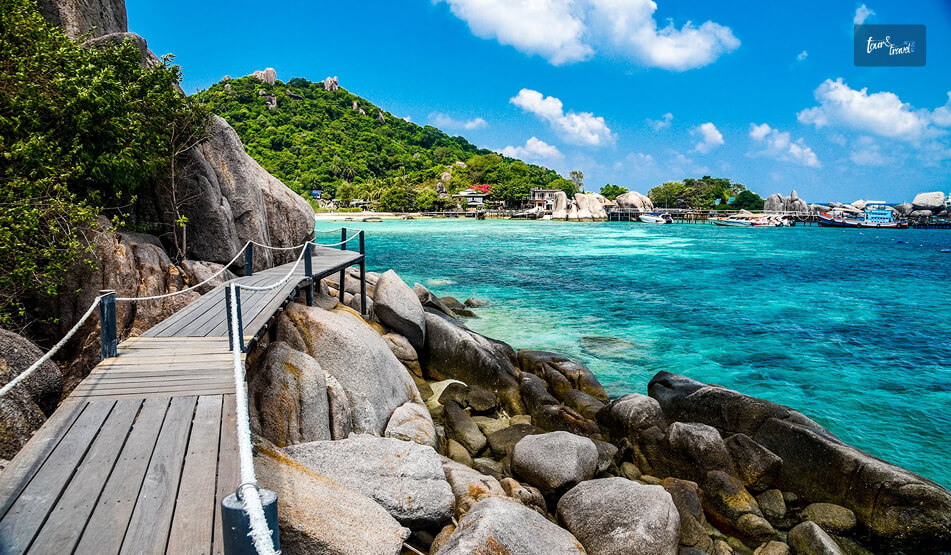
Nevertheless, this Turtle Island is gorgeous, and it is also pristine. So, along with celebrated locations such as Raja Ampat in Indonesia, Koh Tao is also emerging as a place to encounter stunning marine life and beautiful reefs.

The First Impression At Koh Tao

The First Impression At Koh Tao

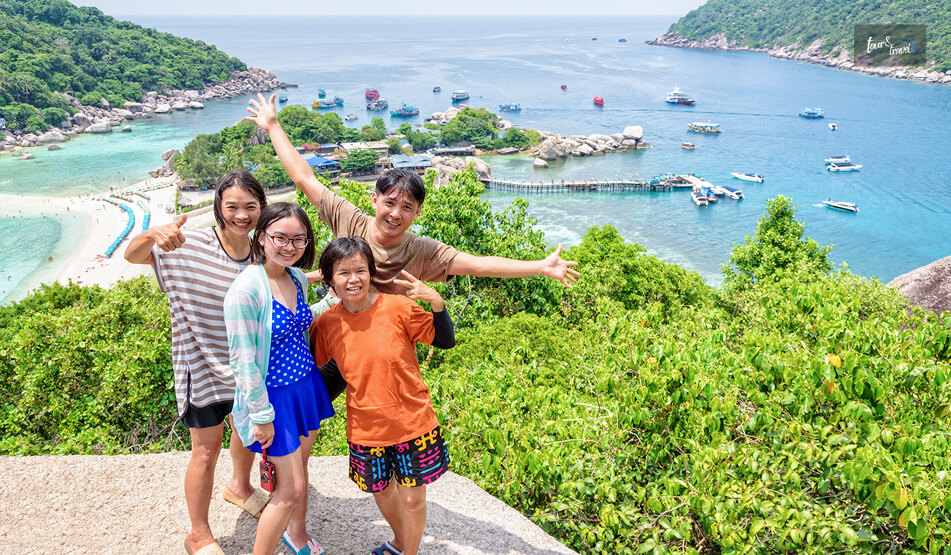
I don’t know whether it is the “Fortune favors the brave” trick or something else. But I visited Koh Tao in July with my girl gang and found a clear sky to our greatest surprise.

However, the experience at Mae Haad Pier was not that pleasant. The crowd was endless when we were trying to get off the ferry. The men were bare-skinned, and they were hauling their backpacks.

Furthermore, a few Thai men kept asking, “Where are you going?”

It was very confusing whether to answer them first or jump off the ferry first! I am an introvert, and suddenly there was too much energy around me.

So, it took me a while to get accustomed to the crowd. But after that, it was absolutely okay.

Koh Tao Is Growing: And We Saw How The Infrastructure Is Changing

Koh Tao Is Growing And We Saw How The Infrastructure Is Changing

Do you know that the first adventure travelers arrived at Koh Tao in 1977? They took the coconut and fish transport boats to reach this island for diving.

Since then, infrastructure development on Koh Tao has been significant. The concrete streets are clean. Also, many shops, restaurants, and hotels looked new.

Also, the shops’ advertising was quite cool, and along with the pharmacies and cafes serving espresso, there were motorbike rental shops. Now, motorbikes are the best way if you want to explore this small town at your own pace.

The rental price starts at around 150-200 THB per day.

Another great thing was the availability of ATMs. It was such a relief!

Moreover, the crowd buzz was just right as it was the rainy season. It was enough to soak in the local culture. However, we always got our spots at the cafes and restaurants. In addition, we were using the TrueMove connection, and the coverage was quite decent throughout the island.

Getting Around Koh Tao

The island is walkable. Furthermore, moving around was pretty easy with the motorbikes, taxis, and ferris being frequent.

Also, Koh Tao is close to the Koh Samui Airport and the Chumphon Airport on the Thai mainland. So, since it does not have its own airport, the initial transit can be challenging. 

What Are The Things To Do On Koh Tao? 

What Are The Things To Do On Koh Tao

Scuba diving, hiking, snorkeling, and exploring the beaches are the best things to do on Koh Tao. Here are more details.

1. Scuba Diving

You can get your PADI certification, and there are as many as 84 dive schools on the island.

We produce around 100000 PADI certfied divers every year. This is an affordable place and the price you get here is matchless.” 

• Kim, Big Blue Diving, 

Other diving companies we got to know about there were Roctopus Dive, Goodtime Adventure, and Ban’s Diving Resort.

However, diving here has seasonal specialties. For example, January to May is the best time for diving. Having said that, February is the month if you want to enjoy a swim with the whale sharks.

2. Hiking

Koh Tao has many beautiful viewpoints, and you can easily hike along any of them. These viewpoints are: 

  • Two View 
  • John Suwan Viewpoint 
  • Chalok Viewpoint 
  • Mango Bay Viewpoint 
  • Koh Nang Yuan Viewpoint 
  • Love @ Khao Tao Viewpoint 

We started our day early so we could enjoy the fresh air and complete the walk before it got crowded. 

3. Exploring The Koh Tao Beaches

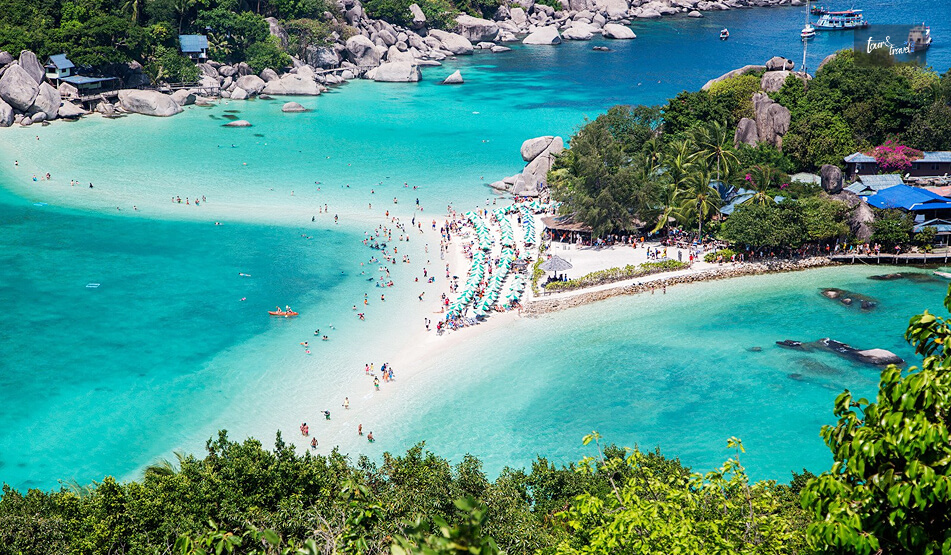
We were impressed to witness the initiatives to protect the beaches of the island. Stunning is an understatement for them.

Also, for lazy travelers like us, these beaches are the best things about Koh Tao.

Now, you will get many beaches with palm trees, white sands, and aqua blue water. However, I have seldom seen beaches being so sincere about the recycling programs and cleanups.

We relaxed in our hammocks and allowed the sea breeze to caress our cheeks and hair.

Furthermore, among the beaches we visited, Ao Chalok Ban Kao and Sai Daeng were my silent favorites. Those beaches were quiet.

Also, as we visited Koh Tao in the monsoon, the more touristy ones, such as Tanote Beach, Sairee Beach, and Ao Luek, were not that crowded. These are usually full during the peak months.

Pro Tip

The sand is beautiful on Koh Tao beaches. But it is not smooth. So, you will need your flip flops. Chaloke Harbor was an exception.

But most beaches have the remains of the bleached coral. So, make sure that you don’t cut your feet. 

Moreover, these beaches offer amazing sunrise and sunset views.

4. Nightlife On Koh Tao

We were on Koh Tao till around 9 PM, and by then the bars had come to life, and we could hear the rock and pop music they were playing.

The quiet vibe of the island is gone after sundown. The groups of divers and young tourists here get busy with tropical cocktails and local beers. Also, the fire dancers were putting up their shows.

One more thing I learned from a local pub owner. You can be a part of the Pub Crawl here three times a week. Friday, Wednesday, and Monday are the days.

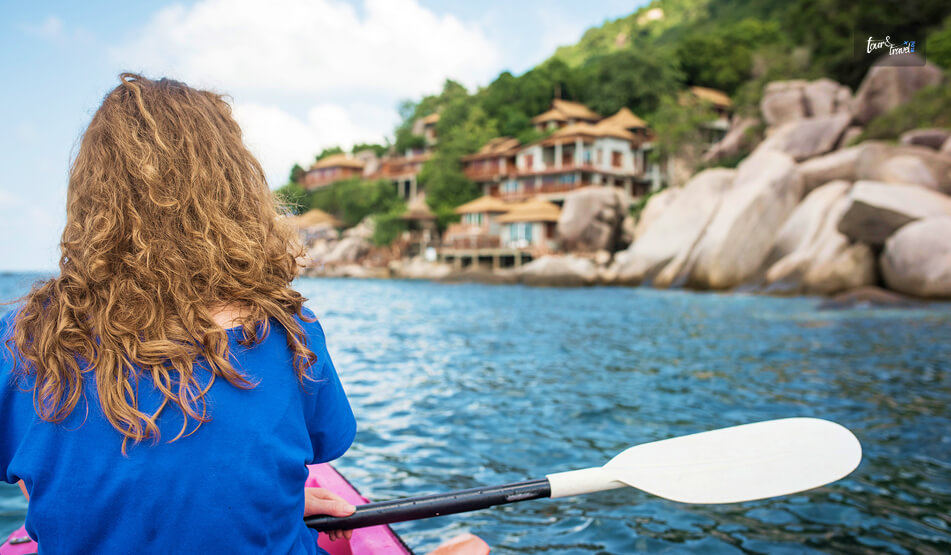
Along with all these activities, you can also try ocean kayaking and rock climbing. Furthermore, snorkeling at Hin Wong Reef is a lot of fun. 

How Is Koh Tao Making A Successful Ecotourism Movement 

It was fascinating to see how all the people and local businesses of Koh Tao came together to reduce the impact on the environment.

With around 500000 visitors here every year, the small island gets a lot of waste. Most wastage comes from the packaging and construction work. Food waste and bathroom waste amounts are also quite high.

Now, non-profit organizations such as Trash Hero Koh Tao are working to make the island clean. They encourage the locals and the visitors to get involved in the reef and beach clean-up drives.

When you clean the waste with your own hands and see what the plastic bags, bottles, and straws do to the sea and the marine animals, you will never throw them carelessly.

Furthermore, the hotels here play a proactive role. We chose Ban’s Diving Resort for our stay, and they have a separate section to make detergents and soaps from organic waste.

Also, they compost the fruit scraps and vegetable waste and use the gray water, along with sorting the recyclables.

Moreover, the food they serve at their restaurants has vegetables from their organic gardens.

Is Koh Tao Safe To Visit? 

Is Koh Tao Safe To Visit

Back to where I started this article. The recent cases of tourist deaths have been a bad patch for the reputation of Koh Tao.

Though it has been years now, it felt weird seeing such a scarce presence of police here. I think I last saw some officers at Mae Haad Pier. Also, it was even more alarming here to know that most officers don’t understand or speak English.

However, the local people here and business owners here are so committed to maintaining the sanctity of the place that we did not have any problem during our stay. We were a bunch of women, and we never even felt unsafe.

Tips To Follow If You Want To Visit Koh Tao Safely 

  • Are you renting a motorbike? You must click all the scratches on the vehicle, and your rental agency will need a photocopy of your passport. 

Furthermore, keep the international driver’s permit for motorcycle driving handy and wear your helmet. Moreover, don’t forget to get travel insurance.

  • You cannot stroll at night alone. Be with a group, and even if you are going to the bay alone in the daytime, keep your hotel staff member informed.
  • Be mindful of how much you are drinking. The buckets can seem fun, but they are traps, and sometimes they are drugged.
  • When you are on the speedboats, you have to wear life jackets. It does not matter if you can swim or not.

Koh Tao Is Beautiful But A Bit Overhyped 

Koh Tao deserves all the accolades for its sustainable tourism initiatives. However, I think it is a bit overhyped if you are not diving.

For a diver, it is an excellent place to get the PADI certification and explore the coral reefs. The beaches are good, but not something that you won’t find anywhere in Bangkok or anywhere else.

So, it’s a 5/10 kind of experience for me. What’s your take on this?

Read Also:

Share on Social Media

Meet Sibashree Bhattacharya, a travel enthusiast who has a decade-long experience in transcending virtual barriers with her words! Her deep love for travel is apparent from her travel escapades to the mountain, often taking her readers on a journey, her words acting as Portkey! Fun fact: Sibashree loves to dive deep into the history of the places she is about to visit, making her travels even more wholesome. If you were wondering how her articles are not short of time travel, this answers it!

Leave a Reply

Your email address will not be published. Required fields are marked *

title-img Related

READ MORE Suva cultural guide

Suva Cultural Guide: Discover The Hidden Gems And Cultural Heart Of Fiji 

BY  Sibashree Jan 15, 2026

The common visuals about Fiji have sun-soaked resorts in Nadi and Denarau. Manicured lawns! The warm “Bula greetings!” And the polished facilities! However, if you want to experience the authentic Fijian life or feel the pulsating soul of the nation, you will have to travel east. It is the cultural heartbeat of the South Pacific. It is a sharp contrast if we compare the tourist polish of the West. You will feel that raw energy and colonial grandeur here. Also, it has a truly inclusive scenario with the Indo-Fijians and the indigenous Fijians constituting the majority of the population. Also, you will find part-Europeans, Chinese, and Caucasians. In this Suva cultural guide, I will talk about the raw energy of the city, its ancient seafaring legacy, vibrant markets, and living traditions. These are far from the poolside cocktails.  For more practical tips for a trip to Suva, you can read my Suva travel itinerary. Why Does Suva Claim The Cultural Capital Status?  Suva, despite being one of the most happening urban centers, has preserved its colonial history. Multiculturalism is another major factor in the cultural capital. Here is a deep dive into its history and transformation. Historical Shift To Powerhouse  Suva has not always been the seat of power. In 1882, the colonial leaders chose Suva as the capital over Levuka. The constraints for Levuka were the sea and the steep mountains. It was the beginning of the rise of a small and modest village as a power hub. However, the city, beginning its journey as an administrative epicenter, has now become a land with a multicultural tapestry. It has the headquarters of many regional organizations. It also has the University of the South Pacific, and a site where indigenous iTaukei traditions, Indo-Fijian commerce, and Chinese and European influences coexist. This diversity has solidified its status as the intellectual and artistic heart of the Pacific.  What Are The Top Cultural Attractions In Suva, Fiji? With the Suva Municipal Market, allowing everyone to have a slice of the Fijian life, the city also has many prominent cultural attractions. Also, the city is so particular about preserving its culture that there have been multiple acts and regulations surrounding it. 1. Fiji Museum And Thurston Gardens  View this post on Instagram A post shared by FIJI MUSEUM (@fijimuseum) The lush Thurston Gardens has the Fiji Museum, which preserves the 3700 years of Pacific history. The Fiji Museum Act (Cap 263) governs the operations and administrations of the museum for the curation and preservation of these artefacts. It also complements the Preservation of Objects of Archaeological and Palaeontological Interest Act (Cap 264), covering over 10,000 national heirlooms like traditional items central to Fiji's identity. Nevertheless, Ratu Finau, a massive 13-meter double-hulled canoe (drua), is the main attraction of the museum. It is a telltale of the rich maritime history of the nation. You will even find the Lapita pottery, the distinctive, stamped earthenware that allows archaeologists to trace the migration of the first Pacific Islanders.  Furthermore, the garden was built in the 1880s, and it has over 100 species of lilies and palm trees. 2. Suva Municipal Market  With the right Suva market guide, you will see how Suva comes to life from Thursday to Saturday. The Yaqona or Kava section on the second floor is the place where the city gets Kava roots and powders. Now, Kava is not just a drink. It is a social glue. When buying Kava (Yaqona) as a gift, ask for "Waka" (roots) rather than "Lewena" (stem) for higher respect/potency. On the other hand, the ground floor offers a kaleidoscope of taro (dalo), cassava, and jackfruit. These celebrate the city's Indo-Fijian roots. Furthermore, the air here smells of cumin and turmeric. Arrive from 6 AM to 10 AM on a Saturday to immerse yourself in a beautiful story of Fiji’s daily sustenance. 3. Government Buildings And Parliament Complex  The government buildings and parliament complex, showing the quintessential Art Deco style of the 1930s, face Albert Park. Albert Park is the place where Charles Kingsford Smith landed his Southern Cross in 1928. Here, you will also find the statue of Ratu Sir Lala Sukuna, the founding father of modern Fiji, whose legacy of land reform and indigenous rights still shapes the nation today.  Furthermore, the striking design of the parliament (after 1987) symbolizes unity. The National Trust of Fiji plays an important role in preserving these government buildings and the parliament complex. Suva Cultural Guide Of The Hidden Gems Off The Path  The Suva Fiji hidden gems are the telltale of the rich cultural and artistic legacy of the South Pacific. These are the places you need to explore. 1. USP Oceania Centre For The Arts  At USP, Epeli Hau'ofa's legacy lives. Catch Oceania Dance Theatre rehearsals, mesmerizing meke dances with stomping feet and ulu chants, or Red Wave Collective's bold canvases challenging colonial narratives. Live music, theatre, and talks pulse here, bridging ancient oral lore with contemporary fire. Free events draw locals and visitors alike. The Department of Heritage and Arts in Fiji plays a key role in safeguarding the nation's intangible cultural heritage, including traditional dances and music.  2. Draiba Cemetery And Sacred Heart Cathedral  Suva's Old Cemetery on Queen's Road whispers of pioneers and chiefs, graves oriented east for resurrection. It is a syncretic blend of Christianity and custom. Nearby, Sacred Heart Cathedral's French-imported sandstone vaults and stained glass offer humid respite. Dress modestly (shoulders and knees covered), remove hats, and absorb the choral echoes that define Fijian worship. 3. Fiji Arts Council Handicraft Centre  View this post on Instagram A post shared by Asia Pacific Region Crafts (@worldcraftscouncil_asiapacific) You will find certified "Fijian Made" masi barkcloth, kava bowls, and war clubs here. The Fiji Arts Council ensures authenticity, bolstering local artisans against imports. Perfect for ethical souvenirs tying into Heritage Department efforts. Cultural Etiquette: Honoring The Vanua  The Vanua, meaning the land and the kin, is sacred. In villages, offer sevusevu kava to the Turaga ni Koro for entry blessing. Wrap a sulu sarong modestly, men and women alike. Taboos: No head-touching (sacred seat of spirit), no hats indoors, ask before taking photos. The Department of Heritage and Arts safeguards these intangibles, such as dances, music, and pageantry, via UNESCO-aligned inventories, policies, and community revivals despite funding hurdles. A Flavorful Day: 1-Day Itinerary  Morning: Dawn at Municipal Market for produce frenzy, then Fiji Museum for historical grounding (allow 2 hours).  Lunch: Savor lovo, an earth-oven feast of taro, chicken, and palusami or fiery Indo curry at a hole-in-the-wall.  Afternoon: Oceania Centre for Art Pulse, then Colonial Walk: Government Buildings, Albert Park, Grand Pacific Hotel.  Evening: Kava bowl with locals, reflecting on Suva's layers. Total cost: Under $20 FJD sans taxis.  The Taste Of Suva  A Suva food tour will help you know how history flavors every plate of Suva. Fijian lovo buries sustenance in earth ovens; Indo-Fijian curries fuse cumin-heat with dalo; Chinese woks stir-fry cassava. Try kokoda (citrus-marinated fish) or fresh market seafood. Each bite traces the Girmitiya laborers, chiefly feasts, and fusion resilience.  Language Basics: A Suva Cultural Guide Bula! Hello/welcome.  Vinaka. Thank you.  Moce. Goodbye.  Tulou. Excuse me.  Ia bula vinaka? All good? (Ice-bo-la vi-nacka)  Sustainable Travel Tips  Fiji battles plastics  Bring reusables to markets  Support Heritage Department goals by choosing artisan crafts, minimizing footprint in rain-lashed paradise.  Expert Tips For Suva Cultural Travelers  Buy Authentic: Check the "Fijian Made" stamp at the Handicraft Centre.  Taxi Meter: Always ask the driver to turn on the meter. A ride within the city should rarely cost more than $5-$7 FJD.  Umbrella is Essential: Suva is the "rain capital." So, you will need an umbrella.  Respect Sundays: Sunday is a strict church/family time. Most shops are closed. So, you can plan a Suva Nature tour on Sundays.  Ask Before Clicking: Always ask permission before photographing locals, especially vendors in the market.  Suva Cultural Guide: Frequently Asked Questions (FAQs)  Here are the frequently asked questions and answers about the Suva cultural guide. 1. What Is The Best Way To Get Around Suva For Cultural Sites? Suva is very walkable. So, take a walk and explore the downtown heritage buildings. However, if you don’t want to walk and have a more relaxing experience, you can take a taxi, which is easily available and is cheap. 2. Is Suva Safe For Tourists? Yes, Suva is safe for tourists. According to Numbeo, it has a crime rate of 58.60. However, like any capital city or tourist place, it has its own share of challenges. You have to keep your valuables safe. Also, do not walk alone at night. 3. Do I Need Guide For The Fiji Museum? You can go for a self-guided tour of the Fiji Museum. It will take around 1-2 hours. However, if you want to know about human history and behind the scenes here, you will of course need a guide.For an overseas visitor, an entry to the museum costs around $20, and with an added guided tour, it will be $30. 4. What Should I Wear To The Sacred Heart Cathedral? You have to remove your hat while entering the cathedral, and your knees and shoulders must be covered.You can wear the traditional sarong or a maxi dress. Overall, your dress must be modest. 5. Can I Drink The Kava Offered To me? Yes, it is polite to accept. Clap once, say "Bula," drink in one go, and clap three times after. If you are trying the Kava for the first time, you must choose a low-tide of half a cup instead of a high-tide or a full cup.At first, you may feel like having peppery muddy water. However, the taste grows on you, and it has a mild sedative effect. 6. Where Can I See Traditional Fijian Dancing (Meke)? The Oceania Centre at USP often has rehearsals, or major hotels host distinct cultural nights. Furthermore, the Fiji Museum, being the cultural preservation hub, often hosts Meke. 7. What Currency Is Used At The Markets? Fijian Dollars (FJD) are used at the markets. Cash is king as local vendors do not take cards. However, you can shop with cards at TappooCity, and other large supermarkets accept cards. Also, many locals use an app called M-PAiSA for digital payments. 8. Is The Government House Open To The Public? No, the government house is not open to the public as it is the President's residence, but you can view the changing of the guard from the gate. The changing of the guard ceremony takes place in the first week of every month. 9. How Far Is Colo-I-Suva Forest Park From The City? Colo-I-Suva Forest is about a 15-20 minute taxi ride from the CBD. The journey through the Princes Road covers a distance of around 12 kilometers.You can also take a bus. However, it will take longer because of the multiple stops. 10. What Is The Significance Of The Tabua (Whale's Tooth)? It is the highest cultural token of respect in Fiji, often seen in museum displays but rarely handled by tourists. It is the polished tooth of the sperm whale, and in weddings, it is often the price offered to the family of the bride for asking her hand in marriage. Read Also: A Tucumán Historical Sites Guide: Independence, Incas & Jesuits In Northern Argentina Tucumán Nature Guide: Exploring The Yungas Rainforest And High Andes Tucumán Food Guide: The Capital Of The Empanada And Milanesa

READ MORE best time to travel to barcelona

What You Need to Know Before Travelling to Barcelona?

BY  Ankita Apr 25, 2024

Is Barcelona your next dream destination? Plan your trip so that you can gain the most positive experience from it. Here’s a list of the most assorted destinations you need to visit in Barcelona and activities you can enjoy in this 'City of Counts.'  Dive deep into this guide, as we have also provided you with the best time to travel to Barcelona. How To Reach Barcelona? You can get from the airport to the city center by metro. The train stops right at the terminal. The branch line connecting El Prat Airport to the center of Barcelona was opened in 2016. Only automatically operated trains run on it. Driverless trains follow a set route with a programmed speed, which depends on passenger traffic. You can buy a one-time ticket, but it is more profitable to take a card for ten trips. The Main Attraction One of the main attractions of the city is the statue of Jesus Christ, perched on top of the temple on Mount Tibidabo. It is Barcelona's highest point, located 512 meters above sea level. The slope can be approached by cable car, but many tourists prefer hiking routes. As legend says, the heart of a person who overcomes the path to the top of Tibidabo on foot will become open to boundless love. Another way to explore the Statue of Christ, the surroundings of Mount Tibidabo, and other sights of the capital of Catalonia is to take a helicopter trip of Barcelona. You will be able to enjoy stunning views with your loved one, take unique photos and videos, and have an unforgettable experience. When traveling to Barcelona, one of the best times to enjoy the majestic statue of Jesus Christ is during the spring and summer months. From April to June, you can visit the statue around 9 am to avoid crowds.  You can visit the statue any other time, but you might find it crowded. After all, it's a main attraction. Along with the statue view, enjoy the exceptional view of the 'City of Counts.' A City Of Contrast: Best Places to Visit In Barcelona Barcelona is a city of contrasts. Ancient cathedrals and temples here peacefully coexist with noisy bars full of young people. Such diversity attracts a lot of tourists. So, which places can you visit after visiting the main attraction of Jesus Christ in the 'City of Counts?' The Montjuic Mountain Are you a fan of unusual excursions? Then definitely give the Montjuic Mountain a visit. Here, you will find a park and cemetery on Montjuic Mountain. Montjuic Cemetery is called the city of the dead.  Here, you can rent a "dwelling" for a deceased relative for 15, 25, or 50 years. More than 150 thousand people are buried in the "city of the dead." Here, you can find the graves of great musicians and artists.  On Montjuic Mountain, you can also visit the castle built in the 17th century. It has several thematic expositions, cafes, and observation decks.  Admission is paid, but there is a 50% discount for young people. The best time to travel to Barcelona to get the best experience of The Montjuic Mountain is from April to July. You can also visit this place during the autumn months, from September to November. Parc del Laberint d’Horta The Labyrinth of Horta in Barcelona is the oldest park in Catalonia. In the center of the labyrinth, there is a small square where the statue of love is located. There are eight paths leading from it in different directions.  Wandering through the labyrinth, you can meet travelers from different countries. This place is very much loved by tourists. By the way, this is where the 2006 film "The Labyrinth of Faun" was shot.  The best time to travel to Barcelona to visit the Labyrinth of Horta is during the springtime or during the fall. The reason is the climate, which is much milder during these two seasons, so you can enjoy exploring the labyrinth. Basilica Of The Sagrada Familia Are you aware of the fact that the Basilica Of The Sagrada Familia has been listed on UNESCO's list of unconventional churches?It is among those places that will fill your heart with immense pleasure. The church has 18 colossal spindle towers encompassing it, thus crafting a gothic appeal.  You are bound to leave awestruck not only by the exteriors of the church but the interiors as well. The decorative ceiling and the Crucifix all tell you the story of Jesus Christ and his life of birth, death, and resurrection. The best time to travel to Barcelona to visit the Basilica of The Sagrada Familia is in the mornings or during sunsets. It's less crowded during the mornings, usually at 9 am. You will get the best sunset view reflected in the interiors of the church at 5 pm. Click the magical pictures of the church during this time. Palau De La Musica Catalana Palau De La Musica Catalana is a popular opera hall from the 19th century created by Lluis Domenech i Montaner. The latter is an infamous architect and artist.  This beautiful structure will mesmerize you with its intricate, detailed mosaic work. The opera hall boasts decorated columns and exteriors influenced by Catalan Modernism. The best time to travel to Barcelona to see the 19th century opera hall is from 10 am to 3 pm. Your entry fee will be around 16 Euros per head. Best Foods You Can Try In Barcelona Sweet lovers should definitely try the popular Catalan desserts: Crema Catalana, a delicate caramelized cream, and Turrón, a nut and honey nougat. The most popular drink in Barcelona is sangria. This is a low-alcohol fruit wine. It tastes very good, but it's better not to abuse it on a hot day. Jamon is a traditional snack in Barcelona. It consists of thin slices of dry-cured ham. Unexpectedly, Catalans prefer to serve jamon with slices of fresh melon. Conclusion Now that you are aware of all the things you can explore and visit in Barcelona, tell us which place you will start your tour from. Also, the best time to travel to Barcelona necessarily means you have to visit the city at that specific time.  You can also visit the 'City Of Counts' whenever you wish based on your preference. However, the traveler should be very careful. Pickpocketing is not uncommon in the city, especially in crowded areas for holidaymakers. Read Also: First-Time In Spain? Try These 5 Insider Tips To Enjoy The Experience Nature Escapes Near Bilbao: Mountains, Beaches, And Coastal Beauty Day Trips From Cleveland: Discovering Cuyahoga Valley National Park

READ MORE Geneva To the Alps

Geneva To the Alps: A Journey Through Culinary Delights and Alpine Wonders

BY  Abdul Aziz Apr 2, 2024

Embarking on a journey from Geneva to the Alps is not just a travel experience; it's an exploration of culture, nature, and gastronomy. This voyage presents a unique opportunity to savor local culinary delights.  Moreover, you will find yourself surrounded by some of the world's most breathtaking alpine wonders. From the shores of Lake Geneva to the snow-capped peaks, let's discover what makes this journey great for any traveller. To enhance your adventure, consider a private transfer from Geneva to Crans-Montana, offering a direct and luxurious route into the heart of the Swiss Alps. This service not only provides comfort and style but also the flexibility to stop along the way.  Capturing the picturesque villages, vineyards, and ancient forests make this region a treasure trove of natural beauty and cultural richness. With a private transfer, your journey to Crans-Montana becomes an integral part of the Alpine experience. Thus you find yourself swayed by your  desires and leaving you with unforgettable memories. The Culinary Gateway: Geneva's Gourmet Scene Geneva, nestled on the western tip of the serene Lake Geneva. It serves as the perfect starting point for your alpine adventure. The city is renowned for its vibrant culinary scene, blending Swiss traditions with international influences. Local Favourites: Don't miss the chance to indulge in Fondue and Raclette, two iconic Swiss dishes that embody the spirit of communal dining and warm hospitality. Gourmet Markets: Explore Geneva's bustling markets like Marché de la Rive. There fresh local produce, artisan cheeses, and handmade chocolates await you. The Journey to Alpine Splendor As you venture from Geneva into the Alps, the landscape transforms. It offers a visual feast of verdant valleys, sparkling lakes, and majestic mountains. However, this transition from urban sophistication to natural splendour is a journey in itself. Scenic Routes: Take the scenic route through the vineyards of Lavaux, a UNESCO World Heritage site, where terraced vineyards offer panoramic views and exquisite local wines. Savouring Alpine Cuisine The culinary journey continues in the heart of the Alps. In addition to it there, each mountain village and resort offers its unique take on alpine cuisine. Mountain Delicacies: In alpine towns like Courchevel, traditional dishes such as Tartiflette and Diots au Vin Blanc showcase the hearty and warming flavors designed to comfort after a day in the cold. Michelin-Starred Dining: For those seeking a more refined dining experience, the Alps are home to numerous Michelin-starred restaurants. Moreover, there you meet with innovative chefs who put modern twists on classic alpine ingredients. Cultural Insights and Alpine Traditions Beyond the culinary delights, this journey offers deep cultural insights. Moreover the connection to alpine traditions that have shaped life in these mountains for centuries. Local Festivals: Participate in local festivals and events to immerse yourself in the alpine way of life. It's a form of traditional music and dance to cheese-making workshops. Sustainable Practices: Many alpine communities are leaders in sustainable living. Moreover, visiting these areas provides insights into eco-friendly practices, from organic farming to renewable energy. Fantastic Things To Do In Geneva, Swierlanand As mentioned above, Geneva is a gorgeous city filled with the delights of nature. Nature's bounty has made it a great place for tourists from across the world.  Therefore, plan to make the best use of Geneva To the Alps. Yes you got it right,  you will get a greeting from some of the most stunning scenery there.  Here in this section, we discuss some of the things to do while living your dream of Geneva to the Alps. So, let's get started with the discussion.  Climbing The Towers Of St Pierre's Cathedral You may have heard that Geneva, besides being one of the most beautiful and culturally great cities, is the home to different international organizations. However, visiting them all at once is often difficult. What if you climb some building top and get the best visuals of the city?  One of the iconic structures that can make you live your dream of going from Geneva to the Alps could be climbing the top of the cathedral. However, by doing it, you can get the best visuals of the city. Moreover, you can visualize the architectural traditions that govern the city. Therefore, you must attempt to climb the St. Pierre Cathedral and get the most stunning features.  Paragliding From France To Switzerland Visiting Europe and missing out on paragliding would be a great miss! What if you take a huge dive from France to Switzerland?  Yes, you got it right, it would be a great addition to your Geneva to the Alps dream tour. Head on to the top of Mont Saleve and take a dive…oh my God! It sounds utterly terrifying. It provides great fun. Moreover, it provides a great opportunity to visit the incredibly beautiful region.  Walking The Cobbled Streets Of The Town Geneva is indeed beautiful. Moreover, the old town is more attractive to visitors from different parts of the world.  There you could come across the old historical past of the city. Moreover, you can come across different buildings that speak volumes about the great culture the city has to offer to Switzerland and Europe in general.  Cheezy Fondue The visit to Geneva will be more sublime when you connect yourself to the culinary traditions of the country. Moreover, you could learn a great deal about the culture and daily food practices of the city. It's a great way to visit Europe and know the world.  But whenever you discuss food from Geneva to the Alps, you will be treated to the best traditions and discussion on the food culture. The first of the mentions is the cheese fondue. It's a delight to your taste buds, which is difficult to explain.  Simply take the bread and dip it in your cheese fondue. You will feel like forgetting your present and transporting yourself straight to an imaginary cascade of cheese. This is indeed one of the must-do things in your Geneva trip.  Lake Geneva And Paddleboarding The trip to Geneva must not be complete without it. Geneva is a special place and is gifted with stunning scenery. Moreover, the lake offers great scenery.  Engage yourself in paddleboarding, especially during the warmer months. Summer is the best season in Europe, and it is this very time best suited to enjoy the crystal blue waters.  Conclusion: A Journey of Discovery From the gourmet delights of Geneva to the natural and culinary wonders of the Alps, this journey is a feast for the senses.  It's an invitation to explore, taste, and immerse yourself in the rich tapestry of experiences that this unique region offers. Whether you're a food lover, a nature enthusiast, or a culture seeker, the journey from Geneva to the Alps promises unforgettable moments and lasting memories. So pack your appetite for adventure, and let the alpine journey begin. Read More: How Far Is Austin From Houston? And Why You Should Visit Both Traveling On A Budget: Tips For Affordable Adventures Why Include Whale Watching In Your LA Itinerary?