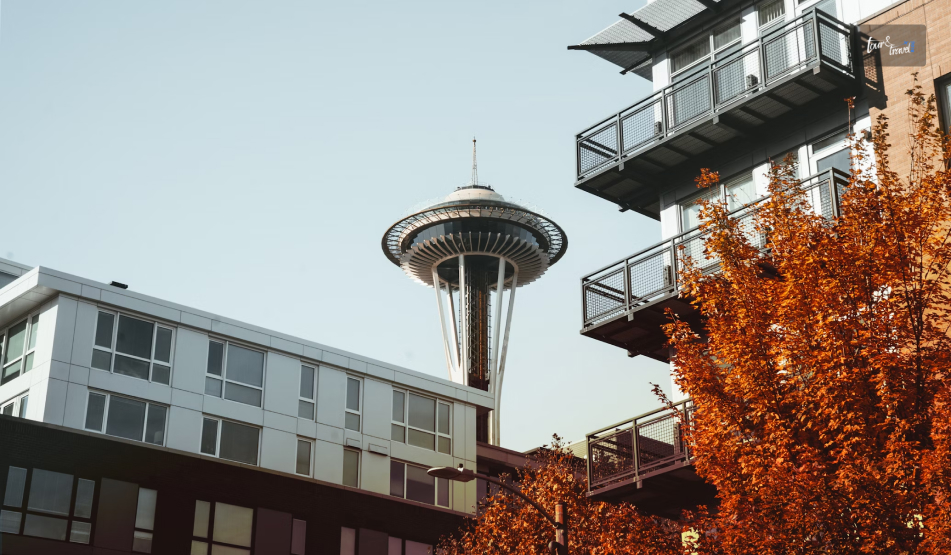


Is Seattle Safe for a Tourist: My Experience! 

Mar 11, 2025

Last Updated on: Nov 24, 2025

Travel Blog

Are you planning a trip to Seattle? It is a major city and there is both a possibility of experiencing beautiful places and also being a victim of scams. So, somewhere it is your responsibility to research before you visit the place.  

It is one of the best places to travel solo female in US! Simultaneously, when you are planning to visit Seattle, researching different types of scams will help you become more aware. As a solo traveler, it is important to focus on soaking up the culture of the place.  

Wander around these beautiful places, drink coffee, and go on a hike across glorious mountains and others! Let me share with you some safety tips for navigating the streets, eating the best street food, exploring the wild and exotic outdoors thus, having diverse experiences.  

Is Seattle Safe for a Tourist: My Experience!  

Is Seattle Safe for a Tourist

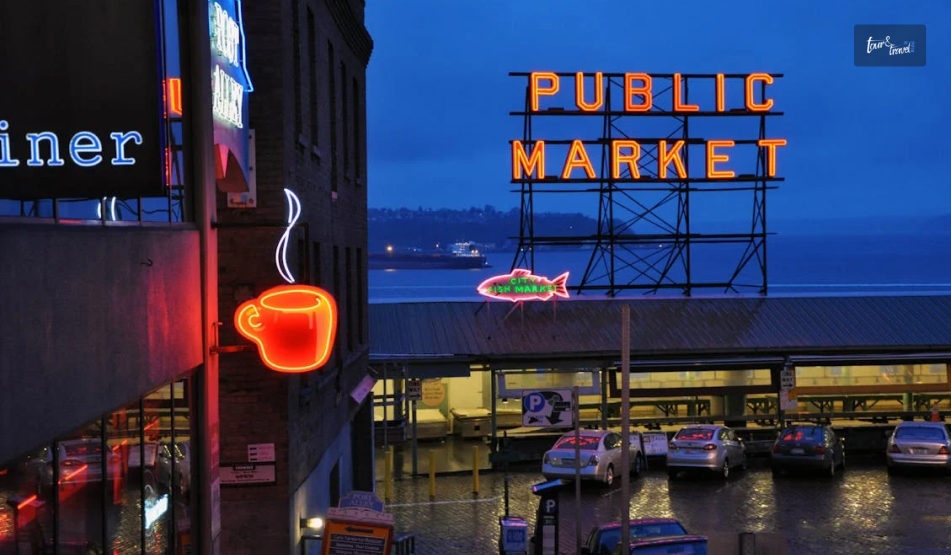
One of the most dangerous neighborhoods in Seattle, areas around Pike Place Market at night are not safe for you. You might also skip going to the 12th and Jackson and Aurora Avenue if you are traveling alone or at night.  

However, the question is Seattle safe is obviously a question for a tourist! But try to think from the perspective of a local person, and connect with the places, events, and festivities. Just to stay safe, you can keep your laptop, documents, and other electronic devices with you at all times.  

Apart from implementing safety tips, you also need to enjoy the place when you are visiting. Seattle as a place is beautiful and has a lot to offer so you should be aware of your surroundings! This is one of the best places to travel with kids too!  

Safety Tips When You Visit Seattle  

The rush hours in Seattle are from 7 to 9 AM and 4 to 6 PM so, if you want to drive, you need to remember this. Furthermore, there is Google Maps to help you navigate the roads and avoid congestion.   

I would also suggest you avoid isolated and dark bus stops if you are traveling at night! So, this is the perfect place for you if you are asking the question, is Seattle safe? Let me fill you in with the safety tips mostly related to what to do when you first arrive in Seattle.  

Property crime  

Whenever you visit a big city, you will see property crime happen especially because you get to see neighborhoods that are quite high maintenance. There are some common scams when it comes to properties especially if you book an Airbnb.  

It is better if you constantly stay in contact with the owner. Additionally, if there is a caretaker, you must be cautious in the beginning especially when it comes to your electronics, luggage, and others.  

Pickpockets  

Anywhere you go in the world, pickpockets will be there. They are everywhere because poverty is everywhere and of course, they are struggling. Often as a tourist, when you look different and behave differently, pickpockets identify you as an easy target.  

It is better if you try to blend in as a local, trying to mingle well. There is also an application, Bounce, which you can use to keep your luggage, especially if you are traveling alone and have already checked out of your accommodations.  

Avoid keeping your mobile phones, cameras, and wallets in your hand all the time. It is again something that makes you an easy target. Also, people with the intention of fraud might chat with you a lot, a way of distracting you. Be careful of your surroundings!  

Gold Jewelry scam  

At times, you might find someone telling you a sob story and engaging you in a way where you might end up losing money. They ask for money, even request you to give your gold ring or jewelry, if you are wearing any.  

Initially, you might feel like you are helping someone, or it is a good deal to offer something to them. However, later you realize it is a scam, and they can easily sell your jewelry at a pawn shop and earn money.  

Safe Accommodations Options in Seattle  

Several accommodation options in Seattle are quite safe. When visiting Seattle, you can go across the entire city because it is safe. However, there are issues especially if you are traveling alone or at night.  

Let me share with you some of the safest neighborhoods in Seattle. I am sure you can decide which will be best for you, especially if you are covering various places in Seattle, locations, and events.  

Blue Ridge  

Blue Ridge  

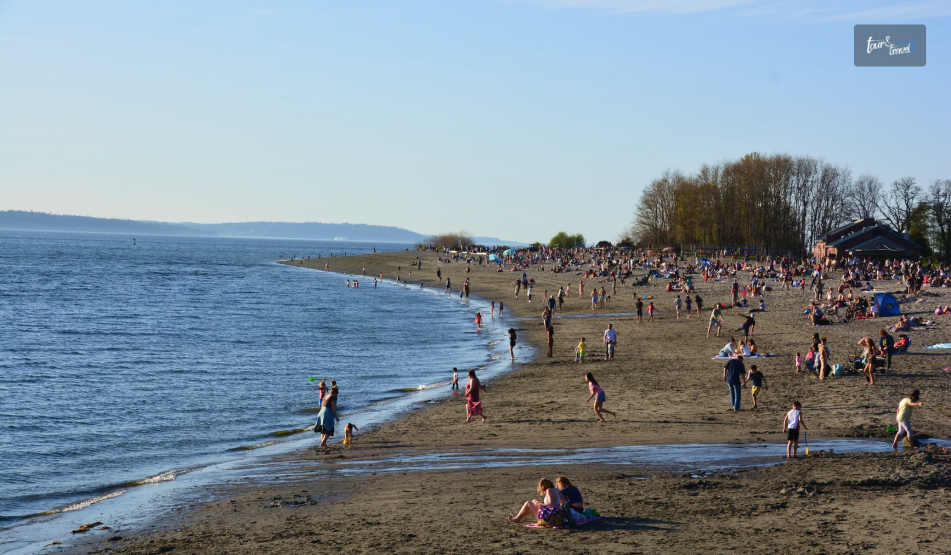
A tranquil neighborhood, Blue Ridge is quite close to Golden Gardens Park. It is mostly residential but what is more beautiful is the beautiful views and hiking trails of Puget Sound.  

You can book Hotel Ballard with a rooftop pavilion, which is quite luxurious, in addition to an athletic club. It will cost you around $250 per night hence, I would say you must book soon.  

Hawthorne Hills  

Hawthorne Hills

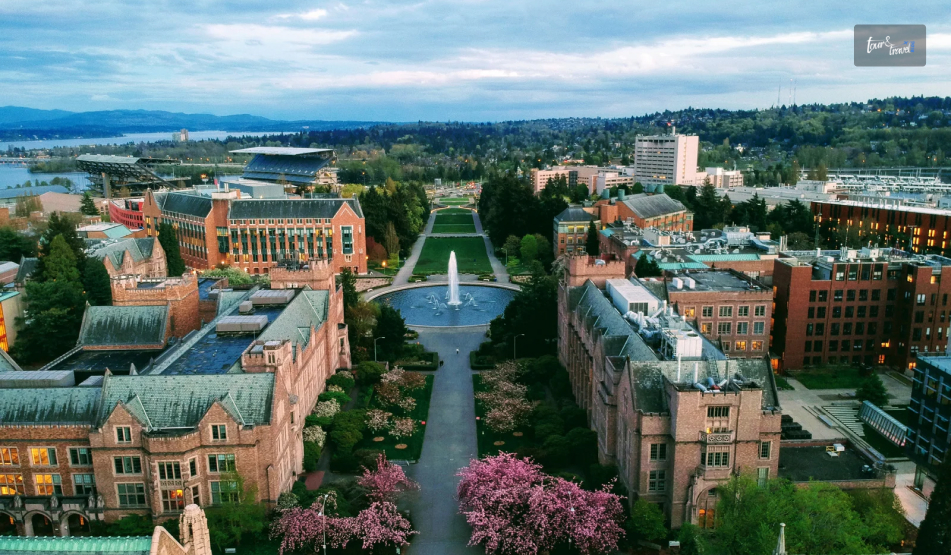
Another upscale neighborhood, Hawthorne Hills is a perfect place if you are looking for a peaceful vibe. The University of Washington is quite close to this area offering you quite a scenic view of Lake Washington.  

Furthermore, you can also check out the Cascade Mountains, another amazing view. Additionally, the place is residential so you can make a booking at the University Inn – A Stayinpineapple Hotel.  

It will cost you around $160 for a night at the hotel. If you are trying to live on a budget and experience the University style, book the dorm-style rooms with a fun pineapple theme. What’s more, you can also use the pool!  

Places You Must Visit in Seattle  

Places You Must Visit in Seattle  

With exotic locations and unique geography, Seattle offers you one of the coolest places to visit. Let’s not forget that it is also quite a safe place for tourists. Why don’t I share with you some of the best ways to get around and enjoy your vacation?  

First Hill and South Lake Union are two neighborhoods that are connected by streetcars. Additionally, you can also use public transport like taxis, ferries and buses which will help you move easily around.  

Furthermore, you can also use the ORCA card and the Transit GO Ticket app if you are looking for easy payments. Another way to maintain real-time schedules is to download the OneBusAway app. You know you can also go visit Seattle while booking on one of the best cruises from Florida!  

Cultural Practices that You Might Want to Know  

If you follow some of these cultural practices, I feel you will not feel or look completely out of place when in Seattle. You can try some of these cultural practices that will help you blend in with the locals in Seattle.  

Most of the locals seem very friendly especially when they initially meet someone new. However, they will not form any deeper connections with people they have met recently. Called the “Seattle Freeze”, you should be careful and don’t take it to heart when this switch happens.  

I would say you shouldn’t form deeper connections in the beginning or even expect them to become close buds. If you are a coffee lover, this is the perfect place for you to visit, it is an art form here! Did you know Starbucks originated in Seattle?  

A jacket is a must when you visit Seattle because it can get cold really fast! The weather in Seattle is unpredictable that way so you can dress however you like but try to have a jacket with you at all times.  

In Case of an Emergency…  

When asking the question, is Seattle safe, I would say, it feels that way for the locals. However, as a tourist, I would say you should stay a little careful and aware. Not just in Seattle, you can fall prey to pickpockets or a scam anywhere in the world if you are a stranger to that place.  

Following the tips we have shared regarding how you can navigate the place; you should also know a bit about the cultural practices. Comment below to let us know do you feel safe when you are traveling to Seattle after you read this article. 

Also read

Share on Social Media

Sagnika Sinha is a content writer who is passionate about writing travel vlogs, entertainment and celebrity articles and literature-based pieces. With a 4 years experience in teaching, she loves reading books. A procrastinator by nature, she loves travelling, listening to music, planting and gardening.

Leave a Reply

Your email address will not be published. Required fields are marked *

title-img Related

READ MORE heat wave temperatures

Surviving The Sizzle: Things To Keep In Mind While Traveling To Heat Wave Zones!

BY  sagnika Sep 7, 2023

Summers are warm. However, Scorching heat in certain places has highlighted them as heat wave zones. With heat wave temperatures across many areas worldwide, we are reminded that climate change is a global phenomenon. A significant health risk, heat wave zones make it difficult for people to travel, stay, enjoy or perform professional liabilities. I will identify certain important factors that influence travel plans, health risks and ways in which you can be safe from heat waves. The conditions that are being observed across the world in some beautiful vacation-worthy locations are serious! They can impact your health and lifestyle, so read the article to learn about the dangerous conditions that will likely affect your travel plans. Things To Keep In Mind While Traveling To Heat Wave Zones! Across the world, many places are currently heating up! Several tourist destinations and other places in Asia, Europe and the United States have heat wave temperatures. Officials in countries like France and Italy in Europe have issued health warnings. I am not saying it is highly risky, but the probability of the situation becoming risky is high! If you are visiting one of the heat wave zones, you may not be able to stick to your original plan, be it for vacation or professional liabilities. Let's explore further the precautions you might take to be safe when you visit or have to visit a heat wave zone! What Are Heat Waves? The increasing global temperature worldwide has led to people experiencing some of the hottest days! According to the weather reports, the heat intensifying in several countries worldwide has led to people fainting, sunburns and health concerns such as sunstroke. It is identified as a heat wave, especially when the temperature from June 2023 has been recorded as the warmest in the global records. The increasing heat wave temperature has succinctly impacted water supplies, agriculture, ecosystems, energy, human health and economies. One of the major reasons for heat waves has been greenhouse gas emissions, which need to be cut off as soon as possible. Climate change is a serious threat; we must take it that way to survive and help our future generations. What Are The Regions With Heat Wave Zones? In Europe, the temperature in Rome reached 104°F in July, while in Sardinia, it was 112°F. In at least 23 cities in Italy, there have been red alerts for the weather as the heat wave is potentially becoming a threat in recent times. Tourists have been passing out, creating an awareness towards global climate change and crisis. Now, Death Valley in Nevada, running along a section of the border of Central California, is identified as the "hottest place on earth"! The National Weather Service reported that the temperature reached 128°F in July 2023, a clear cause for concern. People living in Los Angeles heat wave are having serious health issue concerns! According to the weather forecast, the capital of Arizona, Phoenix, has seen a rise in temperature to 114°F while Florida and Texas are equally heating up! La Palma, located in the Canary Islands, has been riddled with wildfires recently, leading to the evacuation of 4,000 people from their homes. The popular tourist destination, the Acropolis in Athens, was shut down at the beginning of July this year during midday! It is peak time for tourist visits, but because the authorities informed us the temperature could rise to 111.2°F within a week, it was closed! In China, the recorded temperature in northwestern Xinjiang province was 126°F. Places worldwide have been hampered by the heat wave temperatures, impacting people's lifestyles, tourism and the country's economy. Is It Safe To Travel To Heat Wave Zones? As travelers, you should check the upcoming weather and climate of the location that you are visiting! If you visit one of the places I have stated regarding increasing temperature, you must keep a tab on the everyday temperature. Your sightseeing might go differently than planned if a situation occurs when one of the monuments or places you will be visiting is shutdown due to increasing temperature. If you suffer from chronic health conditions, you should not go out, especially in the scorching heat! If you are visiting from professional liability, you must carry out certain steps to cope with the heat. Remember that the temperature starts building from 11 a.m.; hence, try to enter a building or where your work is within that time frame. Read along further to learn about your steps to stay safe! What Are The Things To Do If You Travel To Heat Wave Zones? In the evening, the temperature will come down. Hence, it would be best to keep yourself cool in the daytime. The first thing is to wash your face and arms, including your armpits and wrists, so your body temperature can feel a bit of semblance. You can repeat the action as much as possible the whole day! If you are visiting Europe, you've got it easy! There are fountains in Europe. Apart from that, you need to take cool showers and air-dry yourself! It will keep the temperature of your body down. In some countries, such as Italy, residents are asked to stay in an air-conditioned environment for at least 3 hours a day. Try to find a cool restaurant, gallery or museum if you are visiting one of these countries to stay in air conditioning for some time. Try to wear clothing that is made of cool fabric, such as cotton! It is even better if the material is light and loose from your clothing. Try to use sunscreen as much as possible. Recently, people have been using manual and electric handheld fans to keep the face and body cool as much as possible. Another important thing that you must do is use heat wave sunglasses when outside! Drink more beverages and filled food, such as fruits, salads, and veggies! Also, ensure that you must have insurance covering all your medical expenses before traveling. What Are The Health Risks? Heatwave zones have several health risks, such as heatstroke or sunstroke! In this condition, your body cannot maintain a safe temperature, especially when exposed to hot weather. The body temperature must not exceed 103 Fahrenheit, but in sunstroke, it does. There is also a chance of getting pale skin, muscle cramps, sweating, and exhaustion. Currently, the US heat wave is one of the serious concerns for business travelers! You might get red and blotchy skin if you stay in the sun for too long! You have to take fluid regularly. Chances of dizziness, headaches, and sweating when visiting heat wave zones are high! Finishing Up… Overall, climate change has led to health risks along with issues where people cannot avoid these situations. With increasing temperatures in certain places across the world, people, children, and senior citizens cannot cope with the increasing temperature. People with chronic health conditions such as allergies to skin, asthma, upset stomachs, and headaches are facing more issues, especially when traveling to heatwave zones. I suggest following the tips and consulting a doctor if the situation worsens. Let us know your thoughts about this situation and how to be safe in heat wave temperatures! Read Also: Spring Travel And Eye Health Tips Sizzling Summer Road Trip Destinations 7 Tips For Planning The Perfect Summer Camp For Kids

READ MORE free museums in dc

Explore The Top 15 Free Museums In DC! Must Visit Museums In 2024!

BY  Ankita Jun 7, 2023

What are the best free museums in DC that you and your family can visit while you are in the state? Well, if this is something that you have been searching for, then I have the best thing for you! Washington, D.C., is home to so many amazing museums. The best thing, though? A lot of them provide free admission. You can research history, science, culture, and the arts for free. And if you want a list of them, then you will find this article to be of help! Keep reading this blog till the end to learn more… Which City Has The Highest Number Of Museums? With 85.4 museums per 100,000 people, Washington, D.C. is the US city with the highest number of museums per capita, according to a 2019 report by the American Alliance of Museums. There are numerous explanations for Washington, D.C.'s abundance of museums. First of all, being the nation's capital and the seat of government, it is home to numerous national institutions and museums, including the Library of Congress, the National Archives, and the Smithsonian Institution, which is composed of 19 museums and galleries. Moreover, museums are a big draw for tourists to Washington, D.C., another well-liked vacation spot. The city's museums are accessible to all, offering a broad range of topics from science and technology to art and history, and many of them are free to the general public. Ultimately, a great deal of Washington, D.C.'s museums are dedicated to preserving and presenting the city's rich cultural legacy. For instance, the National Museum of the American Indian focuses on the history and culture of Native Americans, while the National Museum of African American History and Culture, which opened in 2016, is devoted to telling the story of the African American experience in the United States. 15 Best Free Museums In DC That You Need To Check Out! Every day, scholars, researchers, visitors, and locals are drawn to our nation's capital. The diversity and caliber of free museums here attract the crowd. However, with so many choices, selecting an itinerary might be difficult. That is the reason why I have come to your rescue. In this article, I have planned and listed the top 15 free museums in DC that you can visit! So, without further ado, let us get started! Here are the best free museums in Washington DC that you need to visit: 1. National Gallery Of Art This renowned art gallery spans two significant buildings joined by an illuminated tunnel. It also has an indoor waterfall and a six-acre (2.4 ha) sculpture garden. It features both traveling exhibitions and a changing exhibition of works from the permanent collection. The permanent collection offers a marvelously thorough selection of the best artwork. It spans from ancient to modern times, including masterpieces like da Vinci, Degas, and Calder. The National Gallery of Art is a fantastic family outing. It offers free public programming like art history films, classical performances, and kid-friendly hands-on activities. Check out the ice skating rink in the sculpture garden if you're here in the winter. Every day from 10 am to 5 pm, the National Gallery of Art is open at 6th Constitution Avenue North West, Washington, DC, 20565. 2. United States Holocaust Memorial Museum One of the biggest disasters in human history, the Holocaust of World War II, teaches us some of history's most difficult lessons. Except for the children's-oriented Daniel's Story exhibit, it is intended for visitors 11 and older due to the nature of the issues covered in this museum's exhibitions. The Holocaust is a permanent exhibition that offers an insightful look at this historical tragedy through a wealth of artifacts, videos, and human accounts. James Ingo purposefully evoked architectural characteristics of various historical Holocaust places in the Freed building. He does so in an abstract, open-ended manner without making direct parallels to any of these locations. Four commissioned works of art are also on display within the museum: Consequence, a wall drawing by Sol LeWitt; Gravity, a monolithic sculpture by Richard Serra; Loss and Regeneration, a sculpture by Joel Shapiro; and Memorial, a grouping of four white wall sculptures by Ellsworth Kelly. Due to COVID, timed-entry tickets are required, and they can only be purchased in groups of six or fewer. Additionally, there is a $1 processing fee for online ticket purchases. This museum deserves a place on the list of the best free museums in DC. Everyday from 10 a.m. to 5:30 p.m., the museum is open. In Washington, DC, 20024, at 100 Raoul Wallenberg Place South West, is the location of the United States Holocaust Memorial Museum. 3. National Museum Of Natural History There are 147 million specimens and artifacts on display at the Natural History Museum with the highest visitors in the world. Some of them are The Hope Diamond, meteorites, ancient Egyptian mummies, and live insects, including butterflies. The focus of traveling exhibits on natural history issues is on plant and animal biodiversity as well as human history. To further improve your experience, they also offer do-it-yourself, free, printable exhibitions. Because the museum is so big, it's a good idea to take a break and unwind in one of their two cafes or the Garden Lounge, which has live plants. Open every day from 10 a.m. to 5 p.m. In Washington, DC 20560, at 1000 Madison Drive North West, is where you may find the National Museum of Natural History. 4. National Museum Of American History Explore the over 1.7 million objects that span over 300,000 square feet (27,870 square meters) and tell the narrative of America with the four million visitors who flock here each year. The "Star-Spangled Banner"'s inspiration, the Greensboro lunch counter from the Civil Rights demonstrations, Julia Child's kitchen, the ruby slippers from The Wizard of Oz, and Lincoln's stovepipe hat are just a few of the most well-known and well-liked exhibitions. In addition to exceptional events like guest lecturers and performances, the museum offers regular programming as part of some exhibits like Spark! Lab and Wonderplace. The National Museum of American History is located at 1300 Constitution Avenue North West, Washington, DC, 20560, and is open daily from 10 am to 5.30 pm. 5. Hirshhorn Museum And Sculpture Garden Next on the list of the must-visit free museums in DC, we have Hirshhorn Museum and Sculpture Garden. This museum is a must-visit for art enthusiasts because of its enormous collection of contemporary and modern art from throughout the world. Featured and well-known artists include Yayoi Kusama, Henry Moore, and Pablo Picasso. Over 30 sculptures are on display at the sculpture park, including Yoko Ono's well-known Wish Tree. One of the most well-known American modern art museums, the Hirshorn has been open for 50 years and provides a platform for contemporary art and culture on a national scale. For special exhibits, timed passes can be necessary. The museum offers exciting educational opportunities like storytimes, guest speakers, their mobile Art Cart, and film festivals in addition to its permanent and special exhibits. The on-site cafe, Dolcezza, offers pastries, gelato, specialty coffee and tea in a beautifully decorated space. The Hirshhorn Museum and Sculpture Garden is located at Independence Avenue South West & 7th Street South West, Washington, DC, 20560, and is open daily from 10 am to 5.30 pm. 6. National Museum Of The American Indian In this relatively recent addition to the National Mall, explore the richness of culture, language, history, tradition, and futures of indigenous peoples of the Americas. Visit the engaging, fun-filled imaginative Activity Centre (Tuesday–Sunday) for children ages 10 and under to learn the traditional cultural and scientific knowledge of many indigenous peoples. The National Native American Veterans Memorial, a stainless steel circle balanced on a carved stone drum with intricate symbolic carving, was inaugurated at the museum in November 2020 to honor and remember the Native American military veterans. Take a mouthful of some traditional food at the Mitsitam Native Foods Cafe, which offers Native American foods at five themed food stations. The museum offers a number of special events and programs, including performances, special guest lecturers, film festivals, and concerts, to share indigenous traditions with people of all ages in addition to permanent and temporary exhibitions. The National Museum of the American Indian is located at 4th Street South West, Washington, DC, 20560, and is open daily from 10 am to 5.30 pm. 7. National Museum Of African American History And Culture Visit the one and only national museum that was established in the autumn of 2016 and is dedicated to preserving and promoting African American life, art, history, and culture. With an exhibition area of 85,000 square feet (7,897 square km), it will take at least two hours to see everything. Discover African American cuisine at the Sweet Home Cafe with its four themed stations and occasionally offered "Chef's Tables" special meals, such as those for Black History Month. You need a free-timed admission pass. The National Museum of African American History and Culture is located at 1400 Constitution Avenue North West, Washington, DC, 20560, and is open daily from 10 a.m. to 5:30 p.m. 8. National Museum Of Asian Art Visit the Freer Gallery to learn more about Asian art. The Sackler Gallery is home to ornamental and religious items. The Freer Gallery was the first Smithsonian institution designed purely to keep art. They collectively house about 45,000 items with a 6,000-year history. It includes some American artworks in the Freer Gallery. For example, the greatest collection of James McNeill Whistler's paintings in the world. Recent substantial improvements to the galleries have given the museum new energy and technology. Additionally, the museum presents a number of special events and programs, including workshops, performances, films, and guest lecturers. In Washington, DC, 20560, at 1050 Independence Avenue South West, lies the National Museum of Asian Art. 9. National Museum Of African Art Next on the list of free museums in DC is the National Museum of African Art. It was initially founded in 1964 and was bought by the Smithsonian in 1979. It collects and exhibits traditional as well as modern and contemporary art from Africa. A variety of media and issues are covered in the exhibitions, such as photography, portraiture, sculptures, film, and more on tradition, history, slavery in America, politics, and African cinema. They offer a variety of performances as well as notable speakers as part of their special programming. In Washington, DC, 20560, at 950 Independence Avenue South West, lies the National Museum of African Art. 10. National Archives Museum The three most significant historical documents in American history are kept there. There is also the museum and the National Archives and Records Administration. Discover more important documents that affected American history at the Rotunda's interactive Public Vaults permanent exhibit. It features the Declaration of Independence, the Constitution, and the Bill of Rights. The David M. Rubenstein Gallery houses one of the four remaining original copies of the 1297 Magna Carta. It is the ongoing exhibition of the Record of Rights. There is also a 17-foot (nearly 5-m) touch screen on the national discussions surrounding subjects like citizenship and free speech. Additionally, the museum hosts a variety of passing exhibits. It includes a featured document display and the Boeing Learning Centre. Here visitors can check out white gloves and a magnifying glass to examine replica documents like an actual archivist. The National Archives Museum is located at 701 Constitution Avenue North West, Washington, DC, 20408. It is open daily from 10 am to 5.30 pm. 11. National Air And Space Museum Visit the National Air and Space Museum in Washington, DC, for a fun-filled free museum. Visit the renowned National Air and Space Museum to learn more about the power of flying and how it propelled humans off the planet. The Air and Space Museum, like many other museums, is undergoing renovations that will last until 2025, although eight new exhibits are already open. The Wright Brothers & the Invention of the Aerial Age explores the history and force of flight with a special emphasis on its creators. Discover how we reached the moon in 1969 and why and how we are returning in the new blockbuster-level exhibit Destination Moon. You must have a free timed admission pass, otherwise you can skip the queue. The Steven F. Udvar-Hazy Centre, their secondary location, is located in Chantilly, Virginia, about 40 minutes from Washington, D.C. Here, you may learn about human spaceflight and World War II aviation while also seeing planes and a space shuttle. The National Air and Space Museum is located at 600 Independence Avenue, Washington, DC, 20560, and is open daily from 10 am to 5.30 pm. 12. National Zoo Bears, lions, and tigers, and so much more! Discover a variety of animal species from all over the world, as well as daily animal demonstrations and habitat displays. There are entrance passes that must be purchased in addition to paid parking passes in advance (if you decide to drive and park there). A few same-day passes will be available on-site, although it is advised to make a reservation in advance. Visit the Kids' Farm, the unusual Me and the Bee playground, and the seasonally open Squirt Zone if you're traveling with children. Kids will enjoy the Speedwell Conservation Carousel, but keep in mind that each ride costs $4. Two to three hours are suggested or anticipated for a trip to the zoo; be sure to wear shoes that are suitable for walking around in. You can bring your own food and non-alcoholic drinks (no glass bottles), though they do have some food options on-site. The National Zoo is located at 3001 Connecticut Avenue North West, Washington, DC 20008, and is open daily from 8 am to 4 pm. 13. National Portrait Gallery Discover portraits of some of America's most prominent people in the visual, performing, and new media arts, including artists, politicians, scientists, innovators, activists, as well as entertainers. The museum is home to the only comprehensive collection of presidential portraits outside of the White House, which includes works by renowned artist Gilbert Stuart. For a customized visit with your group, schedule a tour five weeks in advance for ten or more people, or try your luck with the walk-up tours on Saturdays as well as Sundays at 12 and 2.30. The National Portrait Gallery is located at 8th Street North West & G Street North West, Washington, DC, 20001, and is open daily from 11.30 am to 7 pm. 14. American Art Museum Discover the country's first collection of American art. It is one of the most significant and comprehensive collections of American art in the world. It is also a unique world-class chronicle of the American experience. The museum has taken the lead in seeking out, gathering, and displaying exceptional as well as outstanding representations of American visual art culture. In addition to the conventional, expected kinds of art in a museum, there is photography, current folk and self-taught work. There are also frequently unsung cultural arts, such as African American and Latino, and even computer games. The museum has two locations. However, they are only a 25-minute walk apart. The Smithsonian American Art Museum (SAAM) is in the downtown cultural center. The Renwick Gallery, which specializes in craft and decorative art, is close to the White House. Check out the Experience America exhibition, which captures American culture in a variety of artistic mediums. There is also Janet Echelman's 1.8 Renwick, a commissioned colorful fiber and lighting piece dangling from the ceiling. Moreover, it highlights the relationships between people and the natural world across time. The SAAM site is open from 11:30 am to 7 pm, as well as the Renwick Gallery is open from 10 am to 5.30 pm. Both locations are open every day. While the Renwick Gallery is located at 1661 Pennsylvania Avenue North West #1 in Washington, DC, the SAAM is housed in the same building as the National Portrait Gallery at G Street North West & 8th Street North West. Read More: Understand More About The Vatican’s Museums 15. National Postal Museum Last but not least, on this list of the free museums in DC that you must visit is the National Postal Museum. Who knew using the mail could be so much fun? Learn about the practicalities of how your letter gets from your mailbox to its destination as well as what it's like to work for the postal service. You can also learn about the transportation used by the postal system. In this amazing stamp collection, you may engage with stamps in ways you never thought possible. Along with regular special programming including story times, art programmes, reading groups, talks, and even multilingual options like Hello, Museo for kids, daily tours are also offered. The National Postal Museum is located at 2 Massachusetts Avenue North East, Washington, DC 20002, and is open daily from 10 am to 5.30 pm. Bonus: Phillip's Musuem Nestled amidst the exquisite row houses of Dupont Circle, this modern art museum was founded in 1921 within a Georgian Revival mansion that had previously served as Duncan Phillips' family home. The location is a favorite among Washingtonians because it is both sophisticated and intimate. Impressionist and modern art are the main foci of the modern art museum, and it excels in both areas. Renoir's well-known "Luncheon of the Boating Party" and pieces by Georgia O'Keefe, Pablo Picasso, Vincent van Gogh, and Richard Diebenkorn are among the highlights of the permanent collection. A single bench is surrounded by four of the abstract expressionist artist's paintings in a small but cozy Rothko Room. In celebration of the centennial of The Phillips Collection, visual artist Daniel Canogar created a digital piece that melds 550 pieces from the museum's collection into a captivating, swirling projection using an algorithm. Wrapping It Up! I hope that this guide has been of help to you in finding the best free museums in DC. Is there more that you want to know? Feel free to scroll down and leave your queries at the bottom of the page. And I will be there to answer them all for you! Read Also: Top 10 National Parks In Oregon That You Need To Explore Tips To Make Your Vacation In Gatlinburg More Enjoyable 6 Things To Know Before You Visit St. George

READ MORE custom itineraries

Are There Minimal Group Sizes Or Custom Itineraries?

BY  Sibashree Sep 5, 2025

If you’ve ever tried planning a trip with friends or family, you’ve probably asked the same thing: Do we even have enough people for this to count as a group? Or maybe the opposite: can we just make our own plan instead of sticking to theirs? Most companies draw the line somewhere around 8–10 people. That’s the usual cutoff for a group booking. Still, if you’ve got fewer folks, don’t stress.  Many operators will let you set up a custom plan—though, yep, it usually costs extra. That’s just the baseline, though. Everything shifts depending on what kind of trip you’re eyeing, where you’re headed, and even when you go. Those details can totally change the rules. So, if you are also wondering how custom itineraries help groups to plan for the perfect getaway, you are at the right place. In this blog, I am going to delve into the various aspects of custom itineraries for different group sizes. Looking into how they help and how to negotiate them. So, keep reading to know more! What Are Custom Itineraries? Unlike normal or fixed itineraries, custom itineraries refer to personalized travel plans that include a meticulously designed guide for trips. By covering how to travel, where to stay, and what to do, they provide the perfect tour guide. In addition to this, they consider the budget for the trip. So, the guide covers all the tour spots that can be managed within the budget range, which prevents overspending or going beyond the budget. Moreover, they are not generic and do not fit all. That is, based on your specific needs and demands, the itinerary is created with recommended activities, tickets, accommodation options, and more. So, it provides a completely tailored trip guide with detailed planning that meets your requirements. How Do Custom Itineraries Help Group Trip Planning? Generally, travel agents use custom itineraries while planning group trips for parties that do not fall within the size limits. So, they collect the necessary details from the group. Focusing on their budget, trip demands, accommodation needs, and activity plans. Moreover, they use the details to create a perfect group trip plan. Also, they recommend certain activities, trip destinations, and a comprehensive guide for the trip. In addition to this, solo travellers also use custom itineraries for travelling to their favorite places with their preferences. So, based on their destination plans and staycation ideas, they create the custom itineraries. Also, this helps in making the trip memorable and enjoyable without indulging in unnecessary activities, just because it is mentioned in the itinerary. How Do Group Size Requirements Vary By Trip Type? Not every trip plays by the same numbers. Adventure stuff—like safaris or hikes—tends to keep it small.  Sometimes just 4–6 people, which makes sense when you think about logistics (and honestly, it feels better that way). But if you’re talking about big bus tours or a cruise excursion, that number jumps. Think 15–20 people minimum just to make the math work out. Cultural things, like a city walking tour or even a cooking class, usually land in the middle. Around 6–8 people keep it personal but still cover costs. What Seasons Affect Group Size Requirements? Season matters—a lot. In busy tourist months, operators are usually chill because they can mash smaller groups together and still hit their targets.  Off-season? Totally different. They might stick to the rules harder or even raise the minimum just to cover expenses. There’s a silver lining, though. During shoulder seasons, many companies bend the rules a bit to pull in more bookings.  If you can travel, then you’ll probably find more flexibility (and better prices, too). What Hidden Costs Should You Consider With Custom Groups? Custom sounds amazing, right? But here’s the catch: it’s rarely just the base price. Extra fees sneak in. Private guide? Extra.  Special access after hours? Extra. Even behind-the-scenes admin costs for coordinating all the moving parts—yep, also extra. So, with the custom planning for the trips, there are always hidden costs associated with every activity and tour plan. Transport can be tricky too. Smaller groups split costs across fewer people, so per-person prices climb fast. And mid-sized groups?  They’re stuck in that awkward middle—too many for a small van but not enough to fill a full coach. In those cases, a van rental for 15 passengers is often the sweet spot. Oh, and some places add “exclusivity” charges if you want the space or service all to yourself. Always, always ask for a breakdown before you lock anything in. What Options Exist For Groups That Don't Meet Minimums? Didn’t hit the magic number? No big deal. A few workarounds exist. You could pay a small-group supplement (basically a surcharge for being fewer people).  Or, an easier option, join another group that’s already booked and running. Another route: check if the company offers “guaranteed departures.” That means the trip happens no matter what.  Downside is, you won’t usually get custom tweaks—it’s more of a fixed plan. But hey, at least you know the trip won’t get canceled. How Can You Negotiate Custom Itineraries? If you’re leaning toward a custom trip, here’s the trick: go in with a clear list of what really matters and what you can bend on. Operators are way more open to changes when you’re flexible. List out your must-haves (non-negotiable stuff) and your nice-to-haves (things you’d love but could swap).  Be ready to compromise on timing, hotels, or smaller activities. That balance—firm on priorities but loose on details—usually gets you the best outcome. Custom Itineraries For Group Trips So, where does that leave you? Well, step one is simple: jot down a wish list. Split it into “musts” and “maybes.”  When you bring that to an operator, you’ll not only save time but also make it easier for them to build something that actually works.  They see what’s important, and you still give them room to figure out the logistics. That’s how you get a trip that feels like yours without breaking all their rules. Read Also: Planning To Travel The World? How To Pack Up Your Life So It’s Ready For You When You Get Back Are You Planning A Trip To Osaka? This Is Your Quintessential Guide A Step By Step Guide On Planning A Luxury Travel Vacation