






Is San Juan Safe for Solo Women Travelers? 

Mar 21, 2025

Last Updated on: Nov 24, 2025

Travel Blog

A perfect place for high-energy travelers, San Juan is quite a bustling place for a trip! If you are wondering is San Juan safe? Let me share with you a piece of detailed information about things to do in San Juan so that you can enjoy the vibrant place.  

You know you can book one of the best Caribbean cruises to reach San Juan in Puerto Rico. I can bet you can enjoy one of the most vibrant vacation experiences of your life.  

Additionally, the art museums, tropical beaches, historical places and sites, and salsa music make sure you have the time of your life when visiting San Juan. Let us go through the different elements that are necessary to establish the basic safety tips when traveling to San Juan.  

Is San Juan Safe for Solo Women Travelers?  

Is San Juan Safe for Solo Women Travelers

San Juan is quite safe for solo women travelers if some basic precautions are taken. I would suggest avoiding walking alone in unknown neighborhoods especially if they are poorly lit. Additionally, it is also important for you to learn the navigation of the city so, go through the maps to know better.  

If you are walking at night, coming back to your accommodation, try to do that in a trusted group or with a friend. However, if you are solo traveling, you must know your route well. Yes, at times, the wrong place wrong time thing is true.  

However, it is also necessary for you to be aware of the surroundings, limit your alcohol intake along with being careful when visiting pubs and bars. Let me share with you some of the safest places to stay, safest places to eat, and things to do safely.  

Safest Place to Stay in San Juan  

Let me share with you some of the safest places to stay in San Juan, Puerto Rico as a tourist. As a place, yes there are petty crimes and theft, but no place is completely clean. There might be some issues however, most places are safe for travelers, especially with some precautions taken! 

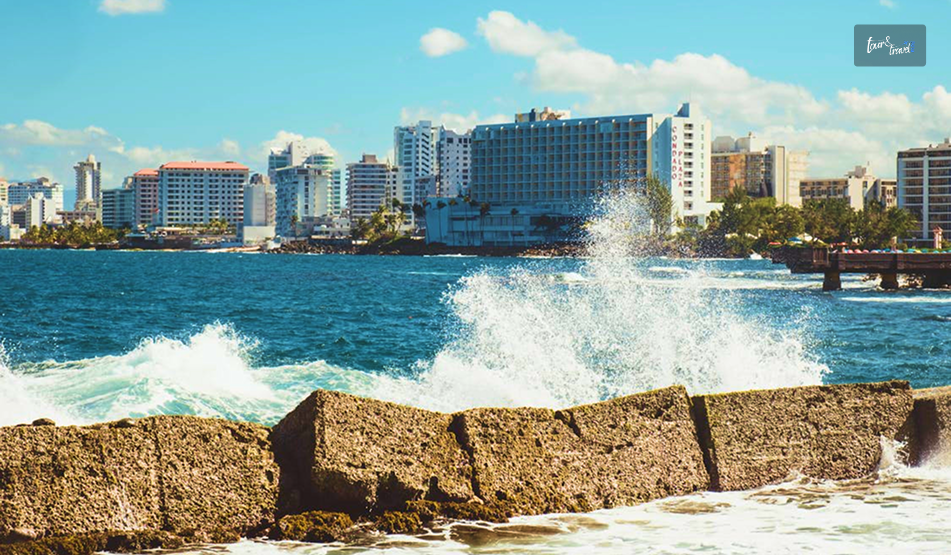
Condado – a tourist-based area where the people are quite friendly and helpful to the tourists. Furthermore, with a thriving nightlife scene, this place is perfect if you can stay here.  

Condado

Henceforth, visiting museums and other important places becomes easier. Let’s not forget that you can hop to clubs and restaurants regularly if you stay close!  

Santurce – One of the most populated areas of San Juan, this location is quite safe for you to book your accommodation here. Starting from museums, and art and music, you will get everything here. Admittedly, you will also enjoy the different types of cuisines available in this locality.  

Santurce

Things to Do in San Juan  

If you want to enjoy visiting San Juan safely, let me share with you some of the coolest places that are worth visiting. History speaks here along with offering you some of the most picturesque places across the city.  

Starting from the beaches to the streets, San Juan offers you beautiful places to explore. Let me share some of the things to do in San Juan, Puerto Rico for free! These activities will make sure you have the time of your life!  

El Yunque National Forest  

El Yunque National Forest

This place is beautiful, especially if you are a natural person, this is it for you. Go visit nature and check out those beautiful waterfalls. You can also hike through the rainforest experiencing some of the best places in San Juan.  

You can take a guided tour, or you can venture alone based on your experience of hiking. I would suggest you take an extra set of clothes along with extra hiking boots because chances are you will catch rain when you go across the trail.    

Ocean Park Beach  

Ocean Park Beach  

This is one of the most popular beaches in San Juan, as people visit this beach for swimming and surfing. A large beach that is accessed by the public is in the neighborhood of the barrio of Santurce in Puerto Rico.   

There is a little restaurant at this beach, but you probably won’t get a lot of options. It is better if you carry your drinks and order something minimalistic from the restaurant and accordingly enjoy the beach vibe.  

Cobblestone Streets  

Cobblestone Streets  

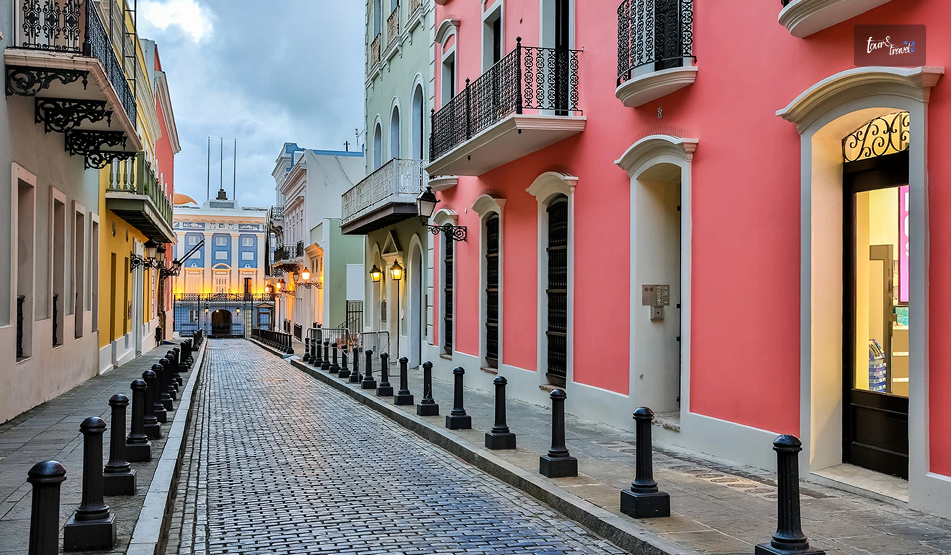
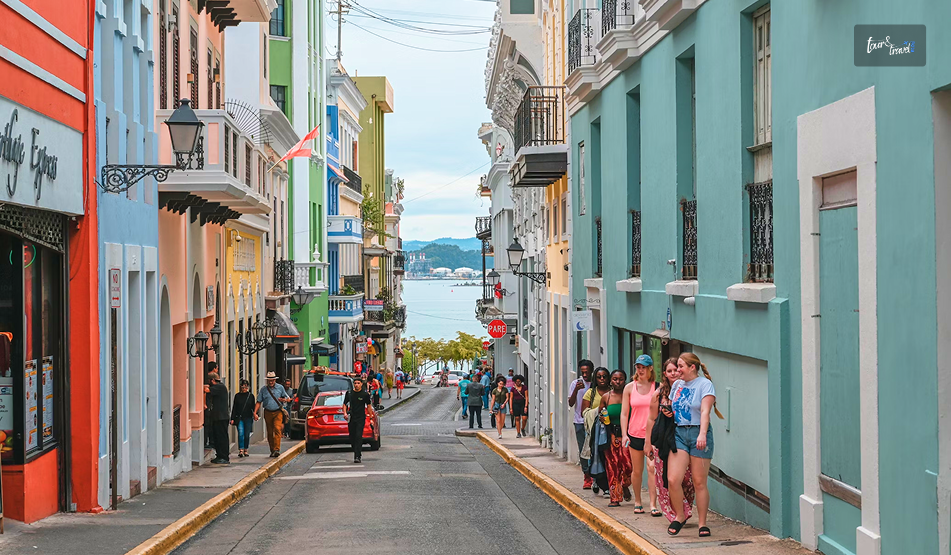
Beautiful museums, colonial churches, and architecture across the cobblestone streets will take your breath away. I am sure you will start admiring the place when you take a stroll across these streets.  

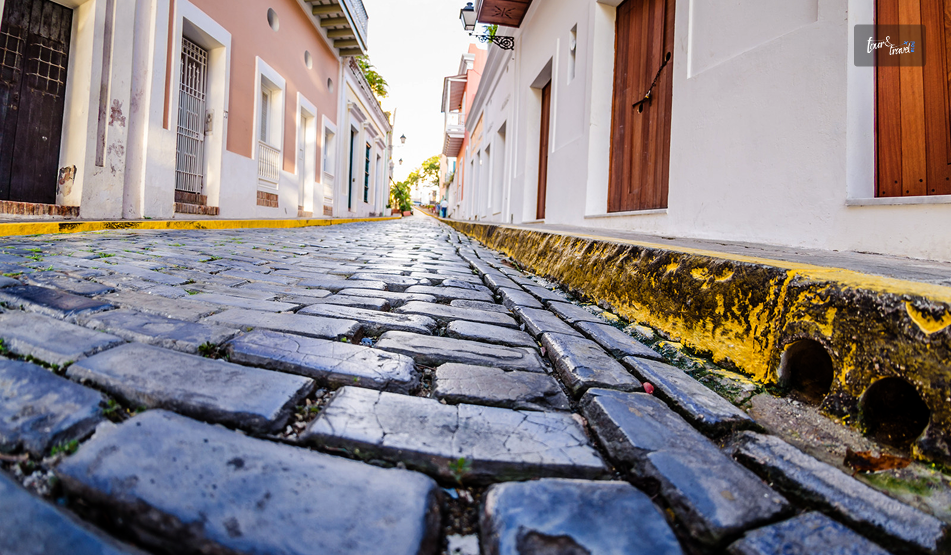
The streets are paved with blue cobblestone pavers, the beauty of it will just make you stare. You can get amazing pictures along with learning about the colonial past of the Island from these cobblestone streets.

La Fortaleza  

La Fortaleza  

A UNESCO World Heritage Site, La Fortaleza is a historic fortress. You can take a guided tour of this place. You can see the current residence of the Governor-General of Puerto Rico, there is also an arsenal here.  

Furthermore, you cannot roam around the fortress at your own will, instead try to book the 30-minute guided walking tours across the place from Monday to Friday from 8:15 a.m. to 3:30 p.m. The tour is inclusive of the interiors of the fortress when the government is not in session and the luscious gardens.  

Santa Maria Magdalena de Pazzis Cemetery  

Santa Maria Magdalena de Pazzis Cemetery  

The cemetery is historically profound especially because it is filled with graves of significant Puerto Rican figures. Salvador Brau, Jose Ferrer, Rafael Hernandez, Jose de Diego, and others are all buried here.  

You will find them one of the most beautiful places as the cemetery faces the Atlantic Ocean. It is all about the symbolization of the journey of the souls in their afterlife!  

Food to Have in San Juan  

Are you a foodie like me? Whenever I travel somewhere, what I find very necessary is to try the food that the locals enjoy. This shows how the way a place develops a relationship with the local food, the people, and the culture there.  

La Placita de Santurce – With several bars and food stalls, this place is as lively as a festival, the market square attracts you like no other. One of the hotspots of Puerto Rico, both travelers and locals are attracted to this place.  

La Factoria – This bar is popular and known for its creative cocktails such as espresso martini, lavender mule and lager beer, hijos de Borinquen, and others! A low-lit salsa-filled ambiance is quite homely with their delicious fish tacos, stuffed mushrooms, fried goat cheese balls, and others.   

Chicharron – One of the most delicious tapas menus, this restaurant is one of the best places to taste the Puerto Rican malanga soup. Let’s not forget to try the Mofongo from here.  

Deaverdura – A small restaurant, giving a farm eatery vibe offers you some of the best pernil in San Juan. You also need to try the pollo al ajillo with rice, which is to die for. It is located right in the heart of the city; the lively Latin American restaurant gives you the perfect taste of local cuisine.  

Molini’s – A hidden gem of a restaurant, the menu keeps changing every day offering you some of the best local cuisines. If you are looking for an authentic Puerto Rican dish, try their Arroz con gandules. You are in for a treat!  

Safety Tips for Solo Women Traveler  

Safety Tips for Solo Women Traveler

The safety tips that I am sharing with you are from my experience as a solo female traveler! My experiences have helped me create a checklist for myself especially when I am traveling alone, both domestically and internationally.  

Select your accommodation area in a well-lit neighborhood. This will ensure your safety even when you are returning late to your hotel or leaving early to visit a tourist place. Another thing to keep in mind, if you are walking alone, try to be on proper-lit roads, especially at night.  

It is important to be aware of your surroundings at all times, even when in a crowd. I recently traveled to a crowded city in India, and I realized, that pickpockets and petty theft are most rampant in crowds. Even at night, you must be aware of your surroundings.  

When using transportation, use reputable and trusted individual drivers and organizations for ride-sharing services, organized tours, and taxis.  

Try not to flaunt too much in terms of clothing or accessories. For example, it is better if you do not wear expensive watches, expensive bags, jewelry, and large amounts of cash.  

You must keep track of the weather in San Juan and check the forecast before you make the plans. It is better to be prepared especially because you are a visitor to the city hence, you might not get help whenever you need it. Better take precautions instead of worrying about what will happen later.  

Wrapping Up!  

In conclusion, when you visit San Juan, you must enjoy the beautiful places, enjoy the local Puerto Rican dishes, and experience their culture. And when you ask, is San Juan safe? You will know yourself if you keep all the safety tips discussed above in this blog.  

Comment below on what you think is the must-visit place in San Juan and why. Furthermore, it is also significant for you to plan your trip, especially if you are traveling solo.

Also read

Share on Social Media

Sagnika Sinha is a content writer who is passionate about writing travel vlogs, entertainment and celebrity articles and literature-based pieces. With a 4 years experience in teaching, she loves reading books. A procrastinator by nature, she loves travelling, listening to music, planting and gardening.

Leave a Reply

Your email address will not be published. Required fields are marked *

title-img Related

READ MORE Best Time to Visit Sydney

Seasonal Luxury: When’s The Best Time To Visit Sydney?

BY  Sibashree Oct 13, 2025

Honestly, it’s fun watching Sydney flip personalities through the year. The city doesn’t really do that dramatic hibernation thing. It’s almost always, well, pleasant? But the city’s mood still shifts. Beaches, bars, parks! They all swap energy depending on the season. If you’re plotting a Sydney escape, it’s worth thinking about what you want most: are you after sun, culture, quiet nights, or rowdy days? Here’s how things actually feel, season by season. What Is The Best Time To Visit Sydney?  Check out the ultimate seasonal fun in Sydney in all months. Choose the best season based on the experience you want.  1. Summer (December – February): The Ultimate Beachfront Escape Let’s be real. Sydney in summer is a bit of a show-off. Those endless evenings that don’t seem to end, warm days (but not sticky-hot like you’d find elsewhere), and, yeah, every cliché about Aussie beaches is true but still sort of magical.  Bondi turns into a spectacle. You’ll hear more accents than at the UN. It’s noisy, crowded, alive. Some days, the sand’s so busy you give up, laugh, and just sit on the steps with chips. Restaurants spill outside, tables fill hours before sunset. Harbour’s packed with yachts, and it looks expensive even if you’re just gawking from the ferry.  Quieter beaches are a fifteen-minute drive away, yet barely touched—Nielsen Park, Balmoral (babies paddling at your ankles), everyone grilling sausages and pretending to argue over who forgot the tomato sauce. Oh, and parties—don't even start. New Year’s Eve on the harbor? Fireworks everywhere, Opera House in the background, people cheering, hugging random strangers! January packs in music, theatre, and weird art pop-ups. There’s always a movie playing under the stars if that’s more your speed. Stay At Villa Mirage, Manly. It’s open, breezy, all huge windows, like the house wants you barefoot and salty. You’ll be constantly outside or sliding indoors to cool off. Kind of surprising how close you can get to the water. Top Experiences If you’re ever going to splurge, charter a boat. Nothing beats skyline views with nobody elbowing you for space. NYE from a private rooftop—wish lists get made for moments like that. And dinner at Icebergs isn’t fancy, it’s just what you do when seafood’s this fresh. Must-Visit Event: Sydney Festival. All month. Don’t need a plan—just walk into anything. Free gigs. Roving acts down hidden alleys. VIP bits if you really want the works. Insider Note: Don’t wait to book. Everyone and their dog comes here for New Year’s. Start looking half a year out if you’re fussy. 2. Autumn (March – May): Tranquility & Wine Country Retreats After summer’s chaos, autumn is sweet relief in Sydney. It slows, locals breathe out, kids go back to school, and you can finally grab a good table without begging.  Still warm enough for swimming most afternoons and some weeks trick you into thinking summer’s still here. Sun doesn’t burn; air feels soft, and honestly, you might forget there’s ever “bad” weather here. You'll see way more families picnicking, groups laughing a bit less loudly, maybe a dog asleep in the sand. Nights are for al fresco meals and walks where you lose track of time. And if you like a drink, the wine harvest in the Hunter Valley is peak chilled-out luxury. Tours are mellow, winemakers like to chat, and the lunch spreads go for days. Not as crowded as you’d expect. Stay At Villa Hunter. It’s one of those “don’t take photos, just look” places, especially at sunset. Cozy inside if it cools off, but the terraces are where you’ll end up. Promise. Top Experiences Harvest Season in Wine Country: A private tour is perfect, especially with a driver who knows where to sneak you backstage. Yachts at dusk (better colors than any summer sunset), art galleries popping up everywhere. Must-Visit Event: Racing Carnival. Doesn’t even matter if you care about horses. It’s glammed-up, playful, equal parts gossip and spectacle—go for the people-watching. 3. Winter (June – August): Cozy Luxury & Cultural Indulgence For a city known for beaches, winter’s surprisingly good. Not freezing (ever), usually sunny, and the city gets all grown-up on you—fireplaces, dark cozy corners, long dinners.  Sure, water’s cold, but if you’re nuts, those outdoor pools are open and there’s always a few swimmers bobbing around like penguins. Food just gets better, with the chefs dialing up the rich, warm flavors. Opera, live shows, quiet bars with crackling fires! It’s a different crowd, slower energy. Also, prices drop, and top hotels don’t hide it; they want you there. Book a suite just because you actually can. Stay At Mosman Waterfront home. Real luxury is coming in from a walk with wind-stung cheeks straight into a sauna or steam room. Watch storms over the harbor without moving from your sofa. Top Experiences Bring the chef to you: big, lazy dinners without hassle, just laughter and empty plates. Hit an opera—winter draws the serious productions. Spas are empty, treatments longer, nobody rushing. Must-Visit Event: Vivid. Whole city lit up with trippy lights, projections—impossible to explain if you’ve never seen it. Just go. Get a hot drink, wander until you can’t feel your toes, call it a night. 4. Spring (September – November): Rejuvenation & Exclusive Outdoor Adventures Spring's that sigh of relief as days grow longer, flowers everywhere, parks suddenly packed again. Jacaranda blooms drop purple confetti on the sidewalks.  Kids, dogs, runners, everyone’s out. You get those mornings where it’s just cool enough to want coffee outside, afternoons warm enough for t-shirts. Outdoorsy types love it as hikes don’t leave you sweaty, yet the ocean’s recovering warmth is ready for the brave. Wildflowers on the coastal walks, whales offshore sometimes, if you’re lucky. Quick Tip: Go inland for a day, the Blue Mountains are classic this time of year—flowers, trails, views for days. Stay At Villa Utopia. Completely open, full of light, you’ll forget what “indoors” means. Sort of house that hosts as many little gatherings as you want—no one stuck inside. Top Experiences Hot air balloon rides at dawn over the Hunter Valley. Pack a camera or just stand there and gawk. Create-your-own picnic after a hike, art shows cropping up with surprisingly friendly crowds. Must-Visit Event: Sculpture by the Sea. Bondi to Tamarama walk turns into a giant, outdoor art fair. Could get busy, but that’s half the fun. Stroll, stop, eat ice cream, repeat. Final Thoughts: When Should You Book Your Luxury Stay In Sydney Look, there’s no truly “wrong” season here. Want the full sun-blasted, classic travel-mag Sydney? Summer or spring.  Looking for something more laid-back (and lower-key on price)? Autumn and winter are criminally underrated. Honestly, it doesn’t hurt to overlap two seasons for a rollercoaster of city moods. Whatever time you settle on, the right stay, big, easy, friendly homes, will turn it luxe anyway. Sydney has a way of outdoing itself.

READ MORE Tracking Every Dollar

Tracking Every Dollar: A Traveler’s Guide To Better Spending Habits

BY  Sibashree Jul 24, 2025

Ever come back from a trip, check your bank balance, and think, “Wait… where did all my money go?” Yeah, we’ve all been there. Traveling’s thrilling, sure, but it’s also sneaky—little costs pile up faster than you’d think. That overpriced airport snack?  The “cute” souvenir you didn’t need? It adds up. But here’s the thing: good budgeting isn’t about saying no to everything—it’s about being smart with your choices so you can actually enjoy yourself without the post-trip regret. So let’s talk about a few easy, real-life ways to track every dollar and build better spending habits while you’re off exploring. You can even use a spending tracker to keep the budget in check.  Start With A Clear Budget So That You Can Track Every Dollar While Traveling Honestly, the easiest way to keep travel spending under control? Plan before you even leave. Otherwise, it can quickly become expensive.  Set a total budget for the whole trip and then split it up—transportation, hotels, food, activities, and that “miscellaneous stuff” (because there’s always something). It’s also smart to include sneaky extras like tips, parking, or baggage fees. I like using a simple spreadsheet or an app for this. Doesn’t have to be fancy—just something you can check daily so you know where you stand.  When you see exactly how much you’ve got for each category, you make way fewer impulsive choices. Plus, you can spend guilt-free when you know it’s part of the plan. That little bit of prep before you leave? It’ll save you from a ton of “uh-oh” moments later. Track Every Dollar During The Trip Here’s the not-so-fun part: write down everything you spend. Yes, even the coffee. It feels like a pain at first, but it gives you a clear picture of what’s really happening with your money.  You don’t have to go old-school with pen and paper—budgeting apps are a lifesaver. They’ll let you log purchases, set limits, and even break down your spending by category so you can see exactly where it’s going. This habit makes you think twice before handing over cash (or swiping). You’ll start noticing patterns—like how quick snacks add up or how that “just one drink” at dinner somehow becomes three. And once you see it in real time, it’s way easier to adjust before things spiral. 1. Choose Affordable Accommodations Wisely Let’s be real: lodging eats up a huge chunk of any travel budget. But you don’t have to blow your cash to sleep somewhere decent.  Try looking at options beyond hotels—hostels, guesthouses, vacation rentals… even budget inns can surprise you. Just compare prices and always read recent reviews (you do not want bedbug drama on vacation). Also, book early when you can. Not only do you usually get better rates, but you also get more options. And don’t ignore the perks—free breakfast, a kitchen, maybe laundry or airport pickup—those little extras save money in the long run.  Sometimes staying slightly outside the city center can cut costs, but make sure you’re not spending that “saved” money on transportation. It’s all about finding that sweet spot between cost, convenience, and comfort. 2. Control Food Expenses Without Missing Out Food is one of the best parts of traveling… but it’s also where budgets go to die. My hack? Mix it up. Eat at restaurants for those “must-try” experiences, but grab at least one meal a day from a market, food stall, or grocery store. Not only is it cheaper, but you’ll get a more local vibe. Oh, and if your place offers free breakfast? Don’t skip it. If there’s a kitchen, maybe cook a meal or two—it’s kind of fun (and saves a chunk of cash). The point isn’t to skip good meals; it’s to save the sit-down restaurant splurges for when they really count. 3. Avoid Currency Conversion Surprises Traveling abroad? Exchange rates can sneak up on you. Don’t change all your cash at the airport—it’s usually the worst rate. Check if your card charges foreign transaction fees, too, because those tiny percentages add up faster than you think. Apps like XE or Revolut can help you track rates and even decide the best time to exchange. And while cards are convenient, always keep some local cash for markets or smaller places. Knowing exactly how much you’re spending in your own currency keeps you from going overboard without realizing it. 4. Stay Away From Impulse Purchases Souvenirs are tempting. Those random little trinkets? Cute… but do you really need them? Probably not. Before you buy something, pause and ask yourself: “Do I actually want this, or am I just in the moment?” Nine times out of ten, waiting a day makes you realize you didn’t really want it. These are impulsive buys we need to avoid! Setting a daily spending cap for fun stuff (shopping, treats, entertainment) works wonders. When you hit your limit, that’s it for the day. It’s not about never treating yourself—it’s about doing it with intention. And honestly, those thoughtful purchases end up being way more meaningful than the random impulse buys. Track Every Dollar While Traveling: It’s Not About Restriction But Avoiding Waste Travel should be about making memories, not stressing over your bank balance. When you track what you spend, you’re not restricting yourself—you’re giving yourself freedom. You know where your money’s going, you cut out the waste, and you get more out of your trip. Whether it’s a quick road trip or the big “dream vacation,” strong money habits make the whole experience smoother and way less stressful. Over time, this stuff becomes second nature… and trust me, your future self will thank you for it.

READ MORE Travel Blog With A Headless CMS

How To Start A Travel Blog With A Headless CMS? Smart Tips

BY  Sibashree Aug 14, 2025

❌ Generic Templates ❌  Limited Flexibility across Channels These are the first two things you must leave behind if you are planning to start a travel blog these days. Also, it is now just about building a travel blog site, but the idea is to start a travel blog with a headless CMS and ensure optimized conversions.  Digital content endeavors to convert all the time, but it's not enough to generate persuasive copy and aesthetically pleasing designs and leave it at that.  The ability to adjust, pivot quickly based on real-time metrics and a strategic push at the appropriate time during the buyer's journey is essential.  Unfortunately, many CMS options fail to provide such access and flexibility. Yet a headless CMS allows for an in-depth design and the structure needed to create, experiment, and execute content intended for conversion across any channel.  With content modeling, an API-first approach, and componentized efforts, teams can design conversion-ready, optimized digital experiences along the way. Here’s more on how we can have absolute control over content presentation and structure with the help of a headless CMS.  Why Conversion Is Limited In Legacy Content Systems? Legacy content management systems (CMS) keep content tied to pages and templates. When a marketer wants to change the components or layouts, the messaging, or the targeting, it's usually an impossibility.  Furthermore, content displays differently on mobile than on desktop, and unless developers are on board to change visibility across devices or channels, brands suffer from amateur impressions.  In addition, when small changes need to be made, it requires dev time, which prevents even the simplest, most timely turnaround pieces.  Thus, when marketers have access to A/B performance, they're not always set up to make real-time changes.  Storyblok Labs product experiments showcase innovative ways to solve these limitations with faster, more flexible testing and deployment.  This is why conversion-centric content should be done as quickly and easily as possible. A headless CMS removes the content from the delivery, which allows for a more responsive experience. Why Do I Need To Start A Travel Blog With A Headless CMS? Creating content that converts doesn't just rely on what you say. It relies upon how quickly and efficiently you say it, test, and iterate at every stage of the funnel.  When people can change their minds with the click of a button and attention spans are shorter by the second, the ability to create and implement content with flexibility has never been more paramount.  You can no longer just create a landing page and wait to see what happens; in modern marketing, everything must be iterated, personalized, and perfected in real time based upon performance feedback. 1. A Headless CMS Offers Flexibility And Helps Find A Brand Voice A headless CMS provides the flexibility, framework, and agility necessary to produce content that advocates for high conversion rates with the ability to pivot just as quickly as your audience.  Because a headless CMS separates content from the front-end experience, both developers and marketers can create content modules that are highly reusable, each module attributable to a unique conversion goal.  You can test them with rapid A/B measurement campaigns. Moreover, you can easily assemble and deploy across all channels and touchpoints without upsetting the entire campaign plan.  The production time is cut down dramatically. Content silos are avoided. Compliance with best practices for brand voice and user experience becomes easier to control. 2. Ensures Better Assessment And Lesser Time For Content Production With personalization opportunities driven by behavioral data, along with the flexibility of integration with A/B testing tools, analytics platforms, and CRM/log-in pathways, every piece of content becomes interactive, trackable, and meaningful.  Marketing teams can assess specific measurements for particular audience segments, remove underperforming pieces mid-campaign, and apply successful formulas across global regions and departments, all from the same source of management. The possibilities for immediacy are especially valuable when it comes to major product debuts, last-minute holiday campaigns, or intense customer acquisition strategies.  Here, time is of the essence, and success depends on a failsafe launch at a selected moment. Being able to iterate while content goes live makes all the difference.  Within a headless CMS, your content machine is reactive to your business needs instead of responding to the consumer, continually changing, substantiating findings, and improving conversion attempts at every step. Start A Travel Blog With A Headless CMS For Future Convenience And Use (Understanding The Technicalities) A headless CMS supports the notion of creating content as fragments that can be used anywhere down the line.  For example, rather than creating hero banners and testimonial boxes, these "components" can instead be tagged as hero banners, testimonials, recommended features, CTAs, or pricing tables.  In addition, you can tag them with metadata for conversion. Mention who it's for, what part of the funnel it serves, and what campaign it connects to.  So, it is like a content marketing workshop. You can assemble the essentials to meet the campaign goal by selecting the existing high-performing blocks of content.  It creates a greater quality assurance requirement and allows those approving the messaging to not deviate from branding and past successful communications. The Benefits Of Using A Headless CMS For Travel Blogs When you start a travel blog with a headless CMS, the blogs become your brand with personalized storytelling and picking the right sub-niche for your travel blog.  Thus, you build stronger connections with a specific reader base and establish authority quickly.  1. Personalization Drives Conversion Rates Up By Using A Headless CMS For A Travel Blog Personalization drives conversion rates. Several different content pieces can be served based on segmentation data; thus, the same API connection can read geographic location or read CRM segmentation and serve a different headline, picture, or limited-time offer.  Thus, a new user can get one offer and a CTA. Furthemore, returning users can have a different CTA with various testimonials of their previous experience and industry.  A headless CMS makes it easier to let technology help people at scale with personalization that quickly drives them down the conversion path. 2. Iterating Quickly And Testing With Single Changes There is no final design for conversion; it requires ongoing updates based on what works and what doesn't. A headless CMS encourages rapid, modular designing that enables A/B testing or multivariate testing at the element level.  Marketers can test one element, a CTA, for example, or a product highlight against another product highlight to see which does better, and they can monitor the effectiveness in real time.  Because these elements are modular and exist apart from the overall design, they can be changed and adjusted without redoing an entire page or complicated experience. This allows marketers to pivot quickly and often for stronger conversions. 3. Minimizing Redundant Channel-Specific Content Paths to conversion don't just exist on websites; they exist in email, mobile apps, landing pages, digital ads, and more.  A headless CMS allows for omnichannel delivery from one content source, meaning that the message can be the same.  But because the content does not align with the design, you can update copy, style, and tone for each channel.  This decreases redundancy, increases content operations efficiency, and ensures that channel-specific experiences are as effective as possible to drive conversion. 4. Using An Integration With Analytics Sites To Drive Decisions About Content Elements No effort to optimize large content pieces can be realized without performance data. A headless CMS integrates with analytics sites, A/B testing sites, and customer data platforms (CDP) to give teams the power to see how well certain pieces of content work on what channels and for what demographic segmentation.  Marketers can discover which elements of an ad drive clicks, what subheadings have reduced bounce rates, and which CTAs have the highest conversion rates.  These results go back to the elements in question. Thus, it allows you to make quick changes and more intelligent repurposing of popular content pieces. Over time, this creates a scalable library of assets that have all been assessed for conversion. 5. Easing Inter-Departmental Collaboration Content that converts doesn't just involve the marketing team. It requires insight from design, content, development, and analytics teams as well.  A headless CMS makes this process seamless by offering a content repository, in different formats, that allows everyone to contribute.  The marketers can make their piece of the puzzle for the larger campaign using out-of-the-box components. The designers can ensure a universal, consistent design across teams. Moreover, the developers can build a connected and responsive front end, no matter the content.  Distributing these efforts allows for faster flows, greater accuracy, and increased experimental, data-backed content conversion opportunities. 6. Enabling Scaling Efforts Without Quality Decrease As brands grow, so do their campaigns and content needs for varied audiences. A headless CMS is intrinsically scalable, as it allows teams to replicate and pivot effective tactics from product to product and market to market.  Campaigns following templates and modules known to convert can easily be used for similar campaigns. Thus, the production time will go down.  Scaling is integral to maintaining conversion successes as it requires more resources over time. 7. Forming Credibility Through Speed And Consistency Speedy and effortless digital experiences create conversions. If a webpage takes too long to load or has a disjointed layout riddled with out-of-date resources, potential converters become frustrated and return to search for better resources elsewhere.  With a headless CMS, developers have complete control over the front end to create fast-loading and mobile-responsive efforts that increase usability.  Moreover, with a modular approach, updates can occur in seconds, without concern for disconnected segments because of out-of-date information.  This speed and consistent access create credibility, one of the most important factors for turning interested parties into buyers. 8. Conversion-Focused Funnels By Modular Assembly Of Content Perhaps the greatest advantage of a headless CMS is the unlimited ability to create hyper-targeted, conversion-based funnels based on specific buyer personas or short-term campaign needs.  When using a standard CMS, the content will be in silos based on general form templates.  Be it lead acquisition or collateral acquisition, email nurturing and lists, product nurturing or reactivation.  If creating a funnel exists within the marketer's realm, they can specify how the content flow should happen to generate the desired response.  For example, if a product funnel is for converting cold traffic, you will use short-form copy, images, or overview videos to create the awareness phase.  The interest phase can be a compilation of FAQ blocks, testimonials, or lists of advantages.  The action phase can use product comparisons, expiring discounts, or friction-free lead gen forms, all pulled from pre-vetted and modular content blocks. With a headless CMS, teams can be thoughtful and experimental about the funnels available to them.  One funnel does not have to serve all journeys. Instead, thoughtful, conversion-oriented experiences can be the way out based on user reaction and intent indicators. These are like live customizations, not just one-time executions.  With a headless CMS, content is a powerful tool for business growth and not an afterthought. 9. Decreased Time To Launch For Conversion-Focused Efforts One of the best ways to convert audiences is to get to them while the getting is good. When interests are hot, campaigns need to be ready, or else audiences will lose their interest or even worse convert to a competitor.  With a headless CMS, the time to launch dramatically goes down. Instead of creating something brand new and untested, teams can utilize a library of components.  There's no need to reinvent the wheel every single time, and efforts can launch in minutes as long as the used assets come from pre-existing libraries. 10. Ability To Change Without Starting Over When Consumer Actions Change Consumer action changes what works today might not work tomorrow. Thus, one of the greatest benefits of utilizing a headless CMS is the ability to change without starting over.  Marketers can relaunch certain components that didn't perform well. They can even try something similar with different layouts without having to start brand new.  Components can be: Geo-targeted Segmented Dependent upon what occurs without disrupting other campaigns in process.  This means conversion efforts are fluid and malleable, able to change without compromising the overall experience of the brand. Start A Travel Blog With A Headless CMS And See How Conversion Starts With Flexible Infrastructure Do you have a brand wanting to boost performance, grow fast, and provide the best omnichannel experience? The degree of flexibility that comes with a headless CMS is not only a technical advantage; it's a strategic necessity.  It allows teams to operate faster, test more effectively, convert more easily, and build a content operation. The overall process is reflective of the dynamic, data-driven nature of our digital world. When conversion reigns supreme, this is how to create effective digital experiences.