
Smoky Mountains: 8 Ways To Explore Nature As A Couple

Aug 25, 2023

Last Updated on: Sep 24, 2026

Adventure

The Great Smoky Mountains span eastern Tennessee and western North Carolina.

This mountain range is one of the most biodiverse and scenic natural areas in the United States.

It spans over 500,000 acres of protected land.

This UNESCO World Heritage site also includes lush forests, cascading waterfalls, winding rivers, and abundant wildlife.

It has over 800 miles of hiking trails, scenic drives, fishing spots, wildlife-viewing areas, and other outdoor adventures.

So, the Smokies have something for everyone.

Great Smoky Mountains National Park is the most visited national park in the country, welcoming over 11.5 million visitors annually.

Its mild climate, accessibility, and diverse ecosystems make it an ideal destination year-round.

New wonders await, from spring wildflowers to fall foliage.

Whether you want to admire majestic mountain views, walk among ancient trees, or get up close with local wildlife, the Smokies offer limitless ways to connect with nature’s splendor.

Here are the finest ways to explore the Great Smoky Mountains.

Gem Mining

Gem Mining

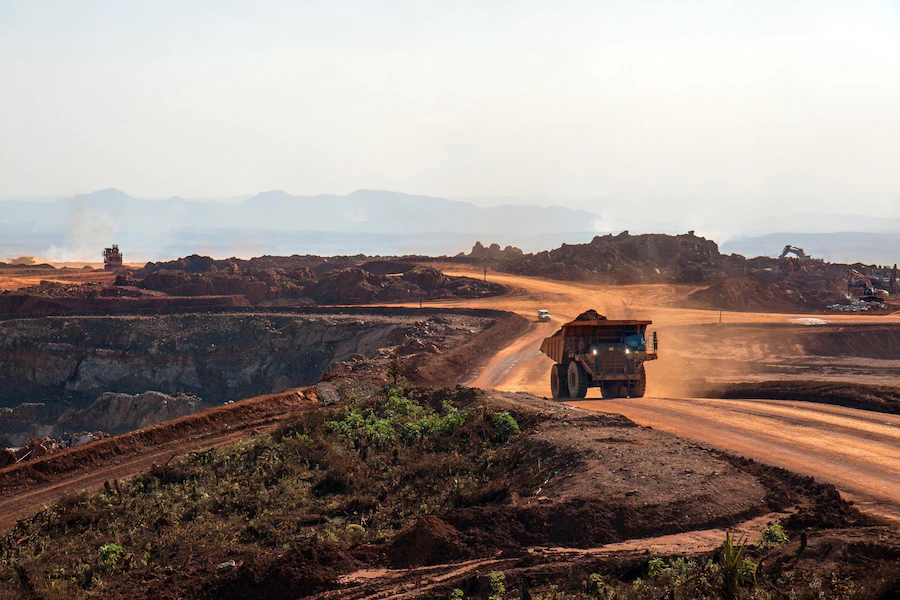
The Smokies contain many minerals and gemstones, like rubies, sapphires, garnets, emeralds, and quartz.

For a fun couples’ activity, try gem mining in Pigeon Forge.

The Pigeon Forge Gem Mine is a well-loved attraction where visitors can mine for their own gems.

They provide all the tools and instructions you need. Searching for gems makes for a unique date.

The thrill of discovering a beautiful, sparkling gemstone provides excitement you can share.

Laugh together as you learn to pan, sieve, and wash away debris to reveal potential treasures.

See who can find the most impressive gem.

You might uncover a special stone as a romantic keepsake from your Smoky Mountain getaway.

Hiking

Over 800 miles of trails in the Smokies showcase lush forests, rocky peaks, open meadows, and more.

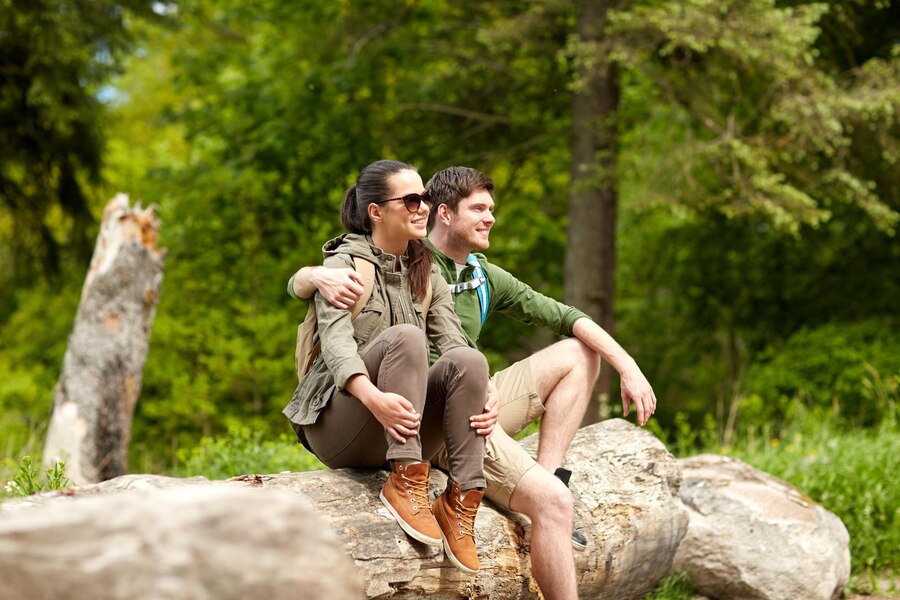
Hiking is one of the best ways for couples to immerse themselves in the Smokies’ natural beauty.

Trails range from easy nature walks to challenging uphill climbs, so there’s something for all abilities.

Highlights include:

  • The Appalachian Trail
  • Alum Cave Trail
  • Chimney Tops
  • Andrews Bald
  • Ramsey Cascades

As you hike hand in hand, you’ll encounter thundering waterfalls, panoramic vistas, historic homesteads, and plentiful wildlife.

Stop frequently to admire the views and steal a romantic kiss on the trail.

Hiking is the perfect way to breathe fresh mountain air, stretch your legs, and enjoy the scenery together.

Pack a picnic lunch or trail snacks to enjoy along the way.

Hiking as a couple lets you set your own pace, enjoy nature’s splendor, and create lasting memories as you explore the trails.

You’ll return re-energized and closer than ever after hiking through some of the most beautiful scenery in the Smokies.

Wildlife Viewing

Wildlife Viewing

The Smokies’ diverse habitats, from low-elevation forests to high mountain balds, support an incredible variety of wildlife.

Over 200 bird species, 67 native fish, and 66 mammal species call the park home.

Cades Cove and Oconaluftee are prime spots for couples who love animals to observe songbirds, birds of prey, and waterfowl.

Large mammals like black bears, elk, and white-tailed deer also graze in open meadows.

With over 30 unique salamander species, the Smokies are a renowned biodiversity hotspot.

Bring binoculars and field guides to identify all the creatures you spot.

Seeing wildlife together creates special shared moments and memories.

Stop frequently along wildlife viewing routes and see what animals you can discover.

With a little patience, you will likely have an up-close wildlife encounter to delight animal-loving couples.

Seeing nature’s beauty through your partner’s eyes will bring you closer together.

Fishing

Nearly 3,000 miles of pristine streams in the Smokies provide excellent fishing opportunities.

Many streams support healthy populations of rainbow, brook, and brown trout.

Popular fly fishing spots include:

  • Deep Creek
  • Little River
  • Abrams Creek

Fishing licenses and permits are required for ages 13 and up.

Fishing is a peaceful, fun way for couples to enjoy quality time together along the park’s tranquil waterways.

Pack a picnic, bring lawn chairs, and spend a relaxing day casting lines and enjoying the scenery.

Getting away from daily stress and focusing on fishing will rejuvenate your relationship.

Cheer each other on as you reel in an impressive catch.

Snuggle close as you wait for fish to bite to stay warm and connected.

Waterfall Hikes

Waterfalls, from powerful cascades to gentle trickles, bring drama and beauty to the Smokies landscape.

Top scenic waterfalls include the Ramsay Cascades, Laurel Falls, Abrams Falls, and Grotto Falls.

Reaching each waterfall is an adventure, with trails winding through verdant forests and along rocky creeks.

The mesmerizing sound of rushing water creates a romantic atmosphere.

  • Pack a camera to capture photos of you and your partner with the majestic waterfalls in the background.
  • Prepare a picnic lunch or trail snacks to enjoy near the tumbling water.
  • Stop frequently along the hike to steal kisses and express your affection.

The shared exhilaration of reaching a waterfall view will bring you closer together.

Exploring waterfalls allows couples to appreciate nature’s beauty through a unique, romantic lens.

Camping

Camping

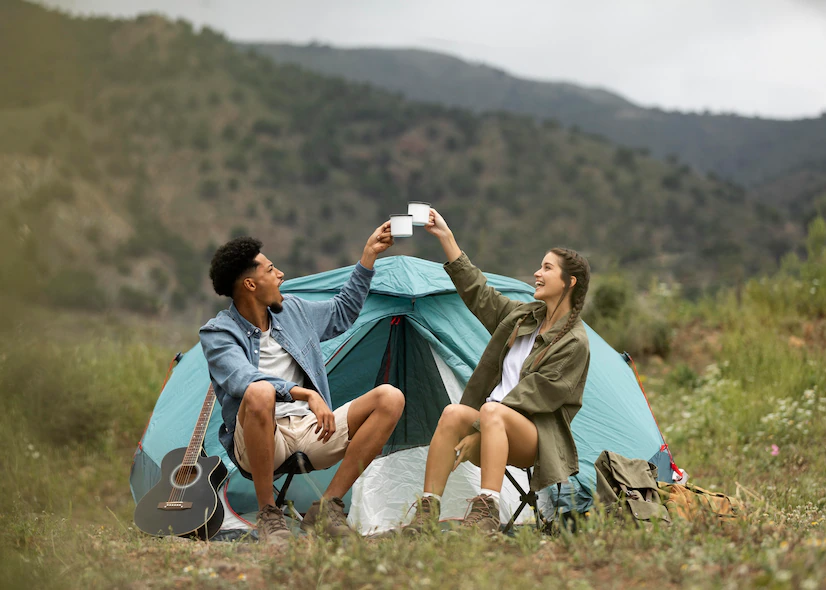
Spending a night camping in the Smokies immerses you in the forest’s tranquil sights and sounds after dark.

Many campgrounds offer drive-up sites and amenities.

Backcountry camping with a permit allows you to pitch a tent in more secluded spots along remote trails and streams.

Waking up together to the crisp mountain air, birdsong, and sweeping vistas is a one-of-a-kind romantic experience.

Snuggle close around a campfire and stargaze into the night.

Camping is a wonderful way for couples to disconnect from technology and truly connect.

Sharing simple camp meals and activities will bring you closer than ever.

The serenity of the Smokies after dark creates an idyllic atmosphere for couples to rekindle their bond.

Horseback Riding

For a unique perspective, join a guided horseback riding tour.

Stables just outside the park offer rides ranging from one hour to all day along scenic trails.

You will climb hills, trot through streams, and ride through shady forests.

Horseback riding in the Smokies suits both beginner and experienced riders.

Sharing this experience lets couples see the park from an unusual vantage point.

Bond with their gentle horses together before setting off.

Riding side-by-side or single-file, you’ll see sights you can’t see on foot.

Stop to enjoy panoramic views and capture photos of you two on horseback.

What better way to explore the Smokies together than on a romantic trail ride? Couples can chat and enjoy each other’s company.

The Limitless Great Smoky Mountains

With its incredible biodiversity, outdoor activities, and breathtaking scenery, the Great Smoky Mountains offer limitless ways to discover nature at its finest.

Whether hiking to a waterfall, camping under the stars, or driving through a mountain pass, there are adventures for all ages and ability levels.

Take a break from everyday life to reconnect with the natural world.

From towering trees to tiny salamanders, the Smokies’ magic awaits exploration.

Additionals:

Share on Social Media

Sibashree is a travel, culture, and leisure writer who has been writing since the age of 12 and professionally since 2014. With more than a decade of travel writing experience and journeys across India and several parts of the world, she brings a deeply personal and thoughtful perspective to her work. A student of English Literature and Mass Communication, Sibashree has always viewed travel as more than movement — for her, it has been a way of understanding people, cultures, and herself. Her passion for spiritual exploration has also led her to many unusual and meaningful destinations over the years. Outside of writing, Sibashree enjoys watching European cinema, reading about global politics, and reflecting on the stories hidden within everyday places.

One response to “Smoky Mountains: 8 Ways To Explore Nature As A Couple”

  1. certainly like your website but you need to take a look at the spelling on quite a few of your posts. Many of them are rife with spelling problems and I find it very troublesome to inform the reality nevertheless I will definitely come back again.

Leave a Reply

Your email address will not be published. Required fields are marked *

title-img Related

READ MORE Boat Trips

Boat Trips And Czech Cuisine: A Taste Of Prague’s Culinary Delights

BY  Arnab Jun 2, 2023

Prague, the capital city of the Czech Republic, is a renowned tourist destination that offers a unique blend of history, culture, and stunning architecture. One of the city's most distinctive features is its connection to the Vltava River, which flows through the heart of Prague. This river has played a vital role in shaping the city's history and culture, and it offers an exciting opportunity for visitors to explore Prague's attractions from a different perspective. When combined with the rich and flavorful Czech cuisine, boat trips in Prague become a truly delightful experience for food and travel enthusiasts alike. Exploring Prague's Waterways The Vltava River is not only a picturesque waterway but also a significant part of Prague's heritage. It has witnessed the city's growth and has been a source of inspiration for artists and writers throughout the centuries. When exploring Prague's waterways, visitors can marvel at iconic landmarks like the Prague Castle, Charles Bridge, and the National Theatre from the comfort of a boat. There are various boat trip options available, ranging from guided tours with informative commentary to self-guided rentals for those seeking a more independent experience. A Gastronomic Journe Czech cuisine is a rich culinary tradition that reflects the country's history and cultural influences. It is known for its hearty dishes, generous portions, and bold flavors. Traditional Czech cuisine incorporates ingredients such as meat, potatoes, cabbage, and mushrooms, resulting in satisfying and delicious meals. The cuisine is also heavily influenced by neighboring countries such as Germany, Austria, and Hungary, creating a fusion of flavors that is unique to Czech cuisine. Food holds great importance in Czech culture, with traditional dishes often being featured in local festivals and celebrations. Fusion of Flavors: Czech Cuisine on Boat Trips Combining boat trips with Czech cuisine offers an excellent opportunity to indulge in the country's culinary delights while enjoying the scenic views along the Vltava River. Many boat trip providers, such as Alle.Travel, offer onboard dining options, allowing visitors to savor traditional Czech dishes as they cruise through Prague's waterways. From the iconic svíčková (marinated beef with a creamy sauce) and hearty goulash to the irresistible aroma of trdelník (sweet pastry) and the world-famous Czech beers, the flavors of Czech cuisine truly come to life during these boat trips. Don't forget to leave room for dessert, as the boat trips also provide the chance to sample traditional Czech pastries and sweets. Best Boat Trips for Food Enthusiasts For food enthusiasts seeking an unforgettable culinary experience in Prague, there are specific boat trip providers and tours that cater to these desires. These tours often focus on showcasing the best of Czech gastronomy, offering food tastings, traditional meals, or even onboard cooking demonstrations. Some boat trips feature themed cruises centered around specific Czech dishes or local specialties, providing a deeper understanding of the culinary traditions and cultural heritage. Beyond the Food: Additional Attractions and Activities While the focus of boat trips in Prague is undoubtedly on the cuisine, there is much more to experience during these waterborne adventures. The breathtaking views of Prague's historic landmarks and architectural wonders from the river create a unique perspective that cannot be fully appreciated from the land. Additionally, some boat trips offer live music, entertainment, or themed events, adding an extra layer of excitement to the journey. Tips for an Unforgettable Experience To ensure an unforgettable boat trip and culinary experience in Prague, consider a few practical tips. It is advisable to book boat trips in advance, especially during peak tourist seasons, to secure a spot. Check the weather forecast and dress appropriately for the day, and don't forget to bring essential items such as sunscreen, a hat, and comfortable shoes. It's also a good idea to arrive early to avoid any potential queues and to secure a desirable seating position on the boat. Consider exploring different time slots for boat trips, as sunset or evening cruises can provide a romantic and enchanting atmosphere, with the city's illuminated landmarks creating a magical backdrop. Conclusion Embarking on a boat trip along the Vltava River in Prague is not just a scenic adventure but also a culinary journey that allows visitors to savor the flavors of Czech cuisine. The combination of boat trips and Czech cuisine offers a unique and enriching experience, where travelers can indulge in traditional dishes, enjoy breathtaking views, and immerse themselves in the vibrant culture of Prague. Whether it's a guided tour or a self-guided rental, these boat trips provide a fantastic opportunity to appreciate the city's history, architecture, and culinary delights in a memorable way. So, set sail on the Vltava River and let the fusion of flavors and the beauty of Prague's waterways take you on a truly remarkable adventure. Read Also: Top 10 National Parks In Oregon That You Need To Explore In 2023! A Detailed Guide On Malaysia Bay – From Traveling To Outing Speed Boat Miami Tour – Sightseeing And Entertainment

READ MORE hot springs near Denver

These 14 Hot Springs Near Denver Will Blow Your Mind 

BY  Sibashree Dec 7, 2022

Did you know that Colorado has perhaps some of the most beautiful hot springs located in the United States? Although you can spot several charming hot springs near Denver or even Colorado Springs. It is hardly known how popular Colorado happens to be if you are a fan of hot springs.  So if you are looking for the perfect hot springs in and around Denver this Winter, then you have arrived at the right destination. Simply scroll down to find out more about the hot springs you must check out this winter. Stick around till the end, and we promise you no disappointment!  Top 12 Hot Springs Near Denver You Can Visit In Winter! Welcome to our list of the top hot springs near Denver, Colorado! All you have to do is scroll down. The state of Colorado is home to several beautiful hot springs. From the most remote corners of the state to the most popular cities, you can find these hot springs almost anywhere here.  But today, we will focus only on the state capital, Denver. So keep reading to find out now! 1. Mt. Princeton Hot Springs: Admission•Monday - Thursday: 35 Dollars (Adults) & 30 Dollars (Seniors & Children) •Friday - Sunday: 30 Dollars (Adults) & 25 Dollars (Seniors & Children)Temperatures90 to 120 °FSeasonAll Year-RoundFeaturesWater Slide, Creekside Hot Springs, Multiple Pools, Lodging, Juice Bar, Spa Services, and Fitness Classes.  One of the best hot springs near Denver, Mount Princeton Hot Springs, is far from your regular hot spring! Instead, it’s a pretty fancy resort that features multiple pools accompanied by multiple amenities. Ideal for families with children, the resort has a very family-friendly vibe, and there’s a massive water slide of 400 feet.  2. Hot Sulphur Springs Resort & Spa: Admission20 Dollars/ PersonTemperatures95 to 112 °FSeasonAll Year-RoundFeaturesMassage Treatments, Private Pools, Lodging, Bathhouse, and Lockers. You don’t have to Google ‘Denver hot springs.' Instead, just check out this Springs Resort & Spa since it houses the best hot springs in the Denver area! These hot springs are historical. As a result, have been utilized for various medicinal purposes, and that too for over a hundred years.  3. The Springs Resort And Spa: Admission49 Dollars (Adults) | 25 Dollars (Children) | 46 Dollars (Seniors)Temperatures95 to 112 °FSeasonAll Year-RoundFeaturesWellness Activities, Private Hot Springs, Restaurants, Lodging, Yoga, and Spa Services. One of the best natural hot springs near Denver, The Springs Resort & Spa, perhaps requires the longest drive. However, if you are planning to check out Pagosa Springs, then you definitely will not be disappointed. The best part? These nature-made hot springs are, in fact, fed by none other than the Mother Spring, known to be the deepest hot springs in the whole world.  4. Strawberry Park Hot Springs: Admission20 Dollars/ Person (every two hours - only cash is accepted)Temperatures102 to 106 °FSeasonAll Year-RoundFeaturesShuttle Service, Clothing-Optional Amazing Evenings, Cabins, Camping Spots, and Massage Treatments.  One of the best hot springs in Colorado, the Strawberry Park Hot Springs, located in Steamboat Springs, is a relatively more rustic attraction. Set across the charming Routt National Forest, this hot spring is pretty difficult to access during Winter, but the remoteness only adds to the rustic charm of the location.  5. Glenwood Hot Springs Resort: Admission26 Dollars (Adults) | 12 Dollars (Children) - Rates are subject to change based on the season.Temperatures90 °FSeasonAll Year-RoundFeaturesPrivate Cabanas, Water Slides, Lodging, Spa Treatments, and Playing Areas For Children.  Amongst all the major hot springs in Denver, Colorado, perhaps the most accommodating one is the Glenwood Hot Springs Resort. It is especially a favorite if you are visiting with your whole family. But that’s not the best part. Did you know that the location is actually known for the largest ‘mineral water pool’ in the entire world? More reason for you to visit this location.  6. Iron Mountain Hot Springs: Admission34 Dollars/ Person (every 2.5 hours - rates can change based on Seasons)Temperatures99 to 108 °FSeasonAll Year-RoundFeaturesOptional Clothing, Private Hot Tubs, Pools, Camping Spots, Hike Out/Hike In, and Lockers.  If you are looking for quiet, private hot springs near Denver, then you can’t miss out on Iron Mountain Hot Springs! The place actually features about sixteen natural hot springs. There, visitors can simply jump from one pool to another while enjoying beautiful views of the charming Colorado River nearby.  7. Indian Hot Springs: Admission26 Dollars (Adults) | 12 Dollars (Children) - Rates are subject to change based on the season.Temperatures90 to 112 °FSeasonAll Year-RoundFeaturesPrivate Baths, Geothermal Caves, Hotel Lodging, Spa Services, Cabins, and Indoor Pools.  The Indian Hot Springs is located within Idaho Springs and happens to be the closest to Denver. Here, the primary pool looks fascinating and is encased well inside this big glass dome. This acts just like a greenhouse and is able to create a humid, warm atmosphere which allows the different tropical plants in the area to thrive.  8. Old Town Hot Springs: Admission25 Dollars (Adults) | 19 Dollars (Children) | 22 Dollars (Seniors)Temperatures80 to 103 °FSeasonAll Year-RoundFeaturesChildren Areas, Climbing Wall, Massage Therapy, Multiple Pools, and Fitness Classes.  One of our favorite hot springs near Denver, the Old Town Hot Springs, happens to be relatively more accommodating. It is especially ideal for children, as compared to the other popular hot springs located within Steamboat Springs. Yes, we were talking about the Strawberry Park Hot Springs. Moreover, it features several pools and even a shallow kid pool!  9. Cottonwood Hot Springs: AdmissionMonday - Thursday: 20 Dollars (Adults) & 18 Dollars (Children) | Friday - Sunday: 24 Dollars (Adults) & 20 Dollars (Children)Temperatures80 to 106 °FSeasonAll Year-RoundFeaturesCold Plunge, Camping Spots, Spa Amenities, Cabins, Sauna, and Quiet Pools.  Located inside the San Isabel National Forest, the Cottonwood Hot Springs happens to be a paradise for all nature lovers. Situated close to Buena Vista, the Cottonwood Hot Springs are mineral-based natural hot springs. They vary both in temperature and size. Moreover, the resort ends up promoting total relaxation while encouraging a very quiet, tech-free environment. 10. Sunwater Spa, Manitou Springs: AdmissionTuesday - Sunday: 8 am to 10 pm | Mondays: Closed (Rates Vary)Temperatures90 °FSeasonAll Year-RoundFeaturesYoga, Wellness Activities, Spa Treatments, and Soaking In Mineral Water.  If you are in the mood for some unique experiences in terms of hot springs, then you have to check out the Sunwater Spa. It is located in Manitou Springs! The Sunwater Spa in Manitou Springs is perfect for visiting with your partner, family, and even alone. 11. Ouray Hot Springs AdmissionFor Children - Free, For Youth (4-17) - $16, For Adults (18-61) - $26, For Seniors (62-74) - $18, For Seniors (above 75) - FreeTemperature92°F to 100°FSeasonAll Year RoundFeaturesMemberships are available; sulfur-free hot springs with constant hard air blowing; pool heating takes time! The springs are open every day for public pools from 11 am to 10 pm. Also, for member pool hours, the duration is from 10 am to 11 am. There is a 3-month or 12-month membership available for all members. You can buy towels for $10! For one day, Ouray Hot Springs Pool recharges the underground aquifer, thus losing a huge amount of geothermal water. The volume of geothermal water decreased in the pool due to the 24-hour cutback! 12. Dunton Hot Springs AdmissionAdults: $240 for couples, Children: FreeTemperature108°FSeasonAll Year RoundFeaturesLog buildings, established in a ghost town, popular thermal mineral springs If you rent cabins to access Dunton Hot Springs, you have to pay somewhere between $630 and $2100 for one night. Clearly, it is expensive, and the rich get more access to these resorts as compared to others. The town is completely empty, and people only visit the thermal mineral springs. There are American mines pretty close to the hot springs. 13. Radium Hot Springs  Admission Adults: $240 for couples, Children: Free Temperature 108°F Season All Year Round Features Log buildings, established in a ghost town, are popular thermal mineral springs  Radium Hot Springs in British Columbia offers a beautiful, relaxing experience with mineral-rich hot and cooler pools surrounded by stunning mountain scenery and rock cliffs. Also, it is open year-round. Visitors can enjoy unique mineral water, watch for wildlife like bighorn sheep, and access nearby trails and town amenities. While some visitors mention the pools can be small or require paying for towels. Many find it a fun and relaxing stop for families and those seeking to unwind in nature. 14. Penny Hot Springs  Admission Adults: $230 for couples, Children: Free Temperature 108°F Season All Year Round Features Log buildings, established in a ghost town, are popular thermal mineral springs  Penny Hot Springs is a free, primitive hot spring located near Carbondale, Colorado. It is known for varying water temperatures and a beautiful but unmanaged, natural setting with potential issues like trash. The water source is very hot, and visitors must be cautious with children. While the setting offers scenic mountain views, visitors report varying pool depths and the need to pack out all trash to preserve the area. Frequently Asked Questions (FAQs): Check out the most frequently asked questions related to hot springs near Denver mentioned below. 1. What Is The Closest Natural Hot Springs To Denver? Ans: The natural hot springs that are the closest to Denver are the Indian Hot Springs.It will take you about 40 mins to drive the 33 miles to Denver. It’s in the western part of the city, right on I-70. The historic hot springs in Idaho are one location you are bound to see on your way to or from the iconic ski slopes nearby.  2. What Are The Most Beautiful Hot Springs In The World? The most beautiful hot springs in the world are as follows,➊ Pamukkale (Turkey),➋ Chinoike Jigoku (Japan),➌ Széchenyi (Budapest),➍ Cascate del Mulino (Italy), and➍ The Blue Lagoon (Iceland). 3. What Are The Major Hot Springs In Colorado? The three hot springs in Colorado are as follows,➊ Glenwood Springs,➋ Great Pagosa Springs, and➌ Hot Sulphur Springs. 4. Where Are The Best Natural Hot Springs In Colorado? The best hot springs in Colorado are as follows,➊ Iron Mountain Hot Springs,➋ Mount Princeton Hot Springs,➌ Cottonwood Hot Springs,➍ Glenwood Hot Springs Pool, and➎ Ouray Hot Springs Pool. Take A Dive In Hot Springs Near Denver Today! So we have come to the end of our list of the best hot springs near Denver! Now, what are you even waiting for? All you have to do is do your due diligence and then pack your bags - because winter has arrived, and there’s no better time to hit these hot springs near Denver, Colorado!  In the meantime, don’t forget to let us know your thoughts and past experiences with hot springs in the comments below.

READ MORE how is it possible for ski jumpers to stay in the air so long and how do they train for that

How Is It Possible For Ski Jumpers To Stay In The Air Long And How To They Train For That?

BY  Sibashree May 18, 2026

Suppose we jump high in the air. We can stay in the air for around half a second. Michael Jordan could even stay off the ground for only one second.  Now, at many events at the Winter Olympics, we see athletes showing strength and athleticism in the air.  However, ski jumping beats them all in terms of jumping high in the air and staying afloat for so long.  Here, you need to understand the physics of sports. Also, for many of us, the ski jump is a mesmerizing event in the Winter Games, showcasing sports physics in action.  The athlete who travels the farthest and shows the best style while flying and landing becomes the winner of the event.  Ski jumpers can fight gravity, and they can turn their bodies and skis into a wing to stay in the air for 5 to 7 seconds.  Within that span, they can travel almost the length of a football field while staying in the air.  But how is it possible for ski jumpers to stay in the air so long, and how do they train for that?  Let’s delve into the details.  How To Fly?  The answer lies in three important concepts of sports physics.  These are drag, lift, and gravity.  Gravity is the force that pulls any object in flight down. Gravity is a force that works on everybody, and ski jumpers cannot avoid it.  However, ski jumpers, as they move, interact with the air. Now, this interaction further produces lift.  Lift refers to an upward force projected by the air for an upward movement of an object.  In this scenario, if the force of gravity and the force of lift balance each other, an object can fly or glide.  However, producing lift is only possible when the object is moving. Moving objects collide with air particles and push them aside.  Pushing air downward creates an equal, upward reaction known as lift. Here it follows Newton’s third law “For every action, there is an equal and opposite reaction.” You can increase lift by boosting your speed, expanding your surface area, or optimizing your angle of attack (the object's tilt against the airflow).  If this angle is too flat, you generate no lift. If it is too steep, the object stalls.              The Car Window Example  If the concept feels complicated, you can experience the same by just sticking your hand out of a moving car window.  If you keep your hand perfectly flat, it will yield no movement.  However, if you tilt your palm slightly upward, it will force the incoming wind downward. Thus, your hand will be pushed up immediately.  It is a clear example of lift.  The same particle collisions that generate lift also create drag. Drag is a resistive force that slows objects down.  As an object loses speed, its lift drops, cutting the flight short. Because of this, ski jumpers use highly precise body positions to maximize their lift while minimizing speed-killing drag. A Brief History Of The V-Style  The history of ski jumping goes back to the 1800s. Norwegian skiers first started competing for distance on snowy slopes. However, for most of the sport's history, jumpers kept their skis pressed tightly together, parallel to each other, all the way through the flight. The 1980s brought a major change to these practices.  A Swedish jumper named Jan Boklöv began spreading his skis apart mid-air, forming the V-shape you now see in every competition. He drew criticism from experts and judges who considered it a “bad style” because it looked unconventional.  However, Boklöv's V-style increased his jump distances by as much as 10%, simply by giving his body and skis more surface area to catch the air. Then, ignoring the style was impossible.  Within a few years, every serious competitor had switched to the V-style, and judges stopped penalizing it. Even today, it remains a standard technique, and it is the same aerodynamic principle that more surface area means more lift. How To Fly On Skis?  We need to observe the skiers to understand how it is possible for ski jumpers to stay in the air so long and how they train for that. You will see a skier starting on a high slope, and then they move downhill. They generate speed by skiing in this way.  They also reduce drag by squatting and steer very carefully to minimize the friction between the ramp and skis.  So, when they reach the end, the speed will be close to 60 miles or 96 kms per hour.  Once airborne, ski jumpers use aerodynamics to fight gravity and extend their flight.  While they cannot generate enough lift to stay in the air indefinitely, maximizing this upward force slows their descent and carries them further down the hill. To achieve the longest flight possible, athletes lean forward until their bodies and skis are nearly parallel to the snow.  By spreading their skis into a V-shape just outside their body's silhouette, they gain two major aerodynamic advantages. The spread position creates a larger surface area to catch the wind and generate lift. So they get an expanded surface area.  They also get an optimal angle of attack. The forward tilt places them at the perfect angle relative to the airflow to maximize upward pressure. As the jumper glides forward, drag continuously pushes back against them, draining their forward momentum.  Because lift relies entirely on speed, this deceleration causes the upward force to fade away. As drag robs the athlete of their speed, gravity takes complete control, pulling them faster and faster toward the landing zone. The Takeoff: The Hardest Half-Second Out of everything a ski jumper does, takeoff is the most difficult skill to master. It happens in under half a second.  Furthermore, when the jumper reaches the end of the ramp, known as the "table," they must explosively extend their legs and spring forward and slightly upward. They will do it all while still moving at nearly 60 miles per hour. However, if they jump too early, they will lose speed and distance. Once again, jumping too late can cause a loss of control of their body position in the air, which can be dangerous. In addition, the takeoff also sets the jumper's angle of attack for the entire flight.  Because there's no way to make major corrections once airborne, a fraction-of-a-second error in the takeoff can throw off the aerodynamic position for the whole jump.  This is why ski jumpers spend years drilling this single movement until it becomes automatic. How Ski Jumpers Actually Train? Physics explains the reason why ski jumpers fly so far. However, the training behind it is equally crucial.  Training AreaWhat It InvolvesWhy It MattersStrength and Explosive PowerSquats, box jumps, and plyometric drillsBuilds the fast-twitch power needed for the powerful, split-second leg extension at takeoffSummer Training on Artificial TracksYear-round practice on in-run tracks covered with porcelain or plastic bristles instead of snowLet athletes drill their approach, takeoff, and body position even outside the winter monthsWind Tunnel SessionsFine-tuning arm position, back angle, and ski spread with coachesFlight position is highly sensitive to drag and lift, so small posture adjustments can shave off dragVideo and Biomechanical AnalysisFrame-by-frame review of the in-run, takeoff, flight, and landing from multiple camera anglesHelps compare an athlete's actual form against ideal aerodynamic positionsMental PreparationVisualization techniques and gradual exposure, starting on smaller hills and building up to normal and large hillsBuilds the psychological conditioning needed to launch off a mountainside ramp at speed How Do Judges Score A Jump? The judges will not just assess the ski jump based on the distance covered. So, the question of who becomes the winner depends on the distance and the style.  Scoring ComponentHow It WorksPurposeDistance Points• Measured against the K-point (a reference point on the hill). • Landing exactly on it earns a fixed score, with points added or subtracted for every meter beyond or short of it.Rewards how far the athlete actually travelsStyle Points•Five judges score the flight and landing, including body position in the air and control of the landing in the "telemark" position (one foot in front of the other, knees bent). •Each judge scores up to 20 points; the highest and lowest scores are dropped, and the middle three are added to the distance score.Rewards technique and control, not just distance.Gate and Wind CompensationOfficials apply point adjustments in real time based on wind conditions, since headwinds increase lift and tailwinds reduce it.Prevents a gust of wind from unfairly helping or hurting a competitor's final score. Normal Hill Vs. Large Hill Vs. Ski Flying Not all ski jumps are the same size, and the hill itself determines how far a "long" jump actually is. Hill TypeK-Point (Target Landing Distance)NotesNormal HillUp to 109 metersSmaller competition hillLarge Hill110–184 metersUsed for most Olympic ski jumping eventsSki Flying Hill185 meters or moreIt is a separate discipline where athletes can stay airborne longer, sometimes covering well over 200 meters. The larger the hill, the faster the in-run speed and the longer the flight. That is why ski flying produces the most extreme examples of the physics described earlier. It is maximum lift, sustained over the longest possible time. Record-Breaking Flights The current men's ski flying world record stands at 254.5 meters. Domen Prevc completed it in Planica, Slovenia, on 30 March 2025. (Source: Guinness World Records).  Among women’s ski flying, Nika Prevc holds the record. She completed the jump of 236 meters in Vikersund, Norway, on 14 March 2025. These extreme distances are a direct demonstration of the lift-versus-drag balance. The longer an athlete can hold an efficient aerodynamic position without losing speed to drag, the farther gravity has to work to finally pull them down. How Is It Possible For Ski Jumpers To Stay In The Air Long? The Rules Follow The Physics So, you can see there is pure physics at play behind how it is possible for ski jumpers to stay in the air so long and how they train for that.  However, the body of an athlete, equipment choices, and the wind can impact the quality of the jump in many ways.  Also, there are a lot of rules and regulations to keep a ski jump fair.  You will see many officials changing the starting and ending points up and down the slope during the events.  This adjustment happens to ensure a safe landing, depending on the speed of the wind.  When the headwinds are faster, there will be more lift and longer jumps. As a result, an athlete can go past the safe zone for landing.  Moreover, the regulations of a ski jump will also depend on the height and weight of a skier.  Usually, skis have to be “145% of the skier's height.” Also, if the skier has a body mass index of less than 21, they will get shorter skis.  Again, long skis are not the best in every case. When the ski is heavy, you will need more lift to fly and stay in the air.  Also, you have to wear a tight-fitting suit. You cannot wear anything that will need additional lift.  So, when you see a skiing event, think of how the skiers have also mastered the concept of physics. Why Is Ski Jumping Riskier Than It Looks? Ski jumping looks graceful. However, we cannot undermine how physically demanding and risky the sport is.  Athletes fly through the air at highway speeds with only their skis and body position keeping them stable.  A poor landing, a sudden gust of crosswind, or a small error in the takeoff can cause a loss of balance that's difficult to correct mid-flight.  This is part of why regulations are so strict. The rules on suit tightness, ski length relative to height and BMI, and the ability of officials to adjust the start gate are all safety and fairness measures. Wind is the biggest variable officials can't fully control. Which is why competitions are sometimes paused or delayed when crosswinds pick up. It is also why the point-compensation system exists to account for conditions that shift mid-competition. How Is It Possible For Ski Jumpers To Stay In The Air Long? Some Quick Questions And Answers Here are some quick questions and answers related to how ski jumpers stay in the air for long. 1. Why Do Ski Jumpers Spread Their Skis Into A V-Shape? It increases their surface area and creates a better angle of attack, both of which generate more lift and let them fly farther. 2. How Fast Do Ski Jumpers Go Before Takeoff? Around 60 miles per hour (96 km/h) by the time they reach the end of the ramp. 3. How Long Do Ski Jumpers Actually Stay In The Air?  Roughly 5 to 7 seconds in standard competition, and even longer during ski flying events on the largest hills. 4. Is Ski Jumping Scored Only On Distance?  No. Final scores combine distance points with style points awarded by judges for body position and landing control. 5. What Is The Difference Between Ski Jumping And Ski Flying?  Ski flying happens on larger hills built for greater distances. It allows longer flights and higher speeds than standard normal or large hill ski jumping. Read Also: Car Travel On PaxTravelTweaks: How Does It Help In Smartly Planning Budget-Friendly Road Trips? IWantThatFlight Offering Cheap Flights: The Best Hack For Traveling On A Budget