Destinations

Tour And Travel Blog is a leading source of reliable news and trending topics on Destinations. Get hard-to-find insights and advice on Destinations from specific leaders.

title-img Latest

READ MORE things to do in porto

What Are The Top Things To Do In Porto, Portugal? A Porto Travel Guide

BY  Sibashree Dec 2, 2025

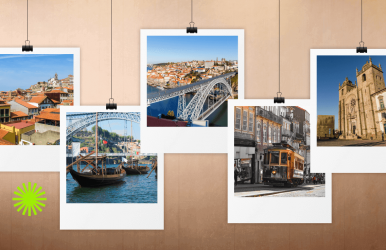
Porto was on my mind for the longest time. It is the home to the best Port Wine, the beautiful Douro River, and colorful buildings. Also, Porto has a crucial role to play in Portugal getting voted as the “Best Destination in Europe” at the World Travel Awards 2025. Porto itself has bagged the honor of the “Best Urban Destination of Europe.” When I reached Porto, I found it very walkable. It is not as hilly as Lisbon. So, strolling was breezy, and the tram rides! Those rides were the highlights of my trip to Porto last year. I even found many adorable cat graffiti on the walls of the many buildings in Porto. I met many volunteers at a hostel near the Old Town, and with such opportunities, Porto is now more open to budget travelers and backpackers. I also got a chance to meet many digital nomads and freelancers, and the most happening expat community. While strolling across the Old Town and enjoying the tram rides are the activities I loved the most, there are many other things to do in Porto. I will talk about them in this Tour and Travel Blog guide. How To Reach And How To Get Around Porto? Porto is well-connected to the rest of the world through the Francisco Sá Carneiro Airport (OPO) or Porto Airport. It is just 11 km away from the City Center. Thanks to the well-established public transport system, you will easily get a tram, metro, bus, cable car, or funicular to reach the City Center from the airport. I took a tram ride from the airport to the City Center, living my ultimate Porto dreams.  Also, as I had done my research correctly, I bought a Standard Andante Card. It was easier for me because I didn’t need to buy tickets separately for the train and metro rides during my days in Porto. You can buy an Andante Card from any Andante Shop at airports or subway hotels. Also, check if the hotel you are staying in sells an Andante Card. The Andante Card is rechargeable, and you can check the balance and recharge it at any kiosk at metro stations. The card will cost you 0.60€, and based on your travel plan, you will have to recharge the card.  What Are The Top Things To Do In Porto? Porto once again drew the limelight with its signature Port Wine. The celebration of the Port Wine Day on 10th September 2025 included a “free-guided tasting,” a show of the vintage wine labels, and a one-of-a-kind tour of the Douro and Port Wine Institute (IVDP) building. Yes, exploring the port houses and tasting the sweeter and richer versions of regular wines are some of the most delightful things to do in Porto. However, from the iconic tram rides to getting the amazing views of the city from the River Cruise, the city offers you endless options for exploration.  1. A Boat Cruise In The River Douro  Taking a Rabelo boat ride on the River Douro is the best way to enjoy a slice of Portuguese history. These boats were earlier used for the transportation of port wines and people. Today, these are cultural symbols of Porto, with the annual boat race during the Festa de São João do Porto or St. John's Festival being a major attraction. A rabelo ride exploring the major cultural sights visible from the river and the six iconic bridges cost me 20 Euros. It was a slow-paced, relaxing, and enriching ride. 2. Enjoying A Ride In The Vintage Tram  The city I come from also has a story of tramlines and vintage trams, thanks to British Colonization. I am from Kolkata, the City of Joy, and Google says that the distance is 9,068 kms. See how traveling brings two cities, thousands of miles apart, together. The trams here usually run on two lines, and on special occasions, you will find trams running on three lines. I took a ride on the Line 1 route, from the Ribeira neighbourhood to the Foz Area. The Foz Area has beautiful beaches, and here you will see the mouth of the Douro River. I had to pay €8 for the round trip, and you can even book a one-way ticket at €6. 3. Exploring The Port Houses  Vila Nova de Gaia, connected to Porto through the Douro River, is home to the famous Port Wine. In fact, the strict rules of the 17th century said that for a wine to be qualified as Port Wine, it had to be matured and stored in the premises of Vila Nova de Gaia.  So, the Port Houses are concentrated. So, it is easier to explore most of them on foot. I was at Taylor’s a Port House celebrating a legacy of 333 years in Port Wine-Making. It is one of the Port Houses, still owned by a family. The tour at Taylor’s was self-guided. So, I loved how I could appreciate each process of wine-making and tasting at my own pace. Along with Taylor’s, you can also plan a wine-tasting tour at Cockburns, Ferreria, and Calem. 4. Visiting The Porto Cathedral, Se Do Porto  The Porto Cathedral, next to the remnants of the medieval walls, stands out with its fortress-like exterior. The cathedral remains open from 9 AM to 5:30 PM, and it offers free entry. However, you will have to pay €3 if you want access to the cloister. Predominantly Baroque in its architecture, the cathedral also shows the influence of the Gothic and Neoclassical styles. It is because the cathedral was first constructed in the 12th century, and it has been renovated many times. 5. Visiting The Palácio Da Bolsa  Address: R. de Ferreira Borges 11, 4050-253 Porto  Hours Open: 9 AM to 6:30 PM  Entry Fee: €14 for Adults, €9.50 for Students and Seniors, Free for Children below 12 Years  View this post on Instagram A post shared by Palácio da Bolsa (@palaciodabolsa) Palácio da Bolsa, a UNESCO World Heritage Site, is now home to Porto's Commercial Association. It was built on the ruins of St Francis Convent, which was engulfed by fire during the Liberal Wars. The building was built in 1842, and it was opened in 1891. The Pátio das Nações, or the central courtyard of the palace, with a glass enclosure, ensures adequate lighting throughout. You can explore its beautiful architecture and learn more about its history by taking part in a 30-minute guided tour. 6. Enjoying A Cable Car Ride  A funicular or cable car ride is the best way to enjoy amazing views of the Dom Luis I Bridge, the Douro River, and the Port cellars. The cable car or the Teleférico de Gaia in Porto connects Jardim do Morro with Vila Nova de Gaia. This five-minute ride costs 6 euros one-way and 9 euros round-trip. For children aged 3 to 12, the ticket price is €3 for a one-way trip and €4.50 for a round trip. You can use the Porto City Card if you are looking for discounts on this cable car ride. 7. Taking A Photo At The Dom Luís I Bridge  Théophile Seyrig, a student of Gustave Eiffel, is behind the construction of the Dom Luís I Bridge. This bridge on the Douro River serves as a prominent transportation link and icon of Porto. It connects Porto to Vila Nova de Gaia. I loved walking through the low point and along the top. I took some lovely photos there and enjoyed a panoramic view of the city. For more fun, you can take a cable car ride to the top of the bridge and then walk to the Cathedral and medieval walls. 8. Visiting The Historic Bolhao Market  The Bolhao Market is not just a place to find fresh fish, vegetables, and other produce. It is important for the history of the city and the people living there. The market is as old as the mid-1800s, and once the two-story building opened in 1914, the market shifted there. In 2022, the building underwent a major renovation, and it is now accessible to visitors. The market remains open from 8 AM to 8 PM, and it remains open from 8 AM to 6 PM on Saturdays and Sundays. The market also hosts many events, including opera performances and workshops. 9. Try Pastel De Nata: The National Pastry Of Portugal  Pastel De Nata, the century-old delicacy and the national pastry of Portugal, is the best dessert one can have in Porto. This dish has egg custard in a tart. I had the best pastry at the Bolhão Market, and it cost me €1.50. I did not have much time. Otherwise, I would have loved to join a pastry-making class offered by many locals at their homes. Food and attending cooking classes are some cool practices to break the ice and have an authentic cultural experience. 10. Indulging In The Quaint Little Charm Of The Time Out Market  After trying the best Pastel De Nata at the Bolhao Market, my next destination was the Time Out Market. I had some Caldo Verde soup and a Francesinha sandwich at the Time Out Market. These two items cost me €18. The market opens at 10 AM and remains open till 11 PM (Up to 12 AM on Fridays and Saturdays). Furthermore, if you want to try the best of the best in the Time Out Market, you can explore restaurants such as Padaria Ribeiro, Casa Inês, and Meia-Nau. 11. Exploring The Central Train Station Of Porto  The Central Train Station of Porto comes alive with the history of the city depicted through its blue and white ‘azulejo’ tiles. The main hall with 20,000 azulejo tiles is the main attraction of the architecture of this train station. It was built in 1916, and you will get trains to the Douro Valley and other popular villages in the neighborhood from here. The Central Train Station of Porto, or the São Bento Railway Station, is a UNESCO World Heritage Site, and previously it was the site of a Benedictine monastery. 12. Visiting Livraria Lello  Built in 1906, Livraria Lello remains the epicenter of Porto’s literary scene. It was named after prominent aristocrats and the founders, the Lello Brothers. And all the Potter Heads know this place as it inspired J K Rowling while writing Harry Potter, Also, I was surprised knowing that I would need a ticket to enter this bookstore, the most beautiful in the world. The ticket costs 10 Euros, and the charge will be deducted from the price of any book you purchase. Along with being a treasure trove of books, Livaria Lello stands out with its architectural magnificence. It has a stained-glass skylight, a unique staircase, and some brilliant woodwork. 13. Visiting The Chapel Of Souls  Location: R. de Santa Catarina 428, 4000-124 Porto, Portugal  Hours Open: Tuesday - Friday: 7:30 AM to 5:30 PM, Saturday: 7:30 AM to 12:30 PM and 4:30 PM to 5:30 PM, Sunday: 7:30 AM to 13:30 PM, Monday: Closed  Porto made me fall in love with the iconic blue azulejo and white facade of the churches. Capela das Almas, or the Chapel of Souls, is another prominent structure, bearing these characteristics. When I visited the chapel, it was in the afternoon, and the blue and white azulejos on its exterior looked more dramatic as the Sun changed color. The beautiful facade of the building and its Neoclassical style are ideal for Insta-worthy photo ops. However, the place remains crowded, and the street is busy with cars. So, I had a difficult time clicking the photos of the chapel.  14. Visiting The West Coast Of Portugal  It takes a bus ride and costs less than 10 Euros to reach the West Coast of Portugal from Porto. The bus ride takes just 15 minutes, or you can explore the route on foot. I could not be there due to time constraints. However, Praia do Carneiro, the closest beach to Porto, offers the most relaxing beach experience. The esplanade is surrounded by palm trees, and the lighthouse and the 16th-century forts add to its historical significance. Other popular beaches on the west coast of Portugal are Praia do Molhe, Praia de Gondarem, Praia dos Ingleses, etc. 15. Watching Sunset From The Guindalense Football Club  Address: Escada dos Guindais 43, 4000-337 Porto, Portugal  Hours: Tuesday to Friday - 10 AM to 11 AM, Saturday - 1 PM to 11 PM, Sunday and Monday - Closed  Entry: Free  The Guindalense Football Club is one of the best sunset points in the city. It also offers an amazing view of the river, Don Luis Bridge, and the city’s orange rooftops. The food and beverages available at this club are reasonably priced. I talked to a few locals there, and the gentle breeze coming from the river made my sunset moments even more special. 16. A Day Trip To Braga And Guimarães  I loved the day trip to Braga and Guimarães from Porto. Braga is about 55 km from Porto, and Guimarães is about 48 km away. I took a bus to Guimarães, and it took me less than an hour to reach Guimarães. I visited the Guimarães Castle and the historic center of Guimarães. Braga is famous as the home to the Sanctuary of Bom Jesus do Monte, which is a UNESCO World Heritage Site. Also, the Baga Cathedral is an important landmark. 17. Enjoy A Fado Show  Watching a Fado Show at Ideal Clube de Fado was something I was not prepared for. For instance, I'd know that a musical performance in Porto would make me feel the melancholy and the sprinkles of warm yellow lights like an autumn afternoon. Of course, I did not understand word-for-word, but every note, depicting emotions such as sorrow, love, and sadness, stirred me. It was the people, culture, and history of Porto talking to me through music. Furthermore, you can explore options such as the Fonseca Cellar Tour & Fado Show or visit Calém Cellars to enjoy a Fado Show with the best Port Wine.  My Days In Porto, Portugal: A 3-Day Itinerary My days in Porto were a little rushed, I admit, and I had to cover many places. However, you make it more relaxed if you have a trip plan of 5-7 days.  1. Activities On Day 1: Exploring The Heart Of Porto  Morning Visiting Porto Cathedral (Sé do Porto) Morning Exploring the Old Town (Ribeira District) Midday Exploring the Bolhão Market Midday Lunch at Time Out Market Afternoon Vintage Tram Ride Afternoon Taking Photographs at Dom Luís I Bridge Evening Watching the sunset at the Guindalense Football ClubEvening Attending Fado Show at Ideal Clube de Fado  2. Activities On Day 2: Wine, Culture, And Scenic Views  Morning Exploring Port Wine Houses Midday Taking a Douro River Cruise Ride Midday Lunch in Ribeira Afternoon Reading and Buying Books at Livraria Lello Late Afternoon Visiting the Chapel of Souls (Capela das Almas) Evening Cable Car Ride Evening Dinner and Late Night Riverside Walk  3. Activities On Day 3: Day Trips And Hidden Gems  Morning Day Trip to Braga & Guimarães Midday Lunch in Braga Afternoon Returning to Porto and Exploring the Central Train Station (São Bento) Afternoon Walking and Discovering Hidden Murals Evening Dinner and Leaving for the Airport  Is Porto In Portugal Safe For Women? I found Porto safe and warm. Also, a vacation home booking portal, Holidu, has named Porto one of the safest cities in Europe for women digital nomads. The portal has enlisted the safest cities after a data analysis from sources such as Nomads.com and Numbeo. Furthermore, according to Numbeo, the crime rate in Porto is only 30.31, which is pretty low. In addition, the crime rating in “a physical attack because of your skin color, ethnic origin, gender, or religion” is just 13.61, which is very low. Moreover, the rate of assaults is low in Porto, with a rate of 27.86. Getting Lost Is The Best Thing You Can Do In Portugal Nothing can be better than a city that allows you to breathe and get lost. Porto does exactly the same! I loved the Old Town area, especially where I could cherish the beautiful murals, the warmth of people, and the scent of freshly baked Pastel De Nata. Everything offered me a wholesome experience. The more you walk through the alleys, the more you will discover cool buildings, architecture, and gardens. I am not sure whether you will agree with me because it’s not easy to put your mobile phone on flight mode while exploring a new country solo. Still, I took the risk, and I carried my camera to take the photos. People talk about free things to do in Porto, I would say that it was something that did not charge me a penny, yet was priceless! Eu amo-te, Porto! Also, this walkability factor adds a lot of soul to the city’s character. The “human-scale streets” keep reminding you that the city was built long before cars were invented. And as you walk through these streets, there is no barrier between you and the experience you soak in. In the end, you have a story that is deep and personal. Tourism In Porto Is More Than Being A Popular Destination With the World Travel Awards conferring the title of “Europe’s Best Tourist Destination, 2025,” Porto is emerging as more than a popular tourist spot. The city’s big win shows what the travelers truly value these days. As travelers, we love a city that is walkable, sustainable, authentic, and culturally rich. Also, you have to remember that the city has left names like Berlin, Barcelona, and Amsterdam behind to win this laurel. The layered heritage of the city has played a major role in making it so rich in experience. You will love the Baroque churches, the Ribeira Riverfront, arty neighborhoods, and medieval lanes. So, despite rapid growth, the city has been careful to protect its heritage. In addition, as major cities such as Venice and Barcelona struggle with overtourism and its impact on the environment and local communities, Porto is showing the way to low-impact travel. Walkability and tram rides contribute to the city's low-impact tourism. Overall, the win shows that authenticity is preserved and respected, and it is not a performance or a show. It also shows how successful the city has been in balancing authenticity with amenities, growth with sustainability, and mobility with walkability.
READ MORE things to do in Valletta

What Are The Things To Do In Valletta? Spending An Action-Packed Vacation In The Capital City Of Malta 

BY  Sibashree Dec 1, 2025

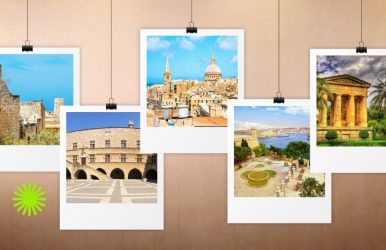
Everything great is happening in Valletta's tourism industry these days. 2025 has been a year of growth and recognition for Valletta, the small capital city of Malta, and a UNESCO World Heritage Site.  In the forest quarter of 2025 itself, Malta received more than 693,000 visitors according to the Tour and Travel World. It was an 18.9% rise from the same period in 2024. Furthermore, in the same period, the tourist spending reached €508.5 million.  This means tourism continues to offer opportunities for local and foreign entrepreneurs who come to set up companies in Malta, with the help of local specialists from BridgWest.  In addition, the World Travel $ Tourism Council has chosen Malta as the venue for the WTTC Global Summit, 2026. The 26th edition of the summit will take place in collaboration with the Ministry for Foreign Affairs & Tourism and the Government of Malta.  The prominent landmarks of Valletta, such as the Grand Harbour and St. John's Co-Cathedral, and activities such as exploring Victoria's Gate and trying some brilliant craft beer, and cultural richness, have helped Valletta enjoy such growth in numbers and global recognition.  I have been to Malta, and starting from exploring the fortified walls of Valletta to enjoying the serene charm of Valletta Grand Harbour Waterfront, the free things to do in Valletta were the highlights for me. On such a shoestring budget, I was able to enjoy the essence of a city, which even enjoyed the status of the European Capital of Culture 2018.  In this Tour and Travel Blog, I will, of course, talk about the free activities and other fun and interesting things to do in Valletta.  What Are The Things To Do In Valletta? As I started exploring the city of Valletta, I noticed the signature "Pointed Cross" of the Knights protecting this ancient city from everything evil.  If this is something really spiritual, on the other hand, you will see history becoming alive with the post boxes, telephone booths, and British colonial architecture.  Nevertheless, these are the things to do in Valletta. 1. Visiting The St. John's Co-Cathedral Address: Triq San Gwann, Il-Belt Valletta, Malta Hours Open: 9 AM to 4:15 PM (Monday to Saturday) Entry Fee: Adults: €15, Seniors: €12, Students: €12, Children (Under 12): Free when accompanied by an adult, €5 Extra for a Belfray Tour, Audio Tour Included View this post on Instagram A post shared by St John's Co-Cathedral (@stjohnscocathedral) The St. John's Co-Cathedral is the most prominent example of the Baroque-style architecture of Valletta. The Knights of the St. John built this conventional church for the order in the late 16th century.  You will know about the life of St. John the Baptist from the paintings by Mattia Preti on the ceiling of this cathedral.  Furthermore, there are eight chapels, dedicated to various languages, tapestries, marble floors, and gilded carvings. However, the main focus for me was the painting called "The Beheading of Saint John the Baptist." This dramatic work, one of the few artworks signed by Caravaggio, is in the Oratory. 2. Exploring Fort St. Elmo And The National War Museum Address: Mediterranean Street, Valletta, Malta Hours Open: 9 AM to 5 PM Entry Fee: Adults - €10.00, Senior Citizens (60+) and Youths (12-17 Years) - €7.50, Students - €7.50, Children (5-11 Years) - €5.00, Below 5 Years - Free Fort St. Elmo stands as a witness to the Great Siege of Malta in 1565. It has military paraphernalia and many artefacts.  However, the major appeal of the fort is intangible, and it lies in the fact of how it became a refuge for the people of Malta during the attack of the Ottoman Empire under the leadership of Suleiman the Magnificent.  The Knights, only around 500 in numbers, defeated the 6000 strong army of the Ottoman Emperor. Furthermore, the National War Museum inside the fort, spanning over seven sections, celebrates the 7000-year-old history of Malta. Some of the exhibits here date back to the Bronze Age (2,500 BC).  You can even request a guided tour of the museum.  Insider Tip: 2025 marked the 900th year of the Great Siege of Malta. A docu-drama called The Great Siege of Malta 1565 was released in 2025. This 45-minute docu-drama celebrates the bravery of the "Hospitalier Order of the Knights of St. John of Jerusalem."  3. Visiting The Grand Master's Palace Address: St George's Square, Valletta Hours: 9 AM to 5 PM Entry Fee: €12 for Adults, €10 for Children Aged 12 to 17 Years and Seniors, Children (6-11): €8, Infants (1-5): Free The Grand Master of the Order of St. John used to rule Valletta from the Grand Master's Palace. The armory here is the main attraction, and it has the accessories and outfits of the Knights.  Furthermore, the symbol of power, with its history of 450 years, is once again in the news with its recent renovation work.  It was also the "seat of the first constitutional parliament of Malta in 1921," and now it is the "Seat of the Office of the President of Malta." 4. A Guided Tour Of Casa Rocca Piccola Address: 74 Republic Street, Valletta, Malta Hours: Monday - Saturday: 10 AM to 5 PM Audio Tours: From 10 AM Guided Tours: From 10 AM to 4 PM (On An Hourly Basis) View this post on Instagram A post shared by Casa Rocca Piccola (@casaroccapiccola) Do you know that the 9th Marquis de Piro still lives in this 16th-century palace? Join the audio tours or the guided tours to see the swanky furniture and unique staircases.  However, for me, the Bomb Shelters were the main attraction. These are not dark tourism spots. These are the living history of World War II.  When 15 air raids took place in 1942, the people of Valletta saved their lives by hiding in these chambers. These shelters were part of the quarry of the 400-year-old house, and they were made from a solid rock foundation.  5. Know The WWII Stories Of Malta At Lascaris War Rooms Address: Lascaris Ditch, Valletta VLT 2000, Malta Hours: 10 AM to 4:30 PM Entry Fee - Adults: €20, Seniors: €19, 5-15 Years Old: €7, Family: €35, Children below 5 Years: Free I love history, and even if you don't, you cannot avoid knowing about WW1 and WW2. These two wars changed the course of human civilization.  At Lascaris War Rooms, you don't just see the exhibits. You live through the moments of war as you explore the tunnels and labyrinths used as protection from the Italian and German attacks during World War 2.  It's like getting transported to the 1940s within a minute.  Insider Tip: I found the War Rooms more fascinating than the National War Museum at Fort St Elmo. Did you know that these War Rooms were used as the headquarters for the Invasion of Sicily or Operation Husky? 6. Visiting The National Museum Of Archaeology Address: Auberge de Provençe, Republic Street, Valletta, Malta Hours: 8 AM to 7 PM (Admission Closes at 6:30 PM) Entry Fee: €5 View this post on Instagram A post shared by Heritage Malta (@heritagemalta) I was at a loss for words at the National Museum of Archaeology, Valletta. It has everything you need to know about the prehistoric days of Malta.  Once I entered, the first room had exhibits showing how the earliest people settled here, even before the temple establishment period. It had "Red Skorba ornaments" and some "tools" they used in their everyday lives.  I also got to see exhibits from the Ghar Dalam phase (5200 BC), Tarxien phase (2500 BC), and Bronze Age.  Then, I reached the main hall of the museum. It had the Sleeping Lady and other astonishing sculptures and temple carvings.  Among the collectibles from the Temple Period, the Obsidian Core was the most impressive. It was a headless sculpture, in a seated posture.  Housed inside a Baroque building, this museum is now the main attraction of Auberge de Provençe, which was earlier the home of the Knights of the St. John. Insider Tip: If you are traveling from any other town in Malta, take a bus to the Valetta Bus Terminal. From there, it is a short distance on foot.  7. Visiting The Upper Barrakka Gardens Address: 292 Triq Sant'Orsla, Il-Belt Valletta, Malta Hours: 7 AM to 10 PM Entry Fee: Free Home to the Siege Bell War Memorial, the Upper Barrakka Gardens offer amazing views of the harbor and the three neighboring cities.  This 16th-century garden was built in the 16th century, and the Knights of the Saint John once used it as a private garden.  Once you are done strolling the Castille Square, you will find the Upper Barrakka Gardens nearby.  Insider Tip: It's great to relax at the Upper and Lower Barrakka Gardens and have a sip of your favorite drink. However, at 12 PM and 4 PM, the officials of the Malta Heritage Society get dressed in military uniforms and fire the cannons at the Upper Barakka Gardens.  Now, I had a cup of hot coffee in my hand, and I was not ready for it. So, it fell out of my hand, and it was a mess.  Nevertheless, this tradition has been continued for more than 100 years, and once you attend it, you will know why it is worth it.  Also, you must use the Barakka Lift to travel between the upper and lower Barakka Gardens quickly.  8. Plan A Visit To The Lower Barrakka Gardens Address: Lvant, Il-Belt Valletta, Malta Hours: 7 AM to 10 PM Entry Fee: Free I know people do not talk much about the Lower Barrakka Gardens. However, that's a blessing in disguise. It is way less crowded than the Upper Barrakka Garden.  Now, despite having the name as "Gardens," it is actually a small-scale garden with a few minutes taken to complete the stroll.  However, there is a fort and a waterfront with Greek-style arches overlooking them. You can relax here, have your moments, and make the most of the photo ops. 9. Enjoying The Waterfront The Baroque houses, surrounding the waterfront of Valletta, were earlier used for storing the essentials of the Grand Master. Now, they are bars and restaurants.  I found the promenade the perfect place to relax and cherish a drink with my eyes set on the ships cruising. The place is more magical after sundown, but there is a trick! You have to find a cafe or restaurant that is not crowded by tourists. Find yourself a quiet corner. 10. Watching A Performance At The Manoel Theatre Address: Old Theatre Street, Il-Belt Valletta, Malta Capacity: 623 Opened In: 1732 View this post on Instagram A post shared by Teatru Manoel (@teatru.manoel) At Manoel Theatre, as a performer of elocution and audio theater for the longest time, I had goosebumps. I was standing at the oldest working theater in Europe.  The wrap-around gallery was the highlight of the building, and I attended an opera performance by none other than Joseph Calleja.  Also, if you want to explore the grand architecture of Manoel Theatre, you can do so every Tuesday. During the summer months, the tours are conducted between 10:30 AM and 12 PM, and during the winter months, these tours continue from 11 AM to 3 PM. Tickets are available at 20.00 €.  11. Trying Local Food  Many people call Maltese ftira a "type of pizza." However, very few people know that it is a UNESCO intangible cultural heritage, with a history dating back to the 16th century, when it was first prepared in the ovens of the Knights of St. John.  Furthermore, it is a chosen food because of its versatile fillings and its role as an identity of Valletta and, by extension, of Malta. I also loved the coffee here. It was my best companion while taking a stroll across the roads. Furthermore, if you are in Valletta, don't miss the Lampuki Pie or the signature fish pie.  How To Reach And Move Around Valletta? Valletta is well-connected to the world through the Malta International Airport. It is around 9 km away from Valletta, and the short drive took me close to 20 minutes. I took the bus to the City Centre.  You can also book a shuttle in advance or take a taxi.  The city has a well-connected bus route, and it is a small city that you can cover on foot. However, the transport options are island-specific. You can take a Talinja Card or Flex Card for exploring Valletta and Malta.  Also, you can take a ferry service to the Grand Harbour of Valletta to and from Gozo and the Three Cities. You will even get a ferry service from Sliema to St. Paul's in Valletta. Insider Tip:  I picked the "Gozo Standard Add-On" card for my day trip. I didn't have the time for so many trips. But you can use this add-on to enjoy unlimited tours to Gozo Island.  What Is The Best Time To Visit Valletta? March to May and September to early November are the best seasons to visit Valletta. Valletta has so many historic landmarks and outdoor spaces. The temperature in the early 20s in these months offers you the ideal chance to explore Valletta.  Also, the crowd is quite manageable in these months.  Valletta, At A Glance: Why Does Valletta Offer Such A Rich Experience? The best thing about Valletta is how compact it is! By compact, I mean it has a big heart, accommodating the best museums, well-preserved Baroque architecture, the Grand Harbour, stone walls, and stories.  From the stories of a 16th-century ghost to being the backdrop of many spy thrillers, such as "The Secrets of Malta" by Cecily Blench, and historical novels such as "The Hidden Palace" by Dinah Jefferies, have added stories to each key attraction of the city.  Also, the stories of the city's sustenance during World War II and the Great Siege by the Ottoman Turks in 1565 tell us about human resilience.  Location-wise, this Fortress City, with a soft honey hue, stands on the ocean. It is also the dream of a photographer with the Baroque architecture reaching the sky.  Despite being only 1 kilometer long and 600 meters wide, the city of Valletta is very compact, housing many museums, cobblestones, and architecture, and it became the "European Cultural Capital in 2018.  Valletta is very close to the famous Three Cities. These cities are Cospicua, Senglea, and Vittoriosa. The Grand Harbour separates these cities from Valletta.  Valletta was built by the Knights of St. John in 1565 after the Great Siege of Malta. It was one of the best fortified cities in Europe and was built in a very short span. The city got its name from Jean Parisot de La Valette, who was the Grand Master of the Knights of St. John. Where To Stay In Valletta? When in Valletta, you must choose a hotel with an amazing rooftop view. The Embassy Valletta Hotel and Palazzo Ignazio are some of the best options to stay in.  The best areas for finding a hotel are the Valletta City Centre, Floriana, The Three Cities, etc.  The hotel charges will be around 300-500 Euros.  Is Valletta Really Worth It? An Honest Confession About The City  Yes, Valletta is a European Capital City with so many historic, religious, and cultural elements. This UNESCO World Heritage Site also has many stories, like the Great Siege of Malta or the attacks of World WW2.  However, the remnants of the British Colonial Rule, like the telephone booths and post boxes, were sore to my eyes and they are a mismatch with the beautiful Baroque architecture and century-old buildings.  Also, it is hard to find a quiet place in Valletta. So, that can be a problem for a solo traveler. Still, the great food and historic thrill of the city make it really worth it! Even if you are in the city for one day, you can enjoy a stroll around the City Square and at least explore the St. John's Co-Cathedral to enjoy a slice of Maltese life. Read Also: A Kotor Montenegro Travel Itinerary For 3 Days: How To Travel Kotor Montenegro On A Budget? “Winter Is Coming!” Where Is Hot In October? Explore Places To Visit In Europe Best Summer Destinations In Europe Beach: Couples Get Ready!

READ MORE Kotor Montenegro travel itinerary

A Kotor, Montenegro Travel Itinerary For 3 Days: How To Travel Kotor, Montenegro On A Budget? 

BY  Sibashree Nov 25, 2025

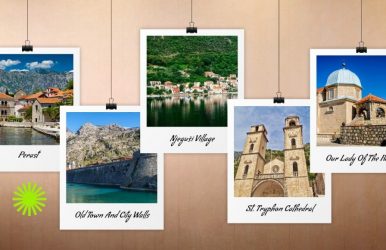
My trip to Kotor, Montenegro, is filled with memories of the cats, who are the guardians of the city, and the smell of dew-drenched leaves as I went for a sunrise hike.  It is a hidden gem in the sustainable tourism scene after a successful sustainability assessment by the Global Sustainable Tourism Council (GSTC). However, it has also emerged as the ultimate budget-friendly location in Montenegro.  In this blog, I will discuss a 3-day travel itinerary for Kotor, Montenegro, including hidden gems and essential tips. Why Visit Kotor, Montenegro? The International Trade Administration has confirmed that the tourism sector in Montenegro contributes 30% to the country’s GDP. In addition, ReportLinker predicts that the number of visitors to Montenegro will reach 3.4 million by 2028.  The same report anticipates that the tourism industry will reach a revenue of $95 million by 2028.  A UNESCO World Heritage Site, With Great Food, Community, Beauty, And Historical Charm Kotor, a UNESCO World Heritage Site, is the crown jewel of tourism in Montenegro. The deep bay waters here resemble the Nordic fjords. On the other hand, the coastal cliffs create the perfect backdrop for the city, exuding a medieval charm.  Now, Kotor and Montenegro as a country are planning to diversify their tourism portfolio, with a greater focus on cultural, ecotourism, and rural tourism.  In addition, the budget-friendly hostels in Kotor are more than cheap accommodations. They are the base for developing a backpackers' community.  Many of these hostels help you join pub crawls, hikes, local events, and more. As a result, Kotor, Montenegro, has become a favorite among backpackers, budget travelers, and solo travelers.  In addition, the rugged beauty of the Dinaric Alps meets the calmness of the Adriatic Sea in Kotor, Montenegro. So, every nook of Kotor is ideal for a photo-op.  Moreover, for me, exploring the maze of medieval lanes and the Venetian architecture was like time travel. Also, St. Tryphon’s Cathedral, dating back to the 12th century, stands as the eternal witness of human history in Kotor.  Furthermore, the family-run taverns here serve the most delicious yet simple food at an affordable price. Try the savory pastries! What Is The Best Time To Visit Kotor Montenegro? July and August are the peak months for visiting Kotor, Montenegro. However, if you want to travel to Kotor, Montenegro, on a budget, you need to plan a trip between November and February.  You will enjoy watersports and skiing in these months, and accommodations are available at a much more affordable price.  How To Get To Kotor & Move Around On A Budget? The Tivat Airport, 7 km away, is the gateway for Kotor to the rest of the world. You can travel this 7 km distance by road.  Other nearby airports to Kotor, Montenegro, are Dubrovnik Airport (Croatia, 44 km) and Podgorica Airport (40 km). In addition, Podgorica and Kotor get regular flights from countries such as Bosnia, Serbia, and Croatia.  Once you reach Kotor, you can explore the city and its surroundings by boat. Don’t miss Perast on the route, as this village has fewer than 300 people, and it stands out with amazing scenic beauty.  Taxis, shuttles, and car rentals are other options if you want to explore Kotor by road. 3-Day Budget Itinerary For Kotor, Montenegro Here is a brief 3-day budget itinerary for Kotor, Montenegro. I will first share the days and activities, and then discuss why these attractions are special.  DaysActivitiesDay 1 - Exploring Kotor Old Town• Wandering through cobblestone streets.• Visiting St. Tryphon Cathedral.• Climbing the City Walls for panoramic viewsInsider Tip: Visit the City Walls early for a discounted entry. Day 2 - Visiting Perast & Our Lady of the Rocks• Taking a local bus to Perast.• Boat ride to the iconic island church.• Enjoying budget-friendly seafood at a local konoba.Day 3 - Visiting Lovćen National Park & Njeguši Village• Hiking or taking a shared taxi to Lovćen.• Visiting Njeguši for a traditional prosciutto and cheese tasting. 1. Exploring Kotor Old Town And City Walls Here are some interesting and unknown facts about Kotor Old Town and City Walls.  •The Old Town's fortification system stretches 4.5 km. •So, it is one of the longest fortification systems in Europe. It is only surpassed by the Great Wall of China.  •You have to climb 1350 steps to reach the San Giovanni Fortress. •The entry fee is €8. However, you can also take the secret route via the old trade path outside the northern gate. It’s free.  •The Sea Gate Inscription above the main gate is a quote from Tito: “We don’t want others’, we don’t give our own”, commemorating liberation from Nazi occupation in 1944. Furthermore, the Pillar of Shame, hidden in a square, reminds us of a brutal activity in the city in the past. Criminals were tied to this pillar, and everyone used to throw stones and rotten food at them as a mark of punishment.  2. Visiting St. Tryphon Cathedral •Built in 1166, the St. Tryphon Cathedral is even older than the Notre Dame Cathedral in Paris. •It is one of the most ancient cathedrals on the Adriatic Coast. •The cathedral has a 14th-century ciborium, which depicts the life of St. Tryphon. It is made of a red stone from Đurići. •The goldsmiths of Kotor made the golden altarpiece of the cathedral in the 15th century. •It has the figures of Christ, the Virgin Mary, and 16 saints.  •A devastating earthquake struck Kotor in 1667. •Then, the bell tower of the cathedral fell, and it could not be rebuilt fully. •Thus, the current cathedral structure is 2 meters shorter than the original one.  In 2009, the St. Tryphon Cathedral got the status of a Papal Basilica. It is a rare honor for churches in the Balkan region. 3. Visiting Perast •The 2-km-long main street of Perast was once a cultural hub during the days of the Venetian Republic.  •The bell tower of St. Nicholas Church was built at a cost of 50000 Ducats in the 18th century. •It was an unbelievable amount in that era.  •Perast once stood as a reflection of the wealth in the Venetian Era. It had 16 palaces and 19 churches.  4. Knowing Our Lady Of The Rocks •Rocks have piled up for centuries. •Also, those rocks, along with sinking ships, have formed Our Lady of the Rocks, the only artificial island in the Adriatic Region.  •The Fašinada festival is a popular ritual here, with its history dating back to 1452. It is a tradition to celebrate the island's foundation. Every 22nd July, the people of the island gather in decorated boats, and they throw stones into the sea as a symbolic exercise.  •Furthermore, the Catholic church here has a tapestry made by Jacinta Kunić-Mijović. It was made using human hair, and Jacinta Kunić-Mijović made this tapestry while waiting 25 years for her fiancé to return from the sea.  •The church also has the Death of the Virgin. It is a masterpiece by Tripo Kokolja. In total, the church has 68 paintings by Tripo Kokolja. 5. Visiting Lovćen National Park •The Njegoš Mausoleum at Jezerski Vrh is one of the main attractions of the Lovćen National Park. Located at an altitude of over 1,660 meters, it is allegedly the highest mausoleum in the world.  •200,000 Gilded tiles cover the dome of the mausoleum, and 13-ton granite statues of Montenegrin women guard the entrance of the national park.  •Once you climb 461 steps and reach the top of the Mausoleum, you will enjoy panoramic views stretching toward Italy.  6. Exploring Njeguši Village •It is the cradle of the royal Petrović-Njegoš dynasty of Montenegro. This family ruled over Montenegro from 1696 to 1918. •Furthermore, it has the birthplace of Petar II Petrović Njegoš and has many other 19th-century buildings. The birthplace of Petar II Petrović Njegoš is now a museum housing the first edition of his poem, Mountain Wreath, and original furniture. How Much Does A 3-day Trip To Kotor Cost On A Budget? Here is a detailed breakdown of the budget for a 3-day trip to Kotor, Montenegro.  CategoryBudget Cost (EUR)DetailsAccommodation (Hostel)€15–€25 per night, meaning €45–€75 for 3 nightsHostel prices are even lower from November to FebruaryLocal Transportation€6–€12 total• Local buses (€1–2 per ride). • Short taxi/shared rides within the bay (€3–5). • Free walking inside Old Town.Airport Transfers€8–€15 each way, meaning €16-€30• Airport transfer from Tivat is the cheapest.• From Dubrovnik/Podgorica, it will be at least €20-€35. Food (Budget Travelers)€15-€25 per day. So, it will be €45 to €75 in total. Choose Konobas & bakeries: • Pastries (€1–2)• Seafood Meals (€7–10)• Wine/Beer (€2–3)Activities and Entry Fees€20–€35 total• City Walls (€8, discounted early)• St. Tryphon Cathedral (€3)• Perast boat (€5–10) • Lovćen shared taxi/hike (€5–10)Day Trip to Perast & Our Lady of the Rocks€7–€12• Bus to Perast (€1–2), boat (€5–10)Lovćen National Park Day TripFree–€10• Free if hiking; €5–10 for shared taxi. • Mausoleum entry ~€5.Miscellaneous (water, snacks, souvenirs)€10–€20• Refillable water recommended•Collect small souvenirs €3–5.Total Estimated Budget for 3 days €139–€239• This is a cost breakdown for budget travelers. However, the budget for mid-range and luxury travelers will be different.  Day Trips & Hidden Gems Near Kotor Gornji Stoliv: It is a quiet coastal village. Vrmac Ridge: You will enjoy this scenic hike, and it is less crowded.  Church of Our Lady of Health: This chapel has a serene ambiance, and because of its location on a hilltop, it is often overlooked by tourists.  Vrmac Ridge: It is famous for the WWII bunkers, and it offers a beautiful panoramic view.  Blue Cave: It is a natural wonder of Kotor, Montenegro, and this natural sea cave has the most beautiful sapphire light and glow. You can reach the cave only by boat.  Secret Wine Bars: These secret wine bars are in the alleys of the Old Town. These places serve the best rakija and Montenegrin wines. Final Tips For Your Montenegro Getaway Kotor, Montenegro, gets busy in the summer season. Furthermore, early mornings are the busiest, with the cruises docking in large numbers.  Also, there are some tips about the weather and travel you need to keep in mind.  Carry offline maps, as network connections may not always work.  Keep cash and small coins ready, as card transactions may not be accepted in local shops.  You must start hiking the steep route of the San Giovanni Fortress early in the morning to avoid the heat.  Use local buses for transportation, as they cost only €1–2 per ride.  Evenings are cool even in the summer season. So, you will have to pack layered clothes.  Dress modestly in churches, avoid loud behavior in Old Town squares, and learn basic Montenegrin greetings like “Hvala.” meaning Thank you. Choose konobas or local taverns for breakfast, lunch, and dinner. They are way more affordable than the posh restaurants in the Old Square.  Kotor Montenegro Travel Itinerary For 3 Days: Frequently Asked Questions (FAQs) Here are the frequently asked questions and answers about the Kotor, Montenegro travel itinerary.  1. Is Kotor, Montenegro, Worth Visiting For 3 Days? Yes, three days are perfect to explore Kotor Old Town, Perast, Lovćen National Park, and enjoy hidden gems without rushing.The budget for your three-day trip in Kotor will be around €139–€239, and Kotor is safe for solo travelers if you follow the basic travel precautions.  2. Can I Visit Kotor On A Day Trip From Dubrovnik? Yes, you can visit Kotor on a day trip from Dubrovnik. However, if you want to at least try its best food and soak in the vibe of the Old Town, you must plan for an overnight stay.  3. Do I Need A Visa To Visit Montenegro? If you are from the USA or a country that is part of the European Union, you will not need a visa to visit Montenegro. If you are from any of these countries, you can enter Montenegro and stay there for 90 days without a visa. You must check the visa requirements of your country.  4. Are There Budget-Friendly Accommodations In Kotor? Yes, the guesthouses in Dobrota and hostels such as the Old Town Hostel Kotor are some of the most budget-friendly accommodations in Kotor, Montenegro. The hostel prices will be around 15-25 Euros per night.  5. What Are The Must-Try Local Foods In Kotor? Kotor is famous for its seafood, and you can have it at local taverns or konobas. Furthermore, if you are in Njeguši, you must try prosciutto, a dry-cured ham with a lot of flavors. Moreover, burek, or the savory pastry, is the highlight of the delicacies of Kotor.  6. Do I Need To Rent A Car In Kotor?  No, you don’t need to rent a car in Kotor, Montenegro, if you are a budget traveler. Local buses and shared taxis are easily available, and they are even suitable for day trips to Perast and Lovćen. Otherwise, you can take the boat rides, which are also quite affordable. 

READ MORE Luang Prabang food tour

What Is The Best Luang Prabang Food Tour? (With A Luang Prabang Food Tour Itinerary)

BY  Sibashree Nov 4, 2025

I was having sticky rice with steamed hot freshwater fish cooked in banana leaves at Tamarind Restaurant. I took the first bite, and I closed my eyes. It was a moment to cherish, to feel! The taste was similar yet distinctly different from what I usually have at home. Sticky rice is the soul of Lao cuisine, and it is related to community sentiment, as every village has its own rice field. And the fish was a game of perfect balance, and the spiciness was just right to titillate the taste buds, but not overpowering.  Furthermore, as I explored the villages and went a little way away from the town center, I found food cooked in bamboo hollows. Another important aspect of Lao cuisine is the art of fermentation.  From sun-dried fish and meat to fermented vegetables and salted lime, a Luang Prabang food tour is an experience curated with love. Also, to cherish the authentic flavors of Laos, you have to try the street food here. It is not Vietnamese, not Thai, but simply Laotian.  I will talk about these street food delicacies shortly. However, before that, let’s find out what makes the food in Luang Prabang Special.  Cooking Techniques And Ingredients That Make Food In Luang Prabang Special  Food in Luang Prabang and Laos stands out for its distinctive techniques and ingredients. Check out the table below for a brief understanding. Techniques/IngredientsUse in Luang Prabang FoodFermentation• Key to Local Laos Flavors• Used in Pickled Vegetables, Soy, and Fish SauceGrilling• Grilling over Charcoal Gives the Fish or Meat a Distinct FlavorHerbsCommon Herbs Used Are:• Mint• Lemongrass• Coriander• Kaffir Lime• GalangalSticky Rice Steaming• Rice is Cooked in Bamboo Baskets over Boiling Water.  What Is The Best Street Food In Luang Prabang Laos?  Have you tried something as “interesting” as a honeycomb cooked and charred in banana leaves? I have. And the smell of charcoal and honeycomb got blended with the whiff of lemongrass and grilled fish.  This is what my senses caught first as the tuk-tuk dropped me at the morning market in Luang Prabang. Another thing I found special about the morning market was the presence of women in large numbers. Most vendors were women.  I saw a lady whose face looked like a painting with all the creases, but her smile was all about silent resilience. I went to her stall and ordered a bowl of khao soi. It was bliss with the right amount of pork, herbs, and tomatoes.  The sky was still pale pink, and I saw monks in saffron robes pass quietly, collecting alms. My breakfast moment suddenly became about discovering everyday spirituality in the rhythm of food. I felt that breakfast is not just food for the people here. It is about gratitude, humility, and connecting to the origin.  Now, my stories of Luang Prabang will never end. It is like the silent river that flows and does its magic by touching the lives along its route. So, let me share with you brief details about the best street food in Luang Prabang that you cannot miss. 1. Khao Soi Luang Prabang Everyone loves Khao Soi in Luang Prabang. This pork soup with fermented soy and tomatoes is the perfect breakfast delicacy here.  2. Lao Sausage (Sai Oua) It is a pork sausage delicacy. In these sausages, the pork meat is infused with lemongrass, galangal, and herbs.  3. Sticky Rice (Khao Niew) You cannot imagine a complete Lao meal without sticky rice. I love to have sticky rice with fish.  4. Grilled Mekong Fish In Luang Prabang, they use fresh river fish to make this dish. They marinate the fish using local herbs and grill it on charcoal for a distinct flavor.  But do you know why grilled fish in Luang Prabang tastes even better? Mr. Somchai, a Mekong fish griller, said, “We catch fish at dawn and grill them by sunset. No freezer, just fire.” 5. Coconut Pancakes (Khanom Krok) The coconut pancakes are also the most unique in flavor. It has a crispy outer layer, which is complemented by the creaminess inside.  These pancakes are served with spring onions.  6. Papaya Salad (Tam Mak Hoong) If you love the pungency of fermented fish, this crunchy salad will be your instant favorite. The raw papayas used in the salad give the dish the right crunch.  Furthermore, the fermented fish sauce and the use of lemon add the right balance of flavors to the salad.  7. Larb (Laap) Larb is a comfort food. It is a salad with minced meat, lime, mint, and rice powder. It has the right balance of salty, sour, and spicy flavors.  Moreover, it is the national dish of Laos and a common staple in everyday food and festivals.  8. Jaew Bong Jaew Bong is more like a condiment or a side served with dishes like fried seaweed. It is a smoky chilli paste with strong flavors of garlic and buffalo skin.  9. Fried Seaweed (Khai Paen) I liked the umami flavors of the fried seaweed, or Khai Paen here. It was served with roasted sesame seeds, which added just the right amount of nutty balance to the dish.  Also, the fried seaweed dish came with Jaew Bong. 10. Spring Rolls Spring rolls are my favorite, and I love the ones with fish stuffing the most. So, at Luang Prabang, a hub of freshwater fish, I had to try these spring rolls.  I had the fried ones with the vermicelli, giving the outer layer the right amount of crunch.  11. Banana Roti Traditionally, a banana roti is a flatbread with banana slices and a condensed milk topping. The bread's crispiness balances the banana filling's moisture.  The banana rotis are also served with chocolate syrup and sugar. I even tried the ones with an egg filling. 12. Grilled Chicken Skewers Now, the grilled chicken skewers here are different, mostly because of the prominent presence of lemongrass. And honestly, the amount of lemongrass used was a bit too much for my taste.  However, it’s the way the locals love it.  13. Lao Coffee Lao coffee, for me, was like a dessert I could have every day and not get bored with. It is rich and sweet as it uses condensed milk.  However, the use of condensed milk does not overpower the strong aroma of coffee. 14. Fruit Shakes The food stalls in Luang Prabang have some amazing fruit shakes. I loved the dragon fruit shakes here the most. However, mango and pineapple shakes are also easily available.  15. Rice Cakes With Coconut If the morning market treated me with the best khao soi, the night market treated me with the best rice cakes with coconut.  The Sun dipped, and the night market became alive with gold and red lanterns adorning the stalls. I could smell a mix of chili smoke, coconut milk, and sticky rice roasting on bamboo skewers. At a stall, I was sitting on a wooden bench with the locals. I was waiting for my vegetarian buffet with stir-fried greens, bamboo shoots, and pumpkin curry to be served. Suddenly, the lady vendor of the stall smiled and nodded, and handed me a few rice cakes with coconut.  The dessert was as delightful as the night air in Luang Prabang, and despite many requests, the lady did not take any money for the rice cakes. Rather, we started having conversations and shared a laugh. Some soft Lao music was being played in the distance. So, my dinner moment at the night market became an act of bonding.  Almost one year later, I read an article about the distinct nature of food in Laos in the South China Morning Post. I could relate to what Saeng Douangdara, a Lao-American chef based in Los Angeles, said,  “For Lao people, food holds a central place. It serves as a unifying force that brings people together.”  Overall, I think the way people approach food here stems from the fact that it is a Buddhist land. It’s all about gratitude and mindful consumption.  How To Take The Best Food Tours In Luang Prabang? (Some Ideas To Explore) My local guide and the tuk-tuk drivers completely curated my food exploration journey in Luang Prabang. I became friends with Seng, a local tuk-tuk driver. He said,  “The best food isn’t in restaurants—it’s in the alleyways. Follow the locals.” My morning food tour in Luang Prabang to the market became all the more special by participating in the alms-giving ceremony.  You have to experience the profound meaning behind the restraint and silence of the entire experience to understand why it is spiritually elevating. Also, the night market has a charm of its own, and the morning and night markets both need to be explored on foot.  However, if you want a more luxurious tour, you can opt for something like Marriott Bonvoy Tours and Activities. Professional food guides conduct these tours, and the tour includes more than 15 tastings. It is a mobile tour with many spots around the Old City. Furthermore, Asia Tours conducts a food tour in Luang Prabang with organic farm visits and learning to cook from a local chef. Also, Thrillophilia conducts a tour with a street food walk, cultural storytelling, and exploring vegetarian-friendly options.  Street Food Map And Walking Route In Luang Prabang If you ask me, I will tell you to keep the Luang Prabang food tour spontaneous, and you must listen to your local guide.  However, you can also follow this simple walking route map for a Luang Prabang food tour.  Taking a tuk-tuk or a walk to the Morning Market near Wat Mai Heading to Ban Phanluang for grilled fish stalls Exploring the night market at Sisavangvong Road Trying local drinks and Lao Tapas at Utopia Bar Morning Vs. Evening Market Guide Luang Prabang Here is a brief comparison between the morning and night markets in Luang Prabang. CriteriaMorning MarketNight MarketTiming• Opens at 5:30 AM• Starts around 5:00 PMBest for• Fresh Produce• Herbs• Breakfast Items• Grilled Meat• Souvenirs• DessertsMust Try Items• Khao Soi• Sticky Rice• Coconut Pancakes• Lao Sausage• Banana Roti• Grilled Fish A 2-Day Luang Prabang Food Tour Itinerary  Making an itinerary for a food tour is difficult, as you cannot rush it. The idea is not to consume as much as you can. It’s about cherishing the flavors, the cultural content, the bonding, the tradition, and the people behind it.  Still, here is a 2-day itinerary for the Luang Prabang food tour.  DaysActivitiesDay 1• Exploring the morning market at Phousi Road and participating in the alms-giving ceremony• Having coffee at Le Banneton• Lunch and cooking class at Tamarind Restaurant• Exploring the Night Market Food AlleyDay 2• Mekong Breakfast Cruise• Dara Market Visit• Lunch at Khaiphaen Restaurant• Visiting Whisky Village and trying Lao Lao Whisky• Dinner at Manda de Laos Luang Prabang Food And Buddhist Rituals  The Tak Bat Ceremony, or the alms-giving ceremony, makes the food tour in Luang Prabang associated with Buddhist rituals. Monks are offered fruits and sticky rice at dawn.  Furthermore, food becomes the core of community celebration during festivals such as Pi Mai Lao or Lao New Year. In these festivals, the local people prepare food for monks.  In addition, food tour organizers such as A Chef’s Tour organize a Luang Prabang Food Tour, including a Monk Blessing Ceremony. Vegetarian Options In Luang Prabang Food  The vegetarian food options in Luang Prabang are many due to its Buddhist roots. You just have to say “Bor Sai Nyam” or “No Meat” to vendors to get vegetarian food.  Here are the alternatives or vegetarian versions for the popular staples in Luang Prabang.  Common FoodVegetarian AlternativeLarb• Options with mushrooms and tofu are available. Papaya Salad• Request not to use fish sauce in the dressingSpring Rolls• Use veg fillingsFruit Shakes• Avoid dairy products in the fruit shakes Sticky rice, the staple item in Luang Prabang food, is already a vegan item. You can have it with any veg side or fried seaweed without the chilli and buffalo skin paste.  Estimated Food Prices In Luang Prabang  The budget of your food tour will depend on the places you eat. For example, the same dish bought from a street stall will cost at least 10000 LAK when you eat at a top-grade restaurant.  Furthermore, some delicacies such as the coconut pancakes or coconut rice cakes may not be available at all restaurants.  DishStreet Stall PriceRestaurant PriceKhao Soi10,000 LAK (\$0.50)30,000 LAK (\$1.50)Lao Sausage15,000 LAK (\$0.75)40,000 LAK (\$2.00)Grilled Fish25,000 LAK (\$1)60,000 LAK (\$3.00)Larb25,000 LAK (\$1.25)70,000 LAK (\$3.50) Things To Keep In Mind For A Delightful Luang Prabang Food Tour Arrive at the morning market before 6 AM to talk to the local vendors and have freshly made coconut pancakes, steamed sticky rice, and khao soi. Arriving before the crowd helps you have authentic conversations with the local vendors.  You must follow where the locals are heading. A smart tip: Find the food stalls in the alleys near the temples. You will often notice long queues in front of those shops.  Also, most street foods cost between 5,000 and 20,000 LAK. So, carry small change.  Make sure that the vendor at the food stall you visit is wearing gloves and uses clean utensils.   Keep your behavior respectful while taking part in an alms-giving ceremony or food tours blessed by monks.  Luang Prabang Food Tour: Frequently Asked Questions (FAQs) Here are the frequently asked questions and answers about the Luang Prabang food tour.  1. What Is The Most Famous Street Food In Luang Prabang? Khao Soi, or the pork noodle soup, is the most famous street food in Luang Prabang. It is a popular breakfast item. However, it is a wholesome dish with pork, tomatoes, and subtle flavors. Unlike traditional Thai Khao Soi, the Luang Prabang Khao Soi does not use coconut-based curry. Instead, it has fermented soybean paste.  2. Is Street Food Safe In Luang Prabang? Yes, street food is safe in Luang Prabang. However, you have to visit food stalls that locals frequent. Also, drink bottled water. Most importantly, when trying local liquors at the Whisky Village or local stalls, take your guide's suggestions.  3. Can I Join A Food Tour As A Vegetarian? Yes, you can join a food tour as a vegetarian. You can always replace the minced pork or fish in spring roll stuffing or choose tofu and mushrooms in larb. Just mention Bor Sai Nyam or no meat to the vendor. In addition, you can customize the spice level in your food with adjustments in spice level or ingredients. 

READ MORE Luang Prabang temple guide

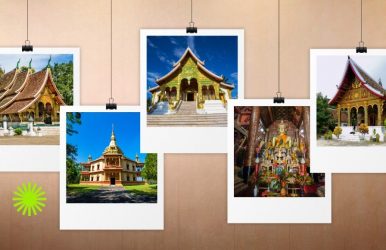
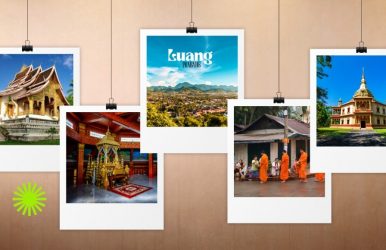
Luang Prabang Temple Guide: What Are The Top Buddhist Temples To Visit In Laos?

BY  Sibashree Nov 3, 2025

I visited Luang Prabang in 2022, and the capital of the ancient Laotian kingdom was slowly recovering from the rampage of COVID-19. The misty mornings were special, with hundreds of monks walking through the narrow streets with their alms bowls.  People gather and offer fruits and rice to the monks. The monks silently accept the offerings, then quietly return to the temples.  Even today, with skyrocketing tourism numbers, Luang Prabang remains one of the most unspoiled places on earth. Buddhism and a strong belief in the power of nature have helped the city to maintain its authentic charm.  Also, the 32 Buddhist temples present in Luang Prabang today are a testament to the history, myths, and spiritual beliefs associated with the city’s origin. In this Luang Prabang temple guide, I will talk about the top Buddhist temples to visit in Luang Prabang, Laos. Of course, the Golden City Temple, or Wat Xieng Thong, is the most famous among them. It was built in 1560.  What Are The Top Buddhist Temples To Visit In Luang Prabang Laos?  The mornings in Luang Prabang are special with the quietude and humility of the alms-giving ceremony. Also, the evenings are magical with the evening chants of the monks in the temples.  The sound of the chants echoes through the valley with the Mekong River passing by dreamily and the outlines of the mountains fading into the darkness.  I used to get lost in my thoughts that these temples were the sites of the coronation of many Laotian kings. Also, despite their intricate designs, they look like an extension of the ethereal natural landscape here.  Nevertheless, these are the top Buddhist temples to visit in Luang Prabang, Laos.  1. Wat Xieng Thong Also known as the “Monastery of the Golden City,” Wat Xieng Thong evokes awe. Built in 1560, it is home to the famous reclining Buddha Sanctuary or the Red Chapel.  It also stands out with its architectural excellence, including the multi-tiered roofline and beautiful mosaic work.  2. Wat Mai Suwannaphumaham Wat Mai, or the New Temple, is the largest in Luang Prabang. It looks exquisite with the gilded bas-relief panels on the façade.  Also, it is historically important as it served as the residence of the highest Lao Buddhist dignitary till 1975.  3. Wat Visounnarath (Wat Visoun) Wat Visoun has a distinctive, spherical, and unique stupa called "That Mak Mo” or the “Watermelon Stupa.” It has a rounded shape.  Also, Wat Visounnarath was founded in 1512. So, today, it is the oldest operating temple in Luang Prabang.  4. Wat Aham Wat Aham is also known as the Monastery of the Open Hearted. It is located next to Wat Visoun.  Wat Aham is famous for its two ancient banyan trees on its grounds. Locals believe that these trees are home to the guardian spirits of the city.  5. Wat That Luang Locals call Wat That Luang the Monastery of the Royal Stupa. The ashes of King Sisavang Vong, who died in 1959, are present in the golden stupa in the temple grounds. Even before that, it was used to cremate many members of the royal family.  6. Wat Chom Si Located on the top of Mount Phousi, Wat Chom Si was the best temple I visited in Luang Prabang. The spiritual energy there was so high.  I don’t know whether it’s the joy of reaching the temple after a trek or the magical views of the Mekong River from the top! Everything looks and feels so magical here! 7. Wat Sop Sickharam The structure of the Wat Sop Sickharam temple, what we see today, is the renovated form of the 19th century. However, the origin of the temple goes back to the 16th century.  Its architecture is a wonderful fusion of the French Colonial Style and traditional Lao architecture.  8. Wat Pa Phai The congregational hall, or the traditional Lao-style sim, is the highlight of Wat Pa Phai. Furthermore, its facade is unique, with exterior columns and a verandah.  It also has another name, “The Monastery of the Bamboo Forest.”  9. Wat Sene Souk Haram Wat Sene Souk Haram looks dazzling with its golden and red ornamentation. It is known as the Temple of 100,000 treasures, as it was built with 100,000 stones collected from the Mekong River in 1718.  10. Wat Nong Sikhounmuang Wat Nong Sikhounmuang has recently gone through a major renovation. It is home to one of the largest and richest pagodas in Luang Prabang.  Furthermore, you can spot it from a distance due to its vibrantly colored roof in the traditional Thai style.  11. Wat Khili The large gold Wheel of Life on the front gable of Wat Khili will be the first thing to catch your notice. Furthermore, it has low roofs and a red facade with golden columns.  It shows influence from the Xieng Khouang province and was built in 1773.  12. Wat Phon Phao Wat Phon Phao has a unique octagonal structure, and with the sunlight falling over it, it uses its golden glow to illuminate the city.  The paintings in the interior of this temple are beautiful, and they depict the Buddhist philosophy of life and death.  13. Wat Manorom Wat Manorom is home to a 6-meter-high bronze Buddha statue, which dates back to the 14th century. Apart from being a temple, it is also an important community center for the locals.  In fact, all the temples in Luang Prabang help nurture community bonding. Also, historically, it used to be the home of the largest number of monks.  14. Wat Ho Pha Bang (inside Royal Palace) The Wat Ho Pha Bang, or the Temple of the Pha Bang, houses the Phra Bang Buddha image, the palladium of Laos.  This temple is located inside the Royal Palace grounds.  15. Wat Mahathat Wat Mahathat was founded in 1548. It houses the ashes of the revered Prince Phetsarath, who declared the independence of Laos in 1945.  It also has a highly ornamented facade.  16. Wat Xieng Mouane Wat Xieng Mouane is important for its role in promoting traditional art and culture. Furthermore, I loved the gilding and traditional woodwork in the temple.  17. Wat That Phoun Wat That Phoun is one of the most peaceful temples I have visited in Luang Prabang. Also, once you enter the temple, it’s like an art gallery with a wonderful display of paintings.  The entrance gates are adorned with serpent deities or Nagas, and the temple also functions as a cremation location.  18. Wat Long Khoun “Wat Long Khoun is where our kings once meditated. It’s quiet, sacred, and often overlooked.” - Somsack, my local guide.  This former royal meditation retreat is a wonderful example of Lao architecture in the 18th century. It has the most illustrious Jataka murals, depicting the last lives of Lord Buddha.  19. Wat Phra Bat Tai Wat Phra Bat Tai in Luang Prabang is very similar to Prabhas Tirtha in India. Prabhas Tirtha has the footprints of Lord Krishna, and Wat Phra Bat Tai has a huge footprint of the Buddha.  Furthermore, its architectural style shows a wonderful fusion of Thai, Lao, and Vietnamese architectural styles.  It is also where I found it easiest to interact with the monks and share our philosophies about life.  20. Wat Phon Heuang The traditional stenciling on the temple's ceiling instantly evoked a sense of awe. Furthermore, I saw how it is an important social area or hub for the local community. It is so because it is one of the prime locations for participating in the alms-giving ceremony.  In addition, when I visited, it had not been extensively renovated. So, it was like connecting to the past for me.  Wat Xieng Mouane: The Lesser-Known Temple Of Luang Prabang  Wat Xieng Maen is a hidden gem if I talk about the top temples to visit in Luang Prabang. It was founded in 1592.  I took a ferry across the Mekong River to reach this temple. It is a quiet escape, and it is significant as it was home to the famous Phra Bang Buddha image for a short period.  Accessibility Ratings Of The Best Temples In Luang Prabang  Check out the table below to learn about the most accessible Buddhist temples in Luang Prabang.  TempleWheelchair AccessStairsQuiet ZonesWat Xieng Thong✅Minimal✅Wat Mai✅Few steps✅Wat Visoun✅Ramp available✅Wat Aham✅Flat terrain✅ Photography Tips Golden Hour: 6:00–7:00 AM and 5:00–6:30 PM. Best Angles: Capture rooflines from low angles; use temple doorways for framing. Respectful Shots: Avoid interrupting rituals or photographing monks without consent. Gear: Use a wide-angle lens for interiors and a tripod for low-light shots. Temple Etiquette & Dress Code In Luang Prabang Dress Modestly: Shoulders and knees covered. Avoid tight or revealing clothing. Remove Shoes: Always take off footwear before entering the temple interiors. Avoid Pointing Feet: Never point your feet toward Buddha statues or monks. Photography: Ask permission before photographing monks or rituals. Alms Giving: Participate respectfully in morning alms (Tak Bat) by kneeling and remaining silent. What Is The Best Time To Visit The Temples In Luang Prabang? Luang Prabang’s temples are open year-round, but timing enhances the experience: MonthHighlightsNovember–FebruaryCool, dry weather is ideal for walking tours.Mar–MayHot but less crowded and good for early morning visits.June–OctoberRainy season, and it stands out with its lush greenery and fewer tourists. Best Time of Day To Visit The Temples In Luang Prabang  Sunrise: Wat Chom Si after a climb to Mount Phousi Midday: Wat Mai, with its shaded interiors, is the perfect late morning and afternoon refuge.  Sunset: Wat Xieng Thong is ideal for golden hour photography.  Walking Routes & Maps: Exploring The Best Temples Of Luang Prabang  Visiting all the temples in Luang Prabang is not possible in a single visit to the city. Instead, for a short trip to the city, you can follow these temple tour routes.  1. Temple Trail Route (2–3 Hours) Start at Wat Xieng Thong.  Walk to Wat Sop Sickharam.  Continue to Wat Sene.  Visit Wat Mai.  End at Wat Visoun. 2. Sunset Spiritual Loop (1 Hour) Climb Mount Phousi to Wat Chom Si. Descend to Wat Aham. Finish at Wat That Luang. Luang Prabang Temple Guide: Frequently Asked Questions (FAQs) Here are some frequently asked questions and answers about the Luang Prabang temple guide.  1. How Many Temples Are In Luang Prabang? Luang Prabang, a UNESCO World Heritage Site, has 32 operational Buddhist temples. These temples, with their beautiful murals, paintings, and sculptures depicting the life and lessons of Lord Buddha, are prominent social, religious, and community centers. Furthermore, they show a wonderful fusion of Lao, Thai, and Khmer architectural styles in their architecture.  2. Can I Visit The Temples In Luang Prabang During Festivals? Yes, you can visit the temples in Luang Prabang during major festivals such as Boun Pi Mai, the Lao New Year, and Boun Khao Phansa, or the start of the Buddhist Lent. However, you have to be patient as there will be crowds, and you have to follow the etiquette. 3. Are Women Allowed To Give Alms? I found out that people taking part in the alms-giving ceremony were mostly women. However, my guide told me to follow some strict rules. You cannot touch the robes of the monks or make any physical contact with them. Also, you must kneel down before them while offering the alms. 

READ MORE Luang Prabang itinerary planner

What Is The Ultimate Luang Prabang Itinerary Planner For Solo Travelers? How To Explore Laos’ Cultural Gem In 3–7 Days? 

BY  Sibashree Nov 3, 2025

In my Luang Prabang travel guide, I last wrote about my travel experience and shared a 5-day itinerary. However, I wanted to go more in-depth about the cultural exploration of the Laotian gem and a UNESCO World Heritage Site. Also, Luang Prabang, with its commitment to sustainable tourism, has emerged as a leader in responsible tourism in Southeast Asia. Furthermore, the recent win of the “Green Destinations Silver Certification” has confirmed how Luang Prabang is dedicated to cultural conventions. In fact, Luang Prabang has achieved a harmony between cultural heritage and nature. The mountains, rivers, and temples reflect a lifestyle that is deeply connected to the environment. Thus, Luang Prabang shows how traditional practices and values can thrive alongside modern sustainability practices. Hi, in this Luang Prabang itinerary planner blog, I will talk about how you can explore the cultural gems of Luang Prabang in three to seven days. Why Visit Luang Prabang?  The Green Destinations organization, accredited by the Global Sustainable Tourism Council, has awarded Luang Prabang the Green Destinations Silver certification for 2025–2027. The certification conferred at the Sustainable Destinations Forum 2025 in Dubai on 28-29 October now inspires this UNESCO World Heritage Site to aim for a gold certification in 2026. So, learning how this city in Laos is evolving the sustainable tourism landscape can be a reason to visit it these days. Furthermore, its location between the Nam Khan and Mekong Rivers and the presence of Mount Phousi make Luang Prabang a natural treasure trove. Kuang Si Falls is another major natural attraction here. Historically, it is significant as the capital of the ancient Laotian Kingdom. Also, due to the 19th-20th century colonial influence, the city shows a wonderful fusion of traditional Lao urban architecture and English colonial architecture. Moreover, the city’s well-preserved temples, monasteries, and colonial villas make it a living museum of Southeast Asian heritage.  In addition, Luang Prabang has beautiful temples such as Wat Xieng Thong, and its Night Market is a vibrant hub for local crafts, textiles, and street food. What Is The Best Time To Visit Luang Prabang?  The best time to visit Luang Prabang depends on the experience you want. For example, if you want to enjoy clear weather conditions and your time outdoors, you can plan a visit between November and February. April and May are the hottest months in Luang Prabang, with the highest temperature hitting around 35 degrees Celsius. January is the coolest month, with an average temperature of 14-28 degrees Celsius. However, attending the local festivals is a major part of a holistic cultural exploration. So, if you want to attend any specific celebration, you can check the table below. Festivals in Luang Prabang Timing Boun Pi Mai Lao, or the Lao New Year Mid-April Boun Suang Huea, or the Boat Racing Festival September Boun Lai Heua Fai, or the Festival of Lights October That Luang Festival at the That Luang Stupa November Haw Khao Padap Din, A Festival Honoring Ancestors September  How To Reach Luang Prabang? I reached Luang Prabang by flying to Luang Prabang International Airport (LPQ) via Bangkok. However, there are also boat, train, and bus options. Mode Of Transportation DetailsBy Flight• Airport: Luang Prabang International Airport (LPQ)• Airport Connected to: Bangkok, Hanoi, Chiang Mai, and Vientiane• Laos Offers Visa on Arrival Facilities for Many Countries.Slow Boat from Thailand • This 2-Day Journey from Huay Xai via Pakbeng along the Mekong River is beautiful.• It is Ideal for Photographers and Slow Travelers.Train • You Can Travel to Luang Prabang via the China-Laos Railway.• This Railway Connects Luang Prabang with Vientiane and Boten.• This Route is Scenic, Fast, and Affordable.Buses • Travel in a Long Distance Bus to Luang Prabang from Vientiane, Vang Vieng, and Other Lao Cities. • For More Comfort, Choose Overnight VIP Buses. Where To Stay In Luang Prabang?  I stayed in a hostel, which cost me around $20 per night. However, you will also find mid-range and luxury hotels, as well as eco-lodges suitable for families. 1. Budget Hostels In Luang Prabang  Name Amenities Location Mad Monkey Hostel • Clean • Centrally Located Luang Prabang, LaosY Not Laos Hostel • Ideal for Solo Travelers and Digital Nomads Laos, Luang Prabang, Phusi RD, Aphay village, Luang prabang, Laos 2. Mid-Range Accommodation In Luang Prabang  Name Amenities Location Villa Chitdara • Stands Out with Its Colonial Charm Near the Local Market Ban Vat Nong, Khounsua Road, Luang Prabang 06000, LaosMy Dream Boutique Resort • Lush Gardens• Riverside Views Ban Meung Nga Village Meung Nga Street, Luang Prabang 06000, Laos 3. Luxury Accommodation  Name Amenities Location Satri House • A Former Royal Residence Turned Into A Boutique HotelLuang Prabang, LaosAvani+ Luang Prabang • It Offers Modern Luxury with A Colonial Touch Setthathirath Road, Hua Xieng Village, Luang Prabang 06000, Laos 4. Family-Friendly & Eco-Lodges  Name Amenities Location Zen Namkhan Resort • Eco-conscious• River Views• Family Bungalows CP 082, Ban Xieng Lom 06000, LaosThe Namkhan Ecolodge • Nature Activities• Farm-to-Table Dining Luang Prabang 06000, Laos A 3-Day Luang Prabang Itinerary Here is a brief 3-day itinerary for a trip to Luang Prabang.  Days ActivityDay 1 • Visiting Wat Xieng Thong, Wat Mai, and the Royal Palace Museum in the Morning• Strolling through Old Town and Having the Best Coffee at Saffron Café• Sunset Trek to Mount Phousi• Exploring the Night Market for Street Food and Collecting Souvenirs Day 2 • Visiting Kuang Si Falls (30 km away) in the Morning.• Swimming in Turquoise Pools and Visiting the Bear Rescue Center in Late Morning.• Stopping by the Kuang Si Butterfly Park and Having a Picnic Lunch in the Afternoon. • Back to the Town and Having a Lao Massage.Day 3 • Attending a Lao Cooking Class at Tamarind or Bamboo Tree in the Morning.• Taking a Boat Trip to Pak Ou Caves, Filled with Thousands of Buddha Statues.• A Sunset Cruise on the Mekong River with Local Drinks and Snacks. A 4-Day Luang Prabang Itinerary If you are in Luang Prabang for another day, you can plan a day trip to Nong Khiaw. It is a 3-hour drive from Luang Prabang. It has beautiful limestone cliffs and caves, and it is ideal for kayaking. A 7-Day Luang Prabang Itinerary With the activities for your first four days sorted, you can now try the following activities/attractions for the last 3 days. Days Activities Day 5 • Learning Traditional Rice Farming Techniques and Plowing with Water Buffaloes in the Morning.• Cooking Sticky Rice in the Afternoon.Day 6 • Visiting Tad Sae Waterfalls & Ziplining in the Morning.• A Trip to the MandaLao Elephant Conservation in the Afternoon.Day 7 • A Visit to Wat Pa Phon Phao and A Meditation Retreat.• Spending the Night at the Khmu Village. A Family-Friendly Itinerary For Luang Prabang  Here is a 5-day family-friendly travel itinerary for Luang Prabang. I have kept the itinerary relaxed to suit multi-generational travel. Furthermore, even if the itinerary keeps you busy, don’t forget to bring drawing books and journals for your children. Days Activities Day 1 • Arrive and Check in to Your Hotel• Visit the Royal Palace Museum and Take a Walk Along the Old Town• Climb Mount Phousi• Dinner at a Riverside Restaurant Day 2 • Attend the Alms Giving Ceremony or Tak Bat. • Breakfast at a Local Cafe. • Visiting the Elephant Conservation Center• Return to Luang Prabang• Dinner at a Restaurant With a View of the Nam Khan River Day 3 • Attending a Family-Friendly Cooking Class with Children, Helping with the Preparations. • Attending Dyeing and Weaving Workshops at Ock Pop Tok Living Crafts Centre.• Dinner at Utopia Café.Day 4 • A Visit to Kuang Si Waterfall.• Exploring the Butterfly Park.• A Visit to the Free the Bears Rescue Center.• Shopping at the Night Market Day 5 • Visiting the UXO Visitor Center to Learn About Laos’s History and Demining Efforts (Especially Suitable for Children)• Souvenir Shopping• Off to the Airport  What Are The Best Cultural Experiences In Luang Prabang?  The recent That Chomsi Stupa ceremony at Luang Prabang from 5th to 6th October 2025 has once again highlighted the strong cultural tourism aspect of the city. Built during the reign of King Anourouth in 1804, this stupa blends history with spirituality. Today, it also demonstrates the sincerity of Luang Prabang and Laos in preserving heritage. Moreover, the Chomsi Stupa ceremony emerges as an important landmark here to attract travelers who seek authentic experiences. You can understand community development and the essence of Buddhism. So, visiting this Stupa is a unique cultural experience in Luang Prabang. Another important aspect is the Alms-Giving Ceremony, where monks are offered fresh food for their worldly sustenance. In addition, for holistic well-being and energy alignment, you can try a traditional Lao Massage. Also, visit the Ock Pop Tok Living Crafts Centre or attend traditional bamboo weaving and rice farming workshops. These help us understand the livelihood and the true essence of Luang Prabang. What Are The Hidden Gems In Luang Prabang?  Wat Pa Phon Phao temple on a hill southwest of Luang Prabang is a hidden gem in Luang Prabang. It is one of the central places for Vipassana meditation. The single pagoda has an octagonal structure. It has a peaceful ambiance, and it is an ideal place for introspection. Local Cafes And Art Galleries In Luang Prabang  Don’t miss a visit to these places if you want to sink into the community vibe and have an excellent cultural understanding.  1. Saffron Coffee  Saffron Coffee is one of the best cafes in Luang Prabang, and it is a great contributor to sustainable tourism. It sources the coffee beans ethically from local farmers. The coffee here is grown organically. Furthermore, Saffron Coffee is known for its profit-for-purpose policy. It reinvests its profit to benefit the individual farming family. 2. L’Etranger Books & Tea  What should I say? L’Etranger Books & Tea is a cafe, a bookstore, and a community center for reading and exchanging books. Furthermore, the attic room of L’Etranger Books & Tea hosts a film screening at 7 PM every evening. It was the city's first licensed bookshop.  3. Project Space Gallery  Located at Pha Tad Ke Botanical Garden, Project Space Gallery is a non-profit multifunction space. It hosts contemporary art exhibitions and events. Culinary Tourism In Luang Prabang: A Food And Drink Guide Some must-try dishes in Luang Prabang are Khao Soi, or Northern Lao noodle soup with tomato and pork. It is a minced meat salad with herbs and lime, or Laap and Or Lam, or a spicy soup with buffalo meat and eggplant. Furthermore, grilled meats, coconut pancakes, mango sticky rice, and fruit shakes are popular street foods, and you can enjoy them at the Night Market. Manda de Laos, Dyen Sabai, and Tamarind are some renowned restaurants in Luang Prabang. Budget For A Luang Prabang Trip  Here is a daily cost estimate for a solo trip to Luang Prabang. Budget Type Daily Cost (USD) Inclusions Budget \$25–\$40 • Hostel • Street Food • Tuk-tuks Mid-Range \$50–\$100 • Boutique • Hotel Restaurants • Tours Luxury \$150+ • 4–5 Star Hotels • Private Guides • Fine Dining  Travel Tips For A Luang Prabang Trip Luang Prabang is safe to travel to. However, you can face connectivity issues. So, you must collect Unitel and Lao Telecom SIMs at the airport. Also, drink bottled water and use mosquito repellent. Moreover, you must adhere to the sustainability norms and follow local customs for a seamless experience.  Luang Prabang Itinerary Planner: Frequently Asked Questions (FAQs) Here are the frequently asked questions and answers about the Luang Prabang Itinerary Planner. 1. How Long Should You Stay In Luang Prabang?  Three to five days are enough for a cultural exploration in Luang Prabang. However, if you want a deeper cultural experience with nearby day trips and attending cooking, farming, or weaving workshops, plan a vacation of 7 days. 2. Is Mount Phousi Worth It?  Yes, Mount Phousi is a wonderful destination for a sunrise or sunset hike. Once you reach the top, you will enjoy wonderful views of the city and the surrounding hills. Moreover, the Wat Chom Si Stupa is located at the top of Mount Phousi. It is an important spiritual, historical, and cultural landmark of Luang Prabang. 3. Is Luang Prabang Better Than Vientiane? Vientiane is the current capital of Laos, and Luang Prabang was the ancient capital of Laos. Today, Vientiane is a more popular destination thanks to better national and international connectivity. However, if you ask me, Vientiane lacks the cultural vibrancy and scenic beauty of Luang Prabang.

READ MORE Raja Ampat diving trips

What Are The Best Raja Ampat Diving Trips? Know The Sites And Practical Tips 

BY  Sibashree Oct 31, 2025

27th September 2025! Raja Ampat gets the designation as a UNESCO Biosphere Reserve. It was already recognized as a UNESCO Global Geopark. So, now it becomes one of the few places in the world to earn these two designations. Furthermore, UNESCO calls Raja Ampat a “living library” because of the rock formations, which are 400 million years old, and the extraordinary marine life. It also has the nickname of “Amazon of the Seas” because of its presence in the “Heart of the Coral Triangle.” Moreover, according to UNESCO, Raja Ampat has 75% of the known coral species in the reefs  Over 1300 reef fish species  Hawksbill turtle and other endangered and rare turtle species. So, no wonder that Raja Ampat is a favorite destination for divers. In this blog, I will share the Raja Ampat diving tips, cultural etiquette, sustainable diving, and seasonal diving guidance. Raja Ampat: Geographical Location, Climate, And Natural Features Raja Ampat, meaning “Four Kings,” is an archipelago off the northwest tip of Bird's Head Peninsula in Southwest Papua, Indonesia. Its four main islands are: Misool Salawati Batanta Waigeo It has 1500 small islands, shoals, and cays surrounding these four main islands. Raja Ampat has a tropical climate. So, it enjoys consistent weather conditions throughout the year. The day temperature here is around 31 degrees Celsius, and the nighttime temperature is around 25 degrees Celsius.  Along with the marine diversity and its location within the Coral Triangle, Raja Ampat also stands out because of its pristine beaches and karst limestone cliffs. Moreover, it has a lush tropical vegetation. However, for me, the most fascinating part was the people of the sea here. The indigenous Papuan Community here worships the sea as their living ancestor. The elders here even pray to the sea and some cliffs or rocks in the sea before fishing or any form of community gathering.  How To Reach Raja Ampat From Major Countries?  Jakarta, Bali, or Makassar is the gateway to Raja Ampat for international travelers. From any of these airports, you will have to take a flight to Sorong (SOQ). Again, from Sorong, you will take a short flight or ferry ride to Waisai. Waisai is the capital of Raja Ampat.  I traveled by the ferry. However, you can even take a short flight. The ferry ride was 2 hours long, and these services are available twice daily.  Seasonal Diving Conditions In Raja Ampat Raja Ampat is a year-round diving destination. However, the conditions of the sea and marine diversity will differ from one month to another.  October to April is usually considered to be the best time to visit Raja Ampat Indonesia, for scuba diving, thanks to an average temperature of 27°C to 30°C and visibility up to 30 meters. In addition, in these months, the plankton blooms attract whale sharks, manta rays, and other pelagic species.  Here is a detailed breakdown of seasonal diving conditions in Raja Ampat.  1. Monthly Biodiversity Calendar The table below has the monthly biodiversity conditions and notes for divers.  MonthsKey Marine EncountersWeather ConditionsNotes for DiversJanuary• Abundant Macro Life• Whale Shark Sightings• Peak Manta Ray Activity• Temperature 25-30 • Degrees Celsius• Moderate Plankton Bloom• Mild Current • Excellent manta cleaning-station actionFebruary• Vibrant Coral Reefs• Strong Manta Ray • Sightings• Whale Shark Spotting• Consistent Visibility• Temperature 25-30 Degrees• Calm Sea• Ideal for Reef Observation and Wide-Angle PhotographyMarch• Active Whale Sharks• Turtke Mating Season • Stable CurrentTemperature 25-30 Degrees• Balanced Pelagic and Reef Encounters• High Marine BiodiversityApril• Coral Spawning Events• Manta Rays• Schools of Fish• Clear Visibility• Warmest Sea• Temperature 25-30 Degrees• Ideal for Observing Reproductive Coral behaviorMay • Juvenile Fish Recruitment• Manta Rays Become Less• Abundant Macro Species• Roughter Sea• Reduction in Plankton Density• Temperature: 24-32 °Celsius• Great for Photographers for clicking Small ObjectsJune• Intensified Sea Turtle Mating• Dispersing Manta Rays• Variable Visibility• Increased Wind• Temperature: 24-29 °Celsius• Strong Macro Season• Ideal for Diving in Sheltered BaysJuly• Juvenile Reef Lives Thrive• Turtle Nesting • Possible Surface Chop• Cooler Winds• Temperature: 23-28 °Celsius• Ideal for Night Dives to see Predators and • Nesting Turtles August• Macro-Rich Reefs• Turtle Hatchlings• Fewer Mantas• Intermittent Rain• Rough Sea• Temperature: 24-29 °Celsius• Ideal for Spotting and Photographing Turtle Life CyclesSeptember• Plankton Blooms Return• Mantas Start Appearing• Transition to Dry Season Begins• Temperature: 28-29 °Celsius• Increasing pelagic activity at channels and reef edgesOctober• Start of Peak Manta Season• Improved Visibility• Potential Coral Spawning • Calm Sea• Temperature: 25-30 °Celsius• Great for Seeing and Feeding Manta Rays• Ideal for Reef RejuvenationNovember• High Manta Density• Active Whale Sharks• Strong Coral Growth• Calm Sea• Clear Visibility• Temperature: 25-31 °Celsius• Suitable for Liveaboard Itineraries December• Mantas FrequentCleaning Stations• Whale SharksCommon• Pristine Reef• Calm Sea• Excellent Visibility • Temperature: 25-31 °Celsius• Outstanding Photographic Light• Excellent Diving Conditions 2. Key Species And Seasonal Patterns Manta rays, whale sharks and sea turtles are the key marine species in Raja Ampat. Furthermore, the waters here have the most amazing macro life and watching coral spawning here is an experience.  Species and Seasonal ActivitiesPeak SeasonNotes Reef and Oceanic Manta Rays• October to April • Manta rays congregate at cleaning stations (Manta Sandy, Manta Ridge, Blue Magic).• You have to maintain neutral buoyancy near the cleaning stations. • Avoid flash photography. Whale Sharks• October to March• Spot the whale sharks near the fish-aggregating devices.• You will also find them near Cenderawasih Bay and Triton Bay as they are rich in planktons. • Maintain a distance of at least 3-4 meters. Sea Turtles (Green, Hawksbill, Leatherback)• Mating: June–September• Nesting: July–October• Hatching: July–August• Observe at night under red light. • Don’t touch or obstruct the nesting sites. Coral Spawning• April and October to November• Coral spawning happens 3–6 nights after the full moon, when the temperature rises. Macro Life• May to SeptemberSpot• Pygmy seahorses• Nudibranchs• Blue-ringed octopus• Ornate ghost pipefish 3. Environmental Summary  Here is a summary of sea and weather conditions in Raja Ampat.  Sea Temperature• 25-30°CVisibility• 20-40 Meters, (Best from October to April)Currents• Moderate to strong at reef passes• Ideal for nutrient collectionRainfall• June–SeptemberBest Diving Conditions• October to April 4. Ecological Insights  Despite seasonal differences, Raja Ampat enjoys matchless biodiversity. Once you take a dive, you will get to see at least 300 species of fish.  Due to the northwestern monsoon influence, the October to April period is warm in Raja Ampat. Phytoplankton blooms in this season, making the water nutrient-rich and ideal for manta rays and whale sharks.  The dry season from May to September is ideal for coral growth and turtle reproduction.  Use apps like Windy and MagicSeaweed for current forecasts. Check tide charts and moon phases to plan dives around slack tides for safety and visibility. Diver Planning Notes: Summarizing The Seasonal Activities  Know the best time to plan a diving trip in Raja Ampat.  ActivitiesThe Best SeasonFor Pelagic Encounters and Clear Visibility (Whale sharks, manta rays)October to AprilTurtle NestingJuly to SeptemberCoral SpawningApril or OctoberMacro PhotographyJune to September (Mild current, abundant critters)LiveabroadsOctober to April The Best Raja Ampat Dive Sites And Breakdown By Season The best dive sites in Raja Ampat are ideal to visit in different seasons.  1. Cape Kri Cape Kri is the most diverse diving site if you want to spot various marine animals. November to March is the best time to visit Cape Kri for large pegalics.  2. Blue Magic Blue Magic is ideal for a dive in the dry season for manta ray sightings. You will also spot big fish and small critters here. This is the best diving site for macro photography.  3. Melissa’s Garden Melissa’s Garden is a year-round diving spot and known for its vibrant coral scene. It is also a site to spot the Wobbegong.  Here corals and soft sponges cover the seabed. Also, due to no to very mild current here, it is a beginner-friendly diving site.  4. Mioskon View this post on Instagram A post shared by Gritimook Wisettanakorn (@drgrit_freshcode) Mioskon is another favorite diving spot for beginners. It has calm conditions during April and June. This island in the Dampier Strait stands out with its V-shaped coral reef.  Spot Napoleon Wrasse fish, pygmy seahorses and Wobbegong sharks. Furthermore, the jungle surrounding the island is home to birds of various species.  An 8 Days / 7 Nights Itinerary In Raja Ampat For Divers Here is an itinerary suitable for divers in Raja Ampat. The route of this 8 days and 7 nights diving tour is Sorong → Misool → Dampier Strait → Wayag → Sorong.  DaysActivitiesDay 1• Arrival in Sorong• Transfer to liveaboard• Equipment check and dive briefing• 2 Easy reef dives in southern Missool• Night dive: pygmy seahorses, crustaceans, and reef crittersDay 2 - Exploring Misool• Dive highlights: Boo Windows, Fiabacet, and Magic Mountain• Encounters: soft corals, reef sharks, barracuda schools, and cleaning mantas.• Lagoon excursionDay 3 - Transit to Central Raja Ampat• Pinnacle dive in the early morning.• Long transit north toward the Dampier Strait.• Afternoon dive at sheltered reef or muck site.Day 4 - Dampier Strait• Diving Sites: Cape Kri, Chicken Reef, Sardine Reef, Mioskon• Spotting schools of snapper, jacks, trevallies, and wobbegongs• Night dive under Arborek Jetty for macro lifeDay 5 - Manta Encounters• Exploring Manta Sandy and Manta Ridge cleaning stations• Late dive at Melissa’s Garden for coral gardens and reef fish• Sunset snorkel and village visits Day 6 - Northern Transit (Wayag)• Diving and spotting reef pinnacles with oceanic mantas.• Island exploration and sunset viewsDay 7 - Wayag• Diving and spotting Expect big pelagics, turtles, and pristine coral walls• Afternoon hike• Gear rinse and dinner on boardDay 8• Return to Sorong• Off to Airport Essential Dive Gear Checklist For Raja Ampat 3mm wetsuit Reef-safe sunscreen Surface marker buoy Dive computer Underwater camera Spare mask and fins Waterproof bag Travel insurance with dive coverage Diving Tips For Beginners And Advanced Divers Many diving sites in Raja Ampat is not suitable for beginners for strong currents. If you are a beginner, you must stick to sites such as Mioskon and Melissa’s Garden and choose guided divers.  Underwater Photography Tips In Raja Ampat Dry season is the best time for underwater photography in Raja Ampat because of clear visibility and the best lighting. This season is ideal for wide-angle shots.  You can use strobes and a red filter to enhance the contrast and color of the photos.  Budget Vs. Luxury Options For Raja Ampat Diving Trips If you are a budget traveler, homestay dive safaris like Scuba Republic offer affordable packages. Furthermore, if you are a luxury diver, liveaboards such as Dewi Nusantara provide premium experiences with onboard amenities. Furthermore, if you are a mid-range traveler, you can choose Papua Explorers Dive Resort for cost-efficiency and comfort.  Also, here are budget estimates (excluding international flights) for different types of travelers to Raja Ampat.  Days of TravelEstimated Cost5-6 Days• Solo Traveler: $1,200• Couple: $2,200• Family of 4: $4,0007-8 Days• Solo Traveler: $1,600• Couple: $2,900• Family of 4: $5,50010 Days• Solo Traveler: $2,200• Couple: $4,000• Family of 4: $7,500 Cultural Insights And Sustainable Diving Practices Sustainability here isn’t an abstract ideal. It’s an extension of Papuan culture, which teaches harmony between people and nature. So, to understand the spirit of sustainability here, you will have to understand the local culture.  Raja Ampat has many local stories of conservation and pride to share.  1. Arborek Village: The Women Of The Reef View this post on Instagram A post shared by Un autre pays / Paysages & Voyages (@unautrepays) Women in Arborek lead manta ray monitoring and coral gardening. They have traditional fishing knowledge and they plant coral fragments. They also keep a record of data for researchers.  Thus, they blend ancient intuition with modern conservation.  2. Misool: From Hunting To Healing The elders of Misool were once shark catchers. Today, they work as rangers of one of the largest no-take zones in the world.  So, from the culture and heritage of fishing, they have now evolved to be ecological guardians.  3. Yenbuba: The Youth Of The Tides View this post on Instagram A post shared by INDONESIA UNDERWATER (@indounderwater.id) Young divers from Yenbuba learn English and reef biology and they work as eco-guides. They share the local culture with global visitors. Thus, they keep the heritage alive and act as a bridge to new opportunities that will help preserve the environment and local culture.  So, each story of local pride and conservation effort shows how the Papuan people here are not just witnesses to the conservation process. They are the architects.  Moreover, with ancestral knowledge, the local Papuan guides will be your best assistance during diving expeditions. They are better than GPS and charts.  Food In Raja Ampat: 10 Must-Try Dishes The local food here is an extension of who the people are and their way of living. Flat noodles with eggs and a lot of spices are the comfort food here. Another favorite is skewered grilled chicken or fish with peanut sauce or satay.  Furthermore, Calamari or crispy battered squid, Baha-Baha or a sweet sago snack, served with tea are the most popular delicacies here.  Raja Ampat Vs. Other Indonesian Dive Destinations Here are some other popular diving destinations in Indonesia. Let’s find out why Raja Ampat is a better choice.  Diving SpotsComparison with Raja AmpatKomodo• Komodo has strong currents. However, it is not as rich in biodiversity as Raja Ampat is. Bali• Bali is more suitable for beginners, while barring a few spots, Raja Ampat is more suitable for advanced divers. • Also, Bali is overcrowded. Lembeh• Lembeh is the capital of macro diving. Raja Ampat, on the other hand, is more suitable for wide-angle diving.  Overall, Raja Ampat is the best for diving because of its matchless biodiversity, remote adventure and coral health.  Things To Do And Avoid In Raja Ampat  Keep these Raja Ampat diving tips in mind and be a responsible traveler. Things to DoThings to Avoid• Carry valid passport with at least 6 months validity.• Buy travel insurance with dive coverage.• Carry the dive certification and logbook.• Have confirmation for dive gear and rental.• Carry cash in Indonesian Rupiah for local purchases.• Use reef-safe sunscreen and eco-friendly toiletries• Underestimating travel time and logistics• Ignoring dive experience requirements• Touching or damaging coral reefs• Not budgeting for inter-island transport. Where To Stay In Raja Ampat?  Find the details and the expenses of staying at these top accommodations in Raja Ampat.  Name of the AccommodationExpensesAmenitiesMap/LocationMeridian Adventure Marina Club & ResortStarts from $200 per Night• Close to the port• Modern amenities,• Excellent dive servicesWaisai, Raja Ampat Regency, Southwest Papua 98482, IndonesiaAgusta Eco ResortAround $250/night• Beachfront Bungalows• Diving Packages• Swimming PoolAgusta Island, Sauandarek, Meos Mansar, Kabupaten Raja Ampat, Papua Barat Daya, IndonesiaKayafyof HomestayStarts from $100/Night• Amazing Snorkeling SpotsPulau Arborek, Raja Ampat Regency, Papua Bar., Indonesia Is Visiting Raja Ampat, Indonesia Worth It? Yes, Raja Ampat is a rare diving paradise with dual recognition as a UNESCO Biosphere Reserve and Global Geopark. From shark whales to manta rays and sea turtles, it has the most diverse marine life.  Furthermore, it has a vibrant coral ecosystem. Also, it is suitable for underwater wide-angle photography and snorkeling. So, Raja Ampat is a must-see destination for underwater enthusiasts and divers.  Raja Ampat Diving Tips: Frequently Asked Questions (FAQs) Here are the frequently asked questions and answers about Raja Ampat diving tips.  1. Are There Tiger Sharks In Raja Ampat? Raja Ampat is a UNESCO Biosphere Reserve and a Global Geopark for its marine diversity. Also, carpet whales and whale sharks are common here. However, tiger sharks and bull sharks are absent here.  2. Is Raja Ampat Ok For Beginners? Yes, Raja Ampat has spots such as Melissa’s Garden and Mioskon, which have no to mild current. These places are suitable for beginners.  3. Is There Alcohol In Raja Ampat?  You will mostly find beer in Raja Ampat. However, the homestays here do not have the license to sell beer. So, find an authorized place if you want to have a drink. Arborek has one shop selling beer.  Read Also: Where Is Nusa Penida Island? (With Location, Direction, Why Is Nusa Penida Famous, And What’s Going On) Is Munduk Bali Worth Visiting? (Direction, Things To Do, Unique Attractions, And More) Bali vs Thailand: Which Place is Better?

READ MORE Chios Greece travel guide

Chios Greece Travel Guide: How To Explore Chios Beyond Santorini? 

BY  Sibashree Oct 29, 2025

Afternoon siesta is a cherished luxury where I come from. Thousand miles away, I did not expect to experience something similar in Chios, Greece. I was driving through Mesta, and the faint, sweet-spicy scent of mastic trees overtook me.  I noticed one strange thing! Not a single shop was open, and even the ATMs were closed, despite it being a weekday. Curious, I asked my guide, and he said,  “We loved our naptime in the afternoon. The shops are closed from 2 to 5 PM. We value our food and rest! There is nothing to rush!” This is the moment I felt at home in Chios.  Chios in the eastern Aegean was hit by one of the largest wildfires of recent times in June and August 2025. These incidents were a major blow to the mastic trees and the entire region, with many trees destroyed by the wildfire.  However, a few months down the line, Chios, Greece, is experiencing a positive rebound in its tourism landscape. Despite being a relatively new name compared to Santorini or the Amalfi Coast, it is gaining attention for its genuine charm.  Despite an increase in interest, the tourism model here is focusing more on sustainability. Also, it is avoiding mass tourism to preserve its cultural heritage.  In terms of accessibility, Chios is going to get a new airport very soon. Also, for hospitality, this eastern Aegean island depends heavily on family-run lodges. Moreover, the island is capitalizing on its natural beauty and medieval villages to stay true to the official theme of “Experience Chios.”  Hi, in today’s blog, I will talk about the Chios, Greece travel guide that takes you to local artisan workshops, cooking classes, adventurous places, and more. Exploring The Local Artisan Workshops And Experiences  The mastic resin is the signature product of the region. The Pistacia lentiscus var. chia trees produce this resin. These are called the “tears” of Chios. The aroma is faint, but it lingers just like the most beautiful melody of a flute. My mastic harvesting tour was already set, and the experience I had will stay with me forever. We talk about environmental protection and sustainability. The people of Chios practice it in their lives.  Nevertheless, along with the mastic harvesting tours, attending the weaving workshops, pottery classes, and distillation plants were the best local experiences in Chios. I also enjoyed my time at the local tavernas.  1. Mastic Harvesting Tours In Mastichochoria Pyrgi, Mesta, or other villages in the south are ideal for farm tours. These have cooperatives and farms, where harvesting takes place during August and September. I was lucky to be in Chios in August.  The farmers here “wound” the trees so that they weep, and the tears are collected. Then, the tears are cleaned using a process called “Kefalari,” and watching the entire process is an immersive slow travel experience.  I talked to an old man in Mesta who was collecting the resin by hand. As I approached him, he said, “We treat the trees like family. If one dies, we plant another. We also pass on these trees to our future generations.”  Standing there, I could almost hear my grandfather, who used to say the same things about the trees he planted.  In Mesta and Pyrgi, I saw the soil getting hardened wherever the resin had fallen. Children love collecting those.  If you want to learn more about mastic harvesting in Chios, you can visit the Chios Mastiha Growers Association (CMGA). It now has around 4500 members from the 20 primary cooperatives spread across 24 villages.  2. Weaving Workshops In Pyrgi The houses in Pyrgi look wonderful, with distinct black geometric decorations. On some walls, I saw diamond shapes; others had stripes, and some even featured crisscross patterns. There is also a personalized touch in these geometrical shapes. I was standing near a house appreciating the diamond-shaped designs on the walls. An old lady peeped, and I asked her whether she had done the design or not! She started giggling like a little girl and said, “I have hidden the name of my husband in these diamond designs. It was a lot of fun when I asked him to spot his name for the first time.”  Once again, I felt that emotions are universal and the art of finding joy in little things.  The village also has a tradition of weaving. Explore the traditional looms and try your hand at the craft.  3. Pottery Classes In Armolia Armolia is the epicenter of pottery traditions in Chios, Greece. It is like a kingdom of brightly colored ceramics. Kefalakia, a one-necked Chian ceramic jug, is a must-buy.  I tried my skills at a hands-on pottery class, and I must say that I was not so proud of what I made!  4. Soap-Making And Herbal Distillation Chios has the best flowers and herbs. So, you will find many small family-run businesses here, including soap-making and herbal distillation. They also make local olive oil, mastic oil, and distilled water.  These small businesses have kept alive the heritage of natural wellness in Chios.  5. Getting Lost In The Alleys Of Mesta At Night View this post on Instagram A post shared by ᴍᴇꜱᴛᴀ ᴄʜɪᴏꜱ (@mesta.chios) It may sound a little scary, but it was fun for me. Mesta is like a labyrinth, and exploring this fortified village was like a treasure hunt. Indeed, it was planned this way to confuse the pirates who wanted to rob the town.  After my dinner at the guesthouse, I wanted to take a quick stroll around, and after half an hour, I was clueless about the road to take.  The alleys twisted and turned until I stood before a stone archway and a dead-end courtyard filled with vines. I could listen to my footsteps on the cobblestone road, and after a few minutes, I sat on a rock.  Suddenly, something magical appeared before the eyes. The stars over the Aegean were unreal, and the absence of light pollution made it look like I could reach them by stretching my arm.  I cannot tell you how long I waited there, and suddenly a call from my guesthouse broke my trance. The receptionist asked me to wait for a while and sent a guide from the guesthouse to guide me back.  6. Eating And Drinking At A Local Taverna Most tavernas I visited during my stay on Chios did not have a printed menu. That’s actually good, considering the menu is decided based on the fresh produce available on that day.  My guide used to ask “Ti echete simera?” or “What do you have today?” The waiter used to read from the list of items that were offered for the day.  Wellness And Retreat Travel In Chios, Greece  View this post on Instagram A post shared by Royal Pearl Island Chios Hotel & Spa (@royalpearlisland) Chios opened its first luxury wellness retreat, Pearl Island Chios Hotel & Spa, last year. Nevertheless, Chios has been celebrating its unique wellness tradition for years now.  1. Mastiha And The Herbs Of Chios Furthermore, Chios has been harvesting mastiha for more than 2500 years, and this natural product has medicinal properties. In fact, this knowledge of cultivating mastiha has been identified as an Intangible Cultural Heritage of Humanity by UNESCO.  Mastiha gum has anti-inflammatory properties, it helps heal wounds, and it improves oral health and the digestive system.  However, mastiha is not the only herbal ingredient grown here. The region also has chamomile, sage, thyme, and oregano. Furthermore, Souma, a traditional fig-based spirit is a crucial element in the wellness tradition of mastic oil and mastiha, the signature of Chios.  2. Holistic Healing In Chios  The holistic healing facilities in Chios include meditation sessions near Mavra Volia beach. Furthermore, you can look for yoga retreats in secluded coastal villas and thermal spa visits in nearby Volissos.  Away from the crowd, the thermal spa visit near Amani was the ultimate rejuvenation for me after a busy day.  Cooking Classes And Culinary Tour In Chios, Greece I visited a cafe called Citrus Memories inside an old estate near Chios town. They served a citrus drink made with local fruits grown in Kampos.  The juice was not very sweet. In fact, the hint of bitterness in the drink was the kick. The garden of the old estate had orange trees and stone walls around. So, it was like being in a different era.  The citrus smell of the oranges offered the most refreshing olfactory experience, while the sound of cicadas was somehow felt healing. This was one of the best experiences of food and beverage in Chios, Greece.  1. Mastic Liqueur Tastings I tasted mastic liquor at a local taverna in Mesta. My guide told me that having the mastic liquor after food helps with faster digestion.  The one I tasted had just the right hint of anise. However, it did not overpower the drink's citrusy finish. The texture of the drink was clean, and it cleansed my palate.  2. Cheese-Making Workshops I took a guided tour of the Sinanis' family's traditional cheese workshop. You will notice a wonderful fusion of modern and traditional techniques in cheese-making. Furthermore, you will get to taste their cheese along with other local produce.  3. Traditional Bread Baking In Wood-Fired Ovens Making bread in wood-fired ovens is one of the most cherished culinary traditions of Chios. I was fortunate enough to visit the Klossas bakery in the village of Volissos.  Started in 1955, it is still run by the same family. The setup still has a traditional setup without windows, and they bake a limited variety of bread.  4. Farm-To-Table Cooking Classes With Local Chefs Many local chefs organize a farm-to-table cooking class using locally produced olive oil, citrus fruits, and seafood. I learned to make ipovrihio, a special sweet made using mastic. It is a flavored sugary paste served in cold water.  5. Festivals Celebrating The Food Of Chios  I was lucky enough to be in Chios in the month of August. I could attend many festivals celebrating the local food.  FestivalsSignificanceTimingSouma Festival• Celebrates the Souma spirit made from figs• Celebrated with local delicacies and traditional dance • First two weeks of AugustMountain and Livestock Festival• A three-day festival in Pityos• Vendors selling local produce directly to the public• July or early AugustAmateur Fishermen's Festival• Celebrated in Mesta• Kakavia, or fish soup, is served as part of the marine tradition• AugustPanagia Festival and Saint Markella Festival• Food and drink are shared at the village square • August and July, respectively Moreover, festivals celebrating local saints, such as the Feast of Agios Ioannis the Theologian, are ideal for enjoying local food and beverages. Goat or hake delicacies are served at the end of the religious ceremonies.  Adventure Activities Beyond Hiking The diverse geography of Chios makes it an ideal place for nature walks and hiking. However, it offers many unique adventures. For example, swimming in the tiny coves near Vroulidia and Agia Dynami was the best experience for me.  I started swimming at Agia Dynami early in the morning. The water was so clear that it felt like glass. I could see schools of tiny fish flickering like silver confetti.  Also, after the swim, I went to the taverna up the hill. The owner there served grilled fresh sardines. The dog under the table, taking a nap, made the picture perfect.  Nevertheless, sea kayaking, rock climbing, cave exploration, and mountain biking are some adventure activities in Chios, Greece. 1. Sea Kayaking Along Volcanic Beaches The southern coast around Emporios and Mavra Volia of the Black Pebble Beach is dramatic. The clear water here creates the perfect contrast with the dramatic volcanic beach.  I loved kayaking here and explored the surreal geological formations that we cannot reach on foot.  2. Rock Climbing In Kambia Climbing the limestone cliffs in Kambia offers serious adventure. The crowd here is smaller. Also, you will enjoy the most amazing views of the Aegean from the cliff top.  3. Cave Exploration In Olympoi Olympoi Cave is an active sinkhole. It has a unique geological formation surrounded by stalagmites and stalactites. It is a cooler retreat from the summer Sun, and every formation here tells the stories of the rich geological past of Chios, Greece.  4. Mountain Biking In The North The Amani Forest and the northern mountain ranges have many trails challenging the skills of a mountain biker. As the biker winds through the pine forests, they get to see the panoramic views of the surroundings.  Hidden Historical Sites In Chios, Greece If you are a history buff, you can explore the following locations in Chios, Greece.  • Daskalopetra (Homer’s Stone)  View this post on Instagram A post shared by Hidden Chios (@hiddenchios) Daskalopetra, or the stone formation at the center of this archaeological site near Vrontados, is said to be the birthplace of Homer. The ancient poet of the Iliad and the Odyssey.  Steeped in mythology, the place looks over the sea. It offers moments of quietude and looks the most beautiful during the sunrise hours.  • Anavatos Ghost Village  The location of the Anavatos Ghost Village on a sheer granite cliff itself looks surreal. Also known as the “Mistress of the Wind,: Anavatos has been lying vacant since the 1822 Chios Massacre.  I was walking through its alleys just before the sunset hours, and I felt history coming alive and the island celebrating its resilience at the same time.  • Phanai Archaeological Site  The Phanai Archaeological Site is at the southern tip of the island. It has the ruins of an ancient temple dedicated to the God Apollo.  This site does not receive many visitors. So, exploring the remnants of the Hellenic civilization was quite thrilling. The beautiful coastal views add to its appeal.  • Byzantine Churches  Everyone talks about the UNESCO-listed Nea Moni Monastery. However, in search of something lesser known but equally meaningful, I reached Byzantine churches in the mountain villages of the north. These offer stunning iconography and architectural details, often overseen by a single, welcoming caretaker ready to share local lore. Interactive Cultural Places In Chios, Greece If you are traveling with your family, you can explore the following interactive cultural places. These are ideal for multigenerational tourists.  1. Chios Mastic Museum Hours Open: 1st March to 15th October (10 AM to 6 PM) and 16th October to 28th February (10 AM to 5 PM) Entry Fee: Standard Ticket - €3, Concession Ticket: €1.5, Free on Specific Days Such as 18th May, 5th June, and the Last Weekend of September View this post on Instagram A post shared by Çeşme - Chios Ferry Tickets (@sunrise_lines) The Chios Mastic Museum celebrates the tradition of mastic production, an intangible UNESCO heritage. Located in the Pyrgi Village, the museum is inside an eco-friendly building.  This museum focuses on the uniqueness of mastic as a versatile product. Further, it shows how cooperatives have played an important role in the production of mastic products in the recent past.  2. Chios Castle Hours Open: 8 AM to 3:30 PM (Tuesday Closed) Entry: Free View this post on Instagram A post shared by Nazli Usta Lazaris (@yunanistandannotlar) Located in the north of the town center, Chios Castle used to be the fortified core of the town, starting from the Genoese period. Spanning over an area of 180,000 m2, the castle is still inhabited.  3. Giustiniani Palace Inside the Chios Castle, the Giustiniani Palace was the headquarters of the Genoese administration. As a museum, it holds archaeological and art exhibitions.  4. Chios Archaeological Museum Hours Open: 8 AM to 7 PM (Closed on Mondays in Winter) (Temporarily Under Renovation) Entry Fee: 10€ The Archaeological Museum of Chios has art exhibits from the Neolithic period to the Roman era. Furthermore, sculptures from the Prehistoric settlements, coins, inscriptions, mosaics, and more are exhibited in the museum.  5. Chios Maritime Museum Hours Open: 9 AM to 2 PM (Tuesday, Wednesday, and Thursday) Standard Fee: €3.00 Concession Fee: €2.00 Nestled in a neoclassical building, Chios Maritime Museum celebrates the rich maritime history of the island. It has nautical artifacts and ship models.  Beaches In Chios, Greece  Agia Dynami will always be my favorite with its calmness and the absence of any loud beach amenities.  However, Mavra Volia is a more touristy one, with its dramatic black pebbles and sapphire water.  Elinda Beach is another beach on the west of the island. It has a hidden cover, and it is famous for amazing sunset views of the Aegean.  A 5-Day Itinerary In Chios, Greece They say that 3-4 days are enough in Chios. However, for me, even the five days I spent here were not enough.  This is how I spent the days. DaysActivitiesDay 1• Mastic Harvesting Tour• Pottery Class in Armolia• Sea Kayaking near Mavra Volia• Attending the Souma Festival• Dinner at a TavernaDay 2• Early Morning Swim in Agia Dynami• Exploring Pyrgi and its Weaving Scene• Visiting the Mastic Museum• Visiting the Phanai Archaeological Site• Attending a Bread Baking ClassDay 3• A Trip to Daskalopetra and the Byzantine Churches• Visiting the Chios Castle• Exploring the Anavatos Ghost Village before Sunset Hours• Feasting at the Amateur Fishermen's Festival • An After-Dinner Stroll and Getting Lost in the Alleys of ChiosDay 4• Visiting the Chios Archaeological Museum• Mountain Biking near Kambia• Attending a Soap Making ClassTaking a tour of the Sinanis' Family's Traditional Cheese Workshop• Back to Chios in the Evening• Thermal Spa Visit near AmaniDay 5• Attending A Farm-to-Table Cooking Class• Collecting Olive Oil and Mastic Products• Off to the Airport Things To Remember For A Trip To Chios, Greece Here are some essential things you need to keep in mind for a trip to Chios, Greece.  Family Travel Tips• Visit shallow beaches like Agia Fotini• Choose kid-friendly tavernas with playgrounds.• Visit interactive museums and farms Eco-Tourism & Sustainability Tips• Stay in an eco-lodge• Visiting the Amani Forest and its protected eco trailsEco-Lodges and Sustainable Travel• Mastic Eco Retreat• Volissos Earth Homes• Amani Forest CabinsPhotography Spots & Sunrise/Sunset Locations• Sunrise at Daskalopetra• Sunset over Volissos Castle• Colorful alleys of Pyrgi• Black pebble beach of Mavra Volia• Panoramic views from Anavatos How To Reach Chios, Greece?  You have to reach Chios by air or sea. Here are the details. Also, many people include Chios as an extension of the coastal tour of Turkey, which is just a 30-45 minute ferry ride away.  Nevertheless, here are the details. By Air• Route: Direct flights from Athens International Airport (ATH).• Airlines: Aegean Airlines/Olympic Air and SKY Express.• Duration: The flight takes only 50 minutes.By Ferry• Route: Piraeus Port (Athens) to Chios Town Port (or sometimes Mesta Port)• Operator: Primarily Blue Star Ferries.• Duration: 7.5 - 10.5 Hours.From Turkey• Route: Çeşme, Turkey to Chios Town Port.• Duration: An incredibly short 30–45 minutes by high-speed ferry. Taking a car rental is the only way to explore Chios. However, if you drive, make sure that you can manage driving on the cobblestone streets.  What Is The Best Time To Visit Chios, Greece? April to October is the best time to visit Chios, Greece. Furthermore, April to June is the ideal time for adventures, and July and August are the ideal time for mastic harvesting tours, hitting the beaches, and taking part in the festivals.  September onward, the crowd becomes less, and you can enjoy the beauty of the quiet autumn here till October. November onward, the island does not have many tourists, and many facilities also shut down during these months.  Budget For The Chios Trip My trip to Chios cost me around $2000. However, that does not mean that Chios is a very expensive place. Here is a quick breakdown of the expenses.  ExpensesCostFlights$1200Accommodation for 4 Nights$180Food and Drink$150Local Transport$75Activities$150Total $1755 So, get ready to experience offbeat Greece and the most authentic Chios. Kaló taksídi! Chios Greece Travel Guide: Frequently Asked Questions (FAQs) Here are the frequently asked questions and answers about Chios, Greece. 1. Is Chios A Nice Island? Less than an hour away from Turkey’s coast, Chios is the fifth-largest island of Greece. It is a nice island with a pristine vibe and a rich heritage around mastic production, natural healing, pottery, and weaving. Furthermore, its historical ruins have many stories to share about the vivid past of the island.  2. Does It Snow In Chios? No, it does not snow in Chios because the air is typically around 62% humid. However, temperatures drop significantly in the months of January and February, and the temperature is around 6 to 12 degrees Celsius.  3. What Is Chios Food? Chios food is an extension of what is available as local produce. So, you will find the use of citrus fruits such as mandarin, local cheese such as mastelo, fish, and mastic resin. Furthermore, despite its distinct culinary heritage, food here shows an influence of the nearby Asia Minor. 

READ MORE São Tomé eco-lodges

What Are The Best São Tomé Eco-Lodges? A Fusion Of Luxury And Sustainability 

BY  Sibashree Oct 29, 2025

São Tomé and Príncipe is about to take a significant step in developing a sustainable tourism sector. The sustainable tourism sector will be further well-balanced in terms of the economic indicators.  The United Nations Economic Commission for Africa (ECA) and the United Nations Resident Coordinator’s Office will support this move. In this context, the country will hold a United Voices for Sustainable Tourism dialogue on 30th October 2025, and there will be a technical validation workshop on 29th October.  It will be the second phase of the Tourism Satellite Account (TSA) Development Project that will give São Tomé and Príncipe a strategic tool to measure the economic contribution of tourism to the nation’s wealth. Thus, it will establish why leveraging tourism is crucial for the sustainable development and economic diversification of the country.  Furthermore, the latest workshop before this dialogue, held on 15th to 18th September 2025, has highlighted the 11% contribution of the country’s tourism sector to the GDP and 10% of the Gross Value Added (GVA).  With the country taking a step forward in sustainable tourism, the São Tomé eco-lodges are also going to play a critical role. With the use of renewable energy, community involvement, local sourcing, and sustainable architecture, these lodges are also helping us to travel green.  In this blog, I will introduce the popular and lesser-known São Tomé eco-lodges, what practices they follow, the hidden gems of São Tomé and Príncipe, and more.  What Makes An Eco-Lodge In São Tomé Truly Sustainable? Before diving into the list, let’s define what sets a true eco-lodge apart: Renewable energy sources (solar, hydro) Local sourcing of food and materials Waste reduction and water conservation Community involvement and fair employment Eco-certifications or transparent sustainability practices Popular São Tomé Eco-Lodges The best eco-lodges in São Tomé and Príncipe for sustainable travel are committed to preserving the community and nature of the islands. Many of these eco-lodges also support conservation efforts and organize nature walks to help the visitors understand the local ecosystem.  Nevertheless, here are the most popular ones.  1. Omali Lodge (São Tomé) View this post on Instagram A post shared by dr. András Peres (@drandrasperes) With policies governed by the Biosphere Responsible Tourism standards, Omali Lodge. It has the Biosphere Responsible Tourism certification. It is a leader of sustainable tourism in São Tomé and Príncipe.  Local artists and craftsmen are involved in the operations of the Omali Lodge, staying true to its commitment to community development. Furthermore, the menu here focuses on national dishes prepared with locally-sourced ingredients.  However, it offers adequate Wi-Fi connectivity. So, if you are not looking for a complete digital detox and want to work remotely, then it is also a good choice.  2. Bom Bom Island Resort (Príncipe) View this post on Instagram A post shared by Maria Helena Vinhas Frade (@mhvf) The Bom Bom Island Resort is the first African hotel to receive the Biosphere certification from the Instituto de Turismo Responsable (ITR).  Currently, the main aim of the hotel is to go completely diesel-free in its daily operations. The hotel has 68 local workers, as Sérgio Duarte has mentioned in a recent conversation with the Sustainability Leaders United.  Furthermore, the hotel procures resources from the local producers. Also, it collects donations from the guests to invest in employee training programs. Thus, it helps in educating and empowering the community.  The experiences it offers are: Turtle watching Maria Correia waterfall trail hiking Birdwatching Parrot Peak trail hiking Roça Infante trail hiking Stand-up paddleboarding Snorkeling It is also a friendly accommodation for digital nomads with Wi-Fi connectivity, included within the accommodation package. Moreover, the main part of the resort is wheelchair-accessible.  So, it is one of the accessible eco-lodges in São Tomé and Príncipe.  3. Praia Inhame Eco Lodge (São Tomé) View this post on Instagram A post shared by PATRÍCIA PINHEIRO (@patrwisha) Claimed to be “Naturally Comfortable,” Praia Inhame Eco Lodge is one of the best eco-lodges with turtle watching in São Tomé. A local NGO, MARAPA, runs the Tatô Program to protect marine turtles in São Tomé.  Praia Inhame Eco Lodge has been working with this NGO since 2012. It has helped the NGO to implement this program on Inhame and Cabana beaches.  The wilderness and outdoor activities offered by this eco lodge are: Marine turtle observation Whale watching Birdwatching Diving Fishing Boat trips Moreover, places such as Hell's Mouth, Saint Sebastian Museum, St. Nicholas Waterfall, St. Thomas Peak, and Jale Beach are some nearby attractions of this eco-lodge.  In addition, it is one of the São Tomé eco-lodges with Wi-Fi connectivity. So, it is also a favorite of digital nomads who can travel and work remotely.  4. Sundy Praia (Príncipe Island) View this post on Instagram A post shared by HBD Príncipe (@hbd_principe) Sundy Praia has a dedicated team for waste management and recycling. Furthermore, it leads community cleaning drives to spread awareness about the impact of litter.  Also, the “screw-in” mechanism of the eco lodge’s architecture ensures a minimal impact on the environment of the island.  Moreover, located inside the beachside rainforest, it is indeed an eco lodge.  The experiences it offers are: Turtle watching Maria Correia waterfall trail hiking Birdwatching Parrot Peak trail hiking Roça Infante trail hiking Stand-up paddleboarding Snorkeling Moreover, you can be a part of the 3-hour Discover Santo António tour. Also, it is a favorite of digital nomads for Wi-Fi connectivity.  In addition, Sundy Praia offers wheelchair accessibility to make the travel experience more inclusive.  5. Roça Sundy (Príncipe) View this post on Instagram A post shared by Nina Scott (@nina.wolfs.scott) As part of the Príncipe Collection, like Sundy Praia and Bom Bom, Roça Sundy also follows that when you visit it, you make a Conservation and Communities Contribution (CCC).  You spend a night here, and they will contribute €25 for the environmental and community development of Príncipe. In addition, nearly 10% of the adults of Príncipe work with them.  Moreover, the experiences it offers are: Turtle watching Maria Correia waterfall trail hiking Birdwatching Parrot Peak trail hiking Roça Infante trail hiking Stand-up paddleboarding Snorkeling 6. Mucumbli Lodge (São Tomé) View this post on Instagram A post shared by Mucumbli Explore (@mucumbli.explore) Mucumbli Lodge overlooks the Atlantic Ocean, and it offers the quintessential eco-lodge experience with wooden chalets.  Furthermore, due to its unique location, it is one of the best remote eco-lodges for digital detox in Africa.  Lesser-Known Accommodations Following The Best Sustainable Practices In São Tomé And Príncipe Island The options for São Tomé eco-lodges are more varied than you can expect. Here are the lesser-known ones or the hidden gems.  1. Jalé Ecolodge (São Tomé) View this post on Instagram A post shared by IATI Seguros PORTUGAL (@iatisegurospt) Jalé Ecolodge offers beautiful sea views from all units. You can enjoy snorkeling nearby and have the best continental breakfast sourced from local ingredients.  2. Roca Monte Forte (São Tomé) It is the first rural tourism place to open in São Tomé. Here, you will be staying inside a cocoa plantation with history, and you will lead the quintessential Santomean farm life.  Furthermore, it offers easy access to nearby beaches in the northern area, such as Governador, Tamarindos, Conchas, and Blue Lagoon.  3. Domus Praia Jalé (São Tomé) View this post on Instagram A post shared by Domus Praia Jalé (@domuspraiajale) Domus Praia Jalé is the best location if you want to have good food and relax in nature. It has an on-site restaurant serving international delicacies made with local ingredients.  Also, they have a private beach where you can relax and listen to the waves.  Seasonal Travel Tips For Staying At The Eco Lodges In São Tomé and Príncipe June to September, or the dry season, is the best time to stay at the eco-lodges in São Tomé and Príncipe for mild weather conditions and wildlife watching.  1. For Whale Watching Bom Bom Island Resort in Príncipe and Mucumbli in São Tomé are some of the best eco-lodges for whale watching. July to October is the whale watching season here.  2. For Sea Turtle Nesting Praia Inhame Eco Lodge in São Tomé and Bom Bom Island Resort in Príncipe are the best eco-lodges for seeing turtle nesting. November to March is the ideal time for this experience.  Budget Breakdown: What Is The Average Cost Per Night At Eco Lodges In São Tomé and Príncipe? Here is a cost comparison between eco-lodges, not budget-friendly options. Find out the budget eco-lodges in the islands.  Name of the Eco-LodgeApproximate Cost Per Night/ Per Person (€)Omali Lodge222Bom Bom Island Resort250Praia Inhame Eco Lodge95Sundy Praia420Roça Sundy150Mucumbli Lodge45Jalé Ecolodge55 5-Day Sustainable Travel Itinerary In São Tomé And Príncipe Here is a quick 5-day sustainable travel itinerary in São Tomé and Príncipe.  DaysActivitiesDay 1• Staying at Omali Lodge• Visiting São Tomé city center and local marketsDay 2• Transfer to Mucumbli Lodge• Guided hiking and cacao farm visitDay 3• Moving to Praia Inhame Eco Lodge• Evening turtle tourDay 4• Flight to Príncipe• Staying at Sundy Praia• Exploring a biosphere reserveDay 5• Visiting Roça Sundy• Cultural tour and local lunch Hidden Gems In São Tomé And Príncipe If you want a deeper, more authentic connection to the islands’ nature, culture, and history, you must explore these hidden gems. 1. Malanza Mangrove Canoe Tour: Ideal For Nature Lovers And Photographers View this post on Instagram A post shared by Santo Tomé y Príncipe ESP (@santotomeyprincip) Take a canoe ride through the mangrove forests of southern São Tomé. It is a delightful eco-tour through waterways blessed by lush greenery, endemic flora, and a vibrant birdlife.  2. Pico Cão Grande: Enjoy The Best View From The Obo National Park Trails Pico Cão Grande is the most dramatic natural view you will enjoy here. This volcanic plug, with a height of 663 meters, is almost surreal.  3. Ilhéu Das Rolas And The Equator Marker: Best For Beach Lovers And Geography Buffs View this post on Instagram A post shared by Viagem a São Tomé (@viagem.a.saotome) Ilhéu Das Rolas is a small island off the south of São Tomé. You can take a boat ride here to stand on the equator line.  Also, you can explore the pristine beaches here and have a delightful snorkeling experience.  4. Roça São João Dos Angolares: Great For Cultural Immersion And Sustainable Tourism Roça São João Dos Angolares is an eco lodge that was formerly a plantation. It is also a cultural center. It offers cooking classes, storytelling events with local artists, and art exhibitions.  5. Boca Do Inferno (Hell’s Mouth): Visit During High Tide For Full Effect This dramatic blowhole on the southern coast of São Tomé is the perfect example of juxtaposition. Here, the waves kiss the volcanic cliffs with the water jets reaching the sky.  6. Praia Jalé Turtle Nesting Site Find the sea turtles nesting here during the November to March season. Praia Inhame Eco Lodge in São Tomé and Bom Bom Island Resort in Príncipe are the best places for watching turtle nesting.  7. Nova Estrela Viewpoint (Príncipe Island): Ideal For Sunrise Hikes And Drone Photography View this post on Instagram A post shared by HBD Príncipe (@hbd_principe) It is a beautiful viewpoint offering panoramic vistas of the rainforest and coastline of Príncipe.  8. Roça Água Izé: Offers Insight Into The Island’s Colonial Past View this post on Instagram A post shared by Francisco Almada Lobo (@almadalobo) It is an abandoned cacao plantation and is almost haunted. It stands out with its overgrown gardens and colonial architecture.  9. Whale Watching Off Príncipe: Best Enjoyed With Snorkeling And Diving Trips Humpback whales migrate to Príncipe through the waterways from July to September. Be a part of eco tours for respectful and sustainable viewing opportunities.  10. Rainforest Retreats At Sundy Praia: Perfect For Eco-Travelers Seeking Tranquility View this post on Instagram A post shared by Ramosdafrica (@ramosdafrica) Sundy Praia is a luxury tented villa in the rainforest of Príncipe. Enjoy yoga, guided nature walks, and conservation education. São Tomé And Príncipe Travel Planning Checklist Here is a list of things to do and things to avoid while planning a trip to São Tomé Eco-Lodges. Things to DoThings to Avoid• Checking visa requirements with the São Tomé embassy or consulate based on your nationality• Checking the availability of the co-lodges and booking them in advance• Plan your visit between June and October for wildlife watching.• Pack breathable clothing, reef-safe sunscreen, insect repellent, and rain gear• Bring malaria prophylaxis, basic meds, and travel insurance.• Check the requirements for a yellow fever vaccination.• Consider the limited availability of domestic flights to Príncipe and book early.• Not all eco-lodges offer transfers. You may have to take shared minibuses and taxis. • Carry some Dobra (STN) for transactions in rural areas. • Portuguese is the official language.• Kafuka or community gatherings are special here.• Avoid single-use plastics and respect wildlife viewing guidelines.• Support community-led tours, conservation projects, and local artisans• Save maps, lodge contacts, and embassy info offline before arrival, as some places will have limited network connectivity.• Not all “eco-lodges” are truly sustainable.• Not looking for transparency in energy use, waste management, and community impact.• Not carrying Dobra (STN) or Euros in cash, as ATMs are limited and not all facilities accept cards.• Medical facilities are basic. So, not having travel insurance with medical coverage or not carrying a medical care box can be a big mistake. • Missing out on the local cooking classes or visiting the villages is a mistake. • Using single-use water bottles and leaving litter everywhere São Tomé Eco-Lodges Are More Than Just Places To Stay Supporting local communities Supporting environmental development Protecting biodiversity Experiencing the authentic charm of the islands These are the benefits of staying in the best São Tomé eco lodges. Furthermore, these lodges are diverse and they offer luxury, simplicity, or cultural immersion in the most responsible way.  So, get ready for the most immersive experience at the best São Tomé eco lodges! 

READ MORE egypt tour

Planning Your Egypt Tour: Expert Answers To The Most Common Traveler Questions

BY  Sibashree Oct 27, 2025

If you have been dreaming of standing before the Great Pyramids, sailing the Nile, or exploring ancient temples, you are not alone. Egypt continues to rank among the world’s top travel destinations. It is a land where history, culture, and adventure come together like nowhere else. To help you plan your perfect Egypt tour, I have compiled answers to the most common questions travelers ask before booking. What Is the Best Tour Company For Egypt? The best tour company for Egypt depends on the experience you are seeking. Are you looking for luxury, cultural depth, and expert-guided itineraries? Then, Delta Tours Egypt stands out as one of Egypt’s top-rated operators. With over 40 years of experience in Egypt travel, Delta Tours Egypt offers fully customizable Egypt tours. It offers Nile cruises and desert adventures to private luxury experiences with five-star accommodations and certified Egyptologists. Which Is the Best Tour Operator for Egypt? When choosing a tour operator, focus on expertise, licensing, and reputation. Delta Tours Egypt is licensed by the Egyptian Ministry of Tourism. Also, it has earned excellent reviews for professionalism and personalized service. They offer seamless coordination, English-speaking guides, and air-conditioned transport. Also, their curated itineraries that include must-see attractions like Luxor, Aswan, Abu Simbel, and the Grand Egyptian Museum. What Is The Best Way To Tour Egypt? The best way to explore Egypt is to combine land and river experiences. Most travelers start in Cairo, visiting the Pyramids of Giza, the Sphinx, and the Grand Egyptian Museum. Then, they fly or take a sleeper train to Luxor or Aswan for a Nile cruise. A 4- or 5-day cruise between Luxor and Aswan allows you to visit iconic temples such as Karnak, Hatshepsut, Kom Ombo, and Philae. What Is The Average Cost For A Trip To Egypt? A typical 8–10 day Egypt tour ranges between $1,200 and $3,000 USD per person, depending on your travel style: Luxury tours: From $2,500+ (5-star hotels, Nile cruise, private guide) Mid-range tours: Around $1,500 (4-star hotels, group tours) Budget tours: As low as $1,000 (shared tours, standard hotels) Flights, meals, and optional activities like hot air balloon rides in Luxor or Abu Simbel excursions may add to your total cost. What Is The Best Month To Tour Egypt? The best months to visit Egypt are October to April. The weather is cooler in these months, and sightseeing is comfortable. December and January are especially ideal for Cairo, Luxor, and Aswan exploration. During these months, you can enjoy pleasant daytime temperatures (20–28°C / 68–82°F). Also, these months are perfect for outdoor touring and Nile cruises. How Many Days Are Ideal For An Egypt Trip? A 10-day Egypt itinerary allows you to experience the country’s highlights without rushing: Days 1–3: Cairo – Pyramids, Sphinx, Grand Egyptian Museum Days 4–7: Nile Cruise – Luxor, Edfu, Kom Ombo, Aswan Days 8–10: Abu Simbel or Hurghada (Red Sea relaxation) For those with limited time, even a 5–7 day Egypt tour can deliver an unforgettable experience. What Not To Do In Egypt As A Tourist Egypt is welcoming, but cultural respect goes a long way. Avoid the following: Don’t ignore dress codes in mosques and rural areas. Dress modestly. Avoid political discussions or taking photos of military sites. Don’t drink tap water and stick to bottled water. Avoid scams by booking with verified tour operators like Delta Tours Egypt. Small gestures of respect ensure a smoother, more authentic Egypt experience. What Month Is The Cheapest To Visit Egypt? For travelers on a budget, the cheapest months to visit Egypt are May, September, and early October. All these months are part of the “shoulder seasons.” Hotel rates drop by 20–30%, and popular attractions are less crowded during these months. If you can handle warmer weather, you will find unbeatable value in your Egypt tour packages during these months. What Are The Hottest Months In Egypt? The hottest months in Egypt are June, July, and August. In these months, temperatures can exceed 40°C (104°F) in southern cities like Luxor and Aswan. While still safe to visit, sightseeing is best done early morning or late afternoon. However, beach destinations like Hurghada and Sharm El Sheikh remain comfortable thanks to Red Sea breezes. These are perfect for travelers who enjoy sun and sea. Which Is The Best Month To Visit Egypt? If you want the best combination of weather, crowd levels, and pricing, November, February, and March are ideal. These months offer mild temperatures and fewer crowds than the December peak. You can enjoy the Grand Egyptian Museum, Pyramids, Nile Cruise, and Abu Simbel Temple at their most comfortable. What Month Is Best To Visit The Pyramids? The Pyramids of Giza are spectacular year-round, but for the most pleasant experience, visit between October and April. Morning visits offer cooler temperatures and better lighting for photography. Arrive before 9:00 AM to beat the tour buses and enjoy the Sphinx and Pyramid Plateau in peace. How Much Money Will I Need For Two Weeks In Egypt? For a two-week Egypt tour, budget between $2,000–$4,000 USD per traveler. It covers accommodation, transportation, entrance fees, meals, and guided tours. A two-week itinerary might include: Cairo & Giza Luxor & Aswan (Nile Cruise) Abu Simbel Hurghada or Sharm El Sheikh Luxury travelers can expect to spend more, while budget adventurers can comfortably manage with $1,500–$2,000. Is It Safe For Americans To Travel To Egypt Right Now? Yes, Egypt is generally safe for American tourists. The country’s main tourist areas, Cairo, Giza, Luxor, Aswan, and the Red Sea resorts, are secure and heavily monitored. As with any international travel, it is wise to exercise standard precautions. Stay with reputable tour companies, follow local advice, and avoid remote desert areas without a guide. Delta Tours Egypt ensures traveler safety by coordinating with licensed guides, trusted drivers, and official tourist authorities. Why Egypt Should Be Your Next Adventure Egypt is not just a destination. It is an encounter with civilization itself. Every corner of Egypt tells a story thousands of years old. Explore the majesty of the Grand Egyptian Museum and the timeless grandeur of the Pyramids of Giza. Also, experience the spiritual calm of Philae Temple and the golden sands of the Valley of the Kings! Moreover, new attractions like the Grand Egyptian Museum have opened. In addition, with enhanced tourist infrastructure, Egypt welcomes visitors with open arms.

title-img Popular

READ MORE best songs for instagram travel reels

You Can’t MISS These Best Songs for Instagram Travel Reels (Real People, Real Choice) 

BY  Sibashree Sep 9, 2024

Every time I come home from a trip, I go through the same ritual.  I sit down with a folder of shaky, gorgeous, half-blurry clips and try to turn them into something worth watching.   And every single time, the song is what decides whether the reel works.  A reel without the right track is like a postcard with no message on the back.  You can admire it for a second, but you won't remember it.  I am not going to hand you a generic "trending sounds this week" list, because those go stale in about 72 hours.   Instead, this is the mix I actually reach for: road-trip anthems, slow-burn ballads, and a couple of unexpected picks.  Also, the parts nobody tells you about: which of these songs your business account can't legally touch, and what is actually driving the Reels algorithm in 2026!  So, your music choice does more than just sound nice.  The Songs I Keep Coming Back To  Here's the shortlist, organized by the kind of footage each one saves.  # Song Artist Mood Best For 1 "Wave" Lyxe Bright, driving, sun-through-the-windshield Road trip montages 2 "On My Way" Carswell & Hope Warm, folky, a little wistful Couple travel videos 3 "Unto Myself" Serene Fiend Edgy, heavier guitar Adventure sports reels 4 "Here I Go Again" Whitesnake Classic rock, anthemic Solo travel, big open-road shots 5 "Leaving on a Jet Plane" John Denver Bittersweet, tender Long-haul or international trips 6 "Galway Girl" Ed Sheeran Playful, folk-pop Romantic city reels, Ireland/Europe 7 "Enjoy the Show" The Sluts High-energy, psychedelic edge City nightlife reels 8 "About Damn Time" Lizzo Confident, funky Solo girls' trip reels 9 "Watermelon Sugar" Harry Styles Sunny, youthful Beach holidays, couple videos 10 "Saturday Sun" Vance Joy Light, upbeat Weekend getaways, coastal trips 11 "Perfect" Ed Sheeran Soft, romantic Couple holiday reels  A quick note before I go through these one by one.  I am describing the feel of each track rather than quoting any lines from them.   Song lyrics are copyrighted works, and reproducing even a few lines, mine or anyone else's, isn't something I can do here.  No matter how well they fit the vibe.   If a lyric is doing the emotional heavy lifting for you, that's actually a decent sign the song deserves its own dedicated audio-sync edit rather than a paraphrase. When we travel, the gust of the wind, the murmuring of the leaves, or the chirping of the birds are probably the best music you can listen to. However, as you return, those moments become memories and the photographs and videos we click turn into stories we want to tell the world.  What’s better than a piece of music to enhance these stories? It can be Whitesnake’s rock anthem, “Here I Go Again,” Denver’s “Leaving on a Jet Plane,” or the feel-good “On My Way” by Carswell & Hope. 1. "Wave" by Lyxe https://www.youtube.com/watch?v=5DfTWt8_Ec0 Perfect For: Roadtrip reels Perfect for: road trip reels  This one had a real moment when Lyxe reworked it in 2023.   It's got that upbeat, "everything's about to happen" tempo that makes tree-lined highways and sunlight-through-branches shots feel cinematic instead of just pretty.   If your footage has any kind of forward motion- car, bike, train- this is my first pick.  2. “On My Way" by Carswell & Hope https://www.youtube.com/watch?v=N0qkhXoiGCQ Perfect for: couple travel videos  I think of this as sitting somewhere between a country ballad and something more urban.  The guitar work does a lot of the emotional lifting.   Thematically, it is about someone finally listening to the pull of home, and that "coming back to what matters" feeling makes it a strong match for footage of two people traveling together.  It is especially for the quieter in-between moments rather than the highlight-reel ones.  3. “Unto Myself” by Serene Fiend https://www.youtube.com/watch?v=kogF2cchLCk Perfect for: adventure sports reels  This is the one for the metalheads in the group.   If you are basing jumps, climbing, or anything with real physical risk, the edgier instrumentation gives the footage a harder edge than the usual pop-song backing track. 4. Whitesnake’s “Here I Go Again” https://www.youtube.com/watch?v=WyF8RHM1OCg Perfect for: road trips, solo adventure, solo travel  Classic rock, full-throated, and honestly a little bit of a pep talk disguised as a song.  It is built around finding the courage to keep moving.   It works especially well for solo travelers walking city streets alone, where the music needs to carry some of the emotional weight the footage alone can't.  5. Denver’s “Leaving on a Jet Plane” https://www.youtube.com/watch?v=SneCkM0bJq0 Perfect for: long-haul or international trips  For me, this is the most quietly romantic track on the list.  It is structured as a conversation between two people.  One of them is leaving, both of them uncertain about the return but hoping anyway.   That signature Denver melancholy makes it timeless, and it fits any reel about leaving people behind to go somewhere far.   6. “Galway Girl” By Ed Sheeran https://www.youtube.com/watch?v=87gWaABqGYs Perfect for: romantic travel reels, especially Ireland or Europe  If you are anywhere in Ireland or the wider European city circuit, this is the obvious romantic pick.  It is playful, a little cheeky, built for footage of wandering cobblestone streets with someone you like.  7. "Enjoy The Show" by The Sluts https://www.youtube.com/watch?v=RnurG4O5og4 Perfect for: city nightlife reels  Vegas, Barcelona, wherever your nightlife footage is from,  this track has a laid-back, slightly psychedelic undercurrent beneath a high-energy surface.  Also, the vocals carry enough power to hold up against loud, chaotic clips 8. "About Damn Time" by Lizzo https://www.youtube.com/watch?v=IXXxciRUMzE Perfect for: solo girls' trip reels  This is the reset-button song.  It is confident, funky, built around the idea that everything's about to click into place. It is good for trip footage that doubles as a "getting my life back together" narrative.  9. "Watermelon Sugar" by Harry Styles https://www.youtube.com/watch?v=E07s5ZYygMg Perfect for: beach holidays, couple travel videos  Nothing beats this for coastal summer footage.  It has got a youthful, slightly flirtatious energy that fits golden-hour beach clips almost too perfectly.  10. “Saturday Sun" by Vance Joy https://www.youtube.com/watch?v=uKqMNQkjHmI Perfect for: weekend trips, coastal getaways  It is an instantly likeable number.  It has an upbeat tempo built around the excitement of meeting someone new.   Also, it is a strong fit for short weekend-escape edits where you want energy without heaviness.  11. “Perfect" by Ed Sheeran https://www.youtube.com/watch?v=2Vv-BfVoq4g Perfect for: couple holiday reels  Still one of the most recognizable romantic tracks around, this soft melody makes slow-motion, hand-in-hand walking shots hit harder than they would in silence.  Which of These Can You Actually Post? (2026 Instagram Music Rules) Here's the part most "best songs for reels" lists skip entirely, and it matters more than the song choice itself.  What your account is allowed to post is not the same as what shows up in Instagram's music picker.  Instagram's licensing deals with labels and publishers cover personal and creator, non-commercial use.  They don't extend to business accounts, and they don't extend to commercial promotion, even from a personal account, once the content is promoting a product or service.  Account Type What You Can Legally Use What Happens if You Don't Personal / Creator Full licensed music library, including most of the songs above Generally safe for non-commercial posts Business Meta Sound Collection (royalty-free) only Audio muted, content removed, or repeat-violation account restrictions Any account posting sponsored or commercial content Requires a proper sync/commercial license regardless of account type Copyright law looks at how the content is used, not which account posted it  A Few Things Worth Knowing Before You Pick A Track For A Client Or A Brand Page  There is no length-based safe harbor. A "just 10 seconds" or "just a short clip" of a copyrighted song does not exempt you from licensing requirements.  Access inside Instagram's library is not the same as clearance for commercial use.   For example, a well-known case involved a European football club that posted celebration footage using a track from Instagram's own library on its business account.  The post hit seven million views before music publishers argued the club still needed separate synchronization rights for commercial use.  Instagram's audio detection has gotten more aggressive.  Reels are getting muted or pulled for using copyrighted tracks on business accounts.   They reused audio carried over from other platforms, and even background music picked up at low volume.  Royalty-free tracks, original audio, or music you have licensed directly are the only genuinely safe options for brand or business accounts.  If you are a personal creator posting the songs on my list for fun.  You are almost certainly fine.   If you are managing a destination's, hotel's, or tour operator's Instagram, none of them are safe to use as-is.  You would need the Meta Sound Collection or a properly licensed alternative.  How Much Does Music Actually Affect Reach? (2026 Algorithm, Explained Properly)  This is the other thing the "trending audio" advice usually gets backwards.   Instagram head Adam Mosseri has been unusually public about what actually moves a reel through the algorithm, and it isn't just "use a popular song."  Instagram runs separate ranking systems for Feed, Reels, Stories, and Explore.  It is a strategy that works for one doesn't automatically work for another. For Reels specifically, the confirmed priority order looks like this:  Rank Signal Why it matters for your reel 1 Sends per reach (DM shares) Mosseri has said this carries roughly 3–5x more ranking weight than likes.  It is the strongest signal for reaching people who don't already follow you. 2 Watch-time-to-length ratio It is not raw seconds watched, but what percentage of your reel people finish.  A short reel with high completion beats a long one people scroll past. 3 Replay rate Rewatches signal strong interest and reward loopable edits 4 Likes/comments Still counted, but weighted less than they were a couple of years ago  What that means practically for song choice: the track is not a decoration.  It is doing ranking work.   A song with a strong emotional hook that makes someone stop and send it to a friend will outperform a "trending" track that doesn't fit your footage.  Instagram is optimizing for genuine engagement signals over raw popularity.  Mistakes I See Constantly (and Have Made Myself)  Mistake Why It Happens The Fix Picking a song for its trend score, not its fit A track blowing up on the Reels tab doesn't mean it matches your footage's pace or mood Choose based on how the song feels against your clips first, popularity second. Mismatching energy Calm drone footage paired with a high-BPM drop just feels off Match the tempo of the track to the motion in your shot. Cutting randomly instead of cutting to the beat Edits feel thrown together instead of professional.  This is the single biggest tell. Line your hard cuts up with the beat, even roughly. Letting the drop overpower the visuals The loudest musical moment lands on your least interesting shot. Re-order your clips so your strongest visual hits the drop. Reusing the same viral sound indefinitely Trend-riding works short-term, but reused audio, especially audio carried over from other platforms,  gets flagged. Rotate sounds regularly and treat trending audio as short-lived.  What My Friends Actually Play on Their Trips  I asked around instead of just going with my own taste, since music is such a personal call. Paraphrasing what they told me (again, no lyric quoting here):  Harsha reaches for Coldplay's "Paradise.” She says its opening seconds work for almost anything, from a mountain reveal to a sunset-chasing montage.  Saswati picks Denver's "Country Roads," because for her it captures the idea that travel is really about finding a version of home.  Nikita goes with The Chainsmokers' "Paris," which she says pulls up the exact emotional memory of a specific trip with people she loves.  Deepanwita is a Taylor Swift loyalist, "22" specifically, for the classic girls'-road-trip, feeling-young-again energy, even though, as she puts it, none of them are 22 anymore.  Piyasa swears by Alphaville's "Forever Young" for its message about wanting to keep exploring rather than settle down.  Pijus picks Avicii's "The Nights" for its upbeat tempo and nostalgic undertone. It is his go-to for anything adventure-themed.  The Real Takeaway  The best travel reels in 2026 aren't the most polished ones. They are the ones that feel real enough that someone stops scrolling and sends it to a friend.   The right song does three things at once.  It sets the pace of your edit, and it carries the emotional beat your footage can't carry alone.  Also, if you get the licensing side right, it actually keeps the reel up and eligible for real distribution instead of getting muted a week later.  Pick the song that fits your footage first. Check whether your account type can legally use it second. Cut to the beat third. In that order, not reversed. Also Read: Did You Know You can Hear Banshee’s Wail at the Killarney National Park! OMG! THIS Is The FintechZoom Best Travel Credit Card 2024| Travel Finance Guide. Joy Cho Death At Grand Teton National Park: How To Remain Safe While Hiking In This Beautiful Yet Dangerous Land.

READ MORE Coody 17.2

Coody 17.2 – All-Season Inflatable Tent For Camping

BY  Sibashree Jul 31, 2025

I rarely go camping. But when I do, I make sure I have a memorable time. To ensure this, I prioritize comfort and efficiency in every aspect of my travel, especially my camping essentials.  In today’s fast-paced world, more campers are turning to air tents as a reliable solution for stress-free outdoor experiences. But I? I don’t go for anything else but the Coody 17.2 tent for camping. They have changed my camping experience. They have a modern inflatable tent structure. So, these shelters eliminate the struggle of traditional poles and instead offer quick, intuitive assembly. Are you planning a weekend camping trip or a longer outdoor adventure? Well, Coody 17.2 is here for you. These inflatable models have revolutionized the way people approach the camping experience. Their rising popularity stems from simplicity and functionality. With no rigid frame to manage, users enjoy faster setup, reduced weight, and improved mobility—ideal for families, explorers, and those who simply want to spend more time relaxing and less time assembling. As the demand for comfort and convenience in the outdoors grows, air tents have proven to be a game-changer in modern shelter design. Meet Coody: A Tent For Camping Where Innovation Meets Comfort With over 12 years of experience and more than 40 models launched, Coody has become a trusted name in the world of modern shelters.  The brand specializes in inflatable structures designed for both casual weekend trips and rugged expeditions.  Their flagship Coody 17.2 model highlights the brand’s commitment to combining smart design with all-season performance. Also, what makes Coody tents stand out is their balance of premium materials and smart modular construction.  Additionally, every Coody inflatable tent is engineered for rapid deployment and exceptional livability, no matter the terrain or season.  The proprietary Coody air system ensures fast inflation. Additionally, they have strong structural support. So the tent holds its shape even in rough weather. Whether you're new to camping or a seasoned explorer, Coody’s approach ensures a higher level of comfort, safety, and convenience—without compromising durability. What Are The Key Features Of The Coody 17.2 Air Tent For Camping? The Coody 17.2 is built to handle real conditions. Also, it has no gimmicks, just smart design and proven materials. Here’s what makes it stand out: 1. Fast Setup With The Included Hand Pump The tent inflates in minutes using the built-in air pump. A rugged hand pump comes standard for easy setup and quick deflation without the pump when it’s time to move. 2. Weatherproof Build Durable Oxford fabric and clear TPU windows keep you dry and comfortable. Also, with a 3000mm hydrostatic rating, it handles heavy rain without flinching. 3. Ventilation That Works Multiple mesh windows and vents provide constant airflow. So, whether you’re in summer heat or winter cold, this tent stays breathable. 4. Modular Design For Flexibility A smart tent footprint gives you room where it matters. So, you can add or remove components with its modular, detachable layout depending on your setup.  5. Built To Stand Firm The structure is solid. Also, reinforced seams and tough materials mean the tent holds up in bad weather—giving you peace of mind in the wild. 6. Modular Design: Connect Multiple Tents One of the standout features of the Coody 17.2 is its modular capability. So, you can easily link multiple tents together using the:  Integrated zippers Docking sleeves Whether you're expanding for a growing group or creating separate zones for sleeping and storage, this flexibility turns your campsite into a customized basecamp. A Tent For Camping That Is Built For Year-Round Use The Coody 17.2 isn’t just for fair weather. This tent is built to perform in all four seasons—whether it’s  Freezing Raining Snowing Blazing hot This is the weather resistance overview of this tent for camping:  ConditionProtection featuresRain3000mm hydrostatic coating, full rainfly coverageWindThe reinforced air frame keeps the tent held tightColdSupports a wood stove with a stove jack built inHeatGreat ventilation, breathable mesh windows Why It’s Truly All-Season: Four-season rated: Handles snow, wind, and summer sun equally well Fully weatherproof materials keep you dry Works for winter camping or warm camping alike Rainfly can extend over doors and windows for added protection Designed for year-round use, not just a single season Built to withstand various weather conditions without leaking or sagging Keeps you comfortable—and most importantly, keeps you dry Inside The Tent: Space And Comfort Step inside the Coody 17.2, and it immediately feels like more than just a tent—it’s your home from home in the wild. Spacious interior comfortably fits multiple sleepers and gear Cozy atmosphere makes it ideal for extended stays and glamping setups Large layout gives you real peace of mind during harsh nights The installed stove jack lets you install a wood stove safely Works perfectly as an inflatable tent with a stove for cold-weather trips Mesh windows provide privacy and airflow without losing warmth Comes with an included hand pump—no extra gear required Thoughtful layout gives you room to live, not just to sleep inside the tent Whether you're solo or with a group, this tent is more than shelter—it's comfort in any weather conditions. Coody Tents In Action As The Ultimate Tent For Camping Whether it’s national parks or backcountry trails, Coody tents are built for the great outdoors. If you're on a rugged solo trip or a relaxed family camping weekend, the 17.2 adapts to your style. Campers report smooth setup at every campsite, even in remote areas. Additionally, the frame handles rough terrain and heavy weather like a pro. No poles to snap, no wasted time—just inflate and go. Additionally, when things get tough, the tent can withstand wind, rain, and snow with confidence. That’s the kind of reliability outdoor gear should have. Why Choose Coody? Coody tents are built for serious use. Also, the materials, layout, and features are all chosen to make your time outside easier, safer, and more comfortable. FeatureDescriptionOxford fabricStrong, tear-resistant base layerTPU windowsClear, flexible, and durable3000mm coatingHigh-level waterproofing under pressureCorrosion-resistant partsWithstand moisture, mud, and use What Sets Coody Apart: These are the points that set this tent for camping apart from all the other available options:  These tents are designed for real use—not just looks They adapt to any terrain or season Also, they offer quick setup, solid performance, and easy packing Tents are held secure in strong wind and bad weather Works with the included tent tarp for extra coverage Fully waterproof and water-resistant—not just marketing claims Just let it dry out, and it’s ready for the next trip Built by people who camp. Trusted by those who do it often. Get Premium Comfort With Coody Tent For Camping The Coody 17.2 isn’t just another tent. It’s a fully engineered tent that can be used as a glamping tent that works in any season, any weather, and any environment. So, whether you’re setting up for a weekend hike or long-term camping, this model delivers.  Like all Coody products, it reflects years of testing, real-world use, and a commitment to quality that’s hard to match.

READ MORE Wonders of India

What Are The Famous Wonders Of India With Names? Know The Places To Visit In India In 2027

BY  Ankita May 1, 2024

India has some historical monuments that are not only wonders of India but also wonders of the world. Further, from Rishikesh in the north to Pondicherry in the south, India has many spiritual hubs scattered across the country.  In addition, due to the diverse landscape, it has Himalayan peaks, lush jungles, and the coastal life of the Arabian Sea, Indian Ocean, and the Bay of Bengal.  So, as a first-time tourist or even the most seasoned traveler, finding the wonders of India can be overwhelming for you. Here is an attempt to curate eclectic destinations that cover the preferences of all tourists.  Top 13 Famous Wonders Of India: India has cultural and historic heritages, monuments, and national parks. Here is the list of the top 10 wonders of India that you must visit. Some of them are also UNESCO World Heritage Sites. Further, thanks to numerous government schemes and a development in the infrastructure, India has shown significant progress in the worldwide tourism scenario. The Travel and Tourism Development Index (TTDI) 2024 shows India's 39th position among the 119 countries. It is a proud moment, considering how it has advanced by 15 positions in respect to the 54th rank in 2021.  1. Taj Mahal Taj Mahal is one of the Seven Wonders of the World. Visiting India and failing to visit the Taj Mahal means missing great opportunities to explore India. Mughal Emperor Shah Jahan built it in memory of his consort Mumtaz Mahal.  The architectural styles and the marble work of the Taj Mahal attract tourists from all over the world.  Talk to your tour guard about the slot for the best time touring the Taj Mahal. You will have an excellent opportunity to experience one of the world's great wonders. Direction: The nearest airport to Agra is Indira Gandhi International (IGI) airport. Agra is only 200 km away from the IGI airport. You can get a cab from the airport or rent a car. 2. Red Fort Red Fort is a great edifice by the Mughal emperor Shah Jahan.  It is one of the best architectural wonders in India. When visiting India, you should not allow the Ref Fort to be out of your list of the top places to visit in India. This architectural marvel was constructed with red andstone which makes it look like a red aura that is nice to see. Most people who visit India don’t want to miss out on this excellent opportunity of visiting Red Fort. It will be more beautiful during Independence Day that is full of decorations and has a royal appearance. There is a Sound & Light show at Red Fort that is held every evening. It describes the history, tradition, and culture of the Mughal Emperor. Who will not want to make a feel of this when visiting India? No wonder it falls among the top 10 famous wonders of India. Direction: The nearest metro station is Chandni Chowk, and the nearest railway station is old Delhi. However, the nearest bus stand is Kashmiri Gate Bus Stand. 3. Sanchi Stupa Sanchi Stupa is a famous Buddhist architectural and cultural monument in Madhya Pradesh. It is one of the most popular tourist attraction sites that should not miss out on your list when touring India. It is a beautiful wonder in India with decorative images, designs, etc. Under the rule of Shunga, this monument was added with some more modifications like a beautiful harmonica on the top and stairways. It is excellent scenery for anyone who is visiting Australia. Direction: The nearest airport is Raja Bhoj in Gandhi Nagar. Sachi stupa is only 55 k.m away from the airport. 4. Gateway of India This famous Indo-Saracen-style monument was built by British architect George Wittet in 1911. Gateway of India was made entirely of concrete and yellow-colored basalt rock, attracting many people. This glorious architectural marvel adds glory to Mumbai city with its massive structure. You can be sure of having a good time when touring the Gateway of India. Most people who have stepped on this ground will tell you it’s a fantastic experience. Directions: The Central Secretariat metro station is the nearest to the Gateway of India. From the metro station is the only 3k.m.   5. Khajuraho Temples Khajuraho’s group of temples is very famous for its architectural style and exotic sculptures. These temples from the Rajput Chandela Dynasty are holy sites in Jain and Hindu religions. By visiting this wonderful monument, you can experience the skills of architects of the 10th century. It will give you an exclusive opportunity to learn about the great wonders of India. Direction: Lucknow is the nearest airport to Khajuraho Temple. In Khajuraho, a single terminal airport connects to Lucknow airport. Flights to Khajuraho are available from Lucknow, Delhi, and Varanasi. 6. Qutub Minar Qutub Minar is a five-storied famous monument in Delhi by Qutub-Ud-Din Aibak that shows his victory over Hindu rulers. This beautiful wonder was designed in complete Afghan style, and it will be very interesting to experience this place. It has several destroyed monuments and tombs that are a must-watch for the visitors. It is an excellent opportunity for anyone who would like to experience the top 10 famous wonders of India. Along with the Qutub Minar, you can see the non rusted iron pillar of Delhi within the same campus. Direction: The nearest metro station is the Qutub Minar metro station. And Mehrauli Bus stand is the nearest Bus stand of the Qutub Minar. 7. Ajanta And Ellora Caves Ajanta and Ellora caves are the best examples of beautiful paintings, sculptures, and murals in the 2nd century BC and 6th century AD.  This destination also has so much to talk about the history of India. The art effects date from 600 to 1000 CE. Every cave has significant art effects, and all the periods are different. These magnificent caves are significant in Jainism, Buddhism, and Hinduism. However, these monuments are the best places to experience the arts of the bygone era. Most people get the opportunity to visit Ajanta and Ellora Caves. Direction: Aurangabad is the nearest city to the Ajanta Ellora Cave. You can get the train, bus, and flight facility from Mumbai to Aurangabad. 8. Amer Fort Amer Fort is a famous majestic monument. Maan Singh built it in Jaipur. It is a marvelous architectural wonder with Hindu and Muslim architectural styles.  Amer Fort gives those visiting this place an excellent opportunity to enjoy the land's beauty. It is a unique monument with attractions such as Diwan-e-Aam, Sheesh Mahal, and Sukh Mandir and a light show in the evening. Ensure you request the tour guard include this site on the list of places you will be visiting while in India. Direction: Jaipur is the nearest airport. Pick a cab from the Jaipur airport or railway station if you want to reach the Amer fort.  From New Delhi station, you get many options to reach Jaipur, and from New Delhi, you will get the Jaipur connecting flights. 9. Charminar Charminar is the pride of Hyderabad. In a real sense, the monument is a sacred mosque built by Mohammad Quli Qutub Shah in 1591. Some of the historical sites still define the wonders of India. Due to the rapid growth of the population, it has remained in the center of traffic. The Charminar's four minarets symbolize the Islam religion's first four caliphs. Get an opportunity to experience this beauty by slotting Charminar on your Indian trip. Direction: Charminar metro station is the nearest metro. Mahatma Gandhi Bus Station is the nearest bus station to Charminar. And Charminar is just 2.6 km from the Mahatma Gandhi Hyderabad Bus stand. 10. Konark Sun Temple Sun Temple in Konark is a famous temple in India.  The temple exists in the form of a huge chariot that is dedicated to Lord Surya Deva in the 13th century. A major attraction of this temple was depicting the mythological figures and images of animals when the first sun rays touch. It is an excellent place for anyone who wants to enjoy the beauty of India.  Direction: From Puri, only 32 km away from the Konark Sun Temple. You can simply book a cab from Puri and reach the Sun Temple within one hour. 11. Gomateshwara Gomateshwara, located in Karnataka, is a monolithic statue dedicated to the Jain god Baahubali. Voters chose the massive work of art in Karnataka’s Shravanabelagola as one of India’s seven wonders.  The magnificent structure, one of the world’s largest freestanding statues, appears extremely tranquil and peaceful. To keep the rock’s luster and shimmer, the figurine is polished and washed with milk, saffron, and ghee during this celebration. The Mahamastakabhisheka festival takes place here once every 12 years at the temple. And THIS is a sight that you cannot miss! It took place in February 2024. So, it is going to be held again in 2036.  Direction: You can drive from Bangalore for a distance of 144 km through the National Highway 75. This place is also located nearly 95 km from the Mysore airport. 12. Golden Temple The most important Sikhism shrine is Harmandir Sahib, also known as Durbar Sahib and the Golden Temple. It is one of India's most visited religious sites, decorated both inside and out with portions of the Holy Granth Sahib.  The gold-plated structure has copper domes and walls made of sparkling white marble that look like floral patterns from the Islamic style. It is one of India's most well-known wonders due to its tranquility, charm, clean and sanitary environment, and spiritual solace. Direction: The Sri Guru Ram Dass Jee International Airport (ATQ) is 11 kilometers from the center of the city. There are daily flights from several international and Indian cities. You can also take a cab from Amritsar Railway Station to reach the temple. 13. Hampi One of India's most well-known historical sites is Hampi, which is in Karnataka and is on the banks of the Tungabhadra River. One of India's Seven Wonders, Hampi is renowned for its historical ruins and relics of the grand Vijaynagar Kingdom. Its magnificent art display has also made it one of India's Seven Wonders. The stunning architectural ruins of temples and monuments make up the charming location, which is a UNESCO World Heritage Site. Direction: Through NH 48 and NH 50, the driving distance from Bangalore is 343 kilometers. The Hospet railway station is 13 kilometers away. 14. India Gate Pardon me for mentioning the India Gate so late in the list. However, India Gate is the monument you must visit first in the country. Sir Edwin Lutyens designed this famous landmark in India, and the construction was open to the public in 1931.  Earlier, this monument was called the All India War Memorial, and it commemorates the Indian soldiers who fought in World War I as part of the British Army and lost their lives. It also pays respect to the soldiers of the Third Anglo-Afghan War. You can also see the Amar Jawan Jyoti at the India Gate. Conceptualized after the Indo-Pakistan War of 1971, this forever-burning torch is a tribute to the country's armed forces.  India Gate is open to visitors throughout the day. However, you can visit the India Gate between 7-9 pm as it looks radiant in the floodlight.  Direction: The Central Secretariat Metro Station is the closest to the India Gate. Further, you can take a metro to Udyog Bhawan and take an auto to the India Gate. Planning A Multi-Wonder Itinerary: Timing And Logistics Tips  India's wonders are spread across the length and breadth of the country. So, grouping them by region makes any trip far more manageable.   The Northern Circuit   The northern circuit links Delhi, Agra, and Jaipur.  It is home to India Gate, Red Fort, the Taj Mahal, Qutub Minar, and Amer Fort.  You can comfortably cover all five in a single week using the well-connected Delhi-Agra-Jaipur train and expressway network.   Also, Amritsar's Golden Temple sits slightly further north but pairs well with a short flight or overnight train from Delhi.  Central and Western India  Central and western India group Sanchi Stupa, Khajuraho, and Ajanta-Ellora, though the distances between them are longer.   Flying into Indore or Bhopal for Sanchi and Khajuraho, then continuing to Aurangabad for the caves, saves a significant amount of road time compared to driving the entire stretch.  Southern And Eastern India  The southern and eastern wonders, Charminar, Konark Sun Temple, Gomateshwara, and Hampi, are best for separate short trips.  Also, you cannot squeeze them into the same itinerary as the northern sites due to the distance.  Things To Keep In Mind For Exploring The Famous Wonders Of India  Weather also shapes the best time to visit.   October through March offers the most comfortable temperatures across most of these locations, particularly Rajasthan and Madhya Pradesh, where summer heat can make sightseeing uncomfortable by mid-morning.   Coastal Konark benefits from the cooler months too, since humidity climbs sharply after March.  Budget travelers should note that most of these sites charge separate entry fees for domestic and foreign visitors.  Also, camera fees are separate from the entry ticket at places like Khajuraho and Ajanta-Ellora.   Booking the Taj Mahal's sunrise slot online in advance is worth doing, since it sells out during the October-to-February peak season, and standing in the walk-up line can eat an hour or more of your morning.  Finally, hiring a local guide at Ajanta-Ellora and Hampi is particularly worthwhile, since the mythological and historical context behind the carvings is not always evident from signage alone. Read Also: Top 10 Most Popular Paraguay Food That You Must Try 10 Things To Do In Bogota – You Must Know Before Going