
Best Time to Go Trekking in Nepal

Mar 21, 2025

Last Updated on: Aug 25, 2025

Adventure

If you wish to come here, book slots for any time between Autumn and Spring. The season lasts from September to November and from March to May. That’s the Best Time to Go Trekking in Nepal. 

If you’re here, only for the climate and the peaks, come anytime. Barring the rains. Otherwise, Nepal always offers mild temperatures, good food, and cozy retreats along with marvelous nature. 

The Himalayas 

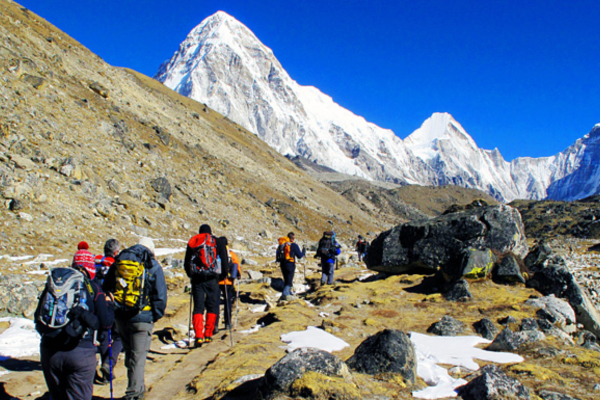
Nepal is the doorway to the Himalayas for you. What’s best- Nepal suffers the least of abrupt snowfalls and rains. So, you can surely enjoy a delectable trekking experience here. The clear skies and soothing weather will assist you. 

Ideals Times for Trekking in Nepal (Autumn and Spring) 

Best Time to Go Trekking in Nepal

Do you know which is the Best Time to Go Trekking in Nepal? The autumn and spring for sure. What else?

Autumn (September to November) 

This post-monsoon season is considered the best trekking period in Nepal. This season rewards you with stable weather that is perfect for trekking. In addition, the skies are clear, offering great views of the snowy peaks. The autumn air is fresh and cool. The post monsoon landscapes in this season are lush green which is phenomenal to trek.

There are no dusk cloaks. So, the visibility would never be an issue. You will also get a magnified view of the ranges that stand tall before your eyes. Meanwhile, an exceptional view of the unfrozen alpine lakes waits for you in Nepal. 

In essence, you can book the popular Gokyo Lake Trek. The trek is best during the autumn. At this time of the year, you get the best view of the clean and vibrant Gokyo Lakes. Likewise, you can also opt for the Annapurna Circuit Trek, this month. 

Choose this trek if you want to see the virgin beauty of the Gangapurna lake here. At the same time, try completing the Tilicho Lake Trek at a go!

The Ranges in Sight 

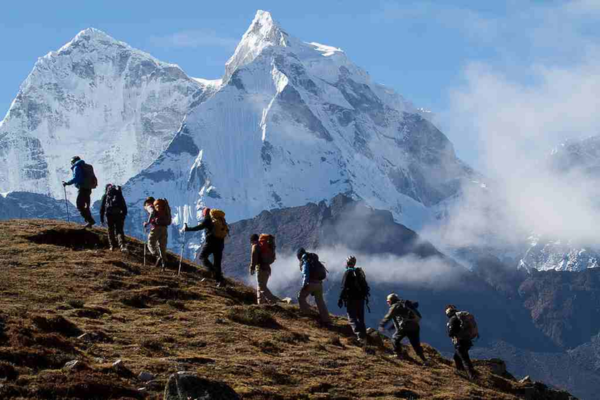
Other than lakes, the mountain peaks are there to amaze you. If you’ve selected the Langtang Trek, you can enjoy the retreat of the popular Kyanjin Ri. Then, there is the glamorous Langtang Lirung and other peaks in front of you. Trot some kilometers from there and you can see Naya Kanga. That and many other amazing ranges can be accessed from this vantage point. 

Other Peaks 

Simultaneously you can enjoy breathtaking views of the Gurja, Tukuche, and most importantly the Annapurna in Nepal. When you climb the Poon Hill, you can see all these peaks and much more at a stretch. 

But, here’s the catch. To view these beauties, you have to go to the Annapurna Base Camp Trek. With all these, the exceptional Kala Patthar and Mt. Everest are also visible during the trek. 

If you wish to see these peaks and treat yourself, come during the autumn. At other times, the weather is overcast. Or snows impair your visibility. 

During treks, you may be caught between high winds or heavy rainfall too. So, it is better to avoid the random seasons. For an uninterrupted journey, choose the two seasons I spoke of. 

Spring (March to May)

During Spring, you can witness Nepal 2.0. Surely, this is another best Time to Go Trekking in Nepal. Most importantly, the weather is fine and the temperature is moderate. Moreover, clear skies will welcome you. Therefore, you can witness warm and often breezy mountain views. 

Trekkers say that it is an ideal climate to trek the Base Camp. or you may also go for the Manaslu Circuit Trek. 

Additional treats 

If you are trekking during Spring, these are some of the pleasurables you will come across. Don’t miss the rhododendrons. The rest of the flora is also surreal. No wonder, more than 50% of the trekkers choose springtime treks in Nepal. But you can come here and amaze yourself with something else. 

The daylight lasts till 8 p.m. during Springs. So you can trek for a long. Or view the serenity of the trekking paths for a long time. 

But the peaky areas may be still frozen. So, you can’t miss your woolen and trekking jumpers when you visit Nepal during spring. But with time, the temperatures gradually rise. During later May, you may witness rain showers too. So, don’t miss out on rain gears, if you are planning to stretch your stay. 

Reservation

The Spring is one of the most popular travel seasons in Nepal. So, you must book your slots in advance. You may book teahouses while trekking. But you need to make booking if you need to get hold of the popular ones along the track. 

The Annapurna base camp trek has a lot of them along the way. And almost all of them accept advance online booking. You may also book your teahouse from Kathmandu city offices. 

Trekking in Off-Seasons 

Best Time to Go Trekking in Nepal

Off-season treks may be your thing if you want to see another side of Nepal. How’s the weather and what are the challenges of coming here during these months? 

Winter Season (December to February)

Winter trekking is serene but it is also challenging. During this season, the trails of high-altitude areas are covered with a thick layer of snow. In addition, the temperature drops significantly during this time. 

Therefore, trekking can be challenging for those who are not accustomed to the cold weather in the mountains. While moderate-altitude treks can be completed smoothly, high-altitude treks require proper planning, support from expert guides, and thoughtful packing.

It is essential to check the weather regularly before heading out for the treks during the winter months. The high altitude passes like Larkya La of Manaslu Circuit and Thorong La of Annapurna Circuit Trek can be impassable or difficult to navigate. The heavy snowfall poses all the challenges. 

In addition, the accommodation may not be available at the higher zones as locals shift to lower elevations because of the bitter cold. Thus, it is essential to inquire about the availability of accommodation before making plans for high-altitude treks.

Even though there are significant challenges, the winter landscapes are ethereal. You can witness the beauty of winter wonderland and feel the serenity of nature as there are fewer people on the trails. In addition, the adventurers who are experienced can be thrilled to traverse the snowy winter paths. The views of peaks covered with dense snow in this season are majestic.

As higher altitudes are bitterly cold, it is essential to pack down jackets, sweaters, gloves, socks, warm caps, sleeping bags, and layers of insulated clothing. If you are well prepared and navigate with caution, then you will have a wonderful time trekking in Nepal this season.

Monsoon/ Summer Season (June to August)

In the Monsoon/ Summer season, the trekking regions in Nepal receive heavy rainfall. The trails of the different trekking trails are slippery and muddy, making navigating challenging. In addition, at the forest areas of the trekking sites, leeches may be found which makes the journey unpleasant. 

The weather is unpredictable during monsoon/ summer months, with frequent rain showers, which may obstruct visibility and make traversing difficult. In addition, the trails can be blocked, because of landslides interrupting the trek. 

However, monsoon trekking also presents some unique rewards. The views of misty mountains and ethereal cloud formations are fascinating. The landscape gets nourished by rainfall turning it into a green paradise. 

Even the trails of popular treks are serene as fewer trekkers embark on this time. So, it can be a good choice for those who are seeking a tranquil journey in the Himalayas.  

There are indeed some good sides to trekking in this season. However, it is important to consider the challenges. You need to be well prepared for the trek and check the weather forecast. Being flexible and cautious helps you ensure a smooth journey during this time.

The Final Call

The climatic conditions influence the overall trekking experience. When you know the best Time to Go Trekking in Nepal,  you can complete the trek with maximum safety and comfort. In addition, the primary goal of most trekkers is to witness exceptional mountain scenery and connect with nature. 

The best times to visit Nepal are autumn and spring. The other seasons offer some challenges for tourists. But these two seasons come with decent weather, moderate clime, and visible trekking trails. So, go on and enjoy your trekking experience. 

Share on Social Media

Meet Sibashree Bhattacharya, a travel enthusiast who has a decade-long experience in transcending virtual barriers with her words! Her deep love for travel is apparent from her travel escapades to the mountain, often taking her readers on a journey, her words acting as Portkey! Fun fact: Sibashree loves to dive deep into the history of the places she is about to visit, making her travels even more wholesome. If you were wondering how her articles are not short of time travel, this answers it!

Leave a Reply

Your email address will not be published. Required fields are marked *

title-img Related

READ MORE Best Places To Travel

Best Places To Travel Around The World And To See Flowers

BY  Arnab Mar 10, 2023

There are hundreds of thousands of locations where you can find flowers. They can be in the wild or cultivated, making flower tourism a common hobby worldwide. Tulips, roses, and poppies are among the world's most beautiful flowering plants. Angiosperms derive from the Greek words for "vessel" and "seed" and are flowering plants. Checkout Seven Best Places To Travel Around The World And To See Flowers Here are some of the best locations around the world where you can enjoy the wealth and beauty of nature— 1. Jacaranda Trails, Australia The jacaranda tree is native to New South Wales, and Grafton is home to an annual jacaranda festival that paints the town purple. Sydney's top locations for jacaranda trees are Macquarie Street in the city center, Lavender Bay on the north shore, Hunters Hill North Shore, and the Eastern Suburbs. These spots are well-liked by visitors and residents and provide breathtaking views of the harbor and Opera House. Hunters Hill is a terrific spot to spend an afternoon walking along Oxford Street with a coffee in one hand and a camera in the other when the trees are fully bloomed, turning the Downtown into a purple sanctuary. The locations of Sydney's famous harbourside gardens, Glebe market, Parramatta Park, Grafton, and Woolwich Dock are the most crucial information in this article. The finest place to see purple-hued flowers is at the Royal Botanic Garden, while Glebe and Parra Park are fantastic places to explore after lunch. You can use these flowers even if you want to send flowers brisbane and gift someone with an authentic bouquet of love! 2. Keukenhof Gardens, Netherlands The largest flower garden in the world, Keukenhof in the Netherlands, offers breathtaking vistas of blooming Dutch tulips and other flowers. It provides a variety of events and activities for visitors of all ages but is only open for a short period of time each year, usually from mid-March to mid-May. It is conveniently accessible by vehicle or public transit and is situated in Lisse, close to Amsterdam. For anybody who values the splendor of nature and desires to experience the brilliant hues and aromas of springtime in the Netherlands, Keukenhof is a must-visit location. More than seven million flower bulbs may be found there, and four pavilions are filled with tulips, daffodils, orchids, roses, and other blooms. For the greatest views, go in April or May and cross this off your bucket list. 3. Munnar Flower Valley, Kerala, India Travelers are drawn to Munnar by the Neelakurinji bloom from all over the world. It is renowned for its luxuriant spice, tea, and coffee plantations, forested areas, vibrant species of flora and animals, dramatic weather, and for an exceptional experience. As it only blooms once every 12 years, it is a once-in-a-lifetime event. The next bloom is anticipated to occur in 2030, having occurred last in 2018. The most recent bloom is only a 4-hour drive from Munnar, and thousands of people travel there daily to see it. For couples seeking a romantic getaway, Munnar is the perfect location. A rare occurrence, the Neelakurinji bloom, may be photographed and preserved. Tourists may travel with friends, family, and coworkers, or they may go alone. A magnificent experience of Munnar can be one of the most relevant trips if you’re out to see all the beautiful flowers around the world. 4. Japan During The Cherry Blossom Season The cherry blossom season in Japan begins in late March and lasts through mid-May. About 30,000 sakura blanket the Kii Mountains and the town of Yoshino, Kansai, one of over 1,000 spots where you may find them. Himeji Castle, Hirosaki Castle, Tokyo, and Kyoto are a few other excellent locations to see them. If you go at the correct time, you won't have any trouble seeing the cherry blossoms, even if they can be crowded in certain spots. Visit Japan during cherry blossom season for the best experience! In many areas of Japan, cherry blossom season normally begins in late March and lasts until mid-May, with the real full bloom only lasting two weeks. Have a picnic, meet locals, and see temples and castles with stunning cherry blossoms, such as Hirosaki Castle and Himeji Castle. Hanami, or cherry blossom viewing, is mostly associated with home-cooked dinners and BYOB picnics with friends and family. 5. Floral Carpets, Sicily, Italy Italy has a long-standing custom known as the Infiorata, or "covered with flowers," in which the streets are decorated to commemorate the Corpus Domini feast. The entire town of Spello, an ancient Umbrian town, takes part in creating the Infiorata. You can find flower carpets outside of Italy in La Ortawa, the Canary Islands, and Brussels. Sicily in the spring is renowned for its delectable cuisine, extensive history, and Mediterranean scenery. The world's most stunning flowers are displayed in vibrant carpets at the Infiorata di Noto, a Baroque Spring Festival. Using a kaleidoscope of specially produced flower petals, artists produce intricate patterns. Children are permitted to run through the petal-filled streets on the Monday after the festival, bringing the revelry to a close. Go for a cultural adventure tour on the third weekend in May to witness the flower festival! 6. Jeju Island, South Korea Cherry blossoms, vivid yellow rapeseed, and canola blooms are prominent on Jeju Island. Tourists can visit Jeaonnon-ro to see the well-known cherry blossom street, Noksan-ro to witness the six-mile road, and Sanbangsan Mountain to provide the ideal backdrop. Visitors may see the island completely covered in the stunning yellow of the canola blossom seasons every final week of March. An outstanding backdrop for Jeju's springtime splendor is the canola carpet with blue trunks and golden blossoms. Due to its beautiful scenery and vibrant blossoms, Jeju Island is a well-liked tourist destination in the spring. The season of canola blossoms is both visually and olfactorily delightful, as the blooms give out a delicious perfume that permeates the atmosphere. Visitors may stroll or ride bikes across the fields and enjoy the lovely environment. Jeju Island is a haven for nature enthusiasts because of the aromatic flowers, soft sunshine, and sea air. 7. Istanbul Tulip Festival, Turkey The Istanbul Tulip Festival is a vibrant and stunning occasion in Istanbul, where the municipal administration has planted millions of tulips in parks, avenues, traffic roundabouts, and open ground. The tulips bloom for many weeks, beginning at the end of March or early April. The Sultanahmet Hippodrome and Sultanahmet Mosque are the two greatest venues to admire tulips, and the festival's official dates are from April 1 to April 30. Daffodils, purple grape hyacinths, and pansies are among the festival's blooms; in early May, roses will replace the tulips. Tulips may bloom earlier than normal if the current warm weather persists, but a cold snap may still be on the horizon. In the first few weeks of April last year, the pictures below were taken in Emirgan Park. Read Also: 6 Tips To Stay Safe While On A Road Trip A Detailed Guide On Malaysia Bay – From Traveling To Outing 6 Great Reasons Why You Had An Amazing Luxury Holiday In Phú Quốc, Vietnam

READ MORE Packing Essentials For Your Next Adventure

On The Go: Packing Essentials For Your Next Adventure

BY  Ankita Nov 21, 2023

For those who love venturing off the beaten path to experience the wonders that Mother Nature has to offer, your success and your safety in enjoying your next adventure will depend on the essentials you pack to carry with you. While enjoying the wind and sun or exploring a new destination can be exciting, gratifying, and even relaxing, these emotions can quickly turn into worry, fear, and exhaustion if you’re unprepared. Selecting what is essential to your well-being on the move can be challenging, whether planning a six-month, six-day, or six-hour adventure, mainly if you have limited packing space. Planning is the key to your success. Phone  It’s impossible nowadays to even think of going somewhere without your smartphone. You don’t want to leave home without yours. Consider including a universal travel adapter depending on your destination and acquiring a local SIM card to remain connected in the event of an emergency or if you want to enjoy a bit of entertainment while on the go. Portable Charger While a charger and power bank may be among your best options if you’ll be off the grid for a while, carrying an extra battery is one of the top tips to follow when adventuring. A spare battery can be beneficial, especially for your phone as well as a camera or laptop, if you bring these along. Lots of things can go wrong, and the unexpected is always to be expected. You may become lost, need help, contact your family, or request medical assistance, and your phone may be your only lifeline to civilization. Pack that extra battery. Maps If you travel to a remote location, a phone or the internet may not be viable tools. Include physical maps, a GPS device, or even a basic compass among your adventure essentials to keep you on track. Water And Snacks Snacks like nuts and seeds, granola bars, or chocolate, along with a variety of pop tart flavors, can help maintain energy levels, and hydration is essential to general health and well-being. Reusable water bottles or boxed water aid in preventing dehydration and protect the environment as well. If you are refilling your water bottle, include water disinfection tablets. Carry extra snacks if you are embarking on an active trip. First Aid Kit Traveling can be an exhilarating experience, but especially when selecting a natural destination, bumps, bruises, bites, and scrapes are to be expected. A fall, unwelcome insect, thorny vegetation, or an upset stomach can leave you miserable and, in some cases, susceptible to infection. A compact first aid kit with band-aids, gauze, tape, antiseptic cream or wipes, painkillers, antihistamine pills, eyewash, ibuprofen, a small pair of scissors, tweezers, hand sanitizer, and even some electrolyte tablets needs to be among your travel gear. Consider packing some bug spray, moisturizer, and sunscreen if the climate warrants them, and don’t forget prescription medicines and a copy of prescriptions, just in case. A pair of protective sunglasses and a hat will complete your protective gear. Eco-Friendly Essentials If traveling off the beaten path, consider bringing reusable items such as cutlery sets, plates, containers, and a reusable shopping bag. A portable knife or pocket multi-tool is an excellent item to carry. If you’re traveling by plane, place it in checked luggage. Use solid hygiene products like soap or shampoo that require less space in your backpack or suitcase and are environment-friendly. Don’t forget a towel, toothbrush, toothpaste, nail clippers, and glasses if you wear them. A small sewing kit with needles may prove handy, too. Toilet Paper Roll A toilet paper roll may not seem obvious, but depending on where you are headed, you’ll be happy you thought to bring a roll along. Some cultures will not use toilet paper; wilderness destinations can be challenging when nature calls. Add in some tissues and wet wipes if you don’t have a place to wash up. Flashlight/Torch A flashlight is an essential tool to always have on hand. You don’t want to wander about in the darkness in a location you are unfamiliar with, especially should you lose track of time or your way. Flashlight torches and headlamps will reduce the risk of getting lost as well as bodily harm because you’ll be able to see where you are heading. Bring along an extra set of batteries and a lighter or matches, just in case. Comfortable Shoes And Clothing If you plan on walking a lot or hiking, comfortable footwear can make or break your overall experience. Plan for local weather conditions as well. You may be better prepared with waterproof shoes or boots. Don’t forget the proper type of socks, especially in colder climates. Choose the correct type of clothing, such as swimwear, goggles, and flip-flops for a warm beach destination, breathable fabrics for the tropics,  or heavier clothing for winter climates. Waterproof instruments may be called for if you’re visiting rainy locations. You may want an extra blanket or two as well. Portable Shelter If the wilderness is your final destination, portable emergency shelters are suitable to carry along. Reflective thermal shelters can be packed or attached to your backpack. Don’t Forget Your Documents! Regardless of where you are headed, you’ll need your documents. Necessary papers might include a driver’s license, vehicle registration, proof of insurance, passport, and perhaps a visa. Carry photocopies of these documents in a separate location in the event of loss or theft. Prepare a mix of credit cards and local currency, as not all places may accept your plastic, and use a money belt or anti-theft bag if possible. Final Considerations Finally, bring a lock to keep your things safe during hostel visits or overnight train trips. If you use a backpack, have a rain cover so your items don’t become drenched in a downpour. Include a whistle among your packed essentials. You never know when you may need to call for help or fend off a critter! Read Also: A First-Hand Experience Of Taking A Red Eye Flight! The Ultimate Guide To Finding Cheap Flights To Chicago Using Google Flights Momondo Flights: Should You Try This Platform For Booking Flights In 2023?

READ MORE card-img

6 Best Destinations For A Safari In Kenya

BY  Abdul Aziz Jun 2, 2023

Kenya, located in East Africa, is renowned for its breathtaking landscapes, abundant wildlife, and incredible safari experiences. With a rich diversity of ecosystems, including vast savannahs, dense forests, and stunning coastal regions, Kenya offers an unparalleled opportunity to witness the wonders of nature from very close. If you are planning for a safari trip in Kenya, the first step would be to book your flight tickets, accommodation and get a visa. To make the visa process simpler, you can also apply online and get an evisa Kenya. You should then look for the best-guided tours with reputable safari operators to make the most of your safari adventure. They can customize your itinerary, provide knowledgeable guides, and ensure safety and comfort. It's also crucial to prioritize responsible and sustainable tourism practices, respecting wildlife and supporting local communities. Best time to Visit Kenya When planning your safari in Kenya, it's essential to consider the best time to visit. From June to October, the dry season is ideal for wildlife viewing as animals gather around water sources, and vegetation is less dense. The dry season in Kenya is generally considered the best time for wildlife viewing. With less rainfall, animals gather around water sources, making it easier to spot them. The vegetation is also less dense, providing clearer views. June and July are particularly popular months as they coincide with the Great Migration in the Maasai Mara, where millions of wildebeest, zebras, and other herbivores cross the Mara River. However, the wet season, from November to May, brings lush landscapes, newborn animals, and a plethora of birdlife. Best safari experience in Kenya Here’s a list of the six best destinations in Kenya that you should consider for an adventurous safari experience. 1. Maasai Mara National Reserve: Maasai Mara is perhaps Kenya's most famous wildlife reserve, if not in all of Africa. Known for its annual wildebeest migration, where millions of animals cross the Mara River, the reserve offers an awe-inspiring spectacle. Besides the migration, Maasai Mara boasts an impressive variety of wildlife, including lions, elephants, cheetahs, giraffes, and zebras. The vast open plains and rolling hills provide an ideal backdrop for game drives, hot air balloon safaris, and photography enthusiasts. Derive benefit from the avenue to communicate with the local Maasai people and learn about their vibrant culture and traditions 2. Amboseli National Park: Amboseli National Park is positioned at the hilltop of Mount Kilimanjaro, famous for its stunning views of Africa's highest peak. The park's vast grasslands are home to large herds of elephants known for their distinctive tusks. Besides elephants, Amboseli offers excellent wildlife sightings, including buffalo, zebras, giraffes, and various bird species. The park's unique landscape, with swamps, marshes, and acacia woodlands, provides a picturesque setting for photography enthusiasts. Remember to visit Observation Hill, which offers panoramic views of the entire park and the majestic Mount Kilimanjaro. 3. Tsavo National Park: Tsavo National Park, divided into Tsavo East and Tsavo West, is one of the largest wildlife sanctuaries in the world. Known for its dramatic landscapes and abundant wildlife, Tsavo offers a truly wild and untamed safari experience. Tsavo East is characterized by vast plains, ancient baobab trees, and the flowing Galana River, which attracts a variety of animals, including lions, elephants, zebras, and giraffes. Tsavo West is famous for its diverse terrain, including volcanic hills, dense forests, and the stunning Mzima Springs, where you can watch hippos and crocodiles underwater. For a unique experience, consider visiting the Sheldrick Wildlife Trust, an orphanage sanctuary for rhinos and elephants. 4. Samburu National Reserve: Samburu National Reserve offers a distinct and captivating safari experience in Kenya's northern region. The reserve is acknowledged for its rare wildlife species, including the "Samburu Special Five": the reticulated giraffe, Somali ostrich, Grevy's zebra, gerenuk, and beisa oryx. Additionally, Samburu is home to elephants, lions, cheetahs, and leopards. The Ewaso Ng'iro River flows through the reserve, attracting a wide range of wildlife, especially during the dry season. Samburu's rugged landscapes, with arid plains and rocky outcrops, create a unique and breathtaking setting for game drives and nature walks. 5. Lake Nakuru National Park: For bird lovers, Lake Nakuru National Park is a must-visit destination. Located around the picturesque Lake Nakuru, the park is a haven for bird species, including thousands of flamingos that flock to the alkaline lake. The park's diverse habitats, including grasslands, woodlands, and cliffs, provide a home for over 450 bird species. Apart from the stunning birdlife, Lake Nakuru National Park also houses numerous types of wildlife. The park is recognized for its endangered population of black and white rhinos, making it one of the esteemed destinations in Kenya to recognize these magnificent creatures. Additionally, you can encounter lions, leopards, buffalos, zebras, and giraffes during your safari adventures. The park's diverse habitats, including woodlands, grasslands, and acacia forests, support various animal and plant species, making each safari excursion a thrilling and rewarding experience. 6. Laikipia Plateau: The Laikipia Plateau offers a unique safari experience, known for its exclusive lodges and conservation-focused tourism. This vast area is home to a variety of wildlife, including the endangered Grevy's zebras, black rhinos, and reticulated giraffes. You can participate in game drives, walking safaris, and even visit local communities to learn about their traditional culture and conservation efforts. The Laikipia Plateau is located in central Kenya and offers a unique and off-the-beaten-path safari experience. It is a vast, privately owned area known for its conservation efforts and sustainable tourism practices. The region is characterized by a mix of open grasslands, rolling hills, rocky outcrops, and riverine forests, creating diverse habitats for a wide range of wildlife. Conclusion Kenya offers an incredible safari experience with its diverse landscapes, abundant wildlife, and rich cultural heritage. Whether you witness the grandeur of the Maasai Mara, the unique species of Samburu, or the birdlife of Lake Nakuru, each destination will leave you in awe of nature's wonders. Embark on a journey to Kenya and create lifelong memories of thrilling adventures. You can go on game drives, watch stunning sunsets, and have close encounters with majestic wildlife. The vastness of Tsavo National Parks, as well as the avian wonders of Lake Nakuru make its beauty extraordinary. A safari in Kenya promises to be a journey of discovery. It will immerse you in the untamed wonders of nature and leaving you with memories that will last a lifetime.