
Top 10 Edition: The Best Beaches in Washington for Every Season

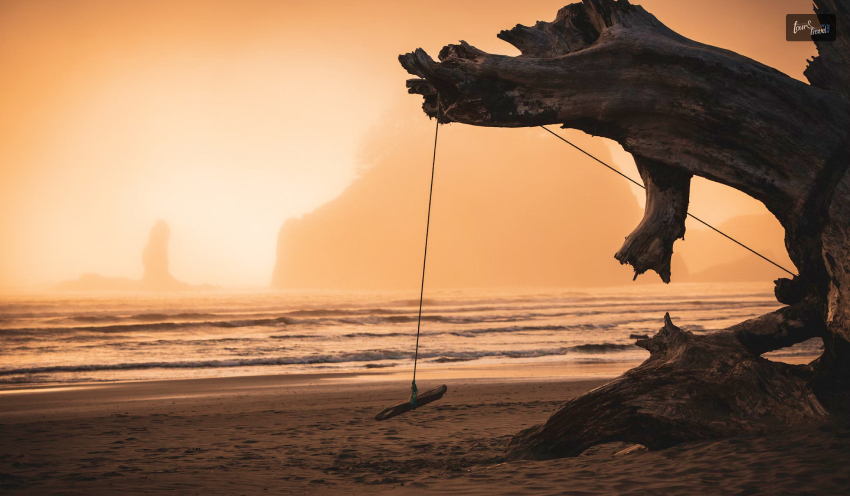
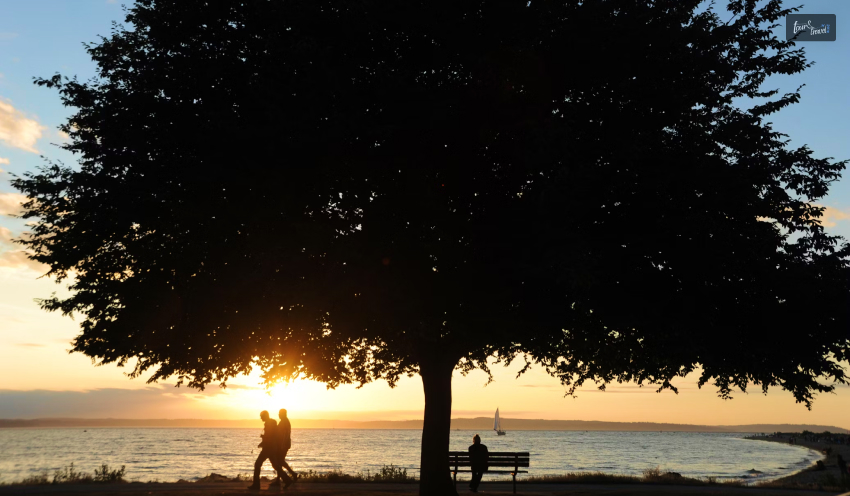
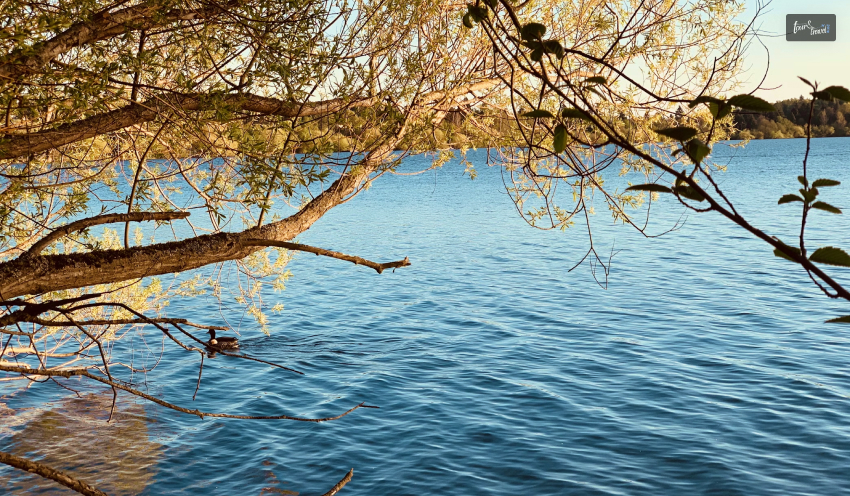
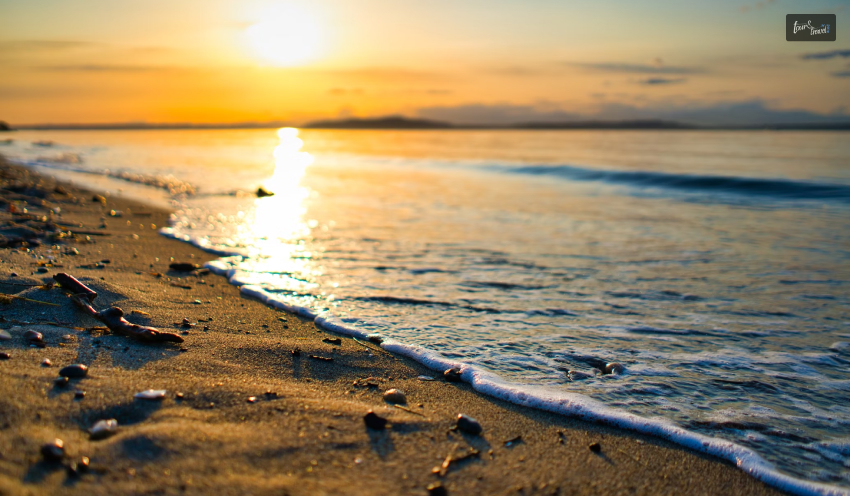
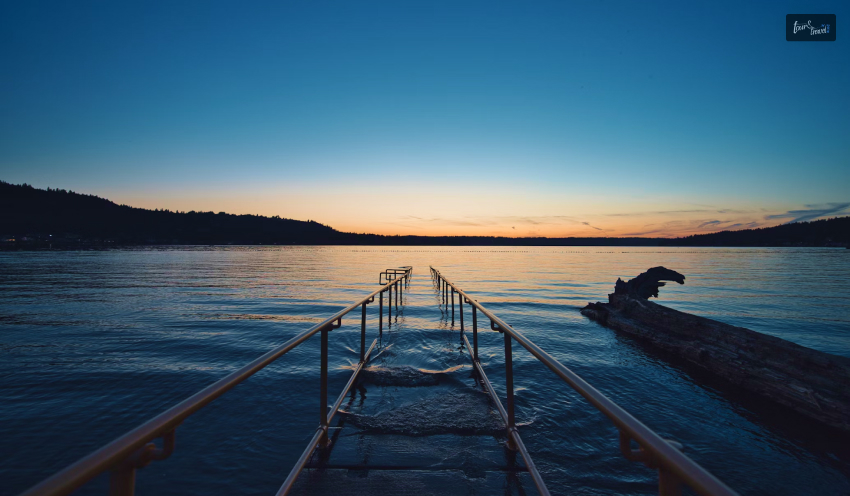
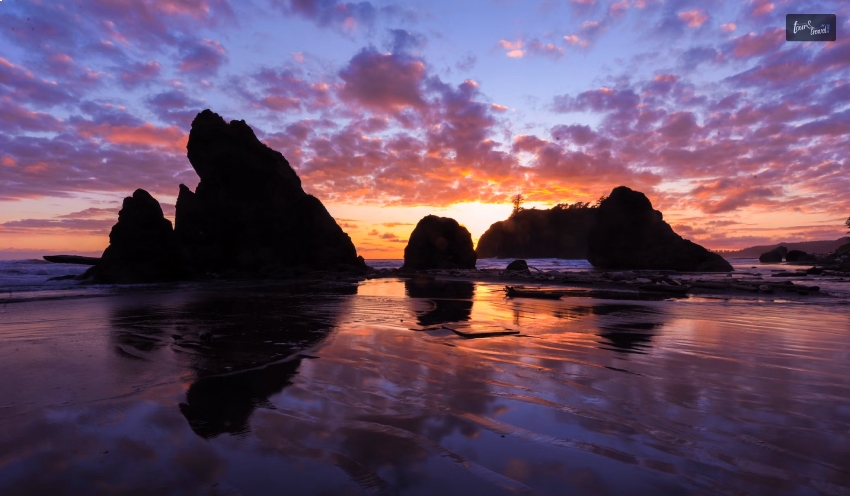
There are many different beaches in Washington, including those on the Puget Sound, Pacific Ocean, peninsulas, lakes, and islands. Washington beaches feature grassy dunes, pebbles, rocks, or sand and offer activities like swimming, boating, wildlife observation, tidepool exploration, and gathering driftwood or seashells. Beachgoers may be kept on the shore by the chilly water, but sunsets on Washington’s west coast provide the ideal cap for a day at the beach.

The most prevalent type of beaches in Washington, Puget Sound, are gravel ones, though they can also be found along the coast (such as the Willapa Bay side of Tokeland). Small-stone beaches aren’t great for volleyball, but they tend to attract more marine life because they offer hiding places from raptors. They’re a favorite among crabs, and harbor seals graze on mixed gravel beaches.

Beaches in Washington

Washington Beaches

If you are looking for the best beaches in Washington, then we are listing some of your top options here. So, look at all the names we are dropping.

Golden Gardens Park, Seattle

Golden Gardens Park, Seattle

With views of Puget Sound and the Olympic Mountains, the 80-acre Golden Gardens Park is home to one of the largest beaches in the Seattle area. Swimming is available at the sandy beach, and hiking, volleyball, and fishing, as well as water sports like sailing, canoeing, and kayaking, are all very popular. On the beach, there are fire pits and a one-acre dog off-leash area available.

Read More: The Best Mountain Getaways In Washington: Where To Stay, What To Do, And How To Relax

Green Lake Park, Seattle

Green Lake Park

This urban park is about five miles to the north of Seattle’s downtown. Visitors can enjoy the grass and sand areas, and lifeguards are on duty during the summer. In addition to tennis courts, an indoor pool, picnic areas, equipment rentals, restrooms, and a historic bathhouse, the park has basketball courts. A 2.8-mile path encircling the lake is popular among bikers, skaters, walkers, and joggers.

Madison Park Beach, Seattle

Northeast of Seattle’s downtown, this little park on Lake Washington’s edge offers a small sandy beach, grassy area, parking, tennis courts, restrooms, and lifeguards in the summer. There are benches and a walking path nearby, and guests can go shopping or eat at neighborhood eateries.

Alki Beach, Seattle

Alki Beach, Seattle

Alki Beach is a 2.5-mile sandy beach located on Elliot Bay in West Seattle, along with a corresponding long pedestrian walkway. One of the eight lighthouses on Puget Sound is a replica of the Statue of Liberty, and it is open for tours. From Memorial Day weekend through Labor Day, beach fire pits are open. There are picnic tables, parking, as well as restrooms.

Madrona Park, Seattle

Madrona Park, which is on Lake Washington’s western shore, has picnic spaces, a bathhouse, a swimming beach, and parking. Together with a grassy shoreline, hiking trails, and views of Mount Rainier, there’s a jogging path alongside the lake. During the summer, lifeguards are on duty, and the beaches are open until Labor Day. Madrona Park is one of the least explored beaches in Washington.

Jackson Beach, San Juan Island

Approximately two miles from Friday Harbor’s downtown, this lengthy sandy beach is open all year round. A small dock, volleyball courts, fire pits, barbecue grills, restrooms, and a picnic area are all present. The presence of bioluminescent dinoflagellates, which glow in the dark when a kayak paddle touches them, is an exciting feature. This phenomenon is only available to guided groups. Individuals must make reservations for evening events as the park is closed to visitors.

Fort Worden, Port Townsend

The sandy beach, which is part of Fort Worden State Park on Puget Sound, has access to a boat ramp, kayak and canoe rentals, and views of the Northern Cascades. Part of the original concrete fortifications still stands from the once-powerful military fort that once guarded the city. So, the exhibits at the Marine Science Center are open to visitors in the summer. There are campgrounds close by, and you can see the lighthouse from the outside.

Long Beach, Long Beach Peninsula

Long Beach calls itself the “World’s Longest Beach.” It stretches 28 miles along its shoreline and is in Washington’s southwest. Hikers, bikers, as well as walkers can enjoy views of the surrounding landscape and art installations along the 8.5-mile Discovery Trail. A half-mile boardwalk leads down to a grassy dune.

The broad, level sands of the peninsula taper off to the horizon in both directions. It is battered by Pacific waves that are nearly always too erratic and too chilly for swimming. It boasts the best boardwalk in the state. The 8.5-mile Discovery Bike Trail meanders among sand dunes, public art, and the restored whale bones.

Long Beach’s fine, soft sand is created by the addition of clay and silt from the Willapa Bay’s large mud flats. It is paler than beaches in Washington near river mouths because of its higher quartz concentration.

Cape Disappointment State Park, Long Beach Peninsula

Cape Disappointment State Park img

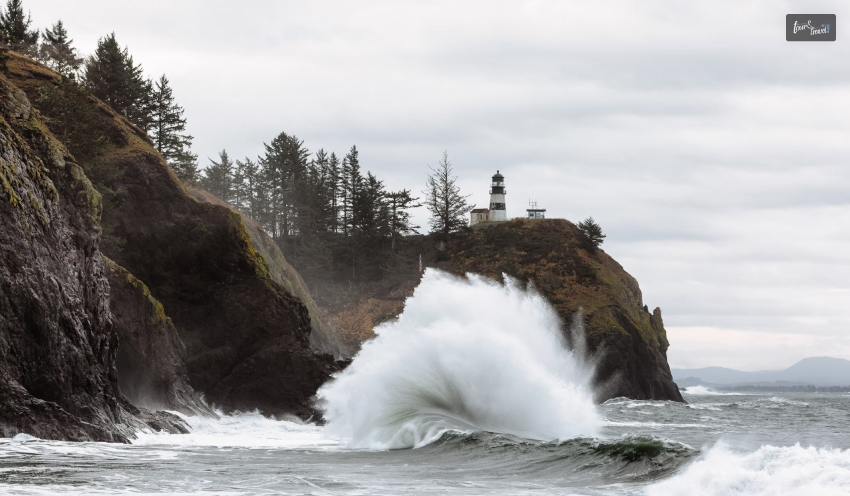
Sandy beaches in Washington, with breathtaking views of Baker Bay and the Pacific Ocean, can be found in the park. Two operational lighthouses, a military fort, as well as the Lewis & Clark Interpretive Center, which tells the history of Cape Disappointment, are all part of the historic area. In addition to building sandcastles and driftwood forts, beachgoers can hike through coastal forests and explore tidepools. The water is a little too cold for swimming, but there’s still plenty to do.

This miniature version of Waikiki Beach seems to have welcomed all visitors since it opened. Despite how beautiful the cove and black river sand are, the name doesn’t refer to a paradisiacal place but rather to the passing of a Hawaiian sailor who lived nearby.

Half Moon Bay, Westport Light State Park, Westport

The 560-acre day-use park has grassy dunes and beaches on Half Moon Bay and the Pacific Ocean, as well as picnic areas, restrooms, grills, a lighthouse, and a coastal forest. Moreover, Half Moon Bay and the Pacific Ocean have a 1.3-mile paved path dividing them. Activities nearby include fishing, surfing, as well as exploring the Westport Lighthouse. Moreover, on the beach, dogs are welcome, and camping is available close by.

Griffiths-Priday Ocean State Park, Ocean Shores

The mouths of the Copalis River and Connor Creek are where you’ll find this state park on the Pacific Coast. Walking trails, a boardwalk, and grassy sand dunes all lead to the sandy beach, which is frequently empty. Seashells, migrating birds, and the neighboring Copalis National Wildlife Refuge are all attractions for nature enthusiasts. Many people come here to dig for shellfish, and dogs are welcome. There are picnic tables and restrooms.

Luther Burbank Park, Mercer Island

Nearly a mile of Lake Washington waterfront is available for swimming, boating, and fishing at this 77-acre park. There are walking trails, tennis courts, picnic areas, grills, a kids’ playground, and restrooms (during summer). From October through April, dogs on leashes are welcome on the beach. Mercer Island also offers off-leash areas. You can check out Luther Burbank Park if you are looking for quieter beaches in Washington state.

West Beach and Sunset Beach, Washington Park, Anacortes

Located in Washington Park on the western tip of Fidalgo Island along the Swinomish Channel, there are two beaches- West Beach and Sunset Beach. There are picnic areas, restrooms, a playground, a boat launch, and beachside fire pit barbecues at Sunset Beach. It comprises 220 acres. West Beach has campsites, a small rocky area, tide pools, and breathtaking views.

Lake Sammamish State Park, Issaquah

Lake Sammamish State Park

This day-use park has a playground, walking trails through forests and wetlands, and two lakefront beaches. At Tibbets Beach, you can rent equipment for water sports, reserve an outdoor kitchen, and have a picnic area. This 530-acre park hosts annual events, including boat parades, concerts, and nature walks. Dogs on leashes are allowed in the park but not on areas designated as swimming beaches. If you are looking for beaches in Washington, Lake Sammamish is another option.

Idylwood Beach Park, Redmond

The Idylwood Beach Park is on the northwest coast of Lake Sammamish and has a lot to offer. It has a bathhouse, swimming beach, picnic tables, restrooms, a small boat ramp, a fishing pier, and picnic shelters. The park sprawls over 17 acres of land. It provides the only free recreational access to Lake Sammamish. This popular park also has playground equipment, volleyball courts, fishing, and barbecue pits.

Cama Beach

On Camano Island, the beach is all about boats. The most well-liked sound-front spot has a parking lot uphill and is hidden from view. Situated near the water, the Center for Wooden Boats and its vintage vessels take center stage. It is encircled by luxurious cedar cabins that resemble a sleepaway camp. The place rents out boats and hosts weekend workshops for building toy boats. Because of the extremely rocky shoreline, transport by sea is the preferred option.

North Bay

This park on San Juan Island, like many other beaches in Washington, is home to bleached-white driftwood. It forms a barrier between a grassy bluff and dark, dense sand. Guided groups are usually the only ones allowed after the park closes at dusk. North Bay, located just south of Friday Harbor, just outshines everything else. At night bioluminescent dinoflagellates light up the water when in contact with a kayak paddle, making the trip even more memorable.

Kitsap County Park’s Beach

This Kitsap County park’s beach is a three-quarter mile walk (all downhill, but that means an ascending stroll on the return trip). The waves are very calm because Vashon Island feels like it is almost touching the narrow finger of Colvos Passage. The required hike keeps the beach comparatively deserted.

Crescent Bay

Imagine the craggy islands along Washington’s coast, minus the ferocious waves. The most striking areas of this county park on the northern edge of the Olympic Peninsula are tucked inland. Moreover, it has old military bunkers buried deep under the overgrown forest, and many of them are concealed behind overgrown trails. Tide pools form the eastern end of the water, and a sandy stretch hugs the relatively calm Crescent Bay. Far off in the distance is Vancouver Island.

Quileute Oceanside Resort

Sea stacks, or little islands with a few scraggly trees at the top and basking sea lions at the base, are due to rock columns just offshore. About two miles north of Rialto’s parking lot, Hole-in-the-Wall is a naturally occurring sea arch in a headland on this section of the national park that is only accessible at low tide. The Quileute Oceanside Resort is next to La Push’s dully named First Beach, south of Rialto.

Olympic National Park

Olympic National Park

Even with its magnificently isolated beaches, the Olympic National Park still has some gems near the parking lot. Ruby Beach’s broad sands are just a quarter mile from Highway 101, and the distance between pavement and dunes at Kalaloch, to the south, is just a few feet. In addition, the Tower of Wisdom is collapsing. It’s one of the few spots in the park where dogs are allowed, so keep an eye out for bald eagles and look down on leash-wearing pets.

Tokeland

Smugglers used the hotel’s hidden spot behind the fireplace to hide undocumented workers, and there are plenty of antiques and rooms with floral wallpaper in this 127-year-old establishment. The Victorian-era farmhouse is one of the few businesses in a quiet residential waterfront community, and it looks out over the serene, kelp-filled coast of Willapa Bay.

Seaview

The Depot restaurant is a welcome diversion on a coast popular for bins of saltwater taffy and hand-caught razor clams rather than for fine dining. The old Clamshell Railroad station has a lot of tables, with chef as well as owner Michael Lalewicz cooking up local oysters as well as combining wild razor clams and Willapa Bay clams for a flavorful chowder.

Wrapping Up

Washington’s beaches, with their unparalleled beauty and ecological significance, stand as a testament to the delicate balance between human joy and environmental responsibility. So, whether you’re drawn to the windswept shores of the Pacific or the calm bays of the Salish Sea, Washington’s beaches invite all to connect with nature and savor the timeless allure of the coastal landscape.   

The unmatched beauty, as well as the ecological significance of Washington’s beaches, serve as a testament to the fine line that must be drawn between environmental responsibility and human enjoyment. Therefore, beaches in Washington invite everyone to connect with nature and enjoy the timeless allure of the coastal landscape, whether they are drawn to the windswept shores of the Pacific or the serene bays of the Salish Sea.

Read Also:

Share on Social Media

Abdul Aziz Mondol is a professional blogger who is having a colossal interest in writing blogs and other jones of calligraphies. In terms of his professional commitments, he loves to share content related to business, finance, technology, and the gaming niche.

Leave a Reply

Your email address will not be published. Required fields are marked *

title-img Related

READ MORE Living In An RV

7 Compelling Reasons For Living In An RV

BY  Ankita Nov 12, 2023

The appeal of life on the open road has captured people's imaginations for generations. While the classic road trip experience usually involves traveling by car, an increasing number of adventurous souls are answering the call of wanderlust by living full-time in RVs. Recreational vehicles offer nomadic travelers a unique way to experience new places while enjoying all the comforts of home on wheels. Here Are Seven Prime Reasons For Living In An RV Here are a few reasons more adventurers are picking up stakes to explore the countryside and beyond from the driver's seat of an RV. 1. Unconstrained Exploration An RV removes the barriers that often limit vacation travel by time or budget. Living on the road full-time lets you follow your curiosity wherever it may lead without the constraints of return flights, hotel reservations, or tightly scheduled itineraries. An RV provides the freedom to meander as inspiration strikes, soaking in hidden gems off the beaten path. Why visit just the highlights when you can immerse yourself in the character of entire regions? The mobility of an RV empowers explorers to fully embrace the serendipity of the open road. 2. Low Cost of Living While purchasing an RV itself is an investment, the overall cost of living in an RV on a day-to-day basis is significantly lower than maintaining a traditional house. There is no mortgage, property taxes, or costly home repairs and renovations to worry about. Utility bills like water, electricity, heating, and WiFi tend to be lower given the smaller space of an RV. Some RVs even have solar panels or generators to reduce reliance on utilities. Having no yard to maintain and fewer belongings also means less spending on home and garden supplies. Generally, the overall monthly costs of living in an RV are a small fraction compared to being tied down to a house, condo, or apartment, allowing you to live very affordably while pursuing your passion for travel. 3. Downsizing And Minimalism Living in an RV encourages and enables a downsized, minimalist lifestyle. With limited storage space, RV dwellers must prioritize only keeping their most essential belongings. This can have therapeutic benefits like reduced clutter and stress. It also forces you to re-evaluate material possessions and spend less time and money acquiring unnecessary "stuff". With less to maintain both physically and financially, residents can focus more on relationships, experiences, and personal growth versus possessions. Many embrace RV living partially for the minimalist simplicity it brings, freeing up more time and money for what matters in life rather than things. While surely not for everyone, weighing these advantages makes a persuasive case that RVs could function as effective modern Land Ark providing comfortable roaming residences for their residents. 4. Connection To Nature Living in an RV allows for regular immersion and connection to nature. Whether boondocking in national forests, hiking straight from the campsite, or enjoying scenic ocean or mountain vistas daily, the outdoor-centric lifestyle of an RV provides a natural way to appreciate and experience nature. Residents are essentially traveling through various natural environments rather than being isolated in houses separated from the natural world. This can have psychological benefits from reducing stress and anxiety. It also fosters environmental appreciation and stewardship, with RV enthusiasts serving as frequent visitors, volunteers, and financial supporters of public lands. Regular exposure to nature's restorative powers is a compelling perk for many who choose the RV lifestyle. 5. Flexibility For Remote Work With the rise of remote and location-independent work, living in an RV has become a practical option for many digital nomads and remote professionals. Working from an RV allows you to easily shift locations as your job, projects or heart may take you. From coworking spaces to scenic outdoor spots with strong WiFi connections, digital work is now fully compatible with life on the road. The flexibility to pick up and work from new destinations using an RV office is a huge advantage. No longer being tied to one geographic area expands career possibilities for remote professionals seeking a flexible lifestyle. When combined with a distributed or remote team, living and working from an RV becomes an attainable dream for many. 6. Community And Sense Of Belonging Despite the freedom of being untethered, living in an RV does not have to mean isolation. RV communities provide welcoming atmospheres for residents of all ages and backgrounds. Whether staying in organized campgrounds or communities centered around hobbies and interests, RV dwellers regularly interact and form bonds over shared recreational passions and travel adventures. Places like state and national parks become regular "home bases" full of familiar friendly faces. RV rallies and events foster a deep sense of camaraderie among residents of the road. Online RV forums and groups also help combat potential loneliness through digital companionship. While independence is part of the appeal, community remains an important factor for the mental and social well-being of many full-time RV dwellers. 7. Repurposing And Upcycling For some, living in an RV is partially motivated by sustainable ideals around reusing existing vehicles and materials. Upcycling pre-owned RVs keeps them on the road longer versus ending up in landfills. Older RVs can also come at much lower costs than new models. Modern amenities can still be incorporated through solar panels, portable power stations, and WiFi equipment. Interior upgrades allow RVs of any age to be repurposed for comfortable full-time use. Creative refits help extend the functional lifespan of RVs in an environmentally-minded way. The embrace of more sustainable, eco-friendly features provides RV living with an appealing ethical dimension as well. Many dwellers find fulfillment in repurposing vehicles and gear to simplify techniques while living lightly on the land. Read Also: Exploring West London: The Appeal Of Serviced Apartments Alsi Resort – Overview, Reviews, Pros, And Cons What Are The Benefits Of Living In A Luxury Villa

READ MORE golf holidays in Thailand

How To Create An Unforgettable Golf Trip To Thailand

BY  Sibashree Oct 30, 2025

A golf trip to Thailand! Now that’s something else. It’s not just a vacation; it’s golf, sunshine, beaches, and that laid-back Thai feeling all mixed together. Sounds great, right?  And it might seem like a lot to plan at first, but honestly, it’s not that bad. With a bit of prep and the right mindset, you can pull off a trip that runs smoothly and ends up being one of those “I’ll never forget that” kind of weeks. Here is more on how to make your golf holidays in Thailand unforgettable.  Understanding Why Thailand Is So Special For Golf So here’s the thing. Thailand’s kind of sneaky about being one of the best golf spots out there.  The weather’s good most of the time, the courses look amazing, and the service... man, they really care about making you feel welcome.  One day you could be playing through jungle fairways in Phuket, and the next you’re in Hua Hin with mountain views all around. Every area has its own thing going on. And it’s not just golf either. Thailand has this relaxed rhythm to it. You finish a round and next thing you know, you’re sitting by the beach eating grilled fish or wandering through a night market.  Maybe you get a massage because, well, you earned it. That mix of great golf and total chill time? That’s the magic. Choosing The Right Destinations For Golf Holidays In Thailand Alright, first choose where to go. Thailand’s main golf areas are Bangkok, Hua Hin, Pattaya, and Phuket, and each one’s got a different vibe. Bangkok’s busy, sure, but it’s got a ton of courses and easy access from the airport. Hua Hin’s quiter, sort of classy, with views of the sea.  Pattaya’s lively (to say the least) but full of fun and variety. And Phuket... well, that’s just pure island life. Feels like you’re playing in a postcard half the time. Try mixing a couple of them if you can. A few days in Bangkok and Hua Hin work great. Or Phuket and Pattaya, if you want both beach and nightlife. Keeps things fresh, you know? Finding The Right Golf Courses Thailand’s got loads of courses — fancy ones, budget ones, and pretty much all of them are in good shape. Think about what you enjoy most. Some people like a challenge, others just want those wide fairways and nice views. Honestly, most golfers mix it up — one big “wow” course, then a few laid-back rounds where nobody’s really keeping score. You don’t have to sort it all out now. Check some reviews, maybe watch a couple of YouTube clips, or ask someone who’s been. If that’s not your thing, just get a local golf company to handle it — they know the best spots anyway. Where To Stay Hotels and resorts in Thailand... there’s something for every budget. Simple, fancy, whatever you like. Try to stay close to the golf courses or somewhere near the beach — saves you a lot of time. If you’re going with a group, look for a place with a pool or a bar where everyone can hang out after the game. And honestly, the people here are so friendly. The staff always seem to notice what you need before you even ask. It’s kind of amazing. Getting Around Getting around’s not hard, but yeah, those golf bags can be a hassle. It’s smart to set up your airport rides and course transfers before you get there. Most folks go with private vans that have air-con (and trust me, you’ll be thankful for that in the afternoon heat). Having a driver who knows the golf routes is a big help, too. You don’t have to worry about getting lost — just sit back, chill, and watch the scenery roll by. Adding Local Experiences Let’s be real — if you fly all the way to Thailand just to golf and go home, you’re missing half the fun. Between rounds, try something different. Maybe a longtail boat ride, a Thai cooking class, or a few hours in a spa. Night markets are great too — good food, random stuff to buy, and that fun chaos you can’t really explain. Oh, and if you like a drink, local rum and gin are becoming a thing now. Little side adventures like that make the trip more yours, you know? The Best Time To Travel The best months are November to March. Nice weather, dry, and not too hot. But if you don’t mind a few clouds, the months just before or after that are still great — fewer people and better prices. Even when it rains, it usually passes quickly, and you’re back out playing again soon. Just plan around it a bit, and you’ll be fine. Traveling With Friends Golf trips with friends hit different. Thailand’s perfect for it — easygoing people, good food, warm weather, and a pace that fits everyone. You can plan a few friendly matches, a silly competition, or just play for fun. Most courses have really nice clubhouses too — perfect for sitting down after the round, grabbing a drink, and laughing about that one shot nobody saw coming. Why Planning Golf Holidays In Thailand With Experts Makes It Easier You can plan everything yourself, sure, but honestly, a golf travel expert can make things so much easier. They deal with tee times, rides, hotels — all the little details that can eat up your time. One of the best ones out there is Fairways of Eden. They’re based right in Thailand and focus only on golf holidays. You can build your trip from scratch with them — choose your courses, hotels, and add whatever extras you want. It’s all in one place, which makes life a lot simpler. And no, using them doesn’t mean you lose control. It just means you get to relax knowing someone’s got your back when you land. Making Your Golf Holidays In Thailand Truly Unforgettable The best memories from a golf trip aren’t just about perfect weather or amazing greens. It’s the stuff in between — the laughs, the sunsets, the random moments you didn’t plan for. Take your time. Listen to your caddie. Enjoy the quiet. Let Thailand’s slow rhythm kind of take over for a bit. Every smell, every sound, every smile adds something to the story. When you finally head home, you’ll realize it wasn’t just about golf at all. It was about finding a place that fits — golf, people, peace, and a bit of adventure all wrapped together. So yeah, whether you do it all yourself or get Fairways of Eden to help, your unforgettable golf trip to Thailand really just starts with one idea — play the game you love in a place that feels made for it.

READ MORE travel ideas

Budget-Friendly Travel Ideas in Australia You Did Not Know About

BY  Mashum Feb 26, 2019

The cost-of-living caps the fantastic landscape and culture that Australia has to offer and explore.  For many tourists and Australians, it is much cheaper to travel abroad and explore other countries. However, traveling around Australia is incredible and can cost you minimal amounts if you are aware of the budget-friendly travel ideas in Australia.  So, before you plan a trip to Australia, learn the art of sticking to a budget. Budget-Friendly Travel Ideas in Australia The cost of traveling should never be a constraint if you want to explore the beautiful land of Australia. Let’s head straight to the most practical and budget-friendly travel ideas in Australia. 1. Stay In Hostels This tip is more relevant to Australia even though it applies to all parts of the world. Most hotels in Australia are costly, mainly if you are operating on a budget. If you wish to have a less luxurious sleep, you will save a lot of money.  2. Camp You can even try camping if you want to be more adventurous. It will help you save a lot of money. The cheapest way to explore Australia is by getting around and camping at different campsites.  There are several free camping spots around Australia, although there will be areas where you will need to pay for your campsite. Even then, the fees may be as little as $5 per person. You will get access to showers and toilets, which aren’t always available on the open road. 3. Prepare Your Meals Even if you decide to eat in a fast-food joint in Australia, it will not give you much change from $10. Besides, you can bring havoc to your body by substituting main meals with fries and burgers.  Make sure that you are getting food that will support healthy living. You can achieve this objective by preparing your food. It is much cheaper than relying on ready-made food.  Most parks in Australia provide public BBQ facilities free of charge. All you need to do is buy some veggies or meat from the local supermarket and get some grilling.  If grilling every day is not your thing, make good use of the available kitchens in the hostels. Use them to prepare your meals. You will realize a significant difference in your bank account.  4. Purchase Your Booze Bottle-O Bottle-O refers to the liquor shop or bottle shop. This store sells alcohol at a lower price than the ordinary bars. You will get affordable liquor deals in this place. Most budget drinkers like to go for the Goon, which is a cheap boxed wine.  5. Use A Private Vehicle to Commute  In Australia, you must get around by car if you want to explore the country. You can do it either by purchasing a vehicle temporarily or hiring a car for your travels. However, these two options can be slightly expensive.  You can use comparison sites such as Car Rental Buddy or Car Hire Choice to find and compare vehicles. Alternatively, you can opt for campervan hire from Camper Champ. You will not fail to get a cheap deal when it comes to commuting in Australia. 6. Travel On Greyhound Bus Most backpackers like to use this option as their preferred means of transport. It is among the cheapest modes of transportation in Australia.  You can get a travel pass for approximately $500. It will allow you to hop off and on as many times as you would like. It is an excellent way to view the fantastic scenery of Australia. The good news is that you will not spend so much on these journeys.  7. Participate In Homestays or Couch Surfing Accommodation in Australia is expensive, even for backpackers. So, if you want to explore Australia cheaply, take advantage of staying at homestays or even Couch-surfing in people’s homes. It will help you get free accommodation in exchange for cultural learning and community interaction. 8. Purchase A Campervan This option is best if you are traveling as a group. It will help you to spit the gas among yourselves. Driving via Australia is exciting, but you can still make your trip more enjoyable.  One way is to purchase a campervan in Cairns and then drive down to Melbourne or the other way around. Even though driving is more expensive than flying, you will stop anywhere you wish. Besides, if you have a big campervan, you can still use it for accommodation.  9. Have Fun by Participating in Active Hobbies Australians (particularly in the north) are known for their outdoor lifestyle. Therefore, you can join them and have a lot of fun outdoors. You will not spend lots of money when you pursue your hobby.  You can try scuba diving, snorkeling, skiing, bungy jumping, and a lot more, thanks to its vivid landscape and coexistence of various geologies. 10. Spend Most of Your Time with Nature Australia has so much when it comes to natural beauty, and this offers a free experience. You can get into the botanical gardens in Melbourne for free. Also, you will not pay anything to visit the beach.  You can also hike via the Royal National Park or Sydney’s Blue Mountains. You will not spend even a single cent when interacting with nature.  11. Hiking  There are several scenic walking trails in Australia that you can explore. Do you want to hike along the Australian coastline and admire the beaches? Or do you want to hike up mountains to get a view of the Australian landscape? You will be able to find an abundance of exciting hiking trails for your adventure. You will get excellent hiking opportunities at no cost in Australia.  12. Check out the Galleries and Museums Unlike the rest of the world, the galleries and museums of Australia are free to get in. Therefore, if you are tired of the outdoor experience and want to get a feel for the culture, museums are your best bet.  The best place to start is the National Gallery of Victoria. You can also try out the Art Gallery of New South Wales. Both locations will give you fantastic opportunities to tour Australia at budget-friendly rates.  13. Cycling In some cities, there are cycling initiatives that you can take advantage of while visiting Australia. In Brisbane, it is possible to cycle for up to half an hour for free using their city hire bike scheme. There are several cycling trails that you can also explore around the city. 14. Swimming At the Beach  Australia boasts thousands of kilometers of coastline where you can go swimming and enjoy yourself at the beach. Whether you decide to stop in a major city like the Gold Coast or head to a quieter town such as Airlie Beach, there will be an option for you. 15. Fishing  If you can get yourself some fishing rods, you can go fishing at a local creek, dam, river, or beach. 16. Barbecues One thing that is unanimous with all Australians is their love for an excellent outdoor grill. Having a barbecue meal with your travel group is also one of the most budget-friendly travel ideas in Australia. You can head to the supermarket and buy a loaf of bread and sausages for a tonner. You will enjoy a barbecue in the company of friends. Conclusion  These are just a few of the budget-friendly travel ideas in Australia. You don’t have to break the bank to have a good time. There are plenty of things to see and do in Australia. You must be open to the different experiences the region has to offer. From Kangaroo Island to the Barossa Valley, Australia has scenic beauty that you can soak in without burning a hole in your pocket. So, make a budget and stick to it to have a happy and hearty journey! Read Also : Travel Tips to Help You Out In Asia 4 Tips for First-time Travelers to Bali