

What Are The Best Places In Sicily To Visit? Don’t Miss These Top Attractions 

Feb 6, 2023

Last Updated on: Apr 7, 2026

Travel Guides

A lot has changed in the tourism landscape of Sicily over the last few years. It has been over 10 years now since the Aran Norman architecture of Palermo became a UNESCO World Heritage Site. 

As expected, the designation has prompted a tourism boom in the area. According to the Commune di Palermo data, tourism in Sicily saw a boom by 15% just between the period of 2022-23.

Again, the recent Istat data says that tourist presence has improved in 2025, and it has been 17.3 million compared to 16.4 million last year. 

Also, thanks to the “Touristfiction of the City,” the unorganized worker segment of the city is expecting an employment boom. 

Again, with projects such as the “Discovering Rural Sicily,” Sicily is ready to showcase its year-round attractions. 

So, in the upcoming years, we are expecting a good mix of the evergreen landmarks and upcoming attractions in the best places in Sicily to visit. 

Why Is Sicily A Major Tourism Hub? 

Why Is Sicily A Major Tourism Hub

The Baroque towns and rugged landscape of Sicily have made it a chosen destination for many celebrated movies, including the cult classic The Godfather trilogy. 

In fact. Modern-day blockbusters such as Aquaman and Indiana Jones were shot here. So, Sicily is now a part of pop culture. 

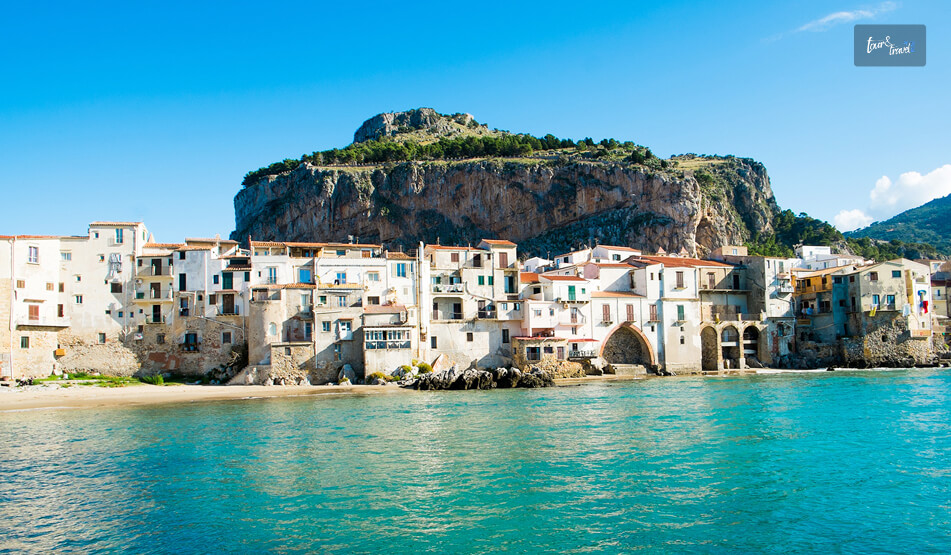
Furthermore, with UNESCO World Heritage Sites, such as Agrigento’s Temples, the Arab-Norman circuit in Palermo, Cefalù, Mount Etna, Syracuse, etc.

Also, the eclectic influences on Sicilian culture, Greek, Roman, Arab, and Norman, have helped Sicily earn the nickname “Italy without being Italian.” 

Its location at the crossroads of Asia and Africa has further bolstered its position as a major tourism hub. 

Moreover, Sicily is the biggest and most prominent island in the Mediterranean Sea and an autonomous part of Italy. 

It is located south of the Italian Peninsula and north of Africa and is known for its rich history, various civilizations, and astonishing natural beauty.

In addition, Sicily offers something for everyone with its gorgeous shores, energetic cities, and picturesque countryside. 

Whether you’re pursuing adventure, relaxation, or a taste of Italy’s villas, this spectacular island is the ideal destination for your next vacation.

What Are The Best Places In Sicily To Visit? 

Sicily has taken active measures to promote the lesser-trodden areas. For example, the Discovering Rural Sicily is the project that is working to boost tourism in the inland areas of more than 50 municipalities. 

As a result, the Peloritani mountains, Belice, and Terra Barocca are some lesser-known attractions emerging as the best places in Sicily to visit. 

So, choose your favorite among the following best places in Sicily to visit. 

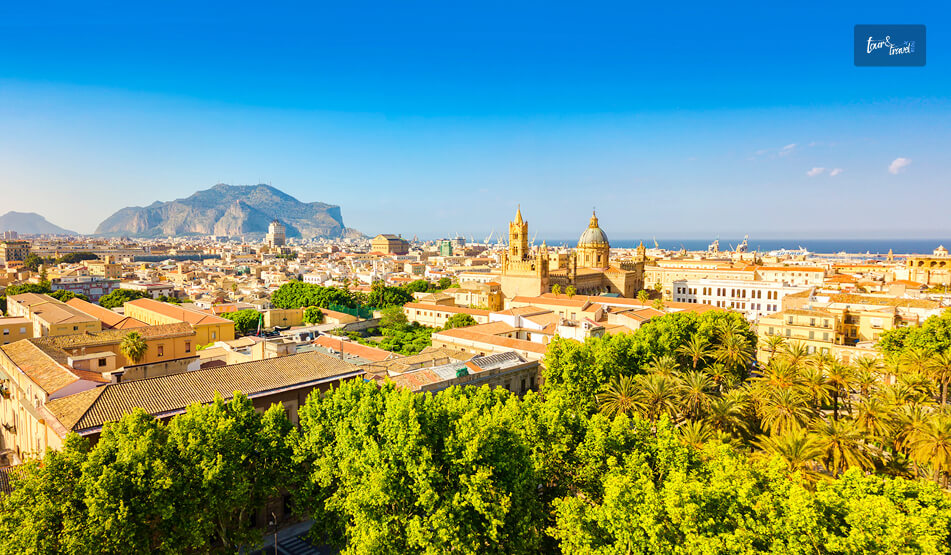
1. Palermo: The Iconic Arab-Norman Zone

Palermo The Iconic Arab-Norman Zone

Palermo, the capital of Sicily, was the base for my trip to Sicily. In this capital city of Sicily, tourism is not about experiencing the history or exploring the Arab-Norman Zone. 

It is also about understanding the way of life. 

I have seen how tourism is a monoculture here. At the same time, the unemployment rate is very high in Sicily, around 30% in comparison to the rate of 16.6 percent nationally (Source: The Equal Times). 

So, people here have to find work in the tourism sector. 

Nevertheless, amidst the combination of Arab, Norman, and Byzantine architecture, the Cathedral of Palermo stands. Palazzo dei Normanni and Ponte dell’Ammiraglio were the highlights for me. 

Furthermore, Mondello Beach, a magnificent stretch of sand and crystal-clear waters, is ideal for soaking up the Sun or swimming.

Also, as the Sicilian capital, Palermo has a rich history. From a trading post in the Phoenician era (734 BC–254 BC) to gaining its status as the regional capital of Sicily, Palermo has come a long way. 

Palermo: History And Important Timelines 

EraTimelineHistory of Palermo
Phoenician/Carthaginian Era734 BC-254 BC– It was known as Panormos or All Port
– The Greeks established Palermo as a trading post. 
– Moreover, it was the primary Carthaginian military base. 
Roman and Byzantine Rule254 BC-831 AD– The Romans captured it in the First Punic War. 
– Then, it was a Romanized Municipium. 
– Then, it fell down to vandals and further rose to fame during the Byzantine era. 
The Arab Emirate831 AD to 1072 AD– It became equivalent to Cairo and Córdoba in glory.
– Also, it became the capital of Sicily. 
Norman Kingdom1072-1194 AD– It became a multicultural capital with landmarks such as the Arab-Norman art and architecture.
Swabian, Angevin, and Aragonese Rule1194–16th Century– The Swabian Hohenstaufen Emperor Frederick II took over. 
– Then, French (Angevin) and Spanish (Aragonese) rulers took charge. 
Spanish and Bourbon Rule16th Century to 1860– Palermo saw a long period of viceroy rule in this era. 
– Furthermore, it was succeeded by the Bourbon kingdom of the Two Sicilies. 
Italian Unification1860 to Present – Garibaldi’s Expedition of the Thousand in 1860 brought Palermo into the newly formed Kingdom of Italy. 

– Now, it serves the role of the regional capital of Sicily. 

2. Noto: Baroque Architecture And Great Food 

Many people know Noto as a UNESCO World Heritage Site or the capital of the Baroque-style architecture in Sicily. 

However, once you visit Noto, you will also understand that it is one of the best places in Sicily to try pasta and other local food. 

Furthermore, the local pastry shops here are amazing. 

Also, the city has a history that goes back to the time when Troy fell. 

Now, as they say, when something great ends, something amazing also begins. 

However, the building of Noto never got the same attention as the Fall of Troy, as we did not romanticize the former in history, literature, or movies as we did for the latter. 

That brings us to the history of Noto. 

From Neas To Noto: How The City Evolved 

Noto was earlier known as Neas. The Sicilian population built it during the Fall of Troy. 

It was on the Mendola Hill, and it became a gymnasium, and it adopted all the Hellenic customs when the conquerors of Syracuse took it over. 

Then came the Romans, who made it a federated city and Latin municipium. So, the city had its own rules. 

Furthermore, the city was under the Arabic and Muslim rule for around 200 years after it surrendered to Roger. 

The Earthquake Of Noto And Resurrection 

Noto was hit by a massive earthquake in 1693. However, Paolo Labisi, Vincenzo Sinatra, and Rosario Gagliardi were the three main artists behind the resurrection of the city. 

They created a beautiful fusion of the Baroque, neoclassical, Spanish, and Renaissance styles. 

The City Of Noto And Its Attractions 

You will see the Triumphal Arch if you enter Noto from the east. Furthermore, from there, you will reach Corso Vittorio Emanuele, the heart of the city. 

The Ferdinand of Bourbon inaugurated this monument in 1838. It has three sculptures. 

The Tower represents power, while the Pelican stands for sacrifice, and the dog symbolizes loyalty. 

Furthermore, Noto’s primary street, Corso Vittorio Emanuele, is lined with exquisite constructions, including the Cathedral of Noto, an exceptional example of the baroque style.

Some other places to visit in this city are Piazza Immacolata, “Church of San Francesco all’Immacolata,” the Franciscan convent, the Church of Santa Chiara, etc. 

3. Syracuse: The Birthplace Of Archimedes 

Syracuse The Birthplace Of Archimedes

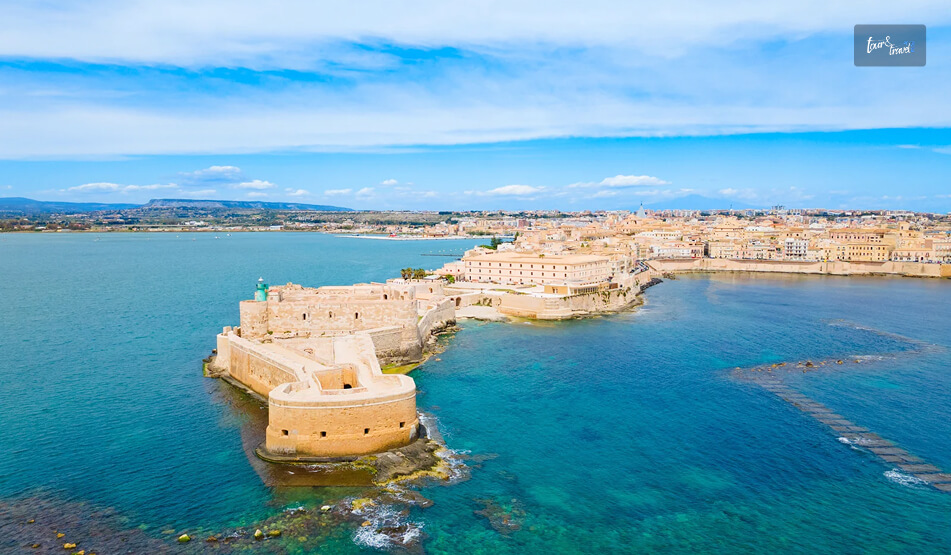
The history of Syracuse goes back to 734 BC. The Corinthian colonists built it, and once it was equivalent to Athens in its glory.

The city is recognized for its ancient Greek ruins, including the Neapolis Archeological Park, the residence of the famous Amphitheater of Syracuse, and the Temple of Apollo. 

Furthermore, it is the home of the famous mathematician Archimedes. 

Another must-visit area in Syracuse is Ortigia, the city’s old town, well-known for its spectacular baroque architecture and picturesque streets.

 It is a UNESCO World Heritage Site. 

4. Menfi And Its Wineries 

Menfi is a small town located on the southwest coast of Sicily, renowned for its wineries, sandy beaches, and the Selinunte Archeological Park.

The city is found in one of the best wine-growing regions in Sicily, and visitors can sample some of the finest local wines in one of the many wineries in the area. 

Menfi’s beaches are also a must-visit, with their fine sand and crystal-clear waters excellent for soaking up the sun or swimming.

Today, Menfi has an important role to play as a relaxed alternative to Palermo, Noto, or Syracuse. 

Along with promoting wine tourism, it also helps in balancing overtourism in the region. 

Also, if you are a history buff, you must visit the Torre Federiciana. Frederick II built this tower in 1238. 

5. Agrigento: Home To The Valley Of Temples 

Agrigento Home To The Valley Of Temples

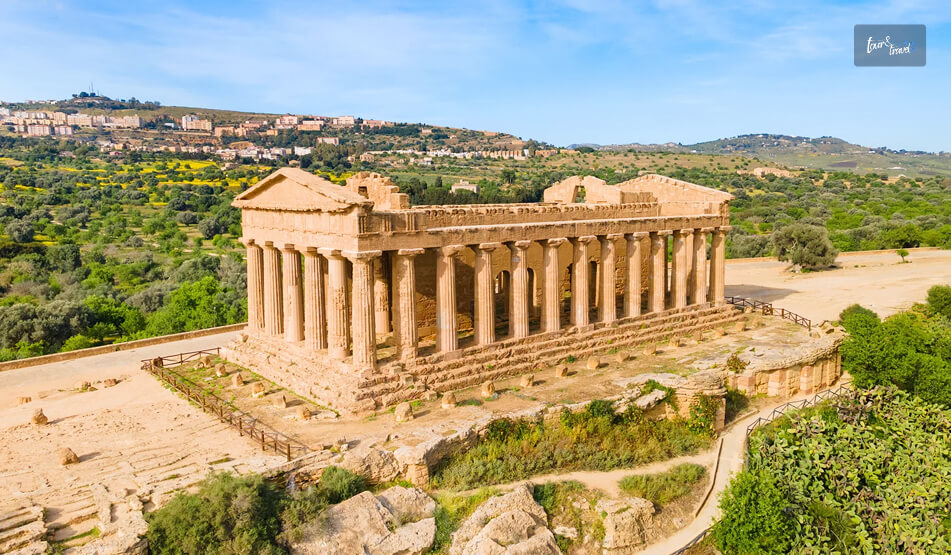
Agrigento is located on the southwest coast of Sicily, renowned for its Valley of Temples and Scala dei Turchi. 

The Valley of Temples is a UNESCO World Heritage site and residence of some of the best-preserved Greek ruins in the world, including the Temple of Hercules and the Temple of Concordia. 

Scala dei Turchi is a gorgeous white cliff located just outside Agrigento and one of Sicily’s most beautiful natural wonders.

Where To Stay In Sicily? 

These five cities are just a few of the many fabulous destinations that Sicily has to offer. 

Furthermore, from Palermo and Syracuse to Agrigento and Menfi, you will find many luxury villas and accommodations to make your trip seamless. 

Especially, Agrigento has places like Select Sicily villas that can make your vacation unforgettable. 

Moreover, choose a location for your stay based on the areas of interest. For example, if you want to explore the Greek-Roman history of Sicily and the best restaurants, you must stay close to Syracuse.

Share on Social Media

Sibashree is a travel, culture, and leisure writer who has been writing since the age of 12 and professionally since 2014. With more than a decade of travel writing experience and journeys across India and several parts of the world, she brings a deeply personal and thoughtful perspective to her work. A student of English Literature and Mass Communication, Sibashree has always viewed travel as more than movement — for her, it has been a way of understanding people, cultures, and herself. Her passion for spiritual exploration has also led her to many unusual and meaningful destinations over the years. Outside of writing, Sibashree enjoys watching European cinema, reading about global politics, and reflecting on the stories hidden within everyday places.

Leave a Reply

Your email address will not be published. Required fields are marked *

title-img Related

READ MORE best time to visit Mussoorie

Best Time To Visit Mussoorie: Ideal Months & Seasons

BY  Sibashree Sep 23, 2022

So, what is the best time to visit mussoorie? Tourism in Uttarakhand is booming, with a focus on eco-tourism, adventure, and pilgrimage. In 2024, the state had around 6 crore visitors.  Mussoorie, one of India's most popular hill stations, is a melting pot for all these tourism activities.  Further, tourism in Mussoorie is expected to soar higher with the construction of the Dehardun to Mussoorie Ropeway. The ropeway will start from the Purkul village in Dehradun and end at the Library Chowk in Mussoorie.  With the construction expected to be completed within 2026, the travel time between Dehradun and Mussoorie will be around 15 minutes.  Further, when the ropeway is operational, it will be one of the many reasons for planning a trip to Mussoorie with family.  However, with an elevation of 1,876 meters, Mussoorie also has snowfall and other extreme weather conditions.  So, while planning a trip with your family, you must know the best time to visit Mussoorie.  That’s why in this Tour and Travel blog, we will discuss the best season for a visit to Mussoorie, its weather conditions throughout the year, and the things to do.  When Is The Best Time To Visit Mussoorie? The summer season, spanning between April and July, is the best time to visit Mussoorie.  If you cannot make it to Mussoorie during these months, you can also plan a trip between September and mid-November.  These months offer clear weather conditions. So, you enjoy better visibility of the Himalayan ranges and the valleys.  However, if you want to see snowfall in Manali, late December to February is ideal for your Mussoorie visit. So, Mussoorie is beautiful throughout the year, and the best time to visit will depend on your desired experience.  Here, I have given a brief overview of Mussoorie in all seasons. Summer (April To July) The most pleasing and the best time to visit Mussoorie is summer. Weather The temperature here remains around 11°C to 36°C. The day mostly remains cool and pleasing. But at night, Mussoorie gets colder during these months. If you want to take a long trek or climb the rock, then this is the best weather. It is perfect weather when the cool of the hill fights with the heat of the summer, creating pleasing weather to keep you at ease. Things To Do In Mussoorie In Summer Having a majestic view of the Kempty falls from the Gun Hills is the best thing you can do once in Mussoorie. You can also drive to the highest point of Mussoorie, La Tibba. Also, in the summer, Mussorries dresses itself up with its richest summer festival. Their folk dances and other cultural programs are great to take view of. Monsoon (July To September) No, this is not the best time to visit Mussoorie if you are looking for fun, hiking, and trekking. But, if you want to see Mussoorie shrouded in mist, then the monsoon is the best time for that. Weather The monsoon is cold and covers Mussoorie with a shroud of mist. You can see a foggy envelope covering the towns during the morning and the evening. The tourists are lesser in number, and calm and peace remain constant during this time. The temperature remains at 20°C and it can go up to 32 °C. Some roads remain closed, and all the greens remain washed and fresh during this time of the year. You can expect heavy rainfall almost every day. The color of the mountains will cleanse your soul. Things To Do In Mussoorie In Monsoon If you are visiting Mussoorie during the monsoon, then you must know that all the tourist spots are closed during this time. But, you can take part in local festivals like Olga and Hariayala. Winter (October to February) What is the best time to visit Mussoorie for snowfall? It is winter, without a doubt. You cannot expect it to snow in the summer. Also, if you want to see snowfall in Mussoorie, then you need to pack your bag from October to February. Weather The temperature goes down by 4°C. It can get really chilly. But you can also expect as high as 30°C during this time. The nights mostly get excessively cold – going down to sub-zero temperatures. The days during the winter are the best time to move around. But, as the evening approaches, it becomes colder. The nights are chilly. But, as the morning lightens up the mountain, it makes up for the perfect time to take a brisk walk around. Things To Do In Mussoorie In Winter Winter is the best time to visit Mussoorieif you want to see snowfall. The outworld appearance that Mussoorie takes during the winter is worth spending your money and time on. Everything is covered in snow and there are lots of winter activities you can do. The trekking trails remain open during this time. You Can also experience skiing in Mussoorie. You will see many tourists, but this time is crowded in Mussoorie. The most exciting part of staying in Mussoorie during the winter is Christmas. The celebrations here are wonderful and full of fun and happiness. Final words Anytime can be the best time to visit Mussoorie. But you must be aware of what you are expecting to see upon a visit there. The Queen of Hill Stations always welcomes you with her open arms. You can make it there at any time you want. But, if you want to see all the best tourist locations you need to choose the summer for a trip. So, plan your trip right and enjoy the best moments in Mussoorie. We wish you a happy journey!

READ MORE card-img

Making The Most Of The Gold Coast’s Whale Watching Season

BY  Shahnawaz Aug 23, 2024

The Gold Coast isn’t just a paradise for sun-seekers and surfers. It’s also one of the best places in the world to witness the annual migration of majestic humpback whales. Yes, we are talking about the whale watching season. From June to November, these gentle giants make their way along the eastern coast of Australia, captivating locals and tourists alike.  But did you know that this natural spectacle can be the perfect backdrop for a culinary adventure?  For foodies, the whale-watching season on the Gold Coast offers a unique blend of breathtaking marine views and mouth-watering gastronomic experiences.  In this blog, we’ll guide you through the best spots to watch whales, responsible whale-watching practices, and the finest dining options to complement your day out. Where to Watch the Best Spots and Timing Whether you want to watch the whales during your time on the water or from the land, Gold Coast is a great place of choice. But always go there during the whale watching season. There are some prime viewing locations to consider if you want to catch a glimpse of these beautiful and magnificent creatures.  Best Spots If you’re eager to catch a glimpse of these magnificent creatures, the Gold Coast offers several prime viewing locations.  Point Danger: Head to Point Danger. Look out for panoramic views of the coastline, which are perfect for spotting whales in the distance. The sweeping ocean views are the prime location if you want to see the migrating whales from a close distance.  Burleigh Heads National Park: This is another fantastic option, as it provides elevated viewpoints along scenic walking trails. For an even closer look, consider booking a whale-watching tour from the Gold Coast Seaway, where experienced guides take you out into the open ocean. Greenmount Bay: Located between Coolangatta and Rainbow Bay, Greenmount Bay is another headland on the Gold Coast with many viewing points. Yes, there are many viewing points for whale watching, and the green foliage just compliments the scenic beauty of Greenmount Bay. Best Timing Timing is crucial to maximize your chances of seeing humpback whales. The peak season typically runs from late June to early November. Early morning and late afternoon are often the best times for sightings, as the whales are more active during these periods.  To stay updated on whale activity, check local whale-watching reports or download a specialized app like 'Whale Report,' which gives real-time updates and sighting locations. Eco-Friendly Whale-Watching Tips and Practices While watching whales is fun, you must also keep safety in mind. A safe practice is to watch them from at least 100 meters. There are other practices to follow to keep the entire process eco-friendly.  Respect Marine Life When engaging in whale watching, it’s essential to follow eco-friendly practices. Maintain a safe distance of at least 100 meters from the whales to avoid disturbing them. Turn off boat engines when nearby to reduce noise pollution and minimize the risk of injury to the animals. Choose Sustainable Tours Opt for whale-watching tours that prioritize sustainability. Companies like 'Whale Watching Gold Coast' and 'Spirit of Gold Coast' are renowned for their responsible practices, including using eco-friendly boats and educating guests on marine conservation. Leave No Trace Whether you’re on a boat or watching from the shore, always clean up after yourself. Dispose of any rubbish properly and avoid using single-use plastics. By keeping the environment pristine, you’re helping to ensure that future generations can enjoy whale watching, too. Ideas for a Post-Whale-Watching Meal Give your heart all the taste it desires. A wonderful day spent watching whales should be followed by a healthy and tasty meal. If you were wondering about ideas, here’s a list you should remember –  Seaside Dining After a thrilling day of whale watching, reward yourself with a delectable meal at one of the Gold Coast’s top restaurants. Many restaurants in Burleigh Heads offer a stunning oceanfront setting and a menu brimming with fresh, locally sourced seafood. Casual Eateries For a more relaxed vibe, try out a Gold Coast restaurant with a view. You’ll be spoiled for food options, and you’ll have the best views on the coast. Another great spot is a night market - they feature an array of food stalls, live music, and a vibrant atmosphere! Hidden Gems Don’t miss out on hidden culinary gems in Mermaid Beach, or for a taste of local produce, visit one of the many bakeries in Miami, where you can enjoy artisanal bread, pastries, and gourmet coffee in a charming setting. Dishes to Try at Gold Coast During the Season From freshly caught fish and other marine delicacies to a gourmet experience, it’s best to try everything a little. Here’s a guide if you want directions – Fresh Catches The Gold Coast boasts an abundance of fresh seafood, making it a haven for foodies during whale watching season. Sample local favorites like Moreton Bay bugs, a type of slipper lobster, or indulge in freshly shucked oysters from Stradbroke Island. Pippies, a local shellfish, are often served with delectable garlic and chili sauce. Gourmet Experiences For a more gourmet experience, try dishes like pan-seared barramundi or grilled snapper, typically accompanied by seasonal vegetables and aromatic herbs. Many upscale restaurants on the Gold Coast also offer degustation menus, allowing you to savor a variety of flavors in one meal. Street Food If you prefer street food, don’t miss the chance to try fish tacos or prawn skewers from local food trucks and markets. These quick bites are perfect for enjoying as you stroll along the beachfront or explore local attractions. Economic Impact of the Whale Watching Season & Local Food Scene Whale watching seasons welcome people from different places to the Gold Coast. Not only is it a great time for visitors, but it’s also important for the place thanks to the jobs and businesses the seasons create.  Tourist Attraction Whale watching significantly boosts the local economy, attracting thousands of visitors each year. This influx of tourists, in turn, benefits local restaurants, cafes, and food markets. Many eateries offer special promotions and seasonal menus to cater to the increased demand during whale watching season. Job Creation The tourism surge also creates job opportunities in the hospitality and service industries, from chefs and waitstaff to tour guides and hotel employees. This economic boost helps sustain the local community and ensures the continued success of the Gold Coast’s vibrant food scene. Community Engagement Finally, whale watching fosters a sense of community engagement and pride. Local businesses often collaborate on events and promotions, creating a cohesive and welcoming atmosphere for visitors. This sense of community enhances the overall experience for tourists and locals alike, making the Gold Coast a top destination for both whale watching and culinary delights. Encouraging Sustainable Tourism and Appreciation In conclusion, the Gold Coast’s whale-watching season offers more than just the chance to see magnificent marine mammals. It’s an opportunity to explore the region’s rich culinary landscape, support local businesses, and practice sustainable tourism.  By following eco-friendly whale-watching practices and indulging in the area’s exceptional dining options, you’re contributing to the preservation of this beautiful destination for future generations. Ready to make the most of your whale-watching adventure? Book a tour, discover new restaurants, and immerse yourself in the Gold Coast’s vibrant food scene. And remember, every bite and every whale sighting is a step towards appreciating and protecting our natural world. Happy whale watching and bon appétit! Also read Beginner Tips For Your First Camino de Santiago. Ultimate Guide to Your Next Family Vacation in Israel. Boat Charter Miami: Essential Tips for a Great Experience.

READ MORE what to do in dubrovnik

What To Do In Dubrovnik? Enjoy The Best Mediterranean Holiday This Season

BY  Sibashree May 31, 2025

People are calling Dubrovnik a travel secret, a hidden gem in the Mediterranean region, and whatnot! I don’t agree with these, as for the longest time, Dubrovnik has been famous as the “Pearl of the Adriatic.” Also, the Old Town of Dubrovnik was designated as a UNESCO World Heritage Site in 1979. Moreover, this city in Croatia has been facing overtourism since the HBO series Game of Thrones became so huge.  It is the filming location of the series.  Even if you are not a Game of Thrones fan, you will love the blue water of the Adriatic Sea, the walls around the Old City, the cobblestone streets, and, overall, the quaint charm.  While it takes almost a week to explore the best of Dubrovnik and indulge in its happening culinary scene, here I have curated a quick itinerary of what to do in Dubrovnik.  This time, the best activities in Dubrovnik span over 3 days, and here you go! However, before that, I want to share how I fell in love with this Mediterranean gem and what the best time to visit this beautiful city is. What Is The Best Time To Visit Dubrovnik? May to September is the best time to visit Dubrovnik.  Pleasant weather conditions Affordable hotel rates Less crowd An ideal situation for exploring beaches and water activities These are the benefits of scheduling your trip to Dubrovnik during these months.  Further, have a look at the table below to understand the weather conditions of Dubrovnik by month.  MonthsHighest Temperature (°C)Lowest Temperature (°C)Days of RainfallJanuary13710February1499March15109April17128May22156June27205July30223August31233September27204October23177November191110December 15810 Moreover, if you want to explore the festive scenario of Dubrovnik, you can plan your visit during the following months. Festivals in DubrovnikTimeSignificance of the FestivalFestival of St. Blaise3rd FebruaryThe two-day festivities include a grand procession, and the city celebrates St. Blaise, its patron saint, on this day. It is also an intangible cultural heritage identified by UNESCO. Dubrovnik Summer FestivalJuly-AugustUnique cultural programs and artistic performances are the festival's highlights. Festivities take place across various areas of Dubrovnik. Dubrovnik Winter FestivalNovember to JanuaryThe historic Old Town comes to life with music, lights, family fun, and more. Dubrovnik Good Food FestivalOctoberIt is a two-week-long food festival, including vibrant events. Stradun ClassicSeptember to OctoberMusicians around the globe perform at Stradun Classic. Midsummer SceneJune-JulyThis festival takes place at the Lovrjenac Fortress.Croatian and British theatre artists collaborate to perform the celebrated Shakespearean plays.  How I Fell In Love With Dubrovnik? Being the biggest fan of Game of Thrones, I, of course, got to know about this beautiful Croatian City.  Dubrovnik was the King’s Landing or the capital of Westeros in the series. The Red Keep and the unforgettable scene of Cersei’s “Walk of Shame.”  Then, I researched Dubrovnik and its magnificent walls surrounding the Old Town, and the seafood delicacies here made me fall in love with the city.  So, if you thought that Dubrovnik was all about pasta and pizza and exploring the Old Town on the hottest days, it’s time to guide you on how to do it right.  What To Do In Dubrovnik: A Complete 3-Day Itinerary For You Here is what to do in Dubrovnik during a 3-day trip.  Day 1: What To Do In Dubrovnik Your day 1 in Dubrovnik will be focused on exploring the walled Old City. You can also take your time to relax by the pool or the sea, visit the local restaurants, enjoy a cable car ride, indulge in fine dining and the best wines, and end your day with a night stroll.  1. Exploring The Walled Old City Of Dubrovnik The Dubrovnik Old City celebrates Croatia's rich medieval history. It is a UNESCO World Heritage Site, and taking a stroll across the cobblestone street and visiting places like the Cultural History Museum are the ultimate experiences here.  “The 'Pearl of the Adriatic', situated on the Dalmatian coast, became an important Mediterranean sea power from the 13th century onwards. Although severely damaged by an earthquake in 1667, Dubrovnik managed to preserve its beautiful Gothic, Renaissance and Baroque churches, monasteries, palaces and fountains. Damaged again in the 1990s by armed conflict, it is now the focus of a major restoration programme co-ordinated by UNESCO.” - UNESCO World Heritage Convention 2. Relaxing By The Pool Or The Sea If you want a delightful beach experience, you can visit Mlini Bay or Lapad Peninsula in Dubrovnik.  However, if you are feeling too lazy to explore the beach, you can explore hotels with pools for the perfect lounging time.  3. Visiting Local Restaurants Dubrovnik has places such as Proto, where you can have the best shrimp, scallops, and octopus delicacies.  Further, fish cooked in sea salt is something you cannot miss in Dubrovnik.  4. Enjoying A Cable Car Ride A ride on the Dubrovnik Cable Car before Sunset is truly magical. During this ride, you can enjoy the changing colors of the Sun in the sky.  Further, as you approach the top of Mount Srd, you will see wonderful views of the Elafiti Islands to the north.  5. Fine Dining And Wine Tasting Local restaurants, such as Panorama Restaurant in Dubrovnik, offer wonderful views alongside the best local cuisine.  They serve amazing steak sandwiches and Chicken “Rustico.”  Furthermore, you can taste red, white, rosé, and sparkling wines here. D’Vino Wine Bar is another hotspot in Dubrovnik to relish the best of Croatian wines.  6. Taking A Walk In The City At Night Are you a Dark Academia fan? Do you want to enjoy your “Everything is Grey” moment in the city?  Take a walk around the city at night when there are no cruise passengers, and the lights and darkness create a mysterious ambiance. Day 2: What To Do In Dubrovnik Kayaking, chilling by the beach, and exploring the City Walls are some of the best activities you can do on day 2.  1. Adventurous Kayaking In Dubrovnik Kayaking at the City Beach will be the best way to start your second day. Kayaking tours start here at $43.  2. Relaxing At The Beach If kayaking is not your forte, you can plan a visit to the City Beach and enjoy the crystal clear water and Sunshine while exploring the views of the Old City.  3. Exploring The Walls of Dubrovnik During The Sunset You can take a 2-hour walk along the city walls to relish the beauty of the Sunset. Once you reach the top, you can also grab some local snacks and the best coffee at the cafes.  You need to buy tickets to explore the City Walls, and the ticket prices are: During the high season, tickets for adults to explore the City Walls cost 40 EUR, while children's tickets are 15 EUR.  However, in the low season, ticket prices are 15 EUR for adults and 5 EUR for children. 4. Relishing Croatian Peka Meal If you're looking for a fun-filled community-building experience, consider the Peka Meal in the signature Dubrovnik style. Here, you will have the option of lamb, veal, or octopus in a communal pot. Further, potatoes will be cooked over the coal and served to everyone. Day 3: What To Do In Dubrovnik Your day three will begin a journey to Lokrum Island. This Island houses the Benedictine Monastery and the Dubrovnik Visitor Center.  The Visitor Center has the Iron Throne, where you can sit and live your Game of Thrones moments.  Furthemore, the Dalmatian Coast has rock slab beaches. You can jump into the water there and enjoy the most unique views of the Old City. Additionally, you can visit Mljet Island, home to the Mljet National Park and stunning saltwater lakes.  Then, the Red History Museum, located across from the Gruž Ferry Port, will be your next destination. The ticket to the museum is 9 EUR for adults, 7.20 EUR for seniors and university students, and 3.60 EUR for primary and secondary students.  Furthermore, for students under the age of 10, admission to the museum is free. Where To Stay In Dubrovnik?  Hotel Dubrovnik Palace and Hotel Excelsior are two of the best places to stay in Dubrovnik. Hotel Excelsior is located close to the walls of the Old Town and the City Beach.  On the other hand, Hotel Dubrovnik Palace offers a luxury resort experience, and it offers the best views of the Adriatic Coast.