


What Is The Best Time To Visit Ladakh? – Travel Guide 

Oct 19, 2022

Last Updated on: Feb 23, 2026

Travel Guides

Known as a “Barren Beauty,” Ladakh has one of the, if not the most beautiful landscapes in India. Here in Ladakh, you will find one of a kind landscapes that are breathtaking and definitely one of a kind.

With beautiful Buddhist cultural festivals, activities, and monasteries, Ladakh has the highest mountain passes in the country. But being situated at such great heights, Ladakh has some travel restrictions in certain months, so which is the best time to visit Ladakh?

Keep on scrolling through all the details about the best time to visit Ladakh.

Welcome To Ladakh!

Before beginning with the best time to visit Ladakh, let’s get to know this place a little, shall we?

Ladakh is a union territory of India located in the state of Jammu & Kashmir, in the extreme northern parts of India. Ladakh is known as a cold desert, the only one in India.

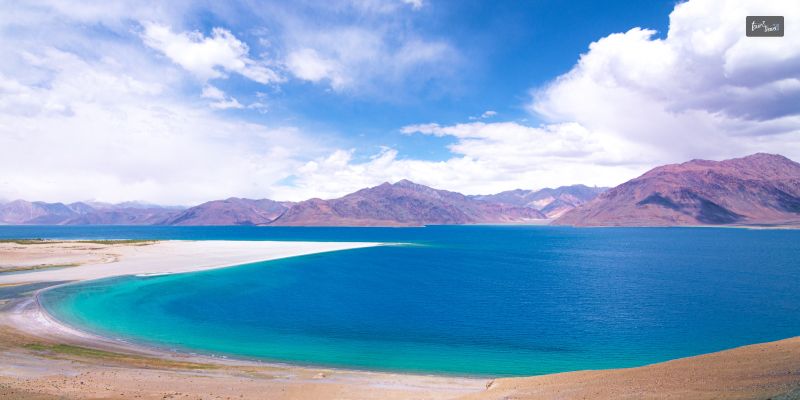
Additionally, it is known as a cold desert, the only one in India. There also located the highest saltwater lake in the World, the Pangong Lake. 

Situated in the Trans-Himalayas and surrounded by the Karakoram and the Great Himalayan mountain ranges, the region’s altitude ranges from as low as 2,750 m in Kargil to as high as 7,600 m at Saser Kangri.

Moreover, the region is geographically split between the districts of Leh and Kargil, with the Indus River running centrally through it.

Coordinates Of Ladakh:
Latitude: 32°N to 36°N
Longitude: 75°E to 80°E

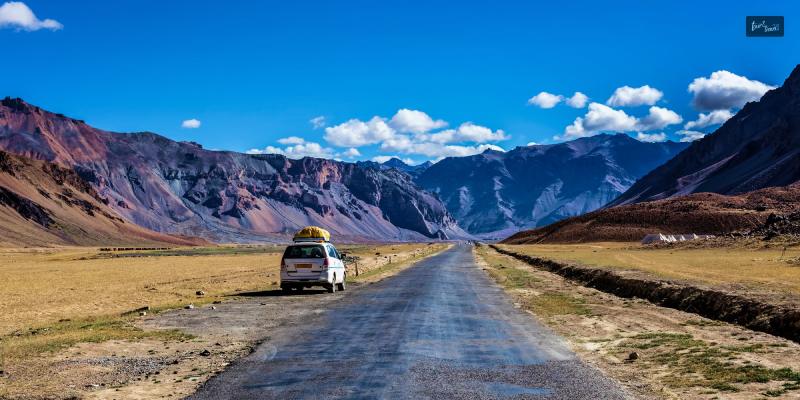
Ladakh is popular among tourists as it provides the best road trip opportunities in India. Experiencing a cross-country road trip to Ladakh is something of a dream for most travel enthusiasts. 

Best Time To Visit Ladakh

Ladakh is a bucket-list-worthy place for most adventurers, but being such a dreamy place, you should know which is the best time to visit Ladakh. Being located at such great heights, it is not possible to travel there whenever you want to.

April – JuneJuly – SeptemberOctober – March
21c to -1c25c to 5c14c to -11c

1. April – June

For most adventurers who want to explore the place, and see the raw landscape of the place, the best time to visit Ladakh would be during the summer.

Although it’s the summer months, don’t expect the weather to be warm and sunny. It is rather cold, even during the winter months, as well. You will be able to see the snow melting under the bright sun.

But you will be getting a crystal clear blue sky, amazing views, wild blooming flora, and clear fauna. These are the things why Ladakh from the months of April and June is the ideal time to travel.

2. July – September

From July, the monsoon season begins in Ladakh. With irregular heavy rainfall, you can really enjoy the rain in Ladakh if you are into it.

Although there are a lot of ways you can enjoy Ladakh during the monsoon season, a few of the most exciting activities there are bike tours and trekking routes. It is mostly closed or blocked due to the occasional snow slides, landslides, and even cloud bursts.

There are few areas that fall under the rain shadow area and hence receive more rain, and it is very difficult to reach there. These particular areas are Leh on the Manali side, Baralacha La Pass, Leh from Srinagar, and also Zoji La Pass.

3. October – March

From October to March is considered yet another best time to visit Leh Ladakh. It is the perfect weather for road trips without the fear of any rain or landslides.

But make sure that the atmosphere is quite chilly, so be ready to feel the cold and chill in your bones. So be sure to pack enough warm clothes to help you actually enjoy the adventure.

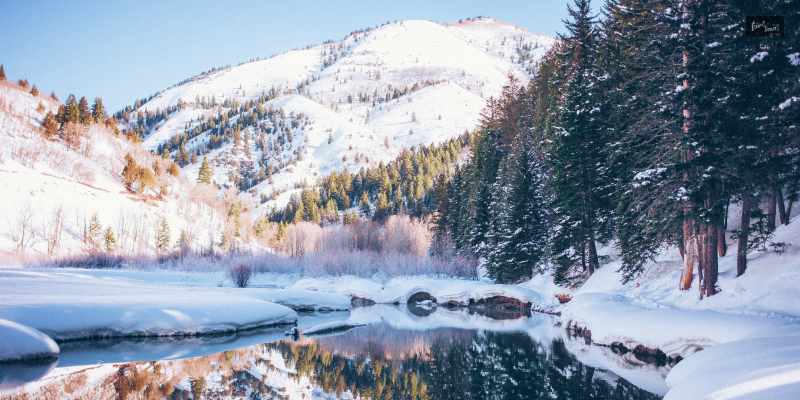
The beauty of Ladakh during these months is something different. The snow-covered landscape with frozen lakes and a beautiful clear sky. You will have to witness it to actually experience it.

Different Climates In Ladakh

If you are planning to visit Ladakh, you can choose the season you want to experience. The summer, monsoon, and winter moths are quite distinct here in Ladakh. So depending on your preference, you can easily choose the best time to visit Ladakh for you. 

1. Summer In Ladakh

The summertime in Ladakh is when it generates the most number of tourists. There is hardly any snow now, or it is melting away for the season.

And during the summertime, you can enjoy a lot of outdoor activities such as biking, trekking, camping, mountain climbing, and many more.

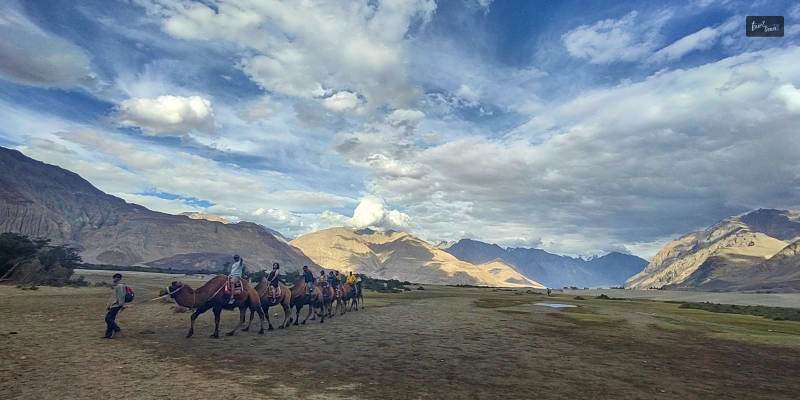
During summer, there are quite a lot of activities you can do in Ladakh, and they are, going for a camel safari on the double humped camels called Bactrian camels.

You can even witness the summer festivals that take place here in the monasteries. There are a number of festivals that take place during the summer, and they are Saka Dawa Sindhu Darshan, Yuru Kabygyat, Phyang Tsedup, Hemis Festival, and also Matho Nagrang.

There are many adventure sports that you can enjoy during the summertime, which are mountain biking on the Zanskar &Karakoram ranges, Jeep safari on the Zanskar valley, and even River rafting in the Zanskar stream.

2. Monsoon In Ladakh

Even though it rains irregularly during the monsoon season in Ladakh, that doesn’t mean you can’t enjoy that experience.

Although the monsoon season may not be the best time to visit Ladakh by bike or in general, it still can be very picturesque. Some of the exciting activities that you can take part in Ladakh during the monsoon season are adventure sports like white water rafting.

You should also you should experience the monsoon festivals here like Phyang, Dakthok, Karsh Gustot, Karzok, and Sani Nasjal.

Other than these festivals and sports, you can really enjoy a hot bowl of Thukpa, steamed momos, and a delicious cup of butter tea when you are sitting in a warm room, and it is raining outside. It doesn’t get better than that.

3. Winter In Ladakh

The winter months in Leh Ladakh best time to visit for its picturesque scenic beauty and the pleasant chill and snow-covered valleys. Even though the cold weather may not be for everyone, there are a lot of activities that you can do here during the winter months.

Some of these activities are like taking part in winter treks for experienced trekkers, even campings are available during the winter months. Similarly to the summer and monsoon festivals, there are many winter festivals too that is a unique experience to witness.

A few of these festivals are such as Spituk Gustor, Dosmoche, Stok MOnastery festivals, Ladakhi Losar, and even Thiksay Gustor. And as a matter of fact, the winter months are the best to witness the wildlife here in Ladakh. Animals like snow leopards, mountain wolves, magpies, blue sheep, and even wild hares are a few of the animals you can witness.

Frequently Asked Questions (FAQs):

If you have any more doubts about the best time to visit Ladakh, then here are a few queries that others have had.

1. What Is The Best Time To Visit Ladakh For Sightseeing? 

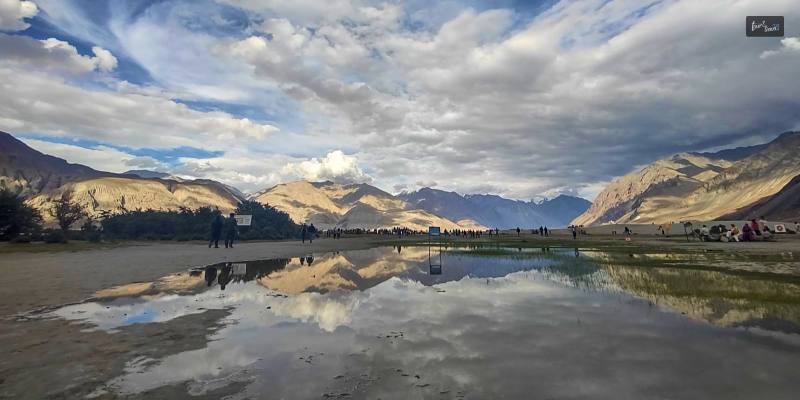
The best time to visit Ladakh for sightseeing is from May to September. During these months, the weather is relatively mild, roads from Manali and Srinagar are open, and popular attractions like Pangong Lake, Nubra Valley, and monasteries are easily accessible. 

2. Is Ladakh Open To Tourists Throughout The Year? 

Yes, Ladakh is technically open all year, but winter travel (October to April) is challenging due to extreme cold, heavy snowfall, and road closures. Flights to Leh operate year-round, but outdoor sightseeing options are limited in winter. 

3. Which Month Is Best To Visit Ladakh For Snow Lovers? 

If you want to experience snowfall and frozen landscapes, January and February are ideal. These months are also perfect for adventure enthusiasts interested in the Chadar Trek and experiencing Ladakh’s winter culture. 

4. What Is The Best Time To Visit Ladakh For Adventure Activities? 

The best time for adventure activities like biking, trekking, river rafting, and camping is June to August.
The weather is stable, mountain passes remain open, and most trekking routes are safe and operational. 

5. Is Monsoon A Good Time To Visit Ladakh? 

Yes, July and August fall in the monsoon season, but Ladakh lies in a rain-shadow region, so rainfall is minimal.
However, occasional landslides on access roads may occur, so travelers should stay updated on weather and road conditions. 

6. Which Is The Best Time To Visit Ladakh On A Budget? 

For budget travelers, April–May and September–October are good options. During these shoulder seasons, flight prices and accommodation costs are lower, and tourist crowds are thinner. 

7. When Should First-Time Visitors Plan Their Ladakh Trip? 

First-time visitors should plan their trip between June and September. This period offers comfortable temperatures, better oxygen levels for acclimatization, and full access to major tourist spots. 

Visit Now!

Ladakh is a destination you should travel to at once in your lifetime, it is an experience that you will always remember. The landscape, the mountains, the valley, the beautiful traditions of the Buddhist culture, and everything in totality makes Ladakh a worthwhile place to visit.

If you find this article helpful, then let us know in the comment section when you are planning to book a trip to Ladakh.

Read Also:

Share on Social Media

Meet Sibashree Bhattacharya, a travel enthusiast who has a decade-long experience in transcending virtual barriers with her words! Her deep love for travel is apparent from her travel escapades to the mountain, often taking her readers on a journey, her words acting as Portkey! Fun fact: Sibashree loves to dive deep into the history of the places she is about to visit, making her travels even more wholesome. If you were wondering how her articles are not short of time travel, this answers it!

Leave a Reply

Your email address will not be published. Required fields are marked *

title-img Related

READ MORE Rocky Mountain National Park Trails

Rocky Mountain National Park Trails: A Complete Hiking Guide

BY  Sibashree Nov 11, 2024

It’s already fall, and the Rocky Mountain National Park Trails are adorned with the Aspen leaves’ glistening gold. Also, the dark green of the pine trees in the backdrop complements the dark red and orange of Alpine shrubs. Hiking through the park trails is the best way to explore the beauty of the USA National Park to the fullest. Further, the hiking trails come with varying difficulty levels. Some are also great for enjoying a walk with your furry friends.  Moreover, the trails are varied in their destinations. Some trails in the park will take you to beautiful waterfalls, and some will end at breathtaking summits and immersive lakes. Do you also want to hike and experience the park at its best? Here is a brief overview.  Hiking Through The Rocky Mountain National Park Trails: A Rocky Mountain National Park Guide  Rocky Mountain National Park has over 350 miles of hiking trails. Further, you will find a delightful activity in the park irrespective of your abilities.  However, you will need proper traction devices and a Rocky Mountain National Park map to remain safe during hiking. Moreover, you will need proper footwear with a treaded sole as the routes can be snowy and slippery.  With proper safety measures, it’s time for you to hit the waterfalls, summit, and lake trails.  Best Rocky Mountain National Park Trails To Waterfalls Rocky Mountain National Park is home to 31 waterfalls. Do you want to witness water cascading through rocky terrains? Hit any of the following trails in the park.  1. Granite Falls Trail  Trail Head: Green Mountain Trailhead parking area Trail Distance: 5.2 miles one-way Difficulty Level: Moderate You will pass through lush green meadows while hiking to Granite Falls Trail. However, the terrain is marshy here, and you must be careful as you explore the path.  Further, lodgepole pine, aspen, Engelmann spruce, and subalpine fir greet you throughout the trail. The elevation gain is 1,046 feet in the trail, and you must proceed carefully.  2. Chasm Falls Trail Trail Head: Old Fall River Road or Winter Closure Gate Trail Distance: 2 Miles (Round Trip) Difficulty Level: Moderate The Chasm Falls Trail will take you to a cascading beauty. With an elevation of just 640 feet, this trail is moderate to hike. Further, if the hiking trail from Old Fall River Road is closed, you can take the trail from Winter Closure Gate. Then, you will have to walk or bike for 2.2 Miles.  3. Adam Falls Trail  Trail Head: East Inlet Trail Distance: 0.6 Miles round trip Difficulty Level: Easy With an elevation of just 79 feet, the Adam Falls Trail is one of the easiest ones in the park. Adam Falls is small but excels in its quaint beauty.  If you want to be more adventurous, you can walk past the waterfall. A beautiful glacier valley will emerge before your eyes, and you will love the exuberance of wildflowers.  4. Cascade Falls Trail Trail Head: North Inlet Trail Distance: 3.4 Miles one-way Difficulty Level: Moderate to Strenuous (Expect changes in the difficulty level throughout the route) You will love the gurgling sound of the North Inlet stream water, and as it thrashes the pure granite stone, it’s a beauty to behold. This waterfall is 100 feet tall and forms a cascade, as the name rightly suggests.  You will meet the most adorable marmots As you continue your hike and pass through the open meadow. They are frequent to the winding river through the lodgepole pine forest. Further, you can stop here to fish river trout and brown trout.  Best Rocky Mountain National Park Trails To Lakes Great National Park has 156 lakes. Some of these lakes have dense trout populations. Further, areas near these lakes are great for spotting wildlife. So, let’s know about the lake hiking trails that lead us to these beautiful lakes.  1. Bear Lake Trail Trail Head: Bear Lake Trail Distance: 0.7 Mile Difficulty Level: Easy With mountains of the Continental Divide in the backdrop, Bear Lake Trail is one of the best locations in the park for watching the sunset. You will love the beauty of Hallett Peak, Continental Divide, and an Alpine lake here. Bear Lake is the epicenter of many hiking trails. You can start your hike to Alberta Falls, Flattop Mountain, Emerald Lake, and more from here.  2. Sprague Lake Loop Trail Trail Head:  Estes Park Trail Distance: 0.7 Miles round trip Difficulty Level: Easy Sprague Lake Loop Trail is the most accessible trail in the park. Wheelchairs are allowed here. So, patients with disabilities can also explore this trail.  You can stop at the benches and many lookouts throughout the trail to reflect on the beauty of nature. Further, you can see the mountain peaks along the Continental Divide.  Moreover, Sprague Lake is an amazing destination for spotting wildlife.  3. Mills Lake Trail Trail Head: Glacier Gorge Trail Distance - 5 Miles round trip Difficulty Level: Moderate to Strenuous  With a 700-foot elevation, the Mills Lake trail will take you through a gorge carved by glaciers, streambeds, and waterfalls.  The beautiful Mills Lake gets its name from Enos Mills, the founder of the Rocky Mountain National Park. Further, if you want to continue your hiking pursuit, you can walk to Black Lake, and that will be an additional 1.7-mile hike.  4. Gem Lake Trail Trail Head: Lumpy Ridge Trailhead Trail Distance: 3.4 Miles round trip Difficulty Level: Moderate to Strenuous  The expansive field of granite domes houses the Gem Lake. It is indeed a hidden gem and one of the biggest attractions in the area, along with Lumpy Ridge.  Gem Lake is shallow, and it has water of melted snow and rainfall.  5. Dream Lake Trail Trail Head: Bear Lake Trail Distance: 2.2 miles round trip Difficulty Level: Moderate to Strenuous  You must go for a steady ascent from Bear Lake to reach Dream Lake. The trail comes with an elevation change of 830 feet. Don’t miss the following highlights of this hiking route.  Nymph Lake Aspen Groves Ponderosa Pine The Nymph Lake looks most beautiful in summer, with pond lilies in full bloom. Further, you can use Dream Lake as the base and trek to the amazing Emerald Lake or Lake Haiyaha.  Best Rocky Mountain National Park Trails To Summits Despite the elevation gain of around 1000-3000 feet, the hiking trails to summits are very popular among visitors. The wonderful vistas from the mountain tops make the effort worth it.  1. Deer Mountain Trail Trail Head: Deer Ridge Jct Trail Distance: 3.1 miles one-way Difficulty Level: Moderate to Strenuous  The Deer Mountain comes with an elevation of 10,006 feet. Further, as you hike and reach the summit, you will enjoy the most beautiful view of Upper Beaver Meadows, Longs Peak, Estes Park, and Moraine Park. Be careful about the weather forecast before you start your journey on the trail.  2. Flattop Mountain Trail Trail Head: Bear Lake Trailhead Trail Distance: 8.8 miles round trip  Difficulty Level: Moderate to Strenuous  The trail from Bear Lake is the best way to reach Flattop Mountain, and this route is one of the trickiest ones in the park. However, if you cannot access the trail from Bear Lake, you can try the route to Flattop via Tonahutu Trail. Further, as you reach the Flattop Mountain summit, you will enjoy the beauty of Hallet Peak, Dream Lake, and Tyndall Glacier.  3. Chasm Lake And Longs Peak Trail Trail Head: Old Fall River Road or Winter Closure Gate Trail Distance: 4.2 miles one-way Difficulty Level: Strenuous  Chasm Lake, just beneath the Longs Peak, offers a spectacular view. You will come across Tundra meadows and Alpine tundra through the trail. Further, animals like pikas and marmots are common here.  As you reach the Chasm Junction and find an outhouse, you can hike along a wall to see Columbine Falls and Peacock Pool Gorge. After this point, the terrain becomes rocky, and you will need cairns to reach Cirque, the lake's location.  Mistakes You Must Avoid When Hiking Through Trails Of Rocky Mountain National Park Making a rushed trip to the Rocky Mountain National Park is the biggest mistake you can make. You can face severe issues like dehydration and acute mountain sickness here if you don’t allow your body to acclimatize or work on your physical and mental endurance. So, carry enough water or hydrating solutions and start your training under proper guidance at least one month before your Rocky Mountain hike.  Further, don’t think that you will always make it to the trails in your usual track pants or leggings. You have to wear hiking clothes as on many days, you will have no escape from the afternoon rain.  Rocky Mountains National Park At A Glance  Location: Colorado, USA Established: 26 January 1915 Highest Point: Longs Peak Area: 415 Square Miles How to Reach: Take a drive or shuttle from the Denver International Airport.  Also read Why Include Whale Watching In Your LA Itinerary. Traveling On A Budget: Tips For Affordable Adventures. From Cocktails To Kickflips: Must-Try Activities In San Diego.

READ MORE Punta Cana

Best Must-See Punta Cana Neighborhoods And How To Visit

BY  Ankita Oct 26, 2023

If you occasionally yearn for an escape to a tropical paradise, Punta Cana may beckon you with its irresistible allure.  This picturesque stretch of the Dominican Republic's coastline is graced with magnificent beaches such as Cortecito and Bavaro, exceptional golf courses, and a sun-drenched tropical climate—lounge beneath the shade of swaying palm trees while your family embarks on snorkeling adventures with rays.  Indulge in expertly crafted cocktails infused with Caribbean rum and tropical fruits, watching the sun descend below the horizon. Explore the lush Dominican Alps by canoeing or rafting in the scenic terrain, or journey to Santo Domingo to witness the oldest European city in the Western Hemisphere. Alternatively, you can unwind and bask in the beauty of Punta Cana. The charm of Punta Cana lies in its versatility – it accommodates both active vacations and leisurely sunbathing, making it one of the Caribbean's premier destinations. About Punta Cana Neighborhoods Punta Cana, a renowned resort town on the eastern coast of the Dominican Republic, is a captivating destination celebrated for its breathtaking beaches, upscale resorts, and a wealth of leisure activities.  Beyond the pristine shores and luxurious accommodations, the area comprises several distinct neighborhoods, each with character and allure. These neighborhoods offer travelers diverse experiences, from bustling nightlife to tranquil escapes in natural beauty. One of the most iconic neighborhoods in Punta Cana is Bavaro. Famous for its postcard-perfect beaches, Bavaro is a hub for water sports and recreational activities.  The neighborhood boasts a wide selection of high-end resorts, fine dining establishments, and shops, making it a popular destination for tourists seeking a luxurious beachfront experience. Cap Cana stands out for those searching for an exclusive and opulent retreat.  This upscale neighborhood features lavish resorts, championship golf courses, and a world-class marina. Cap Cana's marina is a magnet for yachting and deep-sea fishing enthusiasts, while its golf courses, designed by golf legend Jack Nicklaus, cater to golf enthusiasts. Punta Cana Village offers a different atmosphere, catering to locals and expatriates. This neighborhood is a vibrant center for shopping, dining, and entertainment. It hosts a variety of international restaurants, supermarkets, and charming boutique shops, making it a bustling locale within Punta Cana. For a more lively and culturally rich experience, visitors often gravitate toward Cortecito. Nestled near Bavaro Beach, Cortecito is renowned for its energetic ambiance.  What Are The Must-See At Punta Cana  Punta Cana is a tropical paradise with many must-see attractions and activities catering to various interests. Here are some of the top must-see things in Punta Cana: Pristine Beaches: Punta Cana is renowned for its stunning beaches, including Bavaro Beach, Macao Beach, and Juanillo Beach. Relax on powdery white sands, swim in crystal-clear waters, and enjoy water sports like snorkeling, paddleboarding, and parasailing. Water Adventures: Explore the vibrant underwater world by snorkeling or diving in the coral reefs. You can also enjoy catamaran cruises, speedboat tours, and swimming with dolphins. Saona Island: Take a day trip to Saona Island, a protected nature reserve with beautiful beaches, mangroves, and a serene lagoon. It's an ideal spot for relaxation and nature appreciation. Hoyo Azul: Visit Hoyo Azul, a natural cenote (sinkhole) in Scape Park. The vibrant turquoise waters surrounded by lush tropical vegetation create a mesmerizing sight, and you can even take a refreshing dip. Indigenous Eyes Ecological Park: Explore this ecological park, part of the Puntacana Resort & Club, which features 12 freshwater lagoons, a lush forest, and walking trails. It's an opportunity to witness the region's native flora and fauna up close. Manati Park: Meet the local wildlife at Manati Park, where you can interact with dolphins, sea lions, parrots, and other animals. The park also offers cultural displays and horseback riding. Altos de Chavón: Visit this charming Mediterranean-style village located in La Romana. It boasts a cultural center, theater, art galleries, and picturesque streets. It's a great place for art and culture enthusiasts. Other Places To Visit Punta Espada Golf Course: If you're a golf enthusiast, tee off at Punta Espada Golf Course, designed by Jack Nicklaus. It offers breathtaking ocean views and is considered one of the best golf courses in the Caribbean. Zip Lining: Experience the thrill of zip-lining in the tropical forests of Punta Cana. Several adventure parks offer zip-lining adventures through lush canopies. Explore Local Cuisine: Savor Dominican and international cuisine at restaurants and beachside shacks. Try traditional dishes like mofongo and fresh seafood. Nightlife: Punta Cana's nightlife scene is vibrant, with beachfront clubs and bars offering music, dancing, and entertainment. It's an excellent way to enjoy the Caribbean rhythm. Higuey: Take a day trip to Higuey, a nearby town with cultural and historical significance. Visit the Basilica of Our Lady of Altagracia, a revered Catholic pilgrimage site. How To Visit? Arrival by Air Punta Cana boasts its own international airport, PUJ, which is a major Caribbean air hub, serving over 30 airlines across three terminals. The added convenience is that Punta Cana can be reached in hours from numerous major North American cities. Travelers must ensure they possess a valid passport for stays of up to 30 days, while visits exceeding 30 days require a travel visa. Great flight deals can be easily found through our flight search tool. Private Transfers In Punta Cana, private transfer options offer a seamless as well as enjoyable journey from the airport to your lodgings. Professional drivers will take you to your destination in comfort.  Private sedan transfers for up to 4 passengers generally come to around USD 6, while for larger groups, private van transfers accommodating up to 8 passengers usually start at approximately USD 13. Reserving your private transfer in advance is advisable. Taxis Getting a taxi in Punta Cana is a straightforward process, with taxis readily available at the airport taxi bay. Taxi rates in Punta Cana are established by local authorities and categorized by zones. It's worth noting that taxis are one of the more expensive modes of transportation in Punta Cana. Fares typically range from $10 to USD 80, and additional fees of $10 to USD 20 are common for nighttime fares. Taxis can be hailed directly from the Punta Cana Airport taxi bay, just outside the customs area on the right. Most taxi drivers carry fare charts and accept currencies, including dollars, euros, as well as Dominican pesos. Car Rental Renting a car to explore Punta Cana is a convenient option, and most rental companies have a presence at Punta Cana International Airport. Car rental prices in Punta Cana usually range from $21 to USD 55 per day. You can rent a full-sized SUV for approximately USD 57 per day or an intermediate car for about $38 per day. A valid driver's license is required to rent a car Punta Cana, but it's important to note that most rental companies do not permit travel into Haiti. You can find excellent rental car deals through our search tool. By Bus If you're considering bus travel, bus operations in Punta Cana as well as nearby towns are primarily from Expreso Bavaro, with buses departing roughly every 15 minutes. However, it's important to note that bus schedules in Punta Cana are only sometimes there, and you may sometimes face lengthy wait times, exceeding an hour, for a scheduled bus. While public transportation, such as local buses known as Guaguas, is available, there are more recommended choices for tourists. Regrettably, the bus system around Punta Cana is generally an unreliable mode of transportation, but it is an economical option. The bus fare in Punta Cana is USD 1 (40 DOP), making it an exceptionally budget-friendly means of travel throughout the Punta Cana area. This fare is typically consistent for bus travel within Punta Cana. Final Thoughts Punta Cana is a tropical haven with many experiences waiting to be explored. From pristine beaches and lush golf courses to cultural gems as well as natural wonders, this Caribbean paradise has something for everyone. As you plan your visit, remember the diverse neighborhoods that offer unique charms and attractions. When traveling to Punta Cana, the journey begins with flights to Punta Cana International Airport. It is conveniently accessible from numerous North American cities. Remember to check your passport validity and visa requirements, especially if you plan to stay longer than 30 days. Upon arrival, various transportation options are available, from private transfers that provide comfort and convenience to taxis and car rentals for more independent exploration. Bus travel is an economical choice but may involve unpredictable schedules. As you delve into Punta Cana's neighborhoods, each has its own story. From the lively atmosphere of Bavaro as well as the exclusive luxury of Cap Cana to the cultural charm of Punta Cana Village, you'll find the perfect setting for your Caribbean adventure. Whether you're looking for water adventures, cultural immersion, golfing getaways, or simply relaxing on the beaches, Punta Cana neighborhoods offer diverse experiences. Remember to savor the local cuisine, enjoy the vibrant nightlife, and prioritize safety during your stay. In Punta Cana, the possibilities are endless. With careful planning as well as a spirit of adventure, visiting these must-see neighborhoods will be an unforgettable journey through the heart of this tropical paradise. So, pack your bags and let Punta Cana's beauty and culture inspire your next vacation. Read Also: Best Neighborhoods To Discover In Mexico City How To Make The Most Of Your Trip To Rome 10 Best Restaurants In The US

READ MORE Kenai Fjords National Park

Whales And Sea Lions! Exploring Wildlife At Kenai Fjords National Park 

BY  Sibashree Jul 29, 2024

Kenai Fjords National Park is a place rich in biodiversity. Like the Dry Tortugas National Park, it also harbors a diverse marine ecosystem and a wide range of birds.   Further, it is an elusive land of glaciers, icy lands, rocky mountains, and green canopies. It is also the park where you can take part in activities like hunting, fishing, petting at Exit Glacier, boating, and kayaking. However, the most fascinating activity to do here is watching wildlife.   Here, I will be your entourage in finding how the wilderness becomes alive at the Kenai Fjords National Park.   Exploring Kenai Fjords National Park Wildlife   The Kenai Fjords National Park has one of the highest footfalls among the national parks of America. In 2023, 387,525 people visited this National Park thanks to its wildlife and the most dramatic landscape with glaciers, mountains, ocean, and valleys. (Source)   Further, the Alaska Department of Fish and Game explains why and how the geographical features of the National Park make it rich in wildlife and biodiversity. About the habitat, it says,   “The park contains shallow bays and estuaries, and deeper marine habitats. Regional currents drive nutrients into outer Resurrection Bay, making that area especially rich in fish and an early location for spring bloom of plankton and algae. Cliffs and rocky shores create nesting sites for birds and haul-out areas for marine mammals.”  Do you want a slice of wildlife at this park where whales and mountain goats cohabit in the most amazing way? Let’s explore.   However, if you are more interested in amphibians and reptiles, the Everglades National Park will be your go-to destination.   Whales At Kenai Fjords National Park Wildlife  Watching the whales is one of the best activities to do at Kenai Fjords National Park. You can see the whales here throughout the year.   The table below presents a sneak peek into the different species of whales and their best viewing time.  Type of Whale  Best Viewing Time  Humpback Whale Mid-May to August Orca or Killer Whale Mid-May to June Gray Whale Mid-April to May Fin Whale May to September  You can easily spot whales on the surface of the water. As they spout, fluke dive, breach, or spy hop in the water, you will get to know about their playful nature.   The National Oceanic and Atmospheric Administration (NOAA) ensures that cruising companies and visitors maintain respectful behavior when they are on whale-watching trips.   Other Sea Mammals At Kenai Fjords  Kenai Fjords is home to many sea mammals along with various species of whales. Don’t forget to catch a glimpse of Dall’s Porpoises, harbor seals, sea otters, and sea lions.   Dall’s Porpoise  Dall’s Porpoises look like orcas but are faster. They eat lanternfish, octopus, and squid.   Harbor Seals  You will find these cute sea mammals resting around active glaciers. They also stay on ice floes. They love to eat shellfish and fish.   Sea Otters  You will spot the playful sea otters swimming on their back in the water. They love fish, crabs, sea urchins, and squids.  They are furry, and the funniest thing is to see them using their bellies as tables. For sure, you will want to grab a soft toy version of these sea mammals.   Stellar Sea Lions   Stellar sea lions are an endangered species, and they stay on the icy shore of the sea. They have reddish fur, and they are 6-8 in height.  These mammals survive on fish and mollusks.   Birds At Kenai Fjords  From the NPS archive, a historical document on Kenai Fjords National Park says,   “Kenai Fjords provides habitat for at least 191 species of birds. The black oystercatcher spends most of its time feeding in the rich intertidal zone. Tufted and horned puffins nest in rock crevices along the coast. Bald eagles patrol the waters in search of salmon and other fish.”   It’s time we meet the birds and learn briefly about them.   Horned Puffins  These beautiful birds have unique black horn-like markings over their eyes. The touch of red on the tip of their beaks further makes them easily distinguishable.  You must visit the Kenai Fjords from mid-May to August to catch a glimpse of these birds.   Bald Eagles   You may catch bald eagles preying on fish and waterfowl. They get their name from their white-feathered head.   Peregrine Falcons  Known for excellent hunting abilities, peregrine falcons have a vibrant touch of yellow around their eyes and on their beaks.   Along with these birds, you can also see birds like the common murre, black-legged kittiwake, and cormorant at Kenai Fjords National Park.   Land Mammals At Kenai Fjords  Mountain goats and brown and black bears are common at Kenai Fjords. The mountain goats have split hooves for a better grip on the mountains and on the snowy land.   Further, many people visit the Kenai Fjords only to meet black and brown bears. These bears love eating fish, berries, and other vegetation.   Final Words   Global temperature changes and glacier melting have challenged the vast wilderness at Kenai Fjords National Park. Further, the movements of crustal plates beneath the Earth's surface make the landscape and its ecosystem volatile.   So, there is nothing permanent about the animals found in this park, stretching over 1000 square miles of water and land. Also, it is impossible to know about all the species habituating here thanks to the geographical nature and dramatic differences in weather conditions across seasons.  Nevertheless, as you take a tour of this rich national park on a cruise or explore its various parks, make sure to abide by the safety norms. Respect nature and its inhabitants!  This is the best way to experience the natural abundance the park is known for.   Do you have plans to visit the Kenai Fjords anytime soon? What do you find the most amazing thing about it? Don’t forget to share your ideas with us!   Wildlife At Kenai Fjords National Park: FAQs  What Animals Can You See In Kenai Fjords National Park?  Kenai Fjords wilderness is vivid. As you take a cruise trip or explore the National Park, you will notice the seals first, comfortable on the floating ice in the sea. Further, the male and female sea lions make their presence felt on the icy seashore.   Kenai Fjords is home to many notable species of marine and land mammals. Also, you will find various birds here.  Whales, sea otters, Dall's porpoise, gray wolves, minks, and mountain goats are common animals here.   Birds such as puffins, bald eagles, and peregrine falcons will greet you as you visit this beautiful national park.   Can You See Bears In Kenai Fjords National Park?   Located at the edge of the Kenai Peninsula, Kenai Fjords has black and brown bears. Black bears are easily spotted, and they are more timid than brown bears.   The National Park Service has a set of safety guidelines, including not attracting bears with food and garbage and avoiding their personal spaces. Follow the norms to make your interaction with the bears delightful.   Can You See Northern Lights In Kenai Fjords National Park?   Yes, you can see the Northern Lights in Kenai Fjords National Park during the autumn and winter seasons. The night sky of Kenai Fjords looks like the most amazing melange of green, purple, blue, and green shades.   If you are a religious soul, you must visit the Virgin Mary Russian Orthodox Church with the Northern Lights dancing in the sky. It’s the most divine experience.   For a spiritual journey, watch the lights over the Seward boat harbor.   When To See Whales In Kenai Fjords National Park?  You can see whales in Kenai Fjords National Park throughout the year. However, if you want to watch a specific species of whale among the varieties seen here, you must plan a trip according to the right season.   The best time for watching gray whales is March and April. In these months, gray whales migrate to this part of the world through the Gulf of Alaska.  Do you want to watch the humpback whales? You can see them from May to October. They flock in large numbers from Mexico and Hawaii. They live in the water here as they can find nutrient-rich food for them throughout the summer.   In addition, Orcas or the killer whales are seen in mid-May and June. Moreover, if you are lucky enough, you will also see minke whales and fin whales in this area.   What Is Special About Kenai Fjords?   Your Alaska trip is incomplete without a visit to Kenai Fjords National Park, where you can see the best of the marine world. Also, it is the home to Northwestern, Aialik, and Holgate tidewater glaciers. Glaciers move relentlessly into the sea.   Further, it is the most picturesque landscape where mountains, an ancient icefield, valleys, cascading falls, forest canopies, and the great Pacific Ocean coexist. Thanks to this coexistence, Kenai Fjords National Park is rich in biodiversity. You will find humpback whales, sea otters, mountain goats and many species of birds in the National Park.   Designated as a National Park in 1980, Kenai Fjords National Park also protects various archeological and historical remains. The park has many prehistoric, protohistoric, and historic sites.   Archeologists still conduct surveys in this park to learn more about the human way of living and why it has changed over the years.   Also read Things To Do In Rocky Mountains National Park. Top 10 National Parks In Oregon That You Need To Explore In 2023! What Is The Best Time To Visit Glacier National Park? Find The Answer Here!