
What Are The Best Places For Whale Watching California? Know The Prime Locations 

Key Takeaways For Whale Watching In California 

1. Southern California is an ideal destination for whale watching throughout the year. Furthermore, you can spot different species of whales at various times of the year. 
2. Monterey Bay in Central California is the most prominent spot for whale watching. The deep submarine canyon makes it an ideal place for whale spotting. 
3. The Gulf of the Farallones in Northern California is another important place for whale watching in California. 

It is a unique combination of diverse marine life and a marine sanctuary. You can spot whales here from the month of December to May.

California is the best state in the USA for spotting whales. 

Furthermore, according to the report of Ocean Today, “Today, nearly 24,000 gray whales continue their annual migration along the coast of North America, giving humans a glimpse of these majestic creatures that live in the deep.

These whales come from the waters of Alaska, and they travel for 6000 miles to reach the Mexican bays in the winter. 

The balmy bays and waters offer the ideal conditions for mating for these whales. 

Furthermore, in the spring season, these whales take the calves to the north while traveling along the California coast. 

What Are The Best Places For Whale Watching California? 

If you are planning whale watching in California, you can wait for the most mesmerizing experience. 

While gray whales are the prime attractions, you can also spot other types of whales and marine animals in California. 

  • Blue Whales
  • Humpbacks
  • Dolphins 
  • Orcas. 

All these marine animals travel from north to south and vice versa along the coast every year. 

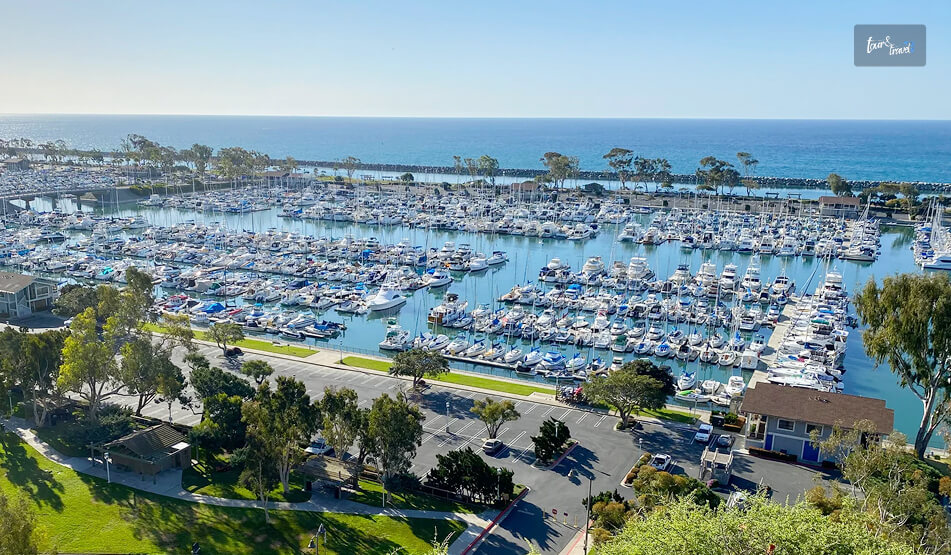
Moreover, if you are a whale watcher, you will get many opportunities to spot this marine life from Dana Point to Mendocino. 

However, each region offers a distinct attraction, and you have to make a timely visit to the right places. 

So, what are the right places? Let’s find out.

1. Southern California 

Southern California 

Southern California is one of the best places for whale watching, as the whales take this route while returning to Alaska in the springtime. 

Furthermore, in Southern California, the important spots for whale watching are:

  • La Jolla Cove
  • Dana Point
  • Channel Island

Moreover, the La Jolla Cove, among others, is a part of the San Diego-La Jolla Underwater Park Ecological Reserve. 

Also, you can reach the La Jolla Cave after taking a 15-minute drive from the amazing Scripps Institution of Oceanography. This institute remains open to the public. 

Best Time For Whale Watching In Southern California 

Southern California is ideal for year-round whale watching. Here, I am quoting what Wesley Turner, a “former marine science educator associated with Newport Landing Whale Watching,” shared on Travel+Leisure. 

She said, 

I do not believe there is a best time of year to come out whale watching in Southern California.

She also added that different species of marine life rule the waters at different times.  

Nevertheless, if you want to spot sea lions, dolphins, humpback whales, and gray whales in California, you must visit between January and April. 

Again, May to September is the best time for spotting finback whales and blue whales. 

Moreover, if you want to spot minke whales, you can plan a trip between May and September. 

2. Central California 

Central California

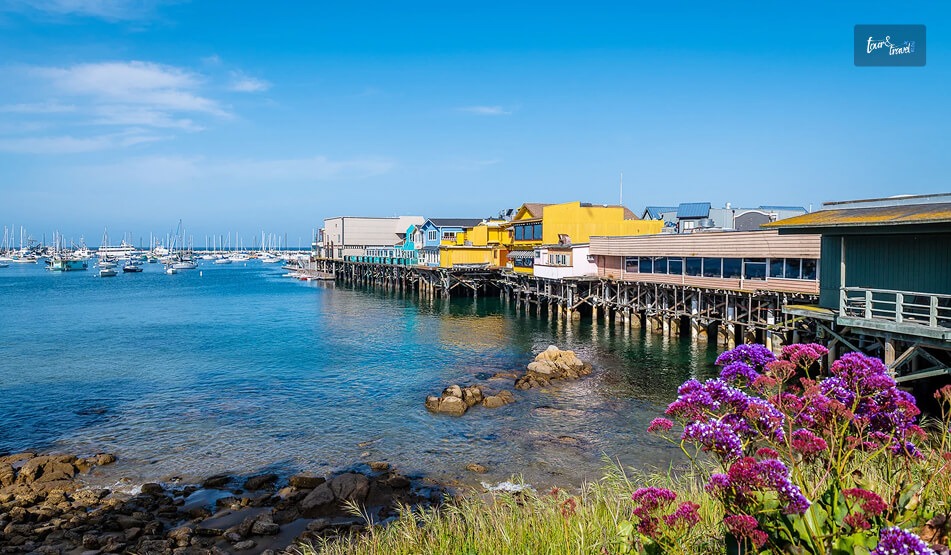
As I have mentioned, Monterey Bay in Central California is the best place for whale watching. 

The submarine canyon here goes up to 2.5 miles at its greatest depth, and it is the reason why Monterey is so rich as a marine mammal habitat. 

Moreover, the canyon here is just offshore. So, you do not always need to get into the boat to spot marine life. 

In fact, if you are doing a road trip around Big Sur, you can spot whales from the clifftop roads along the Pacific Coast Highway. 

However, if you are planning whale watching from the cliff top, you will need patience. You can relax and dine in seaside restaurants such as Sierra Mar and wait for the whales or marine animals to appear. 

Moreover, Monterey Bay Whale Watch is a company operated by Nancy Black. Nancy is a marine biologist, and she offers a four-hour excursion daily for spotting the whales. 

She has worked with whales for 30 years. So, you know what kind of experience you have on board. 

What Is The Best Time For Whale Watching In Central California 

Monterey Bay, in the truest sense, is a year-round destination for whale watching. However, the best time to visit will depend on the type of species you want to visit. 

For example, April to November is the ideal time for spotting blue whales and humpback whales. 

On the other hand, if you want to see migrating gray whales, December to April is the ideal time. 

3. Northern California 

Northern California 

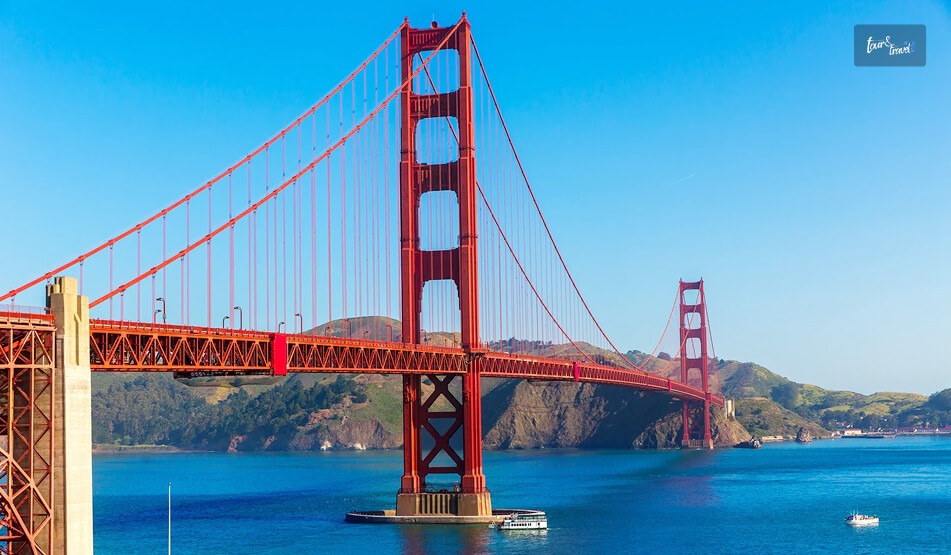
Do not waste your time on whale watching in San Francisco Bay. Or, do not expect the whales to swim beneath the Golden Gate Bridge. 

Instead, you can travel 25 miles from the coast, and there, you will find the Gulf of the Farallones. 

It is a marine sanctuary, covering an area of 3295 square miles.  

Furthermore, a minimum of 25 species of threatened or endangered species breed and are fed here. Also, it has thirty-six mammal species, including the following names. 

  • Humpback Whales
  • Gray Whales
  • Blue Whales
  • Pacific White-Sided Dolphins
  • Sea Lions
  • Harbor Seals. 

Moreover, here you will find an important white shark population. 

Also, the Outdoor Adventure Club, organizing different kayak tours for whale watching, is ideal for people looking for a serious adrenaline rush. 

This tour takes place near Davenport Landing, which is at a distance of 65 miles from San Francisco. 

Moreover, the Mendocino Coast is located north of San Francisco. It is ideal for hiking along the Mendocino Headlands State Park and spotting whales. 

What Is The Best Time For Whale Watching In Northern California?

December to May is the best time for whale watching in Northern California if you are planning to see orcas and gray whales. 

In addition, May to November is the ideal time to spot humpback whales. Moreover, July to October is the best time for spotting blue whales. 

What Are The Things To Pack For Whale Watching In California? 

You have to be prepared if you are planning whale watching in California. You have to carry sunscreen, hats, and sunglasses. 

Furthermore, you have to bring motion patches or pill medications to avoid seasickness and other discomfort. 

In addition, you will need the right clothing, light, and layers. Most importantly, have the right temperament and patience for spotting whales and other fascinating marine animals. 

Read Also:

Share on Social Media

Meet Sibashree Bhattacharya, a travel enthusiast who has a decade-long experience in transcending virtual barriers with her words! Her deep love for travel is apparent from her travel escapades to the mountain, often taking her readers on a journey, her words acting as Portkey! Fun fact: Sibashree loves to dive deep into the history of the places she is about to visit, making her travels even more wholesome. If you were wondering how her articles are not short of time travel, this answers it!

Leave a Reply

Your email address will not be published. Required fields are marked *

title-img Related

READ MORE Traveling

Traveling On A Budget: Tips For Affordable Adventures

BY  Abdul Aziz Mar 7, 2024

Embarking on a budget-friendly adventure doesn't mean compromising on experiences or settling for less. With strategic planning and savvy choices, you can make the most of your travels without breaking the bank. Here's an in-depth guide on how to travel on a budget, covering essential tips and tricks for securing affordable accommodations, flights, activities, dining, transportation, and more. 1. Strategic Planning for Savings The key to successful budget travel lies in meticulous early preparation. Start your planning well in advance to capitalize on the best deals. Early research and booking of lodgings, flights, and activities is recommended since early bird discounts and promotions are available. By doing so, you not only secure lower prices but also have a more comprehensive range of choices, ensuring that you get the best value for your money. Explore various travel platforms, compare prices, and consider bundling options for additional savings. 2. Timing Matters: Booking on a Budget Understanding the optimal times to book flights and accommodations is crucial for budget-conscious travelers. Airlines and hotels often offer discounted rates during specific periods, such as off-peak seasons or promotional events. Use online tools and platforms to monitor price fluctuations, and aim to make your bookings during periods when prices are typically lower. Flexibility in your trip dates also results in significant savings. Consider scheduling mid-week flights and skipping busy travel days to get better discounts. 3. Avoiding Pricey Guided Tours While guided tours provide convenience, they often come with a hefty price tag. Explore alternative ways to experience your destination without compromising on the richness of your adventure. Utilize local transportation, embark on self-guided walking tours, and research points of interest in advance. Engaging with the local community can uncover hidden gems and unique experiences that might be missed on a standard guided tour. Take advantage of technology, such as travel apps and audio guides, to enhance your self-guided exploration. 4. Embrace Off-Peak Travel Traveling during the off-season offers numerous advantages for budget-conscious explorers. Off-peak periods often translate to lower costs for accommodations, flights, and attractions. Additionally, you'll encounter fewer crowds, allowing for a more immersive and tranquil experience. Research the off-peak seasons for your desired destinations and plan your travels accordingly to maximize savings. Enjoying popular tourist spots without the hustle and bustle not only saves money but also provides a more authentic and serene experience. 5. Smart Accommodation Choices Navigating the world of budget-friendly accommodations requires careful consideration. Beyond traditional hotels, explore options like hostels, guesthouses, and vacation rentals. Websites and apps dedicated to budget travel can help you discover unique lodging options that cater to your preferences and budget. Don't shy away from unconventional choices – they can enhance your travel experience while keeping costs down. Prioritize accommodations that offer kitchen facilities, enabling you to prepare some of your meals and further reducing expenses. For additional insights into making intelligent accommodation choices, consider exploring resources like the headquarters location. It will help find details for Hotels like Marriott, IHG, Hilton, Holiday Inn Express Corporate Office, Phone number, Business Email etc. Such resources provide valuable information about reputable accommodations. 6. Savoring Affordable Local Cuisine Delve into the world of budget-friendly dining, from street food markets to local eateries. One of the joys of travel is experiencing the local cuisine, and you don't have to break the bank to do so. Explore local markets, food stalls, and smaller restaurants where you can sample authentic dishes at a fraction of the cost of upscale establishments. Engage with locals to discover hidden culinary gems and take advantage of happy hour deals for both food and beverages. 7. Budget-Friendly Transportation Hacks Uncover strategies for cost-effective travel, including budget airlines, public transit, and rideshare services. While it might be tempting to rent a car, consider the affordability and convenience of public transportation in many destinations. Budget airlines often offer significantly lower fares, especially when booked in advance. Rideshare services can be more economical than traditional taxis, particularly for short distances. Research transportation options in your destination and plan your itinerary accordingly to minimize expenses. Related: 5 Things You Can Carry For An Amazing Trip On A Budget 8. Maximizing Free and Low-Cost Activities Learn to make the most of free attractions, parks, and cultural events at your destination. Many cities offer a wealth of free activities, from museums with free entry on certain days to outdoor concerts and festivals. Plan your itinerary around these opportunities to enjoy a rich cultural experience without spending a dime. Explore local parks, historical sites, and architectural landmarks that don't require admission fees. Utilize apps and websites that highlight free events happening in the area during your visit. 9. Packing Light for Savings Master the art of packing efficiently to avoid extra baggage fees and streamline your travel experience. Pack adaptable clothing pieces that can be combined and matched to minimize the need for additional packing. Invest in tiny travel-sized toiletries to comply with airline restrictions while saving room. To save money on your trip, take a reusable water bottle and food. Packing light not only saves money but also enhances your mobility and reduces the stress of lugging around heavy baggage. 10. Leveraging Travel Rewards and Loyalty Programs Discover how loyalty programs and travel incentives may drastically reduce your total travel expenditures. Many airlines, hotels, and credit card firms have reward systems that award points or miles for every purchase. These points can be used for reduced or free airfare, lodging, and other travel-related costs. To optimize discounts, research and join up for reward programs that are relevant to your trip plans. Additionally, consider travel credit cards that offer perks such as waived annual fees, travel insurance, and exclusive access to airport lounges. In conclusion, embarking on a budget-friendly adventure requires a combination of careful planning, intelligent choices, and a willingness to explore alternatives. With these tips and tricks, you can enjoy memorable and enriching travel experiences without exceeding your financial limits. Whether you're a seasoned budget traveler or new to the concept, embracing these strategies will not only save you money but also enhance the authenticity of your journey. So, pack your bags, embrace the spirit of adventure, and make the most of every budget-friendly moment on the road. FAQs!!! Q1: Can I still find affordable accommodations if I'm planning a last-minute trip? Ans: While planning is ideal, last-minute travelers can still find budget-friendly accommodations. Look for last-minute deals on hotel booking websites, consider alternative lodging options, and be flexible with your location and amenities preferences. Q2: How can I save on transportation costs during my budget-friendly travels? Ans: To save on transportation, consider using budget airlines, public transit, or rideshare services. Booking in advance, being flexible with travel dates, and exploring local transportation options can significantly reduce your overall transportation expenses. Q3: Are loyalty programs and travel rewards worth the effort? Ans: Yes, loyalty programs and travel rewards can be highly beneficial for budget travelers. Accumulating points or miles through credit card purchases or frequent travel can lead to discounted or free flights, accommodations, and other travel-related perks, making it a valuable investment in the long run. Q4: How do I find budget-friendly dining options while traveling? Ans: To find budget-friendly dining options, explore local markets, street food stalls, and smaller restaurants. Engage with locals for recommendations, take advantage of happy hour deals, and consider preparing simple meals if your accommodation provides kitchen facilities. This way, you can savor local cuisine without overspending. Read Also: How Do I Keep My Child Occupied When Traveling? 9 Tips On How To Make The Most Of Your Wildlife Travel Best Restaurants In Honduras To Visit While Traveling

READ MORE plan a weekend trip to a nearby national or state park

Plan A Weekend Trip To A Nearby National Or State Park: Know The Top Spots 

BY  Sibashree May 12, 2026

With the Himalayas, Aravallis, and the UNESCO World Heritage Site, the Western Ghats, India boasts a rich biodiversity. Furthermore, it is a diverse landscape.  Furthermore, India has more than 80 national parks. Each national park offers a unique experience, and from the tigers in the Ranthambore National Park to the elusive snow leopard of Hemis National Park, these are the hubs of incredible wildlife in India.  In this context, let us find out the top spots if you want to plan a weekend trip to a nearby national or state park.  What Are The Places To Visit If You Plan A Weekend Trip To A Nearby National Or State Park?  From the Jim Corbett National Park, the first national park in India, to the Kaziranga National Park in Assam, a UNESCO World Heritage Site, these national parks in India are the places you must visit as a wildlife enthusiast.  1. Ranthambore National Park In Rajasthan: The Best Place For Photographing The Royal Bengal Tiger  Area: 392 Square Kilometers Distance from Jaipur: 180 Km Best Months to Visit: From October to June The Ranthambore National Park near Jaipur has a handsome population of the Royal Bengal tigers, and due to a lack of dense vegetation, it is the ideal place for wildlife photography.  Along with tigers, you will also find different types of deer near the lakes of the national park.  Moreover, the park has ancient ruins such as the Raj Bagh ruins, the 1000-year-old Ranthambore Fort, etc.  Travel Tips For Ranthambore National Park  You can explore the Ranthambore National Park on a jeep, and early morning or late afternoon are the best times for jungle safaris.  So, explore the history and wildlife diversity of the park and have a lifetime experience.  2. Kaziranga National Park, Assam: A UNESCO World Heritage Site  Area: 430 square kilometers Distance from Guwahati: 220 Km Best Months to Visit: November to April Kaziranga National Park is famous as the home to one-horned rhinos. These endangered species live in the wetlands, dense forests, and vast grasslands of the national park.  Along with these one-horned rhinos, you will also find water buffaloes, tigers, and elephants in this national park. Travel Tips For Kaziranga National Park  You must go for a nature walk early in the morning. Early morning is also the best time for a jeep safari.  So, enjoy spotting rhinos and other wildlife in their natural settings.  3. Bandhavgarh National Park, Madhya Pradesh: Home To A High Density Of Tigers  Area: 448 square kilometers Distance from Jabalpur: 165 Km Best Months to Visit: October to June Bandhavgarh National Park does not just have a high tiger density, but it also offers a varied landscape and the ideal opportunity for wildlife photography.  Furthermore, the grasslands and dense forests of the national park are home to other wildlife such as Indian bison, leopards, deer, and sloth bears.  Travel Tips For Bandhavgarh National Park  There are always high demands for safari bookings in Bandhavgarh National Park due to almost guaranteed chances of tiger sightings.  So, you must complete your bookings early.  4. Kanha National Park, Madhya Pradesh: The Abode Of Barasingha Area: 940 square kilometers Distance from Jabalpur: 170 km Best Months to Visit: October to June The Kanha National Park is famous for the fascinating swamp deer or barasingha.  Moreover, barasinghas are a favorite of wildlife photographers, and they make the most amazing frames with the versatile flora and fauna and an interesting landscape as the backdrop.  Furthermore, this national park has a rich vegetation of sal trees and more than 300 bird species.  Travel Tip For The Kanha National Park  Kanha National Park can be explored through a planned safari. Along with swamp deer, you will also find chital deer, Royal Bengal tigers, and bisons here.  5. Gir Forest National Park  Area: 1412 square kilometers Distance from Ahmedabad: 360 km Best Months to Visit: October to Mid-June Gir Forest National Park is the best place to see Asiatic lions in a natural setting. Furthermore, here, you will spot antelopes and leopards.  Along with organized safaris, Gir Forest also offers a guided tour into the forest. The forest area is ruled by pythons and vultures.  Moreover, you will find different species of birds and crocodiles here.  Also, Gir Forest is iconic for its conservation success and its distinct ecosystem. It is a favorite of wildlife enthusiasts and photographers.  Travel Tips For Gir Forest National Park  Early mornings or late afternoons are the ideal hours in a day for lion sightings. Furthermore, daily permits to the national park are limited.  6. Hemis National Park, Ladakh: The Abode Of Snow Leopards  Area: 4400 square kilometers Distance from Ladakh: 54 km Best Months to Visit: From June to September  Hemis National Park is one of the most surreal places for wildlife enthusiasts in India. It has Tibetan wolf, golden eagles, blue sheep, and most importantly, the snow leopard.  Furthermore, it is the largest national park in India, and its landscape includes rugged terrain, cold deserts, and other features.  Moreover, located high in the Himalayas, its elevation varies from 3000 to 6000 meters.  Travel Tips For Hemis National Park If you are planning a wildlife tour pr trekking in the Hemis National Park, you will need to acclimatize first.  The high altitude and extreme weather conditions will test your physical and mental endurance.  7. Periyar National Park, Kerala: The Beautiful Periyar Lake And Elephants  Area: 925 square kilometers Distance from Kochi: 200 Km Distance from Madurai: 130 Km Best Months to Visit: From October to June The biodiversity of the Western Ghats, a UNESCO World Heritage Site, blesses Periyar National Park.  Furthermore, the amazing Periyar Lake here is the ideal spot for watching wildlife, nature walks, and boat safaris.  Moreover, the wild elephants are the most fascinating wildlife in this national park.  Travel Tips For Periyar National Park  Don’t miss the nature walks around the Periyar Lake when you are visiting this national park.  It is the ideal activity here to spot wildlife and learn about the unique ecosystem of the national park.  8. Jim Corbett National Park, Uttarakhand: The First National Park Of India  Area: 520 square kilometers Distance from Delhi: 250 km Best Months to Visit: Mid-November to Mid-June  Jim Corbett National Park is the crown jewel of wildlife tourism in India. Also, it has the laurel for being the first of its kind in various areas.  For example, this national park became the first national park in Asia when it was established in 1936. Also, it was the first national park to join the Project Tiger Initiative.  Along with tigers, it even has more than 600 species of birds, leopards, elephants, and other mammals.  Moreover, with 10 different species of trees, it has dense vegetation.  Travel Tips For Jim Corbett National Park Jeep safaris are organized in the Jim Corbett National Park for spotting the wildlife and exploring the landscape.  It is also an amazing place for photography due to its diverse landscape.  9. Sundarbans National Park, West Bengal: The Largest Mangrove Forest In The World Area (Tiger Reserve): 2584.89 square kilometers Distance from Kolkata: Best Time to Visit: From September to March The Ganges Delta has the biggest mangrove forest in the world, the Sundarbans. A UNESCO World Heritage Site, it is also the original abode of the Royal Bengal tigers.  You can take boat safaris along the canals or narrow waterways to explore the mangrove vegetation and wildlife.  Travel Tips For The Sundarbans National Park  The chances of spotting tigers and crocodiles are very low if you are going for the typical launch or steamer tours.  Moreover, you have to take the risk and explore the narrow waterways in a boat if you want to see wildlife in the Sunderbans.  10. Valley Of Flowers National Park, Uttarakhand: A UNESCO World Heritage Site Area: 87.50 square kilometers  Distance from Dehradun: 304 km Best Time to Visit: From June to October The Valley of Flowers National Park is located at a high altitude of approximately 3600 meters above sea level.  Moreover, it has expansive meadows that get flooded with flowers during the monsoon season. So, what you see in front of your eyes is a burst of colors.  Moreover, snow-capped mountains surround this beautiful national park.  Travel Tips For The Valley Of Flowers National Park You have to trek through the Valley of Flowers National Park to enjoy the views of the flowers and the mountains surrounding the park. 11. Pench National Park, Maharashtra And Madhya Pradesh: The National Park That Inspired The Jungle Book  Area: 758 square kilometers Distance from Nagpur: 79.4 km Distance from Jabalpur: 168 km Best Months to Visit: From October to June We all have grown up reading The Jungle Book by Rudyard Kipling. Now, it’s time to visit the national park that has inspired this amazing creation.  It is the Pench National Park, and it is home to different birds, leopards, and tigers.  Moreover, the park has a diverse landscape.  Travel Tips For Visiting The Pench National Park  Jeep safaris are the best way to explore the Pench National Park. Moreover, you have to book your safari via the MP forest department at least 120 days in advance.  12. Nagarhole National Park, Karnataka: Home To The Largest Congregation Of Asiatic Elephants And Rare Black Panthers  Area: 643 Square Kilometers Distance from Mysore: 60.9 km Best Months to Visit: From October to May The Nagarhole National Park is in the Nilgiri Biosphere Reserve. With dense forests, waterfalls, and streams, it has the largest congregation of Asiatic elephants.  Furthermore, you will find the elusive black panthers here.  Moreover, it is home to elephants, deer, leopards, and tigers.  Travel Tips For The Nagarhole National Park  Wildlife safaris are popular in the Nagarhole National Park. Moreover, the national park has streams and forests, making the overall landscape fascinating.  13. Bannerghatta National Park, Karnataka: The First Butterfly Park In India  Area: 104 square kilometers Distance from Bangalore: 32 km Best Months to Visit: Year-round  The Bannerghatta National Park is very close to Bangalore. It is a wonderful place for ecotourism, and at the same time, it is an important place for wildlife conservation.  Moreover, it has the first butterfly park in India.  Travel Tips For Bannerghatta National Park The Bannerghatta National Park is an ideal destination for a family vacation. Furthermore, it offers a wonderful fusion of recreational and educational experiences.  14. Silent Valley National Park, Kerala: Home To The Largest Viable Population Of The Endangered Lion-Tailed Macaque Area: 895 square kilometers Distance from Palakkad: 55 km Best Months to Visit: From September to May The Silent Valley National Park is the “last undisturbed tract of South Western Ghats mountain rainforests and tropical moist evergreen forests in India.”  Furthermore, it has diverse flora and fauna. So, it is a popular place for nature lovers, wildlife photographers, and travelers looking for tranquility.  Travel Tips For Silent Valley National Park You have to hike through the forest to explore the flora and fauna of the Silent Valley National Park.  Furthermore, this national park is an important landmark associated with the history of environmental wellness in India.  Moreover, it is the place where the Save Silent Valley movement took place in the 1970s. This was a protest against a hydroelectric project.  15. Simlipal National Park, Odisha: The Only Habitat For The Rare Black (Melanistic) Tigers  Area: 2750 square kilometers Distance from Baripada: 126 Km Best Months to Visit: November to June A part of the Mayurbhanj Elephant Reserve, the Simlipal National Park is where you will find the rare black tigers.  Furthermore, it has elephants, leopards, Royal Bengal tigers, and different bird species.  Moreover, this national park has a diverse ecosystem, including dense forests, waterfalls, and grasslands.  Travel Tips For Simlipal National Park Jeep safaris are the ideal way to explore the Simplipal National Park. With dense forests and waterfalls, it also has the most diverse landscape.  Things To Remember As You Plan A Weekend Trip To A Nearby National Or State Park Keep the following things in mind as you plan a weekend trip to a nearby national or state park.  Know the best time to visit and the current weather conditions before planning your trip. Also, know the regulations and follow the safety guidelines.  In addition, you have to be particular about the things you need to pack.  Furthermore, you have to be careful about the natural habitat and wildlife in all national parks.  Moreover, you have to be responsible for the tourism options.  So, be responsible and careful, and enjoy the diverse landscape and wildlife of the best national parks in India. Read Also: Why Are Lodhi Garden And Khan Market In Delhi Famous? Away From The Busy Streets Of Delhi Hauz Khas Village: How To Spend A Day And Enjoy A Breath Of Fresh Air? Learn All About the Best Solo Trip in India Right Here!

READ MORE Mount Lavinia Beach

Mount Lavinia Beach: Sand, Sea Turtles, Food And More

BY  Sibashree Feb 17, 2026

Just outside Colombo City, I found the Mount Lavinia Beach. I did not know that such a beautiful sea bathing spot was located so close to Colombo. It is swimmable and has the most amazing sunset views.  The beaches in Jaffna will be my silent favorite. However, I was happy to find this quaint place and met adorable sea turtles here.  Here is more about a day at Mount Lavinia Beach.  How I Reached The Mount Lavinia Beach?  The closest railway station to Mount Lavinia Beach is the Mount Lavinia Railway Station. I took a train from the Kollupitiya railway station, and the train ticket cost me around INR 10 or 30 LKR.  It was a train journey of 20 minutes, and as the train started getting closer to Mount Lavinia, I could smell the sea, and young men were all near the doors of the train carriage, enjoying the breeze and soaking in the vibe.  The Mount Lavinia Beach: A Day Well Spent By The Sea  It was late afternoon when I reached Mount Lavinia Beach. Everyone was playing cricket or rugby, and some young couples were taking selfies.  I joined the bunch playing cricket, and it was a lot of fun talking about Kumar Sangakkara and Sanath Jayasuriya, two Sri Lankan cricket icons. They were happy to know that I was from India, and we talked more about the cricket that we played.  After I played with them for one hour, they accompanied me for lunch at a special door. The place was indeed special, as I watched the trains pass with thunder and even could cross the tracks.  Meanwhile, the Sun was about to set, and I planned to have some beer and watch the sunset. The plastic chairs and tables were in dilapidated conditions, but I cherished my beer time.  As the sky turned blue from orange, and then purple and black, I patted my back for deciding to spend an afternoon at Mount Lavinia Beach.  Sea Turtles And Food At Mount Lavinia Beach  I visited the Sea Turtles Conservation Centre before hitting the beach, and the food I had here deserves a special mention.  Here is more about the highlights of my Mount Lavinia Beach experience.  1. Sea Turtles Conservation Centre, Colombo  Ticket Price: INR 180 The Sea Turtles Conservation Centre was the first place I visited after getting off at the Mount Lavinia station.  I walked through makeshift shacks and beach houses between the Mount Lavinia Railway track and the beach to reach the Sea Turtles Conservation Centre.  It is a small beachside rescue center that buys turtle eggs from locals and raises them. It is an attempt to stop the selling of tortoise eggs or tortoise meat as food.  Furthermore, it is a place where injured turtles are nursed, and their health is restored. I saw adorable Albino Loggerheads, tiger turtles, and leatherbacks here.  Also, I was elated seeing the tank where tiny, 1-week-old baby turtles were swimming. I am a tactile person, and the best thing was that they allowed me to hold the turtles.  They also explained the volunteering opportunities here and how the entire preservation project is managed.  Overall, it was a fulfilling experience. 2. The Galkissa Beach My experience in Sri Lanka began with a trip to Jaffna. I have also hiked the Ritigala Forest Monastery and Trincomalee.  By now, I must have been aware of how Google Maps can be deceiving in Sri Lanka. However, overjoyed with the turtle experience, I did not notice that I had walked in the wrong direction from the railway station.  I could sense the mistake when I could see a stretch of sand with fishing nets lying before me. There were no bars or restaurants as I had seen in the images of the Mount Lavinia Beach.  People were playing with kites and swimming there.  I waited there for five minutes. Oh, the introvert in me really becomes unbearable sometimes.  Nevertheless, I tried to be at the best of my best social skills and asked a local about the place. He told me that it was the Galkissa Beach.  I took some photos of the place and then started walking toward Mount Lavinia Beach.  3. Food On The Mount Lavinia Beach Finally, I reached the Mount Lavinia Beach, and it was exactly like the photos I had seen of it. I was at the beach around July, and the waves were quite strong.  So, people were more into paddling than swimming. Also, after playing some cricket, as I have mentioned, my stomach was rumbling, and thanks to the guys I was playing cricket with, I got to grab a place at a bar cum restaurant.  I ordered some seafood fried rice and prawn curry with chilled Lion beers.  Food was good and spicy, and with occasions sweats! Though the food here was not as spicy as the food in Jaffna.  After finishing my lunch, I decided to go for another stroll along the beach and watch the sunset. Finally, it was time to bid goodbye to the waters and take a train to the Kollupitiya railway station.  Mount Lavinia Beach: Frequently Asked Questions (FAQs) Here are the frequently asked questions and answers about the Mount Lavinia Beach.  1. What Is Mount Lavinia Famous For?  Mount Lavinia is famous for its golden sand beach and the heritage Mount Lavinia Hotel. The beach is an ideal place for swimming, paddling, beach crickets and enjoying a vibrant nightlife. Furthermore, the hotel was built in 1806. It was the former residence of the governor of Sri Lanka, and thanks to its old-world charm is one of the most celebrated hotels in Sri Lanka. Moreover, romance is in the air of Mount Lavinia. British Governor of Ceylon, Sir Thomas Maitland, fell in love with Lovina Aponsuwa, who was a Sinhalese-Portuguese dancer in the 19th century. Sir Thomas Maitland named the area and the hotel after her name.  2. Is Mount Lavinia Beach Safe To Swim?  Yes, Mount Lavinia Beach is safe to swim. It has shallow areas, calm waters, and a shoreline patrolled by lifeguards. So, it is an ideal place for swimming and a favorite among the locals for a family visit. Having said that, November to April is the best time for swimming at Mount Lavinia Beach. Also, weather conditions can change anytime. So, check the local safety flags and listen to the advice of the lifeguards before getting into the water.  3. What Is The Mount Lavinia Beach To Colombo Airport Distance? The distance between Mount Lavinia Beach and Colombo is around 44 km. The travel time via the Colombo - Katunayake Expressway is around 1 hour and 5 minutes. The best option is to take an airport transfer from the Colombo Airport.