
Is an Mt Fuji Day Trip From Tokyo Worth It? How To Plan It? 

Planning a day trip from Tokyo?

Mount Fuji is the most obvious destination for such a trip. 

But do you know how to travel for a Mt Fuji day trip from Tokyo and why it is so special? 

Let’s find all the details in this blog. 

Why Is A Mt Fuji Day Trip From Tokyo Special? Is It Overhyped?

Why Is A Mt Fuji Day Trip From Tokyo Special Is It Overhyped

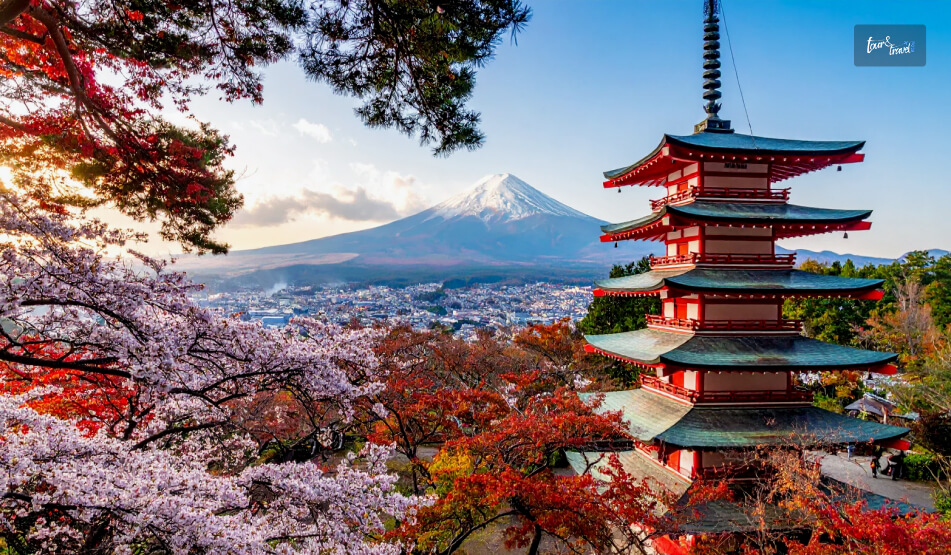
The volcanic mountain, Mount Fuji, is a UNESCO World Heritage Site. Furthermore, the Fuji Five Lakes area in Kawaguchiko offers amazing scenic views. 

Though a rewarding day trip, these days it is often overhyped by Instagram and other social media platforms. 

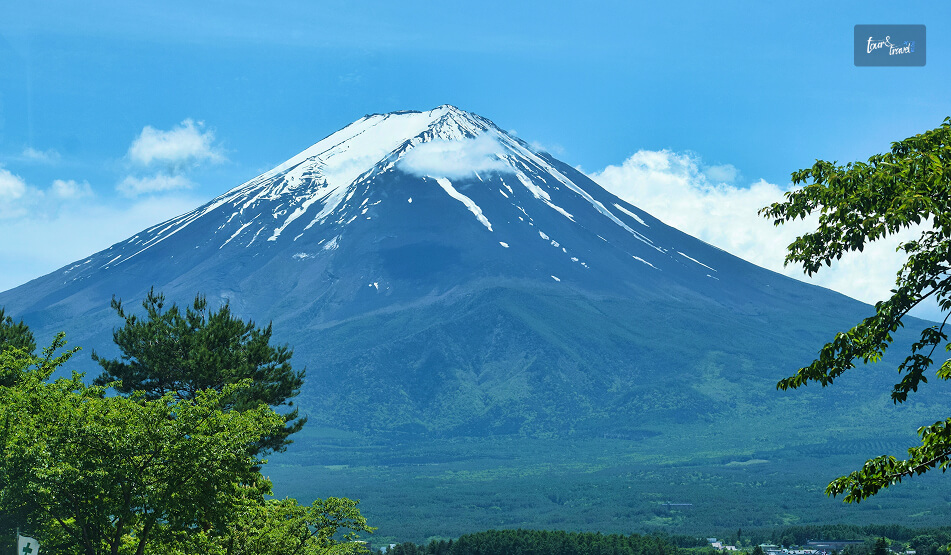
In most of the pictures, you will find a half-snowy Mount Fuji with its stunning landscape. 

However, you have to remember that Mount Fuji is also called the “Shy Mountain.” True to its name, it is only visible around 70-80 days in a year. 

That is why it is very important to plan the Mt Fuji day trip from Tokyo at the right time. 

Do you think the summer months are the best for visiting Mount Fuji? You are making a mistake. 

In fact, the summer months are the most humid and the rainiest in Japan. 

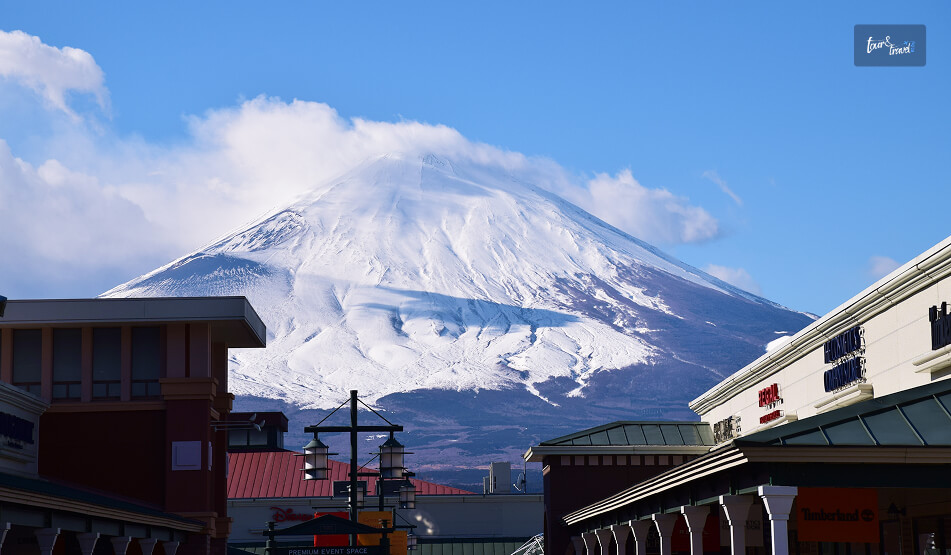
So, clouds and mist make Mount Fuji rarely visible. Thus, winter months, which are also drier, are the best for a Mt Fuji day trip from Tokyo. 

Climbing And Touring Mt Fuji: Which One Is Better? 

If you are planning to climb Mount Fuji, you will need at least 2 days for the trip from Tokyo. 

However, if you want to take a tour of the mountain from the surroundings, it can be completed comfortably in a day. 

So, here is a comparison of climbing Mt Fuji vs. taking a tour of Mount Fuji. 

1. Climbing Up Mount Fuji 

Climbing Up Mount Fuji

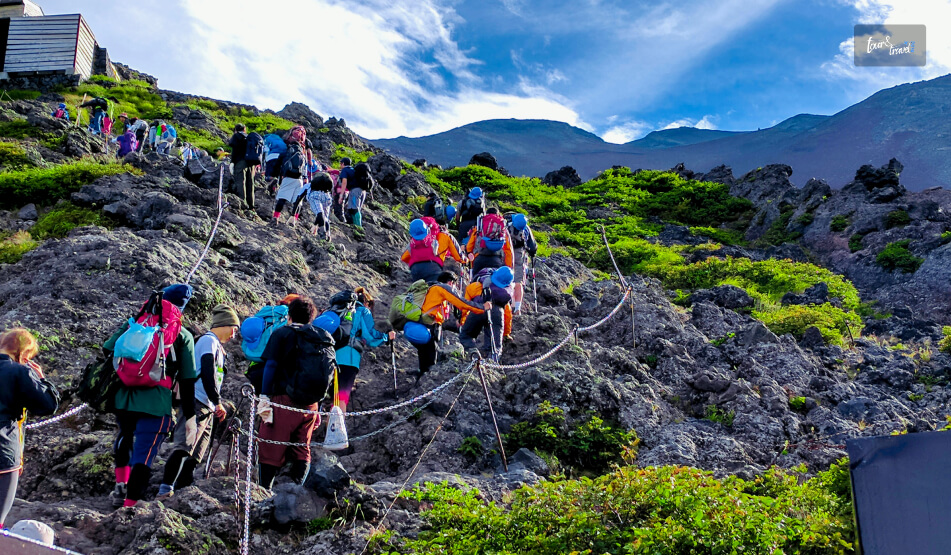
A sunrise trek to Mount Fuji is very popular, and you will find multiple stations on the trek route. 

Furthermore, climbing up the mountain is no easy task, and it takes 5 to 10 hours to complete this high-altitude trek. 

Though the Yoshida Trail, among the four trails leading to the summit, is beginner-friendly, you still need training, proper gear, and preparation to complete the trek. 

2. Taking A Tour Of Mount Fuji 

Taking A Tour Of Mount Fuji

This is the usual option for regular tourists. You will visit the Fuji Five Lakes and beautiful villages on the way. 

Also, if the weather conditions are good, you will get a good view of Mount Fuji. 

How To Travel For A Mt Fuji Day Trip From Tokyo? 

Yes, you can take a car on rent for a Mt Fuji day trip from Tokyo. However, Japan is famous for its trains. 

It also has a well-managed bus network. 

So, for a local experience and budget-friendly travel, these are the best options you can opt for. 

1. Mt Fuji Day Trip From Tokyo By Train

Mt Fuji Day Trip From Tokyo By Train

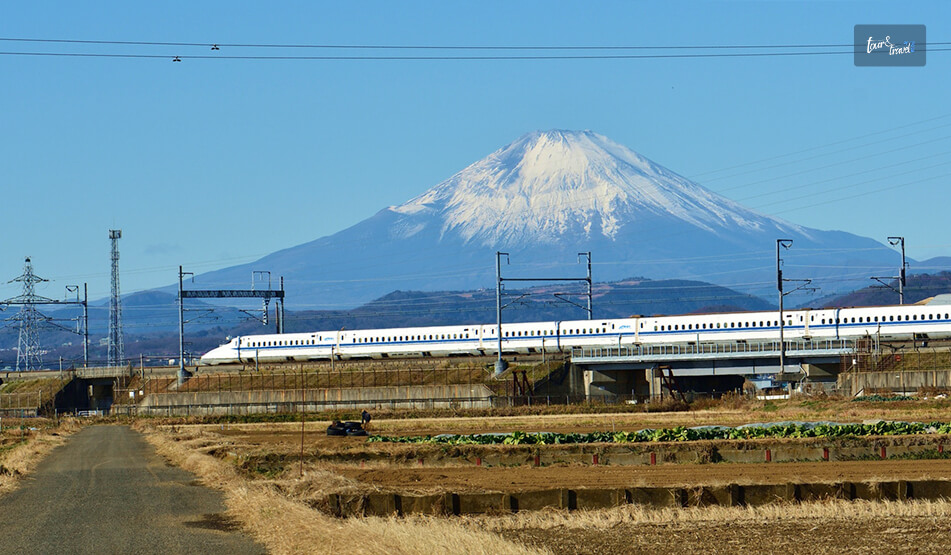
Japan Railway (JR) has a limited express train service called the Fuji Excursion Train. The train runs between the Shinjuku Station and the Kawaguchiko stations and the Mount Fuji Station is between them.

The Shinjuku Station is at a distance of about 5 km from Tokyo City. 

The train ride takes about 1 hour and 54 minutes, and the ticket price is ¥600 for adults and 400 for children. 

Check out the timings of trains from Shinjuku Station and Kawaguchiko, and when they reach the Mount Fuji Station. 

I have enlisted the timings for the weekdays. Train timings differ on weekends and holidays (Source: Fujikyu Railway). 

Table 1: Train From Shinjuku Railway Station To Mt Fuji 

DepartureArrival 
7:30 AM9:23 AM
8:30 AM10:21 AM
9:30 AM11:23 AM
10:30 AM12:19 PM
11:34 AM1:25 PM

Table 2: Train From Kawaguchiko Railway Station To Mt Fuji

DepartureArrival 
2:08 PM2:16 PM
2:58 PM3:06 PM
3:39 PM3:47 PM
4:48 PM4:56 PM
5:41 PM5:49 PM

You can directly book the train ticket from the online reservation service of the Japan East Railway. You can also buy a Japan Railway Pass for similar excursions. 

Mt Fuji Day Trip From Tokyo By Bus

Mt Fuji Day Trip From Tokyo By Bus

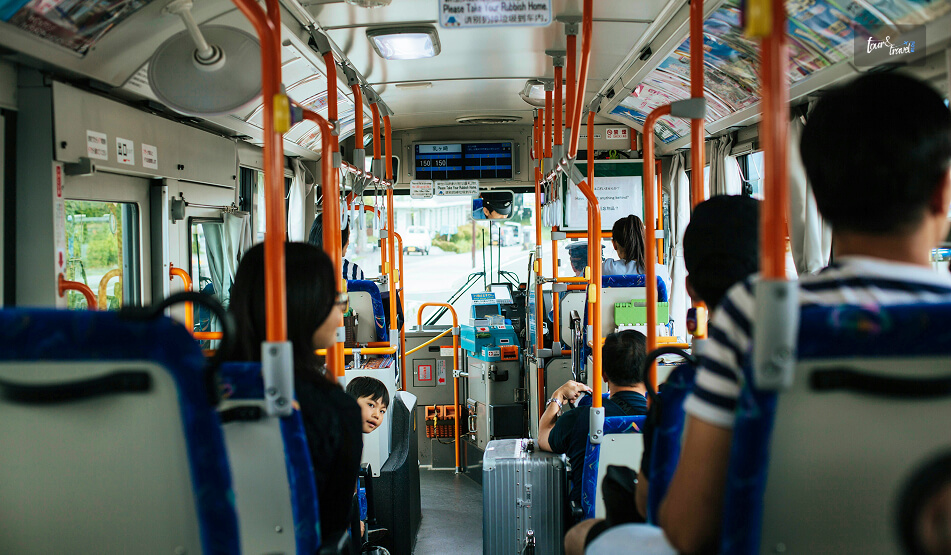
You can also plan a Mt Fuji day trip from Tokyo by bus. Take the Mt. Fuji Highway Bus from the Shinjuku bus stop and get off at the Mount Fuji 5th Station. 

Also, the travel time is about 2 hours and 25 minutes. 

Furthermore, the ticket price is 3800 JPY for adults and 1900 JPY. 

Moreover, you can book the ticket online from Highway-buses.jp

How To Explore Mount Fuji?

How To Explore Mount Fuji

You can explore Mount Fuji in a car. However, it is super expensive and costs up to JPY 15000-20000 JPY a day. 

Furthermore, if you are planning to drive in Japan, you will need a 1949 International Driving Permit (IDP) as an international tourist. 

Overall, it is a lot of hassle. 

So, you can choose the bus services available in Mount Fuji to travel in and around the area. 

1. Fujikyu Or Omnibuses

You can book the Fujikyu Omnibus sightseeing pass for 1 day or 2 days. The pass for 1 day costs 1500 JPY, and for two days, it costs 2000 JPY. 

Moreover, these bus services operate in three lines: the Red Line, Blue Line, and Green Line. 

So, check your itinerary first and the places you want to explore before boarding a bus. 

2. Climbers Bus

Are you planning to climb up Mount Fuji? Then, you can plan to take this bus service. However, many of these services are seasonal, and here are the details. 

Moreover, these buses depart from the 5th Station and circle the mountain. 

Climber Bus RouteLineSeasonal Availability 
Fuji Subaru Line 5th StationM-LineEveryday
Subhasiri 5th Station Q-LineSummer Season
Gotemba New 5th StationZ-LineSummer Season
Fujinomiya 5th StationL-LineSummer Season

3. Bus-Boat Kaba

This is a special bus service on water. You can board the bus-boat Kaba and cruise through Lake Yamanaka. 

Furthermore, in usual seasons, the ticket price is 3800 JPY for adults, 1900 JPY for children, and 500 JPY for infants. Prices can further go up in the peak tourist season. 

Moreover, on weekdays, the bus boat services will run from 11:30 AM, 1:10 PM, 14:00 PM, and 15:40 PM from 1st April, 2026. 

On weekends, there are additional services (along with the usual times) at 9:50 AM, 12:20 PM, 2:50 PM, and 4:30 PM. 

Moreover, from April to September, there is a bus service at 5:20 PM on weekends. 

5. Local Route Bus 

You will get buses departing from Mt Fuji and Kawaguchiko Stations to Fujinomiya, Shin-Fuji Station, Kofu, Isawa Onsen, Mishima, and Gotemba. 

What Is The Best Time To Plan A Mt Fuji Day Trip From Tokyo?

The winter months are ideal for visiting Mount Fuji. Dry weather conditions and a lack of humidity in the air make it ideal for visiting Mount Fuji. 
Furthermore, spring and autumn months are ideal for a Mt Fuji day trip from Tokyo. These months coincide with the cherry blossom season in Japan and the autumn foliage.

Read Also:

Share on Social Media

Meet Sibashree Bhattacharya, a travel enthusiast who has a decade-long experience in transcending virtual barriers with her words! Her deep love for travel is apparent from her travel escapades to the mountain, often taking her readers on a journey, her words acting as Portkey! Fun fact: Sibashree loves to dive deep into the history of the places she is about to visit, making her travels even more wholesome. If you were wondering how her articles are not short of time travel, this answers it!

Leave a Reply

Your email address will not be published. Required fields are marked *

title-img Related

READ MORE Hiriketiya Beach

Hiriketiya Beach, Sri Lanka: Location, How To Reach, Things To Do And More 

BY  Sibashree Mar 23, 2026

Hiriketiya Beach is a place that can disrupt your travel plans completely.  You may arrive with plans for a two-night stay and end up spending 3 weeks developing a routine of mornings spent surfing, drinking coconut coffee, and watching the sun set down on the jungle.  This tucked-away cove in Sri Lanka’s southern coast, nicknamed by its community of surfers and digital nomads as "Hiri", is a textbook example of tropical aesthetics.  The cove is well-formed, with water that is surrounded by palm trees, and has a jungle so dense behind it that you will hear monkeys scurrying through the tree tops of your surfboard as they find their way there.  Hiri feels like a secret to be shared, but is just being revealed to people in the surrounding towns of Weligama and Mirissa.  Hiriketiya has developed to become a more sophisticated version of Weligama and Mirissa. The "vibe" of Hiriketiya is not just another phrase used by hipsters. It is the currency used by locals. Here is more about this beautiful coastal gem in Sri Lanka.  The Evolution Of Hiriketiya Beach: Why You Need To Go Now Hiriketiya has experienced an incredible transformation over the last few years.  Only a few years ago, this sleepy little fishing village had only a few guesthouses and one small roti shop. It is quite similar to the beaches in Jaffna in that way.  Now, it's become a vibrant hub, and even though it has lost some of its "untouched" charm. Moreover, this infusion of new energy has produced world-class specialty coffee shops, beautiful state-of-the-art Yoga studios, and a co-working scene. But despite these rapid changes, the spirit of this village remains.  The Surf At Hirikeya Beach: A Wave For Every Soul The horseshoe shape and the unique geography of the Hirikeya Beach make it ideal for every type of surfer.  Here is a quick breakdown. Surf LocationDetails The Beach Break (Right Side)- Beginner-Friendly- Sandy Bottom- Gentle WavesThe Middle- Ideal for Longboarders- Offers a Mellow RideThe Point Break (Left Side)- Ideal for Professionals- Shallow Reef Board rentals are standardized at 1000 LKR per hour.  If the Hirikeya Beach is very busy, you can go 3.5 km east and find Kudawella Beach.  Where Is Hirikeya Beach? How To Reach It?  Hiriketiya is located off the main highway along the coast, about one mile away from the town of Dickwella.  Since Hiriketiya is not on a major transit route, you will have to use Dickwella as your transit point. 1. Traveling To Hiriketiya Beach From Colombo The best way to get there is by taking the train from Colombo Fort to Matara, which takes approximately four hours.  From Matara, you can take a local bus to Dickwella or take a tuk-tuk taxi. You can also take a highway express bus from Colombo to Matara and arrive in about three hours. 2. Traveling To Hiriketiya Beach From Ella You can catch the #31 bus at the intersection of the Ella-Passara Road as you travel through tea country.  It is approximately four hours to the coast on a winding road. Just tell the conductor you want to go to Dickwella. 3. Traveling To Hiriketiya Beach From Arugam Bay If you are traveling from the East Coast surf to the surf in the South, there is a direct bus leaving from Pottuvil every day around 6:30 AM, arriving at Dickwella approximately six hours later. What Are The Things To Do At Hirikeya Beach? (Beyond Surfing) Hiri has just as much gravitational force to attract chill seekers. So, here are the things to do beyond surfing.  1. Walk To Blue Beach Island If you're looking for a little adventure, try the 2.5km (1.5-mile) walk to Nilwella.  You'll be walking through peaceful local neighborhoods when you find a beautiful natural sandbar that links the mainland with a small island.  Moreover, walking over a sandbar with breaking waves on both sides of you is something you will remember long after leaving Hiri.  Also, it is the best place to watch the sunset. 2. Sip In Style At Smoke And Bitters Believe it or not, one of the 50 Best Bars in Asia is hidden deep in a coconut grove.  Furthermore, the menu at Smoke and Bitters is based on the smokehouse method of cooking, using local Sri Lankan ingredients with cooking methods from around the globe.  Moreover, you must try the smoked harissa pumpkin and the pork ribs as they are WOW!!  Every cocktail created at Smoke and Bitters is a work of art. The price of a drink here, compared to what you would expect to pay in Sri Lanka, may seem high. However, when you want to treat yourself, there is no better place to go. 3. Become A Culinary Master With Rosie Rosie's cooking class experience is the ultimate rite of passage in Hiri.  While she prepares the dishes during your cooking class, you will also hear many personal stories of her life and how she made some special Sri Lankan spice combinations. Moreover, it costs 6000 LKR, and the 4-hour feast is the ultimate attraction.  The Digital Nomad And Yoga Scene At Hirikeya Beach  Hiriketiya has become a cornerstone of the "work-from-anywhere" lifestyle.  Places like Dots Bay House and Salty Pelican provide the infrastructure (and the caffeine) needed to hit deadlines. Moreover, when it comes to physical and mental well-being, Arise is unparalleled.  So, they provide a variety of classes to choose from, including Muay Thai, ecstatic dance, and Reiki, as well as many types of Vinyasa yoga.  Additionally, their Salt House location offers stunning rooftop yoga classes where you can do yoga while listening to the waves below. Where to Stay In Hiriketiya? Hiriketiya offers a versatile range of accommodation. Here are some places you can try.  1. Salt House  This upscale beach hotel has a boutique feel.  Located 5 minutes away from the beach, the hotel has spacious, minimalistic rooms opening directly to its central pool and open-air cafe.  Moreover, on-site yoga classes every day attract those interested in wellness. Room rates begin at about 21000 LKD per night. 2. Dots Bay House  Located next to the surfing area, 'Dots', the centre of Hiri's social scene, offers accommodation options ranging from dormitories to high-end private rooms.  Moreover, facilities include an on-site co-working space, swimming pool, and popular bar which features the best live music acts in town. Prices start at approximately 7000 LKD per night. 3. Hiriketiya White House  A charming, family-owned guesthouse hidden away in the jungle, offering an excellent option for visitors who want authentic experiences at affordable prices.  Also, the double rooms come with beautiful contemporary bathrooms and balconies where guests can enjoy watching monkeys play overhead. Moreover, the prices start from about 5500 LKD per night.  When To Visit Hiriketiya Beach? Due to offshore winds and consistent swell during the "High Season", November to April is the best time for surfers to be out on the ocean.  Moreover, December to February is the busiest time of year, with hot and dry weather as well as a lot of activity happening around town.  However, there are two downsides. The first is that accommodation prices rise significantly, and the second is that line-ups at the ocean can be extremely crowded. Where To Eat In Hiriketiya? As an enthusiast of TheLowDownUnder Travel and genuine experiences, I felt compelled to sample the local cuisine at Hirikeya. So, here are a few recommendations for places to check out. 1. Lemon Grass Café Considered the benchmark for rice and curry in Sri Lanka, this family-run establishment is modest yet impactful.  Moreover, for 1000 LKR, you’ll enjoy a generous array of at least four different vegetable curries, rice, and dessert, with unlimited refills. 2. Kingsley’s Kitchen Another gem in the area, Kingsley is a well-known figure in the village who serves outstanding home-cooked meals.  Dinner operates on a pre-order basis, so be sure to stop by during the day to reserve your meal.  Moreover, it’s one of the most budget-friendly spots in the bay, with a vegetarian curry priced at 750 LKR. 3. Dahami Situated at the Dickwella intersection, this is where the locals dine. Furthermore, it’s a straightforward buffet offering a mountain of rice and curry for just 450 LKR. Moreover, for those seeking specialty cafés and a beach atmosphere, options like Duni’s Hoppers Café, MOND Café, and La Playa are worth considering.

READ MORE Colombo to Kandy

What Is The Colombo To Kandy Distance? Know How To Travel By Car, Bus, Tuk-Tuk And Train 

BY  Sibashree Mar 24, 2026

Ancient Temples! Colonial Architecture! The Serene Kandy Lake! Beautiful Gardens! And, the Bustling Crowd! All these and more things to do in Kandy make it the cultural and historical capital of Sri Lanka.  And this time, it’s about the Colombo to Kandy distance.  It is now more important to know about the modes of travel because Cyclone Ditwah has devastated the Sri Lankan railway infrastructure, including the Colombo to Kandy route.  So, explore the options.  What Is The Colombo To Kandy Distance? The distance between Colombo and Kandy is around 121 km. The travel time by road through the Kandy Road is around 3 hours and 30 minutes.  However, the travel time will depend on the mode of transport you choose.  So, here is a quick summary. Modes of Transfer from Colombo to KandyTravel Time By Car3 Hours and 30 MinutesBy Train2.5 to 3.5 HoursBy BusAbout 4 Hours Furthermore, from Kandy, you can enjoy the most scenic train ride on the Colombo-Kandy-Ella-Badulla railway through the Nine-Arch Bridge.  Also, Kandy is well-connected to Habarana by train. And Habarana is the gateway to cultural attractions such as the Sigiriya Rock and Ritigala Forest Monastery.  You can even go on a wildlife safari from Kandy to the Kaudulla National Park. How To Travel From Colombo To Kandy?  You can travel from Colombo to Kandy by bus, private transfer, or train. Here are the details.  1. How To Travel From Colombo To Candy By Train? Unfortunately, the Colombo to Kandy train route is still under renovation. So, if you are traveling to Sri Lanka anytime soon, you will not be able to take the train service.  However, according to a report published on Adaderana.lk, a leading 24x7 news portal of Sri Lanka, the train service on this route will resume within 1 year.  In this report dated 11th January, 2026, Prasanna Gunasena, the Deputy Minister of Transport and Highways, has further confirmed that the authority is taking every possible measure to restore the services.  2. What Is The Colombo To Kandy Bus Service? The Colombo to Kandy bus service operates from the Colombo Bastian Mawatha Bus Terminal to the Kandy Good Shed Bus Station.  Bus services are available every 30 minutes, and the travel time by these buses is around 4 hours.  Furthermore, the ticket for the public bus services from Colombo to Kandy costs about 157 LKR, and the tickets for the AC buses can cost close to 3000 LKR.  Also, the public bus service from Colombo to Kandy (Route No: 1) starts from 3:30 AM and the last bus departs at 11 PM.  3. Private Transfers From Colombo To Kandy  Starting from my days in Jaffna to now, this Colombo to Kandy journey, I have always opted for budget-friendly modes of transport in Sri Lanka.  However, if budget is not a constraint for you, you can choose a private transfer from the Sri Lankan capital to the cultural epicenter.  The private rental for this route will cost you around 9000-13000 LKR, and you will also find many online options.  Moreover, if you want the safest option to travel between Colombo and Kandy by road, you can opt for the Uber service.  Yes, it is expensive as the services start from around 48000 LKR, and it is the price for the Uber Go Intercity rentals.  The Uber Sedan Intercity and the UberXL Intercity services cost even more.  What Is The Best Time For A Colombo To Kandy Trip?  Kandy’s central location in Sri Lanka’s highlands gives it a cooler and wetter climate compared to the surrounding lowland coasts.  Plan your trip to Kandy during the right time of the year to get the most out of your visit. The Best Time To Visit  The best time to visit Kandy is between the months of January and April due to the warm temperature and low humidity.  This time frame has the least amount of rain, which is essential for planning out sightseeing activities. The Monsoons The climate of this region is heavily influenced by the monsoon seasons.  The unpredictable weather can be a challenge during the months of May to July and October to December.  A visit in November has the advantage of having fewer tourists compared to other months; however, consistent rain can make visiting outdoor attractions difficult. Important Travel Advice Kandy is extremely busy during the Sinhalese New Year, which occurs twice a year in April.  Avoid traveling during this week as all public and road travel will be extremely congested due to the celebratory travel of the locals.  This will create a frustrating and overwhelming spike in logistical travel obstacles. What Are The Places To Visit On The Route From Colombo To Kandy?  The drive from Colombo to Kandy takes you on an enjoyable journey through beautiful scenery as you travel uphill from a busy, urban environment to the lush tea plantations and mountain peaks shrouded with mist.  If you plan to take this trip, there are many places where you will want to stop so that you can appreciate what is known as the "Gateway to the Hill Country." 1. The Pinnawala Elephant Orphanage The Pinnawala Elephant Orphanage is one of the best-known detention centers for orphaned elephants in the world and has been established for many years.  Now that you know the date, I recommend arriving at least 30 minutes before the start of your visit so that you can watch the elephants walk from the orphanage to the Maha Oya River to have their daily bath. 2. The Ambuluwawa Tower The Ambuluwawa Tower is a great location for Wright Brothers-style views of the area.  It is located within a short distance of Gampola. It is at a multi-religious complex, and this unique white spiral structure offers an exciting, narrow ascent with amazing 360-degree views of the entire central highlands. 3. The Kadugannawa Rock Tunnel  It is a tunnel chiseled from the rock on your way towards Kandy, and also has a legend that British soldiers cut this tunnel so that they could fulfill a prophecy.  The prophecy said that "Those who pierced the mountains will be the ones who take Kandy." 4. The Bible Rock Bible Rock is a flat-topped mountain that is shaped like an open book.  You can spot it at the Kadugannewa Pass. Dawson Tower stands atop the pass; this is a white column built to commemorate the British Engineer who created the road.

READ MORE Dambulla Royal Cave Temple

Dambulla Royal Cave Temple: History, Entrance Fee, And More About This UNESCO Heritage Site 

BY  Sibashree Apr 10, 2026

The Dambulla Royal Cave Temple is gearing up for the much-acclaimed “Walk for Peace” which will start from 21st April, 2026.  Respected Paññakāra Thero and 12 other monks from the Maha Sangha will lead the walk.  Furthermore, this walk, originating in the United States, will spread the teachings of Lord Buddha, “Caratha bhikkhave carikam bahujana hitaya bahujana sukhaya lokanukampaya.” It can be roughly translated as a monk should always wander forth out of their compassion for the world and for the happiness and well-being of many.  After the inauguration of the event at Anuradhapura and special observations at Ruwanweliseya premises, the walk will start from the Dambulla Royal Cave Temple, and then it will slowly proceed to Kandy to continue the walk.  Now, it is no wonder that the Rangiri Dambulla Cave Temple has been chosen as the starting point for the walk.  With a history that goes back to the 3rd century BCE, and home to the Buddhist mural paintings and 157 statues, it remains one of the most important Buddhist landmarks in Sri Lanka.  Here is a detailed guide on my experience at Dambulla Royal Cave Temple, its significance, history, entry fee, and more!  The Dambulla Royal Cave Temple: Quick Facts  “Dambulla is an important shrine in the Buddhist religion in Sri Lanka, remarkable for its association with the long-standing and wide-spread tradition of living Buddhist ritual practices and pilgrimage for more than two millennia.” UNESCO World Heritage Convention.  Here are some quick facts about the most well-preserved and largest cave-temple complex in Sri Lanka. Number of Sanctuaries 5Buddhist Mural PaintingsAcross an Area of 2,100 m2Number of Statues157HistorySince the 3rd Century BCEThe Current Interior FormsBuilt in the 18th CenturyType of SculpturesPolychromeOwnership The Asgiriya Chapter of Buddhist monksMonument Protection “Protected Monument under the legal protection of the Department of Archaeology of the Government of Sri Lanka, which administers the Antiquities Ordinance of 1940 (rev. 1998) at the national level.”Entry Fee2000 LKRHours Open7 AM to 7 PM (The Ticket Counter Closes at 5 PM)Steps 300Average Climbing Time20 Minutes  Where Is The Dambulla Royal Cave Temple? (Along With Some Nearby Attractions) The Dambulla Royal Cave Temple is in Dambulla Town. Now, Dambulla itself is the gateway to many places to visit in Sri Lanka.  For example, the Hurulu Eco Park is just a distance of 45 minutes from Dambulla. On the other hand, it is just 52 minutes away from the Kaudulla National Park.  Furthermore, the distance between Dambulla and Kandy is around 73 km. So, many people include a visit to the Dambulla Royal Cave Temple in their itinerary of the things to do in Kandy.  Moreover, Sigiriya is just 17 km away. So, you can plan a combined trip of a visit to the Royal Cave Temple with a hike to the  Sigiriya Rock and Pidurangala Rock.  In addition, you will have a similar experience of exploring an ancient Buddhist monastery and its remains at the Ritigala Forest Monastery, at a distance of 35 km.  Also, if you are a cricket buff like me, don’t miss a visit to the Dambulla International Cricket Ground.  How To Reach The Dambulla Royal Cave Temple? Even if you are not staying in Dambulla, Habarana, or Sigiriya can be your base.  Habarana is just 22 km away from Dambulla, and Sigiriya is just 17 km away.  From both locations, you can take a private taxi or tuk-tuk ride to reach Dambulla Town, which has the Dambulla Royal Cave Temple in the heartland.  Furthermore, from Habarana, you will get Sri Lanka Transport Board - SLTB ICT buses to Dambulla.  Nevertheless, I took a tuk-tuk from Sigiriya to Dambulla, and it cost me around 2500 LKR.  What Is The History Of The Dambulla Royal Cave Temple? As I have mentioned, the history of the Dambulla Royal Cave Temple goes back to the 3rd Century BCE.  Buddhist monks started living here, and these natural caves started functioning as monasteries.  Furthermore, in 100 BCE, King Vattagamani Abhaya (Valagamba) fled his capital and took refuge here for 15 years.  Then, out of his gratitude, he built this majestic Dambulla Royal Cave Temple.  However, most of its constructions, including the sculptures and murals, are from the Anuradhapura and Polonnaruwa periods.  Also, the current interior we see is the outcome of the renovation in the 18th century. In addition, it was designated as a UNESCO World Heritage Site in 1991. Today, it is a part of the prestigious Cultural Triangle of Sri Lanka, along with Anuradhapura, Polonnaruwa, and Sigiriya Rock Fortress.  My Experience Of Visiting The Dambulla Royal Cave Temple (Things To See And Top Attractions) Before I get into the details of my experience at the Dambulla Royal Cave Temple, I want to give you a clear idea about the five main caves.  The Caves of The Dambulla Royal Cave TempleNamesMain Attractions Cave 1Devaraja LenaIt is the Temple of the King of Gods. The reclining Buddha statue here is mesmerizing.Cave 2 Maharaja LenaThis one is the largest among all caves, and it has 56 statues. Moreover, it is the Temple of the Great Kings, and don’t miss the sacred pot with the dripping water here. Cave 3Maha Alut ViharayaThe Maha Alut Viharaya is a wonderful example of 18th-century art. Furthermore, as the Great New Temple, it is home to 18th-century Kandyan-style paintings and statues.  Cave 4Paschima ViharayaIt is the western temple. Cave 5Devana Alut ViharayaIt is the second new temple in the temple complex.  However, to see these caves, you have to take 300 steps. You will not feel the fatigue anyway, as you will love the views and spotting the groups of macaques jumping through branches.  Also, once you reach the top, you will need to take off your shoes and further walk to the cave.  Here are some of the highlights of my visit to the Dambulla Royal Cave Temple.  1. Before Entering The Caves  I entered the cave temple complex, and a massive courtyard opened before my eyes. On one side of the courtyard, there was the shrine and the Bodhi Tree.  Furthermore, on the other side, there is the rock and the cave temples.  The Engraving Of Kirti Nissankamalla I found the engraving of the Kirti Nissankamalla before entering the first cave. Dated to the 12th century, it narrates the contributions of King Nissankamalla to Buddhism.  The engraving, however, is in ancient Sinhalese. So, you can ask a local guide or a local person to help you understand the details.  Or, you can read the translation of the engraving next to it.  2. The Caves  I have already introduced the caves to you. However, everywhere you look, you will find Buddhist murals, depicting the important figures and myths of Buddhism.  Furthermore, there are golden statues of Lord Buddha along the walls, and the lifelike paintings of Buddha-like figures evoke awe.  Moreover, with repeating patterns, the ceilings look kaleidoscopic.  However, the first time I experienced magnificence in these caves was when I saw the reclining Buddha statue.  The Reclining Buddha Statue (1st Cave) The reclining Buddha statue inside the first cave of the complex reminded me of the Lord Vishnu idol of Sree Padmanabhaswamy Temple in Kerala, India.  In fact, in some traditions of the Hindu religion, Buddha is the ninth of the ten Avatars or incarnations of Lord Vishnu. Here, the connection felt real.  The serene expression of Lord Buddha with his head resting on a pillow made me feel peaceful. I offered some fresh lily flowers that I bought on the way up the steps.  Furthermore, the lotus flowers drawn on Lord Buddha’s feet or Buddhapada symbolize spiritual awakening, and these are among the 108 holy marks that represent the holy journey of Buddha on the earth.  The Natural Spring (The Second Cave) It was amazing to find a natural spring in the second cave, and even in the dry season, it has water.  The water of the spring drips through the ceiling, and the drops are collected in a vessel.  Furthermore, it has 56 Buddha statues, and it is the most aesthetic with stunning murals and paintings.  The Series Of Buddha Statues (The Second Cave) Again, inside Cave 2, I found a series of similar Buddha statues in a seated position, and the next one was always a bit bigger than the previous one.  However, instead of the Dhyana mudra or the meditation gesture, the statues here were seated in a Bhumisparsha mudra or as the earth witness. Thus, these statues stare directly into your eyes.  These statues looked more vibrant, and with an earthy tone, they complemented the overall aesthetics of the cave temples.  Also, don’t miss the little lily pond just outside cave 2.  The Stupa Inside The Cave (The Second Cave) The second cave has an entire Stupa built inside it.  Furthermore, the stupa is adorned with an orange robe. Various statues of Lord Buddha in a seated position surround the stupa, and these are accompanied by nagas.  These nagas or snakes play the role of a protector or guardian when Lord Buddha is meditating. Moreover, they symbolize the subjugation of worldly desires and spiritual awakening.  The 3rd cave also has many statues, and the fourth one is smaller with a stupa inside. After exploring the 3rd, 4th, and 5th caves, I finally approached the end of the cave.  You know what stayed with me, that the temples are still alive and they have made people from a different millennium, with humans of today in the same row with the thread of devotion, peace, and love.  Once again, with non-violence and peace having so much power, the current geopolitical situations only look like futility.  3. The Viewpoint  As I got out of the caves, I found a quaint viewpoint behind the entry counter. I saw many young tourists flocking there, and the views from there were simply amazing.  I stopped and took some snaps.  4. The Golden Buddha Statue  I consciously chose a different route while getting down from the caves. I found many aesthetic lampposts along the way.  However, I did not follow the lamp posts and took the left to walk down, and the road was quite steep.  However, the reward I got at the end of the road was absolutely worth it.  There was a magnificent golden Buddha statue on the elaborately designed building of the museum complex.  I could not explore the museum due to a time crunch, and I did not want to dilute what I saw and how I felt at the cave temples. What Is The Best Time To Visit The Dambulla Royal Cave Temple? In a day, early mornings, from 7 AM to 9 AM, or late afternoons, after 4 PM, are the best hours for visiting the Dambulla Royal Cave.  Furthermore, December to February are the best months for visiting these cave temples due to dry and pleasant weather conditions.