




Puerto Rico Vs Dominican Republic: Which One Should Be The Next Travel Destination?  

The sound of Latin music fills the air! The Spanish language and a passion for baseball! The beautiful beaches and great food!  

All these things are common in the Dominican Republic and Puerto Rico.  

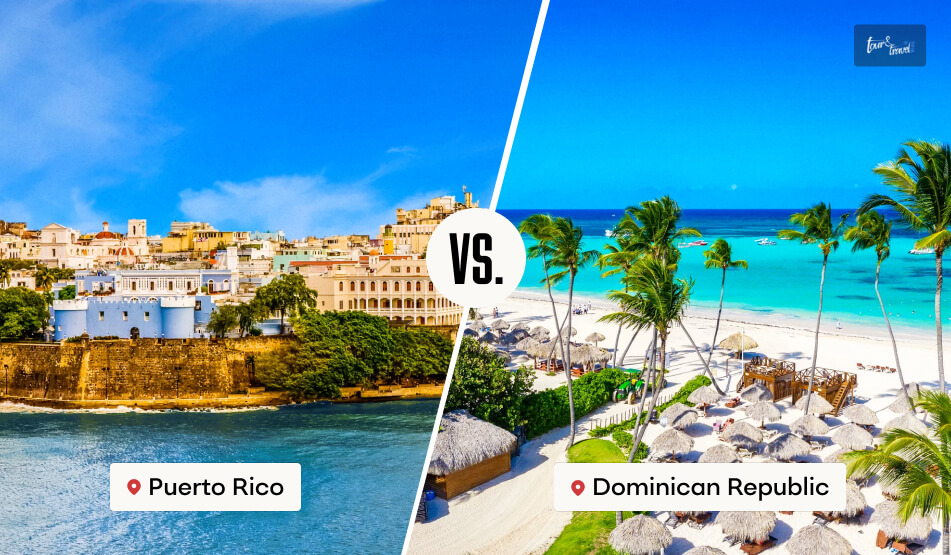
So, when there is a Puerto Rico vs Dominican Republic comparison, it’s really difficult to pick a favorite. Both Spanish cities, with their signature rum and tropical rainforest,s are ready to win over you.  

Still, here is a comparison you need to read before you pick Puerto Rico or the Dominican Republic as your favorite.  

Puerto Rico Vs Dominican Republic Weather: When Is The Best Time To Visit?  

Puerto Rico Vs Dominican Republic Weather When Is The Best Time To Visit

Puerto Rico and the Dominican Republic have similar tropical weather conditions. December to April is the ideal time for visiting these islands, as it is the dry season.  

The daytime temperatures range between 70 and 80 degrees Fahrenheit in these months. However, these balmy and dry conditions are very much a part of the appeal of these places.  

Moreover, if you are okay with a little humidity, you can plan a visit in September or November.  

Puerto Rico Vs Dominican Republic: History  

The discovery of these islands by Columbus happened almost at the same time. While Columbus discovered the Dominican Republic in 1492, Puerto Rico was discovered by him in 1493.  

Furthermore, both places have a rich history of Spanish colonization. Still, each of these places has distinct historical accounts.  

1. The History And Historical Sites Of The Dominican Republic  

The History And Historical Sites Of The Dominican Republic

Santo Domingo, the present capital of the Dominican Republic, was the first European colony in the Americas.  

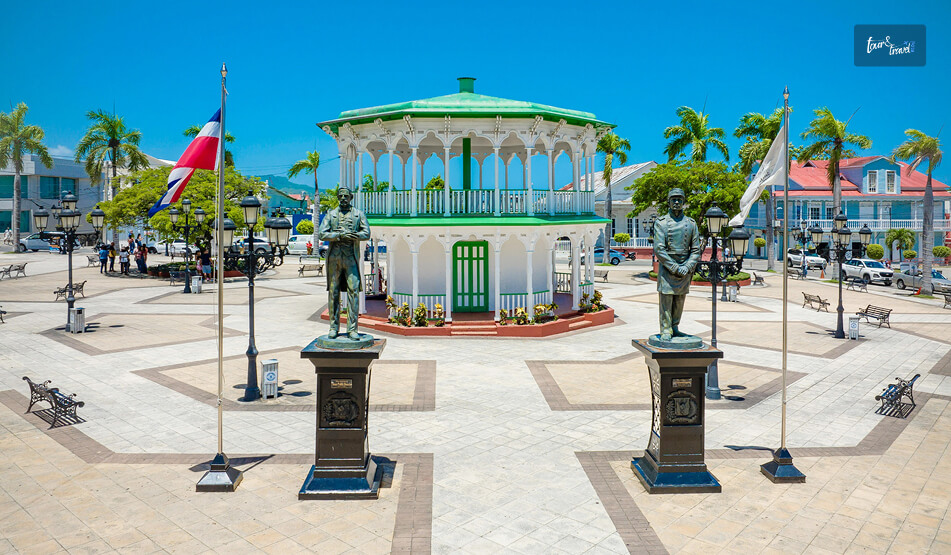
Also, Puerto Plata, on the northern coast, is home to the Fortaleza San Felipe. It was built in 1577. It was a prison once, and now it functions as a museum that has all the military artefacts from the 18th and 19th centuries.  

You must also visit the Casa Museo General Gregorio Luperón here. Nestled in a Victorian building, this museum has many period exhibits. Also, as the name suggests, it focuses on the struggles of General Gregorio Luperón, a hero in the struggle for independence.  

After exploring the historical sites, you can visit the famous Umbrella Street. Here, you can explore the chocolate museum, coffee bar, and the museum of tobacco.  

2. History And Historical Sites Of Puerto Rico  

History And Historical Sites Of Puerto Rico

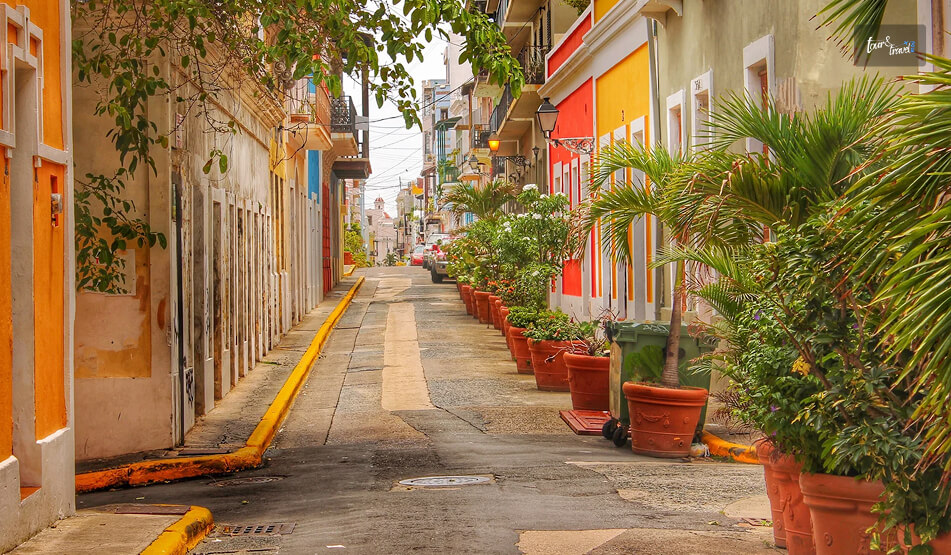
Old San Juan, a UNESCO World Heritage Site, is a testament to the rich history of Puerto Rico. It has cobblestone streets, picturesque forts, and heritage architecture.

The oldest executive mansion, and the oldest still-in-use executive mansion in the Americas, is La Fortaleza. It is the Governor’s residence in Old San Juan.

Furthermore, you can visit the San Felipe del Morro Fortress, a UNESCO World Heritage Site, here. Another major draw is the El Capitolio, or the seat of government in Puerto Rico.

In addition, the Fortín de San Gerónimo and Fortín San Cristobal have a history dating back to the 1700s or during the Spanish colonization.

After exploring these historical sites, El Paseo de la Princesa and San Juan’s Promenade, with street vendors and fountains, add to the fun vibe of Puerto Rico.

Puerto Rico Vs Dominican Republic Culture

Though the Spanish language dominates both these islands, Puerto Rico and the Dominican Republic have distinct dance forms. The Dominicans are the masters of bachata or merengue.

On the other hand, Puerto Rico is home to bomba or Salasa. Though these music and dance forms are very much African, there is a difference that the connoisseurs can notice.

Puerto Rico Vs Dominican Republic Outdoor Adventures

Puerto Rico and the Dominican Republic are rich in coastal experiences. You will love sailing and kayaking here.

However, they offer similar yet different experiences in exploring the wildlife, beaches, and spotting the marine life.

1. Puerto Rico Vs Dominican Republic: Nature And Wildlife Experience

Tropical forest, swimming holes, and birds are the main highlights of the nature and wildlife experience in Puerto Rico and the Dominican Republic.

Enjoy the hikes and wildlife spotting.

Wildlife And Nature Adventure In Puerto Rico 

Wildlife And Nature Adventure In Puerto Rico

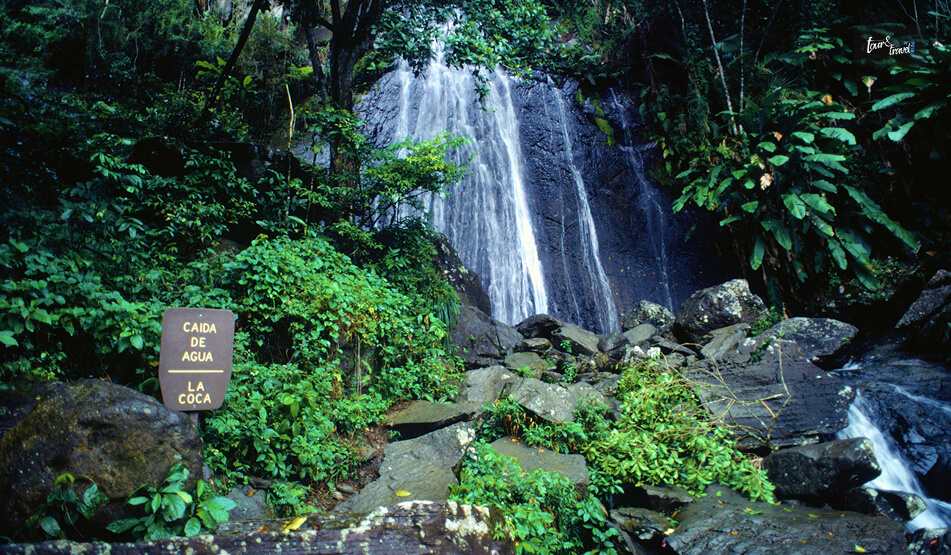
In Puerto Rico, you can explore El Yunque, which is the only U.S. National Forest designated as a tropical rainforest. You can hike through the trails here and try some zipline adventure.

As you hike through the trails, you will find many birds and tropical plants here. 

In addition, you can enjoy your moments in the natural rock slides and cool down in the swimming holes. 

Moreover, take ATV rides and enjoy your off-road vehicle moments through jungle trails and beaches. 

Wildlife And Nature Adventure In The Dominican Republic 

Wildlife And Nature Adventure In The Dominican Republic

On the other hand, the Dominican Republic has the El Choco National Park. It is home to bata, lizards, tropical birds, and many endemic plants and animals. 

Furthermore, Monkeyland is a reserve for squirrel monkeys. Also, the Manatee Reserve is the place to paddleboard and spot the sea cows. 

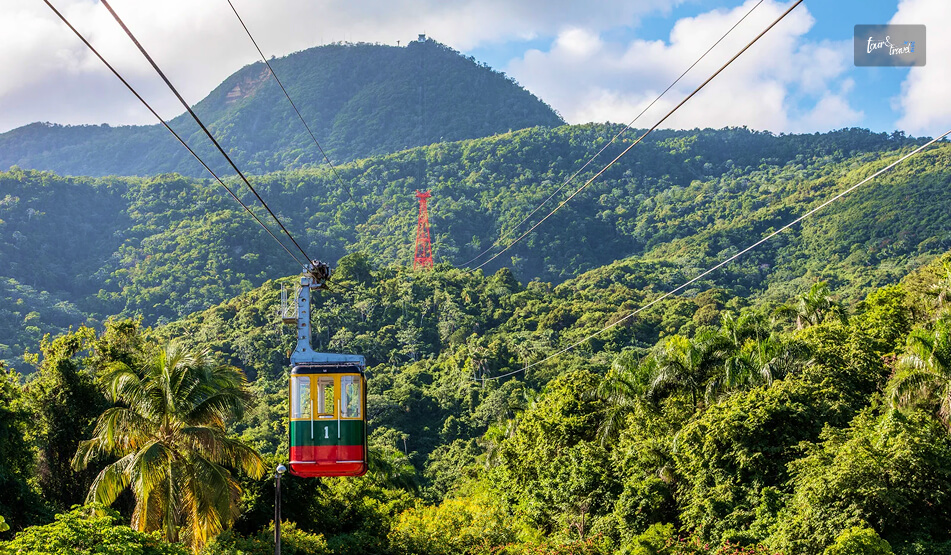
Want some more adventure? You can explore the Isabel de Torres National Park.

Here, you will find the only cable car in the Caribbean. It will take you around 2625 feet above sea level. 

Enjoy the views of the Atlantic waves, the rainforest, and Puerto Plata while ziplining. 

Also, you can take your journey forward from here. Walk through the dense forest and pass deep canyons, deep rainforest to find waterfalls such as the Damajagua Waterfall.

In addition, you will find swimming holes, lagoons, and rock chutes functioning as natural slides.

2. Puerto Rico Vs Dominican Republic Beaches

Puerto Rico Vs Dominican Republic Beaches

Here, the difference is visible among the beaches. The beaches in the Dominican Republic have white sand. 

On the other hand, the beaches in Puerto Rico have golden or black sand.

Playa Dorada is located on the northern coast of the Dominican Republic, where the Atlantic Ocean waves create a rougher experience than the beaches further south.

The gentle, light-golden sand has palm trees, and kite-surfers are enjoying themselves in the water. 

For a more unique experience, head to Cayo Arena, often referred to as “Cayo Paraíso” for clear reasons. The vibrant corals, plentiful sea creatures, and diverse underwater marvels draw numerous divers and snorkelers. 

In Puerto Rico, it’s not necessary to travel far from San Juan to discover great beaches. Escambrón Marine Park is just ten minutes from downtown and is favored by surfers as one of the top spots for beginner-friendly waves on the island. 

Right by the Puente de Hermanos is Playita del Condado, a beautiful city beach in Puerto Rico. It is located in a small cove, creating a beautiful combination with the expansive Condado Beach. 

In just another ten minutes, you will arrive at the stunning Isla Verde Beach. The golden sands are sheltered by towering palm trees, with numerous restaurants, bars, and shops in close proximity. 

Surfers should also check out the appropriately named Surfer’s Beach in Aguadilla. A top surfing spot in Puerto Rico is located on the north side, featuring a beautiful point break, particularly during winter. 

3. Whale Watching In Puerto Rico Vs Dominican Republic 

Whale Watching In Puerto Rico Vs Dominican Republic

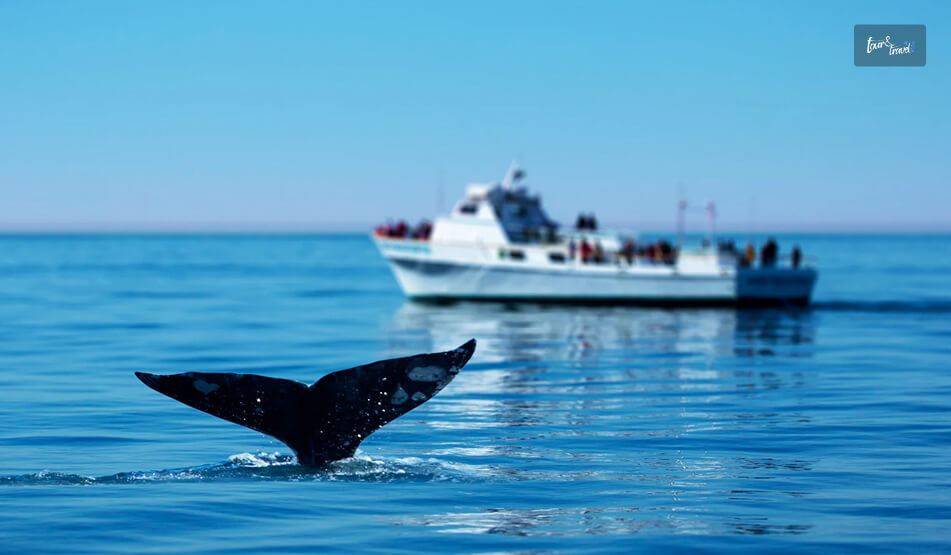
Observing whales is an excellent experience for all tourists in the Dominican Republic. Thousands of humpback whales travel into nearby waters each year from December to March. 

The finest way to observe these incredible creatures is through boat tours departing from Puerto Plata.

Around 300 whales have been observed simultaneously in Samaná Bay, while Silver Banks is also a key location. 

Puerto Rico isn’t widely recognized for whales, yet the resort town of Rincon, located on the west coast, is the focal point for them.

From the historic El Faro Lighthouse, you might spot whales from the shore. 

Culinary Experiences: Food And Drink In Puerto Rico And Dominican Republic 

The unofficial national dish of Puerto Rico is arroz con pollo, meaning “chicken with rice.” It has a Moorish Spain origin, which in turn connects further back to pilaf from Asia. 

In the Dominican Republic, the national meal known as La Bandera showcases the hues of the country’s flag. Drawing from Spanish culinary traditions, it consists of white rice, red beans, and meat, usually chicken or beef. 

Indeed, the food of the two nations is alike, with a significant distinction being the Dominican inclination towards meat, while Puerto Ricans prefer seafood. Nevertheless, they both have a fondness for plantains. 

Street food plays a significant role in everyday life in both nations. Puerto Rico is famous for its food trucks, and its culinary landscape has produced numerous celebrity chefs. 

1. Empanadillas 

Empanadillas

The Dominican Republic has food stalls that offer popular snacks like chicharrón (pork crackling).  

If that doesn’t suit your preference, consider trying the empanadas and yaroas, a high-calorie mix of fries, root veggies, meat, cheese, and toppings. 

Like on several Caribbean islands, tropical fruits are always available. Refreshing delights include fresh juices and shakes crafted from fruits like mango, papaya, passionfruit, pineapple, or guava. 

2. Morir Soñando 

In the Dominican Republic, be sure to sample morir soñando, a special blend of milk, orange juice, and ice. Its name translates to “to die dreaming,” possibly reflecting how divine it tastes. 

The beverage is so delicious that it has reached Puerto Rico, where it is enhanced with additional flavors like vanilla.

Choosing the best option, such as between Puerto Rico and the Dominican Republic, simply signifies the joy of experiencing both. 

3. Rum 

Numerous books have been authored regarding the significance of rum in the Caribbean.

Puerto Rico is currently closely linked to the Bacardi brand, whereas the Dominican Republic is recognized for Barceló and Brugal. 

Bacardi relocated to Puerto Rico from Cuba following the 1960s Revolution, bringing along its renowned light rum recipe and its yeast, too.

It currently produces approximately 70 percent of the rum from the Caribbean sold in the United States. 

You can visit the Bacardi Distillery and observe how rum is produced. You can also discover how to blend the ideal mojito or piña colada drinks while acquiring some bartending skills. 

Brugal was established in 1888, but the true commercial legacy of Dominican rum begins in the 1920s.

It was then that the Barceló family began making their own rum in the Spanish style. 

Currently recognized as Ron Barceló, their business has expanded into one of the largest rum exporters globally.

Brugal and Barceló provide distillery tours, with Brugal being the most accessible option in Puerto Plata. 

These islands are famous for their light rum in the Spanish style, which is matured in oak barrels to enhance its aromatic flavor.

Light rum is ideal for Caribbean cocktails, but there are many darker options available if you enjoy drinking it straight or mixed with cola in a Cuba Libre. 

Share on Social Media

Sibashree is a travel, culture, and leisure writer who has been writing since the age of 12 and professionally since 2014. With more than a decade of travel writing experience and journeys across India and several parts of the world, she brings a deeply personal and thoughtful perspective to her work. A student of English Literature and Mass Communication, Sibashree has always viewed travel as more than movement — for her, it has been a way of understanding people, cultures, and herself. Her passion for spiritual exploration has also led her to many unusual and meaningful destinations over the years. Outside of writing, Sibashree enjoys watching European cinema, reading about global politics, and reflecting on the stories hidden within everyday places.

Leave a Reply

Your email address will not be published. Required fields are marked *

title-img Related

READ MORE Living In An RV

7 Compelling Reasons For Living In An RV

BY  Ankita Nov 12, 2023

The appeal of life on the open road has captured people's imaginations for generations. While the classic road trip experience usually involves traveling by car, an increasing number of adventurous souls are answering the call of wanderlust by living full-time in RVs. Recreational vehicles offer nomadic travelers a unique way to experience new places while enjoying all the comforts of home on wheels. Here Are Seven Prime Reasons For Living In An RV Here are a few reasons more adventurers are picking up stakes to explore the countryside and beyond from the driver's seat of an RV. 1. Unconstrained Exploration An RV removes the barriers that often limit vacation travel by time or budget. Living on the road full-time lets you follow your curiosity wherever it may lead without the constraints of return flights, hotel reservations, or tightly scheduled itineraries. An RV provides the freedom to meander as inspiration strikes, soaking in hidden gems off the beaten path. Why visit just the highlights when you can immerse yourself in the character of entire regions? The mobility of an RV empowers explorers to fully embrace the serendipity of the open road. 2. Low Cost of Living While purchasing an RV itself is an investment, the overall cost of living in an RV on a day-to-day basis is significantly lower than maintaining a traditional house. There is no mortgage, property taxes, or costly home repairs and renovations to worry about. Utility bills like water, electricity, heating, and WiFi tend to be lower given the smaller space of an RV. Some RVs even have solar panels or generators to reduce reliance on utilities. Having no yard to maintain and fewer belongings also means less spending on home and garden supplies. Generally, the overall monthly costs of living in an RV are a small fraction compared to being tied down to a house, condo, or apartment, allowing you to live very affordably while pursuing your passion for travel. 3. Downsizing And Minimalism Living in an RV encourages and enables a downsized, minimalist lifestyle. With limited storage space, RV dwellers must prioritize only keeping their most essential belongings. This can have therapeutic benefits like reduced clutter and stress. It also forces you to re-evaluate material possessions and spend less time and money acquiring unnecessary "stuff". With less to maintain both physically and financially, residents can focus more on relationships, experiences, and personal growth versus possessions. Many embrace RV living partially for the minimalist simplicity it brings, freeing up more time and money for what matters in life rather than things. While surely not for everyone, weighing these advantages makes a persuasive case that RVs could function as effective modern Land Ark providing comfortable roaming residences for their residents. 4. Connection To Nature Living in an RV allows for regular immersion and connection to nature. Whether boondocking in national forests, hiking straight from the campsite, or enjoying scenic ocean or mountain vistas daily, the outdoor-centric lifestyle of an RV provides a natural way to appreciate and experience nature. Residents are essentially traveling through various natural environments rather than being isolated in houses separated from the natural world. This can have psychological benefits from reducing stress and anxiety. It also fosters environmental appreciation and stewardship, with RV enthusiasts serving as frequent visitors, volunteers, and financial supporters of public lands. Regular exposure to nature's restorative powers is a compelling perk for many who choose the RV lifestyle. 5. Flexibility For Remote Work With the rise of remote and location-independent work, living in an RV has become a practical option for many digital nomads and remote professionals. Working from an RV allows you to easily shift locations as your job, projects or heart may take you. From coworking spaces to scenic outdoor spots with strong WiFi connections, digital work is now fully compatible with life on the road. The flexibility to pick up and work from new destinations using an RV office is a huge advantage. No longer being tied to one geographic area expands career possibilities for remote professionals seeking a flexible lifestyle. When combined with a distributed or remote team, living and working from an RV becomes an attainable dream for many. 6. Community And Sense Of Belonging Despite the freedom of being untethered, living in an RV does not have to mean isolation. RV communities provide welcoming atmospheres for residents of all ages and backgrounds. Whether staying in organized campgrounds or communities centered around hobbies and interests, RV dwellers regularly interact and form bonds over shared recreational passions and travel adventures. Places like state and national parks become regular "home bases" full of familiar friendly faces. RV rallies and events foster a deep sense of camaraderie among residents of the road. Online RV forums and groups also help combat potential loneliness through digital companionship. While independence is part of the appeal, community remains an important factor for the mental and social well-being of many full-time RV dwellers. 7. Repurposing And Upcycling For some, living in an RV is partially motivated by sustainable ideals around reusing existing vehicles and materials. Upcycling pre-owned RVs keeps them on the road longer versus ending up in landfills. Older RVs can also come at much lower costs than new models. Modern amenities can still be incorporated through solar panels, portable power stations, and WiFi equipment. Interior upgrades allow RVs of any age to be repurposed for comfortable full-time use. Creative refits help extend the functional lifespan of RVs in an environmentally-minded way. The embrace of more sustainable, eco-friendly features provides RV living with an appealing ethical dimension as well. Many dwellers find fulfillment in repurposing vehicles and gear to simplify techniques while living lightly on the land. Read Also: Exploring West London: The Appeal Of Serviced Apartments Alsi Resort – Overview, Reviews, Pros, And Cons What Are The Benefits Of Living In A Luxury Villa

READ MORE White Water Rafting

8 Tips For A Fun And Memorable White Water Rafting Experience

BY  Arnab Dec 27, 2023

White water rafting delivers a thrilling experience, balancing stunning natural vistas with adrenaline-fueled excitement. If you're new to this adventure, you likely have queries and considerations regarding what to expect and how to prepare for maximizing your thrill.It might surprise you, but white-water rafting can be equally thrilling for beginners and experienced adventurers, provided you choose the right location and know what to expect. Here Are Eight Prime Ideas For A Fun And Memorable White Water Rafting Experience In this blog post, we'll provide eight essential tips and insights to ensure your first expedition is both enjoyable and safe, leaving a memorable impact. 1. Choose the Right Attire Staying in your boat for the entire duration of the outdoor adventure won’t stop you from getting wet. Anticipate getting wet on your journey, and don waterproof and anti-chafing garments that can serve as a barrier between you and the raft. Fabrics such as cotton and wool take an extended period to dry and draw heat away from your body, potentially leaving you feeling cold. Ideally, you want to go for synthetic materials that dry quickly and don’t absorb a lot of water. When picking shoes, choose those that have laces. Flip flops and sandals can easily get lost if you happen to lose balance or fall into the water. Depending on the weather forecast and expected temperatures, you can wear a wetsuit. It will offer extra buoyancy and protect you from temperature drops that characterize the colder months. 2. Always Bring a Helmet Safety is of key concern whenever you go on an outdoor adventure and rafting is not an exception. Make sure you have all your safety equipment, including a helmet. White water rafting rivers often have rocks, branches, and logs lining the bottom and you may not notice them from your sitting position in the boat. If you happen to fall into the water, hitting your head against one of these could leave you with severe injuries that you want to avoid. Always keep your helmet on to stay on the safe side. 3. Know What to Do if You Fall Out of the Raft You may take every precautionary measure but even your guide may not stop you from falling into the water. In the eventuality of it occurring, your subsequent actions could carry significant weight. Upon entering the raft, ensure to don your life vest and maintain its presence until disembarking from the boat. If you fall into the water, stay calm swim towards the vessel, and grab the outside safety line. Call out to the guide or rafting mates and wait for someone to pull you back in. If you can’t swim towards the raft, call out to a rafting mate and they will toss you the throw bag and a paddle that you can hold onto. If neither of these is possible, lie in the whitewater swimming position and wait for a guide to reach you. 4. Listen to Your Guide White water rafting guides are experienced in handling the wilderness and river terrain. Whether you're a first-timer or an experienced rafter, it's crucial to heed instructions attentively when they are given. These directives will provide essential information for navigating challenging waters, including what to avoid, where to swim, and when to paddle. They may seem like simple instructions but they dictate the speed, direction, and weight balance of your vessel. 5. Master the T-Grip The T-grip is an important aspect of white water rafting as it is the only way to ensure that the paddle does not slip out of your hands. The T-grip is the end part of the paddle-shaped like a “T” and is made of hard plastic. Most white water rafting guides will always show you the T-grip before you set out. Essentially, you need to keep one hand at the base of the paddle on the shaft while the other holds firmly over the T-grip. This ensures that you have control of the paddle and cushion any blows to you or your rafting mates in case of anything. 6. Practice Your Swimming Like we said before, you cannot stop yourself from falling into the water when you go white water rafting. Understanding the different swimming techniques such as aggressive and defensive swimming can be a lifesaver if you find yourself in the water. Rivers meant for white water rafting have high currents so you need to be sure with what you are doing. If you choose to swim to the banks, make sure you only go for the banks and avoid standing still in the water even if you need time to think. Standing still or walking in the river could cause foot entrapment which could be dangerous. 7. Research Your Destination Different rafting sites offer different experiences. You could find a beautiful river headed up by a dam that allows for scheduled water releases like the Pigeon River. A Yellowstone whitewater rafting day trip, on the other hand, will bring with it the excitement of Class II and Class III white water rapids allowing you to relax and enjoy the pristine wilderness. Taking time to familiarize yourself with the destination allows you to prepare in terms of choosing attire and packing guides. You want to go with a guide who has sailed the same waters for a while. 8. Avoid Carrying Electronics White water rafting is nothing like riding in a fishing boat or a yacht. The waves will constantly toss you around in the raft and some water will definitely get in potentially damaging your electronics. At the very worst, your device could fall into the water and get lost in case of an accident. Even then, white water rafting is not one of those adventures where you can pull out your phone to snap a quick photo. It is an activity that requires you to stay fully engaged and attentive to the paddling patterns and commands from your guides. Some companies will provide you with photographers so they can capture every memorable moment. Endnote You will definitely have lots of fun when you go rafting so make sure you do it with a group of people you are close to. The adrenaline rush will be a source of new memories you will cherish. However, make sure you follow your guide’s instructions to stay safe especially if it is your first time. Read Also: 10 Best Things To Do In Prague Five Tips for First Time Traveler to India

READ MORE Ski And Snowboard Ride

Ski And Snowboard Ride: A Journey Into The Heart Of Winter Adventure

BY  Abdul Aziz Jan 15, 2024

As winter blankets the world in a serene quilt of snow, the call of the mountains is strong. It becomes irresistible for adventure seekers. For those who yearn for the thrill of speeding down snowy slopes, embracing the crisp mountain air is ultimate. Surrendering to the beauty of winter landscapes, skiing, and snowboarding. It offers a gateway to an exhilarating journey into the heart of winter adventure. Here, we will explore the essence of these winter sports, from the rush of carving turns to the camaraderie of mountain communities. We embark on a journey that transcends the ordinary and dives deep into the heart of winter's embrace. The Symphony Of Skiing: Skiing, with its graceful dance on snow-covered slopes, is a symphony of movement and precision. Whether you're a seasoned expert weaving through the trees or a novice learning the basics on gentle slopes. The allure of skiing lies in its ability to connect the rider with the mountain. The sensation of carving turns, the swish of skis slicing through powder, and the panoramic views of alpine peaks. The alpine peaks create a harmonious blend of adventure and serenity. Snowboarding: Carving A Culture Of Freedom: For those who prefer a single board beneath their feet, snowboarding represents a unique culture of freedom and creativity. Snowboarding was born out of the counterculture movement of the 1970s and has evolved into an art form on snow. The adrenaline rush of carving down steep descents, the challenge of mastering tricks in terrain parks. The camaraderie of the snowboarding community all contribute to the vibrant tapestry of this winter sport. It's not just about descending the mountain; it's about expressing oneself on the canvas of snow. Chasing Powder: The Quest For The Perfect Run: For both skiers and snowboarders, the quest for the perfect run is an eternal pursuit. Chasing powder, those untouched blankets of fresh snow become a passion that drives enthusiasts to explore new resorts. The backcountry trails and remote mountain ranges contribute to the feel of adventure. From the expansive slopes of the Rockies to the hidden gems of the Japanese Alps, this winter adventure is totally different. When you find untouched powder turns a day on the mountain into a quest for winter perfection. The Mountain Communities: Where Passion Meets Fellowship: Beyond the slopes, skiing and snowboarding are woven into the fabric of mountain communities. These tight-knit settlements, tucked in the shadow of towering peaks, foster a distinct sense of community. Après-ski gatherings in cozy lodges, local festivals celebrating winter sports, and the shared love for the mountain lifestyle create bonds that extend beyond the snow-covered terrain. Skiing and riding become not just activities but integral parts of a communal experience where passion for winter adventure unites kindred spirits. Read Also: Crucial Hiking Tips To Ensure Your Safety While Hiking Adventures Beyond the Groomed Trails: While groomed trails offer a controlled introduction to the world of skiing and snowboarding, the true essence of winter adventure lies beyond these manicured slopes. Backcountry skiing and snowboarding, where riders access untouched powder in uncharted territory, provide an adrenaline-fueled escape for those seeking a more immersive and challenging experience. Venturing into the backcountry opens up a world of pristine snowfields, breathtaking vistas, and the unparalleled joy of earning your turns in the wilderness. Technology Meets Tradition: The world of skiing and snowboarding is not impervious to technological advancements. Modern equipment, from high-tech skis with advanced materials to snowboards designed for specific styles of riding, enhances the overall experience. Yet, amidst the technological progress, the timeless charm of wooden lodges, crackling fires, and the crunch of snow beneath your boots retains its allure. The juxtaposition of tradition and innovation creates a unique atmosphere where the spirit of winter adventure thrives. Conclusion: In the heart of winter, as snow-covered landscapes beckon, skiing and snowboarding emerge as more than mere sports; they become conduits to a journey into the soul of winter adventure. Whether you're carving turns on groomed slopes, conquering backcountry powder, or simply immersing yourself in the mountain culture, the world of skiing and riding is a vast canvas waiting to be explored. So, gear up, feel the rush of cold wind on your face, and embrace the spirit of skiing and riding—a journey that transcends the ordinary and immerses you in the heart of winter's exhilarating embrace. Read Also: Planning A Vacation To Bali? Read This Blog! The Reasons To Choose A Tropical Island Vacation Every Year How To Choose The Perfect Costa Rica Vacation Rental: A Step-By-Step Guide