You think of the nature resorts, the famous wine tours, hiking, and birdwatching when we talk about exploring Tucumán. However, Tucumán has recently also emerged as an astrotourism hotspot.
The Ampimpa Astronomical Observatory in the Calchaquí Valleys of Tucumán is at the epicenter of this happening astrotourism scenario.
Now, this is an added feather to the crown of Tucumán, the smallest province of Argentina. It offers a vertical journey from the jungle to the desert in 50 kms.
Also, the nickname of Tucumán is not just a fancy phrase. It means a biological reality and refers to the historical event of Argentina’s independence from Spain in 1816.
Furthermore, El Jardín de la República, or the Garden of the Republic moniker, goes well with its subtropical climate and the lush landscape.
You guessed it right, as today, this Tucumán nature guide will take you to the Yungas Rainforest and the highlands of the Andes. Also, if you are planning a road trip, you must go through our Tucuman Argentina, itinerary.
The Yungas Rainforest (The Green Belt)
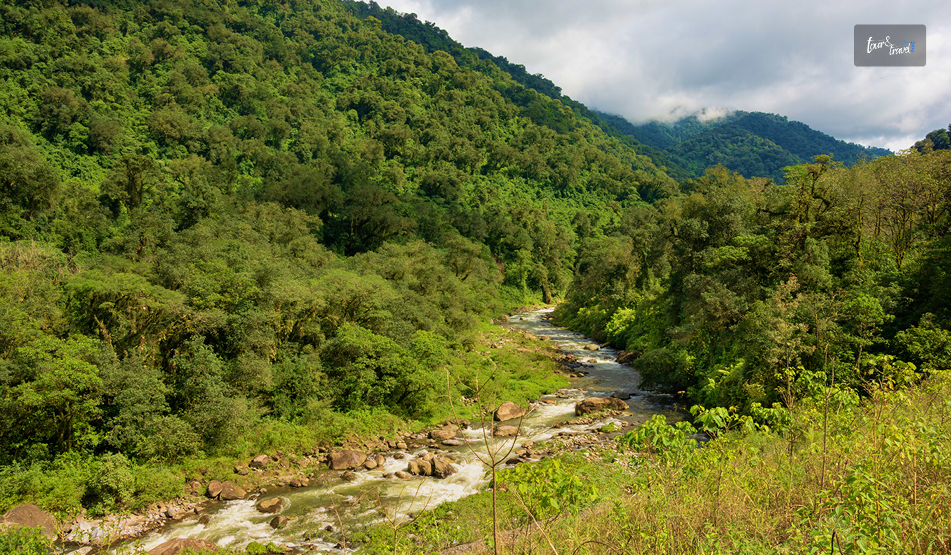
The Yungas Rainforest is known as the Green Belt, as it is an ecodiverse region. Home to a diverse flora and fauna, the Yungas Rainforest hosts a variety of bromeliads, orchids, and ferns.
Furthermore, among the animals here, you will find tapirs, wild cats, and panthers. You will even spot species such as Yungas Guan while birdwatching in Yungas, Argentina.
Also, it is home to the Campo Los Alisos in Tucumán, which helps to preserve the threatened ecosystem of the Yungas Rainforest region.
Moreover, containing around 50% of the biodiversity of Argentina, parts of the Yungas Rainforest are also marked as UNESCO Biosphere Reserves.
Parque Sierra de San Javier, or the San Javier Mountain Range Park, was established in 1974, and now the National University of Tucumán (UNT) maintains it. It is one of the top nature reserves in Tucumán, Argentina.
The home to various flora and fauna of Argentina, this park also functions as the green lung by cleaning the air, protecting the watersheds for the city, and regulating the climate.
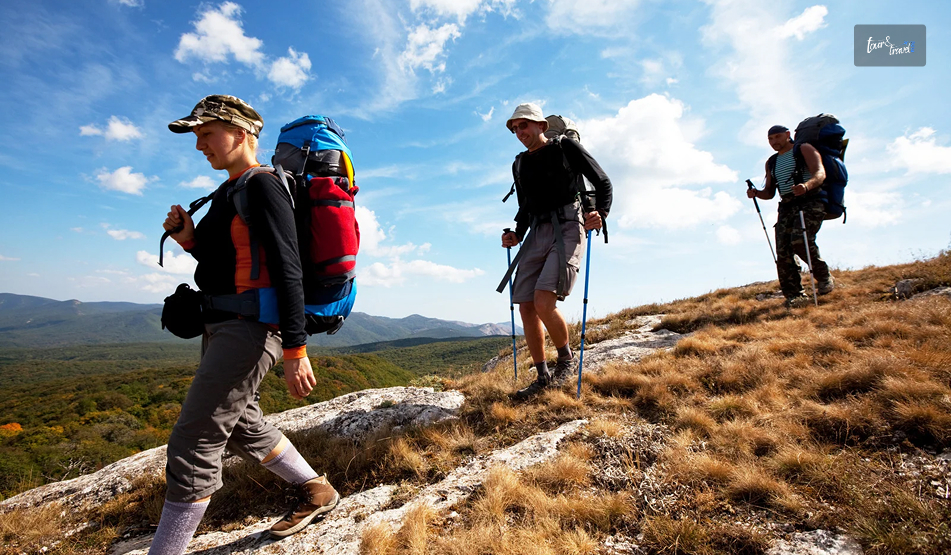
This park, furthermore, has many beautiful trails. You can enjoy an easy 30-minute jungle walk through the Cascada del Río Noque trail. If you are seeking silence while hiking in San Javier, Tucumán, you can opt for the Sendero Anta Yacu trek.
It is around 25 km west of Tucumán. If you are a budget traveler like me, you can take the Bus No 340 to reach the park.
This small but compact nature park is ideal for families. It is home to the tapir and condor rescue projects. It covers 600 acres and is just 15 km from the capital.
Also, it has picnic areas, barbecue areas, and play areas for children.
3. Aconquija National Park: The Untouched Wilderness
Aconquija National Park, with over 600 species of endemic animals and birds, is the jewel of North America.
Taruca deer, puma, and ocelot are some of the endemic animals living here. In addition, you will find several Incan ruins scattered through the park. The Incan Highway remains, and the “Ciudacita” ruins are part of the UNESCO World Sites.
The Campo de los Aliso near Alpachiri is the main Aconquija National Park entrance. Furthermore, Cochuna is the wilder southern entrance of the Aconquija National Park.
Furthermore, the Mythical Trek of La Ciudacita, the Inca Ruins at 4400 meters, is the main highlight of this national park.
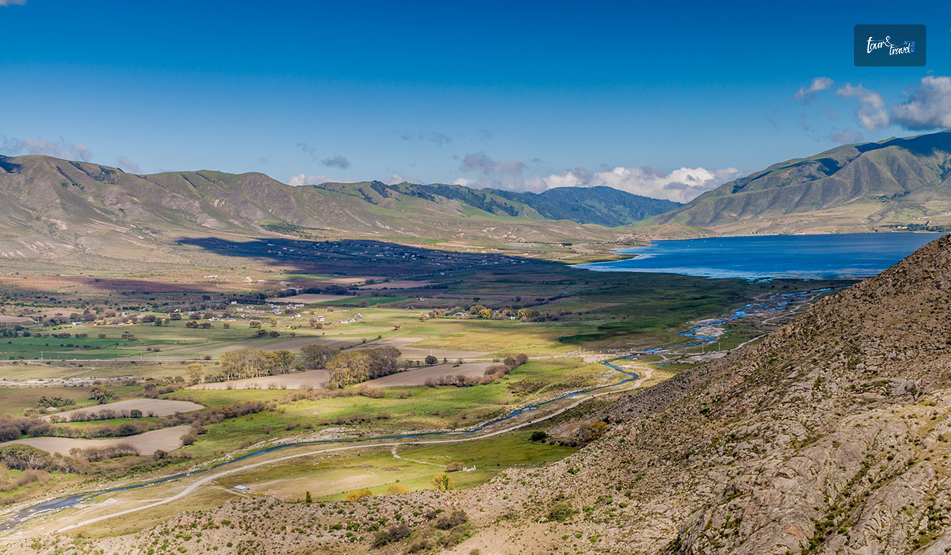
The High Andes & Puna (Tafí del Valle & Beyond)
The harsh, cold conditions and a rich wildlife with the presence of vicuñas, flamingos are the highlighting features of the High Andes and Puna, at an altitude of 3000 meters.
This region has critical water resources that support livelihoods such as alpaca and llama. Let’s find out about the major nature reserves of this region.
1. Quebrada De Los Sosa Nature Reserve
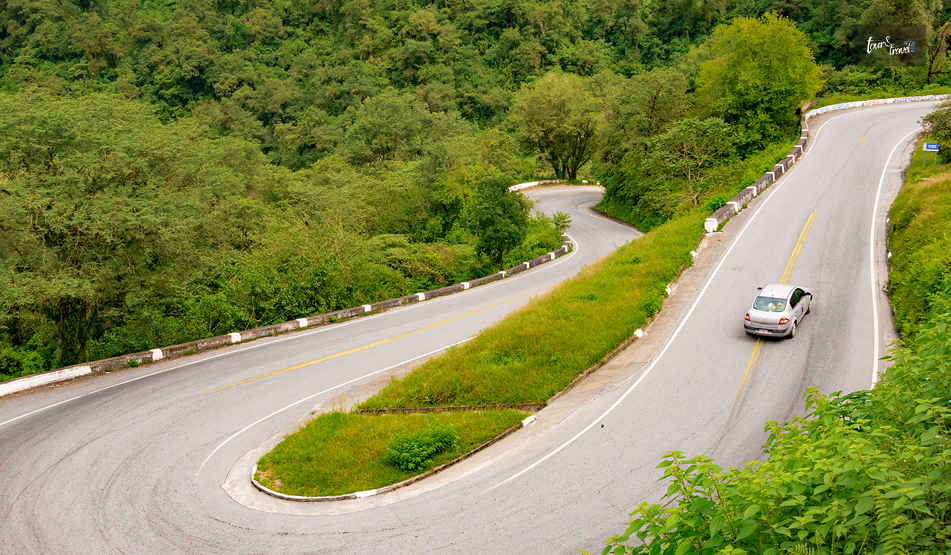
Take a drive up through Route 307 to find the Quebrada De Los Sosa Nature Reserve, where the jungle meets the clouds.
It is a 30 km-long gorge carved by the Los Sosa River, and it is home to more than 100 bird species.
With a winding pathway, it is also home to the Tafí del Valle.
2. Los Núñorcos & Reserva La Angostura
Los Núñorcos, or the Cerro Núñorco mountain and Parque provincial Los Ñuñorcos are the prominent locations for hiking in Tucuman, Argentina.
As you explore the challenging trails here, you will enjoy a beautiful view of the Dique la Angostura lake and the Tafí del Valle.
Tafí del Valle also has the Bald Mountain, or the Cerro El Pelao. You can start the trek near the Tafí del Valle center. It is a 1.5-hour-long trek.
Wildlife Watching Calendar In Tucuman, Argentina
Tucuman in Argentina is ideal for wildlife sightings throughout the year. Tafí del Valle and areas around Route 307, especially the best areas for wildlife spotting in Tucumán.
Check out the wildlife watching calendar in Tucuman below.
Year-Round Sightings
•Mammals: Capybaras, Some Foxes, and South American Sea Lions •Birds: Doves, Hummingbirds, and Toucans
Spring (September to November)
•Birds: Doves and Hummingbirds • Flowers: Pink Trumpets and Jacaranda trees
Summer (December to February)
•Mammals: Elephant Seals and Sea Lions •Birds: Penguins in Patagonia and Burrowing Parrots
Autumn (March to May)
•Mammals: The Red Deer Rut •Birds: Pigeons
Winter (June to August)
•Reptiles: Yellow Anacondas •Birds: Waterfowl
What Are The Expert Tips For Hiking In Tucumán?
An entry to the Aconquija National Park is free. However, do you know that you have to register at the ranger station at least 48 hours in advance?
It is crucial for the safety of the hikers. For more such insider knowledge, these expert tips will be very handy.
1. Bus #118 Is Your Friend
You don’t have to hire a car to see the jungle and the nature reserves. You can take the 118 bus from San Miguel de Tucumán directly to the foot of the San Javier trails.
The ticket price is even less than $1.
2. Watch The Fog (Neblina)
The Fin del Mundo” statue area on route 307 is often the zero-visibility zone. There is dense fog in this area even at around 4 PM.
You have to drive the car carefully, and there must be low beams to defeat the fog.
3. Ticks Exist In The Yungas
The lush greenery of the Yungas is ideal for picnics and nature exploration. However, there are ticks. So, you must check your ankles after a hike or use a blanket.
4. Hire A Guide For “La Ciudadacita”
Are you planning a 4-day trek to La Ciudacita or the Inca Ruins? You must have a guide because the high altitude path, at an elevation of over 4000 meters, is unmarked.
You need technical assistance for the navigation. Moreover, you must contact the Asociación Argentina de Guías de Montaña to hire a guide.
5. The “El Indio” Stop
You will find the best dried meat or Charqui at the vendor stalls at the El Indio monument on Route 307. These stalls also have the best local honey.
Stop by these stalls and have the dried meat and honey for a great start to your hike.
6. The Waterfalls In Tucuman Are Seasonal
No Instagram reel will tell you that the waterfalls in Tucuman are seasonal. March to May, or the end of the rainy season, is ideal for visiting these waterfalls.
7. Beware Of The “Mala Mala”
Local folklore speaks of the “Mala Mala” spirit in the mountains. Whether you believe it or not, respecting silence in nature is a huge part of the local culture.
8. No Cell Signal
Once you pass the “El Indio” monument or enter Aconquija Park, your cell signal dies. Download offline maps (Maps.me or Google Maps) before leaving the city.
9. Condors Fly At Noon
If you want to spot Andean Condors, look up between 11 AM and 1 PM when the thermal currents are strongest. They rarely fly early in the morning.
Tucumán Nature Guide: Listen To The Authority Voices
Asociación Argentina de Guías de Montaña (AAGM):
The Aconquija range is “one of the most undervalued trekking destinations in Argentina,” offering Himalayas-like isolation without the crowds.
Birding Ecotours (Global Operator)
Rio Los Sosa is a prime spot for seeing the “Torrent Duck” (Pato de Torrente), a bird that can swim upstream in raging rapids.
La Ruta Natural (Argentine Tourism Ministry)
“Ruta de las Yungas” is a key scenic drive, highlighting the importance of driving slowly to spot the crossing fauna like the Corzuela (small deer).
Here are the frequently asked questions and answers about the Tucumán Nature Guide.
1. What Is The Best Time Of Year For Hiking In Tucumán?
April to September, or the dry season, is ideal for hiking in Tucuman. The cool temperature is ideal for outdoor exploration. On the other hand, heavy summer rains make the trekking trails here dangerous and muddy.
2. Do I Need To Pay To Enter The Nature Reserves?
The entry fee to the national parks depends on the specific administrative and management authority. For example, you don’t need to pay any entry fee for the Aconquija National Park. However, prior registration is crucial. Further, for Reserva Horco Molle, you will have to pay an entry fee of $2.
3. Is It Safe To Hike Alone?
Yes, it is safe to hike alone on the well-marked trails of Tucuman, such as the Rio Noque or Funicular. However, if you are going to high-altitude summits or jungle treks, you will need a guide. It is more crucial because of the presence of the fog and the absence of signage.
4. Are There Snakes In The Yungas?
Yes, the Yungas have pit vipers or Yarará. So, you wear long trousers and watch your steps. Furthermore, you must follow the trail marks properly to not disturb the habitats of the snakes or other wildlife.
5. How Do I Get To Aconquija National Park Without A car?
It is difficult to reach the Aconquija National Park without a car. You have to first take a bus to Concepción and then a local bus to Alpachiri. From Alpachiri, it is another 10 km taxi ride to the park entrance.
6. Can I Camp In The Reserves Of Tucuman?
Yes, Aconquija National Park has designated wild camping zones (like Puesto La Mesada). However, Sierra de San Javier does not allow camping. So, it is for day use only.
7. What Is The “Yungas”?
The Yungas, or a cloud forest in Tucuman, Argentina, is a mountain rainforest. It functions as a connector between the Andes and the Amazon. It has ferns, moss, and high humidity.
8. Can I See Toucans In Tucuman?
Yes, you can see toucans in Tucumán. In recent years, toucans have made a comeback in this region. You can spot them in the trees around San Javier and Horco Molle.
9. What Is Hiking Altitude In Tucuman?
Hiking in Tucumán covers a wide altitude range, from the lows of San Javier (around 600 to 1200 meters) to the moderate Tafí del Valle (2000m). Furthermore, the Aconquija high summits reach more than 5000 meters.
10. Is The Water In The Streams Safe To Drink In Tucuman?
No, the water in the Tucuman streams is not drinkable even with a clear view. Cattle graze in the higher areas and thus make the water unsuitable for drinking. So, you have to use purification tablets or a filter for purified drinking water.
Sibashree is a travel, culture, and leisure writer who has been writing since the age of 12 and professionally since 2014. With more than a decade of travel writing experience and journeys across India and several parts of the world, she brings a deeply personal and thoughtful perspective to her work. A student of English Literature and Mass Communication, Sibashree has always viewed travel as more than movement — for her, it has been a way of understanding people, cultures, and herself. Her passion for spiritual exploration has also led her to many unusual and meaningful destinations over the years. Outside of writing, Sibashree enjoys watching European cinema, reading about global politics, and reflecting on the stories hidden within everyday places.
If you are planning a trip to Jackson Hole, WY, you should try visiting Teton Village. Teton Village is on the bucket list of almost every new visitor to Jackson Hole. The village has places for beautiful scenic views and lots of other entertainment activities. The village isn’t even far from Jackson Hole. Teton Village is famous for being an expensive ski resort, but there are also some free activities to do if you visit during summer. In this article, you’ll learn who you should visit at Teton Village during your trip to Jackson Hill.
Not Much Crowded
One of the biggest pros of Teton Village is that it isn’t crowded like Jackson Hole. Being a popular tourist spot, Jackson Hole is crowded almost throughout the year. A stay in Teton Village is much cozier and more relaxing. The population of Teton Village is also less than 1000. Because the village is less crowded, you can get more places to roam around the village, discover new places, and create a great memory.
Close To Everything
Teton Village is located in a place where it is close to almost everything. The village is only 30 minutes drive away from Jackson Hole. Besides being close to Jackson Hole, the Village is close to Grand Teton National Park, The National Elk Refuge, Yellowstone National Park, Snake River, etc. That being said, Teton Village’s location makes it unique and reachable to other popular destinations.
Activities For Everyone
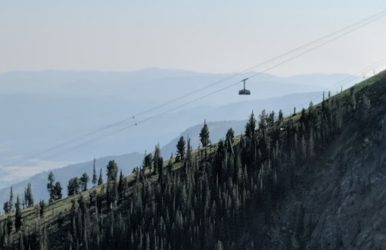
Teton Village offers activities for persons of every age. There are many family-friendly places and also some places, especially for the children, where they can have fun. Teton Village has a place for shopping, dining, and spending quality time with your family. You can do paragliding, hiking, mountain biking, etc. You can also book tickets to the Jackson Hole Tram, also known as “Big Red,” and view the scenic beauty from the top of Rendezvous Peak.
If you visit Teton Village, you must visit Mangy Moose Cafe; it’s the locals’ favorite place for entertainment. Mangy Moose Cafe hosts regular live music, and if you love music, you should visit Mangy Moose Cafe; it will be worth it, and you’ll get addicted to that place.
Some Of The Best Scenic Views
Though Teton Village is not as popular as Jackson Hole, Teton Village has many spots for getting a beautiful scenic view. The most famous place in Teton Village for the scenic view is Teton Village Wildflower Trail. It is not an easy hike, but you can also get a scenic view through a ride on Gondola. Some other places for beautiful scenic views are Teton Crest Trail, Cirque Trail, Granite Canyon Trail, Casper Ridge Loop, Saratoga Loop Connector, etc. If you are staying in the Village, you should visit these places for magnificent views.
Good Places To Stay
If you are wondering where to stay in Teton Village, WY, you don’t have to worry much about it because there are many good hotels to stay. Almost every hotel provides good facilities and will make your stay in Teton Village worth your time. Book the hotel rooms beforehand if you are going to stay in Teton Village because most of the time, these hotels are always booked by people in advance.
Read Also:
Travelocity Review- Login, Services, And Travel Experiences
Luxury Car Rental For Couples: Unforgettable Day Trips In Kentucky
Exploring Cheap Car Rentals Las Vegas Airport: Book Cars To Travel In Vegas!
Meghalaya, or the Abode of Clouds, here you will find that nature has to give. It is one of the best places for its biodiversity richness. Known best for its famous monsoon seasons, Meghalaya has the most dramatic natural terrains with rich cultural festivals.
Having such beautiful natural diversities, which are among the best places to visit in Meghalaya. The tribals of Garos, Jaintias, and Khasis make up the majority of the population.
Meghalaya: Abode Of Clouds!
Located in the northeastern parts of India, with Shilong as its capital. During the British rule of India, it was dubbed the “Scotland of the East.”
With a range of beautiful terrains, Meghalaya is surely going to surprise your imagination. With beautiful greenery everywhere, with forests, valleys, waterfalls, and mountains, that are one of the best places to visit in Meghalaya.
But since Meghalaya is known for its monsoon seasons, what is the best time to visit there?
What Is The Best Time To Visit Meghalaya?
Since Meghalaya is one of the wettest places in India, with the occasional cloudbursts and landslides, you need to know the best time to visit there.
Weather Condition In Meghalaya
Oct-Feb = 9c Apr-Jun = 21c June-Oct =15c
Peak Season
When the temperature is between 16c and 31c, that is the best time to visit Meghalaya. This will probably be from April and June. During this time, Meghalaya has the optimum temperature for you to explore the place.
Shoulder Season
From the months of November to March receives a moderate amount of tourists, as the weather is cold and misty at the same time.
Low Season
The lowest season for tourism in Meghalaya is from July to October. During this time, the state receives about moderate to heavy rainfall.
Best Places To Visit In Meghalaya
Now that you know what the best time to visit Meghalaya is, you need to know what are the top Meghalaya tourist places.
1. Cherrapunji
Popularly regarded as the wettest place on Earth, Cherrapunji has the best lush greenery you will ever see. Here you will find the highest rainfall any time of the year.
Tourists from all over the world come here to see the most beautiful waterfalls, like Dain-Thlen,Nohkalikai, and Kyrem. Cherrapunji is one of the best places to visit in Meghalaya.
Specialty - An abundance of natural scenic beauty and environmental attractions.
Places To Stay - Polo Orchid Resort Cherrapunjee, Jiva Resort Cherrapunjee and Saimika Resort.
Attractions - Krem Mawmluh, Wakaba Falls, Double Decker Living Root Bridge, and also Nohkalikai Waterfalls.
How To Reach - From Guwahati, it's 166km, And from Cherrapunji Umroi Airport, it's 79km.
2. Shillong
Known as the Scotland of the East, Shillong is the capital of Meghalaya. Away from the bustling life of the city, Shillong has beautiful forests, hills, and mesmerizing scenic beauty. Shillong is considered the Meghalayan Gateway.
Popular landmarks of Shillong are Elephant falls, Maharam, Lady Hydari Park, Bhowal, Mylliem, and Langrim.
Specialty - Mesmerizing view, the beauty of nature, and its popular landmarks.
Attractions - Elephant falls, Maharam, Lady Hydari Park, Bhowal, Mylliem, and Langrim.
Places To Stay - Pinewood Hotel, The Loft-Executive Inn, Hotel Polo Towers Shillong, and Tripura Castle.
Location - East Central Meghalaya.
Best Time To Visit - From September to May.
3. Mawsynram
Out of all the places in Meghalaya, Mawsynram receives the most rainfall each year. This is why here you will find the most greenery and beautiful green hills and valleys. Mawsynram receives about 11,872 mm of rainfall each year.
Specialty - The most beautiful waterfalls.
Location - The East Khasi Hills, Meghalaya.
Best Time To Visit - From April to June.
4. Balpakaram National Park
Known as a traveler’s paradise, the Balpakaram National Park is a “Land of Spirits” for its rich natural biodiversity. With its beautiful wildlife with animals like Tiger, Leopard, Deer, Buffalo, Elephant, and Red Panda.
Specialty - It is rich in natural biodiversity.
Location - Western Meghalaya and Garo Hills.
Best Time To Visit - From October to March.
Entry Free - Free.
5. Nohkalikai Falls
The Nohkalikai Falls is the 4th most noted waterfalls in the World. The height of this fall is about 335 meters from the cliff to the ground. The falls are considered “the pride of the territory of Meghalaya.”
Specialty - It is like paradise with an extraordinary scenic view.
Entry Fee - INR 10.
Timing - From 8 am to 5 pm.
6. Double-decker Living Root Bridge
Located in Cherrapunji, the double-decker living root bridge is famous all over, as the bridge is made up of roots. The roots are of rubber trees. The bridge is about 3km long and about 2400ft in height.
Specialty - The oldest of natural bridges.
Location - Cherrapunji, Meghalaya.
Best Time To Visit - Anytime other than from May to September, due to the slippery.
Trek Time - It takes about 4 to 6 hours.
7. Kyllang Rock
This extraordinary rock is made entirely out of red stone. The rock is 54ooft above sea level and 1000ft in width. The hike up the rock gives a beautiful scene with rhododendrons and shrubs.
Specialty - It is on the highest points in all of Meghalaya.
Location - West Khasi Hills, Shillong, Meghalaya.
Best Time To Visit - Anytime, except the monsoon.
8. Elephant Falls
Meghalaya is known to have the best waterfalls in all of India. And Elephant Falls is definitely one of that beautiful waterfalls. It is called Elephant falls as it has an Elephant-shaped stone at its foot of it. It is one of the best places to visit in Meghalaya.
Specialty - The falls are surrounded by beautiful scenic beauty.
Location - It is only 12km from Shillong.
Best Time To Visit - During Monsoon.
Frequently Asked Questions (FAQs):
Now that you know what the best time to visit Meghalaya and the best tourist places is, you won’t have any other problems. But if you do, here are some questions asked by other people.
1. What Is The Popular Place Of Meghalaya? The most popular Meghalaya places to visit are:1. Mawsynram2. Nohakalikai Falls3. Mawlynnong Village4. Umiam Lake5. Seven Sisters Falls6. Living Root Bridges 2. Does Meghalaya Have Snow? Though the state of Meghalaya has a higher elevation, it doesn’t receive any snowfall throughout the year. But due to humidity and low temperature, frost forms which can look like snow but are not. 3. What Is Famous Food Of Meghalaya? The food that is famous in Meghalaya is a spicy preparation of fish or meat and rice. They are great at rearing pigs, goats, cows, ducks, and fowl for their meat.
Visit Now!
If you are an avid nature lover, then visiting Meghalaya should definitely be on your bucket list. There are some beautiful places to visit in Meghalaya. And if you are a mountain lover, then you need to visit here once.
Hopefully, this article encourages you to book your tickets soon for Meghalaya. Let us know in the comments where in India you wanna visit next.
With good reason, Mexico is one of the most sought-after travel destinations worldwide.
However, not every area of Mexico is secure for tourists. Today, we will talk about the most dangerous cities in Mexico.
According to the World of Statistics, nine Mexican cities are among the world's ten deadliest in 2022. There have been 512 homicides reported through the first seven months of the year, or an average of 73.1 per month. The murders are steadily on track to match or marginally exceed those numbers in 2023. The previous year saw 887 murders or an average of 73.91 homicides per month.
Most Dangerous Cities In Mexico
A recent study on wisevoter.com found that there were 36,579 murders in Mexico. This corresponded to the 4th-highest murder rate in the world, 28.37 per 100,000 people. The study found that men are eight times more likely than women to become murder victims.
Here are some of the most dangerous cities in Mexico that you could wisely avoid if you are planning to visit:
Acapulco
Despite being one of the most dangerous cities in Mexico, Acapulco continues to draw large numbers of tourists due to its beaches. The rate of homicide in the city is 111 per 100,000 residents. Drug-related violence in Acapulco has increased dramatically as different cartels compete for control of the lucrative drug trade in the city. This city is located in Guerrero, a notorious state well-known for its high rates of violence. It witnesses regular chaos brought on by gang turf wars and heroin production.
Tijuana
Tijuana's high murder rate and drug-related violence make it the most dangerous city in Mexico.
There are 138 homicides for every 100,000 people. Tijuana is the main gateway for drugs originating in South America, making it a hub for cartel activity. Due to its proximity to the US border, it is also a significant hub for organized crime and human trafficking.
Based on data on homicide rates, Tijuana is the world's most dangerous city.
Ciudad Victoria
Ciudad Victoria, one of the most violent cities in Mexico, is situated in the state of Tamaulipas. This area is another hotbed of drug-related violence, with a homicide rate of 86 per 100,000 residents. Located just beyond the U.S. border, Tamaulipas makes it an entryway city as well. In Ciudad Victoria, members of the Northeast Cartel actively manage their businesses.
Irapuato
Irapuato, in the central state of Guanajuato, has witnessed a surge in drug-related homicides over the last three years. With a homicide rate of 81 per 100,000 residents, the city is among the least safe places for visitors. Even regrettably so for the residents who live there. Turf wars between the Santa Rosa de Lima Cartel and the Jalisco Cartel New Generation are primarily to blame for the murders that occur here.
Cancun
A spate of shootings, robberies, and attacks on tourists in Cancun were linked to cartels. Mexican President Andres Manuel Lopez Obrador has recently issued a warning to travelers about the travel risks. This city is notorious for its high levels of violence. Yet it is far less deadly than other Mexican cities, with a homicide rate of 64 per 100,000 people.
Uruapan
For a mountainside city in Michoacan, Uruapan has seen a steady rise in violence; sadly, it appears that this violence will only get worse. This once peaceful town is now home to rival cartels that frequently switch names and hands. Killings take place in the most inconspicuous places, like bars and arcades. The current homicide rate in Uruapan is 55 per 100,000 residents.
Culiacan
Formerly regarded as a moderately dangerous city, Culiacan is currently the scene of a fatal conflict. It happened after the apprehension of Ovidio Guzman, the son of cartel leader El Chapo. The city is Sinaloa's central city and has a homicide rate of 61 per 100,000 residents. Because of the Sinaloa Cartel's stronghold over the city and its populace, visiting tourists face extreme danger.
Cuidad Obregon
Sonora's second-biggest city, Cuidad Obregon, has gained notoriety recently. It ranks as the world's fourth most dangerous city in 2022. Not only has there been an increase in violence in Ciudad Obregon but also in the neighborhood of Cajame, which is the southernmost part of the state. It will take time to determine whether this sharp rise in crime will hold. There are currently 52 homicides for every 100,000 residents.
Celaya
According to the accounts, more than a thousand people were killed brutally every year. Theft, drug sales, and human trafficking have all increased, so the story is far from over. Taking a vacation in Celaya is risky.
Celaya has 109.38 killings per 100,000 residents, making it one of the world's most dangerous cities right now.
Coatzacoalcos
Once a bustling tourist destination in Veracruz, Coatzacoalcos has a homicide rate of 48 per 100,000 residents. Perpetrators left nine bodies on the street. Among the top ten most dangerous cities in Mexico is this one because of murder, violent crime, and robbery.
Ensenada
The only other regions of Mexico with official travel advisories or restrictions are those located 1,400 miles away. Reports from the press and locals indicate a rise in violence. Locals and tourists, however, have not been impacted by this unrest.
Violent killings have increased in Ensenada and Tijuana over the past few months, primarily occurring outside of the city center and at night. Although there are some risks in the unguarded neighborhoods further out, the city center is still very safe. Travel through the Vine Valley or on day trips are usually safe.
Reynosa
Reynosa is a prominent urban center located directly across the Rio Grande from the US border. Unfortunately, because of ongoing conflicts between criminal gangs, it has gained a reputation as one of Mexico's most dangerous cities. Traveling to this area due to the ongoing security concerns is high risk.
However, it's crucial to understand that Reynosa, despite its unflattering reputation, is an important industrial center for the Rio Grande Valley and Northern Tamaulipas. The city drives a number of industrial activities and acts as a vital link in cross-border trade and commerce, significantly impacting the region's economic landscape. Reynosa continues to play an important role in connecting and promoting economic development in this region of Mexico, even with the ongoing security concerns.
Chihuahua
Due to concerns about crime and kidnapping, the U.S. State Department advises travelers to "Reconsider Travel" to Chihuahua. There is a lot of violent crime and gang activity in the area. Travelers should exercise caution even though the majority of criminal organizations commit murders that are targeted assassinations.
Drug-related violence has escalated dramatically in northern Mexico over the last twelve years, especially in Chihuahua. Despite being relatively safer than other cities in the area, cartel violence is still a problem in Chihuahua. It's crucial to remember that most killings target drug dealers and their families; violent crimes rarely target tourists.
There are military checkpoints throughout the city and its environs, and adherence to them is required.
Wrapping Up
It's critical to keep in mind that even though the state has a high rate of crime, not all of it is dangerous. For example, Illinois is not always a crime hotspot just because Chicago is.
When it comes to organized crime and corruption, Tijuana, Ciudad Juarez, Victoria, Reynosa, and Culiacan are typically the worst cartel cities in Mexico.
While you're organizing your next vacation, we hope this article will be helpful to you in determining which areas of Mexico are dangerous. If the location you're interested in doesn't appear on this list, it's probably not in one of Mexico's most dangerous regions. And as long as you exercise common sense caution, you should be alright.
If you have thoughts to share or questions to ask about the most dangerous cities in Mexico, please leave a comment below. We would love to hear from you!
Read Also:
Navigating The Unseen: Exploring The Most Dangerous Country In The World
Heatwaves And Adventure: Traveling To The World’s Hottest Destination
Crime And Caution: Navigating The Dark Side Of California’s Cities
Is Costa Rica Safe For Visit For Travelling?





 Related