








Is Travelzoo Legit? Why Should I Use Travelzoo For The Best Deals? (A Comprehensive Review)

Discounts! Deals! Special Rewards! Membership Rewards!

All these are music to our ears when we plan a trip. However, as not all that glitters is gold, these offers on random platforms can make you a victim of the biggest scam. 

You click on a discount link, and your system or online data is hacked. You lose your banking credentials, credit card data, and whatnot!

This is where platforms such as Travelzoo step in with:

  • Outstanding Club Offers
  • Weekly Vacation Giveaways
  • Early Access to Our Famous Top 20
  • Lounge Access for Delayed Flights

And all this for just $40/year. But is Travelzoo legit? Does it really offer what it promises? We will figure out in this Tour and Travel Blog. 

What Is Travelzoo?

What Is Travelzoo

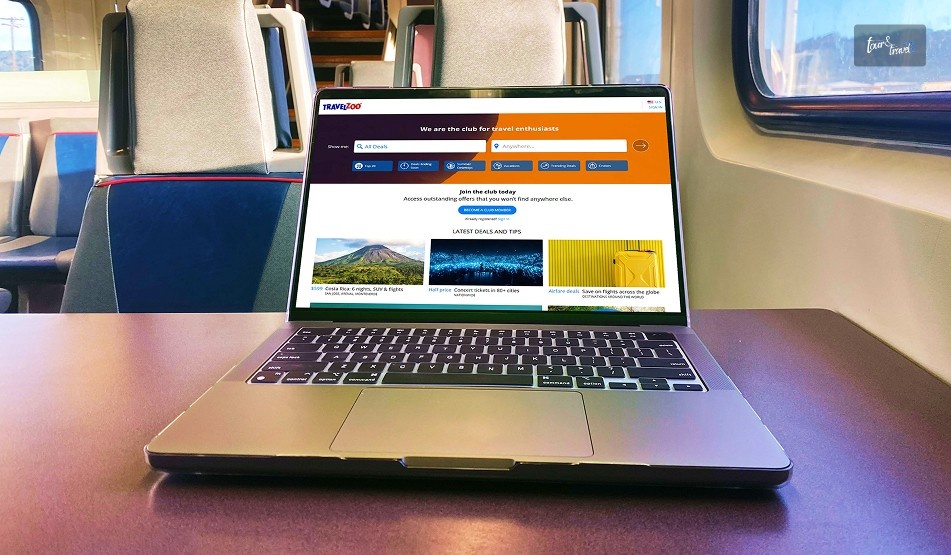
When you visit a Kayak or Expedia, you see deals and discounts like the messiest grocery bills. Travelzoo, on the other hand, is a platform that only enlists deals and discounts that are carefully curated, tested, and hand-picked. 

It works closely with the leading hotel chains, cruise lines, airlines, and more to enlist the best deals. Furthermore, it offers deals and discounts for shows, restaurants, spa dates, etc. 

The deals here are available for a limited span. Furthermore, they have a dedicated “Early Access to Our Famous Top 20” section. 

This section has everything from concert tickets at over 80 places to the most adventurous Jamaica trips. Also, as the “This Week’s Top 20® Deals” section mentions, 

Since 1999, our weekly Top 20 list presents the very best deals and ideas, rigorously vetted and negotiated for us travel enthusiasts.” 

How To Join Travelzoo? 

Here is the step-by-step guide for signing in to Travelzoo. 

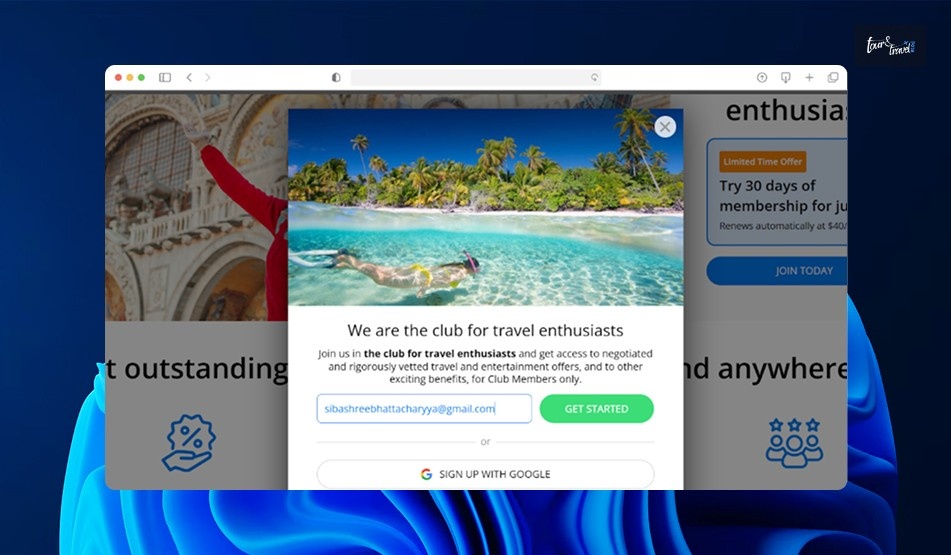
1. Click on the “Join Today” Link on the Right Side of the Home Page. 

How To Join Travelzoo

2. Then, enter your email ID. 

How To Join Travelzoo

3. Click on the Get Started button, and you will be redirected to the page featuring a 30-day Trial Offer. The currency will be automatically selected based on your country. Then, you will have to make the payment through the “Pay with link” option or through your card. 

How To Join Travelzoo

What Types Of Deals Will I Get On Travelzoo?

Travelzoo offers diverse deals and discounts for you. Have a look at the table below.

Types of Vacation Packages on TravelzooWhat is Included?
Hotel Deals• Free Breakfast
• Free Parking
• Welcome Drinks
Vacation Packages• Excursions
• Meals
• Hotels
• Flights
Local Deals• Show Tickets
• Spa Discounts
• Restaurant Offers
• All Under $50 Offers
Cruises• On-Board Credits
• Discounts
• Free Updates
Flight Tickets• Flight Deals
• Clubbed Offers with Restaurants and Hotels
• Specially Designed Vacation Deals 

1. Assistance From A Global Expert Team

The expert team of Travelzoo has the best travel enthusiasts. So, here, you will find tailored experiences at the best price. 

2. It Caters To A Select Group

It functions as a select group with passionate travelers as members. So, every deal here is kept secret from any external entity. 

3. Exclusive Club offers

Travelzoo is a closed platform for members. So, the deals and discounts offered by Travelzoo are exclusive and only for members. 

You will not find these deals and discounts anywhere on the internet. 

What Kind Of Trips Can I Plan With Travelzoo?

What Kind Of Trips Can I Plan With Travelzoo

From all-inclusive vacation packages to finding an accommodation in a faraway country, Travel Zoo offers the best assistance to travelers. 

1. Discounted Vacations 

Suppose you are visiting Cancun. Now, you want a plan for your entire vacation, including airfare, other transportation, food, accommodation, etc. 

Travel Zoo will tailor a package for you so that you don’t need to pay for hotels, food, or cars separately. 

2. Bucket-List Destinations 

Suppose you are traveling to the Maldives. Now. Travelzoo will customize your vacation, including your stay at a luxury villa and its combo meal offer. 

It will even provide the special offers so that you can adjust your meal expenses and bar expenditures even when the hotel is not directly offering these benefits. 

What Are The Advantages And Disadvantages Of Using Travelzoo?

What Are The Benefits Of Using Travel zoo

Here are the pros and cons of using Travelzoo.

Pros of Using TravelzooCons of Using Travelzoo
• Special Perks for Upgrades and Meals
• Hand-Picked Deals
• Some Deals are Refundable
• Deals Sell Out First
• Not a Free Platform
• You cannot Earn Rewards or Points Here. 

Who Should Use Travelzoo?

If you have flexible travel dates and you want to save money, Travelzoo is the ideal platform for you. Furthermore, it is ideal for all-inclusive bundle deals and budget-friendly local experiences. 

However, if you have a fixed schedule for traveling or you want to earn reward or loyalty points, Travelzoo is not an ideal platform. It is also not meant for those who have very specific demands about each booking. 

Is Travelzoo Legit?

Is Travelzoo Legit

Yes, Travelzoo is a legit company with more than 25 years of operation. It was founded in 1998 and helps subscribers achieve significant savings on travel expenses by providing exclusive deals and discounts. 

The Consumer Affairs has many positive reviews about the platform. Rhyder, a subscriber, wrote on 21st July, 2025,

Have been a member of Travelzoo for years. Always get spectacular deals no one else offer. The money you save on one trip pays for years of subscription rates. This is a no Brainer. Other travel websites give discounted rates. Travelzoo gives discounted trips.

However, all the reviews about Travelzoo on the Consumer Affairs platform are not that great. It is more like a mixed bag. 

Still, it is great that Travelzoo responds to all the reviews and tries to fix the issues when needed. 

Moreover, Travelzoo follows a well-defined privacy policy with a detailed declaration about the use of cookies, Travelzoo Affiliates, and Ad Networks. 

Hear It From The Real People

When you check out the Home Page of Travelzoo, you will find reviews from many happy customers. Here, I am quoting some of them. 

  1. I got access to their Cyber Monday deals – and got a screaming deal! I have already covered the cost of membership easily, ten-fold!” – Gary. 
  2. I have had at least 10 trips through Travelzoo and have no problem paying the fee. Especially now that they are trying to add more exclusive deals.” – Kay.
  3. They sent me a notice that my flight was delayed today, and I got the lounge pass. Well worth the fee I paid today to renew my membership.” – Jenna.

What Are The Alternatives To Travelzoo?

What Are The Alternatives To Travelzoo

Luxury Escapes, Expedia, and Groupon are some popular alternatives to Travelzoo. 

Comparing Travelzoo with Its CompetitorsWhat’s the Difference? 
Travelzoo vs. ExpediaThough Expendia allows you to book a specific hotel or flight, it requires you to do more planning. 
With all-inclusive deals, Travelzoo hand-picks the offers and curates your entire experience. 
Travelzoo vs. GrouponGroupon has diverse local offers. Still, the local deals offered by Travelzoo are more premium and exclusive. 
Travelzoo vs Luxury Escapes Luxury Escapes and Travelzoo are quite similar in the way they offer the best discounts and deals. 
However, as the name suggests, Luxury Escapes focuses more on high-end properties, and that might not be exactly what you were looking for. 

Is Travelzoo Legit? Frequently Asked Questions (FAQs)

Here are some frequently asked questions and answers about Travelzoo. 

1. Is Travelzoo Free To Use?

No, Travelzoo is not free to use. You will have to pay a subscription fee of $40 every year. Furthermore, right now, it has a limited-time offer. 
Now, you can get a 30-day trial by paying $1. After that, the subscription will get renewed automatically with a subscription charge of $40 every year.

2. How Can I Cancel My Travelzoo Membership?

You can visit the My Account section and cancel the auto-renewal option of your membership. 
You can also contact the customer service team by calling 1-877-665-0000. Member services are available from 9 AM to 6 PM ET from Monday to Friday. 
On Saturdays and Sundays, these same services are available from 12-5 PM. 

3. How Can I Renew My Subscription?

Your subscription will get automatically renewed at the end of every year. If you want to stop it, you will have to go to the My Account settings or contact customer service. 

4. Does Travelzoo Offer Family Or Household Membership?

No, Travelzoo does not offer a family or household membership. The membership benefits here are for individuals. 
To purchase club offers, you will need an individual membership account and an individual email ID. 

5. What Will Happen If I Am Not Happy With Travelzoo Subscription? 

Travelzoo has a transparent 14-day refund policy. So, if you are not satisfied with its service, you can reach out to the customer service team to address your concern within 14 days of purchasing the subscription. 
They will help you through the subscription cancellation and refund process. 

Read Also:

Share on Social Media

Sibashree is a travel, culture, and leisure writer who has been writing since the age of 12 and professionally since 2014. With more than a decade of travel writing experience and journeys across India and several parts of the world, she brings a deeply personal and thoughtful perspective to her work. A student of English Literature and Mass Communication, Sibashree has always viewed travel as more than movement — for her, it has been a way of understanding people, cultures, and herself. Her passion for spiritual exploration has also led her to many unusual and meaningful destinations over the years. Outside of writing, Sibashree enjoys watching European cinema, reading about global politics, and reflecting on the stories hidden within everyday places.

Leave a Reply

Your email address will not be published. Required fields are marked *

title-img Related

READ MORE is savannah georgia safe

Is Savannah Safe? What You Need to Know Before Visiting!

BY  Ankita Mar 12, 2024

Savannah, Georgia, is a beautiful and historic city that attracts millions of visitors every year. It is known for its charming architecture, culture, and cuisine. But is Savannah, Georgia, safe for tourists? How does it compare to other cities in terms of crime and violence? What are the best practices to stay safe and enjoy your trip to Savannah? In this article, I will answer these questions and more. I will show you the facts and figures about Savannah's crime rate, the safest and the most dangerous areas, the common scams and threats, and the tips and resources to protect yourself and your belongings. By the end of this article, you will better understand Savannah's safety situation and how to make the most of your visit. So, if you are interested in getting into this journey, keep reading this blog until the end… Is Savannah Georgia Safe? The first question that many travelers ask is: is Savannah Georgia safe? The answer is not so simple, as it depends on many factors, such as the location, the time, the activity, and the personal perception. Savannah is a large and diverse city, and like any other city, it has its share of crime and violence. However, it is not fair to label the whole city as unsafe or dangerous, as many areas are very safe and peaceful and many people are friendly and helpful. According to the latest data from the FBI, Savannah had a total of 3,559 violent crimes and 12,374 property crimes in 2019. Additionally, this means that the violent crime rate was 6.4 per 1,000 residents, and the property crime rate was 22.3 per 1,000 residents. These rates are higher than the national averages of 3.7 and 21.1, respectively. However, they are lower than some of the other major cities in Georgia, such as Atlanta, Augusta, and Columbus. The most common types of violent crimes in Savannah were aggravated assault, robbery, rape, and murder. Furthermore, the most common types of property crimes were larceny theft, burglary, and motor vehicle theft. Most of these crimes occurred in the downtown area, especially in the west and south parts, where there are more poverty, drugs, and gangs. The eastern and northern parts of the downtown area and the suburbs and islands are generally safer and quieter. How to Stay Safe in Savannah? Now that you have a general idea of the safety situation in Savannah, you might wonder: how can I stay safe in Savannah? What are the best practices to avoid trouble and enjoy my trip? Here are some tips and resources that can help you: Plan Your Trip in Advance Firstly, research the areas you want to visit, the activities, and places you want to stay. Check the reviews, ratings, and recommendations from other travelers and locals. Therefore, avoid the areas that are known to be unsafe, especially at night. Use a map or a GPS to navigate the city and avoid getting lost or wandering into unfamiliar places. Be Alert and Aware of Your Surroundings Pay attention to the people, the signs, and the situations around you. So, avoid distractions, such as your phone, your headphones, or your camera. If you see something suspicious, strange, or threatening, move away or report it to the authorities. Besides, trust your gut feelings, and do not ignore any red flags or warning signs. Protect Yourself and Your Belongings Do not carry or display any valuables, such as money, jewelry, passport, or electronics. Keep them in a safe place, such as a hotel safe, a locker, or a hidden pocket. Use a secure bag, such as a backpack, a crossbody, or a fanny pack, and keep it close to your body. Do not leave your belongings unattended, even for a moment. Lock your doors and windows, and do not open them to strangers. Furthermore, use a reliable transportation service, such as a taxi, a bus, or a ride-sharing app, and do not accept rides from strangers. Additionally, do not drink or use drugs, and do not accept any food or drinks from strangers. Do not get involved in any fights, arguments, or confrontations. And most importantly, do not break any laws, rules, or regulations. Seek Help and Support When Needed Lastly, if you are in trouble, need assistance, or have an emergency, do not hesitate to contact the authorities, such as the police, the fire department, or the ambulance. The emergency number in Savannah is 911. Additionally, you can also call the non-emergency number, which is 912-652-6500. You can also visit the nearest police station, hospital, or tourist information center. Moreover, you can also ask for help from the locals, such as the hotel staff, the shopkeepers, or the bystanders. Most of them are friendly and willing to help. Top 10 Safest Places to Visit in Savannah Savannah is a beautiful and historic city that has many attractions and experiences to offer. However, some travelers might be concerned about the safety situation in Savannah, as it has some areas that locals call unsafe or dangerous. Fortunately, there are also many places in Savannah that are very safe and peaceful, where you can enjoy your trip without any worries. I will show you the top 10 safest places to visit in Savannah. These are the places that have low crime rates, high security measures, and positive reviews from other travelers and locals. Let's get started! 1. Tybee Island Firstly, Tybee Island is a barrier island 18 miles east of Savannah. It is a popular destination for beach lovers, who can enjoy swimming, surfing, kayaking, fishing, and boating. The island also has a pier, a pavilion, a lighthouse, a museum, and a marine science center. Tybee Island is one of the safest places to visit in Savannah, as it has a low population density, a friendly community, and a dedicated police force. The island also has many hotels, restaurants, and shops that cater to visitors. 2. Forsyth Park Second, Forsyth Park is a 30-acre park in the heart of the historic district. It is famous for its iconic fountain, which was built in 1858 and resembles the one in Paris. The park also features a fragrant garden, a playground, a cafe, and a bandshell. Forsyth Park is one of the safest places to visit in Savannah, as it is well-maintained, well-lit, and well-patrolled. You can enjoy a picnic, a stroll, or a bike ride in the park, or catch a concert or a festival that takes place often. 3. Wormsloe Historic Site Wormsloe Historic Site is the former plantation of Noble Jones, one of the original settlers of Georgia. It features a majestic avenue of live oaks that leads to the ruins of the colonial estate. You can also see a museum, a theater, a nature trail, and a demonstration area that recreates the life of the 18th-century Georgia. Wormsloe Historic Site is one of the safest places to visit in Savannah, as it is in a secluded and scenic area, away from the city's hustle and bustle. You can appreciate Savannah's beauty and history in a serene and secure environment. 4. Telfair Museums Telfair Museums are the oldest public art museums in the South. They consist of three buildings: the Telfair Academy, the Jepson Center, and the Owens-Thomas House. The Telfair Academy houses a collection of 19th and 20th century American and European art, including works by Mary Cassatt, Childe Hassam, and Robert Henri. The Jepson Center showcases contemporary art and features a glass atrium, a sculpture terrace, and an interactive gallery for children. The Owens-Thomas House is a historic house museum that displays the lifestyle and furnishings of the early 19th century Savannah. Furthermore, Telfair Museums are one of the safest places to visit in Savannah, as they are in the east and north parts of downtown, which are generally safer and quieter. They also have high security standards and professional staff. 5. Savannah Botanical Gardens Savannah Botanical Gardens are a hidden gem that is located on the south side of the city. They are a 10-acre garden that features a variety of plants, flowers, trees, and ponds. You can also see a rose garden, a camellia garden, a fern garden, and a children's garden. Savannah Botanical Gardens are one of the safest places to visit in Savannah. This is because it is surrounded by a fence, a gate, and a security system. You can relax and enjoy the nature in a tranquil and protected setting. 6. Savannah College of Art and Design Savannah College of Art and Design (SCAD) is a private university that offers degrees in various fields of art and design. It has several campuses and buildings in Savannah, as well as in Atlanta, Hong Kong, and Lacoste. SCAD is one of the safest places to visit in Savannah, as it has a low crime rate, a strict code of conduct, and a comprehensive security program. You can visit some of the SCAD facilities, such as the SCAD Museum of Art, the SCAD FASH Museum of Fashion and Film, and the SCADshow Theater. You can also attend some of the SCAD events, such as the SCAD Savannah Film Festival, the SCAD Fashion Show, and the SCAD Sidewalk Arts Festival. 7. Skidaway Island State Park Skidaway Island State Park is a state park that is located on Skidaway Island, which is 15 miles southeast of Savannah. It is a 588-acre park that offers hiking, biking, camping, fishing, and birdwatching. You can also see a nature center, an observation tower, and a boardwalk. Skidaway Island State Park is one of the safest places to visit in Savannah, as it is managed by the Georgia Department of Natural Resources. This ensures the safety and the quality of the park. You can enjoy the outdoors in a clean and secure area. 8. Savannah Children's Museum Savannah Children's Museum is a museum that is designed for children and families. It is located in the historic Central of Georgia Railway Carpentry Shop building, which is part of the Georgia State Railroad Museum complex. It features over a dozen exhibits and activities that are interactive, educational, and fun. You can also see a maze, a slide, a sandbox, and a garden. Savannah Children's Museum is one of the safest places to visit in Savannah, as it is supervised by trained staff and volunteers, who ensure the safety and the enjoyment of the visitors. You can have a great time with your kids in a safe and stimulating environment. Read More: Is Cabo San Lucas Safe? – Let’s Find Out! 9. Cathedral of St. John The Baptist Cathedral of St. John the Baptist is a Roman Catholic cathedral that is located in the historic district. It is the oldest Roman Catholic church in Georgia, and the mother church of the Roman Catholic Diocese of Savannah. It is a stunning example of French Gothic architecture, with its twin spires, stained glass windows, and ornate interior. Cathedral of St. John the Baptist is one of the safest places to visit in Savannah, as it is a sacred and respected place, where people come to worship, pray, and admire. You can visit the cathedral during mass times or take a guided tour of the cathedral. 10. Savannah National Wildlife Refuge Last but not least, Savannah National Wildlife Refuge is a wildlife refuge located on the border of Georgia and South Carolina, along the Savannah River. It is a 31,551-acre refuge that protects and preserves various habitats and species, such as marshes, forests, wetlands, and islands. You can see animals such as alligators, deer, otters, bobcats, and over 300 species of birds. You can also enjoy hiking, biking, fishing, hunting, and photography. Savannah National Wildlife Refuge is one of the safest places to visit in Savannah, as it is regulated by the US Fish and Wildlife Service, which ensures the conservation and the security of the refuge. You can experience wildlife in a safe and responsible manner. Wrapping It Up! Therefore, the answer to the question of is Savannah Georgia safe is: it depends. Savannah is not a dangerous city, but it is not a crime-free city either. It has its safe and unsafe areas, its good and bad times, and its risks and rewards. The key is to be aware, informed, and prepared, and to use your common sense and intuition. Following the tips and resources I have provided in this article, you can stay safe and enjoy your trip to Savannah. Have a great time in Savannah! Read Also: Is San Francisco Safe? THIS Is What You Should Know! Is Barbados Safe? Why Do People Question The Safety In Barbados? Exploring Paraguay’s Culinary Delights With Travel Insurance In Mind
READ MORE Luang Prabang temple guide

Luang Prabang Temple Guide: What Are The Top Buddhist Temples To Visit In Laos?

BY  Sibashree Nov 3, 2025

I visited Luang Prabang in 2022, and the capital of the ancient Laotian kingdom was slowly recovering from the rampage of COVID-19. The misty mornings were special, with hundreds of monks walking through the narrow streets with their alms bowls.  People gather and offer fruits and rice to the monks. The monks silently accept the offerings, then quietly return to the temples.  Even today, with skyrocketing tourism numbers, Luang Prabang remains one of the most unspoiled places on earth. Buddhism and a strong belief in the power of nature have helped the city to maintain its authentic charm.  Also, the 32 Buddhist temples present in Luang Prabang today are a telltale of the history, myths, and spiritual beliefs associated with the city’s origin. In this Luang Prabang temple guide, I will talk about the top Buddhist temples to visit in Luang Prabang Laos. Of course, the Golden City Temple or Wat Xieng Thong is the most famous among them. It was built in 1560.  What Are The Top Buddhist Temples To Visit In Luang Prabang Laos?  As the mornings in Luang Prabang are special with the quietude and humility of the alms giving ceremony, the evenings are magical with the evening chants of the monks in the temples.  The sound of the chants echoes through the valley with the Mekong River passing by dreamily and the outlines of the mountains fading into the darkness.  I used to get lost in my thoughts that these temples were the sites of the coronation of many Laotian kings. Also, despite their intricate designs, they look like an extension of the ethereal natural landscape here.  Nevertheless, these are the top Buddhist temples to visit in Luang Prabang, Laos.  1. Wat Xieng Thong Also known as the “Monastery of the Golden City,” Wat Xieng Thong evokes awe. Built in 1560, it is home to the famous reclining Buddha Sanctuary or the Red Chapel.  It also stands out with its architectural excellence, including the multi-tiered roofline and beautiful mosaic work.  2. Wat Mai Suwannaphumaham View this post on Instagram A post shared by Marek Kotlarski (@mkotlarski) Wat Mai, or the New Temple, is the largest in Luang Prabang. It looks exquisite with the gilded bas-relief panels on the façade.  Also, it is historically important as it served as the residence of the highest Lao Buddhist dignitary till 1975.  3. Wat Visounnarath (Wat Visoun) Wat Visoun has a distinctive, spherical, and unique stupa called "That Mak Mo” or the “Watermelon Stupa.” It has a rounded shape.  Also, Wat Visounnarath was founded in 1512. So, today, it is the oldest operating temple in Luang Prabang.  4. Wat Aham View this post on Instagram A post shared by Austin Bush (@bushaustin) Wat Aham is also known as the Monastery of the Open Hearted. It is located next to Wat Visoun.  Wat Aham is famous for its two ancient banyan trees on its grounds. Locals believe that these trees are home to the guardian spirits of the city.  5. Wat That Luang Locals call Wat That Luang the Monastery of the Royal Stupa. The ashes of King Sisavang Vong, who died in 1959, are present in the golden stupa in the temple grounds. Even before that, it was used to cremate many members of the royal family.  6. Wat Chom Si Located on the top of Mount Phousi, Wat Chom Si was the best temple I visited in Luang Prabang. The spiritual energy there was so high.  I don’t know whether it’s the joy of reaching the temple after a trek or the magical views of the Mekong River from the top! Everything looks and feels so magical here! 7. Wat Sop Sickharam The structure of the Wat Sop Sickharam temple, what we see today, is the renovated form of the 19th century. However, the origin of the temple goes back to the 16th century.  Its architecture is a wonderful fusion of the French Colonial Style and traditional Lao architecture.  8. Wat Pa Phai The congregational hall or the traditional Lao-style sim is the highlight of Wat Pa Phai. Furthermore, its facade is unique with exterior columns and a verandah.  It also has another name, “The Monastery of the Bamboo Forest.”  9. Wat Sene Souk Haram Wat Sene Souk Haram looks dazzling with its golden and red ornamentation. It is known as the Temple of 100,000 treasures, as it was built with 100,000 stones collected from the Mekong River in 1718.  10. Wat Nong Sikhounmuang Wat Nong Sikhounmuang has recently gone through a major renovation. It is home to one of the largest and richest pagodas in Luang Prabang.  Furthermore, you can spot it from a distance due to its vibrantly colored roof in the traditional Thai style.  11. Wat Khili View this post on Instagram A post shared by Nat & Ricky Dunn (@lifedunndifferently) The large gold Wheel of Life on the front gable of Wat Khili will be the first thing to catch your notice. Furthermore, it has low roofs and a red facade with golden columns.  It shows influence from the Xieng Khouang province and was built in 1773.  12. Wat Phon Phao Wat Phon Phao has a unique octagonal structure, and with the sunlight falling over it, it uses its golden glow to illuminate the city.  The paintings in the interior of this temple are beautiful, and they depict the Buddhist philosophy of life and death.  13. Wat Manorom Wat Manorom is home to a 6-meter-high bronze Buddha statue, which dates back to the 14th century. Apart from being a temple, it is also an important community center for the locals.  In fact, all the temples in Luang Prabang help nurture community bonding. Also, historically, it used to be the home of the largest number of monks.  14. Wat Ho Pha Bang (inside Royal Palace) The Wat Ho Pha Bang, or the Temple of the Pha Bang, houses the Phra Bang Buddha image, the palladium of Laos.  This temple is located inside the Royal Palace grounds.  15. Wat Mahathat Wat Mahathat was founded in 1548. It houses the ashes of the revered Prince Phetsarath, who declared the independence of Laos in 1945.  It also has a highly ornamented facade.  16. Wat Xieng Mouane View this post on Instagram A post shared by nrq (@nrqpapa) Wat Xieng Mouane is important for its role in promoting traditional art and culture. Furthermore, I loved the gilding and traditional woodwork in the temple.  17. Wat That Phoun Wat That Phoun is one of the most peaceful temples I have visited in Luang Prabang. Also, once you enter the temple, it’s like an art gallery with a wonderful display of paintings.  The entrance gates are adorned with serpent deities or Nagas, and the temple also functions as a cremation location.  18. Wat Long Khoun “Wat Long Khoun is where our kings once meditated. It’s quiet, sacred, and often overlooked.” - Somsack, my local guide.  This former royal meditation retreat is a wonderful example of Lao architecture in the 18th century, and it has the most illustrious Jataka murals, depicting the last lives of Lord Buddha.  19. Wat Phra Bat Tai Wat Phra Bat Tai in Luang Prabang is very similar to Prabhas Tirtha in India. Prabhas Tirtha has the footprints of Lord Krishna, and War Phra Bat Tai has a huge footprint of the Buddha.  Furthermore, its architectural style shows a wonderful fusion of Thai, Lao, and Vietnamese architectural styles.  It is also where I found it the easiest to interact with the monks and share our philosophies about life.  20. Wat Phon Heuang The traditional stenciling on the temple's ceiling instantly evoked a sense of awe. Furthermore, I saw how it is an important social area or hub for the local community. It is so because it is one of the prime locations for participating in the alms-giving ceremony.  In addition, when I visited, it had not been extensively renovated. So, it was like connecting to the past for me.  Wat Xieng Mouane: The Lesser-Known Temple Of Luang Prabang  View this post on Instagram A post shared by Ruprecht Lin (@boblinize) Wat Xieng Maen is a hidden gem if I talk about the top temples to visit in Luang Prabang. It was founded in 1592.  I took a ferry across the Mekong River to reach this temple. It is a quiet escape, and it is significant as it was home to the famous Phra Bang Buddha image for a short period.  Accessibility Ratings Of The Best Temples In Luang Prabang  Check out the table below to know about the most accessible Buddhist temples in Luang Prabang.  TempleWheelchair AccessStairsQuiet ZonesWat Xieng Thong✅Minimal✅Wat Mai✅Few steps✅Wat Visoun✅Ramp available✅Wat Aham✅Flat terrain✅ Photography Tips Golden Hour: 6:00–7:00 AM and 5:00–6:30 PM. Best Angles: Capture rooflines from low angles; use temple doorways for framing. Respectful Shots: Avoid interrupting rituals or photographing monks without consent. Gear: Use a wide-angle lens for interiors and a tripod for low-light shots. Temple Etiquette & Dress Code In Luang Prabang Dress Modestly: Shoulders and knees covered. Avoid tight or revealing clothing. Remove Shoes: Always take off footwear before entering the temple interiors. Avoid Pointing Feet: Never point your feet toward Buddha statues or monks. Photography: Ask permission before photographing monks or rituals. Alms Giving: Participate respectfully in morning alms (Tak Bat) by kneeling and remaining silent. What Is The Best Time To Visit The Temples In Luang Prabang? Luang Prabang’s temples are open year-round, but timing enhances the experience: MonthHighlightsNovember–FebruaryCool, dry weather is ideal for walking tours.Mar–MayHot but less crowded and good for early morning visits.June–OctoberRainy season, and it stands out with its lush greenery and fewer tourists. Best Time of Day To Visit The Temples In Luang Prabang  Sunrise: Wat Chom Si after a climb to Mount Phousi Midday: Wat Mai, with its shaded interiors, is the perfect late morning and afternoon refuge.  Sunset: Wat Xieng Thong is ideal for golden hour photography.  Walking Routes & Maps: Exploring The Best Temples Of Luang Prabang  Visiting all the temples in Luang Prabang is not possible in a single visit to the city. Instead, for a short trip to the city, you can follow these temple tour routes.  1. Temple Trail Route (2–3 Hours) Start at Wat Xieng Thong.  Walk to Wat Sop Sickharam.  Continue to Wat Sene.  Visit Wat Mai.  End at Wat Visoun. 2. Sunset Spiritual Loop (1 Hour) Climb Mount Phousi to Wat Chom Si. Descend to Wat Aham. Finish at Wat That Luang. Luang Prabang Temple Guide: Frequently Asked Questions (FAQs) Here are some frequently asked questions and answers about the Luang Prabang temple guide.  1. How Many Temples Are In Luang Prabang? Luang Prabang, a UNESCO World Heritage Site, has 32 operational Buddhist temples. These temples with their beautiful murals, paintings, and sculptures depicting the life and lessons of Lord Buddha, are prominent social, religious, and community centers. Furthermore, they show a wonderful fusion of Lao, Thai, and Khmer architectural styles in their architecture.  2. Can I Visit The Temples In Luang Prabang During Festivals? Yes, you can visit the temples in Luang Prabang during major festivals such as Boun Pi Mai, the Lao New Year, and Boun Khao Phansa, or the start of the Buddhist Lent. However, you have to be patient as there will be crowds, and you have to follow the etiquette. 3. Are Women Allowed To Give Alms? I found out that people taking part in the alms-giving ceremony were mostly women. However, my guide told me to follow some strict rules. You cannot touch the robes of the monks or make any physical contact with them. Also, you must kneel down before them while offering the alms. 

READ MORE Which Is Colder Minus 40°C or Minus 40°F

Minus 40°C Or Minus 40°F: What To Know Before Planning Your Next Mountain Escapade?

BY  Barsha Feb 3, 2026

Which is colder: Minus 40°C or Minus 40°F? The question appears simple, at least at a glance. But if you think about it, it does open an interesting window into the dynamic world of temperature, rather, how we tend to measure temperature.  Moreover, it also gives insight into why different people use different measurement systems across the globe.  The most fascinating part? How do these systems even relate to extreme temperatures?  The answer might actually surprise you. -40°C and -40°F are exactly equal. Yep! That’s right - it is the point of meeting for the two temperature scales.  On that note, let’s dissect and unpack why this even happens.  More importantly, what else do you need to know about the two temperature scales before you can plan your next mountain escapade.  Celsius Vs Fahrenheit: What’s The Difference? To make things super easy for you to understand, I have laid out the difference between Celsius and Fahrenheit in simple terms below: AspectsCelsiusFahrenheitOriginAnders Celsius, a Swedish astronomer, developed the Celsius scale in 1742. Daniel Gabriel Fahrenheit, a German physicist, developed the Fahrenheit scale in 1724.Definition“of or using a scale of temperature in which water freezes at 0° and boils at 100°.” (Oxford Dictionary)“of or using a scale of temperature in which water freezes at 32° and boils at 212°.” (Oxford Dictionary)Used InMost places in the world, including Europe, Australia, Africa, Asia, and most scientific work. Primarily in the United States of America and some Caribbean countries.Conversion Formula°F = (°C × 9/5) + 32°C = (°F − 32) × 5/9 So, Which Is Colder: Minus 40°C or Minus 40°F? I already answered this question in the very beginning - both are the same! It is the point at which the two scales meet.  So, if you use the conversation formula I have listed above, then: -40°C × 9/5 + 32 = -40°F Also, this is the only point where Fahrenheit and Celsius readings match.  Then, why does it confuse all of us? It is mainly because of three primary reasons, as per my understanding:  Most individuals don’t really encounter extreme weather conditions. So, they do not really come across this overlap point.  Secondly, in most countries, the education system teaches only one scale. As a result, there is little or no intuitive comparison.  Finally, Fahrenheit readings are usually larger for both outdoor and room temperatures. For example, 50°F is equivalent to 10°C. This automatically makes most individuals assume that the two scales don’t match.  Where Does It Hit -40 On Earth? Places like Greenland, Northern Canada, Siberia, and some regions of Scandinavia go down to -40 regularly during the winter months.  For example: In February 2021, temperatures dipped to -43°C in Sweden.  Siberia, Canada, and Yukon also experience these levels regularly.  In these regions, both Fahrenheit and Celsius are the same - you will shiver equally.  In this context, I have a fun fact about the coldest temperatures recorded on Earth: In 1983, Vostok Station, located in Antarctica, recorded −128.6°F (-89.2°C) (Source: Britannica)  That is literally double what you will feel at -40°. More importantly, it is a real-world reminder that extreme weather conditions and environments exist on Earth.  How Cold Does It Feel At -40°? The truth is that whether it is -40°F or -40°C, you will feel the same. And trust me, I’m not kidding - you will literally shiver!  In February 2021, I experienced -40°C in Yukon. My thermometer read -40°F, and I experienced frostbite risk within minutes. Whether it’s -40°C or -40°F, the result is the same: Your skin will freeze within minutes without the right protection.  Vehicles might not even start. Metal will stick to the skin.  Your eyelashes might freeze.  At -40°, it is dangerously cold regardless of what scale you are using.  Also, the wind is so chilly that you will shiver and can fall sick or even die without the right gear and equipment.  How -40° Feels On The Human Body? So, I can’t just keep telling you guys that it is going to be dangerously cold.  Instead, it is much better to give you all the real picture of how the human body is bound to react at sub-zero temperatures:  Temp (°F/°C)Impact On The Human Body-76°F/-60°CIt is painful to even breathe. Also, exposed body parts, including eyes, will freeze.-40°F/-40°CSkin will freeze in two minutes. Also, metal will stick to the skin. -22°F/-30°CExposed and unprotected skin, including eyelashes, will freeze in ten minutes. -4°F/-20°CNumbness begins to set in, with an increasing risk of frostbite. 14°F/-10°CThe skin begins to sting, with a risk of frostnip if exposed. 32°F/0°CBreathing becomes visibly tough. Also, fingers stiffen in a few minutes.  Even without any chilly winds, subzero temperatures are hazardous, especially if you are not prepared.  At -40°, both Fahrenheit and Celsius, there is only one brutal truth: without protection and preparation, it is dangerous and life-threatening.  Winter Hiking Hazards You Should Know About: Winter can alter any landscape radically, striking a balance between mesmerizing beauty and quirky dangers.  And while it is impossible to talk about all hazards in detail, I’ve compiled all the possible winter hiking hazards and their mitigation strategies below: Winter Hiking HazardMitigation StrategyFrostbite & HypothermiaCheck the weather, pack extra clothes, and layer well.Slip & FallUse microspikes or crampons and trekking poles.Getting LostUse a compass, maps, and a GPS. Also, try mapping your route.Fatigue & DehydrationEat frequently, stay hydrated, and pack extra food (and water).Falling Into Ice or WaterAlways test the ice and be careful while crossing icy terrains. CornicesAvoid walking under or on the edges of ridges. Equipment FailureKeep electronics warm. Also, carry gear repairs and physical maps. Tree WellsIn deep snow, avoid the base of trees. AvalanchesCheck forecasts for avalanches. Also, avoid steep terrains. Short Daylight HoursStart early, carry spare batteries, and definitely wear a headlamp. In addition, I’ve touched upon the common (but very dangerous) hiking hazards that you can come across at sub-zero temperatures in the mountains in detail: 1. Ice: Of course, you need to worry about ice! In the winter months, melt-freeze cycles turn hiking trails into slippery ice. Similarly, this can also happen on popular tourist routes where snow is compressed over a long period of time.  If you slip on these icy trails, it will lead to bruises and bumps. Moreover, a bad slip and fall can lead to serious wrist, ankle, or back injuries.  As a result, it is best to carry metal-tipped trekking poles and traction for additional stability in such conditions.  2. Avalanches: In the United States, avalanches (as per avalanche.org) kill between 25 and 30 people every winter. Moreover, the injury rates are much higher.  Most victims are ice climbers, snowmobilers, snowboarders, and backcountry skiers. However, oblivious hikers do get caught in avalanches occasionally.  The worst part? Nearly 95% of avalanches begin on slopes that are between 30 and 45 degrees in steepness.  However, the snow ends up traveling down to the flat terrain - and it even appears to be safe to an untrained eye.  As a result, it is vital to consult topo maps, check trip reports, and talk with local experts before you set out. That is your best shot at safety in the face of an avalanche.  3. Glaciers: Many of the iconic summits in the United States are guarded by glaciers.  While there are several snowfields across the western part of the United States - mostly misnamed as glaciers - you will find true glaciers mostly in the Pacific Northwest and in the far north.  Moreover, these are active glaciers that moves around, forming cracks with time. As a result, these fissures, A.K.A crevasses, lie under the snow, hidden from the human eye. Naturally, fatal falls - and unexpected ones - become a major possibility.  So, it’s best not to step out on glaciated terrain unless you have some experience in both glacier navigation and snow travel. This also includes improving your fissure-rescue skills.  4. Steep Snow: The challenge and adventure of climbing snow-covered, steep slopes is certainly thrilling.  Recently, I had the opportunity to try out snow climbing, and while it was thrilling, I can’t overstate the importance of safety and experience.  It’s so much more technical than it appears visually - if you slip even once, you can slide down the steep slope. Also, you have to know: How can you assess the snow conditions around you? Use crampons.  Take a fall with the help of an ice axe.  Additionally, it is best to be familiar with avalanches and safety first. Because a majority of snow climbs will require you to cross terrain prone to avalanches.  What To Know Before Planning Your Next Mountain Escapade? 9 Tips That Can Keep You Safe! Safety in weather extremes, especially in the mountains, requires careful preparation, specialized equipment, and a constant awareness of your body’s condition.  Moreover, the combination of high winds, rapid changes in weather, and freezing temperatures leads to life-threatening conditions. And that too in minutes.  This includes the risk of both frostbite and hypothermia. Moreover, preparing for freezing temperatures is incomplete without strict layering, high-calorie nutrition, and waterproof gear. And still it’s not enough - surprised? Well, don’t be! Instead, scroll down for the internet’s most comprehensive list to prepare for survival in freezing temperatures in the mountains. 1. Stay Hydrated: Problem: Dehydration is very common in freezing temperatures, much like hotter regions with arid weather conditions.  How? The cold weather conditions can easily suppress thirst. But the dry air in the mountains and high levels of physical activity will make your body dehydrated - and this will happen faster than you can possibly imagine.  Moreover, dehydration can lead to dizziness, fatigue, and headaches.  Solution: As a result, you should try carrying a thermos with herbal teas (like chamomile, tulsi, or ginger) or just warm water with lemon and honey. These can hydrate you, keep you warm from the inside, and boost immunity.  Also, on this note, avoid caffeine or any caffeinated drinks since they will dehydrate you faster.   2. Nourish Yourself: Problem: Your body will burn a lot of calories to stay warm in freezing temperatures.  As a result, even if you think that a bowl of hot Maggi seems like an appealing meal for the mountains, it is crucial to balance comfort and nutrition.  Solution: So, you should focus on energy-dense and high-calorie food items like seeds, whole grains, and roasted nuts to ensure high energy levels in the body.  Moreover, you can consider adding warming ingredients to your food. Ingredients like turmeric, garlic, and ginger can fight cold and improve digestion.  Also, if you do end up eating a steaming bowl, then add boiled eggs or vegetables for a healthy, protein-packed version.  On that note, here’s a list of things you can eat: Beef jerky.  Trail mix. Nuts. Milk chocolate. Pretzels or chips. Cheese and deli meat. Tortillas or crackers. Pizza slices. Pumpkin or banana bread. Peanut butter sandwiches. 3. Protect Your Lips And Skin From Dryness: Problem: Cold and dry air is not good for the skin - it strips the skin of moisture. And this in turn leads to dry hands, irritated skin, and cracked lips.  This is highly uncomfortable and causes skin damage if you don’t address it within minutes.  Solution: As a result, always use a moisturizer that is thick and nourishing before stepping out. Moreover, while doing so, focus on different areas like your face, neck, and hands, which are prone to getting exposed.  Also, do not forget to apply lip balm on your lips - and ensure the lip balm comes with SPF for protection against the UV rays of the sun and the cold, both of which are strong at high altitudes.  In addition, eat food items that have a high percentage of omega-3s. This includes flaxseeds and walnuts, both of which are perfect for hydrating your skin from within.  4. Stay Active For Proper Blood Circulation: Problem: When you are absolutely stationary in freezing temperatures, your blood circulation will slow down. This, in turn, makes you feel colder.  Solution: The only solution here is not to sit in the same spot for too long.  So, try out light activities such as walking, stretching, or even a few squats to ensure proper blood circulation. Also, it feels good to do light physical activities after a long day of trekking.  5. Take Care Of Your Altitude Sickness: Problem: At high altitudes, you can expect oxygen levels to fluctuate and drop. This, in turn, can cause fatigue, nausea, or dizziness.  Solution: You should give enough time to your body - that way, your body will be able to adjust. As a result, it is best to take it easy on day 1.  Moreover, drink lots of water and eat food items that are rich in antioxidants. This includes berries, nuts, and fresh fruits. That way, your body will be able to fight the stress and pressure of altitude.  If you are feeling unwell at any point, don’t push too hard. Rest is very important.  6. Support Your Body’s Immune System: Problem: The blend of altitude and cold weather can easily weaken your body’s immune system. This, in turn, will make you prone to illnesses.  Solution: Incorporate food items that are rich in Vitamin C, like amla or oranges, in your daily diet in the mountains to boost your body’s immune system.  Moreover, warm soups are also great - but ensure these have vegetables, lentils, or even chicken stock. Why? Because it offers warmth, hydration, and nourishment together.  Also, ensure you can sleep well - a good sleep cycle will recharge your body.  7. Look After Your Feet: Problem: Remember that cold or wet can lead to chilblains, frostbite, and lots of discomfort. Solution: Invest in insulated and waterproof boots. Moreover, you can consider wearing thick woollen socks to ensure your feet are dry and warm.  Also, don’t forget to carry an additional pair of dry socks - that way you can change socks if your feet feel too damp. In addition, you can try massaging your feet with a nice, warm balm. Why? It will prevent dryness and improve circulation.  8. Breathe Smartly For Avoiding Cold-Air Effects: Problem: If you directly breathe in icy, cold air, then it will irritate your lungs.  Trust me on this one! It has happened to me. And then you will start coughing. Some people also feel a tightness in their chests.  Solution: When you start feeling chilly, try to breathe through your nose and avoid doing it through your mouth. This will keep you warm, moisturizing the air even before it can reach your lungs. Also, this will help you to keep respiratory problems at bay.  9. Prioritize Mental Wellness: Problem: The beautiful solitude of the mountains can be very peaceful. However, at times it can get very overwhelming. As a result, staying healthy mentally is just as crucial as looking after yourself physically.  Solution: Take some time for yourself so that you can practice mindfulness - and while doing so, don’t forget to appreciate the beauty around you.  Moreover, you can consider carrying a journal for jotting down your reflections and thoughts.  Also, it is healthy to count on your group to stay connected. Why? Sharing experiences together can motivate everyone and lift spirits.