



What To Do In Dubrovnik? Enjoy The Best Mediterranean Holiday This Season

May 31, 2025

Last Updated on: Nov 4, 2025

Travel Guides

People are calling Dubrovnik a travel secret, a hidden gem in the Mediterranean region, and whatnot!

I don’t agree with these, as for the longest time, Dubrovnik has been famous as the “Pearl of the Adriatic.”

Also, the Old Town of Dubrovnik was designated as a UNESCO World Heritage Site in 1979. Moreover, this city in Croatia has been facing overtourism since the HBO series Game of Thrones became so huge. 

It is the filming location of the series. 

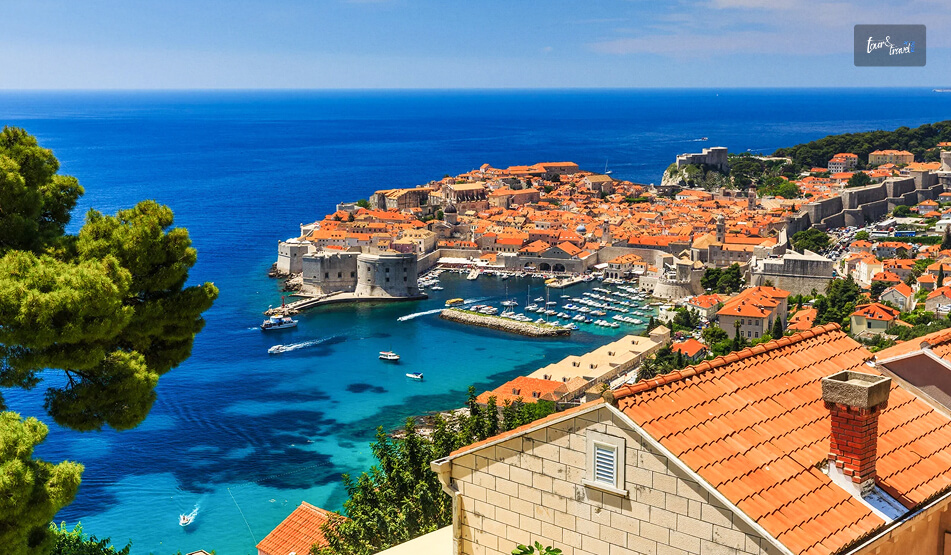
Even if you are not a Game of Thrones fan, you will love the blue water of the Adriatic Sea, the walls around the Old City, the cobblestone streets, and, overall, the quaint charm. 

While it takes almost a week to explore the best of Dubrovnik and indulge in its happening culinary scene, here I have curated a quick itinerary of what to do in Dubrovnik. 

This time, the best activities in Dubrovnik span over 3 days, and here you go! However, before that, I want to share how I fell in love with this Mediterranean gem and what the best time to visit this beautiful city is.

What Is The Best Time To Visit Dubrovnik?

What Is The Best Time To Visit Dubrovnik

May to September is the best time to visit Dubrovnik. 

  • Pleasant weather conditions
  • Affordable hotel rates
  • Less crowd
  • An ideal situation for exploring beaches and water activities

These are the benefits of scheduling your trip to Dubrovnik during these months. 

Further, have a look at the table below to understand the weather conditions of Dubrovnik by month. 

MonthsHighest Temperature (°C)Lowest Temperature (°C)Days of Rainfall
January13710
February1499
March15109
April17128
May22156
June27205
July30223
August31233
September27204
October23177
November191110
December 15810

Moreover, if you want to explore the festive scenario of Dubrovnik, you can plan your visit during the following months.

Festivals in DubrovnikTimeSignificance of the Festival
Festival of St. Blaise3rd FebruaryThe two-day festivities include a grand procession, and the city celebrates St. Blaise, its patron saint, on this day. 
It is also an intangible cultural heritage identified by UNESCO. 
Dubrovnik Summer FestivalJuly-AugustUnique cultural programs and artistic performances are the festival’s highlights. 
Festivities take place across various areas of Dubrovnik. 
Dubrovnik Winter FestivalNovember to JanuaryThe historic Old Town comes to life with music, lights, family fun, and more. 
Dubrovnik Good Food FestivalOctoberIt is a two-week-long food festival, including vibrant events. 
Stradun ClassicSeptember to OctoberMusicians around the globe perform at Stradun Classic. 
Midsummer SceneJune-JulyThis festival takes place at the Lovrjenac Fortress.
Croatian and British theatre artists collaborate to perform the celebrated Shakespearean plays. 

How I Fell In Love With Dubrovnik?

How I Fell In Love With Dubrovnik

Being the biggest fan of Game of Thrones, I, of course, got to know about this beautiful Croatian City

Dubrovnik was the King’s Landing or the capital of Westeros in the series. The Red Keep and the unforgettable scene of Cersei’s “Walk of Shame.” 

Then, I researched Dubrovnik and its magnificent walls surrounding the Old Town, and the seafood delicacies here made me fall in love with the city. 

So, if you thought that Dubrovnik was all about pasta and pizza and exploring the Old Town on the hottest days, it’s time to guide you on how to do it right. 

What To Do In Dubrovnik: A Complete 3-Day Itinerary For You

Here is what to do in Dubrovnik during a 3-day trip. 

Day 1: What To Do In Dubrovnik

Day 1 What To Do In Dubrovnik

Your day 1 in Dubrovnik will be focused on exploring the walled Old City. You can also take your time to relax by the pool or the sea, visit the local restaurants, enjoy a cable car ride, indulge in fine dining and the best wines, and end your day with a night stroll. 

1. Exploring The Walled Old City Of Dubrovnik

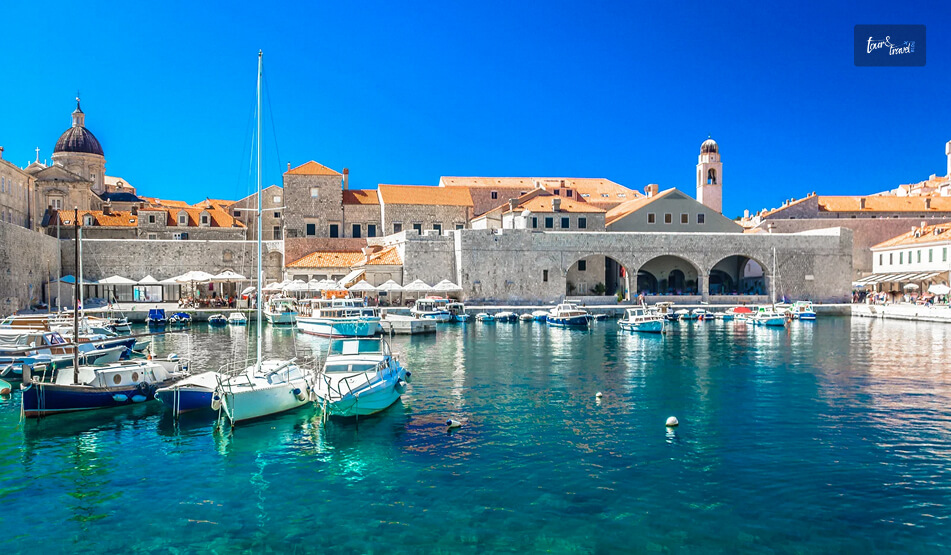
The Dubrovnik Old City celebrates Croatia’s rich medieval history. It is a UNESCO World Heritage Site, and taking a stroll across the cobblestone street and visiting places like the Cultural History Museum are the ultimate experiences here. 

“The ‘Pearl of the Adriatic’, situated on the Dalmatian coast, became an important Mediterranean sea power from the 13th century onwards. Although severely damaged by an earthquake in 1667, Dubrovnik managed to preserve its beautiful Gothic, Renaissance and Baroque churches, monasteries, palaces and fountains. Damaged again in the 1990s by armed conflict, it is now the focus of a major restoration programme co-ordinated by UNESCO.”

– UNESCO World Heritage Convention

2. Relaxing By The Pool Or The Sea

If you want a delightful beach experience, you can visit Mlini Bay or Lapad Peninsula in Dubrovnik. 

However, if you are feeling too lazy to explore the beach, you can explore hotels with pools for the perfect lounging time. 

3. Visiting Local Restaurants

Dubrovnik has places such as Proto, where you can have the best shrimp, scallops, and octopus delicacies. 

Further, fish cooked in sea salt is something you cannot miss in Dubrovnik. 

4. Enjoying A Cable Car Ride

A ride on the Dubrovnik Cable Car before Sunset is truly magical. During this ride, you can enjoy the changing colors of the Sun in the sky. 

Further, as you approach the top of Mount Srd, you will see wonderful views of the Elafiti Islands to the north. 

5. Fine Dining And Wine Tasting

Local restaurants, such as Panorama Restaurant in Dubrovnik, offer wonderful views alongside the best local cuisine. 

They serve amazing steak sandwiches and Chicken “Rustico.” 

Furthermore, you can taste red, white, rosé, and sparkling wines here. D’Vino Wine Bar is another hotspot in Dubrovnik to relish the best of Croatian wines. 

6. Taking A Walk In The City At Night

Are you a Dark Academia fan? Do you want to enjoy your “Everything is Grey” moment in the city? 

Take a walk around the city at night when there are no cruise passengers, and the lights and darkness create a mysterious ambiance.

Day 2: What To Do In Dubrovnik

Day 2 What To Do In Dubrovnik

Kayaking, chilling by the beach, and exploring the City Walls are some of the best activities you can do on day 2. 

1. Adventurous Kayaking In Dubrovnik

Kayaking at the City Beach will be the best way to start your second day. Kayaking tours start here at $43. 

2. Relaxing At The Beach

If kayaking is not your forte, you can plan a visit to the City Beach and enjoy the crystal clear water and Sunshine while exploring the views of the Old City. 

3. Exploring The Walls of Dubrovnik During The Sunset

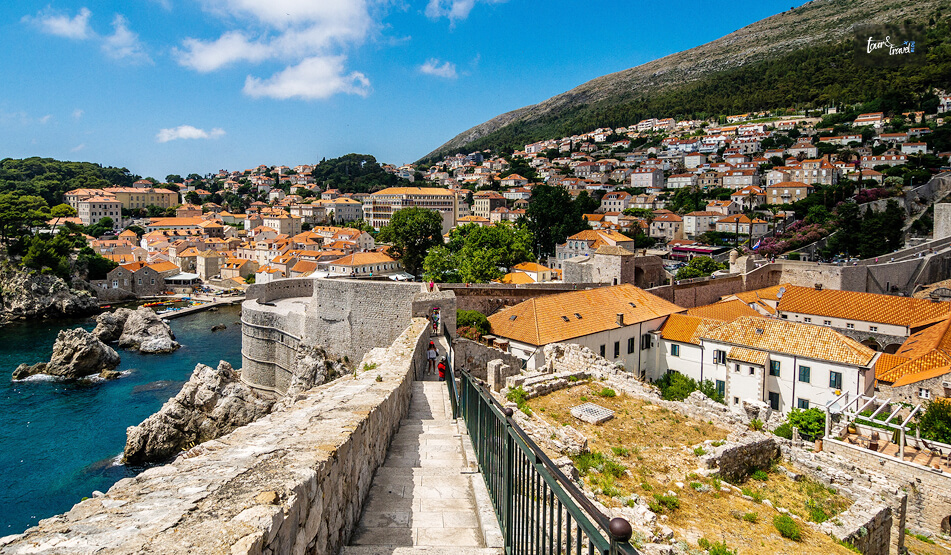
You can take a 2-hour walk along the city walls to relish the beauty of the Sunset. Once you reach the top, you can also grab some local snacks and the best coffee at the cafes. 

You need to buy tickets to explore the City Walls, and the ticket prices are:

During the high season, tickets for adults to explore the City Walls cost 40 EUR, while children’s tickets are 15 EUR. 

However, in the low season, ticket prices are 15 EUR for adults and 5 EUR for children.

4. Relishing Croatian Peka Meal

If you’re looking for a fun-filled community-building experience, consider the Peka Meal in the signature Dubrovnik style.

Here, you will have the option of lamb, veal, or octopus in a communal pot. Further, potatoes will be cooked over the coal and served to everyone.

Day 3: What To Do In Dubrovnik

Day 3 What To Do In Dubrovnik

Your day three will begin a journey to Lokrum Island. This Island houses the Benedictine Monastery and the Dubrovnik Visitor Center. 

The Visitor Center has the Iron Throne, where you can sit and live your Game of Thrones moments. 

Furthemore, the Dalmatian Coast has rock slab beaches. You can jump into the water there and enjoy the most unique views of the Old City.

Additionally, you can visit Mljet Island, home to the Mljet National Park and stunning saltwater lakes. 

Then, the Red History Museum, located across from the Gruž Ferry Port, will be your next destination. The ticket to the museum is 9 EUR for adults, 7.20 EUR for seniors and university students, and 3.60 EUR for primary and secondary students. 

Furthermore, for students under the age of 10, admission to the museum is free.

Where To Stay In Dubrovnik? 

Hotel Dubrovnik Palace and Hotel Excelsior are two of the best places to stay in Dubrovnik. Hotel Excelsior is located close to the walls of the Old Town and the City Beach. 

On the other hand, Hotel Dubrovnik Palace offers a luxury resort experience, and it offers the best views of the Adriatic Coast.

Share on Social Media

Meet Sibashree Bhattacharya, a travel enthusiast who has a decade-long experience in transcending virtual barriers with her words! Her deep love for travel is apparent from her travel escapades to the mountain, often taking her readers on a journey, her words acting as Portkey! Fun fact: Sibashree loves to dive deep into the history of the places she is about to visit, making her travels even more wholesome. If you were wondering how her articles are not short of time travel, this answers it!

Leave a Reply

Your email address will not be published. Required fields are marked *

title-img Related

READ MORE denver to colorado springs

Denver To Colorado Springs Distance: An Overview Of The Ways To Travel

BY  Sibashree Mar 13, 2026

The “Mile High City,” Denver, can be a wonderful base if you are traveling to Colorado Springs. Both are wonderfully blessed by the Rocky Mountains and beautiful waterfalls. Furthermore, for adults, the things to do or the fun activities in Denver are diverse. Nevertheless, this time, it is about seeing beyond the hot springs in Denver and the Rocky Mountain National Park. In fact, it’s time to plan a trip from Denver to Colorado Springs, home to the Pikes Peak Cog Railway, Garden of the Gods, and the U.S. Olympic & Paralympic Committee. Furthermore, with a distance of less than 100 miles, these two cities are well-connected by bus, air, shuttle services, and smooth driving roads. Keep reading to know how to travel the distance. What Is The Denver To Colorado Springs Distance?  The distance between Denver and Colorado Springs is around 70 miles or 110 km. Traveling this distance by road via I-25 S takes about 1 hour and 10 minutes. However, you can also take a city-to-city bus or a bus shuttle. Moreover, you can fly from the Denver Airport to the Colorado Springs Airport. So, here is a summary of the travel time based on the modes of transport. Denver to Colorado Springs Modes of Transport Travel Time (Approx) Denver to Colorado Springs by City to City Bus 1 Hour and 15 Minutes Denver to Colorado Springs Shuttle Bus Service 1 Hour and 15 Minutes Uber or Lyft Services 1 Hour and 30 Minutes By Car 1 Hour and 10 Minutes By Flight (Excluding the Airport Transfers) 45 Minutes  So, taking a bus or a private car rental is the best way to travel from Denver to Colorado Springs. Thus, you can strike a balance between the travel time and budget. How To Travel From Denver To Colorado Springs? Have you decided to take a flight from Denver to Colorado? Or, have you booked an Uber service for the trip?  Know the best choices before preparing your itinerary. 1. Denver To Colorado Springs City-To-City Buses  Bustang is the best bus service from Denver to Colorado Springs. The Bustang buses start from the Denver Union Station, and the ticket price is just $13. Furthermore, these buses have free Wi-Fi and washroom facilities. Moreover, you can take the Flixbus services, and the ticket price starts from around $14. Unfortunately, the Regional Transportation District, or RTD, does not have a bus from Denver to Colorado Springs. 2. Bus Shuttles  Bus shuttle services are available from Denver to Colorado Springs. However, you must only opt for trusted options such as Grehound. Greyhound offers two bus shuttle services from Denver to Colorado Springs. Both buses depart from the Denver Union Station Bus Concourse and travel to Colorado Springs Tejon Park-N-Ride. One bus departs from Denver at 7 PM and reaches Colorado Springs at 8:30 PM. Furthermore, the ticket price is $35.98. On the other hand, the second bus departs at 8:10 PM and reaches Colorado Springs at 9:25 PM. The ticket price is $18.98. 3. Uber Or Lyft Services From Denver To Colorado Springs  If you are traveling from Denver to Colorado Springs for the first time, taking an Uber or Lyft service will be the safest option. An Uber ride to complete the trip takes around 1 hour and 30 minutes, and the travel price is $135. On the other hand, a Lyft ride for this route will cost you between $120 and $165. With Lyft, you can make a booking 90 days in advance. Also, consider a 2% surcharge for airport pickups and drops. 4. Traveling From Denver To Colorado Springs By Car  A car drive or ride in a rented car from Denver to Colorado is beautiful. The journey via Interstate-25 takes around 1 hour and 10 minutes to 1 hour and 30 minutes. However, this route can have the most notorious traffic on certain days, and then the travel time will shoot up to 2 to 3 hours.  Furthermore, from March to May, hailstorms are common in the area. So, when traveling in these months, choose a 4WD or a vehicle that has tires to withstand extreme weather conditions. Moreover, the road expansion on Interstate-25 has made the ride bumpy. Nevertheless, a car rental for this journey will cost you between $70 and $120. Also, if you follow traffic updates and find the I-25 route busy, you can opt for alternatives such as Highway US-85/CO-105, Highway 83, and CO-67. However, these are longer routes and can stretch your travel time by an hour or so. 5. Fly From Denver To Colorado Springs  The Denver International Airport is located at a distance of around 23 miles from Denver. However, it is not just an airport that serves Denver. It is often the choicest airport for travelers from other countries due to its mid-continent location. Furthermore, the Colorado Springs Airport is located around 12 miles away from the city. The flight duration between these two airports is around USD 120 to 670. The fastest flight on this route takes 45 minutes to complete the journey. Moreover, private cars, Uber, Lyft services, and buses are frequently available for airport transfers. Traveling From Denver To Colorado Springs: Tips To Remember March to May and September to October, or the spring and autumn seasons, are ideal for a trip from Denver to Colorado Springs. Especially, Denver is one of the best places to visit in December in the USA. Furthermore, if you want to bypass the traffic on this route, you must plan a trip before 7 AM or after 7 PM. Also, Friday afternoons are the busiest. So, avoid a car ride in those hours and check the traffic conditions on platforms such as the COtrip website. Moreover, if you find the I-25 route to be busy, you can take Highway 83, which runs parallel and usually has less traffic. Traveling From Denver To Colorado Springs: Frequently Asked Questions (FAQs)  Here are the frequently asked questions and answers related to the Denver to Colorado Springs trip.  1. Is It Better To Fly Into Colorado Springs Or Denver?  The better option to fly into between Colorado Springs and Denver airports depends on the part of Colorado you want to explore. For example, if you want to explore the northern part of Colorado and have cheaper and more diverse flight options, the Denver International Airport will be a better choice. On the other hand, the Colorado Springs Airport is ideal for the Southern Colorado attractions. 2. How Much Is The Train From Denver To Colorado Springs?  No passenger train runs between Denver and Colorado Springs.  However, you can enjoy a scenic train ride in the Pikes Peak Area on the Pikes Peak Cog Railway. This train passes through ethereal Alpine landscapes before it reaches its summit at 14115 foot. 3. Is There A Shuttle Between Colorado Springs And Denver? Yes, there is a shuttle service between Colorado Springs and Denver. Reputed names such as Greyhound offer shuttle bus services on this route. The travel time is around 1 hour and 15 minutes, and the ticket price is around $18.98 to $35.98. 

READ MORE

Must Pack Business Travel Packing List Along With Tips

BY  Abdul Aziz Aug 24, 2023

As a frequent business traveler, you understand the significance of having an efficient suitcase. From traveling for short meetings to attending lengthy conferences, having essential items can make all the difference in how smoothly everything runs. This blog post offers a complete packing list for business travelers and includes helpful advice to ensure they're fully prepared for their professional adventure. So grab your suitcase and begin packing like an expert! How To Pack For A Business Trip Packing for a business trip requires careful thought to bring everything you need for meetings and presentations while maintaining an attractive appearance. Here is a step-by-step guide to packing efficiently: Make A Checklist: Draft an essential items list that covers clothing, toiletries, electronics, documents and any special items required for meetings. Check The Weather: Research the weather forecast for your destination during your trip. This will help you determine the appropriate clothing to pack. Choose Versatile Clothing: Opt for versatile pieces that can be mixed and matched to create different outfits. Stick to a color palette that coordinates well. Includes business attire like suits, blouses, dress shirts, slacks, skirts, and comfortable shoes. Formal Attire: If you have formal events or meetings, pack appropriate attire such as a formal suit, tie, and polished shoes. Accessories: When accessorizing an outfit, bring along accessories to enhance its style. Ties, scarves, belts, and jewelry can all add the perfect finishing touches and complete their style. Toiletries: When traveling abroad, travel-sized items such as toothbrushes, toothpaste, shampoo/conditioner/soap, deodorant, razor, and any medications required for your trip are essential. Electronics: When traveling for business, always pack all necessary equipment, such as your laptop, chargers, smartphone, and any essential accessories, such as power banks or headphones, that may be needed. Documents: Organize and pack essential documents such as your passport, identification card, boarding pass, travel itinerary, business cards, and meeting materials. If you need fresh business cards for networking, you can easily get a custom business card print with Adobe Express, ensuring a professional look. Additionally, digital tools can help convert text to speech, making it easier to review travel details or meeting notes on the go. Work Essentials: Include a notepad, pens, and any work-related materials needed for meetings or presentations. Shoes: Pack comfortable yet professional shoes that match your outfit. If you're attending formal events, pack appropriate formal shoes. Outerwear: Pack a versatile jacket or blazer that complements your business attire. Also, consider packing an umbrella in case of unexpected weather changes. Gym Gear: If you plan to work out during your trip, pack gym clothes, sneakers, and any necessary accessories. Chargers And Adapters: Ensure you have the right adapters and chargers for the electrical outlets at your destination. Packing Strategy: Use packing cubes or folders to organize clothing and minimize wrinkles. Roll clothes to save space and reduce wrinkles. Check Airline Restrictions: Familiarize yourself with your airline's baggage allowance and restrictions to avoid surprises at the airport. Travel-Size Laundry Supplies: When packing for travel, remember a small bottle of laundry detergent or stain remover in case any laundry needs arise. Medications: In terms of medications, be sure to pack sufficient supplies of medicines necessary for the duration of your journey. Personal Items: Include items like your wallet, keys, and regularly used items. Double-Check Before Leaving: Double-check your checklist to ensure you have everything essential. Pack Light: Try to pack efficiently and avoid overpacking. Focus on the essentials to make your trip more manageable. Business Travel Packing Tips And Tricks Embarking on a business expedition demands more than a suitcase; it requires a masterful symphony of strategy and practicality. These indispensable tips and ingenious hacks will be your guiding stars, ensuring your seamless and stylish journey. Strategic Selection Based On Itinerary: Craft your wardrobe like an artist's palette, with each garment chosen for a purpose. Analyze your Itinerary, from meetings to downtime, and curate outfits that effortlessly transition. Versatility is your ally. Hotel Amenities As Allies: Embrace the luxury of your chosen abode. Leverage hotel amenities like laundry services, hairdryers, and irons. Leave these bulky items behind, freeing up precious space in your luggage. The Art Of Packing Cubes: Unravel the magic of packing cubes. These versatile compartments can transform chaos into order, granting each item its enclave within the suitcase symphony. Prioritize Quality Luggage: Your suitcase is more than storage; it's a partner in your journey. Opt for quality and durability. A well-designed bag can safeguard your belongings and enhance your travel experience. Medicine And Essentials First: Begin your packing symphony by arranging essential medications and personal items. Build from this foundation, securing your well-being before diving into other necessities. Liquid Allowance Awareness: Navigate the labyrinth of liquid restrictions set by airlines. Prioritize travel-sized toiletries or consider solid alternatives to avoid spillage and streamline security checks. Virtual Documents And Backup: Liberate yourself from paper documents. Digitize your essentials – from travel itineraries to business documents. A cloud-based backup ensures access regardless of circumstances. Minimalist Shoe Strategy: Shoes are notorious space-hoggers. Choose a versatile pair for formal events and another for casual strolls. Your feet and luggage will thank you. Clever Clothing Coordination: Opt for a color scheme that allows mix-and-match possibilities. Each garment should complement others, maximizing outfit options while minimizing the number of pieces. Roll, Don't Fold: Tame clothing in bulk with the roll, not fold technique. This minimizes wrinkles and opens up additional space for more necessities. Elegance In Accessories: Elevate your outfit with carefully selected accessories. A statement tie, scarf, or jewelry can transform a simple attire into an impressive ensemble. Power Of Reusable Bags: Pack a collapsible tote bag. It's ideal for unexpected purchases, separating dirty laundry, or accommodating an impromptu excursion. Backup Charging Arsenal: Keep a dedicated charging kit with spare cables, a power bank, and adapters. You won't scramble for power amidst vital engagements. Emergency Clothing Stash: Unexpected spills or mishaps are inevitable. Pack a compact emergency clothing kit, including spare socks, a shirt, and an accessory to freshen up quickly. Tech Armor For Gadgets: Your device is vital. Shield them with protective cases and sleeves to ensure they reach your destination unscathed. Travel Insurance: Non-Negotiable: Protect your journey with comprehensive travel insurance. A safety net is invaluable, whether for trip cancellations or medical emergencies. Decanting For Delicate Liquids: Opt for small, leak-proof containers for cosmetics or toiletries prone to leakage. This ensures your essentials remain intact and your luggage spill-free. Tailored To Tees: Pack clothes that align with your style. Feeling confident in your attire can significantly impact your overall outlook and performance. Digital Detox Deliberation: Reflect on the necessity of every tech gadget. A temporary digital detox can foster mindfulness and enhance your experience. Return With Room: Leave room in your luggage for souvenirs or potential acquisitions. A well-planned packing strategy ensures your journey concludes with a sense of accomplishment. Travel with Travel-Wise! The leisure trend has rapidly gained popularity as an effective way to combine business travel with pleasure. An itinerary that provides both productive work time and leisure activities is critical to maximize the experience of any trip. Travel-Wise provides an intuitive trip planner that makes travel plans tailored to your preferences easier than ever, enabling you to combine productivity with enjoyment for any upcoming business trip seamlessly. With Travel-wise on your side, creating the ideal business trip is now more manageable than ever! Read Also: How To Save Money On A Trip To Abu Dhabi 7 Tips To Make The Most Out Of Your Trip To Gatlinburg How To Use Videos To Drive Conversions In Travel Business

READ MORE Tucumán wine tour guide

The Best Tucumán Wine Tour Guide: How To Explore The Higlands Of Northern Argentina?

BY  Sibashree Jan 13, 2026

Along with the cultural richness of Tucumán, what hooked me was the community bonding and development. For the longest time, grape growing has been a part of local life. Now, in 2016, the Bodega Los Amaichas built the Amaicha del Valle community to take the local tradition and use it for the benefit of local people. It is the first indigenous community-owned winery in South America. Furthermore, Mendoza may get all the spotlight as the home of world-class Malbecs. But for travelers like me, who want a more rugged and authentic experience, Tucuman is the ultimate destination in Northern Argentina. Also, the wine tour in Tucuman is almost like a time capsule. The viticulture here is defined by family legacies, indigenous roots, and vineyards that touch the clouds.  In this Tucumán wine tour guide, I will talk about why Tucumán is an alternative to Mendoza, the route, the top wineries, and the specialty of local wines. For more on this beautiful province in Northern Argentina, you can check out my Tucumán Argentina itinerary. Why Is Tucumán The "Untouched" Alternative To Mendoza?  The flat plains of Mendoza are ideal for massive production. However, the vineyards of Tucumán are in the narrow folds of the Calchaquí Valley. So, the experience in Tucumán is more like a boutique. Furthermore, there are very few crowds in Tucumán, and the terroir is not just about the soil. Here, people celebrate a 10,000-year-old connection to the land. As Visit Argentina says, “The dry climate, the wide temperature range, the gentle winds, and sunshine 350 days a year create the characteristics of Tucumán wine: intense colors, simple and spicy aromas, and ripe, sweet, and fruity flavors.”  The Concept: "Vinos De Altura"  Wine is a high-altitude sport in Tucumán. Grapes are grown under extreme conditions at an altitude of 2000 to 3000 meters. Also, the struggle is here with intense UV radiation and a dramatic jump in temperature between sun-scorched days and freezing nights. As a result, the grapes here have thicker skins to protect themselves. The thicker skin further leads to intense tannins and deeper colors. In addition, the aromatic profile here is more concentrated than in the lowlands. The Route: From Jungle To Vineyards (Route 307)  The drive to the wine country of Tucumán is one of the most spectacular road trips in South America. The journey from San Miguel to Amaicha del Valle starts in the subtropical and humid rainforest of the Yungas. Then, you will climb Route 307 to witness a radical transformation of the landscape. Your eyes will settle down with the lush ferns and moss-covered trees of the Quebrada de Los Sosa. Wait for 2 hours, and the Calchaquí Valley will appear with an arid landscape and cactus. Then, you will cross the Abra del Infiernillo at an elevation of 3000 meters before you descend to the Amaicha del Valle wineries. Visit Argentina promotes the "Ruta del Vino" as a cultural corridor, linking the wine not just to gastronomy, but to the Pachamama (Mother Earth) festivities in February.  Map Of The Ruta Del Vino Tucumán (Ruta 40 Connection)  Technically, Tafí del Valle is the beginning point of the Tucumán Wine Route. Then, it continues to the Amaicha del Valle and Colalao del Valle. Finally, there is a link with Ruta 40, and then it advances to the ruins of Quilmes and the border of Salta. What Are The Top Wineries To Visit In Tucumán?  The top wineries of Tucumán offer a diverse experience. While Bodega Comunitaria Los Amaichas offers an authentic local experience, Finca Albarossa is more about a boutique feel. 1. The Indigenous Icon: Bodega Comunitaria Los Amaichas  This is the only winery in Argentina and one of the few in the world that is owned and operated by an indigenous community.  This winery has a cactus wood and stone architecture. The Amaicha del Valle community governs it, and every custom here respects the Mother Earth or Pachamama. I have seen people offering wine to Mother Earth before drinking. Furthermore, the Sumak Kawsay Malbec, meaning the good living, is the best wine to taste here. It offers the most authentic wine experience. The wine gere is robust, unfiltered, and has a deep, earthy taste. 2. The Heritage Player: Bodega Chico Zossi  This winery is family-run and located in Colalao del Valle, and it has been operating since 1900. As you walk through Chico Zossi, you will feel like you are at a family home. The production level is small and artisanal. Furthermore, the wine-making technique here has been passed down through four generations of the Zossi family. 3. The Modern Estate: Las Arcas De Tolombón  Las Arcas De Tolombón is the most awarded winery in the province. It has a Siete Vacas or Seven Cows label. There is a local legend behind the name. It is about the seven cows that would appear in the desert in prosperous times. The wine you will get here is a standout. You will love the floral and crisp flavor of it, along with the sweet perfume. 4. The Boutique Stop: Finca Albarossa  Finca Albarossa exudes sheer Italian elegance with a touch of Andean ruggedness. It is a boutique winery and hotel. So, it is an excellent experience to enjoy a glass of Malbec while watching the sunrise. Thus, it completely justifies its name, Finca Albarossa, where Albarossa means the “Red Dawn.” Understanding Tucumán Wines: What To Drink?  Amanda Barnes of the South America Wine Guide often highlights that the Calchaquí Valley doesn't stop at the Salta border. She praises Tucumán for its "extreme terroir" and the preservation of the Criolla grape varieties.  Tucumán Wines are different with a diverse flavor. From the signature purple to white wines, here are the varieties you can try. 1. Torrontés  If you want the quintessential wine experience of the north, you can try Torrontés. I would rather call it the flagship white of the North. It stands out with a refreshing aroma of peach and jasmine. However, the palette of this wine is dry and refreshing. Tim Atkin, the British Master of Wines, regularly scores Northern Argentine wines highly, noting that the Torrontés from this region is the most aromatic white wine in the world.  Even if you are a red wine drinker, you must try the Torrontés here. It is the only grape variety native to Argentina, and the Tucumán expression is floral and unique.  2. High-Altitude Malbec  I was looking for an alternative to the jammy Mendoza Malbecs. The high-altitude malbec, standing on the opposite spectrum of the flavor profile, comes with a spicy and structured flavor. This wine comes from the grapes with Soun-toughened skins. So, these have a signature dark purple hue. 3. Vino Patero  Vino Patero is an experience. It has an intense, sweet, and fruity flavor. This boutique wine was made traditionally by pressing the grapes by foot. The “Patero” part in Vino Patero comes from " pata " or foot. This wine is artisanal, and it is unfiltered. Vino Patero is a frequently served beverage at the local festivals, and you will have it along with empanadas. Things To Remember For Planning Your Tucumán Wine Tour  Best Time to Visit • February/March - Harvest Season, and for the Vendimia Festivities• August - Pachamama Festival Mode of Transport• Rental Car  Vendimia festivities are a celebration of the grape harvest. The Pachamama Festival, on the other hand, is a sacred week-long celebration to sink into the local culture. You will not get any Uber services here. Buses are available, but they do not take you to the remote areas. Where To Stay On The Wine Route In Tucumán?  Do you want to sleep in a vineyard? Estancia Río de Arena on Ruta 40 is the perfect place, exuding a rustic "hacienda" feel. Get out of our room, and within a minute, you will walk into the tasting room. If you need a budget option, look for Hospedajes in Amaicha del Valle. These locally run facilities are clean and authentic, and they will even guide you on which Vino Patero is the best in town. Expert Tips On The Best Tucumán Wine Tour Guide  The Sacred City of Quilmes is just 15 minutes away from the wineries. Also, the early mornings are the ideal time to explore the ruins. Do you want more such insights about exploring the wineries of Tucumán? Check out the following points. 1. Respect The Siesta Amaicha and Colalao del Valle turn into ghost towns between 1 PM and 5 PM. Most wineries shut their door during these hours. So, schedule your trip at 10 AM or after 5:30 PM. 2. Designated Driver Is Essential, And Check The Fuel Route 40 has narrow roads and even gravel. The route also often has goats/llamas and other stray animals. So, professional expertise and familiarity with local road conditions are important. Fill your tank in Tafí del Valle. There are long stretches on Route 40 without reliable gas stations between Amaicha and Cafayate. 3. Book "Los Amaichas" In Advance  The local people run "Los Amaichas. These people also work in the field. So, you must keep them informed about your arrival via WhatsApp so that a guide is available to open the cellar for you. 4. Cash Is King Smaller wineries rarely accept credit cards, and if you want to buy bottles from them, you will need to pay them in cash. Also, the ATMs in Amaicha often run out of cash. So, you have to bring a stack of Pesos from the city. 5. Try The Mistela  Along with the signature Tucuman wine, you can also try Mistela. It is a fortified wine with a very sweet taste. It is a cultural staple. So, you have to sip it slowly and savor its strong taste. 6. Get Enough Sun Protection The wineries are at a height of more than 2000 meters. So, the UV index is high, and within 10-15 minutes, you can get sunburned. So, wear a hat and sunscreen if you are doing the wine tasting outdoors. 7. Ask For The "Reserva"  In small boutique wineries like Chico Zossi, the "Reserva" bottles are often only $2-$3 more than the table wine but are aged significantly better.  Tucumán Wine Tour Guide: Frequently Asked Questions (FAQs)  Here are the frequently asked questions and answers about the Tucumán wine tour guide. 1. Can I Visit Wineries Without A Tour?  Yes, you can go on a self-drive tour on Route 40 and explore the wineries. However, you will have to book an appointment via WhatsApp. Booking is crucial as these wineries are small, family-run operations. 2. What Is The Best Winery For Lunch?  Bodega Río de Arena near the Quilmes Ruins is the best winery for lunch. It has a hotel and restaurant on-site. You can have excellent llama meat and empanadas there.  3. How Far Is The Wine Region From Tucumán City?  The wineries are around a 3.5 to 4-hour drive from the city.On the route from the city to the wineries, you have to cross a mountain range. So, it is not your usual day trip in Argentina. It is best to plan an overnight stay in Amaicha or Tafí del Valle.  4. Is It Safe To Drive Route 307?  Route 307 is a paved and scenic route. However, it is a mountain road and has many curves. Furthermore, the road is often misty. So, you must avoid driving at night. 5. Are The Wine Tours In English?  Yes, you can attend wine tours in English in larger wineries like Las Arcas de Tolombón.  However, if you want a tour of the smaller family wineries or the community wineries, the tours will be mostly in Spanish.  6. Can I Bring Kids For The Wine Tours In Tucuman?  Yes, you can bring kids for the wine tours in Tucuman. This is where the wineries of Tucuman are different from the wine estates in Mendoza.  The Tucumán wineries are more like farms, and they are very family-friendly. In fact, Río de Arena even has a petting zoo with llamas.  7. When Is The Harvest Season In Tucuman?  Late February to March is the harvest season in Tucuman. However, it is the busiest time in the Tucuman wineries. So, you will have to book the facilities in advance.On the other hand, August is the month of the sacred Pachamama Festival. 8. Why Is The Community Winery Famous?  Bodega Los Amaichas is the first winery in Argentina and the third winery in the world owned entirely by an indigenous community. The Bodega Los Amaichas tour reflects the Diaguita worldview of "Sumak Kawsay" (Good Living).  Read Also: The Best Places To See Northern Lights In The USA: When And Where To Watch Aurora Borealis Jaffna Travel Itinerary For 5 Days: What Are The Places To Visit And Local Transport What Are The Best Places To Visit In December In The USA? Vote For Your Favorite