








These Exotic Places To Travel Are Unusual: Explore The Must-Visits Around The World

Nov 11, 2024

Last Updated on: Sep 24, 2026

Travel Guides

With the festive season knocking on doors, everyone is set for holidays and travel plans.

The exotic places to travel offer you the best beach experience.

You also get to soak in the Sun and have some fun in the tropical jungle.

How about some unusual experience this time?

You can always add exotic places to your wishlist according to your preferences.

From the cultural heritage of Fiji to the mountains of Sardinia, you must go for something unique. 

What Is An Exotic Place To Travel, BtW? 

An exotic place is a far-off destination from your country.

These places are called exotic because they offer unusual experiences. 

Some bucket-list-worthy exotic destinations are Mexico, Madagascar, Fiji, and Belize. 

Most Unusual Exotic Places To Travel In The World: Curated For An Eclectic Experience 

The exotic places to travel offer you the experience of a lifetime.

Located in a distant country, these destinations are great for knowing about local culture and human history. 

So, exotic tourism is more than beautiful landscapes and outdoor pursuits. 

To ensure you have the most amazing experience, I have listed the exotic places to travel worldwide.

Let’s check out the entries.

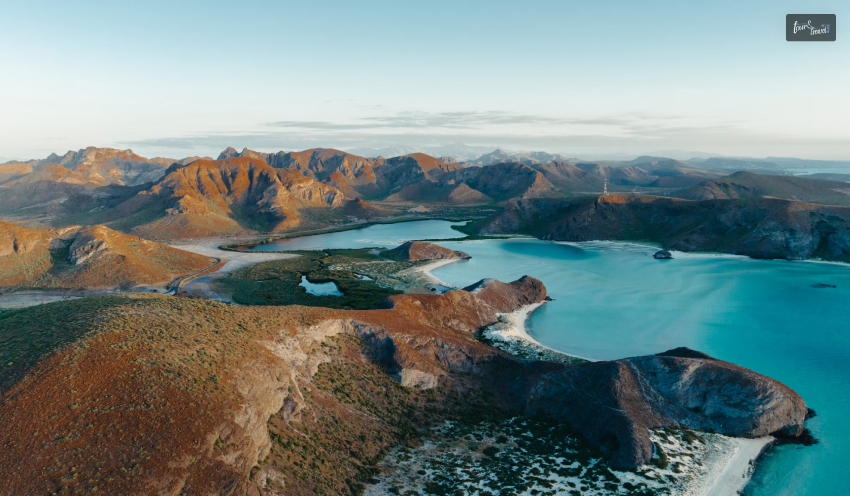
1. Baja California Sur, Mexico

Baja California Sur, Mexico

Best Time to Visit: December to April 

Baja California Sur is a place of wonderful scenic beauty and diverse ecosystems.

Further, you will love the following water activities here.

  • Visit Magdalena Bay to watch whales
  • Enjoy the best snorkeling experience in Cabo Pulmo.
  • Don’t miss Espiritu Santo Island and its diving fun.

Also, do you want to swim with sharks?

La Paz is your go-to destination in Baja California Sur.

However, you can also have the most serene vacation at Balandra Beach.

You will love paddleboarding, kayaking, and swimming here. 

2. Madagascar

Madagascar

Best Time to Visit: April to October

Madagascar is home to fascinating rainforests and white-sand beaches.

The beaches here are pristine.

So, there is a lot to explore, and you can expect fewer crowds on the beaches.

Further, the canyons and limestone karsts make it one of the most exotic places to travel in the world.

However, Madagascar will win your heart with its diverse wildlife.

Most of the wild animals you see here are not found anywhere else in the world. 

Moreover, what can be more adventurous than swimming with sharks at Nosy Be Island? 

3. Cappadocia, Turkey

Cappadocia, Turkey

Best Time to Visit: April to June and September to November

Have you heard of “Fairy Chimneys” in Cappadocia?

A UNESCO World Heritage Site, they are rock formations in a cone shape, and you will find them in Monks Valley and Göreme.

Further, Cappadocia takes you on a historical walk with homes made by troglodytes, or cave dwellers.

These homes are from the Bronze Age.

Another UNESCO World Heritage Site in Cappadocia is the Göreme Open Air Museum.

With rock formations, monasteries, and churches, Gerome tells the tales of the Byzantine Era.

Moreover, Cappadocia is popular for its hot air balloon rides. It feels most amazing during sunrise and sunset. 

4. Fiji, Oceania

Fiji, Oceania

Best Time to Visit: May to October

A paradise of crystal-clear waters and beaches, Fiji is exotic.

Further, the sugarcane plantations here speak volumes about the livelihood of the local people. 

Fiji also has endless attractions, such as:

  • The Garden of the Sleeping Giant
  • Kula Wild Adventure Park
  • Sobeto Hot Springs and Mud Pool
  • Biausevu Waterfall.

However, for someone keen to learn about human lives and culture, the best experience would be visiting the Fiji Culture Village.

The Kava Ceremony and the traditional dance performances are mesmerizing.

Moreover, you will get to gorge on traditional Fijian cuisine cooked in earth ovens. 

5. Sardinia, Italy

Sardinia, Italy

Best Time to Visit: June to September

Sardinia is one of the most exotic places in Italy.

Just driving in a car or scooter along the coastal paradise is an experience in itself.

Further, swimming in the Emerald Coast and Costa Smeralda is something that I will cherish for a lifetime.

You can even take a chartered sailboat to visit the hidden bays.

Furthermore, Cagliari, the capital city of Sardinia, introduces you to the local culture with many archaeological sites, museums, and churches.

Bosa and other small villages will also cast a lasting impression on you with colorful buildings.

Don’t forget to visit Doria Castle in Bosa. It was built in the 12th century. 

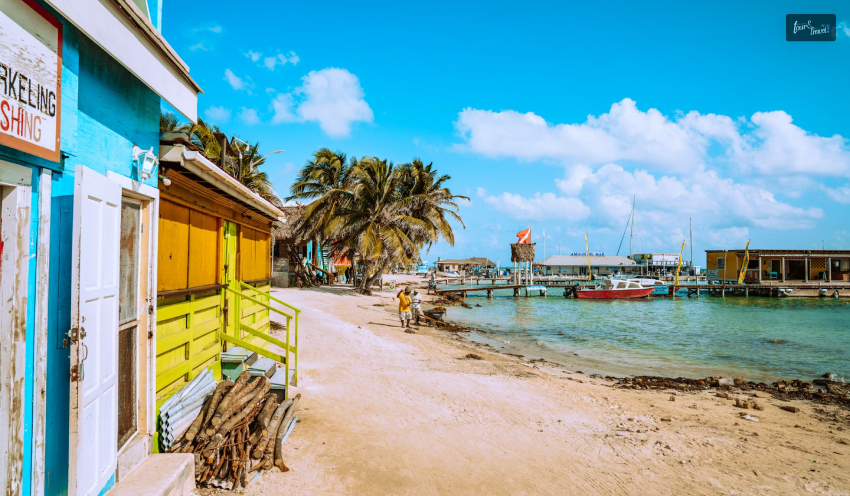
6. Belize

Belize

Best Time to Visit: December to April

Belize, a country in Central America, is a wonderful fusion of ancient ruins, lush jungles, marine life, and turquoise water.

Further, Belize has the most amazing beaches where you can take part in the following activities. 

  • Snorkeling
  • Scuba Diving
  • A Flight Over 

If you want to have the best inland experience, you can visit ATM Cave, Rio Frio Cave, and various Mayan historical sites.

If you want to learn more about the history of Belize and human life, you can visit Cahal Pech, an ancient city. 

7. Kefalonia, Greece

Kefalonia, Greece

Best Time to Visit: June to August

Kefalonia is the largest Ionian island in Greece.

Its blue coastline looks the most amazing, with coves and limestone cliffs.

Further, you will love the vineyards and rugged mountains here. 

One of the most exotic places to travel, Kefalonia stands out because of its Myrtos Beach.

You will enjoy an amazing view of the turquoise sea here. Other places that will keep you intrigued are:

  • Melissáni Cave
  • Ainos National Park
  • Mount Ainos

Moreover, you must not forget a visit to Fiskardo, a quaint village with the best architecture from the 18th century. 

8. Rajasthan, India

 Rajasthan, India

Best Time to Visit: November to February

The land of great Rajput warriors and rulers, Rajasthan is a living destination of human history.

James Tod, an Oriental scholar, penned the most beautiful historical account of the state.

The name of the book is “Annals and Antiquities of Rajasthan.”

Further, “Rajkahini” by Abanindranath Thakur is a wonderful depiction of Rajasthan’s royalty.

If you want to visit Rajasthan, one of the most exotic places in the world, you must read these books at least once.

Rajasthan has so much to offer that you need at least 15 days to touch upon its iconic spots.

Visit the Amber Fort, Hawa Mahal, Mehrangarh Fort, and many other fortifications.

Don’t forget to explore the desert on a camel safari.

You will also fall in love with the local culture.

Rajasthan has some of the most iconic dance forms, like Kalbelia, and the tunes of the Sindhi Sarangi are a sheer delight to the ears.

Moreover, the local puppet shows are vibrant, and they depict historical and folk stories. 

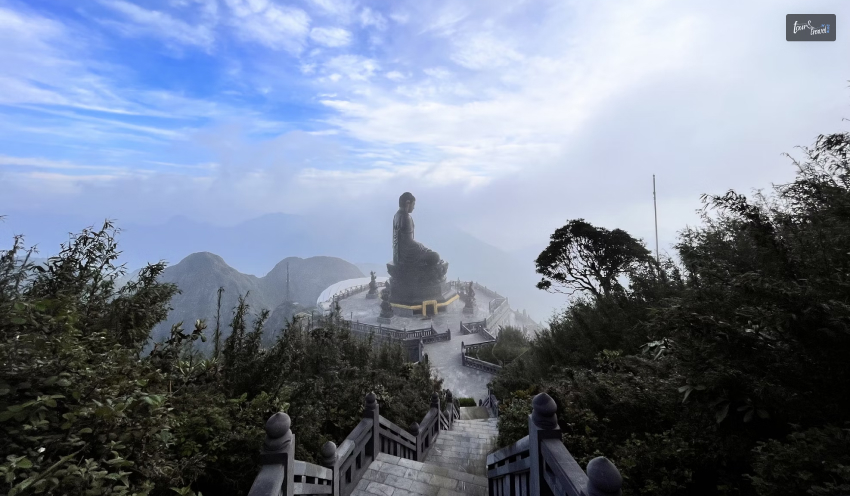
9. Sa Pa, Vietnam

Sa Pa, Vietnam

Best Time to Visit: March to May and September to November

Sa Pa in northwest Vietnam is a tranquil mountain destination.

The beautiful Hoàng Liên Son Mountains are also present here, making you cherish the scenic views.

Moreover, Da, Dao, Hmong, and other local tribes live here.

An interaction with them is better than any book describing the culture and human history of the country.

So, you can miss the best luxury hotels in Sa Pa and spend your days here in homestays surrounded by these tribes.

Also, you can collect the most aesthetic souvenirs from the local market. It has handicraft products. 

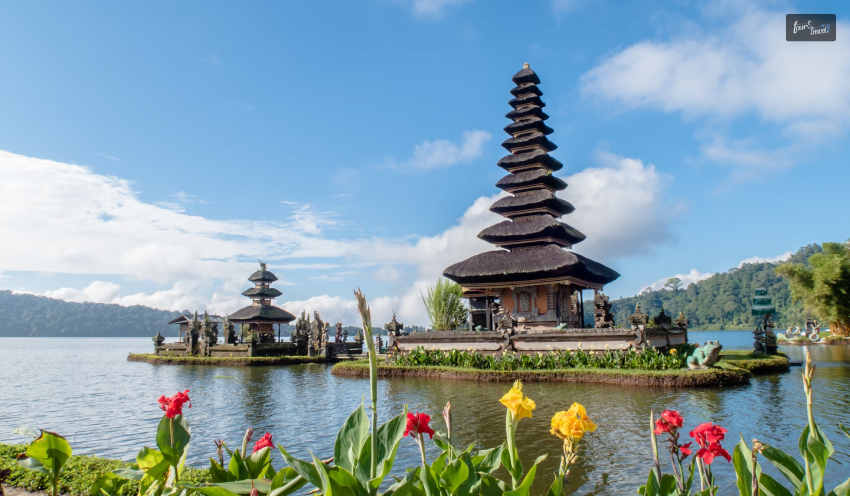
10. Indonesia

Indonesia

Best Time to Visit: July to December

Indonesia itself is a wonderful travel destination.

Indonesia’s tourism industry supports 12.5 million jobs.

Also, it is projected to contribute more than IDR 1,131 trillion to the country’s economy in 2024. (Source: World Travel & Tourism Council)

However, I want to discuss the Raja Ampat Islands, one of the most exotic places to visit in Indonesia.

Snorkeling and scuba diving are the most amazing activities here.

You will encounter amazing turtles, manta rays, and dolphins here.

Furthermore, a wildlife exploration here will allow you to meet the most beautiful birds and many endemic species. 

Also read

Share on Social Media

Sibashree is a travel, culture, and leisure writer who has been writing since the age of 12 and professionally since 2014. With more than a decade of travel writing experience and journeys across India and several parts of the world, she brings a deeply personal and thoughtful perspective to her work. A student of English Literature and Mass Communication, Sibashree has always viewed travel as more than movement — for her, it has been a way of understanding people, cultures, and herself. Her passion for spiritual exploration has also led her to many unusual and meaningful destinations over the years. Outside of writing, Sibashree enjoys watching European cinema, reading about global politics, and reflecting on the stories hidden within everyday places.

Leave a Reply

Your email address will not be published. Required fields are marked *

title-img Related

READ MORE card-img

The Hiking Trails In Saguaro National Park Are Calling! Pack Your Bags

BY  Sibashree Aug 12, 2024

Saguaro National Park has a massive footfall every year thanks to its delightful trails, mountains, and endless species of cacti. Despite being a favorite of hikers and equestrians, this park is also a delightful destination for family trips.  Further, exuding the essence of the Sonoran Desert, Saguaro National Park in Arizona is also home to creatures like the Gila monster, mountain lions, desert dogs, and coatis.  So, are you planning a vacation between October and April? Pack your bags and visit the trails and desert land in Saguaro National Park.  Know The Best Trails In Saguaro National Park The Saguaro National Park is divided into two sections, east and west. The east side has the more intriguing trails, whereas the trails in the west offer the most amazing scenic beauty.  Along with desert and mountain trails, you will also be able to go for short walks and explore the natural trails filled with cacti and saguaros.  So, let’s know the trails in the Rincon Mountain District in the east and Tucson Mountain District in the west.  Best Hikes In Saguaro National Park East (Rincon Mountain District) If you want to experience the pristine beauty of Saguaro National Park, your road must lead to the east. This side of the park has fewer tourists and old vegetation of cacti and saguaros. Also, are you an early bird? You can enjoy the best Sunrise view from the Saguaro Eastern trails.  Hope Camp and Ridgeview Trail Distance: 2 miles This trail is famous for the best views of the Rincon Peak and has an elevation of 400 feet. Toward the end of the trail, all your strain will be gone as you discover vibrant wildflowers and beautiful panoramic views.  As the trail ends at the top, the Box Canyon will appear before your eyes. If you are in the park during the wet season, the view of the waterfalls will give you the most fulfilling experience.  Freeman Homestead Trail Distance: 1 mile An old homestead foundation, large saguaros, and a desert wash are the highlights of Freeman Homestead Trail.  You can call this a “home in the desert,” and it is related to plant life and history. This Saguaro National Park East trail is one of the favorites of youngsters.  Loma Verde Loop Distance: 3.8 miles The Loma Verde Loop comes with a 60-feet elevation. The presence of mature mesquite trees along the trail gives the space a gothic vibe.  Here, you will cross a seasonal wash and climb onto bajada (Spanish), a gravel land at the mountain base.  Next, you will have to cross the Loma Verde Mine and continue through the Pink Hill Trail. Wait a while and keep hiking in a minor spur trail, offering a mesmerizing view of the cactus vegetation.  Further, take a right turn on the Pink Hill Trail and also take a right turn on the Squeeze Pen Trail. Finally, take a left on the Loma Verde Trail to head back to the trailhead.  As you can see, a lot of twists and turns await throughout the loop. So, keep a topographical map handy.  Garwood Dam and Wildhorse Tank Distance: 6.4 miles Garwood Trail is one of the best routes for you if you have come to the park to see cacti. As you take the steep section of the trail, you will visit Garwood Dam, built by Nelson Garwood.  Continue your journey through the switchbacks until you reach a ridge with the most amazing views.  Further, as you cross the ridge, you will find Wildhorse Trail. Turn right and take a steep of 0.3 miles to reach the Wildhorse Tank.  Tanque Verde Ridge Trail  Tanque Verde Ridge Trail is one of the most strenuous hiking routes in this National Park because the distance and elevation of the trail keep varying. The highest point in the trail is the Tanque Verde Peak, which is 7049 feet high.  However, as you advance through the route, you will get to see the most exciting views. Further, when you reach the top of the ridge, you will find many other ranges in the north, south, and west. The Tucson Basin also becomes visible from the ridge top. In addition, don’t forget to take snaps of “the Dome,” a “crested saguaro,” and the unique views.  Best Trails In Saguaro National Park West (Tucson Mountain District) Tuscan Mountain District has the largest cacti in the USA. This large saguaro is acknowledged as the universal symbol of the American West.  Hike through the trails in the west to meet a variety of cacti and the most amazing Sunset views.  King Canyon Trail Distance: 3.5 miles The King Canyon Trail ascends to the Hugh Norris Trail. Watch out for the stair-step-like rock formations in the wash bottom.  Hugh Norris Trail  Distance: 4.9 miles Hugh Norris Trail is the most delightful among other trails in the park. It leads to the Wasson Peak, the highest spot in the Saguaro National Park.  Along with scenic beauty, the rocks of various formations will grab your attention throughout the trail.  Sendero Esperanza Trail Distance: 3.2 miles Sendero Esperanza Trail hiking is a little arduous thanks to the constant ascends and descends. However, it is one of the most beautiful trails in the park.  Cam-Boh Trail Distance: 2.7 miles  Cam-Boh Trail works as a connection between the eastern and western trails of Tucson Mountain District. Further, it is a favorite of hikers for its connectivity to many hiking loops. You can also enjoy a horse ride through the trail.  Ringtail Trail Distance: 1 mile Ringtail Trail connects you to many other trails on the eastern side of the Tucson Mountain District. The trail can get moderately steep.  Sweetwater Trail Distance: 3.4 miles  If you want to visit the Wasson Peak from the east of the Tucson Mountains, you will have to take the Sweetwater Trail.  The trail starts at  El Camino del Cerro Road’s western end.  Cactus Wren Trail  Distance: 1.5 miles  This one-way trail stretches to the Signal Hill Picnic Area, a favorite of localities for family trips. You can start your journey from the “Sandario Road and Rudasill Road” corner.  You will see many desert washes on the trail.  Short Walks And Nature Trails In Tucson Mountain District The short walks and nature trails of the national park will make you familiar with the local ecosystem. Get ready to explore the following trails replete with various cacti.  Cactus Garden Trail - 100 yards Desert Discovery Trail - 0.5 miles Valley View Overlook Trail - 0.8 miles Signal Hill Petroglyphs Trail - 0.5 miles Organpipe Cactus, Pink Hedgehog, and Claret Cup Cactus are some of the most popular cacti species found across these trails.  Final Words  Saguaro National Park had more than 1 million (1,010,906) visitors in 2023. The easy trails with the best scenic views and the diversity of cacti here consistently attract visitors to this park. In the last five years, the park has welcomed more than a million visitors three times.  Perri Spreiser, the district ranger for interpretation at Saguaro’s Rincon Mountain District, has rightly said, “We are no longer a small park.”  The increasing popularity of the park has left a positive impact on the local community. They are proud of the park and ensure that everything is quiet and serene in the park. The park owes much of its popularity to the pristineness of its beauty. The local community does not want to ruin it. Do you want to explore beautiful desert trails, and are you a cacti-enthusiast? It’s time to pack your back and take a drive to the land of saguaros. Or have you already been to this wonderful national park that was designated in 1994? Don’t forget to share your experience with us.  Saguaro National Park FAQS  Is Saguaro National Park Worth Seeing? Yes, Saguaro National Park is worth seeing, as you can see the most amazing cactus and saguaros here. The place has a distinct rugged charm with flat desert and rocky mountains.  You can hike through the trails and enjoy the most beautiful Sunset views in the park.  How Many Trails Are In Saguaro National Park? Saguaro National Park has as many as 78 trails spreading across 200 miles. A combination of flat deserts and rocky mountains, Saguaro National Park, is a great place for hiking with family and beginners.  What Is The Most Scenic Trail In Saguaro National Park? Hugh Norris trail leading to the Wasson Peak, the highest point of the Tucson Mountains District of Saguaro National Park, is the most scenic trail.  You have to travel through a dense forest, and as you advance toward the peak, you will find a rocky landscape. You can enjoy an expansive view of the Sonoran Desert as you explore through this trail.  Opuntia, echinocereus, and barrel cacti are the most amazing cactuses found on this trail.  What Is The Best Place To See Sunset In Saguaro National Park? Saguaro National Park West is the best place to see the Sunset. You can enjoy the most beautiful view from Gates Pass, which is at the western end of Speedway Boulevard.  In Saguaro National Park East District, the Sunset looks most beautiful as you explore the  Tanque Verde Ridge trail. Javelina Rocks pull-out is another great spot to watch Sunset in the East District.  How To Spend One Day In Saguaro National Park West? A day in Saguaro National Park West will be filled with activities. Camping and hiking are the most adventurous activities here to explore.  The Tucson Mountain District is on the west side, and your trip to the west starts with the Red Hills Visitor Center. The west side of the national park has many cacti and large saguaros.  Also read Why Include Whale Watching In Your LA Itinerary. Traveling On A Budget: Tips For Affordable Adventures. From Cocktails To Kickflips: Must-Try Activities In San Diego.

READ MORE Tucumán nature guide

Tucumán Nature Guide: Exploring The Yungas Rainforest And High Andes

BY  Sibashree Jan 14, 2026

You think of the nature resorts, the famous wine tours, hiking, and birdwatching when we talk about exploring Tucumán. However, Tucumán has recently also emerged as an astrotourism hotspot.  The Ampimpa Astronomical Observatory in the Calchaquí Valleys of Tucumán is at the epicenter of this happening astrotourism scenario.  Now, this is an added feather to the crown of Tucumán, the smallest province of Argentina. It offers a vertical journey from the jungle to the desert in 50 kms.  Also, the nickname of Tucumán is not just a fancy phrase. It means a biological reality and refers to the historical event of Argentina’s independence from Spain in 1816.  Furthermore, El Jardín de la República, or the Garden of the Republic moniker, goes well with its subtropical climate and the lush landscape.   You guessed it right, as today, this Tucumán nature guide will take you to the Yungas Rainforest and the highlands of the Andes. Also, if you are planning a road trip, you must go through our Tucuman Argentina, itinerary. The Yungas Rainforest (The Green Belt) The Yungas Rainforest is known as the Green Belt, as it is an ecodiverse region. Home to a diverse flora and fauna, the Yungas Rainforest hosts a variety of bromeliads, orchids, and ferns.  Furthermore, among the animals here, you will find tapirs, wild cats, and panthers. You will even spot species such as Yungas Guan while birdwatching in Yungas, Argentina.  Also, it is home to the Campo Los Alisos in Tucumán, which helps to preserve the threatened ecosystem of the Yungas Rainforest region.  Moreover, containing around 50% of the biodiversity of Argentina, parts of the Yungas Rainforest are also marked as UNESCO Biosphere Reserves.  1. Parque Sierra De San Javier View this post on Instagram A post shared by Parque Sierra de San Javier (@parquesierradesanjavierunt) Parque Sierra de San Javier, or the San Javier Mountain Range Park, was established in 1974, and now the National University of Tucumán (UNT) maintains it.  It is one of the top nature reserves in Tucumán, Argentina.  The home to various flora and fauna of Argentina, this park also functions as the green lung by cleaning the air, protecting the watersheds for the city, and regulating the climate.  This park, furthermore, has many beautiful trails. You can enjoy an easy 30-minute jungle walk through the Cascada del Río Noque trail. If you are seeking silence while hiking in San Javier, Tucumán, you can opt for the Sendero Anta Yacu trek.  It is around 25 km west of Tucumán. If you are a budget traveler like me, you can take the Bus No 340 to reach the park.  2. Reserva Experimental Horco Molle View this post on Instagram A post shared by Asociación de Prestadores de Turismo Activo de Tucumán (@aptattucuman) This small but compact nature park is ideal for families. It is home to the tapir and condor rescue projects. It covers 600 acres and is just 15 km from the capital.  Also, it has picnic areas, barbecue areas, and play areas for children.  3. Aconquija National Park: The Untouched Wilderness View this post on Instagram A post shared by Parque Nacional Aconquija (@parquenacionalaconquija) Aconquija National Park, with over 600 species of endemic animals and birds, is the jewel of North America.  Taruca deer, puma, and ocelot are some of the endemic animals living here. In addition, you will find several Incan ruins scattered through the park. The Incan Highway remains, and the “Ciudacita” ruins are part of the UNESCO World Sites.  The Campo de los Aliso near Alpachiri is the main Aconquija National Park entrance. Furthermore, Cochuna is the wilder southern entrance of the Aconquija National Park.  Furthermore, the Mythical Trek of La Ciudacita, the Inca Ruins at 4400 meters, is the main highlight of this national park.   The High Andes & Puna (Tafí del Valle & Beyond) The harsh, cold conditions and a rich wildlife with the presence of vicuñas, flamingos are the highlighting features of the High Andes and Puna, at an altitude of 3000 meters.  This region has critical water resources that support livelihoods such as alpaca and llama. Let’s find out about the major nature reserves of this region.  1. Quebrada De Los Sosa Nature Reserve Take a drive up through Route 307 to find the Quebrada De Los Sosa Nature Reserve, where the jungle meets the clouds.  It is a 30 km-long gorge carved by the Los Sosa River, and it is home to more than 100 bird species.  With a winding pathway, it is also home to the Tafí del Valle. 2. Los Núñorcos & Reserva La Angostura Los Núñorcos, or the Cerro Núñorco mountain and Parque provincial Los Ñuñorcos are the prominent locations for hiking in Tucuman, Argentina.  As you explore the challenging trails here, you will enjoy a beautiful view of the Dique la Angostura lake and the Tafí del Valle. Tafí del Valle also has the Bald Mountain, or the Cerro El Pelao. You can start the trek near the Tafí del Valle center. It is a 1.5-hour-long trek.    Wildlife Watching Calendar In Tucuman, Argentina  Tucuman in Argentina is ideal for wildlife sightings throughout the year. Tafí del Valle and areas around Route 307, especially the best areas for wildlife spotting in Tucumán.  Check out the wildlife watching calendar in Tucuman below. Year-Round Sightings• Mammals: Capybaras, Some Foxes, and South American Sea Lions• Birds: Doves, Hummingbirds, and Toucans Spring (September to November) • Birds: Doves and Hummingbirds • Flowers: Pink Trumpets and Jacaranda treesSummer (December to February) • Mammals: Elephant Seals and Sea Lions• Birds: Penguins in Patagonia and Burrowing ParrotsAutumn (March to May)• Mammals: The Red Deer Rut• Birds: PigeonsWinter (June to August) • Reptiles: Yellow Anacondas• Birds: Waterfowl  What Are The Expert Tips For Hiking In Tucumán?  An entry to the Aconquija National Park is free. However, do you know that you have to register at the ranger station at least 48 hours in advance? It is crucial for the safety of the hikers. For more such insider knowledge, these expert tips will be very handy. 1. Bus #118 Is Your Friend  You don’t have to hire a car to see the jungle and the nature reserves. You can take the 118 bus from San Miguel de Tucumán directly to the foot of the San Javier trails.  The ticket price is even less than $1.  2. Watch The Fog (Neblina) The Fin del Mundo" statue area on route 307 is often the zero-visibility zone. There is dense fog in this area even at around 4 PM. You have to drive the car carefully, and there must be low beams to defeat the fog.  3. Ticks Exist In The Yungas  The lush greenery of the Yungas is ideal for picnics and nature exploration. However, there are ticks. So, you must check your ankles after a hike or use a blanket.  4. Hire A Guide For "La Ciudadacita" Are you planning a 4-day trek to La Ciudacita or the Inca Ruins? You must have a guide because the high altitude path, at an elevation of over 4000 meters, is unmarked. You need technical assistance for the navigation. Moreover, you must contact the Asociación Argentina de Guías de Montaña to hire a guide.  5. The "El Indio" Stop You will find the best dried meat or Charqui at the vendor stalls at the El Indio monument on Route 307. These stalls also have the best local honey.  Stop by these stalls and have the dried meat and honey for a great start to your hike.  6. The Waterfalls In Tucuman Are Seasonal  No Instagram reel will tell you that the waterfalls in Tucuman are seasonal. March to May, or the end of the rainy season, is ideal for visiting these waterfalls.  7. Beware Of The "Mala Mala" Local folklore speaks of the "Mala Mala" spirit in the mountains. Whether you believe it or not, respecting silence in nature is a huge part of the local culture. 8. No Cell Signal Once you pass the "El Indio" monument or enter Aconquija Park, your cell signal dies. Download offline maps (Maps.me or Google Maps) before leaving the city. 9. Condors Fly At Noon If you want to spot Andean Condors, look up between 11 AM and 1 PM when the thermal currents are strongest. They rarely fly early in the morning. Tucumán Nature Guide: Listen To The Authority Voices  Asociación Argentina de Guías de Montaña (AAGM): The Aconquija range is "one of the most undervalued trekking destinations in Argentina," offering Himalayas-like isolation without the crowds. Birding Ecotours (Global Operator) Rio Los Sosa is a prime spot for seeing the "Torrent Duck" (Pato de Torrente), a bird that can swim upstream in raging rapids. La Ruta Natural (Argentine Tourism Ministry) "Ruta de las Yungas" is a key scenic drive, highlighting the importance of driving slowly to spot the crossing fauna like the Corzuela (small deer). Tucumán Nature Guide: Frequently Asked Questions (FAQs) Here are the frequently asked questions and answers about the Tucumán Nature Guide.  1. What Is The Best Time Of Year For Hiking In Tucumán? April to September, or the dry season, is ideal for hiking in Tucuman. The cool temperature is ideal for outdoor exploration. On the other hand, heavy summer rains make the trekking trails here dangerous and muddy.  2. Do I Need To Pay To Enter The Nature Reserves? The entry fee to the national parks depends on the specific administrative and management authority. For example, you don’t need to pay any entry fee for the Aconquija National Park. However, prior registration is crucial. Further, for Reserva Horco Molle, you will have to pay an entry fee of $2.  3. Is It Safe To Hike Alone? Yes, it is safe to hike alone on the well-marked trails of Tucuman, such as the Rio Noque or Funicular. However, if you are going to high-altitude summits or jungle treks, you will need a guide. It is more crucial because of the presence of the fog and the absence of signage.  4. Are There Snakes In The Yungas? Yes, the Yungas have pit vipers or Yarará. So, you wear long trousers and watch your steps. Furthermore, you must follow the trail marks properly to not disturb the habitats of the snakes or other wildlife.  5. How Do I Get To Aconquija National Park Without A car? It is difficult to reach the Aconquija National Park without a car. You have to first take a bus to Concepción and then a local bus to Alpachiri. From Alpachiri, it is another 10 km taxi ride to the park entrance.  6. Can I Camp In The Reserves Of Tucuman? Yes, Aconquija National Park has designated wild camping zones (like Puesto La Mesada). However, Sierra de San Javier does not allow camping. So, it is for day use only. 7. What Is The "Yungas"? The Yungas, or a cloud forest in Tucuman, Argentina, is a mountain rainforest. It functions as a connector between the Andes and the Amazon.It has ferns, moss, and high humidity.  8. Can I See Toucans In Tucuman? Yes, you can see toucans in Tucumán. In recent years, toucans have made a comeback in this region.You can spot them in the trees around San Javier and Horco Molle. 9. What Is Hiking Altitude In Tucuman?  Hiking in Tucumán covers a wide altitude range, from the lows of San Javier (around 600 to 1200 meters) to the moderate Tafí del Valle (2000m). Furthermore, the Aconquija high summits reach more than 5000 meters. 10. Is The Water In The Streams Safe To Drink In Tucuman? No, the water in the Tucuman streams is not drinkable even with a clear view. Cattle graze in the higher areas and thus make the water unsuitable for drinking. So, you have to use purification tablets or a filter for purified drinking water. 

READ MORE Spring

Four Underrated Cities To Visit In Spring 2024

BY  Ankita Sep 15, 2023

When you think of the ideal spring destination, what springs to mind? For most, it’s rolling tree-lined vistas exploding with cherry blossoms; temperate weather that’s neither too hot nor too cold; a lively atmosphere, reinvigorated after a long winter; moments of serenity before the onslaught of summer tourists, etc. It can be challenging to find all of those platonic ideals in one place, especially if you stick to the beaten path. However, if you wander away from the major tourist cities (your Parises, Tokyos, and New York, e.g.), you can find compelling cities that come to life in spring. As a bonus, these underrated cities are often less expensive than their famous counterparts–and cheaper in the shoulder season of spring. ČeskýKrumlov, Czechia Prague is beautiful, no doubt. Unfortunately, it’s the first and last place tourists often visit in Czechia (formerly the Czech Republic). If you’re willing to take a two-hour train from Prague (roughly $20), you can land yourself in ČeskýKrumlov, a UNESCO-recognized Gothic city in the heart of South Bohemia. This is literally where the term Bohemian originated. The city brims with artistic energy, pristinely aged architecture, as well as nightlife. And in spring, the trees along the Vltava River bloomin magnificent abundance. Plus, if you’re a beer connoisseur, you’ll find some of the oldest European breweries at your doorstep. Vancouver, Canada Seattle and Portland dominate the narrative around the Pacific Northwest. But if you cross the 49th parallel into Canada, you’ll find arguably the crowning jewel of the PNW: Vancouver. Vancouver is a city of extremes. On the one end, it’s a cosmopolitan metro on the move, complete with bumping bars, swanky restaurants, and posh shopping districts. On the other end, Vancouver is humbled by its natural surroundings – cornered by a long Pacific coastline and towering snow-capped mountains. Outdoor activities are plentiful in Vancouver; the city features an embarrassment of day hikes, suspension bridges, beaches, as well as ski trips. Vancouver’s spring weather is notoriously unpredictable, so just be sure to pack travel clothes from Unbound Merino, which are versatile enough to withstand hot, cold, dry, and rainy weather. Kanazawa, Japan Kanazawa is everything you love about Tokyo or Kyoto, scaled down to a streamlined 400,000-person package. It has the spring rows of cherry blossoms. It boasts old Shinto shrines and Buddhist temples. There are world-class dining experiences as well as futuristic amenities. Best of all, Kanazawa is home to perfectly preserved Edo-era districts. It makes you feel like you boarded a time machine to get there. It’s no wonder Culture Trip named it one of the most underrated cities in Japan. Phoenix, USA Phoenix is underrated any time of year. The city’s desert aesthetic, top-notch Southwest food and packed calendar of events and festivals make it a true standout among American cities. But perhaps the perfect time to visit is spring. Phoenix’s spring temperature is still manageable – not the sweltering highs it experiences in August. Prices are reasonable across the accommodation landscape. And best of all, Arizona is host to MLB’s spring training – which means cheap baseball tickets. This spring, don’t listen to the hype. Check out these four underrated spring cities for a refreshing dose of blossoms, great food, nightlife, as well as activities. Read Also: 6 Best Destinations For A Safari In Kenya Preparing For Spring ATV Riding: 5 Helpful Tips Planning A Trip To Ginnie Springs In Florida? All That You Need To Know!