

Whales And Sea Lions! Exploring Wildlife At Kenai Fjords National Park 

Jul 29, 2024

Last Updated on: Jun 13, 2025

Travel Guides

Kenai Fjords National Park is a place rich in biodiversity. Like the Dry Tortugas National Park, it also harbors a diverse marine ecosystem and a wide range of birds.  

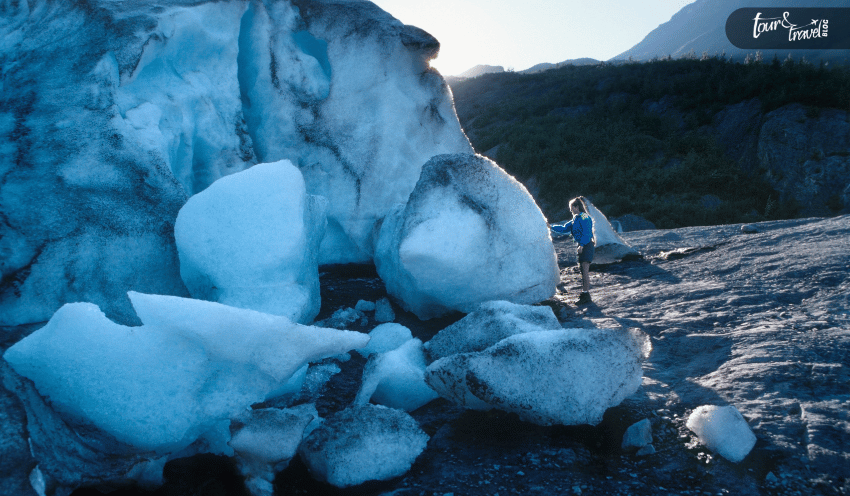
Further, it is an elusive land of glaciers, icy lands, rocky mountains, and green canopies. It is also the park where you can take part in activities like hunting, fishing, petting at Exit Glacier, boating, and kayaking. However, the most fascinating activity to do here is watching wildlife.  

Here, I will be your entourage in finding how the wilderness becomes alive at the Kenai Fjords National Park.  

Exploring Kenai Fjords National Park Wildlife  

Exploring Kenai Fjords National Park Wildlife

The Kenai Fjords National Park has one of the highest footfalls among the national parks of America. In 2023, 387,525 people visited this National Park thanks to its wildlife and the most dramatic landscape with glaciers, mountains, ocean, and valleys. (Source)  

Further, the Alaska Department of Fish and Game explains why and how the geographical features of the National Park make it rich in wildlife and biodiversity. About the habitat, it says,  

The park contains shallow bays and estuaries, and deeper marine habitats. Regional currents drive nutrients into outer Resurrection Bay, making that area especially rich in fish and an early location for spring bloom of plankton and algae. Cliffs and rocky shores create nesting sites for birds and haul-out areas for marine mammals.” 

Do you want a slice of wildlife at this park where whales and mountain goats cohabit in the most amazing way? Let’s explore.  

However, if you are more interested in amphibians and reptiles, the Everglades National Park will be your go-to destination.  

Whales At Kenai Fjords National Park Wildlife 

Watching the whales is one of the best activities to do at Kenai Fjords National Park. You can see the whales here throughout the year.  

The table below presents a sneak peek into the different species of whales and their best viewing time. 

Type of Whale  Best Viewing Time  
Humpback Whale Mid-May to August 
Orca or Killer Whale Mid-May to June 
Gray Whale Mid-April to May 
Fin Whale May to September 

You can easily spot whales on the surface of the water. As they spout, fluke dive, breach, or spy hop in the water, you will get to know about their playful nature.  

The National Oceanic and Atmospheric Administration (NOAA) ensures that cruising companies and visitors maintain respectful behavior when they are on whale-watching trips.  

Other Sea Mammals At Kenai Fjords 

Other Sea Mammals At Kenai Fjords

Kenai Fjords is home to many sea mammals along with various species of whales. Don’t forget to catch a glimpse of Dall’s Porpoises, harbor seals, sea otters, and sea lions.  

Dall’s Porpoise 

Dall’s Porpoises look like orcas but are faster. They eat lanternfish, octopus, and squid.  

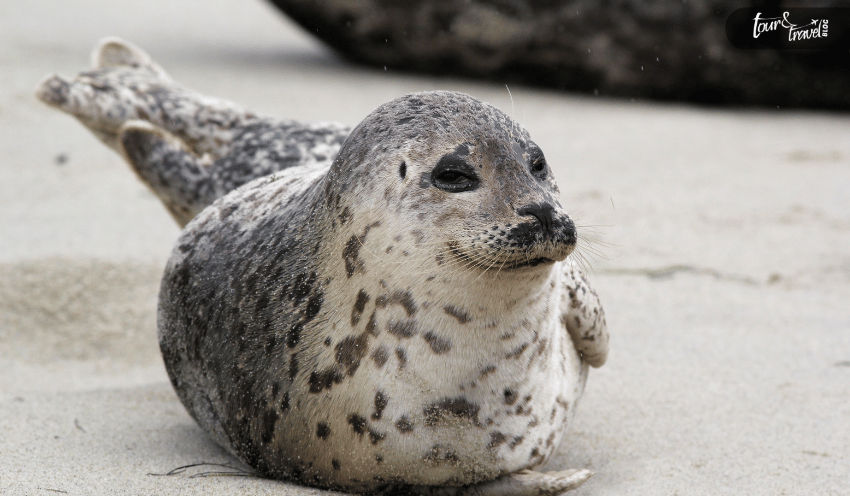
Harbor Seals 

Harbor Seals

You will find these cute sea mammals resting around active glaciers. They also stay on ice floes. They love to eat shellfish and fish.  

Sea Otters 

You will spot the playful sea otters swimming on their back in the water. They love fish, crabs, sea urchins, and squids. 

They are furry, and the funniest thing is to see them using their bellies as tables. For sure, you will want to grab a soft toy version of these sea mammals.  

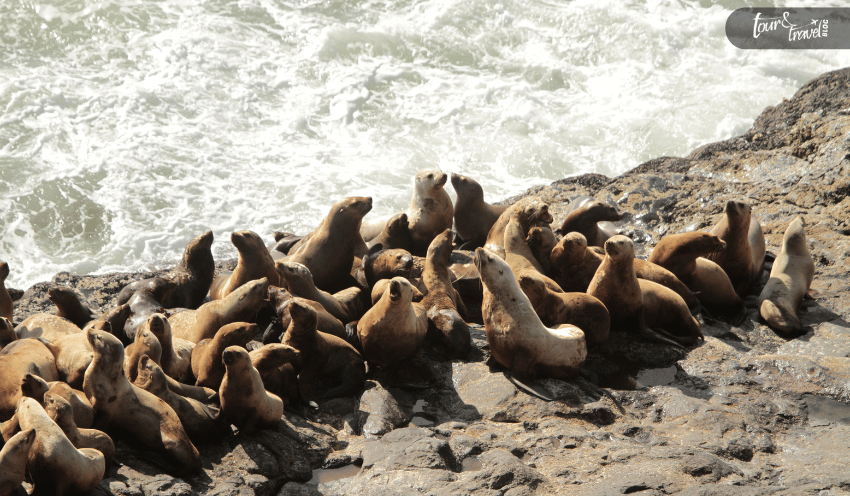
Stellar Sea Lions  

Stellar Sea Lions

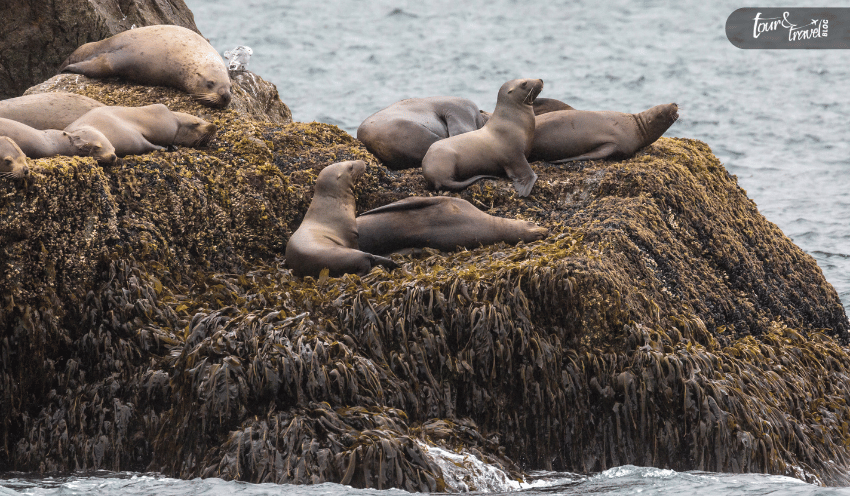
Stellar sea lions are an endangered species, and they stay on the icy shore of the sea. They have reddish fur, and they are 6-8 in height. 

These mammals survive on fish and mollusks.  

Birds At Kenai Fjords 

From the NPS archive, a historical document on Kenai Fjords National Park says,  

Kenai Fjords provides habitat for at least 191 species of birds. The black oystercatcher spends most of its time feeding in the rich intertidal zone. Tufted and horned puffins nest in rock crevices along the coast. Bald eagles patrol the waters in search of salmon and other fish.”  

It’s time we meet the birds and learn briefly about them.  

Horned Puffins 

These beautiful birds have unique black horn-like markings over their eyes. The touch of red on the tip of their beaks further makes them easily distinguishable. 

You must visit the Kenai Fjords from mid-May to August to catch a glimpse of these birds.  

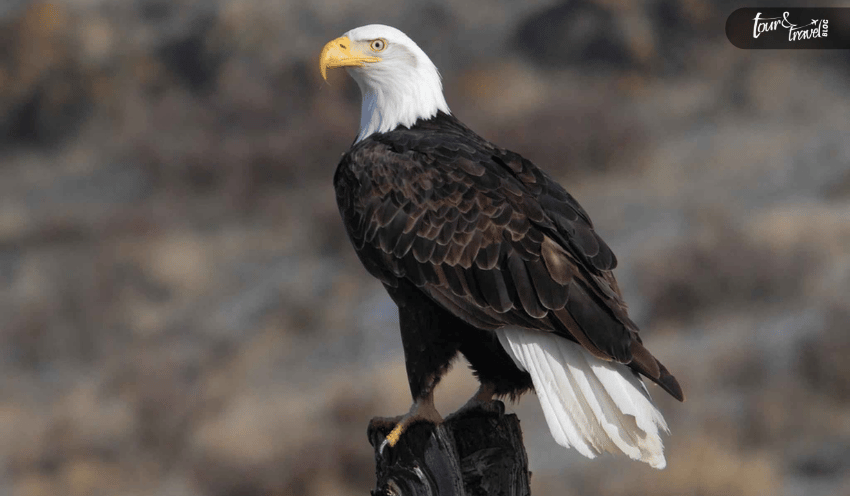
Bald Eagles  

Bald Eagles

You may catch bald eagles preying on fish and waterfowl. They get their name from their white-feathered head.  

Peregrine Falcons 

Known for excellent hunting abilities, peregrine falcons have a vibrant touch of yellow around their eyes and on their beaks.  

Along with these birds, you can also see birds like the common murre, black-legged kittiwake, and cormorant at Kenai Fjords National Park.  

Land Mammals At Kenai Fjords 

Land Mammals At Kenai Fjords

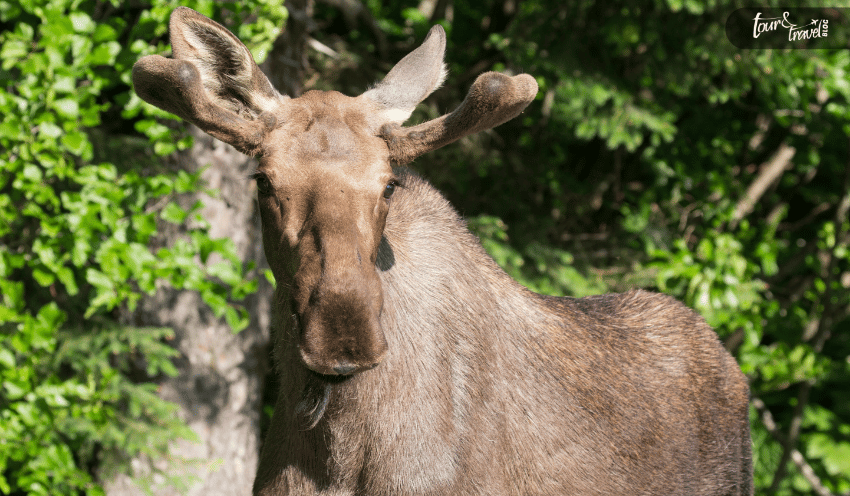
Mountain goats and brown and black bears are common at Kenai Fjords. The mountain goats have split hooves for a better grip on the mountains and on the snowy land.  

Further, many people visit the Kenai Fjords only to meet black and brown bears. These bears love eating fish, berries, and other vegetation.  

Final Words  

Global temperature changes and glacier melting have challenged the vast wilderness at Kenai Fjords National Park. Further, the movements of crustal plates beneath the Earth’s surface make the landscape and its ecosystem volatile.  

So, there is nothing permanent about the animals found in this park, stretching over 1000 square miles of water and land. Also, it is impossible to know about all the species habituating here thanks to the geographical nature and dramatic differences in weather conditions across seasons. 

Nevertheless, as you take a tour of this rich national park on a cruise or explore its various parks, make sure to abide by the safety norms. Respect nature and its inhabitants!  This is the best way to experience the natural abundance the park is known for.  

Do you have plans to visit the Kenai Fjords anytime soon? What do you find the most amazing thing about it? Don’t forget to share your ideas with us!  

Wildlife At Kenai Fjords National Park: FAQs 

What Animals Can You See In Kenai Fjords National Park? 

Kenai Fjords wilderness is vivid. As you take a cruise trip or explore the National Park, you will notice the seals first, comfortable on the floating ice in the sea. Further, the male and female sea lions make their presence felt on the icy seashore.  
 
Kenai Fjords is home to many notable species of marine and land mammals. Also, you will find various birds here. 
 
Whales, sea otters, Dall’s porpoise, gray wolves, minks, and mountain goats are common animals here.  
 
Birds such as puffins, bald eagles, and peregrine falcons will greet you as you visit this beautiful national park.  

Can You See Bears In Kenai Fjords National Park?  

Located at the edge of the Kenai Peninsula, Kenai Fjords has black and brown bears. Black bears are easily spotted, and they are more timid than brown bears.  
 
The National Park Service has a set of safety guidelines, including not attracting bears with food and garbage and avoiding their personal spaces. Follow the norms to make your interaction with the bears delightful.  

Can You See Northern Lights In Kenai Fjords National Park?  

Yes, you can see the Northern Lights in Kenai Fjords National Park during the autumn and winter seasons. The night sky of Kenai Fjords looks like the most amazing melange of green, purple, blue, and green shades.  
 
If you are a religious soul, you must visit the Virgin Mary Russian Orthodox Church with the Northern Lights dancing in the sky. It’s the most divine experience.  
 
For a spiritual journey, watch the lights over the Seward boat harbor.  

When To See Whales In Kenai Fjords National Park? 

You can see whales in Kenai Fjords National Park throughout the year. However, if you want to watch a specific species of whale among the varieties seen here, you must plan a trip according to the right season.  
 
The best time for watching gray whales is March and April. In these months, gray whales migrate to this part of the world through the Gulf of Alaska
 
Do you want to watch the humpback whales? You can see them from May to October. They flock in large numbers from Mexico and Hawaii. They live in the water here as they can find nutrient-rich food for them throughout the summer.  
 
In addition, Orcas or the killer whales are seen in mid-May and June. Moreover, if you are lucky enough, you will also see minke whales and fin whales in this area.  

What Is Special About Kenai Fjords?  

Your Alaska trip is incomplete without a visit to Kenai Fjords National Park, where you can see the best of the marine world. Also, it is the home to Northwestern, Aialik, and Holgate tidewater glaciers. Glaciers move relentlessly into the sea.  
 
Further, it is the most picturesque landscape where mountains, an ancient icefield, valleys, cascading falls, forest canopies, and the great Pacific Ocean coexist. Thanks to this coexistence, Kenai Fjords National Park is rich in biodiversity. You will find humpback whales, sea otters, mountain goats and many species of birds in the National Park.  
 
Designated as a National Park in 1980, Kenai Fjords National Park also protects various archeological and historical remains. The park has many prehistoric, protohistoric, and historic sites.  
 
Archeologists still conduct surveys in this park to learn more about the human way of living and why it has changed over the years.  

Also read

Share on Social Media

Sibashree is a travel, culture, and leisure writer who has been writing since the age of 12 and professionally since 2014. With more than a decade of travel writing experience and journeys across India and several parts of the world, she brings a deeply personal and thoughtful perspective to her work. A student of English Literature and Mass Communication, Sibashree has always viewed travel as more than movement — for her, it has been a way of understanding people, cultures, and herself. Her passion for spiritual exploration has also led her to many unusual and meaningful destinations over the years. Outside of writing, Sibashree enjoys watching European cinema, reading about global politics, and reflecting on the stories hidden within everyday places.

Leave a Reply

Your email address will not be published. Required fields are marked *

title-img Related

READ MORE

The Glaciers of Wrangell-St. Elias National Park: Experience The Magnificence Of Nature 

BY  Sibashree Aug 9, 2024

Wrangell-St. Elias, a UNESCO World Heritage Site, is an icy wonderland. It is a place where active volcanoes and the largest glaciers, like Malaspina, coexist, making it “A Song of Ice and Fire.”  It also has some of the greatest mountain ranges in the world and mighty rivers. Further, unique geological features and weather conditions have made the national park a land of biodiversity and wilderness with a lot of mammals, birds, fish, and plants.  Let me take you on a tour of the Wrangell-St. Elias glaciers and everything the national park has to offer.   What Are The Notable Glaciers In Wrangell-St. Elias?  Nabesna Glacier, Malaspina Glacier, and Hubbard Glacier are the most notable ones in Wrangell-St. Elias National Park.   Along with these glaciers, you can also see glacier features like glacier caves, Jökulhlaups, and ice falls. Let’s briefly discuss the major glaciers and glacier features.   Malaspina Glacier Did you know that Malaspina Glacier is the “largest Piedmont glacier in the world?” Designated as a National Natural Landscape in 1968, it spans across 1,075,409 acres.   Further, its glacial mechanisms and fluctuations have made it a favorite of explorers. The glacier is also a favorite of space travelers as it looks vibrant from space.   In an article published by NASA Earth Observatory on 27th October 2023, we can find,  “The dark blueish-purple lines on the ice are moraines—areas where soil, rock, and other debris have been scraped up by the glacier and deposited along its edges. The zigzag pattern of the debris is caused by changes in the ice’s velocity. Glaciers in this area of Alaska periodically “surge” or lurch forward for one to several years. As a result of this irregular flow, the moraines can fold, compress, and shear to form the characteristic textures seen on Malaspina.”  Hubbard Glacier  Hubbard, “the sleeping giant,” is the largest when it comes to the tidewater glaciers in North America (75 miles long). The glacier gets its name from Gardiner Hubbard, National Geographic Society’s first president.   Also called the “Galloping Glacier,” it comes with tranquil blue ice. You can explore Hubbard Glacier through a cruise trip.   Visiting the Hubbard Glacier becomes more exciting as you meet the sea otters, whales, sea lions, and bears along the route.   Nabesna Glacier  With a length of 53 miles, Nabesna Glacier is the “longest interior valley glacier” in the world. However, there are concerns regarding the loss of ice mass in the glacier. A 2007 report says,  “Nabesna, the largest glacier in this region (˜1056 km2), lost mass four times faster during 2000–07 than during 1957–2000. Although accelerated, the mass change over this region is slower than in other glacierized regions of Alaska, particularly those with tidewater glaciers.”  Glacier Features In Wrangell-St. Elias  You will come across many fascinating glacier caves in Wrangell-St. Elias, especially near the Kennecott Mines National Historic Landmark.   Further, ice falls, or the fountains of the glacier, move very fast, and it’s fascinating to see how they form seracs or blocks.   Also, there are Jökulhlaups, or flooded glacier outbursts, adding to the various glacier features of the national park.    Amazing Glaciers of Wrangell-St. Elias National Park Facts  Mount  St. Elias, the largest peak of the national park, is the second-highest in the world.  Mount Wrangell, the only active volcano here, is one of the largest active volcanoes in North America.  It has Nabesna Glacier, Malaspina Glacier, and Hubbard Glacier, three of the largest in the world.   It is a part of the “world's largest international protected wilderness.”  Mid-May to mid-September is the best time to visit this park.   Wrangell-St. Elias: A UNESCO World Heritage Site  Home to countless glaciers and many high mountains, Wrangell-St. Elias National Park enjoys the status of a UNESCO World Heritage Site, with Kluane, Glacier Bay, and Tatshenshini-Alsek.   Also, Wrangell-St. Elias National Park is a part of the “largest non-polar icefield in the world.” You will find Dall's sheep, grizzly bears, caribou, and many other animals roaming in this part of the world.   Further, certain geographical and biological factors and “protection and management requirements” make this national park a place of outstanding universal value. Let’s discuss them in detail.   Rich In Biodiversity  The scenic beauty and geological diversity in the park are outstanding. It has sea mammals and other aquatic animals. Further, you can see many land mammals, birds, and different types of trees in this park.   The table below mentions some of the most popular birds, trees, and animals you can see here.   Land Mammals Brown Bears Polar Bears Black Bears Mountain Goats Dall Sheep Bison Coyotes Wolverine Porcupine Sea Mammals and Other Marine Creatures Whales Sea Lions Porpoises Harbor Seals Sea Otters Plants (936 Vascular Plant Species) Sedge Family Grass Family Sunflower Family Trees Willows Various Introduced Species Birds Bald Eagles Canada Geese Trumpeter Swans Wilson's Warblers American Robins  Home to boreal forest, Wrangell-St. Elias has one of the largest ecosystems in the world. Diverse geological features and unique weather conditions support this sprawling ecosystem or biodiversity.   Comes With Topographical Diversity   This national park is one of the most diverse in its topographical features. It has glaciers, rivers, river canyons, volcanoes, snow-capped mountains and whatnot!   Geomorphological features like hanging valleys, moraines, craters, and calderas also make this national park unique.   A Hub Of Active Tectonic, Volcanic, Glacial, And Fluvial Natural Processes   Like the entire Alaska, Wrangell-St. Elias is also in an area where tectonic, volcanic, glacial, and fluvial natural processes are common.   So, it has active and inactive volcanoes, the largest glaciers, and some prominent fluvial landforms. It has the mighty Copper River, Rivers of Life, and braided rivers formed of glacier water.   Final Words   Wrangell-St. Elias National Park has the highest glacier coverage among all national parks in America. It also has the active Mount Wrangell volcano, rivers, and wetlands, making it a place of geological interest.   Exploring the glacier caves and the ice falls here is a one-of-a-kind experience, and it’s wonderful to see how the richest biodiversity with mammals, birds, aquatic animals, and trees thrives here.   So, come and experience the brilliance of nature as you explore the largest glaciers of the world’s largest glaciers, such as Malaspina and Hubbard.   Or have you already been to this land of volcanoes and glaciers? Don’t forget to share your experience of the glaciers of Wrangell-St. Elias National Park tours.    Wrangell-St. Elias National Park FAQs   How Many Glaciers Are In Wrangell-St. Elias National Park?  Like the entire Alaska, Wrangell-St. Elias is filled with glaciers. According to the latest count of the National Park Service (NPS), the Wrangell-St. Elias National Park has 3,121 glaciers. Further, these glaciers cover a whopping “6,757 square miles of land.”  So, Wrangell-St. Elias has glaciers that cover 60% of all the glacier coverage in American National Parks. Glacier Bay in Alaska is the distant second to Wrangell-St. Elias. The glacier coverage at Glacier Bay is just 1/5th of Wrangell-St. Elias.  In addition, Malaspina, Hubbard, and the Bering glaciers, located along the park’s southern margin, are three of the largest glaciers in the world.   Having said that, glacier coverage in Alaska is shrinking, and  Wrangell-St. Elias is not an exception. From 1985 to 2020, it has already experienced a 5% reduction in its glacier coverage.   How many People Visit Wrangell-St. Elias National Park Each Year?  The National Park Service has a record of visitors to Wrangell-St. Elias National Park since 1982. Since then, this park has been enjoying thousands of footfalls every year.  2023 was one of the topmost years in terms of number of people visiting  Wrangell-St. Elias. It had 78,305 visitors in 2023.  In 2020 (the Covid-19 era), the park had 16,655 visitors. From 2021, the number of visitors has increased consistently. (Source)  What Is Unique About Wrangell-St. Elias National Park?  With the largest glaciers and volcanoes in the world, Wrangell-St. Elias is unique because of its geographical features. It is also one of the most prominent hubs of biodiversity. Thanks to its extensive glacier and volcanic coverage and rich wildlife, it has earned the status of a UNESCO World Heritage Site.  Among glaciers, Hubbard (one of the largest in the world and the largest tidewater glacier in North America) and Malaspina Glacier demand a special mention.   The Mount Wrangell volcano in this park is still active, and some other volcanoes here are Mount Drum, Capital Mountain, Skookum Creek Volcano, etc.  Further, it has an endangered sea mammal, Steller Sea Lion, and other marine animals. Bears, mountain goats, and sheep are common land mammals roaming here.   Also, you will find birds like the American robins, Wilson's warblers, and dark-eyed junco in this national park.   What Is The Highest Peak In Wrangell-St. Elias?  Mount St. Elias is the highest peak in Wrangell-St. Elias. With a height of 18,008 feet, it is also the second-highest peak in North America.   Having said that, Wrangell-St. Elias National Park celebrates the presence of four major mountain ranges in the world. It has the eastern part of the Alaskan Range, St. Elias, Chugach, and Wrangell.   Why Is Wrangell-St. Elias Protected?  Wrangell-St. Elias is protected to “preserve and protect ecological integrity and heritage resources of a vast ecosystem in south-central Alaska, while providing for public use in a wilderness setting.”  So, it is protected to preserve the local geology and diversity of the landscape with glaciers, volcanoes, and wetlands. It is also a measure to preserve wildlife and its inhabitants. Also read Ultimate Guide to Your Next Family Vacation in Israel. Paris Transforming Historical Sites Into Olympic Venues. Whales And Sea Lions! Exploring Wildlife At Kenai Fjords National Park.

READ MORE Travel Insurance

The Convenience Of Online Long Stay Travel Insurance

BY  Ankita Feb 23, 2024

In an era wherein tours have become a necessary part of our lives, making sure a secure and steady adventure is of paramount significance. Long Live Journey coverage performs an essential role in offering travelers important protection and peace of thoughts. With the arrival of online services, obtaining insurance coverage for a prolonged journey has in no way been extra handy. This article explores the diverse components of online lengthy live tour coverage and the unprecedented comfort it offers to globetrotters. Accessibility and Speed One of the primary advantages of choosing online long-live journey coverage is the accessibility it offers. Travelers can easily browse through a myriad of insurance alternatives, examine coverage, and choose the plan that best suits their desires. The online platform removes the need for bodily visits to coverage offices, saving both effort and time. Additionally, the streamlined online processes ensure quick issuance of guidelines, permitting travelers to focus on their experience preparations with peace of thoughts. Furthermore, the extended travel insurance rate of communique and transaction when shopping online for lengthy stay travel insurance contributes notably to the overall convenience. With only some clicks, vacationers can whole the complete system, from acquiring fees to creating payments, without the delays related to traditional methods. This no longer expedites the purchase of insurance but also facilitates brief get admission to policy documents and helps in case of emergencies. The seamless integration of accessibility and pace in online long-live journey coverage enhances the overall customer revel, making it a realistic and green preference for current-day tourists. Customization and Flexibility Online systems empower tourists with the ability to customize their coverage plans according to their particular necessities. Whether it's extending insurance for precious property, such as adventurous activities, or tailoring the duration of coverage, online lengthy live tour coverage gives extraordinary flexibility. This customization ensures that travelers pay the simplest for the insurance they sincerely want, making it a fee-effective and green choice. The flexibility of online long-live tour coverage extends beyond customization to house modifications in journey plans. Travelers can without problems adjust their coverage or make amendments to their policies online, offering a stage of adaptability that is important inside the dynamic nature of lengthy-time period tours. This no longer adds convenience however, it additionally ensures that individuals can adapt their coverage to unforeseen occasions or evolving experience itineraries. The aggregate of customization and flexibility makes online lengthy stay tour coverage a versatile solution, catering to the diverse needs and options of today's globetrotters. Real-time Assistance and Support While traveling, unexpected conditions may additionally stand up, requiring instant help. Online lengthy live journey coverage vendors frequently offer real-time aid through diverse communique channels, inclusive of chat, email, or cell phone. This guarantees that travelers can are trying to find guidance, report incidents, or make claims directly, minimizing ability disruptions to their journey. This real-time assistance and assistance contributes to a sense of safety for tourists, knowing that assistance is easy to be had on every occasion and wherever they want it. The responsive customer support provided by using online lengthy stay journey coverage organizations enhances the general journey enjoyed with the aid of addressing worries hastily and successfully. Whether facing medical emergencies, tour disruptions, or loss of property, the potential to connect with assistance in actual time adds an invaluable layer of reassurance, making online lengthy live journey coverage a reliable partner throughout the whole duration of a ride. Paperless Transactions The digital revolution has ushered in a generation of paperless transactions, and the coverage industry is no exception. Online lengthy live tour insurance lets travelers finish the complete procedure, from acquiring costs to buying guidelines, without the want for cumbersome paperwork. Digital documentation isn't always the simplest green however additionally guarantees that critical files are effortlessly on hand and can be stored securely. Furthermore, the paperless nature of online lengthy live travel coverage streamlines administrative duties for both vacationers and coverage carriers. Policyholders can get admission to their insurance documents whenever, everywhere, via steady online portals. This now not only reduces the danger of dropping critical paperwork at some point of travel but also simplifies the claims system, as virtual facts can be quickly submitted and processed. Embracing paperless transactions no longer most effectively aligns with environmental sustainability however additionally complements the performance and convenience of managing insurance-associated obligations, contributing to a continuing and modernized experience for travelers. Additionally, the website travel-insurance.irish offers a convenient platform for obtaining information and quotes, adding an extra layer of accessibility to the paperless journey insurance experience. Related: 6 Reasons Why You Need Travel Insurance Comparison Tools The online marketplace for journey coverage is notably aggressive, and several vendors offer several plans. To assist vacationers make knowledgeable choices, online structures often function in contrast to equipment. These gear permit users to examine distinctive policies primarily based on coverage, cost, and patron opinions, empowering them to make the fine preference for their unique tour needs. This assessment equipment no longer most effectively simplifies the decision-making procedure but additionally provides transparency, permitting vacationers to assess the fee proposition of each insurance plan comprehensively. By supplying a side-by-using-aspect analysis of key capabilities and benefits, those tools assist tourists in understanding the nuances of diverse regulations and selecting the one that aligns most intently with their preferences and requirements. In a virtual panorama saturated with options, the provision of such comparison equipment enhances the general accessibility of records, fostering an environment wherein tourists can expectantly navigate the diverse array of online lengthy stay journey coverage options to find the insurance that suits them. Conclusion: The convenience of online long-live journey coverage can not be overstated. As the generation keeps reshaping the manner we plan and embark on trips, the benefit of getting access to, customizing, and dealing with insurance coverage online has ended up being a recreation-changer for tourists. Embracing the virtual panorama ensures that individuals can guard their lengthy-term adventures with minimal hassle, allowing them to recognize on develop lasting recollections throughout their prolonged remains overseas. Read Also: Vacationing Without Travel Insurance? Here’s What Might Happen If You Need It! Travel Insurance In New Zealand: What You Need To Know Before Your Trip This Is What I Feel About Backpacker Travel Insurance!

READ MORE best-time-to-visit-ladakh

What Is The Best Time To Visit Ladakh? – Travel Guide 

BY  Sibashree Oct 19, 2022

Known as a “Barren Beauty,” Ladakh has one of the, if not the most beautiful landscapes in India. Here in Ladakh, you will find one of a kind landscapes that are breathtaking and definitely one of a kind. With beautiful Buddhist cultural festivals, activities, and monasteries, Ladakh has the highest mountain passes in the country. But being situated at such great heights, Ladakh has some travel restrictions in certain months, so which is the best time to visit Ladakh? Keep on scrolling through all the details about the best time to visit Ladakh. Welcome To Ladakh! Before beginning with the best time to visit Ladakh, let’s get to know this place a little, shall we? Ladakh is a union territory of India located in the state of Jammu & Kashmir, in the extreme northern parts of India. Ladakh is known as a cold desert, the only one in India. Additionally, it is known as a cold desert, the only one in India. There also located the highest saltwater lake in the World, the Pangong Lake.  Situated in the Trans-Himalayas and surrounded by the Karakoram and the Great Himalayan mountain ranges, the region's altitude ranges from as low as 2,750 m in Kargil to as high as 7,600 m at Saser Kangri. Moreover, the region is geographically split between the districts of Leh and Kargil, with the Indus River running centrally through it. Coordinates Of Ladakh:Latitude: 32°N to 36°NLongitude: 75°E to 80°E Ladakh is popular among tourists as it provides the best road trip opportunities in India. Experiencing a cross-country road trip to Ladakh is something of a dream for most travel enthusiasts.  Best Time To Visit Ladakh Ladakh is a bucket-list-worthy place for most adventurers, but being such a dreamy place, you should know which is the best time to visit Ladakh. Being located at such great heights, it is not possible to travel there whenever you want to. April - JuneJuly - SeptemberOctober - March21c to -1c25c to 5c14c to -11c 1. April - June For most adventurers who want to explore the place, and see the raw landscape of the place, the best time to visit Ladakh would be during the summer. Although it’s the summer months, don’t expect the weather to be warm and sunny. It is rather cold, even during the winter months, as well. You will be able to see the snow melting under the bright sun. But you will be getting a crystal clear blue sky, amazing views, wild blooming flora, and clear fauna. These are the things why Ladakh from the months of April and June is the ideal time to travel. 2. July - September From July, the monsoon season begins in Ladakh. With irregular heavy rainfall, you can really enjoy the rain in Ladakh if you are into it. Although there are a lot of ways you can enjoy Ladakh during the monsoon season, a few of the most exciting activities there are bike tours and trekking routes. It is mostly closed or blocked due to the occasional snow slides, landslides, and even cloud bursts. There are few areas that fall under the rain shadow area and hence receive more rain, and it is very difficult to reach there. These particular areas are Leh on the Manali side, Baralacha La Pass, Leh from Srinagar, and also Zoji La Pass. 3. October - March From October to March is considered yet another best time to visit Leh Ladakh. It is the perfect weather for road trips without the fear of any rain or landslides. But make sure that the atmosphere is quite chilly, so be ready to feel the cold and chill in your bones. So be sure to pack enough warm clothes to help you actually enjoy the adventure. The beauty of Ladakh during these months is something different. The snow-covered landscape with frozen lakes and a beautiful clear sky. You will have to witness it to actually experience it. Different Climates In Ladakh If you are planning to visit Ladakh, you can choose the season you want to experience. The summer, monsoon, and winter moths are quite distinct here in Ladakh. So depending on your preference, you can easily choose the best time to visit Ladakh for you.  1. Summer In Ladakh The summertime in Ladakh is when it generates the most number of tourists. There is hardly any snow now, or it is melting away for the season. And during the summertime, you can enjoy a lot of outdoor activities such as biking, trekking, camping, mountain climbing, and many more. During summer, there are quite a lot of activities you can do in Ladakh, and they are, going for a camel safari on the double humped camels called Bactrian camels. You can even witness the summer festivals that take place here in the monasteries. There are a number of festivals that take place during the summer, and they are Saka Dawa Sindhu Darshan, Yuru Kabygyat, Phyang Tsedup, Hemis Festival, and also Matho Nagrang. There are many adventure sports that you can enjoy during the summertime, which are mountain biking on the Zanskar &Karakoram ranges, Jeep safari on the Zanskar valley, and even River rafting in the Zanskar stream. 2. Monsoon In Ladakh Even though it rains irregularly during the monsoon season in Ladakh, that doesn’t mean you can’t enjoy that experience. Although the monsoon season may not be the best time to visit Ladakh by bike or in general, it still can be very picturesque. Some of the exciting activities that you can take part in Ladakh during the monsoon season are adventure sports like white water rafting. You should also you should experience the monsoon festivals here like Phyang, Dakthok, Karsh Gustot, Karzok, and Sani Nasjal. Other than these festivals and sports, you can really enjoy a hot bowl of Thukpa, steamed momos, and a delicious cup of butter tea when you are sitting in a warm room, and it is raining outside. It doesn’t get better than that. 3. Winter In Ladakh The winter months in Leh Ladakh best time to visit for its picturesque scenic beauty and the pleasant chill and snow-covered valleys. Even though the cold weather may not be for everyone, there are a lot of activities that you can do here during the winter months. Some of these activities are like taking part in winter treks for experienced trekkers, even campings are available during the winter months. Similarly to the summer and monsoon festivals, there are many winter festivals too that is a unique experience to witness. A few of these festivals are such as Spituk Gustor, Dosmoche, Stok MOnastery festivals, Ladakhi Losar, and even Thiksay Gustor. And as a matter of fact, the winter months are the best to witness the wildlife here in Ladakh. Animals like snow leopards, mountain wolves, magpies, blue sheep, and even wild hares are a few of the animals you can witness. Frequently Asked Questions (FAQs): If you have any more doubts about the best time to visit Ladakh, then here are a few queries that others have had. 1. What Is The Best Time To Visit Ladakh For Sightseeing?  The best time to visit Ladakh for sightseeing is from May to September. During these months, the weather is relatively mild, roads from Manali and Srinagar are open, and popular attractions like Pangong Lake, Nubra Valley, and monasteries are easily accessible.  2. Is Ladakh Open To Tourists Throughout The Year?  Yes, Ladakh is technically open all year, but winter travel (October to April) is challenging due to extreme cold, heavy snowfall, and road closures. Flights to Leh operate year-round, but outdoor sightseeing options are limited in winter.  3. Which Month Is Best To Visit Ladakh For Snow Lovers?  If you want to experience snowfall and frozen landscapes, January and February are ideal. These months are also perfect for adventure enthusiasts interested in the Chadar Trek and experiencing Ladakh’s winter culture.  4. What Is The Best Time To Visit Ladakh For Adventure Activities?  The best time for adventure activities like biking, trekking, river rafting, and camping is June to August.The weather is stable, mountain passes remain open, and most trekking routes are safe and operational.  5. Is Monsoon A Good Time To Visit Ladakh?  Yes, July and August fall in the monsoon season, but Ladakh lies in a rain-shadow region, so rainfall is minimal.However, occasional landslides on access roads may occur, so travelers should stay updated on weather and road conditions.  6. Which Is The Best Time To Visit Ladakh On A Budget?  For budget travelers, April–May and September–October are good options. During these shoulder seasons, flight prices and accommodation costs are lower, and tourist crowds are thinner.  7. When Should First-Time Visitors Plan Their Ladakh Trip?  First-time visitors should plan their trip between June and September. This period offers comfortable temperatures, better oxygen levels for acclimatization, and full access to major tourist spots.  Visit Now! Ladakh is a destination you should travel to at once in your lifetime, it is an experience that you will always remember. The landscape, the mountains, the valley, the beautiful traditions of the Buddhist culture, and everything in totality makes Ladakh a worthwhile place to visit. If you find this article helpful, then let us know in the comment section when you are planning to book a trip to Ladakh. Read Also: Which Is The Best Time To Visit Mussoorie? Which Is The Best Time To Visit Sikkim?