Paradise Islands: Discovering Italy’s Hidden Gems

Feb 6, 2024

Last Updated on: Nov 18, 2024

Travel Guides

When you picture a perfect Mediterranean getaway, what comes to mind?

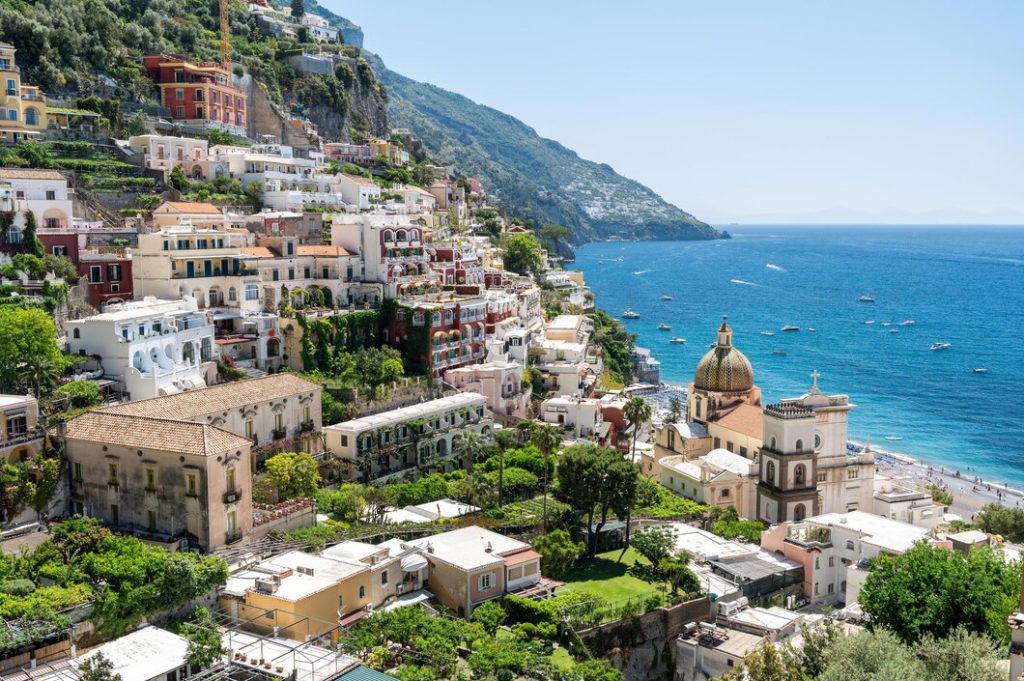
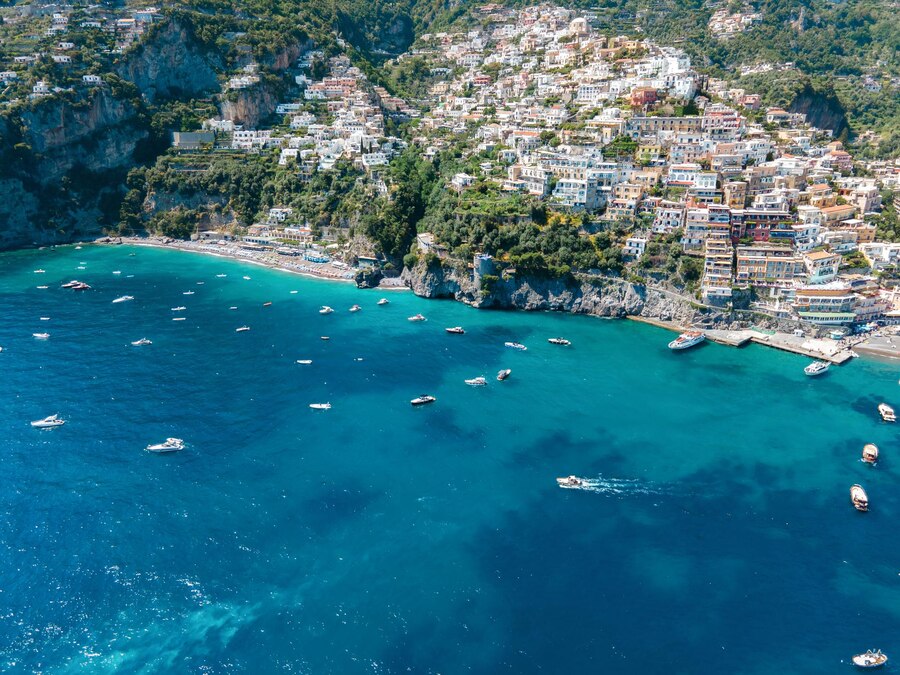
Lush vineyards, rugged seaside cliffs, and hillsides dotted with pretty churches and gelato by the coast – these are staples of Italy’s unique natural and cultural landscape. While the major cities attract millions each year, some of the country’s most incredible treasures lie just offshore – its islands. 

This article has some of the most amazing islands’ list you will find around Italy. So, if you are a travel enthusiast, here are a few of Italy’s most stunning islands.

Sicily 

Sicily 

As Italy’s largest island, Sicily’s charm is endlessly diverse, from coastal towns like Cefalù and Taormina to the volcanic slopes of Mount Etna. Cycle along rural routes through almond and olive groves or simply relax on the beaches along the Ionian coastline.

The island’s strategic location means every era of history has left an indelible mark, which is on display in everything from architectural gems to UNESCO World Heritage Sites. With its year-round warm climate and superb hospitality, Sicily promises an authentic Italian island paradise.

Taking a holiday in Sicily means stepping into a whole new world. Start your journey in Palermo’s Arab-influenced street life. Then, drive along the north coast, stopping at Cefalù, before continuing down the east coast to Taormina for more incredible panoramas. After exploring art-filled towns like Catania, head inland to appreciate mountaintop vistas from Etna. 

When it comes to accommodation, private villas are the ideal choice for a stay on the island. There’s a good selection of holiday accommodation in Sicily to choose from. Villas, apartments, and agriturismi often boast private pools, outdoor spaces and fully equipped kitchens, as well as catering services. Opting for a villa rental allows you to enjoy comfort, independence and the flexibility to come and go as you please, all essential ingredients for an idyllic island getaway.

Sardinia 

Sardinia, located west of the Italian peninsula and Italy’s second-largest island, boasts over 1,800 kilometers of stunning coastline and crystalline waters. Discover beaches of fine white sand set against a backdrop of jagged granite cliffs that tumble dramatically down to the sea, or venture inland, where rugged mountains and ancient stone villages contribute to the island’s its unspoiled appeal.

Nature lovers will want to spend time amidst plains of wildflowers and forests that are home to rare birds and mammals. Sardinia’s unique culture is evident in its gastronomy, which features cheeses like pecorino and ricotta, and in its traditions, for example, sheep-herding festivals. Coastal hubs like Cagliari, with its medieval landmarks, and Spanish-influenced Alghero, welcome travelers. Away from these areas, authentic farm stays provide a glimpse into local pastoral life. 

Diverse natural beauty and amazing landscapes all contribute to the thrill of exploring Sardinia. Along the coast, hidden bays and lighthouses dot limestone cliffs that plummet down to azure waters, and inland, craggy peaks rise green from dense cork oak forests. Packed with archaeological riches and fringed by remote beaches, Sardinia’s natural beauty and slow pace of life are simply mesmerizing.

Elba

Elba

Elba Island is a stunning destination, famous for its varied landscapes and history, located off the Tuscan coast. Also known as the island of Napoleon due to the French emperor’s brief exile here, Elba boasts beautiful beaches, mountains, and varied rural scenery.

Swim in crystal-clear turquoise waters that fringe sandy shores and pocket-sized coves. Or set off on one of the hiking trails that lead up into Elba’s mountainous interior, where slopes are dotted with picturesque medieval villages. 

Foodies will delight in local specialties that showcase the bounty from surrounding waters and hills, from lobster to tender beef. The island’s geological heritage is also interesting, thanks to a long history of iron mining.

Offering a heady combination of exploring Portuguese fortresses, mineral-rich hot springs, superb beaches, and picture-postcard town centers, Elba is a superb holiday destination for those looking for beauty, history, and relaxation on an unspoiled Italian island

Capri 

Catch a glimpse of the hideaway cove, or of pathways that wind through Bougainville and oleander-filled fragrant gardens. Above the sapphire-shaded Mediterranean, limestone rocks soar into dazzling blue skies. Capri is endlessly seducting, attracting visitors with its charm and mild climate and the promise of exploring lush hillsides before relaxing in seaside restaurants and strolling through tiny villages.

Immerse yourself in the relaxed pace of life in the Mediterranean amidst stunning natural scenery and in the open-hearted culture of Italy’s islands for a truly unforgettable experience. With careful planning and a natural desire to explore, a visit to any of Italy’s paradise islands – Sicily, Sardinia, Elba,, and dazzling Capri – will provide long-lasting visual memories of natural beauty and a wonderful cultural journey.

Ischia

Ischia

If you want to take your eyes off Capri a bit, simply hop on a ferry and travel across the Gulf of Naples. Here, lies the neigh neighboring of Ischia which boasts about its topical springs. Moreover, they invite glorious soaks, mesmerizing beaches and Neapolitans basking in the sun and holidaying. In these busy town centers, you might also find some great restaurants, gelato stalls, and other tourist attractions. 

Ischia first got fame in Neapolitan Navels and their subsequent TV remakes by Elena Ferrante. Although it is bustling you will not find it too busy, so visit it anytime you want. Dive into the astounding beach of Giardini la Mortella, soak in the dramatic view of the Aragonese Castle, and don’t forget to visit the upmarket villages near Sant’Angelo. 

Concluding Words

Italy is a place full of wonders. From bustling lanes to deserted islands, you never know what will surprise you. So, if these islands are not on your bucket list already, ensure to add them soon. There are other tourist destinations too which are located in these islands. Discover them while you travel here. 

Make sure to have a safe trip, and do not forget to live in the moment. So, that’s all about the mesmerizing islands of Italy.

I hope you liked this comprehensive guide. If it helped you gain necessary insights, do comment below. Thank you for reading. 

Read Also:

Share on Social Media

Arnab is a professional blogger, having an enormous interest in writing blogs and other jones of calligraphies. In terms of his professional commitments, He carries out sharing sentient blogs.

Leave a Reply

Your email address will not be published. Required fields are marked *

title-img Related

READ MORE can you bring deodorant on a plane

Can You Bring Deodorant On A Plane? – Read This Blog To Know!

BY  Mashum Jun 14, 2023

Worried about can you bring deodorant on a plane? Everybody likes to be their presentable self and use deodorant when rushing to travel and to go on trips. Waiting in the airport security queues and navigating through airports can be hectic; later in the aircraft, it can be stuffy. It is when you need to use deodorant. It is a common thing to carry when you travel. However, now you are questioning, can I bring deodorant on a plane? This article will answer questions such as these and help you pack for future trips. You can bring deodorant in both carry-on bags and checked baggage. However, some rules and regulations established by the Transportation Security Administration (TSA) must be followed. The easiest one is whether you can bring full-size deodorant on a plane; yes, you can if you carry it in your checked baggage. There are no limitations set if you carry deodorant in your checked baggage; however, once you check-in the baggage, you do not have access to it. -This can be inconvenient, especially when you need it inside the aircraft. You should spray yourself if the space is too stuffy or stinks. Can You Bring Deodorant On A Plane? - Read Here Anxiety can easily get you hot and sweaty, meaning you might need a deodorant. However, it can be inconvenient if the deodorants are packed in the checked baggage. You can carry deodorant in your handbag or carry-on bag, but you must follow the established TSA rules. To answer the question, can you bring deodorant on a plane, yes you can! Some deodorants are liquid, and some are not; hence, the rule of carrying deodorant depends on that. Mostly these rules are influenced by TSA, which has the authority in the US airports. Most airports in other countries do follow similar regulations. However, there might be changes. Do look them up if you are traveling to these countries. These regulations are significant because airport security tries to maintain complete security and prevent anything dangerous on airplanes. What To Know Before Traveling With Deodorant? The significant rule is the 3-1-1 rule, where one traveler can bring 1 quart-sized container of the liquid, aerosols, and gels. This quart size will not exceed 100 millimeters or 3.4 ounces; you can carry it in a sealable plastic or toiletries bag. The high security around carrying deodorant is because there might be a possibility of explosives being concealed or smuggled through deodorant in a plane. Try to follow the permitted quantity of deodorant if it's liquid. When carrying deodorant in the handbag, please keep it in an airtight container and away from light or heat. Apart from the TSA regulations, please read the airline restrictions before packing and traveling. Types Of Deodorants Different types of deodorants are accessible in the market; hence, there are rules established by TSA that differ based on different types of deodorants. An important piece of information when considering can you bring deodorant on a plane is the security officer. It is that when people travel, the passing of the baggage they carry depends on the officer at the security checkpoints. It is important to maintain the established norms so that you are not restricted, and neither is your baggage. Solid Deodorants You will face no problem if you carry a solid antiperspirant. The question is can you bring stick deodorant on a plane, and to answer this question, yes, you can. You will not face any issues concerning sticking deodorants in your checked baggage or carry-on bags. Solid deodorants also mean less waste; hence, it is an effective way to carry deodorant. This way, you will also benefit if your flight is delayed. Overall, carrying the stick deodorant or powder deodorant is the best option because it will help you in the long run. Liquid Deodorants If you ask yourself, can I take deodorant on a plane, here is your answer. If the deodorant is liquid, kindly carry the limited amount of 3.4 ounces in a container and seal a locked bag. Roll-On deodorant is considered broadly liquid or gel; hence, it should not cross the 100 ml quantity. Based on the regulations, you should also carry the container or the bottle of the deodorant in a transparent bag so that it doesn't look suspicious. Gel deodorants are always risky because, at high altitudes, the gel can expand, thus, having a risk of leaking. It is better to stick with deodorants. Read More: Avelo Airlines Reviews You Were Looking For!   Aerosols Airlines have specific policies concerning aerosols and sprays; therefore, some airlines have completely banned aerosols and sprays. However, some allow it, but there are specific regulations, as already mentioned regarding 3.4 ounces in carry-on bags and no limitations in checked baggage. Powder The Transportation Security Administration (TSA) does not consider powder deodorant as a liquid; hence, there is no issue with carrying powder deodorants on planes. Accordingly, you can carry powder deodorants in your carry-on bag or checked baggage within 12 ounces. It is checked, however, in the screening of the security. Restrictions If you use a deodorant prescribed by a doctor, carrying it without following the regulation of 3.4 ounces is completely legal. It would be best if you brought this note or prescription by the doctor so that you can furnish the note during the screening and bag-checking process. The high risk of becoming an ignition source is also why deodorants have specific regulations in airlines and TSA. Alternative Methods Of Deodorants You can use other ways instead of carrying deodorants, considering carrying liquid and aerosols has become quite a challenge. You can bring shampoo or body wash to clean yourself once you land. When you travel by plane, you experience high humidity levels; therefore, bringing deodorant is completely okay. You can also buy deodorant once you pass the security checkpoints, which will not create any issues. Conclusion Read this article to know more about can you bring deodorant on a plane so that you might not face any issues in the security screening. You will also learn about effective regulations established by TSA concerning risks based on deodorants on planes. Comment below to let us know if you have ever faced any issues in the airport for carrying deodorant. You can also read what other flammable products are restricted while traveling by plane. Read Also: Can You Bring A Lighter On A Plane? Know It All Here! Can You Bring Cigarettes On A Plane? Know Your Answer Here! Everything About Breeze Airways: Breeze Airways Reviews, Features, And More!

READ MORE Great Barrier Island travel tips

What Are The Best Great Barrier Island Travel Tips? Exploring New Zealand Sustainably 

BY  Sibashree Oct 22, 2025

“Let’s go somewhere quiet,” he said! And being so elated that he was finally making a travel plan, I couldn't realize that he meant off-the-grid, solar-powered, rainwater-shower kind of quiet. Or he had somewhere remote in New Zealand in mind.  It was the Great Barrier Island, and it turned out to be the breather spot for me, where you just relax and connect.  On Great Barrier Island, everything is green, solar-powered, and local people consider themselves guardians of the land. Thus, the Great Barrier Island in New Zealand shows why sustainability is more than a buzzword.  Furthermore, the conservation law governs 2/3rd of the Great Barrier Island. So, it is saved from development and commercialization. The result? In 2017, it became one of the 13 remote areas and the first island in the world to be recognized as a Dark Sky Sanctuary.  Known as Te Motu o Aotea in the Māori language, it has also attracted people who want to experience a slow and meaningful way of living/traveling. Moreover, you won’t believe that it’s just a 30 to 40-minute flight from Auckland. You can even take the daily ferry to the island.  So, getting there is easy, and you can move around easily thanks to the e-bikes, cars, taxis, and shuttles available. However, remaining respectful of the traditions and rich Māori heritage on the island is a challenge.  Here, I will discuss sustainable travel tips for Great Barrier Island. I will also provide a brief overview of the island, highlight the best activities, explain how to get there, and more. Where Is The Great Barrier Island, New Zealand?  The Great Barrier Island is located in the Hauraki Gulf, around 100 kilometers northeast of Auckland. You can get flights and ferries from Auckland.  Furthermore, if you are traveling from Wellington or Christchurch, you will first reach Auckland and then take a flight to the Great Barrier Island. An Overview Of Aotea, Great Barrier Island, New Zealand The Great Barrier Island is a pristine part of New Zealand, with Māori tribes as the original inhabitants. Also, the Māori tribes gave it the name of Aotea, meaning “White Clouds.”  Today, it is a pristine paradise located off the northeastern coast of New Zealand. Furthermore, it is known for its rugged landscapes, rich biodiversity, and deep cultural heritage. Moreover, it has diverse geological features such as mountains, beaches, and forests.  So, no wonder it is rich in biodiversity. With an area of 285 square kilometers, this island is home to dense native bush, manuka and kanuka trees, and coastal flora that thrive in its subtropical climate. Also, you will spot pāteke (brown teal), kākā (parrot), and the endangered black petrel here.  And how can I forget the thundering flapping of kererĹŤ wings over our tents?  Lesser-Known Facts About Great Barrier Island: Off-The-Grid Living  Sustainable living is a choice on the Great Barrier Island. So, from the Aotea Arts & History Village to being run on solar power, there are a lot of things that make the Great Barrier Island stand out.  Rare Facts and Sustainable PracticesDetailsOperated off the national power grid• Reliance on solar power• Rainwater harvesting• Composting toilets Minimalism and community reliance• No banks• No ATMs• No large supermarkets• Barter systems• Small general storesFirst Island in the world to become a Dark Sky Sanctuary• Least light-polluted• Clearest sky ideal for stargazingNo public rubbish bins• Pack in and pack out waste policy.• Banning of single-use cups• Mug libraries in cafes for takeaway drinksAncient Māori settlement sites• Archaeological sites such as pā fortifications, middens, and stone working areas, dating back 700-800 years. â€˘ Strong Māori connectionHome to the rare Chevron Skink• The only known habitat of the Chevron SkinkChevron Skink is one of the rarest and largest lizards of New Zealand. â€˘ Only found on the Great Barrier and Little Barrier IslandsForgotten Wharf at Blind Bay• A hidden historical site that once served as a key point for shipping kauri logs and suppliesShoal Bay Pottery’s Trust-Based Payment System• Buy handmade potteries and mugs, and just drop the money in a box.• This practice celebrates the community spirit of the island. Dual Coastline Personality• The East Coast has wild surf beaches like Awana and Medlands.• The West Coast is dotted with calm, sheltered coves ideal for diving and kayaking.Aotea Arts & History Village• Colonial cottages transformed into galleries and museums. â€˘ Explore historical artefacts, crafts, and more at the museums and galleries.  Great Barrier Island Travel Tips: How To Reach There? There are four ways to travel to the Great Barrier Island. You can take a flight, a ferry, or opt for a flight+boat experience. Also, you can opt for chartered flight services.  1. How To Reach The Great Barrier Island By Flight? From Auckland: You can take a flight from Auckland to the Great Barrier Island. Barrier Air operates three to four flights daily. Also, the flight departs from the Auckland Domestic Terminal and flies to the Claris Airport near the center of the island. For adults, a return ticket costs $396, and for a one-way trip, it is $208. However, for children aged 2 to 12 years, a return ticket will cost $383, and a one-way ticket is priced at $198.  From Northshore: The ticket price for adults for a Northshore to the Great Barrier Island flight costs $406 (round trip) and $213 (one-way trip). However, for children, the ticket price for a round trip is $388, and a one-way ticket is $205.  From Whitianga And Tauranga: Sunair Aviation operates these flights to the Great Barrier Island. For adults, the one-way ticket is $290, and the ticket price for a round trip is $580.  For children aged 2 to 11 years, it is $210 for a one-way trip and $420 for a return.  2. How To Reach The Great Barrier Island By Ferry? You will get a Sealink ferry from Auckland's Wynyard Wharf to Tryphena, the southernmost part of the Great Barrier Island. Also, the ferries run daily in the summer and three times a week in the winter.  This 4.5-hour journey is stunning, with dolphins, orcas, and whales making their appearances. Moreover, the ticket prices range between $75.50 and $169 based on the age or category of the traveler and the season.  Also, these ferries carry freight to the island, charging between $459 and $1028. 3. Traveling To The Great Barrier Island By Flight And Ferry It is the best travel combination to travel to and from the Great Barrier Island. So, take a flight one way and return from the island by ferry.  How To Move Around The Great Barrier Island?  Car rentals, rooftop tent cars, e-bikes, taxis, and shuttles are the transportation modes to move around the Great Barrier Island. Mode of TransportPrice Details Car Rentals• $60-110 Per DayRoof Top Tent Car Rentals• $185/Night (Minimum booking for 2 Days)E-Bikes• $20/Hours• $75 for a Full Day• Contact: +64 (0) 22 344 0645Taxis and Shuttles â€˘ Wagon Taxis• 12 or 20 Seater Vans• Charges: $35 to $145 Moreover, like us, you can also book a shuttle or taxi service to Good Heavens Dark Sky in Medlands Beach. Also, we reached Medlands Beach just before sunset, and we camped near the dunes.  We padded down the beach barefoot, and the sun, going down the hills, spread the last rays of light on the water. Then, it vanished like the most treasured secret.  Moreover, with silence prevailing, it felt like sheer magic, and we waited with bated breath for the stargazing moments.  How To Explore Aotea Great Barrier Island New Zealand Sustainably: Know The Best Activities  From hiking to stargazing, the activities on the Great Barrier Island are diverse. So, here is a brief overview.  1. Hiking The Aotea Track It is the most challenging activity on the Great Barrier Island. The trekking route passes through the historic Kauri dam sites, amazing views, and forests.  Moreover, the route takes you to the highest peak of Mount Hobson, Hirakimata. Also, you will get a panoramic view of the surroundings after reaching the highest point.  2. Exploring Kaitoke Hot Springs Hiking to the Kaitoke Hot Springs was fun. We reached the hot springs after a short walk through the native bush.  Also, the pools beside the Kaitoke Stream are ideal for swimming and relaxing.  3. Stargazing With Good Heavens I have already mentioned that the Great Barrier Island is an international Dark Sky Sanctuary. We loved the guided tour with Good Heavens as they provided us with laser pointers and telescopes.  Also, it was great fun exploring the Southern celestial sphere and listening to the Māori and Greek stellar mythology. 4. Visiting Glenfern Sanctuary This sanctuary in Port FitzRoy is famous as the home for native species in a predator-free environment. Also, I loved spotting rare native birds like the Kākā and Pateke (Brown Teal). 5. Kayaking In Whangaparapara Harbour The untouched coastline looked beautiful as we went kayaking in the Whangaparapara Harbour. Further, we visited the historic old Whaling Station.  And the highlight of the trip? Spotting dolphins.  6. Snorkeling At Medlands Beach Medlands is more ideal for surfing. However, when the water and weather are calm, it becomes a haven for snorkeling enthusiasts.  Also, the underwater life here is rich in subtropical marine species.  7. Surfing At Awana Bay Surrounded by a long and golden sand beach, Awana on the eastern coast of the Great Barrier Island is a popular surfing spot.  Also, the consistent breaks here make it ideal for surfers of all expertise levels.  8. Birdwatching Native Species Rich in biodiversity, the Great Barrier Island is home to many rare and native birds of New Zealand.  So, in the forests, wetlands, and coastal areas, you can spot Kākā, Black Petrel, and Pateke (Brown Teal).  9. Camping At Harataonga Bay Harataonga Bay offers one of the most fulfilling camping experiences in the Great Barrier Island. Also, it is on the northeastern coast of the island.  The Harataonga coastal walkway is beautiful, and you can use it as the base for swimming, relaxing, and other water activities.  10. Fishing In Tryphena Harbour It’s a Snapper! Tryphena Harbour is a popular hub for recreational fishing. Also, the Hauraki Gulf waters, especially, are rich in marine life.  So, you can catch fish from a rock or a wharf. Also, you can book a fishing charter boat.  11. Mountain Biking Trails Palmers Track Lookout is a popular biking trail on the Great Barrier Island. We loved the drive to Windy Canyon on the first day. Also, on the second day, we went for a short walk to the Palmers Track Lookout. However, this route to the Palmers Track Lookout is quite challenging for bikers, as the rock faces are very steep.  12. Visiting Local Art Galleries The Aotea Community Gallery was an eye-opener for us, showing the rich heritage and art scene of the island. In fact, the entire Aotea Arts & History Village is a delight for art enthusiasts.  The gallery hosts regular exhibitions and workshops, showcasing and teaching arts and crafts, which are important for the lifestyle of the island. You can even collect souvenirs from the local gift shops.  This art village is another example of how the people on the Great Barrier Island are sincere about preserving their local heritage. Also, the Aotea Arts and History Village gained its current status and name in 2023. However, the journey began way back in 2001 when it was first registered as the Aotea Community Artz Charitable Trust in October.  So, in October 2026, it will complete its 25th year.  13. Enjoying Local Cuisine Mānuka honey was yum, and we also enjoyed the gin and craft beer here. Also, whatever we ordered, we did not give the signature fish and chips a miss during even a single meal.  14. Attending Cultural Events The local festivals and cultural events of the Great Barrier Island are a great way to get to know people here. Moreover, the Wharf2Wharf sporting challenge and the FitzRoy Mussel Fest are some of the most popular cultural events here.  15. Relaxing At Secluded Beaches The Blind Bay beach at Okupu, North of Tryphena, is a beautiful beach on the west coast of the island. The vibe is pretty relaxed here, and I found the locals picnicking.  Furthermore, the ancient pohutukawa trees were the main attractions for me.  Gooseberry is another beach where we enjoyed a relaxing vibe. Moreover, it is in the heart of the Tryphena Harbour. The purple caves between the Gooseberry Flat and the Pa Beach are a surreal sight to behold.  Great Barrier Island Travel Tips To Choose The Most Eco-Friendly Accommodation Options: Camping And Ecopods Lodges, cabins, beach houses, tree houses, cottages, and more! There are diverse accommodation options on Great Barrier Island. However, as backpackers, we chose camping.  Moreover, Medlands Beach campsite by the Medlands Stream was our base for the Great Barrier Island trip. It is a well-sheltered campsite. However, booking needs to be done in advance.  Moreover, here are some other popular camping grounds. Akapoua Bay campsite near the Port Fitzroy waterside Awana Beach campsite near the Awana Surf Beach Harataonga campsite Whangapoua campsite. Also, Whangaparapara has Island Ecopods near the Whangaparapara Wharf and the edge of the Department of Conservation Forest Estate. These eco-pods can accommodate one to four guests, and for each extra guest, you will have to pay $25 extra.  The one sleeping pod for two guests costs $200 per night, and the two sleeping pods for four guests cost $400 per night.  Go Great Barrier Island Tourism Package With How Other Tour And Travel Companies Offering Sustainable Experiences The Great Barrier Island Tourism offers many packages for every kind of travel experience. So, you can choose a dedicated sun and surfing package, a hiker’s package, or something suitable for adventure lovers.  There are even packages for romantic getaways, such as Alice’s Seaside Cottages, Heaven’s Above, and Medland Magic.  Furthermore, they have curated their top 10 travel packages in their Top 10 section so that you can quickly find their all-inclusive packages.  Also, the travel packages are well within $1000 per person. You can build your own package. So, select the number of people in your group, your accommodation, and transport options. You can even choose other special experiences like the Dark Sky experience, fishing charter, etc.  Moreover, reputable tour companies such as Good Heavens, Motu Trails, and Aotea Eco Tours offer curated experiences on the island.  These companies provide guided tours, accommodation packages, and sustainable travel options. Also, they are highly rated for their knowledgeable guides, eco-friendly practices, and personalized itineraries.  So, booking through these companies ensures a hassle-free and enriching travel experience. Great Barrier Island Travel Tips For Your Next Trip The Great Barrier Island is a lot of fun. However, you have to keep this checklist and things to avoid in mind for the most seamless experience. Things to Keep in MindThings to Avoid â€˘ Book flights or a ferry in advance• Reserve accommodations early• Arrange local transportation• Pack eco-friendly travel gear• Confirm tour bookings• Carry health essentials• Download offline maps• Inform emergency contacts• Check weather forecasts• Respect local customs and environment.• Carry insect repellent, sunscreen, and sufficient drinking water• Not booking transportation early• Ignoring weather conditions• Overpacking non-essential items• Disregarding local regulations• Not preparing for limited connectivity• Forgetting to carry cash• Underestimating travel time• Not researching activities• Skipping travel insurance• Neglecting sustainable travel practices Is The Great Barrier Island Travel Worth It?  Yes, a trip to the Great Barrier Island is absolutely worth it. Sustainability, romance, heritage, and scenic appeal go hand in hand in this beautiful, remote location in New Zealand.  Furthermore, the dark sky experience here is matchless. Also, authorities such as Discovery Travel talk about its Dark Sky Sanctuary status and stargazing potential. Nat Geo, on the other hand, is all praise for the conservation efforts on the island and how it practices sustainability.  So, whether you’re a nature enthusiast, a cultural explorer, or a sustainability advocate, the island promises unforgettable experiences. 5-Day In Great Barrier Island: This Is How Our Itinerary Was… Our five days on the Great Barrier Island were about digital detox. The limited network connectivity was a blessing. Also, we watched the stars every night, and we got enough time for journaling.  Nevertheless, this is how we spent our five days on the Great Barrier Island.  DaysActivities Day 1• Reaching Great Barrier Island• Lunch at My Fat Puku Café• Drive to Medlands Beach and sunset walk.• Stargazing• Tipi & Bob's Waterfront Lodge RestaurantDay 2• Breakfast• Bush walk to Kaitoke Hot Springs• Visit to Awana Beach• Lunch at Wild Rose Café• A short walk to Palmers Track LookoutRomantic private dinnerDay 3• Kayaking or paddleboarding in Tryphena• Lunch at Currach Irish Pub• Relaxing at Gooseberry Flat Beach• Drive to Windy Canyon• Sunset viewing and stargazingDay 4• Couple spa treatment• Light brunch• A visit to the Aotea Community Gallery• Exploring Port FitzRoyDay 5• Watching sunrise at Medlands or Awana Beach• Having breakfast and taking a stroll• Dip at Kaitoke Hot Springs• Swimming at Okupu Beach• Flight to Auckland Great Barrier Island Travel Tips: Frequently Asked Questions (FAQs) Here are the frequently asked questions and answers about the Great Barrier Island travel tips.  1. Why Is It Called The Great Barrier Island? Captain James Cook started an expedition from 1768 to 1771 to see how Venus transits across the Sun. On his way, he reached the New Zealand Coast and mapped the Great Barrier Island. In 1769, he mapped and named this part of the New Zealand Coast as the Great Barrier Island, as it offered protection and shelter to the Hauraki Gulf.  2. What To Pack For The Great Barrier Island? The Great Barrier Island is an off-the-grid space. So, you will not find streetlights here. You will have to pack a torch. Furthermore, warm clothes, a car charger for your phone, and towels are the things you need to pack for a trip to the Great Barrier Island.  3. What Is The Great Barrier Island Population? The population of the Great Barrier Island in 2023 is the latest information I have. The Census Report of 2023 says that the island had 1251 permanent residents in 2023. In 2018, the population of the island was 936. So, the journey from 936 to 1251 was a sharp 34% increase.  4. Is Driving In The Great Barrier Island Safe? Driving on the roads of the Great Barrier Island needs skill and patience. The winding roadways are often unsealed and without any central line. Furthermore, there will be horses, bikes, and pedestrians on the road. So, you will have to keep to the left while driving.  5. What Are The Emergency And Safety Contact For The Great Barrier Island? Keep these phone numbers handy if you are traveling to the Great Barrier Island. • Department of Conservation: 0800 ASK DOC (0800 275 362)• Claris Medical Centre: 09 429 0356• Auckland City Service Centre: 09 429 0258• Police, Fire or Emergencies: 111 or 429 0343However, cellphone coverage remains a concern here, especially on the eastern coast of the island.  Read Also: Interesting Facts about Australia that will surprise you! Easiest Countries To Get Citizenship In 2025: Let’s Know The Names Australia’s Best-Kept Secret: Tailored Travel Experiences In The High Country

READ MORE Kotor Montenegro budget travel

How To Plan A Budget Trip To Kotor, Montenegro? Cheap Ways To Travel To Kotor, Montenegro For Backpackers 

BY  Sibashree Oct 22, 2025

“The cats protect the city from mice, and in return, the people feed them.” The local shopkeeper told me as I was walking toward a dozen cats sitting on the stone steps at a locality near the Old Town. On a backpacking trip to Kotor, Montenegro, I found cats on the ancient walls, in cafes, and everywhere! Stretching their bodies in the Sun and with their purrs, they indeed looked like the guardians of the city. And it is they who made me feel at home. However, it’s not just the cats that make Kotor in Montenegro an ideal budget travel destination for backpackers. It now features in the second spot as one of the most underrated budget backpacker destinations by Bamba Travel. Its medieval streets, historic architecture, hiking routes, and seafood offer the most affordable travel options for backpackers. Also, it is a less-crowded place than most hotspots in Western Europe. Is there more to a Kotor, Montenegro budget travel experience? I will figure out the answer in this blog. I will also talk about how to reach Kotor, Montenegro, the modes of transportation for moving around, and more. So, let’s plan a trip to this UNESCO World Heritage Site. The Natural Beauty Of Kotor, Montenegro Speaks: Understanding Its Location  Another vivid memory I have of Kotor is how I started my hike to the Kotor Fortress before sunrise. I was halfway up, and nature was getting ready to be bathed in the first rays of the Sun. The chirping of birds and that smell, a mix of the scent of an oven after a cake is freshly baked and the dew-drenched leaves, created an inexplicable ambiance. Nevertheless, a local shepherd offered some cheese and rakija (homemade brandy), and we talked about life. Then, the Sun illuminated the entire Kotor Bay. Now, if not this, what is magic for a backpacker or traveler? Now, thanks to the unique natural location of Kotor, Montenegro, you can encounter many such magical experiences. Located in the Bay of Kotor, Kotor is a coastal town in Montenegro, and it is part of the Kotor Municipality. Also, as it sits between the Adriatic Sea and the Dinaric Alps, it has a mountainous terrain. How To Reach Kotor, Montenegro? How Tourists From Different Parts Of the World Can Visit Kotor?  The easiest way to reach Kotor is to travel to the Tivat Airport. Located at a distance of around 7 km, it is the closest to Kotor. You have to travel the remaining route by local transport. Podgorica Airport (40 km) and Dubrovnik Airport (44km, Croatia) are the two other airports near Montenegro. You will get flights from major European cities to these airports. Buses also run from neighboring countries such as Croatia, Serbia, Bosnia and Herzegovina to Podgorica and Kotor. Furthermore, you can travel from Belgrade in Serbia to Podgorica in Montenegro and from Belgrade in Serbia to Bar in Montenegro. In addition, if you are traveling from Italy, you can take a ferry from Ancona on Italy’s eastern coast and take a ferry to Bar in Montenegro. You will have to make a journey of around 13 hours to reach your destination. Flights, Trains, Buses, And Other Modes of Transportation  For a backpacker, it’s a must to explore the Bay of Kotor by boat. This boat takes you to many nearby towns and villages. However, for me, the trip to Perast was the highlight of these boat trips. The village has fewer than 300 people, and the quaint village offers some of the grandest views. Furthermore, if you want to move around and explore Kotor and its nearby localities by road, you will get car rentals, taxis, and shuttles. Why Is Kotor, Montenegro, Budget Travel So Popular Among Backpackers?  Greece and Croatia get all the attention on big tourism platforms. Still, Montenegro in the Balkans is emerging as a favorite of budget backpack travelers, thanks to the steady numbers. According to a report published by the International Trade Administration on 20th May 2024, tourism contributes 30% to Montenegro's GDP. Furthermore, the country is planning to boost its tourism prospects with a strong focus on the following areas. Ecotourism  Cultural Tourism  Rural Tourism  Furthermore, another report published in ReportLinger suggests that the number of tourists to Montenegro is likely to reach 3.4 million by 2028. This is again a 2.8% rise from the number of 2.9 million tourists in 2023. Also, the tourism revenue is expected to reach $95 million by 2028. Now, in this scenario, Kotor is emerging as a sustainable tourism gem after a successful sustainability assessment by the Global Sustainable Tourism Council (GSTC). The Port of Kotor in Montenegro, Cruise Lines International Association (CLIA), and the Municipality of Kotor have done a successful assessment of the city. Vladimir Jokić, Mayor of Kotor, has commented, “As the Mayor of Kotor, I am pleased to say that Kotor is one of the few cities in the region that has undergone an important sustainability assessment process as a tourist destination. Together with the Global Sustainable Tourism Council (GSTC) and CLIA, we brought together various stakeholders from public life to gather their input. All participants from public life, city government bodies, state authorities, universities, the civil sector, the economy, and entrepreneurs took part in this process. The assessment results provided us with a clear insight into the impact of tourism on our city, which will help us develop effective strategies for sustainable tourism – that is, how we should move forward regarding tourism.”  So, Kotor today is a benchmark in sustainable tourism in the European region, and it is a budget-friendly travel destination among tourists for the following reasons. 1. Affordable Accommodation Options, Including Hostels And Guesthouses  Kotor has plenty of budget stays, from cozy guesthouses run by local families to hostels right inside the Old Town. Many include free Wi-Fi, breakfast, and kitchen access. Prices start at around €10–€15 per night during the off-season, and you’ll often meet other travelers sharing tips over morning coffee.  2. Stunning Natural Beauty With Mountains And The Adriatic Sea  Kotor sits where the rugged Dinaric Alps meet the calm Adriatic Sea. Whether you’re hiking up to the fortress or just wandering the waterfront, every corner feels like a postcard. The Bay of Kotor, often called Europe’s southernmost fjord, is perfect for swimming, kayaking, or just soaking in the sunset.  3. Rich Cultural And Historical Heritage In The Old Town  The Old Town is a maze of medieval lanes, Venetian palaces, and stone churches dating back to the 12th century. Walking here feels like stepping back in time, and the best part is that exploring it is absolutely free! You can easily spend hours admiring its architecture and lively squares without spending a cent.  4. Numerous Free And Low-Cost Attractions  Many Kotor, Montenegro activities are budget-friendly and free. Strolling along the Marina is the most relaxing experience I had at Kotor, Montenegro. Furthermore, the entrance fees to the museums and cathedrals here are very low. You need to just pay a few dollars. Overall, the magic of Kotor lies in exploring the city on foot or by boat on the Bay of Kotor. 5. Easy Access To Hiking Trails Like The Ladder Of Kotor  1350 Steps! Yes, you have to climb 1350 steps to complete the Ladder of Kotor hike. However, climbing up so many steps is a rewarding experience as the panoramic views of the city and the surroundings are breathtaking. 6. Budget-friendly Local Cuisine And Street Food  Kotor, Montenegro, food is comforting and simple, an extension of the simplicity of the city. I fell in love with burek, the savory pastries here. The filling in these pastries will remind you of your mother or grandmother who can create the biggest magic on the plate with the simplest ingredients. Furthermore, the family-run taverns or konobas here serve the best grilled meat and seafood at the most affordable price.  7. Proximity To Other Balkan Destinations  You can easily include visiting places such as gems like Budva, Podgorica, or Dubrovnik in your Kotor Montenegro itinerary. Regional and international buses are available during the daytime and nighttime to explore these places on a budget. 8. Friendly Locals And A Welcoming Atmosphere  Montenegrins are hospitable, and language is never a barrier here. Many people here speak English. Especially the younger ones are well-versed in the language. So, it does not matter whether you are visiting Kotor for the first time or the last time. You will connect easily. 9. Vibrant Backpacker Community And Social Hostels  Kotor Montenegro hostels are beyond budget-friendly accommodations. These turn out to be the local social hub for solo travelers. Many of these hostels focus on activities such as:  Hiking Trips  Group Dinners  Local Events  Pub Crawling  So, you make new friends and gain new experiences with the locals guiding you. 10. Opportunities For Volunteering And Work Exchanges  Are you a digital nomad? Or are you staying longer in Kotor? Many cafes, hostels, and eco-projects in the city offer work-exchange programs or volunteer services. Explore platforms such as Worldpackers and Workaway to explore the listed job opportunities. Furthermore, there are many hostels and cafes where you can work for a few hours and get free accommodation and food in return. I have found several such listings on Worldpackers. You will have to work 20 to 24 hours a week and have to shoulder work at reception, administration, cleaning, and housekeeping. You will get a shared dormitory and one meal in exchange for these services.  How To Plan The Kotor, Montenegro Budget Travel For A Week? A week in Kotor can cost as little as $300–€400. Here is a quick breakdown. Montenegro Budget Travel Expenses Cost Breakdown Accommodation in Hostels $15–$25 per night Meals $5–$10 per meal at local eateries Kotor Montenegro Transport $10–$20 for buses and local travel Tours and Entrance Fees $5–$15 Total Average Daily Cost $35-60  Top Budget-Friendly Hostels In Kotor, Montenegro  Have a look at the table below for the list of budget-friendly hostels in Kotor, Montenegro. Staying in a hostel is one of the cheapest ways to travel to Kotor, Montenegro, for backpackers.  Hostel Name Address Highlights Montenegro Hostel 4U Bokeljskih brigada bb, Kotor• 30 Seconds from the beach• Great social vibe• Rooftop terraceHostel Pupa Njegoseva 254, Suranj, Kotor• Near the bus terminal and Old Town• Cozy common area Old Town Youth Hostel Stari Grad 284, Kotor• Inside Old Town• Party-friendly• Great for solo travelersHostel Centrum Stari Grad, Kotor• 2-minute walk from Old Town gate• Communal kitchenMontenegro Backpackers Home Old Town, Kotor• Great location• Excursions available• Well-equipped kitchenGuesthouse STEP Near Old Town, Kotor• Terrace Hiking • Access Budget-Friendly Kotor Nest Coliving Kotor, Old Town• Ideal for digital nomads• Modern amenities Is Visiting Kotor, Montenegro, Worth It?  I was walking through Old Town and stumbled upon a group of elderly men playing traditional Montenegrin music on guitars and accordions. Locals stopped, clapped, and danced spontaneously. They even invited me to join in. Thus, I learnt the local dances right there on the cobblestones. Now, this is the spirit of Montenegro. It is about living life to the fullest and understanding the magic of minimalism. Furthermore, the main attractions are the St. Tryphon Cathedral, the town of Perast, the Blue Cave, the Bay of Kotor, and the City Walls. They allow you to soak in its cultural heritage, history, and scenic beauty on a budget. Is Kotor, Montenegro, Struggling With Overtourism? Yes, like Venice, Barcelona, and many other major European cities, Kotor, the “Unsung” coastal beauty, is also struggling with the perils of overtourism. The rising number of cruises to the city is leading to this problem. As a result, the locals are now advocating for higher entrance fees. So, discussions are going on about raising the entrance fee, which is 1 Euro. This is justified because housing costs are rising due to the increase in tourism, and there are also environmental concerns. And it is not just homeowners who are worried about these growing numbers. The local shopkeepers and NGOs who work for community development and environmental issues are also concerned by the sudden boost in tourism. During my trip, I had the opportunity to meet Ms. Mandic, an environmental activist in the city. She said, “Hundreds of tourists are visiting the city every day. They are writing the city’s future, which will be irreversible.”  The Municipality of Kotor and the local tourism authorities will monitor the numbers to maintain the pristine charm of the coastal town. Montenegro Budget Travel: Frequently Asked Questions (FAQs)  Here are the frequently asked questions and answers about Montenegro budget travel. 1. Are 4 Days Enough For Kotor, Montenegro?  Yes, 4 to 5 days are enough to explore the city of Kotor in Montenegro. You can walk through the Old Town, enjoy a boating tour in the Bay of Kotor, visit the nearby towns, and explore local life by having food at the family-run taverns in Kotor. 2. Is Kotor Or Budva Better?  Kotor and Budva are both beautiful places. However, Kotor is less touristy, with its quaint cafes and the medieval Old Town, which stands as an eternal witness. Furthermore, Kotor is more suitable for budget travelers.Walking, hiking, cycling, and biking are the best modes of getting to know this city in Montenegro.  3. Which Language Is Spoken In Montenegro?  Montenegrin is the language of the people of Montenegro. However, Montenegrin is a part of the Serbo-Croatian language variety. So, it is similar to other languages such as Serbian, Croatian, and Bosnian.Furthermore, many people here, especially the younger ones, speak English.  4. Can You Drink Tap Water In Montenegro?  Yes, you can drink tap water in Montenegro. Furthermore, you will find fresh water springs around Lake Skadar and in the mountains. Also, food in Montenegro is checked in labs to ensure complete safety. 5. What Are The Common Crimes In Kotor? Burglary and theft are the most common crimes in Kotor, Montenegro. Along with pickpocketing and snatching of purses, these crimes also include theft at ATMs. Furthermore, these crimes increase in number during the peak tourist season or the summer months.Also, organized crimes, especially the ones related to drug smuggling, are quite common in Kotor. In fact, according to the United Nations Office on Drugs and Crime report “Montenegro-UNODC Strategic Partnership Framework (2024-2029),” "..., organized crime in Montenegro is mostly related to drugs smuggling. Montenegro is part of the ‘traditional’ opiate route from Afghanistan to Europe, or so-called ‘Balkan Route’. In terms of trafficking routes, heroin is thought to come via road to Montenegro from Albania, Kosovo, or Serbia and travel further towards Croatia and other European countries.” 6. What Is The Best Time To Visit Kotor, Montenegro?  The summer months of July and August are the peak months for visiting Kotor in Montenegro. However, for budget-friendly travelers, November to February is the ideal time for a visit to Kotor. Despite rainfall being a factor, these are the months for skiing and water sports in nearby mountains. Also, with the number of tourists being fewer in these months, the accommodation charges are lower than in the peak season.On average, your daily expenses in these months will be around $5 less than in the peak summer months.