

Your Unique Travel Packing Guide

Feb 1, 2024

Last Updated on: Sep 1, 2025

Travel Guides

Setting off on a journey calls for careful planning. You’ve got your clothes, toiletries, travel documents, and of course, your travel insurance. But beyond these essentials, some unique items could make your trip smoother and more enjoyable. Here’s a guide to those extra, often forgotten items that could be a game-changer for your travels.

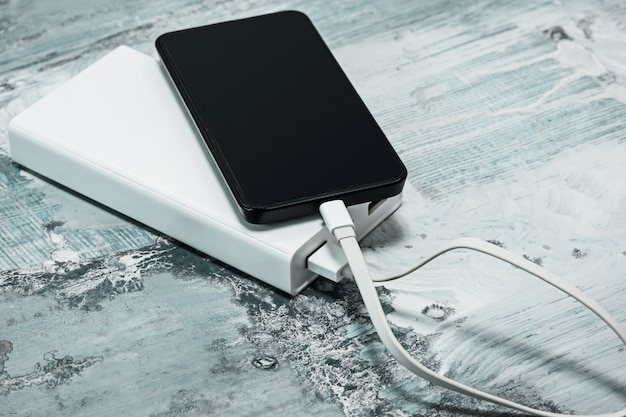
Handy Portable Power Board

Handy Portable Power Board

Our world is full of gadgets, and a portable power board can be a real lifesaver. Most places you stay will have only a few power outlets. With a power board, you can charge all your devices at once. It’s a simple item, but it’s super useful for keeping all your electronics ready to go.

Foldable Water Bottle For Easy Travel

Staying hydrated is key, especially when you’re out exploring. A foldable water bottle is great because it doesn’t take up much space. You can fill it up whenever you need, and you’re also doing your part to reduce plastic waste. It’s a small, easy step for a more sustainable trip.

Swiss Army Knife: A Compact Toolkit

A multi-tool or Swiss Army Knife can be handy in so many situations, whether you need to cut something, open a bottle, or tighten a screw. It’s small, so it’s easy to pack, but remember to put it in your checked luggage if you’re flying.

Eco-Friendly Shopping Bag

Bringing a reusable shopping bag is both practical and good for the environment. It’s perfect for those unexpected shopping trips, carrying snacks on a day out, or even for your laundry. They’re light and don’t take up much space, making them a great travel companion.

Personal Travel Pillowcase

Lots of travelers bring a neck pillow, but a travel pillowcase is a nice extra touch. It means you always have a clean, familiar place to rest your head. It’s a small comfort that can make a big difference when you’re sleeping away from home.

Light And Quick-Drying Microfiber Towel

Light And Quick-Drying Microfiber Towel

Traditional towels can be bulky and take up precious luggage space. Enter the microfiber towel – lightweight, quick-drying, and compact. Perfect for beach vacations or impromptu swims, a microfiber towel is a game-changer in terms of convenience. Its fast-drying properties also make it ideal for those unpredictable rain showers.

Handy Ziploc Bags

Ziploc bags can be incredibly useful. They keep your electronics safe from water, help you organize small items, and are great for keeping snacks handy. Having different sizes with you means you’re ready for anything.

Snack Pack For Emergencies

Unexpected delays or long journeys can leave you hungry with limited food options. Packing a small stash of non-perishable snacks like nuts, granola bars, or dried fruit can be a lifesaver. Not only does it save you from hunger pangs, but it also provides a quick energy boost during your adventures.

Guide To Pack Smartly

Even if you do get a hold of all the things that have been discussed here, it will only get you so far. So, to help you out with packing, here is a brief guide of all the pointers that you need to remember to pack efficiently and with minimal resistance. Let us dive right in without further ado.

Pick & Pack Clothes First

Pick & Pack Clothes First

One of the trickiest parts of the packing process is packing the clothes. They take up a lot of space and have to be done right. Otherwise, you will have to wear creased clothes on your vacation. The best way to pack clothes is by rolling them. Rolling prevents creases and also takes up less space.

Lay your tops facing up and fold in the sleeves. Then, roll the top from the bottom up. For the pants, you need to put the legs together and roll it from the waist down. Once you are done rolling, place them at the very base of the suitcase. One thing I do that helps me is to pack my clothes according to the order in which I will be wearing them. Moreover, I carry a separate handbag for my shoes and socks. This stops the odor problem that might be caused.

Place Heavy Items At The Base

Another tip that helps me pack effectively is to place the heavy luggage at the base of my bag. This helps with the weight distribution. Weight distribution is a very important aspect of packing. A weirdly weighted bag will obviously feel heavier than a weight-managed bag. By ‘base,’ I mean the wheeled end of your luggage. This will dial down the impact of bumpy roads and other such things.

Apart from weight management, packing the heavy stuff first will also safeguard these items. While traveling, I carry a heavy camera and a lot of lenses. So, keeping them at the very base cushioned by all the rolled clothes really saved my camera and other stuff from some close calls.

Layer It Up

Just as layering is important in fashion, layering is also very important while packing. However, this layering is a tad bit different from the kind that I just mentioned. Even though plastic is a cancer that is eating away at our ecosystem, it can be very helpful if you know how to use it. Save the plastics that you get when you receive your dry cleaning. You can use them while packing.

Use these plastic bags to wrap the clothes and items that run the risk of accidental tearing and pulling. This will ensure that your clothes remain pristine and do not get damaged in any way whatsoever. Subsequently, it also keeps the clothes fresh and odor-free.

Do Not Overpack Or Under-Pack

Two of the biggest enemies of travelers are underpacking and overpacking. Under no circumstances should you be overpacking or underpacking. Try to strike a balance. Before you start packing, make an itinerary. And while packing, stick to that itinerary. This will greatly help you with packing. And those were some of the most basic and useful tips that I can give you about packing efficiently.

Conclusion

These uncommon items can really enhance your travel experience. They help you stay connected, prepared, and comfortable, no matter where your journey takes you. So, when you’re packing for your next trip, think about adding these to your list. They might just make your adventure even better!

Read Also:

Share on Social Media

Ankita Tripathy loves to write about food and the Hallyu Wave in particular. During her free time, she enjoys looking at the sky or reading books while sipping a cup of hot coffee. Her favourite niches are food, music, lifestyle, travel, and Korean Pop music and drama.

Leave a Reply

Your email address will not be published. Required fields are marked *

title-img Related

READ MORE things to do in rocky mountains

Things To Do In Rocky Mountains National Park

BY  Mashum Aug 4, 2022

“Things to do in rocky mountains.” As you are searching about this particular thing, I am assuming that you might be planning your next holiday in the Rocky mountains. We never want to ruin our vacations or trips and that is why we always search on Google and gather as much knowledge as we can. From the best seasons, to where to stay, you should know everything. But as you are particularly searching for the fun things you can do in the Rocky mountains, here we are with the solution. With majestic landscapes, with rough terrains on one side and alpine forests and lakes on the other side. The Rocky Mountains National Park is a heaven for scenic beauty, wildlife, and mesmerizing waterfalls and lakes. Fun Facts About The Rocky Mountain National Park: It was on 26th January 1915, when the Rocky Mountain National Park was first established. For about 415 square miles, the park encompasses. Just a short drive from Denver, Colorado, the national park is one of the most parks in the US. Here are a few things to do in Rocky Mountains. About 4.5 million people visited in 2016 for a “World-class recreation” opportunity. This ranged from biking, hiking, fishing, camping, mountaineering, and horseback riding. The Rocky Mountain National Park is the highest park in the Country at an elevation of about 7,860 ft to 14,259 ft. The Rocky Mountains are more than just rough terrain; it has an alpine tundra ecosystem along with a montane ecosystem. These ecosystems have the widest variety of wildlife and plant diversity. The trail ridge road of the park offers an awe-struck vision even before it was travel worthy. It was called the “scenic wonder road of the world.” Most of the park is designated to be a part of the wilderness. There are about 250,00 acres of about designated wilderness according to Congress 2009. The Rocky Mountains have an extensive collection of museums. These museums collect the artifacts of the forest that defines the park and its history. Things To Do In Rocky Mountains National Park The Rocky Mountain National Park is a large area with thousands of acres. So it is obvious that there are a lot of things to do there. But if it’s your first time visiting, then I have a list of things for you to do there.  1. Drive Trail Ridge Road If you have ever visited the Rocky Mountains or not, then let me tell you that trail ridge road is the highest in the US, not only in Colorado. The road is about 48 miles long and stretches from Estes Park to Grand Lake. The road is beautiful for a long drive through it. It is surrounded by alpine tundra, and there is a chance you might see bighorn sheep or elks. This amazing wildlife out in the open is what makes driving the trail roads the best things to do in the rocky mountains, colorado. So, this is a must when you are thinking about “things to do in rocky mountains.” 2. Forest Canyon Overlook The are many beautiful overlooks along the trail ridge road. But this one, in particular, located along the trail ridge road, is just beautiful. The overlook is about 11,716 ft high, looking the Long s Peak, Hayden Gorge, Gorge Lakes, and Stones Peak. 3. Go Hiking What can be better than hiking along the beautiful trails of the Rocky Mountains? There are a number of trails throughout the Rocky Mountains, and you can go on to any, depending on your expertise. Hiking is the most popular and one of the best things to do in Rocky Mountains, Colorado. Here are some of the best trails along the RMNP are: Alpine Ridge Trail for a short hike to a viewpoint of the mountains. It is an easy hike for beginners. Gem Lake trail is a moderate-level hike. It gives a wonderful view of the alpine lake. Ute Trail to Tombstone Ridge is an easy to moderate level hike. It is among the more popular hikes among hikers. 4. Bear Lake Another one that you can add in your “things to do in rocky mountains- list” is Bear lake. Bear lake is among the most popular shorter hike, but it's worth it. The hike is about 0.6 miles long, with a beautiful view of the lake surrounded by trees. A walk around the lake is just beautiful for your body and soul. 5. Alberta Falls There are beautiful falls all around the RMNP where you can have a relaxing afternoon and a quaint picnic. One such fall is the Alberta falls; with a beautiful scenic beauty amidst nature, you can really enjoy your time here. The hike to the falls is about 1.7 miles hike which is not too strenuous and quite easy. But I should point out that you have to walk uphill from the Glacier Gorge to reach the falls. 6. Moraine Park If you love the aesthetic of sitting on a blanket and having a beautiful picnic in the open, then Moraine Park is the best place for you. It is one of the best things to do in rocky mountains. Here, you can gaze upon the wonderful wildlife grazing in the valley, like Elks and deers. And most of the mountain trails start from the park here. 7. Holzwarth Historic Site In 1917, immigrants from Germany, John Holzworth, along with his family, built a cabin here. Gradually over the years, they built several cabins for guests. In 1974, their property was bought by The Nature Conservancy, and since then, it has become an integral part of the park. The site became a popular tourist spot for visitors to learn about the life of the Colorado homesteaders. 8. Go Mountaineering For years now, rock climbing and mountaineering have been popular adventure sports in the Rocky Mountain National Park. Numerous mountain peaks over the height of 12,000 ft have intrigued a lot of avid rock climbers from all around the world. Different types of climbing experiences, from vertical climbs, to multi-day and even easy climbs, are all available here. Even during the winter months, for experienced climbers, ice climbing is also an option.  Mountaineering is among the most popular things to do in Rocky Mountains. Frequently Asked Questions (FAQs): Though most of the things to do in rocky mountains are listed above. To help you with further queries, here are some questions that people often ask. 1. How Many Days Do You Need To See Rocky Mountain National Park? Ideally, it would take about three days to travel and explore the whole of Rocky Mountain National Park. Within that time, you can visit all the attractions of the place. 2. Is It Worth Driving Through Rocky Mountain National Park? The ride through the Rocky Mountain National Park is beautiful and gives a wonderful view of the park. 3. How Scary Is Trail Ridge Road?  Since it is a mountain trail road, you can imagine the height of the road. So if you have a phobia of heights, then take caution in advance. However, the mountain road is less scary than most Colorado mountain roads. Wrapping Up! It is a reason why Rocky Mountain Nature Park is popular among tourists from all over the world. There are lots of things to do in rocky mountains that you can expereince. The beautiful valley road, with scenic parks and wildlife with lakes and waterfalls are really mesmerizing. Altogether these things are what make the mountain a highly popular attraction among tourists.

READ MORE Traveling With Children Essential Vaccinations For Young Adventurers

Traveling With Children: Essential Vaccinations For Young Adventurers

BY  Ankita Feb 13, 2024

Traveling opens up a world of adventure, especially for younger explorers. But before you book your tickets and board the plane, it’s important to know that proper immunization is critical to ensure your child's health and safety abroad. Are you equipped with the essential vaccinations for your young adventurer? Key Takeaways Vaccinations are critical for safe travel. A tailored immunization schedule is necessary. Proper administration and aftercare of vaccines protect young adventurers. Fundamental Concepts Of Vaccination When planning trips for young adventurers, it is crucial to understand how vaccines protect against diseases by boosting immunity, and the processes that ensure their safety and efficacy. Understanding Immunity And Vaccines Your immune system is your body's defense against infections. When exposed to disease-causing organisms, your body produces antibodies to fight the invaders. Vaccines are biological preparations that provide this immunity without causing the disease itself. They contain weakened or killed forms of the microbes or their parts, stimulating your immune system to recognize and combat the actual disease if you're exposed in the future. Types of Vaccines: Live, attenuated vaccines Inactivated vaccines Subunit, recombinant, polysaccharide, and conjugate vaccines Toxoid vaccines Common Vaccines for Kids: Measles, Mumps, and Rubella (MMR) Diphtheria, Tetanus, and Pertussis (DTaP) Polio (IPV) Hepatitis B Vaccine Development And Safety The development of vaccines is a rigorous process. It involves several stages of testing for effectiveness and safety before they can be approved by regulatory bodies such as the CDC and the American Academy of Pediatrics. After a vaccine is released, it continues to be monitored for adverse side effects. Vaccine safety is a priority, and side effects, when they occur, are mostly mild, such as a sore arm or low-grade fever. More serious side effects are very rare. You need to be aware of the recommended vaccine schedule for kids to ensure they are protected against preventable diseases during their travels and beyond. Vaccination Schedule And Recommendations It's crucial to adhere to recommended vaccination schedules for different stages of life to ensure protection against various diseases. Childhood Vaccination Guidelines Your childhood immunization schedule starts from infancy. The CDC and American Academy of Pediatrics (AAP) outline that infants should receive multiple doses of vaccines such as DTaP, which protects against diphtheria, tetanus, and pertussis. It's important to keep a record and follow up with your pediatrician to stay on track. Birth to 6 years Vaccine Schedule Summary: AgeKey ShotsBirthHepatitis B1-2 MonthsHepatitis B, DTaP, Rotavirus, Hib, PCV, Polio4 monthsDTaP, Rotavirus, Hib, PCV, Polio6 monthsHepatitis B, DTaP, Rotavirus, Hib, PCV, Polio12-15 monthsHib, PCV, MMR, Varicella4-6 yearsDTaP, Polio, MMR, Varicella Adolescent Immunization Needs As you transition into your teen years, additional vaccinations are necessary to maintain immunity. Adolescents should receive the Tdap vaccine, a booster for tetanus, diphtheria, and pertussis, typically around 11-12 years old. The HPV vaccine series should also begin at this age to protect against human papillomavirus-related diseases. 7-18 years Vaccine Schedule Summary: AgeKey Shots11-12 yearsTdap, HPV series start, Meningococcal16 yearsMeningococcal booster Vaccines For Specific Age Groups Young adults should ensure they are up to date with vaccinations, especially if they haven't completed the HPV vaccine series or haven't received a Tdap booster in their adolescence. As you age, vaccines like the annual influenza shot and potential travel-related vaccines become pertinent based on your lifestyle and destinations. Always consult with a healthcare professional to tailor your immunization plan to your specific needs and to assess whether you need any catch-up vaccines. 19-26 years Vaccine Checkpoints: Annual: Influenza As needed: HPV series completion, Tdap, Travel-specific vaccines (Hepatitis A, Hepatitis B, Typhoid, etc.) Protection Against Specific Diseases As you prepare for your adventures, ensuring you are vaccinated is a key step in protecting your health. This section covers essential routine and travel-related vaccines and guidance for disease outbreaks and seasonal vaccinations that are critical for young adventurers. Routine And Travel-Related Vaccines Your vaccination schedule should begin with routine vaccines that protect against common diseases. These include: Measles, Mumps, Rubella (MMR): A combined vaccine providing immunity to these three diseases. Diphtheria, Tetanus, Pertussis (DTaP): Protects against these bacterial infections; a booster is needed every 10 years. Polio: Typically given in childhood but check your status as it's vital for travel to certain regions. Varicella (Chickenpox): Important if you haven't had the disease in childhood. For hepatitis A and hepatitis B, vaccines offer long-term protection, particularly important in regions with higher incidence rates. As for travel-specific vaccinations, they depend on your destination: Yellow Fever: Required for entry into certain countries; check if it's necessary for your itinerary. Typhoid and Hepatitis A: Recommended for travelers to most parts of the world, including Southeast Asia. VaccineShotsforSoutheastAsia: shots for Japanese encephalitis and typhoid are needed, along with malaria pills for protection against the mosquito-borne disease. Rabies and cholera shots should be considered as well. Disease Outbreaks And Seasonal Vaccinations Be aware of disease outbreaks in your travel destinations. This requires staying informed about current health threats which may necessitate additional vaccinations or precautions. For seasonal vaccinations, the yearly flu shot is recommended for all travelers to maintain health and minimize disruptions to their plans. Additionally, consider vaccines for: Meningococcal disease: Especially if you're visiting areas where outbreaks are common or live in close quarters with others (e.g., hostels). Human papillomavirus (HPV): Recommended to protect against various cancers and diseases caused by HPV. Rotavirus: Particularly for young children, as this vaccine is part of the routine immunization schedule. Always consult with a healthcare provider or a travel medicine clinic well in advance of your trip to ensure you receive all necessary vaccinations for safe travels. Vaccine Administration And Aftercare Ensuring proper vaccine administration and managing aftercare can significantly enhance the benefits of immunization, such as reducing the risk of hospitalization due to vaccine-preventable diseases. Read Also: Bali Beyond The Beaches: Exploring The Hidden Gems Of The Island Preparing For Vaccination When preparing for vaccination, it is crucial to consult with your pediatrician to understand which vaccines are appropriate for your kid. Your healthcare provider will recommend the necessary doses, including if a booster shot is needed. For example, the COVID-19 vaccine regimen may consist of more than one dose. Make sure you are aware of: The vaccination schedule, including the timing between doses. Possible pre-vaccination requirements: such as an allergy test for severe allergic reactions. Managing Possible Side Effects Post-vaccination, it's common to experience minor side effects such as redness, pain, swelling, and soreness at the injection site. To manage these: Apply a clean, cool, wet washcloth over the area to alleviate discomfort. Use your arm regularly to improve blood flow and reduce pain. For side effects that persist or if you experience symptoms of a severe allergic reaction (e.g., difficulty breathing, hives, swelling of the face and throat), seek medical attention immediately. Keep in mind that the benefits of vaccines, like the prevention of serious illness, often outweigh these temporary discomforts. Conclusion Your children’s health is paramount. Adhering to recommended vaccinations significantly reduces your risk of contracting travel-associated illnesses. Stay informed, be proactive with their health, and consult healthcare professionals for appropriate vaccines before embarking on your travels. Read Also: Unforgettable Moments In The Desert: Exploring Dubai’s Safari Trip

READ MORE how many days in venice

How Many Days in Venice Do you really Need to Complete your Trip?

BY  Mashum May 20, 2024

Are you going to Europe? If Venice is in your plans, let me share some of the plans that will be perfect for you. So, how many days in Venice are you planning for the trip? The capital city of northern Italy, Venice, is built on 100 small islands in a lagoon in the Adriatic Sea. Moreover, there are hardly any roads, only canals through which you can travel using gondolas. The place is filled with buildings that represent the Renaissance and Gothic periods. You will love the ambiance and surroundings if you are an old soul like me. So, are you wondering best places to go in Italy? You must also experience delicious food in Venice and visit these beautiful locations. It is very important to check out local food when you visit a place so that you can experience its culture. Factors to Consider When Visiting Venice! So, let me share with your certain aspects influencing your decision to plan your trip. The first thing you need to consider is the best time to visit! You must consider two things. If you are someone who does not like crowds, you can visit Venice during winter. However, if your plan extends for a few days, summer is the best time to visit Venice. Furthermore, you need to consider mobility issues because they will impact how long it will take you to travel across Venice. Apart from these factors, another important aspect is the Italian Itinerary! Your Itinerary will include the different places in Venice and the amazing eateries and restaurants. Accommodations come into the picture once you have decided on the places you must visit. A Few Hours in Venice There are several options based on the number of days. Accordingly, you can decide how long you want to stay in Venice and how to plan it. If you are only in Venice for a few hours, you should concentrate on St. Mark's Square. So, how many days in Venice? It is one of the most popular places in Venice, as it is the main public square of the city! Apparently, Napolean claimed that this was the world's most beautiful drawing room. The place is also known as Piazza San Marco, and it has a quite old history. There is quite an open space, with several trees lining the place. There are several government buildings and facilities in this square. Now, if you are hungry, you can go to Bacarandino, a warm and welcoming Veneziano restaurant. You can find gluten-free options, as well as vegetarian and vegan options! Another one is Osteria Numero 1, another Italian restaurant. It is a peaceful experience where you can spend a romantic evening with your partner enjoying delicious food. If you are craving Pasta, you can get hand-made Pasta here all year round. Very similar to some of the most romantic restaurants in Rome! You can take a vaporetto and travel to the Grand Canal, the major water traffic corridor in the city! A public water bus is a Venetian beauty, and you can enjoy several locations as there are about 19 scheduled lines. Then you can visit Rialto Bridge, which is an architectural genius. Another amazing place to visit is St Mark's Basilica. It is quite close to Piazza San Marco! So, once you have indulged in delicious food, you can take a stroll and visit the religious and political center of the Republic of Venice. One Full Day in Venice If you have a full day to spend, I will ask you to visit St. Mark's Basilica first and then go to Doge's Palace once you are done with the church. The church is significantly important for its religious relativity because it is the resting place of Saint Mark. If you want to check out some grandiose gothic architecture, Doge's Palace is a great place. Apparently, it houses one of the largest oil paintings in the world on canvas called The Glory of Paradise. The painting by Jacopo Tintoretto. Several masterpieces, including sculptural decoration and Gothic architecture, are exhibited here. The artists who are exhibited here are Veronese, A-Vittoria, Titian, and Tiepolo. Now that you are hungry, you can quickly go to Tuttinpiedi. A popular place in Venice, it serves food that feels like homemade street food pasta with different seasonings like wine or fish. Continue walking in the back streets after your lunch. Later in the day, you can take a gondola ride through the canals of Venice. Two Days in Venice If your plans allow you to spend two days in Venice, I have the perfect Itinerary for you. Please make sure to visit St Mark's Campanile. The bell tower is quite popular among tourists as people climb up to the tall structure and enjoy the beautiful views of the city from this bell tower. You can go anywhere in the city and see the tall structure from there. Entry costs 12 euros. You must visit this place, as it is one of the most picturesque places in Venice. If you have a problem climbing the stairs, do not worry; there is also a lift to the top. Nearby, there is also Ponte Dell' Accademia, which you can visit. The Grand Canal of Venice is quite popular, and one of the four bridges on this canal is Ponte Dell' Academia. It is at the southern end of the canal. If you or your partner dislike crowded areas, you can explore Cannaregio. When you visit Cannaregio, you will experience an authentic side of Venice. With reasonable glass pieces, you can enjoy your time with food and friends. Furthermore, after you plan a day for it, you can go on a walk to visit Museo Fortuny and Ca Rezzonico. You cannot miss Il Paradiso Perduto, where you can enjoy delicious traditional Venetian dishes. If you want to visit an opulent place to enjoy delicious food, you can go to Oro Restautant in the Cipriani hotel. It is quite extravagant and chic, so you can have a romantic lunch date with your partner. Three Days in Venice If you have three days to spend in Venice, I have an amazing plan for you! The first thing to do is head to the Murano and Burano Islands. The islands have the shape of a small Venice and are joined by bridges. They are quite popular for products such as lace, glass, and others. There are also colorful buildings across these islands, so they are a perfect heaven for photographers and visitors. Burano is quite a popular place for risotto and fresh fish, and you must taste meat, delicious desserts, and fresh fish in Murano. You can also take a gondola ride across the canals of Venice. It is one of the most romantic activities in life. Of course, you must visit St. Mark Square because, near it, you can visit different places such as St. Mark's Basilica, the National Archaeological Museum of Venice, and The Doge's Palace. If you are a museum lover, you must go to Museo Correr! With its 18th-century interior, you will lose your breath. With an extensive collection of architecture and art illustrating the history of Venice, you will experience some of the best art in life. Four or More Days in Venice This is one of the most wholesome days when planning an itinerary for Venice. If you want some beach time, go to Lido. There are also several beaches hence, there are many things to do in Venice Beach! A hamlet of the city, the water and the sand are quite gorgeous with limited crowds. For a beautiful siesta with a book, this is a perfect place to enjoy yourself and relax. A one-day trip to Padua or Verona is an ideal way to spend the second day in Venice. With the names, I am sure you will realize it is from the famous Shakespeare novel Romeo and Juliet!  There are many things to do with its gorgeous architecture, old-world charm, and quiet nightlife! If you like walking or taking a stroll when you visit a beautiful and romantic place like Venice. There is a Jewish Ghetto, which you must explore when you have time. This place shows you the culture of the place; however, it is a place where the government is forcing the Venetian people to live there. It would be best if you did not miss watching an opera at the Teatro le Fenice. An experience of a lifetime, the opera experience will stay with you forever. Conclusion In conclusion, we have provided several options based on the number of hours and days! If you are wondering how many days you will be in Venice, I am sure you have got your plan. You can decide on the places you will visit and the food you will enjoy when you visit Venice. Even though you will see a lot in Venice, it is packed a lot in a small space. Apart from the crowds of tourists, there are picturesque canals, medieval alleyways, charming cafes, and beautiful streets to walk. Starting from St. Mark's Basilica, the Central Square, and Piazza San Marco, you must cover all of it.   Comment on how many days you plan to stay in Venice and which plan suits you the best!  Learn More Also: How Much Time To Spend In Italy? 10 Best Beaches In Italy That Will Surprise You The Most