Florida Dreams: RV Camping Along the Sunshine State’s Shore 

Dec 30, 2023

Last Updated on: Mar 12, 2026

Travel Blog

There’s no denying that Florida’s beaches have a certain magic. They can transport you to Madagascar or the Caribbean. They replicate the stunning blue water, white sand beaches, and swaying palm trees quite well.

This article is for you if you’re thinking about taking an RV vacation to Florida. The top RV camping on the beach in Florida are listed here. They are well-known for their friendliness and offer a plethora of amenities.

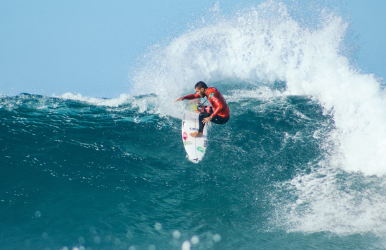
Not to mention all the thrilling water sports they provide, like jet skiing, surfing, and paddle boarding. If you want to learn more about RV camping on the beach in Florida, keep reading.

 RV Camping On The Beach In Florida: Are They Safe? 

Indeed, camping in Florida’s RV parks is quite safe. The majority of them have security personnel stationed at the gates. All campers are asked to abide by park regulations, and trespassing is strictly prohibited.

Since these properties are kept up properly, there is very little chance of anything going wrong. However, when visiting an RV park, it’s advisable to exercise caution and take the required safety measures.

Where Can You Camp 

There are both public and private campsites on several Florida beaches. You can park your RV, pitch a tent, or reserve a spot. In addition, you can camp overnight on a few beaches on Anclote Key, Shell Key, and Keewaydin Island without a permit.

Some beaches, however, do need a permit. Many locals reside near the beach, so an unwelcome camp or van close by will not be appreciated. Examine the local laws before making the final decision.

 RV Camping On The Beach In Florida 

Your search for RV camping on the beach in Florida ends here. These are the top beachfront RV parks in Florida:

Key Largo Kampground 

Key Largo Kampground is the ideal camping location in the Florida Keys for your whole family, featuring a large beachfront campground and an expansive marina.

171 of the campsites are designed to accommodate both tents and RVs. Every RV site has full hookups and is large enough to fit rigs up to forty feet. In addition, there are heated swimming pools, shuffleboard courts, basketball courts, horseshoe courts, and laundry facilities.

Park your personal boats at a boat slip if you are bringing them. If you plan to rent a motorized boat, you can also use the boat ramp.

Key Largo Kampground is not just an RV park along the beach. It is 40 acres long, with mangroves and tropical vegetation next to the Atlantic Ocean. You can see the foliage come to life every spring when the flowers bloom.

Key Largo is well-known for being the world’s diving capital, home to more than 25 dive shops and charters. It’s among the greatest locations in Florida for ocean fishing, scuba diving, and snorkeling because of the coral reef and the warm water. Some other popular water sports among RVers are kite boarding and windsurfing.

Pensacola Beach RV Resort 

Located on Pensacola Beach’s barrier island, Pensacola Beach RV Resort is a relaxed beach-side campground that doubles as a resort. It provides quick access to the remainder of the barrier island and has a view of Santa Rosa Sound.

A home away from home is what the RV resort offers. Each campsite has connections for power, water, and sewer. There is a heated pool with a patio, chairs, and loungers in the middle of the resort. There’s a clubhouse with showers and laundry facilities next to the pool.

On the western edge of the beach, there’s a Tiki bar offering refreshing cocktails and tequila. Take in the views of the coast as you relax and sip your preferred beverage.

The ideal combination is sugar-white sand and crystal-clear light green water, which Pensacola provides. As soon as you get to the resort, you can head to the beaches and swim in the stunning Gulf of Mexico waters. Among the adventurous things you should put on your “to-do” list are snorkeling and surfing.

Although the resort is not inexpensive, its excellent location and amenities make it worth the cost. The Standard RV sites cost $100 per day, and the Premium sites cost $130.

Camp Gulf 

Another RV camping on the beach in Florida is Gulf. Camping on the Gulf, sometimes referred to as Camp Gulf, is another opulent RV park situated on the Gulf of Mexico. It’s close to Destin in northwest Florida at Miramar Beach, not Miramar City.

There are 215 full hook-up RV sites in the park, many of which are close to Miramar Beach. Others are located by the swimming area or in a row between palm trees and palmetto bushes along the verdant pasture areas. In addition, there are cabins, beach houses, and rustic clamping tents available at Camp Gulf.

Access to the beach is immediate if you camp at this RV park. It’s far more private than public beaches because it’s built on private property. Come to the Miramar beach with your sun loungers and take in the refreshing breeze.

When you get back, enjoy a revitalizing shower in the RV park’s spotless restrooms. You can take advantage of everything that Destin has to offer because it’s close by. In fact, the quick availability of RV sites at lower prices is one of the main reasons why many campers choose to camp at Miramar Beach rather than Destin.

However, Gulf Camp, a posh RV park in Florida, has somewhat pricey RV sites. Overnight rates range from $79 to $120.

The tiny but well-equipped Turtle Beach Campground has plenty to offer. Sea turtles use this location, which is on Sarasota Barrier Island, as a base from May to October to lay their eggs. You will have the opportunity to view, albeit carefully, the nests of loggerhead and green sea turtles as well as the young.

One of the few campgrounds in Florida with direct beach access is this 14-acre facility. At any time, you are free to exit your RV and stroll up to Siesta Beach. The sand is hard and white, and the beach is clean. Take a nap by the sunloungers or jump straight into the azure sea.

There are 39 RV and tent-friendly campsites at this family-friendly campground. Every campsite has picnic tables and complete hookups. Within the campground is a coin-operated laundry and shower area. A game of horseshoes can be played on the playground. You are able to play your preferred sport in a number of pits that have an abundance of open grassy spaces.

Siesta Key is five miles away and Sarasota is only nine miles away from the Turtle Beach Campground. The entire Sarasota barrier island, Serenoa Golf Club, and Oscar Scherer State Park are also close by tourist attractions.

Matlacha 

Matlacha is a small island in southwest Florida, home to the family-run beachfront RV resort Sugar Sand. Also, Matlacha a comparatively quiet area, is a hidden fishing treasure. State Road 78 crosses the island and leads to the resort from the Cape Coral-Fort Myers metropolitan area.

The RV sites are located next to a sugar-sand beach with sea walls as soon as you enter the Sugar Sand resort. Complete hookups with picnic tables and Wi-Fi internet access are available for these. The resort is the starting point of the fishing expedition. Approach the spacious dock designed for boating. Take a ride through Matlacha Pass’s busy waters by boarding one of the available boats.

Catching the first fish by the hook would not take long. Alternatively, you may choose a more daring path and navigate Matlacha’s backwaters by kayak. Kayak fishing is a popular activity for both locals and visitors.

Think about going fishing at the Matlacha Pass Bridge if you don’t want to enter the water. Because of the amazing catches that have been reported at the bridge over the years, it has acquired the title of “The Fishingest Bridge in the World.” You will undoubtedly catch a tarpon, trout, or cobia.

There are just ten sites at Sugar Sand Beach RV Resort. As a result, booking a site far in advance is advised. Starting at $100 per day, rates drop to $65 per day for monthly reservations. When looking for RV camping on the beach in Florida, Sugar Sand Beach ranks well above most.

RV Park Rates In Winter 

Because of its pleasant, tropical climate and abundant sunshine, Florida is referred to as the Sunshine State. The off-peak season runs from November through January, with February through May being the peak months. The temperature is in the neighborhood of 10 to 11°C.

In the winter, it can cost anywhere from $20 to $100 per day at an RV park in Florida. RV sites are empty at that time of year due to a decrease in the number of RVers. These can be reserved at discounts of 20–30% or even 50%.

Wrapping Up 

It’s time to start planning now that you have some amazing choices for the best RV camping on the beach in Florida!

There is an RV park in Florida for everyone, whether your goal is to have an amazing adventure or just a peaceful place to disconnect and unwind.

Make sure you learn everything there is to know about RV camping so that you can make the most out of this unusual way of traveling, whether you already own an RV, are looking to buy one, or are just planning a trip in one!

Read Also:

Share on Social Media

Abdul Aziz Mondol is a professional blogger who is having a colossal interest in writing blogs and other jones of calligraphies. In terms of his professional commitments, he loves to share content related to business, finance, technology, and the gaming niche.

Leave a Reply

Your email address will not be published. Required fields are marked *

title-img Related

READ MORE Cypriot tax system

How To Accurately Budget Your Relocation to Cyprus Using the 2025 Tax Calculator

BY  Sibashree Aug 27, 2025

Have you decided to relocate to Cyprus for career purposes? That would be a wise decision as this island nation follows one of the EU’s most simplified tax regimes for expats. Beyond the economic aspects, you also get to enjoy year-round sunshine and its rich cultural tapestry.  Yet, the core question that you must be clear about before living this coastal life is, at the end of the day, what your real take-home pay will be? Relocation can be costly since it involves several factors, one of which is your net income. This is why it is necessary to validate your take-home pay; rent, healthcare, school fees, and day-to-day expenses can quickly accumulate if your financial estimates are off. Fortunately, Cyprus mandates a transparent and predictable taxation system, which is rather easy to navigate with the help of a Cyprus salary calculator. This guide explains how Cyprus’s 2025 tax rules work, demonstrating salary breakdown interpretation and offering a step-by-step case study example for clarity.  Decoding the Cypriot Tax System: The Core Components As per the Cypriot tax system, your net salary isn’t just your gross salary after deducting “a flat tax.” Instead, it’s the final value of a progressive income tax system, and a few compulsory, specific deductions. When you understand all these core pillars, you can proceed toward accurate financial planning. The Progressive Income Tax Brackets (2025) For the 2025 tax year, typically running on a calendar-year basis, Cyprus applies a progressive structure: Annual income tax (€)Tax rate 0-19,5000%19,501-28,00020%28,001-36,30025%36,301-60,00030%Over 60,00035% Optimizing Around the €19,500 Tax-free Threshold A unique feature of Cyprus’s progressive income tax system is the €19,500 tax-free threshold. This threshold is indeed advantageous for those moderate and higher earners, protecting a significant portion of their income from taxation by lowering their effective tax rate.  That is why it is often suggested to optimize financial planning, such as contributing to approved pensions, life insurance, or charitable donations (within the 1/5 cap), to further reduce taxable income. Structuring income and deductions strategically around this threshold is one of the simplest ways to optimize your relocation budget. Social Insurance Contributions (Sic) Everyone, including you and your employer, is liable to contribute towards the national Social Insurance Fund, which supports pensions, sickness benefits, and unemployment protection.  However, the limit of contribution varies by party: Employee contribution: 8.8% of gross salary Employer contribution: 8.8% of gross salary Annual cap: €66,612 (as per 2025 figure) Now, this annual cap highlights that even if your yearly income crosses €66,612, you aren't liable to pay Social Insurance on the portion above that limit. For high earners, this annual cap significantly lowers the effective contribution rate. The General Healthcare System (Ghs / Gesy) The healthcare sector in Cyprus is funded by the General Healthcare System (GHS), the amount of which is contributed by everyone living and working in the country through the comprehensive GeSY healthcare system. They provide all-inclusive medical coverage to residents, including GP visits, specialists, and hospital services. Employee contribution: 2.65% of gross salary Employer contribution: 2.90% Cap: €180,000 annual earnings Unlike Social Insurance, the GHS cap is high, where most employees have to pay the full 2.65% on their entire income. Employer vs. Employee Contributions If you are an employee negotiating your salary, be clear about your gross salary (the basis for your tax obligations and deductions) and the cost to the company (gross salary plus employer-side contributions). For employees, the compulsory deductions include: 8.8% Social Insurance (capped) 2.65% GHS Income tax per progressive brackets For employers, the mandatory obligations are higher and include: 8.8% Social Insurance 2.90% GHS 2.0% Social Cohesion Fund (no cap) 1.2% Redundancy Fund 0.5% Human Resource Development Fund Up to 8.0% Central Holiday Fund (unless exempt) Now, assuming that you are an employee structuring your budget, prioritize employee deductions. However, do not ignore the employer’s additional costs; understanding them would be beneficial during salary package negotiations, provided that benefits are negotiable. Case Study Example: Net Pay on a €50,000 Gross Salary This hypothetical example of €50,000 annual gross salary would help understand what the final take-home pay looks like in 2025 for an employee with no special expat exemptions or extra allowances. Step 1: Calculate Deductions Social Insurance: 8.8% of €50,000 = €4,400 GHS: 2.65% of €50,000 = €1,325 Step 2: Apply Progressive Income Tax €0-€19,500 @ 0% = €0 €19,501-€28,000 (€8,500 @ 20%) = €1,700 €28,001-€36,300 (€8,300 @ 25%) = €2,075 €36,301-€50,000 (€13,700 @ 30%) = €4,110 Total income tax = €7,885 Step 3: Net Pay €50,000 − €4,400 − €1,325 − €7,885 = €36,390 per year≈ €3,033 per month (assuming 12 equal payments). However, if your employer pays a 13th salary, a common practice in Cyprus companies, your monthly net pay will be even lower but spread across 13 payments. For that, you can use a Cyprus salary calculator to model these variations instantly. How Employer Costs Compare Using the same case study example of €50,000 gross salary, here’s what the employer’s total annual outlay would look like: Social Insurance: €4,400 GHS: €1,450 Social Cohesion Fund: €1,000 Redundancy Fund: €600 HR Development Fund: €250 Holiday Fund (if not exempt): €4,000 Total Cost: With holiday fund exemption → €57,700 Without exemption → €61,700 This difference is the reason to negotiate your salary package as much as possible. Moreover, some employers even offset holiday fund obligations by allowing extra paid leave instead. Final Words Relocating to an entirely new place with a new environment and legal systems is an adventure. But by taking control of your financial details upfront, and using the progressive tax brackets, understanding obligated deductions, and leveraging a precise Cyprus salary calculator, you can overturn uncertainty into confidence.

READ MORE Hot Springs National Park

Be Soothed And Meet History At Hot Springs National Park

BY  Sibashree Aug 20, 2024

The Arkansas Hot Springs National Park is a place where stories and histories are intertwined with natural abundance and unique geological features.  Home to 47 hot springs, this national park has been a place of healing and relaxation. These springs offer the ultimate spa treatment after you complete arduous hiking through the trails.    Are you ready to indulge in a therapeutic experience at this national park known as the American Spa? Let’s take a deep dive.  Also, I have grabbed this opportunity to talk about the rich history of the park.  Know The Hot Springs National Park History And Culture  The 5,500-acre landscape of the Hot Springs National Park tells us many tales from the trails and springs. This park has seen novaculite extraction by American Indians for thousands of years, as well as The Great Fire of 1878.  Even before the park’s designation as a Hot Springs Reservation in 1832, historic events like the Dunbar-Hunter Expedition took place here. Many historic places in the park, including the Hot Springs Mountain Tower, Arlington Lawn, and Stonebridge Area, have been narrating the stories of this park for centuries.  Hot Springs Mountain Tower Built in 1983, Hot Springs Mountain Tower is a great place for visitors to enjoy the panoramic view of the park and the surrounding area from a 1,256 ft height.  Don’t miss to catch a glimpse of the Ouachita Mountains from the open-air upper deck of the tower. The air-conditioned lower observation deck offers you the opportunity to explore exhibits related to the history of the locality and the park. Also, if you want to collect souvenirs, you can visit the gift shop at the base of the Hot Springs Mountain Tower. This tower was first built as a wooden structure in 1877 by Enoch Woolman. Further, in 1906, a new steel tower was built, and it was known as Rix Tower after Charles N. Rix, the then-president of Arkansas National Bank. However, the Rix Tower was taken down in 1971.  Bathhouse Row The Bathhouse Row is probably the most iconic and visited place in the Hot Springs National Park. It has 8 bathhouse buildings, all of them built between 1892 and 1923, adding to the historic and architectural value of the park. These eight bathhouses are: Lamar Bathhouse Buckstaff Bathhouse Ozark Bathhouse Quapaw Bathhouse Fordyce Bathhouse Maurice Bathhouse Hale Bathhouse Superior Bathhouse In 1987, Bathhouse Row with Grand Promenade became a National Historic Landmark District. Arlington Lawn The Arlington Lawn gets its name from the presence of the first two luxurious versions of the Arlington Hotel present here.  The first version of the hotel was built in 1875, and a second or grander version replaced it in 1893. The second version had a glorious run until 1923 when a fire broke it down. In 1925, the third Arlington Hotel (which you can see now) came up an unbelievable 500-room accommodation.  Whittington Park  Whittington Park got its name from Hiram Abiff Whittington, an early resident of Hot Springs. The greenway stretches along Whittington Creek, which stands between Sugarloaf Mountain and West Mountain.  Constructed in the late 1890s, Whittington Park was initially called Whittington Lake Reserve. You can enjoy a relaxing walk through this tree-shaded greenway.  Stonebridge Area  The Stonebridge Area is the best spot in the National Park to watch turtles. You will also see a waterfall area carving through step-like structures in the rocks.  Further, Lake Lillian, now known as Ricks Pond, is here with its tranquil beauty and turtles floating in the water.  What Is Hot Springs National Park Famous For?  Known as the American Spa, Hot Springs National Park has 47 natural hot springs. Since the early 1800s, people have been visiting this park to soak in the hot and cold springs here. Further, thanks to the healing geothermal waters here, bathhouses and a full-fledged bathing industry were built here. The average temperature of the bath springs water here is 143° Fahrenheit. You can soak in the springs in the Buckstaff and Quapaw bathhouses, as there are no opportunities for soaking in the water outdoors. You can even drink the water from these springs, and the geothermal water of the springs has healing properties.  Hot Springs In The National Park  Here are some of the hot springs in the national park. You will find hot springs In front of the Libbey Memorial Physical Medicine Center and the National Park Service Administration Building on Reserve St. Visit the Bathhouse Row and find the hot springs between the Hale and Maurice Bathhouses.  You will find the Noble Fountain at the Grand Promenade south entrance on Reserve St. If you want to touch the geothermal water of the springs, you can visit the shallow pool where the Display Spring falls.  Cold Water Spring Fountains  Happy Hollow and Whittington Spring are two cold water spring fountains in the national park. The origin of the Whittington Spring is the West Mountain, and the Hollow Spring comes from the North Mountain. Hiking And Camping In Hot Springs National Park Camping and hiking are two of the most fascinating things to do in Hot Springs National Park, Arkansas.  Hiking In Hot Springs National Park  Hot Springs and North Mountain Trails and West Mountain Trails are the two most popular destinations in the park for trekking. However, there is also a Sunset Trail, which is longer and passes through the remote areas of the park. Hot Springs And North Mountain Trails Along with the most amazing scenic view, these trails have highlight points such as Stephen’s Balustrade or the Grand Staircase, Gulpha Gorge Campground, Hot Springs Mountain Drive, and Fordyce Bathhouse.  West Mountain Trails If you want to explore the vivid wildlife of the Hot Springs, you will have to take the West Mountain Trails. Find the trails through the Canyon Trailhead and Whittington Park.  Sunset Trail The longest in the Hot Springs, the Sunset Trail, is a straight 10-mile hike. Also, if you want to complete the loop, you will have to cover 15-17 miles.  The best thing about this trail is that it takes you to places less trodden by in the park. Further, hiking in the long trail will be broken into three sections: West Mountain, Sugarloaf Mountain, and Stonebridge Road.  Camping In The Gulpha Gorge Campground This campground is most suitable for tents and RVs or recreational vehicles. Basic amenities like water, electricity, and sewage are available at the campground.  Further, there are facilities like pedestal grills and picnic tables.  You can stay for a maximum of 14 days at a stretch in the camp. In addition, the park authority does not allow camping for more than 30 days in a calendar year.  Final Words  The Hot Springs National Park has been consistently getting more than 2 million visitors for the last few years. In 2023, 2,502,967 people paid a visit to this park to indulge in the therapeutic experience of the hot springs, explore wildlife, and enjoy hiking. (Source) Further, you can never forget how significant this park is from the perspective of history and culture. Exploring the Stonebridge Area and spending some time in Whittington Park or other historic places in the park will help you learn how American Indians extracted novaculite from this park and made their tools and accessories.  In addition, prominent names in American history, such as Dr. Timothy L. Bottoms, Samuel Wesley Fordyce, and Robert Radcliff Stevens, are associated with this popular national park. So, you must visit this national park to enjoy nature at its best and see some pages of history unfurling before your eyes. What do you think of the other national parks in America, like the Biscayne National Park or the Everglades National Park? Don’t forget to share your ideas with us!  Hot Springs National Park FAQs  How Is Hot Springs National Park Wildlife? The Hot Springs is a crucial sanctuary for vivid animals. The “novaculite outcrops” and “lush creek valleys” make this national park a safe harbor for animals and birds.  Overall, this park has more than 50 species of mammals, over 100 bird species, 50+ fish species, and more than 70 species of reptiles and amphibians. The Copperhead snake is the most venomous reptile here, along with other venomous snakes. The park is also replete with lizards, frogs, salamanders, and turtles.  Bluegill and banded darter are some common fish in this national park. Further, this park is home to mammals like groundhogs, white-tailed deer, and squirrels. Moreover, pigeons, doves, falcons, herons, vultures, owls, and many other birds make this park delightful.  Also, watch out for the colorful butterflies and fireflies in the park. By the way, did you know that Arkansas has more than 5,000 species of moths and butterflies? What Are The Best Hot Springs National Park Activities? The most amazing thing to do at Hot Springs National Park is to soak in the hot springs and indulge in a therapeutic experience. The Buckstaff Bathhouse and The Quapaw Bathhouse offer you the most relaxing time.  Further, you can explore 26 miles of hiking trails in the park and enjoy biking to the North and West Mountains. You can take these rides on bicycles or e-scooters.  Also, if you are a birder, you will get to see great blue herons, vultures, falcons, and many other birds in the national park.  Shopping and exploring the Mid America Science Museum are some other activities to do when you are at the Hot Springs.  What Is The Hot Springs National Park Size? The Hot Springs National Park stretches across 5550 acres. As one of the oldest national parks in the USA, this national park was designated in 1921.  You will find many hiking trails and as many as 47 natural hot springs in the national park. The campground, visitor center, and gift shop further make it a place of versatile encounters with nature and history. Hot Springs and North Mountain Trails, and the West Mountain Trails are the most concentrated trekking zones in the park. However, if you want to explore more remote parts of the park, you can surely take the longer Sunset trail. Also read Why Include Whale Watching In Your LA Itinerary. Traveling On A Budget: Tips For Affordable Adventures. From Cocktails To Kickflips: Must-Try Activities In San Diego.

READ MORE London Music Trip Travel Guide

The London Music Lover’s Travel Itinerary: Venues, Vinyl & Vibes

BY  Sibashree Aug 18, 2025

For those who travel by sound as much as sight. London doesn’t just host music, it holds it. It moves through the brickwork, hums beneath your morning coffee, and shows up when you least expect it.  If you're flying in with rhythm on your mind, don't waste time chasing tourist noise. Here’s a curated London music trip travel guide for music lovers who want to feel the city, not just see it. Your Ultimate London Music Trip Travel Guide: Follow This Itinerary You came for music in London, and if you did it right, you didn’t just watch it—you walked through it.  In London, every borough speaks its own tempo. The key is listening closely, not just for the big nights, but for the quiet tracks in between. Nevertheless, here is a standard London music trip travel guide for four days.  Day 1: Arrival & Warm-Up Walks Start with the echoes. Land, check in, and resist the urge to overschedule. Instead, walk. London’s music history isn’t just locked up in venues—it’s in the corners of Soho, the secondhand shops of Camden, and the quiet plaques on buildings that once held chaos and brilliance. Head to Denmark Street, once known as Tin Pan Alley. You don’t need a guitar to appreciate it—just time and a bit of reverence. Nearby, walk past the former Astoria (now long gone, but not forgotten), then duck into Sounds of the Universe in Soho. The vinyl is deep-cut, globally sourced, and fiercely curated. Grab a late bite nearby and keep it lowkey. You’re just getting started. Day 2: Vinyl Crates & Iconic Stages Go digging, then go big. Start the day in Notting Hill with a stop at Honest Jon’s Records. It’s been around since the '70s and the staff have that rare, quiet encyclopedic knowledge that reminds you music people don’t need to shout. Flip through dub, jazz, garage, and everything in between. Then cross town and hit Rough Trade East in Brick Lane. Even if you're not buying, the energy is unmistakable. There’s usually a live session or interview playing somewhere in the background. You feel part of something—even as an observer. As the evening rolls in, book a Cirque Le Soir table before you head to The O2 Arena. Yes, The O2 is huge. But some nights deserve scale. Whether it’s a legacy tour or a one-night-only show from an artist on the brink, this is where spectacle meets sound.  The acoustics are sharp, the production is heavy, and if you’re lucky, you’ll leave changed. Now, why the table? After a concert, artists love to celebrate. And where do they go? The table will make sure you have access. Day 3: The Cultural Cut Where sound meets soul. Dedicate the day to Southbank. Start with the Southbank Centre. Between Royal Festival Hall, Queen Elizabeth Hall, and the Purcell Room, you’ll catch everything from full-scale orchestras to left-field jazz sets to spoken word that leaves the room quiet in the best way. The best part? The space itself. Brutalist buildings softened by river light, steps where kids blast drill next to older couples sipping rosé, and that unspoken code that says, we all came for something real. After, stop into BFI Southbank or one of the nearby cafés. There’s a quiet, creative current in this stretch of the city. Lean into it. Day 4: A Goodbye With Texture Leave on the right note. Spend your final morning in Camden. Walk along the canal. Listen for the street musicians who don’t just perform—they pour. Visit the Jazz Café if it lines up, or just stop by outside and take in the marquee. A lot of names you know started here when no one else did. Before heading to the airport, swing by Flashback Records or Sister Ray. One last flip through the bins. One last moment to chase something unexpected. That’s what music travel is really about—not the big plans, but the small finds that find you. Day 5: Visit The Victoria & Albert Museum The Victoria & Albert Museum is the place where history meets music. The rarest and exclusive musical collections are often on display at the museum.  Here, you will find the works of Freddie Mercury, David Bowie, and many other musical geniuses representing genres such as opera, rock n roll, and others.  Also, the museum stands out with its unique collection of musical instruments. In fact, the collection of musical instruments here is the biggest in the world.  Day 6: Visit Abbey Road Are you a Beatles fan? You surely know what to visit in London. Abbey Road Crossing is the place where the Beatles' album was shot.  Furthermore, the crossing is close to Abbey Road Studios, where the Beatles recorded many of their iconic songs. The studio is still active as a recording facility, and you can also reserve a guided tour of the studio to learn about the history of music in London.  Day 7: Pay A Visit To The 100 Club The 100 Club in London was known as the Feldman Jazz Club from 1942 to 1964. In 1964, the club was renamed “The 100 Club” and since then, it has been a popular venue for live music shows and events.  Furthermore, throughout decades of its operation, The 100 Club has been hosting iconic performances such as Sex Pistols, BB King, Muddy Waters, Eddie Grant, and the list goes on! Moreover, located at 100 Oxford Street, 100 Club London is the oldest individual setup in the world.  Day 8: Watch A Performance At Royal Albert Hall Our London music trip travel guide will be incomplete without attending a live performance at the Royal Albert Hall.  Located at the northern edge of South Kensington, the Royal Albert Hall can accommodate 5272 visitors.  Queen Victoria opened the hall in 1871, and since then, it has been graced by all the prominent musicians and artists from around the world.  Furthermore, the hall has a distinct Italian architecture, and the first British Marathon was run at the Royal Albert Hall in 1909.