


Car Travel On PaxTravelTweaks: How Does It Help In Smartly Planning Budget-Friendly Road Trips? 

The car trip is a great way to experience the world, and you can have a good time with the right techniques. 

You may be planning a short weekend vacation or a long drive across the country. 

The way you plan your car trip is important.

Therefore, car travel on PaxTravelTweaks is active and dynamic. 

While you could say it was about going from point A to point B, the true goal is to make as much of the trip as you can by having smart ideas and simple methods of preparing and using your budget.

This will be a guide to everything you need to know about car travel on PaxTravelTweaks. 

In this guide, you will learn about preparation, financing, safety, packing essentials, how to make your trip a memorable one, and other things.

What Is Car Travel on PaxTravelTweaks?

PaxTravelTweaks is an innovative and productive method of car travel that focuses on convenience, low cost, and productivity when planning your trip.

It uses innovative methods of travelling, maps out your route using GPS technology, and finds ways to save money, using technology for travel information.

It also helps with packing creatively and minimally, and enjoying the convenience of travelling.

Moreover, instead of following the conventional and old-fashioned way of traveling, car travel on PaxTravelTweaks inspired a traveler to do the following. 

  • Spend less on gasoline and lodging.
  • Map out the most efficient paths
  • Utilize travel software effectively
  • Pack in a clever and minimal way
  • Boost the general ease of the trip. 

Why Should You Choose Car Travel? 

Why Should You Choose Car Travel

In comparison to other forms of transportation, there are many advantages to driving.

1. Flexibility And Independence 

You can stop at any given place, discover hidden gems, and change your plans on the move.

2. Cost-Effective Travel

With appropriate planning, a road trip can be significantly less expensive than flying or taking a train when utilizing PaxTravelTweaks. 

3. Customized Adventure

You control your own timeline, soundtrack, and rest stops, and speed of travel.

4. Perfect For Groups And Families

Traveling with friends or family is much easier and more enjoyable.

How To Plan A Road Trip With A Car Travel On PaxTravelTweaks? 

How To Plan A Road Trip With A Car Travel On PaxTravelTweaks

Solid preparation is the foundation of a great road trip. Here’s how to do it efficiently with car travel on PaxTravelTweaks.

1. Pick The Ideal Path 

Use GPS software to find the quickest and safest routes. If you want to enjoy the scenery, search for beautiful paths. 

2. Establish A Spending Plan 

Budgeting is an important part of traveling by car on PaxTravelTweaks. 

Account For:

  • Gas Prices
  • Meal Expenses
  • Lodging
  • Emergency Funds 

3. Reserve Lodging Ahead Of Time 

If your trip lasts several days, book budget-friendly hotels ahead of time or consider options like guest houses. 

4. Verify The Car’s Health Before You Leave

Make sure your vehicle is in good shape. So, check the engine, inspect tire pressure,  review oil levels, and test the brakes.

What Are The Practical And Important Tips For Car Travel On PaxTravelTweaks?

To ensure your adventure is fluid and fun, follow these established suggestions:

1. Drive During Quiet Times 

Steer clear of major traffic jams by departing in the early morning or late at night.

2. Follow Gas-Saving Methods

  • Keep a consistent velocity.
  • Stay away from rapid speeding up.
  • Ensure tires stay fully inflated.

3. Pack Smartly

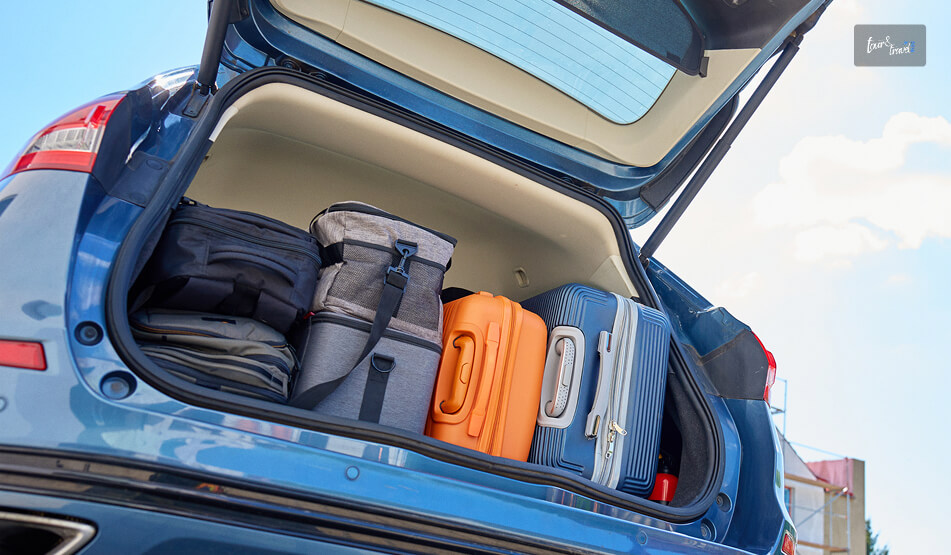
Refrain from bringing too much. Take only the necessities, such as:

  • Clothes
  • Light bites
  • Reusable water containers
  • Medical supplies

4. Maintain Connectivity 

Get offline maps on your device and keep your phone powered up with a vehicle outlet.

What Is A Smart Checklist For Road Trips?

What Is A Smart Checklist For Road Trips

Packing is a vital component of car travel on PaxTravelTweaks. Here is a brief list. 

Travel Essentials

  • Operating Permit
  • Vehicle Paperwork
  • Physical Currency and Bank Cards

Comfort Items

  • Support Pillows
  • Throws
  • Shades

Safety Kit

  • Medical Bag
  • Torch
  • Extra Wheel

Food And Drinks

  • Nutritious Bites
  • Water Containers
  • Caffeinated Beverages.

How To Make Car Travel More Budget-Friendly? 

One of the biggest advantages of following car travel on PaxTravelTweaks is that you can cut down the cost significantly. 

Here are some smart ways to make your car trip more budget-friendly. 

1. Distribute Trip Expenses

Explore with companions or relatives and divide the gasoline and lodging bills.

2. Steer Clear Of Costly Halts

You can avoid high-cost stops when you plan the routes early and time your refills early.

If you can do that successfully, places known for steep prices don’t show up on the path.

3. Bring Your Own Meals

Buying food out constantly can bloat your spending. Pack food from home.

4. Apply Price Discounts And Bargains

Use discounts popping up online, such as hotel deals, gas rewards, and travel offers found through search tools. 

Check the prices regularly to get these offers.

Follow These Safety Tips For Car Travel 

Security must always be your main concern. Adhere to these rules:

1. Don’t Drive While Exhausted 

Take consistent pauses every two to three hours.

2. Comply with Road Laws 

Always respect the velocity restrictions and highway markers.

3. Maintain Urgent Contacts 

Keep a directory of emergency phone numbers on your mobile device.

4. Stay Focused 

Avoid interruptions such as messaging while behind the wheel.

Cool Entertainment Ideas For Long Drives

Extended highway trips can occasionally become tedious. Here is how to maintain the fun.

  • Build a journey soundtrack
  • Check out digital broadcasts or narrated books
  • Engage in classic road trip games
  • Record pictures and film clips

What Are The Common Mistakes To Avoid According To Car Travel On PaxTravelTweaks?

Even veteran explorers stumble. So, steer clear of these frequent blunders.

1. Inadequate Preparation 

Failing to map your path or finances can result in avoidable tension.

2. Bringing Too Much Hauling 

Excessive baggage can diminish comfort and legroom.

3. Neglecting Car Upkeep 

Bypassing vehicle inspections can lead to mechanical failures.

4. Skipping Rest Stops 

Driving without stopping can result in exhaustion and mishaps.

What Are The Benefits Of Using Car Travel On PaxTravelTweaks?

Car travel on PaxTravelTweaks is becoming more well-known due to its sensible methodology. Here are the main advantages.

  • Superior financial oversight
  • Boosted trip productivity
  • Heightened ease and practicality
  • Calm and collected trip organization

What Is The Future Of Car Travel On PaxTravelTweaks: Way Forward

As tech continues to improve, driving is becoming more intelligent and more productive. 

Elements like satellite tracking, gas-optimization software, and electronic trip-planning resources are making PaxTravelTweaks even more powerful.

In the coming years, we can anticipate:

  • More travel organization driven by AI
  • Superior tools for gas conservation
  • Improved security innovations
  • Intelligent travel networks

Car Travel On PaxTravelTweaks: Toward Adopting An Intelligent Mode

Car travel on PaxTravelTweaks is more than a fad. 

It is a more intelligent method for seeing the world. 

By pairing solid organization, money-saving methods, and functional trip advice, you can turn any highway adventure into a cherished memory.

Whether you are exploring on your own, with companions, or with relatives, using these car travel on PaxTravelTweaks methods will assist you in saving cash, staying protected, and savoring every second of your trip.

Read Also:

Share on Social Media

Meet Sibashree Bhattacharya, a travel enthusiast who has a decade-long experience in transcending virtual barriers with her words! Her deep love for travel is apparent from her travel escapades to the mountain, often taking her readers on a journey, her words acting as Portkey! Fun fact: Sibashree loves to dive deep into the history of the places she is about to visit, making her travels even more wholesome. If you were wondering how her articles are not short of time travel, this answers it!

Leave a Reply

Your email address will not be published. Required fields are marked *

title-img Related

READ MORE Rental Costa Rica

Why Renting A Car Is The Smartest Way To Travel In Costa Rica

BY  Sibashree Nov 13, 2025

When you are ready to book a trip to Costa Rica, you should travel at your own pace.  Thus, the travellers hope for genuine independence. Moreover, people want bang for their buck and peace on the road. Renting a car gives people the liberty to travel at their own pace. People can halt or start whenever they want to while renting a car. People get to explore whatever they want at their own pace. The public transport system in Costa Rica remains comparatively cheaper than those in other countries. Thus, the transportation systems remain highly crowded. People generally get stuck in other people’s schedules. Thus, car rental services in Costa Rica ensure people's freedom.  You'll find that renting a car is smarter than anything else. In the sections below, we will share why rent a car costa rica is so appealing and full of practical advice, and also help make sure you have the best trip possible. Why Should People Try Car Rental In Costa Rica? There are multiple reasons for people to try Car Rental Costa Rica. Some of the reasons are as follows. 1. Freedom & Flexibility: Travel on Your Terms The biggest advantage of renting a car is the ability to explore at your own pace. As noted by one travel blog: “by renting a car. You won’t be restricted to anyone’s schedule but your own.” The public transport options in Costa Rica remain limited. Thus, travellers find it difficult to travel in the offbeat areas. However, the car rental in Costa Rica allows people to enjoy flexibility. Travelers can linger a little longer in certain spots. They can stand and fly their drones and shoot photos. Furthermore, the travellers can take as many loo breaks as they want. No one should forget about the joy of driving on the wonderful roads of Costa Rica. 2. Better Value Vs. Taxis, Shuttles & Domestic Flights Although it is true that renting a car brings costs (vehicle rental, fuel, insurance, etc.), many travellers find that if they compare these with the expense of private shuttles or inner‑country flights, the car actually comes out ahead in value. One source has it that: "Car rental prices are comparable to private shuttles and domestic flights." Zoom in on stocks and securities, for they are the financial arm of the economy. There are many things to consider: finances, planning, and timing. Nevertheless, if you are willing and able to take these factors into account and take the plunge when a good investment chance arises in the rising market cycle. However, this does have one rather expensive potential drawback. When modernization comes to any area, what falls in price first? Land. In fact, if both of them are the same price today, the contractor is trying to raise the land value in your eyes in order to make his request more acceptable by comparison. Just say no. To sum up, there are moments when experts are quite explicit about the precise things to look out for in stock picking. Yet sometimes it can make an enormous difference, as it scored 11% higher than over-hyped Afterpay per share at home or on share price gains made over a few months abroad. When you rent a map for Wi-Fi, vehicle service assistance will be provided. Get yourself maps and information from the office where you pick up the car. 3. Comfort, Safety & Peace Of Mind When you pick a reputable rental company and a well‑maintained vehicle, you’re gaining comfort and safety advantages that public transport can’t always match. As one rental‑car blog put it: “Renting a car gives you the flexibility to go wherever you want, whenever you want… You are not tied to shuttle times or bus schedules!” Some specific benefits: You choose the class of car that suits you: compact for city + light terrain, SUV for rougher roads or more luggage. You avoid the crowding or schedule limitations of shuttles and buses. In the current travel climate, you reduce exposure to other travellers (important for health considerations). Many rental companies provide GPS, assistance, and well‑serviced vehicles - making driving smoother. 4. Access To The Off-Beaten Path & Hidden Gems One of Costa Rica’s greatest appeals is its diverse landscapes, from volcanoes and rainforests to remote beaches and hidden waterfalls. Being able to drive yourself lets you tap into that in a deeper way. You can take alternative routes that buses don’t service. Travellers can stay at a unique lodging far from the main hubs. You can stop for detours, local eateries, or viewpoints not on the main tourist map. Thus, renting a car provides the travellers with an immersive experience to explore places that are not really cliché. 5. Practical Tips To Make It Smooth (& Avoid Surprises) Because roads, insurance laws, and rental practices in Costa Rica can differ from home, here are important tips to ensure your car‑rental experience is smart and stress‑free: A) Choose The Right Vehicle Depending on your itinerary, you may or may not need a 4×4/SUV. If you’re sticking to main paved routes, a compact may suffice; if you plan remote or mountain routes, consider something more robust. Also, check luggage space, passenger count, road conditions, and whether an automatic vs manual transmission is suitable for you. B) Understand Insurance & Additional Fees Car rental in Costa Rica often includes mandatory liability insurance (third‑party). Many travelers have found that what looks like a cheap quote at first hides required fees. For example: “Liability coverage of remains mandatory in Costa Rica. Travellers should expect to pay atleast $20‑30 a day for it. It’s the law.” Make sure you ask about: Basic liability insurance (mandatory) Collision/damage waiver for the rental vehicle Any hidden fees: deposit, drop‑off at a different location, cleaning fees, fuel policy Your credit card coverage: Some major cards cover rental insurance. But not always in Costa Rica. C) Book Early & Check Seasonality Because Costa Rica is a popular destination and the supply of rental vehicles in remote areas can be limited, booking early gives you choice and often better rates. Also, during peak season (December–April) rates can be higher, so plan accordingly. D) Fuel, Mileage, And Hidden Costs Fuel prices vary, and some remote gas stations may be sparse. Also, check if your rental has unlimited mileage, extra cost for crossing provincial boundaries, drop‑off fees for different locations, etc. Always clarify fuel policy: is full‑to‑full or pre‑pay? 6. Why The Smart Choice Is To Rent A Car Putting it all together, here’s why renting a car in Costa Rica tends to be the smartest travel choice for many: Control & Customisation: You shape your trip rather than fitting into fixed transport schedules. Value for Money: Especially for groups, the cost can be comparable to or better than alternative transport when you factor in freedom and access. Richer Experience: You can access hidden locations, scenic detours, and tailor your pace to your style. Comfort & Safety: With your own vehicle, you manage your comfort, depart when you want, and enjoy greater autonomy. Fewer Surprises: Provided you plan ahead, you’re in the driver’s seat—both literally and figuratively—reducing last‑minute scramble or dependency on external shuttles. If you’re going to explore Costa Rica beyond the main airport–hotel–beach triangle, having a rental car may be the difference between a good trip and a truly memorable one. Things To Remember Before Opting For A Car Rental Costa Rica Travelling by car provides the travellers with a much immersive experience. Moreover, this allows people to enjoy every moment and allows them to move at their own pace. However, people should remember these things before going for a car rental Costa Rica. The person should have a valid original driver’s license, an original passport, and a credit card. Moreover, the credit card should have a minimum amount of money to pay the security deposits and the rental costs. Read Also: Best Beaches In Costa Rica For Family Vacation Paradise Found: Exploring Manuel Antonio, Costa Rica’s Tropical Gem! Cheapest Places To Travel Around The World In 2025: Traveling On A Shoestring

READ MORE Travel with an Electric Bike

Travelling With Your E-Bike: How To Prepare For A Trip Or A Flight

BY  Sibashree Aug 28, 2025

Taking your e-bike on a trip sounds awesome, right? Whether you’re heading off on a cycling holiday, taking your electric bike to explore new trails, or simply bringing it along for a weekend away, travelling with your ride can open up exciting possibilities. Travellers love to travel. However, ironically, travelling causes carbon emissions. Therefore, people should ensure that they travel without harming nature. Nature lovers often stay in this dichotomy while travelling. They often fear that the toll of their travel will fall on nature. However, when you travel with an electric bike, you stay confident that no matter what happens, you will not be emitting carbon.  But, yeah… there’s a catch. Traveling with one can be a bit of a headache. Batteries, packing, weight limits, all that stuff. Still, if you plan ahead just a little, it’s not so bad.  Moreover, your bike will get there in one piece, and you’ll be ready to ride without drama. Let’s go over what actually matters. Understand The Rules Before You Go First thing—rules. Every airline, ferry, train company, you name it—they’ve all got their own take on e-bikes, especially the batteries. Lithium packs are where the real limits are. Some places want them off the bike, others only allow certain sizes.  And here’s the kicker: it changes country to country. Something fine in Spain might be banned in Canada. The only safe bet? Ask your carrier before you go. Better yet, get their answer in writing.  Saves you from awkward moments at check-in where they suddenly say “nope.” The cargo companies and other subjects subject Lithium batteries to scrutiny and regulation, as there is always a chance of these battery packs catching fire. Hence, the travellers should get everything checked in the first place, as it will prevent any sudden problems while shipping. Thus, travellers should get everything on paper while they travel with an Electric Bike. 1. Preparing Your E-Bike for Travel Think of this as a quick health check. Brakes—good? Tyres inflated? Chain oiled? Electronics behaving? If something feels off, fix it now, not halfway through your holiday. For the battery, don’t leave it full or empty—half-ish charged (30–60%) is the sweet spot. Most travel rules want it removed anyway. Moreover, strip off extras like mirrors, lights, bells… anything that sticks out. And honestly, give the bike a quick clean. Dirt might seem harmless, but some countries are strict on biosecurity. Moreover, the last thing you want is customs giving you grief over a muddy tyre. Plan out the spots for charging and halts while you travel on your bike. 2. Packing Your E-Bike Safely How you pack decides how your bike comes out on the other end. Hard-shell case? Best protection, but heavier. Soft padded bag? Lighter and easier to stash, just not quite as bombproof.  Moreover, inside, pad everything. Wrap delicate bits, lock down the bars, pedals, and wheels so nothing shifts. Tape or foam is your friend here. Don’t forget to tag it with your name and number, maybe toss on a “Fragile” sticker. Won’t guarantee gentle handling, but hey—it’s worth trying. Gentle handling at the airport has always been a super myth. However, people should ensure that they get plenty of padding to prevent their bikes from getting unnecessarily damaged.  3. Tips For Travelling By Car Or Train Road and rail are a bit easier. For cars, you’ll need a rack strong enough for e-bike weight (don’t assume a cheap one will do). If it’s exposed, cover it.  Rain, dust, and even little stones from the road can mess things up. Inside a car? Strap it down so it doesn’t bounce around. Trains… well, they’re hit or miss.  Moreover, some have bike spots, some don’t. Check before you get to the station—it’s no fun trying to squeeze an e-bike into a crowded carriage last minute. Cover your e-bike when it is exposed to a car. Moreover, you should not depend on the weather.  4. Flying With Your E-Bike Flying’s the tricky part. Airlines are strict about batteries. Big ones often aren’t allowed in checked luggage.  Sometimes you can carry it separately, sometimes you need to ship it. Either way, don’t wing it—talk to the airline weeks ahead, not days.  Pack the bike in a proper travel case, keep it under their weight limits, and protect every part. Once you land, take your time putting it back together.  Better to double-check than to find out a brake cable snapped on your first ride. 5. Extra Gear To Bring Along A few small tools can save your trip. Toss in a multitool, tyre levers, mini pump, maybe a spare tube or two.  Charger’s a must, plus an adapter if you’re heading abroad (easy to forget). A little cleaning cloth or kit helps too, especially after rainy rides.  Nothing fancy—just enough to keep things running smoothly. Moreover, ensure that the entire thing remains in control so that your trip does not get ruined just because of a missing spare. Travelling with an electric bike always demands carrying extra spares with you to ensure proper safety. 6. Common Mistakes To Avoid The stuff people forget is usually simple. Don’t leave your battery fully charged before storing—it wears it out faster.  Watch those weight limits; e-bikes aren’t light. Skip insurance? Big mistake. And honestly, the worst habit is last-minute packing.  Moreover, you rush, something gets left behind, or worse, you break something trying to jam it in. Seen it happen more than once. Remember This Before You Travel With An E-Bike  Bringing your e-bike along is worth it—you get to explore new places on your own wheels. Yeah, it takes some planning, but once you’ve done it, it feels easy.  Moreover, a bit of prep now means a smooth trip later, and you’ll roll off ready to ride instead of stressing about what survived the journey. However, travelling with an e-bike is cost-effective. Hence, the travellers leverage the liberty to go anywhere at any point in time. People should understand that they get some of the best results while travelling. Read Also: 8 Things You Need To Know About Using E-Bikes For Your Hunting Adventures Maximizing Thrill: Expert Advice On Off-Road Motorcycle Rentals

READ MORE Coastal Cuisine

Navigating Coastal Cuisine: A Traveler’s Guide To Safer Seafood Choices

BY  Sibashree Sep 3, 2025

One of the absolute best things about travel? Hands down, it’s the food. Nothing beats sitting near the water, breeze in your face, and digging into whatever the locals have been making for generations.  Maybe it’s smoky sardines in Portugal or paper-thin slices of tuna sashimi in Japan… Either way, seafood has this way of stealing the show. But here’s the flip side: while we’re chasing flavors, it helps to know what’s actually landing on the plate.  Mercury in seafood’s been popping up in conversations more and more. It’s naturally out there in the environment, sure, but industries add to it too. Some fish pick up more of it than others. Most of the time, you’re fine, but if seafood becomes your go-to meal on a trip? Yeah, worth paying attention. In this Tour and Travel Blog, we will talk about how to try the best coastal cuisine safely.  How To Try The Best Coastal Cuisine Safely? Understanding The Importance Imagine you’ve planned this whole trip around food—coastal markets, little family-run joints, maybe a cooking class or two. Seafood’s everywhere.  But here’s the thing: the big, long-living fish—swordfish, king mackerel, certain tunas—they build up more mercury over time. Smaller guys like sardines, trout, anchovies? Usually safer bets. This isn’t about saying “don’t eat seafood.” Please, no. It’s about eating smart so you don’t have to think twice later. When a menu lists a fish you can’t pronounce, knowing the basics means you can pick something tasty without worrying about it. Why It Matters For Travelers? Eating local food is how you get a place. Paella in Spain, ceviche in Peru, a messy clam bake in New England—they’re experiences as much as meals.  But if you’re traveling and eating seafood meal after meal, that exposure can stack up faster than you think. For most healthy adults, a little extra seafood isn’t a big deal. But pregnant travelers, kids, or folks with certain health issues? They’ve gotta be a bit more cautious. Knowing which fish to enjoy freely and which to maybe skip for the day? That’s just good travel sense. The Role Of Sustainability And yeah, mercury’s one piece of the puzzle. Overfishing’s another. A lot of places now highlight eco-friendly options right on the menu. Asking about it isn’t annoying—it shows you care about the place you’re visiting and the people feeding you. How To Navigate Coastal Cuisine Safely While Traveling? Know The Practical Tips Freshness, simplicity, and a riot of flavors! These are the core reasons why coastal cuisine is so popular. Furthermore, smoking, grilling, and making curries are the most popular methods of cooking these cuisines.  However, you need to be extra careful while navigating these cuisines.  1. Safer Selections Abroad Menus in other languages, mystery dishes… yeah, it can get confusing. But here are a few things that make life easier: Chat with locals. They know what’s eaten all the time versus the “special occasion” stuff. Go smaller when you can. Sardines, smelt, whitefish—lower on the mercury scale. Shellfish’s usually fine. Shrimp, crab, scallops—still best not to overdo it. Throw in some variety. Plant-based meals or land proteins here and there keep things balanced. 2. Culinary Traditions And Conscious Choices  Every region has its classics for a reason. Mediterranean? Grilled sardines with olive oil and lemon—healthy, simple, perfect. Southeast Asia?  Flavorful curries using smaller fish. Then there are places serving bigger predatory fish, like marlin in parts of the Caribbean—amazing flavor, but maybe not for breakfast, lunch, and dinner. The cool part is, you don’t have to give up authenticity. You just get to enjoy it without overthinking. 3. Practical Tips For Travel Planners  If you’re the “map out everything” type, a little prep work helps: Look up local fish before you go. Two minutes online gives you a head start. Learn a few names in the local language. Saves a lot of pointing and guessing. Visit good markets. Tours often highlight safe, sustainable stalls. Spread out the big meals. Try the famous dish… just maybe not twice a day. Having Coastal Cuisine Safely For Long-Term Travel And Health Awareness  Traveling for weeks—or months—near the coast? Yeah, seafood’s going to be everywhere. Switching things up helps keep it fun and balanced.  A little shellfish, some whitefish, a veggie dish now and then—it all adds up to fewer worries later. Being aware of seafood high in mercury ensures that long-term travel remains not only adventurous but also sustainable for personal health. What Are The 5Cs Of Trying Coastal Cuisine Safely?  These are the thumb rules or the basic 5Cs while cooking coastal cuisine.  Cleaning Cooking Chilling Cross-Contamination Prevention Communication  When you are trying seafood or coastal cuisine in a new place, you will have to consider these factors. Otherwise, there are high risks of food contamination and allergies. 1. Cleaning We all wash our hands and sanitize the food preparation and cooking surfaces. At the food preparation stage, we have to deal with raw meat and seafood ingredients.  Furthermore, we have to wash all the ingredients thoroughly using warm and cold water.  So, when you visit an eatery, especially for seafood, you have to ensure that all these practices are being followed thoroughly.  If not, however tempting the place or the dish may look, leave it at once! 2. Cooking Cooking thoroughly is very important, and at the right temperature. It is essential to get rid of the harmful bacteria and disease-causing elements in the raw ingredients.  Furthermore, reheating the refrigerated or stored food before eating is mandatory to avoid throat and stomach infections.  While it is difficult for you to check whether all these are being followed properly in a restaurant kitchen or a seaside shack, you can at least avoid having raw seafood at an unknown place.  3. Chilling Once the food is cooked, eaten, and cooled, you can store it in a refrigerator for safe preservation.  When you need that food again, you can take it out of the refrigerator, warm it, and have it.  This is also something very basic in restaurants. However, there are also risks of restaurants serving food that has been stored in the refrigerator for the longest time.  So, talk with locals and get ideas about a safe place where you can have fresh seafood.  4. Cross-Contamination Prevention Preventing cross-contamination requires the use of separate accessories and tools for raw meat, fish, and fruits and vegetables.  Also, there needs to be separate containers and storage places for all these ingredients. While you will not get a tour of the kitchen and pantry of a restaurant easily, this remains one of the golden rules of cooking seafood safely.  The Pan American Health Organization, or PAHO, also prioritizes cross-contamination prevention as one of the WHO's golden rules.  5. Communication  Well, this is something that happens entirely within the pantry or the cooking space of an eatery. Various verbal and non-verbal cues are used to ensure safe and fast food preparation.  Being A Responsible Food Explorer Travel’s about discovery, right? And food’s a huge part of it. With a bit of knowledge, you can dive into coastal cuisine without a second thought. A sardine in Lisbon, clam soup in Tokyo, a crab boil on the East Coast—those aren’t just meals. They’re memories. This isn’t about saying no to anything. It’s about saying yes in a way that keeps the trip—and you—feeling good. Read Also: What Is Arizona Known For Food | Culinary Tourism Exploring The Desert Delights Boat Trips And Czech Cuisine: A Taste Of Prague’s Culinary Delights Unlocking The Secrets: Key Ingredients In Italian Cuisine