

Best Must-See Punta Cana Neighborhoods And How To Visit

Oct 26, 2023

Last Updated on: Sep 1, 2025

Travel Guides

If you occasionally yearn for an escape to a tropical paradise, Punta Cana may beckon you with its irresistible allure. 

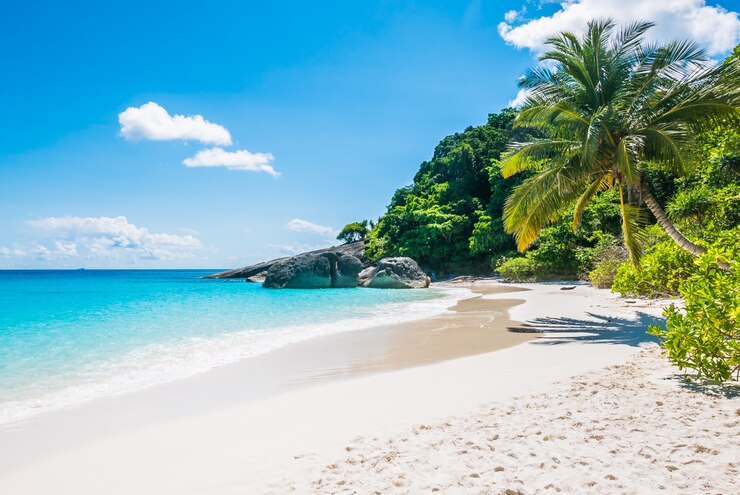
This picturesque stretch of the Dominican Republic’s coastline is graced with magnificent beaches such as Cortecito and Bavaro, exceptional golf courses, and a sun-drenched tropical climate—lounge beneath the shade of swaying palm trees while your family embarks on snorkeling adventures with rays. 

Indulge in expertly crafted cocktails infused with Caribbean rum and tropical fruits, watching the sun descend below the horizon. Explore the lush Dominican Alps by canoeing or rafting in the scenic terrain, or journey to Santo Domingo to witness the oldest European city in the Western Hemisphere.

Alternatively, you can unwind and bask in the beauty of Punta Cana. The charm of Punta Cana lies in its versatility – it accommodates both active vacations and leisurely sunbathing, making it one of the Caribbean’s premier destinations.

About Punta Cana Neighborhoods

Punta Cana, a renowned resort town on the eastern coast of the Dominican Republic, is a captivating destination celebrated for its breathtaking beaches, upscale resorts, and a wealth of leisure activities. 

Beyond the pristine shores and luxurious accommodations, the area comprises several distinct neighborhoods, each with character and allure. These neighborhoods offer travelers diverse experiences, from bustling nightlife to tranquil escapes in natural beauty.

One of the most iconic neighborhoods in Punta Cana is Bavaro. Famous for its postcard-perfect beaches, Bavaro is a hub for water sports and recreational activities. 

The neighborhood boasts a wide selection of high-end resorts, fine dining establishments, and shops, making it a popular destination for tourists seeking a luxurious beachfront experience.

Cap Cana stands out for those searching for an exclusive and opulent retreat. 

This upscale neighborhood features lavish resorts, championship golf courses, and a world-class marina. Cap Cana’s marina is a magnet for yachting and deep-sea fishing enthusiasts, while its golf courses, designed by golf legend Jack Nicklaus, cater to golf enthusiasts.

Punta Cana Village offers a different atmosphere, catering to locals and expatriates. This neighborhood is a vibrant center for shopping, dining, and entertainment. It hosts a variety of international restaurants, supermarkets, and charming boutique shops, making it a bustling locale within Punta Cana.

For a more lively and culturally rich experience, visitors often gravitate toward Cortecito. Nestled near Bavaro Beach, Cortecito is renowned for its energetic ambiance. 

What Are The Must-See At Punta Cana 

See At Punta Cana 

Punta Cana is a tropical paradise with many must-see attractions and activities catering to various interests.

Here are some of the top must-see things in Punta Cana:

Pristine Beaches: Punta Cana is renowned for its stunning beaches, including Bavaro Beach, Macao Beach, and Juanillo Beach. Relax on powdery white sands, swim in crystal-clear waters, and enjoy water sports like snorkeling, paddleboarding, and parasailing.

Water Adventures: Explore the vibrant underwater world by snorkeling or diving in the coral reefs. You can also enjoy catamaran cruises, speedboat tours, and swimming with dolphins.

Saona Island: Take a day trip to Saona Island, a protected nature reserve with beautiful beaches, mangroves, and a serene lagoon. It’s an ideal spot for relaxation and nature appreciation.

Hoyo Azul: Visit Hoyo Azul, a natural cenote (sinkhole) in Scape Park. The vibrant turquoise waters surrounded by lush tropical vegetation create a mesmerizing sight, and you can even take a refreshing dip.

Indigenous Eyes Ecological Park: Explore this ecological park, part of the Puntacana Resort & Club, which features 12 freshwater lagoons, a lush forest, and walking trails. It’s an opportunity to witness the region’s native flora and fauna up close.

Manati Park: Meet the local wildlife at Manati Park, where you can interact with dolphins, sea lions, parrots, and other animals. The park also offers cultural displays and horseback riding.

Altos de Chavón: Visit this charming Mediterranean-style village located in La Romana. It boasts a cultural center, theater, art galleries, and picturesque streets. It’s a great place for art and culture enthusiasts.

Other Places To Visit

Punta Espada Golf Course: If you’re a golf enthusiast, tee off at Punta Espada Golf Course, designed by Jack Nicklaus. It offers breathtaking ocean views and is considered one of the best golf courses in the Caribbean.

Zip Lining: Experience the thrill of zip-lining in the tropical forests of Punta Cana. Several adventure parks offer zip-lining adventures through lush canopies.

Explore Local Cuisine: Savor Dominican and international cuisine at restaurants and beachside shacks. Try traditional dishes like mofongo and fresh seafood.

Nightlife: Punta Cana’s nightlife scene is vibrant, with beachfront clubs and bars offering music, dancing, and entertainment. It’s an excellent way to enjoy the Caribbean rhythm.

Higuey: Take a day trip to Higuey, a nearby town with cultural and historical significance. Visit the Basilica of Our Lady of Altagracia, a revered Catholic pilgrimage site.

How To Visit?

Arrival by Air

Punta Cana boasts its own international airport, PUJ, which is a major Caribbean air hub, serving over 30 airlines across three terminals. The added convenience is that Punta Cana can be reached in hours from numerous major North American cities.

Travelers must ensure they possess a valid passport for stays of up to 30 days, while visits exceeding 30 days require a travel visa. Great flight deals can be easily found through our flight search tool.

Private Transfers

In Punta Cana, private transfer options offer a seamless as well as enjoyable journey from the airport to your lodgings. Professional drivers will take you to your destination in comfort. 

Private sedan transfers for up to 4 passengers generally come to around USD 6, while for larger groups, private van transfers accommodating up to 8 passengers usually start at approximately USD 13. Reserving your private transfer in advance is advisable.

Taxis

Getting a taxi in Punta Cana is a straightforward process, with taxis readily available at the airport taxi bay. Taxi rates in Punta Cana are established by local authorities and categorized by zones. It’s worth noting that taxis are one of the more expensive modes of transportation in Punta Cana.

Fares typically range from $10 to USD 80, and additional fees of $10 to USD 20 are common for nighttime fares. Taxis can be hailed directly from the Punta Cana Airport taxi bay, just outside the customs area on the right. Most taxi drivers carry fare charts and accept currencies, including dollars, euros, as well as Dominican pesos.

Car Rental

Renting a car to explore Punta Cana is a convenient option, and most rental companies have a presence at Punta Cana International Airport. Car rental prices in Punta Cana usually range from $21 to USD 55 per day.

You can rent a full-sized SUV for approximately USD 57 per day or an intermediate car for about $38 per day. A valid driver’s license is required to rent a car Punta Cana, but it’s important to note that most rental companies do not permit travel into Haiti. You can find excellent rental car deals through our search tool.

By Bus

If you’re considering bus travel, bus operations in Punta Cana as well as nearby towns are primarily from Expreso Bavaro, with buses departing roughly every 15 minutes.

However, it’s important to note that bus schedules in Punta Cana are only sometimes there, and you may sometimes face lengthy wait times, exceeding an hour, for a scheduled bus.

While public transportation, such as local buses known as Guaguas, is available, there are more recommended choices for tourists.

Regrettably, the bus system around Punta Cana is generally an unreliable mode of transportation, but it is an economical option.

The bus fare in Punta Cana is USD 1 (40 DOP), making it an exceptionally budget-friendly means of travel throughout the Punta Cana area. This fare is typically consistent for bus travel within Punta Cana.

Final Thoughts

Punta Cana is a tropical haven with many experiences waiting to be explored. From pristine beaches and lush golf courses to cultural gems as well as natural wonders, this Caribbean paradise has something for everyone. As you plan your visit, remember the diverse neighborhoods that offer unique charms and attractions.

When traveling to Punta Cana, the journey begins with flights to Punta Cana International Airport. It is conveniently accessible from numerous North American cities. Remember to check your passport validity and visa requirements, especially if you plan to stay longer than 30 days.

Upon arrival, various transportation options are available, from private transfers that provide comfort and convenience to taxis and car rentals for more independent exploration. Bus travel is an economical choice but may involve unpredictable schedules.

As you delve into Punta Cana’s neighborhoods, each has its own story. From the lively atmosphere of Bavaro as well as the exclusive luxury of Cap Cana to the cultural charm of Punta Cana Village, you’ll find the perfect setting for your Caribbean adventure.

Whether you’re looking for water adventures, cultural immersion, golfing getaways, or simply relaxing on the beaches, Punta Cana neighborhoods offer diverse experiences. Remember to savor the local cuisine, enjoy the vibrant nightlife, and prioritize safety during your stay.

In Punta Cana, the possibilities are endless. With careful planning as well as a spirit of adventure, visiting these must-see neighborhoods will be an unforgettable journey through the heart of this tropical paradise. So, pack your bags and let Punta Cana’s beauty and culture inspire your next vacation.

Read Also:

Share on Social Media

Ankita Tripathy loves to write about food and the Hallyu Wave in particular. During her free time, she enjoys looking at the sky or reading books while sipping a cup of hot coffee. Her favourite niches are food, music, lifestyle, travel, and Korean Pop music and drama.

Leave a Reply

Your email address will not be published. Required fields are marked *

title-img Related

READ MORE national parks in Idaho

What Are The Best National Parks In Idaho? The Ultimate Travel Guide In 2026

BY  Sibashree Sep 2, 2021

Idaho is the only western state that does not have a national park. However, some parts of the Yellowstone National Park, a UNESCO World Heritage Site, are in Idaho.  Yellowstone National Park has witnessed a boost in the number of visitors in 2025. Furthermore, it has been recently in the news for how AI audio recorders are documenting bird chirps and wolf barks.  Furthermore, while we can call Yellowstone the only and the best national park in Idaho, the state also has some state parks, national reserve, national monument, and national preserve. So, if you are looking for the best national parks in Idaho, you can visit these places. What Are The Best National Parks In Idaho?  You can start your exploration of the best national parks in Idaho with Yellowstone National Park, as I have mentioned.  Then, you will also love the Farragut State Park, City of Rocks National Reserve, and other outdoor gems in Idaho.  1. Yellowstone National Park The geology and the wildlife of the Yellowstone National Park are fascinating. However, only 1% of this magnificent national park is in Idaho.  Furthermore, the UNESCO World Heritage Convention says,  “Yellowstone contains half of all the world's known geothermal features, with more than 10,000 examples.  It also has the world's largest concentration of geysers (more than 300 geysers, or two-thirds of all those on the planet).  Established in 1872, Yellowstone is equally known for its wildlife, such as grizzly bears, wolves, bison, and wapitis.” So, it is no wonder that the Yellowstone National Park is at the epicenter of the “Greater Yellowstone Ecosystem,” (GYE) that stretches over 7 million hectares.  In addition, you will find fossil plants of around 150 species here. Moreover, it has the largest recognized caldera in the world.  Yellowstone National Park Now  The Yellowstone National Park has witnessed a surge in its visitor numbers in 2025.  According to the latest data from the National Park Service, 4,762,988 people visited this national park in 2025. It has secured the third position among the most-visited national parks in the USA.  However, the Great Smoky Mountains National Park and Zion National Park, with 11,527,939 and 4,984,525 visits respectively, are the most and second-most-visited national parks in the USA.  Furthermore, the Yellowstone National Park now has the “Cry Wolf” Project. It is a collaboration of the Yellowstone Wolf Project and Jeff Reed, a computational linguist.  With this project, 50 recording units have been installed across 50000 acres of the park. These AI sound recorders record “Yellowstone's wolves as they bark, yip, howl, and whine.”  Wolves have always been one of the most difficult animals to monitor. Thanks to this recorder, the problem of monitoring them has been solved here.  2. Craters Of The Moon National Monument And Preserve From one geological wonder to another! Craters of the Moon National Monument and Preserve has one of the most unique landscapes in the United States.  What’s more fascinating is that the landscape is formed due to volcanic activities occurring over the last 15000 years.  So, today, you will notice cinder cones, lava fields, and even “underground lava tubes” in this 753000-acre preserve.  Furthermore, it gets its name from its unique terrain that looks like a lunar surface. Also, did you know that back in the 1960s, astronauts used to prepare for their lunar missions here?  In addition, this national preserve is home to a wide range of wildlife, including: Pika Proghorn Mountain Lions Packrats Moreover, this national preserve with a volcanic landscape looks the most beautiful in the spring season.  In the spring season, you will notice a wide range of wildflowers blooming on the dark rock. Again, the Craters Of The Moon National Monument and Preserve is one of the five designated dark skies in the state of Idaho.  So, it is great for stargazing, and it is one of the best places to see the Northern lights in the USA.  How To Explore The Craters Of The Moon National Monument And Preserve You can take the seven-mile Loop Road to get easy access to the trails of the preserve.  Hike through these trails to explore the unique geological features like the Inferno Cone and Big Craters.  Moreover, here you can see many lava tube caves. However, you will need a flashlight and, most importantly, a free permit to explore the caves.  Furthermore, you can camp in the grounds of the Craters of the Moon, and don’t miss the exhibits on the geological forces at work here.  Having said that, please keep in mind that the caves are now closed here due to snow and ice. They have been closed since 11/13/2025 and will remain closed till June 2026.  3. Sawtooth National Recreation Area With an area of 756,000 acres, the Sawtooth National Recreation Area, east of Boise, stands out with its jagged peaks.  It has more than 300 alpine lakes. Furthermore, its wilderness trails are a paradise for hikers and backpackers.  The most popular hiking trails here lead to Redfish, Sawtooth, and Alice lakes. You can also hike the Fishhook Creek Trail, which is easier to conquer and ideal for wildlife spotting.  Moreover, this national park was established by the U.S. Forest Service, which still manages the diverse ecosystem and natural landmarks of this recreational area.   Along with hiking, you can even paddle in Redfish Lake, do rock climbing, and camp in the two campgrounds of the park.  In addition, during the winter months, skiing and snowshoeing on the trails near Ketchum make the recreation area a winter paradise.  4. City Of Rocks National Reserve Close to the Almo town, you will find the City of Rocks National Reserve. It is at Idaho’s southern edge, and it stands out with its unique rock formations rising from the high desert floor.  It also has monoliths and granite spires.  Today, when you visit this national reserve, you will be transported to the mid-1800s. Then, this area was a landmark along the famous California Trail.  You can still see how the emigrants inscribed their names on the rocks while passing the trail.  Moreover, today, you will find over 600 routes of climbing with changing difficulty levels here.  You can even hike through the Creekside Towers Trail that passes through sagebrush valleys.  5. Farragut State Park Farragut State Park, with an area of 4000 acres, stands out due to its historic significance.  During World War II, it was a naval training station, and you can still see the remnants of the training facility here.  Furthermore, today, it has many recreational amenities, such as launching a boat. You can also fish and swim in some of the deepest and largest lakes of Idaho.  So, it has beautifully blended military history with modern recreational facilities here.  Moreover, it has trails of around 40 miles, ideal for adventure activities such as horseback riding, biking, and hiking.  You can even stay in the park as it has 223 campsites. 6. Bruneau Dunes State Park If you drive for an hour south from Boise, you will find the Bruneau Dunes State Park. It has the “tallest single-structured sand dune in North America.” The dune has a height of 470 feet, and it is a telltale of how wind and erosion have created a gorgeous landscape at the Bruneau Dunes State Park.  Furthermore, the landscape, which is a work of the natural forces over 1000 years, is a sharp contrast against the mountainous region of Idaho.  You will find the most popular trails in the park near the dunes, and while exploring them, you can spot wildlife such as mule deer, owls, and lizards.  Moreover, the ancient channels of the Snake River have created many lakes and channels here. So, you can even do birdwatching, boating, and fishing here. Stargazing At Bruneau Dunes State Park Bruneau Dunes State Park is the third designated Dark Sky Park in Idaho. It has a public observatory that conducts a telescope program for visitors across all age groups.  Low light pollution and year-round camping facilities in cabins and RV sites further make it ideal as a stargazing location.  In the June 14, 2024, publication of DarkSky, Amber Harrison, the Dark Sky Places Program Manager, remarked,  “For over 25 years, the Park has demonstrated a commitment to preserving natural dark skies.  Bruneau Dunes State Park’s astronomy programs are vital for raising awareness about protecting natural darkness from artificial light at night.  Programs are offered to the public each weekend, attracting visitors with stunning celestial views and educational content, emphasizing dark sky conservation.  This initiative benefits the local community and draws photographers and amateur astronomers from nearby Boise, solidifying Bruneau Dunes as a supreme destination for a quality celestial experience and education.  We are excited to see another International Dark Sky Park in Idaho.” 7. Minidoka National Historic Site The Minidoka National Historic Site holds much more history of World War 2. This park is also situated in the central part of Idaho.  This park is naturally beautiful as the place is long and covered with rich, stretching green lands. This total area has a historical background and the history of World War 2. During the world war 2, 13000 Japanese Americans were imprisoned.  And in 1979, this place was counted as a national historical site in the United States.  The site measures more than 210 acres. The Minidoka National Historic Site and the monuments are the best attractions of the place.  So, along with the excellent walking trails, you can explore the significant historical grounds to feel the site’s history. Quick Details: A Summary Of The Entry Fees And Timings Of Best National Parks In Idaho  Best Outdoor Attractions in IdahoHours OpenEntry FeeYellowstone National Park24/7$20 OnwardCraters Of The Moon National Monument And Preserve24/7$10 OnwardSawtooth National Recreation Area24/7FreeCity Of Rocks National Reserve24/7FreeFarragut State Park7 AM to 10 PM$14 Per Vehicle for Non-residents and $7 Per Vehicle for Locals Bruneau Dunes State ParkSunrise to Sunset$7 Per VehicleMinidoka National Historic Site10 AM to 5 PMFree So, which one among these parks and reserves is your favorite?

READ MORE White Water Rafting

8 Tips For A Fun And Memorable White Water Rafting Experience

BY  Arnab Dec 27, 2023

White water rafting delivers a thrilling experience, balancing stunning natural vistas with adrenaline-fueled excitement. If you're new to this adventure, you likely have queries and considerations regarding what to expect and how to prepare for maximizing your thrill.It might surprise you, but white-water rafting can be equally thrilling for beginners and experienced adventurers, provided you choose the right location and know what to expect. Here Are Eight Prime Ideas For A Fun And Memorable White Water Rafting Experience In this blog post, we'll provide eight essential tips and insights to ensure your first expedition is both enjoyable and safe, leaving a memorable impact. 1. Choose the Right Attire Staying in your boat for the entire duration of the outdoor adventure won’t stop you from getting wet. Anticipate getting wet on your journey, and don waterproof and anti-chafing garments that can serve as a barrier between you and the raft. Fabrics such as cotton and wool take an extended period to dry and draw heat away from your body, potentially leaving you feeling cold. Ideally, you want to go for synthetic materials that dry quickly and don’t absorb a lot of water. When picking shoes, choose those that have laces. Flip flops and sandals can easily get lost if you happen to lose balance or fall into the water. Depending on the weather forecast and expected temperatures, you can wear a wetsuit. It will offer extra buoyancy and protect you from temperature drops that characterize the colder months. 2. Always Bring a Helmet Safety is of key concern whenever you go on an outdoor adventure and rafting is not an exception. Make sure you have all your safety equipment, including a helmet. White water rafting rivers often have rocks, branches, and logs lining the bottom and you may not notice them from your sitting position in the boat. If you happen to fall into the water, hitting your head against one of these could leave you with severe injuries that you want to avoid. Always keep your helmet on to stay on the safe side. 3. Know What to Do if You Fall Out of the Raft You may take every precautionary measure but even your guide may not stop you from falling into the water. In the eventuality of it occurring, your subsequent actions could carry significant weight. Upon entering the raft, ensure to don your life vest and maintain its presence until disembarking from the boat. If you fall into the water, stay calm swim towards the vessel, and grab the outside safety line. Call out to the guide or rafting mates and wait for someone to pull you back in. If you can’t swim towards the raft, call out to a rafting mate and they will toss you the throw bag and a paddle that you can hold onto. If neither of these is possible, lie in the whitewater swimming position and wait for a guide to reach you. 4. Listen to Your Guide White water rafting guides are experienced in handling the wilderness and river terrain. Whether you're a first-timer or an experienced rafter, it's crucial to heed instructions attentively when they are given. These directives will provide essential information for navigating challenging waters, including what to avoid, where to swim, and when to paddle. They may seem like simple instructions but they dictate the speed, direction, and weight balance of your vessel. 5. Master the T-Grip The T-grip is an important aspect of white water rafting as it is the only way to ensure that the paddle does not slip out of your hands. The T-grip is the end part of the paddle-shaped like a “T” and is made of hard plastic. Most white water rafting guides will always show you the T-grip before you set out. Essentially, you need to keep one hand at the base of the paddle on the shaft while the other holds firmly over the T-grip. This ensures that you have control of the paddle and cushion any blows to you or your rafting mates in case of anything. 6. Practice Your Swimming Like we said before, you cannot stop yourself from falling into the water when you go white water rafting. Understanding the different swimming techniques such as aggressive and defensive swimming can be a lifesaver if you find yourself in the water. Rivers meant for white water rafting have high currents so you need to be sure with what you are doing. If you choose to swim to the banks, make sure you only go for the banks and avoid standing still in the water even if you need time to think. Standing still or walking in the river could cause foot entrapment which could be dangerous. 7. Research Your Destination Different rafting sites offer different experiences. You could find a beautiful river headed up by a dam that allows for scheduled water releases like the Pigeon River. A Yellowstone whitewater rafting day trip, on the other hand, will bring with it the excitement of Class II and Class III white water rapids allowing you to relax and enjoy the pristine wilderness. Taking time to familiarize yourself with the destination allows you to prepare in terms of choosing attire and packing guides. You want to go with a guide who has sailed the same waters for a while. 8. Avoid Carrying Electronics White water rafting is nothing like riding in a fishing boat or a yacht. The waves will constantly toss you around in the raft and some water will definitely get in potentially damaging your electronics. At the very worst, your device could fall into the water and get lost in case of an accident. Even then, white water rafting is not one of those adventures where you can pull out your phone to snap a quick photo. It is an activity that requires you to stay fully engaged and attentive to the paddling patterns and commands from your guides. Some companies will provide you with photographers so they can capture every memorable moment. Endnote You will definitely have lots of fun when you go rafting so make sure you do it with a group of people you are close to. The adrenaline rush will be a source of new memories you will cherish. However, make sure you follow your guide’s instructions to stay safe especially if it is your first time. Read Also: 10 Best Things To Do In Prague Five Tips for First Time Traveler to India

READ MORE places to travel without a passport

Beyond Boundaries: You Can’t Miss These Places To Travel Without A Passport From The USA

BY  Sibashree Nov 11, 2024

Planning to visit a new country from the USA and don’t have a passport? Don’t worry, as the places to travel without a passport from the USA await you with natural wonders, hiking expeditions, and more! You can have Bahamas, Puerto Rico, and many other destinations in American Overseas Territories on your wishlist. You just need to check on the documents and ID proof you need to fly to these wonderful travel sites. Here is a list I have curated, and you can always add your favorite countries or places to travel to without a passport from the USA. These Are The Best Places To Travel Without A Passport From The USA Last-minute trips are great, especially when you don’t need to worry about getting or renewing a passport.  Further, with passport worries gone, you can focus more on getting your itinerary right and budgeting.  So, pack your bags and fly to any of the following destinations. 1. Puerto Rico Best Time to Visit: December to April  This Caribbean island is one of the best places to travel without a passport from the USA. It exudes the quintessential vibe of the Latin American culture, and it is the largest US territory. Traveling to Puerto Rico is easy as you will get a daily flight to  San Juan from almost all major airports in the USA.  With easy access from the USA, Puerto Rico also offers many natural wonders and activities to do. Culebra and Vieques are the best islands to explore. Further, for some adrenaline rush, you can participate in surfing in Rincon.  However, the most fascinating water activity here is paddling atop bioluminescent bays.  Laguna Grande,  Mosquito Bay, and La Parguera are the spots where you can try this activity. The other attractions in Puerto Rico are the El Yunque tropical rainforest and the Spanish fortification of  El Morro. You must not also miss the scenic waterfalls in Puerto Rico.  2. Northern Mariana Islands Best Time to Visit: January to December One of the most exotic places to travel around the world, the Northern Mariana Islands is a tropical paradise where the sea and the mountains meet. The Northern Mariana Islands look like a small string in the Pacific Ocean, and it is the best for watersports activities like kayaking, sailing, scuba diving, and snorkeling.  Furthermore, the Northern Mariana Islands are a hub of the Polynesian culture. This location once witnessed the brutal activities of World War II. So, you will come across many war memorials here.  The Saipan Memorial in the American Memorial Park is the most prominent war memorial in the Northern Mariana Islands. Further, the American Memorial Park commemorates “the American and Marianas dead in the Marianas Campaign of World War II.” 3. St. Croix Island Best Time to Visit: December to May St. Croix Island, a US territory, exudes the true Caribbean spirit. A part of the British Virgin Islands, St. Croix has a dash of history due to the presence of the sundial monument. However, tourists find its beaches and lush forests more intriguing. It also has some cool golf courses and resorts. Moreover, St. Croix Island offers the best food tourism experience with fine dining restaurants like Ama Cane Bay, Hamilton’s, Duggan’s Reef, etc.  4. St. Thomas Island Best Time to Visit: December to February St. Thomas Island has some of the coolest beaches in the British Virgin Islands. Scuba diving and snorkeling are popular water activities here. You can also enjoy the vibrant nightlife here. ARC Boutique Restaurant & Gallery, Taphus Beer House, Starz Nightclub, and Dog House Pub are some of the coolest destinations on St. Thomas Island, where you can enjoy the most happening nightlife.  5. The Bahamas Best Time to Visit: November to April  Nestled in the Atlantic Ocean, this large archipelago nation bustles with its ship cruise ports. However, its beaches are pristine, allowing you to spend the most tranquil holiday here.  You reach the Bahamas, one of the best places to travel without a passport from the USA, through a cruise from Miami and Fort Lauderdale. The long coastline of the Bahamas will allow you to have the best interactions with coral reefs, mangroves, and sandy beaches. 6. The Dominican Republic Best Time to Visit: December to April The Dominican Republic is an amazing place to explore the best Spanish architecture, and its white sandy beaches make it one of the most exotic destinations in the world.  If you take cruises from the USA, they will stop at Punta Cana or Santo Domingo. Santo Domingo has Alcazar de Colon and other impressive sites that speak of Spanish colonial history.  Punta Cana, on the other hand, will charm you with turquoise water and its serene beaches.  7. The Cayman Islands Best Time to Visit: March to June Cayman Island is one of the best places to travel without a passport from the USA when one is on a closed-loop cruise. The cruise stops at George Town, the cruise port of this island nation.  With pristine waters, George Town is the hub of many water activities, and you will also find many endangered animals, including the Georgetown Salamander.  The ocean activities include snorkeling, paddleboarding, sailing, kayaking, and fishing.  8. Honduras Best Time to Visit: December to April Diving in Roatan will be the biggest highlight of your trip to Honduras from the USA. You can take a closed-loop cruise from South Florida to reach Honduras. Honduras is also home to the Mesoamerican Reef. It is the second-longest reef barrier system in the world.  9. Turks and Caicos Best Time to Visit: February to April On the south of the Bahamas, Turks and Caicos will win your heart with its wonderful beaches. The clear water of this British Territory is one of the best in the world, and you can participate in the most thrilling snorkeling and diving activities here.  Furthermore, exploring the secluded shores of the Grand Turk is an experience that you will cherish for a lifetime.  10. Hawaii Best Time to Visit: April to June and September to October You just need a government-issued ID for the beautiful island of Hawaii, the 50th state in the USA. You will get a vibe of the Polynesian culture in Hawaii, and the volcanoes on the Big Island are great sites for geological wonders. Moreover, you can surf in Maui to make your vacation in Hawaii more exciting. Also read Why Include Whale Watching In Your LA Itinerary. Traveling On A Budget: Tips For Affordable Adventures. From Cocktails To Kickflips: Must-Try Activities In San Diego.