




Free And Cheap Things To Do In Phoenix, Arizona | Phoenix Travel Guide On A Shoestring

Nov 21, 2024

Last Updated on: Jul 2, 2025

Travel Guides

People love Arizona, and our economy is growing because of it. Tourism supports critical services for Arizonans, and our work to build an Arizona for everyone translates to more visitors and more jobs for our great state.” Katie Hobbs, Governor of Arizona.

You will find an echo of the governor’s words in the statement shared by Lisa Urias. She is the CEO of the Arizona Office of Tourism. She has mentioned that Arizona’s diversity, amazing beauty, and hospitality are behind the growth of the tourism industry in the state. 

Now, there is enough market data to corroborate the claims of the governor and the CEO of the Arizona Office of Tourism. In 2023, 86% of the tourists in Arizona were repeat visitors, and the $1.15 billion tourism tax collected in 2023 was 10% of the state’s operating budget. 

Phoenix, of course, plays a crucial role in the state’s tourism development. Along with unique desert beauty, Arizona has the best urban landscapes and the warmth of southwest culture. 

In addition, the cheap and free things to do in Phoenix, Arizona, make the city a popular tourist destination. 

So, do you want an overview of Phoenix, Arizona’s free and cheap tourist attractions? Let’s explore. 

You Can’t Miss These Free And Cheap Things To Do In Phoenix, Arizona

You Can’t Miss These Free And Cheap Things To Do In Phoenix, Arizona

Phoenix, Arizona, has a pricey vibe. However, don’t be fooled by that vibe as a tourist. Participating in cultural activities is one of the best things to do in Phoenix, Arizona, for free. Also, people in Arizona are perennially in love with outdoor activities. 

You just need to set your itinerary right to enjoy a mix of outdoor pursuits, cultural tours, and more. 

Did You Know?

Phillip Duppa, an Englishman, was a friend of Jack Swilling. Now, Jack Swilling was one of the city’s founding fathers, and Phillip Duppa named the city Phoenix.

The city was named to symbolize rebirth. The idea was that  Phoenix would rise from the ashes of the natives and it would become prosperous in the land of irrigation. 

1. Explore The Heritage Square

Downtown Phoenix bustles with modern vibes. However, Heritage Square is a place that complements its modern vibes with its old-world charm from the Victorian era.

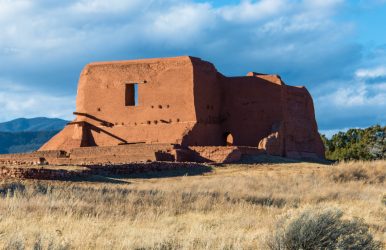
Also, the Heritage Square is known as the “National Register of Historic Places.” Many of the buildings here are restored, and exploring the interiors of these buildings is one of the cheapest but meaningful things to do in Phoenix, Arizona. 

For example, the Rosson House Museum stands here, and you just need to pay a fee of $15 for admission. 

Heritage Square, Phoenix, Buildings
The Burgess Carriage HouseThe Thomas HouseThe Stevens HouseThe Burgess Carriage HouseThe Rosson House Musuem, etc. 

2. Visit Arizona Capitol Museum

Visit Arizona Capitol Museum

Open Monday through Friday, 9 AM to 4 PM, Saturday, 10 AM to 2 PM

With an “Entry is Always Free” promise, the Arizona Capitol Museum is a big draw in the state. Let me put it directly. If you want to know about the history and culture of the state, you have to visit the Arizona Capitol Museum.

The museum also offers in-depth insight into the state’s political scenario. 

Further, if you plan to visit Arizona in a few days and have included a visit to the Arizona Capitol Museum as one of the best things to do in Phoenix, Arizona, you must not miss the new Merci Train Exhibition.

The museum now celebrates the 75th anniversary of the train’s arrival. Some of the most prominent exhibits at the museum are:

  1. USS Arizona: Flagship of the Fleet
  2. Arizona Takes Shape
  3. The Struggle for Universal Sufferage – Voting Rights Timeline
  4. The U.S.S Arizona Artifact Collection, etc. 

You can even be a part of the “Arizona Capitol Museum Guided Tour Survey” for educational purposes. 

3. Hike At Camelback Mountain

Hike At Camelback Mountain

Before I get into the details of hiking at Camelback Mountain, I must tell you that it’s difficult and very strenuous. So, if you are not a seasoned hiker at the peak of your fitness, this is not one of the best things to do in Phoenix, Arizona, for you.

Still, Camelback Mountain and its Cholla and Echo Canyon trailheads have millions of visitors every year. The current trailhead hours are from sunset to sunrise. 

Further, this 2704 feet mountain gets its name from its double humps. Its terrains are uneven with boulders, and the elevation gains are difficult to cope with.

However, once you reach the summit, you will get the best views of the Valley of the Sun. 

Tour And Travel Highlight

Camelback Culture Community, led by Jes Dobbs, is a local group of hikers. Under the leadership of Jes Dobbs, a graphic designer, the group is making an effort to make Camelback Mountain safer.

They have launched a timely petition to improve the safety of the mountains in time, considering the death and rescue of three hikers from the Echo Canyon Trail. All of them died due to heat exhaustion.
Phoenix experienced record heat waves this season, and the rising temperatures were additional perils for the hikers.

Nevertheless, the Camelback Culture Community has made two demands in their petitions.
Extension of Trail Hours ( With An Extended Timing Of 4 AM to 8 PM)Installation of Automated Gates At The Trailheads of Camelback and Other Mountains

The petition already has 1,900 signatures and in the words of Jes Dobbs,

“I believe having trailheads with year-round, consistent opening and closing times will enable locals and visitors to hike in the cooler hours of the day legally and when their lives allow. 
Many hard-working people don’t have the option to take a midday hike. They deserve access to exercise and nature during their limited free time – before and after work.

4. Visit Phoenix Art Museum

Visit Phoenix Art Museum

Thanks to the “Pay-What-You-Wish Wednesday,” visiting the Phoenix Art Museum is one of the cheapest things to do in Phoenix, Arizona. Your entry fee is voluntary after 3 PM. 

Further, the evening sessions or AfterHours are free, and you can enjoy entertainment events and live music. You can attend these events four times a year. 

Family FunDays is another great event to visit the museum for, and it happens four times a year. These events take place on Sundays, and on these days, you can enter the museum for free and attend events for all ages. 

Tour And Travel Tip

The Western Gallery is the highlight of this museum. Here, you will find artwork from the pioneers and some exemplary works by the modernists. 

One thing is common in all these artworks. They show the prominent influence of the beautiful landscape of Arizona. 

5. Visit The Historic Heard Museum

Does the life of American Indian tribes in the Southwest part of the country intrigue you? The Historic Heard Museum is your go-to destination. Along with the life of the tribes, you will also get to know about their culture and art.

When you are at the Historic Heard Museum, the following are going to be your highlights. 

  • Films
  • Ethnographic Displays
  • Kids’ Exhibit

However, for me, the main attraction at this museum is Hopi Kachinas. It is an unbelievable collection of spirit dolls. Most of the dolls are gifts from Barry Goldwater, the  Presidential nominee. 

Visiting the Historic Heard Museum is one of the best things to do in Phoenix, Arizona. For free entry, you can plan a visit to the museum on the first Friday of every month (except March). The museum operates between 4 PM to 8 PM.

Furthermore, Indian fairs, hoop dancing, and competitions are some popular events taking place in the museum. 

6. Visit The Desert Botanical Garden

Visit The Desert Botanical Garden

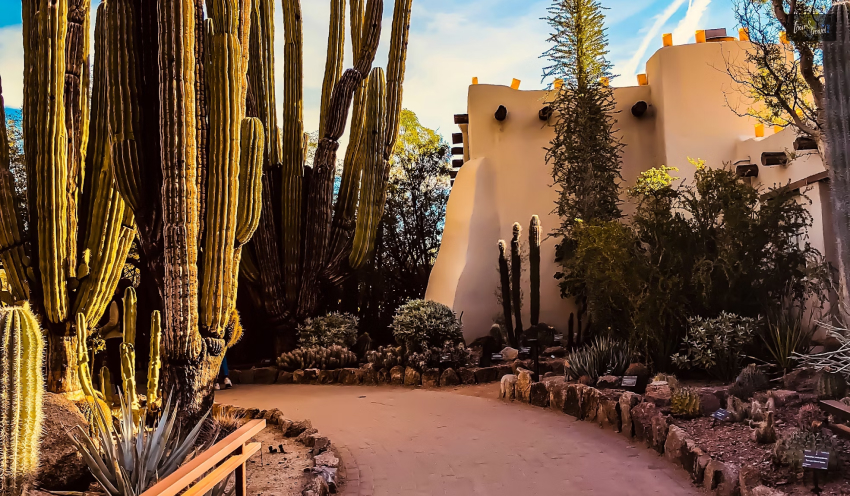
Entry to Desert Botanical Garden in Arizona is free on the Community Day or every second Tuesday of the month. Spanning over 55 acres, this botanical garden has flowers, cactus, and trees from across the globe.

The best time to visit the botanical garden is between March to May. During these months, you will find Mexican gold poppies and bluebells in full glory throughout the Desert Wildflower Loop Trail. 

The garden is well-maintained. Also, as you visit the desert denizens arranged according to theme, you learn a lot about the desert plantation. 

Tour And Travel Tip 

You have to book the tickets for Desert Botanical Garden in advance if you want to pay a visit on Community Day.

7. Take A Walk In Art Walk

Phoenix has the “First Friday Art Walk” on the first Friday of the month between 6 to 10 PM. It is one of the biggest self-guided art walks in the city. Further, you can take the light rail plying through downtown Phoenix and connecting to various art districts of Phoenix. 

Also, as you explore the art spaces, galleries, and event venues of the city, you become familiar with the local vibe. 

Artlink, a nonprofit organization, started this art walk, and it is still the organizer of the event. Today, this free art event has become the uniting space for people of all age groups.
Artists, vendors, and musicians take part in this event to soak in the cultural vibe of Downtown Phoenix. 

To explore the best free and cheap things to do in Phoenix, Arizona, you need to find comfortable accommodation first. The table below has the names and details of the best hotels in Phoenix, Arizona. 

Hotels In Phoenix, ArizonaPhone Number
DoubleTree by Hilton Phoenix North+1 602-997-5900
Great Wolf Lodge, Scottsdale+1 480-948-9653
Best Western North Phoenix Hotel+1 602-395-0900
Hotel Valley Ho+1 480-376-2600
The Clarendon Hotel and Spa+1 602-252-7363
The Scottsdale Resort and Spa, Curio Collection by Hilton+1 (480) 991-9000
Arizona Biltmore, LXR Hotels & Resorts+1 602-955-6600
Embassy Suites by Hilton Phoenix Scottsdale+1 602-765-5800
Fairmont Scottsdale Princess+1 480-585-4848

Also read

Share on Social Media

Meet Sibashree Bhattacharya, a travel enthusiast who has a decade-long experience in transcending virtual barriers with her words! Her deep love for travel is apparent from her travel escapades to the mountain, often taking her readers on a journey, her words acting as Portkey! Fun fact: Sibashree loves to dive deep into the history of the places she is about to visit, making her travels even more wholesome. If you were wondering how her articles are not short of time travel, this answers it!

Leave a Reply

Your email address will not be published. Required fields are marked *

title-img Related

READ MORE Punta Cana

Best Must-See Punta Cana Neighborhoods And How To Visit

BY  Ankita Oct 26, 2023

If you occasionally yearn for an escape to a tropical paradise, Punta Cana may beckon you with its irresistible allure.  This picturesque stretch of the Dominican Republic's coastline is graced with magnificent beaches such as Cortecito and Bavaro, exceptional golf courses, and a sun-drenched tropical climate—lounge beneath the shade of swaying palm trees while your family embarks on snorkeling adventures with rays.  Indulge in expertly crafted cocktails infused with Caribbean rum and tropical fruits, watching the sun descend below the horizon. Explore the lush Dominican Alps by canoeing or rafting in the scenic terrain, or journey to Santo Domingo to witness the oldest European city in the Western Hemisphere. Alternatively, you can unwind and bask in the beauty of Punta Cana. The charm of Punta Cana lies in its versatility – it accommodates both active vacations and leisurely sunbathing, making it one of the Caribbean's premier destinations. About Punta Cana Neighborhoods Punta Cana, a renowned resort town on the eastern coast of the Dominican Republic, is a captivating destination celebrated for its breathtaking beaches, upscale resorts, and a wealth of leisure activities.  Beyond the pristine shores and luxurious accommodations, the area comprises several distinct neighborhoods, each with character and allure. These neighborhoods offer travelers diverse experiences, from bustling nightlife to tranquil escapes in natural beauty. One of the most iconic neighborhoods in Punta Cana is Bavaro. Famous for its postcard-perfect beaches, Bavaro is a hub for water sports and recreational activities.  The neighborhood boasts a wide selection of high-end resorts, fine dining establishments, and shops, making it a popular destination for tourists seeking a luxurious beachfront experience. Cap Cana stands out for those searching for an exclusive and opulent retreat.  This upscale neighborhood features lavish resorts, championship golf courses, and a world-class marina. Cap Cana's marina is a magnet for yachting and deep-sea fishing enthusiasts, while its golf courses, designed by golf legend Jack Nicklaus, cater to golf enthusiasts. Punta Cana Village offers a different atmosphere, catering to locals and expatriates. This neighborhood is a vibrant center for shopping, dining, and entertainment. It hosts a variety of international restaurants, supermarkets, and charming boutique shops, making it a bustling locale within Punta Cana. For a more lively and culturally rich experience, visitors often gravitate toward Cortecito. Nestled near Bavaro Beach, Cortecito is renowned for its energetic ambiance.  What Are The Must-See At Punta Cana  Punta Cana is a tropical paradise with many must-see attractions and activities catering to various interests. Here are some of the top must-see things in Punta Cana: Pristine Beaches: Punta Cana is renowned for its stunning beaches, including Bavaro Beach, Macao Beach, and Juanillo Beach. Relax on powdery white sands, swim in crystal-clear waters, and enjoy water sports like snorkeling, paddleboarding, and parasailing. Water Adventures: Explore the vibrant underwater world by snorkeling or diving in the coral reefs. You can also enjoy catamaran cruises, speedboat tours, and swimming with dolphins. Saona Island: Take a day trip to Saona Island, a protected nature reserve with beautiful beaches, mangroves, and a serene lagoon. It's an ideal spot for relaxation and nature appreciation. Hoyo Azul: Visit Hoyo Azul, a natural cenote (sinkhole) in Scape Park. The vibrant turquoise waters surrounded by lush tropical vegetation create a mesmerizing sight, and you can even take a refreshing dip. Indigenous Eyes Ecological Park: Explore this ecological park, part of the Puntacana Resort & Club, which features 12 freshwater lagoons, a lush forest, and walking trails. It's an opportunity to witness the region's native flora and fauna up close. Manati Park: Meet the local wildlife at Manati Park, where you can interact with dolphins, sea lions, parrots, and other animals. The park also offers cultural displays and horseback riding. Altos de Chavón: Visit this charming Mediterranean-style village located in La Romana. It boasts a cultural center, theater, art galleries, and picturesque streets. It's a great place for art and culture enthusiasts. Other Places To Visit Punta Espada Golf Course: If you're a golf enthusiast, tee off at Punta Espada Golf Course, designed by Jack Nicklaus. It offers breathtaking ocean views and is considered one of the best golf courses in the Caribbean. Zip Lining: Experience the thrill of zip-lining in the tropical forests of Punta Cana. Several adventure parks offer zip-lining adventures through lush canopies. Explore Local Cuisine: Savor Dominican and international cuisine at restaurants and beachside shacks. Try traditional dishes like mofongo and fresh seafood. Nightlife: Punta Cana's nightlife scene is vibrant, with beachfront clubs and bars offering music, dancing, and entertainment. It's an excellent way to enjoy the Caribbean rhythm. Higuey: Take a day trip to Higuey, a nearby town with cultural and historical significance. Visit the Basilica of Our Lady of Altagracia, a revered Catholic pilgrimage site. How To Visit? Arrival by Air Punta Cana boasts its own international airport, PUJ, which is a major Caribbean air hub, serving over 30 airlines across three terminals. The added convenience is that Punta Cana can be reached in hours from numerous major North American cities. Travelers must ensure they possess a valid passport for stays of up to 30 days, while visits exceeding 30 days require a travel visa. Great flight deals can be easily found through our flight search tool. Private Transfers In Punta Cana, private transfer options offer a seamless as well as enjoyable journey from the airport to your lodgings. Professional drivers will take you to your destination in comfort.  Private sedan transfers for up to 4 passengers generally come to around USD 6, while for larger groups, private van transfers accommodating up to 8 passengers usually start at approximately USD 13. Reserving your private transfer in advance is advisable. Taxis Getting a taxi in Punta Cana is a straightforward process, with taxis readily available at the airport taxi bay. Taxi rates in Punta Cana are established by local authorities and categorized by zones. It's worth noting that taxis are one of the more expensive modes of transportation in Punta Cana. Fares typically range from $10 to USD 80, and additional fees of $10 to USD 20 are common for nighttime fares. Taxis can be hailed directly from the Punta Cana Airport taxi bay, just outside the customs area on the right. Most taxi drivers carry fare charts and accept currencies, including dollars, euros, as well as Dominican pesos. Car Rental Renting a car to explore Punta Cana is a convenient option, and most rental companies have a presence at Punta Cana International Airport. Car rental prices in Punta Cana usually range from $21 to USD 55 per day. You can rent a full-sized SUV for approximately USD 57 per day or an intermediate car for about $38 per day. A valid driver's license is required to rent a car Punta Cana, but it's important to note that most rental companies do not permit travel into Haiti. You can find excellent rental car deals through our search tool. By Bus If you're considering bus travel, bus operations in Punta Cana as well as nearby towns are primarily from Expreso Bavaro, with buses departing roughly every 15 minutes. However, it's important to note that bus schedules in Punta Cana are only sometimes there, and you may sometimes face lengthy wait times, exceeding an hour, for a scheduled bus. While public transportation, such as local buses known as Guaguas, is available, there are more recommended choices for tourists. Regrettably, the bus system around Punta Cana is generally an unreliable mode of transportation, but it is an economical option. The bus fare in Punta Cana is USD 1 (40 DOP), making it an exceptionally budget-friendly means of travel throughout the Punta Cana area. This fare is typically consistent for bus travel within Punta Cana. Final Thoughts Punta Cana is a tropical haven with many experiences waiting to be explored. From pristine beaches and lush golf courses to cultural gems as well as natural wonders, this Caribbean paradise has something for everyone. As you plan your visit, remember the diverse neighborhoods that offer unique charms and attractions. When traveling to Punta Cana, the journey begins with flights to Punta Cana International Airport. It is conveniently accessible from numerous North American cities. Remember to check your passport validity and visa requirements, especially if you plan to stay longer than 30 days. Upon arrival, various transportation options are available, from private transfers that provide comfort and convenience to taxis and car rentals for more independent exploration. Bus travel is an economical choice but may involve unpredictable schedules. As you delve into Punta Cana's neighborhoods, each has its own story. From the lively atmosphere of Bavaro as well as the exclusive luxury of Cap Cana to the cultural charm of Punta Cana Village, you'll find the perfect setting for your Caribbean adventure. Whether you're looking for water adventures, cultural immersion, golfing getaways, or simply relaxing on the beaches, Punta Cana neighborhoods offer diverse experiences. Remember to savor the local cuisine, enjoy the vibrant nightlife, and prioritize safety during your stay. In Punta Cana, the possibilities are endless. With careful planning as well as a spirit of adventure, visiting these must-see neighborhoods will be an unforgettable journey through the heart of this tropical paradise. So, pack your bags and let Punta Cana's beauty and culture inspire your next vacation. Read Also: Best Neighborhoods To Discover In Mexico City How To Make The Most Of Your Trip To Rome 10 Best Restaurants In The US

READ MORE container shipment in Hawaii

What You Need to Know About Regulations for Container Shipping to Hawaii

BY  Sibashree Feb 22, 2025

Shipping goods to Hawaii is a rather complicated process that requires understanding state and federal regulations. This article covers all bases on container shipping to Hawaii-whether from the shipping basics to regulations to factors affecting cost.  Understanding the Basics of Container Shipping to Hawaii  Container shipping to Hawaii of goods from the beginning to the end involves sea transportation in large shipping containers. As an island chain, Hawaii is more dependent on sea freight transport than most U.S. states, as shipping lines regularly run between the mainland and Hawaii.   Goods are usually loaded into a container at the port of origin, transported across the Pacific Ocean, and unloaded at a port in Hawaii.  To ensure your shipment is properly handled, it is important to understand the preparation and what to expect from the shipping situation.   There are regulations to be observed beyond selecting a shipping provider; should any of these regulations not be followed, your shipment might encounter delays and penalties.   Laws Affecting Shipping Containers, Permits, and Building Code Requirements in Hawaii  Shipping containers in Hawaii give rise to a different set of zoning laws, permits, or building code requirements, which can be very limited if one is interested in retrofitting or dairy goods in containers on the islands.   Good knowledge of these laws is essential because they are meant to maintain the state's safety, aesthetics, and environmental balance.  Zoning Laws  The zoning law in Hawaii would regulate the areas for placement of containers in residential, commercial, or industrial properties. Some places restrict the use of shipping containers for storage or habitation.   Local zoning ordinances differ from one county to another, and thus, it is very important for you to check on what sites have requirements for where you intend to ship or store your containers. Violating zoning law could cause you to be fined or have your containers removed.   Permits  In many instances, shipping containers need to be permitted before use on private property, specifically for commercial or construction purposes, as we have maintained.   For example, a building permit will almost certainly be necessary if containers are to be used for storage or adapted for habitation.   It is best to establish that your shipping containers require permits for usage and to be prepared to submit plans for approval with the local authority.   Building Code Requirements  Hawaii’s building codes are in place to ensure safety and guarantee that structures conform to specified environmental standards.   Shipping containers turned into living quarters and/or workplaces must abide by these codes.   Areas covered include structural integrity, ventilation, electrical wiring, plumbing, and insulation. Fines or dismantlement may come consequently if building code laws are violated.   State and Federal Regulations  Besides local regulations regarding container shipping to Hawaii, state and federal regulations govern the smooth coordination of shipping containers. They include:  USDA and APHIS Regulations  The U.S. Department of Agriculture and Animal and Plant Health Inspection Service enforces standards for preventing the introduction of invasive species. Upon entering any container in Hawaii, inspection for pests and dirt will be mandatory.   Customs and Border Protection (CBP)  The Customs and Border Protection (CBP) will be able to inspect containers to ascertain whether they fit the federal import requirements.   Goods into Hawaii from any foreign country must comply with U.S. Customs. Ignoring these regulations can lead to serious legal consequences and shipment rejections.  Environmental Considerations  Hawaii is home to some of the most delicate ecosystems. Because of environmental protection laws, certain items may be prohibited from shipping here.   Tips for Compliance with Hawaii's Regulations  Additional value is given to these tips to put the shippers at ease while bypassing costly delays and fines:   Contact the Local Authorities  Interrogating the local authorities regarding arrival or intended container placement in Hawaii is also wise; it could be the county building department or the zoning office that can assist with the permits and inspections needed and requirements for shipping container use.  Prepare your Documentation  Good documentation will rule the waves. Your bill of lading, inspection records, shipping receipts, and permits should be assembled before the shipment so that no unexpected delays or issues arise on arrival.   Work with Licensed Contractors  Work with licensed contractors knowledgeable of Hawaii's building codes if you intend to convert a container into a structure, such as a house or office, to help ensure that your project follows the law and has all relevant documentation.   Factors Determining Cost of Shipping  Several factors determine the cost of shipping containers to Hawaii. An understanding of these factors would ensure proper budgeting on your part.  Origin of Shipment  The origin location of your container shipment may influence pricing. Moving cargo from the mainland United States is less expensive than moving cargo from foreign countries; this is due to distance, as well as customs necessities.  Moving/ Shipping Services Taken  The services you select, including door-to-door delivery or terminal-to-terminal shipping, will also affect the price. If you need additional services such as unpacking or installation, be ready to pay more.   Accessibility of Sites  Shipping costs may increase if your destination is in a more remote area in Hawaii or parts of the state with limited port access due to transport challenges.   Containers may need to be moved off the freight ship onto smaller vessels or trucks for delivery to the destination.  Weight of Shipment  A heavier shipment means it will be more expensive to ship. So, watch out for the weight of your container and try to minimize it by packing wisely.  Shipping Item Types  Some items may require special handling and/or permits, such as hazmat shipping and heavy-moving machinery, which costs extra. Always check restricted categories for your items.  Things You Cannot Ship in Your Container to Hawaii  Hawaii has very strict prohibitions under their regulations on certain things for environmental, health, and safety reasons. Some of the things you cannot ship:   Soils and plants: They are very strict about any invasive species; therefore, soil, plants, and plant products are strictly restricted.   Pests and insects: All the containers must be inspected for pests, and any of those that have carried insects or any other harmful organism will be refused entry.  Fresh Produce: Some fresh fruits and vegetables can also be banned because pests are introduced.  Animals and animal products: Certain animals or animal products can be very strict when imported into Hawaii.   Final Thoughts  Shipping to Hawaii involves a thorough understanding of local and federal regulations. You can smooth your shipment and any associated projects by following all zoning laws, obtaining relevant permits, and adhering to building codes.   Always seek local authorities’ assistance, prepare required documentation, and work with licensed professionals as necessary.   Remember, shipment origin, weight, and type of service will cause your costs to fluctuate, so it is wise to plan. Knowing what you can and cannot ship will help you avoid unnecessary hold-ups so your container shipment to Hawaii can go as planned. READ MORE: 7 Benefits Of Staying At A Beach Hotel The Stairway To Heaven Hawaii: Hiking Adventure’s Hidden Gem Nurturing Young Explorers: The Benefits Of Beach Camps In Nurturing Curiosity And Resilience

READ MORE Great Barrier Island wildlife tours

Aotea Great Barrier Island Wildlife: The Ultimate Tours & Spotting Guide (New Zealand)

BY  Sibashree Nov 12, 2025

There are three instances I clearly remember from our trip to the Great Barrier Island, New Zealand. The best thing about the Great Barrier Island wildlife tours is that they begin even before you board the ferry.  Here, I will start with some fun moments we had while exploring the wildlife of Great Barrier Island, then gradually discuss the details. So, let’s examine the rugged, predator-free paradise in New Zealand's Hauraki Gulf.  My Great Barrier Island Wildlife Tours: Some Stories That Have Stayed With Me With around 60% of the Great Barrier Island being a conservation area, the Aotea Great Barrier Island in New Zealand shines with sustainability certificates and its commitment to preserving the indigenous flora and the rare and endemic fauna of the island.  1. The Biosecurity Check  We were about to board the ferry to the Great Barrier Island. The Auckland Regional Council and the Ministry for Primary Industries (MPI) people did thorough biosecurity checks of our bags, and we had to clean our boots. Thus, they make a visitor part of the island's conservation effort.  This check is mandatory, and this is the reason the pāteke and kākā are thriving on the island. 2. The Dark Sky Sanctuary And The Great Barrier Island Wildlife Tours  Great Barrier Island’s designation as a Dark Sky Sanctuary has enhanced the wildlife tour experiences. We went out to see the Milky Way at night, and we stood quietly and listened to the sound of silence.  Suddenly, we were startled by the more-pork cry of the Ruru birds. Also, we saw the black petrels or Tākoketai coming back to their burrows.  3. Did I See A Chevron Skink? Did I Not? See, Chevron Skink also feels like a mythical species. These nocturnal species are the masters of camouflage. So, honestly, we did not see them with our naked eyes.  However, we could listen to the squeaks and grunts of the Chevron Skinks. It was thrilling knowing that we were walking through their only habitat in the world, which is protected by sanctuaries like Glenfern.  Why Is Aotea Great Barrier Island A Paradise For Wildlife Tours?  Afar, a US-based travel media brand, has named Aotea Great Barrier Island one of the top 25 off-the-beaten-track destinations in the world.  Aotea, Great Barrier Island in the Hauraki Gulf, is a designated dark sky sanctuary. So, it is ideal for spotting and listening to the nocturnal birds and animals.  Furthermore, the Department of Conservation (DOC) maintains 60% conservation land on the Aotea Great Barrier Island. As a result, it is the island of Firsts" and "Lasts.” It means that the island has birds such as North Island kākā and pāteke (brown teal), which are found nowhere else in the world.  In addition, the "Predator-Free" Secret of the Island is truly special. In the absence of stoats, possums, weasels, or deer, the rare and endemic species here have been able to thrive.  Along with all these endeavors, the Great Barrier Island has been successful in community-led conservation efforts, maintaining biodiversity and species protection. Here are the details.  1. Aotea Great Barrier Island Environmental Trust “The principle activities of the Trust are in protecting, enhancing, developing and maintaining habitats for New Zealand native and endemic species on Aotea Great Barrier Island, with a particular focus on pest management…” Founded in 2002, this trust has been an advocate for conservation policies, has coordinated many conservation efforts, and earned funding for local conservation projects.  2. Aotea Conservation Park  The 2,000-hectare Aotea Conservation Park with walking tracks, DOC huts, and campsites makes the island an ideal destination for exploring the wildlife.  3. Marine Conservation  The Aotea Great Barrier Environmental Trust’s Tai Timu Tai Pari” or “Sea Change” initiative aims to protect the marine ecosystem of the Hauraki Gulf. Furthermore, the Department of Conservation (DOC) has proposed to build a large marine conservation area in the northeast corner of the island.  In addition, beach clean-ups and educational programs have been effective local endeavors to preserve the marine life of the island.  4. Biodiversity And Species Protection  The island is a critical nesting ground for the black petrels. The Department of Conservation takes care of the nesting ground.  Furthermore, around 60% of the pāteke population in New Zealand is present on the Great Barrier Island. These birds are frequently spotted in places such as Kaitoke Wetlands.  You can visit the Kaitoke Wetlands just before dusk. Park at the end of the road, walk the flat boardwalk, and wait quietly by the main pond. You will almost certainly see and hear the rare pāteke (brown teal) as they come out to feed. Chevron skink, 13 different types of lizards, banded rail, and North Island Kaka are some other native species that exist on the Great Barrier Island.  What Are The Must-See Wildlife Attractions On The Aotea Great Barrier Island In New Zealand?  The Glenfern Sanctuary, Aotea Track, Kaitoke Hot Springs, and the coastal areas are ideal for spotting the unique and rich wildlife of the Great Barrier Island, New Zealand.  1. The Pāteke (Brown Teal) Pāteke is one of the rarest ducks in the world. The Great Barrier Island is a stronghold for these ducks, and you will find them in the Kaitoke Wetlands.  The Department of Conservation and Predator Free NZ Trust are two important bodies taking care of the conservation efforts to protect these birds. Habitat management and predator control are two main elements of protecting the Pāteke birds.  Now, you understand why biosecurity is so crucial for these adorable ducks on the Great Barrier Island.  2. The Black Petrel (Takoketai) This seabird breeds only on the Great Barrier and Little Barrier islands. They nest in burrows high in the mountains. The Glenfern Sanctuary protects a key colony of these birds.  However, the main breeding colony on Aotea is at Mount Hobson/Hirakimata. According to the Department of Conservation, around 900-1000 pairs of birds stay there.  These birds are featured on the IUCN Red List as a vulnerable species. Furthermore, they are identified as “Nationally Vulnerable” in New Zealand.  Moreover, there has been a conservation monitoring going on since 1995 to assess the population of these birds and how they are declining.  3. The Chevron Skink (Niho Taniwha) This large, rare lizard is found only on the Great Barrier and Little Barrier. It is almost like a mythical animal, and spotting it is very unlikely.  However, they mostly stay in the Stream-side forests. It is listed as nationally vulnerable by the Threat Classification System of the Department of Conservation.  The sightings of these lizards are so important that DOC asks you to report to the local office or call at +64 9 429 0044 whenever you spot one.  4. The North Island Kākā It is a large, intelligent, and noisy native parrot. It is famous for the loud "screech" and "chatter. I saw a few of them high in the forest canopy along the Mt Hobson track.  The Glenfern Sanctuary is another spot where you will find these parrots. The Great Barrier Island is an important habitat for these birds as it offers a predator-free environment.  5. Dolphins And Marine Life Aotea’s location on the edge of the Hauraki Gulf Marine Park, the national park of the sea, makes it rich in marine life. The Hauraki Gulf and the Great Barrier Island were both formed due to massive volcanic activity at the end of the Ice Age.  In 1769, James Cook named the island because of how it protected the Hauraki Gulf.  The water of the Hauraki Gulf Marine Park has 22 species of marine mammals. Bottlenose and common dolphins are often seen from the ferry or playing in bays like Okupu (Blind Bay) and Whangaparapara Harbour. You may even spot Bryde's whales there.  Furthermore, seabirds are important members of the Marine Park. Black petrels are, of course, the most common among them.  Coastal camping is the best outdoor experience if you want to explore the marine life of the Great Barrier Island, New Zealand. Here are some popular coastal campsites.  Akapoua Bay Campsite Near Port Fitzroy, Ideal for Spotting Pohutukawa Trees and Fishing Awana Beach Campsite, Ideal for Surfers Harataonga Campsite, Great for Swimming and Snorkeling Medlands Beach Campsite, Surfing and Picnic Spot  The Green Campsite at Whangaparapara Harbour, Ideal for a Serene Walk and as a Secluded Retreat Whangapoua Campsite, a Popular Surf-Break.  A Guide To Aotea Great Barrier Island Wildlife Tours: Species, Sanctuaries, And Different Types Of Wildlife Tours  During the wildlife tours, our primary concern was how to spot native birds on Great Barrier Island. Little did we know that we would hear them before actually seeing them flapping their wings.  We heard the screeching call of kākā as we were hiking through the Mount Hobson Track. Then, we saw a cloud of birds passing over our heads.  Nevertheless, it’s not just about the birds. Aotea, Great Barrier Island in New Zealand, is home to endless endemic species.  1. Specialist Day Tours & Sanctuary Visits The Glenfern Sanctuary of the Great Barrier Island is a haven for the endangered and rare species. It is an 83-acre regional park, and it functions as the “gateway to the 240-hectare Kotuku Peninsula of the north-west coastline of the Great Barrier Island.” Furthermore, the Glenfern Sanctuary Trust is committed to the preservation of the endangered flora and fauna and their habitats as you walk through the 2km loop track through a native bush to spot the birds and native species.  The black petrels and the ancient Kauri trees are the biggest highlights of this tour. The sanctuary remains open 7 days a week and from sunrise to sunset.  Moreover, you must hike through the Sanctuary and Loop Track to explore nature, wildlife, and the unique culture of the Great Barrier Island.  Sanctuary And Loop Track The Glefern Loop Track is one of the easiest Great Barrier Island hiking tracks. Here, you will have to walk along the Aotea stream and through the remnants of an ancient native bush.  The bush is protected by the Queen Elizabeth II National Trust of New Zealand, and it is rich in bird life. So, here, you will spot black petrels, Kaka, and Pāteke.  You can contact the regional office at 09 4290 091 to know about the further details.  2. The All-Inclusive Multi-Day Guided Walk If you want a more immersive wildlife experience, you must choose the all-inclusive multi-day guided walks. MoaTours and Go Great Barrier Island Tourism are two such services taking care of your accommodation, food, expert guides, and transport.  They focus on the best tracks, like the Aotea Track, Mt Hobson, and Kaitoke Wetlands. Furthermore, the guides are flora and fauna experts. For example, you can try the “Let’s Go Wild,” “The Aotea Track” package of the Great Barrier Island. Two of the main highlights of this tour are the wetlands and the unique wildlife.  It is a 3-day hiking experience, and the charge per person (adults) will be $541 (Standard Route) or $596 (The Windy Canyon Route).  MoaTours, on the other hand, organizes a 5-day Great Barrier Island small group tour, covering areas such as the Medlands Beach and Tryphena Harbour. The charges will be   $4,390 NZD for solo travelers and $3,890 NZD for twin travelers.  3. Self-Guided Great Barrier Island Wildlife Tours  The self-guided tours to explore the wildlife of the Great Barrier Island are ideal for an independent traveler. For example, you can go for the Glefern Sanctuary self-guided walks and learn about the biodiversity of the sanctuary, its conservation efforts, and more.  You can contact Steve, the manager of the sanctuary, at 0210826670 to be a part of these tours.  Furthermore, you can create your own Great Barrier Island wildlife tours by planning a visit to the Kaitoke Wetlands, Mt Hobson (Hirakimata) Track, Medlands Beach & Onetangi, and Windy Canyon.  How To Spot Native Birds On Great Barrier Island? A DIY Guide For Wildlife Tours  I have already mentioned the Glefern Sanctuary self-guided walks. Along with that, you can visit any of these areas for a perfect wildlife exploration on the Great Barrier Island.  1. Kaitoke Wetlands The Glefern Sanctuary offers a guided tour to the Kaitoke Hot Springs, located on the Mount Hobson Track. You can access the track from the Whangaparapara Road.  Furthermore, you will find a series of geothermal pools on the Kaitoke Hot Springs track. This area, maintained by the Department of Conservation (DoC), is a treasure hub for native birds.  Here, we had to walk through an easy boardwalk and gravel road to encounter pāteke and spotless crakes. And thanks to the new Kai swing bridge here, the route has now become wheelchair and buggy accessible.  Even when we were swimming in the geothermal pools, we could listen to the calls of the pātekes.  2. Mt Hobson (Hirakimata) Track The Peach Tree Track to Mount Hobson is the best route for spotting native birds and the wildlife of the Great Barrier Island. The route passes through regenerating forests, and these forests are home to a lot of native bird species, such as: Kākā Tūī: Tomtit (Miromiro) North Island Robin (Pītoitoi) Black Petrel (Takoketai) You can spot these birds in the dense native bush. Also, you can see them in large numbers near the high slopes and close to the summit. In addition, the 360-degree view of the island is a bonus you will love to count on.  3. Medlands Beach & Onetangi Medlands Beach and Onetangi are famous for coastal and nearshore wildlife like the paradise shelducks and little blue penguins.  Furthermore, wekas are common in these locations, and these are chosen as the reintroduction programs of the North Island brown kiwi.  4. Windy Canyon On the Windy Canyon hiking route, you will find conservation centers such as the Kiwi Park Queenstown. Here, you will find native species such as tuatara and Kiwi.  Furthermore, throughout the route, you will listen to the buzzing cicadas.  The Best Tips For Spotting The Birds On The Great Barrier Island  Dawn and dusk are the best hours of the day for spotting birds on the Great Barrier Island. “Dawn Chorus” is a real experience on the Great Barrier Island.  Once you reach the spot, be patient and wait quietly, as patience is a virtue for bird watching.  Keep your ears open. You'll hear the tūī's "click-whirr-gurgle" and the kākā's "screech" before you see them. Going nocturnal is a great trick for watching the native birds of the Great Barrier Island. That is why being a Dark Sky Sanctuary is crucial for the Aotea Great Barrier Island.  Carry a red-light torch and be alert about the "more-pork" call of the Ruru to spot the birds in the dark.  Talk to the staff of the hotel or the owner of the homestay you are staying in. They will have the best local tips about birdwatching on the Great Barrier Island.  How To Plan The Great Barrier Island Wildlife Tours?  There are three main aspects of planning Great Barrier Island wildlife tours. 1. How To Reach The Great Barrier Island? You can take a Barrier Air flight from Auckland to reach the Great Barrier Island in 45 minutes. You can even take the SeaLink ferry and complete a journey of 4.5 hours to reach the Great Barrier Island.  2. How To Move Around The Great Barrier Island? Renting a car or a bike is the most convenient option to move around the island. Furthermore, kayaking is an excellent way to explore the bays, caves, and diverse marine life of the island.  3. What Is The Best Time To Visit The Great Barrier Island Wildlife? From September to November, or the spring season, is the ideal time to visit the wildlife of Great Barrier Island. This is the nesting season for most birds on the island.  So, these months are the best for listening to the chorus of the dawn and the dusk.  Being A Responsible Tourist To Protect The Wildlife Of The Great Barrier Island Biosecurity is the most important aspect of the Great Barrier Island wildlife tours. The wildlife of the island is thriving as it is maintained as a sanctuary. So, by cooperating with the biosecurity checks at the DoC-approved facilities and cleaning stations, we have to be a part of the conservation effort.  The 3C policy of the biosecurity checks on the Great Barrier Island is: Check Clean Check We have to check our bags, gear, and shoes for pests (rats, mice, insects) and seeds before they leave the mainland.  Your Great Barrier Adventure Awaits The Aotea Great Barrier Island is a nature lover’s dream, with every nook awaiting a surprise with the native birds and their playful chirps. Furthermore, the Glenfern Sanctuary, Mount Hobson Track, and the wetlands on the Great Barrier Island, New Zealand, are a stronghold for rare and endemic birds and animals.  So, the birds are calling. Are you ready to answer?