
I Joined Worldpackers And This Is What I Feel About It As A Traveler!

Oct 20, 2023

Last Updated on: Sep 19, 2024

Travel Blog

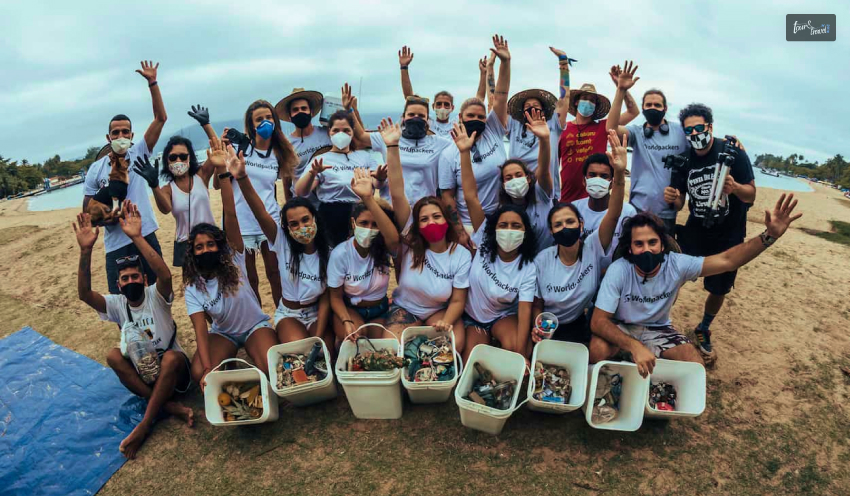
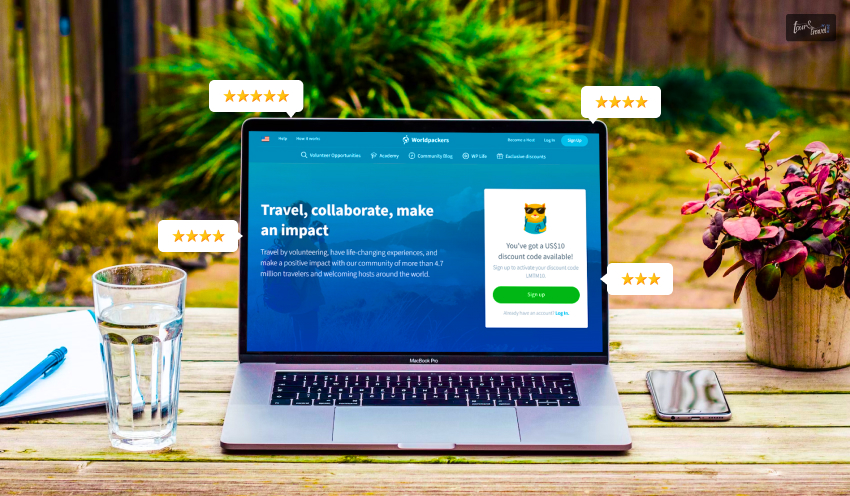
Worldpackers is an online platform where you can connect traveling volunteers with hosts from around the world through a community of knowledgeable and experienced hosts and travelers. Here travelers can create a profile and sift through numerous volunteering experiences to choose from.

It is a concept too good to be true that allows you to exchange skills for accommodation. The interface of the application is user-friendly and has an authentic rating system that helps find the most reliable hosts around the world.

The package includes an annual fee of $49 for solo travelers and $59 for couples. There is a hoard of benefits that come along with it, such as certified hosts, tips for the trip, hornets reviews, and a comprehensive guide through the entire volunteering experience.

The Good Stuff

The Good Stuff
livemoretravelmore.com
  • Learning new skills and growing your experience
  • Free accommodation while you travel
  • Honest review system to choose the best hosts
  • Meeting other travelers
  • Community blog and online support
  • Get a taste of the culture at a deeper level
  • Verified and certified hosts
  • Insured travel plans for a safer experience

The Bad Stuff

The Bad Stuff
livemoretravelmore.com
  • Hosts can ask a traveler to work for upto 32 hours
  • Worldpacker reviews have a character limit
  • You have to live with your boss, and you will be on calls, mostly

Countries You Can Consider

Countries You Can Consider
livemoretravelmore.com

If you have already jumped on the bandwagon and now keep wondering which country to visit through Worldpackers, we have made a list for you to choose from. Keep reading to know which country is calling your name.

Costa Rica

Famous for its focus on natural surroundings and not the war that tore it, your volunteering opportunities will show up in the form of campings, eco-villages, farms, campings, eco-lodges, hostels, and NGOs.

Mexico

This country is great for its farms, eco-villages, hostels, as well as permaculture projects while practicing your Spanish and having a jolly good time doing fun things during your free time.

Brazil

This country is the home of World packers, where the concept itself was born. You will find many volunteering opportunities in campsites, farms, permaculture projects, hostels, eco-villages, pousadas, and holistic centers.

Vietnam

Vietnam has several school opportunities. Here you will find eco-lodges, holistic centers, guest houses, and homestays.

Thailand

Another haven for volunteering is the country Thailand where you will find many eco-villages, NGOs, guest houses, homestays, and permaculture projects.

Italy

This country makes it easy for you to move around. It has volunteering options like eco-lodges, hostels, guest houses, campsites, permaculture projects, schools, and homestays.

United Kingdom

The UK has it all: hostels in the city as well as farms in the countryside. You can volunteer at holistic centers, homestays, guest houses, and eco-lodges.

Spain

Here too, you can find ample volunteering options. And along with it, there is a fascinating view of the coast and big waves.

Portugal

Practice your Portuguese while volunteering at farms, camping, eco-lodges, homestays, and permaculture projects.

United States

You can volunteer here in the land of dreams for people all around the world. Get the best of both worlds by choosing to volunteer in this country.

Reviews From Worldpackers Users

Reviews From Worldpackers Users

Traveling has been a call of the unknown for many. Drawn by its irresistible charm and allure, people have left their homes to answer the call. Worldpackers have allowed many people to travel when they are short on money and means. Sure, it has its downsides where you have to work for the free food, but it is a small price to pay in return for the rich experiences you will likely gather.

Here are some of the things people have said about Worldpackers that will inspire you to pack your bags and go tread the roads not taken. Go ahead and read the worldpackers reviews.

“I used Worldpackers to have an experience in Italy. I signed up for the platform, browsed the opportunities and decided to pay for the annual subscription.
You can only send applications to hosts after you become a verified member.
Sent some applications and got accepted to an experience at Toscana, one of the most beauftiful regions in Italy for some internet marketing Gigs. Spent 3 weeks living and working with a wonderful family. Saved a lot with accomodation and food, but, most important, had a great life experience with some good people.”

Aleno, Tripadvisor

“Yes!! I’m british but I’ve used it all over the world and I love it, I have been accepted to so many more opportunities than through work away and I find the website more user friendly. Most of the places I’ve been have also had a lot of english speaking volunteers.”

Hettiy, Reddit user

“Workaway! I have used it in different countries and always had amazing experiences. There’s usually a lot to choose from, regarding hosts and the kind of work that you’d do. Go for it.”

daniclas, Reddit user

“I never imagined to have such an amazing time here in Jaisalmer. ¡the hostel is probably one of the best hosts to volunteer with Worldpackers! I was really lucky to do Camel Safari the first day of my stay, visit the Golden City and take as many photographs and videos as possible for them. I enjoyed a lot was I was doing because photography is passion! The accommodation and food was more than perfect, and the hours of work were flexible. I’m glad and thankful specially with all the nice people I met here. I always felt generosity, kindness and a smile from all of them. ¡NAMASTE the hostel!”

Worlpackers member from Colombia

“I couldn’t have started in a better way my experience with worldpackers. Mukesh is an amazing person and the hotel staff was incredibly kind with me. Mukesh let me feel fine and free about the job which was caring about the social media and designing a menu for the restaurant. Although the city was in low season I could enjoy the hostel Hotel and local people in the city. Almost every evening we could hang out at the hotel rooftop, Mukesh and Richa (from stuff) taught me a lot about indian culture, speciality about Rajasthan. I’m missing them already!”

Worldpackers member from Brazil

Here is a review for your thoughts on whether there are other platforms like Worldpackers. There is! It’s called Workaway, and it’s going to start a Worldpackers vs Workaway conversation:

“Workaway is better cos it has 15x more hosts and therefore works out 15x cheaper. Its has hosts worldwide not just in latin America. It controls the quality of its hosts and stops businesses using volunteers. Its better because its not funded by venture capitalists trying to jump on the bandwagon. Also it doesnt ask affiliates to spam reddit subs. Ps wwoof is also another good site to try 🙂 Hope that helps.”

dodosandcakes

Final Verdict

Worldpackers is best suited for travelers who are in need of free amenities wherever they go. It can also be for people who want to build authentic relationships with new communities around the world. If you are one of them, you can look forward to making new friends, honing new skills, contributing to society for a greater purpose, and also growing as an individual.

If you want to know “is worldpackers legit,” my experience with the membership fees that Worldpackers derive from the annual payment actually pays for much more than the platform itself. The money is well worth it for the support, safety, community, and experiences you enrich yourself with.

If you have thoughts to share or questions to ask, please leave a comment below. We would love to hear from you!

Read Also:

Share on Social Media

Abdul Aziz Mondol is a professional blogger who is having a colossal interest in writing blogs and other jones of calligraphies. In terms of his professional commitments, he loves to share content related to business, finance, technology, and the gaming niche.

Leave a Reply

Your email address will not be published. Required fields are marked *

title-img Related

READ MORE how far is russia from alaska

Bridging Continents: Unveiling The Mystique Of Russia And Alaska’s Proximity!

BY  sagnika Sep 20, 2023

Did you know that the United States took Alaska away from Russia? Do you know how far is Russia from Alaska? The two Diomedes Islands, belonging to the USA and Russia, have a mysterious relationship due to their standard time and geographical features. Read the article to uncover the truth behind the mysterious relationship! The two largest countries worldwide, the United States and Russia are 21 hours apart. Alaska is situated nearest to Russia, being a state of the U.S. The Bering Strait is the geographic point between the borders of Russia and the United States! Want to learn more about this point? Keep reading. Isn't it weird that Little Diomede residents depended on helicopters for food? Marine beings play an important role; hence, I will highlight the significance of aquatic animals in the mystery. Bridging Continents: Unveiling The Mystique Of Russia And Alaska's Proximity! How far is Alaska from Russia? You have to read the article to learn about how the two nations, the United States and Russia, are claiming their rights on the two Diomedes Islands. Guess the interesting aspects of the Island and why it is all mysterious. The time and the geographical differences between the two points of the Islands make you question the International Date Line and the American-Russian maritime border. Being a day ahead by a day of the Big Diomedes as compared to Little Diomedes makes you question the time zone concerns! It is quite curious to know how the islands have been named and their significance concerning the history of Alaska and Russia. There are Alaskan natives to be considered among all these political, geographical, and time zone aspects. Want to know the distance between Alaska and Russia? Separated By Geography And United By Mystery! Want to know how far is Russia from Alaska? The closest geographical connection between Russia and Alaska is the Diomede Islands, which are 2.4 miles apart. Water is separating the two Islands, in another way, separating the two countries. The two islands are the extremes of the two countries, thus claiming the big and the little Diomedes Islands as the symbolic sentinels. The two countries have a history of heroic explorers who have sledded, kayaked, and swum across the distance. A 2.4-mile distance between the two Islands is connected with the water body, the Pacific Ocean. With a very rocky history, the Islands share an indigenous group of people; however, it needs to be considered more important by the nations. The Bering Strait The narrowest point between the Seward Peninsula (U.S.) and the Kamchatka Peninsula (Russia) is 55 miles, separating Alaska from Russia. This waterway was discovered by a second European, a Danish explorer, Vitrus Bering, who inspired the Berling Strait. The first explorer of this frigid waterway was the Russian explorer Semyon Dezhnev! Vitrus Bering named the place Greek Christian Saint Diomede because he discovered the Islands on 16 August 1728. This day coincides with the feast day. Hence, the Island was named the Big Diomede Island and the Little Diomede Island. The Bering Strait is significant because it is the only marine gateway that allows mass migration of gray whales, bowhead, and beluga. It is known as an important ecological zone for marine animals. Seals, walruses, fish, and other marine animals can access nutrient-rich Arctic Ocean environments through this zone. The Big Diomede Island The Ratmonov island is towards Russia and is also claimed as Russian Island, which is the nation's easternmost point. It was in 1867 that the Alaskan Territory was sold on a $7 million sale. During the Cold War and World War II, the Island was a perfect location for the outposts of the Soviet military. The rocky Island is flat and houses up to 11 species of birds with rough weather with clouds and storms. The Little Diomede Island Little Diomede Island is the smallest of the two Islands, with a population of 80 to 100 citizens! You can only access the Island by waterways or through one heliport in town. They receive their supplies from mainland Alaska as these are the only two ways! During the harsh winters, the Island is covered with thick ice sheets, so the locals must carve the ice sheets to create landing zones. It is situated in the eastern area. The Time Difference Between The Two Islands! So, if you are wondering, how far away is Alaska from Russia? The International Date Line (IDL) separates the two Islands, Big Diomedes Island and Little Diomedes Island, which makes the time difference so apparent! The Big Diomedes Island is known as Tomorrow Isle as it is 21 hours ahead of time. So, wanna know how far from Russia to Alaska? The Little Diomedes Island is known as the Yesterday Isle because it was further back then. Overall, the two islands are separated by 23 hours. The 9 hours have been adjusted concerning daylight saving time! Apart from that, 12 hours have been established for managing the timezone of the Island along with the nations! So now you have got the answer to your question, how far is Russia from Alaska! Alaska Was Taken Away From Russia! It was in 1867 that Alaska was purchased from Russia by the United States, thus becoming a political separation. During this time, a new border was drawn across the two islands. During the Cold War, the section of the Bering Strait was nicknamed the "Ice Curtain" between the two Islands. The islands are situated south of the Arctic Circle, about 52 miles apart. Read More: Six Important Factors To Consider Before Planning Alaska Fishing Trip The Politics Of Diomede Islands! The Indigenous Inupiat people claim the two Diomedes Islands as theirs; however, both the nations, the USA and Russia, have disrespected these claims. The two countries have made national declarations regarding the Diomedes Islands as their extreme points. The Bering Strait can become a bottleneck for ship traffic that will pollute the ecosystem. The narrow area acts as a pathway with a fragile ecosystem with oil spills and engine noise. Finishing Off… So, to answer, how far is Russia from Alaska? For the answer, read the article! When learning about the political history of Alaska related to Russia and the USA, there is the question: How far is Russia from Alaska? It was important to understand how close the countries are, and yet there is a time gap between them. The interesting thing was naming the Islands and how it impacted people's perceptions. Apart from the mystery, the concern is how nobody is giving importance to the indigenous people of Alaska! The governments of both Russia and the United States are not concerned about the people. Comment to let us know your perspective on the time difference between the Big and Little Diomedes islands! Read Also: These Are The Closest Beaches To Ohio That You Need To Go For A Dreamy Vacation! Paradise Found: Exploring Manuel Antonio, Costa Rica’s Tropical Gem! Check Out These Beaches That Are Closest To Tennessee’s Knoxville!

READ MORE Cold-Weather Camping

Military-Style Winter Tents With Wood Stove: Dependable Comfort For Cold-Weather Camping

BY  Sibashree Nov 18, 2025

When temperatures drop and the snow keeps falling, a military-style winter tent with a wood stove becomes more than shelter—it’s the difference between enduring the cold and enjoying it.  Built for stability and warmth, these tents combine rugged fabrics, reinforced frames, and heat-safe stove jacks for reliable protection in harsh conditions. Today’s designs take that proven military strength and merge it with modern engineering.  An inflatable camping tent sets up fast without heavy poles, keeping your camp efficient and warm.  For longer expeditions, choosing the right winter tent ensures a safe balance between insulation and ventilation.  Moreover,  when your trip turns into true winter tent camping, a well-built hot tent lets you rest, dry gear, and cook inside while snow piles outside. Proper harsh cold-weather camping requires adequate gear. Thus, it is important to ensure that people do not suffer from a shivering cold. What Defines A True Military-Grade Hot Tent & How Does It Help In Cold-Weather Camping A military-grade hot tent is built to perform where the cold is relentless and the wind never stops.  Its strength begins with the fabric—dense, tear-resistant, and coated to block moisture while allowing controlled airflow.  Seams are double-stitched and heat-sealed to prevent leaks, and tension points are reinforced to hold shape under snow load.  Inside, an integrated stove jack made of fire-resistant material allows safe operation of a wood stove without damaging the canopy. Beyond materials, structure matters. The frame or inflatable skeleton must handle repeated freezing cycles without cracking or warping. Moreover,  the doors and vents are positioned for cross-ventilation to minimize condensation while maintaining interior warmth.  Moreover, this balance of durability, insulation, and controlled ventilation distinguishes an ordinary camping shelter from a genuine army tent with stove capability. The army tent is designed to keep crews safe and operational through winter extremes. 1. Stove Jack And Safety In Extreme Cold Start with fit and materials. The stove jack must be fire-resistant and matched to the pipe’s outside diameter so the collar seals without crushing the flue.  Add a heat shield or jack boot and use a short double-wall section near the exit to tame radiant heat.  Keep the chimney as straight and tall as practical, cap it with a spark arrestor, and confirm a steady draft before loading the firebox. Manage heat at the source. Set the stove on a fireproof mat, maintain clearances from walls and gear, and route guy lines where no one can bump hot pipe. Burn seasoned wood. Thus, wet or resinous fuel increases the risk of smoke, creosote, and CO. Vent with intent. Crack a low intake and a high exhaust vent to create cross-flow that controls condensation and carbon monoxide. Run a compact CO alarm. Operate with discipline. Gloves for pipe handling, daily ash removal, regular creosote checks, and no unattended flame. If no fire watch is planned, extinguish before sleep. 2. Why Inflatable Tents Fit Military-Style Needs Today Inflatable architecture replaces rigid poles with airbeams that keep even tension across the canopy, improving wind stability and snow-load handling. Setup is predictable: connect the pump, inflate to spec, and fine-tune guy lines without wrestling frozen joints or seized fittings.  With fewer metal bridges from inside to outside, an inflatable hot tent loses less heat to conduction and stays quieter in gusts. Cold-weather reliability improves, too. Multi-chamber designs add redundancy, and small punctures are field-repairable with a basic kit.  Curved geometry reduces flapping, helps shed spindrift, and preserves a clean stove clearance zone.  Packability is strong for the floor area—rolled beams ride securely on a sled or ATV, and the weight distribution is easier on long approaches. For teams that work in real winter, an inflatable winter tent delivers military-style discipline—fast deployment, controlled ventilation, and stable heat—without excess bulk.  RBM Outdoors focuses on this balance of durability and comfort, giving crews a 4-season shelter that performs when temperatures plunge. Thus, this acts as the ideal gear for cold-weather camping 3. Layout And Capacity For Winter Teams: Cold-Weather Camping Plan the space around heat and traffic. Start with a clear stove zone—an open buffer for safe clearances and wood handling—then set sleeping areas along the walls, keeping a center aisle free for movement.  Near-vertical walls and tall doors make cots practical; leave a small gap behind each cot for airflow and to keep fabric off hot gear.  Use a vestibule or annex for firewood, wet boots, and sled bags so the living space stays dry. For four people, aim for one dedicated drying line and a compact table; for six to eight, add a second line and a gear rack to keep gloves and layers rotating.  Suppose the tent has a divider, split “quiet sleep” and “task” sides to control light and noise.  Place a low intake vent opposite a high vent near the stove to move moisture out without dumping heat. 4. Set Up And Field Maintenance  Of Gear And Tents For Cold-Weather Camping Prep the site first: stamp a flat pad, face the door leeward, and mark a safe stove zone. Lay the footprint, clip or zip the floor, then inflate to spec using a gauge; set primary guy lines before tensioning secondaries.  In sugar snow, bury deadman anchors or use long snow stakes. Dry-fit the chimney, keep it as vertical as possible, add a spark arrestor, and place a fireproof mat under the stove. During use, clear spindrift from ridgelines, crack low and high vents, and re-tension lines after temperature drops.  Empty ash cold, check for creosote, and inspect the jack for heat glaze. Top up the airbeam pressure in deep cold and patch small punctures immediately.  For packout, cool, dry, vent, then roll toward open valves and lash low for transport. 5. Care And Storage Tips After The Trip Dry first, store second. After shutdown, crack the low and high vents to purge steam; brush off frost so meltwater doesn’t soak into the seams.  Let the liner reach room-dry before rolling. Empty ash cold, wipe the firebox, and knock creosote from pipe sections; a clean flue protects the jack and restores draft next trip. Inspect the jack panel for glazing or scorching, and replace it if it is fatigued. Protect fabrics and hardware. Rinse grit from zippers, treat sliders lightly, and check guy lines, stake loops, and tie-outs for fray.  Reproof high-wear zones if water no longer beads. For inflatable beams, equalize pressure at room temp, clear valves of ice, and store loosely—avoid long-term compression. Stash the tent in a cool, dry place off concrete, with a small desiccant pouch in the bag. Things To Remember About Cold-Weather Camping Tents  A military-style winter tent with a wood stove should deliver three things every time: safety, steady heat, and fast deployment.  Prioritize a fire-resistant jack, disciplined ventilation, and a layout that protects people and gear.  Inflatable designs add speed and stability in deep cold, while RBM Outdoors’ focus on durable materials and practical details keeps the shelter reliable through long winters.

READ MORE buy travel insurance for singapore

Reasons To Buy Travel Insurance For Your Singapore Trip

BY  Sibashree Dec 15, 2025

Singapore is fascinating. From the futuristic Gardens by the Bay to the colonial charm of Chinatown, there is something for everyone to enjoy.  But what many travellers overlook is that even in such a well-organised destination, emergencies can occur when you least expect them. That is why buying travel insurance in Singapore before your trip is essential.  It protects you from the following expenses. Medical Expenses Passport and Visa Issues Travel Delays Unexpected Costs that could otherwise derail your plans. Overall, you need to buy travel insurance for Singapore to ensure a seamless and safe experience in a busy country like Singapore. In this blog, I will discuss all these points in detail.  I will also talk about how the travel insurance policy can make it easier and more adaptable for policyholders in the near future.  What Are The Top Reasons To Buy Travel Insurance For Singapore? According to a report from Next Move Strategy Consulting (NMSC), the Singaporean travel insurance market is expected to reach 646.7 million by 2030. The compound annual growth rate (CAGR) for the period of 2023 to 2030 is expected to be around 22.6%.  So, it is clear that travel insurance for Singapore is considered to be a powerful tool for travelers who want to mitigate financial risks and combat unforeseen challenges with a pre-paid arrangement (insurance coverage).  Here are the five major areas in which your travel insurance for Singapore trips will work as a protection shield.  1. Rising Medical Costs In Singapore Singapore’s healthcare system is among the best in Asia, often ranking within the global top ten. Private hospitals like Mount Elizabeth and Raffles Medical Centre offer top-tier services, but at premium costs.  For tourists, a single emergency room visit can cost SGD 300-500, and hospitalisation may run into thousands per day, depending on the treatment required. Having international travel insurance means you are covered for these medical expenses. Most plans include cashless hospitalisation, 24/7 emergency assistance, and even medical evacuation if needed. 2. Protection Against Sudden Weather Disruptions Though Singapore enjoys a tropical climate, it is also prone to heavy rains and flash floods, especially from November to January. These weather conditions can delay flights or even cancel outdoor activities. A travel insurance plan compensates for losses due to flight delays, cancellations, or missed connections caused by bad weather. It is a small investment that prevents big disappointment, especially during unpredictable monsoon months.  3. Safety In Crowded Tourist Areas Singapore is one of the safest cities in the world. However, popular attractions like Marina Bay Sands, Sentosa Island, and Little India can still experience occasional pickpocketing or accidental loss of belongings. Travel insurance covers theft, loss, or damage to your baggage and personal items. So, if your camera goes missing at Garden by the Bay or your luggage is delayed at Changi Airport, you can claim reimbursement and continue enjoying your holiday with minimum hassle.  4. Passport And Visa Issues In A Foreign Country Losing your passport abroad is more than inconvenient. It can disrupt your entire travel schedule. In Singapore, you will need to file a police report at a neighbourhood police post and visit your country’s embassy for a replacement. Travel insurance Singapore covers all the expenses for obtaining a duplicate passport, emergency travel documents, and temporary accommodation during the process. Having this coverage ensures that even such stressful situations are manageable. 5. Coverage For Unexpected Health Issues Or Accidents Singapore’s outdoor attractions, from night safaris to cycling around the East Coast Park, invite plenty of adventure. But if you fall sick due to the humid climate, suffer food poisoning from spicy laksa, or experience a slip-and-fall accident, medical help can be expensive. Your travel insurance plan takes care of treatment costs, hospital stays, and prescribed medication so that you can focus on recovery instead of worrying about the bills. What Are The Challenges If I Want To Buy Travel Insurance For Singapore?  Despite people acknowledging the importance of having travel insurance, the “comprehension” part remains the most challenging element about it.  Also, the travel insurance policies often fail to cater to the changing demands of tourists.  1. Complex Policy Documents  The complex wording of the policy documents often confuses the policyholders. Also, the coverage definitions are often inconsistent, and the legal jargon is difficult to understand and trust.  This is especially a challenge for the aged policyholders and those who are buying the policy for the first time. In addition, often there is a lack of visual aids, in terms of illustrations and graphics. So, the consumers fail to understand the gap between their expectations and what the policy actually covers.  This is the primary reason behind people getting involved in conflicts at the time of compensation claims.  2. Coverage For Changing Demands Of Tourists Another challenge is how travelers are now choosing purpose-driven and sustainable travel experiences. For example, a tourist now wants to stay in an eco-lodge or choose a transport option with a lower carbon footprint. Also, they want a travel experience that is immersive and meaningful.  Most travel insurance companies in Singapore are yet to come up with policies that specifically cater to the needs and demands of experience-driven and sustainable travel.  How Travel Insurance For Singapore Will Cater To Policyholders In The Future?  The insurers today are trying to simplify and make the documentation transparent. Furthermore, they are taking advanced measures such as digital integration to become more accessible to potential policyholders.  Check out the table below to know more about the futuristic trends and changes in the travel insurance policies.  Future Trends of Travel Insurance Policies What It Is?Why Is It Beneficial?Digital IntegrationDigital integration means the integration of insurance policies into travel booking platforms. • Travelers do not need to visit any other platform to buy the policy. Technological AdoptionTechnological adoption means the use of data analytics and AI. It also refers to an increased leverage on blockchain technology. Data analytics and AI help to understand and narrow down consumer demands. So, the travel company can design a niche product.• The blockchain technology ensures better efficiency and safety. Hyper-Personalization Hyper-personalization means designing specific policies for specialized activities such as adventure sports or cruise travel. Some even focus on existing medical conditions of the travelers before coming up with a policy or coverage for them. • Hyper-personalization will help to address and cater to the demands of a particular traveler.  Buy Travel Insurance For Singapore To Enjoy A Sense Of Security  Singapore’s efficiency, beauty, and safety make it one of Asia’s most delightful destinations. But being prepared for emergencies ensures you enjoy it to the fullest. Whether it is sudden rain that delays your flight or a health issue abroad, international travel insurance from reliable insurers like TATA AIG gives you a sense of security with cashless hospitalisation, baggage cover, and 24/7 international support.