

Where To Stay In Istanbul For First Timers? Here Are The Best Hotel Suggestions 

Istanbul is massive, and for a first-timer, overwhelming. Also, it’s a city that spans across Europe and Asia. 

The European areas have their own vibe. and the Asian counterparts nurture distinct cultures. 

Also, there is a more subtle divide between the historical landmarks and a more local experience. Each side has its pros and cons. 

So, a struggle to find the perfect accommodation can be a challenge. 

Hi, in today’s blog, I will talk about where to stay in Istanbul. I have enlisted the budget-friendly, mid-range, and luxury hotel options in this largest city in Turkey. 
Also, if you want to explore nature-based tourism in Turkey, you can read my guide on Pamukkale, a place rich in historical heritage and natural beauty.

Map Of Istanbul

As a first-timer, the Sultanahmet Area will be the best place to stay in Istanbul for you. However,  I want you to be familiar with the map of Istanbul so that you can explore more localities. 

In other words, if you are visiting Istanbul for the first time, you must explore the following localities. 

1. Sultanahmet

Sultanahmet

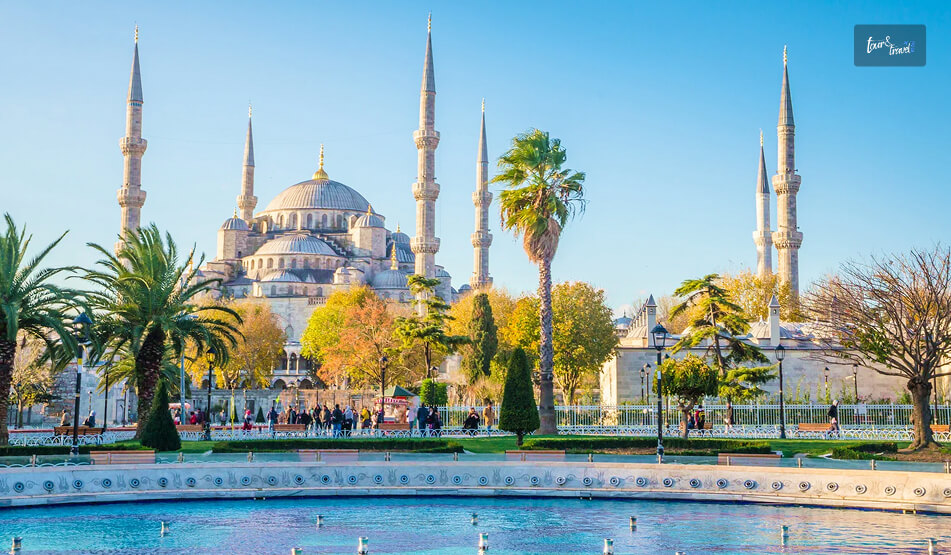
Sultanahmet is on the European side of Istanbul. As the heart of the Old City, it offers access to all the important historical landmarks. 

However, Sultanahmet is touristy and expensive. So, as a first-timer, it may be difficult for you to connect to the city’s true vibe. 

Still, it is at a walkable distance of major attractions such as the Süleymaniye Mosque, Blue Mosque, Hagia Sophia, Grand Bazaar, Basilica Cistern, and Spice Bazaar. 

2. Galata

Galata

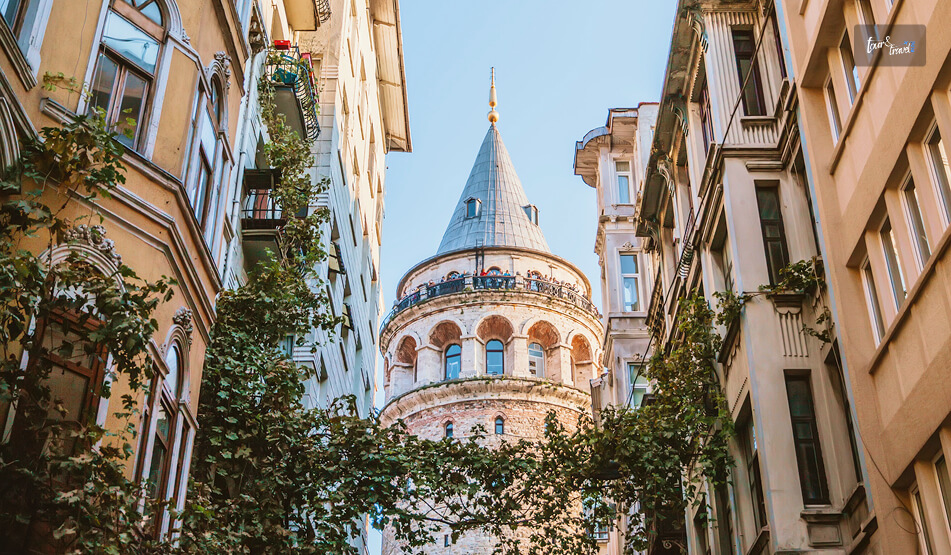
Galata is close to the Galata Bridge and the Golden Horn. It is a trendy neighborhood. So, you will find many cozy cafes here. 

However, the hotel options here are a little less because it is a hilly region. 

The places to stay in Galata are Karaköy, Istiklal Avenue, and Galata Tower. Also, don’t miss a stroll across the Galata Bridge. 

3. Taksim

Taksim

On the European side of the city, Taksim is located on Galata’s north. Here, hotel options are diverse, and it has a vibrant nightlife. 

Furthermore, it is a shopper’s delight! 

However, with so many shops, hotels, and restaurants around and a vibrant nightlife, this locality can get crowded and noisy. 

Nevertheless, from Taksim, you can enjoy a stroll on Istiklal Avenue, visit the Republic Monument, and the Taksim Mosque. 

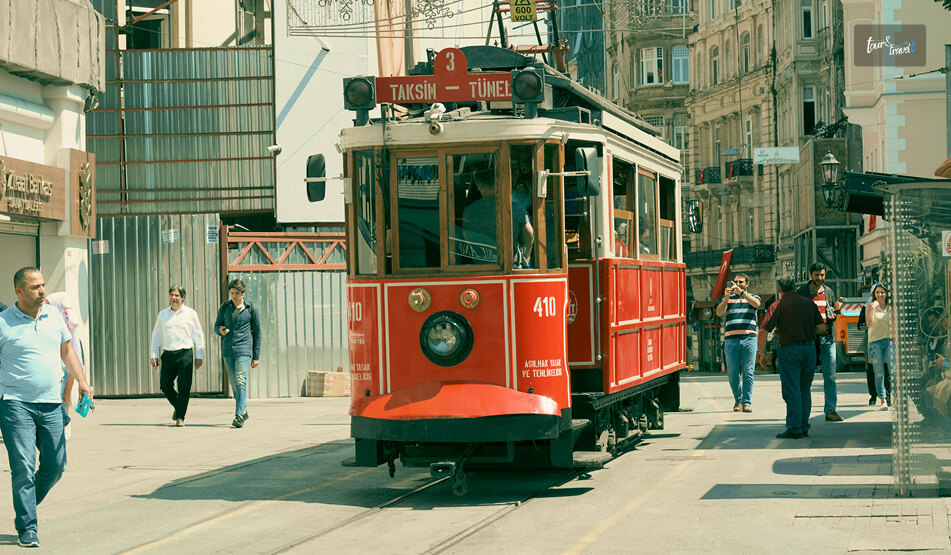
In addition, it is the best place in Istanbul to try local street food and enjoy a ride in vintage red trams. 

4. Kadıköy and Üsküdar

Kadıköy and Üsküdar

Across the Bosphorus, Kadıköy and Üsküdar have the soul of Istanbul. Also, food and accommodation in this Asian part of the city are much cheaper than in other regions. 

However, it is quite far away from the city center, and the hotel options here are limited. 

Nevertheless, the places to see near Kadıköy and Üsküdar are Kadıköy Market, the promenade’s waterfront, and Çamlıca Mosque. 

From here, you can also take a ferry to explore the European parts of the city. 

Where To Stay In Istanbul? Know The Localities And Hotel Options 

Do you want to stay near the European part of the city? Or, do the Asian parts of the city attract you more?

Let’s start with checking the accommodations at Sultanahmet. 

1. Places To Stay In Sultanahmet

I have the following recommendations regarding the best places to stay in Sultanahmet. 

Luxury Accommodation • Four Seasons Hotel Istanbul
• White House Hotel Istanbul
• Seven Hills Hotel Istanbul Sultanahmet
Mid-Range• Kate Hotel Special Class & SPA
• Sura Hagia Sophia Hotel
• Hotel Poem
Budget Hotel • Sultan Hamit Hotel
• Cheers Hostel

• Luxury Accommodation In Sultanahmet

The Four Seasons Hotel Istanbul, White House Hotel Istanbul, and Seven Hills Hotel Istanbul Sultanahmet are the best luxury accommodations in Sultanahmet. 

Four Seasons Hotel Istanbul

It was previously an Ottoman prison. Now, it functions as a five-star hotel near the Blue Mosque and Hagia Sophia. 

The best things about this hotel are the courtyard and the roof. Furthermore, you can enjoy fine dining and a full-service spa experience here. 

White House Hotel Istanbul

If you want to have breakfast and enjoy the skyscape of Istanbul, the White House Hotel is the best place to be. 

Furthermore, its Ottoman-style decor is impressive. 

Seven Hills Hotel Istanbul Sultanahmet

Enjoy the best panoramic views of Istanbul, including the Bosphorus, Topkapi Palace, and Blue Mosque from the Seven Hills Hotel Istanbul Sultanahmet. 

It is, in fact, one of the most popular places to stay in Istanbul if you are looking for proximity to the historic center. 

• Mid-Range Accommodation In Sultanahmet

These mid-range accommodations are the best for average travelers, offering the comfort you need but at a reasonable price. 

Kate Hotel Special Class & SPA

For a comfortable hammam and on-site wellness experience, the Kate Hotel Special Class & SPA will be the perfect mid-range hotel option. 

Sura Hagia Sophia Hotel

It is a neighbor of Hagia Sophia, and it has an outdoor pool for the ultimate rejuvenating experience. 

Furthermore, despite being a mid-range hotel, it has various Michelin-awarded dining options. 

Hotel Poem

It is a boutique hotel, and it’s very close to Hagia Sophia. You will love the view from the rooftop terrace of this mid-range accommodation in Istanbul. 

• Budget Accommodation In Sultanahmet

Sultanahmet also has some budget-friendly options for solo and budget-friendly travelers

Sultan Hamit Hotel

You have to take a walk for a few minutes from the Blue Mosque to find the Sultan Hamit Hotel. 

Cheers Hostel

Cheers Hostel is ideal for backpackers and solo travelers. It has bunk beds and private accommodations. 

Furthermore, don’t forget to enjoy the views of the Bosphorus from the rooftop of the hostel. 

2. Places To Stay In Galata 

Enjoy the cozy vibes of Galata and the quaint charm of the cobblestone streets in Galata. Also, if you want to stay here, choose any of the following accommodations. 

Luxury Accommodation • Hotel De Reve Galata
• The Bank Hotel Istanbul
Mid-Range• Novus Pera Hotel
• The Hotels, Galata
Budget Hotel • eraNox Boutique Hotel
• Hotel Des Arts Galata

• Luxury Hotel Suggestions In Galata

Enjoy the luxury of staying in a high-end hotel in a central yet quiet area of Istanbul. 

Hotel De Reve Galata

You can take a short walk from the Galata Tower to reach Hotel De Reve Galata. Choose a room with a balcony or a spa for the ultimate luxury. 

The Bank Hotel Istanbul

The Bank Hotel Istanbul stands out because of the Golden Horn views. It has a rooftop bar, and you can even relax in the spa. 

• Mid-Range Hotel Suggestions In Galata

Galata is the best locality if you are looking for mid-range hotels. I have tworecommendations for you. 

Novus Pera Hotel

Enjoy the views from the rooms with private balconies and the rooftop terrace of the Novus Pera Hotel. You will also love its minimalist design. 

The Hotels, Galata

Despite being a mid-range accommodation, it has amenities such as fitness centers, sauna, indoor pool, and rooftop restaurant. 

You will also get some budget options at this hotel. 

• Budget Hotel Suggestions In Galata

EraNox Boutique Hotel and Hotel Des Arts Galata are two budget-friendly hotels in Galata. 

eraNox Boutique Hotel

The eraNox Boutique Hotel is also very close to the Galata Tower. Some of the rooms in this hotel also offer amazing city views. 

Hotel Des Arts Galata

Hotel Des Arts Galata is on one of the most Instagrammable streets in Galata. Some of these rooms have balconies, and you can see the Galata Tower from the room windows. 

3. Places To Stay In Taksim 

Taksim is a modern area, and it is also one of the busiest localities in Istanbul. Check out the best accommodation options here. 

Luxury Accommodation• The Ritz-Carlton, Istanbul
• CVK Park Bosphorus Hotel Istanbul
Mid-Range• Gezi Hotel Bosphorus
• Mukarnas Taksim Hotel
Budget Hotel• Ardilas Residence
• Santa Rio Taxim

Luxury Accommodations In Taksim

The Ritz-Carlton in Istanbul is just at a distance of 10 minutes (walking distance) from Taksim Square. It offers amazing views of the Bosphorus. 

Another luxury accommodation is the CVK Park Bosphorus Hotel Istanbul, which takes around 5-6 minutes to reach on foot. 

You can enjoy a Turkish bath in the large indoor pool of this hotel. 

Mid-Range Accommodations In Taksim 

Gezi Hotel Bosphorus and Mukarnas Taksim Hotel are two mid-range hotels in Taksim. It is close to the Istiklal Avenue, and it has amenities such as a fitness center and a sauna. 

Budget-Friendly Accommodations In Taksim

The Ardilas Residence and Santa Rio Taxim are the two budget-friendly hotels in Taksim. It has apartment-style rooms and kitchenettes. 

On the other hand, Santa Rio Taxim is a good family-friendly accommodation at an affordable price. 

4. Places To Stay In Kadıköy And Üsküdar

Kadıköy and Üsküdar are the places to enjoy the local vibe of Istanbul, and they have cheaper accommodation options. 

Luxury Hotel SuggestionsWyndham Grand Istanbul Kalamis Marina Hotel
Mid-Range Hotel SuggestionsDoubleTree by Hilton Istanbul Moda
Budget Hotel SuggestionsYOLO Hostel Kadıköy

Wyndham Grand Istanbul Kalamis Marina Hotel is on the waterfront. Furthermore, DoubleTree by Hilton Istanbul Moda offers amazing views of the Bosphorus. 

Moreover, YOLO Hostel Kadıköy is very close to the ferry terminal. 

Share on Social Media

Meet Sibashree Bhattacharya, a travel enthusiast who has a decade-long experience in transcending virtual barriers with her words! Her deep love for travel is apparent from her travel escapades to the mountain, often taking her readers on a journey, her words acting as Portkey! Fun fact: Sibashree loves to dive deep into the history of the places she is about to visit, making her travels even more wholesome. If you were wondering how her articles are not short of time travel, this answers it!

Leave a Reply

Your email address will not be published. Required fields are marked *

title-img Related

READ MORE things to do in Trincomalee

What Are The Things To Do In Trincomalee? Exploring Beyond Uppuveli Beach

BY  Sibashree Feb 17, 2026

Trincomalee has one of the closest gateways to Harbarana, the gateway to the Ritigara Forest Monastery.  However, as a tourist from India, Trincomalee is more than a tourist attraction for me. As Jaffna, Sri Lanka, connects the country with India, my homeland, with its Tamil culture and Top Hindu Temples, Trincomalee is important for political, economic, and security reasons.  That is why India has taken a keen interest in the development of the “socio-economic infrastructure and energy hub” in the region.  Also, Trincomalee, with adventure opportunities such as whale watching, surfing, and historical exploration, plays an important role in the tourism development in Sri Lanka.  However, it is unfortunate that most tourists think of only Uppuveli Beach when there is any discussion regarding Trincomalee.  This time, I will talk about the things to do in Trincomalee beyond the Uppuveli Beach.  What Are The Best Things To Do In Trincomalee? I know it’s difficult to avoid the allure of the Uppuveli Beach, which has a laid-back vibe. Also, its emerald waters attract the divers and snorkelers.  Still, there is so much to see beyond the Uppuveli Beach. I loved the beautiful beaches in Jaffna for their quiet and pristine vibes.  However, I found the Uppuveli Beach very touristy, and that was a big turn-off for someone like me, who believes in the principles of the LowDownUnder Travel.  So, here are the other and more exciting (for me) things to do in Trincomalee. 1. Visiting The Nilaveli Beach I took a tuk-tuk from the Uppuveli Beach and reached the Nilaveli Beach within 20 minutes. It was summertime. So, even if the Sun was very strong, the crowd was very small. Just the way I like it! The restaurants, shops, and resorts were not up from their siesta yet, and it was the surfing locals who kept the beach alive.  I started walking south back along the white beach toward Uppuveli, and fortunately, found a place that looked deserted. It was just the turquoise waters, white sand, and me.  However, the current was pretty strong, and I could not spot any lifeguards. So, I bunked the idea of swimming and again walked back toward the north. I had chilled beer with some snacks and watched the surfers in action.  The guy serving food asked me to come back in the peak season when the beach becomes a bustling coastal hub. I told him, “I like it this way!”  2. Visiting The Thirukoneswaram Kovil Temple  Entry: Free Hours: 6 AM to 1 PM and 4 PM to 6:45 PM Photography: Not Allowed Dress Code: Modest Clothing with Knees and Shoulders Covered  I again took a tuk-tuk from the Nilaveli Beach and started for the Sri Thirukoneswaram Kovil Temple. The temple is on the Trincomalee cliffs, and on my way, I found Fort Frederick, once a Dutch stronghold in the country.  Also, as I started walking upward, there were many sellers, market stalls, and fruit vendors lined on both sides of the road. So, the temple is not just a religious place. It is at the epicenter of the local economic and cultural activities.  Nevertheless, once I reached the temple entrance, the majestic statue of Lord Shiva evoked awe. The main temple in pastel shades is erected behind the statue.  The main temple and many of the statues were destroyed by the Portuguese, and they built Fort Frederick with the temple ruins. However, the locals saved many of the statues by burying them underground, and now they are restored again.  The interior of the current temple is as beautiful as its exterior. You will find intricate wooden work and Hindu deities everywhere you look. Also, as you take a walk around the temple, you eventually walk down the cliffs, enjoying the beautiful views of the bay.  3. Lover’s Leap  Lover’s Leap is an area in the Trincomalee cliffs themselves. Francina van Reed, the daughter of a Dutchman, sacrificed her life by jumping from the cliffs.  She saw the ship of her lover sinking in the waters of the Indian Ocean. Out of grief, she took her life.  4. Fort Frederick Fort Frederick was once a Portuguese stronghold, and now the Sri Lankan army uses it. So, you can only see the fort from the road.  Also, there are many old colonial buildings in the same area.  Furthermore, the Fort is occupied by the local deer. Spotting them here was unexpected and obviously a high point.  However, there are warning signs, and you must obey them. So, do not try to feed them, however tempting it may seem.  5. Visiting The Trincomalee Maritime And Naval History Museum Hours Open: 9 AM to 4 PM (Wednesday to Monday) Entry: Free I took a short walk from the fort and reached the Trincomalee Maritime and Naval History Museum. The barrel of a giant cannon welcomed me there.  I opted for a guided tour as I wanted to know the stories behind the exhibits. The museum has recreated a shipwreck, and among other exhibits, there are 3D models explaining the history and landscape of Trincomalee.  There are also archaeological exhibits and the display of naval uniforms.  However, the high point in the museum was yet to come for me. I learned that it was once the residence of a Dutch Commissioner. However, the building fell with the roots of a giant tree bursting through the property.  Still, it was restored to its glory after a reconstruction work of five years.  I was slowly soaking in the story of human resilience as my guide took me to the roof of the museum. I climbed up through a set of tiny stairs in the backroom.  The view was beautiful, and I could see the bay, Fort Frederick, and everything in the surrounding areas.  6. Exploring The Trincomalee Market Exploring the local market was at the core of my Jaffna food tour. Similarly, to know about the local culture, I decided to visit the Trincomalee Market.  Trust me, it is one of the best things to do in Trincomalee if you are planning to try activities that are not very touristy.  I spotted some beautiful street art while exploring the market. Furthermore, the textile shops were selling vibrant clothes, vegetables and fresh fruit. Also, the fish market has a separate section.  So, if you are a vegetarian or vegan, you can explore the market without hesitation.  The market is also easily accessible from various parts of Trincomalee, as the setup is around the Central Bus Station and the Clock Tower.  Lunch And Food At The Trincomalee Market For me, a trip remains incomplete until I try the local food. Food here is very much like Jaffna, only a little less spicy.  The hotels (restaurants) here serve warm vadas, rice and curry, samosas, and seafood. Lunch for a person at these hotels will cost you around INR 120.  Then, we walked opposite the bus station and found many fruit and vegetable stalls. We bought some bananas, dragon fruits, and the jackfruits there were the biggest I have seen. The Fish Market I was a little late, and most of the fish was sold by then. Still, the crowd of vendors and sellers was pretty decent there.  I bought some fresh crabs and prawns and requested the cook at the hostel to prepare our evening snacks and dinner with them. I made quite a few friends at the hostel. So, sharing the meal with them was a lot of fun.  7. Whale Watching  Whale watching is one of the most exciting things to do in Trincomalee if you are here between November and mid-April.  It is located at a distance of 2 hours, and Nilaveli and Uppuveli beaches are the best places to spot whales in Trincomalee.  In the peak season, you can spot at least ten species of whales here. Things To Do In Trincomalee: Frequently Asked Questions (FAQs) Here are the frequently asked questions and answers about the things do in Trincomalee. 1. What Is The Meaning Of Trincomalee? The name Trincomalee comes from the Tamil word Thiru-kona-malai. It means the Lord of the Sacred Hill. Furthermore, the name indicates the presence of the Koneswaram Temple on the hill. It is a shrine dedicated to Lord Shiva.  2. What Is The Trincomalee To Colombo Distance? The distance between Colombo and Trincomalee is around 260 km. Buses run by the National Transport Commission and the Sri Lanka Transport Board run buses on this route. The transport time is around 7 hours, and the ticket price is INR 250 onward. On the other hand, you will get direct trains from Trincomalee to Colombo. The travel time is close to 8 hours, and the ticket price is INR 400 onward. However, if budget is not a constraint, you can book a private car at around INR 3500 and 4500. Also, book a flight ticket to Colombo Airport, Bandaranaike International Airport. The flight ticket will be around INR 4000 to 35000.  3. What Is The Coldest Place In Sri Lanka?  Nuwara Eliya, with the nickname of “Little England,” is the coldest place in Sri Lanka. In the winter season, the temperature frequently drops to 10 degrees Celsius in this region. Furthermore, in January, sometimes the temperature is near freezing. Moreover, Horton Plains and Pattipola are some of the coldest places in the region. 4. What Is The Best Time To Visit Trincomalee? March to May and October to February are the best seasons to visit Trincomalee. From March to May, the temperature is around 30 to 36 degrees Celsius, and from October to February, the average temperature hovers around 28 to 30 degrees Celsius. Furthermore, from November to April is the best time for whale watching in Trincomalee. 

READ MORE Tucumán wine tour guide

The Best Tucumán Wine Tour Guide: How To Explore The Higlands Of Northern Argentina?

BY  Sibashree Jan 13, 2026

Along with the cultural richness of Tucumán, what hooked me was the community bonding and development. For the longest time, grape growing has been a part of local life. Now, in 2016, the Bodega Los Amaichas built the Amaicha del Valle community to take the local tradition and use it for the benefit of local people. It is the first indigenous community-owned winery in South America. Furthermore, Mendoza may get all the spotlight as the home of world-class Malbecs. But for travelers like me, who want a more rugged and authentic experience, Tucuman is the ultimate destination in Northern Argentina. Also, the wine tour in Tucuman is almost like a time capsule. The viticulture here is defined by family legacies, indigenous roots, and vineyards that touch the clouds.  In this Tucumán wine tour guide, I will talk about why Tucumán is an alternative to Mendoza, the route, the top wineries, and the specialty of local wines. For more on this beautiful province in Northern Argentina, you can check out my Tucumán Argentina itinerary. Why Is Tucumán The "Untouched" Alternative To Mendoza?  The flat plains of Mendoza are ideal for massive production. However, the vineyards of Tucumán are in the narrow folds of the Calchaquí Valley. So, the experience in Tucumán is more like a boutique. Furthermore, there are very few crowds in Tucumán, and the terroir is not just about the soil. Here, people celebrate a 10,000-year-old connection to the land. As Visit Argentina says, “The dry climate, the wide temperature range, the gentle winds, and sunshine 350 days a year create the characteristics of Tucumán wine: intense colors, simple and spicy aromas, and ripe, sweet, and fruity flavors.”  The Concept: "Vinos De Altura"  Wine is a high-altitude sport in Tucumán. Grapes are grown under extreme conditions at an altitude of 2000 to 3000 meters. Also, the struggle is here with intense UV radiation and a dramatic jump in temperature between sun-scorched days and freezing nights. As a result, the grapes here have thicker skins to protect themselves. The thicker skin further leads to intense tannins and deeper colors. In addition, the aromatic profile here is more concentrated than in the lowlands. The Route: From Jungle To Vineyards (Route 307)  The drive to the wine country of Tucumán is one of the most spectacular road trips in South America. The journey from San Miguel to Amaicha del Valle starts in the subtropical and humid rainforest of the Yungas. Then, you will climb Route 307 to witness a radical transformation of the landscape. Your eyes will settle down with the lush ferns and moss-covered trees of the Quebrada de Los Sosa. Wait for 2 hours, and the Calchaquí Valley will appear with an arid landscape and cactus. Then, you will cross the Abra del Infiernillo at an elevation of 3000 meters before you descend to the Amaicha del Valle wineries. Visit Argentina promotes the "Ruta del Vino" as a cultural corridor, linking the wine not just to gastronomy, but to the Pachamama (Mother Earth) festivities in February.  Map Of The Ruta Del Vino Tucumán (Ruta 40 Connection)  Technically, Tafí del Valle is the beginning point of the Tucumán Wine Route. Then, it continues to the Amaicha del Valle and Colalao del Valle. Finally, there is a link with Ruta 40, and then it advances to the ruins of Quilmes and the border of Salta. What Are The Top Wineries To Visit In Tucumán?  The top wineries of Tucumán offer a diverse experience. While Bodega Comunitaria Los Amaichas offers an authentic local experience, Finca Albarossa is more about a boutique feel. 1. The Indigenous Icon: Bodega Comunitaria Los Amaichas  This is the only winery in Argentina and one of the few in the world that is owned and operated by an indigenous community.  This winery has a cactus wood and stone architecture. The Amaicha del Valle community governs it, and every custom here respects the Mother Earth or Pachamama. I have seen people offering wine to Mother Earth before drinking. Furthermore, the Sumak Kawsay Malbec, meaning the good living, is the best wine to taste here. It offers the most authentic wine experience. The wine gere is robust, unfiltered, and has a deep, earthy taste. 2. The Heritage Player: Bodega Chico Zossi  This winery is family-run and located in Colalao del Valle, and it has been operating since 1900. As you walk through Chico Zossi, you will feel like you are at a family home. The production level is small and artisanal. Furthermore, the wine-making technique here has been passed down through four generations of the Zossi family. 3. The Modern Estate: Las Arcas De Tolombón  Las Arcas De Tolombón is the most awarded winery in the province. It has a Siete Vacas or Seven Cows label. There is a local legend behind the name. It is about the seven cows that would appear in the desert in prosperous times. The wine you will get here is a standout. You will love the floral and crisp flavor of it, along with the sweet perfume. 4. The Boutique Stop: Finca Albarossa  Finca Albarossa exudes sheer Italian elegance with a touch of Andean ruggedness. It is a boutique winery and hotel. So, it is an excellent experience to enjoy a glass of Malbec while watching the sunrise. Thus, it completely justifies its name, Finca Albarossa, where Albarossa means the “Red Dawn.” Understanding Tucumán Wines: What To Drink?  Amanda Barnes of the South America Wine Guide often highlights that the Calchaquí Valley doesn't stop at the Salta border. She praises Tucumán for its "extreme terroir" and the preservation of the Criolla grape varieties.  Tucumán Wines are different with a diverse flavor. From the signature purple to white wines, here are the varieties you can try. 1. Torrontés  If you want the quintessential wine experience of the north, you can try Torrontés. I would rather call it the flagship white of the North. It stands out with a refreshing aroma of peach and jasmine. However, the palette of this wine is dry and refreshing. Tim Atkin, the British Master of Wines, regularly scores Northern Argentine wines highly, noting that the Torrontés from this region is the most aromatic white wine in the world.  Even if you are a red wine drinker, you must try the Torrontés here. It is the only grape variety native to Argentina, and the Tucumán expression is floral and unique.  2. High-Altitude Malbec  I was looking for an alternative to the jammy Mendoza Malbecs. The high-altitude malbec, standing on the opposite spectrum of the flavor profile, comes with a spicy and structured flavor. This wine comes from the grapes with Soun-toughened skins. So, these have a signature dark purple hue. 3. Vino Patero  Vino Patero is an experience. It has an intense, sweet, and fruity flavor. This boutique wine was made traditionally by pressing the grapes by foot. The “Patero” part in Vino Patero comes from " pata " or foot. This wine is artisanal, and it is unfiltered. Vino Patero is a frequently served beverage at the local festivals, and you will have it along with empanadas. Things To Remember For Planning Your Tucumán Wine Tour  Best Time to Visit • February/March - Harvest Season, and for the Vendimia Festivities• August - Pachamama Festival Mode of Transport• Rental Car  Vendimia festivities are a celebration of the grape harvest. The Pachamama Festival, on the other hand, is a sacred week-long celebration to sink into the local culture. You will not get any Uber services here. Buses are available, but they do not take you to the remote areas. Where To Stay On The Wine Route In Tucumán?  Do you want to sleep in a vineyard? Estancia Río de Arena on Ruta 40 is the perfect place, exuding a rustic "hacienda" feel. Get out of our room, and within a minute, you will walk into the tasting room. If you need a budget option, look for Hospedajes in Amaicha del Valle. These locally run facilities are clean and authentic, and they will even guide you on which Vino Patero is the best in town. Expert Tips On The Best Tucumán Wine Tour Guide  The Sacred City of Quilmes is just 15 minutes away from the wineries. Also, the early mornings are the ideal time to explore the ruins. Do you want more such insights about exploring the wineries of Tucumán? Check out the following points. 1. Respect The Siesta Amaicha and Colalao del Valle turn into ghost towns between 1 PM and 5 PM. Most wineries shut their door during these hours. So, schedule your trip at 10 AM or after 5:30 PM. 2. Designated Driver Is Essential, And Check The Fuel Route 40 has narrow roads and even gravel. The route also often has goats/llamas and other stray animals. So, professional expertise and familiarity with local road conditions are important. Fill your tank in Tafí del Valle. There are long stretches on Route 40 without reliable gas stations between Amaicha and Cafayate. 3. Book "Los Amaichas" In Advance  The local people run "Los Amaichas. These people also work in the field. So, you must keep them informed about your arrival via WhatsApp so that a guide is available to open the cellar for you. 4. Cash Is King Smaller wineries rarely accept credit cards, and if you want to buy bottles from them, you will need to pay them in cash. Also, the ATMs in Amaicha often run out of cash. So, you have to bring a stack of Pesos from the city. 5. Try The Mistela  Along with the signature Tucuman wine, you can also try Mistela. It is a fortified wine with a very sweet taste. It is a cultural staple. So, you have to sip it slowly and savor its strong taste. 6. Get Enough Sun Protection The wineries are at a height of more than 2000 meters. So, the UV index is high, and within 10-15 minutes, you can get sunburned. So, wear a hat and sunscreen if you are doing the wine tasting outdoors. 7. Ask For The "Reserva"  In small boutique wineries like Chico Zossi, the "Reserva" bottles are often only $2-$3 more than the table wine but are aged significantly better.  Tucumán Wine Tour Guide: Frequently Asked Questions (FAQs)  Here are the frequently asked questions and answers about the Tucumán wine tour guide. 1. Can I Visit Wineries Without A Tour?  Yes, you can go on a self-drive tour on Route 40 and explore the wineries. However, you will have to book an appointment via WhatsApp. Booking is crucial as these wineries are small, family-run operations. 2. What Is The Best Winery For Lunch?  Bodega Río de Arena near the Quilmes Ruins is the best winery for lunch. It has a hotel and restaurant on-site. You can have excellent llama meat and empanadas there.  3. How Far Is The Wine Region From Tucumán City?  The wineries are around a 3.5 to 4-hour drive from the city.On the route from the city to the wineries, you have to cross a mountain range. So, it is not your usual day trip in Argentina. It is best to plan an overnight stay in Amaicha or Tafí del Valle.  4. Is It Safe To Drive Route 307?  Route 307 is a paved and scenic route. However, it is a mountain road and has many curves. Furthermore, the road is often misty. So, you must avoid driving at night. 5. Are The Wine Tours In English?  Yes, you can attend wine tours in English in larger wineries like Las Arcas de Tolombón.  However, if you want a tour of the smaller family wineries or the community wineries, the tours will be mostly in Spanish.  6. Can I Bring Kids For The Wine Tours In Tucuman?  Yes, you can bring kids for the wine tours in Tucuman. This is where the wineries of Tucuman are different from the wine estates in Mendoza.  The Tucumán wineries are more like farms, and they are very family-friendly. In fact, Río de Arena even has a petting zoo with llamas.  7. When Is The Harvest Season In Tucuman?  Late February to March is the harvest season in Tucuman. However, it is the busiest time in the Tucuman wineries. So, you will have to book the facilities in advance.On the other hand, August is the month of the sacred Pachamama Festival. 8. Why Is The Community Winery Famous?  Bodega Los Amaichas is the first winery in Argentina and the third winery in the world owned entirely by an indigenous community. The Bodega Los Amaichas tour reflects the Diaguita worldview of "Sumak Kawsay" (Good Living).  Read Also: The Best Places To See Northern Lights In The USA: When And Where To Watch Aurora Borealis Jaffna Travel Itinerary For 5 Days: What Are The Places To Visit And Local Transport What Are The Best Places To Visit In December In The USA? Vote For Your Favorite

READ MORE São Tomé eco-lodges

What Are The Best São Tomé Eco-Lodges? A Fusion Of Luxury And Sustainability 

BY  Sibashree Oct 29, 2025

São Tomé and Príncipe is about to take a significant step in developing a sustainable tourism sector. The sustainable tourism sector will be further well-balanced in terms of the economic indicators.  The United Nations Economic Commission for Africa (ECA) and the United Nations Resident Coordinator’s Office will support this move. In this context, the country will hold a United Voices for Sustainable Tourism dialogue on 30th October 2025, and there will be a technical validation workshop on 29th October.  It will be the second phase of the Tourism Satellite Account (TSA) Development Project that will give São Tomé and Príncipe a strategic tool to measure the economic contribution of tourism to the nation’s wealth. Thus, it will establish why leveraging tourism is crucial for the sustainable development and economic diversification of the country.  Furthermore, the latest workshop before this dialogue, held on 15th to 18th September 2025, has highlighted the 11% contribution of the country’s tourism sector to the GDP and 10% of the Gross Value Added (GVA).  With the country taking a step forward in sustainable tourism, the São Tomé eco-lodges are also going to play a critical role. With the use of renewable energy, community involvement, local sourcing, and sustainable architecture, these lodges are also helping us to travel green.  In this blog, I will introduce the popular and lesser-known São Tomé eco-lodges, what practices they follow, the hidden gems of São Tomé and Príncipe, and more.  What Makes An Eco-Lodge In São Tomé Truly Sustainable? Before diving into the list, let’s define what sets a true eco-lodge apart: Renewable energy sources (solar, hydro) Local sourcing of food and materials Waste reduction and water conservation Community involvement and fair employment Eco-certifications or transparent sustainability practices Popular São Tomé Eco-Lodges The best eco-lodges in São Tomé and Príncipe for sustainable travel are committed to preserving the community and nature of the islands. Many of these eco-lodges also support conservation efforts and organize nature walks to help the visitors understand the local ecosystem.  Nevertheless, here are the most popular ones.  1. Omali Lodge (São Tomé) View this post on Instagram A post shared by dr. András Peres (@drandrasperes) With policies governed by the Biosphere Responsible Tourism standards, Omali Lodge. It has the Biosphere Responsible Tourism certification. It is a leader of sustainable tourism in São Tomé and Príncipe.  Local artists and craftsmen are involved in the operations of the Omali Lodge, staying true to its commitment to community development. Furthermore, the menu here focuses on national dishes prepared with locally-sourced ingredients.  However, it offers adequate Wi-Fi connectivity. So, if you are not looking for a complete digital detox and want to work remotely, then it is also a good choice.  2. Bom Bom Island Resort (Príncipe) View this post on Instagram A post shared by Maria Helena Vinhas Frade (@mhvf) The Bom Bom Island Resort is the first African hotel to receive the Biosphere certification from the Instituto de Turismo Responsable (ITR).  Currently, the main aim of the hotel is to go completely diesel-free in its daily operations. The hotel has 68 local workers, as Sérgio Duarte has mentioned in a recent conversation with the Sustainability Leaders United.  Furthermore, the hotel procures resources from the local producers. Also, it collects donations from the guests to invest in employee training programs. Thus, it helps in educating and empowering the community.  The experiences it offers are: Turtle watching Maria Correia waterfall trail hiking Birdwatching Parrot Peak trail hiking Roça Infante trail hiking Stand-up paddleboarding Snorkeling It is also a friendly accommodation for digital nomads with Wi-Fi connectivity, included within the accommodation package. Moreover, the main part of the resort is wheelchair-accessible.  So, it is one of the accessible eco-lodges in São Tomé and Príncipe.  3. Praia Inhame Eco Lodge (São Tomé) View this post on Instagram A post shared by PATRÍCIA PINHEIRO (@patrwisha) Claimed to be “Naturally Comfortable,” Praia Inhame Eco Lodge is one of the best eco-lodges with turtle watching in São Tomé. A local NGO, MARAPA, runs the Tatô Program to protect marine turtles in São Tomé.  Praia Inhame Eco Lodge has been working with this NGO since 2012. It has helped the NGO to implement this program on Inhame and Cabana beaches.  The wilderness and outdoor activities offered by this eco lodge are: Marine turtle observation Whale watching Birdwatching Diving Fishing Boat trips Moreover, places such as Hell's Mouth, Saint Sebastian Museum, St. Nicholas Waterfall, St. Thomas Peak, and Jale Beach are some nearby attractions of this eco-lodge.  In addition, it is one of the São Tomé eco-lodges with Wi-Fi connectivity. So, it is also a favorite of digital nomads who can travel and work remotely.  4. Sundy Praia (Príncipe Island) View this post on Instagram A post shared by HBD Príncipe (@hbd_principe) Sundy Praia has a dedicated team for waste management and recycling. Furthermore, it leads community cleaning drives to spread awareness about the impact of litter.  Also, the “screw-in” mechanism of the eco lodge’s architecture ensures a minimal impact on the environment of the island.  Moreover, located inside the beachside rainforest, it is indeed an eco lodge.  The experiences it offers are: Turtle watching Maria Correia waterfall trail hiking Birdwatching Parrot Peak trail hiking Roça Infante trail hiking Stand-up paddleboarding Snorkeling Moreover, you can be a part of the 3-hour Discover Santo António tour. Also, it is a favorite of digital nomads for Wi-Fi connectivity.  In addition, Sundy Praia offers wheelchair accessibility to make the travel experience more inclusive.  5. Roça Sundy (Príncipe) View this post on Instagram A post shared by Nina Scott (@nina.wolfs.scott) As part of the Príncipe Collection, like Sundy Praia and Bom Bom, Roça Sundy also follows that when you visit it, you make a Conservation and Communities Contribution (CCC).  You spend a night here, and they will contribute €25 for the environmental and community development of Príncipe. In addition, nearly 10% of the adults of Príncipe work with them.  Moreover, the experiences it offers are: Turtle watching Maria Correia waterfall trail hiking Birdwatching Parrot Peak trail hiking Roça Infante trail hiking Stand-up paddleboarding Snorkeling 6. Mucumbli Lodge (São Tomé) View this post on Instagram A post shared by Mucumbli Explore (@mucumbli.explore) Mucumbli Lodge overlooks the Atlantic Ocean, and it offers the quintessential eco-lodge experience with wooden chalets.  Furthermore, due to its unique location, it is one of the best remote eco-lodges for digital detox in Africa.  Lesser-Known Accommodations Following The Best Sustainable Practices In São Tomé And Príncipe Island The options for São Tomé eco-lodges are more varied than you can expect. Here are the lesser-known ones or the hidden gems.  1. Jalé Ecolodge (São Tomé) View this post on Instagram A post shared by IATI Seguros PORTUGAL (@iatisegurospt) Jalé Ecolodge offers beautiful sea views from all units. You can enjoy snorkeling nearby and have the best continental breakfast sourced from local ingredients.  2. Roca Monte Forte (São Tomé) It is the first rural tourism place to open in São Tomé. Here, you will be staying inside a cocoa plantation with history, and you will lead the quintessential Santomean farm life.  Furthermore, it offers easy access to nearby beaches in the northern area, such as Governador, Tamarindos, Conchas, and Blue Lagoon.  3. Domus Praia Jalé (São Tomé) View this post on Instagram A post shared by Domus Praia Jalé (@domuspraiajale) Domus Praia Jalé is the best location if you want to have good food and relax in nature. It has an on-site restaurant serving international delicacies made with local ingredients.  Also, they have a private beach where you can relax and listen to the waves.  Seasonal Travel Tips For Staying At The Eco Lodges In São Tomé and Príncipe June to September, or the dry season, is the best time to stay at the eco-lodges in São Tomé and Príncipe for mild weather conditions and wildlife watching.  1. For Whale Watching Bom Bom Island Resort in Príncipe and Mucumbli in São Tomé are some of the best eco-lodges for whale watching. July to October is the whale watching season here.  2. For Sea Turtle Nesting Praia Inhame Eco Lodge in São Tomé and Bom Bom Island Resort in Príncipe are the best eco-lodges for seeing turtle nesting. November to March is the ideal time for this experience.  Budget Breakdown: What Is The Average Cost Per Night At Eco Lodges In São Tomé and Príncipe? Here is a cost comparison between eco-lodges, not budget-friendly options. Find out the budget eco-lodges in the islands.  Name of the Eco-LodgeApproximate Cost Per Night/ Per Person (€)Omali Lodge222Bom Bom Island Resort250Praia Inhame Eco Lodge95Sundy Praia420Roça Sundy150Mucumbli Lodge45Jalé Ecolodge55 5-Day Sustainable Travel Itinerary In São Tomé And Príncipe Here is a quick 5-day sustainable travel itinerary in São Tomé and Príncipe.  DaysActivitiesDay 1• Staying at Omali Lodge• Visiting São Tomé city center and local marketsDay 2• Transfer to Mucumbli Lodge• Guided hiking and cacao farm visitDay 3• Moving to Praia Inhame Eco Lodge• Evening turtle tourDay 4• Flight to Príncipe• Staying at Sundy Praia• Exploring a biosphere reserveDay 5• Visiting Roça Sundy• Cultural tour and local lunch Hidden Gems In São Tomé And Príncipe If you want a deeper, more authentic connection to the islands’ nature, culture, and history, you must explore these hidden gems. 1. Malanza Mangrove Canoe Tour: Ideal For Nature Lovers And Photographers View this post on Instagram A post shared by Santo Tomé y Príncipe ESP (@santotomeyprincip) Take a canoe ride through the mangrove forests of southern São Tomé. It is a delightful eco-tour through waterways blessed by lush greenery, endemic flora, and a vibrant birdlife.  2. Pico Cão Grande: Enjoy The Best View From The Obo National Park Trails Pico Cão Grande is the most dramatic natural view you will enjoy here. This volcanic plug, with a height of 663 meters, is almost surreal.  3. Ilhéu Das Rolas And The Equator Marker: Best For Beach Lovers And Geography Buffs View this post on Instagram A post shared by Viagem a São Tomé (@viagem.a.saotome) Ilhéu Das Rolas is a small island off the south of São Tomé. You can take a boat ride here to stand on the equator line.  Also, you can explore the pristine beaches here and have a delightful snorkeling experience.  4. Roça São João Dos Angolares: Great For Cultural Immersion And Sustainable Tourism Roça São João Dos Angolares is an eco lodge that was formerly a plantation. It is also a cultural center. It offers cooking classes, storytelling events with local artists, and art exhibitions.  5. Boca Do Inferno (Hell’s Mouth): Visit During High Tide For Full Effect This dramatic blowhole on the southern coast of São Tomé is the perfect example of juxtaposition. Here, the waves kiss the volcanic cliffs with the water jets reaching the sky.  6. Praia Jalé Turtle Nesting Site Find the sea turtles nesting here during the November to March season. Praia Inhame Eco Lodge in São Tomé and Bom Bom Island Resort in Príncipe are the best places for watching turtle nesting.  7. Nova Estrela Viewpoint (Príncipe Island): Ideal For Sunrise Hikes And Drone Photography View this post on Instagram A post shared by HBD Príncipe (@hbd_principe) It is a beautiful viewpoint offering panoramic vistas of the rainforest and coastline of Príncipe.  8. Roça Água Izé: Offers Insight Into The Island’s Colonial Past View this post on Instagram A post shared by Francisco Almada Lobo (@almadalobo) It is an abandoned cacao plantation and is almost haunted. It stands out with its overgrown gardens and colonial architecture.  9. Whale Watching Off Príncipe: Best Enjoyed With Snorkeling And Diving Trips Humpback whales migrate to Príncipe through the waterways from July to September. Be a part of eco tours for respectful and sustainable viewing opportunities.  10. Rainforest Retreats At Sundy Praia: Perfect For Eco-Travelers Seeking Tranquility View this post on Instagram A post shared by Ramosdafrica (@ramosdafrica) Sundy Praia is a luxury tented villa in the rainforest of Príncipe. Enjoy yoga, guided nature walks, and conservation education. São Tomé And Príncipe Travel Planning Checklist Here is a list of things to do and things to avoid while planning a trip to São Tomé Eco-Lodges. Things to DoThings to Avoid• Checking visa requirements with the São Tomé embassy or consulate based on your nationality• Checking the availability of the co-lodges and booking them in advance• Plan your visit between June and October for wildlife watching.• Pack breathable clothing, reef-safe sunscreen, insect repellent, and rain gear• Bring malaria prophylaxis, basic meds, and travel insurance.• Check the requirements for a yellow fever vaccination.• Consider the limited availability of domestic flights to Príncipe and book early.• Not all eco-lodges offer transfers. You may have to take shared minibuses and taxis. • Carry some Dobra (STN) for transactions in rural areas. • Portuguese is the official language.• Kafuka or community gatherings are special here.• Avoid single-use plastics and respect wildlife viewing guidelines.• Support community-led tours, conservation projects, and local artisans• Save maps, lodge contacts, and embassy info offline before arrival, as some places will have limited network connectivity.• Not all “eco-lodges” are truly sustainable.• Not looking for transparency in energy use, waste management, and community impact.• Not carrying Dobra (STN) or Euros in cash, as ATMs are limited and not all facilities accept cards.• Medical facilities are basic. So, not having travel insurance with medical coverage or not carrying a medical care box can be a big mistake. • Missing out on the local cooking classes or visiting the villages is a mistake. • Using single-use water bottles and leaving litter everywhere São Tomé Eco-Lodges Are More Than Just Places To Stay Supporting local communities Supporting environmental development Protecting biodiversity Experiencing the authentic charm of the islands These are the benefits of staying in the best São Tomé eco lodges. Furthermore, these lodges are diverse and they offer luxury, simplicity, or cultural immersion in the most responsible way.  So, get ready for the most immersive experience at the best São Tomé eco lodges!