






Top 15 Restaurants In Colombia You Must Visit While Traveling

Nov 4, 2022

Last Updated on: Aug 29, 2025

Travel Blog

Known for being the ‘Gateway to South America,’ Colombia is famous for three things – culture, scenic destinations, and flavorful dishes, all of which attract millions of tourists yearly! And the whole bustling culinary culture in Colombia highlights unique and bold flavors – from traditional street dishes to gourmet dishes, restaurants in Colombia never disappoint.

Sounds tempting…right?

So it’s time to get ready for a delicious food experience and a great time when you visit this beautiful country – keep reading to check out all the restaurants you can’t miss out on in Colombia.

Top 15 Restaurants In Colombia You Must Visit While Traveling

Do you know Colombian cuisine? Then, you need to think again. The humble yet delicious corn arepa, several potato varieties, Caribbean and Pacific coastlines, multiple biomes-spanning biodiversity, and altitudes are all primary contributors to the ever-inspiring food culture in Colombia.

Too long undermined and overlooked, Colombia has finally stepped to display how it’s not just a culturally rich country but also happens to be a gastronomically diverse and rich country. So for anyone traveling to Colombia, good food is definitely on the cards!

Instead of googling ‘restaurants in Medellin Colombia’ or similar terms related to specific locations, there’s a better way to navigate to all the hottest eating spots in the country. So without wasting any more time, scroll down and check out all the top restaurants in Colombia.

1. Carmen (Cartagena and Medellín):

Carmen Angel is one of the most renowned chefs in Colombia. So there’s no reason why you wouldn’t visit either of his two namesake restaurants – one in Cartagena and the other in Medellín. The menu is exquisite and features mouthwatering temptations like Pacific coast-sourced beef tenderloin, and ceviche served with the Andean potato gratin.

2. ElCielo (Bogotá and Medellín):

One of the best restaurants in Bogota and even Medellín, ElCielo is the brainchild of Juan Manuel Barrientos, Colombia’s very first Michelin star-awarded chef. This high-end restaurant is one of the most luxurious restaurants, with its own 12-course menu for tasting and wine pairing purposes.

3. Leo (Bogotá):

Minimalist and contemporary Leo is a refined yet subtle spot for celebrating Colombia’s diverse biocultural heritage. The brainchild of Leonor Espinosa, an award-winning chef, Leo is all about promoting the diverse biomes and varied produce of the country. One of the best restaurants in Colombia, the famous Innovation Bar, serves fermented drinks inspired by Colombian culture.

4. Platillos Voladores (Cali):

Cali is known as the salsa-dancing capital of the world – so there’s no way you are missing out on visiting Cali, and if you are visiting Cali, then there’s no way you are missing out on Platillos Voladores. The restaurant blends Pacific flavors and ingredients with different international cuisines, all resulting in delicious mouthwatering fusion dishes!

5. Elvia (Barichara):

Did you know that Barichara used to be known as one of the prettiest towns in Colombia? This beautiful town is not just known for its beauty but also famous for Elvia, an incredible restaurant. The modern open kitchen displays magical creations, all made from ingredients sourced from Elvia’s organic garden.

6. Ajiacos & Mondongos (Medellín):

One of the best restaurants in Medellin, Ajiacos & Mondongos is your Colombian staple! The restaurant specializes in creating traditional Colombian dishes, such as Mondongos, a soup made from slow-cooked vegetables and tripe, or even Ajiaco, a potato & chicken soup hailing from Bogotá.

7. Prudencia (Bogotá):

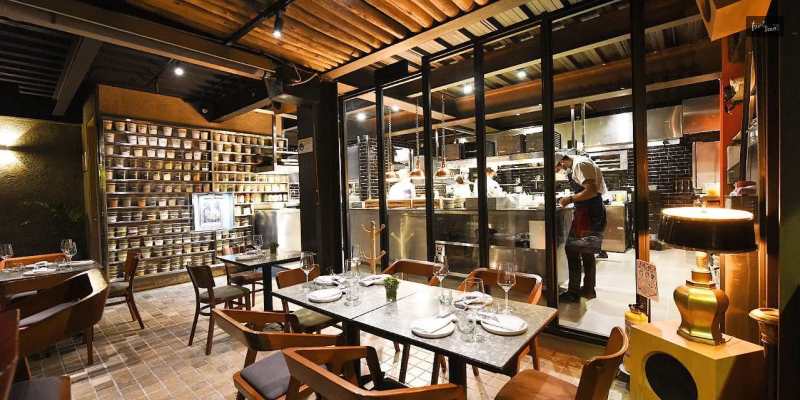
Prudencia is one of these cozy family-run restaurants you can’t simply miss out on! Located at La Candelaria, the historic heart of the Colombian capital of Bogotá, Prudencia is famous for exuding a rustic charm with an exciting open kitchen for engaging with guests. From smoked meat dishes to fermented veggies, the foodie inside you will be spoilt for choice.

8. Sambombi Bistró (Medellín):

While seeking the best restaurants in Colombia, there’s no way you can miss out on Sambombi Bistró! The best part? Sambombi Bistró is famous for celebrating the mouthwatering simplicity of those ‘small sharing plates.’ Moreover, the menu keeps changing every week keeping both creativity and freshness as priorities.

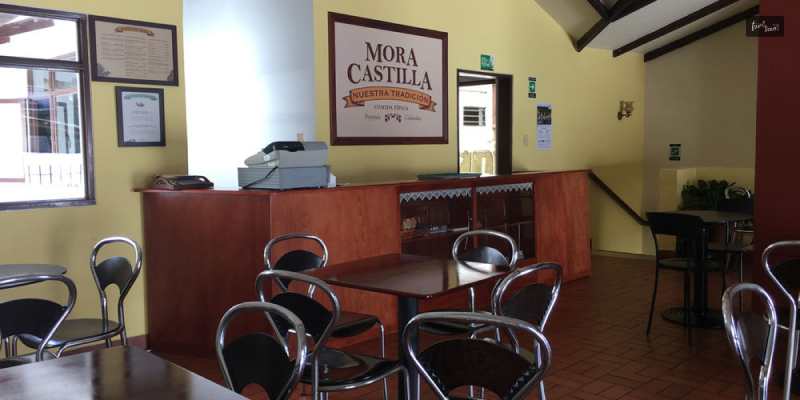
9. Mora Castilla (Popayán):

Located in the rustic and laidback setting of the Cauca region, Mora Castilla specializes in serving traditional dishes. The best part? This region is famous for its staple, Carantanta, served with Hogao (a sauce made from blending onions and tomatoes) and Empanadas de pipián – you can easily wash these down with Lulada, a fruity beverage made from Lulo, the staple citrus fruit of Latin America.

10. Idílico (Medellín):

The brainchild of Chef Yeison Mora, Idílico, focuses primarily on Colombia’s rich biodiversity in order to create wholesome and traditional dishes. The intimate and relaxed Idílico serves seafood hailing from the Pacific and potatoes from the Andes, thereby paying homage to the diversity Colombia is known for – the place also highlights seasonal ingredients!

11. El Chato (Bogotá):

When you type ‘restaurants in Bogota Colombia’ on Google, every listicle will point towards El Chato! Located in the prospering neighborhood of Chapinero, El Chato is a contemporary bistro that specializes in blending Colombian ingredients with different global flavors. Some of their popular dishes, for instance, are White Trout served with Filo pastry, and Lamb served with tasty Coconut rice.

12. Celele (Cartagena):

Located in Cartagena’s colorful Getsemaní neighborhood, Celele is a Caribbean-inspired restaurant specializing in exploring unique flavors! With the goal of celebrating and preserving recipes from the Caribbean coast, Celele is known for its Goat Kebabs, Coconut Sorbets, and Lobster Tartare.

13. Alambique (Medellín):

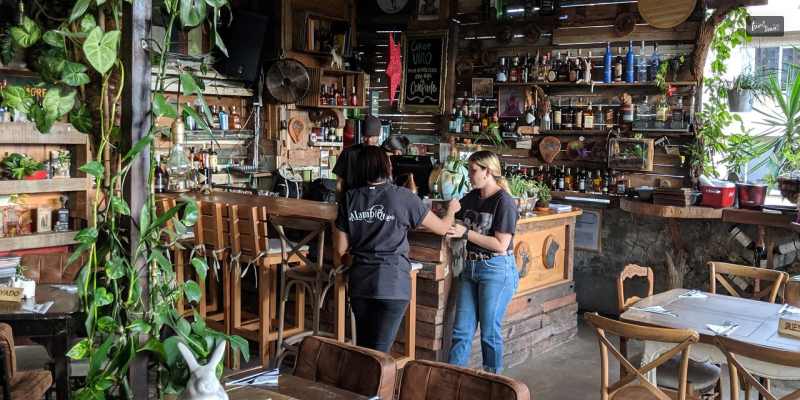
While looking up the best restaurants in Colombia, we came across Alambique, tucked away near the Parque Poblado at Medellín. Once you head upstairs, you will be greeted with beautiful Bohemian interiors inside this culinary laboratory. Dishes such as Seafood Stew and Crisp Pork Ceviche are slow-cooked and curated to be shared.

14. Mar y Zielo (Cartagena):

While searching for restaurants in Cartagena, Colombia, there’s no way you can miss out on the swanky gastro bar, Mar y Zielo, located at the vibrant, historic center of Cartagena. This Caribbean restaurant is popular for its signature cocktails and handcrafted dishes, all inspired by the four different corners of the country.

15. Oci.Mde (Medellín):

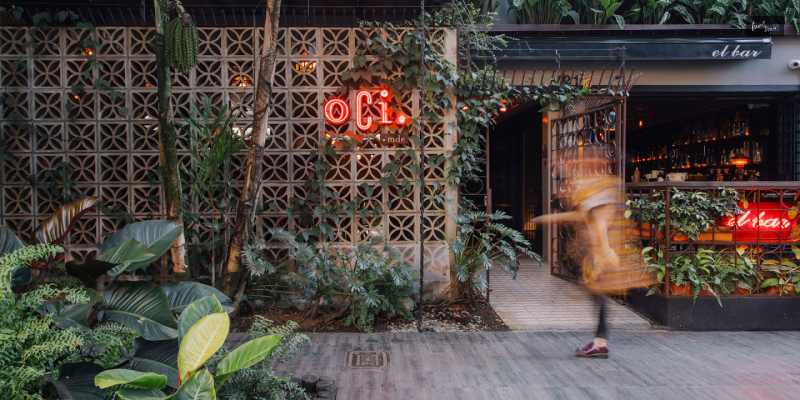
Located on the leafy streets of Medellín, Oci.Mde specializes in combining Asian flavors and cooking techniques with traditional Colombian ingredients. The popular restaurant exudes a convivial and laidback atmosphere while serving marines, fish, and slow-cooked meat dishes. Moreover, the staff is very welcoming and exceptionally friendly.

Frequently Asked Questions (FAQs):

Check out the most frequently asked questions about the most popular restaurants in Colombia mentioned below. 

1. What Is The Most Popular Restaurant In Colombia?

The most popular restaurant in Colombia is Andrés Carne de Res! The brainchild of Andrés Jaramillo, this popular restaurant has so much to offer guests – from delicious dishes to an endless list of cocktails, you will be spoilt for choice. In fact, it is highly probable that your meal will be accompanied by grape-crushing serfs and fire-eating nymphs.

2. Does Colombia Have Good Food?

Colombian cuisine is well seasoned and delicious, especially all tipico Colombian food items. In fact, each region in this country is home to a speciality dish, and all the speciality dishes are incredible. So you cannot miss out on the tasty food that you get here! 

3. What Food Is Bogota Known For?

Bogota is known for the following food items:

Ajiaco,
Buñuelos,
Feijoa,
Grenadilla, and
Lechona.

4. Do Colombians Eat Lots Of Meat?

Technically, yes! Colombia is not a fun place to visit for vegetarians since a typical Colombian diet has plenty of meat. Then there are the coastal regions, all popular for different varieties of lobsters, fish, and other seafood, all prepared with this mouthwatering sauce crafted from milk and coconut. 

And It’s A Wrap: Bon Appétit!

Planning a trip always includes finding the best places to eat! So how can you plan a trip to Colombia without finding out all the restaurants in Colombia you must check out? After all, Colombian restaurants are well known for their extensive palette made to appease your taste buds.

Bon Appétit! Don’t forget to tell us about your experiences with Colombian food in the comments below!

Read Also:

Share on Social Media

Barsha Bhattacharya is a senior content writing executive. As a marketing enthusiast and professional for the past 4 years, writing is new to Barsha. And she is loving every bit of it. Her niches are marketing, lifestyle, wellness, travel and entertainment. Apart from writing, Barsha loves to travel, binge-watch, research conspiracy theories, Instagram and overthink.

Leave a Reply

Your email address will not be published. Required fields are marked *

title-img Related

READ MORE Summer In Rome

Summer In Rome: Sleep, Do, See

BY  Pijus Maity Jul 17, 2024

Summer in Rome: Every traveller knows Rome is one-of-a-kind; no wonder it is widely recognised as the Eternal City.  Aside from the timeless architecture and history that lives in all of its paths, one cannot get over its ethereal beauty. And can you blame? The city is charmed with an eternity of times you may explore and still discover something new for yourself. You never know what you will find in its most notable landmarks because there’s so much to see and do. Let us now start our guide on things to do, locations to see, and spots you may enjoy during your Roman summer break. Exploring Rome: It All Begins With A Plan… First, we will explore the remains of the Roman Forum and visit the Colosseum. It is the most famous symbol of the city of Rome worldwide.  Both the Pantheon, which is well-known for its dome, and St. Peter's Basilica in Vatican City offer a panoramic view from its dome. These are evergreen destinations that never fail to leave a lasting impression and have a strong and timeless historical aura.  1. The Sistine Chapel The Sistine Chapel, which is housed at the Vatican Museums, is another must-visit ​​location. However, pay attention – reservations are required in advance. Then, take in the views from the Spanish Steps and see the Trevi Fountain. Art lovers might visit the Galleria Borghese, which features paintings by Bernini and Caravaggio, and the Capitoline Museums, which are home to antique Roman artefacts. The National Gallery of Ancient Art is situated at Palazzo Barberini as well.  2. Catacombs of San Callisto For an experience like no other, visit the Catacombs of San Callisto and walk or ride along the Appian Way. The Orange Garden will offer breathtaking sunset views of Rome, and the Baths of Caracalla will provide insight into ancient Roman public baths. Rome also has an outstanding food scene. Crispy and thin Roman pizza and classic pasta dishes like carbonara, cacio e pepe, amatriciana, and gricia are examples of its traditional cuisine. Notable dishes are Carciofi alla Romana, or Roman-style artichokes, and Supplì, fried rice balls filled with cheese.  3. Relish The Roman Delicacies Also, take a chance to savour Saltimbocca alla Romana, which is veal cooked in butter and white wine with prosciutto and sage. Desserts not to be missed are classic tiramisù and maritozzo, a sweet bun filled with cream.  Take a chance to enjoy a meal at classic trattorias like Da Enzo al 29 or Armando al Pantheon, or venture to Michelin-starred restaurants like Il Pagliaccio or La Pergola for a premium experience.  4. Extraordinary Stays Of course, there are plenty of places to stay in Rome. For reasons related to transit, goods, and services, we advise selecting places close to the city centre.  Furthermore, the majority of the most well-known, highly regarded lodging options with top-notch service are found in Rome's historic centre. You may, for instance, consider the wonderful VRetreats hotels.  Rome may be chaotic, so pay attention to this step to ensure that you have the greatest holiday possible with excellent service and the ability to see all the places you want to see in less time. Here’s Your Rome Itinerary… Whether you are in the city for three days, five or a week, you need an itinerary to visit places that deserve priority. If I were to give an honest opinion, three days is fine for a tour of this ethereal destination. Here’s why: 1. Day 1 at the Palatine Hill Are you back from the Colosseum already? If so, it’s time to visit Palatine Hill and, of course, the Roman Forum. Count on me when I say this: Palatine Hill is absolutely unmissable!  Sure thing, everyone loves the Colosseum, and they’re most likely to hit their destination when they reach Rome. But why not go that extra mile to discover a not-so-hidden-gem? If you are dying for some epic views across the forum, this one destination should be on your bucket list. Welcome, home Christmas card photos dwelled with tour images.  2. Day 2 at Pane e Salame It is obvious that you should stop at a food destination with all that extra vacation stress you are carrying. I have found an incredibly amazing lunch spot in Rome, Pane e Salame. It is a paradise for those looking to gulp fresh cheese and delectable meats.  I saved some serious money on their charcuterie tray, which was the wanderer’s reward! It has got so many delicacies that you can share without feeling guilty to your friends. Also, add Aperol Spritz for that extra kick! While Venice and other north Italian cities are quite popular for their finger food-serving styles, this place does something unique. Have an amazing time at Pane e Salame and taste the authentic Italian culture in the form of food.  3. Day 3 is for a Walking Tour I will not immediately name the places, but nothing pays off like an accomplished walking tour of Rome. Art flows through every single vein of the city, and you are never going to be secluded! On this walking tour, you are most likely to cover Piazza Navona, the Spanish Steps, Campo de Fiori, the Trevi Fountain and the Pantheon. This tour shouldn’t take you more than an hour!  Important Consideration: These places are jam-packed with tourists. So, you can book your tickets for months with fewer tourists arriving, say during winter or autumn. Follow these tips, and you’ll be good to go! The Bottom Line So, what’s stopping you from discovering the gem of Italy? There’s literally so much to see and do in the city that boasts of art and culture.  Get ready to see something special and dine in the best places in Rome. Thank you for reading this article till the end!  We really hope we were helpful on your way to planning your vacation. Wishing you the best stay in Italia! Also read Roman Revelations: Unforgettable Things To Do In Rome, The Heart Of Italy! Find Hotels Near Rome’s Top Attractions And What Parts Of The City To Stay In. The Italian Train Group FS Will Launch A New “Night Train Like Hotel”: Rome To Dolomites.

READ MORE Travel with an Electric Bike

Travelling With Your E-Bike: How To Prepare For A Trip Or A Flight

BY  Sibashree Aug 28, 2025

Taking your e-bike on a trip sounds awesome, right? Whether you’re heading off on a cycling holiday, taking your electric bike to explore new trails, or simply bringing it along for a weekend away, travelling with your ride can open up exciting possibilities. Travellers love to travel. However, ironically, travelling causes carbon emissions. Therefore, people should ensure that they travel without harming nature. Nature lovers often stay in this dichotomy while travelling. They often fear that the toll of their travel will fall on nature. However, when you travel with an electric bike, you stay confident that no matter what happens, you will not be emitting carbon.  But, yeah… there’s a catch. Traveling with one can be a bit of a headache. Batteries, packing, weight limits, all that stuff. Still, if you plan ahead just a little, it’s not so bad.  Moreover, your bike will get there in one piece, and you’ll be ready to ride without drama. Let’s go over what actually matters. Understand The Rules Before You Go First thing—rules. Every airline, ferry, train company, you name it—they’ve all got their own take on e-bikes, especially the batteries. Lithium packs are where the real limits are. Some places want them off the bike, others only allow certain sizes.  And here’s the kicker: it changes country to country. Something fine in Spain might be banned in Canada. The only safe bet? Ask your carrier before you go. Better yet, get their answer in writing.  Saves you from awkward moments at check-in where they suddenly say “nope.” The cargo companies and other subjects subject Lithium batteries to scrutiny and regulation, as there is always a chance of these battery packs catching fire. Hence, the travellers should get everything checked in the first place, as it will prevent any sudden problems while shipping. Thus, travellers should get everything on paper while they travel with an Electric Bike. 1. Preparing Your E-Bike for Travel Think of this as a quick health check. Brakes—good? Tyres inflated? Chain oiled? Electronics behaving? If something feels off, fix it now, not halfway through your holiday. For the battery, don’t leave it full or empty—half-ish charged (30–60%) is the sweet spot. Most travel rules want it removed anyway. Moreover, strip off extras like mirrors, lights, bells… anything that sticks out. And honestly, give the bike a quick clean. Dirt might seem harmless, but some countries are strict on biosecurity. Moreover, the last thing you want is customs giving you grief over a muddy tyre. Plan out the spots for charging and halts while you travel on your bike. 2. Packing Your E-Bike Safely How you pack decides how your bike comes out on the other end. Hard-shell case? Best protection, but heavier. Soft padded bag? Lighter and easier to stash, just not quite as bombproof.  Moreover, inside, pad everything. Wrap delicate bits, lock down the bars, pedals, and wheels so nothing shifts. Tape or foam is your friend here. Don’t forget to tag it with your name and number, maybe toss on a “Fragile” sticker. Won’t guarantee gentle handling, but hey—it’s worth trying. Gentle handling at the airport has always been a super myth. However, people should ensure that they get plenty of padding to prevent their bikes from getting unnecessarily damaged.  3. Tips For Travelling By Car Or Train Road and rail are a bit easier. For cars, you’ll need a rack strong enough for e-bike weight (don’t assume a cheap one will do). If it’s exposed, cover it.  Rain, dust, and even little stones from the road can mess things up. Inside a car? Strap it down so it doesn’t bounce around. Trains… well, they’re hit or miss.  Moreover, some have bike spots, some don’t. Check before you get to the station—it’s no fun trying to squeeze an e-bike into a crowded carriage last minute. Cover your e-bike when it is exposed to a car. Moreover, you should not depend on the weather.  4. Flying With Your E-Bike Flying’s the tricky part. Airlines are strict about batteries. Big ones often aren’t allowed in checked luggage.  Sometimes you can carry it separately, sometimes you need to ship it. Either way, don’t wing it—talk to the airline weeks ahead, not days.  Pack the bike in a proper travel case, keep it under their weight limits, and protect every part. Once you land, take your time putting it back together.  Better to double-check than to find out a brake cable snapped on your first ride. 5. Extra Gear To Bring Along A few small tools can save your trip. Toss in a multitool, tyre levers, mini pump, maybe a spare tube or two.  Charger’s a must, plus an adapter if you’re heading abroad (easy to forget). A little cleaning cloth or kit helps too, especially after rainy rides.  Nothing fancy—just enough to keep things running smoothly. Moreover, ensure that the entire thing remains in control so that your trip does not get ruined just because of a missing spare. Travelling with an electric bike always demands carrying extra spares with you to ensure proper safety. 6. Common Mistakes To Avoid The stuff people forget is usually simple. Don’t leave your battery fully charged before storing—it wears it out faster.  Watch those weight limits; e-bikes aren’t light. Skip insurance? Big mistake. And honestly, the worst habit is last-minute packing.  Moreover, you rush, something gets left behind, or worse, you break something trying to jam it in. Seen it happen more than once. Remember This Before You Travel With An E-Bike  Bringing your e-bike along is worth it—you get to explore new places on your own wheels. Yeah, it takes some planning, but once you’ve done it, it feels easy.  Moreover, a bit of prep now means a smooth trip later, and you’ll roll off ready to ride instead of stressing about what survived the journey. However, travelling with an e-bike is cost-effective. Hence, the travellers leverage the liberty to go anywhere at any point in time. People should understand that they get some of the best results while travelling. Read Also: 8 Things You Need To Know About Using E-Bikes For Your Hunting Adventures Maximizing Thrill: Expert Advice On Off-Road Motorcycle Rentals

READ MORE natural drug detox

Nature’s Healing: How Camping Can Aid Drug Detoxification

BY  Sibashree Oct 22, 2025

I’ve got to say that recovering from any kind of addiction is a messy business. It’s never just about flushing things out of your system. It’s about fighting your thoughts, your habits, and all those little triggers.  Lately, I’ve noticed more people stepping outside to heal. Camping, of all things, has become one of those hidden gems in detox. Being out there, far from traffic noise and glowing screens, surrounded by trees and honest silence? It hits differently. Some even find it just as helpful as staying in a structured facility like the detox clinic. The Therapeutic Power Of Nature Have you ever stepped outside and just felt your shoulders drop? Nature does that.  Science loves to back this up, and Harvard even found that twenty minutes in fresh air can lower cortisol, the nasty stress hormone that spikes during detox. And honestly, that relief matters. Stress is like gasoline poured straight on withdrawal. When you’re camping, you can’t help but notice how calm things get. No alarms, no rush. Just breathing, listening, thinking.  It’s almost strange how fast you start noticing yourself again. For folks coming out of a storm of substance use, that reconnection to your emotions, your body, your thoughts isn’t just nice, it’s necessary. Camping Facilitates Natural Drug Detox By Improving Sleep Cycles  Camping improves your internal body clock as you are continuously exposed to the natural light cycle. So, by regulating your internal clock, you will get more sleep.  Furthermore, during camping, you remain busy with physical activities. You are hiking through trails, setting up the tent, cooking, and doing other recreational activities or survival chores. This is also crucial for improving your sleep cycle and quality.  Moreover, when camping in remote areas, you cannot use your phone, and you are also away from the daily stressors. With no pressure of deadlines and ETAs and all the chaos in your head vanishing in the thin air, you actually get a better sleep.  Community And Support There’s something wild about how people open up under the stars. I’ve seen it, how those late-night talks by a campfire, voices crackling right alongside the flames, do the magic. That’s a real connection, and it’s gold during detox. A big part of healing is not doing it alone. Most programs preach about support networks, but in the woods, that happens naturally.  You gather wood together, laugh over burnt marshmallows, and share your stories without judgment.  The National Institute on Drug Abuse even says social support can make or break recovery. Makes sense as feeling seen keeps you anchored when cravings hit or the loneliness creeps in. No clinic room can fully replace that kind of bond. Physical Activity And Mindfulness Camping gets your body moving, whether you plan it or not. You set up a tent, haul water, and climb a hill.  Little things that make you tired in a good way. That movement pumps out endorphins, which do wonders for mood, especially when detox brings anxiety or sadness along for the ride. Then there’s the quiet stuff, too. You find yourself being mindful without calling it that! Staring at a lake, flipping fish over a grill, sitting in silence until time just fades! It grounds you.  That kind of focus pulls you away from cravings and teaches you how to ride emotions instead of running from them. Funny how stillness can feel like a workout for your mind. Disconnecting From Technology Let’s be honest. We live glued to screens now. Scrolling when we’re bored, anxious, lonely, or anytime you name it. But camping forces a break.  The first few hours feel weird, almost twitchy without your phone, then a calm sets in. You start talking more, thinking more. Maybe even remembering what silence sounds like. People in recovery deal with enough mental noise already, and research shows that too much screen time can make anxiety and depression worse.  So, cutting that off, even for a weekend, resets something inside you. Suddenly, you’re aware of how addicted we all are to distraction more than anything else. Structured Activities And Goal Setting Some camping programs add a bit of structure, such as goal setting, small group reflections, maybe even creative tasks.  It’s not rigid like rehab, just guided enough to keep you focused. When done right, it helps you rebuild a sense of direction. There’s actually data from the American Psychological Association saying people who set specific, meaningful goals reach them more often.  And out there, surrounded by nature, those goals feel a bit more real. People talk about dreams they’d forgotten or things they want back in life. It’s refreshing—and it sticks. Camping: Setting The Rick Backdrop For Healing After Addiction Recovery Camping won’t magically erase struggle, but it changes the backdrop in a way that makes healing possible. It mixes nature’s quiet strength with genuine community and gentle self-discipline. It is kind of the opposite of everything that fed addiction in the first place. For many who’ve tried both, it’s a beautiful complement to formal detox options like those at the Detox Clinic.  Out there, in the dirt and sunlight, recovery starts to feel less clinical and more human again. Maybe that’s why so many find clarity under a canopy of stars instead of beneath a roof. Furthermore, camping boosts your self-sufficiency. If you are a solo backpacker, you have to dig the soil and set up the tent, light the fire, and do everything else. So, camping is a great confidence booster. You understand that you survive on your own and how strong you are.  All these help us create a positive image of ourselves in our minds. So, you don’t need to rely on any external stimulator or drugs anymore.  In addition, an inclination toward drugs arises from negative thoughts about our capabilities. Camping helps us overcome logistical and physical challenges. So, we become more confident about our abilities.