India has some historical monuments that are not only wonders of India but also wonders of the world. Further, from Rishikesh in the north to Pondicherry in the south, India has many spiritual hubs scattered across the country.
In addition, due to the diverse landscape, it has Himalayan peaks, lush jungles, and the coastal life of the Arabian Sea, Indian Ocean, and the Bay of Bengal.
So, as a first-time tourist or even the most seasoned traveler, finding the wonders of India can be overwhelming for you. Here is an attempt to curate eclectic destinations that cover the preferences of all tourists.
Top 13 Famous Wonders Of India:
India has cultural and historic heritages, monuments, and national parks. Here is the list of the top 10 wonders of India that you must visit. Some of them are also UNESCO World Heritage Sites.
Further, thanks to numerous government schemes and a development in the infrastructure, India has shown significant progress in the worldwide tourism scenario. The Travel and Tourism Development Index (TTDI) 2024 shows India’s 39th position among the 119 countries.
It is a proud moment, considering how it has advanced by 15 positions in respect to the 54th rank in 2021.
1. Taj Mahal
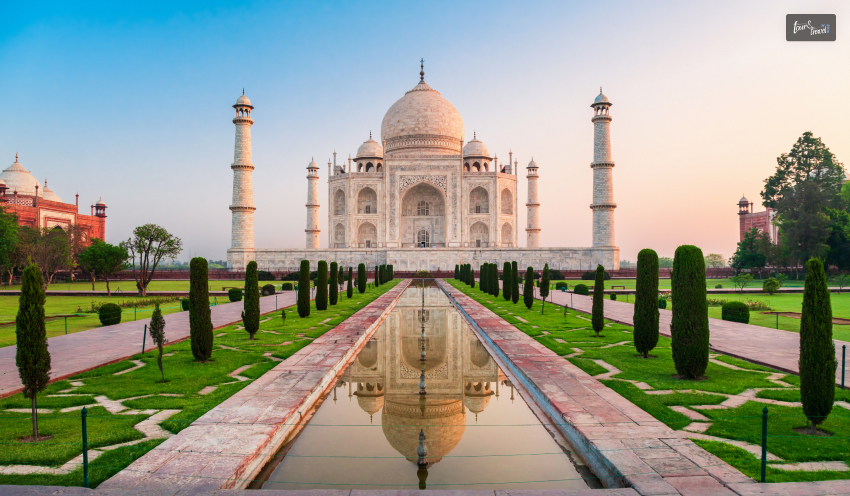
Taj Mahal is one of the Seven Wonders of the World. Visiting India and failing to visit the Taj Mahal means missing great opportunities to explore India. Mughal Emperor Shah Jahan built it in memory of his consort Mumtaz Mahal.
The architectural styles and the marble work of the Taj Mahal attract tourists from all over the world.
Talk to your tour guard about the slot for the best time touring the Taj Mahal. You will have an excellent opportunity to experience one of the world’s great wonders.
Direction: The nearest airport to Agra is Indira Gandhi International (IGI) airport. Agra is only 200 km away from the IGI airport. You can get a cab from the airport or rent a car.
2. Red Fort
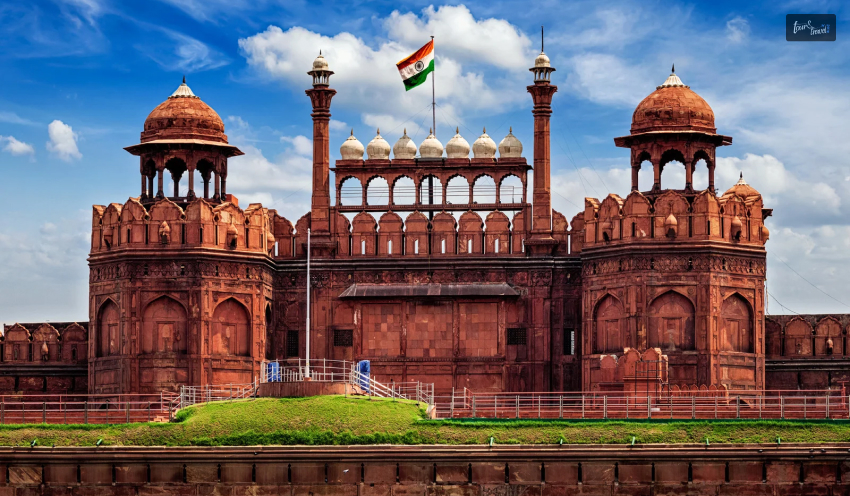
Red Fort is a great edifice by the Mughal emperor Shah Jahan. It is one of the best architectural wonders in India. When visiting India, you should not allow the Ref Fort to be out of your list of the top places to visit in India.
This architectural marvel was constructed with red andstone which makes it look like a red aura that is nice to see. Most people who visit India don’t want to miss out on this excellent opportunity of visiting Red Fort.
It will be more beautiful during Independence Day that is full of decorations and has a royal appearance. There is a Sound & Light show at Red Fort that is held every evening. It describes the history, tradition, and culture of the Mughal Emperor.
Who will not want to make a feel of this when visiting India? No wonder it falls among the top 10 famous wonders of India.
Direction: The nearest metro station is Chandni Chowk, and the nearest railway station is old Delhi. However, the nearest bus stand is Kashmiri Gate Bus Stand.
3. Sanchi Stupa
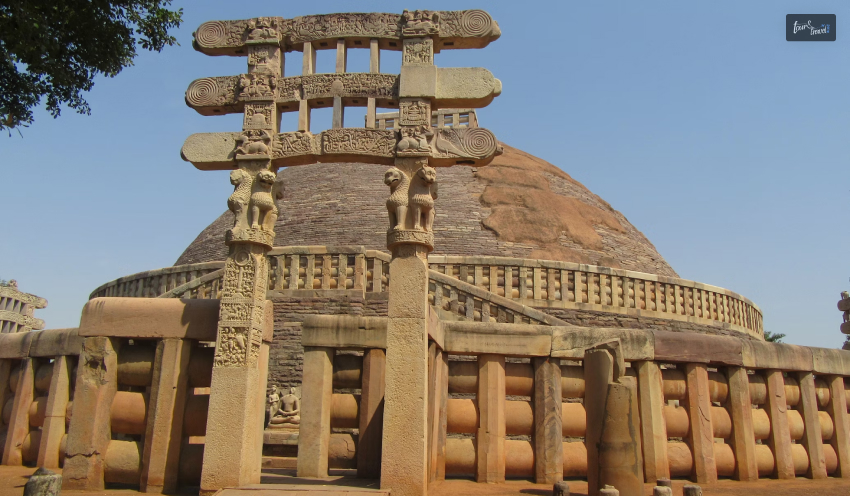
Sanchi Stupa is a famous Buddhist architectural and cultural monument in Madhya Pradesh. It is one of the most popular tourist attraction sites that should not miss out on your list when touring India.
It is a beautiful wonder in India with decorative images, designs, etc. Under the rule of Shunga, this monument was added with some more modifications like a beautiful harmonica on the top and stairways. It is excellent scenery for anyone who is visiting Australia.
Direction: The nearest airport is Raja Bhoj in Gandhi Nagar. Sachi stupa is only 55 k.m away from the airport.
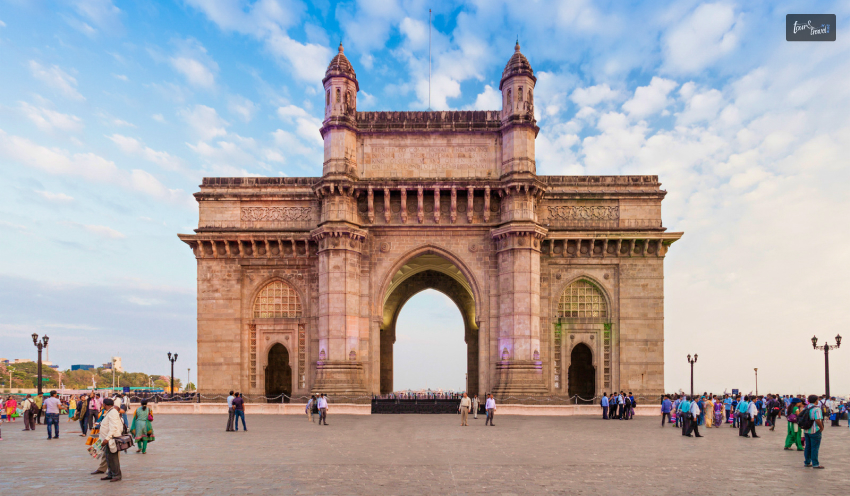
4. Gateway of India
This famous Indo-Saracen-style monument was built by British architect George Wittet in 1911. Gateway of India was made entirely of concrete and yellow-colored basalt rock, attracting many people.
This glorious architectural marvel adds glory to Mumbai city with its massive structure. You can be sure of having a good time when touring the Gateway of India. Most people who have stepped on this ground will tell you it’s a fantastic experience.
Directions: The Central Secretariat metro station is the nearest to the Gateway of India. From the metro station is the only 3k.m.
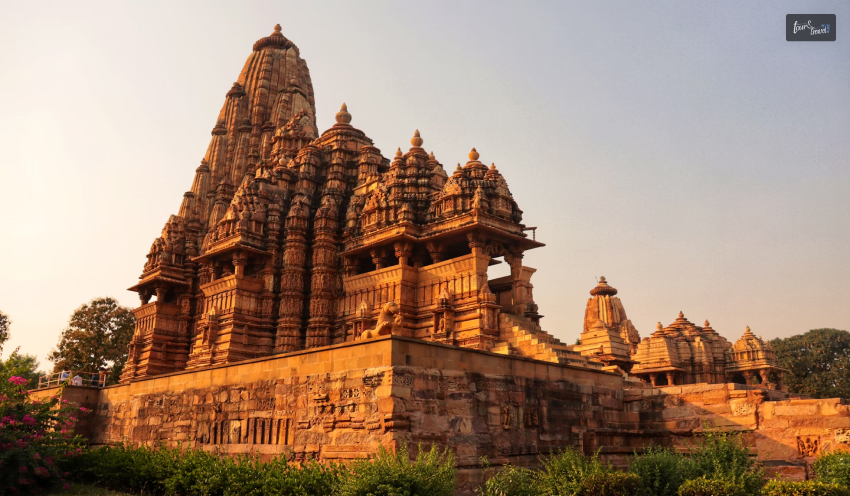
5. Khajuraho Temples
Khajuraho’s group of temples is very famous for its architectural style and exotic sculptures. These temples from the Rajput Chandela Dynasty are holy sites in Jain and Hindu religions.
By visiting this wonderful monument, you can experience the skills of architects of the 10th century. It will give you an exclusive opportunity to learn about the great wonders of India.
Direction: Lucknow is the nearest airport to Khajuraho Temple. In Khajuraho, a single terminal airport connects to Lucknow airport. Flights to Khajuraho are available from Lucknow, Delhi, and Varanasi.
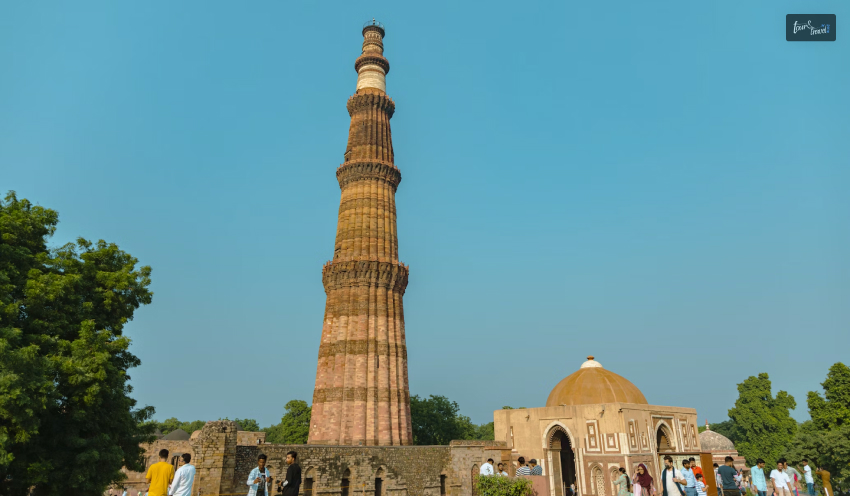
6. Qutub Minar
Qutub Minar is a five-storied famous monument in Delhi by Qutub-Ud-Din Aibak that shows his victory over Hindu rulers. This beautiful wonder was designed in complete Afghan style, and it will be very interesting to experience this place.
It has several destroyed monuments and tombs that are a must-watch for the visitors. It is an excellent opportunity for anyone who would like to experience the top 10 famous wonders of India. Along with the Qutub Minar, you can see the non rusted iron pillar of Delhi within the same campus.
Direction: The nearest metro station is the Qutub Minar metro station. And Mehrauli Bus stand is the nearest Bus stand of the Qutub Minar.
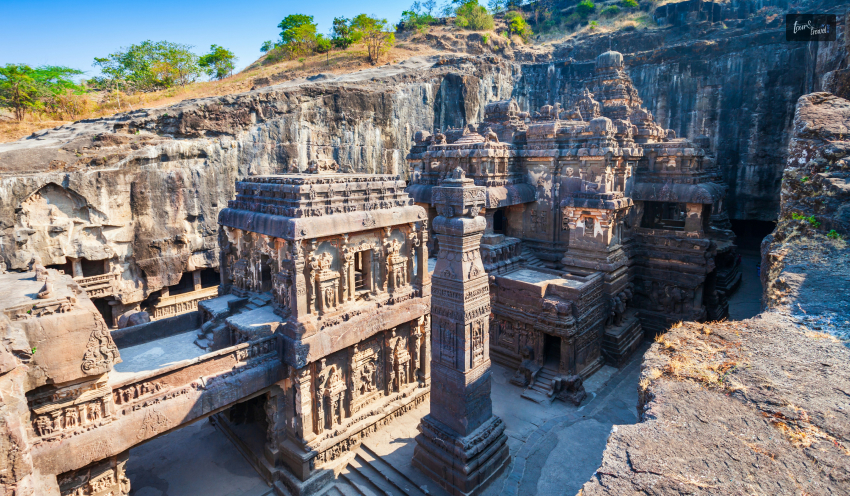
7. Ajanta And Ellora Caves
Ajanta and Ellora caves are the best examples of beautiful paintings, sculptures, and murals in the 2nd century BC and 6th century AD.
This destination also has so much to talk about the history of India. The art effects date from 600 to 1000 CE. Every cave has significant art effects, and all the periods are different.
These magnificent caves are significant in Jainism, Buddhism, and Hinduism. However, these monuments are the best places to experience the arts of the bygone era. Most people get the opportunity to visit Ajanta and Ellora Caves.
Direction: Aurangabad is the nearest city to the Ajanta Ellora Cave. You can get the train, bus, and flight facility from Mumbai to Aurangabad.
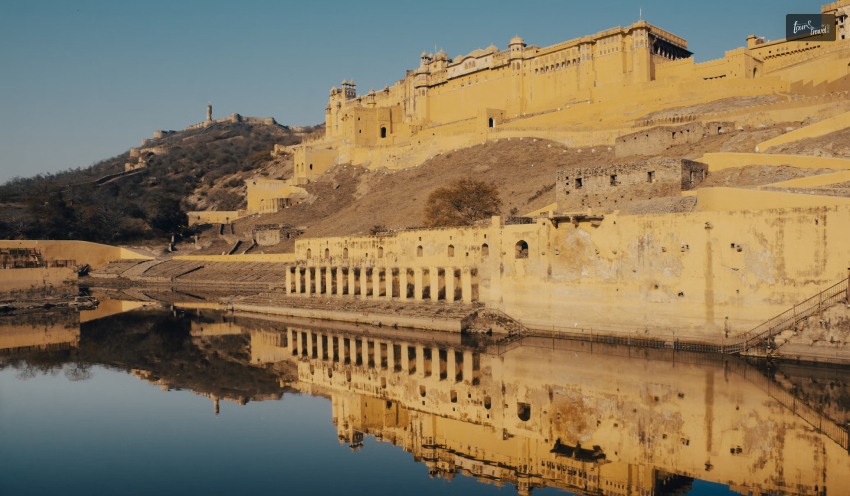
8. Amer Fort
Amer Fort is a famous majestic monument. Maan Singh built it in Jaipur. It is a marvelous architectural wonder with Hindu and Muslim architectural styles.
Amer Fort gives those visiting this place an excellent opportunity to enjoy the land’s beauty.
It is a unique monument with attractions such as Diwan-e-Aam, Sheesh Mahal, and Sukh Mandir and a light show in the evening. Ensure you request the tour guard include this site on the list of places you will be visiting while in India.
Direction: Jaipur is the nearest airport. Pick a cab from the Jaipur airport or railway station if you want to reach the Amer fort.
From New Delhi station, you get many options to reach Jaipur, and from New Delhi, you will get the Jaipur connecting flights.
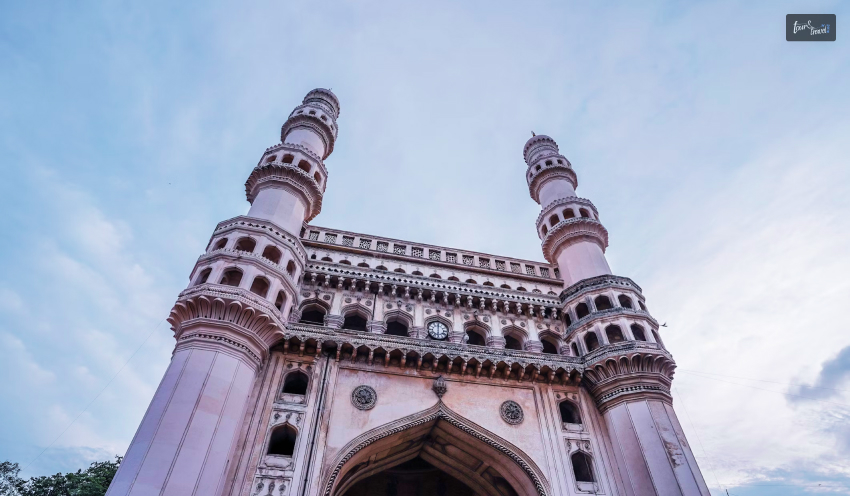
9. Charminar
Charminar is the pride of Hyderabad. In a real sense, the monument is a sacred mosque built by Mohammad Quli Qutub Shah in 1591. Some of the historical sites still define the wonders of India.
Due to the rapid growth of the population, it has remained in the center of traffic. The Charminar’s four minarets symbolize the Islam religion’s first four caliphs. Get an opportunity to experience this beauty by slotting Charminar on your Indian trip.
Direction: Charminar metro station is the nearest metro. Mahatma Gandhi Bus Station is the nearest bus station to Charminar. And Charminar is just 2.6 km from the Mahatma Gandhi Hyderabad Bus stand.
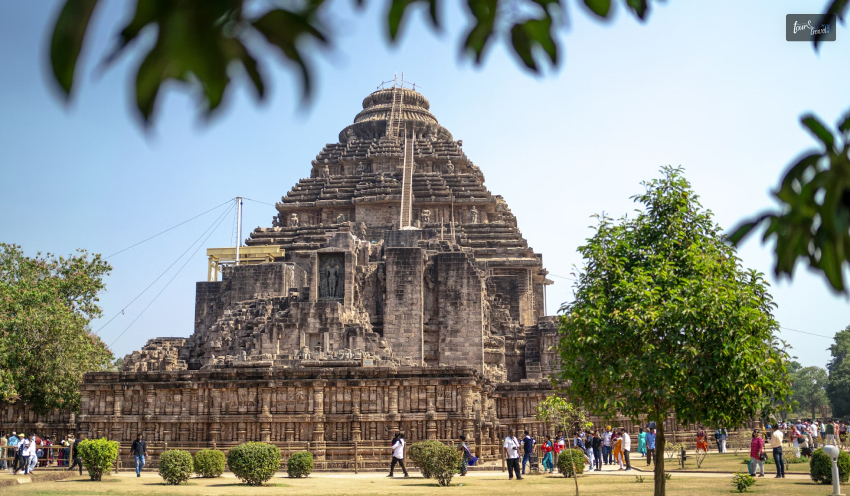
10. Konark Sun Temple
Sun Temple in Konark is a famous temple in India. The temple exists in the form of a huge chariot that is dedicated to Lord Surya Deva in the 13th century.
A major attraction of this temple was depicting the mythological figures and images of animals when the first sun rays touch. It is an excellent place for anyone who wants to enjoy the beauty of India.
Direction: From Puri, only 32 km away from the Konark Sun Temple. You can simply book a cab from Puri and reach the Sun Temple within one hour.
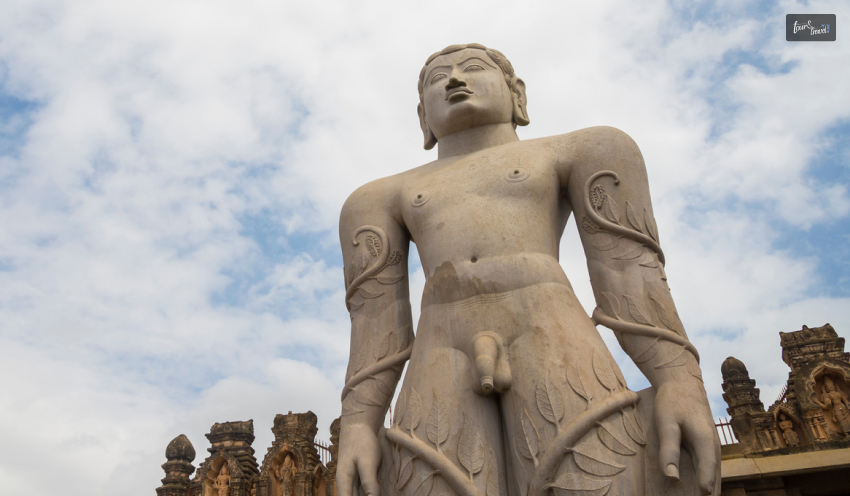
11. Gomateshwara
Gomateshwara, located in Karnataka, is a monolithic statue dedicated to the Jain god Baahubali. Voters chose the massive work of art in Karnataka’s Shravanabelagola as one of India’s seven wonders.
The magnificent structure, one of the world’s largest freestanding statues, appears extremely tranquil and peaceful. To keep the rock’s luster and shimmer, the figurine is polished and washed with milk, saffron, and ghee during this celebration.
The Mahamastakabhisheka festival takes place here once every 12 years at the temple. And THIS is a sight that you cannot miss! It took place in February 2024. So, it is going to be held again in 2036.
Direction: You can drive from Bangalore for a distance of 144 km through the National Highway 75. This place is also located nearly 95 km from the Mysore airport.
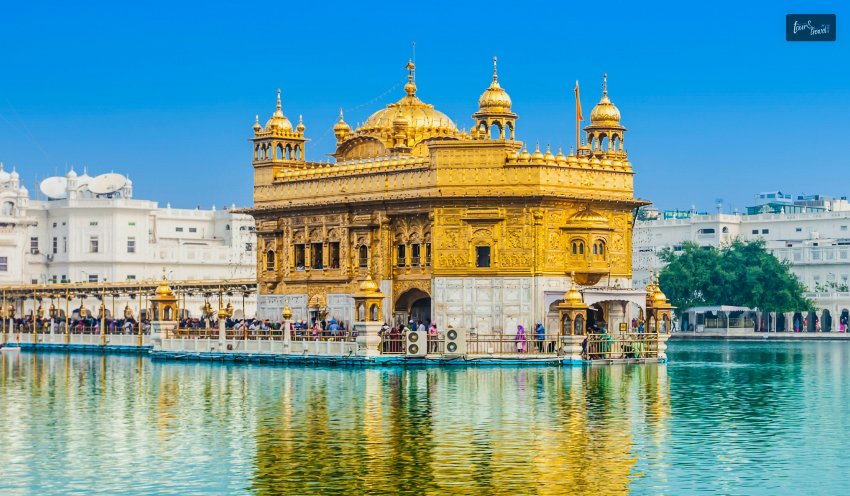
12. Golden Temple
The most important Sikhism shrine is Harmandir Sahib, also known as Durbar Sahib and the Golden Temple. It is one of India’s most visited religious sites, decorated both inside and out with portions of the Holy Granth Sahib.
The gold-plated structure has copper domes and walls made of sparkling white marble that look like floral patterns from the Islamic style. It is one of India’s most well-known wonders due to its tranquility, charm, clean and sanitary environment, and spiritual solace.
Direction: The Sri Guru Ram Dass Jee International Airport (ATQ) is 11 kilometers from the center of the city. There are daily flights from several international and Indian cities. You can also take a cab from Amritsar Railway Station to reach the temple.
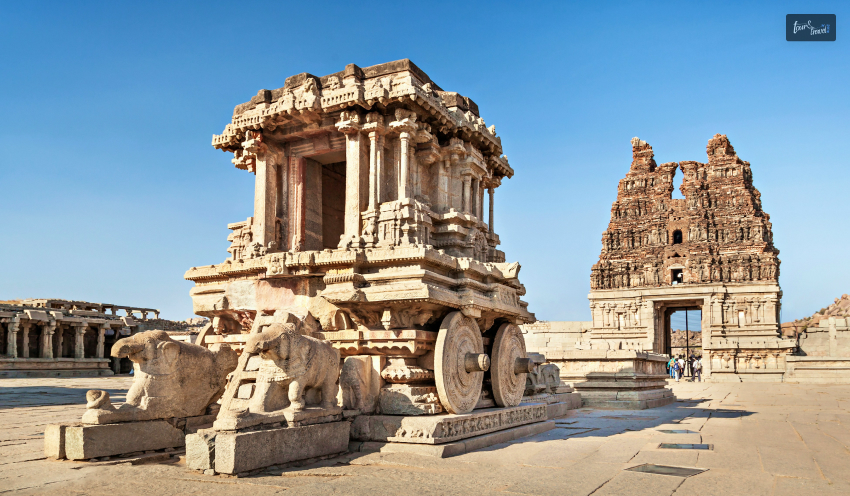
13. Hampi
One of India’s most well-known historical sites is Hampi, which is in Karnataka and is on the banks of the Tungabhadra River. One of India’s Seven Wonders, Hampi is renowned for its historical ruins and relics of the grand Vijaynagar Kingdom.
Its magnificent art display has also made it one of India’s Seven Wonders. The stunning architectural ruins of temples and monuments make up the charming location, which is a UNESCO World Heritage Site.
Direction: Through NH 48 and NH 50, the driving distance from Bangalore is 343 kilometers. The Hospet railway station is 13 kilometers away.
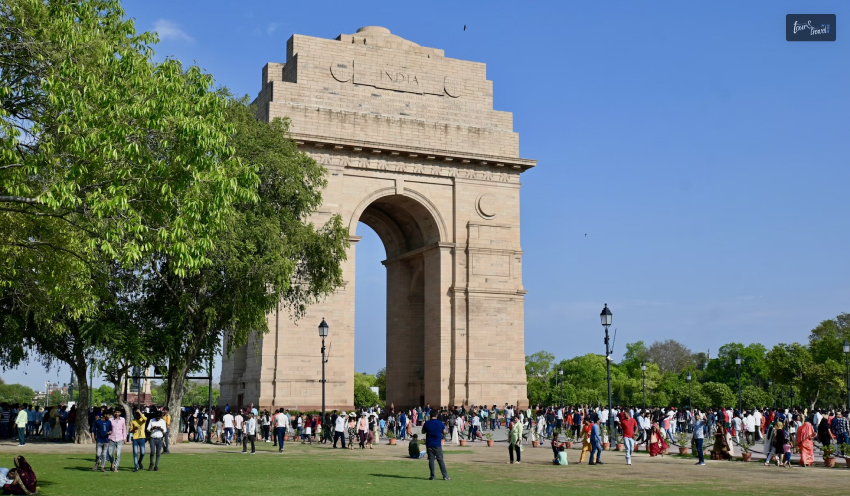
14. India Gate
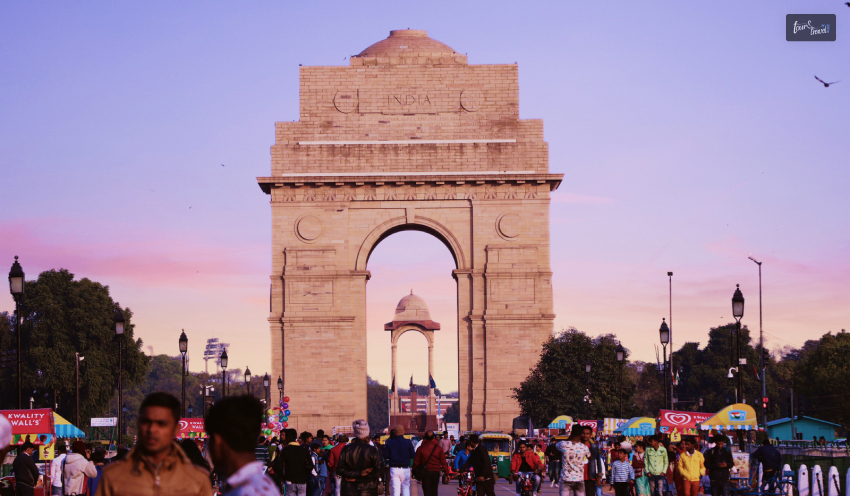
Pardon me for mentioning the India Gate so late in the list. However, India Gate is the monument you must visit first in the country. Sir Edwin Lutyens designed this famous landmark in India, and the construction was open to the public in 1931.
Earlier, this monument was called the All India War Memorial, and it commemorates the Indian soldiers who fought in World War I as part of the British Army and lost their lives. It also pays respect to the soldiers of the Third Anglo-Afghan War.
You can also see the Amar Jawan Jyoti at the India Gate. Conceptualized after the Indo-Pakistan War of 1971, this forever-burning torch is a tribute to the country’s armed forces.
India Gate is open to visitors throughout the day. However, you can visit the India Gate between 7-9 pm as it looks radiant in the floodlight.
Direction: The Central Secretariat Metro Station is the closest to the India Gate. Further, you can take a metro to Udyog Bhawan and take an auto to the India Gate.
Frequently Asked Questions (FAQs)
Now that you know the wonders of India, it is time for you to learn about the most asked questions related to this topic. Check these out before you leave!
1. What Is The 8th Wonder Of The World In India?
Ans: Swaminarayan Akshardham in New Delhi outlines 10,000 years of Indian history in all its breathtaking charm, grace, erudition, and joy. It showcases brilliantly the fragrance of India’s antique architecture, beliefs, and timeless spiritual messages.
2. Who Decided The Seven Wonders Of The World?
Ans: The original Seven Wonders of the World (also known as Ancient Wonders) are often connected to Greek writer Antipater of Sidon. He gathered a list of the seven most remarkable constructions recognized by man. This list was created to be based upon what was widespread among travelers.
3. Why Seven Wonders Are Called Seven Wonders?
Ans: The unusual works of art and architecture are known as the Seven Wonders of the Ancient World toil as a testament to the ability, insight, and sheer hard work of which human beings are capable. The first list comes from a work by Philo of Byzantium written in 225 B.C. called On The Seven Wonders
4. Is The Taj Mahal Removed From The Seven Wonders Of The World?
Ans: Ultimately, in 2007, an informal list of the new seven wonders was published. The Taj Mahal in Agra, India, breaks the ice. Recognized as an architectural masterpiece, the 17th-century white marble mausoleum draws up to eight million vacationists a year.
Conclusion
These are the top 10 famous wonders of India that you must visit on your India tour. Each of them will leave a memorable experience in the back of your mind.
All these historical or mythological monuments are touristy because of the attractions of architectural styles and interesting facts. It will be very enthusiastic and enjoyable to visit these places.
You can be sure that you will have the best experience by visiting any of them. Besides, each of them will give you the best value for your money. Do your homework well so that you have no regrets after you visit India.
Ankita Tripathy loves to write about food and the Hallyu Wave in particular. During her free time, she enjoys looking at the sky or reading books while sipping a cup of hot coffee. Her favourite niches are food, music, lifestyle, travel, and Korean Pop music and drama.
3 responses to “Top 13+ Famous Wonders Of India That You Must Visit [Updated 2024]”
It’s impressive that you are getting thoughts from this piece of writing as well as from our dialogue made at this time.
When it comes to family vacations in the USA, San Francisco will, of course, be among the toppers. The museums, cultural hotspots, and a lot of green space make it ideal for tourists of all ages.
So, naturally, the San Francisco Travel Association is expecting a decent growth in the number of visitors and tourism revenue in 2024. The association expects a footfall of 23.22 million in 2024, which will record a revenue of $9.24 billion.
Further, San Francisco is a cool place if you want to go on a family vacation or spend holidays with your little ones. San Francisco is also great as a weekend getaway from other parts of the country.
However, chalking out the perfect travel plan for kids is always difficult. So, I thought of sharing a 48-hour itinerary of things to do in San Francisco with kids.
Things To Do In San Francisco With Kids In 48 Hours
You need a proper plan in place to maximize your 48 hours in San Francisco with kids. Here are the places you can cover during your two days of stay in the city.
Day 1: Things To Do In San Francisco With Kids
Take an early flight to San Francisco irrespective of the corner you are traveling from. Union Square has many hotels, and you can take a cab from the airport to reach the place you will be staying.
However, don’t waste much of your time checking in or the formalities. Ideally, you should check in, grab a quick bite, keep your luggage in the hotel room, and get yourselves and the backpack ready for the city exploration.
There are a lot of things to see, and these are the things to do in San Francisco on day 1 of your visit.
1. Visit The Union Square
Union Square in San Francisco bears a rich history associated with the American Civil War. It is the place where pro-Union rallies used to grace the roads.
The bright lights and big shops have a vibe similar to Times Square in New York. However, it is much more low-key with less crowd. So it is manageable for kids.
Here, you can explore shops like Bloomingdale, Macy’s, and Sak’s Fifth Avenue. Moreover, Union Square gives you easy access to the cable lines of San Francisco.
The Union Square Gets Ready For ChristmasMacy’s 35th Annual Christmas tree lighting at Union Square has announced the arrival of Christmas in San Francisco. The 85-foot-tall artificial Christmas tree has been a big draw to Macy’s signature store and Union Square. “It attracts people to come to San Francisco. The mayor was here and this starts the holiday season, the shopping, it brings families here. It’s a good time where everyone can feel, ‘Hey, Christmas is coming!”Lt. Mariano Elias, Public Information Officer, San Francisco Fire Department
2. Enjoy Cable Car Rides
Trying cable car rides is one of the best things to do in San Francisco with kids. Along with the fun, the cable car ride is also a great way to avoid expensive car rentals while exploring the city.
The cable cars move up and down steep hills. So, the ride is thrilling, and the route covers many major attractions in San Francisco.
You can choose from three lines to enjoy a cable car ride in San Francisco.
Cable LinePickup FromCalifornia LineMarket Streets or CaliforniaPowell MasonPowell Street Cable Car turnaround off, Market Street, Union SquarePowell HydePowell Street Cable Car turnaround
All these lines also cover major attractions in the city like Union Square, Fisherman’s Wharf, Nob Hill, Chinatown, etc.
3. Visit Boudin Museum
Your little one and you will need some quick bites after the cable car ride. Boudin Museum and Bakery will be your go-to place.
The sandwiches and soups here are excellent. However, exploring the bakery and the small museum is more fun here. You will watch expert chefs making bread and the crafting of sourdough in the shape of bears and other animals.
5. Visit Fisherman’s Wharf
You can conclude your day 1 in San Francisco with a visit to the Fisherman’s Wharf. It is a fun neighborhood with street performers and activities for your kids.
Some hotspots for children at Fisherman’s Wharf are:
Umbrella Alley
Musée Mécanique
Ripley’s Believe It Or Not
Sea Lion “Sealebrities”
PIER 39
Fisherman’s Wharf also has the Madame Tussauds’ Wax Museum. But it has closed its operations since 3rd August, 2024.
Further, once your kids are done exploring Fisherman’s Wharf, you can take them to Ben & Jerry’s at the Argonaut to have the best ice cream. It remains open every day from 10 AM to 11 PM, and it will cost you around $5 per serving.
If your kid is more up for something savory, take them to The Codmother Fish & Chips on 496 Beach Street. It welcomes guests from 11:30 AM to 7 PM, except Wednesdays. Here, the pocket-pinch will be around $10-20 per meal.
Day 2: Things To Do In San Francisco With Kids In 48 Hours
You really need to make an early start to your day to make the most of your day 2 in San Francisco. On day 2, our focus is on the Palace of Fine Arts, Presidio, and Alcatraz.
5. A Visit To Alcatraz
Your day 2 will begin with an “Early Bird Tour of Alcatraz.” You will start at 8:45 AM from Pier 33.
Alcatraz is the Spanish translation of the word “Pelican,” the first dwellers of the Rocky Island. However, Alcatraz is more famous (notorious) for housing Alcatraz Prison, one of the most notorious in the history of America.
So, today, Alcatraz is a popular spot for dark tourism. George "Machine Gun" Kelly and Al Capone are the two most renowned captives of the Alcatraz Prison.
6. A Visit To The Palace of Fine Arts – Presidio
The Palace of Fine Arts is one of the most beautiful historical monuments of San Francisco. The Greco-Roman rotunda is a striking feature of the Palace of Fine Arts.
You will also love the arches, gigantic columns, and sculptures here.
If you still have time left for your flight and you want to try more things to do in San Francisco with kids, visit the Aquarium of the Bay, the Sea Lions at K-Dock, and the USS Pampanito.
Also read
Top 10 Most Popular Paraguay Food That You Must Try.
Top 13+ Famous Wonders Of India That You Must Visit [Updated 2024]
Top Tips For Motorbike Rental In Phuket – A Guide To Exploring The Island On Two Wheels.
There are several places to see in Mudgee! If you are planning to visit the place, let me share with you things to do in Mudgee which will not just be exciting but safe. Be it vineyards & wineries, wildlife, and nature areas, you will get a lot of places to visit.
In the following blog, I will be sharing with you some of the best activities in Mudgee. You will love your overall trip which will include both beautiful places, beautiful nature, and a lot of food and drinks. So, are you ready to pack your bags?
You can take one of the best cruises for couples if you are planning to vacation in Mudgee. Furthermore, there are various things to check out on the farms where you can get fresh produce. Additionally, let me share with you why the place is perfect for your vacation plan to Mudgee!
With Popular Wineries, Learn the Things to Do in Mudgee!
The region Mudgee is known for its wineries! The landscape is famous for its farmlands offering a variety of activities related to the same. Whether it is petting farm animals, feeding them, tasting wine, organizing picnics, or other activities, Mudgee is a perfect country destination for vacation.
It is a perfect spot if you want to leave behind the hustle and bustle of the city for a few days. The food produced is flourishing thus offering tourists a variety of gourmet experiences and complimenting views and wine. Let's explore the things to do so that you can effectively plan.
It is one of the exotic places to travel. There are also trails around the Cudgegong River, one such that you can visit is known as Lawson Park Sculpture Trail. It is perfect for people who love taking a walk in the forests. Exploration is key here!
1. Horse Riding
https://www.instagram.com/p/CjbOHf4h0AZ/?img_index=1
The surrounding countryside has to offer a lot from its land. One of them is learning and enjoying the horse-riding sessions. You will feel like you are enjoying one of the greatest adventures of your life.
Some of the places where you can learn to ride horses or get the experience are Hoofbeats Carriage Rides and Mudgee Horse Riding Centre. There are scenic trails that you can explore on horseback, however, the terrain can be a bit challenging hence the lessons are important.
2. Wine Tasting
https://www.instagram.com/p/Cu0_loqy2jx/
If you are a lover of sunset, you must visit the popular wineries of Mudgee namely Lowes Wines, Short Sheep Micro-winery & Farm, Baker Williams Distillery, Pieter van Gent Winery & Vineyard, and others.
Different flavors such as butterscotch and lemon myrtle are available in wine. Additionally, you will also get schnapps and a variety of gins. You will see the vibrant color of grapes, their taste, and the processes of sustainable farming.
With a friendly and flexible guide, you can easily navigate the various wineries. There are also cheese shops adjacent to a lot of wine shops, thus offering you a perfect atmosphere at sunset followed by a different style of cuisine.
3. Stargazing
A lot of people visit the place and enjoy stargazing a lot! The night sky is beautiful in Mudgee, a lot of people love stargazing with the clear sky. You can visit Mudgee Observatory which is a perfect option for stargazing because you will get telescopes and dark skies.
The place is just 15 minutes outside the town with a theater and a flat-screen planetarium. There are also conducted tours available! It is also one of the best places to travel with kids because of the beautiful nature they get to learn so much about.
4. Visit Mugdee Water Park
This is a perfect place to visit if you have kids accompanying you on this trip. Frolic across the water, making memories while taking in the beautiful scenic views surrounding it. The pool is open from 6 am to 10 am, however, it is also dependent on the requests of community members.
Furthermore, apart from pools, there are various water activities and water slides. There are qualified staff posted in all the pools in the waterpark. So, even if you are not that comfortable in the water or there are kids with you, you do not have to worry a lot.
5. Ride Miniature Trains
Did you know there are miniature train services available in Mudgee? If you are a child at heart, you have to try this out when you visit the place. There are various models, starting from electric, petrol, and steam locomotives apart from miniature trains.
You can get tickets to get on this three and a half, and five-inch gauge miniature train. They are also called the riding railroads and are often used as a pastime for passengers and constructors.
6. Explore Parks & Picnic
There are many parks in Mudgee so you can easily visit them and enjoy them. Let's not forget to explore them for their variety of flora and fauna. Additionally, you can plan a picnic in the park whether you visit with your family or your friends.
There are different parks in Mudgee that you can visit such as BIG4 Mudgee Holiday Park where you get a barbeque area for picnics, a playground for children, and a swimming pool. There is another significant park to visit Munghorn Gap Nature Reserve, where you can experience the Aboriginal heritage and the sandstone pagoda country!
7. Visit Farms & Feed Animals
There are several farms in Mudgee as a lot of natives and locals have farms. They produce fresh farm produce, from vegetables to eggs and meat. A lot of the local farmers have opened their farms for tourists to visit, feed their animals, check the exhibits, and buy products.
There are several farms, where you can meet the animals and feed them. One of the farms is Short Sheep Micro-Winery & Farm which is located just outside the country place where you can also check out the sustainable wine-making practices.
There are orchards, vegetable gardens, cattle, and sheep on the farms. You can check them out. Simultaneously, you can also feed the Alpacas, guinea pigs, chickens, goats, and ducks when visiting these farms. If you visit the Saguaro National Park, you might find some varieties of animals too!
Wrapping Up!
In conclusion, when you talk about things to do in Mudgee, most of the activities include going outside. The outdoors is beautiful in this place especially when most of the land is filled with farms and vineyards. If you love the outdoors, it is your perfect spot to spend the vacation.
Comment below on what you think of the place and how you are planning to visit. Furthermore, let us know what your favorite thing is to do out of the mentioned activities here.
Also read
Top 10 Most Popular Paraguay Food That You Must Try.
Top 13+ Famous Wonders Of India That You Must Visit [Updated 2024]
Weather Conditions in AndamanAPRIL - JUNEJULY - SEPTEMBEROCTOBER - MARCHTemperature24°c - 37°c 22°c - 35°c20°c - 30°cSeasonSummerMonsoonWinter
2022 is almost ready to bid us adieu. A new year is less than two months away, and there’s no reason why you shouldn’t start planning your trips for 2023.
And the first place to check out in the new year (if you trust us even a teeny tiny bit) is Andaman - because the best time to visit Andaman is approaching, and you must not miss out on this golden opportunity!
Today, we will only talk about visiting this island state in the Indian Ocean. Keep reading to find out all that you need to know about traveling to Andaman!
Journey Across The Indian Ocean: Best Time To Visit Andaman!
Thanks to warm temperatures and little rain, the best time to visit Andaman is anytime between October and May.
Although the picturesque archipelago undergoes moderate weather throughout the whole year, it is best that you plan a trip during these months for a memorable experience.
At the same time, you must remember that there are so many other people thinking along the same lines.
As a result, it is safe to say that this time of the year also happens to be the busiest time for the island state. But whenever you decide to visit this sunny island, it’s best to avoid the same during Monsoon.
The high tides, incessant rains, and strong wind all add up to create an environment that can hinder your touring experience - so why take the risk?
Yes, the islands are perfect for water sports, beach excursions, and plenty of sightseeing due to their warm weather, more or less throughout the year.
But naturally, there are advantages and disadvantages of visiting the islands in different seasons.
So without wasting any time, let’s check out a comprehensive guide for traveling to Andamans at different seasons - scroll down to find out all that you need to know!
Exploring Andamans In Winter (October - March):
To be honest, Andaman does not really experience a proper winter season.
If you have ever traveled to Bengaluru or Vishakhapatnam, then you will be able to understand the climate type prevalent on these islands.
The mildly humid, pleasant weather is ideal for tourists to relax - the turquoise water of the vast ocean reflects shades of blue, contrasted by the white sands, and the blue sky only makes these islands worth a visit during this season.
Andamans In Winter
The winter season makes the destination a picturesque location perfect for couples on honeymoon, families, and other elderly people.
The best part? Neither the location is sultry nor is it sweaty - so you can just grab some cocktails and unwind inside the shacks against an aesthetic backdrop.
Exploring Andamans In Summer (April - June):
While seeking the best time to visit Andaman and Nicobar islands, you can always consider Summer for planning a trip to these beautiful groups of islands.
Let us tell you why! With absolutely no rainfall, the weather is ideal for sightseeing, water sports, or just relaxing by the beach.
The season usually begins in January and goes on till the end of April.
Since this is the time for a summer vacation in the academic sector, the season collides heavily with a busy tourist season comprising mostly families with children.
Moreover, you can also try out all the different watersports during this time.
In this context, let’s check out a few details related to visiting Andamans in Summer.
Temperature And Weather:
During Summer, the Andaman Islands experience an average temperature that ranges between 25 degrees to 32 degrees.
With a mean relative humidity of about 80%, Summer is perhaps the most popular time to travel to these beautiful islands and cross off a few travel goals from that bucket list of yours.
Moreover, during this season, the weather is quite calm. You can even try out different watersports such as
parasailing,
jet skiing,
snorkeling, and
scuba diving.
Why Should You Visit Andamans During Summer?
Stop googling ‘Andaman Nicobar best time to visit’ and instead keep reading to find out why Summer is one of the best reasons to visit this group of islands.
Summer in Andaman is all about the warm ambiance, the glowing environment, and the vibrant crowd. If you love beaches, then you will get to witness the pristine destination, and that too in all its summer glory.
Who hasn’t seen those aesthetic pictures of Andaman in magazines, social media platforms, and even blogs?
We are talking about those photographs with the boats anchored on the sandy shores with beautiful turquoise waters in the backdrop.
It’s the idea of travel photos with a few hammocks tied to several coconut trees, all standing tall, facing the limitless ocean.
Summer is also about festivities, and Andaman surely rises to the occasion. If you do end up finding Summer as the best time to visit Andaman, then don’t miss out on festivals like
The Island Tourism festival (a 14-day festival celebrating the traditions and cultures of the region),
The SubashMela (an event for celebrating Subash Chandra Bose’s birthday), and
The Block Mela (an event for celebrating the diverse cultures, and local lifestyles).
Things To Remember Before Visiting Andaman In Summer:
Since the weather in Andaman during Summer is calm, you do not need to let that paranoia worry you.
Simply pack everything you will need and lose yourself in this beautiful paradise - this is, after all, the best time to visit Andaman!
Here’s what you need to keep in mind!
Since you will be traveling to tropical climates, you will dehydrate fast. As a result, it is best that you carry plenty of adequate water and stay hydrated.
Don’t forget to carry your deodorants, hats, sunglasses, and sunscreens as protection against the hot Sun.
Also, make sure you are traveling light with beach clothes and some flip-flops.
Exploring Andamans In Monsoon (July - September):
As we mentioned early on, Monsoon is definitely not the best time to visit Andaman, as compared to the other two seasons.
In case you had no idea, the islands receive rain not once but twice from monsoon - once from the Southwest Monsoon and the other time from Northeast Monsoon.
You don’t need to type ‘Andaman and Nicobar islands best time to visit’ on Google to find out that monsoon is not your ideal weather for traveling to Andamans. But in case you hate crowds and don’t mind some rain, and a little adventure, then we don’t see any reason why you can visit these islands during monsoon.
So let’s check out all the details you need for planning a trip to Andaman during Monsoon.
Temperature And Weather:
Monsoon in Andaman is characterized by incessant rains and high tidal waves. In fact, the temperatures easily range between 22 degrees Celsius to 30 degrees Celsius, making this an ideal season for both hot chocolate and different citrus-based beverages.
Moreover, Andaman is relatively dull during Monsoon. Thanks to all the rough rainfall and tropical storms that last for nearly 180 days yearly, the islands experience a reduction in tourist influx. People are seeking unique experiences and planning to let loose from their mundane routines.
You will actually find a lot of time for self-exploration and rejuvenation - if you are trying to find some solitude on your trips, then you should visit Andaman during Monsoon.
Why Should You Visit Andamans During Monsoon?
You should totally visit the Andaman Islands during monsoon for some much-needed solitude, bliss, and silence.
It doesn't matter whether you want to go solo or with your friends, the ambiance during this season will help you self-explore and introspect without unnecessary interruptions - this is the ideal time to get lost right in the middle of nothing!
Things To Remember Before Visiting Andaman In Monsoon:
Since monsoon is not the best time to visit Andaman for a majority of tourists, it is highly unlikely that water sports are available during this season.
Moreover, the large waves and unpredictable winds further make watersports unsafe. In fact, the season makes the islands pretty isolated from tourists, so much so that hotels give away rooms at huge discount prices.
But keep in mind that all ferry operations might get disrupted frequently due to the rough waves - however, the beauty of spending a monsoon in Andaman during this time is forever memorable.
It’s not risky to travel to Andaman during this time of the year, but if you have this perfect touristy vacation in mind, then you might just be disappointed.
Here’s what you must keep in mind!
Don’t forget to carry your umbrellas, power banks, torch lights, munchies, mosquito repellants, raincoats, and windcheaters.
If the rain stops you from stepping out for food, you can always count on your munchies.
Make sure you are not carrying any expensive gadgets and cameras during this time.
Frequently Asked Questions (FAQs):
Check out the most frequently asked questions about finding the best time to visit Andaman.
1. Which Month Is Best For The Andaman Trip? The best time to visit the Andaman Islands is anytime from October to May. This is because the weather during this time is pleasant and ideal for water sports, sightseeing, and even beach excursions. Similarly, monsoons are not usually recommended for traveling to these islands due to unpredictable rains, storms, and waves. 2. What Is The Famous Food Of Andaman? The basic diet of people residing in Andaman comprises coconuts, spices, rice, and plenty of seafood. Moreover, since Andaman is made up of islands, the destination happens to be a seafood paradise - from lobsters and fresh prawns to crabs, there’s so much to try out here. Don’t miss out on Red Snapper, an all-time favorite. 3. What Type Of Clothes To Wear In Andaman? Ans: You can carry the following clothing essentials on your trip to Andamans,➊ Sunglasses, ➋ Hats, ➌ Cotton clothing,➍ Bathing suits,➎ Comfortable Shoes,➏ Smart Casuals,➐ Sleeping Attires, and➑ Poncho/Raincoat.
In Search Of The Deep Blue: Andaman Calling!
So you know the best time to visit Andaman - you no longer need to type search for ‘Andaman best time to visit’ or related material! Then what are you waiting for? Pack your bags today, and start on your trip soon - after all, the islands are so beautiful there’s no way not to add this destination to your bucket list.
In the meantime, don’t forget to share your thoughts and moments from your Andaman trip if you have already visited these islands in the comments below.





 Related


It’s impressive that you are getting thoughts from this piece of writing as well as from our dialogue made at this time.
I need to to thank you for this very good read!!
I absolutely enjoyed every little bit of it.
I’ve got you bookmarked to look at new things you post…
Thanks for sharing such a beautiful informative information on the blog.