






Unforgettable Island Adventures: Things To Do In Tenerife

Nov 24, 2023

Last Updated on: Nov 15, 2024

Travel Guides

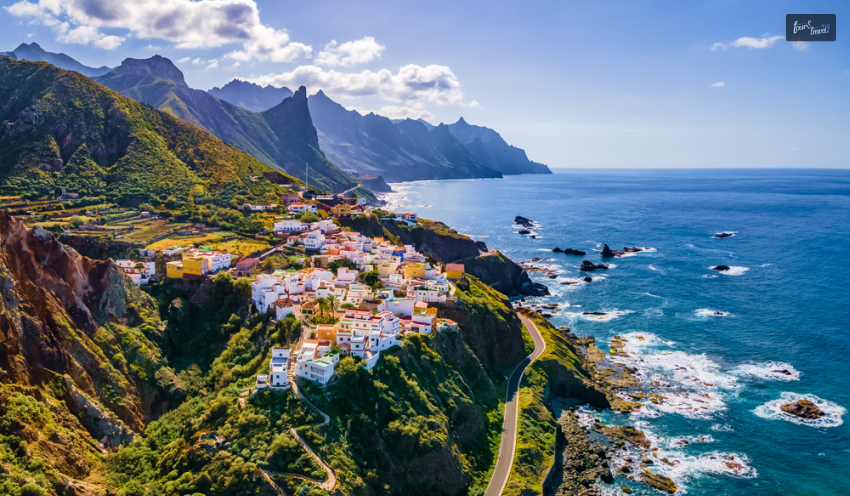
The Canary Islands, including Tenerife, are genuinely exceptional places on earth. Because of the island’s volcanic and windy nature, volcano hikers and daring beach and watersports enthusiasts flock to it. Tenerife, which boasts a varied landscape and a warm winter climate, attracts millions of adventure seekers each year.

March to May or September to November are the ideal times to visit Tenerife. Nonetheless, Tenerife is a fantastic destination all year round due to its subtropical climate, providing sunshine all year round.

This Tenerife travel guide will walk you through all the hidden gems and unique locations while driving and hiking the island. Additionally, it will provide you with plenty of helpful advice on transportation for the best travel experiences. Here are some of the best things to do in Tenerife. Let’s GO!

Overview

Tenerife Overview
timeout.com

Tenerife is an island that was once part of the Spanish-ruled Canary Islands. It is home to the archipelago’s principal economic hub. It is situated 300 kilometers in the Atlantic Ocean off the coast of West Africa. The flight from Dublin or London takes about four hours.

Tenerife, Gran Canaria, Lanzarote, Fuerteventura, La Palma, La Gomera, and El Hierro are the seven islands that make up the Canary Islands Archipelago.

On the island, there are two international airports:

  • South-Reina Sofia Airport (TFS),
  • Los Rodeos in the North – Aeropuerto de Tenerife Norte-Ciudad de La Laguna (TFN).

The island’s moderate tropical climate draws tourists all year long. The year-round average temperature is 26–27 centigrade during summers and 19–20 centigrade during winters.

Two nearby islands, Lanzarote and Fuerteventura, are thought to be the windiest Canary Islands. However, Tenerife is a haven for surfers and wave lovers due to its relatively windy climate.

Tenerife is home to some amazing sights and exhilarating adventures in addition to its vibrant nightlife and gorgeous girls. Here are some activities, sights, and things to do in Tenerife that you should definitely include on your itinerary.

Things To Do In Tenerife

Tenerife Things To Do
production.imgix.net

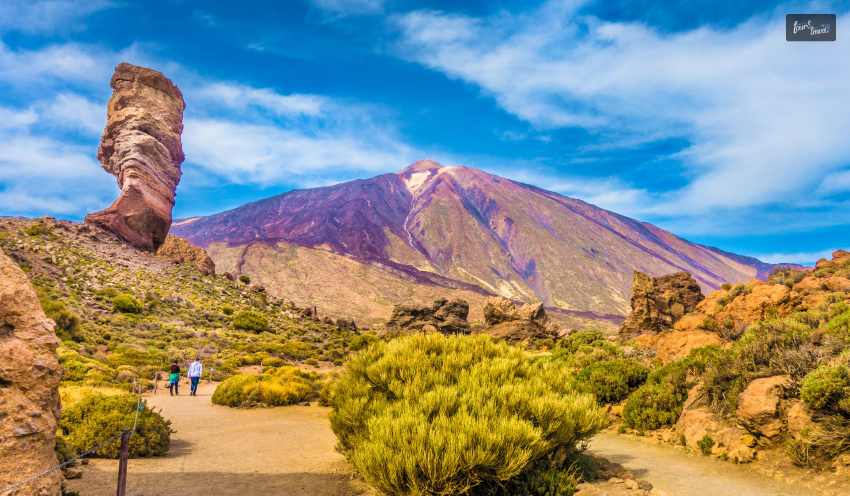
Teide National Park: Don’t forget to see Mount Teide, Spain’s highest mountain. Experience breathtaking panoramic views by riding the cable car to the summit.

Masca: Take in the quaint village of Masca, which is surrounded by breathtaking mountain scenery. Take a boat ride from Los Gigantes to see the ravine’s beauty from the water, or hike through its picturesque ravine.

Watching whales and dolphins in their natural habitat: Take a boat tour to witness these amazing animals. It’s a once-in-a-lifetime opportunity that will bring some magic to your guys’ vacation.

Water Sports: Exhilarating water sports such as jet skiing, parasailing, and even scuba diving will make your heart race. The pristine waters of Tenerife are your playground.

Quad Biking: Take a daring quad biking adventure through Tenerife’s rough terrain to unleash your inner explorer. Explore off the beaten track and unearth hidden treasures.

Things To Do In Tenerife: Beaches

Things To Do In Tenerife_ Beaches

Like all the Canary Islands, Tenerife is a volcano. Tenerife has a small number of stunning black-sand beaches, one of which you should definitely visit!

These three stunning beaches in Tenerife have golden sand:

La Tejita Beach is a magical beach that’s close to La Tejita town and South-Reina Sofia Airport (TFS) on the southern part of the island.

Las Teresitas (on the left photo) is a town on the eastern side of Tenerife, about 12 km from the capital city of Santa Cruz de Tenerife and 20 km from the northern airport. A lovely beach with lots of tourists.

Southwest of the island, at Las Vistas

Amazing beaches with black sand in Tenerife: The photo on the right depicts Los Gigantes Benijo Playa del Castillo Playa El Bullullo; scroll down to see Restaurante Bollullo Beach!

Things To Do In Tenerife: Nightlife

Things To Do In Tenerife_ Nightlife
pinimg.com

Let’s talk about the vibrant nightlife and delectable food scene, which are the lifeblood of any lad’s vacation. There are plenty of hotspots in Tenerife that can keep the party going and satisfy your palate. Take a look at these dining and entertainment options:

Veronicas Strip: For guys looking for a wild night out, this storied party area in Playa de las Americas is a must-visit. It’s the place to be for an amazing evening, full of clubs, bars, and gorgeous people.

Papagayo Beach Club: One of the finest parties on the island is held at this beachside club, where you can dance the night away. Papagayo is a surefire hit thanks to its amazing ocean views and stellar DJ lineup.

Monkey Beach Club: This vibrant location offers a variety of live music events, DJ sets, and themed parties. Drink cool cocktails and socialize with visitors and locals alike.

Things To Do In Tenerife: Food

Things To Do In Tenerife_ Food
tenerifewhattodo.com

Taste a range of authentic Spanish tapas dishes at Tapas Alley in La Laguna. Treat yourself to a culinary adventure there. It’s a fantastic way to refuel before going out.

San Telmo Night Market: Visit Puerto de la Cruz every Tuesday and Sunday to take in the lively San Telmo Night Market. Numerous street food vendors will be present, serving up delectable delicacies from all over the world.

Seafood Feast At Los Abrigos: Indulge in a delectable seafood feast at Los Abrigos, a charming fishing village. Savor local specialties like grilled octopus and fresh fish while taking in breathtaking views of the ocean.

You’ll need a cozy spot to unwind and refuel after an exciting day and evening of partying. There are several lodging options in Tenerife to fit every taste and budget. Look at these recommendations:

Things To Do In Tenerife: Luxury Hotels

Things To Do In Tenerife_ Luxury Hotels

Experience the ultimate in luxury at the Hard Rock Hotel Tenerife, a legendary establishment renowned for its opulent amenities, breathtaking ocean views, and rock ‘n’ roll atmosphere.

Tenerife has good lodging options. This means it won’t be difficult for you to enjoy a little luxury while visiting. Situated slightly outside of a popular tourist area, La Casa Nova Hotel & Restaurant is a special location. It costs between $60 and $70 per night, which includes a full breakfast. The hotel had a very lovely pool with baldachin beds; it was a very appealing location.

Bahía del Duque: This five-star resort offers a range of opulent amenities and top-notch service, combining elegance and natural beauty.

Things To Do In Tenerife: Budget-Friendly Hotels

Things To Do In Tenerife_ Budget-Friendly Hotels
bstatic.com
  • Los Amigos Hotel: Perfect for lads on a budget, this friendly hostel in Playa de las Americas offers affordable accommodation, a sociable atmosphere, and a central location.
  • Tenerife Ving: Situated in Puerto de la Cruz, Tenerife Ving provides comfortable and budget-friendly apartments, ideal for lads looking for a cozy base.

Booking.com: Check out Booking.com’s extensive selection of apartment rentals. You’ll find a wide range of options to fit your needs and budget, from chic city apartments to contemporary beachfront apartments.

Wrapping Up

Tenerife’s breathtaking scenery, exhilarating experiences, exciting nightlife, and delectable cuisine are waiting for you. This sun-drenched paradise has it all, whether you’re exploring the island’s natural wonders or going out for an incredible night on the town.

Gather your friends, prepare your belongings, and get set up for the trip of a lifetime for the guys. Now that you know all the things to do in Tenerife, it’s time to pack your bags.

If you have thoughts to share or questions to ask, please leave a comment below. We would love to hear from you!

Read Also:

Share on Social Media

Abdul Aziz Mondol is a professional blogger who is having a colossal interest in writing blogs and other jones of calligraphies. In terms of his professional commitments, he loves to share content related to business, finance, technology, and the gaming niche.

Leave a Reply

Your email address will not be published. Required fields are marked *

title-img Related

READ MORE Vacation Property Guide

Exploring The World While Investing In It: The Vacation Property Guide

BY  Shahnawaz Mar 1, 2024

In today's world, where wanderlust meets savvy investment strategies, there's a growing trend among travelers and investors alike: vacation properties. This unique approach not only satisfies the urge to explore new destinations but also presents a prudent financial investment through the acquisition of real estate. Here's how blending the love for travel with the intricacies of mortgages can create a rewarding venture. Why Consider Vacation Properties? Vacation properties serve dual purposes; they are a getaway retreat for you and your family and a potential source of income through rental. In picturesque locales, from the sandy beaches of Bali to the quaint villages of Tuscany, these properties beckon with the promise of adventure and the allure of financial returns. Investing in a vacation property has a lot of benefits. The first thing is, as mentioned above, it is an amazing source of passive income. When you rent out the property, you get back substantial returns, especially during the peak seasons. Moreover, vacation rentals have higher rental rates as compared to long-term rentals, which gives you more revenue. Along with the financial benefits, when you own a vacation rental property, you get to spend a lot of time enjoying your personal vacations as well. You can spend a lot of time on your own property when the place is vacant. You get to enjoy all the amenities you have set for others.it is a perfect relationship between investment and vacation home. Understanding the Mortgage Process for Vacation Homes Investing in a vacation property often involves navigating the mortgage landscape, which can be daunting for both seasoned investors and first-time buyers. The process entails several unique considerations: Interest Rates and Terms: Mortgage loans for vacation homes may come with different interest rates and terms compared to primary residences. Lenders often view these properties as higher risk, which can influence the loan conditions. Down Payment Requirements: Typically, vacation homes require a larger down payment, sometimes as much as 20-30% of the purchase price, reflecting their status as luxury or non-essential purchases. Rental Income Consideration: If you plan to rent out your vacation home, lenders might take potential rental income into account, which can aid in qualifying for a mortgage. However, this requires thorough documentation and, sometimes, previous landlord experience. The Joy of Travel and the Wisdom of Investment Owning a vacation property allows you to immerse yourself in your favorite destinations. Whether it's a ski lodge in the Rockies or a beachfront villa in the Caribbean, these homes offer a personal escape with the warmth and comfort of your own space. Beyond personal enjoyment, these properties can be rented out to vacationers, providing a steady income stream that can offset mortgage payments and maintenance costs. Navigating Challenges and Rewards The journey of buying and owning a vacation property is not without its challenges. From managing the property remotely to understanding local real estate laws, it requires diligence and research. Yet, the rewards can be substantial. Not only do you enjoy personal retreats in beloved locales, but you also stand to gain from property appreciation and rental income. A Call to Adventure and Investment As we navigate our world, the concept of investing in vacation properties presents a compelling blend of adventure and financial prudence. It embodies a spirit of exploration, not just in the sense of travel but in the realm of financial growth and stability. For those bitten by the travel bug and those seeking to expand their investment portfolio, vacation homes offer a horizon worth exploring. Factors you should consider while choosing the location of the property Picking the correct location for your vacation rental property is essential. Here are some of the crucial factors that you should consider: Factors you should consider while choosing the location of the property Picking the correct location for your vacation rental property is important. Here are some of the important factors that you should consider: Local attractions and tourism demand How successful your vacation rental property is going to be depends on the demand of the place. Before you invest, check for the popularity of the place among travelers. Identify the local attractions that are drawing the visitors to itself. Consider the things that are making the place popular. Whether it is their cultural heritage, its natural beauty, or how close the place is to the popular destinations. Properties that are close to tourist spots or close to vacation destinations have a tendency to attract more renters. You can choose coastal destinations, urban hotspots, ski resorts, historical and cultural sites, and some emerging destinations. Along with the well-established vacation sports, the emerging destinations are a good investment.  Look for places that are rapidly developing; they have high potential for getting you a high rental return. Rental and seasonality demand Having a good understanding of the tourist season in the place is important. Research about the holidays, special events, and the peak tourist seasons that will take the rental demand to the next level. If the location is such, which has a year-round demand, it is going to get you a consistent source of income. But if the property is in a seasonal location, then you might get fluctuations in the rental bookings. Regulatory environment Before you get a vacation rental property, it is important to know the regulatory environment of the location. Some countries and cities have specific rules and regulations regarding short-term rentals. Get yourself familiar with the restrictions and local laws to make sure you abide by all the regulations. Try not to ignore the legal aspects, as that could land you with a penalty or even cause your rental business to close. Amenities and infrastructure Think about the accessibility and proximity of the essential infrastructure as well as the amenities. Choose an area that has good transportation links, restaurants, shopping centers, and entertainment options. Guests always prefer properties that are convenient and have easy access to the services and local attractions.  Final Thoughts Before embarking on this journey, it's crucial to conduct thorough research, consult with real estate and financial professionals, and consider all aspects of the investment, including the potential need for a mortgage. With the right preparation and mindset, owning a vacation property can be an enriching experience that combines the joys of travel with the benefits of real estate investment. ADDITIONAL READING: A Guide To Planning Your First Family Ski Trip The Ultimate Business Traveler’s Guide To Bangkok From Britain To Australia: A Guide For Brits Making The Move Down Under

READ MORE Winter Camping

Winter Camping In Canada: Tips For Cold-Weather Adventures

BY  Arnab Nov 20, 2023

There are many reasons to travel to Canada in winter. You might have heard people immigrating to Canada for business and job purposes. They provide better opportunity for the young generation with better life style. However, if you are focusing on that part, you need immigration advice before you take further steps. You can set off to iconic mountain resorts, visit a Christmas market, or spend time at an ice rink. At the same time, even more adventures await you if you are ready for winter camping.  The list of perfect cold-weather destinations in Canada is simply endless. Snow-covered Banff National Park in Alberta, untouched nature in the Northwest Territories, and mind-blowing Mont-Tremblant in Quebec to name a few. You will certainly appreciate the silent beauty of the snowy forest in February and January, especially at sunset or dawn.  So, it would be great to pick up a car rental in Toronto and go towards a winter fairy tale. A large selection of Toronto Airport car rental deals allows you to find the perfect vehicle for your needs. If you are traveling with family or friends, consider a more spacious option - car rental for 7 people will be a balanced solution for your icy ride.  However, winter camping in Canada is as dangerous as it’s exciting. Low temperatures can cause hypothermia and the most severe consequences for your body. Thus, such experience requires a particularly careful approach. Here are a few cold-weather adventure tips to keep in mind before embarking on such an outing.  1. Use a layered clothing strategy  When it's hot during the day and cold at night, you need to carry a variety of outfits with you to stay comfortable at all times. Layering is one of the best ways to stay dry and warm without overheating.  Layering is an art and once you master it, you can easily regulate your body temperature depending on your activity level and weather changes. Using layers correctly allows you to add or subtract layers throughout the day so you feel comfortable no matter what.  Start with wool or synthetic thermal underwear. Also, avoid cotton. Cotton absorbs moisture and loses all its insulating properties when you sweat, making you feel much colder. The job of thermal underwear is to wick sweat away from your body and keep you dry and warm.  Thus, apply insulating layers such as a fleece, light down jacket, or synthetic jacket as your middle layer to help keep you warm. The greater the middle layer retains heat, the better. Finally, cover the previous two layers with a windproof jacket with a waterproof membrane to keep you warm.  The outer layer also serves to remove moisture evaporated from the body. Don't skimp on a high-quality outer layer if you expect to encounter some serious wind and rain. If it doesn’t cope with its functions, you can become seriously hypothermic. 2. Make sure your sleeping bag can handle low temperatures  Canadian winter camping expeditions require a sleeping bag - this is the golden rule for a hassle-free overnight stay. The temperature label on your sleeping bag can be confusing. For example, if your sleeping bag can withstand +5°C, this doesn’t guarantee that you will feel warm at +5°C. The fact is that sleeping bags have two temperature conditions: a temperature at which a tourist should feel comfortable, and a lower temperature limit at which a sleeping man should feel comfortable.  Temperature values are approximate and depend on multiple factors. Just in case, take a sleeping bag rated for temperatures 5–10°C below expected degrees. You can also add an extra blanket over your sleeping bag to help keep you warm. 3. Select and prepare a place to pitch your tent  Setting up a camp in winter is much more difficult than in summer, so first of all, plan your time correctly - you should arrive at the overnight site at least 30 minutes before sunset. Then, choose the right campsite, prepare it, and set up the tent. Here are some important snow camping hacks to follow.  Place a tent in a sparse forest, on the edge, in a gentle depression between ridges  Remove snow from the area of the tent + 0.5 m around, remove the top layers or clear to the ground if the snow is not deep  Build snow walls around the camp, especially in open areas  Use special elongated winter pegs, which can be replaced with trekking poles  Make an entry from the leeward side 4. Bring all your essentials into the tent Be sure to bring shoes, a backpack with food, a first aid kit and hygiene products, and gas cylinders inside the tent. Plus, put things like your phone and power bank in your sleeping bag. This way you will better conserve charge. If your trekking socks are wet, dry them too.  5. Ventilate your tent The only thing worse than waking up frozen on a hike is waking up cold and wet. It may seem counterintuitive, but opening tent windows for cross-ventilation is among the top priority cold-weather camping essentials. How does it work? When warm, moist air in your tent or RV meets cold surfaces such as tent walls or car windows, condensation occurs. Small droplets of water form and everything becomes wet. Therefore, ensure air circulation in your tent and prevent condensation by opening entrances and windows slightly. 6. Warm up before going to sleep Before you go to bed, warm yourself by the fire or take a walk - whatever you can to warm up. Having a warm drink or snack before bed can also help keep you warm since the process of digestion warms you up from the inside. Just try not to sweat. Wet clothing quickly lowers your body temperature and can contribute to condensation in your tent or camper. Avoid storing wet clothes in the sleeping area and always change into dry clothes before going to sleep. 7. Go to sleep in a dry change of clothes  Advice on how to sleep in a sleeping bag goes to one extreme or the other: some say to wear everything you can, others recommend sleeping in just your underwear. And the correct option is in the middle.  Winter survival techniques claim that thermal underwear is optimal for sleeping in a tent, ideally if it contains merino wool. You need to wear socks on your feet (maybe two pairs), thin gloves on your hands, and a thin hat and/or buff on your head. Provided that the sleeping bag and mat are suitable for the weather, this set will often be sufficient. If not, you can insulate yourself additionally.  Important! All sleepwear should be dry. Thus, be sure to change into a spare set before going to bed, and store it in a waterproof bag while hiking. 8. Use heating pads  A heating pad is definitely a must-have on a winter hike! That's why we advise you to stock up on such items. They are lightweight, easy to use, and provide gentle heat (about 50°C). You can choose among the following options:  Chemical heating pads. They are disposable, with enough heat to last all night and even in the morning (about 12 hours overall).  Reusable heating pads. Such items can radiate heat for about 2 hours. Then, you need to charge it by simply boiling it in water. A more advanced option is electronic heating pads with USB charging. Ultimately, use our winter survival techniques for your camping trip to Canada. Also, don't forget to adjust your plans to the current weather. The forecast can be changeable during the off-season, and you should be prepared for everything. This is especially important when traveling in mountainous areas, where rain and snow can make roads impassable. Read Also: Jet-Set In Style: Unveiling The Monos Luggage Collection For Your Next Adventure This Is The Best Time To Visit The Seven Magic Mountains In Vegas! These Are The 30+ Things To Do In Mexico City That You Must Try!

READ MORE White Water Rafting

8 Tips For A Fun And Memorable White Water Rafting Experience

BY  Arnab Dec 27, 2023

White water rafting delivers a thrilling experience, balancing stunning natural vistas with adrenaline-fueled excitement. If you're new to this adventure, you likely have queries and considerations regarding what to expect and how to prepare for maximizing your thrill.It might surprise you, but white-water rafting can be equally thrilling for beginners and experienced adventurers, provided you choose the right location and know what to expect. Here Are Eight Prime Ideas For A Fun And Memorable White Water Rafting Experience In this blog post, we'll provide eight essential tips and insights to ensure your first expedition is both enjoyable and safe, leaving a memorable impact. 1. Choose the Right Attire Staying in your boat for the entire duration of the outdoor adventure won’t stop you from getting wet. Anticipate getting wet on your journey, and don waterproof and anti-chafing garments that can serve as a barrier between you and the raft. Fabrics such as cotton and wool take an extended period to dry and draw heat away from your body, potentially leaving you feeling cold. Ideally, you want to go for synthetic materials that dry quickly and don’t absorb a lot of water. When picking shoes, choose those that have laces. Flip flops and sandals can easily get lost if you happen to lose balance or fall into the water. Depending on the weather forecast and expected temperatures, you can wear a wetsuit. It will offer extra buoyancy and protect you from temperature drops that characterize the colder months. 2. Always Bring a Helmet Safety is of key concern whenever you go on an outdoor adventure and rafting is not an exception. Make sure you have all your safety equipment, including a helmet. White water rafting rivers often have rocks, branches, and logs lining the bottom and you may not notice them from your sitting position in the boat. If you happen to fall into the water, hitting your head against one of these could leave you with severe injuries that you want to avoid. Always keep your helmet on to stay on the safe side. 3. Know What to Do if You Fall Out of the Raft You may take every precautionary measure but even your guide may not stop you from falling into the water. In the eventuality of it occurring, your subsequent actions could carry significant weight. Upon entering the raft, ensure to don your life vest and maintain its presence until disembarking from the boat. If you fall into the water, stay calm swim towards the vessel, and grab the outside safety line. Call out to the guide or rafting mates and wait for someone to pull you back in. If you can’t swim towards the raft, call out to a rafting mate and they will toss you the throw bag and a paddle that you can hold onto. If neither of these is possible, lie in the whitewater swimming position and wait for a guide to reach you. 4. Listen to Your Guide White water rafting guides are experienced in handling the wilderness and river terrain. Whether you're a first-timer or an experienced rafter, it's crucial to heed instructions attentively when they are given. These directives will provide essential information for navigating challenging waters, including what to avoid, where to swim, and when to paddle. They may seem like simple instructions but they dictate the speed, direction, and weight balance of your vessel. 5. Master the T-Grip The T-grip is an important aspect of white water rafting as it is the only way to ensure that the paddle does not slip out of your hands. The T-grip is the end part of the paddle-shaped like a “T” and is made of hard plastic. Most white water rafting guides will always show you the T-grip before you set out. Essentially, you need to keep one hand at the base of the paddle on the shaft while the other holds firmly over the T-grip. This ensures that you have control of the paddle and cushion any blows to you or your rafting mates in case of anything. 6. Practice Your Swimming Like we said before, you cannot stop yourself from falling into the water when you go white water rafting. Understanding the different swimming techniques such as aggressive and defensive swimming can be a lifesaver if you find yourself in the water. Rivers meant for white water rafting have high currents so you need to be sure with what you are doing. If you choose to swim to the banks, make sure you only go for the banks and avoid standing still in the water even if you need time to think. Standing still or walking in the river could cause foot entrapment which could be dangerous. 7. Research Your Destination Different rafting sites offer different experiences. You could find a beautiful river headed up by a dam that allows for scheduled water releases like the Pigeon River. A Yellowstone whitewater rafting day trip, on the other hand, will bring with it the excitement of Class II and Class III white water rapids allowing you to relax and enjoy the pristine wilderness. Taking time to familiarize yourself with the destination allows you to prepare in terms of choosing attire and packing guides. You want to go with a guide who has sailed the same waters for a while. 8. Avoid Carrying Electronics White water rafting is nothing like riding in a fishing boat or a yacht. The waves will constantly toss you around in the raft and some water will definitely get in potentially damaging your electronics. At the very worst, your device could fall into the water and get lost in case of an accident. Even then, white water rafting is not one of those adventures where you can pull out your phone to snap a quick photo. It is an activity that requires you to stay fully engaged and attentive to the paddling patterns and commands from your guides. Some companies will provide you with photographers so they can capture every memorable moment. Endnote You will definitely have lots of fun when you go rafting so make sure you do it with a group of people you are close to. The adrenaline rush will be a source of new memories you will cherish. However, make sure you follow your guide’s instructions to stay safe especially if it is your first time. Read Also: 10 Best Things To Do In Prague Five Tips for First Time Traveler to India