

Unique Things To Do In Gaylord, MI: Exploring Michigan In Style

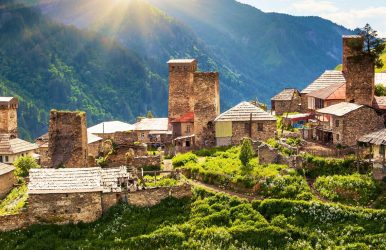
It has been years since our visit to Gaylord in Michigan. But the Alpine village left such a lasting impact that anytime I hear something good about the city, it feels personal!

As a traveler and travel writer, I have to write about itineraries or stuff like things to do in Gaylord, MI. However, this time, I have decided to keep it very candid. 

This time it’s not about how much I know. On the contrary, it’s about the connection I felt and the meaningful things that happened to me. 

And you know, I was very happy when my feelings for Gaylord were validated by the “Slow Tourism Movement” started by Pure Michigan. 

So, the next time I am in Gaylord, I will just smell the tulips, relax and unwind, and have the best pizza. 

Nevertheless, Gaylord, with its diverse terrains, has a lot to offer to outdoor enthusiasts. 

So, you can be a traveler like me, just soaking in the moment. Also, you can be a traveler eager to explore the trails.

Irrespective of the type of traveler you are, you wil have many options as you search for “What to do in Gaylord, MI today.”

Let’s discuss all those in this Tour and Travel Blog. 

What Is The Best Time To Visit Gaylord, MI?

What Is The Best Time To Visit Gaylord, MI_

April to October is the best time to visit Gaylord, MI. The summer months from May to July are ideal for many outdoor activities, such as biking, hiking, and elk spotting. 

Also, Gaylord celebrates the Alpenfest in the summer season. It is a celebration of the Alpine heritage. 

The temperature in Gaylord starts dropping from November, and the lowest temperature becomes sub-zero. Moreover, October is the wettest month in Gaylord and February usually has the most amount of snowfall. 

Do you want to know more about the weather conditions in Gaylord, MI, by month? Have a look at the table below. 

MonthsHighest Temperature (Degree Celsius)Lowest Temperature(Degree Celsius)Days of Rainfall
Janurary-5-107
February-3-126
March4-67
April12-110
May 2079
June25109
July27148
August26147
September22108
October15412
November7-39
December-1-88

Unique Things To Do In Gaylord, MI For Adults And Children

It’s not easy to find a quick answer to what is Gaylord Michigan known for. However, here I have jotted down my favorite experiences during the trip to this beautiful “Alpine Village.”

1. Spot Elk At Gaylord’s City Elk Park: Free Things To Do In Gaylord, MI

  • Location: 116 Grandview Blvd, Gaylord
  • Hours Open: 24 Hours

Is Gaylord, Michigan, worth visiting for a wildlife enthusiast? Of course! 

You can plan a day trip to Gaylord’s City Elk Park and find the elk grazing peacefully.

2. Exploring The Trails At Aspen Park: Things To Do In Gaylord MI In Winter

  • Location: Commerce Blvd, Gaylord
  • Hours Open: 6 AM to 11 PM

Aspen Park, with its unique geographical features, is the one-stop destination for bikers, hikers, and casual strollers. 

During the winter months, the wooded and hilly terrains here become ideal for cross-country skiing. 

3. Visiting The Call of the Wild Museum: Things To Do In Gaylord, MI, To Know About Local Culture

  • Location: 850 S Wisconsin Ave, Gaylord
  • Hours Open: 9 AM to 9 PM

A theater, a gift shop, and a display of North American wildlife in their natural habitat! The Call of the Wild Museum is a fusion of all these. 

Here you will learn about the local history and wildlife, and collect some fun souvenirs from the award-winning gift shops. 

4. Relaxing At A Spa: Things To Do This Weekend For Adults

If the week-long activities have kept you busy, you can visit a spa this weekend for massage, Reiki, aromatherapy, and other wellness services. 

The Holistic Spa at 104 W Main St is a popular spa here. 

5. Spending Time At Otsego County Sportsplex: The Kids’ Favorite

  • Location: PO Box 1886, 1250 Gornick Ave, Gaylord
  • Hours Open: Monday and Friday: 6 AM to 7 PM; Tuesday & Thursday: 6 AM- 8:30 PM, Wednesday: 6 AM – 7:30 PM, Saturday: 8 AM – 6 PM; Sun: 10 AM – 6 PM

The Olympic-sized swimming pool and ice rink are the biggest attractions of Otsego County Sportsplex. 

However, it also has segments for Yoga, Kayaking, and Karate training. Moreover, you can rent a room to play softball, baseball, or golf here. 

6. Playing Golf At Bavarian Falls Park: Things To Do In Gaylord, MI In The Afternoon

  • Location: 850 S Wisconsin Ave, Gaylord
  • Hours Open: 10 AM to 10 PM

You can spend the afternoon trying your luck at the turf. The golf course at Bavarian Falls Park is a favorite of young couples, and the scenic view here is relaxing. 

7. Watching Sunsets At Otsego Lake State Park

  • Location: 7136 Old Hwy 27 S, Gaylord
  • Hours Open: 8 AM to 10 PM

Kissing by Lake Otsego was the biggest “IT” moment for my partner and me in Gaylord. It’s a place to relax away from the noise of city life. 

Also, the Sun setting behind the trees offers transcendental views.

8. Exploring The North Blueberry Farm

  • Location: 3964 Hallenius Rd, Gaylord

Want to have the best blueberries in the region? Head to the privately-owned North Blueberry Farm. 

Enjoy some slow moments here, cherishing the scenic beauty, and carry some fresh blueberries back home.

9. Visiting The Otsego County Historical Society

  • Location: 320 W Main St, Gaylord
  • Entry: Free

Otsego County Historical Society is a museum that brings the history, culture and socio-economic characteristics of Gaylord under one roof. 

The hours of cooperation vary for the museum. So, call at +1 989-732-4568 to plan your visit.

10. Visiting The Gaylord Area Council For Arts

  • Location: 125 E Main St, Gaylord
  • Entry Fee: Free

How beautifully Gaylord has built an art community to promote its local talents! A visit to the Gaylord Area Council for Arts is one of the best things to do in Gaylord if you want to know about the local culture. 

Further, the Gallery Room here is fascinating, and you will see different forms of art here. Some of them even depict the history of the area.

11. Collecting Fresh Produce At Gaylord Farmer’s Market

  • Location: 829 W Main St, Gaylord
  • Hours Open: Saturday, 10 AM to 2 PM

All of us who talk about sustainable tourism must pay a visit to Gaylord Farmer’s Market. Michigan has always been one of the biggest promoters of the farm-to-table culture. 

At Gaylord Farmer’s Market, I got to see how things happen. Local farmers and vendors gather here with their fresh produce. 

Moreover, you see so much energy and emotion when you buy something from them or just have short and meaningful conversations. 

It’s the best way to know about the local community. 

12. Shopping At Old Spud Warehouse

  • Location: 314 S Otsego Ave, Gaylord, MI
  • Hours Open: Monday-Saturday, 10 AM to 6 PM, Sunday: 12 PM to 4 PM

The old world charm of the Old Spud Warehouse building spoke to me at first glance. Along with the clothes and accessories, what I loved the most there were the vintage items. 

I collected all the gifts for my friends from there.

Where To Eat In Gaylord? Know The Restaurants In Gaylord MI

You must have heard of Detroit-style pizza. Also, the pasties in the Upper Peninsula Region are a sheer gastronomic delight. 

Further, if you have a sweet tooth, all roads in Michigan lead to Mackinac Island, home to the famous Mackinac Island fudge. 

Along with these signature dishes, the local fresh ingredients and flavors such as thimbleberries, cudighi, and white fish, cherries, apples, maple syrup, and artisan cheese make Michigan an ideal place for culinary tourism. 

Nevertheless, these are our favorite restaurants in Gaylord, MI.

  • Bennethum’s Northern Inn at 27 Old US Hwy
  • Mi Vallarta at 1006 W Main St
  • The Iron Pig Smokehouse at 143 W Main St

Things To Do in Gaylord, MI: Frequently Asked Questions (FAQs)

Here are the frequently asked questions and answers about things to do in Gaylord, MI.

Why Does Gaylord, Michigan Get So Much Snow?

Gaylord, the highest city in the Lower Peninsula region, gets copious snowfall due to its high altitude (411 meters), the northern and northwestern winds blowing into the city, and the lake-effect. 

The two Great Lakes, Superior Lake and Michigan Lake, are the two most prominent elements contributing to the heavy rainfall in the city. 

But how? Jim Keysor, the warning coordination meteorologist at the National Weather Service in Gaylord, says,

The process of lake-effect snowfall, and rainfall, is the process of cold air moving across an unfrozen body of water … and we normally have a wind direction that blows from north and northwest that brings the air across the Lakes into our area.

What Is The Snowiest City In Michigan?

Munising, Houghton, and Marquette are the snowiest cities in Michigan. However, this year (2024-25 Winter), Gaylord has become the center of attraction due to a heavy snowfall of 204.6 inches. 

However, it is still behind Munising, which had a record snowfall of 238 inches in the 1996-97 winter, and in the 2024-25 winter season, it recorded a snowfall of more than 218.1 inches. 

What Is Gaylord Famous For?

With heavy snowfall and a mild summer, Gaylord is the ultimate “Alpine Village” you want to visit. No wonder that it is often referred to by this nickname. 

Its skiing and golf resorts attract a lot of enthusiasts every year, and it is the ultimate land of outdoor adventure with diverse terrains and activities such as biking, hiking, elk spotting, etc. 

With a Swiss heritage and a sister city to Pontresina in Switzerland, Gaylord also celebrates the Alpine connection through festivals and other cultural activities. 

Alpenfest is the biggest celebration in this regard. In 2025, Alpenfest in Gaylord will take place from 8 to 12 July 2025. It is the 60th year of the festival.

Moreover, don’t miss the Alpine-themed architecture when you are in Gaylord. 

What Should I Wear To Gaylord Ice?

You should wear long pants, a hat, gloves, and a Gaylord Rockies parka to Gaylord Ice. 

Gaylord is one of the coldest cities in Michigan, and snowfall reached a record high in the 2024-25 winter season.

What Is America’s Snowiest City?

Valdez, in Alaska, is the snowiest city in the United States. 

Thanks to the Aleutian low-pressure system, frequent and lasting snowstorms, and mountain drainage, Valdez experiences around 325.3 inches of snowfall in a year. 

What Is The Coldest City In Michigan?

In the Upper Peninsula, Stambaugh is the coldest city in Michigan, with the temperature going down to -30 degrees Celsius on 20th January, 2025, and -28 degrees Celsius on 21st January 2025. 

In winter 2024-25, the Upper Peninsula and some parts of the Lower Peninsula experienced frigid cold. 

Further, the temperature in various parts of the Upper Peninsula decreased to -25 degrees Celsius. 

Nevertheless, here is a list of the temperature records of the cities in the Upper and Lower Peninsulas of Michigan during the winter of 2024- 25.

Name of the CityTemperature (Degree Celsius)
Stambaugh-28
Ironwood-27
Herman-25
Marquette Area-19
Bergland-17
Munising-14
Manistique-13
Sault Ste Marie-13
Engadine-13
Houghton/Hancock:-12
West Branch-12
Atlanta-9
Kalkaska-6
Battle Creek-5
Grand Rapids-5
Vanderbilt-4
Lansing-4
Gaylord-4

What Month Does Michigan Get The Most Snow?

December to February are the snowiest months in Michigan. However, snowfall in Michigan starts in November and continues till April. 

In the 2024-25 winter season, the Upper Peninsula Region of Michigan had a snowfall of over 320 inches (National Weather Service). It was the highest of the season. 

Further, Gaylord had a snowfall of 204.6 inches in the 2024-2025 winter season1, achieving a 138% high of the usual average of 148 inches. 

Also, during the same months, Traverse City received 152.2 inches of snow, and Detroit received 28.7 inches.

Up Next..


  1. https://www.yahoo.com/news/much-snow-did-michigan-season-145317508.html? ↩︎

Share on Social Media

Sibashree is a travel, culture, and leisure writer who has been writing since the age of 12 and professionally since 2014. With more than a decade of travel writing experience and journeys across India and several parts of the world, she brings a deeply personal and thoughtful perspective to her work. A student of English Literature and Mass Communication, Sibashree has always viewed travel as more than movement — for her, it has been a way of understanding people, cultures, and herself. Her passion for spiritual exploration has also led her to many unusual and meaningful destinations over the years. Outside of writing, Sibashree enjoys watching European cinema, reading about global politics, and reflecting on the stories hidden within everyday places.

Leave a Reply

Your email address will not be published. Required fields are marked *

title-img Related

READ MORE Wildlife At Yellowstone National Park

Exploring Wildlife At Yellowstone National Park: Know The Mammals, Reptiles, Birds, Fish And More

BY  Sibashree Nov 11, 2024

The wildlife of Yellowstone National Park is as fascinating as its geology. So, along with the geysers, many tourists also visit this park to explore its wildlife. The grizzly bears, wolves, bison, and more make the park the biggest concentration of mammals in the lower 48 states. However, the park is also a popular birder hub with ospreys, eagles, and falcons. You just need to know the spots well to encounter these wild creatures, with respect, of course.  Here, I will give you a brief idea about the mammals, birds, reptiles, amphibians, and fish found in this park. I will also share where to spot them.  Mammals You Will See At Yellowstone National Park May to June or spring is the ideal season for watching mammals at Yellowstone National Park. You will especially get to see many bears and wolves in this season. Further, at the advent of the fall season, this park has elk bulls in great numbers.  Moreover, mammals like elk, bulls, and bison are also visible in the park in winter. Winter is also a great time to glimpse the Lamar Valley wolves. So, watching wildlife at Yellowstone National Park is a year-round activity.  Tour and Travel Tips For Wildlife Watching At Yellowstone National ParkTrek the park in the early morning or evening to have better visibility of the wildlife. The temperature remains moderate during these hours of the day.Further, you will need spotting scopes or binoculars to see the wild animals.Maintain at least 25 yards of distance from elk, bison, and other wild animals. However, for bears and wolves, you must maintain at least 100 yards of distance.  Let’s learn about the most prominent mammals in the park in detail.  American Bison Where to Find: Lamar and Hayden Valleys and the Grasslands Best Time to Find: July to August Did you know that bison in Yellowstone make up the largest (remaining) bison population on American public land?  The biggest mammals of the park, bison, have been there since pre-historic times. A male bison weighs 1,800 pounds on average, while the weight of a female bison is close to 1300 pounds.  Black And Grizzly Bears Where to Find: Mammoth and Tower Areas (Black Bear) and Lamar and Hayden Valleys (Grizzly Bears) Best Time to Find: May to June Black and grizzly bears co-exist in many parts of the national park. Grizzlies are bigger than black bears, with a hump on their shoulders and a rounder face. Bear safari is a popular activity in the park. However, you need to maintain a distance of at least 100 yards and follow all safety regulations, as bears can get violent, especially when they are with their cubs.  Elk Where to Find: Lamar Valley, Madison Canyon, Mammoth Valley Best Time to Find: September to November Due to the impressive antlers, elks are probably the most photographed animals in this national park. Do you know that the antler of an elk can grow up to 6 feet? Moose and deer, closely related to elks, are other prominent park mammals. Moose is the largest of the Cervidae family, and elks are the second largest.  Further, moose are seen in the park’s marshy areas and near water bodies. Bighorn Sheep Where to Find: Gardner Canyon and Near the Yellowstone River Best Time to Visit Bighorn Sheep in Yellowstone National Park - November and December The large and curved horns of bighorn sheep make them stand out. You will find these horns on the males. Bighorn sheep live in a herd, and in the fall season, the males get involved in loggerheads to win over their female companion.  There is one fascinating fact about bighorn sheep. When a baby bighorn sheep (lamb) is born, it can climb and walk within one day. Wolves Where to Find: Throughout the Park Best Time to See Wolves: May to June Around 100 wolves live in the Yellowstone National Park. Leopold packs, Yellowstone Delta, and Slough Creek are the biggest wolf packs in the park.  Wolves are native to the park. However, in 1995, they were re-introduced here.  Along with the types discussed, you will also find mammals like coyotes, martens, red foxes, wolverines, mule deer, marmots, and more in the park. Overall, around 67 species of mammals live here.  Amphibians In Yellowstone National Park Thanks to a unique geology, there are various ponds and wetlands across the Yellowstone National Park. Here, you will find the following varieties. Boreal Chorus Frog Western Tiger Salamander Western Toad Columbia Spotted Frog Plains Spadefoot Toad Further, these amphibians play a crucial role in the maintenance of the terrestrial and aquatic ecosystems of the park. Many mammals, birds, reptiles, and even fish prey on them. Also, they eat many vertebrate and invertebrate creatures to balance the food chain. Moreover, the amphibians in the park are indicators of high pollution rates or changes in the weather. They even indicate the advent of diseases and the arrival of any nonnative species.  So, research on amphibian populations in the park is crucial to know about any impending danger that may affect the ecosystem.  Reptiles At Yellowstone National Park Yellowstone has six species of reptiles. However, there is a greater scope for studying and identifying these reptiles. As of today, the reptile species found in the park are: Terrestrial garter snake Common garter snake Rubber boa Prairie rattlesnake Bullsnake Sagebrush lizard Prairie rattlesnake is the only venomous snake in the park, while bullsnake is the largest variety found here. Yellowstone National Park: A Birder’s Paradise A 2018 survey in Yellowstone National Park announced the presence of 82 species of birds in the park.  Further, the species of birds here are varied, and the table below mentions the variety you will come across in the park. OwlsNorthern saw-whet owl Northern pygmy-owlBoreal owl Great-horned owl EaglesBald eagleGolden eagleColony Nesting BirdsPelicanHeronsIbisesSong Birds Ruby-crowned kinglet American RobinDark-eyed junco You will also find birds like woodpeckers, ducks, geese, swans, falcons, and ospreys in this national park.  Fish In Yellowstone National Park Yellowstone National Park is home to many native and non-native fish species. Eastern Brook Trout, brown trout, lake chub, rainbow trout, and lake trout are some non-native fish species in the park. Further, this park has native fish species, such as mountain sucker, speckled dace, Utah chub, Redside Shiner, etc.  Human Imprint On Yellowstone National Park  The home to Native Americans, Yellowstone National Park displays a human tapestry of almost 11000 years. The natives of the place have survived on hunting and fishing. Further, they have known the medicinal properties of the herbs available in the park. In addition, the healing properties and religious importance of the thermal water here had a major impact on the local human lives.  Yellowstone National Park: At A Glance  How to Reach Yellowstone National Park: Reach the Yellowstone Airport and take a cab or bus to Yellowstone National Park. Highest Point: Eagle Peak Established: 1st March 1872 Designation: UNESCO World Heritage Site for “globally unparalleled assemblage of surficial geothermal activity.” Entry Fee: $25-80 based on the entrance pass  Visitor Centers: Albright Visitor Center, West Yellowstone Visitor Information Center, Grant Visitor Center, etc.  Also read Why Include Whale Watching In Your LA Itinerary. Traveling On A Budget: Tips For Affordable Adventures. From Cocktails To Kickflips: Must-Try Activities In San Diego.

READ MORE card-img

Best Places To Travel On The East Coast During The Fall: Slow Down And Witness The Changing Colors Of Nature

BY  Sibashree Sep 22, 2025

The East Coast doesn’t just “shift” in the fall—it transforms individuals in the Atlantic Ocean at the center of the fullness. Travel here isn’t passive, and it’s a rebellion against autopilot living.  It’s a gateway where human craft collides with nature’s raw rhythm. Human creative designs stand side by side with fiery foliage and air that invites you to slow down and breathe fully. However, do you know about the best places to visit on the East Coast, USA, during the fall? In this Tour and Travel Blog, we will talk about them.  What Are The Best Places To Visit On The East Coast, USA, In The Fall Season? Witness The Changing Colors Of Nature The fall season travel on the East Coast isn’t about chasing leaves—it’s about building experiences with intent.  You don’t stumble into renewal, connection, or investment; you engineer them. The Fed may cut rates, seasons may turn, but only those who listen, plan, and refuse shortcuts walk away with journeys that last. Because real travel—like real progress—isn’t improvised. It’s built, stone by stone, until nothing is left unturned. 1. Virginia Wine Country: Harvest And Partake Drive west from Ashburn and the world recalibrates. Rolling hills, golden vines, tasting rooms that don’t sell drinks but sell perspective. Fall here isn’t wine tourism—it’s strategy in liquid form. Couples: Don’t settle for random pours; seasonal releases are precision tools, crafted for this exact weather. Groups: Skip the chaos of DIY planning. Private tours give you headspace to connect instead of juggling logistics. Professionals: Vineyards double as off-grid war rooms, where productivity slips seamlessly into ritual relaxation. Ashburn locals call it harvest season. Travelers who know better call it optimally leveraging Fall Activities—because what you sip, where you stay, and the travel experts you trust will decide whether the season feels like just another getaway or a transformative reset. 2. Asheville & The Blue Ridge: Nature With Teeth Asheville doesn’t whisper fall—it screams it from mountaintops. The Blue Ridge Parkway is a moving mural, but here’s the catch: the scenery isn’t the prize, timing is. Adventurers: Guides don’t just point you uphill; they calibrate trails to your limits so triumph doesn’t turn to injury. Families: A cabin isn’t a splurge, it’s survival—space, fireplaces, and kitchens keep beauty from collapsing under stress. Wellness-seekers: Spas and local markets aren’t indulgences; they’re corrective measures against city-life burnout. Too late, and the leaves are dead. Too early, and you’ve missed the crescendo. Asheville punishes the unplanned. That’s why locals, with their ruthless timing, are the real gatekeepers of fall magic. 3. Charleston & The Lowcountry: Charm Without Illusion Charleston doesn’t bend for the season—it holds steady, heat gone but atmosphere intact. Streets, markets, and coastlines become a backdrop not for tourism but immersion. The danger? Treating it like a checklist. Food lovers: Menus sharpen around harvest—oysters, farm vegetables, flavors that only exist right now. History buffs: Private tours strip away noise, revealing architecture and legacy as living narratives. Entrepreneurs: Boutique inns double as work sanctuaries, proving ambition and escape can coexist. Charleston isn’t about monuments. It’s about rhythm—one only locals can translate. Without that translation, you’re just walking the streets. With it, you’re living history. 4. New England Towns: The Ruthless Gold Standard New England in fall is the prototype, the gold standard—and the trap. Too many choices, too much noise. Without precision, you’ll miss the point. Families: Expert-curated farms balance hayrides, cider, and play without collapsing into chaos. Retirees: Timing is everything; peak foliage waits for no one. Planners earn their keep here. Investors: Seasonal markets are brutal if you misread them. Trips double as reconnaissance when Realtors sync local data with your ambitions. New England isn’t just pretty—it’s tradition with teeth. The challenge is carving a blueprint that extracts meaning instead of drowning in options. 5. Maine: The Apple Orchards And The Crimson Colors  With the crisp and cool air filling the air, Maine becomes a coastal abode in the fall season. The apple orchards here get busy in the fall as it is the harvest season, and you can see a lot of festivities.  With nature getting ablaze with the shades of crimson, orange, and yellow, Maine welcomes you to attend the following fall festivals.  » Fryeburg Fair It is the largest annual agricultural festival in Maine. It starts from the last Sunday of September and continues till the first Saturday in October.  Earlier, the festival was known as “Maine's Blue Ribbon Classic.” » Damariscotta Pumpkinfest Damariscotta Pumpkinfest is another popular fall festivity in Maine. It takes place in October, and local artists take part in this festival and decorate giant pumpkins.  Furthermore, Acadia National Park is the main attraction in Maine in the fall season. Spanning an area of 47000 acres, this park is home to the beautiful Cadillac Mountain. It also allows you to take part in various outdoor activities such as: Cross-Country Skiing Snowshoeing Kayaking Canoeing Camping Hiking Moreover, if you want to have the best fall delicacies of Maine, you can explore the eateries in Kittery. It’s time to gorge on the best lobster, clam fries, Needham candies, and whoopee pies.  6. Massachusetts: Offering A Small Town Vibe With A Cozy Farm Experience  Salem is the epicenter of all fall activities and festivities in Massachusetts. The Salem's Haunted Happenings festival is the most unique cultural experience here.  Furthermore, if you want some moments of solitude, you can explore the hardwood forests of Maine.  These forests, filled with sugar maple and other trees, are brilliant locations to witness the changing colors of the autumn season, from yellow to bright orange and then crimson red.  Also, autumn is the cranberry harvest season, and you can be a part of the frenzy and festivities around it if you visit Plymouth County, filled with cranberry bogs. Moreover, for the most serene experience, you can plan a visit to the valleys of the Berkshires.  Overall, the East Coast of the USA is beautiful in the fall season! Come, soak in the colors and connect to nature. Also, have a good time with great food and drinks. 

READ MORE how many miles is 20000 steps

How Many Miles Is 20000 Steps? An Easy Pace Calculator And Guide

BY  Sibashree Feb 10, 2026

How Many Miles Is 20000 Steps? Key Takeaways: Are you an adult? Taking 20000 steps is equal to walking 8-10 miles. However, this exact calculation depends on many factors, such as the walking pace, stride length, and height of a person. Furthermore, men often cover more distance in miles in 20000 steps as their average stride length (2.5 feet) is longer than that of women (2.2 feet). The “miles-to-step ratio” depends on your walking speed. For example, if your walking speed is 2 mph, you will need to take more steps each mile than anyone walking at a speed of 4 mph. If you are on a fitness journey, as a part of your everyday regimen or for your next trek expedition, you must divide your 20000 steps into various sessions. Thus, your goal becomes achievable, and you can enjoy more health benefits. You can use SOLE Treadmills or similar fitness equipment for perfect distance tracking. Moreover, it comes with joint-protective technology. Thus, it helps maintain safety during high-volume walking to reach 20000 steps in a day. What Is The Significance Of 20000 Steps For Your Fitness Goal? For the longest time, taking 10000 steps has been considered the Gold Standard for regular fitness activities. However, if you want to push your boundaries as a fitness enthusiast, you can double it and make it to 20000 steps. Do you know what this ambitious goal of taking 20000 steps means for the distance covered? The calculation or the process of converting steps to miles is not as easy as it looks. As a fitness enthusiast or mountaineer working on your fitness goals, you have to understand this conversion. It is important to set realistic expectations and avoid injuries. For many people, taking 20000 steps, equivalent to walking 8-10 miles daily, is a major fitness commitment. It’s like exploring Manhattan on foot in a day with plenty of zigzagging walks through the neighborhoods. Overall, walking 20000 steps means dedicating 3-4 hours of your time to walking on a daily basis. Once again, the distance in miles covered in 20000 steps will depend on your gender, walking pace, and height. Moreover, the terrain you are walking on will determine how many miles you will be covering. Your 20k Steps Calculator: A Quick Guide  How many miles is 20000 steps?  Well, you can choose conversion estimates to get some basic ideas. However, individual or specific stride length is a more dependable factor for accurate calculations. Do you want a quick reference? Refer to these general guides and know how much distance you are covering in 20000 steps. Height Stride Length in Average Miles (Approx) You Will Cover in 20000 StepsLess than 5'3" 2.0 feet 7.5-7.6 Miles 5'3" to 5'7" 2.3 feet 8.2-8.3 Miles 5'8" to 6'0" 2.5 feet 9.5 Miles More than 6'0" 2.7 feet 10.2 Miles  The calculation process is simple. First, multiply 20000 by your stride length.  Then, divide the result by 5280. However, remember that this calculation is done considering you have an average walking pace of 3 miles per hour. So, the actual distance will be different if you are walking at a slower pace through any crowded street or market, or if you are walking briskly. You can use a fitness tracker to calculate the miles covered with your 20000 steps in a day by adjusting your walking speed. Naturally, the result will be more accurate. For Men: How Far Is 20,000 Steps?  If a man and woman have the same height, the stride length of the man will be longer. So, a man will walk a longer distance with the same number of steps he is taking. On average, a man has around 2.5 feet of stride length when he is walking at his usual pace. Thus, for a man of average height, 20000 steps means around covering 9.5 miles. Also, for men, height plays an important role in deciding the stride length. If you are a man and have a height of 5'6", you will have a stride length of around 2.2 feet. So, when you take 20000 steps, you will cover around 8.3 miles of distance. At the same time, if your height is 6'2", your stride length will be at least 2.8 feet. So, in 20000 steps, you will cover around 10.6 miles. Moreover, your stride length is impacted by your walking speed. Suppose you are walking briskly at a speed of 4 mph, your stride length will go up by around 10-15%. So, if you usually cover a distance of 9.5 miles with 20000 steps, when you are walking briskly, you will cover around 11 miles in 20000 steps. How Many Miles Is 20000 Steps For Women?  I have already mentioned that women have a shorter stride length than men, even if the height is the same. So, when a woman of average height is walking at a normal speed, the stride length will be 2.2 feet per step. Thus, we get an average calculation of 20000 steps for a woman, and that is 8.3 miles. Now, you have to understand this difference, especially if you have a walking partner of a different gender. The goals will be different for both of you. Understanding Walking Pace: How Long Does It Take To Complete 20K Steps?  Of course, your walking pace will determine how much time you will need to complete 20000 steps. Know the approximate distance covered when you are walking at slow, average, or brisk speed. Time To Complete 20k Steps During Slow Walking If you are walking at a leisurely pace and your speed is around 2 mph, your stride length becomes shorter. So, the number of steps you take to cover a mile will be more. Someone of average height can cover a mile in around 2400 steps. If you follow this pace, you will complete walking close to 8.3 miles in a day. Also, the overall time will be close to four hours and ten minutes. Walking at a slow pace is usual when you are walking with your children or elderly parents. Or, the pace becomes slow when you are shopping or walking through an overcrowded space. Also, injury and mobility issues are major reasons for slow walking. However, slow walking also has health benefits. You may take more time to gather the steps, but it will help you, especially if you are recovering from mobility issues or injury, or you have just begun your fitness journey. How Much Time Is Taken To Complete 20K Steps At An Average Walking Speed(3 MPH)  The average walking speed of an adult during a purposeful walk is around 3 mph. At this pace, you will have to take 2000-2200 steps to complete walking a mile. Thus, you will walk close to 9-10 miles at the end of 20000 steps. Overall, it will take 3 hours to complete the walk. So, on an everyday basis, you will have to devote a significant amount of your time to completing 20000 steps. It may seem difficult. However, you can easily adjust this time in your daily routine. You can even combine your regular walking sessions with other active choices to complete the count in a day. Complete 20k Steps Faster With Brisk Walking  Suppose you are walking at a pace of 4 mph. This is the speed of power walking and brisk walking. Your strides will become naturally longer at this pace. So, you will take fewer steps to complete 20000 steps. The number of steps taken will be close to 1800 or 1900. Furthermore, at this pace, you will complete 10.5-11 miles, and the total time required will be 2 hours and 40 minutes. Brisk walking reduces the daily time commitment to complete 20000 steps. At the same time, it has major health benefits such as better muscle engagement, faster calorie burn, and improved cardiovascular health. Jogging Vs. Walking: How These Impact Your Journey Of Completing 20K Steps? You can combine jogging with your daily walk to change your “Steps-to-Miles Ratio” dramatically. If you are jogging at five to six miles per hour, your stride length will go up massively. So, when you are jogging, you are usually completing 1400 to 1500 steps per mile. Thus, at this pace, you will cover around 14 miles at the end of walking 20000 steps. However, be realistic and consider your fitness level when combining jogging with walking. It’s all right that you will cover more distance in a shorter time in this way. Still, if you get injured or there is any sprain, the recovery time will be longer. Having said that, many experts or fitness enthusiasts follow a mixed approach of walking and jogging for high-volume training. Thus, the entire process becomes more sustainable. How Many Miles Is 20000 Steps: Frequently Asked Questions (FAQs)  Here are the frequently asked questions and answers about how many miles to complete in 20000 steps. 1. Does Walking 20000 Steps Mean Running 10 Miles? Yes, walking 20000 steps can be similar to running 10 miles in terms of the distance covered. However, they are not the same in terms of cardiovascular benefits or calorie burns.Also, running 10 miles may not always mean completing 20000 steps. When we run, our stride length becomes longer, and the pace is higher. So, when running, we can cover the distance of 10 miles (achievable after a walk of 20000 steps) in 15000 steps. Going by this calculation, we will cover around 17-20 miles of distance after 20000 steps of running.  2. How Many Calories Can I Burn Walking 20000 Steps? The amount of calorie burn after completing 20000 steps will depend on many factors. The major determining factors are your walking speed, the terrain, and your body weight. For example, if your weight is 160 pounds and you are walking on a flat terrain at an average speed, you will be able to burn 800-1000 calories after completing 20000 steps. With all the other factors unchanged, a person weighing 200 pounds will lose close to 1400 calories after a walk of 20000 steps.Moreover, calorie burning will be 20-30% more if you are doing brisk walking or climbing uphill. 3. Can I Divide My 20,000 Steps Into Different Sessions In A Day?  Yes, you can divide your 20000 steps into many sessions in a day. Thus, you have a practical and flexible fitness regime, and it is more beneficial for your health.For example, you can take 5k steps in the morning, during your lunch hours, and after dinner. Thus, you are completing 15k steps in three sessions. You can complete the remaining 5k steps through intentional movements or activities. 4. What Will Happen If I Walk 20K Steps Every Day For A Month?  If you walk 20k steps every day for a month, you will notice amazing mental and physical transformations. If you are on a healthy diet, the first thing you will notice is the weight loss. You can lose up to 8 pounds of weight with this habit. Furthermore, your cardiovascular health will improve, and your leg muscles will be more defined. Your endurance level will also go up. Moreover, the mental benefits of completing 20k steps are lower stress levels, better sleep quality, improved mood, and a boost in energy level. Read Also: Minus 40°C Or Minus 40°F: What To Know Before Planning Your Next Mountain Escapade? The Iberian Dilemma: Comparing Spain Vs Portugal For Your Next European Adventure What Are The Unique Things To Do In Thailand, Phuket? The Ultimate Guide