

What To Do In Houston | Is Houston Worth Visiting Now | Traveling Across A Large Cosmopolitan Destination

Dec 13, 2024

Last Updated on: Jul 7, 2025

Travel Blog

Yes, Houston is worth visiting for an eclectic experience. The fourth-largest city in the USA is a cosmopolitan area. So, you can explore various cultures and cuisines in the city. 

Further, the answer to what to do in Houston is extensive, including a visit to the Houston Museum of Natural Science or the Space Center of Houston. 

Also, Houston is a year-round travel destination, with each season spilling a different charm. For example, February to April or September-November are the best months to visit Houston. Moderate weather conditions make these months ideal for exploring the city. 

At the same time, winter, or December to February, is not freezing in Houston. The average temperature here remains between 6-17 degrees Celsius during the winter months. So, many people visit Houston in winter to beat the crowd and chill.

Nevertheless, Houston stands proud of its places of attraction, irrespective of the time or season of your visit. Here, we have curated the best places to visit in Houston, confirmed by a local travel expert. 

What To Do In Houston? You Cannot Miss These Activities In This Texas City 

What To Do In Houston You Cannot Miss These Activities In This Texas City

As I was saying, Houston is a melting pot for many different things. So, despite remaining true to its Texas route, it offers you world-class luxury in its fine dining restaurants and museums. 

Furthermore, Houston has 25 distinct neighborhoods. So, almost every 50 miles, you will get to be familiar with different cultures. 

So, are you ready for a truly eclectic experience? Let’s check out what to do in Houston this season. 

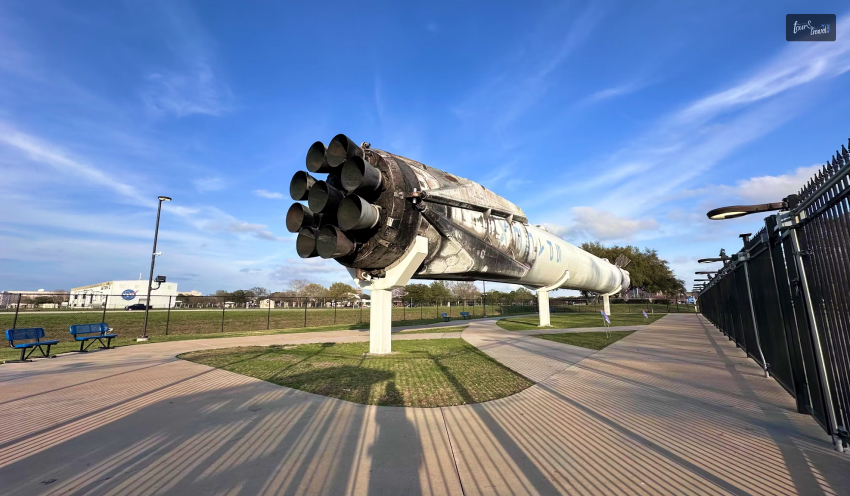
1. Visit The Space Center Houston

Visit The Space Center Houston

Address: 1601 E NASA Pkwy, Houston, TX

Contact Number: +1 281-244-2100

Hours Open: 10 AM to 5 PM

The Space Center Houston is currently basking in the glory of the ongoing Galaxy Lights presented by Reliant. This space-themed holiday live show started on 16th November 2024 and will continue until 5th January 2025. (Lights timing: 6-10 PM)

Upcoming Events At Space Center Houston 
Home School Day December 2024 – 13th December, 2024, 9 AMThought Leader Series | Hearing The Universe: The Art Of Space Sophistication – 18th December 2024, 6:45 PM

Further, this show promises experiences that transcend the boundaries of the Earth. In addition, there have been highlights on the new collections of the museum. OSIRIS-REx Sample has, of course, been the highlight among them. 

NASA collects the OSIRIS-REx Sample from Bennu. Bennu is an asteroid, and it’s 4.5 billion years old. 

Moreover, the Space Center Houston has many year-round exhibits, including the Starship Gallery, Spacesuit Collection, and the replica of Independence mounted on the original NASA 905 shuttle carrier aircraft. 

2. Explore The Houston Museum of Natural Science

Address: 5555 Hermann Park Dr, Houston, TX 

Contact Number: +1 713-639-4629

Hours Open: 9 AM to 5:30 PM

The Houston Museum of Natural Science always hosts special events or exhibitions. For example, the current special exhibitions are Death by Natural Causes based on Natural Born Killers and Matter & Motion: Quantum Chemistry to Astrophysics.

Furthermore, there are many permanent exhibits at the museum. For instance, take Alfred C. Glassell, Jr. Hall. It is an ode to Alfred C. Glassell, Jr. He was a philanthropist, and he was passionate about conservation. 

The highlight of this exhibition on the Tumbesian fish species. You cannot especially miss the black marlin that used to weigh 1560 pounds. This black marlin also made a grand appearance at the The Old Man and the Sea movie in 1958. 

Another section of permanent exhibits at the museum are The World Around Us:

From Butterflies to Biomes. If you are a curious explorer or someone fascinated by the evolution of lives, you will love these interactive exhibits with infographics. 

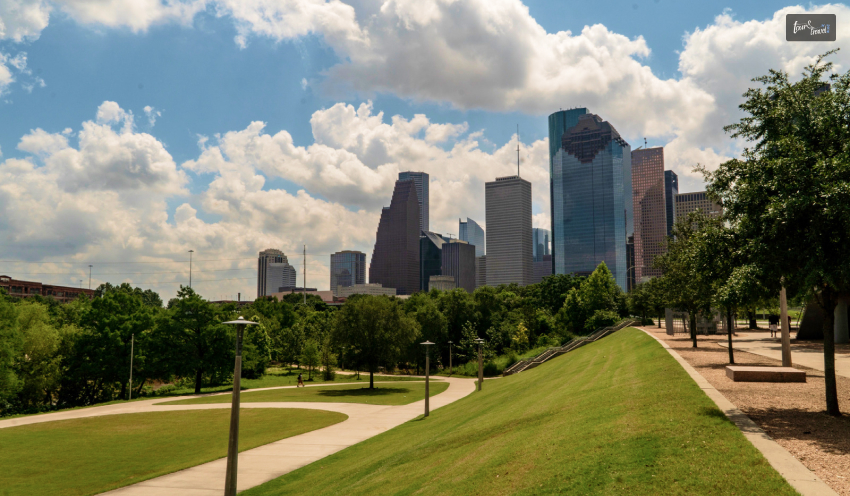
3. Visit The Buffalo Bayou Park

Visit The Buffalo Bayou Park

Address: Shepherd Drive to Sabine Street between Allen Parkway and Memorial Dr, Houston, TX

Phone Number:  +1 713-752-0314 (Extension: 301)

Open Hours: 6 AM to 11 PM

Located in Houston Downtown, the Buffalo Bayou Park will offer you a quiet retreat. It is stretched over a 160-acre landscape. It is a native landscape and with acres of green space, it’s great for a walk with your pets and biking. 

You can even visit the park with your family for a fun picnic and relaxation time. You will even love the public art displays here. 

Moreover, you can explore the park by water. Kayaking and canoeing are popular outdoor activities in the park. The Buffalo Bayou Kayak Tours is in charge of kayaking, canoeing, and boat rentals at the park, and you must get in touch with them. 

Exploring The Culinary Landscape Of Houston | What To Do In Houston As A Foodie 

You have to explore the culinary excellence of Houston if you want to be familiar with the cultural richness of the place. Further, the Visit Houston data says that the city has close to 13000 restaurants from which you can try cuisines of 70 countries. 

So, there is no wonder in travelers seeking unique culinary experiences in the city. In addition, the market data for food tourism looks the most promising, with a projected CAGR of 15.20% from 2023 to 2033. 

Moreover, Houston is a place where tourists spend 1/3rd of their tour budget on food. It’s hard to avoid the allure of the cakes, lamb tartare, fish tacos, and lobster pies. 

Therefore, when it comes to what to do in Houston, you must consider exploring some of the finest restaurants in the city. At Tour and Travel, we have curated some names backed by our love for Houston cuisine, Yelp rating, and suggestions from local experts.

Name of Houston RestaurantsAddressPhone Number
Nancy’s Hustle2704 Polk St Houston, TX (346) 571-7931
Traveler’s Table520 Westheimer Rd Houston, TX(832) 409-5785
The Ginger Mule449 W 19th St Ste C200 Houston, TX(713) 876-4768
Grotto Downtown1001 Avenida De Las Americas Ste A Houston, TX(713) 658-0752

That’s pretty much from me if you want to know about what to do in Houston now. Enjoy your Texas holiday to the fullest!

Also read

Share on Social Media

Meet Sibashree Bhattacharya, a travel enthusiast who has a decade-long experience in transcending virtual barriers with her words! Her deep love for travel is apparent from her travel escapades to the mountain, often taking her readers on a journey, her words acting as Portkey! Fun fact: Sibashree loves to dive deep into the history of the places she is about to visit, making her travels even more wholesome. If you were wondering how her articles are not short of time travel, this answers it!

Leave a Reply

Your email address will not be published. Required fields are marked *

title-img Related

READ MORE Health and Spa Facilities on Cruise Ships

Wellness at Sea: Health and Spa Facilities on Cruise Ships

BY  Rishab Dey Oct 30, 2023

In this article, we will explore the exquisite health and spa facilities that grace the magnificent decks of cruise ships. Far from being a mere floating hotel, these vessels are an oasis of serenity and tranquillity. They offer a holistic approach to well-being amidst the ocean. Prepare to embark on a journey of decadence and self-care as we unravel the secrets of the plentiful amenities. They bring harmony and wellness to passengers sailing the high seas. Types of Health and Spa Facilities on Cruise Ships Cruise ships like Silversea cruises are renowned for their exceptional health and spa facilities. They are designed to cater to the diverse needs and desires of passengers seeking relaxation and rejuvenation. These floating sanctuaries provide a haven for both body and mind. It has state-of-the-art gyms equipped with top-of-the-line exercise equipment to luxurious spa retreats offering a wide range of treatments. One of the highlights of health and spa facilities on cruise ships is the variety of treatments available. Passengers can indulge in massages, facials, body wraps, and much more, all performed by highly trained professionals. These treatments enhance physical well-being and promote mental and emotional relaxation. In addition to the rejuvenating therapies, many cruise ships offer extensive wellness programs, including yoga classes, meditation sessions, and nutritional consultations. Whether you're looking to unwind with a soothing massage, break a sweat in the fitness centre, or simply bask in the luxurious atmosphere of the spa, cruise ships have it all. Fitness Classes and Programs on Cruise Ships Fitness classes and programs on cruise ships are an integral part of the wellness experience offered to passengers. These classes cater to all fitness levels and provide various options, including yoga, Pilates, spinning, and cardio workouts. Whether you are a beginner looking to kickstart a new fitness routine or an experienced fitness enthusiast, these classes provide a fun and effective way to stay active while on board. Cruise ships also offer state-of-the-art fitness facilities equipped with the latest exercise equipment. These facilities are usually spacious and offer panoramic ocean views, creating a serene and inspiring environment to work out. In addition to fitness classes, passengers can also use personal training services. They can also participate in fitness challenges or boot camps, all under the guidance of certified professionals. The fitness programs on cruise ships are designed to cater to the holistic well-being of passengers. In addition to physical fitness, there is also a focus on mental and emotional well-being. Many cruise ships offer wellness seminars, workshops, and activities. For example, there are meditation and mindfulness sessions aiming to provide a well-rounded wellness experience for passengers. These fitness programs ensure that passengers can access a wide range of options. They aim to help maintain their health and well-being while enjoying their cruise vacation. This is regardless of whether you participate in group fitness classes or prefer to work out independently. Integrating Wellness into Daily Cruise Activities Cruise ships have recognized the importance of promoting well-being and have incorporated various wellness activities into their daily schedule. Passengers can now embark on a self-care journey while sailing the high seas. It offers services ranging from yoga and meditation classes to fitness workshops and spa treatments. Cruise ships have integrated wellness into daily activities by offering a wide range of fitness options. Passengers can start their day with a refreshing sunrise yoga session on the deck and a workout at the state-of-the-art gym facilities. If you prefer more adventurous activities, there are opportunities for rock climbing and swimming. You can also participate in a friendly onboard sports tournament. These activities not only promote physical well-being but also provide an opportunity for passengers to connect with like-minded individuals and create lasting memories. In addition to physical activities, cruise ships have also focused on providing holistic relaxation experiences. Spa facilities onboard offer a sanctuary of tranquillity, where passengers can indulge in various treatments and therapies catering to their individual needs. From therapeutic massages to facials and body wraps, these wellness activities allow passengers to unwind and rejuvenate amidst the soothing sounds of the ocean. Cruise ships are also incorporating educational workshops and seminars on nutrition, mindfulness, and stress management. It will ensure that passengers can learn about developing healthy habits for their daily lives even after the cruise. Read Also: You Won’t Believe The Best Things To Do When In Fiji! Some Of The Best Things To Do In Navarre Beach, Florida These Are The 30+ Things To Do In Mexico City That You Must Try!

READ MORE Coastal Cuisine

Navigating Coastal Cuisine: A Traveler’s Guide To Safer Seafood Choices

BY  Sibashree Sep 3, 2025

One of the absolute best things about travel? Hands down, it’s the food. Nothing beats sitting near the water, breeze in your face, and digging into whatever the locals have been making for generations.  Maybe it’s smoky sardines in Portugal or paper-thin slices of tuna sashimi in Japan… Either way, seafood has this way of stealing the show. But here’s the flip side: while we’re chasing flavors, it helps to know what’s actually landing on the plate.  Mercury in seafood’s been popping up in conversations more and more. It’s naturally out there in the environment, sure, but industries add to it too. Some fish pick up more of it than others. Most of the time, you’re fine, but if seafood becomes your go-to meal on a trip? Yeah, worth paying attention. In this Tour and Travel Blog, we will talk about how to try the best coastal cuisine safely.  How To Try The Best Coastal Cuisine Safely? Understanding The Importance Imagine you’ve planned this whole trip around food—coastal markets, little family-run joints, maybe a cooking class or two. Seafood’s everywhere.  But here’s the thing: the big, long-living fish—swordfish, king mackerel, certain tunas—they build up more mercury over time. Smaller guys like sardines, trout, anchovies? Usually safer bets. This isn’t about saying “don’t eat seafood.” Please, no. It’s about eating smart so you don’t have to think twice later. When a menu lists a fish you can’t pronounce, knowing the basics means you can pick something tasty without worrying about it. Why It Matters For Travelers? Eating local food is how you get a place. Paella in Spain, ceviche in Peru, a messy clam bake in New England—they’re experiences as much as meals.  But if you’re traveling and eating seafood meal after meal, that exposure can stack up faster than you think. For most healthy adults, a little extra seafood isn’t a big deal. But pregnant travelers, kids, or folks with certain health issues? They’ve gotta be a bit more cautious. Knowing which fish to enjoy freely and which to maybe skip for the day? That’s just good travel sense. The Role Of Sustainability And yeah, mercury’s one piece of the puzzle. Overfishing’s another. A lot of places now highlight eco-friendly options right on the menu. Asking about it isn’t annoying—it shows you care about the place you’re visiting and the people feeding you. How To Navigate Coastal Cuisine Safely While Traveling? Know The Practical Tips Freshness, simplicity, and a riot of flavors! These are the core reasons why coastal cuisine is so popular. Furthermore, smoking, grilling, and making curries are the most popular methods of cooking these cuisines.  However, you need to be extra careful while navigating these cuisines.  1. Safer Selections Abroad Menus in other languages, mystery dishes… yeah, it can get confusing. But here are a few things that make life easier: Chat with locals. They know what’s eaten all the time versus the “special occasion” stuff. Go smaller when you can. Sardines, smelt, whitefish—lower on the mercury scale. Shellfish’s usually fine. Shrimp, crab, scallops—still best not to overdo it. Throw in some variety. Plant-based meals or land proteins here and there keep things balanced. 2. Culinary Traditions And Conscious Choices  Every region has its classics for a reason. Mediterranean? Grilled sardines with olive oil and lemon—healthy, simple, perfect. Southeast Asia?  Flavorful curries using smaller fish. Then there are places serving bigger predatory fish, like marlin in parts of the Caribbean—amazing flavor, but maybe not for breakfast, lunch, and dinner. The cool part is, you don’t have to give up authenticity. You just get to enjoy it without overthinking. 3. Practical Tips For Travel Planners  If you’re the “map out everything” type, a little prep work helps: Look up local fish before you go. Two minutes online gives you a head start. Learn a few names in the local language. Saves a lot of pointing and guessing. Visit good markets. Tours often highlight safe, sustainable stalls. Spread out the big meals. Try the famous dish… just maybe not twice a day. Having Coastal Cuisine Safely For Long-Term Travel And Health Awareness  Traveling for weeks—or months—near the coast? Yeah, seafood’s going to be everywhere. Switching things up helps keep it fun and balanced.  A little shellfish, some whitefish, a veggie dish now and then—it all adds up to fewer worries later. Being aware of seafood high in mercury ensures that long-term travel remains not only adventurous but also sustainable for personal health. What Are The 5Cs Of Trying Coastal Cuisine Safely?  These are the thumb rules or the basic 5Cs while cooking coastal cuisine.  Cleaning Cooking Chilling Cross-Contamination Prevention Communication  When you are trying seafood or coastal cuisine in a new place, you will have to consider these factors. Otherwise, there are high risks of food contamination and allergies. 1. Cleaning We all wash our hands and sanitize the food preparation and cooking surfaces. At the food preparation stage, we have to deal with raw meat and seafood ingredients.  Furthermore, we have to wash all the ingredients thoroughly using warm and cold water.  So, when you visit an eatery, especially for seafood, you have to ensure that all these practices are being followed thoroughly.  If not, however tempting the place or the dish may look, leave it at once! 2. Cooking Cooking thoroughly is very important, and at the right temperature. It is essential to get rid of the harmful bacteria and disease-causing elements in the raw ingredients.  Furthermore, reheating the refrigerated or stored food before eating is mandatory to avoid throat and stomach infections.  While it is difficult for you to check whether all these are being followed properly in a restaurant kitchen or a seaside shack, you can at least avoid having raw seafood at an unknown place.  3. Chilling Once the food is cooked, eaten, and cooled, you can store it in a refrigerator for safe preservation.  When you need that food again, you can take it out of the refrigerator, warm it, and have it.  This is also something very basic in restaurants. However, there are also risks of restaurants serving food that has been stored in the refrigerator for the longest time.  So, talk with locals and get ideas about a safe place where you can have fresh seafood.  4. Cross-Contamination Prevention Preventing cross-contamination requires the use of separate accessories and tools for raw meat, fish, and fruits and vegetables.  Also, there needs to be separate containers and storage places for all these ingredients. While you will not get a tour of the kitchen and pantry of a restaurant easily, this remains one of the golden rules of cooking seafood safely.  The Pan American Health Organization, or PAHO, also prioritizes cross-contamination prevention as one of the WHO's golden rules.  5. Communication  Well, this is something that happens entirely within the pantry or the cooking space of an eatery. Various verbal and non-verbal cues are used to ensure safe and fast food preparation.  Being A Responsible Food Explorer Travel’s about discovery, right? And food’s a huge part of it. With a bit of knowledge, you can dive into coastal cuisine without a second thought. A sardine in Lisbon, clam soup in Tokyo, a crab boil on the East Coast—those aren’t just meals. They’re memories. This isn’t about saying no to anything. It’s about saying yes in a way that keeps the trip—and you—feeling good. Read Also: What Is Arizona Known For Food | Culinary Tourism Exploring The Desert Delights Boat Trips And Czech Cuisine: A Taste Of Prague’s Culinary Delights Unlocking The Secrets: Key Ingredients In Italian Cuisine

READ MORE free museums in dc

Explore The Top 15 Free Museums In DC! Must Visit Museums In 2024!

BY  Ankita Jun 7, 2023

What are the best free museums in DC that you and your family can visit while you are in the state? Well, if this is something that you have been searching for, then I have the best thing for you! Washington, D.C., is home to so many amazing museums. The best thing, though? A lot of them provide free admission. You can research history, science, culture, and the arts for free. And if you want a list of them, then you will find this article to be of help! Keep reading this blog till the end to learn more… Which City Has The Highest Number Of Museums? With 85.4 museums per 100,000 people, Washington, D.C. is the US city with the highest number of museums per capita, according to a 2019 report by the American Alliance of Museums. There are numerous explanations for Washington, D.C.'s abundance of museums. First of all, being the nation's capital and the seat of government, it is home to numerous national institutions and museums, including the Library of Congress, the National Archives, and the Smithsonian Institution, which is composed of 19 museums and galleries. Moreover, museums are a big draw for tourists to Washington, D.C., another well-liked vacation spot. The city's museums are accessible to all, offering a broad range of topics from science and technology to art and history, and many of them are free to the general public. Ultimately, a great deal of Washington, D.C.'s museums are dedicated to preserving and presenting the city's rich cultural legacy. For instance, the National Museum of the American Indian focuses on the history and culture of Native Americans, while the National Museum of African American History and Culture, which opened in 2016, is devoted to telling the story of the African American experience in the United States. 15 Best Free Museums In DC That You Need To Check Out! Every day, scholars, researchers, visitors, and locals are drawn to our nation's capital. The diversity and caliber of free museums here attract the crowd. However, with so many choices, selecting an itinerary might be difficult. That is the reason why I have come to your rescue. In this article, I have planned and listed the top 15 free museums in DC that you can visit! So, without further ado, let us get started! Here are the best free museums in Washington DC that you need to visit: 1. National Gallery Of Art This renowned art gallery spans two significant buildings joined by an illuminated tunnel. It also has an indoor waterfall and a six-acre (2.4 ha) sculpture garden. It features both traveling exhibitions and a changing exhibition of works from the permanent collection. The permanent collection offers a marvelously thorough selection of the best artwork. It spans from ancient to modern times, including masterpieces like da Vinci, Degas, and Calder. The National Gallery of Art is a fantastic family outing. It offers free public programming like art history films, classical performances, and kid-friendly hands-on activities. Check out the ice skating rink in the sculpture garden if you're here in the winter. Every day from 10 am to 5 pm, the National Gallery of Art is open at 6th Constitution Avenue North West, Washington, DC, 20565. 2. United States Holocaust Memorial Museum One of the biggest disasters in human history, the Holocaust of World War II, teaches us some of history's most difficult lessons. Except for the children's-oriented Daniel's Story exhibit, it is intended for visitors 11 and older due to the nature of the issues covered in this museum's exhibitions. The Holocaust is a permanent exhibition that offers an insightful look at this historical tragedy through a wealth of artifacts, videos, and human accounts. James Ingo purposefully evoked architectural characteristics of various historical Holocaust places in the Freed building. He does so in an abstract, open-ended manner without making direct parallels to any of these locations. Four commissioned works of art are also on display within the museum: Consequence, a wall drawing by Sol LeWitt; Gravity, a monolithic sculpture by Richard Serra; Loss and Regeneration, a sculpture by Joel Shapiro; and Memorial, a grouping of four white wall sculptures by Ellsworth Kelly. Due to COVID, timed-entry tickets are required, and they can only be purchased in groups of six or fewer. Additionally, there is a $1 processing fee for online ticket purchases. This museum deserves a place on the list of the best free museums in DC. Everyday from 10 a.m. to 5:30 p.m., the museum is open. In Washington, DC, 20024, at 100 Raoul Wallenberg Place South West, is the location of the United States Holocaust Memorial Museum. 3. National Museum Of Natural History There are 147 million specimens and artifacts on display at the Natural History Museum with the highest visitors in the world. Some of them are The Hope Diamond, meteorites, ancient Egyptian mummies, and live insects, including butterflies. The focus of traveling exhibits on natural history issues is on plant and animal biodiversity as well as human history. To further improve your experience, they also offer do-it-yourself, free, printable exhibitions. Because the museum is so big, it's a good idea to take a break and unwind in one of their two cafes or the Garden Lounge, which has live plants. Open every day from 10 a.m. to 5 p.m. In Washington, DC 20560, at 1000 Madison Drive North West, is where you may find the National Museum of Natural History. 4. National Museum Of American History Explore the over 1.7 million objects that span over 300,000 square feet (27,870 square meters) and tell the narrative of America with the four million visitors who flock here each year. The "Star-Spangled Banner"'s inspiration, the Greensboro lunch counter from the Civil Rights demonstrations, Julia Child's kitchen, the ruby slippers from The Wizard of Oz, and Lincoln's stovepipe hat are just a few of the most well-known and well-liked exhibitions. In addition to exceptional events like guest lecturers and performances, the museum offers regular programming as part of some exhibits like Spark! Lab and Wonderplace. The National Museum of American History is located at 1300 Constitution Avenue North West, Washington, DC, 20560, and is open daily from 10 am to 5.30 pm. 5. Hirshhorn Museum And Sculpture Garden Next on the list of the must-visit free museums in DC, we have Hirshhorn Museum and Sculpture Garden. This museum is a must-visit for art enthusiasts because of its enormous collection of contemporary and modern art from throughout the world. Featured and well-known artists include Yayoi Kusama, Henry Moore, and Pablo Picasso. Over 30 sculptures are on display at the sculpture park, including Yoko Ono's well-known Wish Tree. One of the most well-known American modern art museums, the Hirshorn has been open for 50 years and provides a platform for contemporary art and culture on a national scale. For special exhibits, timed passes can be necessary. The museum offers exciting educational opportunities like storytimes, guest speakers, their mobile Art Cart, and film festivals in addition to its permanent and special exhibits. The on-site cafe, Dolcezza, offers pastries, gelato, specialty coffee and tea in a beautifully decorated space. The Hirshhorn Museum and Sculpture Garden is located at Independence Avenue South West & 7th Street South West, Washington, DC, 20560, and is open daily from 10 am to 5.30 pm. 6. National Museum Of The American Indian In this relatively recent addition to the National Mall, explore the richness of culture, language, history, tradition, and futures of indigenous peoples of the Americas. Visit the engaging, fun-filled imaginative Activity Centre (Tuesday–Sunday) for children ages 10 and under to learn the traditional cultural and scientific knowledge of many indigenous peoples. The National Native American Veterans Memorial, a stainless steel circle balanced on a carved stone drum with intricate symbolic carving, was inaugurated at the museum in November 2020 to honor and remember the Native American military veterans. Take a mouthful of some traditional food at the Mitsitam Native Foods Cafe, which offers Native American foods at five themed food stations. The museum offers a number of special events and programs, including performances, special guest lecturers, film festivals, and concerts, to share indigenous traditions with people of all ages in addition to permanent and temporary exhibitions. The National Museum of the American Indian is located at 4th Street South West, Washington, DC, 20560, and is open daily from 10 am to 5.30 pm. 7. National Museum Of African American History And Culture Visit the one and only national museum that was established in the autumn of 2016 and is dedicated to preserving and promoting African American life, art, history, and culture. With an exhibition area of 85,000 square feet (7,897 square km), it will take at least two hours to see everything. Discover African American cuisine at the Sweet Home Cafe with its four themed stations and occasionally offered "Chef's Tables" special meals, such as those for Black History Month. You need a free-timed admission pass. The National Museum of African American History and Culture is located at 1400 Constitution Avenue North West, Washington, DC, 20560, and is open daily from 10 a.m. to 5:30 p.m. 8. National Museum Of Asian Art Visit the Freer Gallery to learn more about Asian art. The Sackler Gallery is home to ornamental and religious items. The Freer Gallery was the first Smithsonian institution designed purely to keep art. They collectively house about 45,000 items with a 6,000-year history. It includes some American artworks in the Freer Gallery. For example, the greatest collection of James McNeill Whistler's paintings in the world. Recent substantial improvements to the galleries have given the museum new energy and technology. Additionally, the museum presents a number of special events and programs, including workshops, performances, films, and guest lecturers. In Washington, DC, 20560, at 1050 Independence Avenue South West, lies the National Museum of Asian Art. 9. National Museum Of African Art Next on the list of free museums in DC is the National Museum of African Art. It was initially founded in 1964 and was bought by the Smithsonian in 1979. It collects and exhibits traditional as well as modern and contemporary art from Africa. A variety of media and issues are covered in the exhibitions, such as photography, portraiture, sculptures, film, and more on tradition, history, slavery in America, politics, and African cinema. They offer a variety of performances as well as notable speakers as part of their special programming. In Washington, DC, 20560, at 950 Independence Avenue South West, lies the National Museum of African Art. 10. National Archives Museum The three most significant historical documents in American history are kept there. There is also the museum and the National Archives and Records Administration. Discover more important documents that affected American history at the Rotunda's interactive Public Vaults permanent exhibit. It features the Declaration of Independence, the Constitution, and the Bill of Rights. The David M. Rubenstein Gallery houses one of the four remaining original copies of the 1297 Magna Carta. It is the ongoing exhibition of the Record of Rights. There is also a 17-foot (nearly 5-m) touch screen on the national discussions surrounding subjects like citizenship and free speech. Additionally, the museum hosts a variety of passing exhibits. It includes a featured document display and the Boeing Learning Centre. Here visitors can check out white gloves and a magnifying glass to examine replica documents like an actual archivist. The National Archives Museum is located at 701 Constitution Avenue North West, Washington, DC, 20408. It is open daily from 10 am to 5.30 pm. 11. National Air And Space Museum Visit the National Air and Space Museum in Washington, DC, for a fun-filled free museum. Visit the renowned National Air and Space Museum to learn more about the power of flying and how it propelled humans off the planet. The Air and Space Museum, like many other museums, is undergoing renovations that will last until 2025, although eight new exhibits are already open. The Wright Brothers & the Invention of the Aerial Age explores the history and force of flight with a special emphasis on its creators. Discover how we reached the moon in 1969 and why and how we are returning in the new blockbuster-level exhibit Destination Moon. You must have a free timed admission pass, otherwise you can skip the queue. The Steven F. Udvar-Hazy Centre, their secondary location, is located in Chantilly, Virginia, about 40 minutes from Washington, D.C. Here, you may learn about human spaceflight and World War II aviation while also seeing planes and a space shuttle. The National Air and Space Museum is located at 600 Independence Avenue, Washington, DC, 20560, and is open daily from 10 am to 5.30 pm. 12. National Zoo Bears, lions, and tigers, and so much more! Discover a variety of animal species from all over the world, as well as daily animal demonstrations and habitat displays. There are entrance passes that must be purchased in addition to paid parking passes in advance (if you decide to drive and park there). A few same-day passes will be available on-site, although it is advised to make a reservation in advance. Visit the Kids' Farm, the unusual Me and the Bee playground, and the seasonally open Squirt Zone if you're traveling with children. Kids will enjoy the Speedwell Conservation Carousel, but keep in mind that each ride costs $4. Two to three hours are suggested or anticipated for a trip to the zoo; be sure to wear shoes that are suitable for walking around in. You can bring your own food and non-alcoholic drinks (no glass bottles), though they do have some food options on-site. The National Zoo is located at 3001 Connecticut Avenue North West, Washington, DC 20008, and is open daily from 8 am to 4 pm. 13. National Portrait Gallery Discover portraits of some of America's most prominent people in the visual, performing, and new media arts, including artists, politicians, scientists, innovators, activists, as well as entertainers. The museum is home to the only comprehensive collection of presidential portraits outside of the White House, which includes works by renowned artist Gilbert Stuart. For a customized visit with your group, schedule a tour five weeks in advance for ten or more people, or try your luck with the walk-up tours on Saturdays as well as Sundays at 12 and 2.30. The National Portrait Gallery is located at 8th Street North West & G Street North West, Washington, DC, 20001, and is open daily from 11.30 am to 7 pm. 14. American Art Museum Discover the country's first collection of American art. It is one of the most significant and comprehensive collections of American art in the world. It is also a unique world-class chronicle of the American experience. The museum has taken the lead in seeking out, gathering, and displaying exceptional as well as outstanding representations of American visual art culture. In addition to the conventional, expected kinds of art in a museum, there is photography, current folk and self-taught work. There are also frequently unsung cultural arts, such as African American and Latino, and even computer games. The museum has two locations. However, they are only a 25-minute walk apart. The Smithsonian American Art Museum (SAAM) is in the downtown cultural center. The Renwick Gallery, which specializes in craft and decorative art, is close to the White House. Check out the Experience America exhibition, which captures American culture in a variety of artistic mediums. There is also Janet Echelman's 1.8 Renwick, a commissioned colorful fiber and lighting piece dangling from the ceiling. Moreover, it highlights the relationships between people and the natural world across time. The SAAM site is open from 11:30 am to 7 pm, as well as the Renwick Gallery is open from 10 am to 5.30 pm. Both locations are open every day. While the Renwick Gallery is located at 1661 Pennsylvania Avenue North West #1 in Washington, DC, the SAAM is housed in the same building as the National Portrait Gallery at G Street North West & 8th Street North West. Read More: Understand More About The Vatican’s Museums 15. National Postal Museum Last but not least, on this list of the free museums in DC that you must visit is the National Postal Museum. Who knew using the mail could be so much fun? Learn about the practicalities of how your letter gets from your mailbox to its destination as well as what it's like to work for the postal service. You can also learn about the transportation used by the postal system. In this amazing stamp collection, you may engage with stamps in ways you never thought possible. Along with regular special programming including story times, art programmes, reading groups, talks, and even multilingual options like Hello, Museo for kids, daily tours are also offered. The National Postal Museum is located at 2 Massachusetts Avenue North East, Washington, DC 20002, and is open daily from 10 am to 5.30 pm. Bonus: Phillip's Musuem Nestled amidst the exquisite row houses of Dupont Circle, this modern art museum was founded in 1921 within a Georgian Revival mansion that had previously served as Duncan Phillips' family home. The location is a favorite among Washingtonians because it is both sophisticated and intimate. Impressionist and modern art are the main foci of the modern art museum, and it excels in both areas. Renoir's well-known "Luncheon of the Boating Party" and pieces by Georgia O'Keefe, Pablo Picasso, Vincent van Gogh, and Richard Diebenkorn are among the highlights of the permanent collection. A single bench is surrounded by four of the abstract expressionist artist's paintings in a small but cozy Rothko Room. In celebration of the centennial of The Phillips Collection, visual artist Daniel Canogar created a digital piece that melds 550 pieces from the museum's collection into a captivating, swirling projection using an algorithm. Wrapping It Up! I hope that this guide has been of help to you in finding the best free museums in DC. Is there more that you want to know? Feel free to scroll down and leave your queries at the bottom of the page. And I will be there to answer them all for you! Read Also: Top 10 National Parks In Oregon That You Need To Explore Tips To Make Your Vacation In Gatlinburg More Enjoyable 6 Things To Know Before You Visit St. George