

Studying In Manhattan – 5 Places To Visit In Your Off Time

Mar 31, 2022

Last Updated on: Feb 3, 2025

Destinations

If you are among the few who are able to study in Manhattan, great!

Then you should consider yourself lucky because not everyone is able to afford it!

It is one of the biggest cities in which, if you are able to make it on your own, your life is set.

That will only start with a good education.

However, when you are in Manhattan, it all can’t be about the university and the studies!

What if you want to look around?

It is a marvelous city after all!

Plus, if this is a place you are finally deciding to settle, there are certain things that you should be aware of.

In this excerpt below, we will be discussing the top five places which you can visit in your free days.

Aka, the weekends once you are done with all your assignments!

But, before that, let us discuss a little about everything that you need to know before moving to Manhattan.

Everything You Need To Know Before Moving To Manhattan

Everything You Need To Know Before Moving To Manhattan

So, you are moving to Manhattan for further studies.

Great!

Here is everything that you need to know in order to make a smooth transition from anywhere to Manhattan.

– Finding an affordable living space is very important before you decide upon anything. Click hericoll to find affordable studio apartments for your first move.

– New York City is very expensive, including food which is the second necessity in your stay. Thus, you should be prepared for this.

– Know the subway by heart. Cab fares are skyrocketing, and you wouldn’t be able to drive your car on the busy streets of Manhattan. Therefore, subways are the best thing you can do.

– It has one of the highest taxes in the United States Of America. Thus, if you are planning to find a job after your education, you must be aware of this.

Places To Visit In Your Off Time

Places To Visit In Your Off Time

During your off times, when you have nothing else to do!

You are caught up with all your studies and have some spare time then visit these places. They are great for some alone time or with a group of university friends.

1. Central Park

If you are in New York, why are you not visiting Central Park? Then what have you done!

It is the best place for a stroll alone or with your favorite group of people.

Plus, I swear every season has its own charm on Central park, but it is the best in Fall.

Some of the attractions here are Central park zoo, the Lake, and Strawberry Fields.

2. Metropolitan Museum Of Art

Not just one of the oldest and one of the pioneer museums in New York City, but it is also the place for the –

‘Met Gala!’

This is the best place to visit for anyone who is a fashion and art enthusiast. It has an interesting number of American & Egyptian art.

3. Broadway

Watching a Broadway show should be on your bucket list!

Now that you are in the city of Broadway take up each opportunity to go watch a Broadway show.

It could be the latest show which is the talk of the town, or a long-running classic which you have heard about all the time.

4. Empire State Building

Again another legendary site that you absolutely cannot miss.

Whenever I think about the Empire State Building, all I can think about is the climax of ‘Sleepless In Seattle.’

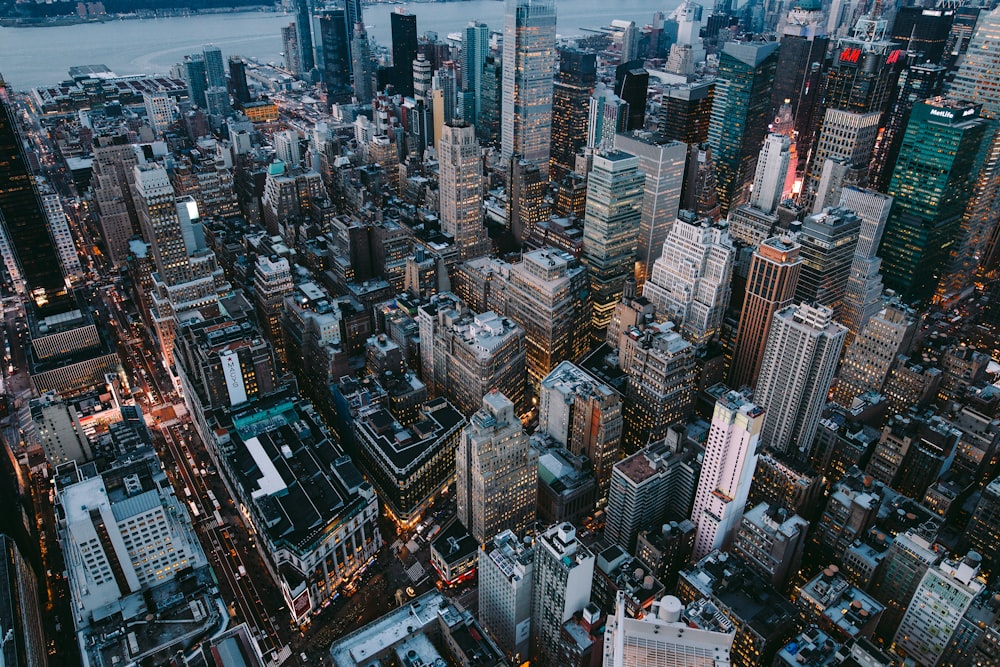
This 120 storeyed, 381-meter tall building is one of the tallest points in the city, and nothing can match that surreal feeling of getting a bird’s eye view of the entire city.

Especially at night!

5. Times Square

It’s busy!

It’s chaotic!

It is the best attraction in New York!

Manhattan is Times Square!

With the two-storeyed billboards and the neon lights, there is always something new to see in Times Square.

New York! New York! New York!

The city that never sleeps!

A city where you always have something new to do!

This city will keep you busy. So, you made an excellent decision to choose this for your further studies.

Keep hustling, and New York will be your own!

Read Also:

Share on Social Media

Abdul Aziz Mondol is a professional blogger who is having a colossal interest in writing blogs and other jones of calligraphies. In terms of his professional commitments, he loves to share content related to business, finance, technology, and the gaming niche.

Leave a Reply

Your email address will not be published. Required fields are marked *

title-img Related

READ MORE best places to see aurora in Alaska

What Are The Best Places To See Aurora In Alaska? Know Why You Will Love Them

BY  Sibashree May 18, 2026

Alaska is definitely “THE DESTINATION” if you want to see the Northern Lights. I visited my friend in Alaska when her daughter was born.  And we went to Fairbanks to see the Northern Lights.  Fairbanks has the best places to see Aurora in Alaska because of its proximity to the Aurora Oval and distance from the light pollution of the city.  Moreover, it has expansive open skies.  So, here, I will talk about the best places to see Aurora in Alaska, centered around Fairbanks.  However, before that, I want to share the best time to see the Northern Lights in Alaska.  What Is The Best Time To See The Northern Lights In Alaska?  Away from light pollution, you need to place that has dark and clear sky.  Furthermore, the electromagnetic particles of the Sun get charged and make the display of the gorgeous colors possible in the sky.  Also, if you are in Alaska, late August to mid-April is the best time to see the Northern Lights. To be more specific, keep the following details in mind.  1. Choose Drier Months For Clear Skies  February to early April has the least snowfall in Alaska. So, these months are ideal for seeing the Northern Lights.  On the other hand, massive snowfall happens in November and December in Alaska.  2. Don’t Choose A Full Moon Light  On a full moon night, the moon will shine the brightest, and it can make the northern lights in the sky dim.  Also, the dance of the colors will not be visible clearly when the sky is filled with moonlight.  3. Choose A Date Close To The Equinox  20th March and 23rd September are the dates of equinoxes in the world.  These days offer better visibility of the Northern Lights because the magnetic axis of the Earth remains perpendicular to the Sun’s direction.  What Are The Best Places To See Aurora In Alaska?  Explore Fairbanks says that when a tourist visits Fairbanks and stays there for three days, the chances of seeing the Northern Lights for them are around 90%.  Furthermore, during the best days or months to see the Aurora in Alaska, 10 PM to 3 AM is the best time. 1. Pleasant Acres Reindeer Ranch Around 33 miles northeast of the Fairbanks International Airport, Pleasant Acres in Pleasant Valley is one of the best places to see Aurora in Alaska.  Furthermore, it is located on the route to the Chena Hot Springs. So, you can plan a day trip to Chena Hot Springs.  Also, Pleasant Acres offers a direct pick-up facility from Fairbanks, and it is a fiberglass igloo with a fully furnished bathroom, queen bed, French Press, and Wi-Fi amenities.  Moreover, thanks to the remote location, these igloos overlook the herds of reindeer. In addition, Pleasant Acres conducts reindeer tours, dog sledge tours, and aurora tours.  2. Chena Hot Springs Picture this. It’s dark, and you are relaxing in natural hot springs. Then, suddenly, you find the Aurora in the night sky.  If you find this experience amazing, Chena Hot Springs will be one of the best places to see Aurora in Alaska.  Now, being a resort, Chena Hot Springs offers a host of activities. It is at a distance of around 90 minutes from Fairbanks.  Moreover, it has a dedicated shuttle service for pick up and drop off.  Also, you can relax in the Resort’s Aurora Viewing Room. From the windows of the viewing room, you can enjoy the views of the Northern lights without compromising comfort or warmth.  I loved the rustic charm of the resort, and you must plan a two-night stay here. 3. Northern Sky Lodge   If you travel around 30 miles south of Fairbanks, you will find the Northern Sky Lodge.  It is far away from the city, and the rural setting of this family-owned facility makes it ideal for seeing the Northern Lights.  Moreover, it has a common area where you can have breakfast from 7 to 10 AM and enjoy lounging and dining.  Overall, it is a quiet and cozy ambiance for seeing the aurora in Alaska.  4. Frontier Village  Frotier Village is again run by a family, and it is very close to the North Pole, Alaska. It is in a remote location, and it has four new cabins that are dedicated to seeing the aurora.  Furthermore, the authorities will give you a wake-up call for Aurora viewing so that you do not miss an opportunity to see the Aurora.  Moreover, the cabins are cozy and have a bathroom below, a living area, and a well-stocked kitchen. Overall, the ambiance is cozy, and I especially loved the fire pit around which you can relax with the other guests.  I stayed at the Fancy Fox cabin, and the other cabins are The Lazy Lynx, The Cozy Caribou, and The Wandering Wolf.  5. Aurora Yurt And Borealis Yurt A heated yurt can be your abode when you are planning to see the Aurora in Alaska. The bedrooms open to the upper loft area.  Furthermore, inside the main house, you will find a hot tub where you can relax. In addition, the sky lights of the yurt make watching the aurora very satisfying.  Also, for some more adrenaline rush, you can visit the nearby ski resort, Moose Mountain.  6. Borealis Basecamp Borealis Basecamp, at a distance of around 25 miles from Fairbanks, is one of the best places to see Aurora in Alaska.  The distance from the city lights makes it ideal for aurora viewing, and whenever you book a package for 2-4 days, you will enjoy sturdy UTV rides and dog sledge rides.  Moreover, you can plan a stay in cubes and igloos.  7. Alaska Grizzly Lodge Alaska Grizzly Lodge is a rustic and quintessential Alaskan-style bed and breakfast facility.  Surrounded by the woods, it offers a cozy setup for watching the Aurora. Also, you can enjoy amazing views of the aurora from the balconies.  8. Aurora Ridge Cabin  Very close to the Alaska Pipeline overlook point, the Aurora Ridge Cabin has three bedrooms and one bathroom.  Furthermore, you can use the kitchen, fire pit, and grill. Furthermore, its location makes it ideal for wildlife viewing. You can especially see moose from the porch.  9. Pike’s Waterfront Lodge  Pike’s Waterfront Lodge borders the Chena River. It has a massive deck with a fire pit for watching the Aurora.  At the same time, it now has a new Aurora conservatory with a glass enclosure.  With a massive setup, the lodge now has 28 cabins and 180 rooms. Choose a room with a private balcony that stretches up to the Chena River.  10. Lakefront Luxury Log Home It is a customized log home with an area of 4800 square feet.  Furthermore, located in the North Pole town, it sits on a private pond.  You can relax in the outdoor hot tub overlooking the pond and even enjoy watching the Aurora through the floor-to-ceiling glass windows. Read Also: The Best Places To See Northern Lights In The USA: When And Where To Watch Aurora Borealis The Best Tucumán Wine Tour Guide: How To Explore The Higlands Of Northern Argentina? What Is The Portland Maine To Bar Harbor Distance? Exploring Coastal Maine By Car

READ MORE Selecting A 5-Star Hotel In Manila

Three Essential Factors: Selecting A 5-Star Hotel In Manila

BY  Abdul Aziz Jan 3, 2024

Who isn’t fond of traveling? Most of us love to scrape out different parts of the world. But apart from selecting a dream destination, selecting a good hotel is another big headache.  When it comes to places like Manila, you need to enhance the overall travel experience. This is exactly why we recommend choosing a 5-star hotel in this vibrant city.  A hotel in Manila that offers you close proximity to major tourist destinations is always better. Check out this comprehensive guide till the end that carries all the necessary requirements for choosing a hotel.  So, let’s get started without further ado… Three Essential Considerations While Choosing A Manila Hotel Who likes to travel without any proper plans? And when it comes to hotels, there are a handful of things to consider. For example, some people prioritize the location, while others are much more thoughtful about the price. Here are the 3 major things everyone must address:  1. Choose An Appropriate Location For Your Hotel First things first, the location of your chosen 5-star hotel rooms! The location matters a lot when it comes to shaping your experience in any city. And Manila, particularly, is something else! Moreover, opting for a hotel in a prime location allows you to explore the city’s numerous attractions and landmarks conveniently.  The city is also quite popular for its rich history and cultural diversity, which shouldn’t go unnoticed. It has proximity to key destinations such as Intramuros, Rizal Park, and the vibrant Makati district.  Furthermore, a strategically located hotel can provide you with numerous benefits. From saving time on transportation to gaining easy access to both business and leisure activities- there’s so much more! 2. Range Of Amenities Secondly, the range of amenities that are offered by a 5-star hotel in Manila contributes to the overall comfort and satisfaction of your stay. Beyond the luxurious setting, it will also provide you with a diverse array of amenities for all your needs.  As a result, you must look for a hotel that boasts state-of-the-art fitness facilities, spa services, and a variety of dining options, ensuring that your stay is not only comfortable but also indulgent.  Regardless of whether you will be traveling to the city of Manila for business or leisure, a well-equipped hotel can enhance your overall experience. Get a seamless blend of relaxation and convenience within the confines of the accommodation. 3. Quality Of Customer Service Lastly, the quality of customer service is the final fundamental factor that distinguishes a good hotel from an exceptional one.  Similarly, a 5-star hotel in Manila will be able to go far beyond meeting your basic needs and expectations. It provides a personalized and attentive service.  From the moment you arrive until your departure, the hotel’s commitment to ensuring your satisfaction should be evident at all times.  Likewise, attentive concierges, along with prompt room service and a courteous reception team, also matter for a memorable experience. Sites and Attractions In Manila To Visit Now that we know the essential considerations of settling in for a great hotel in Manila, next comes the list of attractions. After all, it’s all about traveling and discovering new places. So, here it goes: Rizal Park Rizal Park is the biggest public park in the city, which owes tribute to national hero, Jose Rizal. The park is 140 acres in length and is ornamented with mesmerizing gardens.  It is also widely regarded as Luneta Park, and more than 5,000 tourists visit it every day.  Location: Manila, Malate, Roxas Blvd, 1000 Metro Manila Entry Charges: INR 26 (2024) Timings: 5 AM to 9 PM. Fort Santiago At Metro Manila, Fort Santiago is a must-visit. It is nestled in Intramuros’ ancient walled city, the construction of which ended in 1593. The fort will certainly give you a rich, historical vibe. If you are looking forward to a unique experience with your friends or family, make sure you visit it at least once.   Address: Intramuros, Manila, 1002 Metro Manila Entry Charges: INR 100 Timings: 8 AM to 9 PM Manila Ocean Park Are you much of a marine lover? Hit the Manila Ocean Park if you wish to see the rich biodiversity underlying Manila’s water bodies. The Oceanarium creates all the hype since it boasts over 14,000 animals and 270+ marine species.  Get ready to see some exciting animal shows where Penguins, Birds, and Seal Lions perform various activities.  Address: 666 Behind Quirino Grandstand, Manila Entry Charges: Starting from INR 530 Timings: 10 AM to 8 PM.  San Agustin Church This Church, for a long time, has remained the center of attraction for all the good reasons. Not only is San Agustin the most primitive church in the Philippines, but it is also a UNESCO world heritage site.  Tourists come here to taste the authentic Filipino culture. And if you are lucky enough, you might get to see the traditional wedding process from your hotel in Manila.  Address: General Luna St, Manila, 1002 Metro Manila  Entry Charges: INR 132 When to visit: 8 AM to 6 PM. Casa Manila Casa Manila is a very old and popular museum in Intramuros. Imelda Marcos constructed the castle, keeping in mind the exquisite Spanish Colonial architecture.  It, more or less, replicated San Nicolas House, offering a detailed insight into the Filipino lifestyle.  Address: General Luna St, Intramuros, Manila Entry Charges: Free When to visit: 9:00 AM to 5:00 PM.  The Bottom Line With that, we slowly proceed towards the end of this itinerary. But make sure you carry the important tips with you while heading to Manila.  This fun-filled destination has a lot in store for you. All it takes to make the journey smoother is a set of rightful ideas. From location to hotels, there’s not much to worry about if you have read this through. When traveling to a strange land, do not forget to consider your safety. After all, no traveler should ever compromise that! Having said that, I wrap up my words. If there’s something you would like to share about your hotel experiences in Manila, do comment below and let us know! Thank you for reading. Learn More About: Record-Breaking Holiday Travel Anticipated As TSA Prepares For Busy Season! The Italian Train Group FS Will Launch A New “Night Train Like Hotel”: Rome To Dolomites Chinese And US Presidents Have Come To A Common Ground Regarding Tourism Facilitation!  

READ MORE Suva cultural guide

Suva Cultural Guide: Discover The Hidden Gems And Cultural Heart Of Fiji 

BY  Sibashree Jan 15, 2026

The common visuals about Fiji have sun-soaked resorts in Nadi and Denarau. Manicured lawns! The warm “Bula greetings!” And the polished facilities! However, if you want to experience the authentic Fijian life or feel the pulsating soul of the nation, you will have to travel east. It is the cultural heartbeat of the South Pacific. It is a sharp contrast if we compare the tourist polish of the West. You will feel that raw energy and colonial grandeur here. Also, it has a truly inclusive scenario with the Indo-Fijians and the indigenous Fijians constituting the majority of the population. Also, you will find part-Europeans, Chinese, and Caucasians. In this Suva cultural guide, I will talk about the raw energy of the city, its ancient seafaring legacy, vibrant markets, and living traditions. These are far from the poolside cocktails.  For more practical tips for a trip to Suva, you can read my Suva travel itinerary. Why Does Suva Claim The Cultural Capital Status?  Suva, despite being one of the most happening urban centers, has preserved its colonial history. Multiculturalism is another major factor in the cultural capital. Here is a deep dive into its history and transformation. Historical Shift To Powerhouse  Suva has not always been the seat of power. In 1882, the colonial leaders chose Suva as the capital over Levuka. The constraints for Levuka were the sea and the steep mountains. It was the beginning of the rise of a small and modest village as a power hub. However, the city, beginning its journey as an administrative epicenter, has now become a land with a multicultural tapestry. It has the headquarters of many regional organizations. It also has the University of the South Pacific, and a site where indigenous iTaukei traditions, Indo-Fijian commerce, and Chinese and European influences coexist. This diversity has solidified its status as the intellectual and artistic heart of the Pacific.  What Are The Top Cultural Attractions In Suva, Fiji? With the Suva Municipal Market, allowing everyone to have a slice of the Fijian life, the city also has many prominent cultural attractions. Also, the city is so particular about preserving its culture that there have been multiple acts and regulations surrounding it. 1. Fiji Museum And Thurston Gardens  View this post on Instagram A post shared by FIJI MUSEUM (@fijimuseum) The lush Thurston Gardens has the Fiji Museum, which preserves the 3700 years of Pacific history. The Fiji Museum Act (Cap 263) governs the operations and administrations of the museum for the curation and preservation of these artefacts. It also complements the Preservation of Objects of Archaeological and Palaeontological Interest Act (Cap 264), covering over 10,000 national heirlooms like traditional items central to Fiji's identity. Nevertheless, Ratu Finau, a massive 13-meter double-hulled canoe (drua), is the main attraction of the museum. It is a telltale of the rich maritime history of the nation. You will even find the Lapita pottery, the distinctive, stamped earthenware that allows archaeologists to trace the migration of the first Pacific Islanders.  Furthermore, the garden was built in the 1880s, and it has over 100 species of lilies and palm trees. 2. Suva Municipal Market  With the right Suva market guide, you will see how Suva comes to life from Thursday to Saturday. The Yaqona or Kava section on the second floor is the place where the city gets Kava roots and powders. Now, Kava is not just a drink. It is a social glue. When buying Kava (Yaqona) as a gift, ask for "Waka" (roots) rather than "Lewena" (stem) for higher respect/potency. On the other hand, the ground floor offers a kaleidoscope of taro (dalo), cassava, and jackfruit. These celebrate the city's Indo-Fijian roots. Furthermore, the air here smells of cumin and turmeric. Arrive from 6 AM to 10 AM on a Saturday to immerse yourself in a beautiful story of Fiji’s daily sustenance. 3. Government Buildings And Parliament Complex  The government buildings and parliament complex, showing the quintessential Art Deco style of the 1930s, face Albert Park. Albert Park is the place where Charles Kingsford Smith landed his Southern Cross in 1928. Here, you will also find the statue of Ratu Sir Lala Sukuna, the founding father of modern Fiji, whose legacy of land reform and indigenous rights still shapes the nation today.  Furthermore, the striking design of the parliament (after 1987) symbolizes unity. The National Trust of Fiji plays an important role in preserving these government buildings and the parliament complex. Suva Cultural Guide Of The Hidden Gems Off The Path  The Suva Fiji hidden gems are the telltale of the rich cultural and artistic legacy of the South Pacific. These are the places you need to explore. 1. USP Oceania Centre For The Arts  At USP, Epeli Hau'ofa's legacy lives. Catch Oceania Dance Theatre rehearsals, mesmerizing meke dances with stomping feet and ulu chants, or Red Wave Collective's bold canvases challenging colonial narratives. Live music, theatre, and talks pulse here, bridging ancient oral lore with contemporary fire. Free events draw locals and visitors alike. The Department of Heritage and Arts in Fiji plays a key role in safeguarding the nation's intangible cultural heritage, including traditional dances and music.  2. Draiba Cemetery And Sacred Heart Cathedral  Suva's Old Cemetery on Queen's Road whispers of pioneers and chiefs, graves oriented east for resurrection. It is a syncretic blend of Christianity and custom. Nearby, Sacred Heart Cathedral's French-imported sandstone vaults and stained glass offer humid respite. Dress modestly (shoulders and knees covered), remove hats, and absorb the choral echoes that define Fijian worship. 3. Fiji Arts Council Handicraft Centre  View this post on Instagram A post shared by Asia Pacific Region Crafts (@worldcraftscouncil_asiapacific) You will find certified "Fijian Made" masi barkcloth, kava bowls, and war clubs here. The Fiji Arts Council ensures authenticity, bolstering local artisans against imports. Perfect for ethical souvenirs tying into Heritage Department efforts. Cultural Etiquette: Honoring The Vanua  The Vanua, meaning the land and the kin, is sacred. In villages, offer sevusevu kava to the Turaga ni Koro for entry blessing. Wrap a sulu sarong modestly, men and women alike. Taboos: No head-touching (sacred seat of spirit), no hats indoors, ask before taking photos. The Department of Heritage and Arts safeguards these intangibles, such as dances, music, and pageantry, via UNESCO-aligned inventories, policies, and community revivals despite funding hurdles. A Flavorful Day: 1-Day Itinerary  Morning: Dawn at Municipal Market for produce frenzy, then Fiji Museum for historical grounding (allow 2 hours).  Lunch: Savor lovo, an earth-oven feast of taro, chicken, and palusami or fiery Indo curry at a hole-in-the-wall.  Afternoon: Oceania Centre for Art Pulse, then Colonial Walk: Government Buildings, Albert Park, Grand Pacific Hotel.  Evening: Kava bowl with locals, reflecting on Suva's layers. Total cost: Under $20 FJD sans taxis.  The Taste Of Suva  A Suva food tour will help you know how history flavors every plate of Suva. Fijian lovo buries sustenance in earth ovens; Indo-Fijian curries fuse cumin-heat with dalo; Chinese woks stir-fry cassava. Try kokoda (citrus-marinated fish) or fresh market seafood. Each bite traces the Girmitiya laborers, chiefly feasts, and fusion resilience.  Language Basics: A Suva Cultural Guide Bula! Hello/welcome.  Vinaka. Thank you.  Moce. Goodbye.  Tulou. Excuse me.  Ia bula vinaka? All good? (Ice-bo-la vi-nacka)  Sustainable Travel Tips  Fiji battles plastics  Bring reusables to markets  Support Heritage Department goals by choosing artisan crafts, minimizing footprint in rain-lashed paradise.  Expert Tips For Suva Cultural Travelers  Buy Authentic: Check the "Fijian Made" stamp at the Handicraft Centre.  Taxi Meter: Always ask the driver to turn on the meter. A ride within the city should rarely cost more than $5-$7 FJD.  Umbrella is Essential: Suva is the "rain capital." So, you will need an umbrella.  Respect Sundays: Sunday is a strict church/family time. Most shops are closed. So, you can plan a Suva Nature tour on Sundays.  Ask Before Clicking: Always ask permission before photographing locals, especially vendors in the market.  Suva Cultural Guide: Frequently Asked Questions (FAQs)  Here are the frequently asked questions and answers about the Suva cultural guide. 1. What Is The Best Way To Get Around Suva For Cultural Sites? Suva is very walkable. So, take a walk and explore the downtown heritage buildings. However, if you don’t want to walk and have a more relaxing experience, you can take a taxi, which is easily available and is cheap. 2. Is Suva Safe For Tourists? Yes, Suva is safe for tourists. According to Numbeo, it has a crime rate of 58.60. However, like any capital city or tourist place, it has its own share of challenges. You have to keep your valuables safe. Also, do not walk alone at night. 3. Do I Need Guide For The Fiji Museum? You can go for a self-guided tour of the Fiji Museum. It will take around 1-2 hours. However, if you want to know about human history and behind the scenes here, you will of course need a guide.For an overseas visitor, an entry to the museum costs around $20, and with an added guided tour, it will be $30. 4. What Should I Wear To The Sacred Heart Cathedral? You have to remove your hat while entering the cathedral, and your knees and shoulders must be covered.You can wear the traditional sarong or a maxi dress. Overall, your dress must be modest. 5. Can I Drink The Kava Offered To me? Yes, it is polite to accept. Clap once, say "Bula," drink in one go, and clap three times after. If you are trying the Kava for the first time, you must choose a low-tide of half a cup instead of a high-tide or a full cup.At first, you may feel like having peppery muddy water. However, the taste grows on you, and it has a mild sedative effect. 6. Where Can I See Traditional Fijian Dancing (Meke)? The Oceania Centre at USP often has rehearsals, or major hotels host distinct cultural nights. Furthermore, the Fiji Museum, being the cultural preservation hub, often hosts Meke. 7. What Currency Is Used At The Markets? Fijian Dollars (FJD) are used at the markets. Cash is king as local vendors do not take cards. However, you can shop with cards at TappooCity, and other large supermarkets accept cards. Also, many locals use an app called M-PAiSA for digital payments. 8. Is The Government House Open To The Public? No, the government house is not open to the public as it is the President's residence, but you can view the changing of the guard from the gate. The changing of the guard ceremony takes place in the first week of every month. 9. How Far Is Colo-I-Suva Forest Park From The City? Colo-I-Suva Forest is about a 15-20 minute taxi ride from the CBD. The journey through the Princes Road covers a distance of around 12 kilometers.You can also take a bus. However, it will take longer because of the multiple stops. 10. What Is The Significance Of The Tabua (Whale's Tooth)? It is the highest cultural token of respect in Fiji, often seen in museum displays but rarely handled by tourists. It is the polished tooth of the sperm whale, and in weddings, it is often the price offered to the family of the bride for asking her hand in marriage. Read Also: A Tucumán Historical Sites Guide: Independence, Incas & Jesuits In Northern Argentina Tucumán Nature Guide: Exploring The Yungas Rainforest And High Andes Tucumán Food Guide: The Capital Of The Empanada And Milanesa