

Nature Escapes Near Bilbao: Mountains, Beaches, And Coastal Beauty

Mar 26, 2024

Last Updated on: Aug 12, 2025

Destinations

Famous for the Guggenheim Museum of Modern Art and for being the center of the semiautonomous Basque country, Bilbao is a major cultural hub and one of the most underrated cities in Spain to explore.

Along with fascinating Basque culture, including its unique language, you’ll encounter excellent art galleries, Europe’s largest covered market, unique food, and a revitalized urban core that has received the prestigious Lee Kuan Yew World City Prize. Also called the Nobel Prize for Urbanism, it was awarded for the urban transformation this former manufacturing city has been able to achieve.

All of these factors make Bilbao a fantastic city to explore. But that’s not all it has to offer. Even from the redeveloped heart of Bilbao, you can see the fertile green mountains that are characteristic of the Basque country. And with the wild beauty of the Atlantic Ocean just a short drive away, Bilbao makes a fantastic gateway to explore more of the countryside of northern Spain.

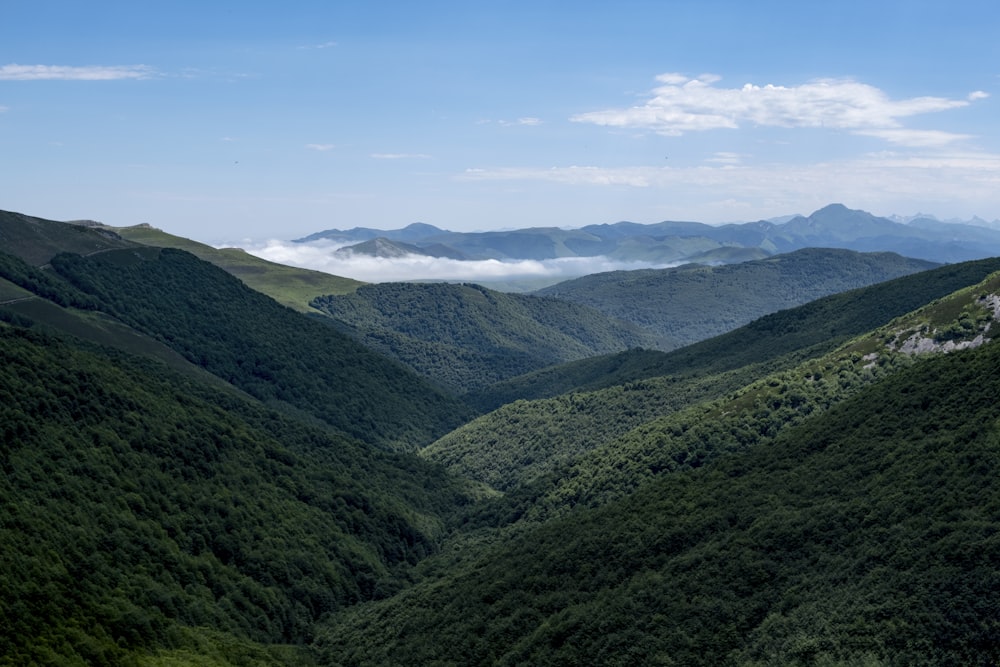
Far from the arid landscapes of the south of the country, Bilbao sits in a region of high mountains, dense forests, and regular rain sweeping in from the sea. And if you want to explore this natural environment further, you’re in luck.

Leave your heavy bags behind at a luggage storage facility in Bilbao and check out some of these great natural escapes for yourself. Along the way, you’ll gain a new appreciation for the natural beauty of the Basque country.

Elorritxueta / Vivero

Elorritxueta / Vivero


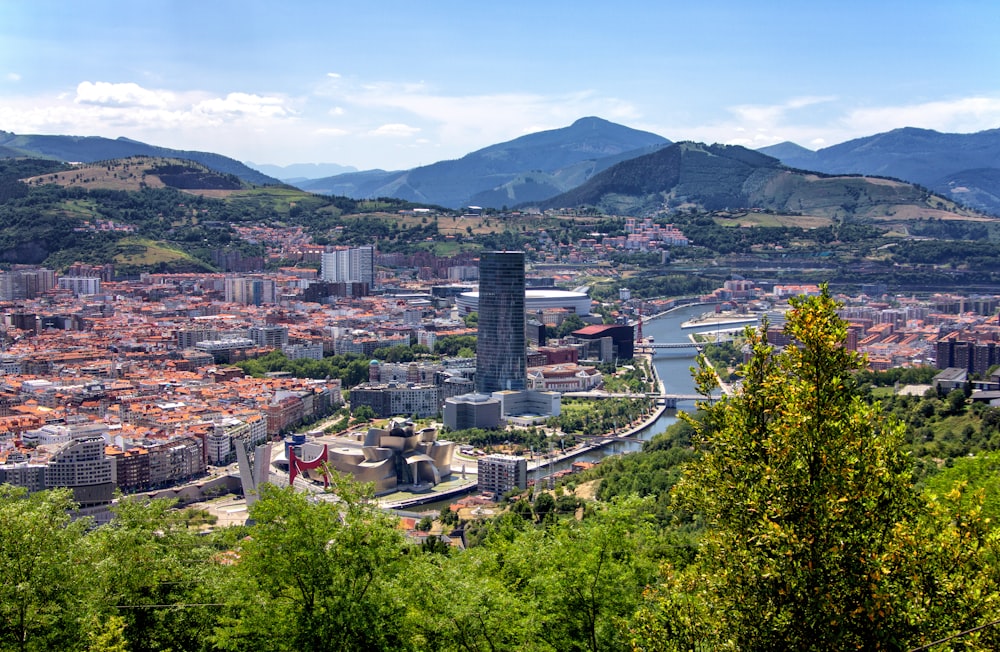
If your time in Bilbao is limited or you just don’t want to stray too far from the city, this hilltop park is a great place to get away from it all without having to go on a long journey. Located just outside central Bilbao itself, this wooded park offers incredible views over the city and the surrounding mountains, and the picnic tables and barbecue facilities make it the ideal place for a picnic.

You’ll also find plenty of walking trails both in and around this park that can lead you to other points of interest in the region. For example, there’s an old bunker and system of tunnels dating back to the Spanish Civil War just a short walk away from the park and a scenic spot that provides one of the very best views of Bilbao from above at Ganguren Mendiaren Gailurra. Easy to reach from the city itself with a drive of less than half an hour, this is a popular spot with locals that is not well-known to travelers but provides a great natural escape close to the city.

Atxabiribil Beach

Bilbao isn’t technically coastal itself, but it’s not at all far from the wild Atlantic, and in the summer, the beautiful beaches overlooking the Bay of Biscay become some of the most popular places in the area to hang out and enjoy nature.

This beach nicknamed the Wild One for its unspoiled scenery, is a beautiful example. Huge waves roll in from the ocean, and it’s rumored that this was the first place anyone ever surfed in the Basque country. That’s a tradition that’s kept alive today, with surfers traveling here from across Spain to enjoy some of the best waves anywhere in the country.

Reachable via Bilbao’s Metro system, this isn’t a place where you can expect to have the sand all to yourself, especially on a sunny day in summer. It’s also one of the most accessible beaches in the area, making it popular with families with kids. Still, if you want a beautiful beach that’s easy to reach and big enough that you can usually find some space even on the hottest day, this is a great option.

Urdaibai Biosphere Reserve

Urdaibai Biosphere Reserve

Just a little to the east of Bilbao, this sprawling nature reserve is the perfect place to get away from it all. Covering 22,000 hectares surrounding a coastal estuary, this park offers dense forests, towering cliffs, and secluded beaches that feel like the middle of nowhere.

The park is perhaps best known for its marshlands, which provide a crucially important habitat for shorebirds and other wildlife in this ocean area. That makes this a fantastic place for birdwatching. You’ll also find tons of hiking trails in the area leading you to spectacular views over the sea. If you want to get away from it all in the Basque country, there aren’t many better places to come than this.

Faro Del Caballo

For a stunning encounter with the rugged coast of the Bay of Biscay, head to this lighthouse outside Bilbao. An hour’s drive from the city, the astonishing views of the bright blue ocean and the frowning cliffs above it make it worth a special trip.

The lighthouse itself isn’t all that impressive, but with the surroundings, it doesn’t need to be. There is a long coastal trail that will take you up over the cliffs and reward you with exceptional views, and there are even places where you can jump into the water from the cliffs to cool off on a hot summer’s day.

Gorbeia Natural Park

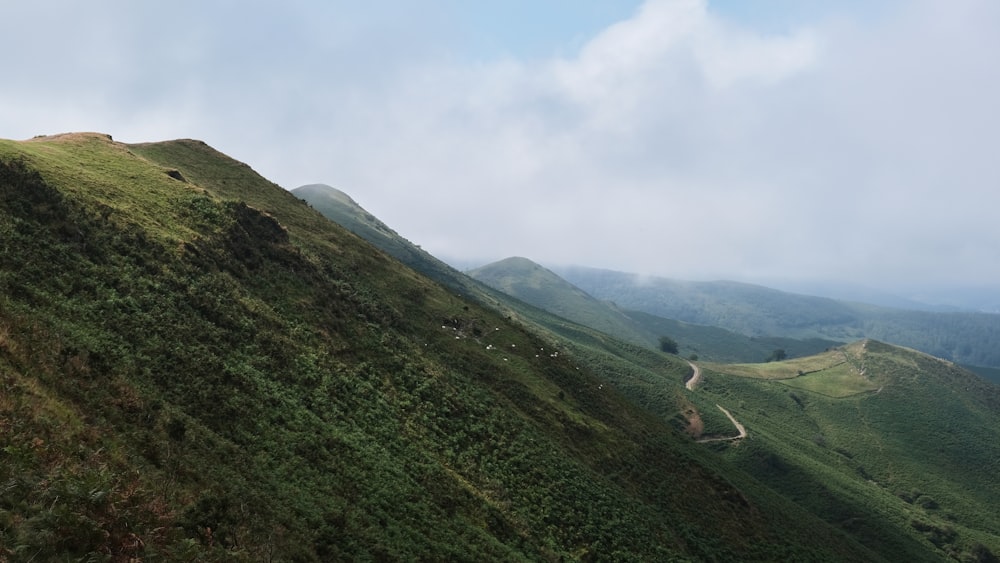
Around an hour’s drive from the city, this natural park protects Gorbeia, the highest peak in the area and a mountain of deep significance to Basque people. Rising to 1482 meters above sea level, the mountain provides unrivaled views over the Basque country and beyond. It’s also a popular place for hiking and climbing, with a variety of trails offering everything from an easy stroll to a challenging multi-day adventure.

Don’t miss the beautiful Gujuli waterfall, and if you have the stamina for it, attempt the mountain peak. Undoubtedly one of the most beautiful natural areas in the area, this is a place any outdoor lover will cherish.

Enjoy Basque Country

Enjoy Basque Country

Along with its artistic and cultural treasures, Bilbao is blessed with some truly exceptional scenery. Leave your bags behind and allow yourself to explore this rich natural environment on your next trip to northern Spain.

Read Also:

Share on Social Media

Ankita Tripathy loves to write about food and the Hallyu Wave in particular. During her free time, she enjoys looking at the sky or reading books while sipping a cup of hot coffee. Her favourite niches are food, music, lifestyle, travel, and Korean Pop music and drama.

Leave a Reply

Your email address will not be published. Required fields are marked *

title-img Related

READ MORE tibet tourism

Essential Tips To Ensure Sustainable And Responsible Tibet Tourism

BY  Ankita Feb 27, 2024

Tibet, often called the Roof of the World, is known for its stunning beauty and spiritual significance. Every year, travelers from around the globe are drawn to this majestic land in search of adventure and enlightenment. However, it's important to remember that Tibet's beauty is delicate and needs to be protected. So, as visitors, we must respect its traditions and environment to keep it beautiful and welcoming for generations to come. In this guide, we'll share five essential tips to help you explore this place with mindfulness and respect. These tips will ensure your visit leaves a positive impact on this incredible region. So, without further ado, let's delve right in! 1. Choose a Trusted Travel Partner When planning your trip to Tibet, selecting the right travel partner can make all the difference. However, it requires careful consideration. So, look for agencies that deeply understand and respect the region's culture and environment. Also, consider one with sustainability certifications and memberships in responsible Tibet tourism organizations. Plus, ensure they are well-versed in navigating the complexities of traveling to this place, including obtaining a Travel Permit. This is essential for regulating travel and safeguarding its resources. So, prioritize those openly discussing the tibet travel permit price, its importance, and their efforts to secure it. They should also provide information on how they support local economies and conservation efforts. Moreover, they'll also advise you on respecting local communities and religious sites while minimizing environmental impact. Overall, this way, you embark on a journey that sustainably enriches your travel experience. 2. Respect Tibetan Cultural and Religious Customs It is a land steeped in spiritual and cultural traditions. So, showing respect is essential to honoring its essence. This involves dressing modestly, especially when entering monasteries and other sacred sites. It also means understanding the importance of maintaining silence in holy spaces and following the tradition of walking clockwise around religious objects. Moreover, when taking photos, asking for permission is polite, particularly when photographing monks or pilgrims. This simple gesture demonstrates respect for their culture and traditions. Ultimately, by embracing its customs and traditions, you foster mutual respect between visitors and locals. So, take this opportunity to learn from the Tibetans. It's a precious gift that can turn your journey into a profoundly transformative experience. 3. Abide by Local Laws Understanding and adhering to local laws in Tibet is more than just compliance. It's a reflection of your respect for the region and its people.  For instance, apart from respect, there are specific regulations regarding photography. Some areas, like certain buildings or military installations, may have restrictions on taking pictures. Additionally, some locations may require special permits. So, you need to be aware of the places you're allowed to visit. By staying informed about these laws, you can ensure a smooth trip and help preserve Tibet's cultural and natural heritage. Remember, responsible Tibet tourism is all about making positive impacts and respecting local laws. So, always abide by the rules and regulations during your visit. 4. Follow Leave-No-Trace Principles While Trekking Tibet's natural landscapes are breathtakingly pristine. So, maintaining this unspoiled beauty requires adherence to Leave No Trace principles during your treks. Firstly, ensure you carry out all your trash, leaving no litter behind. This includes packaging and any waste produced during your trek. Moreover, minimize the impact of campfires by either using portable stoves or designated fire rings, if available. Doing so prevents damage to the surrounding vegetation and wildlife habitats. Additionally, treat water sources carefully to avoid contamination and maintain their purity. Besides, stick to established trails and designated campsites to minimize erosion and protect fragile ecosystems. Remember, these practices aren't just about conservation. Instead, they're about showing respect and gratitude to the natural world that graciously welcomes you. 5. Avoid Paying for Photos or Handing Out Medicine While it may seem nice, paying for photos or giving out medicine without thinking can cause problems. It might make people depend on handouts and change how the community works. Instead, focus on meaningful talks and treating people with respect. However, if you still want to help, support local businesses or trusted non-profits that work closely with the community. This helps sustain local traditions and ensures your actions make a positive difference. By avoiding paying for photos or handing out medicine randomly, you help empower local communities and promote sustainable Tibet tourism. 6. Joining A Tibet Group Tour Most travel agencies in Lhasa offer Tibet group tours that are a far more sustainable choice than individual visits. These group tours are designed to help make touring Tibet affordable while sharing the cost of the designated tour guide and the vehicle with other travelers. By avoiding the extra costs of each individual tourist and having a guide for each of them, the whole setup makes for a well-rounded experience.  These local tour guides are a great way to enhance your Tibetan experience. They have local knowledge that no other professional guides will have. Individual traveling will also not allow you to explore places that are otherwise only known to local people.  These guides will assist you with the local language so that navigating the region and understanding its culture more deeply becomes easy. The uniqueness of this region leaves every visitor feeling rejuvenated. Local tour guides also allow you to curate your experience according to your taste and desires. It will cover all your specific interests without all the added hassle.  Tips: Carry a reusable water bottle and a filter to decrease the environmental impact of your visit. Avoid littering and respect your natural surroundings. Take the public route when it comes to transportation instead of getting a private drive. Get locally sourced foods and products to minimize littering and waste.  Respect the wildlife around you and avoid all activities that harm animals. Look for eco-friendly accommodations that help you prioritize the minimization of waste and sustainability. Cultural Taboos Visitors should stay aware of the cultural taboos when choosing to travel to Tibet. Be modestly dressed and stay respectful. You must be especially mindful when visiting temples and other religious sites. As a visitor, you must also avoid touching and pointing at statues and objects of religious significance. You must also make sure to walk clockwise around prayer flags and other religious sites. It is also considered disrespectful if you step over someone’s threshold or the threshold of a religious site. Visitors must also avoid talking about sensational topics or engaging in any kind of behavior that is contrary to the cultural norms of the region.  Try researching and understanding the local customs and traditions before traveling. This will help you stay sensitized towards the expected regional culture. Final Thoughts Exploring Tibet's sustainability is an opportunity to immerse yourself in its stunning landscapes and rich cultural tapestry. By following the tips mentioned above, your journey to this place can be a model of responsible Tibet tourism. To summarize, it is important to prepare and respect the local cultural environment. If you are planning a trip to Tibet, you are advised to work with a reputable travel agency in order to obtain the necessary permits and plan a safe and enjoyable trip. Tibet is a beautiful as well as unique destination. You must not desecrate the culture of the region by being careless of its traditions and ideals. So, travel with intention, respect, and a deep appreciation for the places you visit. It will make your global footprint a positive one. Read Also: The Ultimate Guide To Everest Base Camp And Manaslu Circuit Trek Which Is The Best Time To Visit Spiti Valley? – Travel Guide Five Best Things To Do In Nepal

READ MORE Suva cultural guide

Suva Cultural Guide: Discover The Hidden Gems And Cultural Heart Of Fiji 

BY  Sibashree Jan 15, 2026

The common visuals about Fiji have sun-soaked resorts in Nadi and Denarau. Manicured lawns! The warm “Bula greetings!” And the polished facilities! However, if you want to experience the authentic Fijian life or feel the pulsating soul of the nation, you will have to travel east. It is the cultural heartbeat of the South Pacific. It is a sharp contrast if we compare the tourist polish of the West. You will feel that raw energy and colonial grandeur here. Also, it has a truly inclusive scenario with the Indo-Fijians and the indigenous Fijians constituting the majority of the population. Also, you will find part-Europeans, Chinese, and Caucasians. In this Suva cultural guide, I will talk about the raw energy of the city, its ancient seafaring legacy, vibrant markets, and living traditions. These are far from the poolside cocktails.  For more practical tips for a trip to Suva, you can read my Suva travel itinerary. Why Does Suva Claim The Cultural Capital Status?  Suva, despite being one of the most happening urban centers, has preserved its colonial history. Multiculturalism is another major factor in the cultural capital. Here is a deep dive into its history and transformation. Historical Shift To Powerhouse  Suva has not always been the seat of power. In 1882, the colonial leaders chose Suva as the capital over Levuka. The constraints for Levuka were the sea and the steep mountains. It was the beginning of the rise of a small and modest village as a power hub. However, the city, beginning its journey as an administrative epicenter, has now become a land with a multicultural tapestry. It has the headquarters of many regional organizations. It also has the University of the South Pacific, and a site where indigenous iTaukei traditions, Indo-Fijian commerce, and Chinese and European influences coexist. This diversity has solidified its status as the intellectual and artistic heart of the Pacific.  What Are The Top Cultural Attractions In Suva, Fiji? With the Suva Municipal Market, allowing everyone to have a slice of the Fijian life, the city also has many prominent cultural attractions. Also, the city is so particular about preserving its culture that there have been multiple acts and regulations surrounding it. 1. Fiji Museum And Thurston Gardens  View this post on Instagram A post shared by FIJI MUSEUM (@fijimuseum) The lush Thurston Gardens has the Fiji Museum, which preserves the 3700 years of Pacific history. The Fiji Museum Act (Cap 263) governs the operations and administrations of the museum for the curation and preservation of these artefacts. It also complements the Preservation of Objects of Archaeological and Palaeontological Interest Act (Cap 264), covering over 10,000 national heirlooms like traditional items central to Fiji's identity. Nevertheless, Ratu Finau, a massive 13-meter double-hulled canoe (drua), is the main attraction of the museum. It is a telltale of the rich maritime history of the nation. You will even find the Lapita pottery, the distinctive, stamped earthenware that allows archaeologists to trace the migration of the first Pacific Islanders.  Furthermore, the garden was built in the 1880s, and it has over 100 species of lilies and palm trees. 2. Suva Municipal Market  With the right Suva market guide, you will see how Suva comes to life from Thursday to Saturday. The Yaqona or Kava section on the second floor is the place where the city gets Kava roots and powders. Now, Kava is not just a drink. It is a social glue. When buying Kava (Yaqona) as a gift, ask for "Waka" (roots) rather than "Lewena" (stem) for higher respect/potency. On the other hand, the ground floor offers a kaleidoscope of taro (dalo), cassava, and jackfruit. These celebrate the city's Indo-Fijian roots. Furthermore, the air here smells of cumin and turmeric. Arrive from 6 AM to 10 AM on a Saturday to immerse yourself in a beautiful story of Fiji’s daily sustenance. 3. Government Buildings And Parliament Complex  The government buildings and parliament complex, showing the quintessential Art Deco style of the 1930s, face Albert Park. Albert Park is the place where Charles Kingsford Smith landed his Southern Cross in 1928. Here, you will also find the statue of Ratu Sir Lala Sukuna, the founding father of modern Fiji, whose legacy of land reform and indigenous rights still shapes the nation today.  Furthermore, the striking design of the parliament (after 1987) symbolizes unity. The National Trust of Fiji plays an important role in preserving these government buildings and the parliament complex. Suva Cultural Guide Of The Hidden Gems Off The Path  The Suva Fiji hidden gems are the telltale of the rich cultural and artistic legacy of the South Pacific. These are the places you need to explore. 1. USP Oceania Centre For The Arts  At USP, Epeli Hau'ofa's legacy lives. Catch Oceania Dance Theatre rehearsals, mesmerizing meke dances with stomping feet and ulu chants, or Red Wave Collective's bold canvases challenging colonial narratives. Live music, theatre, and talks pulse here, bridging ancient oral lore with contemporary fire. Free events draw locals and visitors alike. The Department of Heritage and Arts in Fiji plays a key role in safeguarding the nation's intangible cultural heritage, including traditional dances and music.  2. Draiba Cemetery And Sacred Heart Cathedral  Suva's Old Cemetery on Queen's Road whispers of pioneers and chiefs, graves oriented east for resurrection. It is a syncretic blend of Christianity and custom. Nearby, Sacred Heart Cathedral's French-imported sandstone vaults and stained glass offer humid respite. Dress modestly (shoulders and knees covered), remove hats, and absorb the choral echoes that define Fijian worship. 3. Fiji Arts Council Handicraft Centre  View this post on Instagram A post shared by Asia Pacific Region Crafts (@worldcraftscouncil_asiapacific) You will find certified "Fijian Made" masi barkcloth, kava bowls, and war clubs here. The Fiji Arts Council ensures authenticity, bolstering local artisans against imports. Perfect for ethical souvenirs tying into Heritage Department efforts. Cultural Etiquette: Honoring The Vanua  The Vanua, meaning the land and the kin, is sacred. In villages, offer sevusevu kava to the Turaga ni Koro for entry blessing. Wrap a sulu sarong modestly, men and women alike. Taboos: No head-touching (sacred seat of spirit), no hats indoors, ask before taking photos. The Department of Heritage and Arts safeguards these intangibles, such as dances, music, and pageantry, via UNESCO-aligned inventories, policies, and community revivals despite funding hurdles. A Flavorful Day: 1-Day Itinerary  Morning: Dawn at Municipal Market for produce frenzy, then Fiji Museum for historical grounding (allow 2 hours).  Lunch: Savor lovo, an earth-oven feast of taro, chicken, and palusami or fiery Indo curry at a hole-in-the-wall.  Afternoon: Oceania Centre for Art Pulse, then Colonial Walk: Government Buildings, Albert Park, Grand Pacific Hotel.  Evening: Kava bowl with locals, reflecting on Suva's layers. Total cost: Under $20 FJD sans taxis.  The Taste Of Suva  A Suva food tour will help you know how history flavors every plate of Suva. Fijian lovo buries sustenance in earth ovens; Indo-Fijian curries fuse cumin-heat with dalo; Chinese woks stir-fry cassava. Try kokoda (citrus-marinated fish) or fresh market seafood. Each bite traces the Girmitiya laborers, chiefly feasts, and fusion resilience.  Language Basics: A Suva Cultural Guide Bula! Hello/welcome.  Vinaka. Thank you.  Moce. Goodbye.  Tulou. Excuse me.  Ia bula vinaka? All good? (Ice-bo-la vi-nacka)  Sustainable Travel Tips  Fiji battles plastics  Bring reusables to markets  Support Heritage Department goals by choosing artisan crafts, minimizing footprint in rain-lashed paradise.  Expert Tips For Suva Cultural Travelers  Buy Authentic: Check the "Fijian Made" stamp at the Handicraft Centre.  Taxi Meter: Always ask the driver to turn on the meter. A ride within the city should rarely cost more than $5-$7 FJD.  Umbrella is Essential: Suva is the "rain capital." So, you will need an umbrella.  Respect Sundays: Sunday is a strict church/family time. Most shops are closed. So, you can plan a Suva Nature tour on Sundays.  Ask Before Clicking: Always ask permission before photographing locals, especially vendors in the market.  Suva Cultural Guide: Frequently Asked Questions (FAQs)  Here are the frequently asked questions and answers about the Suva cultural guide. 1. What Is The Best Way To Get Around Suva For Cultural Sites? Suva is very walkable. So, take a walk and explore the downtown heritage buildings. However, if you don’t want to walk and have a more relaxing experience, you can take a taxi, which is easily available and is cheap. 2. Is Suva Safe For Tourists? Yes, Suva is safe for tourists. According to Numbeo, it has a crime rate of 58.60. However, like any capital city or tourist place, it has its own share of challenges. You have to keep your valuables safe. Also, do not walk alone at night. 3. Do I Need Guide For The Fiji Museum? You can go for a self-guided tour of the Fiji Museum. It will take around 1-2 hours. However, if you want to know about human history and behind the scenes here, you will of course need a guide.For an overseas visitor, an entry to the museum costs around $20, and with an added guided tour, it will be $30. 4. What Should I Wear To The Sacred Heart Cathedral? You have to remove your hat while entering the cathedral, and your knees and shoulders must be covered.You can wear the traditional sarong or a maxi dress. Overall, your dress must be modest. 5. Can I Drink The Kava Offered To me? Yes, it is polite to accept. Clap once, say "Bula," drink in one go, and clap three times after. If you are trying the Kava for the first time, you must choose a low-tide of half a cup instead of a high-tide or a full cup.At first, you may feel like having peppery muddy water. However, the taste grows on you, and it has a mild sedative effect. 6. Where Can I See Traditional Fijian Dancing (Meke)? The Oceania Centre at USP often has rehearsals, or major hotels host distinct cultural nights. Furthermore, the Fiji Museum, being the cultural preservation hub, often hosts Meke. 7. What Currency Is Used At The Markets? Fijian Dollars (FJD) are used at the markets. Cash is king as local vendors do not take cards. However, you can shop with cards at TappooCity, and other large supermarkets accept cards. Also, many locals use an app called M-PAiSA for digital payments. 8. Is The Government House Open To The Public? No, the government house is not open to the public as it is the President's residence, but you can view the changing of the guard from the gate. The changing of the guard ceremony takes place in the first week of every month. 9. How Far Is Colo-I-Suva Forest Park From The City? Colo-I-Suva Forest is about a 15-20 minute taxi ride from the CBD. The journey through the Princes Road covers a distance of around 12 kilometers.You can also take a bus. However, it will take longer because of the multiple stops. 10. What Is The Significance Of The Tabua (Whale's Tooth)? It is the highest cultural token of respect in Fiji, often seen in museum displays but rarely handled by tourists. It is the polished tooth of the sperm whale, and in weddings, it is often the price offered to the family of the bride for asking her hand in marriage. Read Also: A Tucumán Historical Sites Guide: Independence, Incas & Jesuits In Northern Argentina Tucumán Nature Guide: Exploring The Yungas Rainforest And High Andes Tucumán Food Guide: The Capital Of The Empanada And Milanesa

READ MORE Business Traveler's Guide To Bangkok

The Ultimate Business Traveler’s Guide To Bangkok

BY  Abdul Aziz Jan 20, 2024

Bangkok, Thailand's energetic and cosmopolitan capital, is a prime destination for business travelers. Its unique combination of rich cultural heritage and modern business facilities makes it an exciting and productive city for professional engagements. This guide is designed to help you navigate and enjoy your business trip to Bangkok, balancing work commitments with the vibrant experiences the city has to offer. A Thriving Hub For Business And Innovation Bangkok is not just Thailand's political and cultural capital; it's also a burgeoning hub for business and innovation. The city is a dynamic playground for startups and established businesses alike, thriving in a climate that fosters growth and creativity. This environment is particularly conducive for a wide range of industries, from technology to tourism, and notably for the burgeoning advertising sector. For professionals seeking specialized services, finding an advertising agency in Bangkok is a testament to the city's diverse and vibrant business landscape. These agencies are often at the forefront of blending local insights with global trends, making Bangkok an exciting and strategic location for businesses aiming to expand their reach both in Asia and internationally. This blend of traditional values and modern entrepreneurial spirit makes Bangkok a compelling destination for business travelers who are looking to tap into new markets and explore innovative business opportunities. Navigating Bangkok Bangkok's traffic is notorious, but fear not, as the city's public transit systems, like the BTS Skytrain and MRT Metro, provide efficient and quick ways to traverse the city. Taxis and ride-hailing services are also readily available for more direct routes. When traveling in Bangkok, planning to avoid peak traffic times and keeping some cash handy for taxi fares can save you both time and hassle. Read Also: The Business Trip Tips And Diet Accommodation For Business Travelers Choosing the right accommodation is crucial for a business trip. Bangkok's commercial districts such as Sukhumvit, Silom, and Sathorn are ideal locations to stay. These areas are not only in proximity to business centers but also offer a diverse array of dining and leisure activities. Hotels in these districts usually provide the necessary amenities for business travelers, including meeting facilities and high-speed internet access. Dining And Networking Bangkok's dining scene is a delightful blend of traditional Thai flavors and international cuisines. Upscale restaurants across the city provide the perfect setting for business dinners. Additionally, Bangkok's vibrant nightlife and numerous rooftop bars and luxury lounges present excellent opportunities for informal networking and relaxing after a busy day. Business Etiquette In Bangkok Understanding the nuances of Thai business etiquette is important. A respectful approach, which includes the traditional Thai greeting 'Wai', dressing conservatively for business meetings, and being punctual, is appreciated. These small gestures can go a long way in fostering good professional relationships. Meetings And Conferences The city is well-equipped to host business events and conferences, boasting several world-class convention and exhibition centers. These venues offer modern facilities and are capable of accommodating a wide range of corporate functions and events. Leisure And Cultural Exploration A business trip to Bangkok is not complete without experiencing its rich cultural heritage. The city's historical landmarks, such as The Grand Palace, and leisurely boat rides on the Chao Phraya River offer a glimpse into Bangkok's history and beauty. The city also boasts an array of shopping options, from high-end malls to traditional markets, and numerous spas offering relaxing Thai massages, perfect for unwinding. Practical Advice For A Smooth Trip Staying connected is vital, so getting a local SIM card for easy communication is advisable. Being mindful of local customs and traditions will enhance your experience in Bangkok. Due to the tropical climate, staying hydrated is also important for your health and well-being. Conclusion Bangkok offers an unparalleled mix of business and leisure opportunities, making it an ideal destination for business travelers. The city's efficient infrastructure, combined with its rich cultural tapestry, ensures a productive and enjoyable visit. For business professionals seeking specific services, Bangkok's diverse business landscape includes various agencies and firms. When you're in Bangkok for business, immerse yourself in the city's dynamic rhythm, where every professional trip can turn into an enriching experience. Read Also: Crime Rate In Florida Trending Down While California Skyrockets: Report World’s Most Famous Christmas Tree Has Reached Trafalgar Square